
The Whispers of Rebellion: Unraveling the Internal Conflicts That Weakened the Inca Empire

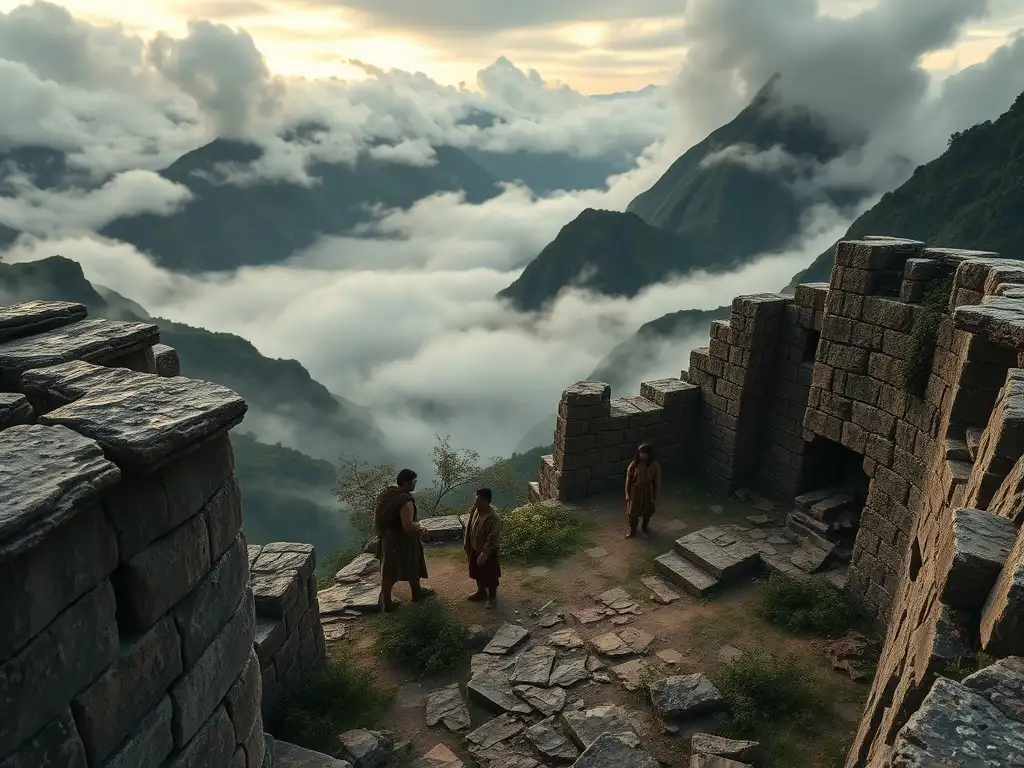
Step into a world lost to time, yet echoing with the whispers of rebellion. The Andean Civilizations website unveils the fascinating tapestry of ancient empires, their breathtaking artistry, and ingenious technologies. But beneath the surface of glittering gold and intricate textiles lies a darker story. Prepare to delve into the heart of the Inca Empire internal conflicts, a turbulent period that ultimately paved the way for the Spanish Conquest. Discover the hidden cracks within this seemingly invincible civilization – and uncover the secrets that led to its dramatic downfall. Are you ready to unravel the mystery?
The Inca Empire, a marvel of engineering and political organization spanning vast swathes of the Andes, ultimately succumbed to Spanish conquest. However, the seeds of its downfall were sown long before Pizarro's arrival. This article delves into the often-overlooked internal conflicts that significantly weakened the Inca Empire, making it vulnerable to external forces.
We will explore the inherent fragilities within the seemingly invincible Inca system, examining the tensions, rebellions, and power struggles that eroded the empire's unity from within. Understanding these internal fissures is crucial to a complete understanding of the Inca Empire's dramatic collapse and the subsequent impact on Andean history. This exploration will focus on the factors contributing to the weakening of the Inca Empire, specifically addressing the keyword "Inca Empire internal conflicts" and its various facets.
Introduction: The Seeds of Discord Within the Inca Realm
The Inca Empire, or Tawantinsuyu, meaning "the four regions," was a remarkably sophisticated civilization. Its vast infrastructure, intricate social structures, and advanced agricultural techniques fostered a period of unprecedented prosperity and expansion. However, this apparent strength masked underlying vulnerabilities. The Inca system of rule, while effective in consolidating power and managing a diverse population, contained inherent contradictions that ultimately fueled internal dissent and rebellion.
The carefully constructed facade of unity frequently cracked under the weight of ethnic tensions, succession crises, and regional power struggles. The arrival of the Spanish conquistadors exploited these pre-existing weaknesses, accelerating the empire's disintegration. The whispers of rebellion, initially muted, eventually grew into a deafening roar that contributed significantly to the empire's demise. Understanding these internal conflicts is key to comprehending the Inca Empire's vulnerability and eventual fall.
The Fragile Unity of Tawantinsuyu
The vast expanse of the Inca Empire, encompassing diverse ethnic groups and geographically distinct regions, presented significant challenges to maintaining a unified state. While the Inca administration implemented strategies to integrate conquered peoples, these measures often proved insufficient to quell simmering resentment and aspirations for autonomy. The Inca's system of control, while impressive, was not without flaws.
The Inca System of Governance and its Limitations
The Inca employed a highly centralized system of governance, with the Sapa Inca (emperor) at its apex. This system relied heavily on a complex bureaucracy, a network of officials, and a sophisticated system of tribute and labor (mita). However, this centralized power structure also created vulnerabilities. The Sapa Inca's authority, while absolute in theory, was often challenged by ambitious nobles and regional governors vying for power.
Succession disputes, a recurring theme throughout Inca history, frequently resulted in civil wars that depleted resources and weakened the empire's military strength. The lack of a clear, codified succession law often led to violent struggles for the throne, leaving the empire vulnerable to internal strife. The system, while efficient in its prime, proved brittle in the face of internal conflict. The sheer size and complexity of the empire also made effective communication and control difficult, allowing regional dissent to fester.
Regional Tensions and Ethnic Divides
The Inca Empire incorporated numerous ethnic groups, each with its own distinct culture, language, and traditions. While the Incas implemented policies aimed at assimilation, including the resettlement of conquered populations and the imposition of the Quechua language, these measures did not fully erase pre-existing ethnic identities and loyalties. Many conquered groups harbored resentment towards Inca rule, leading to periodic uprisings and rebellions.
These rebellions, though often suppressed, drained the empire's resources and manpower, weakening its ability to resist external threats. The constant need to quell internal dissent diverted resources and attention away from other critical areas, leaving the empire vulnerable to the Spanish conquest. The diverse tapestry of ethnicities within the empire, while contributing to its richness, ultimately proved to be a source of instability and conflict.
The suppression of these internal conflicts required significant resources and manpower, further weakening the Empire’s overall strength. This internal fragility ultimately paved the way for the Spanish conquest.
The Rise of Rival Factions: A Power Struggle
The Inca Empire, despite its impressive expansion and sophisticated administrative system, was not immune to internal strife. The vastness of the empire, coupled with its complex social hierarchy, created fertile ground for power struggles and the emergence of rival factions. Control over resources, particularly agricultural lands and mineral wealth, fueled these rivalries.
Different lineages within the imperial family, each with their own supporters and ambitions, competed for influence and dominance. This competition was not always overt; often, it manifested as subtle maneuvering for political advantage, the accumulation of wealth, and the cultivation of loyalties within the bureaucracy and the military. The intricate web of kinship ties and alliances within the Inca nobility often became weapons used in this ongoing struggle for power.
The system of ayllus, the traditional kinship-based communities, also played a significant role, with loyalties often divided along these lines, further complicating the internal political landscape. The seeds of rebellion were sown in these subtle power plays, long before open conflict erupted.
The Succession Crisis: Huayna Capac's Death and its Aftermath
The death of Huayna Capac, the powerful Inca emperor, in 1527 (possibly from smallpox), triggered a catastrophic succession crisis that plunged the empire into a devastating civil war. The lack of a clear heir exacerbated existing tensions and rivalries. Huayna Capac had two prominent sons, Huáscar and Atahualpa, both vying for the throne.
The absence of a formalized succession process, relying instead on a combination of lineage, military prowess, and political maneuvering, left the empire vulnerable to a power vacuum. The sudden death of the emperor, coupled with the uncertainty surrounding the legitimacy of either claimant, created a volatile situation that quickly devolved into open conflict.
The empire's carefully constructed balance of power crumbled under the weight of this crisis, unleashing a period of chaos and bloodshed. The absence of a strong central authority allowed regional governors and powerful nobles to exploit the situation, further exacerbating the fragmentation of the empire.
The Conflict Between Huáscar and Atahualpa
The conflict between Huáscar and Atahualpa was not merely a struggle for personal power; it was a clash of competing factions and regional interests. Huáscar, initially declared successor by his father, controlled the central and southern regions of the empire, a domain traditionally associated with greater prestige and power. Atahualpa, however, commanded the loyalty of the northern provinces, a region rich in resources and strategically important.
This geographical division of power mirrored the deeper divisions within the Inca elite, with each brother representing different factions and interests within the imperial court. The war between them lasted for several years, devastating the Inca army and infrastructure, leaving the empire profoundly weakened and vulnerable to external threats. The conflict was brutal, characterized by intense battles and significant loss of life, leaving the Inca state fractured and significantly less powerful.
The Impact of Civil War on the Inca State
The Inca Civil War had a devastating and multifaceted impact on the Inca state, undermining its foundations and ultimately contributing to its conquest by the Spanish. The consequences extended far beyond the battlefield, impacting every aspect of Inca society. The prolonged conflict severely weakened the empire's ability to resist external threats, leaving it vulnerable to the Spanish conquistadors.
Weakening of Military Strength and Infrastructure
The prolonged civil war between Huáscar and Atahualpa resulted in a significant depletion of the Inca army's manpower and resources. Elite warriors were killed in battle or died from disease, and the constant fighting disrupted the empire's sophisticated logistical network. The construction of new infrastructure, essential for maintaining control over such a vast territory, came to a standstill.
Existing infrastructure, including roads, bridges, and storage facilities, suffered from neglect and damage due to warfare, hindering the empire's ability to mobilize resources effectively. The war also led to a significant loss of skilled artisans and engineers, further compromising the empire’s capacity for rebuilding and defense. This weakening of military strength and infrastructure left the Inca Empire significantly vulnerable to external conquest.
Disruption of Agricultural Production and Trade Networks
The Inca Civil War caused widespread disruption to agricultural production and trade networks, leading to widespread famine and economic instability. The constant fighting and movement of armies disrupted planting and harvesting cycles, resulting in reduced crop yields and food shortages. Trade routes, crucial for the distribution of food and other essential goods throughout the empire, were severely disrupted, leading to shortages in urban centers and further exacerbating the economic crisis.
The destruction of irrigation systems and agricultural terraces, vital for Inca agriculture, further compounded the problem. This economic instability weakened the empire's ability to support its population and its military, contributing to its overall vulnerability. The economic devastation directly fueled social unrest and discontent, further destabilizing the already fragile empire.
Erosion of Loyalty and Social Cohesion
The Inca Civil War significantly eroded the loyalty and social cohesion that had been the bedrock of the empire's strength. The prolonged conflict created deep divisions within Inca society, pitting different regions, lineages, and social groups against each other. The brutality of the war and the resulting loss of life and displacement undermined trust in the ruling elite, eroding the traditional social order.
The weakening of the ayllu system, the traditional foundation of Inca society, further contributed to this fragmentation. This erosion of loyalty and social cohesion left the empire deeply fractured and vulnerable to both internal and external threats. The loss of faith in the imperial authority created an environment ripe for exploitation by external forces, contributing significantly to the ease with which the Spanish conquistadors were able to conquer the empire.
The Role of Pre-existing Resentments
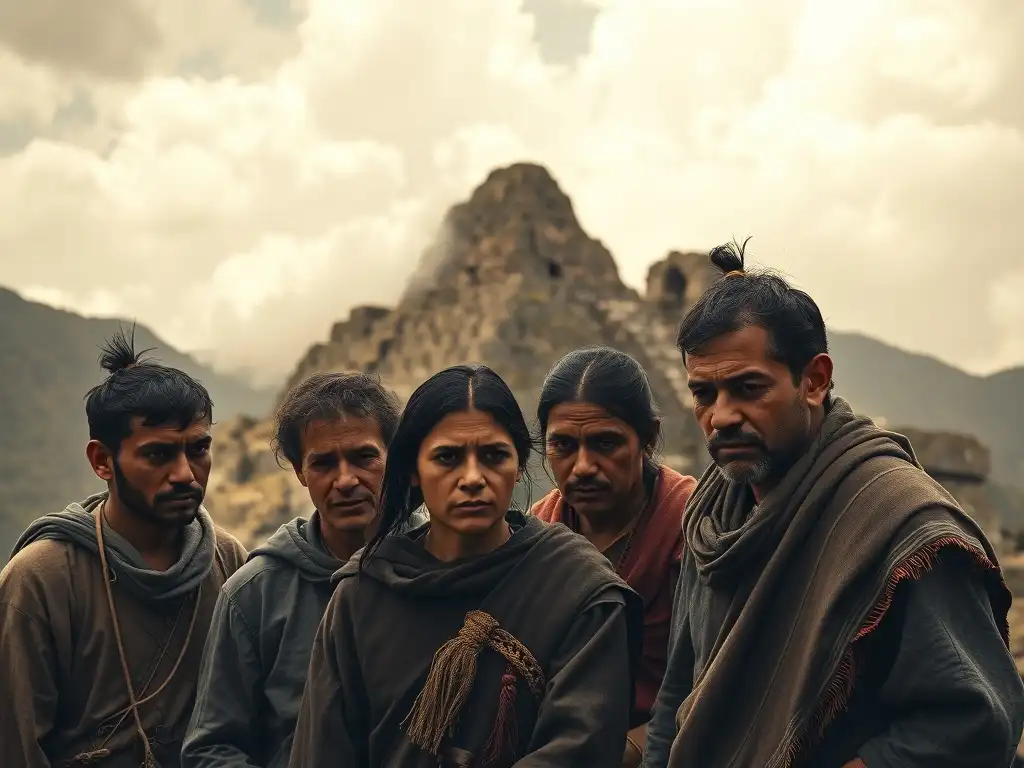
The Inca Empire, despite its impressive expansion and sophisticated administrative system, was built upon a foundation of conquered territories and subjugated peoples. Long before the arrival of the Spanish, seeds of discontent were sown. The Inca strategy of incorporating conquered populations into their vast empire, while effective in expanding their power, often led to resentment and simmering rebellion.
The Inca system, though structured, wasn't always equitable. While some conquered groups were integrated relatively smoothly into the imperial structure, benefiting from access to resources and infrastructure, many others faced harsh treatment, forced labor ( mita ), and the imposition of unfamiliar cultural norms. This created a fertile ground for rebellion, with pre-existing ethnic tensions and rivalries exploited by those seeking to challenge Inca authority.
The Inca's effective control, while seemingly absolute, masked underlying tensions that would eventually contribute to the empire's downfall. The resentment fostered by these inequities, passed down through generations, fueled future uprisings and weakened the empire's internal cohesion.
The Oppressed Ethnic Groups and Their Desire for Autonomy
Many ethnic groups within the Inca Empire, particularly those incorporated later in the expansionist phase, harbored a strong desire for autonomy. Groups like the Chancas, who had fiercely resisted Inca conquest, maintained a simmering hostility. The Inca's policy of resettlement, relocating entire populations to different regions to prevent rebellion, further exacerbated tensions. This disruption of social structures and traditional ways of life only intensified the longing for self-determination.
The constant threat of rebellion from these groups forced the Inca to divert considerable resources towards maintaining control, weakening their capacity to respond to external threats, including the approaching Spanish. The desire for autonomy wasn't merely a passive longing; it manifested in active resistance, contributing to the weakening of the Inca Empire from within. The Aymara, for instance, displayed continuous resistance, highlighting the widespread nature of this discontent.
The Impact of Inca Impositions on Local Customs and Beliefs
The Inca's imposition of their religious beliefs and practices on conquered populations also contributed significantly to internal conflict. The Inca state religion, centered around the worship of the sun god Inti, was aggressively promoted throughout the empire. Local deities and traditions were often suppressed, leading to resentment and cultural clashes. The destruction of sacred sites and the forced adoption of Inca religious practices created a sense of cultural loss and alienation among many groups.
This religious suppression, coupled with the economic and political oppression, fueled resistance and undermined the Inca's ability to govern effectively. The Inca's attempts to homogenize their empire culturally backfired, creating widespread resentment that ultimately played a crucial role in the empire's eventual downfall. The forced conversion to Inca religious practices, for example, directly impacted the social fabric of local communities.
The Inca Empire Internal Conflicts: A Catalyst for Collapse
The Inca Empire's internal conflicts were not merely simmering resentments; they erupted into full-blown civil war following the death of Huayna Capac. His death triggered a power struggle between his sons, Huáscar and Atahualpa, plunging the empire into a devastating conflict. This civil war, fought with brutal intensity, severely weakened the Inca military and its administrative capabilities.
The conflict drained resources, diverted attention from external threats, and created widespread chaos and instability throughout the empire. This internal strife, more than any external factor, paved the way for the relatively easy conquest by the Spanish conquistadors. The weakened state of the Inca Empire after the civil war presented a unique opportunity for Pizarro and his forces.
How the Inca Civil War Facilitated the Spanish Conquest
The Inca Civil War drastically weakened the empire's military might and its political infrastructure. The prolonged conflict left the Inca army depleted, its resources exhausted, and its leadership fractured. When Pizarro arrived in the Andes, he found a weakened and divided empire, ripe for conquest.
The Inca were unable to mount an effective defense against the Spanish, partly due to the lingering effects of the civil war. The internal divisions and lack of unity significantly hampered the Inca's ability to resist the Spanish advance, transforming what could have been a formidable challenge into a relatively swift conquest. The Spanish exploited the chaos and weakness that resulted from the war to their advantage.
The Spanish Exploitation of Inca Divisions
Pizarro and his conquistadors were astute in exploiting the existing divisions within the Inca Empire. They skillfully manipulated the rival factions, offering support to one side while weakening the other, thereby exacerbating the internal conflict. The Spanish strategically aligned themselves with various disgruntled groups and individuals within the Inca Empire, further weakening the empire's ability to resist the invasion.
This strategic use of divide-and-conquer tactics, combined with the weakened state of the Inca Empire after the civil war, proved decisive in the Spanish conquest. The Spanish conquest wasn't a straightforward military victory; it was a calculated exploitation of pre-existing tensions and a weakened, divided Inca Empire. This masterful manipulation of internal conflicts ultimately sealed the fate of the Inca Empire.
Lessons from the Inca Empire's Internal Strife
The Inca Empire's dramatic collapse, hastened by the Spanish conquest, offers invaluable lessons about the fragility of even the most powerful empires. The internal conflicts that plagued the Inca state in the decades leading up to the arrival of Pizarro weren't merely minor squabbles; they were deep-seated fissures that weakened the empire's foundations, making it vulnerable to external threats.
Analyzing these conflicts reveals crucial insights into the importance of effective governance, social cohesion, and the devastating consequences of unresolved internal tensions. The Inca experience serves as a cautionary tale for any large-scale political entity, highlighting the need for strong leadership, fair administration, and a system capable of addressing internal dissent peacefully and effectively.
Understanding these dynamics is crucial to comprehending not only the Inca's fall but also the rise and fall of numerous other historical empires. The Inca case study provides a rich tapestry of events to analyze the impact of internal conflicts on imperial stability.
The Importance of Unity and Stability for an Empire
A unified empire, characterized by a shared sense of identity and purpose, possesses a resilience that transcends its military might or economic strength. The Inca Empire, at its zenith, demonstrated this principle. Its highly organized system of administration, intricate road network, and efficient agricultural practices fostered a sense of collective identity and stability.
However, the death of Huayna Capac and the subsequent power struggle between his sons, Huáscar and Atahualpa, shattered this unity. This internal conflict, characterized by civil war and widespread violence, severely weakened the empire's military capacity and its ability to respond effectively to the Spanish invasion. The Inca experience underscores the critical role of strong, centralized leadership in maintaining internal stability and projecting an image of strength to potential external adversaries.
The absence of this unity created a vacuum that Pizarro deftly exploited. The resulting chaos and division among the Inca leadership effectively paved the way for the Spanish conquest, demonstrating the crucial link between internal unity and external security.
The Dangers of Unresolved Internal Conflicts
The Inca Empire's internal struggles weren't simply a matter of succession disputes; they exposed deep-seated societal tensions and inequalities. The empire's vast size and diverse population inevitably led to regional disparities and power imbalances. These inequalities, coupled with the challenges of integrating conquered territories, created fertile ground for rebellion and dissent. The prolonged civil war between Huáscar and Atahualpa, for example, not only decimated the Inca army but also severely disrupted the empire's administrative and economic systems.
The resulting chaos and instability created a power vacuum that the Spanish were quick to exploit. The failure to address these underlying societal tensions before the arrival of the Spanish proved catastrophic. This highlights the crucial need for empires to develop mechanisms for resolving internal conflicts peacefully and addressing the root causes of social unrest. Ignoring these issues can lead to a slow, self-inflicted decline, making an empire vulnerable to external forces.
Conclusion: The Legacy of Division
The Inca Empire's collapse serves as a stark reminder of the devastating consequences of unresolved internal conflicts. The empire's sophisticated administrative system and impressive infrastructure could not compensate for the deep divisions that plagued its society in its final decades. The legacy of this division extends far beyond the immediate consequences of the Spanish conquest.
It provides valuable insights into the factors that contribute to the rise and fall of empires, emphasizing the critical importance of unity, stability, and effective governance. The study of the Inca Empire's internal strife offers a compelling case study for understanding the dynamics of power, conflict, and societal fragility.
The lessons learned from this historical tragedy remain relevant today, offering crucial guidance for maintaining social cohesion and political stability in large and complex societies. The whispers of rebellion ultimately became a deafening roar, shattering the Inca Empire and leaving behind a legacy of caution for future generations.
- Introduction: The Seeds of Discord Within the Inca Realm
- The Fragile Unity of Tawantinsuyu
- The Rise of Rival Factions: A Power Struggle
- The Impact of Civil War on the Inca State
- The Role of Pre-existing Resentments
- The Inca Empire Internal Conflicts: A Catalyst for Collapse
- Lessons from the Inca Empire's Internal Strife
- Conclusion: The Legacy of Division
- What were some key internal conflicts that weakened the Inca Empire?
- How did succession disputes affect the Inca Empire's stability?
- Did the Inca Empire face resistance from conquered peoples?
- How did internal conflicts contribute to the Spanish conquest?
- What were the long-term consequences of these internal conflicts for the Inca Empire?
Frequently Asked Questions
What were some key internal conflicts that weakened the Inca Empire?
The Inca Empire faced numerous internal conflicts, including succession crises following the death of a Sapa Inca, rivalries between different ayllus (clans), and resistance from conquered groups. These internal divisions significantly weakened their ability to withstand external threats.
How did succession disputes affect the Inca Empire's stability?
Succession disputes were a major source of instability. The lack of a clear and consistent system of inheritance often led to civil wars and power struggles, weakening the empire's central authority and distracting from crucial governance.
Did the Inca Empire face resistance from conquered peoples?
Yes, the Inca Empire faced significant resistance from conquered populations. Many groups resented Inca rule and actively sought to rebel or undermine their authority, contributing to internal unrest and weakening the empire's control over its vast territory.
How did internal conflicts contribute to the Spanish conquest?
Internal conflicts significantly weakened the Inca Empire, making it vulnerable to the Spanish conquest. The empire's internal divisions and struggles for power diverted resources and manpower, leaving them less able to effectively resist the Spanish invaders.
What were the long-term consequences of these internal conflicts for the Inca Empire?
The internal conflicts ultimately led to the collapse of the Inca Empire. The weakened state of the empire, coupled with internal strife, made it far easier for the Spanish conquistadors to conquer and dismantle the empire's power structure.
Final Reflection: Echoes of Rebellion, Lessons for Unity
The internal conflicts that fractured the Inca Empire weren't merely historical events; they serve as a stark warning against the corrosive power of division in any society, even the most seemingly powerful. The intricate tapestry of Inca civilization, once a testament to human ingenuity and organization, ultimately unravelled due to its own internal weaknesses, a lesson profoundly relevant in our increasingly interconnected world. Understanding these fractures allows us to better appreciate the fragility of even the most robust systems and the vital importance of unity and effective governance.
The legacy of Inca internal strife continues to resonate today, shaping our understanding of power dynamics, succession crises, and the enduring human struggle for control. The empire's collapse wasn't a singular event but a slow, agonizing process fueled by ambition, resentment, and a failure to address deep-seated inequalities. The strongest empires crumble not from external forces alone, but from the rot within,
a sentiment that echoes across millennia and finds its tragic manifestation in the Inca experience. This internal decay offers a cautionary tale, reminding us that strength lies not just in military might or territorial expanse, but in the cohesion and well-being of its people.
Consider the echoes of Inca discord in your own life, in your community, and in the broader global landscape. What internal conflicts are you witnessing, or perhaps even participating in? How can we learn from the Inca's mistakes to foster stronger, more resilient communities? Let the whispers of rebellion from the past inspire you to build bridges, to address inequalities, and to cultivate a spirit of unity and cooperation—a legacy far more enduring than any empire built on internal strife.
Ignite Your Curiosity – Dive Deeper into Inca History!
Thank you for exploring the intricacies of the Inca Empire and its internal conflicts. Your interest in history is invaluable, and we've uncovered rich insights that will significantly enhance your understanding of this remarkable civilization.
Let's continue exploring! Here are some ways to further engage with this topic:
- Explore Related Articles: Discover more about the social structures, political challenges, and vibrant culture of the Andean civilizations. Each article adds to your understanding.
- Join the Conversation: Share your thoughts on our social media channels or in the comments below. We welcome your insights and perspectives on the Inca Empire's decline.
- Host a Discussion Group: Gather friends or fellow history enthusiasts for a monthly meeting to delve into various aspects of Andean cultures. The more participants, the richer the discussion.
What aspect of the Inca Empire's internal struggles most intrigues you, and what parallels do you see with contemporary society?