
Did Prophecies Foretell the Inca Empire's Fall?: Exploring the Realm of Inca Beliefs

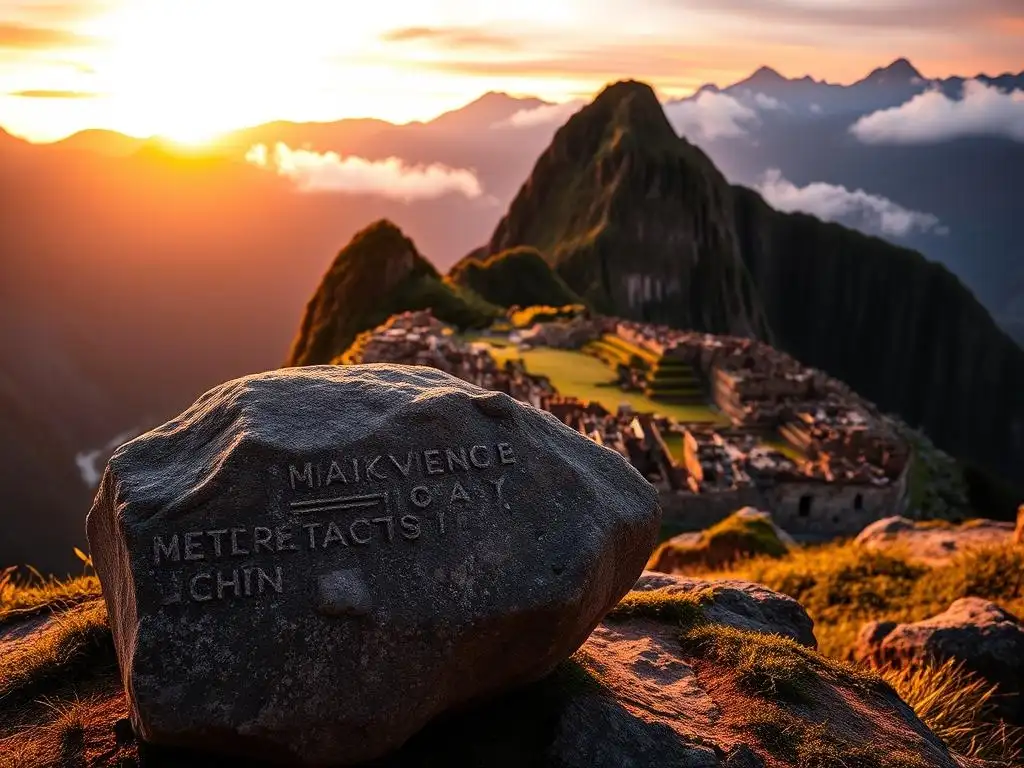
Step into a world shrouded in mystery and ancient power. For centuries, the towering peaks of the Andes have held secrets whispered on the wind – secrets of empires built on ingenuity and faith. But what if the fall of the mighty Inca Empire wasn't simply a matter of conquest? Explore the chilling possibility that Inca prophecies and empire fall were inextricably linked, a destiny foretold in the very heart of their beliefs. Dare to unravel the enigma – delve into the fascinating world of Andean civilizations and discover the truth behind this captivating narrative.
- Inca Prophecies and Empire Fall: Exploring the Realm of Inca Beliefs
- Inca Beliefs and Prophetic Traditions
- Pre-Conquest Prophecies and the Inca Empire
- The Arrival of the Spanish and the Fulfillment of Prophecies
- Post-Conquest Interpretations of Inca Prophecies
- The Validity of Prophecies and the Collapse of the Inca Empire
- Conclusion: Inca Prophecies and the End of an Era
-
Frequently Asked Questions
- What role did prophecies play in Inca society?
- Are there specific Inca prophecies about the empire's downfall?
- What were the main factors contributing to the Inca Empire's collapse?
- How did Inca beliefs about the afterlife influence their worldview and actions?
- How reliable are the sources detailing Inca prophecies and beliefs?
- Final Reflection: Echoes of the Past, Whispers of the Future
- Unveil the Mysteries of Inca Prophecies!
Inca Prophecies and Empire Fall: Exploring the Realm of Inca Beliefs
The Spanish conquest of the Inca Empire, a pivotal moment in South American history, remains a subject of intense fascination. While military might and strategic advantages played undeniable roles in the empire's demise, exploring the realm of Inca beliefs and prophecies offers a compelling alternative perspective. Did the Inca themselves foresee their empire's downfall?
Did ancient prophecies, woven into the fabric of their religious and cosmological worldview, foreshadow the arrival of the conquistadors and the subsequent collapse of their civilization? This article delves into the intriguing connection between Inca prophecies and the empire's downfall, examining the evidence and exploring the complex interplay between belief systems and historical events.
We will analyze the available historical accounts, archaeological findings, and anthropological interpretations to shed light on this captivating aspect of Inca history, exploring whether prophecies played a role, however subtle, in the empire's fate. Understanding these beliefs offers a richer, more nuanced comprehension of the Inca Empire and its ultimate demise, moving beyond simplistic narratives of conquest to acknowledge the complexities of cultural beliefs and their impact on historical events.
The Intriguing Connection Between Inca Prophecies and the Empire's Downfall
The Inca worldview was deeply intertwined with a complex system of beliefs surrounding prophecy and divination. While no single, readily available text explicitly details a prophecy foretelling the arrival of Pizarro and the Spanish, numerous accounts from chroniclers and indigenous sources hint at a pervasive sense of foreboding and impending change in the years leading up to the conquest. These accounts often describe omens, unusual celestial events, and disturbances in the natural order interpreted as signs of a coming upheaval.
For example, [specific examples of omens and unusual events from historical sources pending]. These weren't necessarily direct prophecies of the Spanish arrival, but rather indicators of a significant shift in the cosmic balance, a disruption interpreted within the existing framework of Inca beliefs.
The Inca, like many other ancient civilizations, relied heavily on divination practices to interpret the will of the gods and anticipate future events. These practices included observing the flight of birds, interpreting patterns in coca leaves, and consulting oracles. [Specific details about Inca divination practices and their role in predicting the future pending]. It's plausible that these practices, while not yielding a precise prediction of the Spanish conquest, may have pointed towards a period of significant disruption and instability, which was accurately reflected in the reality of the conquest.
Furthermore, the Inca societal structure, based on a complex system of kinship and hierarchical power, may have contributed to a vulnerability to internal strife and political instability. [Specific examples of internal conflicts and power struggles within the Inca empire pending]. These internal tensions, coupled with the perceived omens and prophecies, could have weakened the empire's resistance to external threats, making it more susceptible to the Spanish conquest. The interplay between these internal factors and the interpretation of prophecies presents a fascinating area for further research.
It's crucial to understand that interpreting these historical accounts requires careful consideration. Many chronicles were written by Spanish observers, whose biases and perspectives might have influenced their interpretations of Inca beliefs. Therefore, a critical approach is essential, carefully weighing the available evidence from multiple sources and perspectives to arrive at a balanced understanding.
The challenge lies in separating the factual historical record from the subjective interpretations and biases of the chroniclers. The question of whether Inca prophecies directly foretold their downfall remains open to debate, but the evidence suggests a strong correlation between a widespread sense of unease and the eventual arrival of the Spanish. The study of these beliefs provides invaluable insight into the Inca worldview and the context within which the conquest unfolded.
Inca Beliefs and Prophetic Traditions
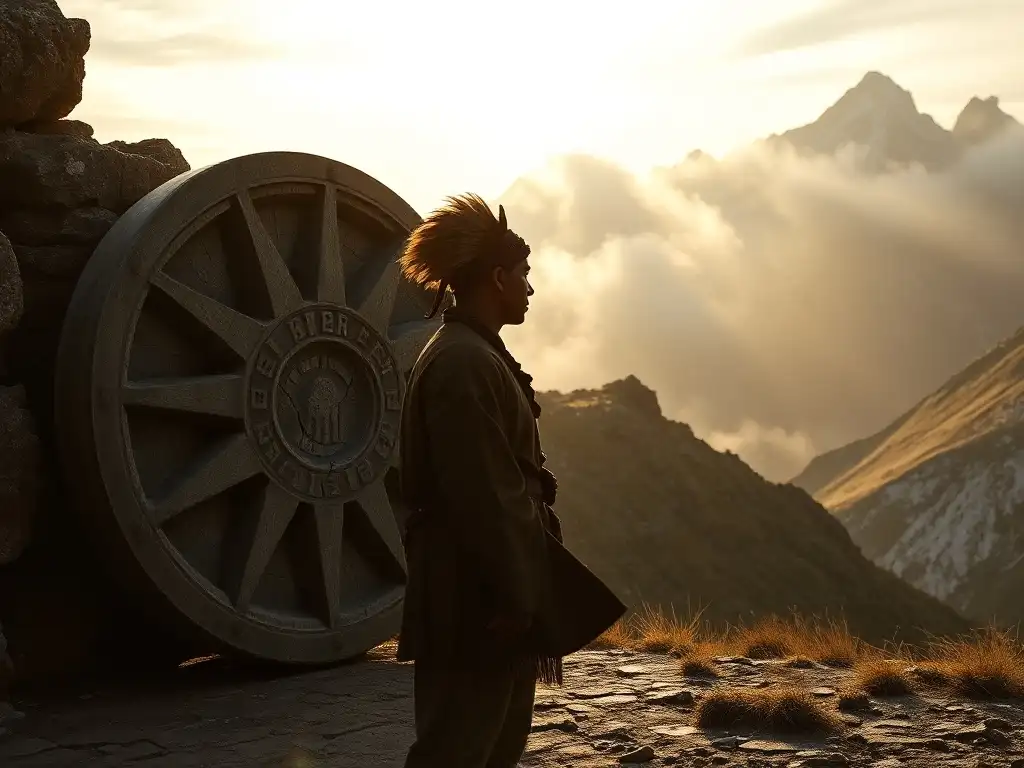
The Inca Empire, renowned for its sophisticated infrastructure and intricate social organization, also possessed a rich tapestry of religious beliefs and practices. While not explicitly documented in the same way as written prophecies in other cultures, the Inca worldview was deeply intertwined with the belief in omens, divination, and the interpretation of natural phenomena. This belief system, rooted in a complex cosmology, played a significant, albeit often subtle, role in shaping their understanding of the world and potentially influencing their response to events leading up to the Spanish conquest. Understanding these beliefs is crucial to exploring the question of whether prophecies, however interpreted, foretold the empire's dramatic fall. Analyzing Inca beliefs offers a different lens through which to examine the historical events, moving beyond a purely military or political narrative. The concept of "Inca prophecies and empire fall" needs to be understood within this framework of nuanced beliefs and interpretations.
The Role of Divination and Omens in Inca Culture
Inca society placed immense importance on divination and the interpretation of omens. These practices weren't relegated to a priestly class alone; they permeated daily life. From the reading of coca leaves (a practice still prevalent today) to the observation of animal behavior and celestial events, the Inca sought guidance and understanding from the supernatural world.
The seemingly mundane could hold profound significance. For example, the flight pattern of a condor, the behavior of llamas, or even unusual weather patterns could be interpreted as auspicious or ominous signs, influencing decisions on everything from agricultural practices to military campaigns. The interpretation of these omens, however, was not always straightforward and often depended on the context and the skill of the interpreter.
This inherent ambiguity makes it challenging to definitively link specific omens to prophecies of the empire's demise. Further research is needed to fully explore the specific omens recorded [specific information pending] and their purported relation to the Spanish arrival.
Inca Priests and the Interpretation of Signs
The yachaq, or shaman-priest, held a central role in interpreting signs and omens within Inca society. These highly respected figures possessed specialized knowledge of Inca cosmology, herbal medicine, and rituals, allowing them to decipher the perceived messages from the gods and ancestors. Their interpretations heavily influenced the decisions of the Sapa Inca (emperor) and other elite members of society. The yachaq’s understanding of the intricate relationship between the earthly and spiritual realms was paramount, shaping the Inca response to both everyday occurrences and significant events.
Their pronouncements could impact everything from agricultural planning to military strategies. While the yachaq’s role suggests a potential mechanism for the transmission of prophecies, concrete evidence directly linking specific yachaq pronouncements to the Spanish conquest remains elusive. Further investigation into surviving accounts of yachaq activities is needed to understand the extent of their influence [specific information pending].
Understanding Inca Cosmology and its Influence on Prophecies
Inca cosmology, a complex system of beliefs about the universe and its interconnectedness, provided the framework for understanding prophecies and omens. The Inca believed in a hierarchical cosmos, with the sun god, Inti, at its apex. This intricate worldview connected the human realm to the celestial and spiritual spheres, suggesting that events on Earth reflected the will of the gods.
Catastrophic events, such as earthquakes, floods, or unusual celestial phenomena, could be interpreted as signs of divine displeasure or harbingers of significant changes. The concept of cyclical time, with periods of prosperity and decline, was also integral to Inca thought. This understanding of cyclical patterns might have led to interpretations of omens as indicators of an inevitable shift in power, although not necessarily a prophecy tied to a specific external force like the Spanish.
It is important to differentiate between general prophecies of cyclical decline and specific prophecies predicting the arrival and conquest of the Spanish. The evidence currently available does not definitively support the latter [specific information pending]. Further research into Inca texts and oral traditions is needed to fully understand the nuances of their cosmology and its impact on their interpretation of events.
Pre-Conquest Prophecies and the Inca Empire
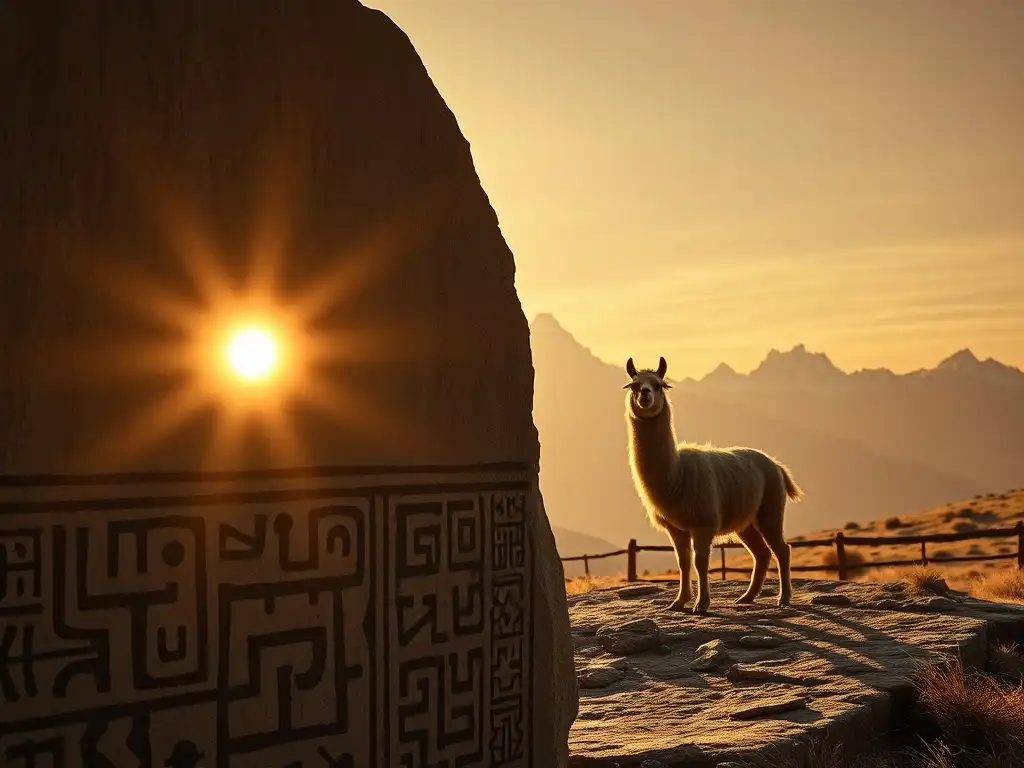
This section delves into the fascinating world of pre-conquest Inca beliefs and prophecies, specifically examining those that may have foretold, or at least reflected anxieties surrounding, the empire's eventual fall. While it's impossible to definitively link specific prophecies to the Spanish conquest, analyzing these beliefs offers valuable insight into the Inca worldview and their understanding of their place in the cosmos. The Inca, like many other ancient civilizations, possessed a rich tapestry of myths and legends that intertwined with their daily lives and political structures.
These narratives often served as explanations for natural phenomena, social structures, and even political events, sometimes interpreted retrospectively as predictions of future events, including the empire's demise. The study of Inca prophecies and empire fall requires careful consideration of both the textual evidence and the socio-political context in which these beliefs flourished.
Legends of the Return of Viracocha and its Interpretation
The creator god Viracocha held immense importance in Inca cosmology. Legends surrounding Viracocha often depicted him leaving the world after creating it, promising a return. Some interpretations of these myths suggest that the arrival of the Spaniards, with their advanced weaponry and unfamiliar customs, was seen by some as the fulfillment of this prophecy – a return of Viracocha, albeit a vastly different one than anticipated.
The dramatic shift in power, the destruction of Inca traditions, and the imposition of a new religious order might have been perceived through the lens of this prophecy, albeit a catastrophic and unwelcome return. The ambiguity inherent in these myths allowed for multiple interpretations, making them both a source of hope and fear. The return of Viracocha could be seen as either a benevolent restoration or a destructive upheaval, depending on the perspective and the events unfolding.
This ambiguity is further highlighted by the lack of a singular, standardized text detailing Viracocha's prophecies. Instead, we rely on fragmented accounts passed down through oral traditions, later recorded by Spanish chroniclers. These accounts often vary, reflecting the diverse interpretations and adaptations of the myth across different Inca communities and over time. The very act of interpreting these prophecies post-conquest inevitably introduces bias and layers of meaning that may not have been present in the original narrative. Further research is needed to better understand the nuances of these beliefs and how they were understood within their original context.
Prophecies of a Changing World and the Arrival of Strangers
Beyond the return of Viracocha, other prophecies within the Inca belief system hinted at a time of great upheaval and change. These prophecies, often expressed through symbolic language and interpreted by amautas (wise men), spoke of a world transformed, a disruption of the established cosmic order. The arrival of the Spanish, with their unprecedented technologies (like steel weapons and horses) and drastically different cultural practices, could easily be interpreted as the fulfillment of such ominous predictions.
These prophecies didn't necessarily predict the exact nature of the change, but rather a fundamental shift in the existing power dynamics and societal structures. The Inca empire, accustomed to its dominance in the Andes, might have interpreted the arrival of the Spaniards as a sign of this prophesied disruption.
The concept of "strangers" arriving and altering the established order is a recurring theme in many indigenous mythologies worldwide. While specific details vary, the underlying message of a disruption caused by external forces resonates across cultures. Within the Inca context, this prophecy underscores the vulnerability felt by the empire, despite its apparent power and vast territory.
The prophecies, therefore, served not only as a potential explanation for the conquest but also as a reflection of underlying anxieties concerning the empire's stability and the potential for unforeseen challenges. The lack of detailed written records makes it difficult to fully reconstruct the specific wording and interpretations of these prophecies, highlighting the challenge of researching pre-Columbian belief systems.
The Prophecy of Pachacuti's Vision and the Prediction of Tumult
Pachacuti Inca Yupanqui, the founder of the Inca Empire, is credited with several visions that are often interpreted as prophecies. While many of these visions focused on the expansion and consolidation of the empire, some accounts suggest that he also foresaw a time of great turmoil and strife, potentially foreshadowing the Spanish conquest. These visions, passed down through generations, might have served as a warning, albeit a vague one, about the empire's future vulnerability.
The exact nature of Pachacuti's vision remains elusive, with accounts varying in detail and interpretation. This lack of precise detail further complicates attempts to definitively link his visions to the Spanish conquest.
The challenge in interpreting Pachacuti's visions lies in the inherent ambiguity of prophetic language. Many prophecies are open to multiple interpretations, and their meaning is often only understood in retrospect. The descriptions of "tumult" and "conflict" could apply to various events, not solely the Spanish conquest. Internal rebellions, natural disasters, or even shifts in power dynamics within the Inca court could equally fit the description.
Therefore, while Pachacuti's visions might have hinted at a future crisis, attributing them specifically to the Spanish conquest requires careful consideration of the broader historical context and the limitations of the available historical evidence. Further research into Inca oral traditions and archaeological findings could shed additional light on this fascinating, albeit enigmatic, aspect of Inca history. The study of Inca prophecies and empire fall continues to be an active area of research, with new discoveries and interpretations constantly emerging.
The Arrival of the Spanish and the Fulfillment of Prophecies
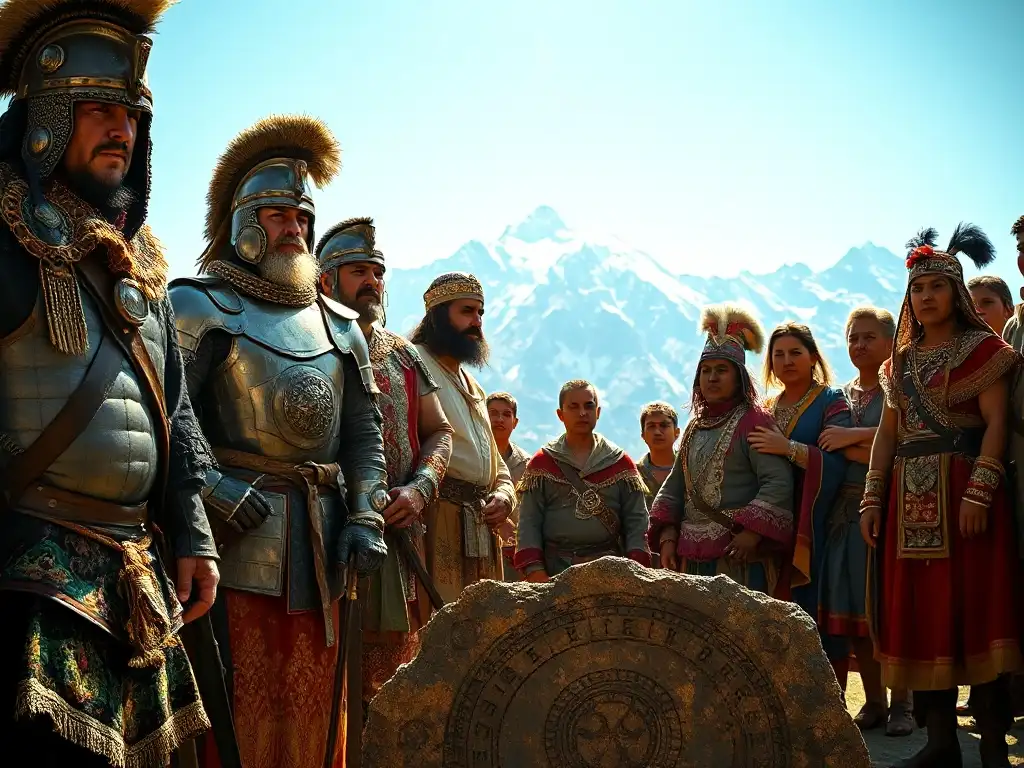
The arrival of the Spanish conquistadors in the Inca Empire wasn't simply a military invasion; it was interpreted by some, within the Inca worldview, as a fulfillment of long-held prophecies. While no single, unified prophecy foretold the exact manner of the Inca's downfall, various beliefs and legends circulated among different Andean communities, some of which found eerie parallels in the events of the Conquest.
These prophecies weren't necessarily precise predictions of the future, but rather symbolic interpretations of events, open to retrospective readings once the conquistadors arrived. Many accounts suggest a widespread belief in cyclical time and the potential for both great prosperity and catastrophic decline, a common theme in many ancient cultures.
The Inca, with their sophisticated understanding of astronomy and their intricate social structure, likely had a developed system of interpreting omens and signs, some of which may have been misinterpreted as prophecies. Understanding this context is crucial to understanding the psychological impact of the Spanish arrival on the Inca population.
How the Spanish Conquest Seemed to Align with Inca Prophecies
The Spanish arrival, with their advanced weaponry (especially firearms, completely unknown to the Inca), their horses (seen as powerful, almost supernatural beings), and their unfamiliar diseases (which decimated the indigenous population), all contributed to the perception that these events matched existing prophecies. For example, some accounts suggest prophecies spoke of a “foreign people” arriving from the sea, bringing with them unprecedented power and destruction.
The arrival of Pizarro's ships along the coast could easily have been interpreted as the fulfillment of such a prophecy. Further fueling this interpretation was the devastating impact of smallpox and other European diseases.
The rapid decline of the Inca population due to disease, far surpassing any losses incurred in battles, may have been perceived as a supernatural plague, aligning with prophecies foretelling a period of immense suffering and population loss. This perception likely fueled fear and demoralization among the Inca, weakening their resistance to the Spanish.
The Inca's sophisticated system of record-keeping, using quipus (knotted cords), unfortunately hasn't yielded all the answers regarding specific prophecies. Many records were destroyed during the Conquest, leaving historians with gaps in their understanding. However, ethnohistorical accounts and surviving oral traditions offer glimpses into the belief systems that may have contributed to the interpretation of the Spanish arrival as a divinely ordained event.
The Psychological Impact of Prophecy on the Inca Population
The perceived fulfillment of prophecies played a significant role in undermining Inca resistance to the Spanish. Fear and uncertainty, fueled by the belief that the Conquest was a divinely ordained event, likely contributed to internal divisions and a lack of unified opposition.
The Inca worldview, deeply rooted in religious beliefs and a complex cosmology, may have led many to believe that resisting the Spanish was futile. This fatalistic attitude, fostered by the apparent alignment of events with prophecy, is evidenced in some accounts of Inca leaders who surrendered or offered little resistance, interpreting the Spanish advance as an inescapable destiny.
Consider the impact of seeing a previously unknown and vastly powerful force arrive seemingly in accordance with ancient predictions. This would have been a powerful psychological blow, challenging the Inca's understanding of their own place in the world and the authority of their rulers. The perceived divine sanction of the Spanish conquest likely eroded confidence in the Inca leadership and the legitimacy of their rule, further weakening their ability to effectively oppose the invaders. This psychological impact was perhaps as significant as the military disparity between the two forces.
The Capture of Atahualpa and its Prophetic Resonance
The capture of Atahualpa, the Inca emperor, in Cajamarca holds particular significance in the context of prophecies. The dramatic circumstances of his capture, the swiftness and seemingly effortless nature of the Spanish victory, could easily have been interpreted as a fulfillment of prophecies predicting the fall of a powerful ruler.
The sheer unexpectedness of the event, coupled with the overwhelming power of Spanish weaponry, contributed to the perception that Atahualpa's capture was not merely a military defeat, but a divinely ordained event. This perception was reinforced by the subsequent events, such as the chaos and civil war following Atahualpa's death, which further seemed to confirm the interpretations of the prophecies.
The ransoming of Atahualpa, a pivotal event in the early stages of the conquest, also lends itself to prophetic interpretations. The immense amount of gold and silver offered by the Inca in exchange for Atahualpa's release, ultimately proving insufficient, could have been seen as a tragic irony, a testament to the inability to avert fate. Even Atahualpa's execution might have been seen as a further confirmation of the prophecies, a final act in the unfolding of a preordained narrative.
The events surrounding Atahualpa's capture and death strongly resonated with the existing, though fragmented, prophecies, contributing to the overall sense of inevitability surrounding the fall of the Inca Empire. The combination of military defeat and the perceived fulfillment of prophecies created a powerful psychological effect that significantly impacted the Inca people and their ability to resist the Spanish conquest.
Post-Conquest Interpretations of Inca Prophecies
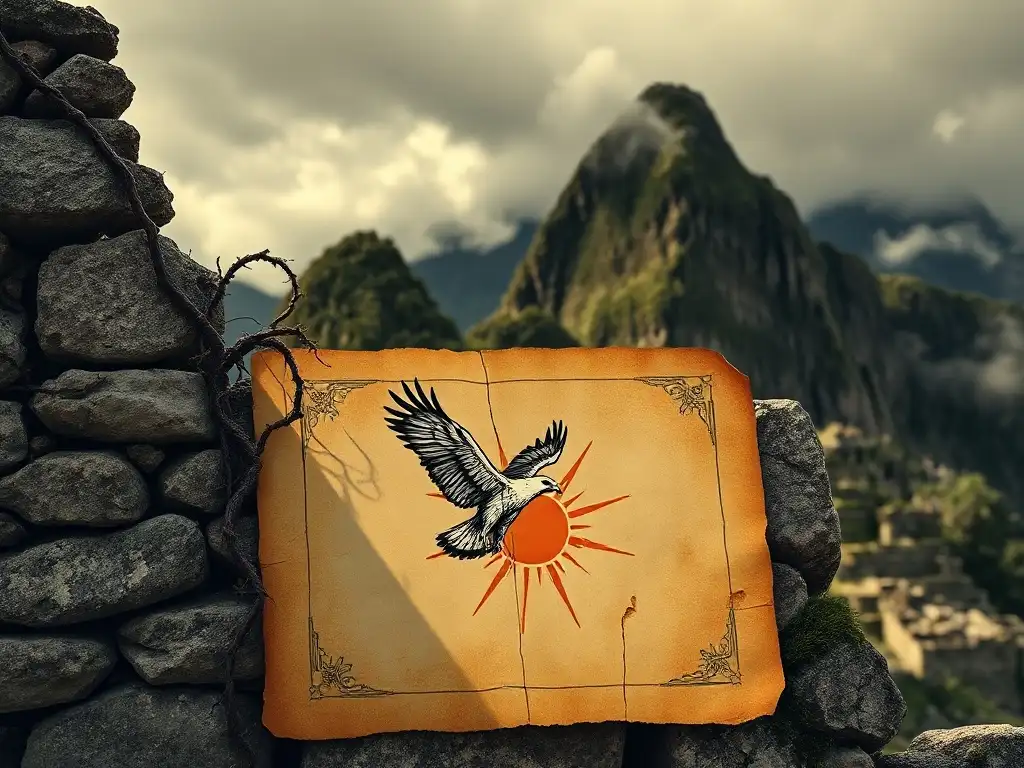
The Spanish conquest dramatically altered the landscape of Inca beliefs and prophecies. While pre-Columbian accounts are scarce and often filtered through the lens of later interpretations, the colonial period saw a significant re-evaluation and re-contextualization of existing prophecies. The very act of conquest, the sudden and brutal overthrow of a seemingly invincible empire, fueled new interpretations and anxieties. Did the prophecies, previously understood in one light, now offer a different perspective on the empire's downfall?
The answer is complex and multifaceted, woven into the fabric of colonial resistance and the ongoing struggle for cultural survival. The Spanish, naturally, sought to interpret prophecies to support their claim of divine right and the inevitable collapse of the Inca worldview. Conversely, indigenous populations adapted and reinterpreted existing prophecies to resist colonial rule and maintain hope for future liberation.
The Reinterpretation of Prophecies in the Colonial Period
The arrival of the Spanish fundamentally reshaped the understanding of Inca prophecies. Prior to the conquest, prophecies likely served primarily as tools for social control, legitimizing the Inca ruler's authority and predicting natural events. However, the conquest introduced a new element: the complete disruption of the Inca world order.
This upheaval led to a re-examination of existing prophecies, with some being reinterpreted to explain the empire's sudden collapse. Some prophecies, previously associated with natural disasters or social unrest, were now linked to the arrival of the Spanish, presented as a fulfillment of ancient predictions. This process wasn't uniform; different groups, communities, and even individual yachaqs (shamans) offered varying interpretations, reflecting diverse experiences and perspectives within the conquered population.
The Spanish chroniclers, often biased and lacking a deep understanding of Inca cosmology, recorded these interpretations, inadvertently preserving fragments of a complex and evolving belief system. However, it's crucial to acknowledge their inherent limitations and potential for misrepresentation. The colonial context inevitably distorted the original meaning, blending indigenous beliefs with the dominant Catholic ideology.
How Inca Prophecies Were Used to Resist Spanish Rule
Despite the overwhelming power of the Spanish, Inca prophecies provided a crucial tool for resistance. Reinterpreted prophecies offered a framework for understanding the conquest not as an inevitable defeat, but as a temporary setback. The belief in the cyclical nature of time and the eventual return of a savior figure, often linked to the mythical Inkarrí, fueled hope and defiance.
Prophecies were used to inspire rebellion, providing a spiritual justification for armed resistance. These prophecies were often transmitted orally, passed down through generations, reinforcing a sense of cultural identity and shared purpose. The Spanish attempted to suppress these narratives, but the resilient oral tradition ensured their survival, often subtly woven into religious practices and daily life.
This subversive use of prophecy demonstrates the enduring power of indigenous beliefs in the face of colonial oppression. Evidence suggests that the clandestine dissemination of prophecies played a vital role in maintaining morale and organizing resistance movements throughout the colonial period. Further research is needed to fully uncover the specific ways prophecies were employed in different regions and contexts.
The Myth of Inkarrí and its Connection to Prophetic Hope
The myth of Inkarrí, a messianic figure prophesied to return and restore the Inca empire, is intrinsically linked to the interpretation of Inca prophecies following the conquest. Inkarrí represents the hope for liberation and the restoration of a lost golden age. The prophecies surrounding his return provided a powerful source of solace and resistance for the subjugated population.
While the precise details of the Inkarrí myth varied across different regions and communities, the core message remained consistent: the Inca empire's fall was not the end, but a temporary interruption in a larger cosmic cycle. The expectation of Inkarrí's return served to sustain the cultural memory of the Inca past and inspire future generations to resist colonial domination. This potent symbol of hope underscores the enduring resilience of Inca beliefs and their adaptation to the changing circumstances of the colonial era.
The Inkarrí myth continues to hold significance for Andean communities today, highlighting the enduring power of prophecy and hope in the face of adversity. Further investigation into regional variations of the Inkarrí myth is needed to fully understand its diverse expressions and impact.
The Validity of Prophecies and the Collapse of the Inca Empire
The question of whether prophecies foretold the Inca Empire's fall is complex and requires careful consideration. While numerous accounts exist detailing supposed predictions of the empire's demise, separating genuine prophetic beliefs from post-hoc interpretations and historical narratives is crucial for understanding the Inca civilization's collapse. The Inca, like many other ancient societies, held deep-seated beliefs in divination and omens, interpreting natural events and societal shifts through a spiritual lens.
However, attributing the empire's fall solely to fulfilled prophecies risks oversimplifying a multifaceted historical process. Analyzing the available evidence requires a nuanced approach, considering both the indigenous perspectives and the impact of external factors. The weight given to prophecies in shaping Inca actions and beliefs needs to be assessed alongside the demonstrable socio-political and military factors that ultimately contributed to the Spanish conquest.
Simply put, while prophecies might have played a role in shaping the perception of the empire's fate, they were not the sole, or even primary, cause of its downfall. The interplay between belief systems and tangible historical events is key to understanding this pivotal period in Andean history.
Distinguishing Between Prophecy and Historical Narrative
Identifying genuine Inca prophecies related to the empire's fall is challenging. Many accounts emerged after the Spanish conquest, potentially influenced by the conquerors' narratives and interpretations of Inca beliefs. These later accounts may have retrospectively linked existing prophecies to the empire's collapse, creating a narrative that fits the outcome.
Scholars must carefully scrutinize the source material, considering its origin, date, and potential biases. For instance, some accounts might reflect the anxieties and interpretations of Inca subjects during the turbulent years preceding the conquest. These narratives, while valuable for understanding the cultural context, may not represent accurate reflections of prophecies prevalent before the Spanish arrival.
Furthermore, the oral tradition of the Inca, which relied heavily on memory and storytelling, makes it difficult to ascertain the original form and meaning of any supposed prophecies. The process of translating these oral accounts into written texts further complicates the analysis, potentially introducing biases and altering the original meaning. The need for rigorous textual criticism and cross-referencing of sources is paramount in this area of research to disentangle genuine prophecy from post-facto storytelling.
Examining the Socio-Political Factors that Led to the Inca Collapse
The Inca Empire's downfall wasn't solely a result of supernatural predictions; rather, it was a culmination of several significant socio-political factors. Internal strife, particularly the civil war between Huáscar and Atahualpa, severely weakened the empire, leaving it vulnerable to external threats. This internal conflict diverted resources and manpower, fracturing the unified military strength that had characterized the Inca for decades.
The inherent vulnerabilities of a vast empire, such as difficulties in communication and administration across diverse regions, also contributed to its instability. Furthermore, the Inca system of governance, while effective in many ways, relied heavily on the personality and authority of the Sapa Inca. The succession crisis and the ensuing civil war exposed the fragility of this system.
The empire's reliance on tribute and forced labor, while generating wealth and resources, also fostered resentment among certain subjugated populations, potentially creating pockets of instability that the Spanish were able to exploit. A comprehensive understanding of the Inca collapse requires acknowledging these internal weaknesses alongside the external pressures.
The Role of the Inca Civil War and its Contribution to Weakness
The Inca Civil War (ca. 1527-1533) is widely considered a pivotal moment in the empire's history, significantly weakening it and paving the way for the Spanish conquest. The conflict between Huáscar and Atahualpa, brothers vying for the throne after the death of Huayna Capac, fractured the empire along familial and regional lines.
This internal conflict resulted in a devastating loss of life and resources, depleting the Inca army and weakening its administrative infrastructure. The war diverted critical resources—food, manpower, and military equipment—away from crucial tasks such as defense and governance. The resulting chaos and uncertainty created a power vacuum, allowing Pizarro and his relatively small army to exploit the situation.
The civil war not only weakened the Inca military but also eroded the empire's prestige and authority, diminishing the loyalty and support of many previously loyal subjects. The destruction of infrastructure and the disruption of trade routes further contributed to the empire's instability, making it even more vulnerable to the Spanish invasion. The Inca Civil War, therefore, wasn't just a precursor to the Spanish conquest; it was a critical factor that directly contributed to the empire's ultimate downfall, far outweighing any purported influence of prophecies.
Conclusion: Inca Prophecies and the End of an Era
The fall of the Inca Empire, a civilization renowned for its intricate social structures and advanced engineering, remains a captivating historical event. While the Spanish conquest undeniably played a crucial role, the influence of Inca prophecies and beliefs on the empire's vulnerability shouldn't be overlooked. Analyzing these prophecies, often shrouded in myth and legend, offers a nuanced perspective beyond the purely military narrative of the conquest.
Did these prophecies, interpreted by the Inca leadership and populace, contribute to a sense of fatalism or perhaps even a lack of unified resistance? This is a question that continues to fascinate historians and researchers specializing in Inca prophecies and empire fall.
The very existence of such prophecies, whether directly influencing events or not, speaks volumes about the Inca worldview and its impact on the empire's ultimate fate. The interplay between prophecy, belief, and historical reality in the context of the Inca Empire’s demise presents a complex and intriguing area of study.
The Lasting Legacy of Inca Prophecies
The impact of Inca prophecies extends far beyond the events of the conquest. These narratives, passed down through generations, shaped Inca identity and worldview for centuries. Even after the Spanish conquest, elements of these prophecies likely persisted in oral traditions, influencing the collective memory and cultural identity of the Andean peoples.
The enduring power of these narratives is evident in their continued presence in contemporary Andean cultures. Many modern-day traditions and beliefs still draw inspiration from ancient Inca prophecies, highlighting their lasting influence on the cultural landscape. Understanding the lasting legacy of Inca prophecies requires examining not only their historical context, but also their ongoing relevance in shaping Andean cultural identity.
Further research into contemporary Andean traditions could illuminate the continued influence of these ancient prophecies, providing a deeper understanding of their long-term impact. This exploration requires careful consideration of the complex interplay between past and present, belief and history, in the context of Inca prophecies and empire fall.
Reflecting on the Significance of Belief in the Face of Conquest
The Inca belief system, deeply intertwined with their understanding of the cosmos and their relationship with the gods, played a significant role in shaping their response to the Spanish conquest. The interpretation of prophecies, whether accurately predicting the arrival of the Spanish or not, could have influenced the Inca's strategic decisions and the overall morale of the population. A belief in predetermined fate, as suggested by some prophecies, might have contributed to a sense of resignation or a lack of unified resistance against the Spanish invaders.
Conversely, the prophecies might have spurred attempts at appeasement or ritualistic responses aimed at averting the predicted catastrophe. Analyzing the specific prophecies and their interpretations within the context of the Inca worldview is crucial to understanding their influence on the events leading to the empire's fall.
The question of how belief systems influence societal responses to major historical shifts remains a key area of study for scholars examining Inca prophecies and empire fall. The role of belief in shaping historical outcomes is a complex issue, demanding further investigation.
The Enduring Power of Prophetic Narratives in Shaping History
The study of Inca prophecies offers a valuable lens through which to examine the complex interplay between belief, power, and historical events. Prophetic narratives, across various cultures and throughout history, have demonstrably influenced human actions, shaping political decisions, military strategies, and societal responses to major crises. The Inca Empire's experience is a powerful case study in this regard.
While it's difficult to definitively prove a direct causal link between specific prophecies and the empire's downfall, the presence of these narratives within the Inca worldview undeniably played a role in shaping the cultural context of the conquest. The enduring power of prophetic narratives lies in their capacity to shape perceptions of the past, present, and future, thereby influencing human behavior and the course of history.
Further research on the impact of prophetic narratives on historical events, particularly in pre-Columbian societies, is essential for a more complete understanding of the complexities of human history and the role of belief systems in shaping historical outcomes. The impact of Inca prophecies and empire fall underscores the importance of considering the cultural and belief systems of the people involved in historical events.
Frequently Asked Questions
What role did prophecies play in Inca society?
Prophecies held significant importance in Inca society, influencing political decisions, religious practices, and everyday life. They were believed to guide the Sapa Inca and shape the empire's destiny.
Are there specific Inca prophecies about the empire's downfall?
While no single prophecy explicitly details the Inca Empire's fall, some accounts suggest beliefs about cyclical patterns of power and omens foreshadowing upheaval and change. These were interpreted differently depending on the context.
What were the main factors contributing to the Inca Empire's collapse?
The Inca Empire's fall was a complex event, resulting from a combination of factors, including internal strife, disease, and the Spanish conquest. These elements interacted in devastating ways.
How did Inca beliefs about the afterlife influence their worldview and actions?
Inca beliefs centered around a cyclical view of life and death, with ancestor veneration playing a crucial role. This impacted their governance, agricultural practices, and their understanding of the cosmos and their place within it.
How reliable are the sources detailing Inca prophecies and beliefs?
Sources regarding Inca prophecies and beliefs are varied, combining ethnohistorical accounts with archaeological findings. Interpretations vary, requiring careful consideration of the biases and limitations of each source.
Final Reflection: Echoes of the Past, Whispers of the Future
The intricate tapestry of Inca prophecies, woven from threads of astronomical observation and spiritual belief, offers a compelling lens through which to examine not only the empire's dramatic collapse but also the enduring power of belief systems in shaping history. The fall of the Inca, a civilization renowned for its sophisticated engineering and social structures, serves as a potent reminder that even the most seemingly invincible empires are susceptible to internal and external pressures, often amplified by the weight of prophecy itself.
The enduring fascination with Inca prophecies highlights the human need to understand the unpredictable nature of fate and the search for meaning in the face of monumental change. The very act of seeking patterns and interpretations in ancient texts speaks to our innate desire to connect with the past and glean wisdom from its lessons. The past is never dead. It's not even past.
– William Faulkner. This quote resonates deeply with the study of Inca prophecies, as their influence continues to shape our understanding of the empire's demise and the enduring legacy of its beliefs. The ongoing debate surrounding the accuracy and interpretation of these prophecies underscores their continued relevance in shaping our historical narratives.
Consider, for a moment, the weight of expectation and the potential self-fulfilling nature of prophecy. How might our own beliefs, both conscious and unconscious, shape our actions and ultimately, our destinies? You, the reader, hold the power to interpret the past and shape the future.
Reflect on the ways in which your own beliefs influence your decisions and consider how a deeper understanding of history, even the seemingly distant past of the Inca, can illuminate your path forward. Let the echoes of the Inca prophecies inspire you to critically examine your own assumptions and to build a future guided by wisdom and understanding.
Unveil the Mysteries of Inca Prophecies!
Thank you for exploring the fascinating world of Inca beliefs and prophecies surrounding the empire's decline. Your interest is a testament to the enduring allure of Andean civilizations and their rich history. Now, let's delve deeper!
- Learn more about the symbolic interpretations of Inca prophecies through the additional resources available on our website.
- Share your discoveries with friends and family who might be captivated by Inca culture—ignite a conversation!
- Join our community forum to engage in discussions, exchange perspectives, and connect with fellow history enthusiasts.
What aspect of Inca prophecies do you find most compelling, and how do you believe they shaped the people's understanding of their destiny?