
The Spiritual Conquest: How Catholicism Replaced the Inca Religion

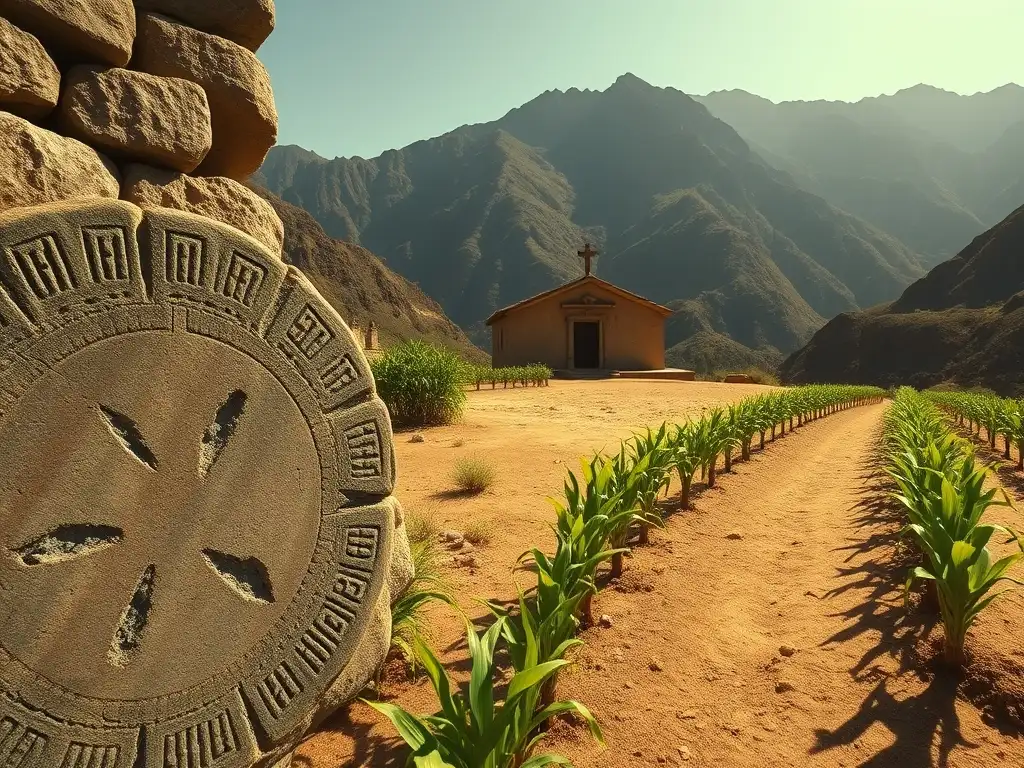
Step into a world lost to time, yet echoing with the whispers of ancient power. The Andean Civilizations website unveils the mysteries of the Incas, Moche, Nazca, and Tiahuanaco, revealing their breathtaking artistry and sophisticated technologies. But what happened when two worlds collided? Prepare to uncover the dramatic story of the Inca religion's replacement by Catholicism, a spiritual conquest as profound as the military one. Dive into "The Spiritual Conquest" and witness the clash of beliefs that reshaped a civilization forever.
- The Spiritual Conquest: Inca Religion and Catholicism in the Andes
- Inca Religious Practices Before the Spanish Conquest
- The Arrival of Catholicism in the Andes
- The Gradual Replacement of Inca Religion
- Key Factors in the Decline of Inca Religion
- The Persistence of Inca Spirituality
- The Long-Term Impact of the Inca Religion and Catholicism Interaction
- Conclusion: Reflections on the Spiritual Conquest
-
Frequently Asked Questions
- What was the most important aspect of Inca religion before the Spanish conquest?
- How did the Spanish conquistadors approach the religious beliefs of the Inca people?
- What methods did the Spanish use to replace Inca religion with Catholicism?
- What lasting impact did the replacement of Inca religion have on Andean culture?
- Are there any visible remnants of Inca religion today?
- Final Reflection: Echoes of Conquest, Seeds of Resilience
- Unveil Your Spiritual Journey Today!
The Spiritual Conquest: Inca Religion and Catholicism in the Andes
The Spanish conquest of the Inca Empire was not merely a military victory; it was a profound and multifaceted transformation that reshaped the very fabric of Andean society. While the conquistadors wielded steel and gunpowder to subdue the Inca armies, their most enduring legacy was the systematic dismantling of the Inca religious system and its replacement with Catholicism.
This process, often brutal and coercive, profoundly impacted Andean spirituality, leaving an indelible mark on the cultural landscape that persists to this day. This article delves into the complex interplay between Inca religion and the imposed Catholicism, exploring the strategies employed by the Spanish to supplant the indigenous faith and the enduring consequences of this “spiritual conquest.” Understanding this religious upheaval is crucial to grasping the full scope of the Inca Empire's fall and the lasting impact of colonization on the Andean world.
We will examine the key elements of Inca belief, the methods used by the Spanish to convert the population, and the syncretism that emerged as a result of this forceful religious transformation. The keyword, "Inca religion Catholicism replacement," encapsulates this pivotal historical process.
Introduction: The Clash of Inca Spirituality and Catholicism
The Inca worldview was deeply intertwined with the natural world. Their cosmology centered on the veneration of a complex pantheon of deities, including the creator god Viracocha, the sun god Inti, and the moon goddess Mama Killa. These deities were not merely abstract entities; they were embodied in the landscape, the agricultural cycle, and the very fabric of Inca society.
Inca religion was deeply integrated into daily life, with elaborate rituals, ceremonies, and festivals marking significant events. Temples, such as the Coricancha in Cusco, served as vital centers of religious and political power. This sophisticated and intricately woven belief system stood in stark contrast to the Catholicism brought by the Spanish conquistadors.
The arrival of the Spanish marked a fundamental clash between two radically different religious systems, one deeply rooted in Andean traditions and the other a powerful force for religious and political control. The Spanish, motivated by a desire to convert the indigenous population and consolidate their control, implemented a systematic strategy to suppress Inca religion and replace it with Catholicism. This involved not only the destruction of temples and religious artifacts but also the active persecution of Inca priests and the imposition of Christian doctrines and practices.
The Destruction of Inca Religious Practices and Symbols
The Spanish conquest initiated a systematic campaign to dismantle the Inca religious infrastructure. Temples, considered sacred sites imbued with spiritual power, were systematically destroyed or repurposed. The Coricancha, the most important Inca temple, was razed and replaced with a Catholic church, a symbolic act demonstrating the complete dominance of the new faith.
Numerous huacas (sacred places) were desecrated, their idols destroyed, and their significance erased. This deliberate destruction aimed to eradicate the physical manifestations of Inca religion and to sever the connection between the indigenous population and their ancestral beliefs. Alongside the destruction of physical sites, the Spanish targeted Inca religious practices.
Traditional ceremonies and rituals were suppressed, and Inca priests were persecuted, often killed or forced to convert. The suppression of indigenous religious practices served both religious and political goals, weakening the Inca social structure and consolidating Spanish control. The sheer scale of this destruction highlights the determination of the Spanish to impose their religious beliefs and eradicate any trace of the Inca faith.
Methods of Catholic Conversion and Indoctrination
The Spanish employed various methods to convert the Inca population to Catholicism. These ranged from persuasion and education to coercion and violence. Missionaries played a crucial role in this process, establishing churches and schools to spread the Christian message. However, conversion was often far from voluntary. Many indigenous people were forced to attend religious services and participate in Christian rituals under the threat of punishment.
The use of violence and intimidation was common, with those who resisted conversion often facing severe consequences. The Spanish also exploited existing social hierarchies within Inca society, using local leaders to promote the adoption of Catholicism. This strategy aimed to create a more manageable and compliant population, further ensuring the success of the religious conversion process. The imposition of Catholicism was deeply intertwined with the broader colonial project, serving to maintain social control and reinforce Spanish dominance.
Syncretism and the Persistence of Indigenous Beliefs
Despite the systematic efforts of the Spanish to suppress Inca religion, indigenous beliefs and practices persisted, often blending with elements of Catholicism. This process, known as syncretism, resulted in a unique religious landscape in the Andes. Indigenous deities were often reinterpreted as Christian saints, and traditional rituals were adapted to incorporate Catholic elements. This syncretic blend reflects the resilience of indigenous cultures and their ability to adapt and reinterpret imposed religious systems.
While outwardly conforming to Catholic practices, many Andean people continued to maintain their traditional beliefs and practices in secret, demonstrating the enduring power of Inca spirituality. The survival of indigenous beliefs showcases the limits of the Spanish attempt at complete religious control and underscores the complex and dynamic nature of religious change in colonial societies. This syncretism continues to shape religious practices in the Andes to this day.
Inca Religious Practices Before the Spanish Conquest
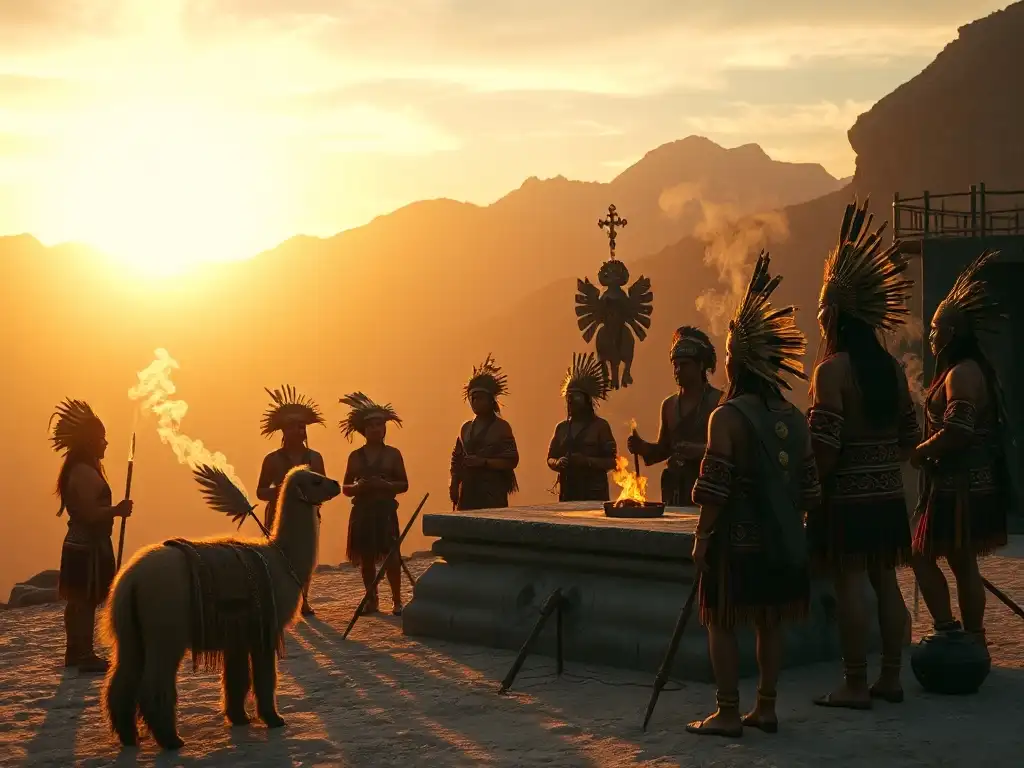
This section delves into the complex religious landscape of the Inca Empire before the arrival of the Spanish, providing a foundation to understand the profound impact of the subsequent religious conversion. Understanding the intricacies of Inca spirituality is crucial to grasping the magnitude of the "Inca religion Catholicism replacement" process. The Inca worldview, deeply intertwined with nature and ancestor veneration, presented a significant challenge to the incoming Catholic faith.
Core Inca Beliefs: Inti, Viracocha, Pachamama, and Illapa
The Inca religion wasn't a monolithic entity with a single deity. Instead, it featured a pantheon of gods and spirits, with the sun god, Inti, holding the most prominent position. Inti was considered the supreme deity, the source of life and sustenance, and the ancestor of the Inca royal lineage. His worship was central to Inca society, with elaborate rituals and festivals dedicated to him. Temples were built to honor Inti, and the emperors were seen as his direct descendants, reinforcing their divine right to rule.
Beyond Inti, Viracocha, the creator god, held immense significance. Viracocha was believed to have created the world, the people, and the cosmos. Representations of Viracocha varied across different Inca regions, reflecting the diverse beliefs within the vast empire. Some depictions show him as a bearded, humanoid figure, while others emphasize his cosmic and transformative power. Understanding the different interpretations of Viracocha helps us appreciate the nuanced nature of Inca religious beliefs.
The earth goddess, Pachamama, was also crucial. Pachamama represented the fertility of the land, the bounty of harvests, and the interconnectedness of all living things. She was revered through offerings and rituals designed to ensure the prosperity of the land and its people. Appeasing Pachamama was essential for agricultural success, a cornerstone of the Inca economy.
Finally, Illapa, the god of thunder and lightning, commanded respect and fear. Illapa's power over the weather was vital to the Inca agricultural system, making him a significant deity. His unpredictable nature emphasized the capriciousness of nature and the importance of maintaining balance within the cosmos.
The Inca sought to appease Illapa through offerings and rituals, ensuring good weather and warding off the destructive power of storms. The interconnectedness of these deities highlights the holistic nature of the Inca worldview. The Inca believed that maintaining harmony among these forces was essential for the well-being of both the individual and the empire.
Inca Rituals and Sacred Sites: Coricancha, Sacrifices, and Inti Raymi
Inca religious practices were far-reaching, encompassing daily rituals and grand ceremonies. The most sacred site was Coricancha (Qorikancha), the Temple of the Sun in Cusco, the capital of the Inca Empire. This magnificent temple, adorned with gold and precious stones, served as the center of Inca religious life. It housed idols of Inti and other deities and was the location for many important rituals.
Human sacrifice, while not a daily occurrence, played a significant role in Inca religious practice. These sacrifices, often involving children or captives, were performed during important events or to appease the gods in times of crisis. The motivations behind these sacrifices remain a subject of ongoing debate among scholars, with theories ranging from appeasement to securing divine favor. While ethically reprehensible by modern standards, understanding the context of these practices is essential to a complete understanding of Inca religion.
The most celebrated festival was Inti Raymi, the Festival of the Sun. This grand ceremony, held during the winter solstice, involved elaborate processions, offerings, and feasting. Inti Raymi was a time of renewal and reaffirmation of the Inca's connection to Inti and the cosmos. The magnitude of the celebration underscored the importance of Inti within the Inca religious system. The meticulous planning and execution of this festival demonstrate the sophisticated organizational capacity of the Inca Empire, reflecting their profound religious devotion.
The Role of the Willaq Umu and the Inca Religious Hierarchy
The Inca religious system was not decentralized; it featured a structured hierarchy overseen by the Willaq Umu, the chief priest. The Willaq Umu held immense power and influence, advising the emperor on religious matters and conducting important ceremonies. He was responsible for interpreting signs and omens and for ensuring the proper performance of rituals. His position, directly tied to the emperor, underscored the close relationship between the religious and political spheres of Inca society.
Below the Willaq Umu was a complex hierarchy of priests and priestesses, each with specific responsibilities. These individuals were responsible for the maintenance of temples, the performance of rituals, and the interpretation of religious beliefs. Their expertise in religious matters ensured the proper functioning of the Inca religious system.
The presence of a structured religious hierarchy highlights the importance of religion in Inca society and its integration into the fabric of daily life. This organized structure, in contrast to the relatively less structured nature of early Christian communities, played a significant role in the eventual success of the Catholic "Inca religion Catholicism replacement". The existing hierarchical structure, in a sense, facilitated the adoption of a similarly hierarchical religious system.
The Arrival of Catholicism in the Andes
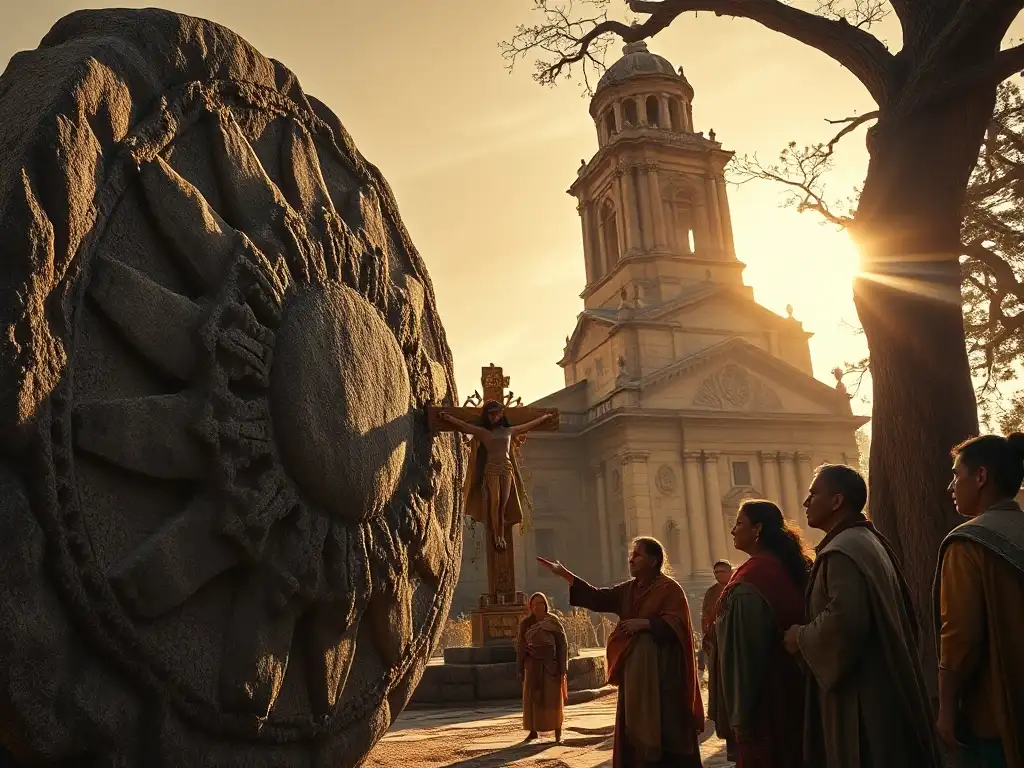
This section delves into the process by which Catholicism supplanted the Inca religion, a crucial aspect of the Inca religion Catholicism replacement. The forceful imposition of Christianity wasn't a swift, singular event but a complex, multi-faceted process spanning decades, involving both brutal suppression and subtle manipulation. Understanding this nuanced transition requires examining the strategies employed by the Spanish conquistadors and the subsequent impact on Andean spiritual life.
The Spanish Conquistadors: Conquest and the Introduction of Christianity
The Spanish conquest of the Inca Empire wasn't merely a military endeavor; it was a concerted effort to replace the Inca worldview with Catholic doctrine. The conquistadors, driven by a fervent religious zeal alongside their thirst for gold and power, saw the conversion of the indigenous population as a divine mandate. Their arrival marked the beginning of a systematic dismantling of the Inca religious system, a process intricately woven into the fabric of the conquest itself.
The Requerimiento, a formal declaration read to indigenous populations, demanded submission to the Spanish crown and the Catholic faith, threatening violence and damnation should they refuse. This act, far from being a mere formality, symbolized the inherent connection between the Spanish conquest and the imposition of Catholicism. The conquistadors believed their actions were divinely ordained, justifying their brutality as necessary for the salvation of the Inca people's souls.
Early accounts detail the immediate destruction of Inca religious artifacts and the forceful conversion of individuals, highlighting the inextricable link between military conquest and religious conversion. This initial phase laid the groundwork for the more systematic strategies of evangelization that followed.
Initial Encounters: The Cajamarca Massacre and Religious Imposition
The infamous Cajamarca massacre of 1532 serves as a stark illustration of the brutal methods employed to establish Catholic dominance. The capture and subsequent execution of Atahualpa, the Inca emperor, was not just a military victory; it was a symbolic blow to the Inca religious system. Atahualpa, considered a divine figure by his people, was subjected to a forced conversion before his death, a blatant act of religious imposition.
Following Atahualpa's demise, the Spanish systematically targeted Inca religious sites and practices, aiming to destroy the spiritual foundations of the empire. The destruction of huacas (sacred places) and the confiscation of religious artifacts were integral parts of this campaign. The subsequent installation of Catholic priests and the construction of churches further solidified the Spanish claim to spiritual authority within the conquered territories.
[Specific data on the number of huacas destroyed in the initial years of the conquest pending]. This forceful suppression of Inca religious practices created a power vacuum that the Spanish church readily filled.
Strategies of Evangelization: Destruction of Huacas and Construction of Churches
The Spanish adopted a two-pronged approach to evangelization: the destruction of Inca religious symbols and the construction of Catholic churches. The systematic dismantling of huacas, which represented the spiritual heart of Inca communities, was a deliberate act to sever the indigenous population's connection to their ancestral beliefs. These sacred sites, often containing intricate artwork and mummies of important figures, were looted, desecrated, and destroyed. This wasn't simply vandalism; it was a targeted attack on the spiritual fabric of Inca society.
Simultaneously, the Spanish initiated a massive building program, constructing churches and cathedrals throughout the Andes. These structures, often built on or near the sites of destroyed huacas, served as visible symbols of the new religious order and a physical manifestation of the Inca religion Catholicism replacement. The imposing architecture and elaborate rituals of the Catholic church were intended to overwhelm and replace the indigenous religious traditions. The use of visual aids, such as paintings depicting biblical scenes, was also employed to aid in the conversion process.
This combination of destruction and construction effectively reshaped the religious landscape of the Andes, paving the way for the long-term dominance of Catholicism. The visual impact of this strategy, coupled with the coercive methods employed, contributed significantly to the eventual decline of Inca religious practices. The construction of churches also served a practical purpose, providing a space for the administration of the sacraments and the consolidation of Spanish power.
The Gradual Replacement of Inca Religion
The Spanish conquest of the Inca Empire didn't result in an immediate, wholesale eradication of Inca religion. Instead, the imposition of Catholicism was a gradual process, a complex interplay of suppression, adaptation, and syncretism. Understanding this nuanced process requires examining the various strategies employed by the Spanish crown and the Church, and the surprisingly resilient nature of Andean spiritual beliefs.
The replacement wasn't a simple act of forceful conversion, but rather a long and multifaceted struggle that shaped the religious landscape of the Andes for centuries to come. The keyword "Inca religion Catholicism replacement" accurately reflects this protracted and nuanced historical reality.
The Extirpation of Idolatry and Suppression of Inca Rituals
The Spanish conquistadors, fueled by religious zeal and a desire to control the indigenous population, embarked on a campaign to suppress Inca religious practices. This "extirpación de idolatrías" (extirpation of idolatries) involved the destruction of huacas (sacred places), temples, and idols. Chroniclers describe the systematic dismantling of religious structures, the burning of sacred objects, and the desecration of burial sites.
This wasn't a purely random act of vandalism; it was a calculated strategy aimed at undermining the authority of Inca priests and the spiritual foundation of the empire. The destruction of the huacas, for instance, severed the link between the Inca people and their ancestral spirits, weakening their communal identity and making them more susceptible to Christian conversion. The suppression of rituals, particularly those involving human sacrifice, was another key element of this campaign.
While the scale and nature of Inca human sacrifice remain debated by scholars, its suppression was presented by the Spanish as a moral imperative, furthering the narrative of civilizing the "savage" natives. The Spanish meticulously documented these actions, further solidifying their claim to conquest and religious dominance. The intensity of this suppression varied across different regions and time periods, demonstrating the complex dynamics of the colonial encounter.
The Adaptation of Catholic Saints to Andean Deities
Despite the efforts to eradicate Inca religion, the Spanish encountered significant resistance. Indigenous populations often found ways to subtly incorporate their traditional beliefs into the new Catholic framework. A key strategy involved the adaptation of Catholic saints to existing Andean deities.
For example, the Virgin Mary, with her maternal attributes, was readily assimilated with the earth goddess Pachamama, a figure of immense importance in Inca cosmology. This syncretic practice allowed the indigenous population to maintain a connection to their ancestral beliefs while outwardly conforming to Catholic doctrine. Other examples include the association of certain saints with specific Inca deities based on shared attributes or functions.
This adaptation was not a passive acceptance; it was an active process of negotiation and reinterpretation, demonstrating the agency of the indigenous population in shaping the religious landscape under colonial rule. The process was often subtle and nuanced, with indigenous communities carefully blending Catholic and Andean rituals and beliefs.
Syncretism: The Virgin Mary and Pachamama, and other Blends
The syncretism between the Virgin Mary and Pachamama is perhaps the most prominent example of the blending of Catholic and Andean religious beliefs. Pachamama, the earth mother, represented fertility, abundance, and the life-giving power of the earth. The Virgin Mary, a figure of compassion and motherhood in Catholicism, readily filled a similar role in the eyes of the Andean people.
This association allowed for the continuation of traditional rituals and offerings associated with Pachamama, albeit framed within the context of Catholic devotion. The blending wasn't simply a superficial overlay; it involved a deeper integration of beliefs and practices. For example, offerings to Pachamama might be presented alongside prayers to the Virgin Mary, demonstrating the seamless integration of both belief systems in the daily lives of Andean communities.
This syncretic practice, far from being a sign of weakness or cultural assimilation, represented a form of indigenous resistance and adaptation, allowing them to preserve aspects of their cultural heritage under the pressure of colonial rule. Other examples of syncretism abound, showing the creative ways in which Andean people negotiated the imposition of Catholicism. This enduring syncretism continues to shape the religious landscape of the Andes today, a testament to the resilience of Andean spiritual traditions.
Key Factors in the Decline of Inca Religion
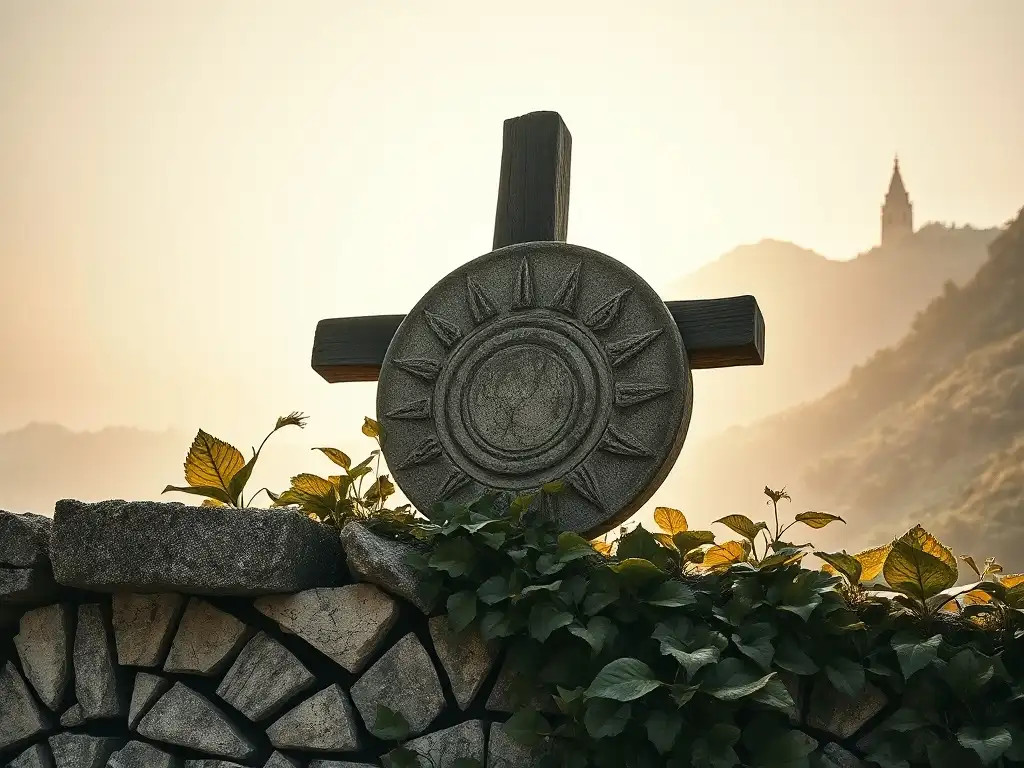
The replacement of Inca religion with Catholicism wasn't a swift, singular event, but rather a complex process spanning decades, influenced by a confluence of factors beyond simple religious conversion. Understanding the complete picture requires examining the devastating impact of disease, the political and social upheaval following the Spanish conquest, and the strategic actions of the Catholic Church itself. The keyword phrase "Inca religion Catholicism replacement" highlights the central theme of this intricate historical shift. Let's delve into the key contributing elements.
The Impact of Smallpox and Demographic Changes on the Inca
The arrival of the Spanish conquistadors brought with it not only steel and horses, but also a devastating array of Old World diseases to which the Inca population had no immunity. Smallpox, in particular, ravaged the Andean population, decimating not only the common people but also the Inca elite, including priests and religious leaders. This dramatic population decline weakened the social fabric of the Inca empire and severely disrupted the transmission of religious traditions.
The loss of life among religious leaders, shamans, and yachaywasi (houses of knowledge) instructors created a vacuum in religious leadership, leaving the population vulnerable to new religious influences. Estimates suggest that the population of the Tawantinsuyu plummeted by as much as 90% in the decades following the initial contact with Europeans, a catastrophic demographic shift that profoundly impacted the ability of the Inca religion to maintain its cultural dominance.
This drastic reduction in population also meant that the intricate system of Inca religious practices, passed down through generations, was significantly disrupted, leaving many traditions lost or fragmented. The weakening of the Inca's social structure, caused by the loss of life and the disruption of established social hierarchies, left a considerable void that Catholicism effectively filled.
The Spanish conquest didn't just decimate the Inca population; it also shattered the political and social structures that underpinned Inca religion. The sophisticated system of ayllus (kinship groups) and the centralized authority of the Sapa Inca were dismantled, creating a power vacuum that the Spanish Crown swiftly filled. The Inca's intricate network of temples, shrines, and sacred sites—essential to their religious practices—were either destroyed or repurposed.
The destruction of these sacred spaces further undermined the spiritual authority of the Inca religion. The imposition of Spanish colonial rule, with its hierarchical structure and emphasis on centralized control, directly contradicted the Inca's more communal and decentralized religious practices. This political and social upheaval created an environment ripe for the adoption of a new, and imposed, religious order.
The dismantling of the Inca empire, therefore, created a fertile ground for the subsequent spread of Catholicism. The absence of a strong, unified Inca leadership left the population vulnerable to the persuasive power of the Catholic Church and its promises of salvation.
The Role of the Catholic Church in Consolidating Colonial Power
The Catholic Church wasn't merely a passive beneficiary of the Inca Empire's collapse; it actively participated in the process of religious replacement. Spanish missionaries, often working hand-in-hand with colonial authorities, employed a range of strategies to supplant Inca religious practices with Catholicism. These strategies included the destruction of Inca temples and the construction of Catholic churches in their place, a symbolic act of religious dominance. The missionaries also actively sought to convert the Inca population, often using a combination of persuasion, coercion, and even violence.
The Church strategically leveraged its influence to consolidate Spanish colonial power. The conversion of the indigenous population was presented not only as a spiritual imperative but also as a means of controlling and pacifying the conquered peoples. The Church's control over education, social welfare, and even legal systems further reinforced its dominance and ensured the long-term success of its campaign to replace Inca religion with Catholicism.
This systematic approach, coupled with the already weakened state of Inca religion, effectively ensured the dominance of Catholicism in the Andean region. The Church's active role in the "Inca religion Catholicism replacement" process should not be underestimated. Their strategies were crucial in shaping the religious landscape of the former Inca Empire.
The Persistence of Inca Spirituality
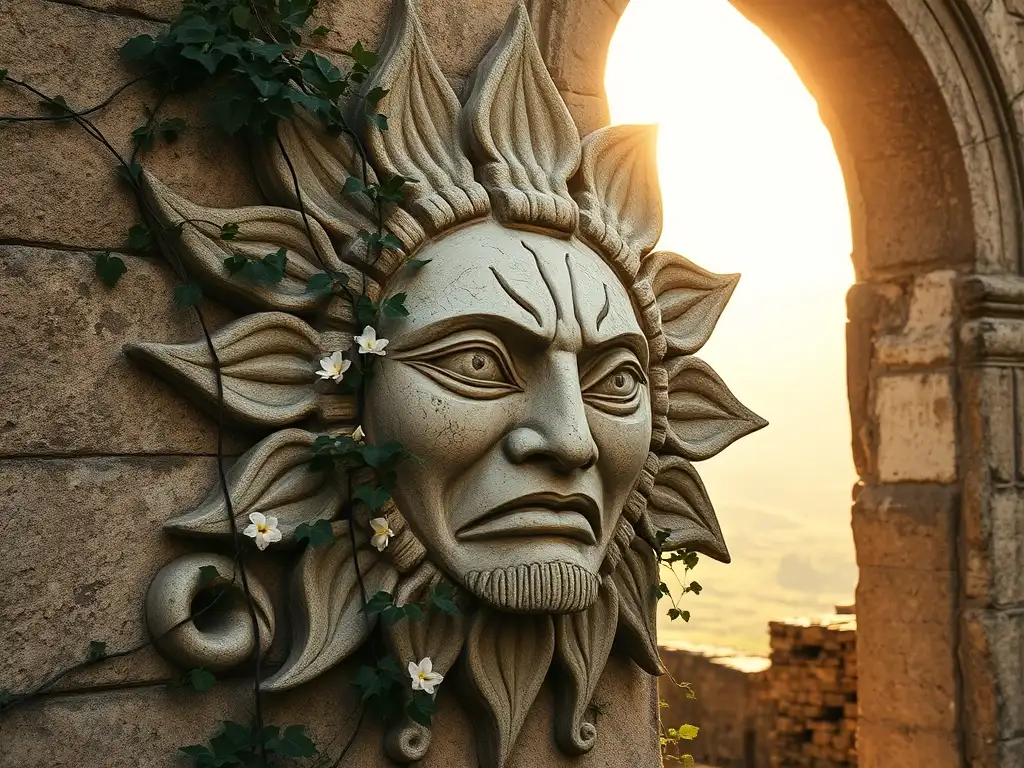
The Spanish conquest didn't eradicate Inca religion; it forced it underground and into adaptation. While Catholicism became the dominant religion, imposed through brutal methods and the destruction of Inca temples and sacred sites, the Andean worldview, with its deep-rooted connection to the apus (mountain spirits) and the Pachamama (Earth Mother), proved remarkably resilient. The replacement of Inca religion by Catholicism was far from complete, a process better described as a complex overlay and syncretism than a straightforward substitution.
The spiritual landscape of the Andes remained a vibrant blend of old and new, a testament to the enduring power of indigenous beliefs. Understanding this persistence is crucial to grasping the full complexity of the "Inca religion Catholicism replacement" narrative.
Underground Rituals and the Survival of Andean Cosmovision
Despite the suppression of Inca religious practices, many rituals continued secretly. Indigenous communities preserved their ancestral knowledge through oral traditions, passed down from generation to generation. These clandestine ceremonies, often conducted in remote areas away from Spanish scrutiny, ensured the survival of key elements of the Andean cosmovision.
For example, huacas (sacred places) remained important sites of worship, though their overt veneration was risky. The connection to the apus, the powerful mountain deities, remained central to Andean identity and spiritual life, often subtly integrated into Catholic practices. The intricate system of reciprocity between humans and the natural world, a cornerstone of Inca religion, endured, albeit in modified forms.
Evidence suggests that many Catholic rituals were adapted to incorporate existing Andean beliefs, creating a complex syncretism that allowed for the continuation of traditional spiritual practices without direct confrontation with the Spanish authorities. This demonstrates the significant challenge the Spanish faced in fully replacing Inca religion with Catholicism; the Andean worldview was deeply ingrained in the people's lives and resistant to complete erasure.
Contemporary Expressions of Andean Spirituality: Apu Worship
The worship of apus continues to this day, representing a powerful example of the enduring legacy of Inca religion. Although the outward forms may have changed, the core beliefs remain. Many Andean communities still make offerings to the mountain spirits, seeking their protection and blessing for crops, livestock, and overall well-being.
These offerings, often consisting of coca leaves, alcohol, and food, are left at sacred sites on mountain peaks or along mountain trails. The apus are seen as powerful intermediaries between the human and spiritual worlds, a belief system directly inherited from pre-Columbian Andean traditions. This continuity underscores the incompleteness of the "Inca religion Catholicism replacement", highlighting the resilience of indigenous spirituality in the face of colonization.
The ongoing practice of apu worship is a vibrant testament to the enduring power of Andean traditions and their integration into contemporary life. Even within the context of modern Catholicism, many practices maintain a subtle but undeniable connection to ancestral beliefs.
The Legacy of Inca Religion in Modern Andean Festivals
Many modern Andean festivals are a direct reflection of the syncretism between Inca religion and Catholicism. These celebrations blend Catholic rituals with pre-Columbian traditions, creating unique and vibrant cultural expressions. For instance, the Inti Raymi (Festival of the Sun), a major Inca festival, was suppressed by the Spanish but has experienced a remarkable revival in recent times.
While presented as a celebration of Inca heritage, the festival still incorporates many of its original spiritual elements, demonstrating a continuing connection to Inca beliefs. Similarly, many other festivals throughout the Andes integrate Catholic elements with pre-existing Andean rituals, creating a complex tapestry of religious and cultural practices. This fascinating blend illustrates the incomplete nature of the "Inca religion Catholicism replacement", showcasing how indigenous traditions adapted and survived within the framework of the imposed Catholic religion.
The persistence of these festivals serves as compelling evidence of the enduring influence of Inca religious beliefs on Andean culture. The vibrant colors, music, and rituals involved in these celebrations are a powerful reminder of the rich tapestry of Andean spirituality, a legacy that continues to thrive despite centuries of colonial influence.
The Long-Term Impact of the Inca Religion and Catholicism Interaction
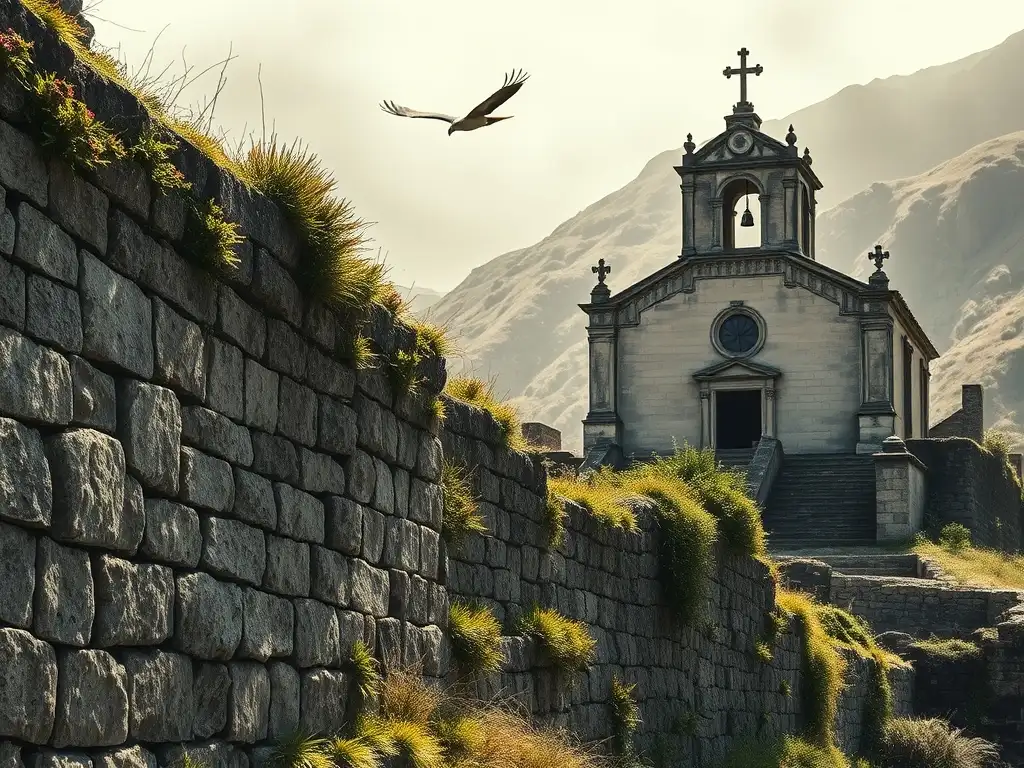
The Spanish conquest of the Inca Empire marked not only a political and economic upheaval but also a profound religious transformation. The forceful imposition of Catholicism aimed to eradicate the Inca religion, a complex system of beliefs and practices deeply interwoven with Andean society. However, the complete replacement of Inca religious practices by Catholicism was far from a simple, swift process.
Instead, a complex interplay of suppression, adaptation, and syncretism shaped the religious landscape of the Andes for centuries to come, leaving a legacy that continues to resonate today. Understanding this interaction requires examining the subtle ways in which indigenous beliefs persisted, adapted, and ultimately coexisted with, rather than being entirely replaced by, Catholic dogma. The enduring impact of this religious clash is evident in the unique blend of Andean and European traditions that persist in modern Andean cultures.
This section will explore the long-term ramifications of this religious interaction, focusing on the lasting cultural and social changes and the enduring tensions that remain. The keyword "Inca religion Catholicism replacement" is central to understanding this complex historical process.
The introduction of Catholicism drastically altered the social fabric of Andean communities. The Inca religion, with its intricate system of huacas (sacred places) and priestly class, was systematically dismantled. Temples were destroyed, religious ceremonies suppressed, and yachaqs (Inca healers and priests) persecuted. This suppression, however, didn't lead to a complete erasure of indigenous beliefs.
Instead, Andean communities adapted. Many indigenous practices were subtly incorporated into Catholic rituals, creating a syncretic blend. For example, the veneration of certain huacas continued, often disguised as Catholic saints. The Pachamama, the earth goddess, found a parallel in the Virgin Mary, while other indigenous deities were assimilated into the Catholic pantheon.
This process, while often forced, allowed for the preservation of certain aspects of Inca religious identity. The resilience of Andean culture is evident in the persistence of these syncretic practices, demonstrating the incomplete nature of the "Inca religion Catholicism replacement" narrative. The forced conversion to Catholicism also led to significant social restructuring, with the traditional power structures of the Inca Empire being replaced by a hierarchical system based on the Catholic Church. This resulted in a new social order, one that integrated but did not entirely obliterate pre-existing social structures.
The Enduring Tension Between Indigenous Beliefs and Catholic Beliefs
Despite the centuries of Catholic influence, indigenous beliefs and practices have stubbornly persisted in the Andes. The "Inca religion Catholicism replacement" was, in reality, an incomplete process. While outward conformity to Catholicism was often enforced, many Andean communities maintained their own spiritual traditions in secret or subtly integrated them into their Catholic practices.
This resulted in a complex religious landscape characterized by a constant tension between the imposed Catholic faith and the enduring indigenous spiritualities. Even today, many Andean communities practice a blend of Catholic and indigenous beliefs, demonstrating the enduring legacy of Inca religious traditions. This continued presence of indigenous spirituality highlights the limitations of colonial attempts at religious homogenization.
The survival of these practices, often in hidden or disguised forms, speaks volumes about the resilience of Andean culture and its resistance to total religious assimilation. The persistence of these traditions demonstrates that the "replacement" narrative is overly simplistic and ignores the complexities of cultural adaptation and resistance.
Understanding the Complex Religious Transition in the Andes
The religious transformation in the Andes following the Spanish conquest was far from a simple replacement of one faith by another. Instead, it was a complex process characterized by suppression, adaptation, and syncretism. The Inca religion did not simply disappear; it transformed, adapting to the new realities imposed by the Spanish colonizers.
The enduring presence of indigenous beliefs and practices in modern Andean cultures underscores the incomplete nature of the "Inca religion Catholicism replacement" process. A nuanced understanding requires acknowledging the resilience of indigenous cultures, their capacity for adaptation, and the enduring tension between the imposed Catholic faith and the rich tapestry of Andean spiritualities. Further research is needed to fully comprehend the intricate details of this religious transition, including the specific mechanisms of adaptation and the diverse regional variations in the interaction between Inca religion and Catholicism.
This complex interplay, involving both forced conversion and subtle cultural preservation, continues to shape the religious identity of the Andes today. The narrative of "Inca religion Catholicism replacement" should be reframed as a story of adaptation, resistance, and the enduring power of indigenous spirituality.
Conclusion: Reflections on the Spiritual Conquest
The replacement of Inca religion with Catholicism was not a simple, swift process, but rather a complex interplay of coercion, adaptation, and syncretism. While the Spanish Crown actively suppressed Inca religious practices, aiming for a complete Inca religion Catholicism replacement, the indigenous population demonstrated remarkable resilience. The imposition of a new faith didn't erase the deeply ingrained Andean cosmovision; instead, it fostered a fascinating blend of beliefs and practices.
The persistence of indigenous spiritual elements within the outwardly Catholic framework highlights the enduring power of Andean traditions and their ability to adapt and survive even under immense pressure. Understanding this dynamic process is crucial to appreciating the multifaceted nature of the Spanish conquest and its lasting impact on Andean societies.
The subtle yet significant ways in which Inca religious practices continue to influence contemporary Andean culture are a testament to the strength and adaptability of the Andean spirit. The complete eradication of Inca beliefs was never truly achieved; rather, a complex, evolving religious landscape emerged, reflecting a continuous negotiation between the imposed faith and the enduring indigenous spirituality.
The Lasting Effects of the Religious Shift in the Andes
The consequences of the Inca religion Catholicism replacement are still felt in the Andes today. The syncretic nature of Andean Catholicism, a blend of indigenous beliefs and Catholic doctrines, is evident in various religious practices and celebrations. For instance, many Andean communities still incorporate elements of their ancestral veneration of mountains (Apus) and Pachamama (Mother Earth) into their Catholic rituals.
The Virgin Mary, for example, often takes on attributes associated with pre-Columbian goddesses, reflecting a subtle yet powerful continuity of indigenous religious feeling. This syncretism is not merely a superficial overlay, but rather a deep-seated integration of two distinct belief systems, demonstrating the resilience and adaptability of Andean culture. The process of religious conversion wasn't simply a matter of abandoning one faith for another; it was a complex negotiation resulting in a unique blend that continues to shape Andean identity and religious practices.
Further research is needed to fully understand the nuances of this syncretic religious landscape and its ongoing impact on Andean communities. [Specific data on the prevalence of syncretic practices in different Andean regions pending].
Further Research: Exploring the Andean Cosmovision
To fully grasp the significance of the Inca religion Catholicism replacement, further research into the complexities of the Andean cosmovision is essential. Understanding the pre-colonial worldview, with its emphasis on interconnectedness, reciprocity, and the spiritual significance of the natural world, provides crucial context for interpreting the subsequent religious transformations. Investigating the ways in which Inca religious beliefs and practices were adapted and incorporated into the new Catholic framework is vital. This requires a nuanced approach, moving beyond simplistic narratives of suppression and conversion to explore the subtle ways in which indigenous beliefs persisted and reshaped the imposed religious system.
A deeper understanding of the indigenous worldview allows for a more accurate and complete interpretation of the lasting impacts of the Spanish conquest. [Specific examples of scholarly works on Andean cosmovision pending]. Detailed ethnographic studies of contemporary Andean religious practices would further illuminate this complex religious landscape.
Call to Action: Learn More about Andean History and Culture
The story of the Inca religion Catholicism replacement serves as a powerful reminder of the enduring strength and adaptability of Andean cultures. This complex process highlights the limitations of simplistic narratives of conquest and conversion, urging us to explore the nuances of cultural interaction and the resilience of indigenous traditions. To deepen your understanding of this fascinating and often overlooked aspect of Andean history, we encourage you to delve further into the rich tapestry of Andean civilization. Explore the diverse range of scholarly resources available, engage with contemporary Andean communities, and appreciate the enduring legacy of their rich cultural heritage.
The ongoing dialogue between indigenous traditions and external influences continues to shape Andean identity, making it a dynamic and compelling area of study. By learning more, you contribute to a more complete and nuanced understanding of this vital chapter in Andean history. 🙋🏽♂️
Frequently Asked Questions
What was the most important aspect of Inca religion before the Spanish conquest?
The most important aspect was the worship of the sun god, Inti, along with other deities representing natural forces like the moon, stars, and mountains. Inca religion was deeply intertwined with agriculture and the emperor's authority.
How did the Spanish conquistadors approach the religious beliefs of the Inca people?
The Spanish, driven by their mission to convert indigenous populations to Catholicism, actively sought to suppress Inca religious practices. They destroyed temples, idols, and sacred sites, while promoting Christian doctrine and rituals.
What methods did the Spanish use to replace Inca religion with Catholicism?
The Spanish employed a variety of methods, including forced conversions, the destruction of Inca religious artifacts and practices, and the introduction of Christian missionaries who actively taught Catholic beliefs. Violence and intimidation were also frequently used.
What lasting impact did the replacement of Inca religion have on Andean culture?
The imposition of Catholicism resulted in a syncretic blend of indigenous and Christian beliefs, with many Inca traditions subtly integrated into Catholic practices. This created a unique Andean Catholic identity, although much of the original Inca religion was lost.
Are there any visible remnants of Inca religion today?
While Inca religious practices were largely suppressed, some elements survived in altered forms within syncretic Andean Catholicism. Certain ceremonies and beliefs persist, often interwoven with Catholic rituals, demonstrating the enduring influence of Inca spirituality.
Final Reflection: Echoes of Conquest, Seeds of Resilience
The forceful replacement of the Inca religion by Catholicism wasn't merely a historical event; it's a living legacy shaping religious and cultural landscapes in South America today. The enduring impact of this spiritual conquest continues to resonate in the syncretic practices, the lingering traditions, and the ongoing dialogue between indigenous spirituality and the dominant faith. Understanding this complex interplay is crucial to comprehending the present-day realities of Andean communities.
The subtle and not-so-subtle ways in which Inca beliefs persist, often interwoven with Catholic rituals, is a testament to the enduring power of indigenous spirituality. This resilience speaks volumes about the human spirit's capacity to adapt and retain its core values even in the face of overwhelming pressure. The gods may change, but the mountains remain.
This unspoken truth underscores the enduring connection between the Andean people and their ancestral beliefs, a connection that transcends the imposition of a foreign faith.
Consider the implications of this historical narrative. How does the story of the Inca religion's displacement challenge our understanding of cultural dominance and religious conversion? What responsibility do we bear, as inheritors of this history, to acknowledge the complexities of this past and to support the ongoing efforts to preserve and celebrate indigenous cultures? Let the echoes of conquest inspire you to learn more, to listen more deeply, and to actively participate in building a future where diverse spiritualities can coexist and flourish.
Unveil Your Spiritual Journey Today!
Thank you for exploring the profound impact of Catholicism on Inca spirituality. We hope you gained valuable insights into this remarkable cultural exchange and its complexities. Now, let's deepen your own spiritual exploration and connect with this rich history.
Here are some ways to continue your journey:
- Dive Deeper: Explore the fascinating interplay of Catholicism and Indigenous beliefs by reading a book or article on religious syncretism. Consider focusing on specific examples of how these belief systems blended and influenced one another.
- Join the Conversation: Share this information with friends or participate in discussions within groups interested in religious studies or cultural history. Sharing your insights can spark engaging conversations about faith and cultural transformation.
- Engage Creatively: Express your understanding through art, writing, or another creative medium. Reflect on how the blend of beliefs and traditions you've learned about shapes your own spiritual perspective.
What aspect of this cultural and spiritual transformation resonates most with you, and how does it inform your own beliefs and practices?