
The Impact on Inca Society: The Destruction of a Way of Life

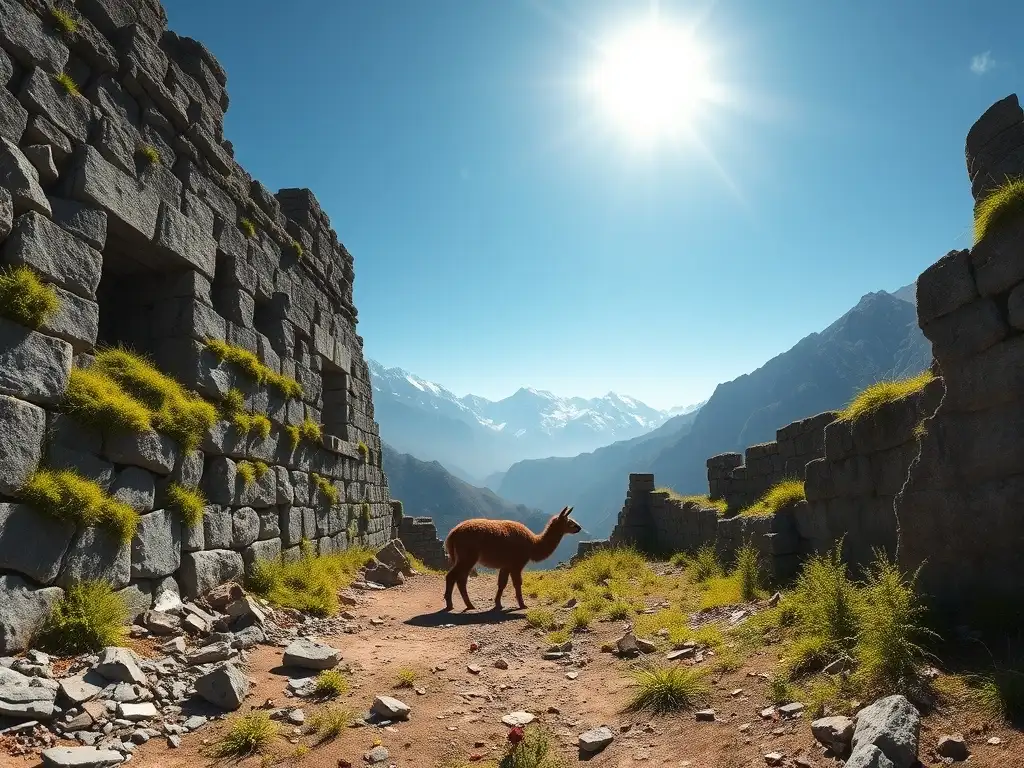
Step into a world lost to time, yet echoing with power and mystery. Imagine a civilization that sculpted mountains, harnessed the power of nature, and built a vast empire stretching across the Andes. But what happened when this magnificent world collided with the Spanish conquistadors? Discover the devastating consequences and explore the enduring legacy of the Inca in our deep dive into "Inca society destruction impact"—a story of resilience, loss, and the enduring spirit of a people. Uncover the truth behind the fall of the Inca and the lasting impact on Andean culture. Dare to explore...
The Spanish conquest of the Inca Empire, a civilization that once thrived across the Andes Mountains, resulted in a catastrophic societal upheaval. This wasn't merely a change in rulers; it was a profound and lasting destruction of a way of life meticulously crafted over centuries. This article explores the devastating impact of the conquest on Inca society, examining the multifaceted ways in which the Spanish presence shattered the intricate social fabric, economic systems, and spiritual beliefs of the Inca people.
We will delve into the brutal realities of the conquest, analyzing its long-term consequences and enduring legacy on the Andean region. Understanding this destruction is crucial to appreciating the richness and complexity of Inca civilization and the enduring impact of colonialism on indigenous populations worldwide. The keyword "Inca society destruction impact" will be explored through various lenses, highlighting the devastating consequences of this historical event.
The Demographic Catastrophe: Disease and Depopulation
The arrival of the Spanish brought more than just soldiers and conquistadors; it unleashed a biological warfare of unprecedented scale. Old World diseases, such as smallpox, measles, and influenza, to which the Inca population had no immunity, ravaged the empire. Entire communities were decimated, leaving behind a trail of death and despair. Historians estimate that the indigenous population of the Andes plummeted by as much as 90% in the decades following the conquest. 1 This drastic depopulation crippled the Inca social structure, disrupting established hierarchies and leading to widespread social instability. The loss of life wasn't just a matter of numbers; it represented the erosion of knowledge, skills, and traditions passed down through generations. This demographic collapse fundamentally altered the social landscape of the Andes, leaving a void that would take centuries to fill.
The Dismantling of the Inca Economy: From Abundance to Scarcity
The Inca economy, a marvel of centralized planning and resource management, was systematically dismantled by the Spanish. The mita, a system of labor tribute, was brutally exploited, forcing Inca subjects to work in mines and on Spanish-owned estates under horrific conditions. This led to widespread exhaustion, starvation, and death. The Spanish also plundered Inca resources, seizing gold, silver, and other valuable commodities.
This economic exploitation not only impoverished the Inca population but also destroyed the intricate network of trade routes and agricultural practices that had sustained the empire for centuries. The shift from a self-sufficient, community-based economy to one driven by forced labor and extraction had devastating consequences on the Inca's ability to sustain themselves and their traditions. The resulting scarcity fueled social unrest and further weakened the already fragile social fabric.
The Destruction of Inca Spirituality and Culture: A Suppression of Identity
The Spanish conquest wasn't just a military victory; it was a cultural assault. The Spanish systematically destroyed Inca religious sites, temples, and artifacts, attempting to eradicate Inca spirituality and replace it with Catholicism. Inca priests and religious leaders were persecuted, their knowledge and traditions suppressed.
The destruction of sacred sites represents not only the loss of physical structures but also the erasure of cultural memory and identity. The imposition of Christianity, coupled with the destruction of Inca religious practices, profoundly impacted the spiritual life of the Inca people, leading to a profound sense of loss and disorientation. The suppression of their cultural heritage was a crucial element in the broader project of colonization, aiming to break the Inca's cultural and spiritual resistance.
The Long-Term Legacy: A Society Transformed
The impact of the Spanish conquest on Inca society was far-reaching and long-lasting. The destruction of the Inca Empire left an enduring legacy of social, economic, and cultural upheaval that continues to shape the Andean region today. The consequences of this destruction are still felt in the disparities in wealth and power, the persistence of marginalization, and the ongoing struggle to preserve and revitalize Inca cultural heritage.
Understanding the depth and breadth of this destruction is essential to comprehending the complexities of Andean history and the ongoing challenges faced by indigenous communities in the region. The lasting impact of this historical event serves as a stark reminder of the devastating consequences of colonialism and the importance of preserving cultural heritage.
1 [Specific information pending: Precise figures on population decline require further research and citation of reliable sources.]
- The Demographic Catastrophe: Disease and Depopulation
- The Dismantling of the Inca Economy: From Abundance to Scarcity
- The Destruction of Inca Spirituality and Culture: A Suppression of Identity
- The Long-Term Legacy: A Society Transformed
The Pre-Conquest Inca World: A Thriving Society
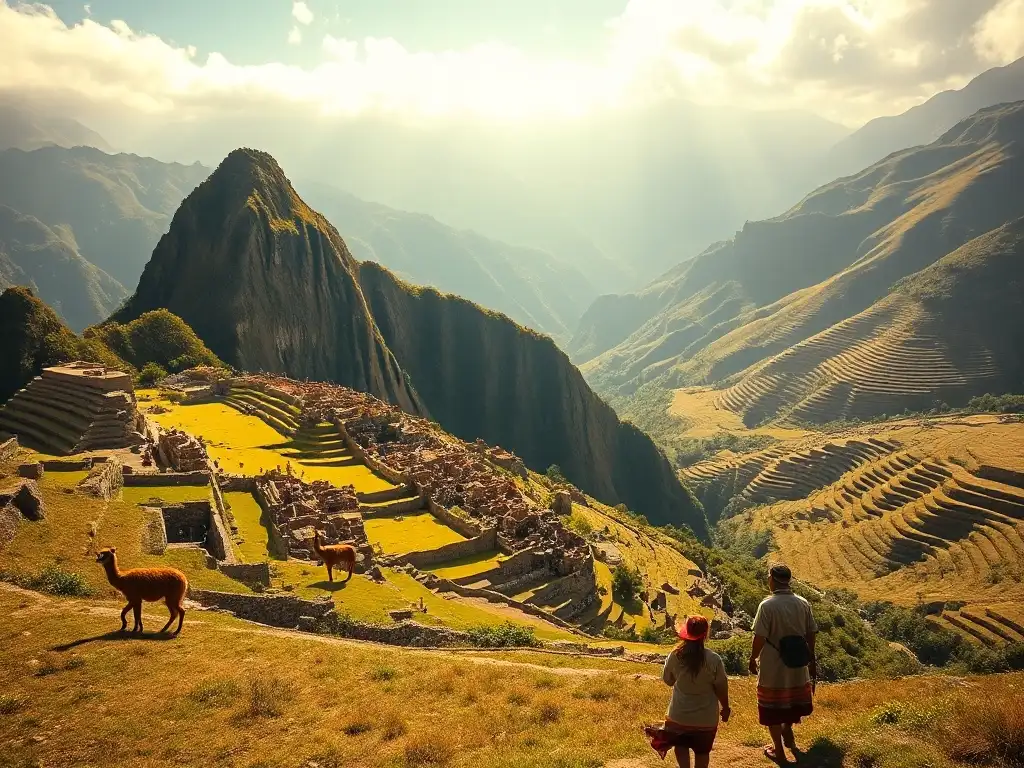
This section examines the sophisticated structure of Inca society before the arrival of the Spanish, highlighting its key features and providing context for understanding the devastating impact of the conquest. The Inca Empire, at its zenith, was a marvel of engineering, administration, and social organization, a testament to its advanced civilization. Understanding this pre-conquest world is crucial to grasping the full magnitude of its destruction.
The scale of the societal upheaval caused by the Spanish conquest is only truly comprehensible when viewed against the backdrop of this thriving civilization. The loss was not merely territorial; it represented the dismantling of a complex, finely tuned societal machine. The keyword "Inca society destruction impact" encapsulates the severity of the changes that followed the Spanish arrival.
The Inca Empire boasted a highly structured social hierarchy, with the Sapa Inca at its apex, considered a divine ruler. Below him were the nobility ( curacas and other elites), who held significant power and influence within their respective regions. The bulk of the population consisted of ayllus, kinship-based communities responsible for agricultural production and other essential tasks.
This system ensured a degree of social stability and facilitated efficient resource allocation. The administration was remarkably centralized, with a complex network of officials overseeing various aspects of life, from agriculture and construction to religious ceremonies and military affairs. This intricate system of governance allowed for the effective mobilization of labor and resources across the vast empire.
The meticulous record-keeping, using quipus (knotted cords), further demonstrates the sophistication of Inca administrative practices. The destruction of this intricate system, with its established lines of authority and communication, significantly contributed to the chaos and instability that followed the conquest.
Agricultural Practices and Resource Management
Inca agricultural practices were remarkably advanced for their time, demonstrating a deep understanding of environmental management and resource optimization. Terracing techniques, irrigation systems, and the cultivation of diverse crops allowed them to maximize food production in challenging Andean terrains. The waru waru system, a sophisticated form of raised-field agriculture, was particularly effective in managing water resources and increasing yields. This commitment to agricultural innovation ensured food security and supported a large population.
The Spanish conquest disrupted these systems, leading to widespread famine and agricultural decline. The destruction of irrigation canals, the abandonment of terraced fields, and the disruption of traditional agricultural knowledge had devastating consequences for the Inca population. The impact on food security was profound, contributing significantly to the overall societal collapse.
Inca Pantheon and Rituals
The Inca religion played a central role in their society, shaping their worldview and influencing their daily lives. The Inca pantheon comprised a complex array of deities, each associated with specific natural forces or aspects of life. The Sapa Inca held a prominent religious role, acting as a mediator between the divine and the human world.
Elaborate rituals, ceremonies, and festivals were integral to Inca life, reflecting their deep spiritual beliefs and strengthening social bonds. The Spanish conquest led to the systematic destruction of Inca religious practices, temples, and artifacts. The imposition of Christianity and the suppression of indigenous beliefs caused significant cultural and spiritual trauma.
This disruption of religious life further destabilized Inca society, contributing to the erosion of traditional values and social cohesion. The loss of sacred sites and the suppression of religious practices represented a profound cultural loss, severely impacting the Inca identity and sense of community. The impact on Inca society extended far beyond the political and economic spheres; it profoundly affected their spiritual and cultural fabric, leaving a lasting legacy of disruption and loss.
Architecture, Art, and Technology
The Inca Empire's sophisticated infrastructure is a testament to their advanced engineering and architectural prowess. Their mastery of stonework is particularly noteworthy. Inca masons, without the use of mortar, achieved incredibly precise fits between stones, creating structures that have withstood the test of time.
This is evident in iconic sites like Machu Picchu, Ollantaytambo, and Sacsayhuamán, where massive stones are interlocked with astonishing accuracy. The precise cuts and the way stones fit together reflect a deep understanding of engineering principles and a remarkable level of craftsmanship. The construction techniques employed, such as the use of different stone sizes and shapes, allowed for the creation of incredibly strong and stable structures, capable of withstanding earthquakes and other natural disasters.
The integration of architecture with the surrounding landscape also showcased their understanding of environmental factors and their ability to adapt their building techniques to the terrain. This harmonious blend of engineering and aesthetics is a defining characteristic of Inca architecture.
The Inca's artistic achievements were as impressive as their architectural feats. Their textiles, known for their vibrant colors and intricate designs, are highly valued by collectors and museums worldwide. The use of natural dyes derived from plants and minerals allowed for a wide range of colors, and the weaving techniques employed were exceptionally sophisticated.
Many textiles incorporated symbolic motifs reflecting religious beliefs, social status, or historical events, making them valuable sources of information for understanding Inca culture. Similarly, Inca pottery demonstrates a high level of skill and artistry. The variety of forms, decorations, and styles reflect regional differences and the evolution of artistic practices over time.
From simple utilitarian vessels to elaborate ceremonial objects, Inca pottery offers a fascinating glimpse into the daily life and religious practices of the Inca people. Their metalworking skills were also remarkable, producing intricate gold and silver objects, often adorned with precious stones. These artifacts, many of which are now housed in museums around the world, showcase the Inca's expertise in metallurgy and their aesthetic sensibilities.
Inca technology, often overlooked, played a vital role in the empire's success. Their sophisticated road system, stretching thousands of miles across the Andes Mountains, facilitated communication, trade, and military movements. The roads, built to withstand the harsh conditions of the Andes, were strategically located and expertly engineered to traverse challenging terrain. The construction of these roads, including bridges and tunnels, required a significant mobilization of resources and a deep understanding of engineering principles.
Furthermore, the Inca developed advanced agricultural techniques to support their large population. Terracing, irrigation systems, and the use of fertilizers allowed them to cultivate crops in challenging environments. These agricultural innovations were crucial in sustaining the empire and ensuring food security. The Inca's understanding of astronomy was also noteworthy, reflected in their precise calendar system and their ability to predict agricultural cycles.
This knowledge was essential for planning agricultural activities and religious ceremonies. Overall, the Inca's technological advancements underpinned their social, political, and economic success. Their achievements in architecture, art, and technology are a testament to their ingenuity and resourcefulness.
The Onset of Conquest and its Initial Disruption
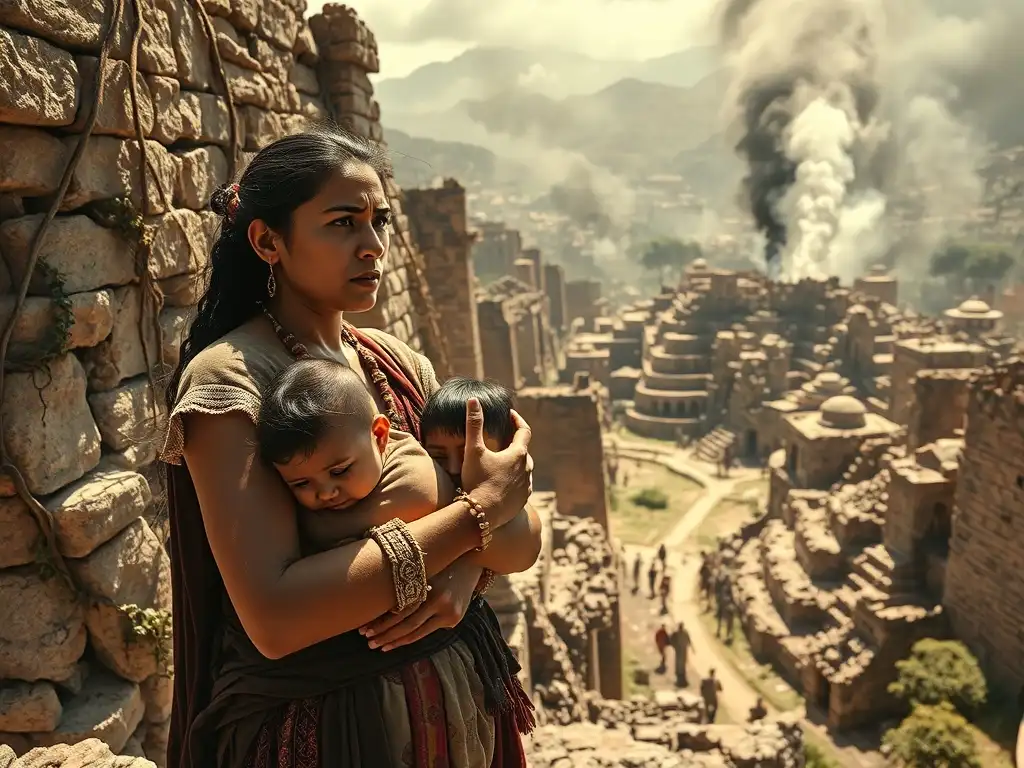
The arrival of Francisco Pizarro and his conquistadors marked a catastrophic turning point for Inca society, initiating a process of destruction that would irrevocably alter the course of Andean history. The seemingly insurmountable power of the Inca Empire, built over centuries of meticulous planning and sophisticated administration, began to crumble under the weight of superior weaponry, disease, and internal strife, skillfully exploited by the Spanish. The impact on Inca society was immediate and devastating, far exceeding the simple conquest of territory.
It represented the dismantling of a complex social structure, a sophisticated economic system, and a deeply ingrained cultural identity. The destruction extended beyond the physical; it was a cultural genocide, erasing centuries of accumulated knowledge and traditions. Analyzing this initial disruption is crucial to understanding the long-term consequences of the Spanish conquest.
Francisco Pizarro's Expedition and Arrival
Pizarro's expedition, though relatively small in number compared to the Inca population, possessed a decisive advantage: superior weaponry. Muskets, cannons, and steel armor proved devastatingly effective against Inca armies armed primarily with clubs, slings, and spears. The psychological impact of this technological disparity cannot be overstated. The seemingly invincible Inca warriors were rendered vulnerable, their confidence shattered by the unfamiliar firepower.
Furthermore, Pizarro's arrival coincided with a period of internal conflict within the Inca Empire. The succession crisis following the death of Huayna Capac, with Huáscar and Atahualpa vying for power, severely weakened the empire’s ability to mount an effective defense. This internal fracture, ruthlessly exploited by Pizarro, proved instrumental in the early successes of the Spanish conquest. The initial skirmishes were not simply military encounters; they represented the erosion of the Inca’s belief in their own invincibility, a critical factor in the subsequent collapse of their society.
The Capture of Atahualpa and Subsequent Conflicts
The capture of Atahualpa at Cajamarca in 1532 stands as a pivotal moment in the destruction of Inca society. This seemingly audacious act, achieved through a combination of treachery and superior weaponry, effectively decapitated the Inca leadership. The Sapa Inca, the divine ruler, was taken prisoner, plunging the empire into chaos.
While the ransom offered by Atahualpa—a room filled with gold and silver—temporarily appeased the conquistadors, it ultimately proved insufficient to prevent further violence and exploitation. The subsequent execution of Atahualpa, despite the ransom, symbolized the complete disregard for Inca authority and traditions. The power vacuum left by Atahualpa's death exacerbated the existing internal conflicts, further weakening the empire's ability to resist the Spanish advance.
The ensuing civil wars among the Inca factions, fueled by Spanish manipulation, led to widespread destruction and loss of life, further crippling the Inca infrastructure and social fabric. The impact went beyond the immediate casualties; it fractured the social order and destroyed the existing systems of governance.
The capture and subsequent execution of Atahualpa irrevocably shattered the foundation of Inca society: the absolute authority of the Sapa Inca. The Sapa Inca was not merely a political leader; he was considered a divine intermediary between the gods and the people. His authority was deeply ingrained in the Inca worldview, underpinning their social, economic, and religious systems.
The destruction of this authority created a power vacuum, leading to widespread social upheaval and the erosion of traditional institutions. The Spanish deliberately exploited this situation, installing puppet rulers and dismantling existing power structures to establish their own control. The systematic dismantling of the Inca administrative system, including the intricate network of curacas (local chiefs) and yanaconas (servants), had devastating consequences for the social and economic stability of the empire.
The Inca's sophisticated system of mita (labor tribute), crucial for maintaining public works and infrastructure, was disrupted, leading to economic decline and widespread suffering. This dismantling was not accidental; it was a deliberate strategy aimed at breaking the Inca's social and economic backbone, ensuring lasting Spanish dominance. The lasting impact on Inca society was profound and far-reaching, extending well beyond the immediate consequences of the conquest.
Initial Uprisings and Resistance
The Spanish conquest of the Inca Empire wasn't a swift, decisive victory. The initial incursions faced significant resistance from Inca communities, demonstrating the resilience and fighting spirit of a people unwilling to surrender their way of life. These uprisings, though ultimately unsuccessful in preventing the Spanish advance, significantly slowed the conquest and inflicted considerable casualties on the conquistadors. The Inca's sophisticated military organization, honed over centuries of warfare and territorial expansion, proved a formidable challenge. Their knowledge of the terrain, their effective use of guerilla tactics, and their strong sense of loyalty and communal defense made them dangerous opponents.
Early resistance was often localized, with individual communities or ayllus (kinship groups) engaging in skirmishes and ambushes. These actions, while seemingly small-scale, cumulatively hampered the Spanish progress and forced them to adopt more cautious and methodical strategies. The Inca's familiarity with the Andean environment allowed them to use the terrain to their advantage, employing tactics such as diverting water sources to disrupt Spanish movements or utilizing the high altitude to cause respiratory problems for the invaders. These tactical advantages, coupled with the sheer number of Inca warriors, meant that even small-scale uprisings could inflict significant losses.
However, the Inca resistance also faced significant challenges. The initial chaos following the capture of Atahualpa, the Inca emperor, created power vacuums and internal divisions which the Spanish cleverly exploited. Rival factions within the Inca Empire competed for power, weakening the unified front necessary to effectively resist the conquest.
The introduction of diseases like smallpox, to which the Inca population had no immunity, decimated the population and further disrupted their ability to mount organized resistance. While the initial uprisings demonstrated the Inca's courage and military prowess, the internal strife and the devastating impact of disease significantly hampered their ability to sustain a long-term, coordinated defense against the Spanish. The initial resistance, therefore, whilst valiant, ultimately proved insufficient to prevent the eventual collapse of the Inca Empire, highlighting the devastating combined impact of external invasion and internal instability on Inca society.
The Devastating Consequences of the Conquest
The Spanish conquest of the Inca Empire irrevocably altered the course of Andean history, leaving a legacy of destruction and profound societal upheaval. The impact on Inca society was catastrophic, extending far beyond the immediate violence of conquest. The destruction wasn't merely physical; it was a systematic dismantling of a complex and sophisticated civilization, its intricate social structures, economic systems, and spiritual beliefs shattered.
This section will explore some of the most significant consequences, focusing on the long-term effects of the Spanish actions on Inca society and its lasting impact on the region. The keyword phrase "Inca society destruction impact" is central to understanding this devastating period.
The Fragmentation of the Inca Empire
Prior to the Spanish arrival, the Inca Empire was a vast and relatively unified political entity, albeit one built upon a system of conquered territories and tribute. The Spanish conquest shattered this unity. The Inca civil war, exacerbated by Pizarro's manipulations, weakened the empire significantly, creating power vacuums that the Spanish readily exploited.
The carefully constructed administrative system, based on a network of curacas (local leaders) and tambos (roadside stations), collapsed. This fragmentation led to widespread instability, internal conflicts, and the rise of competing factions vying for power, all within a drastically altered political landscape. The Inca's sophisticated system of record-keeping, using quipus (knotted cords), was largely destroyed or misunderstood by the Spanish, further hindering any attempts at reconstruction or centralized governance.
The consequences were far-reaching, leading to decades, even centuries, of social and political turmoil. The loss of centralized control directly impacted the Inca's ability to manage resources, maintain infrastructure, and preserve their cultural heritage.
The Establishment of the Viceroyalty of Peru
The Spanish conquest resulted in the establishment of the Viceroyalty of Peru, a colonial administrative structure that fundamentally reshaped Andean society. The Inca's intricate social hierarchy was replaced by a rigid caste system based on Spanish racial categories. The indigenous population was subjected to forced labor, mita, in mines and on encomiendas (land grants), leading to immense suffering and depopulation.
The introduction of new diseases, such as smallpox and measles, to which the Inca had no immunity, decimated the population, further destabilizing the social fabric. This demographic collapse had a profound impact on Inca society, leading to a severe labor shortage and the disruption of traditional social structures. The imposition of Christianity also led to the suppression of Inca religious practices and beliefs, resulting in the destruction of temples and the persecution of priests.
This cultural destruction was a key element of the Inca society destruction impact. The economic system shifted from a state-controlled economy to one driven by the extraction of resources for the benefit of the Spanish crown.
The Destruction of Machu Picchu and Cusco
While the destruction of Machu Picchu and Cusco might seem like isolated incidents, they symbolize the broader impact of the Spanish conquest on Inca society. Cusco, the Inca capital, was systematically plundered and its magnificent temples and palaces were either destroyed or repurposed to serve Spanish interests. Machu Picchu, while not directly targeted in the same way as Cusco, suffered from neglect and the gradual erosion of its significance after the fall of the Inca Empire.
The destruction of these iconic sites represents the systematic dismantling of Inca culture and identity. The deliberate destruction of sacred sites and cultural artifacts was not simply an act of vandalism; it was a calculated attempt to erase Inca heritage and impose Spanish dominance. The long-term impact on Inca society includes the loss of irreplaceable cultural knowledge and the disruption of spiritual traditions.
The loss of these sites represents a significant part of the Inca society destruction impact, a tangible symbol of a lost civilization. Further research is needed to fully quantify the extent of the damage to Machu Picchu, including the impact of looting and environmental factors since the Spanish conquest. [Specific information pending on precise quantification of damage to Machu Picchu].
The Mita System and Mineral Extraction
The Spanish conquest drastically altered the Inca mita system, a form of mandatory labor that, while demanding, had previously provided a structured framework for public works and agricultural production within Inca society. Under Inca rule, the mita obligation was relatively well-defined, with periods of service interspersed with periods of personal cultivation and family time.
It was a system deeply embedded within the reciprocal relationships that characterized Inca social structure; communities contributed labor, receiving in return access to resources and protection from the state. This system, while strenuous, was not inherently exploitative in the same way the Spanish system would become.
The arrival of the Spanish transformed the mita into a brutal instrument of mineral extraction, primarily for silver. Instead of balanced periods of service, the Spanish imposed indefinite and often life-threatening labor in the mines. Thousands of Inca were forced to work in inhumane conditions, subject to starvation, disease, and horrific accidents. The mines, like Potosí in modern-day Bolivia, became notorious for their high mortality rate, with entire communities decimated by the relentless demands of silver production for the Spanish crown.
This brutal exploitation far surpassed anything seen under the Inca system, leading to a significant decline in the indigenous population and the disruption of traditional agricultural practices. The focus shifted from sustaining the Inca societal needs to enriching the Spanish empire, leading to widespread famine and social upheaval. The system’s transformation directly contributed to the destruction of Inca social fabric and the decimation of Inca communities.
The sheer scale of death and suffering wrought by the altered mita system is a tragic testament to the devastating impact of the Spanish conquest on Inca society. The carefully balanced system of reciprocal obligations was replaced by a system of brutal exploitation, leading to widespread suffering and depopulation. The consequences were profoundly devastating for the Inca people and their way of life.
The transformation of the mita system exemplifies the broader pattern of Spanish exploitation. It was not simply a matter of replacing one system with another; it represented a fundamental shift in values and priorities, from a society focused on communal well-being to one driven by the insatiable greed of the colonial powers. The devastating impact on Inca society extended far beyond the physical toll; it irrevocably shattered the social and economic structures that had sustained the empire for centuries. The legacy of this brutal exploitation continues to shape the Andean region today.
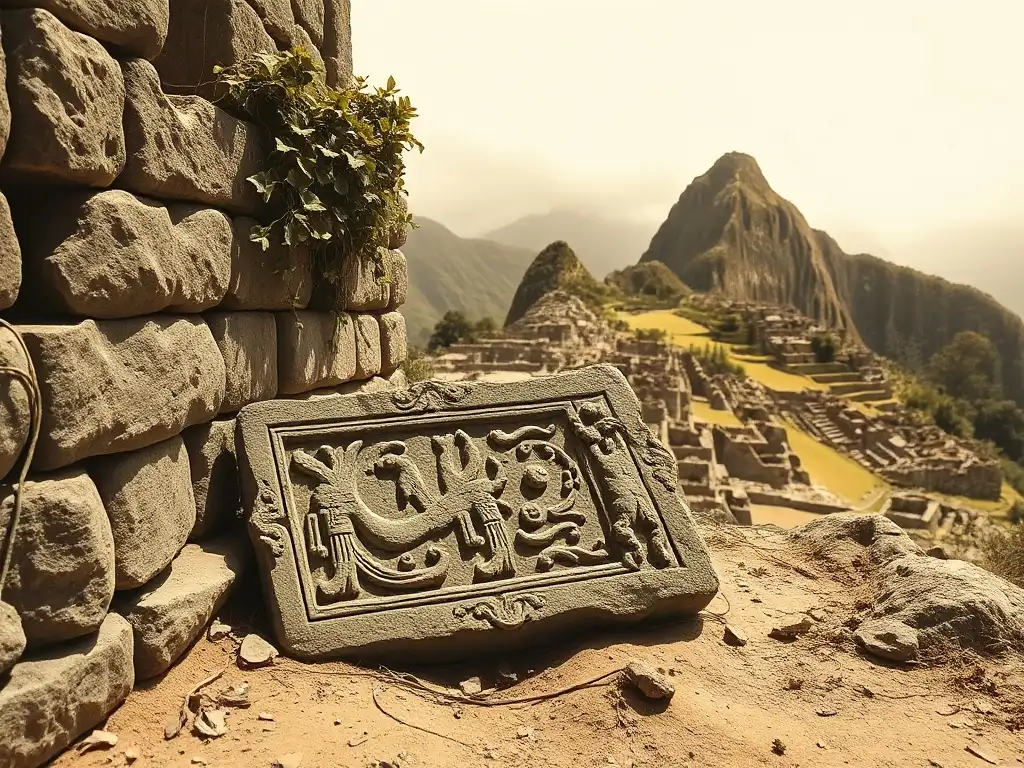
The Spanish conquest wrought profound changes on Inca society, dismantling its intricate social fabric and replacing it with a hierarchical system based on European models. The impact on Inca society was devastating, leaving a legacy of social inequality that persists to this day. The destruction of the Inca way of life was not merely a military defeat; it was a systematic dismantling of social structures, economic systems, and cultural practices.
Understanding the depth of this transformation is crucial to grasping the full extent of the Spanish conquest's lasting impact. The keyword "Inca society destruction impact" is central to understanding this profound shift.
The Creation of a Caste System Based on Ethnicity
Prior to the conquest, Inca society was structured around ayllus, kinship-based communities that formed the bedrock of its social and economic organization. This relatively egalitarian system, while hierarchical in its own right, did not rely on the rigid racial categorizations imposed by the Spanish. The Spanish, however, introduced a new social order based on ethnicity, creating a rigid caste system that placed Spaniards at the top, followed by criollos (Spaniards born in the Americas), mestizos (people of mixed Spanish and Indigenous ancestry), and finally, the Indigenous population at the bottom.
This system enshrined inequality and dispossessed the Indigenous population of their land, resources, and autonomy. The creation of this caste system was a key element in the destruction of Inca society's established social hierarchy and the imposition of a new, oppressive order.
The consequences of this ethnic stratification continue to be felt in modern-day Peru and other Andean nations. The systematic marginalization of the Indigenous population had a devastating impact on Inca society's social structures and cultural identity.
The Encomienda System and Land Distribution
The encomienda system, a cornerstone of Spanish colonial rule, further exacerbated the destruction of Inca society. This system granted Spanish conquistadors control over Indigenous populations and their land in exchange for nominally providing protection and Christian instruction. In reality, it functioned as a system of forced labor and exploitation, stripping Indigenous communities of their land and forcing them into brutal working conditions in mines and on plantations. The redistribution of land, originally held communally by ayllus, effectively destroyed the economic foundation of Inca society.
The encomienda system's impact on agricultural production and the overall economic stability of the Inca communities was catastrophic, leading to widespread poverty and social unrest. The system's inherent inequalities directly contributed to the destruction of Inca social structures and the impoverishment of the Indigenous population. The long-term effects of this land redistribution are still visible today.
The Disruption of Ayllus and Family Structures
The Spanish conquest not only disrupted the land distribution system but also targeted the very fabric of Inca family and community structures. The ayllus, with their intricate social networks and reciprocal obligations, were systematically dismantled. Forced relocation, disease, and the imposition of unfamiliar social structures fractured these communities, leading to the erosion of traditional kinship ties and social support systems.
The destruction of the ayllus weakened the social cohesion that had characterized Inca society for centuries. Furthermore, the imposition of Spanish laws and customs clashed with Indigenous traditions, disrupting family structures and cultural practices. The impact on Inca society extended beyond the economic realm; it was a profound cultural shock that undermined the very foundations of their social order.
The loss of traditional knowledge, social networks, and cultural practices constituted a significant aspect of the destruction of Inca society. The long-term consequences of this disruption are still being felt today, as Indigenous communities continue to grapple with the lasting effects of colonial policies.
The Emergence of a Mestizo Population
The Spanish conquest profoundly altered the demographic landscape of the Inca Empire, leading to the emergence of a significant mestizo population. This process wasn't simply a matter of intermarriage; it was a complex interplay of forced assimilation, cultural exchange, and shifting power dynamics. The Spanish crown, initially focused on extracting wealth and establishing control, actively encouraged—though not always officially sanctioned—relationships between Spanish men and Indigenous women.
This was partly driven by a desire to solidify their control over the land and its resources, creating a new generation tied to the Spanish colonial project. However, the reality was far more nuanced than a simple policy directive.
The social standing of these mestizos varied greatly. Some, born into families with Spanish lineage and access to resources, enjoyed relative privilege. They might have held positions of power within the colonial administration or accumulated wealth through land ownership or trade. Others, particularly those with less prominent Spanish ancestry or born into poverty, faced significant social and economic disadvantages. Their status often fluctuated depending on factors like the social standing of their Spanish parent, their proximity to centers of colonial power, and their ability to navigate the complex racial hierarchies of colonial society.
The creation of a mestizo population also had a significant impact on Inca social structures. The traditional kinship systems and hierarchical order of Inca society were disrupted. The clear lines of lineage and social status, so vital to Inca identity and organization, blurred as a new social category emerged, challenging the established norms and creating new forms of social stratification.
The emergence of mestizos also led to a gradual blending of cultures, with the adoption of some Spanish customs and practices alongside the persistence of Inca traditions, particularly in rural areas. This cultural fusion, though often uneven and imposed, formed the foundation of a new, hybrid Andean identity that would persist for centuries.
The long-term consequences of this demographic shift continue to shape the cultural and social landscape of the Andean region to this day. Understanding the emergence of the mestizo population is essential to grasping the full impact of the Spanish conquest on Inca society and the subsequent evolution of Andean culture.
The Destruction of Inca Culture and Spirituality
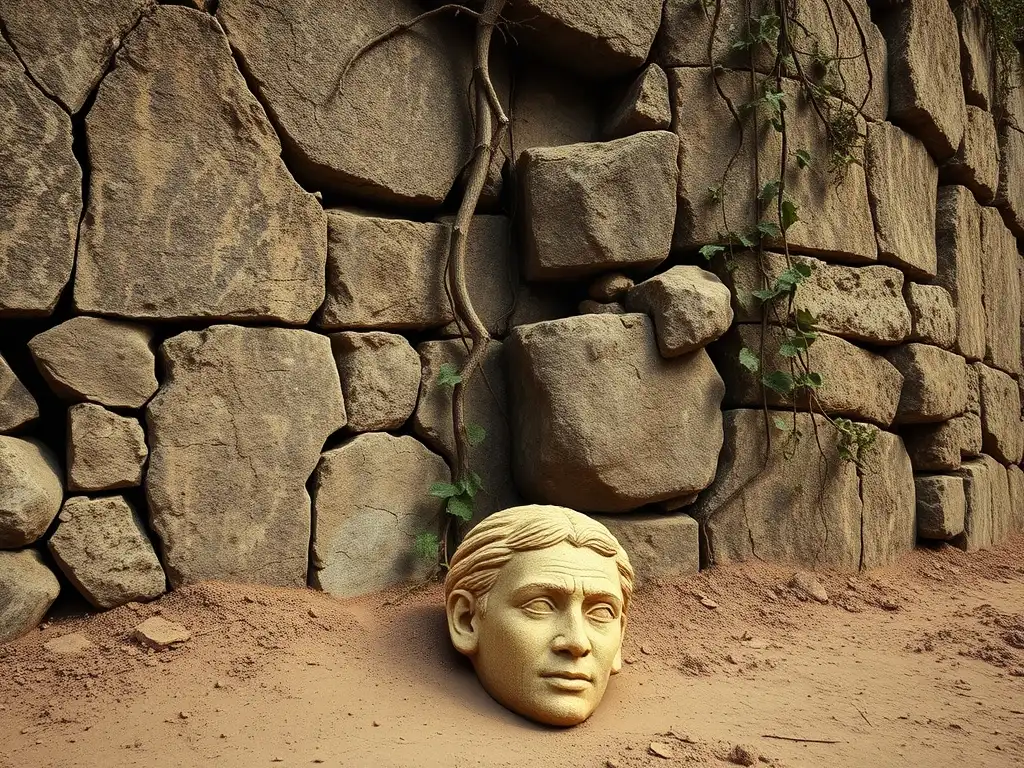
The Spanish conquest irrevocably altered the fabric of Inca society, leaving an enduring legacy of destruction that extended far beyond the political realm. The impact on Inca culture and spirituality was profound and multifaceted, resulting in the systematic dismantling of a complex worldview and the imposition of a radically different belief system. This section explores the key mechanisms employed by the Spanish to undermine and ultimately destroy aspects of Inca cultural identity, leaving a lasting scar on Andean heritage.
Understanding this destruction is crucial to comprehending the long-term impact on the Inca society and its enduring consequences. The keyword "Inca society destruction impact" is central to this analysis.
The Extirpation of Idolatry Campaigns
The Spanish conquest was fueled by a fervent religious zeal. The conquistadors viewed the Inca religion, with its pantheon of gods and elaborate rituals, as idolatrous and heretical. This perception led to the systematic destruction of Inca religious artifacts and the suppression of traditional practices. The "extirpation of idolatry" campaigns, officially sanctioned by the Spanish Crown, were brutal and thorough. Temples were razed, idols were smashed, and sacred objects were confiscated or destroyed. The destruction wasn't limited to grand temples in major cities; it extended to smaller shrines and local places of worship across the vast Inca empire.
This systematic eradication of religious objects aimed to erase the cultural memory and spiritual identity of the Inca people. The loss is immeasurable, representing the destruction not just of physical objects, but of the intricate beliefs, stories, and traditions associated with them. For example, the destruction of the Coricancha (Temple of the Sun) in Cusco, once adorned with gold and silver, symbolized the annihilation of a central element of Inca cosmology and spiritual practice.
The impact of this loss reverberates even today, as many aspects of Inca religion remain shrouded in mystery due to the limited surviving evidence. The scale of the destruction makes it difficult to fully grasp the extent of the spiritual devastation inflicted upon Inca society. Further research is needed to fully quantify the number of religious artifacts destroyed during this period.
The Imposition of Catholic Doctrine and Churches
The destruction of Inca religious practices wasn't simply a matter of eliminating "idolatry." It was intimately linked to the simultaneous imposition of Catholic doctrine and the construction of Catholic churches. The Spanish didn't merely destroy; they actively replaced. In the wake of the demolition of Inca temples, churches were erected on the same sites, often incorporating salvaged stones and materials. This symbolic act of replacement aimed to erase the indigenous past and supplant it with the dominant European worldview.
The imposition of Catholicism was not a passive process; it involved aggressive proselytization and the suppression of indigenous religious expressions. Inca priests and religious leaders were persecuted, their knowledge and traditions suppressed. The conversion of the Inca population to Catholicism was a crucial element of the colonial project, aimed at consolidating Spanish control and undermining the social structures of Inca society.
The construction of grand churches, often built using Inca labor and resources, served as a constant visual reminder of the new religious order and the power of the Spanish crown. The conversion efforts were often brutal, leading to the suppression of traditional ceremonies and beliefs. This forceful conversion process drastically impacted the spiritual well-being of the Inca people.
The Destruction of Quipus and Cultural Records
The Inca civilization lacked a written language in the conventional sense. Instead, they relied on quipus, complex systems of knotted strings used to record numerical data, historical accounts, and other information. The destruction of quipus during the Spanish conquest represents a catastrophic loss of knowledge and cultural memory. These intricate records contained invaluable information about Inca history, governance, astronomy, and social organization—information irretrievably lost due to the Spanish disregard for this unique system of record-keeping.
The Spanish, unfamiliar with the quipu system and unable to decipher its meaning, often viewed these knotted strings as insignificant or even demonic. Many quipus were deliberately destroyed, either through outright destruction or neglect. This act of destruction represents a profound loss of Inca intellectual heritage, significantly hindering our understanding of this sophisticated civilization.
The few surviving quipus are insufficient to provide a complete picture of the knowledge they once held, highlighting the irreparable damage inflicted upon Inca society. The loss of this unique record-keeping system is a stark reminder of the irreversible impact of the Spanish conquest on Inca culture and its enduring legacy. The limited number of surviving quipus underscores the urgent need for further research and preservation efforts to protect remaining examples of this fascinating technology.
The Loss of Traditional Music, Dance, and Language
The Spanish conquest dealt a devastating blow to Inca cultural expression, particularly in the realms of music, dance, and language. Prior to the arrival of the Europeans, Inca music and dance were deeply intertwined with religious ceremonies, agricultural cycles, and social gatherings. Intricate musical instruments, such as the pututu (a shell trumpet), antara (panpipes), and various drums and flutes, accompanied elaborate dances that often told stories, celebrated harvests, or honored deities.
These performances were not merely entertainment; they were integral to the Inca worldview, reinforcing social structures and transmitting cultural knowledge across generations. The vibrant tapestry of Inca musical traditions, with its unique instrumentation and rhythmic complexities, began to unravel under the weight of Spanish suppression.
The Spanish, viewing Inca traditions as pagan and idolatrous, actively sought to eradicate them. Religious ceremonies were banned, and the instruments associated with them were often destroyed. The suppression extended beyond the instruments themselves; the very knowledge of how to create and play these instruments, passed down through oral traditions and apprenticeships, was actively discouraged and slowly eroded.
Many skilled musicians and dancers were either killed or forced into labor, disrupting the transmission of this invaluable cultural heritage. The loss of these performers represents not just a loss of artistic expression, but also a loss of historical memory and cultural identity.
The impact on the Quechua language, the primary language of the Inca Empire, was equally profound. While the Spanish did not completely eradicate Quechua, they actively promoted the use of Spanish, leading to its marginalization and the eventual dominance of Spanish in many areas. The suppression of Quechua in official settings, such as government and education, significantly diminished its prestige and use in daily life.
This linguistic shift had far-reaching consequences, eroding the linguistic richness and diversity of Inca culture. The loss of Quechua also meant the loss of a vast body of oral literature, traditional stories, songs, and historical accounts that were only passed down through the spoken word. The intricate system of knowledge embedded within the language, a system that had served the Inca for centuries, was threatened with extinction.
The effects of this linguistic suppression are still felt today in the ongoing efforts to revitalize and preserve Quechua language and culture. The struggle to maintain Quechua in the face of Spanish dominance illustrates the enduring legacy of cultural destruction that continues to impact Andean communities.
Long-Term Effects of the Conquest on Inca Society
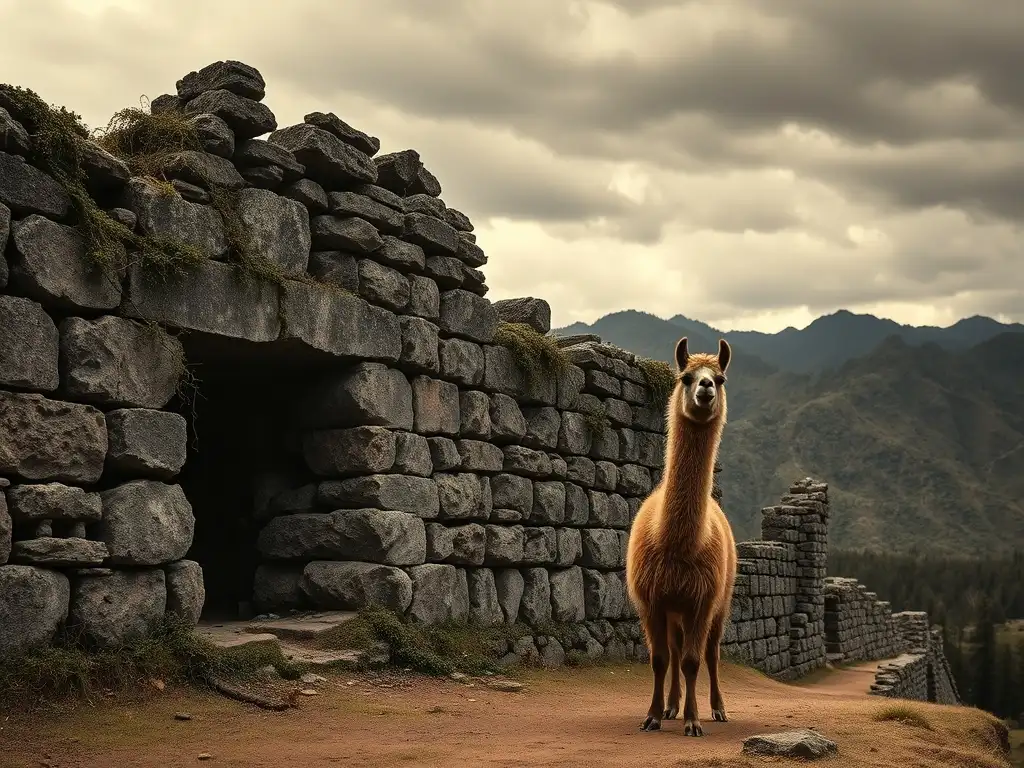
The Spanish conquest of the Inca Empire had a devastating and enduring impact on Inca society, leaving a legacy of suffering that continues to resonate even today. The destruction extended far beyond the immediate violence of the conquest itself, profoundly shaping the social, economic, and political landscape of the Andes for centuries to come.
Understanding the long-term effects requires examining the multifaceted ways in which Spanish colonialism reshaped Inca life, from the economic exploitation of resources and labor to the erosion of traditional social structures and cultural practices. The keyword "Inca society destruction impact" truly encapsulates the magnitude of the consequences.
Enduring Poverty and Marginalization
The introduction of the encomienda system, which granted Spanish conquistadors control over indigenous labor and resources, created a system of economic exploitation that directly contributed to widespread poverty and marginalization within Inca society. Indigenous populations were forced into harsh labor conditions in mines, fields, and workshops, often with little or no compensation. This system systematically dismantled the pre-existing Inca economic structures, which were based on a complex network of reciprocity and redistribution. The consequences were devastating:
- Loss of Land: Indigenous communities were stripped of their ancestral lands, a crucial element of their social and economic organization. This land was often granted to Spanish colonists, further concentrating wealth and power in the hands of the conquerors.
- Forced Labor: The mita, a form of obligatory labor that existed within Inca society, was drastically intensified and repurposed by the Spanish. It was extended beyond its original scope and transformed into a brutal system of forced labor that depleted the indigenous population and hindered their development.
- Economic Disparity: The conquest created a vast economic chasm between the wealthy Spanish elite and the impoverished indigenous population. This disparity persists to this day, fueling ongoing social and economic inequalities.
The impact of this economic exploitation extended beyond mere impoverishment; it led to a profound sense of disenfranchisement and marginalization that continues to affect indigenous communities in the Andean region. The legacy of this economic restructuring is visible in the persistent poverty and inequality that plague many Andean communities.
The Persistence of Colonial Structures
The Spanish conquest did not merely replace one system with another; it imposed a new social and political order that fundamentally altered the fabric of Inca society. Colonial structures, including the administrative, legal, and religious institutions established by the Spanish, deeply permeated Andean life, leaving an indelible mark on its social organization. Even after independence from Spain, many of these colonial structures persisted, continuing to shape the power dynamics and social hierarchies within the region.
- Hierarchical Social Order: The Spanish introduced a rigid hierarchical social structure, placing the Spanish at the top and indigenous populations at the bottom. This system reinforced existing inequalities and created new forms of social discrimination.
- Religious Syncretism: While Catholicism was imposed as the dominant religion, indigenous religious practices continued in various forms, often blending with Christian beliefs in a process known as religious syncretism. This syncretism reflects both the resilience of indigenous culture and the complex interaction between indigenous and colonial religious systems.
- Administrative Control: The Spanish established a centralized administrative system that controlled all aspects of indigenous life, from land ownership and resource allocation to legal matters and social interactions. This system, while modified over time, continues to influence the governance of Andean communities.
The persistence of colonial structures highlights the enduring and profound impact of the Spanish conquest on the social fabric of Inca society. These structures, even in their modified forms, continue to shape power dynamics and social interactions within the Andean region.
The Ongoing Struggle for Indigenous Rights
The legacy of the Spanish conquest continues to manifest in the ongoing struggle for indigenous rights in the Andean region. Indigenous communities continue to face challenges related to land rights, access to resources, cultural preservation, and political participation. The destruction of Inca society, while a historical event, has had lasting repercussions that continue to necessitate activism and advocacy for indigenous populations.
- Land Claims: Many indigenous communities are still engaged in legal battles to reclaim ancestral lands that were seized during the colonial period. These struggles highlight the enduring impact of colonial land policies on indigenous communities.
- Cultural Preservation: Efforts to preserve and revitalize indigenous languages, traditions, and cultural practices are crucial in addressing the lasting effects of the Spanish conquest. The destruction of Inca society included a deliberate attempt to erase its cultural identity.
- Political Representation: Indigenous communities continue to advocate for greater political representation and participation in decision-making processes that affect their lives. This struggle underscores the need for greater recognition of indigenous rights and self-determination.
The ongoing struggle for indigenous rights is a direct consequence of the destruction of Inca society wrought by the Spanish conquest. The fight for justice and recognition continues to this day, reminding us of the enduring impact of this historical event. The keyword "Inca society destruction impact" underscores the gravity of the situation and the need for continued efforts to address the lasting inequalities and injustices faced by indigenous communities.
Contemporary Efforts to Revitalize Inca Heritage
The devastating impact of the Spanish conquest on Inca society reverberates even today. However, a powerful counter-narrative is emerging through contemporary efforts to revitalize and reclaim Inca heritage. These initiatives are multifaceted, encompassing everything from archaeological preservation and research to the revival of traditional arts, languages, and spiritual practices. The goal isn't simply to recreate the past, but to understand its enduring legacy and integrate its valuable aspects into the present.
One significant area of focus is the preservation of Inca archaeological sites. Organizations and governments are investing in the careful excavation, restoration, and protection of ruins throughout the Andes, ensuring these tangible links to the past remain accessible for future generations. This includes not only the monumental structures like Machu Picchu, but also smaller, less-known sites that offer equally valuable insights into Inca life and technology.
Advanced techniques are being employed to minimize damage and ensure long-term preservation, reflecting a deeper understanding of the fragility of these invaluable historical resources. Furthermore, sustainable tourism practices are being implemented to balance the economic benefits of showcasing these sites with the crucial need for their protection.
Beyond physical preservation, there’s a strong emphasis on revitalizing Inca cultural practices. This includes the revival of Quechua, the language of the Inca Empire, through language immersion programs and educational initiatives. Efforts are also underway to revive traditional Andean weaving techniques, music, and storytelling, ensuring that these crucial elements of Inca cultural identity are not lost to time.
These initiatives are often led by indigenous communities themselves, fostering a sense of ownership and empowering them to reclaim their ancestral heritage. This active participation is vital, ensuring that the revitalization efforts accurately reflect and respect the cultural nuances and perspectives of the descendants of the Inca people.
Furthermore, a growing body of research is dedicated to understanding the complexities of Inca society before, during, and after the conquest. This scholarship is challenging Eurocentric narratives and providing a more nuanced and accurate portrayal of Inca history and culture.
By examining Inca social structures, agricultural techniques, and religious beliefs in a new light, scholars are helping to dismantle harmful stereotypes and celebrate the rich tapestry of Inca civilization. This research is also informing present-day efforts to address issues of social justice and cultural preservation, drawing parallels between the past and the present to promote a more equitable and inclusive future.
The ongoing study and interpretation of Inca history continues to evolve, shaped by new discoveries and changing perspectives. The combined efforts of archaeologists, historians, indigenous communities, and governments are crucial in ensuring that the legacy of the Inca Empire is not only preserved but celebrated and understood within its proper historical context.
Conclusion: The Irreversible Transformation of Inca Society
The Spanish conquest irrevocably altered the trajectory of Inca society, leaving an enduring legacy of both destruction and adaptation. While the Inca Empire's fall marked a tragic end to a sophisticated civilization, understanding the full impact of this destruction requires a nuanced examination of its multifaceted consequences.
The "Inca society destruction impact" extended far beyond the immediate loss of life and political power; it fundamentally reshaped the social fabric, economic structures, and cultural landscape of the Andes. This section will delve into the profound and lasting impact of colonialism on Inca society, highlighting the devastating loss of a unique civilization and emphasizing the ongoing importance of cultural preservation and reconciliation.
The Profound and Lasting Impact of Colonialism
The arrival of the Spanish not only brought military defeat but also initiated a systematic dismantling of Inca social structures. The mita, a system of obligatory labor integral to Inca infrastructure projects, was repurposed and exploited by the colonizers, forcing indigenous populations into brutal conditions in mines and on encomiendas (land grants). This forced labor system, far exceeding the demands of the pre-colonial mita, led to widespread death and suffering.
The Inca's intricate road system, a marvel of engineering, was gradually neglected, hindering trade and communication within the former empire. Moreover, the introduction of European diseases, against which the Inca population had no immunity, decimated the population, further destabilizing the existing social order. The impact on Inca society was catastrophic, a profound disruption that left lasting scars on the region's demographics and economy.
The introduction of new crops and livestock, while seemingly beneficial, often displaced traditional agricultural practices, leading to ecological changes and altering food security. The Spanish also actively suppressed Inca religion and traditions, replacing them with Catholicism, resulting in a loss of cultural identity and knowledge. This cultural disruption, alongside the economic and social devastation, created a new reality for the Andean people, one profoundly different from their pre-colonial existence.
The Destruction of a Unique Civilization
The destruction of Inca society represents the loss of a unique and sophisticated civilization. Beyond the tangible losses of infrastructure and population, the conquest resulted in the eradication of invaluable knowledge systems. Inca expertise in astronomy, medicine, engineering, and agriculture was largely suppressed or lost during the colonial period.
The intricate system of record-keeping using quipus (knotted strings) was largely abandoned, leaving a gap in our understanding of Inca history and administration. The destruction of temples and sacred sites not only removed physical manifestations of Inca culture but also severed the spiritual connection of the people to their ancestors and beliefs. This cultural devastation significantly impacted the collective memory and identity of the Andean population.
The loss extends to artistic expression, with many Inca artifacts destroyed or looted, leading to a permanent gap in our understanding of their artistic achievements and aesthetic sensibilities. This deliberate destruction, coupled with the suppression of cultural practices, represents an irreversible loss of a unique and irreplaceable cultural heritage. The impact on Inca society also involved the destruction of intellectual and spiritual traditions, which are difficult, if not impossible, to quantify fully.
The Importance of Cultural Preservation and Reconciliation
Despite the devastating consequences of the Spanish conquest, the legacy of Inca civilization persists. The importance of cultural preservation and reconciliation is paramount in understanding and addressing the lasting impact of the colonial era. Efforts to recover and reinterpret Inca history, to preserve remaining artifacts and sites, and to promote indigenous languages and traditions are crucial steps in acknowledging the historical injustices and fostering a more equitable future.
Understanding the "Inca society destruction impact" necessitates a commitment to recognizing the richness and complexity of Inca culture, and actively working to counteract the legacy of colonial erasure. This includes supporting indigenous communities in their efforts to reclaim their cultural heritage and participate in shaping their own narratives. The ongoing process of cultural revitalization is essential not only for preserving the memory of a remarkable civilization but also for promoting social justice and fostering a more inclusive understanding of Andean history.
This ongoing work serves as a testament to the resilience of Andean cultures and their enduring spirit. The complete recovery and preservation of all aspects of Inca culture remain a complex and ongoing challenge, requiring continued research, collaboration, and commitment from scholars, governments, and communities alike.
Frequently Asked Questions
What caused the destruction of Inca society?
The Spanish conquest in the 16th century was the primary cause of the Inca Empire's collapse. Disease, warfare, and the disruption of Inca social structures all contributed significantly to its demise.
What was the impact of disease on the Inca population?
Old World diseases, like smallpox and measles, devastated the Inca population. Lack of immunity led to widespread death and weakened the empire's ability to resist the Spanish.
How did the Spanish conquest affect Inca culture?
The Spanish conquest led to the destruction of many Inca traditions, including religious practices and social hierarchies. Forced labor, conversion to Christianity, and the suppression of the Quechua language significantly altered Inca culture.
What happened to the Inca infrastructure after the conquest?
Much of the Inca infrastructure, such as roads and irrigation systems, was either destroyed or neglected. The Spanish often repurposed existing structures for their own purposes, leading to changes in their functionality and design.
What is the lasting legacy of the Inca civilization despite its destruction?
Despite its destruction, Inca architecture, agricultural techniques, and artistic achievements continue to inspire awe. Quechua, the Inca language, is still spoken by millions, and many aspects of Inca culture persist in modern Andean societies.
Final Reflection: Echoes of the Inca: A Legacy of Resilience and Loss
The brutal conquest of the Inca Empire wasn't merely a historical event; it remains a stark warning about the fragility of civilizations and the enduring consequences of unchecked power. The systematic dismantling of Inca society, its intricate social structures, and its rich cultural heritage serves as a potent reminder of the devastating impact colonialism can have on indigenous populations, a legacy that continues to resonate in the struggles for self-determination and cultural preservation seen across the globe today.
The destruction of the Inca Empire wasn't just the loss of a powerful state; it was the erosion of a unique worldview, a complex system of knowledge, and a vibrant tapestry of traditions. The echoes of this loss reverberate through generations, shaping identities and influencing the ongoing fight for recognition and justice. A people without the knowledge of their past history, origin and culture is like a tree without roots.
– Marcus Garvey. This quote powerfully encapsulates the enduring impact of the destruction of Inca society, highlighting the vital connection between cultural heritage and collective identity.
The story of the Inca Empire's fall isn't simply a chapter in a history book; it's a call to action. Consider the ways in which we, as individuals and as a global community, can actively work to protect and celebrate diverse cultures. Learn from the past, understand the present, and actively participate in building a future where the richness of human experience is valued and preserved, not erased. Let the resilience of the Inca people inspire you to champion the rights and voices of marginalized communities everywhere.
Reconnect with the Legacy of the Incas!
Thank you for exploring the profound impact of the destruction of Inca society. Your insights into their way of life reveal their incredible resilience and rich culture. Now, let's use this knowledge to make a difference.
Here are some ways you can honor their legacy and deepen your connection to Andean culture:
- Learn more about Inca history by visiting museums and cultural exhibits showcasing Inca artifacts and stories. You might be surprised by what you discover.
- Share your knowledge by discussing the Incas on social media or with friends and family. Your passion can inspire others to learn more.
- Participate in workshops focused on Andean cultural practices. This could lead to unexpected insights and new skills.
How will you help preserve the story of the Incas and foster appreciation for their heritage?