
The Lost City of Vilcabamba: The Final Refuge of the Inca Emperors

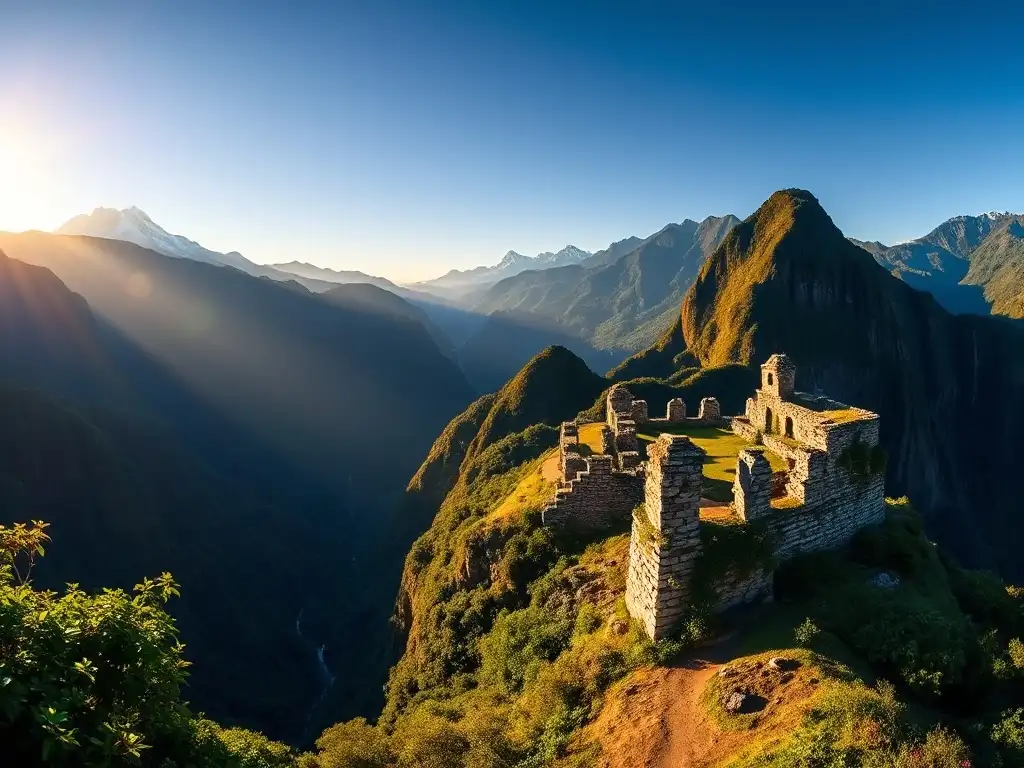
Dive into the enigmatic world of the Andean civilizations, where empires rose and fell amidst breathtaking landscapes. For centuries, whispers of a hidden refuge, a last stand against the Spanish conquistadors, have echoed through the mountains. Uncover the secrets surrounding the Inca Vilcabamba refuge location, a place shrouded in mystery and intrigue. Prepare to be captivated by the story of resilience and survival as we journey into the heart of the Andes, exploring the final days of the Inca Empire.
The Spanish conquest of the Inca Empire, a monumental event in South American history, didn't mark the immediate end of Inca resistance. While Pizarro's forces captured Atahualpa and effectively dismantled the central Inca government, pockets of resistance flared throughout the Andes. One of the most significant and enduring of these was the establishment of a new Inca state in Vilcabamba, a remote and strategically defensible location in the cloud forests of the Amazon basin.
This article delves into the history of Vilcabamba, exploring its role as the final refuge of the Inca emperors and examining its significance in the broader context of the Inca Empire's decline. Understanding Vilcabamba's location and its strategic importance is key to understanding the final chapter of Inca resistance against Spanish rule, a crucial element often overlooked in discussions of the conquest. This exploration will illuminate the tenacity of the Inca people and their determined fight for survival, even in the face of overwhelming odds.
We will examine the geographical factors that made Vilcabamba such an effective refuge, the political and social dynamics within the new Inca state, and its ultimate fate. This journey will allow us to better understand the phrase "Inca Vilcabamba refuge location" and its historical significance.
Introduction to Vilcabamba: The Last Inca Stronghold
Vilcabamba, nestled deep within the treacherous Andean terrain, wasn't just any settlement; it was a carefully chosen stronghold, a testament to Inca ingenuity and their intimate knowledge of their environment. Its location, shrouded in dense jungle and surrounded by formidable natural barriers, provided an almost impenetrable defense against the Spanish conquistadors. The city itself was strategically positioned to control vital resources and trade routes, further solidifying its importance as a center of power.
The Inca's mastery of constructing settlements integrated into the landscape is evident in Vilcabamba's construction. The city was built to blend seamlessly with its surroundings, utilizing natural features such as cliffs and rivers to enhance its defensive capabilities. This wasn't merely a refuge; it was a meticulously planned capital, capable of sustaining a sizeable population and maintaining a semblance of the Inca Empire's former glory.
Archaeological evidence continues to reveal more about the complexity of this hidden city, uncovering intricate irrigation systems, impressive stonework, and evidence of sophisticated agricultural practices which allowed the Inca to thrive in the challenging environment. The discovery of new artifacts and the ongoing research consistently add to our understanding of this remarkable site.
The Inca Retreat to Vilcabamba: Historical Context
Following the capture and execution of Atahualpa in 1533, the Inca Empire was thrown into chaos. However, the Inca resistance didn't cease. Manco Inca Yupanqui, a brother of Atahualpa, initially collaborated with the Spanish, only to later lead a rebellion. This rebellion, fueled by betrayal and brutality, ultimately led to the retreat of a significant portion of the Inca elite and their followers to Vilcabamba.
This relocation wasn't simply a flight; it was a strategic maneuver designed to preserve the Inca lineage and culture. The decision to establish a new capital in such a remote location highlighted the Inca's understanding of guerrilla warfare and their ability to adapt to changing circumstances. The journey to Vilcabamba itself was arduous, a testament to the resilience and determination of the escaping Inca population. The establishment of Vilcabamba marked a new phase in the conflict, transforming it from a conventional war into a prolonged struggle for survival against the Spanish forces.
It represented a shift in tactics, favoring guerilla warfare and strategic retreats over large-scale open battles. This period witnessed the continued development of Inca culture and traditions within the new capital, showcasing their adaptability and resistance to assimilation. The duration of this resistance, lasting several decades, speaks volumes about the tenacity and determination of the Inca people clinging to their independence in the face of overwhelming odds. The ultimate fall of Vilcabamba, therefore, represents not just a military defeat, but also a tragic end to a remarkable chapter of resistance in the face of colonization.
Reasons for the Inca Withdrawal to Vilcabamba
The Inca withdrawal to Vilcabamba wasn't a spontaneous decision; it was a strategic retreat born from necessity and a desperate bid for survival. Following the capture and execution of Atahualpa in 1533, the Inca Empire fractured. While some submitted to Spanish rule, others fiercely resisted. The withdrawal to Vilcabamba represented a calculated attempt to preserve Inca traditions, culture, and independence. Several key factors contributed to this decision:
The Spanish conquest had shattered the Inca's centralized power structure. The vast empire, once unified under a single emperor, was now vulnerable and fragmented. The Spanish ruthlessly exploited internal divisions, forging alliances with dissenting factions and exploiting weaknesses within the Inca hierarchy. This made open confrontation increasingly difficult and risky. Escape to a remote and defensible location like Vilcabamba offered a chance to regroup and rebuild.
The desire to preserve Inca identity and religious practices was paramount. The Spanish conquest wasn't just a military invasion; it was also a cultural assault. The Spanish actively sought to suppress Inca religion, replacing it with Catholicism. Vilcabamba, secluded from Spanish influence, provided a sanctuary for the continuation of Inca traditions, religious ceremonies, and ancestral worship. This was crucial for maintaining the morale and unity of the surviving Inca population.
The hope of eventually reclaiming the empire fueled the decision. The retreat to Vilcabamba wasn't an admission of defeat, but rather a strategic repositioning. The Inca leaders believed that by establishing a secure base, they could gather strength, forge alliances, and eventually launch a counteroffensive to regain their lost territories. This belief, fueled by resistance movements throughout the former empire, provided the impetus for the arduous journey to Vilcabamba. This hope, however unrealistic it might have seemed, was vital for sustaining the resistance.
The Geographical Setting of Vilcabamba: A Natural Fortress
Vilcabamba's strategic location played a crucial role in its selection as a refuge. Nestled deep within the rugged Andes Mountains, the city benefited from a naturally defensible position. The challenging terrain, characterized by steep slopes, dense forests, and treacherous rivers, made it incredibly difficult for the Spanish conquistadors to access. This geographical advantage significantly enhanced the Inca's ability to withstand Spanish attacks.
The dense jungle surrounding Vilcabamba provided excellent camouflage and concealment. The city was skillfully integrated into the landscape, blending seamlessly with its environment. This made it exceptionally difficult to detect from the air or even from nearby vantage points. The thick vegetation provided cover for Inca troops, allowing them to ambush Spanish forces and hinder their advance. This natural camouflage extended to the city’s infrastructure, making it almost invisible to casual observers.
The complex network of mountain passes and trails further enhanced Vilcabamba's defenses. The Inca possessed intimate knowledge of the terrain, using this knowledge to their advantage. They could easily maneuver through the mountains, while the Spanish struggled to navigate the difficult paths. This asymmetry in knowledge of the terrain provided a significant advantage to the Inca defenders. The numerous hidden paths and strategically placed defensive positions allowed them to effectively control movement within the region.
The availability of resources within the region also contributed to Vilcabamba's suitability as a refuge. The surrounding area provided sufficient food, water, and building materials to sustain the Inca population. Access to these resources was crucial for the long-term survival of the community. This self-sufficiency reduced their dependence on external trade and minimized their vulnerability to Spanish control over supply lines. This self-sufficiency was paramount in their prolonged resistance.
Locating the Inca Vilcabamba Refuge: The Challenge of Discovery
Pinpointing the exact location of Vilcabamba proved incredibly challenging for researchers and historians. The Inca themselves deliberately obscured the city's location, employing camouflage and deception to protect it from discovery. The dense jungle and rugged terrain further complicated the search. The lack of detailed maps and written records from the Inca perspective added to the difficulty. Researchers relied heavily on fragmented accounts from Spanish chronicles, often biased and incomplete, making the task even more complex.
Early explorations were largely unsuccessful, hampered by the lack of accurate information and the dangerous terrain. Many expeditions were undertaken, but often ended in failure due to the challenging environment and the lack of reliable guidance. These early attempts provided valuable clues, but the city remained elusive for centuries. The fragmented accounts provided by Spanish chroniclers offered conflicting information, further complicating the search.
The use of modern techniques, such as aerial photography and satellite imagery, significantly aided in the discovery process. These technologies allowed researchers to scan the vast area more efficiently, identifying potential sites that matched the descriptions found in historical accounts. This technological advancement was crucial in narrowing down the search area and identifying promising locations for further investigation. However, even with modern tools, the dense jungle and rugged terrain presented significant obstacles.
Archaeological excavations played a critical role in confirming the location of Vilcabamba. The discovery of Inca artifacts, architectural remains, and human settlements within the identified area provided conclusive evidence of the city’s existence and location. The meticulous excavation of these sites revealed valuable insights into the city's layout, its social structure, and its daily life. Careful analysis of the artifacts and architectural features provided a rich tapestry of information about the Inca people who lived there. The combination of historical research, modern technology, and archaeological investigation eventually led to the identification of the lost city's location.
Key Archaeological Sites in the Vilcabamba Region
The Vilcabamba region, a rugged and remote area in the Andes Mountains of southern Peru, holds numerous archaeological sites crucial to understanding the Inca's final stand. These sites aren't just scattered ruins; they represent a complex network of settlements, agricultural terraces, and defensive structures, reflecting a sophisticated adaptation to a challenging environment. The sheer number and variety of these locations underscore the significant effort invested in establishing and maintaining this refuge, a testament to the Inca's resilience even after the fall of Cusco.
The sites are not only geographically spread out, presenting challenges to researchers, but also vary significantly in their state of preservation. Some are relatively well-preserved, offering detailed insights into Inca architecture and daily life, while others are more fragmented, requiring extensive archaeological investigation to unlock their secrets. The ongoing research efforts in the region continuously reveal new information, enhancing our understanding of this crucial period in Inca history.
This makes the Vilcabamba region a dynamic and exciting area for archaeological study, constantly providing new clues to the Inca's final years. The meticulous cataloging and analysis of these sites are vital in piecing together the complete picture of life in the Vilcabamba refuge.
Exploring Espiritu Pampa: A Potential Inca City
Espiritu Pampa, situated deep within the Vilcabamba region, is a particularly compelling site. Its size and complexity suggest it may have served as a significant urban center within the refuge, possibly even a secondary capital. Archaeological excavations have uncovered extensive residential areas, suggesting a sizable population.
Furthermore, the discovery of administrative buildings and storage facilities hints at a well-organized societal structure. The presence of sophisticated irrigation systems speaks volumes about the Inca's ability to adapt to the challenging terrain and ensure food security. The layout of the city, with its clearly defined residential zones and public spaces, underscores the Inca's urban planning expertise, even under the pressure of the Spanish conquest.
However, much of Espiritu Pampa remains unexcavated, and ongoing research is crucial to fully understand its role within the Vilcabamba refuge. The potential discovery of additional structures and artifacts could significantly alter our understanding of the refuge’s organization and the Inca's adaptation strategies. Further research might reveal even more about the daily life and social structures within this potentially crucial Inca city.
Other Archaeological Remains near the Vilcabamba Area
Beyond Espiritu Pampa, the Vilcabamba region is dotted with numerous other archaeological sites, each contributing to the broader picture of Inca life in this refuge. These include smaller settlements, agricultural terraces carved into the steep mountain slopes, and strategically placed defensive structures. These smaller sites, though less prominent than Espiritu Pampa, offer valuable insights into the daily lives of the Inca people who sought refuge in this remote area.
They provide glimpses into their agricultural practices, their domestic lives, and the challenges they faced adapting to the harsh environment. The distribution of these sites reflects the Inca's ability to effectively utilize the available resources and landscape, showcasing their remarkable adaptability.
The study of these smaller sites, often overlooked in favour of larger, more impressive ruins, is crucial for a complete understanding of the Vilcabamba refuge’s social and economic organization. These sites, often overlooked, are vital pieces of the puzzle, providing a more nuanced understanding of the Inca experience in Vilcabamba.
Life in the Vilcabamba Inca Refuge: Culture and Society
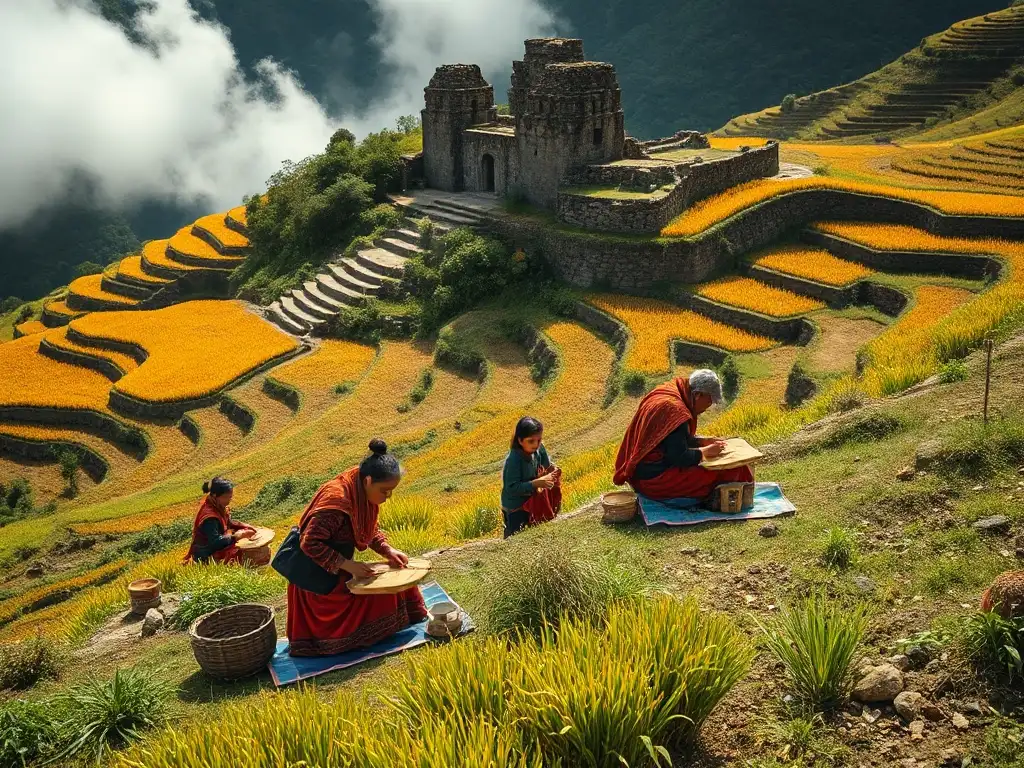
Life in the Vilcabamba refuge was undoubtedly challenging, yet the Inca people managed to maintain a semblance of their cultural identity and social structure even amidst the turmoil of the Spanish conquest. Evidence suggests that traditional Inca practices, such as agriculture, weaving, and religious ceremonies, continued. The presence of elaborate burial sites indicates the persistence of their spiritual beliefs and rituals. However, the refuge was undoubtedly smaller and less centralized than the Inca empire at its height.
The population was likely smaller, and resources were more scarce. This scarcity likely led to changes in social structures and potentially increased social tension. Despite the challenges, the resilience of the Inca people is evident in their ability to adapt and survive in this isolated and challenging environment.
The ongoing archaeological work in the Vilcabamba region continues to shed light on the daily lives, social structures, and cultural practices of the Inca people who found refuge there. Further research is needed to fully understand the complexities of life in this final bastion of the Inca Empire, and how it differed from life in the empire's heartland before the Spanish conquest. The interplay between adapting to a new environment and maintaining cultural identity is a fascinating aspect of this period.
Inca Resistance from Vilcabamba: The Struggle Against the Spanish
The establishment of Vilcabamba as a refuge marked a crucial turning point in the Inca resistance against the Spanish conquest. Following the capture and execution of Atahualpa in 1533, the Inca Empire fractured. While the Spanish consolidated their control over Cuzco and the central regions, a significant portion of the Inca population, along with loyal nobles and military forces, retreated to the remote and challenging terrain of the Vilcabamba region.
This strategic retreat allowed the Incas to regroup, gather resources, and wage a protracted guerrilla war against the Spanish, frustrating their attempts to fully subdue the empire. The rugged mountainous landscape, dense jungle, and intricate network of trails provided a natural defense, allowing the Inca forces to utilize hit-and-run tactics, ambushes, and strategic retreats to inflict considerable losses on the Spanish expeditions. The resistance from Vilcabamba was not merely a military struggle; it represented a tenacious fight to preserve Inca identity, culture, and independence in the face of overwhelming odds.
The symbolic importance of maintaining an independent Inca state, even in a remote location, fueled the determination of the rebels and significantly prolonged the conflict. The fight for Vilcabamba became a powerful symbol of defiance against Spanish colonialism.
Manco Inca and the Vilcabamba Rebellion
Manco Inca Yupanqui, a key figure in the Inca resistance, played a pivotal role in establishing Vilcabamba as the center of rebellion. Initially cooperating with the Spanish, Manco Inca quickly realized the true nature of the conquest and the devastating impact of Spanish rule on the Inca people. He orchestrated a rebellion in 1536, aiming to reclaim Cuzco and expel the Spanish from the Inca heartland.
Though the initial rebellion was brutally suppressed, Manco Inca and his followers successfully escaped to Vilcabamba, establishing a new base of operations. His leadership and strategic acumen were essential in organizing the resistance, uniting disparate groups of Incas, and sustaining the fight for years. The establishment of Vilcabamba under Manco Inca's command marked the beginning of a prolonged and complex struggle that would last for decades, challenging Spanish control and highlighting the resilience of the Inca people.
His legacy as the founder of the Vilcabamba state and the driving force behind its initial success cemented his place in Inca history as a symbol of resistance against colonial oppression. Historians continue to debate the extent of his tactical brilliance and political maneuvering, yet his contribution to the prolonged survival of the Inca resistance remains undeniable.
The Final Inca Emperors in Vilcabamba
The reigns of the subsequent Inca emperors in Vilcabamba were defined by a complex interplay of resistance, negotiation, and ultimately, the tragic end of the independent Inca state. Each ruler faced unique challenges, balancing the need for military defense with the possibility of diplomatic solutions. The survival of the Vilcabamba state depended on their ability to navigate this precarious balance.
The final three emperors—Sayri Túpac, Titu Cusi Yupanqui, and Túpac Amaru I—each left their mark on the history of this last bastion of Inca resistance. Their stories illustrate the evolving strategies employed by the Incas to survive and maintain a degree of autonomy amidst the unrelenting pressure of the Spanish Empire. The choices they made, and the consequences of those choices, profoundly shaped the narrative of the final chapter of the Inca Empire.
Sayri Túpac: Negotiating with the Spanish
Sayri Túpac, succeeding Manco Inca, adopted a more conciliatory approach towards the Spanish. He ultimately surrendered in 1571, seeking to secure peace and potentially preserve some measure of Inca autonomy. His decision, though controversial, reflected a pragmatic assessment of the situation, recognizing the overwhelming military superiority of the Spanish.
While his surrender marked a significant blow to the resistance movement, it also opened a period of relative peace for some segments of the Inca population who had suffered greatly from the protracted conflict. However, his decision to collaborate with the Spanish ultimately proved to be short-lived and did not lead to the preservation of Inca autonomy in the way that he had hoped. The terms of the agreement were not honored, and the Inca's hopes for a peaceful coexistence were dashed.
Titu Cusi Yupanqui: Maintaining Resistance
Following Sayri Túpac's death, Titu Cusi Yupanqui assumed leadership and shifted back towards a more resistant stance against the Spanish. He skillfully utilized diplomacy and military tactics to maintain the independence of Vilcabamba and continued the resistance against the Spanish colonizers. His reign saw a renewed focus on guerrilla warfare and strategic alliances with other indigenous groups.
Though he ultimately failed to achieve a complete expulsion of the Spanish, his reign demonstrated the resilience and adaptability of the Vilcabamba resistance. His legacy is one of continued defiance and a refusal to completely submit to Spanish dominance. His resistance, even if ultimately unsuccessful, prolonged the life of the Inca state in Vilcabamba and served as an inspiration to other indigenous groups fighting for their freedom.
Túpac Amaru I: The Last Inca Emperor
Túpac Amaru I, the last Inca emperor of Vilcabamba, inherited a precarious situation. Facing increasing Spanish pressure, he continued the fight but was ultimately captured and executed in 1572. His execution marked the definitive end of the independent Inca state in Vilcabamba and signaled the complete subjugation of the Inca Empire under Spanish rule. The fall of Vilcabamba was a significant event, representing the end of a long and arduous struggle for independence.
The execution of Túpac Amaru I became a powerful symbol of Spanish colonial power and marked a turning point in the history of the Andes. His death, however, did not extinguish the embers of Inca resistance, which would continue to manifest in various forms throughout the colonial period. The legacy of Túpac Amaru I, as the last Inca emperor, continues to resonate today as a symbol of resilience and defiance in the face of oppression.
The Fall of Vilcabamba: The End of Inca Resistance
The fall of Vilcabamba marked the definitive end of Inca resistance against the Spanish conquistadors. For decades, this remote city nestled deep within the Andes served as a bastion of defiance, a symbol of Inca resilience in the face of overwhelming odds. However, the strategic advantages that initially shielded Vilcabamba eventually proved insufficient. The relentless pursuit of the Spanish, coupled with internal conflicts and dwindling resources, gradually weakened the Inca's hold on their last stronghold.
The final years saw a decline in the city's population and a weakening of its defenses. The once formidable Inca army, depleted by years of warfare and disease, was no longer capable of mounting a sustained defense. This gradual erosion of power paved the way for the city's ultimate downfall.
The story of Vilcabamba's fall is not merely a tale of military defeat; it is a poignant narrative of a civilization's struggle to preserve its identity and independence in the face of an unstoppable force. The resilience displayed by the Inca in Vilcabamba, despite their ultimate defeat, remains a testament to their strength and determination. Their fight for survival, even in the face of overwhelming odds, continues to inspire awe and respect.
The Spanish Conquest of Vilcabamba
The Spanish conquest of Vilcabamba was a protracted and challenging undertaking, far from a swift victory. The city's strategic location, nestled deep within the treacherous Andean terrain, presented significant obstacles to the Spanish advance. The dense jungle, steep mountains, and unpredictable weather conditions made travel and supply lines extremely difficult.
The Inca, utilizing their intimate knowledge of the terrain, employed guerrilla warfare tactics, ambushing and harassing the Spanish forces. This prolonged struggle involved several expeditions, each facing setbacks and considerable losses. The Spanish ultimately succeeded not solely through superior weaponry, but also through a combination of strategic alliances with dissenting Inca factions, the exploitation of internal divisions within the Inca leadership, and relentless perseverance.
The final assault on Vilcabamba, while decisive, was the culmination of years of relentless pressure and strategic maneuvering. The conquest wasn't just a military victory; it represented the culmination of a complex interplay of political machinations, tactical warfare, and the exploitation of internal divisions within the Inca empire itself. The story of the Spanish conquest of Vilcabamba highlights the complexities of colonial expansion and the tenacity of both the conquerors and the conquered.
The Legacy of Vilcabamba: Unveiling the Secrets of the Inca
Vilcabamba's legacy extends far beyond its role as the final Inca refuge. The city continues to hold immense historical significance, offering invaluable insights into Inca culture, society, and resilience. Archaeological excavations have unearthed remarkable artifacts and architectural remnants, providing tangible evidence of Inca life in their final years.
These discoveries shed light on their agricultural practices, religious beliefs, and social structures, enriching our understanding of this complex civilization. The ongoing research at Vilcabamba helps to reconstruct the final chapter of Inca history, revealing details about their political organization, economic systems, and daily life in the face of colonial pressure. The site serves as a powerful reminder of the Inca's enduring legacy, showcasing their adaptability, ingenuity, and the lasting impact of their civilization.
Furthermore, the continuing study of Vilcabamba highlights the importance of preserving and protecting these invaluable historical sites, ensuring that future generations can learn from the past and appreciate the rich tapestry of Andean history. The ongoing research and preservation efforts at Vilcabamba are crucial in ensuring that this significant piece of Inca history remains accessible and understood.
The Importance of Vilcabamba in Inca History
Vilcabamba's significance in Inca history transcends its geographical location; it represents the tenacious resistance of the Inca people against the Spanish conquest. After the capture of the Inca Emperor Atahualpa in Cajamarca in 1532, the Inca Empire fractured. While some submitted to Spanish rule, others, led by Manco Inca Yupanqui, fled to the rugged Andes, establishing Vilcabamba as their new capital.
This act symbolized more than just a strategic retreat; it was a powerful statement of defiance, a testament to the Inca's unwavering spirit and determination to preserve their identity and independence. For nearly four decades, Vilcabamba served as a beacon of resistance, a place where Inca traditions, culture, and political structures continued to thrive, even in the face of overwhelming odds. The city’s existence challenged the Spanish narrative of complete conquest, proving that the Inca spirit was far from broken.
The very act of establishing and maintaining this hidden city in such a challenging environment highlights the remarkable organizational capabilities and resilience of the Inca people. The continued resistance from Vilcabamba also played a significant role in shaping the subsequent dynamics of the Spanish conquest in the region, delaying complete pacification and forcing the Spanish to deploy significant resources in their efforts to subdue the last Inca stronghold.
Vilcabamba and the Search for the Last Inca City
The legend of Vilcabamba, shrouded in mystery and intrigue, fueled centuries of exploration and speculation. Early chronicles hinted at a hidden city, a refuge for the Inca, nestled deep within the Amazonian foothills. However, the precise location remained elusive for years, adding to the city’s mystique.
The challenging terrain, dense jungle, and the deliberate efforts of the Inca to conceal their refuge all contributed to the difficulty of locating Vilcabamba. The search involved numerous expeditions, often fraught with peril, each adding a new chapter to the story of this lost city. Many explorers, driven by a thirst for discovery and a desire to unravel the secrets of the Inca past, dedicated their lives to finding this legendary place.
The accounts of these expeditions, filled with tales of hardship, perseverance, and occasional discoveries of Inca artifacts, further fueled the legend and enhanced the city's mythical status. The eventual discovery of the ruins, though not a sudden revelation, was the culmination of decades of painstaking research, combining historical accounts with archaeological investigation. This painstaking process of piecing together the puzzle is a testament to the enduring fascination with Vilcabamba and its place within the larger narrative of the Inca Empire.
The Ongoing Research and Discoveries in Vilcabamba
Even after the identification of Vilcabamba's ruins, research continues to uncover new insights into this remarkable Inca refuge. Archaeological excavations have unearthed numerous artifacts, providing valuable information about the daily lives of the inhabitants, their social structures, and their agricultural practices. These discoveries paint a vivid picture of life in Vilcabamba, revealing a complex society that managed to maintain its cultural identity despite the hardships of its isolated existence.
Ongoing research focuses on several key areas, including a better understanding of the city's urban planning, its defensive strategies, and its economic activities. Furthermore, the study of the intricate network of trails and communication routes connecting Vilcabamba to other Inca settlements is shedding light on the logistical challenges faced by the inhabitants and their strategies for survival. The application of advanced technologies, such as remote sensing and Geographic Information Systems (GIS), is also significantly enhancing the accuracy and efficiency of archaeological investigations.
Each new discovery adds another layer of complexity and understanding to the story of Vilcabamba, reinforcing its importance as a crucial site for understanding the final chapter of the Inca Empire and the resilience of its people. The ongoing work serves as a testament to the enduring legacy of the Inca and the continued fascination with their remarkable civilization.
The Preservation of Vilcabamba's Heritage
The preservation of Vilcabamba's heritage is a complex undertaking, balancing the needs of tourism with the delicate nature of the archaeological site and the surrounding environment. The remote location, while contributing to its historical significance as a hidden refuge, also presents challenges in terms of accessibility and resource management. Efforts to protect the Inca ruins focus on several key areas. Archaeological excavations are meticulously planned and executed, with a strong emphasis on documenting findings and minimizing disturbance to the site. This careful approach ensures that future generations can benefit from further research and analysis.
Furthermore, the local communities play a crucial role in conservation efforts. Many residents are directly involved in tourism-related activities, providing guided tours and sharing their ancestral knowledge. This participatory approach fosters a sense of ownership and responsibility for preserving the site's legacy. However, sustainable tourism practices are essential to prevent damage from overcrowding and unsustainable development. Careful planning of infrastructure and visitor management is crucial to ensuring that the site's integrity is maintained while allowing for responsible tourism.
The delicate balance between economic development and environmental protection is an ongoing challenge. Moreover, the Peruvian government, along with international organizations, invests in conservation and restoration projects. These initiatives often focus on stabilizing structures, preventing erosion, and educating the public about the historical and cultural significance of Vilcabamba. The long-term preservation of Vilcabamba requires a multifaceted strategy that combines archaeological expertise, community involvement, sustainable tourism practices, and government support. The success of these efforts will determine whether future generations can continue to marvel at this remarkable testament to Inca resilience and ingenuity.
Conclusion: Vilcabamba as a Symbol of Inca Resilience
Vilcabamba stands as a powerful symbol of Inca resilience in the face of overwhelming odds. The city's existence as a hidden refuge, defying the Spanish conquistadors for decades, showcases the ingenuity and determination of the Inca people. Its strategic location, nestled deep within the Andes mountains, played a crucial role in its success as a lasting bastion of resistance. The archeological evidence unearthed at the site reveals not only the city's sophisticated infrastructure but also the deep cultural and spiritual ties that sustained its inhabitants.
The enduring legacy of Vilcabamba is not just about its physical remains but also the spirit of defiance and adaptation it represents. The city's story continues to resonate today, serving as a reminder of the strength and adaptability of the Inca civilization and its lasting impact on Peruvian history and culture. The ongoing efforts to preserve and understand Vilcabamba are critical to ensuring that this important chapter in Andean history remains accessible and appreciated by future generations.
The Inca Vilcabamba refuge location, therefore, holds immense historical and cultural significance, offering valuable insights into the final years of the Inca Empire and the enduring spirit of its people. It serves as a poignant reminder of the complexity and resilience of human societies in the face of profound change. The story of Vilcabamba offers a compelling narrative of survival, resistance, and the enduring power of cultural heritage.
- Introduction to Vilcabamba: The Last Inca Stronghold
- The Inca Retreat to Vilcabamba: Historical Context
- Reasons for the Inca Withdrawal to Vilcabamba
- The Geographical Setting of Vilcabamba: A Natural Fortress
- Locating the Inca Vilcabamba Refuge: The Challenge of Discovery
- Key Archaeological Sites in the Vilcabamba Region
- Life in the Vilcabamba Inca Refuge: Culture and Society
- Inca Resistance from Vilcabamba: The Struggle Against the Spanish
- Manco Inca and the Vilcabamba Rebellion
- The Final Inca Emperors in Vilcabamba
- The Fall of Vilcabamba: The End of Inca Resistance
- The Spanish Conquest of Vilcabamba
- The Legacy of Vilcabamba: Unveiling the Secrets of the Inca
- The Importance of Vilcabamba in Inca History
- Vilcabamba and the Search for the Last Inca City
- The Ongoing Research and Discoveries in Vilcabamba
- The Preservation of Vilcabamba's Heritage
- Conclusion: Vilcabamba as a Symbol of Inca Resilience
Frequently Asked Questions
Where exactly was the Inca Vilcabamba refuge located?
The precise location of Vilcabamba wasn't a single city but a series of settlements in the remote cloud forests of the eastern Andes, in present-day Peru. The most significant sites were situated along the upper Urubamba River.
Why did the Inca flee to Vilcabamba?
Following the Spanish conquest of Cusco, the Inca sought refuge in Vilcabamba to continue their resistance. The difficult terrain provided a natural defense against the Spanish conquistadors.
How long did the Inca resistance in Vilcabamba last?
The Inca resistance in Vilcabamba lasted for approximately 40 years, from the 1530s until the final capture of Tupac Amaru in 1572. This marked the effective end of the Inca Empire.
What were the key features of life in Vilcabamba?
Life in Vilcabamba was characterized by guerrilla warfare, agricultural adaptation to the challenging environment, and the preservation of Inca traditions despite the Spanish presence. They also established new administrative and religious centers.
What happened to the Inca after the fall of Vilcabamba?
After the execution of Tupac Amaru, the Inca resistance effectively ended. The Spanish consolidated their control over the region, significantly impacting Inca culture and society. The legacy of Vilcabamba remains a powerful symbol of Inca resilience.
Final Reflection: Echoes of Empire in the Vilcabamba Valley
The enduring mystery of Vilcabamba, the last refuge of the Inca Empire, resonates deeply with our modern understanding of resilience and resistance in the face of overwhelming power. The story of this hidden city, nestled within the treacherous Andes, isn't just a historical footnote; it's a powerful testament to the human spirit's capacity to persevere even in the face of seemingly insurmountable odds. The meticulous search for its exact location, detailed throughout this article, highlights the ongoing fascination with this lost civilization and its enduring legacy.
The struggle for survival and the tenacious grip of Inca culture in Vilcabamba continue to inspire awe and reflection. The city's existence, a secret held for decades, speaks volumes about the ingenuity and determination of a people fighting to maintain their identity and heritage. The mountains themselves seem to whisper the stories of those who sought refuge within their embrace,
a local historian once remarked, perfectly capturing the mystical allure of Vilcabamba. Its story serves as a potent reminder of the importance of preserving cultural heritage and understanding the complexities of historical narratives.
Consider, for a moment, the echoes of Vilcabamba's resilience in your own life. What challenges have you faced, and how have you found the strength to overcome them? The story of this lost city isn't just about a forgotten empire; it's a timeless tale of human endurance, a beacon of hope reminding us that even in the darkest of times, the spirit of resistance can prevail. Let the legacy of Vilcabamba inspire you to find your own strength and to cherish the cultural heritage that shapes your identity.
**Unveil the Secrets of Vilcabamba Today! **
Thank you for exploring the fascinating world of Vilcabamba with us! We hope you've gained valuable insights into this remarkable refuge of the Inca emperors. Now, let's translate your curiosity into action and delve deeper into the rich history and culture of the Andes.
Here are some suggestions to continue your exploration:
- **Plan a trip to Vilcabamba:** Experience the beauty and mystery of this remarkable location firsthand. Immerse yourself in its stunning landscapes and ancient ruins. You won't be disappointed.
- **Learn more about Andean civilizations:** Research other significant historical sites in the region, such as Machu Picchu or Sacsayhuamán, and uncover their fascinating stories.
- **Share your discoveries:** Discuss your newfound knowledge with friends, family, or colleagues, or share this article on social media to spark engaging conversations about Inca history.
What aspect of the Inca emperors' lives and legacies intrigues you most? We encourage you to continue the conversation!