
The Inca Calendar and the End of an Era: Did Time Play a Role in Their Demise?

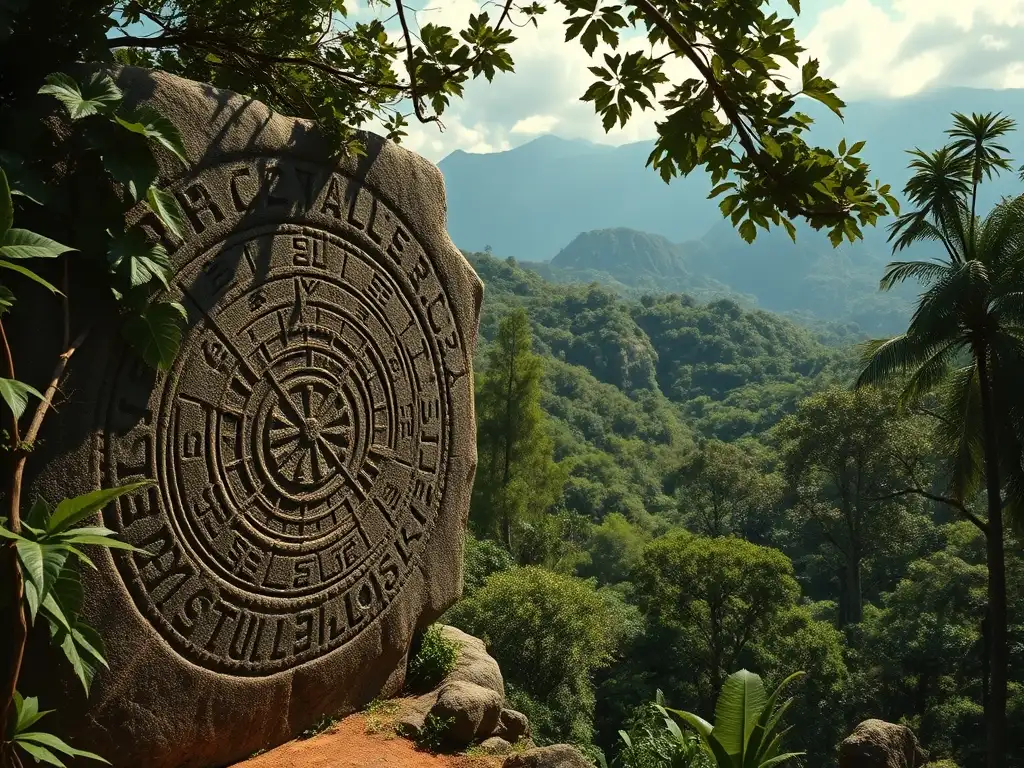
Step into a world lost to time, a realm of breathtaking artistry and sophisticated engineering: the Andes. For centuries, mighty civilizations like the Inca, Moche, and Nazca thrived in this dramatic landscape. But what truly led to their decline? Discover how the Inca calendar may hold the key to understanding the dramatic events surrounding their downfall, and uncover the secrets of the Spanish Conquest in our exploration of "The Inca Calendar and the End of an Era: Did Time Play a Role in Their Demise?" Prepare to be captivated by the mysteries that await.
The Spanish conquest of the Inca Empire in the 16th century remains a pivotal moment in history, a dramatic clash of cultures that resulted in the collapse of a sophisticated civilization. While the brutality and superior weaponry of the conquistadors are widely recognized as key factors, exploring the potential role of the Inca calendar and their intricate understanding of time offers a fascinating, albeit controversial, perspective on the empire's downfall.
This article delves into the complexities of the Inca calendar system, examining its potential influence on agricultural practices, social organization, and ultimately, the empire's vulnerability to external forces. We will investigate whether a rigid adherence to a cyclical understanding of time, coupled with environmental challenges and internal weaknesses, might have inadvertently contributed to the Inca Empire's demise.
This nuanced approach moves beyond the simplistic narrative of military conquest, suggesting that a deeper understanding of Inca cosmology and temporal reckoning is crucial to a complete interpretation of this historical event. The keyword "Inca calendar role in downfall" will be explored throughout this analysis.
The Inca Calendar: A System of Timekeeping and Power
The Inca calendar wasn't a single, monolithic system, but rather a complex interplay of different cycles and observations. Unlike the written calendars of other civilizations, the Inca system relied heavily on oral tradition, passed down through generations of priests and officials. This oral tradition, however, makes precise reconstruction challenging for modern researchers.
Key elements included a solar year divided into twelve lunar months, punctuated by significant agricultural and ceremonial events. The Inca's deep understanding of celestial movements allowed them to predict solstices and equinoxes with remarkable accuracy, aligning their agricultural practices with the rhythms of nature. This meticulous understanding of time was not merely a practical tool; it was deeply entwined with their religious beliefs, reinforcing the power of the Sapa Inca and the legitimacy of their rule.
The meticulous tracking of time dictated agricultural cycles, festivals, and even military campaigns. Their understanding was so sophisticated that their calendar likely incorporated intricate calculations of solar and lunar cycles, resulting in a precise system for predicting seasonal changes and planning societal activities.
Agricultural Dependence and Environmental Vulnerability
The Inca Empire's agricultural success was inextricably linked to their calendar system. Precise knowledge of planting and harvesting seasons, gleaned from their observations of the sun and stars, allowed them to cultivate crops across diverse ecological zones. However, this dependence on a finely-tuned agricultural system also rendered them vulnerable to environmental fluctuations.
Unexpected droughts, floods, or crop failures, events that could potentially be foreseen with their calendar, could have destabilized the empire, leading to famine and social unrest. The interplay between environmental factors and the accuracy of their predictions, or potential failures thereof, is a crucial area for further research when considering the empire's eventual collapse.
Evidence suggests that the years leading up to the Spanish conquest were marked by periods of drought and famine, which likely weakened the empire's resilience. This suggests that a thorough analysis of the climate data from the period could provide valuable insights into the potential impact of environmental factors on the Inca Empire's vulnerability.
The Inca calendar wasn't simply a tool for agriculture; it profoundly influenced their social and political structures. Festivals and ceremonies, timed meticulously according to the calendar, reinforced social cohesion and the authority of the ruling elite. The cyclical nature of time, as reflected in the calendar, likely reinforced a sense of order and stability.
However, this cyclical worldview may have also contributed to a certain inflexibility in the face of unexpected challenges. The Spanish arrival, a completely unforeseen event outside their established cyclical understanding of time, may have disrupted the established social order and contributed to the empire's inability to adapt effectively.
The rigid adherence to traditional practices, deeply rooted in their cyclical understanding of time, may have hindered their ability to respond swiftly and decisively to the unprecedented threat posed by the conquistadors. Further research is needed to fully understand the extent to which the Inca's worldview shaped their response to the Spanish invasion.
The Inca Calendar and the Spanish Conquest: A Confluence of Factors
The fall of the Inca Empire was not solely a consequence of the Spanish invasion; it was a complex interplay of internal weaknesses and external pressures. While the superior weaponry and strategic brilliance of the conquistadors were undoubtedly crucial factors, the empire's vulnerability, potentially exacerbated by environmental challenges and an inflexible social structure rooted in their cyclical understanding of time, played a significant role.
The Inca calendar, a testament to their sophisticated understanding of the natural world, may have, ironically, contributed to their inability to adapt to the abrupt and unprecedented disruption caused by the Spanish conquest. Therefore, examining the role of the Inca calendar is crucial for a more holistic and nuanced understanding of this pivotal moment in history.
The integration of detailed climatological data and further archaeological research is essential to fully illuminate the complex relationship between the Inca calendar and the events that led to the empire's demise. The question of the "Inca calendar role in downfall" remains a compelling area for continued scholarly investigation.
- The Inca Calendar: A System of Timekeeping and Power
- Agricultural Dependence and Environmental Vulnerability
- Social and Political Implications of Temporal Cycles
- The Inca Calendar and the Spanish Conquest: A Confluence of Factors
Understanding the Inca Calendar System
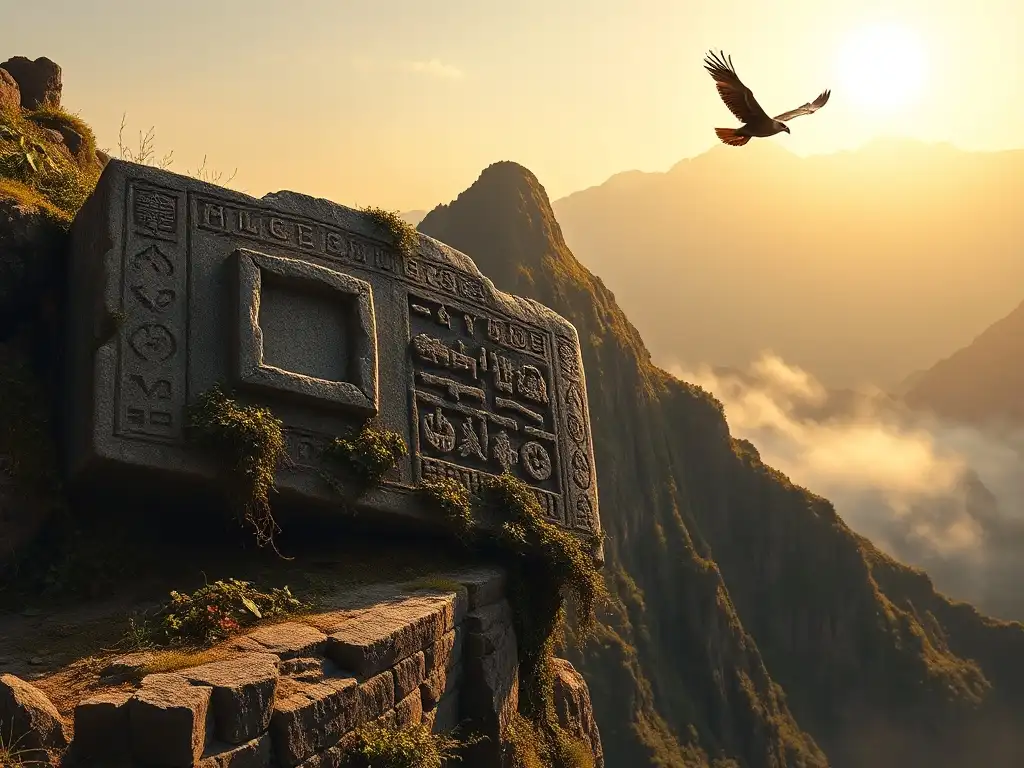
The Inca calendar, unlike the rigidly structured calendars of many other ancient civilizations, wasn't based on written records. Instead, it was a sophisticated system intricately woven into the fabric of Inca society, relying on meticulous observation of celestial events and deeply ingrained traditions passed down through generations of quipucamayocs – skilled keepers of knowledge who used quipus (knotted cords) to record and transmit information, including calendrical data.
This oral tradition, combined with precise astronomical observations, allowed the Inca to develop a remarkably accurate and practical calendar system, crucial to their agricultural practices, religious ceremonies, and overall societal organization. The Inca calendar's role in their downfall, however, remains a subject of ongoing scholarly debate, with some suggesting a potential link between calendrical predictions and societal upheaval.
The Inca Astronomical Knowledge
Inca astronomers possessed an advanced understanding of celestial mechanics. They accurately tracked the movements of the sun, moon, and stars, using their observations to predict solstices, equinoxes, and other significant astronomical events. Their knowledge wasn't simply theoretical; it was directly applied to practical matters.
For example, the precise timing of agricultural cycles depended heavily on their astronomical observations, ensuring optimal planting and harvesting times. They also constructed impressive structures, such as Machu Picchu, strategically aligned with key celestial bodies, further demonstrating their profound astronomical expertise. This sophisticated understanding of the cosmos was not merely a scientific pursuit; it was deeply intertwined with their religious beliefs and worldview, shaping their social and political structures.
The precise nature of their astronomical instruments and techniques remains a subject of ongoing research, with new discoveries continually enriching our understanding of their capabilities. Evidence suggests they used various methods including careful observation of shadows and the precise positioning of structures to track the sun's movement throughout the year.
Components of the Inca Calendar: Solar and Lunar Cycles
The Inca calendar wasn't a single unified system but rather a complex interplay of solar and lunar cycles. The solar year, approximately 365 days, was divided into twelve lunar months, each consisting of approximately 30 days. This system, however, wasn't perfectly synchronized, leading to the need for periodic adjustments.
These adjustments, likely involving the intercalation of additional days, were managed by the quipucamayocs, ensuring the calendar remained aligned with the agricultural cycles and religious observances. The Inca calendar also incorporated a 360-day agricultural cycle, divided into ten months, each with 36 days. This cyclical system, interwoven with the lunar calendar, played a crucial role in organizing their agricultural activities.
The precise methods employed for the intercalation of days to reconcile the discrepancies between the solar and lunar cycles require further investigation, as the complexities of the Inca calendar are still being fully understood. Furthermore, regional variations in calendar systems likely existed, depending on the specific microclimates and agricultural requirements of each area within the vast Inca empire.
The Importance of the Inca Calendar in Andean Life
The Inca calendar permeated every aspect of Andean life. It governed agricultural practices, determining planting and harvesting times for essential crops such as potatoes, maize, and quinoa. Religious festivals and ceremonies were meticulously timed according to the calendar, reinforcing the Inca worldview and ensuring the continuation of their traditions.
Administrative tasks, such as the allocation of resources and the organization of labor, were also synchronized with the calendar's cycles. The precise coordination of these various aspects of life, all linked to the calendar's rhythms, highlights its fundamental importance in maintaining the social and political stability of the Inca Empire. The calendar's influence extended beyond the practical; it played a vital role in shaping Inca cosmology and beliefs about the cosmos and their place within it.
The role of the Inca calendar in maintaining social order and cohesion was integral to the empire's functioning, and its potential disruption could have contributed to the empire's vulnerability during the Spanish conquest. The disruption of established cyclical patterns through conquest could have had profound psychological and social effects, further weakening the Inca's ability to resist.
The Spanish Arrival and its Impact on Inca Timekeeping
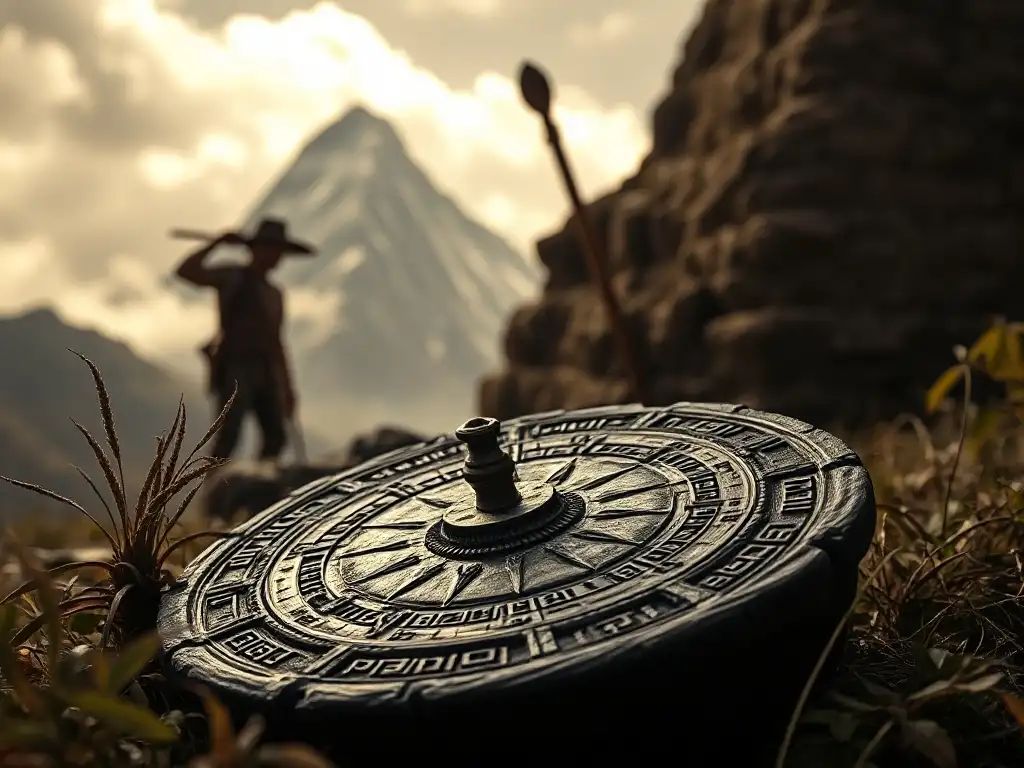
The arrival of the Spanish in the 16th century dramatically altered the Inca Empire, and this upheaval extended far beyond the political and military spheres. The intricate system of timekeeping, central to Inca societal structure and agricultural practices, was profoundly disrupted. The Inca calendar, a sophisticated system based on meticulous astronomical observations and deeply intertwined with religious beliefs and agricultural cycles, faced a direct challenge from the European Gregorian calendar.
This clash of calendrical systems, coupled with the systematic dismantling of Inca institutions, contributed significantly to the destabilization of the empire, potentially accelerating its demise. The Inca calendar's role in this downfall is a complex issue, deserving of detailed examination. The sheer scale of the change imposed by the conquistadors, impacting everything from planting schedules to religious festivals, cannot be underestimated in understanding the overall collapse of the Inca civilization.
Analyzing the specific ways in which the Spanish disrupted Inca timekeeping reveals a crucial aspect of the conquest's devastating impact. We will explore the multifaceted ways in which the Inca calendar, once a cornerstone of their society, became a casualty of the Spanish conquest.
The Clash of Calendrical Systems: Inca vs. European
The Inca calendar, unlike the solar calendar used by the Spanish, was a complex interplay of a solar year divided into twelve lunar months, and a separate 365-day solar year. This system, meticulously tracked through observation of celestial bodies and intimately connected to agricultural practices, was far more nuanced than the relatively simpler Gregorian calendar imposed by the Spanish. The imposition of the European calendar wasn't merely a change in dates; it represented a fundamental shift in worldview.
The Inca calendar wasn't just a tool for measuring time; it was integral to their religious beliefs, agricultural practices, and social organization. The Spanish, in their efforts to impose their culture and beliefs, actively suppressed Inca traditions, including their methods of timekeeping. This deliberate suppression destabilized the intricate balance of Inca society, creating chaos and confusion in daily life and religious observances.
The resulting disruption in the precise coordination of agricultural activities, religious festivals, and administrative tasks significantly weakened the Inca Empire's internal cohesion and resilience. Consider the complexities: adjusting to a new calendar meant disrupting established patterns of planting, harvesting, and religious ceremonies—all deeply interwoven with the Inca's understanding of time and their relationship with the cosmos.
Disruption of Agricultural Practices and Time-Based Rituals
The Inca Empire's agricultural success relied heavily on the precise timing dictated by their calendar. Specific planting and harvesting periods were carefully determined based on astronomical observations, ensuring optimal yields and food security. The Spanish conquest led to the disruption of these established agricultural cycles. The introduction of new crops, livestock, and farming techniques, along with the forced labor imposed on the Inca population, created significant agricultural instability.
This instability exacerbated by the imposed changes in the calendar, led to food shortages and famine, weakening the empire from within. Furthermore, numerous religious rituals and ceremonies were directly linked to specific dates on the Inca calendar. These rituals were essential for maintaining social order, reinforcing religious beliefs, and ensuring the continuity of Inca traditions.
The Spanish suppression of these rituals, coupled with the imposition of the Gregorian calendar, disrupted the spiritual fabric of Inca society, further contributing to societal disintegration. The loss of these time-based rituals not only eroded the cultural identity of the Incas but also undermined their social cohesion and political stability. The resulting social unrest and loss of faith in traditional leadership weakened the empire's ability to resist the Spanish advance.
How the Inca Calendar Influenced Inca Society
The Inca calendar was not merely a tool for measuring time; it was deeply embedded in the fabric of Inca society, influencing every aspect of their lives. Its influence extended beyond agriculture and religious rituals. Administrative tasks, such as tax collection, labor organization ( mita ), and the distribution of resources, were all meticulously scheduled according to the calendar. The calendar served as the backbone of their highly organized and efficient societal structure.
The disruption of this system by the Spanish conquest created widespread administrative chaos, hindering the empire's ability to function effectively. The imposition of the Gregorian calendar, therefore, was not simply a superficial change; it represented a profound attack on the very foundations of Inca society. The Inca calendar, intricately woven into the social, economic, and religious life of the empire, played a crucial role in its stability and prosperity.
Its disruption by the Spanish conquest was a key factor in the empire's ultimate downfall, highlighting the intimate relationship between timekeeping, societal organization, and the fate of the Inca civilization. The destruction of this complex system contributed significantly to the social, economic, and political instability that ultimately led to the collapse of the Inca Empire. The intricate interplay between the Inca calendar and the empire's structure demonstrates the profound impact of disrupting a system so deeply ingrained in a culture's identity and daily life.
Inca Calendar Role in Downfall: Exploring the Hypothesis
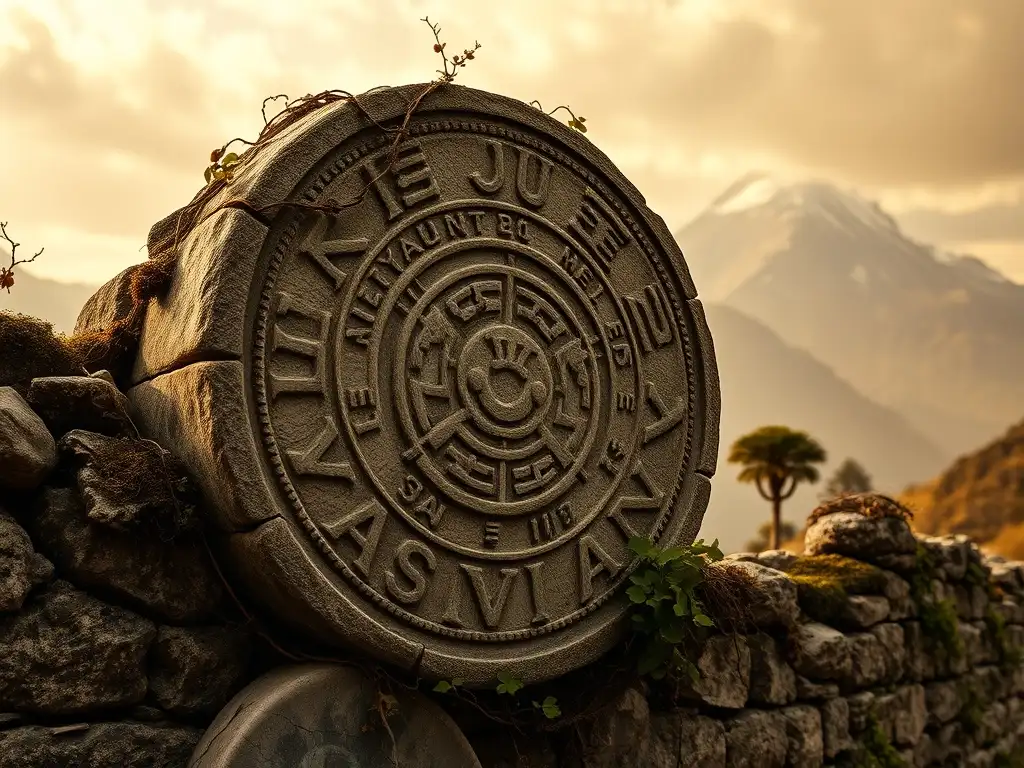
The Inca Empire's collapse, while largely attributed to Spanish conquest, invites exploration of contributing factors. One intriguing hypothesis centers on the potential role of the Inca calendar and its intricate relationship with the empire's agricultural, social, and political fabric. Did a misalignment or misunderstanding of their sophisticated temporal system contribute to the empire's vulnerability?
This section delves into this compelling, albeit debated, theory, examining the potential impact of the Inca calendar on the empire's downfall. The precise extent of this influence remains a subject of ongoing scholarly discussion, but exploring the possibilities sheds light on the complexity of the Inca civilization and the multifaceted nature of its demise. The keyword phrase "Inca calendar role in downfall" encapsulates this very inquiry.
The Loss of Agricultural Predictability: A Weakening Factor?
The Inca calendar, a remarkably accurate system based on observations of the sun, moon, and stars, was intrinsically linked to their agricultural practices. Precise knowledge of planting and harvesting seasons, crucial for their highly organized agricultural system, was derived from this calendar. Any disruption to this agricultural predictability, even a slight one, could have had cascading effects.
Evidence suggests that the years leading up to the Spanish conquest were marked by unusual climatic events – perhaps El Niño events of greater intensity than usual – resulting in crop failures and food shortages. These events, potentially exacerbated by existing vulnerabilities in the Inca's food distribution system, could have weakened the empire's resilience, making it more susceptible to external pressures. The Inca's meticulous record-keeping, though impressive, might not have adequately predicted or prepared them for such unforeseen climatic shifts, impacting their ability to effectively manage resources and maintain social stability.
This agricultural instability could be considered a critical weakening factor, paving the way for the success of the Spanish conquest. The impact of even minor shifts in agricultural predictability highlights the intricate relationship between the calendar, environmental factors, and the empire's overall stability.
Misinterpretation of Prophecies and Time Cycles
Inca cosmology incorporated complex beliefs about time cycles and prophecies. Their calendar wasn't merely a tool for agriculture; it was deeply embedded in their spiritual and religious worldview. Scholars suggest that certain time cycles, as marked by the calendar, might have been interpreted as portents of impending doom or significant change.
While specific prophecies related to the Spanish conquest are difficult to definitively verify due to limited surviving textual records, the possibility that misinterpretations of these prophecies fostered a sense of societal anxiety and vulnerability cannot be discounted. This internal turmoil, coupled with the external threat of the Spanish, could have further destabilized the empire, hindering its ability to mount an effective defense.
The inherent ambiguity in interpreting prophecies, combined with the stress of external pressures, could have led to a self-fulfilling prophecy, where fear and uncertainty weakened the empire's resolve. Further research into surviving Inca oral traditions and archaeological evidence may shed more light on this aspect of the Inca calendar's role in their downfall.
The Inca calendar wasn't merely a tool for predicting agricultural cycles; it profoundly influenced the empire's political and social structure. The precise timing of religious ceremonies, administrative decisions, and even military campaigns was often dictated by the calendar. Disruptions to this carefully orchestrated system, whether caused by environmental changes or other factors, could have created widespread chaos and confusion.
The centralized nature of the Inca empire meant that any disruption to the carefully calibrated temporal order could have had far-reaching consequences, potentially undermining the authority of the ruling elite and weakening the empire's ability to respond effectively to crises. The intricate web connecting the calendar to the empire's governance and social order suggests that any significant disruption to the calendar's perceived accuracy could have had a devastating impact on the empire's stability, making it more vulnerable to conquest.
The precise mechanisms through which this occurred remain a subject of ongoing scholarly investigation, but the fundamental connection between the calendar and the empire's governance is undeniable. The "Inca calendar role in downfall" narrative highlights the importance of understanding this intricate interplay.
Examining Alternative Theories for the Inca Decline
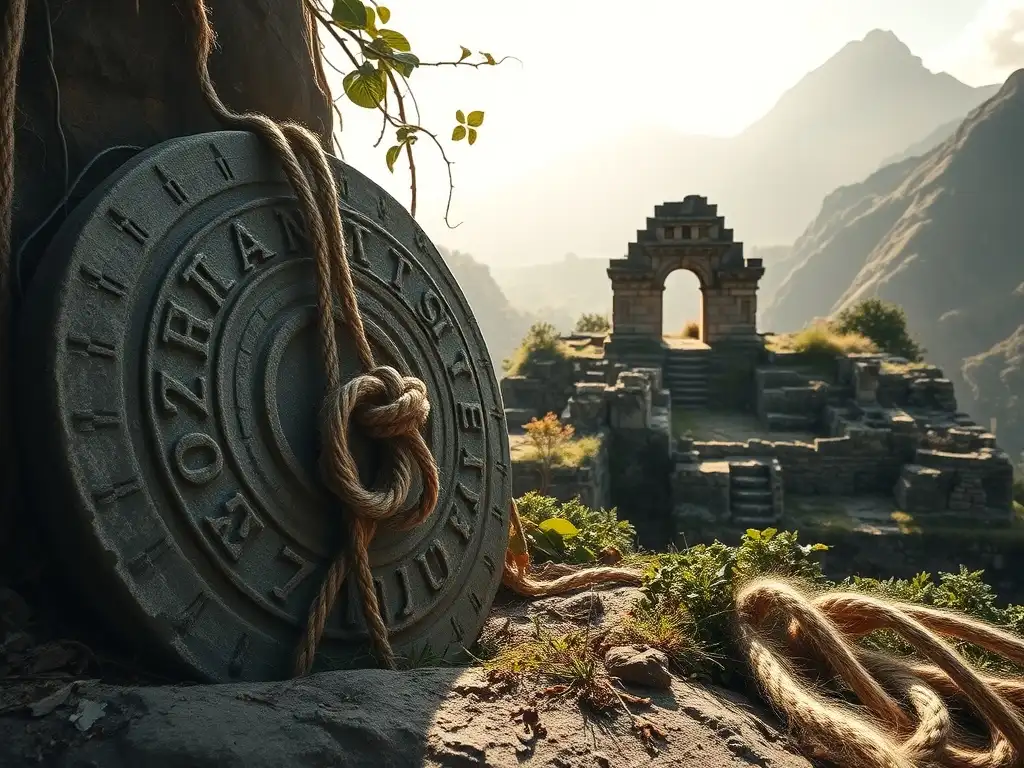
While the Spanish conquest undeniably played a crucial role in the Inca Empire's downfall, attributing the collapse solely to external forces overlooks significant internal vulnerabilities that weakened the empire, making it susceptible to conquest. The Inca calendar, while not directly causing the empire's demise, might offer a lens through which to understand the confluence of factors that contributed to its end. Analyzing the timing of key events in relation to the Inca calendar could reveal how pre-existing tensions were exacerbated, ultimately leading to the empire's fragility.
The Inca calendar, a sophisticated system reflecting the empire's agricultural and religious life, might reveal patterns of societal stress preceding the arrival of the Spanish. Further research is needed to fully explore this correlation.
Internal Conflicts and Succession Disputes
The Inca Empire's centralized power structure, while effective for expansion, also created inherent vulnerabilities. Succession disputes, often fueled by ambitious nobles vying for power, weakened the empire from within. The Inca calendar, with its intricate system of festivals and rituals tied to agricultural cycles, may have inadvertently exacerbated these conflicts.
For instance, periods of agricultural scarcity, predictable through the calendar, could have intensified competition for resources and fueled internal strife. The death of Huayna Capac in 1527, followed by a brutal power struggle between his sons Huáscar and Atahualpa, perfectly illustrates this point. This internal conflict, occurring at a critical juncture, significantly weakened the empire's defenses, leaving it vulnerable to Pizarro's relatively small force.
The precise timing of these events in relation to the agricultural cycles and significant dates within the Inca calendar requires further investigation to establish a definitive link. Historians could explore whether specific calendar-related events coincided with periods of heightened political instability, potentially revealing a correlation between the Inca calendar and the timing of critical internal conflicts.
The Impact of European Diseases on the Inca Population
The introduction of European diseases, such as smallpox, measles, and influenza, decimated the Inca population. This catastrophic loss of life, often overlooked in discussions solely focused on military conflict, severely crippled the empire's ability to resist the Spanish. While the Inca calendar didn't cause the diseases, its connection to agricultural practices and population distribution might offer insights into the impact of the epidemics.
For example, densely populated agricultural centers, whose locations were likely influenced by the Inca calendar's agricultural predictions, may have experienced higher mortality rates due to the rapid spread of disease. Understanding the demographic impact of these epidemics, in relation to the population distribution suggested by the Inca calendar's agricultural focus, could help explain the empire's rapid decline after the initial contact with the Spanish.
Further research into Inca population density maps, correlated with the calendar's agricultural cycles, could unveil a clearer picture of how disease spread and affected the empire's ability to function. The sheer scale of the population loss, a factor intricately linked to the empire's capacity for resistance, cannot be dismissed as a secondary factor in the Inca downfall.
Military Superiority of the Spanish Conquistadors
While the Spanish possessed superior weaponry, their numerical inferiority compared to the Inca army suggests that other factors contributed to their victory. The Inca calendar's role in this context might be to highlight the timing of crucial military engagements. Were these battles fought during periods of agricultural stress, potentially weakening the Inca army's morale and logistical support?
Did the Inca calendar's influence on troop deployment and resource allocation leave them strategically disadvantaged? While the Spanish's superior weaponry and tactics were undoubtedly crucial, exploring the timing of key battles in relation to the Inca calendar could reveal whether internal vulnerabilities, potentially exacerbated by the calendar's influence on resource management and societal stability, played a role in the Inca defeat. A detailed chronological analysis comparing the Inca calendar's significant dates with the timelines of major military encounters could reveal a compelling correlation, providing a more nuanced understanding of the conquest.
This would require a comprehensive review of existing historical records, cross-referenced with detailed reconstructions of the Inca calendar. The potential for uncovering such a correlation underlines the importance of considering the Inca calendar's broader influence on the empire's overall stability and resilience in the face of the Spanish conquest.
The Legacy of the Inca Calendar
Preserved Knowledge and Modern Interpretations
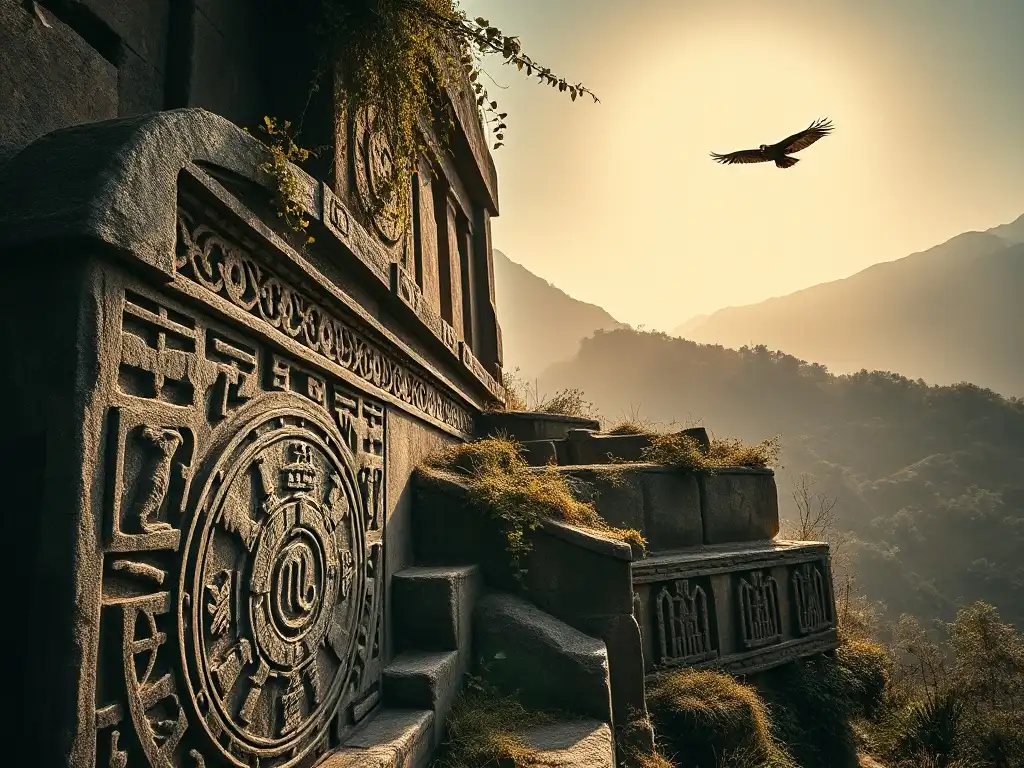
The Inca calendar, a sophisticated system of timekeeping deeply interwoven with their agricultural practices and religious beliefs, continues to fascinate researchers and historians. While the Spanish conquest systematically destroyed many Inca records, fragments of knowledge survived, primarily through oral traditions passed down through generations and interpretations of surviving archaeological artifacts. These include intricately carved stones, knotted strings known as quipus (which may have encoded calendrical information), and architectural alignments reflecting astronomical observations.
Modern interpretations often rely on cross-referencing these disparate sources, alongside ethnohistorical accounts from chroniclers who documented aspects of Inca life after the conquest. The challenge lies in piecing together a complete picture from incomplete data, leading to ongoing debate among scholars regarding specific aspects of the Inca calendar's functionality and its precise relationship to Inca societal structures. For example, the exact length of the Inca year and the methods used to track solstices and equinoxes remain subjects of ongoing research and discussion.
The study of the Inca calendar is not just a historical exercise; it offers valuable insights into the cognitive abilities and societal organization of this remarkable civilization. Understanding their methods of timekeeping enhances our appreciation of their sophisticated understanding of astronomy and their ability to manage a vast empire based on a complex agricultural system. The Inca calendar’s legacy is thus a testament to their ingenuity and a rich source of information for contemporary scholars striving to unravel the mysteries of the past.
Lessons from the Inca's Relationship with Time
The Inca's meticulous approach to timekeeping offers valuable lessons applicable even in the modern world. Their close relationship with the agricultural cycle, evident in their calendar's alignment with seasonal changes, emphasizes the importance of sustainable practices and a harmonious interaction with nature. The intricate system of huacas (sacred sites), many of which were linked to astronomical events, showcases the deep spiritual significance they attributed to time and the cosmos.
This holistic approach, which integrated agriculture, spirituality, and governance, stands in contrast to modern industrialized societies which often compartmentalize these aspects of life. Studying the Inca calendar's integration into their social fabric allows us to reflect on the potential benefits of a more balanced and interconnected approach to time management and resource allocation. Their emphasis on communal living and shared resources, guided by the rhythms of their calendar, suggests a model of social organization that prioritized collective well-being over individual gain.
The Inca calendar's influence extended beyond agriculture and religious practices; it shaped their administrative system, influencing everything from tax collection to the organization of labor. Understanding how the Inca managed their empire through a deep understanding of time's cyclical nature offers a unique perspective on effective governance and resource management. The Inca approach highlights the interconnectedness of all aspects of life, a lesson especially relevant in our increasingly fragmented modern world.
The Inca Calendar as a Cultural and Historical Artifact
The Inca calendar transcends its purely functional role as a timekeeping system; it stands as a powerful cultural and historical artifact. Its enduring influence on Andean societies is undeniable, with many elements persisting in modern traditions and practices. The calendar’s symbolic significance continues to resonate, influencing artistic expressions, religious beliefs, and even modern agricultural practices in some communities. The intricate designs and symbols embedded within the calendar reflect a rich cosmology and worldview, providing valuable insights into Inca mythology and their understanding of the universe.
Studying the Inca calendar offers a unique opportunity to understand the values, beliefs, and social structures of this lost civilization. Its survival, albeit in fragmented form, is a testament to the resilience of Inca culture and its continuing influence on Andean identity. The calendar's role as a cultural artifact extends beyond the Andean region.
It serves as a powerful symbol of a sophisticated pre-Columbian civilization, challenging Eurocentric narratives of history and highlighting the contributions of Indigenous cultures to world civilization. Preserving and studying this artifact is crucial to understanding the rich tapestry of human history and to promoting intercultural understanding and respect. The Inca calendar's legacy is one of cultural richness, historical significance, and enduring relevance for future generations.
Conclusion: The Complexities of the Inca Collapse
The fall of the Inca Empire remains a captivating and multifaceted historical enigma. While the Spanish conquest undeniably played a crucial role, attributing the empire's demise solely to external forces overlooks the internal complexities and pre-existing vulnerabilities that likely contributed to its downfall. Analyzing the Inca calendar's potential influence within this broader context is vital to achieving a more nuanced understanding of this pivotal moment in Andean history.
The Inca calendar, a sophisticated system intricately woven into the fabric of Inca society, may not have been the sole factor, but its potential role in the empire's fragility warrants detailed investigation. The intricate relationship between celestial observation, agricultural practices, and societal organization highlights the interwoven nature of Inca civilization, making its collapse a particularly complex event.
The interplay of internal weaknesses and external pressures resulted in a confluence of factors that ultimately led to the empire's demise. Ignoring any single element, including the potential influence of the Inca calendar's predictive capabilities (or lack thereof) in the face of unforeseen events, would present an incomplete and potentially misleading narrative.
The Inca Calendar's Potential Role in a Multifactorial Downfall
The Inca calendar, a complex system based on solar and lunar cycles, deeply influenced Inca agriculture, religious practices, and societal organization. Its accuracy and predictive power were vital for planning agricultural cycles, coordinating labor, and maintaining social order. However, the calendar's reliance on precise astronomical observations meant that any disruption to this intricate system could have had cascading effects.
The question arises: could a perceived failure or inaccuracy in the calendar's predictions, particularly regarding crucial agricultural cycles or auspicious dates, have contributed to social unrest, weakened faith in the ruling elite, or created an environment more susceptible to Spanish conquest? While we lack direct evidence linking specific calendar-related events to the Inca collapse, the calendar's central role in Inca life suggests that its potential impact cannot be dismissed. Historians and archaeologists continue to debate the extent of its influence, but it’s crucial to consider the psychological and societal implications of a system so central to Inca identity potentially failing to accurately predict vital events, thus potentially undermining the authority and legitimacy of the ruling class.
Analyzing surviving records, including archaeological evidence and ethnohistorical accounts, may reveal further insights into this intriguing aspect of the Inca downfall. The precise impact remains a subject of ongoing scholarly debate, emphasizing the need for further research.
A Reminder of the Fragility of Empires
The Inca Empire's collapse serves as a stark reminder of the inherent fragility of even the most powerful and seemingly invincible empires. Factors such as internal conflicts, disease outbreaks, environmental challenges, and economic inequalities all played a role in weakening the Inca Empire before the arrival of the Spanish.
The sophisticated Inca calendar, while a testament to their advanced knowledge and organizational capabilities, could not shield them from the complex interplay of these internal and external pressures. The empire's vulnerability underscores the interconnected nature of societal stability and the importance of understanding the multiple factors that contribute to both the rise and fall of civilizations.
The Inca experience offers invaluable lessons about the limitations of power, the importance of adaptability, and the unexpected consequences of unforeseen circumstances, even for a civilization as organized and technologically advanced as the Inca. Analyzing the Inca calendar within this broader context provides a deeper appreciation for the intricate factors that led to the demise of this remarkable civilization, reminding us that even the most meticulously planned societies can be vulnerable to unexpected challenges.
Further Research and the Enduring Mystery of Inca Civilization
The role of the Inca calendar in the empire's downfall remains a fascinating area for future research. Further investigation into surviving Inca records, archaeological findings, and ethnohistorical accounts is crucial to refine our understanding of this complex relationship. Analyzing the calendar's predictive capabilities in relation to actual historical events, such as droughts, famines, or internal rebellions, could provide valuable insights.
Employing interdisciplinary approaches, combining historical analysis with astronomical and anthropological perspectives, will likely yield a more comprehensive understanding of the Inca calendar's potential influence. The enduring mystery surrounding the Inca civilization, and specifically the circumstances surrounding its collapse, continues to inspire scholarly inquiry and highlights the ongoing need to challenge existing narratives and explore alternative interpretations.
The Inca calendar, a testament to their remarkable achievements, remains a key element in this ongoing quest to unravel the complexities of their rise and fall, contributing to a more complete and nuanced understanding of this pivotal period in Andean history. The quest to fully understand the "Inca calendar role in downfall" continues, promising further discoveries and a richer appreciation of this fascinating civilization.
Frequently Asked Questions
What role did the Inca calendar play in their daily lives?
The Inca calendar, a complex system based on observation of the sun and stars, regulated agricultural cycles, religious festivals, and social organization. It was integral to their way of life.
How accurate was the Inca calendar?
The Inca calendar was remarkably accurate for its time, allowing for precise prediction of solstices and equinoxes, crucial for farming and religious practices. Its precision aided their sophisticated agricultural techniques.
Did the Inca calendar predict their downfall?
The Inca calendar itself didn't predict their downfall. However, misinterpretations of celestial events or failure to adapt to changing environmental conditions, possibly influenced by calendar-based predictions, might have contributed to internal strife or vulnerability.
What were some of the key elements of the Inca calendar system?
Key elements included a solar calendar tracking the sun's movement, a lunar calendar tracking the moon's phases, and a system of knotted strings called quipus used for recording dates and other information.
How did the Spanish conquest impact the Inca calendar and its knowledge?
The Spanish conquest led to the suppression of Inca traditions, including their calendar system. Much of the knowledge about its complexities was lost or destroyed, making it difficult to fully understand its intricacies today.
Final Reflection: Echoes of the Intiwatana: Time, Power, and the Inca Legacy
The intricate system of the Inca calendar, far from being a mere record of days and seasons, served as a powerful tool shaping their society and ultimately, their fate. The meticulous observations of celestial events, woven into the fabric of their daily lives and imperial governance, highlight a profound connection between time, power, and the vulnerability of even the most sophisticated civilizations.
The collapse of the Inca Empire, therefore, wasn't simply a matter of conquest; it was a complex interplay of factors, with the rigid structure imposed by their temporal understanding potentially contributing to their inability to adapt to unforeseen challenges.
The Inca calendar's influence resonates even today, not just as a fascinating historical artifact, but as a potent reminder of the human relationship with time and its impact on our societies. The meticulous precision of their astronomical observations stands in stark contrast to the often chaotic nature of human affairs. The past is never dead. It's not even past,
wrote William Faulkner, and the Inca calendar serves as a powerful testament to this enduring truth. Its legacy continues to shape our understanding of pre-Columbian civilizations and their sophisticated systems of knowledge, reminding us of the interconnectedness of seemingly disparate aspects of a culture.
Consider, for a moment, the ways in which our own understanding of time shapes our decisions, our societies, and our future. Are we, like the Inca, too bound by our current systems of understanding to adapt to unforeseen changes? What lessons can we learn from the Inca's experience to build more resilient and adaptable societies? Let the echoes of the Intiwatana, the Inca's sacred sundial, inspire you to reflect on the profound impact of time, not just on the past, but on the future we are actively creating.
**Unveiling the Mysteries of Time and its Impact on Civilizations**
Thank you for exploring the intriguing connection between the Inca calendar and their civilization's decline. We hope this article has offered valuable insights into how timekeeping may have shaped Inca society and its lasting legacy. We encourage you to continue exploring this captivating subject!
Here are some ways to delve deeper:
- **Join our community:** Subscribe to our newsletter for updates on the latest research and discussions about Andean civilizations.
- **Share your thoughts:** Discuss this article with friends or on social media to spark conversations about the fascinating role of time in history.
- **Explore further:** Discover related articles on our website for a broader understanding of the Inca civilization and its complex relationship with timekeeping.
Reflecting on the impact of time on historical contexts, consider how our understanding of time shapes our perception of modern society. We welcome your thoughts!