
The Rise of Colonial Power: How the Spanish Consolidated Their Rule

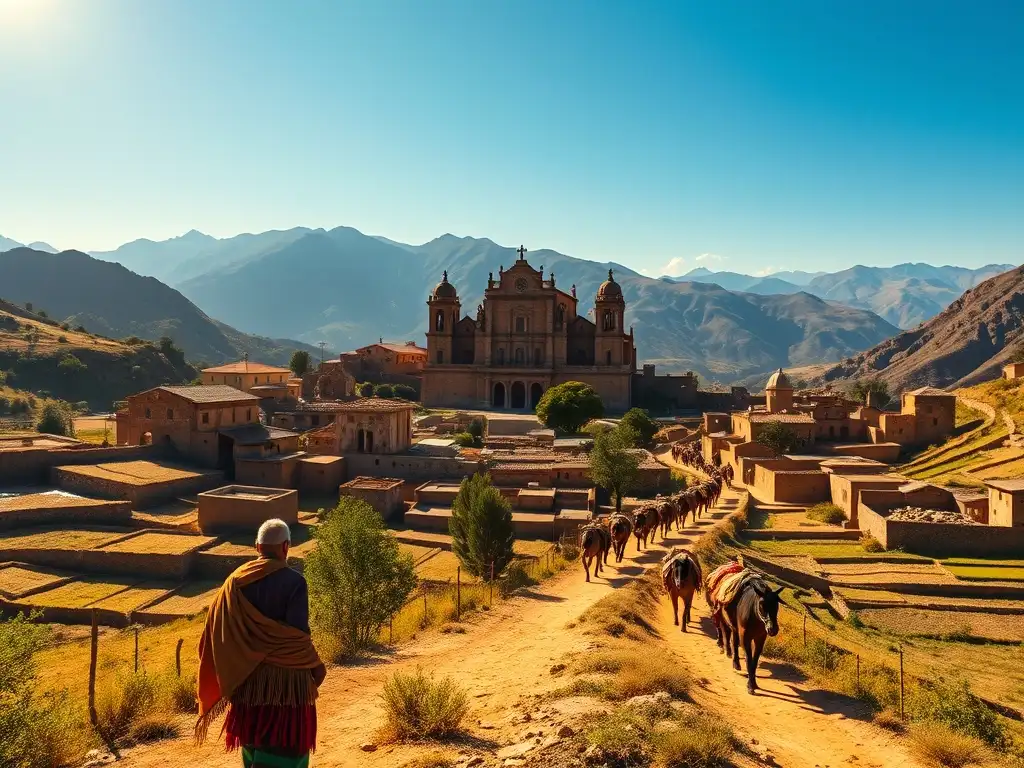
Step into a world lost to time, yet echoing with the grandeur of empires. Imagine the breathtaking heights of Machu Picchu, the intricate artistry of Nazca lines, and the sophisticated engineering of Tiahuanaco – all overshadowed by the brutal arrival of the Spanish. This is the story of the Andean civilizations, and how the Spanish colonial rule Andean impact irrevocably altered their destiny. Dare to uncover the secrets of a conquest that continues to shape the region today. Explore the complexities of the Spanish conquest and its enduring legacy.
- The Rise of Colonial Power: How the Spanish Consolidated Their Rule in the Andes
- The Initial Stages of the Spanish Conquest and its Andean Impact
- Establishing Spanish Colonial Administration in the Andes
- Economic Transformation Under Spanish Colonial Rule
- Social and Cultural Changes Imposed by Spanish Colonial Power
- The Long-Term Consequences of Spanish Colonial Rule in the Andes
-
Frequently Asked Questions
- How did the Spanish conquer the Andean civilizations?
- What was the impact of Spanish colonial rule on the Andean population?
- How did the Spanish control the Andean region?
- What were the long-term consequences of Spanish colonial rule in the Andes?
- What aspects of Andean culture survived Spanish colonial rule?
- Final Reflection: Echoes of Empire in the Andes
- Embrace the Legacy of Spanish Colonial Influence in the Andes!
The Rise of Colonial Power: How the Spanish Consolidated Their Rule in the Andes
The Spanish conquest of the Andes wasn't a swift, decisive victory; rather, it was a protracted process of subjugation, adaptation, and ultimately, the consolidation of colonial power. This article delves into the multifaceted strategies employed by the Spanish to establish and maintain their dominance over the diverse Andean civilizations, examining the impact of their rule on the indigenous populations and the lasting consequences that resonate even today.
Understanding the methods used by the Spanish to secure their control is crucial to comprehending the complex legacy of colonialism in the Andean region and its profound influence on the social, political, and economic landscape of South America. We will explore the key factors that contributed to the Spanish success, including military tactics, political maneuvering, religious conversion, and the exploitation of existing social structures.
The keyword "Spanish colonial rule Andean impact" will be explored throughout, highlighting the multifaceted consequences of this pivotal historical period.
Introduction: The Seeds of Spanish Colonial Rule in the Andean Region
The initial Spanish incursions into the Andes, marked by Pizarro's conquest of the Inca Empire, were far from a complete takeover. The vast and diverse Andean region, encompassing powerful empires like the Inca, but also independent kingdoms and communities, presented a significant challenge to Spanish ambitions. The Spanish victory over Atahualpa in 1533 was a crucial turning point, but it didn't automatically translate into unchallenged control.
The initial years were characterized by internal conflicts within the Spanish ranks, resistance from indigenous populations, and the constant need to consolidate newly acquired territories. The Spanish faced significant challenges in understanding and managing the complex social and political structures of the Andes. Their success hinged not only on military might, but also on shrewd political strategies and a calculated exploitation of existing internal divisions within the Andean societies.
The early stages of Spanish colonial rule were defined by brutal violence, but also by complex negotiations and alliances that shaped the future of the region. The seeds of future colonial power were sown in this period of initial conquest and consolidation, laying the foundation for centuries of Spanish dominance.
Military Strategies and the Subjugation of Andean Resistance
The Spanish conquest of the Andes relied heavily on superior military technology, including firearms, steel weaponry, and horses. However, their military success also stemmed from effective strategies, such as exploiting internal conflicts between rival Andean groups and employing a combination of brutal force and strategic alliances. The Spanish skillfully manipulated indigenous rivalries, forging alliances with certain groups to subdue others.
This divide-and-conquer tactic proved highly effective in weakening the collective resistance of Andean populations. The Spanish also established a system of fortified settlements strategically located throughout the Andes, allowing them to control key routes and suppress rebellions. Furthermore, the introduction of diseases like smallpox, to which the indigenous population had no immunity, decimated their numbers, significantly weakening their capacity for resistance.
The impact of these military strategies on the Andean population was devastating, resulting in significant loss of life and the disruption of traditional social structures. The Spanish colonial rule Andean impact in this aspect was undeniably one of violent subjugation.
The Role of Religion and Cultural Transformation
The Spanish conquest was not solely a military endeavor; it was deeply intertwined with a mission of religious conversion. The imposition of Catholicism was a central aspect of Spanish colonial rule, aimed at dismantling indigenous belief systems and replacing them with Christian doctrines. The destruction of Andean temples and religious artifacts, coupled with the forced conversion of indigenous populations, was a systematic attempt to erase indigenous cultural identities.
This religious transformation was accompanied by a broader process of cultural assimilation, which aimed to replace indigenous languages and customs with Spanish equivalents. The Spanish colonial rule Andean impact on religion and culture was profound and enduring, leading to the syncretism of indigenous and Christian beliefs that characterizes many aspects of Andean culture today. While some indigenous traditions survived, they were often adapted and integrated into the dominant Catholic framework.
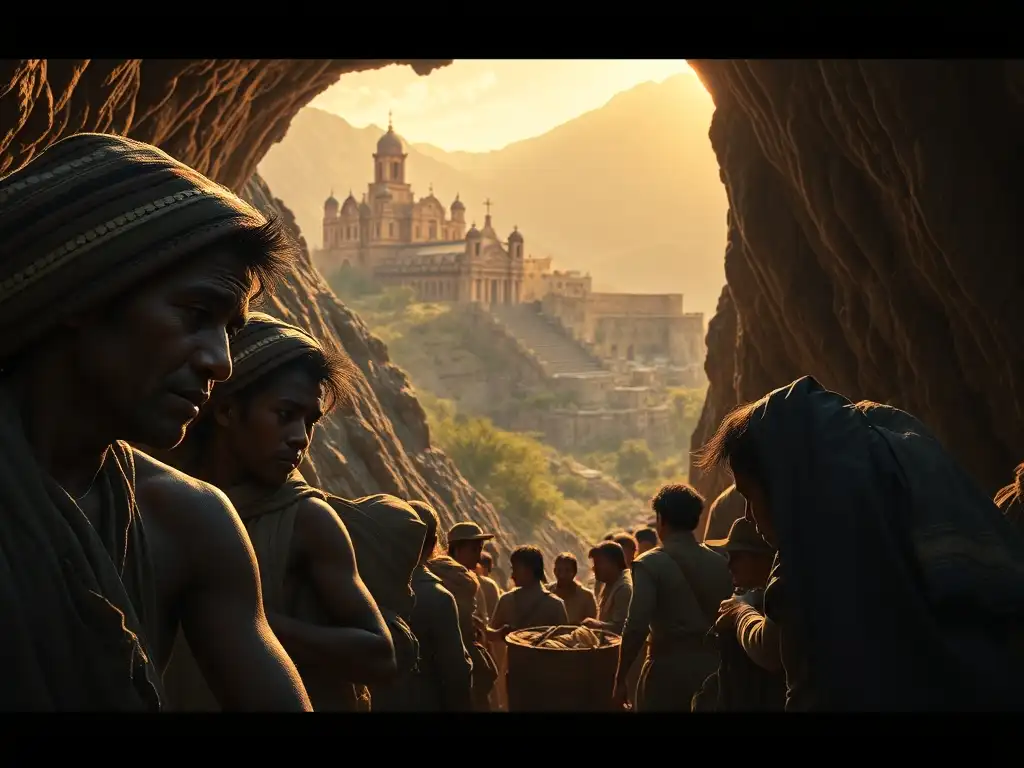
The Spanish conquest fundamentally reshaped the Andean economy. The introduction of the encomienda system, which granted Spanish conquistadors control over indigenous labor, led to widespread exploitation and the brutal subjugation of the Andean population. Indigenous communities were forced to work in mines, on farms, and in other sectors of the colonial economy, often under extremely harsh conditions. This system created a rigid social hierarchy with Spaniards at the top and indigenous people at the bottom.
The extraction of precious metals, particularly silver, fueled the Spanish economy, while simultaneously devastating the Andean environment and depleting indigenous resources. The Spanish colonial rule Andean impact on the Andean economy was characterized by systematic exploitation and the creation of a deeply unequal social structure that persists in various forms to this day. The long-term consequences of this economic system continue to shape the socio-economic fabric of the Andean region.
The Lasting Legacy of Spanish Colonial Rule in the Andes
The Spanish colonial rule Andean impact continues to be felt centuries later. The legacy of colonialism is evident in the socio-political structures, economic inequalities, and cultural hybridity of the Andean region. While the Spanish colonial era ended formally, its influence permeates many aspects of modern Andean life, shaping everything from language and religion to political institutions and economic systems.
Understanding this complex legacy is essential for comprehending the present-day challenges and opportunities faced by Andean communities. The lasting consequences of Spanish colonialism serve as a critical reminder of the power dynamics and lasting impact of imperial expansion. The exploration of the "Spanish colonial rule Andean impact" is therefore a crucial aspect of understanding the history and present-day realities of the Andean region.
The Initial Stages of the Spanish Conquest and its Andean Impact
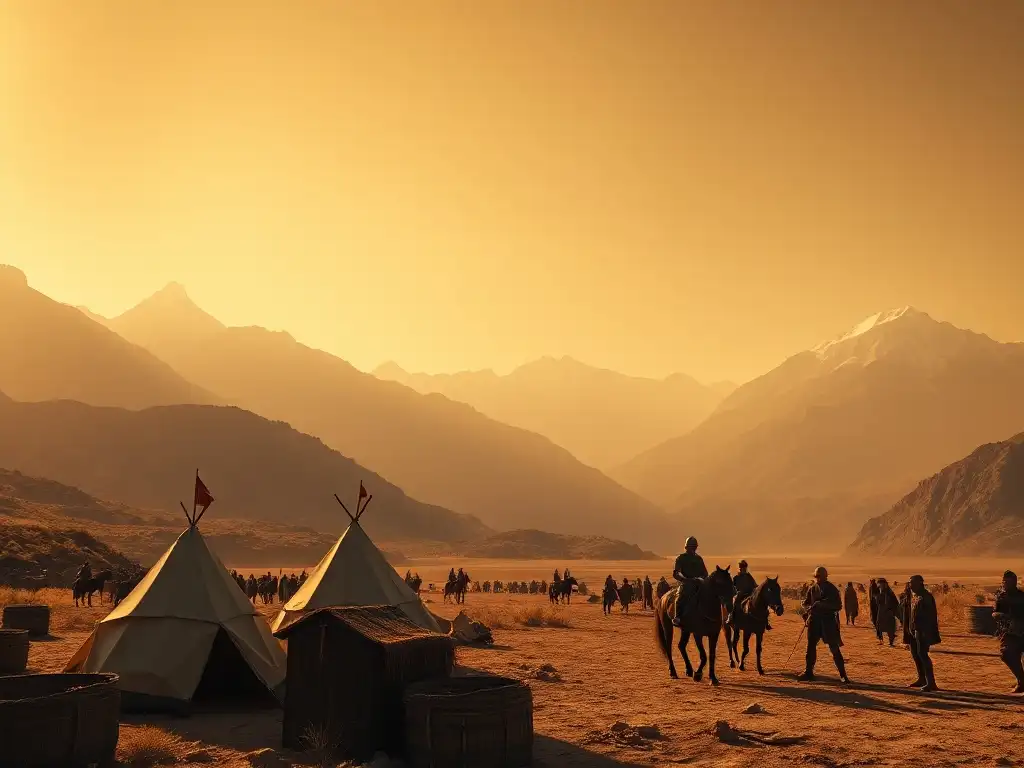
The Spanish conquest of the Andes wasn't a swift, decisive victory; it was a protracted process marked by strategic alliances, brutal warfare, and the exploitation of existing internal Andean conflicts. The initial Spanish colonial rule Andean impact was far-reaching, setting the stage for centuries of domination. Understanding this initial phase is crucial to grasping the long-term consequences of Spanish rule. The Spanish, initially a relatively small force, leveraged superior weaponry (like firearms and steel) and disease to their advantage. This asymmetry in military capabilities, coupled with the Inca Empire's internal vulnerabilities, allowed for surprisingly rapid initial gains.
The Fall of the Inca Empire: A Catalyst for Spanish Dominance
The death of Huayna Capac in 1527 and the subsequent civil war between his sons Huáscar and Atahualpa significantly weakened the Inca Empire. This internal strife, a key factor in the "Spanish colonial rule Andean impact," proved to be a decisive advantage for Pizarro and his conquistadors. Exploiting the fractured political landscape, Pizarro skillfully manipulated the warring factions, ultimately capturing Atahualpa and leveraging the ensuing chaos to claim vast territories.
The ransoming of Atahualpa, despite its immense wealth, only temporarily delayed the inevitable collapse. The Inca Empire's sophisticated administrative system, once a symbol of power and stability, became a tool for Spanish exploitation after its conquest.
The Spanish colonial rule Andean impact in this phase was characterized not only by military conquest but also by the systematic dismantling of Inca institutions and the imposition of Spanish governance. The sheer scale of the Inca empire, however, meant that resistance continued long after the fall of Atahualpa.
Early Resistance and Consolidation of Spanish Control
Despite the initial successes, Spanish colonial rule in the Andes faced considerable resistance. Indigenous populations, far from passively accepting Spanish domination, engaged in various forms of rebellion throughout the region. This resistance, often localized and fragmented, nevertheless posed a significant challenge to the consolidating Spanish power. The Spanish response was brutal, marked by massacres and the suppression of indigenous cultures.
The imposition of the encomienda system, which granted Spanish colonists control over indigenous labor, further exacerbated the tensions and fueled resistance movements. The early decades of Spanish rule witnessed a complex interplay between conquest, resistance, and adaptation. The Spanish gradually consolidated their control, establishing administrative structures, imposing their language and religion, and exploiting the Andean resources for the benefit of the Spanish crown. The long-term "Spanish colonial rule Andean impact" included the decimation of the indigenous population through disease, warfare, and forced labor.
This demographic catastrophe reshaped the social and economic fabric of the Andes for generations to come. The initial period of conquest, therefore, was not simply a military victory but the beginning of a transformative process that profoundly altered the Andean landscape and its peoples. The legacy of this early period continues to shape the region today.
Establishing Spanish Colonial Administration in the Andes
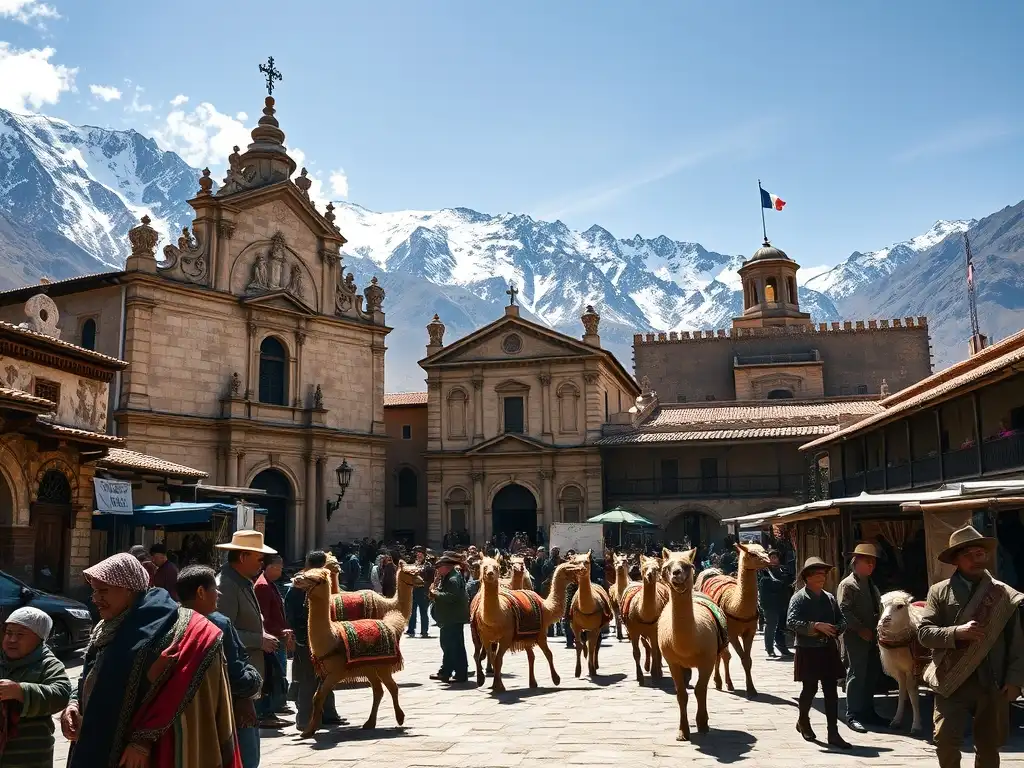
The Spanish conquest of the Inca Empire didn't simply end with the capture of Atahualpa. Establishing lasting control over the vast Andean region required a sophisticated, albeit brutal, administrative apparatus. The initial chaotic years of conquest gave way to a more structured system designed to extract resources and consolidate power.
This process, characterized by the implementation of the Viceroyalty, the Encomienda system, and the significant role of the Catholic Church, profoundly impacted the social, economic, and cultural fabric of Andean life, leaving a legacy that resonates even today. Understanding the intricacies of this administrative structure is key to comprehending the long-term impact of Spanish colonial rule in the Andes. The keyword phrase "Spanish colonial rule Andean impact" is central to understanding this complex historical period.
Implementing the Viceroyalty: A New Order
The establishment of the Viceroyalty of Peru in 1542 marked a pivotal moment in the consolidation of Spanish colonial rule. This new administrative structure mirrored the Spanish monarchy, with a viceroy acting as the king's representative, wielding immense power over the vast territory. The viceroyalty was further divided into audiencias, regional courts that handled legal matters and administered justice (though often biased in favor of Spanish interests).
This hierarchical system, with its layers of authority, allowed the Spanish crown to effectively govern and control the Andean population, suppressing any potential resistance and ensuring the flow of resources back to Spain. The imposition of Spanish law and governance systems fundamentally altered the existing Andean political structures, replacing indigenous leadership with a foreign elite.
This systemic change was a crucial element in the long-term impact of Spanish colonial rule, affecting everything from land ownership to legal processes. The consequences of this new order were far-reaching and continue to shape the political landscape of the region.
The Encomienda System: Exploiting Andean Labor
The Encomienda system was a cornerstone of the Spanish colonial economy in the Andes, directly impacting the lives of the indigenous population. It granted Spanish conquistadors and colonists control over specific groups of indigenous people, obligating these individuals to provide labor in exchange for supposed "protection" and Christianization.
In practice, this system often amounted to forced labor and exploitation, leading to widespread suffering and the decimation of the indigenous population through overwork, disease, and starvation. The encomenderos, the recipients of these grants, extracted vast wealth from the mines, agriculture, and other productive activities, sending much of this wealth back to Spain.
While initially intended as a temporary measure, the encomienda system persisted for decades, contributing significantly to the economic exploitation and social upheaval that characterized Spanish colonial rule. The system's inherent inequalities and exploitative nature remain a significant factor in considering the lasting impact of Spanish colonial rule on Andean societies.
The Role of the Catholic Church in Consolidating Spanish Power
The Catholic Church played a crucial role, beyond spiritual guidance, in consolidating Spanish power in the Andes. The Church actively participated in the colonization process, not only converting the indigenous population to Christianity but also acting as a powerful administrative and economic force. Missionaries established churches and schools, often utilizing indigenous languages to spread their message, while simultaneously undermining traditional Andean belief systems.
The Church also acquired vast landholdings and accumulated significant wealth, further entrenching Spanish control. The establishment of religious orders like the Dominicans and Franciscans allowed for a deeper penetration of Spanish influence into Andean communities. This religious influence was intricately interwoven with the political and economic aspects of Spanish colonial rule, creating a complex and multifaceted system of control that profoundly shaped Andean societies for centuries.
The Church's actions, though often presented as benevolent, significantly contributed to the cultural transformation and subjugation of the Andean population. The enduring legacy of this religious influence is evident in the blending of indigenous and Catholic traditions still observed in many Andean communities today.
Economic Transformation Under Spanish Colonial Rule
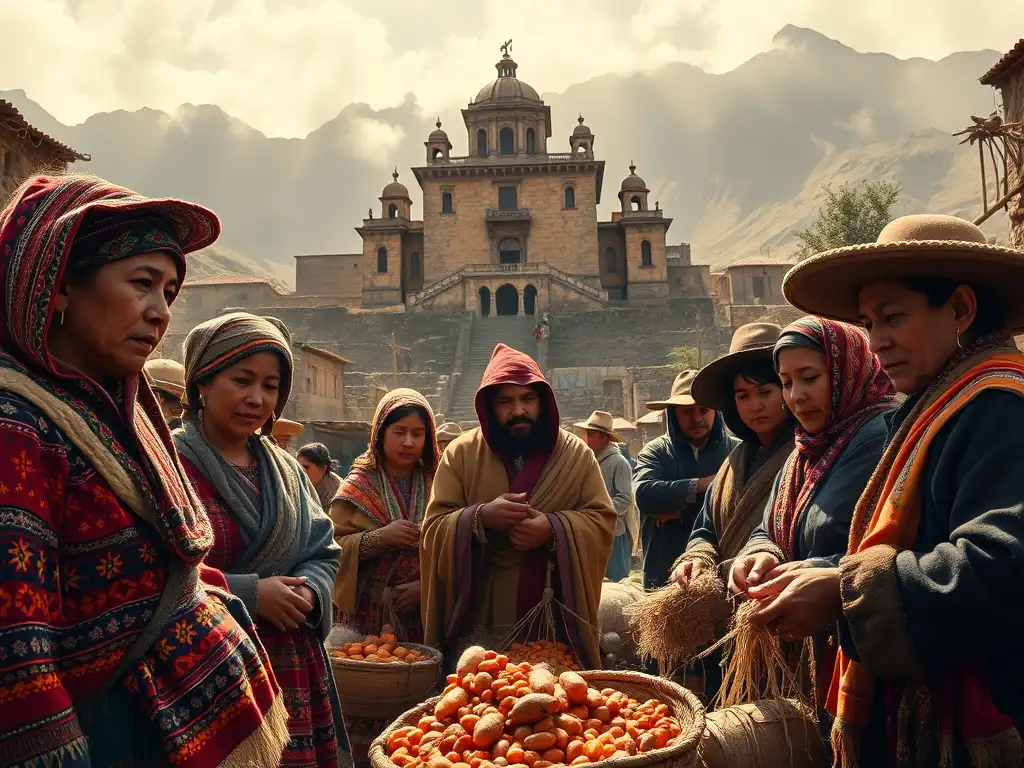
The Spanish conquest of the Andes fundamentally reshaped the economic landscape, transitioning from a complex, regionally diverse system to one primarily geared towards enriching the Spanish crown. This transformation, driven by the relentless pursuit of wealth, left an indelible mark on the Andean region, impacting its environment, society, and future development. The Spanish colonial rule Andean impact was profound and long-lasting, extending far beyond the immediate aftermath of the conquest. Understanding this economic shift is crucial to grasping the full extent of the colonial experience in the Andes.
Mining and the Extraction of Andean Resources
The discovery of vast silver deposits, particularly in Potosí, Bolivia, fueled the Spanish colonial economy. Potosí became a legendary site, a testament to both the immense wealth extracted from the Andes and the brutal conditions endured by the indigenous population forced into labor. The mita, a system of forced labor inherited and intensified by the Spanish, became the backbone of mining operations.
Indigenous communities were compelled to dedicate a portion of their workforce to the mines, often under horrific conditions that led to widespread suffering and death. The extraction of silver wasn't limited to Potosí; other significant mining centers emerged throughout the Andes, each contributing to the flow of wealth to Spain. This relentless extraction of resources, coupled with the environmental damage caused by mining activities, profoundly altered the Andean landscape and its ecosystems.
The sheer volume of silver extracted is staggering. While precise figures are difficult to ascertain due to incomplete records and clandestine practices, estimates suggest millions of pounds of silver were shipped to Spain over the centuries, fueling the Spanish empire's expansion and influencing global trade. This massive extraction created a significant imbalance in the Andean economy, shifting focus away from pre-colonial agricultural practices and artisan production towards the demands of the mining industry.
The impact on Andean societies was catastrophic, decimating populations and disrupting traditional ways of life. The Spanish colonial rule Andean impact in mining is perhaps the most visible and tangible example of the economic transformation.
Agricultural Changes and the Introduction of New Crops
The Spanish conquest also brought significant changes to Andean agriculture. While the Inca had developed sophisticated agricultural techniques, the Spanish introduced new crops and livestock, altering the existing agricultural landscape. Wheat, barley, and livestock such as cattle, sheep, and horses were introduced, impacting both agricultural practices and land ownership. These new crops and animals were often better suited to the climate and conditions in some regions, while others were less successful. The introduction of livestock, in particular, had a significant impact on land use and pastoral practices.
However, this introduction wasn't without its consequences. The Spanish often implemented land tenure systems that dispossessed indigenous communities of their ancestral lands, leading to conflict and displacement. The emphasis on cash crops for export to Spain further marginalized traditional subsistence farming, leading to food insecurity in some regions.
The Spanish colonial rule Andean impact on agriculture was complex, with both positive and negative consequences for Andean societies. The shift towards large-scale, export-oriented agriculture often came at the expense of traditional farming practices and food security for indigenous populations. Further research is needed to fully quantify the long-term effects of these agricultural changes.
The Development of Trade Networks Under Spanish Control
The Spanish fundamentally restructured Andean trade networks. Pre-colonial trade routes, which had facilitated the exchange of goods and ideas across the region, were largely supplanted by a system centered on the extraction of resources and the export of goods to Spain. The establishment of new ports and roads facilitated the movement of goods, primarily silver and agricultural products, to the coast for shipment to Europe. This new system integrated the Andes into a broader global trade network, albeit one that heavily favored Spain.
This shift in trade patterns led to the decline of traditional markets and the emergence of new commercial centers. Indigenous artisans and producers found themselves competing with European goods, often at a disadvantage. The Spanish colonial rule Andean impact on trade was characterized by a loss of autonomy and control over economic activities for Andean communities.
The imposition of taxes and tariffs further constrained local economies, enriching the Spanish crown and its colonial officials while often impoverishing indigenous populations. The overall effect was a significant restructuring of the Andean economy, integrating it into a global capitalist system while simultaneously undermining its internal dynamism and self-sufficiency.
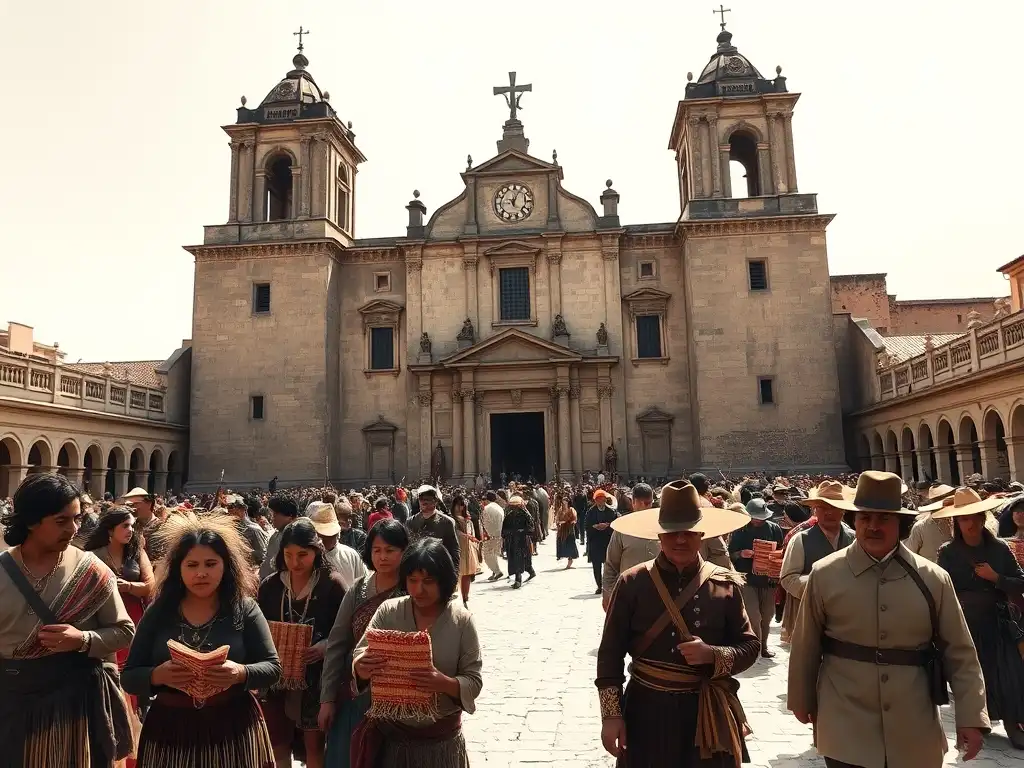
The Spanish conquest of the Andes drastically altered the social fabric of the region, leaving an enduring legacy that continues to shape Andean societies today. The imposition of Spanish language, culture, religion, and social structures fundamentally transformed indigenous ways of life, resulting in both profound disruption and surprising syncretism. Understanding the depth and breadth of these changes is crucial to comprehending the long-term impact of Spanish colonial rule on the Andean world. The keyword, "Spanish colonial rule Andean impact," encapsulates this very complex and layered historical process.
The Imposition of Spanish Language and Culture
The Spanish systematically suppressed indigenous languages, promoting Castilian Spanish as the language of administration, commerce, and education. Quechua, Aymara, and other native tongues were relegated to the private sphere, leading to a gradual erosion of linguistic diversity. This linguistic imperialism had profound consequences, impacting not only communication but also the transmission of cultural knowledge, oral traditions, and indigenous worldviews.
The Spanish also introduced their own cultural practices, including architecture, clothing styles, and artistic conventions, which often replaced or blended with existing Andean forms. For instance, the introduction of Baroque-style churches overlaid existing Inca religious sites, demonstrating a clear attempt to visually and symbolically dominate the landscape and the minds of the indigenous population. The suppression of indigenous languages and the imposition of Spanish culture were key elements in the broader project of cultural assimilation and control that characterized Spanish colonial rule Andean impact.
Pre-colonial Andean societies had complex social structures often based on kinship, lineage, and reciprocal obligations. The Spanish conquest shattered these hierarchies and imposed a new social order based on their own racial and class distinctions. The repartimiento system, which initially replaced the mita, forced indigenous communities to provide labor for Spanish enterprises, often under brutal conditions.
This system, along with the encomienda, created a rigid hierarchy placing Spaniards at the top, followed by Creoles (Spaniards born in the Americas), mestizos (people of mixed Spanish and indigenous ancestry), and finally, indigenous populations at the bottom. This new hierarchical system reinforced Spanish dominance and perpetuated social inequalities that persist to this day.
The resulting social stratification significantly impacted land ownership, access to resources, and overall quality of life for Andean communities, profoundly altering the social dynamics and power structures of the region. This restructuring was a central aspect of the "Spanish colonial rule Andean impact."
The Impact of Spanish Colonialism on Indigenous Beliefs and Traditions
The Spanish aggressively sought to convert the Andean population to Catholicism, often employing forceful methods to suppress indigenous religious practices. While many indigenous people outwardly adopted Catholicism, they frequently integrated aspects of their traditional beliefs into their new faith, creating a syncretic religious landscape. For example, the veneration of certain Catholic saints often overlapped with pre-existing Andean deities, demonstrating a complex interplay between imposed and indigenous religious beliefs.
The destruction of Inca temples and the construction of Catholic churches atop them are stark examples of the attempt to erase indigenous religious traditions. However, the resilience of indigenous cultures is evident in the persistence of certain rituals and beliefs, often subtly interwoven with Catholic practices.
This religious syncretism, a significant outcome of the "Spanish colonial rule Andean impact," highlights the complex processes of cultural adaptation and resistance that characterized the colonial period and continue to resonate in contemporary Andean societies. The ongoing presence of Andean spirituality within a Catholic framework demonstrates the limitations of Spanish attempts at complete cultural eradication.
The Long-Term Consequences of Spanish Colonial Rule in the Andes
The Spanish conquest of the Andes irrevocably altered the social, economic, and cultural fabric of the region. While the Inca Empire's fall marked a dramatic turning point, the subsequent centuries of Spanish colonial rule cemented profound and lasting changes that continue to resonate in modern Andean societies. Understanding the long-term consequences of this period is crucial to grasping the complexities of the Andean world today. The impact of Spanish colonial rule on the Andean region is a multifaceted issue, extending far beyond the immediate effects of conquest.
The Spanish colonial system established a rigid social hierarchy, placing peninsulares (Spaniards born in Spain) at the top, followed by creoles (Spaniards born in the Americas), mestizos (mixed Spanish and Indigenous ancestry), and finally, Indigenous populations at the bottom. This system, deeply rooted in racism and exploitation, led to severe economic inequalities. The encomienda system, which granted Spanish conquistadors control over Indigenous labor and resources, fueled widespread impoverishment and dispossession among Andean communities.
Many were forced into harsh labor conditions in mines (like the infamous Potosí silver mines) and on haciendas (large agricultural estates), with minimal compensation and brutal treatment. This created a system of repartimiento, a form of forced labor that continued even after the official abolition of encomienda.
The legacy of this system is visible in the persistent economic disparities across Andean nations today. Access to land, education, and healthcare remains unevenly distributed, reflecting the deep-seated inequalities established during the colonial era. Even today, Indigenous communities often face significant disadvantages compared to those of European descent, a direct consequence of the exploitative economic policies implemented during Spanish colonial rule. The historical roots of these inequalities are essential to understanding the challenges faced by many Andean nations in achieving equitable development.
The Legacy of Cultural Syncretism and Resistance
Despite the oppressive nature of Spanish colonial rule, Andean cultures demonstrated remarkable resilience and adaptability. The imposition of Catholicism led to a complex process of cultural syncretism, where Indigenous beliefs and practices were blended with those of the Spanish colonizers. This resulted in unique religious expressions, often incorporating pre-Columbian deities and rituals within a nominally Christian framework. Examples include the veneration of Pachamama (Mother Earth) alongside Catholic saints, or the integration of Indigenous agricultural cycles with the Christian liturgical calendar.
However, this syncretism should not be interpreted as passive acceptance. Throughout the colonial period, Andean communities engaged in various forms of resistance, both overt and covert. Revolts, rebellions, and subtle acts of defiance challenged Spanish authority and preserved elements of Indigenous culture.
The persistence of traditional languages, weaving techniques, and agricultural practices despite centuries of colonial suppression demonstrates the enduring strength of Andean cultural identity. This resistance, often subtly woven into daily life, played a vital role in shaping the Andean cultural landscape we see today. The blending of cultures, while often born of oppression, also created a unique and vibrant cultural dynamism.
The Enduring Effects of Spanish Colonialism on Andean Identity
The impact of Spanish colonial rule on Andean identity is profound and multifaceted. The imposition of Spanish language and culture led to a significant loss of Indigenous languages and traditions. However, Andean peoples did not simply disappear. Instead, they adapted and redefined their identities in response to colonization, incorporating elements of both Indigenous and Spanish cultures while retaining a core sense of their own heritage. This process of hybridity, while painful, has also resulted in a rich and complex cultural tapestry.
The ongoing struggle for recognition and self-determination by Indigenous communities in the Andes reflects a continuous grappling with the colonial legacy. The fight for land rights, cultural preservation, and political representation are all deeply connected to the historical injustices inflicted during Spanish colonial rule.
Understanding the enduring effects of Spanish colonial rule on Andean identity is vital to appreciating the complexities of contemporary Andean societies and their ongoing pursuit of social justice and cultural revitalization. The legacy of Spanish colonial rule in the Andes continues to shape the region's social, economic, and political landscape, underscoring the enduring impact of this historical period.
Frequently Asked Questions
How did the Spanish conquer the Andean civilizations?
The Spanish conquest wasn't a single event, but a complex process spanning decades. Superior weaponry, disease, and internal conflicts among Andean groups significantly weakened existing empires, allowing the Spanish to gradually consolidate their power.
What was the impact of Spanish colonial rule on the Andean population?
Spanish rule resulted in a dramatic demographic decline due to disease and forced labor. The existing social structures were dismantled, leading to the exploitation of the indigenous population through the encomienda and mita systems.
How did the Spanish control the Andean region?
The Spanish established a hierarchical administrative system, with viceroys and other officials governing the conquered territories. They used military force and religious conversion to maintain control, suppressing resistance and imposing their culture.
What were the long-term consequences of Spanish colonial rule in the Andes?
Spanish colonialism left a lasting legacy, shaping the political, economic, and social landscape of the region. This includes the enduring impact of the Spanish language, religion, and social hierarchies. Racial inequality continues to be a significant issue.
What aspects of Andean culture survived Spanish colonial rule?
Despite the immense pressures of colonization, many aspects of Andean culture persisted. Indigenous languages, agricultural practices, and certain religious beliefs adapted and survived, often blending with Spanish influences, creating a unique syncretic culture.
Final Reflection: Echoes of Empire in the Andes
The legacy of Spanish colonial rule in the Andes continues to shape the region's political, economic, and social landscapes today. The enduring impact of this period, marked by both exploitation and cultural exchange, demands a critical understanding to fully grasp the complexities of modern Andean societies. We cannot simply dismiss the past; its shadows stretch long into the present.
The enduring power structures, the persistent inequalities, and the very fabric of Andean identity are all, in some way, products of the colonial encounter. The extraction of resources, the imposition of religious and political systems, and the devastating effects of disease irrevocably altered the course of Andean history. As the historian, Maria Lugones, eloquently stated: Coloniality is not merely a historical event; it is a structure of power that continues to shape our world.
This quote underscores the ongoing relevance of understanding the Spanish colonial project and its lasting consequences.
Consider the impact of this history on your own life. How does the legacy of colonialism influence your understanding of global power dynamics, economic inequality, and cultural diversity? I urge you to engage with this history not as a distant event, but as a living force that continues to shape our present and future. By acknowledging the complexities of the past, we can work towards a more just and equitable world, one that actively confronts the lingering effects of colonial power and builds a future rooted in understanding and reconciliation.
Embrace the Legacy of Spanish Colonial Influence in the Andes!
Thank you for exploring the rich history of Spanish colonial power in the Andean region. Understanding this complex past deepens our appreciation for contemporary Andean cultures and the lasting impact of colonialism. Let's continue this journey!
- Expand your knowledge: Delve deeper into the history of Andean civilizations by reading related articles and books.
- Share your insights: Discuss the lasting influence of Spanish colonialism on modern society with friends, family, or online communities.
- Experience history firsthand: Visit a local museum or historical society to explore artifacts and documents that bring this pivotal era to life.
What aspects of Spanish colonial rule continue to resonate in modern Andean societies, and how can this historical understanding inform a more equitable future?