
The Inca Agricultural System: Its Disruption and the Consequences

Step into a world lost to time, yet echoing with the whispers of a vanished empire. Imagine a civilization that defied the harsh Andes, mastering agriculture on a scale unseen before the Spanish Conquest. But what happened? The Inca agricultural system collapse remains a compelling enigma, a pivotal moment that reshaped the fate of a magnificent people. Unravel the mystery and discover the devastating consequences of this upheaval – delve into the fascinating story now.
The Inca Empire, renowned for its sophisticated infrastructure and administrative prowess, relied heavily on a remarkably efficient agricultural system to sustain its vast population and power. This intricate network of farming techniques, adapted to the diverse Andean geography, allowed for surplus production and supported a complex social hierarchy. However, the arrival of the Spanish conquistadors in the 16th century drastically disrupted this finely-tuned system, leading to devastating consequences that contributed significantly to the collapse of the Inca Empire.
This article will explore the intricacies of the Inca agricultural system, analyze the key disruptions caused by the Spanish conquest, and examine the far-reaching consequences of this agricultural upheaval. Understanding this agricultural collapse is crucial to comprehending the broader context of the Inca Empire's downfall and the lasting impact on Andean societies.
The Ingenuity of Inca Agriculture: Terraces, Irrigation, and Crop Diversification
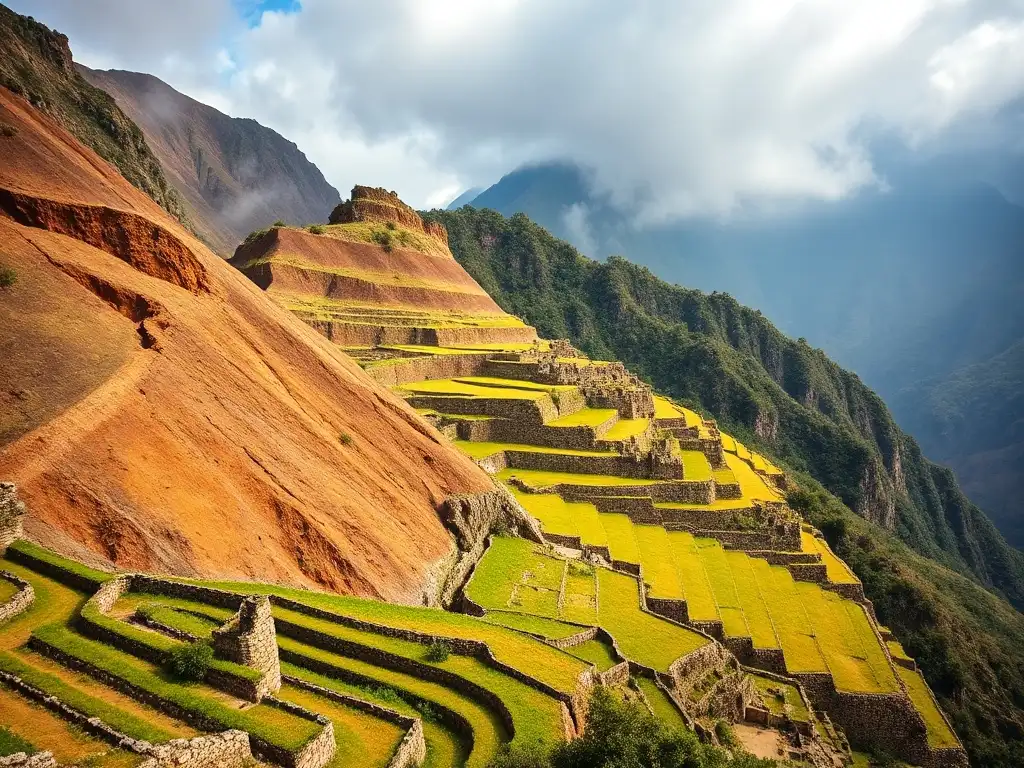
The Inca agricultural system was a marvel of engineering and adaptation. Facing the challenges of steep mountain slopes, arid deserts, and high altitudes, the Inca developed innovative techniques to maximize food production. The iconic terraces, carved into hillsides, not only increased arable land but also reduced soil erosion and improved water retention. Intricate irrigation systems, channeling water from distant sources, provided life-giving moisture to crops in otherwise dry regions.
Furthermore, the Inca practiced crop diversification, cultivating a wide range of crops adapted to different altitudes and microclimates. This included staples like potatoes, maize, quinoa, and beans, alongside fruits, vegetables, and medicinal plants. This diverse agricultural portfolio ensured resilience against crop failures and provided nutritional security for the population. The system was not merely productive; it was a testament to the Inca's deep understanding of their environment and their ability to harness its resources sustainably.
The Spanish Conquest: A Turning Point for Inca Agriculture
The Spanish conquest marked a brutal turning point for Inca agriculture. The initial impact was the widespread destruction of irrigation systems and terraces during warfare and the subsequent abandonment of agricultural lands. The introduction of new diseases decimated the Inca population, leaving fewer hands to maintain the complex agricultural infrastructure. The Spanish imposed new agricultural practices, often unsuitable for the Andean environment, favoring the cultivation of crops like wheat and livestock unfamiliar to the local ecosystem.
This shift prioritized the needs of the Spanish colonizers over the sustenance of the indigenous population. Furthermore, the encomienda system, which forced indigenous labor into service for Spanish landowners, further disrupted traditional agricultural practices and led to widespread exploitation and neglect of the land. The consequences were immediate and devastating.
The disruption of the Inca agricultural system had profound and lasting consequences. The destruction of irrigation and terraces, coupled with the loss of agricultural labor and the imposition of unsuitable crops, led to widespread famine and starvation. This food insecurity exacerbated existing social tensions and weakened the already fractured Inca Empire.
The shift towards European agricultural practices resulted in a decline in the biodiversity of Andean crops, impacting both nutritional diversity and the resilience of the agricultural system. The long-term effects are still felt today, with many traditional agricultural practices being lost or significantly altered. The legacy of the Spanish conquest on Andean agriculture serves as a potent reminder of the interconnectedness of ecological, social, and political systems.
The collapse of the Inca agricultural system was not a single event but a process, a gradual unraveling of a sophisticated system under the weight of conquest and exploitation. The consequences continue to resonate in the Andean region centuries later.
Recovering from the Collapse: A Long and Difficult Road
The recovery from the agricultural devastation wrought by the Spanish conquest was a slow and arduous process. While some traditional practices persevered, many were lost, and the Andean landscape bore the scars of disruption for generations. The process of rebuilding agricultural infrastructure and re-establishing food security was hampered by continued exploitation and the imposition of colonial structures.
Understanding the long-term impacts of the disruption is essential for appreciating the resilience of Andean communities and their ongoing efforts to reclaim and revitalize their agricultural heritage. The story of the Inca agricultural system's collapse is not only a historical account but also a cautionary tale about the fragility of complex systems and the devastating consequences of ecological disruption.
- The Ingenuity of Inca Agriculture: Terraces, Irrigation, and Crop Diversification
- The Spanish Conquest: A Turning Point for Inca Agriculture
- The Consequences: Famine, Social Upheaval, and Lasting Impacts
- Recovering from the Collapse: A Long and Difficult Road
- What caused the disruption of the Inca agricultural system?
- How did the Inca's agricultural techniques contribute to their success?
- What were the consequences of the collapse of the Inca agricultural system?
- How did the Inca agricultural system differ from that of other Andean civilizations?
- What evidence exists to support the theory of Inca agricultural system collapse?
The Sophisticated Inca Agricultural System Before the Conquest
The Inca agricultural system, a testament to their ingenuity and understanding of their environment, was far more advanced than many contemporary European systems. Before the Spanish conquest, the Inca Empire boasted a remarkably efficient and sustainable agricultural model that supported a vast population across diverse and challenging terrains. This system, built upon centuries of adaptation and innovation, played a crucial role in the empire's growth and stability. The collapse of this system, following the Spanish arrival, is a significant factor in understanding the Inca Empire's decline.
The ensuing disruption profoundly impacted the Inca population and the region's agricultural landscape for generations. Understanding the pre-conquest system is key to grasping the full impact of its later disintegration. The Inca agricultural system collapse wasn't a sudden event but a process triggered by the Spanish conquest and exacerbated by existing vulnerabilities.
Understanding Inca Farming Techniques: A Marvel of Engineering
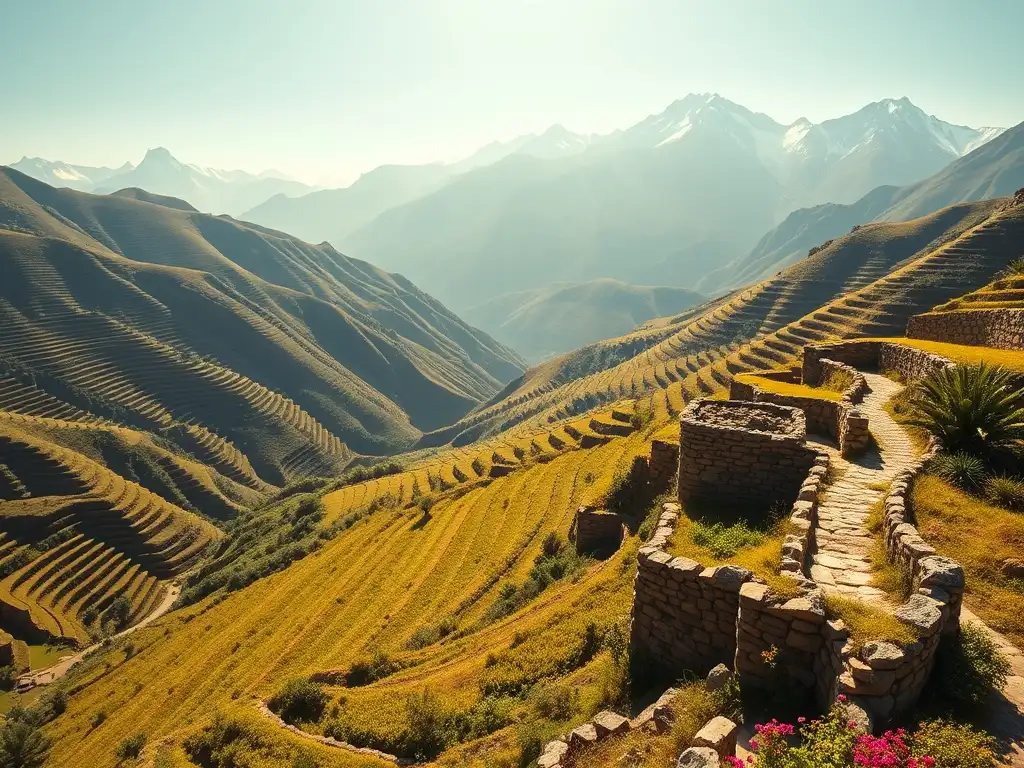
Inca farming techniques were characterized by a remarkable level of engineering and ingenuity. They weren't simply farmers; they were master builders of agricultural infrastructure. Their mastery of terracing, for instance, allowed them to cultivate steep Andean slopes, maximizing arable land in a mountainous environment. These terraces, meticulously constructed with stone retaining walls, prevented soil erosion and created level platforms for efficient planting and irrigation.
The precision and scale of these terracing projects are astonishing, demonstrating a deep understanding of hydrology and soil management. Beyond terracing, the Inca employed sophisticated irrigation systems, channeling water from rivers and streams to their fields, even across significant distances. This involved the construction of canals, aqueducts, and reservoirs, which ensured a reliable water supply for crops, even in arid regions. They also implemented techniques like waru waru, a raised-field agricultural system, which enhanced water retention and soil fertility, particularly important in the altiplano's challenging climate.
This sophisticated approach to water management was crucial for the Inca Empire's agricultural success. The Inca's agricultural innovation also involved crop rotation and the use of fertilizers, contributing to the long-term sustainability of their farming practices. Evidence suggests a deep understanding of soil health and the importance of crop diversity in maintaining productivity and resilience in the face of environmental challenges.
Key Crops of the Inca Empire: Sustaining a Vast Population
The Inca Empire's agricultural success relied on a diverse range of crops carefully selected for their nutritional value and adaptability to the varying Andean climates. Potatoes, arguably the most iconic Andean crop, were cultivated in vast quantities and in numerous varieties, each adapted to specific altitudes and soil conditions. The empire’s mastery of potato cultivation allowed them to produce a staple crop that provided essential carbohydrates and nutrients for the population.
Alongside potatoes, maize (corn) was another crucial crop, providing energy and forming the basis of many Inca dishes. Other important crops included quinoa, a highly nutritious grain; beans, a valuable source of protein; and various types of squash and fruits. This diversified agricultural system ensured food security and resilience against crop failures.
The Inca's meticulous record-keeping, likely involving quipus (knotted strings), helped manage the distribution of crops and resources across the vast empire, ensuring that even remote communities had access to essential foodstuffs. Their efficient system of storage and distribution, combined with their agricultural productivity, played a vital role in supporting the large and geographically dispersed Inca population. The Inca agricultural system collapse directly impacted the availability of these vital food sources, contributing to widespread famine and societal disruption.
The Andean Landscape and Inca Agricultural Adaptation
The Inca agricultural system was intricately linked to the Andean landscape's unique challenges and opportunities. The empire's territory encompassed a wide range of altitudes, climates, and soil types, demanding a highly adaptable agricultural strategy. From the high-altitude puna grasslands to the warmer valleys and coastal regions, the Inca developed distinct agricultural practices suited to each environment. This adaptive approach was crucial for their success.
Their understanding of microclimates allowed them to cultivate a wide variety of crops, optimizing yields and minimizing risks. The steep slopes and limited arable land necessitated innovative solutions like terracing and irrigation, transforming challenging terrains into productive agricultural areas. The integration of their agricultural practices with the natural environment showcased a deep understanding of ecological principles and sustainability.
The Inca's agricultural adaptations were not merely technical achievements; they represented a profound connection between the people and their environment. The Inca agricultural system collapse, therefore, not only disrupted food production but also undermined this intricate relationship between humans and their environment, leaving lasting consequences on the Andean landscape and its people. The disruption also affected the delicate balance of the ecosystem, leading to further environmental challenges in the post-conquest era.
The Disruption of the Inca Agricultural System
The Inca agricultural system, a marvel of engineering and ingenuity, was meticulously designed to sustain a vast empire in diverse and challenging Andean terrains. Its collapse, however, wasn't a singular event but a complex process triggered by a confluence of factors, with the Spanish conquest playing a pivotal role. Understanding this disruption requires examining the multifaceted ways in which the Spanish presence undermined the Inca's sophisticated agricultural practices, leading to widespread famine and societal upheaval.
The impact extended far beyond the immediate destruction of infrastructure; it involved the erosion of traditional knowledge, the introduction of foreign elements that disrupted existing ecological balances, and the brutal exploitation of the Inca workforce. The consequences of this Inca agricultural system collapse reverberate even today.
The Impact of the Spanish Conquest on Inca Agriculture
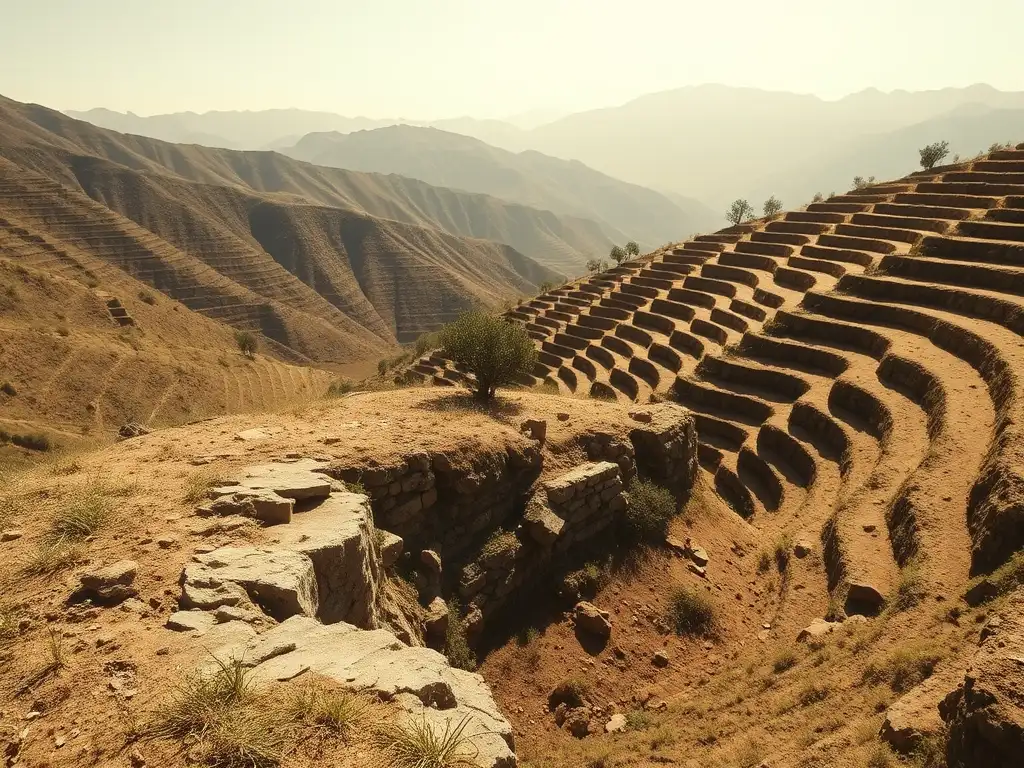
The Spanish conquest initiated a rapid and devastating decline of the Inca agricultural system. The initial phase involved the systematic destruction of Inca infrastructure. Terraces, meticulously built over centuries, were abandoned or neglected, leading to soil erosion and reduced productivity.
Irrigation canals, the lifeblood of Inca agriculture, were damaged or deliberately sabotaged, disrupting water flow to vital farmlands. The mita system, a form of rotational labor crucial for maintaining the agricultural infrastructure, was brutally repurposed by the Spanish, forcing Inca farmers to work in mines and other exploitative ventures, leaving fields unattended. This immediate destruction laid the foundation for long-term agricultural instability.
The Spanish also introduced livestock like cattle and sheep, which grazed indiscriminately, further degrading the fragile Andean ecosystems and competing with traditional crops for resources. This combination of destruction and neglect created a perfect storm for agricultural decline, setting the stage for widespread famine and social unrest. Precise estimates of immediate crop failures are difficult to obtain, but accounts from Spanish chroniclers consistently mention widespread food shortages in the years following the conquest.
Introduction of New Crops and Farming Practices: A Double-Edged Sword
The Spanish introduction of new crops like wheat, barley, and sugarcane might seem beneficial at first glance. However, the reality was far more complex. These crops often required different cultivation techniques and soil conditions compared to native Andean crops, leading to a disruption of existing agricultural practices.
The introduction of the plow, for example, while effective in some European contexts, was poorly suited to the steep slopes of the Andes, causing further soil degradation. Moreover, the emphasis on these new cash crops often came at the expense of traditional food crops, further exacerbating food insecurity among the Inca population.
This shift in agricultural priorities, driven by the Spanish demand for resources for export to Europe, directly contributed to the Inca agricultural system collapse. The focus on monoculture, especially in the case of sugarcane plantations, led to ecological imbalances and reduced biodiversity, making the agricultural system more vulnerable to disease and environmental shocks.
Forced Labor and Its Devastating Effect on Inca Farming
The Spanish encomienda system and later forced labor practices had a catastrophic effect on Inca agriculture. The mita, originally a system of reciprocal labor, was transformed into a brutal form of exploitation. Inca farmers were forced to work in mines, on Spanish haciendas, and in other demanding tasks, leaving little time or energy for tending their own fields.
This resulted in widespread neglect of traditional agricultural practices, the decline in crop yields, and ultimately, widespread famine. The sheer scale of this forced labor is difficult to quantify precisely. However, historical accounts point to a dramatic decrease in the Inca population during the early colonial period, a decline directly linked to disease, malnutrition, and overwork.
This human cost was inextricably linked to the destruction of the Inca agricultural system, highlighting the devastating impact of colonial exploitation on both the environment and the people. The consequences of this forced labor are deeply intertwined with the broader narrative of the Inca agricultural system collapse, serving as a stark reminder of the human cost of colonial expansion. The systematic dismantling of the Inca's sophisticated agricultural system through forced labor represents a critical element in understanding the long-term consequences of the Spanish conquest.
Consequences of the Inca Agricultural System Collapse
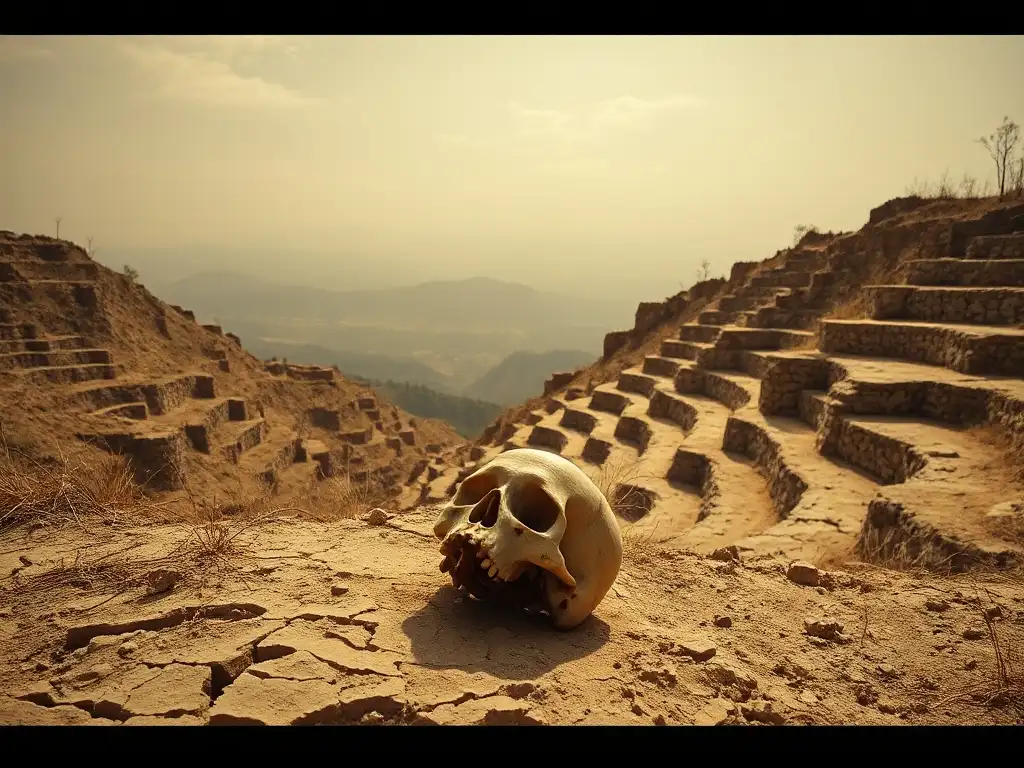
The disruption of the sophisticated Inca agricultural system, a cornerstone of their empire's power and stability, had catastrophic consequences that reverberated throughout Andean society. The carefully planned terraces, waru waru systems, and extensive irrigation networks, once symbols of Inca ingenuity and control, fell into disrepair, leading to a cascade of devastating effects. The collapse wasn't a singular event, but rather a gradual process exacerbated by the Spanish conquest, disease, and internal strife. This section will delve into the key consequences of this agricultural upheaval, examining its impact on food security, social order, and demographics.
Food Shortages and Famine: The Immediate Impact
The immediate and most palpable consequence of the Inca agricultural system's disruption was widespread food shortages and famine. The intricate network of agricultural practices, meticulously designed to maximize yields in diverse Andean environments, was suddenly compromised. The destruction of irrigation canals, the abandonment of terraced fields, and the disruption of labor organization led to significant crop failures. This was especially acute in densely populated urban centers, which relied heavily on the efficient distribution of food from surrounding agricultural regions.
The Spanish conquest further exacerbated the situation. The introduction of unfamiliar farming techniques, coupled with the forced labor imposed on the indigenous population, diverted resources and manpower away from traditional agricultural practices. This resulted in a decline in agricultural output, leading to severe food insecurity and widespread malnutrition.
Historical accounts describe scenes of widespread starvation and desperation, with people resorting to desperate measures to survive. The impact was particularly severe on vulnerable populations, such as children and the elderly, further weakening the social fabric of Inca society. The resulting famine significantly reduced the population and weakened their resistance to disease.
The collapse of the Inca agricultural system didn't just cause physical suffering; it also profoundly destabilized the Inca empire's social and political structures. The Inca state relied heavily on its ability to control and distribute food resources to maintain order and loyalty among its diverse population. The disruption of this system eroded the empire's authority and legitimacy. With food becoming scarce, the traditional system of tribute and reciprocal obligations broke down. This led to widespread unrest, rebellion, and internal conflict.
The lack of food resources also weakened the Inca army, making it less effective in suppressing internal rebellions or resisting Spanish forces. The loss of agricultural productivity directly translated into a loss of power for the Inca elite, who depended on the efficient functioning of the agricultural system to maintain their control and prestige. The ensuing power vacuum created an environment ripe for both internal and external challenges, ultimately hastening the disintegration of the Inca empire. This period saw a fragmentation of power, with various factions vying for control, further weakening the already fragile system.
Demographic Changes: Disease and Displacement
The disruption of the Inca agricultural system contributed significantly to significant demographic changes within the Andean region. The resulting food shortages and famine weakened the population, making them more susceptible to diseases introduced by the Spanish. The already devastating impact of smallpox, measles, and other Old World diseases was amplified by the widespread malnutrition caused by the agricultural collapse. This resulted in a massive decline in the indigenous population, decimating communities and altering the demographic landscape of the Andes.
Furthermore, the disruption of agricultural production led to displacement and migration. People abandoned their homes and farms in search of food and resources, leading to population movements and the disruption of established social structures. This migration, coupled with the high mortality rate due to disease and famine, dramatically altered the population distribution and weakened the social fabric of the Andean communities, leading to a long and difficult period of recovery.
The long-term consequences of this demographic upheaval are still felt today. The combination of disease and famine created a perfect storm that drastically reduced the Inca population and left the region vulnerable for generations to come.
The Long-Term Effects on Andean Food Security
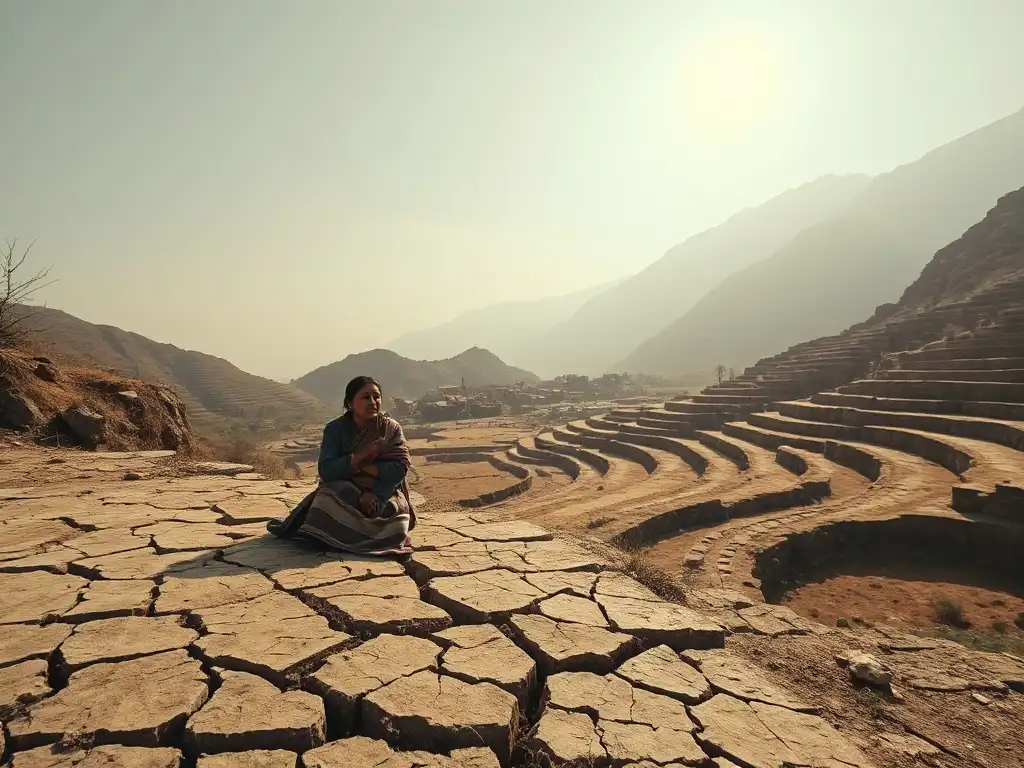
The disruption of the Inca agricultural system had profound and long-lasting effects on Andean food security. The sophisticated irrigation networks, terraced farming, and highly organized agricultural practices that characterized the Inca empire were severely damaged or destroyed during and after the Spanish conquest. This led to a significant decline in agricultural productivity, impacting the availability and accessibility of food for the indigenous population. The shift from the diverse, resilient crops cultivated by the Inca to monoculture systems imposed by the Spanish further exacerbated the problem.
The introduction of new diseases, coupled with the decimation of the indigenous population, also contributed to a severe food shortage. This period of instability and food insecurity resulted in widespread famine and malnutrition, significantly impacting the health and well-being of the Andean communities for generations. The long-term effects are still visible today in the vulnerability of Andean agriculture to climate change and other external shocks.
The complex interplay of ecological factors, social structures, and economic policies continues to shape food security in the region, a legacy of the disruption of the once-robust Inca agricultural system. The loss of traditional knowledge and practices further complicated efforts to rebuild a resilient and sustainable food system. Many indigenous communities still struggle to regain the level of food security enjoyed during the Inca empire.
The Legacy of the Inca Agricultural System Today
Despite the devastating consequences of the Spanish conquest, elements of the Inca agricultural system persist in the Andes today. Many of the ingenious techniques, such as terracing and irrigation, are still used by farmers, demonstrating the enduring ingenuity of Inca agricultural practices. However, these methods are often adapted to suit modern needs and challenges. The integration of modern technologies and knowledge with traditional techniques is crucial to ensuring the continued success of Andean agriculture.
Furthermore, there's a growing recognition of the importance of preserving and revitalizing traditional Inca agricultural knowledge. This involves documenting and sharing these methods with future generations to promote sustainable and resilient agricultural practices. Efforts are underway to preserve the remaining Inca agricultural infrastructure and to incorporate traditional knowledge into modern agricultural development projects.
The legacy of the Inca agricultural system is not only a testament to the sophisticated engineering and agricultural prowess of the Inca but also a valuable resource for building a more sustainable and resilient food system in the Andes today. The revival and adaptation of these ancient techniques offer a pathway towards greater food security and environmental sustainability in the region, a direct counterpoint to the disruption and hardship caused by the collapse of the original system. The ongoing research and preservation efforts reflect a growing understanding of the importance of this legacy for the future of Andean agriculture.
The Role of the Inca Agricultural System in the Fall of the Empire
The Inca agricultural system, a marvel of pre-Columbian engineering and ingenuity, played a pivotal role in the empire's rise and, ironically, its eventual decline. Its sophisticated techniques, including terracing, irrigation, and the cultivation of diverse crops, fueled the Inca's expansion and sustained a large, densely populated empire. However, the system's intricate interdependence and reliance on a centralized, highly organized structure proved to be a significant vulnerability when confronted with the disruptions caused by the Spanish conquest.
The collapse of this system, while not the sole cause of the Inca Empire's fall, undeniably contributed significantly to its weakening and ultimate demise. The Inca agricultural system collapse is a complex event with numerous interconnected factors.
How the Disruption of Farming Weakened the Inca State
The Spanish conquest immediately and drastically disrupted the Inca agricultural system. The systematic destruction of irrigation canals, the seizure of agricultural lands for Spanish settlements, and the forced labor imposed on the indigenous population decimated agricultural output. The mita system, while initially designed to manage labor efficiently, was brutally exploited by the Spanish, diverting manpower from essential agricultural tasks. This led to widespread food shortages, famine, and social unrest, weakening the Inca state's ability to maintain order and resist the Spanish advance.
The impact wasn't solely about reduced food production; it was also about the disruption of the intricate system of reciprocity and redistribution that undergirded Inca society. The storehouses ( qollqas) that stored surplus food for times of scarcity were plundered, leaving the population vulnerable to famines. This breakdown of the social safety net further destabilized the empire, exacerbating the effects of the Spanish conquest and fostering internal dissent.
The resulting widespread malnutrition weakened the population's resistance to disease, further compounding the empire's vulnerabilities. The efficient and organized agricultural system that once supported millions was systematically dismantled, leaving a trail of widespread suffering and instability in its wake.
The Collapse of Agricultural Infrastructure
The meticulous Inca agricultural infrastructure, a testament to their engineering prowess, was not simply neglected; it was actively destroyed. The Spanish conquest targeted key components of the system, aiming to cripple the empire's ability to feed its population. Terraced fields, painstakingly carved into the Andean slopes, were abandoned or damaged, leading to soil erosion and reduced productivity. Irrigation canals, vital for water management in arid regions, were sabotaged, disrupting water flow and rendering vast tracts of land unproductive.
Consider the impact on the waru waru system, a sophisticated raised-field agriculture technique used in the altiplano. The destruction of these fields not only reduced food production but also had long-term ecological consequences, affecting water management and soil fertility. The systematic dismantling of this carefully balanced agricultural ecosystem contributed significantly to the Inca agricultural system collapse and the overall weakening of the empire. The consequences were devastating, leading to widespread food insecurity and contributing to the empire's vulnerability to other pressures.
Vulnerability to External Factors: Climate and Disease
The disruption of the Inca agricultural system exacerbated the empire's vulnerability to pre-existing challenges, including climate change and disease. While the evidence suggests that climate fluctuations were occurring before the Spanish arrival, the damage to the agricultural infrastructure made the Inca population far more susceptible to the effects of drought or other climatic events. The reduced food production and the breakdown of the redistribution system left communities with little capacity to withstand periods of scarcity.
Simultaneously, the introduction of Old World diseases, to which the Andean population had no immunity, decimated the population. Weakened by malnutrition and food shortages resulting from the disruption of the agricultural system, the Inca people were particularly susceptible to these diseases. The combined effect of agricultural collapse, climate variability, and disease created a perfect storm that contributed significantly to the Inca agricultural system collapse and the ultimate downfall of the empire. The interconnectedness of these factors highlights the complex interplay of ecological, social, and political forces that led to the demise of this once-powerful civilization.
The Inca Agricultural System Collapse and the Spanish Conquest
The Spanish conquest of the Inca Empire was not solely a military victory; it was also a devastating blow to the sophisticated agricultural system that sustained the empire. The Inca's agricultural prowess, built over centuries, relied on intricate terracing, irrigation systems, and a deep understanding of Andean ecology. This system, however, proved vulnerable to the disruptions caused by the arrival of the Spanish. The initial impact was largely indirect.
The Spanish introduction of new diseases, like smallpox and measles, decimated the Inca population, dramatically reducing the workforce needed to maintain the extensive agricultural infrastructure. This labor shortage led to the neglect of vital irrigation canals and terraces, resulting in decreased crop yields and widespread food shortages. The subsequent disruption of established trade routes further exacerbated the problem, hindering the distribution of essential resources across the empire. The Inca's highly organized system of mit'a, or mandatory labor service, was severely compromised by the dwindling population and the chaotic conditions of the conquest.
The Spanish themselves also contributed to the agricultural collapse through the seizure of land and resources, often redirecting agricultural production to serve their own interests. This disruption of the traditional agricultural practices and the redirection of resources towards the Spanish crown significantly weakened the Inca Empire's ability to support its population and ultimately contributed to its downfall. The collapse of the Inca agricultural system wasn't a singular event but a gradual process, intricately woven into the broader narrative of the conquest. The consequences were far-reaching, leading to widespread famine, social unrest, and ultimately, the disintegration of the Inca Empire.
The impact of the Spanish conquest on the Inca agricultural system can be viewed as a cascading failure. The initial shock of disease drastically reduced the workforce, triggering a decline in the maintenance of the intricate irrigation networks. This, in turn, led to crop failures and food shortages, which destabilized the social order. The subsequent disruption of established trade routes further compounded the problem, preventing the timely distribution of essential resources and exacerbating the food crisis.
The Spanish themselves, through their policies of land appropriation and the exploitation of labor, actively contributed to the collapse. The replacement of traditional Inca agricultural practices with European methods, often ill-suited to the Andean environment, added another layer of disruption. The resulting agricultural crisis weakened the Inca's ability to resist Spanish domination, significantly contributing to the empire's downfall.
Understanding this intricate interplay between disease, conquest, and agricultural collapse is vital to a complete understanding of the Inca Empire's demise. The consequences extended far beyond the immediate disruption of food production, impacting the social fabric, political stability, and the overall resilience of the empire. It was a critical factor in the successful Spanish conquest and the subsequent transformation of the Andean landscape.
Frequently Asked Questions
What caused the disruption of the Inca agricultural system?
The Inca agricultural system's disruption was multifaceted, involving climate change, Spanish conquest, and internal societal pressures. Disease introduced by the Europeans also devastated the population, impacting agricultural labor.
How did the Inca's agricultural techniques contribute to their success?
The Incas employed sophisticated techniques like terracing, irrigation, and waru waru (raised field agriculture) to maximize food production in diverse Andean environments, supporting a large population and a complex empire.
What were the consequences of the collapse of the Inca agricultural system?
The collapse led to widespread famine, population decline, and social unrest. The disruption of food production significantly weakened the Inca Empire, making it vulnerable to Spanish conquest.
How did the Inca agricultural system differ from that of other Andean civilizations?
While other Andean civilizations also used sophisticated techniques, the Inca system was notable for its scale and organization. Their extensive road network facilitated the efficient distribution of food across vast distances.
What evidence exists to support the theory of Inca agricultural system collapse?
Archaeological evidence such as abandoned terraces, reduced crop yields, and changes in settlement patterns supports the theory. Historical accounts from Spanish chroniclers also provide valuable insights into the post-conquest agricultural decline.
Final Reflection: Echoes of the Andes: The Enduring Legacy of Inca Agriculture
The sophisticated Inca agricultural system, once a marvel of engineering and societal organization, offers a stark warning about the fragility of even the most advanced civilizations. Its collapse, driven by a confluence of factors including Spanish conquest and ecological disruption, continues to resonate in the challenges we face today with climate change and resource management. The lessons learned from the Inca's experience are not merely historical curiosities; they are vital guides for navigating our own uncertain future.
The Inca's ingenuity in terracing, irrigation, and crop diversification remains a testament to human adaptability and the profound connection between culture and environment. Their system, however, highlights the inherent risks of overreliance on a single, even brilliantly designed, approach. The past is never dead. It's not even past,
wrote William Faulkner, and the echoes of the Inca agricultural collapse serve as a potent reminder of this truth. The ongoing struggles faced by Andean communities, grappling with the impacts of climate change and the legacy of colonial exploitation, underscore the enduring relevance of understanding this historical event.
Consider the intricate balance the Inca maintained between their environment and their needs. Reflect on how their innovations, born out of necessity and ingenuity, can inspire us to develop more sustainable and resilient agricultural practices in the face of modern challenges.
You, the reader, hold the power to apply these lessons to your own life, whether through supporting sustainable agriculture, advocating for responsible resource management, or simply fostering a deeper appreciation for the interconnectedness of human societies and the natural world. Let the story of the Inca agricultural system be a call to action, a reminder that the choices we make today will shape the future, just as the choices of the Inca shaped their destiny.
Revitalize Your Understanding of Inca Agriculture!
Thank you for exploring the fascinating world of Inca agriculture and its profound impact on Andean civilization. Your interest in this vital aspect of history demonstrates a keen appreciation for how societies adapt to their environments. Now let's build on that knowledge!
Here are some **actionable steps** to further your understanding:
- **Investigate** local sustainable farming practices or permaculture projects in your area that reflect the ingenuity of Inca agricultural methods. Consider visiting a local farm or community garden.
- **Share** your newfound knowledge with friends, family, or on social media—helping to spread awareness of sustainable, historically-informed agricultural practices.
- **Engage** with online communities and forums dedicated to ancient civilizations to discuss the impact of both past and present agricultural practices and innovations.
What modern agricultural challenges could benefit from the wisdom of the Inca approach to farming?