
The Fate of the Inca Elite: What Happened to the Nobility After the Conquest?

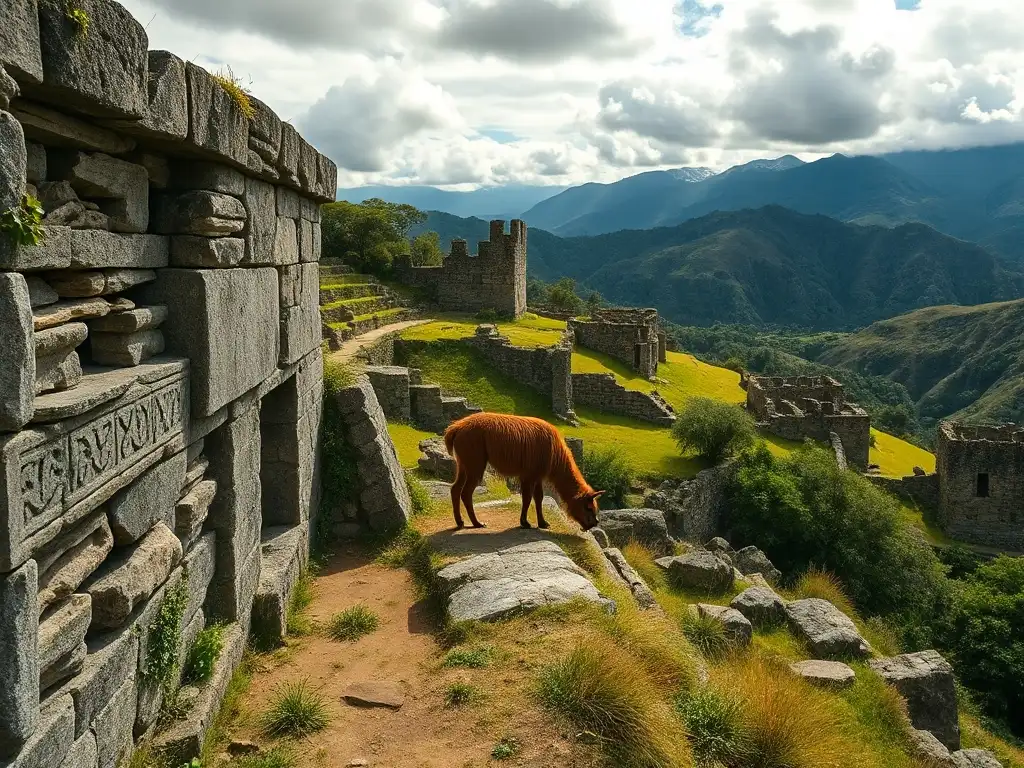
Step into a world lost to time, yet echoing with power and mystery. Imagine the grandeur of the Inca Empire, its intricate web of influence stretching across the Andes. But what became of the Inca nobility after the Spanish conquest? Their fate, a tapestry woven with betrayal, resilience, and unexpected twists, is far more complex than history books suggest. Discover the untold story of the Inca nobility's fate after conquest and unravel the secrets of a fallen empire.
The Spanish conquest of the Inca Empire, a monumental event in South American history, irrevocably altered the course of Andean civilization. While the dramatic downfall of the Inca state is well-documented, the fate of the Inca nobility – the curacas, the ayllus, and the royal family – remains a complex and multifaceted narrative.
This article delves into the lives of the Inca elite after the conquest, exploring their experiences, adaptations, and ultimate fate, shedding light on the profound and lasting impact of the Spanish on the Andean social structure. We will examine the pre-conquest power structures, the immediate consequences of the arrival of the Spanish, and the long-term effects on the Inca aristocracy, answering the crucial question: what happened to the Inca nobility after the fall of their empire?
This exploration will reveal the resilience, resistance, and ultimately, the tragic transformation of a once powerful and sophisticated social hierarchy. The keyword "Inca nobility fate after conquest" is central to understanding this pivotal period in Andean history.
The Inca Nobility Before the Spanish Arrival: A Glimpse into Power
Before the arrival of the Spanish, Inca society was rigidly hierarchical, with the Sapa Inca at its apex. Below him, a complex system of nobility existed, comprising various levels of curacas (local chiefs) and other influential figures. These individuals held significant power and prestige, controlling land, labor, and resources within their respective ayllus (kinship-based communities).
The Inca nobility enjoyed privileges unavailable to the common people, including access to fine textiles, jewelry, and other luxury goods. Their lives were marked by elaborate ceremonies, religious practices, and a deep connection to the Inca worldview. This privileged position, however, was fundamentally challenged by the Spanish conquest.
The intricacies of this pre-conquest social structure are key to understanding the profound disruption caused by the arrival of the Europeans. The Inca nobility’s influence extended far beyond mere material wealth; it encompassed spiritual authority and political control, making their displacement a significant factor in the dismantling of the Inca Empire.
Initial Encounters and the Disruption of Inca Society
The initial encounters between the Inca and the Spanish were marked by both conflict and uneasy alliances. While the Spanish possessed superior weaponry, the Inca initially held a significant numerical advantage. However, the introduction of European diseases, such as smallpox, proved devastating, decimating the Inca population and weakening their ability to resist the Spanish advance. The capture and execution of Atahualpa, the Inca emperor, in 1533, marked a turning point.
This event shattered the Inca political structure, creating a power vacuum that the Spanish readily exploited. The sudden death of the emperor left the Inca nobility fractured and vulnerable, leading to internal conflicts and struggles for power. This period saw many of the curacas attempting to navigate the complex political landscape, some allying with the Spanish, others resisting their rule.
The immediate consequences of the conquest were devastating, creating a chaotic environment which drastically altered the lives of the Inca elite. The disruption extended beyond the political sphere; it also profoundly impacted the religious and social fabric of Inca society. The arrival of the Spanish brought not only military might but also a clash of cultures, beliefs, and values.
The Impact of the Spanish Conquest on the Inca Aristocracy
The long-term impact of the Spanish conquest on the Inca nobility was profound and far-reaching. Many were killed during the initial battles or succumbed to disease. Others were forced into servitude, their lands seized by the Spanish conquistadors and their traditional authority replaced by the Spanish colonial system. Some Inca nobles attempted to maintain their influence by collaborating with the Spanish, hoping to preserve their status and privileges.
However, this strategy often proved ineffective, as the Spanish ultimately sought to dismantle the existing power structures and replace them with their own. The Spanish implemented policies aimed at suppressing indigenous culture and religion, further marginalizing the Inca nobility. This process of cultural suppression, coupled with economic exploitation, led to a decline in the power and influence of the Inca elite.
The legacy of the Spanish conquest on the Inca nobility continues to be felt today, shaping the cultural and political landscape of the Andes. The story of the Inca nobility after the conquest is one of resilience, adaptation, and ultimately, a profound transformation. The systematic dismantling of their power and the imposed changes to the social fabric represent a significant chapter in the history of the Inca Empire and the Andean region as a whole.
The Complexities of Inca Nobility Survival Under Spanish Rule
The fate of the Inca nobility after the Spanish conquest wasn't a monolithic event; it was a complex tapestry woven with threads of survival, adaptation, resistance, and ultimately, decline. While the Spanish systematically dismantled the Inca imperial structure, aiming to replace it with a colonial system, the Inca elite didn't simply vanish. Many members of the nobility, particularly those who initially collaborated with the conquistadors, managed to retain some level of power and influence, albeit significantly diminished.
This survival, however, was often conditional, dependent on their willingness to embrace the new colonial order and accept a subordinate role within it. The extent of their survival varied greatly depending on factors such as geographic location, proximity to Spanish power centers, and individual choices regarding collaboration or resistance. Some lineages fared better than others, strategically navigating the treacherous political landscape to secure their position and even, in some cases, maintain a semblance of their former status.
This intricate interplay of collaboration and resistance shaped the experiences of the Inca nobility in the post-conquest era. Understanding this nuance is crucial to accurately portraying the complexities of their fate.
Adaptation and Resistance: Different Paths for the Inca Elite
The Inca elite's response to the Spanish conquest was far from uniform. Some actively resisted Spanish rule, engaging in open rebellion or covert acts of defiance. These individuals often faced brutal repression, with many suffering imprisonment, execution, or exile. However, others chose a path of adaptation, strategically aligning themselves with the Spanish to safeguard their position and resources.
This adaptation often involved converting to Christianity, learning Spanish, and adopting aspects of Spanish culture and lifestyle. This pragmatic approach, while seemingly a betrayal of their heritage, was often a matter of survival in a rapidly changing world dominated by a foreign power. The choice between resistance and adaptation was frequently a difficult one, fraught with moral dilemmas and personal risks.
Many individuals and families attempted to maintain a precarious balance between these two strategies, cautiously navigating the treacherous waters of colonial politics. This diversity of responses highlights the inherent complexities and the individual agency within the Inca nobility's experience. The strategies employed reflected not only the shifting political landscape but also the individual circumstances and personalities of those involved.
The Transformation of Inca Elites: From Rulers to Vassals
The Spanish conquest fundamentally altered the social and political structure of the Inca Empire, transforming the Inca elite from powerful rulers to subordinate vassals within the colonial system. The vast network of curacas (local rulers) that constituted the Inca administrative system was reorganized and integrated into the Spanish colonial hierarchy. Many curacas were retained in their positions, but their authority was drastically curtailed, subject to the oversight and control of Spanish officials.
The mita system, a form of labor tribute, was adapted and exploited by the Spanish, forcing the Inca population, including members of the nobility, into harsh labor conditions in mines and other colonial enterprises. The traditional Inca system of land tenure was similarly disrupted, with much of the land appropriated by the Spanish crown or granted to Spanish encomenderos.
This loss of land and control over labor sources significantly weakened the economic base of the Inca elite, contributing to their overall decline in power and influence. The Inca nobility's transformation from rulers to vassals was a gradual but inexorable process, fundamentally altering their social status and political power.
Loss of Power and Influence: The Decline of the Inca Aristocracy
The decline of the Inca aristocracy after the conquest was a protracted process driven by several interconnected factors. The systematic dismantling of the Inca administrative and political structures by the Spanish played a significant role. The suppression of Inca religious practices and the imposition of Christianity further eroded the cultural foundations of their power.
The introduction of new diseases decimated the Inca population, including members of the elite, further weakening their social and political standing. The loss of land and control over resources significantly impacted the economic base of the Inca nobility, rendering them increasingly dependent on the Spanish colonial system. Intermarriage between Inca nobles and Spaniards, while sometimes a strategy for survival, also led to the dilution of Inca identity and the gradual erosion of their cultural distinctiveness.
Over time, the Inca aristocracy's power and influence diminished, their traditional authority replaced by the power of the Spanish colonial administration. The once-dominant Inca elite gradually became integrated into the broader colonial society, losing much of their unique identity and power in the process. The process was not uniform, with some lineages experiencing a slower decline than others, but the overall trend was a clear shift towards diminished influence and a loss of their former preeminence.
Assimilation and Integration: Inca Nobles Within Colonial Society
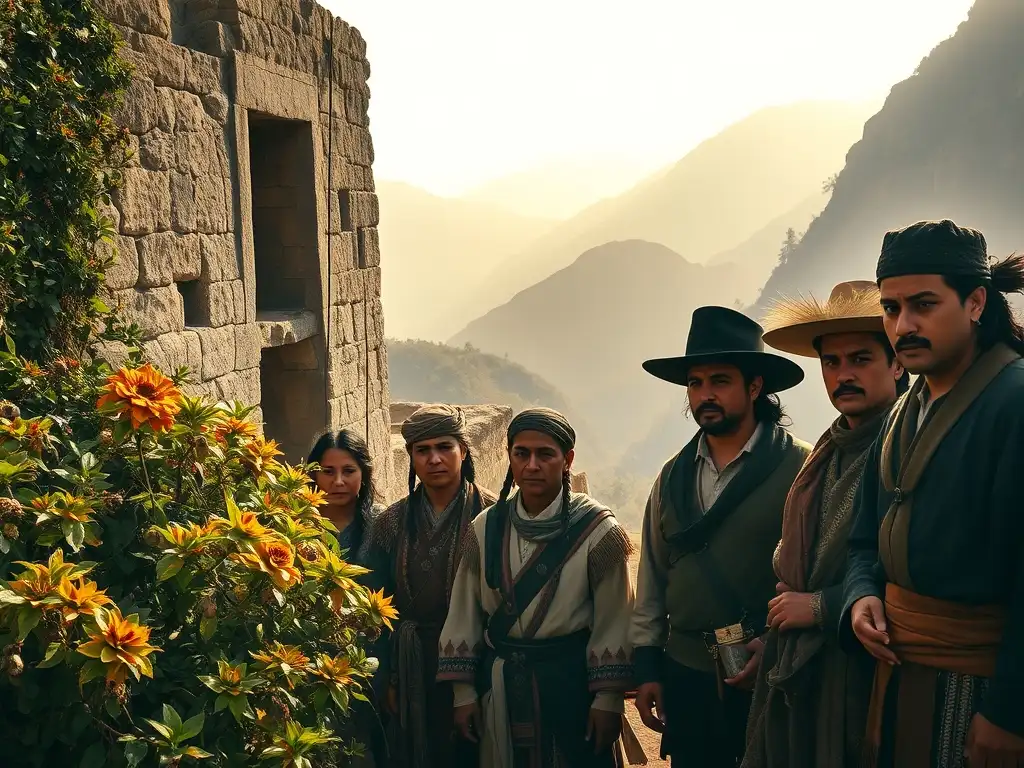
The Spanish conquest didn't simply erase the Inca nobility; it forced a complex process of assimilation and integration into the newly established colonial society. Many Inca nobles, stripped of their former power and prestige, strategically adapted to survive. This adaptation involved a delicate balancing act: maintaining a semblance of their cultural identity while navigating the complexities of the colonial system.
Some nobles actively collaborated with the Spanish, leveraging their knowledge of local customs and populations to secure advantageous positions within the colonial administration. This collaboration, while often perceived as a betrayal by some, was a survival strategy for many, allowing them to maintain a degree of influence and protect their families. The Spanish, recognizing the value of this existing power structure, often co-opted Inca nobles into their system, using them to govern local populations and collect taxes.
This pragmatic approach reflects the Spanish colonial strategy of using existing hierarchies to consolidate their control. However, this collaboration wasn't without its internal conflicts; many Inca nobles harbored resentment towards the Spanish and secretly plotted resistance. The extent of their integration, therefore, varied significantly depending on individual circumstances, political alliances, and the specific demands of the colonial context.
Inca Nobility and the New Social Hierarchy of Colonial Peru
The rigid social hierarchy imposed by the Spanish dramatically reshaped the position of the Inca nobility. While some nobles managed to maintain a degree of influence and wealth, their status was fundamentally altered. The Spanish encomienda system, which granted Spanish conquistadors control over indigenous labor and resources, directly undermined the traditional power of the Inca elite.
The repartimiento system, a later development, similarly exploited Inca labor, but with a veneer of legal formality. The Inca nobility found themselves situated within a new social pyramid, where the Spanish occupied the apex, followed by a hierarchy of criollos (Spanish-born in the Americas), mestizos (mixed Spanish and Indigenous heritage), and finally, the Indigenous population. This new social structure often marginalized the Inca nobility, relegating them to positions of diminished authority and influence compared to their pre-conquest status.
The precise position of an Inca noble within this hierarchy depended heavily on their level of collaboration with the Spanish, their access to resources, and their ability to navigate the complex legal and social framework of the colony. The struggle for social mobility within this new system became a defining characteristic of the Inca nobility's experience in the colonial era.
The Legacy of the Inca Nobility: Cultural and Historical Significance
Despite the hardships they endured, the Inca nobility left an undeniable mark on Peruvian history and culture. Their legacy extends far beyond the immediate aftermath of the conquest. Many aspects of Andean culture survived, subtly integrated into the colonial framework.
Inca traditions in textiles, agriculture, and religious practices persisted, albeit often transformed or hybridized. The Inca language, Quechua, continued to be spoken widely, becoming a crucial element of the Andean cultural landscape. Furthermore, the oral traditions and ancestral memories maintained by the Inca nobility played a crucial role in preserving Inca history and identity.
These accounts, often passed down through generations, provided invaluable insights for later historians studying the Inca Empire. The continued presence of Quechua and the persistence of certain cultural practices demonstrate the resilience of Inca identity in the face of Spanish colonial rule. The Inca nobility's efforts to preserve their heritage, even in the face of overwhelming pressures, are a testament to their cultural significance and enduring legacy.
The Descendants of the Inca Nobility and their Ongoing Story
Tracing the descendants of the Inca nobility presents a significant challenge due to the lack of comprehensive records and the complexities of colonial society. However, many families claim descent from the Inca aristocracy, preserving oral histories and family traditions that connect them to their illustrious ancestors. These claims are often supported by genealogical research and the possession of historical artifacts.
The descendants of the Inca nobility continue to play a vital role in Peruvian society, contributing to the country's cultural and political landscape. Their story serves as a powerful reminder of the enduring legacy of the Inca Empire and the resilience of the Andean people. While their ancestral power may have been lost, their cultural identity and contribution to the ongoing narrative of Peru remain significant.
Further research, combining historical records with genetic studies, may further illuminate the story of Inca nobility descendants and their continued presence in modern Peru. The ongoing investigation into this topic reveals an evolving understanding of the Inca nobility's long-term impact on Peruvian society and culture.
The Economic Realities for the Inca Nobility Post-Conquest
The Spanish conquest dramatically altered the economic landscape of the Inca Empire, profoundly impacting the Inca nobility. Prior to the conquest, the Inca elite enjoyed significant privileges, including access to vast agricultural lands, control over labor resources ( mita system), and ownership of significant quantities of gold, silver, and other valuable goods. This system, based on a complex network of reciprocal obligations and tribute, ensured the Inca nobility's wealth and power.
However, the arrival of the Spanish resulted in a complete upheaval of this system. The mita system, while initially exploited by the Spanish, was gradually replaced by encomienda and other forms of forced labor that benefited the Spanish crown and its allies more directly. The Inca nobility, accustomed to a system of controlled distribution of resources, found themselves stripped of much of their economic power.
Land Ownership and Economic Shifts Affecting the Inca Elite
The Spanish implemented a new land tenure system, dispossessing the Inca nobility of much of their landholdings. Vast estates previously controlled by the Inca elite were redistributed among Spanish conquistadors and their collaborators, a process that effectively dismantled the traditional Inca economic structure.
This land redistribution wasn't simply a matter of taking land; it also involved the appropriation of the labor force that had previously worked those lands. This resulted in a loss of both land and the economic benefits derived from it, leading to significant economic hardship for many members of the Inca nobility.
The introduction of European livestock and farming techniques further disrupted the existing agricultural system, leaving many former Inca landowners struggling to adapt to the new economic realities. The shift from a largely subsistence-based economy to one driven by the extraction of precious metals and the production of goods for the Spanish market further marginalized the Inca nobility, who lacked the capital and connections to effectively participate in this new system.
The Religious Shift and its Impact on the Inca Nobility
The Spanish conquest brought with it a forceful religious conversion, aiming to supplant the Inca religion with Catholicism. This religious shift had a profound impact on the Inca nobility, who held a significant role in the traditional religious practices. The Inca elite were often closely tied to the huacas (sacred sites) and participated in rituals and ceremonies that reinforced their social standing and authority.
The destruction of Inca temples, the suppression of traditional religious practices, and the imposition of Catholicism challenged the Inca nobility's religious authority and cultural identity. This wasn't merely a matter of replacing one set of beliefs with another; it was a deliberate effort to dismantle the existing power structures, of which religion formed an integral part.
The Conversion and its Effects on Inca Aristocratic Families
The forced conversion to Catholicism affected Inca aristocratic families in several ways. Many Inca nobles, in an attempt to maintain some influence and protect their families, outwardly embraced Catholicism. This often involved adopting Christian names, participating in Catholic rituals, and even constructing churches on their remaining lands.
However, this conversion was often superficial, with many continuing to practice traditional Inca beliefs in secret. This dual religious practice, a common phenomenon during the early colonial period, allowed Inca nobles to navigate the complex political landscape while preserving elements of their cultural heritage. The conversion also led to the adoption of new social structures within Inca aristocratic families, as they adapted to the new religious hierarchy and the influence of the Catholic Church.
This often resulted in internal conflicts and power struggles, as family members disagreed about the extent to which they should embrace the new religion. The process of conversion and its impact on family dynamics is a complex subject needing further research to understand its full consequences on the Inca nobility.
Key Figures of Inca Nobility During the Early Colonial Period
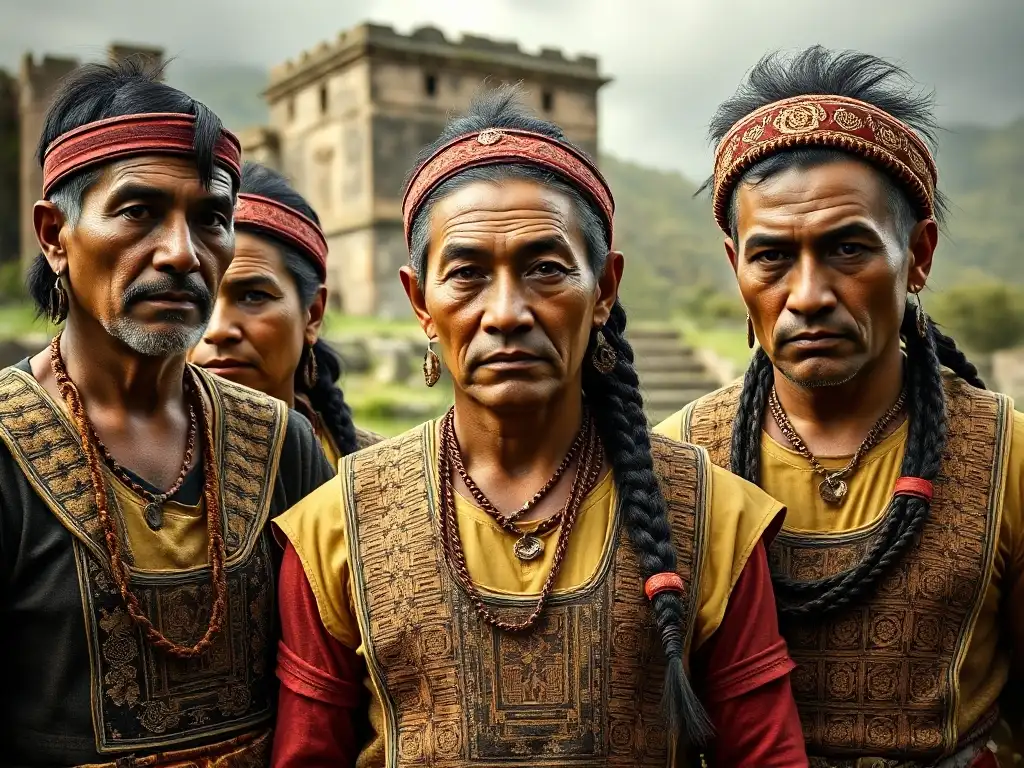
The immediate aftermath of the Spanish conquest saw a complex interplay of collaboration, resistance, and brutal suppression among the Inca nobility. While many were killed outright during the conquest or in subsequent uprisings, others navigated the treacherous political landscape of the colonial era, forging alliances with the Spanish and attempting to preserve their power and influence. This period witnessed the rise and fall of several key figures who exemplify the diverse fates of the Inca elite.
Some chose to cooperate with the Spanish, seeking to maintain a semblance of their former authority, while others actively resisted, leading rebellions and paying the ultimate price for their defiance. The choices made by these individuals had a profound impact not only on their own lives but also on the future of their lineages and the broader Inca society. The strategies employed ranged from carefully calculated alliances to outright defiance, reflecting the varied personalities and circumstances of these powerful individuals.
The success of these strategies was often determined by the shifting political winds of the colonial administration, the ever-present threat of violence, and the internal struggles within the Inca community itself. Understanding the actions and consequences faced by these key figures provides crucial insight into the complex dynamics of the post-conquest period.
Sayri Túpac, Paullu Inca, and Princess Beatriz Clara Coya
Three prominent examples illustrate the spectrum of experiences among the Inca nobility: Sayri Túpac, Paullu Inca, and Princess Beatriz Clara Coya. Paullu Inca, initially a collaborator with the Spanish, ultimately met a tragic end, highlighting the inherent risks of aligning with the conquerors. His story serves as a cautionary tale of the precarious position of the Inca nobility in the face of Spanish ambition and shifting alliances.
Sayri Túpac, another notable figure, initially resisted the Spanish but eventually entered into a complex relationship with them, demonstrating the adaptability and resilience of some Inca leaders in the face of overwhelming odds. His story showcases the intricate negotiations and compromises that were often necessary for survival in the colonial context. Finally, Princess Beatriz Clara Coya, a member of the royal family, represents the challenges and opportunities faced by Inca women in the post-conquest world.
Her life, marked by both privilege and hardship, offers a unique perspective on the experiences of Inca women during a period of immense social and political upheaval. The lives of these three individuals, while vastly different, collectively paint a vivid picture of the diverse fates of the Inca elite in the early colonial period. Their stories underscore the complexities and contradictions inherent in the transition from Inca rule to Spanish colonial domination.
The Long-Term Impact on the Inca Nobility's Lineages
The Spanish conquest didn't simply wipe out the Inca nobility; it fundamentally reshaped their social and political landscape. The immediate effects of violence and displacement were devastating, but the long-term consequences were equally profound, leading to a gradual erosion of Inca power and influence.
The strategies employed by the Spanish to consolidate their control—including the dismantling of traditional power structures and the imposition of a new social hierarchy—had a lasting impact on the Inca nobility's lineages. The systematic dismantling of the Inca's administrative and social structures left many noble families struggling to maintain their identity and status in the face of Spanish dominance.
The effects of this upheaval are still visible today in the fragmented nature of many Inca lineages, their social mobility, and their incorporation into the broader colonial society. This process of assimilation and adaptation wasn't uniform; some families managed to retain a degree of their former influence and prestige, while others fell into obscurity or poverty.
Tracking the Fate of Inca Noble Families Through Generations
Tracing the fate of Inca noble families across generations requires painstaking research into colonial records, genealogical studies, and oral histories. This is a challenging task due to the destruction of many Inca records during the conquest and the deliberate efforts of the Spanish to suppress Inca culture. However, by piecing together fragmented evidence from diverse sources, historians have begun to reconstruct the complex trajectories of numerous Inca noble families.
Some families, through strategic marriages and alliances with the Spanish, managed to maintain a degree of wealth and status, albeit within the confines of the colonial system. Others experienced a gradual decline in social standing, their land and resources appropriated by the Spanish or other powerful groups. Some lineages completely disappeared, lost to time and the ravages of conquest.
The challenges in tracking these lineages underscore the difficulties in fully understanding the long-term impact of the Spanish conquest on Inca society, highlighting the need for further research to uncover the stories of these families and their descendants. This ongoing investigation is crucial for a complete understanding of the "Inca nobility fate after conquest." The persistence of some lineages, even if transformed, speaks volumes about the resilience of Inca culture and identity in the face of overwhelming odds.
Conclusion: Understanding the Complex Fate of the Inca Aristocracy After 1532
The fate of the Inca nobility after the Spanish conquest of 1532 was far from uniform. While some met swift and brutal ends, others managed to navigate the treacherous political landscape of the colonial era, albeit often under duress and with a significant loss of power and prestige. The initial wave of violence and upheaval undoubtedly decimated a considerable portion of the Inca elite.
The systematic dismantling of the Inca administrative structure, the destruction of temples and palaces, and the outright massacres contributed to a dramatic decline in their numbers and influence. The Spanish, driven by greed for gold and a desire to consolidate their control, often targeted those they perceived as threats or obstacles to their ambitions. This included many members of the Inca aristocracy who resisted Spanish rule or who were seen as potential leaders of rebellions.
However, the story is not solely one of destruction and annihilation. Many Inca nobles, recognizing the futility of outright resistance, adopted survival strategies. Some collaborated with the Spanish, providing crucial information and services in exchange for protection and privileges. This collaboration, however, often came at a high cost, as it involved betraying their own people and cultural heritage.
The Spanish readily exploited these internal divisions, using them to further their own goals of subjugation and exploitation. The Inca nobility who chose this path often found themselves trapped in a precarious position, walking a tightrope between the demands of their former subjects and the expectations of their new colonial masters. Their lives were characterized by a constant tension between loyalty and self-preservation.
Furthermore, the Spanish Crown, in its pursuit of establishing a stable colonial administration, occasionally sought to integrate elements of the existing Inca social structure into the new order. This resulted in some Inca nobles retaining certain levels of authority and influence within their local communities. However, this integration was always under strict Spanish supervision and control, serving to ultimately reinforce colonial power rather than restore Inca autonomy.
The Inca elite who managed to maintain a degree of status often did so by accepting the subordinate role assigned to them within the colonial hierarchy. Their power was severely curtailed, their traditions often suppressed, and their very identity was subtly, yet systematically, eroded.
The story of the Inca nobility after 1532 is a complex tapestry woven with threads of violence, collaboration, adaptation, and ultimately, the slow but inevitable decline of an ancient and powerful aristocracy. Their fate serves as a poignant reminder of the devastating consequences of conquest and the enduring resilience of human beings in the face of overwhelming adversity. Understanding their experiences provides crucial insight into the lasting impact of colonialism on Andean societies and the multifaceted ways in which indigenous elites responded to the challenges of a dramatically altered world.
The ongoing research and archaeological discoveries continue to illuminate the nuanced realities of this transformative period in Andean history, offering a richer, more complete understanding of the Inca nobility’s complex legacy. The "Inca nobility fate after conquest" remains a subject of ongoing scholarly debate, highlighting the intricate and multifaceted nature of this historical period.
- The Inca Nobility Before the Spanish Arrival: A Glimpse into Power
- Initial Encounters and the Disruption of Inca Society
- The Complexities of Inca Nobility Survival Under Spanish Rule
- The Transformation of Inca Elites: From Rulers to Vassals
- Assimilation and Integration: Inca Nobles Within Colonial Society
- The Legacy of the Inca Nobility: Cultural and Historical Significance
- The Economic Realities for the Inca Nobility Post-Conquest
- The Religious Shift and its Impact on the Inca Nobility
- Key Figures of Inca Nobility During the Early Colonial Period
- The Long-Term Impact on the Inca Nobility's Lineages
- Conclusion: Understanding the Complex Fate of the Inca Aristocracy After 1532
- What happened to the Inca emperor Atahualpa after the Spanish conquest?
- Did any Inca nobility survive the Spanish conquest?
- How did the Spanish treat the Inca nobility after the conquest?
- What role did Inca women of noble birth play after the conquest?
- How did the Spanish conquest impact the Inca social structure and the Inca nobility's influence?
Frequently Asked Questions
What happened to the Inca emperor Atahualpa after the Spanish conquest?
Atahualpa, the last Sapa Inca before the Spanish conquest, was executed by Francisco Pizarro in 1533 despite paying a massive ransom. His death marked a pivotal moment in the downfall of the Inca Empire.
Did any Inca nobility survive the Spanish conquest?
Yes, some members of the Inca nobility survived the initial conquest. Many were incorporated into the colonial system, while others fled to remote areas or engaged in resistance.
How did the Spanish treat the Inca nobility after the conquest?
The Spanish treatment of the Inca nobility varied. Some were granted privileges to maintain order, while others faced execution, enslavement, or displacement. Their treatment was largely dictated by their perceived usefulness or threat to colonial authority.
What role did Inca women of noble birth play after the conquest?
Inca women of noble birth faced similar challenges, including loss of status and land. Some adapted to the colonial system, while others actively participated in resistance movements. Their experiences remain a crucial, yet often overlooked, aspect of the conquest's aftermath.
The Spanish conquest fundamentally destroyed the Inca social hierarchy. The Inca nobility's traditional power and influence were largely eliminated, replaced by a Spanish colonial system that marginalized the indigenous elite.
Final Reflection: Echoes of Empire: The Enduring Legacy of Inca Nobility
The fall of the Inca Empire was not merely a conquest; it was a seismic shift in power dynamics, leaving an enduring legacy that continues to shape our understanding of colonialism and its impact. The fate of the Inca elite, far from being a footnote in history, serves as a stark reminder of the complexities of cultural upheaval and the enduring resilience of indigenous populations in the face of overwhelming odds.
The story of the Inca nobility after the conquest is a poignant illustration of how power structures can be dismantled, yet their influence can persist in subtle and unexpected ways. Their assimilation, resistance, and eventual marginalization profoundly impacted the social and cultural landscape of the Andes, shaping the very fabric of Peruvian society. The past is never dead. It's not even past.
– William Faulkner. This quote resonates deeply, as the legacy of the Inca elite continues to inform present-day discussions of identity, land rights, and the ongoing struggle for social justice in the region.
Consider the implications of this narrative. How does the story of the Inca nobility challenge our understanding of power, resilience, and cultural survival? You, the reader, are now equipped with a deeper understanding of this crucial historical period. Use this knowledge to engage with the complexities of history, to question dominant narratives, and to advocate for a more inclusive and equitable future. Let the echoes of this lost empire inspire you to explore the untold stories of those who have been marginalized, and to champion the voices that often go unheard.
**Unveil the Legacy of the Inca Nobility! **
Thank you for exploring the fascinating world of the Inca elite and their experiences following the Spanish conquest. You've uncovered a rich and complex history, witnessing the dramatic shifts in power that defined this pivotal era. Now, let's consider the enduring lessons of this historical period.
Here's how you can continue your exploration:
- **Expand your knowledge:** Discover how other societies adapted to conquest and upheaval by exploring related articles on our website.
- **Join the discussion:** Share your thoughts and questions about the Inca elite's fate in the comments section below – I'm eager to hear your perspectives.
- **Share this discovery:** Introduce your friends who appreciate history to this compelling story; you never know who might find inspiration to learn more!
Considering these insights, I invite you to reflect: *What parallels can you draw between the challenges faced by the Inca nobility and the obstacles we encounter in modern society? *