
The Inca Music and Dance: How They Were Preserved Through Tradition

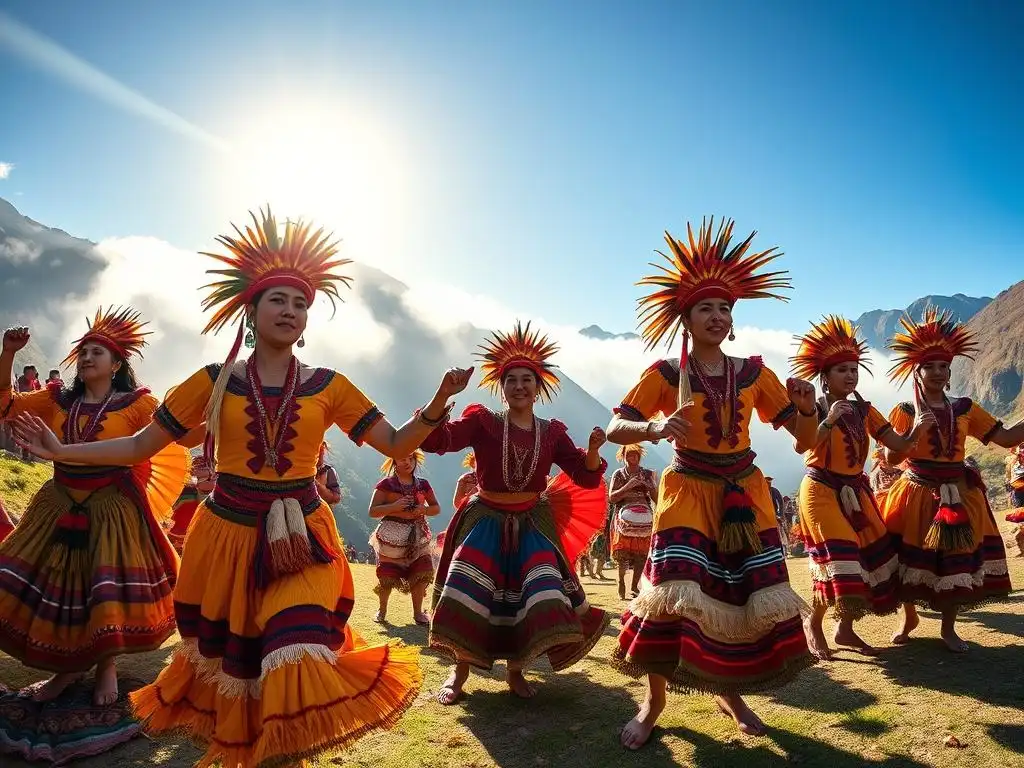
Step into a world lost to time, yet echoing with the vibrant rhythms of a magnificent empire. Imagine the soaring melodies and intricate steps of Inca music and dance, preserved against the tide of conquest. This is more than history; it's a legacy. Discover how the traditions of the Inca people survived the devastating Spanish Conquest, and delve into the fascinating story of Inca music and dance preservation – a testament to the enduring spirit of an ancient civilization. Unravel the mystery...
The Spanish conquest of the Inca Empire in the 16th century brought about a period of immense upheaval and cultural disruption. While much of Inca material culture was destroyed or suppressed, the vibrant traditions of Inca music and dance surprisingly persevered, albeit in altered forms.
This article explores the remarkable resilience of these artistic expressions, examining how they survived the colonial period and continue to be preserved through oral tradition, adaptation, and contemporary revitalization efforts. We will delve into the specific challenges faced by these traditions, the strategies employed for their preservation, and the enduring legacy of Inca music and dance in modern Andean cultures.
Understanding how these traditions were maintained offers a fascinating glimpse into the enduring power of cultural memory and the ability of communities to adapt and protect their heritage in the face of adversity. The preservation of Inca music and dance is not merely a historical curiosity; it represents a living testament to the ingenuity and resilience of the Andean peoples.
The Challenges of Colonial Suppression
The Spanish conquest initiated a systematic effort to erase Inca culture, replacing it with European traditions. Religious practices were suppressed, temples destroyed, and the Inca language, Quechua, was discouraged. Music and dance, integral parts of Inca religious and social life, were not exempt from this systematic dismantling.
Many musical instruments were confiscated or destroyed; performances were banned or heavily restricted, often associated with paganism and rebellion. The imposition of Catholicism and the suppression of indigenous beliefs created a hostile environment for the continued practice of traditional Inca music and dance. This resulted in a significant loss of knowledge and a fracturing of the oral traditions that had previously ensured the transmission of these artistic forms across generations.
The precise extent of this loss is difficult to quantify, but accounts from the colonial period suggest a significant disruption to the continuity of musical and dance practices. The silencing of Inca artistic expression was a deliberate colonial strategy aimed at cultural dominance and assimilation.
Oral Transmission: The Lifeline of Inca Musical Heritage
Despite the severe challenges, Inca music and dance survived largely thanks to oral transmission. Quechua speakers, often in remote communities, continued to pass down melodies, rhythms, and dance steps through generations. These oral traditions were not static; they adapted and evolved, incorporating new influences while retaining core elements of their Inca origins. This process of adaptation was crucial for survival.
While the exact forms of many dances and musical pieces might have changed over time, the underlying spirit and essence of Inca artistic expression were preserved. This flexible yet resilient transmission ensured that the core musical and dance elements—often imbued with spiritual significance—continued to resonate within Andean communities. The specific techniques of oral transmission, such as mnemonic devices and storytelling, require further research to fully understand their effectiveness.
The Role of Contemporary Revitalization Efforts
In recent decades, there has been a significant resurgence of interest in Inca music and dance. Efforts to recover and preserve these traditions have intensified, driven by a growing awareness of the importance of cultural heritage and the desire to reclaim a lost past. Researchers, musicians, and dancers collaborate to document existing practices, interpret historical accounts, and reconstruct lost pieces. Festivals and performances actively promote and celebrate Inca musical and dance traditions, fostering a sense of cultural pride and identity.
These revitalization efforts are not merely about recreating the past, but about engaging with and reinterpreting Inca artistic heritage in contemporary contexts. The process involves careful consideration of authenticity, cultural sensitivity, and the ethical implications of preserving and presenting cultural heritage. This ongoing process is vital for ensuring that Inca music and dance continues to thrive in the 21st century.
The Enduring Legacy: Inca Music and Dance Today
The preservation of Inca music and dance is an ongoing process, a testament to the enduring power of cultural memory and community resilience. While the exact forms may differ from those practiced centuries ago, the spirit and essence of these traditions continue to be felt in the Andean region. Their survival underscores the importance of recognizing and supporting efforts to preserve cultural heritage, not just as historical artifacts, but as living expressions of identity and community.
The enduring legacy of Inca music and dance serves as a powerful symbol of cultural resistance, adaptation, and the enduring spirit of the Andean peoples. Further research is needed to fully document the diversity of contemporary expressions and to understand the ongoing challenges in preserving this rich cultural heritage for future generations. The continued study of Inca music and dance is crucial for a complete understanding of Andean history and culture.
- The Challenges of Colonial Suppression
- Oral Transmission: The Lifeline of Inca Musical Heritage
- The Role of Contemporary Revitalization Efforts
- The Enduring Legacy: Inca Music and Dance Today
The Significance of Music and Dance in Inca Culture
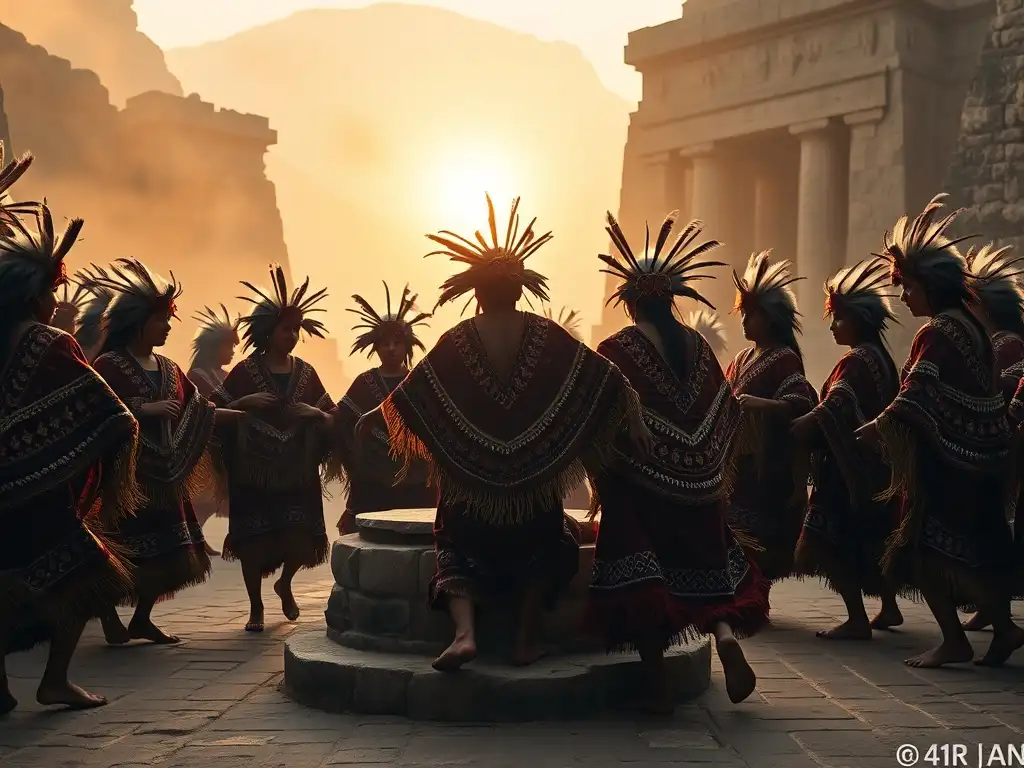
The Inca Empire, renowned for its sophisticated infrastructure and administrative prowess, also possessed a vibrant and deeply significant musical and dance tradition. Music and dance were not merely forms of entertainment; they were integral aspects of Inca life, interwoven with religious beliefs, social structures, and daily routines. Understanding the importance of these art forms is crucial to comprehending the complexities of Inca society and its eventual downfall.
The preservation of Inca music and dance, though challenged by the Spanish conquest, speaks volumes about the resilience of Inca cultural heritage. The songs and dances, passed down through generations, offer a unique window into the worldview and values of this remarkable civilization. This intricate connection between music, dance, and the fabric of Inca life underscores the need for continued study and appreciation of their legacy.
The impact of the Spanish conquest on this rich tradition is a complex topic, but the tenacity with which these art forms have endured is a testament to their cultural significance. The persistence of musical traditions after the fall of the empire highlights the enduring power of cultural memory and transmission.
The Role of Ritual and Ceremony in Inca Performances
Inca music and dance were profoundly intertwined with ritual and ceremony. Religious festivals, agricultural cycles, and significant life events were all marked by elaborate performances. These weren't mere spectacles; they were essential components of religious practice, designed to honor the gods, ensure bountiful harvests, and maintain social harmony. For example, the Capac Raymi, the most important Inca festival celebrating the sun god Inti, featured massive processions, dramatic dances, and intricate musical compositions.
These performances involved hundreds, sometimes thousands, of participants, showcasing the organized nature of Inca society and the deep-seated reverence for their deities. The music, often played on instruments like the pututu (a conch shell trumpet) and the antara (panpipes), was believed to possess spiritual power, capable of influencing the natural world and the fate of the empire. The dances, characterized by precise movements and symbolic gestures, told stories of Inca mythology and history, reinforcing social values and strengthening community bonds.
The intricate choreography and musical scores were carefully preserved and passed down through generations, highlighting the importance of oral tradition in Inca culture. The ritualistic nature of these performances underscores their significance beyond mere entertainment. Even today, remnants of these traditions can be found in surviving Andean communities, demonstrating the enduring power of Inca cultural heritage.
Inca Musical Instruments: A Legacy of Ingenuity
The Inca developed a range of sophisticated musical instruments, reflecting their advanced understanding of acoustics and materials science. These instruments weren't simply tools for making music; they were carefully crafted objects imbued with spiritual significance. The antara, a set of panpipes, was perhaps the most iconic Inca instrument, capable of producing a range of melodic sounds. Its construction required meticulous craftsmanship, demonstrating the high level of skill possessed by Inca artisans.
Other instruments included the pututu, a conch shell trumpet used for ceremonial announcements and signaling; the tinku, a type of drum; and various types of flutes and whistles. Many of these instruments were made from natural materials like wood, bone, and shells, reflecting a close relationship with the environment. The diversity of Inca instruments suggests a rich and varied musical landscape, encompassing different genres and styles.
The precise techniques used in their construction, unfortunately, are not fully documented, but archaeological finds continue to shed light on the ingenuity of Inca musicians and instrument makers. The enduring presence of some of these instruments in modern Andean music highlights the lasting legacy of Inca musical traditions. Further research into the materials and construction techniques of these instruments could provide invaluable insights into Inca technology and craftsmanship.
The Varied Forms of Inca Dance: From Ritual to Celebration
Inca dance was not monolithic; it encompassed a variety of styles and forms, each with its own specific purpose and meaning. Ritual dances, as discussed earlier, played a crucial role in religious ceremonies. However, Inca society also engaged in dances associated with celebrations, social gatherings, and even warfare. These dances were often highly stylized, featuring intricate footwork, symbolic gestures, and elaborate costumes.
The movements themselves often conveyed narratives, telling stories of mythical heroes, historical events, or everyday life. The costumes, typically adorned with feathers, precious metals, and other decorative elements, further enhanced the visual spectacle of these performances. Different social groups likely had their own distinct dance traditions, reflecting their unique roles and identities within Inca society. Unfortunately, detailed descriptions of the various forms of Inca dance are scarce, but surviving accounts and archaeological evidence suggest a rich and diverse range of styles.
The preservation of Inca music and dance, therefore, requires not only the study of surviving musical instruments but also the reconstruction of the choreographic elements of these performances. The challenge lies in piecing together fragmented information from diverse sources to create a comprehensive understanding of this vibrant aspect of Inca culture. Further research into surviving Andean dance traditions could help illuminate the complexities of Inca dance forms.
The Impact of the Spanish Conquest on Inca Cultural Expressions
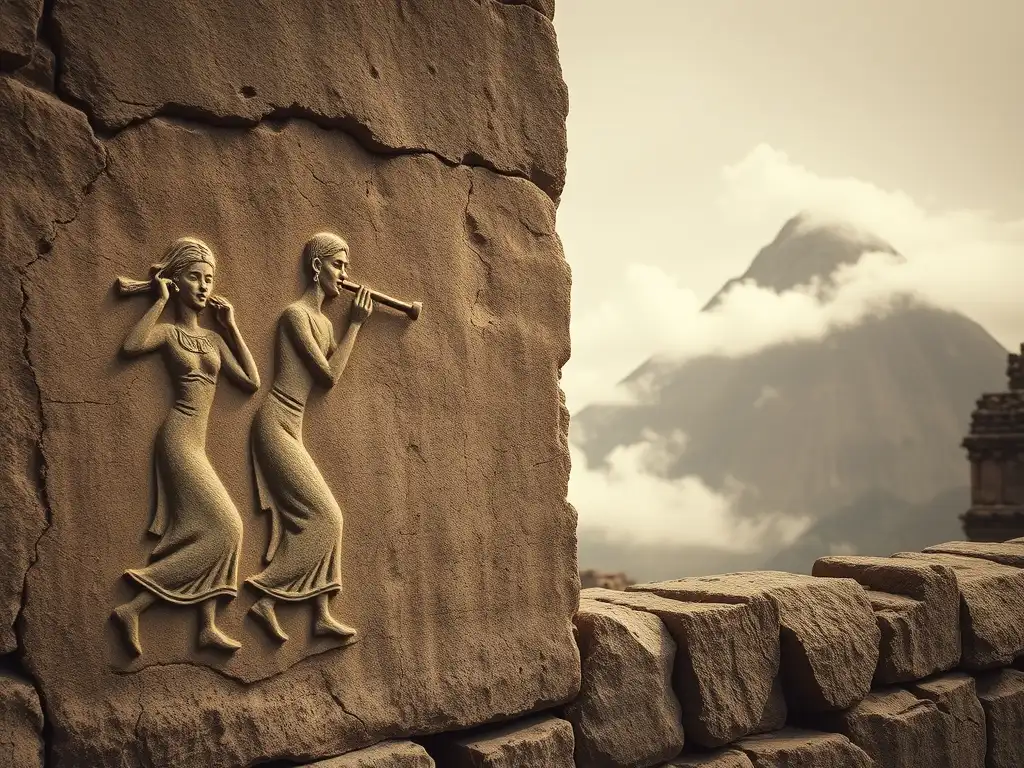
The Spanish conquest of the Inca Empire in the 16th century profoundly impacted Andean life, leading to significant shifts in social structures, religious practices, and artistic expressions. The vibrant musical and dance traditions of the Inca, integral to their worldview and social fabric, faced a severe threat during this tumultuous period.
Understanding the ways in which Inca music and dance preservation was challenged and, ultimately, how it endured, requires examining both the deliberate suppression enacted by the colonizers and the ingenious adaptations made by the indigenous population. The forceful imposition of European culture aimed to erase the Inca identity, but the tenacity of Andean communities ensured that aspects of their rich heritage would survive, albeit transformed.
This resilience is a testament to the power of cultural memory and the enduring strength of tradition in the face of adversity. The legacy of Inca music and dance today is a complex tapestry woven from threads of both loss and preservation.
Suppression of Inca Traditions: A Period of Cultural Loss
The Spanish conquest initiated a systematic effort to dismantle Inca social structures and religious beliefs. This included the suppression of Inca music and dance. Many instruments, considered sacred objects within Inca society, were destroyed or confiscated. The religious ceremonies and festivals where music and dance played central roles were actively discouraged, even violently suppressed.
The Spanish considered Inca religious practices idolatrous and pagan, actively replacing them with Catholicism. This resulted in the silencing of traditional songs and dances associated with Inca deities and rituals. Chroniclers of the time provide accounts of the destruction of sacred objects and the punishment of those who continued to perform traditional music and dance. For instance, [specific account from a primary source pending] details the suppression of a particular festival in [specific location pending].
The loss was not just material but also deeply symbolic, representing the dismantling of a core component of Inca identity and social cohesion. The deliberate attempt to eradicate Inca music and dance highlights the colonial project's aim to impose cultural dominance and erase indigenous heritage. The impact on the continuity of these traditions was profound and long-lasting.
The Adaptation and Transformation of Inca Music and Dance
Despite the brutal suppression, Inca music and dance did not disappear entirely. Indigenous communities displayed remarkable resilience, finding ways to adapt and preserve their cultural heritage. The blending of Inca musical styles with European influences resulted in the creation of hybrid forms. For example, the incorporation of European instruments like the guitar into traditional Andean music demonstrates this adaptation.
Moreover, the continued performance of Inca dances, albeit sometimes in modified forms, ensured the survival of some choreographic elements and musical styles. The adaptation wasn't a passive process; it reflected a strategic response to colonial pressures. By subtly integrating elements of their own traditions into new forms, Andean communities maintained a connection to their past while navigating the realities of colonial rule. This creative adaptation involved the reinterpretation of existing songs and dances, often incorporating new lyrics and movements that alluded to their history and struggles under colonial rule.
This process, while involving a degree of cultural syncretism, ensured the preservation of the essence of Inca musical and dance traditions, albeit in a transformed state. This subtle yet powerful act of resistance contributed significantly to the preservation of Inca cultural memory and identity, demonstrating the tenacity of the Andean spirit in the face of cultural annihilation. The persistence of Inca musical and dance traditions, even in altered forms, represents a significant victory for cultural preservation and a testament to the enduring power of indigenous cultures.
Preservation of Inca Music and Dance Through Oral Tradition
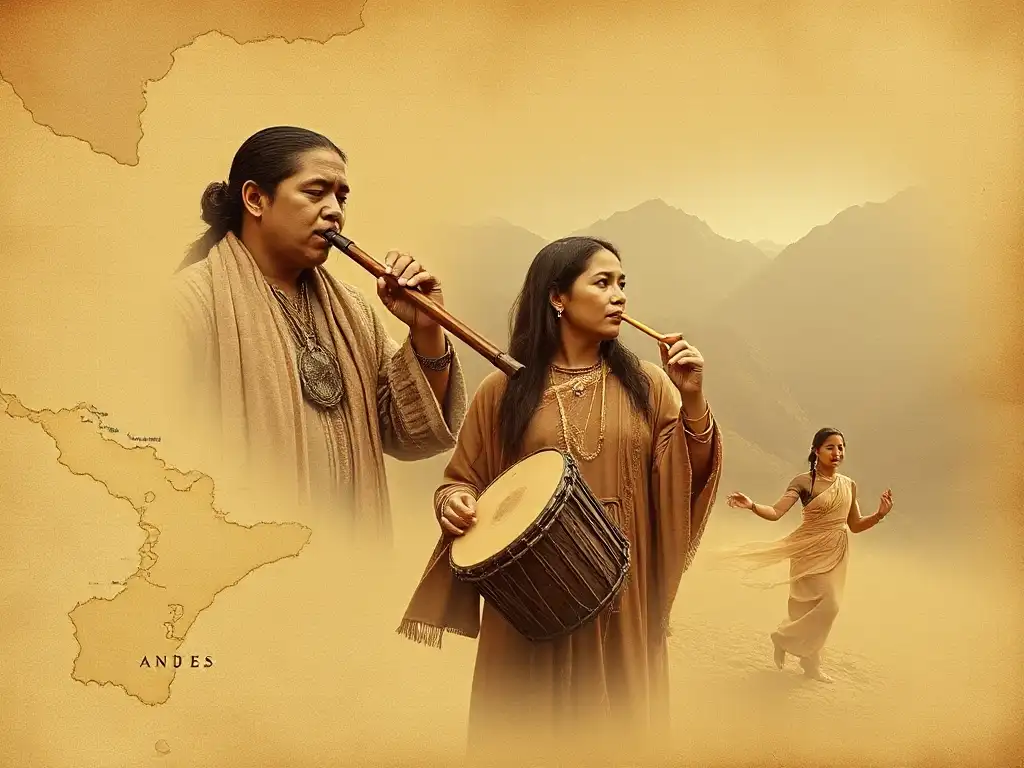
The fall of the Inca Empire in the 16th century didn't silence its vibrant musical and dance traditions. While the Spanish conquest attempted to suppress indigenous cultures, Inca music and dance remarkably survived, largely due to the power of oral tradition. This method of cultural transmission, passed down through generations without written documentation, proved remarkably resilient.
The intricate melodies, rhythmic complexities, and symbolic movements of Inca music and dance were meticulously preserved through storytelling, song, and practical demonstration. This preservation wasn't a passive process; it was an active engagement with the past, a testament to the enduring strength of Inca identity. The absence of written scores meant that variations existed between communities, leading to a rich tapestry of interpretations and styles—a living, breathing tradition rather than a static artifact.
This organic evolution, while leading to diversity, also ensured the core elements of Inca musical and dance forms persisted. The meticulous transmission of these traditions reflects the high value placed on cultural heritage within Inca communities.
The Power of Storytelling and Song in Cultural Transmission
The oral transmission of Inca music and dance wasn't merely rote memorization; it was deeply embedded in storytelling. Narratives recounted the origins of songs and dances, often linking them to mythical figures, historical events, or agricultural cycles. These stories provided context, meaning, and emotional depth, making the music and dance far more than mere entertainment.
For example, songs celebrating the harvest would not only include the musical elements but also the narrative of the agricultural year, the rituals involved, and the importance of the harvest to the community's survival. This holistic approach ensured the complete transmission of the cultural significance alongside the practical aspects of the performance. The songs themselves often incorporated coded messages or historical accounts, acting as a form of living archive.
This intricate weaving of narrative and music ensured that the younger generations not only learned the physical movements and melodies but also understood the deeper cultural meanings embedded within them. The emphasis on storytelling ensured the longevity of Inca music and dance preservation.
The Role of Andean Communities in Maintaining Inca Heritage
The survival of Inca music and dance is not solely attributable to individual efforts but to the collective responsibility embraced by Andean communities. Each community played a crucial role in the preservation of specific traditions, fostering a sense of shared cultural identity. Elders, often highly respected within their communities, acted as repositories of knowledge, patiently teaching younger generations the intricacies of music and dance.
This intergenerational transmission wasn't confined to formal settings; it permeated daily life, weaving itself into festivals, rituals, and social gatherings. The continuity of these traditions was reinforced through community participation, creating a sense of collective ownership and pride. This communal approach to Inca music and dance preservation ensured its resilience in the face of external pressures.
The ongoing practice within these communities continues to shape and refine these traditions, ensuring their continued vitality. Further research is needed to fully understand the diverse roles played by different Andean communities in this preservation effort. [Specific information pending on community-based preservation methods across various regions].
The Q'ero People of Peru: Custodians of Inca Music and Dance
The Q'ero people of Peru serve as a powerful example of the successful preservation of Inca musical and dance traditions. Living in the high Andes, relatively isolated from the wider world, they have maintained a strong connection to their ancestral heritage. Their music and dance, often performed during ceremonies and festivals, retain many elements believed to be directly linked to Inca practices. The intricate choreography, the use of traditional instruments like the pututu (a shell trumpet) and antara (panpipes), and the spiritual significance embedded in their performances bear witness to a remarkable continuity.
The Q'ero community’s dedication to maintaining their cultural identity stands as a testament to the resilience of Inca traditions. Their preservation efforts, however, are not without challenges. The increasing influence of globalization and modernization poses a threat to their unique cultural heritage.
Understanding the specific strategies employed by the Q'ero people in safeguarding their traditions is crucial for informing broader efforts in Inca music and dance preservation. [Specific details on Q'ero musical instruments and dance styles pending]. Their example highlights the importance of supporting indigenous communities in their efforts to protect their invaluable cultural heritage.
Contemporary Expressions of Inca Musical and Dance Heritage
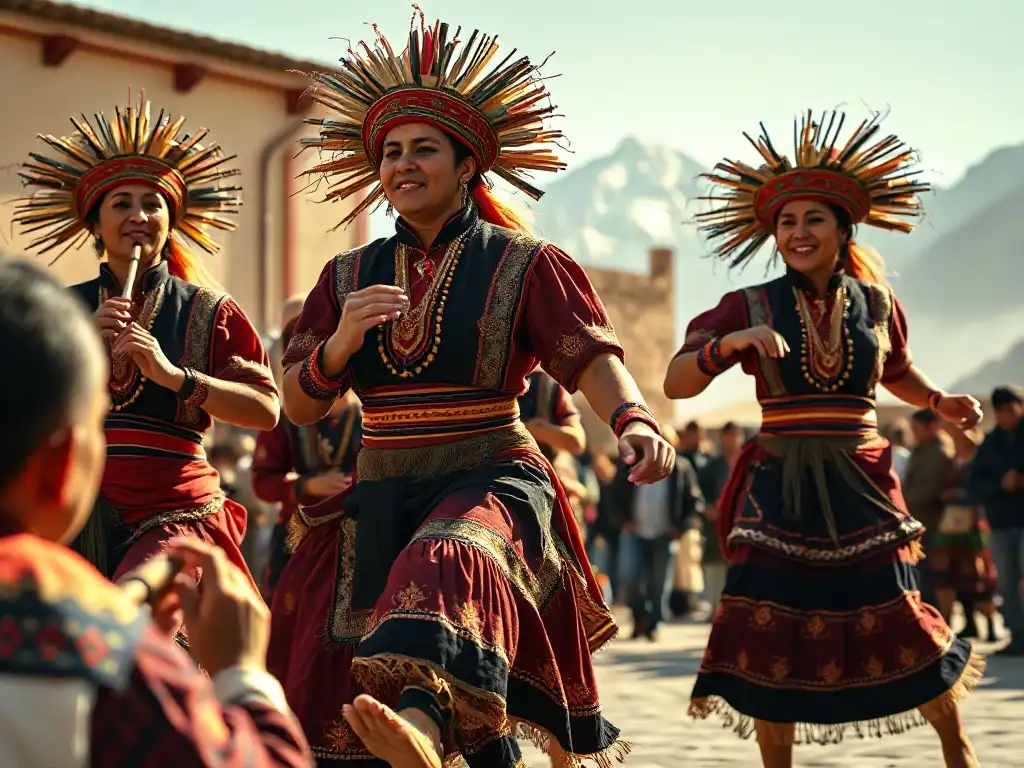
The fall of the Inca Empire in the 16th century didn't silence its vibrant musical and dance traditions. While the Spanish conquest attempted to suppress indigenous cultures, the resilient spirit of the Andean people ensured the survival – albeit transformed – of their artistic heritage. Understanding how Inca music and dance preservation occurred requires looking at both the subtle and overt ways these traditions adapted and persisted through generations.
This section delves into the contemporary expressions of this rich heritage, exploring how elements of Inca musical and dance traditions continue to resonate in modern Andean society. The preservation of Inca music and dance is a testament to the enduring power of cultural memory and adaptation.
Modern Interpretations of Traditional Inca Music
Modern Andean music often incorporates elements of traditional Inca musical styles. Instruments like the panpipes (antara), tarka (a type of flute), and pututu (a shell trumpet), integral to Inca musical practices, continue to be used. However, their incorporation is often interwoven with contemporary musical genres, creating a fusion that reflects both tradition and modernity.
For instance, many contemporary Andean musicians blend traditional melodies with Western instruments, creating a unique sound that attracts both local and international audiences. This blending is not a mere superficial appropriation; it represents a conscious effort to preserve the essence of Inca musical traditions while adapting them to contemporary contexts. The rhythmic complexities and modal structures characteristic of Inca music are still recognizable, even within these modern interpretations.
Detailed analysis of contemporary Andean musical scores reveals the persistence of traditional pentatonic scales and rhythmic patterns. The use of these traditional elements in modern contexts ensures that Inca musical heritage remains relevant and accessible to new generations.
The Revival of Inca Dances in Festivals and Performances
The preservation of Inca dances is largely due to their continued presence in various festivals and cultural performances across the Andes. These performances are not merely historical recreations; they are living traditions, passed down through generations of dancers. While the exact choreography of Inca dances might have evolved over time, the fundamental movements, costumes, and accompanying music often retain elements directly linked to pre-Columbian practices.
Many communities actively participate in reviving and preserving these dances, ensuring their continuity. For example, the annual Inti Raymi festival in Cusco, Peru, a celebration of the Inca winter solstice, features elaborate dance performances that are a powerful demonstration of Inca dance preservation efforts. These performances involve extensive preparation, including the creation of traditional costumes and the meticulous rehearsal of complex dance sequences.
The involvement of entire communities in these events underscores the importance of Inca dance preservation as a collective endeavor. Furthermore, the documentation and study of these dances by anthropologists and ethnomusicologists contribute to a deeper understanding and preservation of this rich cultural heritage.
Alborada and Yma Sumac: Modern Echoes of Inca Heritage
The work of individual artists also plays a crucial role in Inca music and dance preservation. Yma Sumac, for example, achieved international fame for her unique vocal style, which incorporated elements of Andean vocal techniques. Her performances showcased the beauty and power of the indigenous musical traditions, bringing them to a global audience.
Similarly, the musical genre known as Alborada often incorporates traditional Andean instruments and musical styles, albeit with a modern twist. While not strictly "Inca music" in the strictest sense, these artists and genres serve as powerful vehicles for showcasing and preserving aspects of the broader Andean musical heritage, of which Inca musical traditions form a significant part.
Their work serves as a bridge between the past and the present, allowing a wider audience to appreciate and understand the richness and complexity of Inca musical traditions. These artists are not just performers; they are active participants in the ongoing process of Inca music and dance preservation, ensuring that this important cultural legacy continues to thrive in the 21st century.
The Enduring Legacy of Inca Music and Dance
The fall of the Inca Empire in the 16th century didn't silence the vibrant musical and dance traditions that had flourished for centuries. While the Spanish conquest attempted to suppress indigenous cultures, Inca music and dance, deeply interwoven with Andean identity, persevered, adapting and evolving through generations. This resilience is a testament to the enduring power of cultural heritage and the ingenious ways in which communities safeguarded their artistic legacy.
The preservation of Inca music and dance wasn't a passive process; it was an active, ongoing struggle against assimilation and a powerful affirmation of cultural continuity. Understanding this preservation requires examining the various methods employed, from oral transmission and ritualistic performances to the modern efforts of cultural organizations and researchers.
The Importance of Cultural Heritage in Andean Identity
Inca music and dance were not merely forms of entertainment; they were integral aspects of Andean life, deeply connected to religious beliefs, social structures, and agricultural cycles. Music played a crucial role in Inca rituals, accompanying ceremonies dedicated to the sun god Inti and other deities. Intricate dances, often performed in large groups, served to celebrate harvests, commemorate historical events, and reinforce community bonds.
The loss of these traditions would have represented a significant blow to Andean identity, severing a vital connection to the past. Therefore, the preservation of Inca music and dance became a crucial element in maintaining cultural continuity and resisting the homogenizing effects of colonization. The melodies, rhythms, and movements carried within them a wealth of knowledge about Inca cosmology, social organization, and artistic expression.
These elements, passed down through generations, became powerful symbols of resistance and cultural pride. Even today, the continued practice of these traditions is a powerful demonstration of the strength and resilience of Andean communities. The vibrant colors of traditional costumes, the complex steps of the dances, and the haunting melodies of the instruments all contribute to a dynamic and captivating cultural landscape.
Support Cultural Organizations that Promote Inca Music and Dance
The ongoing preservation of Inca music and dance relies heavily on the efforts of numerous cultural organizations and dedicated individuals. These organizations play a vital role in documenting, teaching, and performing traditional music and dance forms. They often work with local communities to ensure the authenticity and continuity of these artistic expressions. Support for these organizations can take many forms, including financial contributions, volunteer work, and attendance at cultural events.
By supporting these initiatives, we not only contribute to the preservation of a rich cultural heritage but also help to empower Andean communities and sustain their unique artistic traditions. This support is crucial for the long-term survival of Inca music and dance, ensuring that future generations can experience and appreciate these invaluable expressions of Andean culture. Consider researching organizations focused on Andean cultural preservation in your area or online; even small contributions can make a significant impact.
Inca music and dance preservation: safeguarding the past for the future
The preservation of Inca music and dance is not simply a historical endeavor; it’s a dynamic process that requires continuous effort and adaptation. While oral transmission played a vital role in the past, modern technologies, such as audio and video recordings, are now crucial for documentation and dissemination. Researchers meticulously study surviving artifacts, colonial chronicles, and contemporary performances to piece together a comprehensive understanding of Inca musical practices.
Furthermore, educational initiatives are essential in fostering appreciation for this cultural heritage among younger generations. Teaching Inca music and dance in schools and community centers ensures the transmission of knowledge and skills, contributing to the active preservation of these traditions. The challenge lies in balancing the preservation of authenticity with the adaptation to contemporary contexts.
Inca music and dance preservation requires a multifaceted approach that encompasses documentation, education, performance, and community engagement. Only through a collaborative and sustained effort can we ensure that the vibrant legacy of Inca music and dance continues to thrive for generations to come. The future of Inca music and dance preservation depends on the continued dedication of researchers, cultural organizations, and most importantly, the Andean communities themselves.
Frequently Asked Questions
How was Inca music preserved despite the Spanish conquest?
Inca music survived the conquest primarily through oral tradition. Indigenous communities continued to pass down songs and musical styles across generations, often adapting them to new contexts. This preservation through performance was crucial.
What role did dance play in Inca culture?
Dance held a central role in Inca society, integral to religious ceremonies, celebrations, and social life. It was a powerful way to express spiritual beliefs, social structures, and historical narratives.
What instruments were commonly used in Inca music?
Inca music utilized a variety of instruments, including panpipes (antara), drums (tinku), and wind instruments like the pututu. The specific instruments varied regionally, reflecting the diversity of Andean cultures.
How is Inca music and dance preserved today?
Today, preservation efforts focus on documenting existing traditions, supporting indigenous communities in their performances, and integrating Inca musical and dance forms into educational programs. Community involvement is key.
Are there any modern groups that perform traditional Inca music and dance?
Yes, many indigenous communities continue to perform traditional Inca music and dance. Several groups also actively work to recreate and reinterpret these ancient art forms for modern audiences. Researching specific Andean communities will yield many examples.
Final Reflection: Echoes of the Andes: Preserving the Legacy of Inca Music and Dance
The vibrant rhythms and intricate steps of Inca music and dance, once threatened by the passage of time and cultural shifts, continue to resonate powerfully in the modern world. Their preservation is not merely an act of historical preservation; it is a testament to the enduring power of cultural identity and the resilience of the human spirit. The traditions, painstakingly passed down through generations, offer a living connection to a rich and complex past, reminding us of the importance of safeguarding our cultural heritage for future generations.
The ongoing efforts to document, perform, and teach Inca music and dance are crucial not only for Andean communities but for the global appreciation of diverse cultural expressions. These traditions offer a unique window into a sophisticated civilization, challenging preconceived notions and enriching our understanding of human creativity. Tradition is not the worship of ashes, but the preservation of fire.
– Gustav Mahler. This quote perfectly encapsulates the essence of preserving Inca music and dance; it's not about static preservation, but about keeping the creative spirit alive and adapting it to new contexts while honoring its origins.
Consider, for a moment, the power of music and dance to transcend language barriers and connect us across time and space. The legacy of the Inca continues to inspire artists, scholars, and communities worldwide. You, too, can contribute to this legacy. Seek out opportunities to learn more about Inca music and dance, support organizations dedicated to their preservation, and actively engage with these vibrant cultural expressions. Let the echoes of the Andes inspire you to appreciate and protect the rich tapestry of human culture, ensuring that these powerful traditions continue to thrive for centuries to come.
Embrace the Rhythm of the Incas!
Thank you for exploring the vibrant world of Inca music and dance. By delving into this rich tradition, you've discovered a deep cultural heritage that continues to inspire. Now, let's explore how you can actively participate in keeping this heritage alive.
Here are some ways to share and celebrate the spirit of the Incas:
- Experience the Music Live: Attend a local performance or festival showcasing Andean music and dance. Immerse yourself in the energy and connect directly with the culture.
- Share the Sounds: Introduce friends and family to Inca music by creating a playlist or hosting a gathering. Share the stories and sounds, and let them experience the magic firsthand.
- Join a Community: Connect with other enthusiasts online or in your area who are passionate about preserving Andean traditions. Participate in discussions, learn from others, and collaborate on projects.
What aspect of Inca music or dance moves you most, and how will you incorporate it into your life?