
The Inca Burial Practices: What They Reveal About Their Beliefs

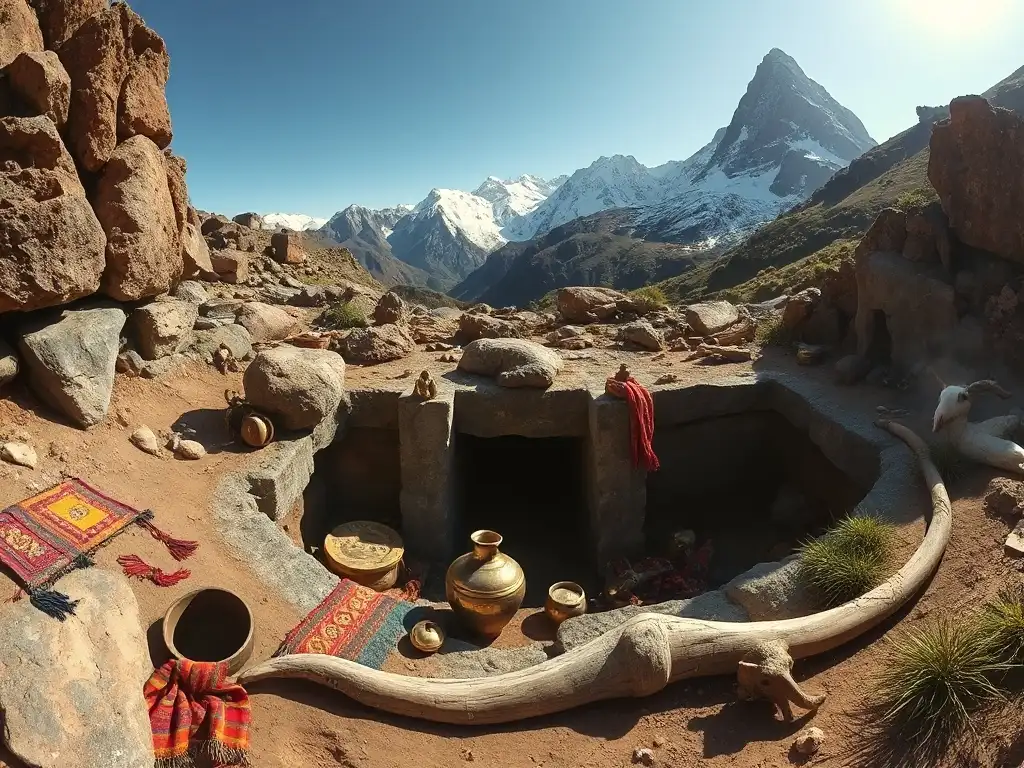
Unravel the mysteries shrouding the majestic Andes! Journey with us through the captivating legacies of the Incas, Moche, Nazca, and Tiahuanaco, where towering citadels whisper tales of advanced civilizations. But what secrets lie beneath the surface? Prepare to be astonished as we delve into the profound meaning behind Inca burial rituals, a window into their complex beliefs and a legacy that continues to resonate today. Discover how these practices shaped their world and what they reveal about their enduring spiritual connection to the mountains. Dare to explore further?
-
Inca Burial Practices: Unveiling the Meaning Behind the Rituals
- The Significance of Death in Inca Cosmology
- Preparing for the Afterlife: Inca Mummification Techniques
- Inca Mummification Process: Preserving the Body
- The Role of Offerings in Inca Burial Rituals
- Grave Goods and Their Symbolic Importance in Inca Burials
- Inca Burial Sites: From Simple Graves to Elaborate Tombs
- Royal Inca Burials: The Grandeur of the Elite
- The Burial of Emperor Pachacuti
- Regional Variations in Inca Burial Practices
- The Impact of Inca Beliefs on Burial Customs
- Inca Beliefs About the Soul and the Afterlife
- The Role of Supay in Inca Beliefs
- Inca Funeral Rites: Mourning and Remembrance
- Rituals Performed During Inca Funerals
- Inca Burial Rituals Meaning: Interpreting the Evidence
- What Inca Burial Sites Reveal About Their Society
- The Enduring Legacy of Inca Burial Traditions
- The Influence of Inca Burial Practices on Modern Andean Culture
- Frequently Asked Questions
- Final Reflection: Unearthing the Enduring Legacy of Inca Burial Practices
- Unveil the Secrets of the Inca: Take Your Journey Further!
Inca Burial Practices: Unveiling the Meaning Behind the Rituals
The Spanish conquest of the Inca Empire in the 16th century brought about a dramatic end to a civilization rich in intricate traditions and beliefs. Among the most fascinating aspects of Inca culture are their burial practices, which offer a captivating window into their complex cosmology and worldview. Understanding Inca burial rituals is crucial for comprehending their societal structure, religious beliefs, and the profound significance they placed on death and the afterlife.
This article delves into the intricacies of Inca burial practices, exploring the meaning behind these rituals and what they reveal about the Inca perception of death and the journey beyond. We will examine the elaborate preparations undertaken to ensure a successful transition to the afterlife, focusing on mummification techniques and the symbolic elements associated with these practices. This exploration will shed light on the deep-seated spiritual beliefs that shaped Inca society and their lasting legacy.
By analyzing the evidence left behind, we can begin to unravel the mysteries surrounding Inca burial rituals and gain a deeper appreciation for the richness and complexity of their culture. The keyword "Inca burial rituals meaning" will be explored in depth, unraveling the layers of symbolism and significance embedded within these practices.
The Significance of Death in Inca Cosmology
Inca cosmology viewed death not as an end but as a transition. Death wasn't simply the cessation of life; it was a passage to a different realm, a continuation of existence in a spiritual plane. The Inca believed in a complex afterlife, where the deceased continued to interact with the living world, albeit in a different form. This belief system profoundly influenced their burial practices.
The elaborate preparations for burial were not mere rituals; they were essential steps to ensure a smooth and successful transition for the deceased into the next world. The Inca worldview, deeply intertwined with nature and the cyclical rhythms of life and death, shaped their understanding of the afterlife and informed the meticulous nature of their burial rituals. Evidence suggests a strong connection between the deceased and the living, with offerings and communication continuing even after death.
This emphasizes the importance placed on maintaining a connection between the two worlds. The Inca believed that proper burial ensured the deceased's continued well-being and their continued participation in the community's spiritual life. This explains the significant investment of time and resources dedicated to these practices.
Preparing for the Afterlife: Inca Mummification Techniques
The Inca's meticulous approach to preserving the bodies of their elite reflects the importance they attached to the afterlife. Mummification wasn't solely a method of preservation; it was a sacred ritual, a process imbued with deep spiritual meaning. The goal was not simply to prevent decomposition but to ensure the body remained intact for the journey into the afterlife and to maintain a connection between the physical and spiritual realms.
The process involved a series of steps, starting with the careful removal of internal organs. This was followed by the application of various substances, including herbs and resins, to preserve the body and prevent decay.
The mummies were then dressed in fine clothing and adorned with jewelry and other precious artifacts, further reflecting their social status and the resources available to their families. The mummies were often placed in specially constructed tombs or niches, sometimes alongside offerings of food, drink, and other personal belongings.
The techniques used varied depending on the social status of the deceased, with the elite receiving far more elaborate treatments than commoners. This highlights the hierarchical structure of Inca society and the importance of maintaining social order even in the afterlife. Archaeological discoveries continue to reveal new insights into the sophistication of Inca mummification techniques and their underlying significance. The meticulous care taken in preparing the bodies speaks volumes about the Inca's profound beliefs regarding the afterlife and their enduring connection with their ancestors.
Inca Mummification Process: Preserving the Body
The Inca mummification process was a complex and time-consuming procedure, involving several stages. First, the body was carefully eviscerated, with internal organs removed and the body cavity cleansed. Then, the body was washed and treated with various natural substances, including herbs and resins, which acted as preservatives, slowing down the decomposition process. These substances varied depending on the availability of resources and the social status of the deceased.
Following this, the body was carefully dried, often through a process of sun-drying or air-drying. This process could take several weeks or even months, depending on the climate and the size of the body. Once the body was sufficiently dry, it was wrapped in layers of textiles, often fine fabrics and adorned with jewelry, signifying the individual's status and importance. Finally, the mummified body was placed in its final resting place, often within a tomb or a specially constructed niche, accompanied by grave goods that reflected the deceased's life and social standing.
The process involved skilled practitioners and demonstrates a sophisticated understanding of both anatomy and preservation techniques. The intricate nature of the process underscores the importance the Inca placed on preserving the physical form for the journey into the afterlife. The mummies themselves serve as powerful testaments to the Inca's deep reverence for their ancestors and their beliefs about the continuity of life beyond death.
The Role of Offerings in Inca Burial Rituals
Inca burial rituals were far from simple interments; they were elaborate ceremonies reflecting a complex cosmology and deeply held beliefs about the afterlife. A crucial element of these rituals was the inclusion of offerings, carefully selected items intended to provide the deceased with necessities and comforts in their journey to the next world.
These offerings weren't haphazardly chosen; they were meticulously curated to reflect the deceased's status, occupation, and personal preferences. For example, a high-ranking official might be buried with finely crafted gold and silver ornaments, luxurious textiles, and ceramics depicting important deities, while a commoner might receive simpler offerings of pottery, tools, and food.
The types of offerings also varied depending on the geographic location and specific cultural practices of the region. Coastal communities, for instance, might include dried fish and shellfish in their offerings, whereas those in the highlands might offer llama meat and potatoes.
Furthermore, the placement of these offerings within the grave held symbolic meaning. Objects placed near the head might represent intellectual or spiritual sustenance, while those placed near the feet could symbolize support for the journey ahead.
The sheer volume and variety of offerings, often including coca leaves, chicha (a fermented corn beverage), and even small figurines, testify to the Inca's profound belief in the continuity of life beyond death and their desire to ensure the deceased's well-being in the afterlife. The careful selection and placement of these offerings reveal much about Inca beliefs concerning the transition between the living and the dead and the continued importance of social status even in the next world.
Grave Goods and Their Symbolic Importance in Inca Burials
The grave goods accompanying Inca burials offer invaluable insights into their worldview and social structure. These weren't merely possessions; they were powerful symbols that reflected the deceased's identity and social standing within their community. The presence of specific artifacts could indicate the individual's profession, social status, or even their relationship to the Inca elite.
For instance, the discovery of intricately woven textiles, gold jewelry, or finely crafted pottery often points to a person of high social rank. Such items were not only valuable in their own right but also served as indicators of wealth and prestige, signifying the deceased's continued importance in the afterlife.
Furthermore, the inclusion of everyday objects, such as tools, agricultural implements, or food items, suggests a belief in the continuity of life beyond death, where the deceased would continue to engage in their daily activities. These everyday objects were not just practical items; they held symbolic significance, representing the deceased's connection to the living world and their continued participation in the community.
The study of grave goods, therefore, provides crucial information about Inca social organization, economic activities, and religious beliefs, helping us reconstruct a more complete picture of their lives and their understanding of the afterlife. Analyzing the type, quantity, and arrangement of grave goods allows researchers to create a detailed picture of the deceased's life, social status, and the beliefs of the Inca civilization regarding death and the afterlife.
Inca Burial Sites: From Simple Graves to Elaborate Tombs
Inca burial sites varied greatly in complexity and scale, reflecting the social status of the deceased and the cultural practices of the region. While some burials consisted of simple, shallow pits containing minimal grave goods, others were elaborate constructions that included intricate tombs, subterranean chambers, and even monumental structures. These variations highlight the social stratification within Inca society and the importance of ritual and ceremony in their burial practices.
The simplest burials, often found in rural areas, consisted of individuals interred in shallow pits or rock-cut cists, with a limited number of grave goods. These burials likely belonged to commoners.
In contrast, the elite members of Inca society were interred in far more elaborate settings. These sites often involved extensive preparations, including the construction of elaborate tombs, sometimes located within or near significant ceremonial centers.
The construction of these tombs, which could include intricate stonework, multiple chambers, and extensive offerings, required significant resources and labor, demonstrating the immense importance placed on the proper burial of the elite. Some of the most spectacular examples of elaborate Inca tombs have been found in royal sites, such as Pachacamac and Cusco, where the tombs of Inca rulers and other prominent figures were constructed with great care and detail.
The differences in burial practices underscore the importance of social hierarchy and the belief in a hierarchical afterlife mirroring the structure of Inca society. The scale and complexity of Inca burial sites serve as a testament to the importance of death rituals in Inca culture and their profound beliefs about the afterlife.
Royal Inca Burials: The Grandeur of the Elite
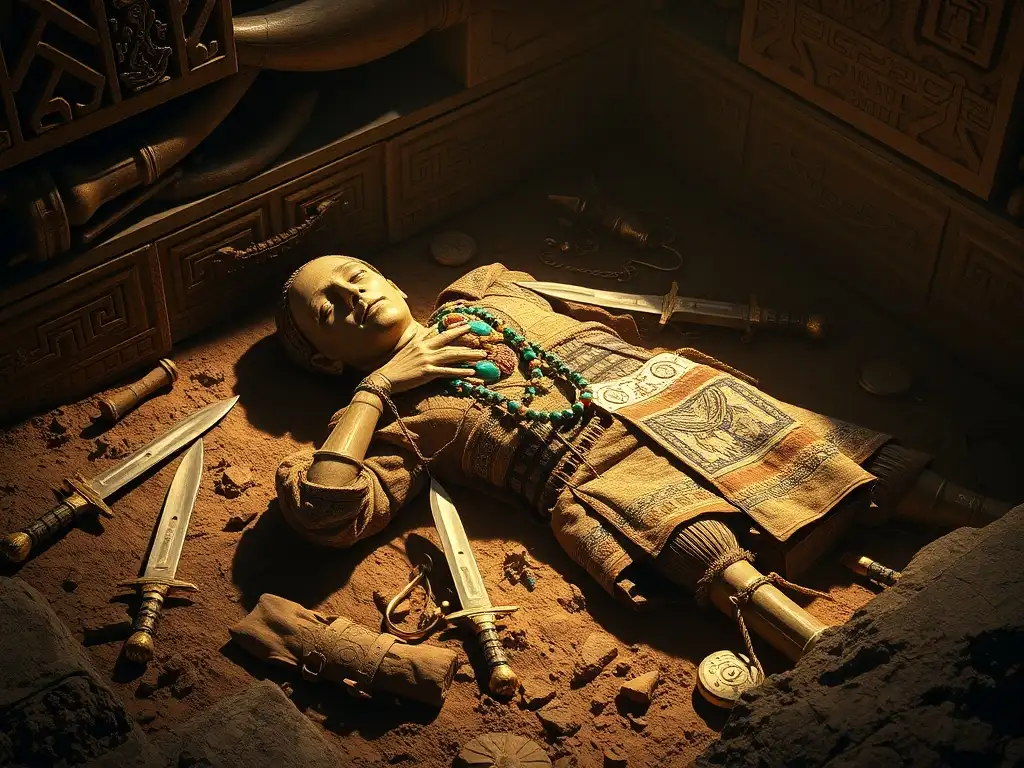
Royal Inca burials were elaborate affairs, reflecting the immense power and prestige of the Sapa Inca and his immediate family. Unlike the simpler interments of commoners, royal tombs were often located in carefully chosen, geographically significant locations, sometimes high in the Andes mountains or within carefully constructed mausoleums. These sites were not merely graves; they were carefully planned and executed displays of power, meant to reinforce the Inca's divine connection and authority.
The tombs themselves were richly furnished with a vast array of grave goods—gold and silver artifacts, finely woven textiles, ceramics, and intricately carved stone objects. These items were not simply buried with the deceased; they represented the deceased's status, power, and access to resources both in life and, believedly, in the afterlife. The sheer quantity and quality of the grave goods found in royal tombs provide invaluable insight into the Inca's sophisticated craftsmanship and their deeply held beliefs about the afterlife.
Archaeological evidence suggests that human sacrifice, while not universal, was sometimes practiced in conjunction with royal burials, with individuals—often children or young women—being interred alongside the elite to serve them in the next world. The scale and complexity of these rituals emphasize the importance placed on maintaining the power and lineage of the Inca rulers. 👑
The Burial of Emperor Pachacuti
The burial of Pachacuti, one of the most significant Inca emperors, remains shrouded in some mystery. While the exact location of his tomb is unknown, historical accounts and archaeological findings suggest a burial of extraordinary grandeur, befitting his role as the founder of the Inca Empire's expansion and consolidation of power.
Accounts from Spanish chroniclers, though often biased and lacking in precise detail, hint at a magnificent tomb filled with treasures and possibly accompanied by human sacrifice. The lack of a confirmed location reflects the effectiveness of Inca efforts to conceal the resting places of their rulers, protecting them from looting and desecration.
However, ongoing research and careful analysis of historical documents and archaeological data continue to shed light on the details of this historically significant burial, offering glimpses into the rituals and beliefs surrounding the death of this pivotal figure in Inca history. The search for Pachacuti's tomb continues to fascinate researchers and historians, and its discovery would undoubtedly provide crucial insights into Inca funerary practices and their worldview.
Regional Variations in Inca Burial Practices
While the Inca Empire imposed a degree of cultural uniformity, regional variations in burial practices existed. The standardized practices, such as mummification and the inclusion of grave goods, were adapted to local customs and available resources. For example, coastal regions might have utilized different materials for grave construction due to the availability of resources.
Similarly, the types of grave goods included varied according to regional traditions and the deceased's social status. While some regions might have favored elaborate mausoleums, others might have practiced simpler interment methods. This regional diversity in Inca burial practices reflects the empire's complex relationship with its conquered territories, acknowledging pre-existing traditions while simultaneously integrating Inca beliefs and practices.
Understanding these regional nuances allows for a more comprehensive understanding of the Inca Empire's complex social structure and the diverse beliefs and practices that shaped its culture. Further research is needed to fully document the extent of these regional variations, but existing archaeological evidence already highlights the rich tapestry of Inca burial practices across the vast Andean landscape. ⛰️
The Impact of Inca Beliefs on Burial Customs
Inca burial customs were deeply intertwined with their complex religious beliefs and worldview. The Inca believed in a powerful, interconnected cosmos, where the living and the dead coexisted in a dynamic relationship. This belief system significantly shaped their funerary practices, moving beyond simple interment to elaborate rituals that reflected their social hierarchy, religious convictions, and hopes for the afterlife.
The meticulous preparation of the deceased, the selection of burial sites, and the inclusion of grave goods all served to ensure a successful transition for the departed into the spirit world. The significance placed on these rituals highlights the importance the Inca attributed to honoring their ancestors and maintaining a harmonious balance between the realms of the living and the dead. Understanding the depth of these beliefs is key to deciphering the meaning behind the intricate rituals associated with Inca burials.
Variations in burial practices also reflected the social status of the deceased; elite members received far more elaborate treatments than commoners, underscoring the hierarchical structure of Inca society. The careful preservation of mummies, for instance, is a testament to the Inca's belief in the continued spiritual presence of the deceased within their community.
Inca Beliefs About the Soul and the Afterlife
The Inca conception of the soul and afterlife played a pivotal role in shaping their burial practices. They didn't believe in a singular, easily defined soul. Instead, their beliefs were nuanced, suggesting multiple aspects of a person's essence that survived death. One crucial element was the camac, often translated as "life force" or "vital essence," which was believed to persist after death.
This camac was not merely a ghostly apparition but a powerful force that could influence the living. Therefore, proper burial rituals were essential to ensure the camac remained benevolent and didn't cause harm to the community. The Inca also believed in the concept of huacas, sacred places or objects imbued with spiritual power. Burial sites were often chosen strategically near huacas, strengthening the connection between the deceased and the spiritual realm.
Furthermore, the inclusion of grave goods—ranging from everyday objects to precious artifacts—demonstrates the belief that the deceased would continue to need and use these items in the afterlife. The preparation of the body itself, often mummified and adorned with elaborate clothing and jewelry, further emphasizes the Inca's belief in the continued existence and importance of the deceased in the spiritual world. The meticulous nature of these preparations highlights the profound respect and reverence they held for their ancestors.
The Role of Supay in Inca Beliefs
Supay, the Inca god of the underworld, held a significant position in their religious beliefs and profoundly influenced their burial practices. Supay wasn't simply a malevolent deity; rather, he represented the power and mystery of the underworld, a realm both feared and respected. While often depicted as a fearsome figure, Supay also governed the cycle of life and death, highlighting the cyclical nature of existence within Inca cosmology.
The elaborate rituals surrounding death and burial can be interpreted as attempts to appease Supay and ensure a safe passage for the deceased into the underworld. The inclusion of certain grave goods, particularly those associated with protection or appeasement, might have been intended to ward off any negative influence from Supay. The selection of burial locations, often in remote or secluded areas, could also be viewed as an attempt to physically distance the deceased from the living world and place them under the dominion of Supay in a respectful manner.
The fear of Supay’s power, however, didn't overshadow the Inca's overall belief in the continuity of life beyond death. Instead, the rituals surrounding death served as a bridge between the living and the spiritual world, acknowledging Supay's role while striving to ensure a peaceful transition for the deceased. The careful balance between reverence and appeasement demonstrates the complexity of Inca religious beliefs and the importance of navigating the spiritual world cautiously.
Inca Funeral Rites: Mourning and Remembrance
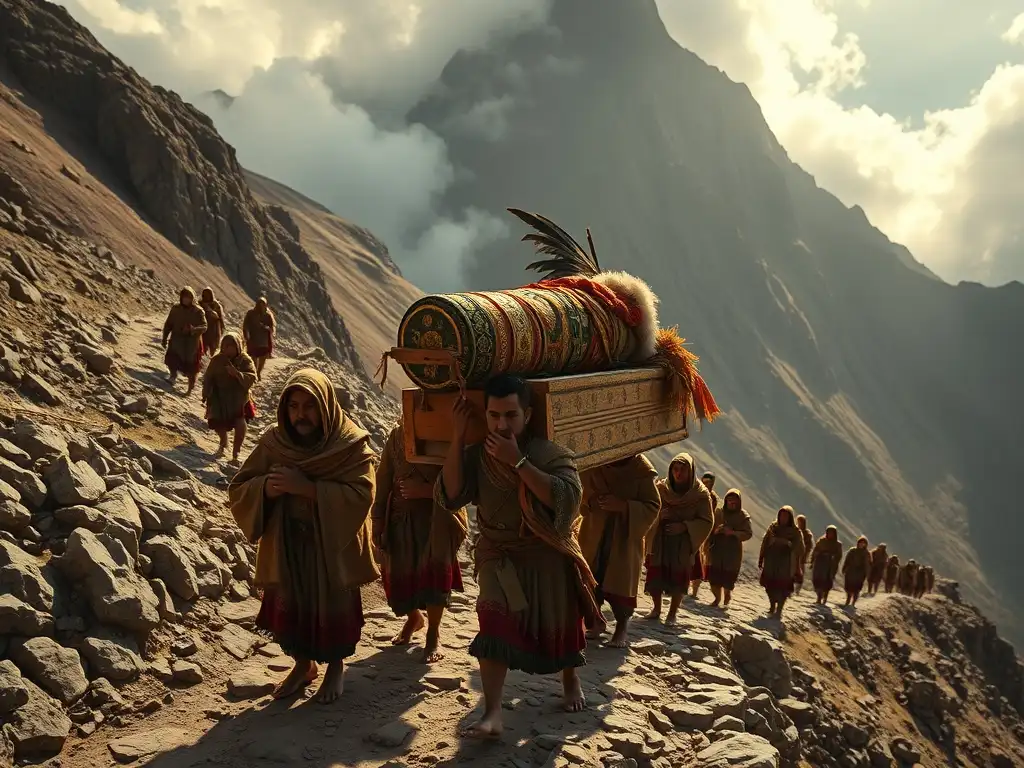
Inca funeral rites were deeply ingrained in their worldview, reflecting a profound respect for ancestors and a belief in the continuity of life after death. Mourning was a public and highly ritualized affair, involving elaborate displays of grief. Family members, particularly women, would wail and tear their clothing, expressing their sorrow openly and dramatically.
These displays weren't merely emotional outbursts; they were integral to the funerary process, signifying the profound loss and the community's shared grief. The intensity of the mourning period varied depending on the social standing of the deceased; the death of an emperor, for example, would trigger a national period of mourning, with significant societal disruption. The duration of mourning could last for several weeks or even months, impacting daily activities and social interactions.
The community played a vital role in supporting the bereaved family, offering comfort and assistance during this difficult time. It was a collective process, emphasizing the interconnectedness of life and death within Inca society. Furthermore, the mourning rituals served as a way to strengthen social bonds and reinforce the importance of kinship ties within the community.
Rituals Performed During Inca Funerals
Inca funeral rituals were complex and varied, influenced by the social status of the deceased and geographical location. For commoners, the body was typically mummified using a basic process, wrapped in textiles, and then interred in a simple grave, often within a family plot. However, for the elite, including royalty and high-ranking officials, the process was far more elaborate. The body underwent a sophisticated mummification process, often involving the removal of internal organs and the application of various preservatives.
The mummies were then adorned with fine clothing, jewelry, and other grave goods reflecting their status in life. These items, often including tools, food, and even coca leaves, were believed to accompany the deceased into the afterlife. Elaborate ceremonies accompanied the funeral procession, involving priests, musicians, and other members of the community. The deceased might be carried on a litter, accompanied by offerings of food and drink, and prayers recited for their safe passage into the next world.
The location of the burial also held significance. Royal mummies, for instance, were often interred in carefully constructed tombs, sometimes located high in the mountains, reflecting the sacred nature of these sites. Archaeological discoveries consistently reveal intricate details about the varied practices depending on the social strata.
Inca Burial Rituals Meaning: Interpreting the Evidence
Interpreting Inca burial rituals requires careful consideration of the archaeological evidence and the limited written records left behind by the Inca. The presence of grave goods, for example, offers valuable insights into the beliefs and values of the Inca. The inclusion of tools, food, and clothing suggests a belief in the continuation of life after death, with the deceased requiring these items to sustain themselves in the afterlife. The elaborate mummification process further underscores the importance of the body and the soul's connection to it.
The meticulous preservation of the body indicates a belief in the enduring presence of the deceased, maintaining a link between the living and the dead. The location of burial sites—whether in simple graves or elaborate tombs—also provides important clues. High-altitude burial sites, for instance, may signify a connection between the deceased and the sacred realm, reflecting a belief in the deceased's journey to a spiritual world.
Analyzing the arrangement of the bodies and the accompanying artifacts provides further insights into the social structure and religious beliefs of the Inca. While much remains unknown, the combination of archaeological findings and anthropological interpretations allows us to piece together a more complete understanding of the meaning behind Inca burial rituals, providing valuable insight into their "Inca burial rituals meaning" and cosmology. The careful study of these rituals continues to illuminate the rich tapestry of Inca culture and beliefs.
What Inca Burial Sites Reveal About Their Society
Inca burial sites offer a fascinating glimpse into the intricate social structures of this remarkable civilization. The sheer scale and complexity of some sites, like the Royal Tombs of Sipán, demonstrate the immense resources and manpower dedicated to these rituals. The careful placement of grave goods, varying in quantity and quality depending on the deceased's social standing, provides crucial insights into the hierarchical nature of Inca society. Elaborate tombs containing gold, silver, textiles, and ceramics were reserved for the elite, reflecting their privileged position and the power dynamics within the empire.
In contrast, simpler burials with fewer offerings suggest a less privileged social standing. Archaeological evidence consistently reveals a strong correlation between the richness of the grave goods and the social status of the individual interred. Analyzing the types of artifacts found – from intricately woven textiles to sophisticated weaponry – allows researchers to reconstruct aspects of daily life and the specialized skills of different social groups.
The diversity of artifacts also highlights the extensive trade networks that connected different parts of the Inca Empire, further enriching our understanding of their societal complexities. Furthermore, the location of burial sites themselves – often strategically positioned on mountaintops or near significant landmarks – suggests a deep connection between the Inca people and their environment, and the symbolic importance of these locations in their worldview. The study of Inca burial sites, therefore, offers a multi-faceted understanding of their social organization, economic activities, and spiritual beliefs.
The Enduring Legacy of Inca Burial Traditions
The legacy of Inca burial practices extends far beyond the collapse of the empire. While the Spanish conquest significantly disrupted many aspects of Inca culture, certain burial traditions persisted, albeit often transformed or adapted. Indigenous Andean communities continued to practice forms of ancestor veneration and ritual offerings, demonstrating the enduring significance of these practices.
Many contemporary Andean burial customs incorporate elements that can be traced back to pre-Columbian traditions, indicating a continuity of beliefs and practices. For example, the use of specific textiles, the inclusion of certain foods and objects in graves, and the performance of specific rituals at burial sites often echo earlier Inca practices. Moreover, the study of these evolving traditions reveals how indigenous populations negotiated and adapted their cultural heritage in the face of colonial pressures.
The persistence of certain aspects of Inca burial rituals underscores the deep-rooted nature of these beliefs and their importance in shaping Andean cultural identity through generations. Understanding this enduring legacy is crucial for appreciating the richness and continuity of Andean cultural heritage and for acknowledging the resilience of indigenous communities in preserving their traditions. The ongoing research into contemporary Andean burial practices sheds light on the dynamic interplay between tradition and adaptation, allowing for a more nuanced understanding of the cultural impact of Inca heritage.
The Influence of Inca Burial Practices on Modern Andean Culture
Inca burial practices continue to exert a profound influence on modern Andean culture, impacting various aspects of life, from religious beliefs to artistic expression. Many contemporary Andean communities still incorporate elements of ancestor veneration in their daily lives and religious practices. The veneration of apus (mountain spirits) and the belief in the power of ancestral spirits remain prevalent, reflecting the continuity of pre-Columbian cosmological views.
Moreover, traditional Andean art forms frequently draw inspiration from Inca iconography and burial motifs, illustrating the lasting aesthetic impact of these practices. Textile designs, ceramic patterns, and even contemporary artistic works often incorporate elements reminiscent of Inca burial rituals and grave goods. Furthermore, the tourism industry in the Andes has capitalized on the archaeological significance of Inca burial sites, promoting their preservation and contributing to the economic development of local communities.
This economic impact, in turn, reinforces the cultural importance of Inca heritage, creating a symbiotic relationship between tourism, cultural preservation, and local economies. The ongoing research and excavation of Inca burial sites also contribute to a deeper understanding and appreciation of Andean history and cultural heritage, fostering a sense of national and regional identity. In essence, Inca burial practices are not merely historical artifacts; they represent a living cultural heritage that continues to shape the beliefs, practices, and identities of modern Andean communities.
Frequently Asked Questions
What was the significance of Inca burial rituals?
Inca burial rituals were deeply symbolic, reflecting their complex beliefs about the afterlife and the relationship between the living and the dead. Elaborate ceremonies and offerings accompanied burials, demonstrating the importance of honoring ancestors.
Burial practices varied greatly depending on social standing. Elites received elaborate burials with rich grave goods, while commoners were often buried more simply. Mummification was more common for the elite.
What role did mummification play in Inca burial rituals?
Mummification was a crucial aspect, allowing the deceased to remain present within the community. Royal mummies were often treated as living members of the family, participating in festivals and ceremonies. This shows the importance of ancestors.
What kinds of grave goods were commonly found in Inca burials?
Grave goods varied by social status, but common items included textiles, pottery, tools, and food. Elaborate gold and silver objects were often found in elite burials, reflecting their wealth and status. These items were crucial for the afterlife journey.
What can Inca burial rituals tell us about their worldview?
Inca burial practices reveal a worldview deeply connected to ancestor veneration and a cyclical understanding of life and death. The elaborate rituals highlight the importance of maintaining strong ties between the living and the dead, impacting their social structure.
Final Reflection: Unearthing the Enduring Legacy of Inca Burial Practices
The intricate rituals surrounding Inca burials weren't merely funerary rites; they were a powerful testament to their deeply held cosmological beliefs, a legacy that continues to resonate in our understanding of death and the afterlife today. These practices, meticulously planned and executed, offer a window into a sophisticated worldview that prioritized community, ancestor veneration, and a profound connection with the natural world. Understanding these rituals provides a crucial lens through which to interpret the Inca civilization's enduring impact on South America and beyond.
The meticulous nature of Inca burial practices, from the elaborate mummification processes to the carefully selected grave goods, speaks volumes about the Inca's reverence for their ancestors and their belief in the continuity of life beyond death. This profound respect for the deceased continues to influence modern perspectives on death and remembrance. The dead were not merely gone; they were transformed, continuing to participate in the life of the community.
This quote encapsulates the essence of the Inca worldview and highlights the enduring relevance of their burial rituals in shaping our understanding of death and its cultural significance.
Consider, for a moment, the implications of these practices. How do the Inca's beliefs challenge our own contemporary perspectives on mortality? What can we learn from their emphasis on community and the cyclical nature of life and death? I urge you to reflect on the profound connection between belief systems and funerary practices, and to consider how your own understanding of death and the afterlife might be enriched by exploring the rich tapestry of Inca culture. Let the legacy of the Inca inspire you to contemplate your own mortality and the enduring power of cultural traditions.
Unveil the Secrets of the Inca: Take Your Journey Further!
Thank you for exploring the fascinating world of Inca burial practices! You've discovered how these rituals reflect profound beliefs about life, death, and the cosmos. Now, let's continue your journey of discovery!
Here are some ways to deepen your understanding and connect with Andean culture:
- Explore Further: Visit a local museum showcasing Andean artifacts or exhibitions on Inca civilization. Hands-on experiences can significantly enhance your appreciation for their rich history.
- Join the Discussion: Share your thoughts and insights about Inca beliefs in our online community forum. Connect with fellow enthusiasts and exchange perspectives.
- Dive Deeper: Read related articles and books on Andean civilization to expand your knowledge. The secrets of the Andes are vast—your exploration is just beginning!
What aspect of Inca beliefs resonates most with you? Share your thoughts below!