
The Siege of Cusco: A Desperate Struggle for Survival Against All Odds

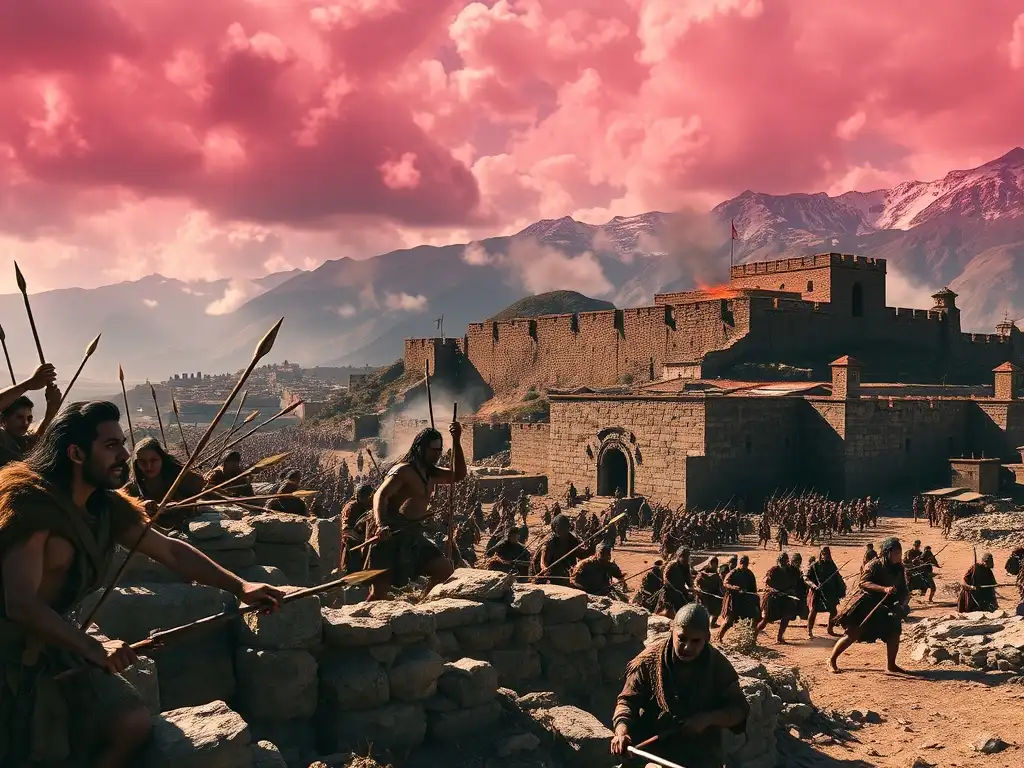
Step into a world lost to time, a world of towering peaks and breathtaking ingenuity. The Andean Civilizations website unveils the secrets of empires that thrived amidst the Andes Mountains. But their story isn't just one of magnificent achievements; it's also a chronicle of dramatic struggles. Prepare to be captivated by the intensity of the Inca Siege of Cusco in 1536, a desperate fight for survival that dramatically shifted the course of history. Dare to delve deeper into this pivotal moment, and uncover the incredible resilience and legacy of these ancient peoples.
-
The Inca Siege of Cusco 1536: A Desperate Struggle for Survival
- The Context: Spanish Arrival and Inca Discontent
- Manco Inca's Rebellion: Seeds of the Siege
- The Initial Stages of the Siege of Cusco
- Inca Military Strategies During the Siege
- The Spanish Defense of Cusco
- The Brutal Reality of the Siege
- Key Battles and Turning Points of the Cusco Siege
- The End of the Inca Siege of Cusco
- The Lasting Legacy of the Siege of Cusco
- Lessons from the Inca Siege of Cusco 1536
- Frequently Asked Questions
- Final Reflection: Echoes of Resistance in the Andes
- **Unveil Your Heroic Legacy! **
The Inca Siege of Cusco 1536: A Desperate Struggle for Survival
The conquest of the Inca Empire by the Spanish conquistadors was not a swift, decisive victory. Rather, it was a brutal and protracted conflict marked by rebellion, resilience, and ultimately, the tragic downfall of a once-mighty civilization.
This article delves into a pivotal moment in this struggle: the Siege of Cusco in 1536, a desperate attempt by the Inca to reclaim their capital and throw off the yoke of Spanish rule. We will examine the events leading up to the siege, the strategies employed by both sides, and the lasting consequences of this critical battle, offering a nuanced understanding of the Inca resistance and the complexities of the Spanish conquest.
Understanding the Siege of Cusco provides crucial insight into the Inca's fighting spirit, their sophisticated military tactics, and the devastating impact of disease and internal conflict on their ability to resist the technologically superior Spanish forces. This event, often overshadowed by the initial conquest, reveals a vital chapter in the story of the Inca Empire's final stand, solidifying its place as a testament to the resilience and determination of a people fighting for their survival against insurmountable odds.
The Context: Spanish Arrival and Inca Discontent
The arrival of Francisco Pizarro and his conquistadors in 1532 marked a turning point in Inca history. While initially welcomed as potential allies, the Spanish quickly revealed their true intentions: conquest and plunder. The Inca Empire, already weakened by internal strife following the civil war between Huáscar and Atahualpa, was ill-prepared for such a technologically advanced and ruthless enemy. The Spanish, armed with superior weaponry (guns, cannons, steel swords) and aided by horses, swiftly overwhelmed the Inca army, capturing and executing Atahualpa, the reigning emperor.
This act ignited widespread discontent amongst the Inca population. The imposition of a puppet emperor, Manco Inca Yupanqui, a brother of Atahualpa, further fueled resentment. The Spanish's heavy-handed rule, coupled with the devastating impact of European diseases (smallpox, measles, influenza) that decimated the indigenous population, created a climate ripe for rebellion.
The seeds of the Siege of Cusco were sown in this atmosphere of oppression, betrayal, and widespread suffering. The Inca people, witnessing the destruction of their culture and the systematic dismantling of their empire, were driven to desperate measures to reclaim their homeland and their heritage. The initial years following the conquest were marked by subtle acts of defiance and growing unrest, culminating in the full-scale rebellion led by Manco Inca.
Manco Inca's Rebellion: Seeds of the Siege
Following a period of uneasy co-existence, Manco Inca, initially installed as a puppet emperor by the Spanish, orchestrated a carefully planned rebellion. He cleverly bided his time, consolidating his power and gathering support amongst the Inca nobility and commoners who had grown increasingly disillusioned with Spanish rule. The rebellion, which erupted in 1536, wasn't a spontaneous uprising but a meticulously organized campaign aimed at reclaiming Cusco, the heart of the Inca Empire.
Manco Inca’s forces, composed of thousands of Inca warriors, besieged Cusco for months, engaging in fierce battles with the Spanish and their indigenous allies. The siege vividly showcased the Inca's military prowess and their determination to defend their ancestral lands. Their sophisticated siege tactics, including the use of slings, arrows, and other traditional weapons, presented a formidable challenge to the Spanish, who were outnumbered but held a decisive advantage in terms of weaponry.
The siege highlighted not only the Inca's military capabilities but also their deep-seated resistance to Spanish domination. The prolonged struggle, despite its ultimate failure, serves as a powerful symbol of the Inca's unwavering fight for freedom and independence. The siege of Cusco remains a significant event in the history of the Inca Empire, a testament to their bravery and resilience in the face of overwhelming odds.
The Initial Stages of the Siege of Cusco
The Inca siege of Cusco in 1536, a pivotal moment in the Spanish conquest, began with a desperate attempt by Manco Inca Yupanqui, the last legitimate Sapa Inca, to reclaim his ancestral capital. Following his initial alliance with the Spanish conquistadors, a complex web of betrayal and shifting alliances led to open warfare. The siege didn't commence as a grand, coordinated assault.
Instead, it unfolded gradually, marked by skirmishes and ambushes around the city. Manco Inca, initially relying on a smaller, but highly motivated force, focused on harassing the Spanish and cutting off their supply lines. The initial phase saw a chaotic mix of guerilla warfare – hit-and-run attacks from the surrounding hills – and attempts to isolate the Spanish within the city walls.
This period was characterized by a high level of uncertainty for both sides, with the Spanish initially underestimating the Incas' resilience and determination. The initial successes of the Inca forces in disrupting Spanish operations bolstered their morale and signaled the beginning of a protracted conflict. This early stage set the stage for the more organized and sustained siege that would follow.
Inca Military Strategies During the Siege
The Inca siege of Cusco wasn’t a simple frontal assault. Manco Inca Yupanqui displayed a remarkable understanding of siege warfare, adapting his strategies to counter the Spanish advantages in weaponry and fortifications. His approach showcased a sophisticated grasp of military tactics, relying heavily on knowledge of the terrain and leveraging the Inca's familiarity with the region. The siege encompassed a multi-pronged approach, combining traditional Inca warfare techniques with innovative adaptations designed to overcome the Spanish conquistadors' superior firepower.
The Incas understood the importance of attrition, aiming to wear down the Spanish through prolonged conflict, hoping to exploit their vulnerability to disease and dwindling supplies. This strategy was crucial, given the Incas' limited access to firearms and other advanced weaponry. The siege became a test of endurance, a battle of wills as much as a clash of arms.
Inca Forces and Their Tactics
Manco Inca commanded a diverse force during the siege, comprised of various Inca groups and potentially allied indigenous communities. While exact numbers remain debated among historians, it's clear that the Inca army was significantly larger than the Spanish garrison. Their strength lay not just in sheer numbers but also in their familiarity with the challenging Andean terrain.
Inca warriors were highly disciplined and skilled in close-quarters combat, using slings, clubs, and spears effectively. They employed guerilla tactics, utilizing the city's topography to their advantage, launching surprise attacks from hidden positions and then quickly retreating to avoid the Spanish artillery. Their knowledge of the local environment proved invaluable, allowing them to utilize cover and concealment effectively.
The Incas' mastery of guerilla warfare proved to be a significant challenge for the Spanish, who struggled to adapt to their unconventional tactics and the sheer number of attacks they faced. The effectiveness of these tactics is evidenced by the prolonged nature of the siege itself.
The Use of Fortifications and Natural Barriers
The Inca siege of Cusco masterfully exploited the city's natural defenses and existing fortifications. The location of Cusco, nestled in a valley surrounded by mountains, provided natural barriers that the Incas utilized to their advantage. They fortified existing structures, creating choke points and defensive positions that slowed the Spanish advance and hampered their movements.
The Incas used the surrounding hills and mountains to establish vantage points, from where they could observe Spanish movements and launch attacks. The strategic placement of their forces, combined with their knowledge of the terrain, allowed them to effectively control access to the city and limit the Spanish's ability to resupply or reinforce their position. This combination of natural and man-made fortifications significantly extended the siege and increased the difficulties faced by the Spanish conquistadors.
The effective use of these fortifications highlights the Incas' military acumen and their ability to adapt to the challenges of siege warfare against a technologically superior opponent. The ingenuity demonstrated in this aspect of the siege remains a testament to the Incas' military capabilities.
The Spanish Defense of Cusco
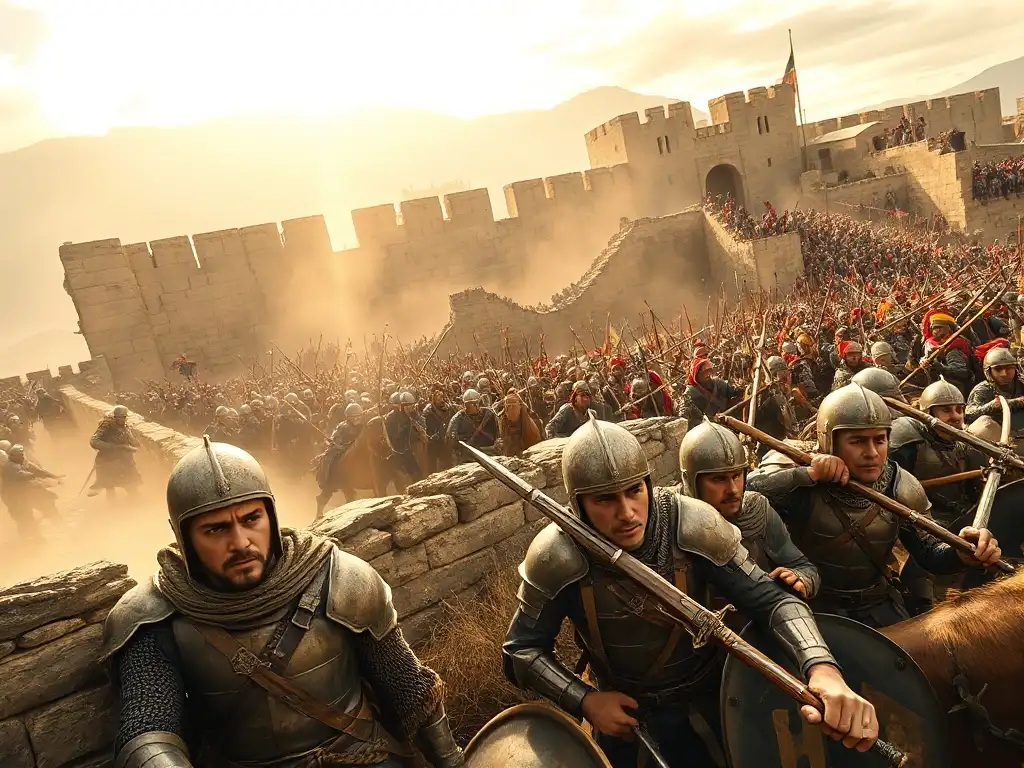
The Spanish defense of Cusco during the 1536 siege was a remarkable feat of resilience, given their significant numerical disadvantage. Facing a vastly superior Inca army, the conquistadors, led by a severely weakened Hernán Pizarro (brother of Francisco Pizarro), employed a combination of strategic fortifications and brutal tactics to withstand the relentless attacks. The city's stone architecture, built by the Inca themselves, proved surprisingly advantageous, providing strong defensive positions.
The Spanish utilized the existing Inca infrastructure, adapting it to their needs, transforming palaces and temples into fortified strongholds. They were able to effectively channel the Inca attacks into narrow passages and choke points, maximizing the impact of their superior weaponry. The Spanish also cleverly used the terrain to their advantage, exploiting natural obstacles to bolster their defenses.
The sheer determination and fighting spirit of the Spanish soldiers, fueled by the desire to protect their hard-won gains, was a critical factor in their survival. The siege highlighted the unexpected strengths of the Spanish military strategy in the face of overwhelming odds.
Spanish Military Tactics and Advantages
The Spanish military tactics during the siege of Cusco relied heavily on their superior weaponry. Canons, muskets, and crossbows inflicted heavy casualties on the Inca army, which largely lacked effective countermeasures. Their cavalry, though limited in number, proved highly effective in disrupting Inca formations and flanking maneuvers.
The Spanish also made effective use of their defensive positions, leveraging the city's stone architecture to create strongpoints that were difficult to assault. Their ability to coordinate their defense, despite internal disputes and dwindling supplies, showcased their organizational capabilities. A crucial advantage was the use of indigenous allies.
These allies, though not always entirely reliable, provided vital support in terms of manpower and knowledge of the local terrain. The Spanish understood the power of psychological warfare, employing tactics designed to demoralize the Inca forces, such as the effective use of their superior weaponry to inflict maximum casualties. This psychological impact, combined with their strategic and tactical advantages, contributed to their ability to withstand the siege.
The Role of Indigenous Allies
The role of indigenous allies in the Spanish defense of Cusco was complex and multifaceted. While some groups actively supported the Spanish, others remained neutral or even secretly aided the Inca. The motivations of these allies were varied, ranging from personal ambition and the desire for power to genuine fear of Inca retribution.
The Spanish were able to exploit existing rivalries between different indigenous groups to bolster their own forces. They promised rewards, land, and power to those who helped them, effectively turning the Inca's own internal conflicts against them. However, this alliance was often fragile and unreliable.
Indigenous allies frequently deserted, switched sides, or failed to deliver on promises of support, adding another layer of uncertainty to the already precarious situation of the Spanish. Their effectiveness varied greatly depending on the specific group and their level of commitment to the Spanish cause. The use of indigenous allies, while crucial to the Spanish survival, highlighted the complexities of inter-ethnic relations during the conquest.
The Brutal Reality of the Siege
The siege of Cusco in 1536 was a brutal and bloody affair. Both sides inflicted immense suffering, and the city itself became a battleground ravaged by violence and destruction. The Inca army relentlessly attacked the Spanish positions, employing siege warfare tactics that included attempts to breach the city walls and cut off supply lines. The Spanish, in turn, employed equally brutal methods to defend themselves, using their superior weaponry to inflict heavy casualties on the Inca. The fighting was characterized by close-quarters combat, resulting in significant losses on both sides. The city's population suffered immensely, caught between the warring factions. Accounts from the time describe widespread destruction, looting, and violence against civilians. The siege represents a harrowing example of the brutality and bloodshed that characterized the Spanish conquest of the Inca Empire. The human cost of this conflict was enormous, leaving a lasting scar on the land and its people.
The Impact on the Civilian Population
The civilian population of Cusco suffered immensely during the siege of 1536. Caught in the crossfire between the Spanish and the Inca, they endured widespread suffering, including starvation, disease, and violence. Many civilians perished as a result of the fighting, while others were forced to flee their homes seeking safety. The Inca siege led to shortages of food and essential supplies, causing widespread famine and disease within the city.
The Spanish, in their efforts to defend the city, also contributed to the suffering of the civilian population. Their actions, including the requisition of food and resources, further exacerbated the existing shortages. The siege represents a tragic example of how civilian populations are often the most vulnerable during armed conflicts. The long-term consequences of the siege on the social fabric and economic stability of Cusco were severe and far-reaching.
Shortages of Supplies and Resources
The Spanish in Cusco faced severe shortages of supplies and resources during the siege of 1536. Their initial stockpile of food, ammunition, and other essentials dwindled rapidly as the siege dragged on. The Inca blockade effectively cut off their access to external supplies, forcing them to rely on dwindling resources within the city. The situation was further complicated by internal conflicts and disagreements among the Spanish themselves, hindering their ability to effectively manage their remaining resources.
The lack of food led to widespread starvation and disease among the Spanish soldiers and the civilian population. Ammunition shortages forced them to ration their use of gunpowder, limiting their ability to effectively defend against Inca attacks. The shortages of essential supplies significantly weakened the Spanish defense, adding to the desperation of their situation. The siege highlighted the critical importance of logistics and supply lines in military campaigns.
Key Battles and Turning Points of the Cusco Siege
The Inca siege of Cusco in 1536 wasn't a single, monolithic event but a series of skirmishes and larger battles, each shaping the overall conflict. The Incas, under the leadership of Manco Inca Yupanqui, employed guerilla tactics, exploiting their intimate knowledge of the Andean terrain to harass the Spanish forces. Their superior numbers were offset by the Spanish's superior weaponry, particularly firearms and cavalry.
The siege wasn't a continuous, all-out assault on the city walls, but rather a fluctuating conflict characterized by periods of intense fighting interspersed with periods of relative calm. The Spanish, initially entrenched within Cusco, found themselves constantly under pressure, their supply lines vulnerable to Inca raids. The outcome of the siege hinged on a series of crucial battles, which determined the ultimate fate of both sides.
These battles showcased the contrasting strengths and weaknesses of both the Inca and Spanish armies, highlighting the ingenuity and desperation of the Inca resistance against a seemingly insurmountable foe. The fluctuating nature of the conflict underscores the complexity of the siege, a far cry from a simple narrative of Spanish dominance.
The Battle of Sacsayhuaman
The Battle of Sacsayhuaman, fought near the imposing fortress overlooking Cusco, stands out as one of the most significant clashes during the siege. This battle, [specific date pending], saw a massive Inca army attempt to overwhelm the Spanish forces positioned within the fortress. The Incas utilized their traditional weaponry—spears, slings, and clubs—in a coordinated assault, attempting to exploit any weaknesses in the Spanish defenses.
However, the Spanish cannons and muskets proved devastatingly effective, inflicting heavy casualties on the attacking Inca warriors. While the Incas displayed remarkable courage and tenacity, their lack of effective countermeasures against firearms ultimately contributed to their defeat at Sacsayhuaman. This battle, although a Spanish victory, was far from decisive, and the Incas continued their siege efforts with undiminished ferocity.
The strategic importance of Sacsayhuaman, its commanding position overlooking Cusco, made this battle a crucial turning point, setting the stage for the subsequent conflicts. The sheer scale of the Inca army and their determined assault underscore the magnitude of the challenge faced by the Spanish conquistadors.
The Battle of Ollantaytambo
The Battle of Ollantaytambo, fought some distance from Cusco, [specific date pending], presented a different tactical scenario. Here, the Incas, having been forced to retreat from Cusco after significant losses, made a determined stand in the strategically important Ollantaytambo fortress. This battle showcased the Incas' ability to adapt their tactics, utilizing the natural terrain to their advantage.
The Ollantaytambo fortress, with its intricate network of terraces and defensive structures, provided a formidable defense against the Spanish advance. The battle was protracted and fiercely contested, with both sides suffering significant casualties. [Specific details regarding casualties and tactical maneuvers pending].
Ultimately, the superior Spanish weaponry, particularly their cannons, proved decisive, leading to an Inca defeat. The battle marked a significant blow to Inca resistance, diminishing their ability to directly threaten Cusco. The strategic significance of Ollantaytambo lay in its control over vital routes and resources, making its loss a crucial turning point in the siege.
The End of the Inca Siege of Cusco
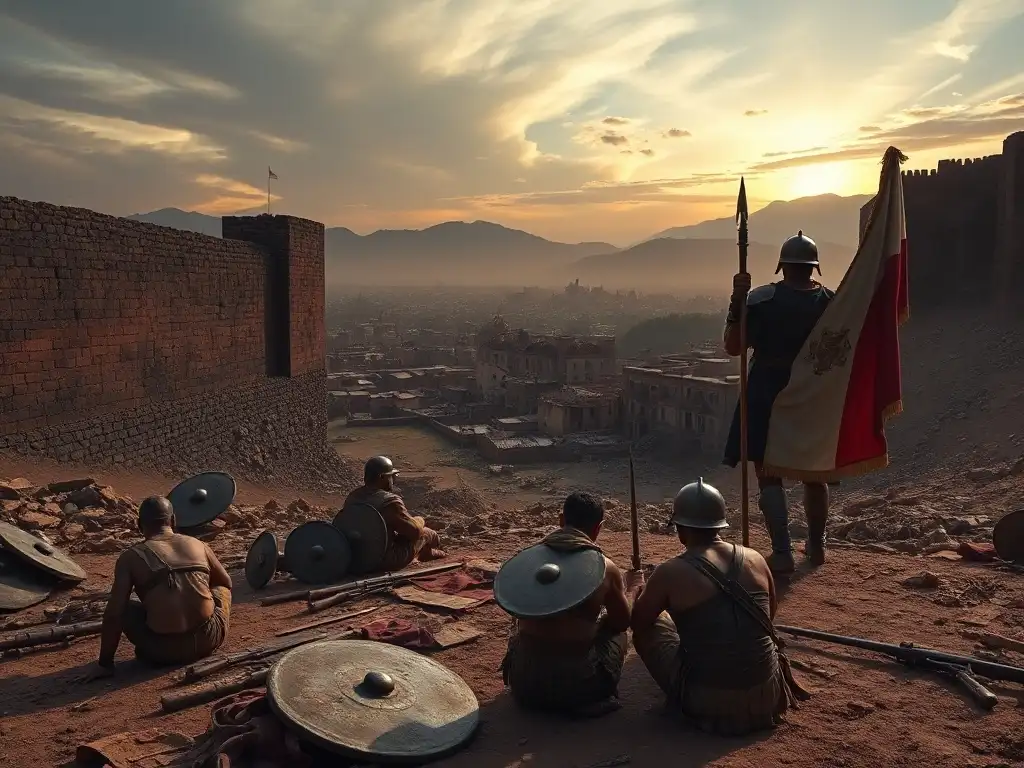
The Inca siege of Cusco, a testament to the Incas' resilience and determination, eventually came to an end, not through a final decisive battle, but through a combination of factors that gradually eroded Inca capabilities. The prolonged struggle, coupled with the devastating losses suffered in key battles like Sacsayhuaman and Ollantaytambo, significantly weakened the Inca forces. The Spanish, while facing considerable challenges, managed to maintain their hold on Cusco, securing vital supplies and reinforcements.
The siege was not a singular event but a prolonged campaign of attrition, gradually weakening the Inca forces and ultimately leading to their withdrawal. The end of the siege didn't signify a swift and decisive victory for the Spanish, but rather a gradual erosion of Inca power.
Reasons for the Inca Withdrawal
Several factors contributed to the Inca decision to withdraw from the siege of Cusco. The relentless Spanish counter-offensives, coupled with significant losses in key battles, severely depleted the Inca army's strength and morale. The constant pressure on their supply lines and the difficulty of sustaining a prolonged siege in the face of superior weaponry also played a crucial role.
Furthermore, [information on internal Inca political divisions and potential conflicts during the siege pending] might have also contributed to the decision to withdraw. The strategic recalculation by Manco Inca Yupanqui, recognizing the unsustainable nature of the siege given the circumstances, ultimately led to the decision to withdraw and adopt a different strategy for resistance. The withdrawal was not a sign of defeat, but rather a tactical retreat to regroup and continue the fight elsewhere.
The Aftermath and Consequences
The end of the siege of Cusco marked a significant turning point in the Spanish conquest of the Inca Empire. While the Incas managed to inflict considerable damage and losses on the Spanish, the siege's failure signaled a shift in the balance of power. The Spanish maintained their control over Cusco, the Inca capital, solidifying their foothold in the region.
The aftermath saw the Incas adopting a more decentralized resistance strategy, engaging in guerilla warfare and utilizing the Andean terrain to their advantage. [Specific details on the long-term consequences of the siege on Inca society and the Spanish conquest pending].
The siege of Cusco, though ultimately unsuccessful for the Inca, demonstrated their remarkable resilience and capacity for resistance, a testament to their military prowess and determination in the face of overwhelming odds. The legacy of this desperate struggle continues to shape our understanding of the Inca Empire's fall and the complexities of the Spanish conquest.
The Lasting Legacy of the Siege of Cusco
The Siege of Cusco in 1536, though ultimately unsuccessful in preventing the Spanish conquest, left an indelible mark on the history of the Inca Empire and the broader Andean region. Its impact resonates even today, shaping our understanding of Inca resilience, Spanish brutality, and the complexities of colonial encounters.
The siege wasn't just a military event; it was a crucible that forged a narrative of resistance and defiance against overwhelming odds. The desperate struggle of the Inca forces, despite their ultimate defeat, became a symbol of their unwavering spirit and a testament to their sophisticated military organization, even in the face of superior weaponry and tactics.
The stories passed down through generations, both Inca and Spanish accounts, continue to inform our perspectives on this pivotal moment in Andean history. The siege's legacy is not merely one of military defeat, but also one of cultural survival and the enduring strength of Inca identity in the face of colonial oppression.
The Impact on the Inca Resistance
The Siege of Cusco profoundly impacted the Inca resistance movement. While Manco Inca Yupanqui's initial strategy of guerilla warfare proved effective in inflicting casualties on the Spanish, the siege revealed the limitations of this approach against a well-fortified city. The siege's failure demonstrated the need for a more comprehensive and coordinated strategy, highlighting the difficulties faced by the Inca in overcoming the Spanish advantage in weaponry and military tactics.
The loss of Cusco, the symbolic heart of the Inca Empire, dealt a crushing blow to morale and organization. It scattered the resistance, leading to the fragmentation of Inca forces and hindering their ability to mount a unified challenge to Spanish authority.
The siege, therefore, marked a turning point, shifting the focus of Inca resistance from large-scale confrontations to smaller-scale guerrilla tactics and protracted warfare. The experience of Cusco's siege became a harsh lesson, shaping the subsequent strategies employed by the Inca in their long and arduous struggle against Spanish domination.
The Significance in the Spanish Conquest of Peru
The Siege of Cusco holds immense significance in the broader context of the Spanish conquest of Peru. While the Spanish ultimately prevailed, the siege demonstrated the tenacity and organizational capabilities of the Inca resistance. It highlights that the Spanish conquest was not a swift and easy victory, but a protracted and brutal struggle against a formidable opponent.
The siege exposed the vulnerabilities of the Spanish, revealing their dependence on alliances with indigenous groups and highlighting the logistical challenges inherent in controlling a vast and diverse territory. The prolonged resistance during the siege contributed to the significant loss of Spanish lives and resources, delaying the complete subjugation of the Inca Empire.
Understanding the siege, therefore, provides crucial context for comprehending the overall dynamics of the conquest, revealing it not as a simple narrative of superior power but a complex interplay of military tactics, political maneuvering, and internal conflicts within both the Inca and Spanish forces. The siege's outcome significantly shaped the trajectory of the conquest, influencing the subsequent strategies and policies employed by the Spanish in their efforts to consolidate their control over Peru.
Lessons from the Inca Siege of Cusco 1536
The Siege of Cusco offers invaluable insights into various aspects of warfare and imperial control, providing lessons relevant even today. Analyzing the events of the siege allows us to understand the importance of strategic planning, logistical support, and the impact of internal divisions on the success or failure of military campaigns. The siege serves as a stark reminder of the consequences of underestimating an opponent, no matter how seemingly disadvantaged.
The Importance of Logistics in Warfare
The Siege of Cusco underscores the crucial role of logistics in warfare. The Inca forces, despite their valiant efforts, struggled to maintain adequate supplies and reinforcements during the siege. This logistical deficiency significantly hampered their ability to sustain a prolonged campaign against the better-supplied Spanish forces. The Spanish, on the other hand, benefited from their superior access to resources and their established supply lines, allowing them to withstand the siege and ultimately prevail.
The siege serves as a powerful illustration of how even the most skilled and courageous warriors can be defeated by a lack of adequate logistical support. This lesson emphasizes the importance of careful planning, efficient resource management, and secure supply lines in any military operation, regardless of the era or context. Effective logistics are not merely a supporting element; they are a fundamental pillar of success in warfare.
The Impact of Internal Divisions on Resistance
The Inca Siege of Cusco also vividly illustrates the devastating impact of internal divisions on a resistance movement. The Inca Empire, even before the Spanish arrival, was not immune to internal conflicts and power struggles. These existing tensions were exacerbated by the Spanish conquest, leading to factionalism and weakening the overall resistance effort.
Different Inca factions pursued divergent strategies, sometimes openly clashing with each other, thereby undermining their collective strength and hindering their ability to present a united front against the Spanish. The lack of cohesive leadership and the presence of internal rivalries significantly weakened the Inca resistance, allowing the Spanish to exploit these divisions to their advantage.
The siege of Cusco highlights how internal discord can be as destructive as an external enemy, demonstrating the critical importance of unity and cohesion in any struggle for liberation or self-determination. The lesson learned is clear: a divided resistance is a weakened resistance, easily exploited by a more unified and focused opponent.
Frequently Asked Questions
What was the Inca Siege of Cusco in 1536?
The Inca Siege of Cusco (1536) was a desperate attempt by Manco Inca Yupanqui and his followers to reclaim Cusco, the former Inca capital, from the Spanish conquistadors who had recently seized it. It was a pivotal moment in the Spanish conquest of the Inca Empire.
How long did the Siege of Cusco last?
The siege lasted for several months, from May to December 1536, demonstrating the Inca's resilience and determination to resist the Spanish. The exact duration is debated by historians.
Who were the main participants in the Siege of Cusco?
The main participants were Manco Inca Yupanqui leading the Inca forces, against Francisco Pizarro and his Spanish conquistadors, aided by their indigenous allies. The conflict involved a complex interplay of alliances and betrayals.
What were the main tactics used during the siege?
The Inca employed guerrilla warfare tactics, utilizing their knowledge of the terrain to harass and ambush the Spanish. The Spanish relied on superior weaponry and fortifications to hold their ground.
What was the outcome of the Siege of Cusco?
Despite the Inca's fierce resistance and significant losses inflicted on the Spanish, the siege ultimately ended with a Spanish victory. Manco Inca was forced to retreat, but the resistance continued in other forms.
Final Reflection: Echoes of Resistance in the Andes
The desperate struggle of the Inca during the Siege of Cusco in 1536 resonates powerfully with contemporary challenges of oppression and resilience. The sheer tenacity displayed by Manco Inca Yupanqui and his forces, facing overwhelming odds against a technologically superior enemy, serves as a stark reminder that the human spirit can endure even in the face of seemingly insurmountable adversity. Their story is not just a historical footnote; it's a testament to the enduring power of resistance against injustice.
The siege's impact extends far beyond the immediate conflict; it continues to shape our understanding of colonialism, resistance, and the enduring legacy of the Inca Empire. The echoes of this struggle are heard in the ongoing fight for indigenous rights and the preservation of cultural heritage across the Americas. The very act of remembering and recounting this siege is an act of resistance in itself. Those who cannot remember the past are condemned to repeat it.
- George Santayana. This quote underscores the importance of understanding the Siege of Cusco not merely as a historical event, but as a cautionary tale and a source of inspiration for future generations.
Consider the unwavering courage of those who fought at Cusco. Think about the ingenuity they employed, the sacrifices they made. You too possess an inner strength, a capacity for resilience that can be drawn upon in the face of your own challenges.
Let the story of the Siege of Cusco inspire you to confront adversity with courage, to fight for what you believe in, and to never underestimate the power of hope and perseverance in the face of seemingly insurmountable odds. Let the legacy of Manco Inca Yupanqui and his people serve as a beacon, guiding you towards a future where resilience and justice prevail.
**Unveil Your Heroic Legacy! **
Thank you for exploring the epic story of the Siege of Cusco. Your interest demonstrates a commitment to understanding history and connecting with the remarkable resilience of those who faced extraordinary challenges. Now, let's turn that inspiration into action!
- **Explore further:** Delve deeper into the history of Andean civilizations by visiting our ** resource library ** for fascinating articles and insights.
- **Join the conversation:** Share your thoughts on the Siege of Cusco in our community forum and connect with fellow history enthusiasts.
- **Reflect on resilience:** Consider how the themes of survival and perseverance resonate with your own life. Share a personal story of overcoming adversity—it could inspire others!
What enduring lessons from the Siege of Cusco do you believe are most relevant to contemporary challenges?