
The Myth of Inca Gold: Separating Fact from Fiction About the Empire's Riches

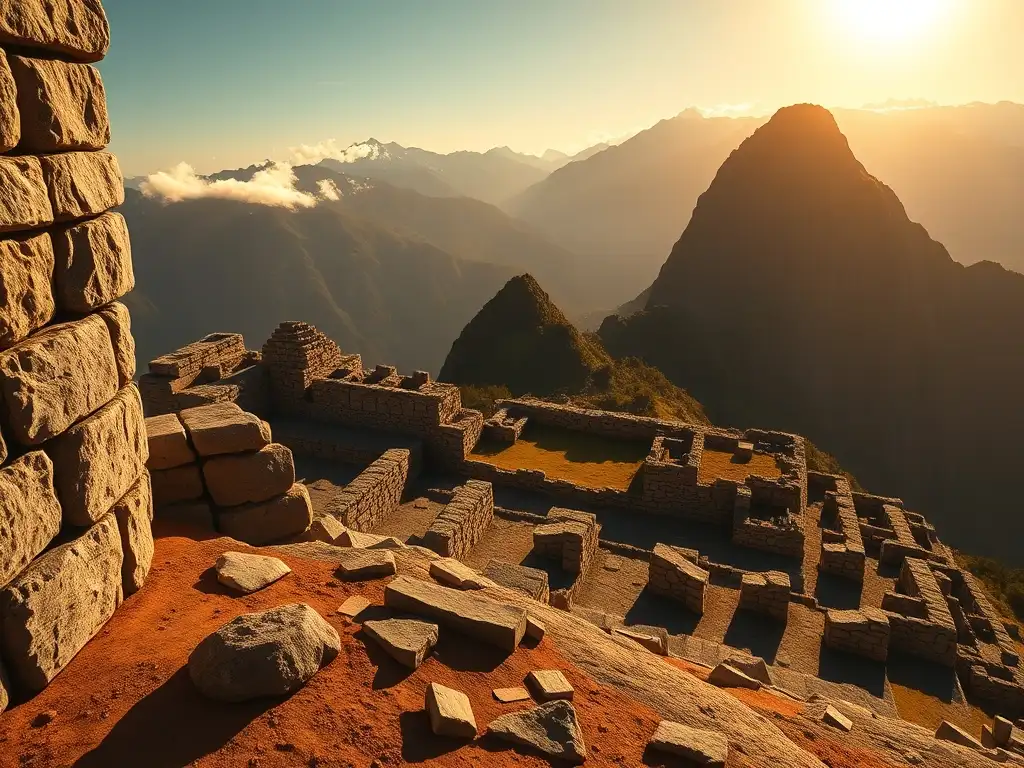
Dive into the captivating world of the Andean civilizations! For centuries, legends have whispered of unimaginable riches, fueling the myth of Inca gold. But what separates fact from fiction in the story of this empire's wealth? Uncover the truth behind the glittering treasures and explore the fascinating history of the Incas, their mastery of technology, and the legacy they left behind. Prepare to be amazed as we delve into the Inca gold myths and facts in this exploration of the Spanish Conquest. Are you ready to unearth the secrets?
The Spanish conquest of the Inca Empire is often portrayed as a tale driven by an insatiable thirst for gold. This narrative, while containing elements of truth, significantly exaggerates the actual amount of gold possessed by the Inca and the role it played in the empire's downfall. This article aims to dissect the myth of unimaginable Inca gold, separating historical fact from the enduring legends that have grown around it.
We will explore the reality of Inca wealth, its significance within their society, and how the Spanish perception of this wealth fueled the conquest and shaped the enduring myth of overflowing Inca gold treasures. Understanding this distinction is crucial to gaining a more nuanced understanding of the Inca Empire and its ultimate demise, challenging the simplistic narrative often presented.
We will delve into the origins of the myth, examining the factors that contributed to its creation and propagation, and ultimately providing a more accurate picture of the Inca's economic and societal structures. By exploring both the myths and facts surrounding Inca gold, we can gain a deeper appreciation of this fascinating civilization and the complexities of its interaction with the Spanish conquistadors.
Introduction to Inca Wealth and the Spanish Conquest
The Inca Empire, at its zenith, controlled a vast territory stretching along the Andes Mountains. Their economy wasn't solely based on gold, although it certainly played a significant role. The Inca utilized a complex system of mit'a, a form of labor tribute, to manage their agricultural production, infrastructure projects (like the impressive road network), and the extraction of resources. Gold, along with silver and other precious metals, was primarily used for religious and ceremonial purposes.
It adorned temples, statues of deities, and was incorporated into elaborate rituals. While the Inca certainly valued gold, its importance was far less than the popular imagination suggests. The Spanish, however, saw gold as the ultimate measure of wealth, a stark contrast to the Inca's more holistic economic system.
This fundamental difference in perspective played a crucial role in the events leading up to and during the conquest. The Spanish chroniclers often exaggerated the amount of gold held by the Inca, partly to justify their conquest and partly due to their own cultural biases. This exaggeration, combined with the inherent drama of the conquest itself, solidified the myth of the Inca's immeasurable riches in the collective consciousness.
The Allure of Inca Gold: Origins of the Myth
The myth of overflowing Inca gold stems from a confluence of factors. Firstly, the Spanish conquistadors, driven by greed and a desire for riches, actively propagated the narrative of untold treasures to attract more recruits and justify their brutal actions. Their accounts, often biased and exaggerated, became the primary source of information for future generations. Secondly, the Inca themselves, through their religious practices and use of gold in ceremonial objects, inadvertently contributed to the myth.
The sheer scale and artistry of some gold artifacts discovered by the Spanish only fueled the belief in an even greater hoard of riches yet to be unearthed. Furthermore, the Inca's sophisticated system of record-keeping, while not based on monetary value in the European sense, was misinterpreted by the Spanish as evidence of vast wealth. The sheer amount of stored goods and the meticulous organization of the empire's resources were wrongly equated with a massive accumulation of gold and silver.
The myth, once established, continued to grow and evolve over time, fueled by countless stories, legends, and works of fiction. The image of the Inca Empire overflowing with gold remains a powerful and enduring one, despite its historical inaccuracies. The reality was far more nuanced and complex, involving a sophisticated economy based on a variety of resources and labor, with gold playing a significant, but not overwhelming, role.
Pre-Columbian Andean Gold: Beyond the Inca Empire
The Inca Empire's association with gold is undeniable, yet their mastery of goldsmithing was built upon a rich pre-existing tradition spanning centuries. Long before the Inca rose to power, various Andean cultures skillfully worked with gold, developing unique styles and techniques. The sheer artistry and technological prowess displayed in pre-Inca gold artifacts highlight the depth and complexity of Andean metallurgy.
These earlier civilizations understood the metallurgical properties of gold, creating intricate alloys to achieve desired colors and workability. They weren't simply accumulating gold; they were transforming it into powerful symbols of their beliefs and social structures. Understanding this earlier context is crucial to avoid oversimplifying the Inca's relationship with this precious metal and to appreciate the broader trajectory of Andean goldwork.
The sheer volume of gold artifacts discovered from sites across the Andes, predating the Inca, underscores the long-standing significance of gold within Andean societies. These artifacts, ranging from intricate jewelry to ceremonial objects, provide invaluable insights into the beliefs, rituals, and social organization of these earlier cultures.
Gold in Moche Culture: An Earlier Tradition
The Moche civilization (circa 100-800 CE), flourishing on the northern coast of Peru, stands out for its remarkable gold craftsmanship. Unlike the Inca, who often used gold in conjunction with other materials like silver and feathers, the Moche frequently crafted entire pieces from pure gold. Their artisans created stunning representations of deities, animals, and everyday life, showcasing exceptional skill in casting, hammering, and repoussé techniques.
The Moche gold objects often depict scenes of ritual sacrifice, warfare, and fertility, offering glimpses into their complex religious beliefs and social hierarchy. The detail and realism in these pieces are astounding, demonstrating a high level of artistic sophistication and technical mastery.
Famous examples include intricate headdresses, masks, and finely detailed figurines, showcasing the Moche's advanced understanding of metallurgy and their ability to manipulate gold into complex shapes. These artifacts are testament to the Moche's sophisticated artistic sensibilities and their ability to utilize gold to express their cultural identity.
The Chimor Kingdom: Masters of Gold Craftsmanship
The Chimor Kingdom (circa 900-1470 CE), another powerful pre-Inca civilization on the northern coast, also left behind a remarkable legacy of goldwork. Known for their impressive urban planning and sophisticated irrigation systems, the Chimor were equally adept at working with gold. Their goldsmiths produced intricate jewelry, ceremonial objects, and decorative elements, often featuring geometric patterns and stylized figures. The Chimor's goldwork displays a distinctive style, characterized by its use of intricate filigree and granulation techniques.
They often combined gold with other materials, such as turquoise and shell, to create stunning polychrome effects. The Chimor’s mastery of these techniques resulted in pieces that are both visually striking and technically impressive. Their goldwork reflects their advanced societal structure and their sophisticated understanding of both art and technology. The legacy of Chimor goldsmithing provides a crucial link between earlier Andean traditions and the later Inca style.
Inca Gold: Reality vs. Perception
The Inca Empire's association with vast quantities of gold is largely a product of post-conquest narratives fueled by Spanish accounts. While the Inca did value gold, their use of it differed significantly from the Spanish perception of its worth. The Spanish obsession with gold led to a massive plunder of Inca treasures, creating a distorted image of the Inca's relationship with the precious metal.
This skewed perception has persisted to this day, leading to many misconceptions about the Inca's wealth and the role of gold in their society. To understand the Inca's use of gold accurately, we must move beyond the Spanish accounts and examine the archaeological evidence available.
Inca Gold: More Than Just Precious Metal
For the Inca, gold held symbolic significance far exceeding its material value. It was associated with the sun god, Inti, and was viewed as a sacred substance representing the divine power of the emperor and the state. Gold artifacts were not simply decorative items; they served crucial roles in religious ceremonies and royal rituals.
The Inca used gold to create objects of religious significance, emphasizing its symbolic power over its monetary worth. This understanding is crucial to interpreting the archaeological evidence accurately and avoiding a purely materialistic interpretation of Inca gold. The Inca's careful selection of materials and their sophisticated techniques highlight their deep understanding of the symbolic and ritualistic power of gold.
Inca Gold as a Symbol of Power and Divinity
The Inca emperor, considered a direct descendant of the sun god, held a monopoly over gold. Gold artifacts were often used to reinforce the emperor's divine authority and legitimize his rule. These objects served as powerful symbols, visually representing the emperor's connection to the divine and the cosmic order.
The use of gold in royal regalia and ceremonial objects emphasized the emperor's status as a divine intermediary between the human and spiritual worlds. The careful craftsmanship and intricate designs of these objects further reinforced their symbolic significance, conveying messages of power, authority, and divine legitimacy. The Inca's strategic use of gold served to solidify their control over the empire and reinforce the legitimacy of their rule.
Inca Gold Artifacts: Ritual Use, Not Currency
Contrary to popular belief, Inca gold was not used as currency. While the Inca had a sophisticated economic system based on a tribute system, gold did not play a role in everyday transactions. Instead, gold objects were primarily used in religious ceremonies and royal rituals. The Inca's use of gold was deeply intertwined with their religious beliefs and social structures, reflecting their worldview and cosmological understanding.
The discovery of gold artifacts in temples and royal tombs further supports the idea that gold served primarily ritualistic and symbolic purposes, rather than economic ones. This understanding challenges the common misconception that Inca society was driven by a quest for gold accumulation. The Inca’s careful use of gold in ritual contexts underscores its symbolic and religious value within their society.
The Spanish Arrival and the Quest for Inca Riches
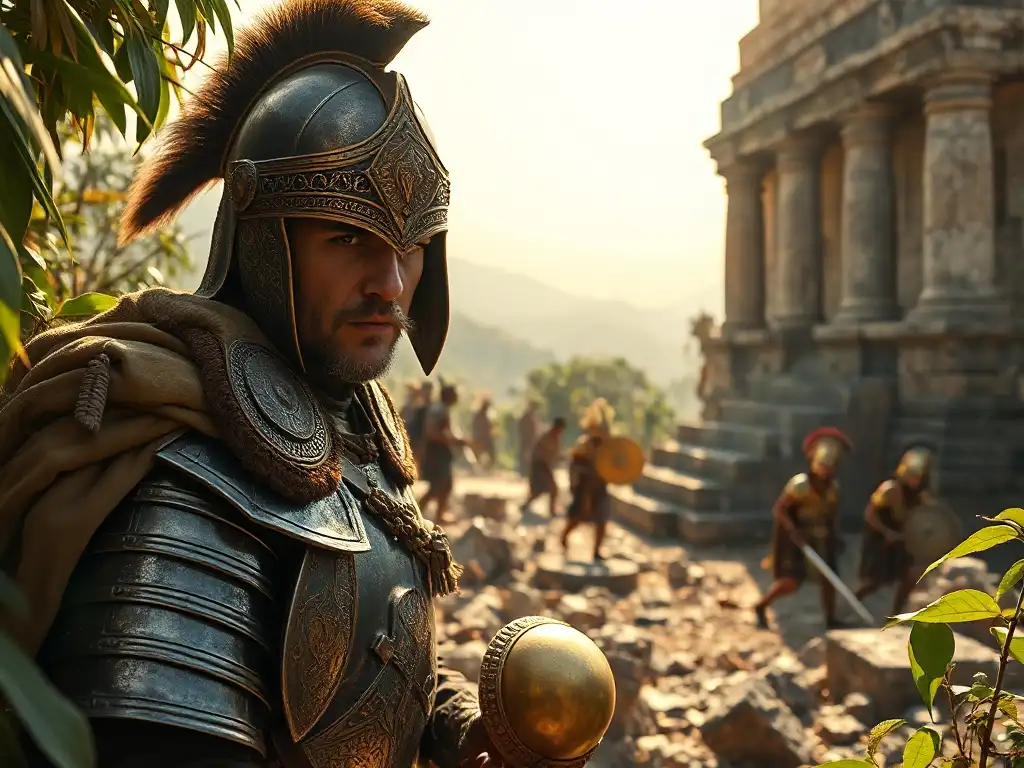
The arrival of the Spanish conquistadors in the Andes dramatically altered the course of Inca history, forever intertwining the empire's fate with the legend of its immense wealth. Driven by avarice and fueled by rumors of unimaginable riches, Pizarro and his men initiated a brutal conquest, their primary motivation being the acquisition of gold and other precious metals. The Spanish chroniclers, while often biased and exaggerating for dramatic effect, consistently described the Inca's use of gold and silver in their elaborate religious ceremonies, palaces, and adornments.
This visual spectacle of wealth fueled the Spanish conquest, transforming the Inca empire into a target of relentless plunder. The sheer scale of the gold and silver objects encountered by the Spanish initially reinforced their belief in the existence of an inexhaustible supply of treasure.
This perception, however, was a misrepresentation of the Inca economy and the actual distribution of precious metals within the empire. The Spanish conquest was not just a military campaign; it was a systematic effort to extract the Inca's resources, with gold acting as the primary catalyst.
The Pillage of Inca Gold: A Historical Reality
The Spanish conquest of the Inca Empire was accompanied by a systematic and brutal pillage of its gold and silver reserves. The conquistadors seized vast quantities of gold and silver artifacts from Inca temples, palaces, and tombs. The melting down of these intricate and culturally significant objects into ingots for transport back to Spain represents a monumental loss of Inca artistic heritage and cultural identity. Accounts from the time detail the sheer volume of gold and silver confiscated, with historians estimating billions of dollars worth in today’s value.
The process was not simply theft; it was the destruction of a cultural legacy. The systematic dismantling and destruction of Inca religious sites, where much of the gold was concentrated, was particularly devastating. The impact of this pillage extended far beyond the immediate loss of material wealth; it irrevocably damaged the Inca social structure and spiritual beliefs.
The Ransom of Atahualpa and its Aftermath
The ransom of Atahualpa, the last Sapa Inca, stands as a stark example of the Spanish obsession with Inca gold. Held captive by Pizarro, Atahualpa offered a room filled with gold and twice as much filled with silver as ransom for his freedom. The vast quantity of gold and silver collected, though eventually insufficient to secure his release, highlights the Spanish perception of Inca wealth and their willingness to exploit it.
The execution of Atahualpa, despite the payment of the ransom, underscored the brutality of the conquest and the insatiable greed of the Spanish. The aftermath of this event saw the further dismantling of the Inca political and economic systems, facilitating the Spanish control over the remaining resources.
The ransom, while a significant historical event, also serves as a critical illustration of the distortion of the reality of Inca wealth accumulation and distribution. This event was not a fair transaction but a calculated manipulation of the Inca emperor and his people.
Debunking the Myths of Inca Treasure
While the Inca Empire possessed significant quantities of gold and silver, the reality differs sharply from the exaggerated myths perpetuated by popular culture. Many narratives portray the Inca as possessing untold riches hidden in secret locations, fueling the enduring legend of lost Inca treasure. However, a careful examination of historical records and archaeological evidence reveals a more nuanced picture.
The Inca economy, while rich, was not based on the hoarding of precious metals but on a complex system of tribute, redistribution, and agricultural production. Gold and silver were primarily used for religious and ceremonial purposes, not as a primary form of currency or a measure of wealth in the same way as in European societies. Understanding the Inca's socio-economic structure is crucial to dispelling the myths surrounding their supposed vast, hidden wealth.
The Lost City of Gold: El Dorado's Connection to Inca Legends
The legend of El Dorado, a city of gold, is often mistakenly associated with the Inca Empire. While the legend of El Dorado originated in the myths of Muisca people in present-day Colombia, the allure of untold riches contributed to the broader narrative of Inca wealth. The Spanish conquistadors' relentless pursuit of El Dorado, fueled by the already established narratives of Inca gold, led to extensive exploration and exploitation of the Andean region.
The search for El Dorado, though ultimately fruitless in its literal sense, significantly impacted the Inca Empire and contributed to the enduring myth of immeasurable Inca gold. This misattribution further cemented the false narrative of the Inca's overflowing gold reserves. The search itself, however, caused significant disruption and destruction to the remaining Inca settlements and resources.
The Myth of Hidden Inca Gold: Tales of Paititi and the Llanganates Mountains
The persistent belief in hidden Inca treasure has given rise to numerous legends, including the mythical city of Paititi, purportedly located deep within the Amazon rainforest, and the hidden gold of the Llanganates Mountains in Ecuador. These legends, passed down through generations, often blend historical elements with fantastical narratives, further blurring the line between fact and fiction. While there have been numerous expeditions in search of these legendary treasures, none have yielded conclusive proof of their existence.
These enduring myths contribute to the popular perception of the Inca Empire as possessing unimaginable, hidden wealth, despite the lack of substantial evidence. The continued fascination with these legends, however, reflects the enduring power of the myth of Inca gold and its impact on popular imagination.
The Reality of Inca Gold Distribution: The Inca System of Tribute and Redistribution
The Inca economy was not based on individual accumulation of wealth but on a sophisticated system of tribute and redistribution. Communities contributed goods and labor to the state, which in turn provided essential services and resources. Gold and silver, while highly valued, were primarily used for religious and ceremonial purposes, with much of it being incorporated into religious objects and offerings. The Inca elite did possess significant quantities of gold and silver, but this was not privately held wealth in the same way as in European monarchies.
This system of redistribution ensured a degree of economic stability and prevented the concentration of wealth in the hands of a few. The Spanish conquest disrupted this system, leading to the widespread looting and destruction of Inca treasures. Understanding this system is key to understanding the actual distribution of Inca gold and dispelling the myth of vast hidden treasures.
The Legacy of Inca Gold: What Remains Today
The Spanish conquest drastically altered the landscape of Inca gold. While much was plundered and melted down, a significant amount survived, albeit scattered across the globe. The sheer scale of the looting makes precise quantification impossible, but surviving artifacts offer a glimpse into the Inca's mastery of metalworking.
These remnants are not merely glittering treasures; they are irreplaceable pieces of a complex cultural puzzle, revealing details about Inca society, religious beliefs, and artistic capabilities. The survival of these artifacts, despite the chaos of conquest and subsequent centuries, is a testament to their inherent value and the efforts of those who preserved them. Many pieces were hidden or secreted away by indigenous populations, safeguarding them from complete destruction.
The rediscovery of these hidden caches has provided invaluable insights into Inca life and artistry. The legacy of Inca gold is therefore twofold: a testament to the empire's wealth and skill, and a symbol of resistance and cultural preservation.
Inca Gold in Museums: Preserving the Past
Today, numerous museums worldwide house collections of Inca gold artifacts. These institutions play a crucial role in preserving and displaying these treasures, allowing researchers and the public to study and appreciate them. Major collections can be found in institutions such as the Museo Larco in Lima, Peru, and the American Museum of Natural History in New York City. These museums employ sophisticated conservation techniques to protect the delicate gold pieces from degradation, ensuring their survival for future generations.
The display of these artifacts provides valuable educational opportunities, fostering a better understanding of Inca culture and history. However, the very existence of these collections also raises ethical questions regarding repatriation and the rightful ownership of these culturally significant objects. The ongoing debate surrounding the repatriation of artifacts highlights the complex relationship between museums, governments, and indigenous communities.
The Value of Inca Gold: Cultural and Historical Significance
The value of Inca gold extends far beyond its monetary worth. While the metal itself is precious, the true significance lies in its cultural and historical context. Inca gold artifacts represent a unique artistic style, reflecting the empire's sophisticated techniques of metalworking, including techniques such as hammering, casting, and alloying. The intricate designs often depict religious figures, animals, and scenes from daily life, providing valuable clues to Inca mythology and beliefs.
The gold objects served not only as adornments for elites but also held religious and ceremonial significance, used in rituals and offerings to the gods. Therefore, the value of Inca gold is intrinsically linked to its cultural and historical significance, representing a unique chapter in human history. Its study provides a window into the complex social structures and beliefs of the Inca Empire.
Understanding the Inca Perspective on Gold
It's crucial to understand that the Inca's relationship with gold differed significantly from the European perspective. Gold was not simply a symbol of wealth or power, as it was for the Spanish conquistadors. While the Inca certainly valued gold, they viewed it as a sacred metal, closely associated with the sun god Inti. Gold objects were often incorporated into religious ceremonies and used to adorn temples and statues of deities.
The Inca's understanding of gold was deeply intertwined with their spiritual beliefs, representing the divine power and the sun's life-giving energy. Therefore, the plunder of Inca gold by the Spanish was not merely an act of theft but also a profound violation of Inca religious and cultural practices. This spiritual dimension is often overlooked in discussions about Inca gold, obscuring the true significance of the metal within Inca society.
Conclusion: The Lasting Impact of Inca Gold on History
The myth of Inca gold, while exaggerated in many aspects, reflects the empire's undeniable wealth and the lasting impact of its conquest. The story of Inca gold is not just a tale of riches and plunder; it's a complex narrative interwoven with religious beliefs, artistic achievements, and the devastating consequences of colonization.
The surviving artifacts serve as potent reminders of a lost civilization and the enduring legacy of its unique artistic and cultural heritage. The ongoing debate surrounding the ownership and repatriation of Inca gold highlights the lasting ethical and cultural implications of the Spanish conquest and the enduring importance of understanding the Inca perspective on this precious metal.
The study of Inca gold continues to reveal new insights into this fascinating civilization, challenging preconceived notions and offering a deeper understanding of the Inca worldview. The legacy of Inca gold is a complex and multifaceted one, encompassing both material wealth and profound cultural significance.
- Introduction to Inca Wealth and the Spanish Conquest
- The Allure of Inca Gold: Origins of the Myth
- Pre-Columbian Andean Gold: Beyond the Inca Empire
- Inca Gold: Reality vs. Perception
- The Spanish Arrival and the Quest for Inca Riches
- Debunking the Myths of Inca Treasure
- The Legacy of Inca Gold: What Remains Today
- Conclusion: The Lasting Impact of Inca Gold on History
Frequently Asked Questions
What is the most common myth surrounding Inca gold?
The most prevalent myth is that the Incas possessed vast quantities of gold easily accessible and readily available for plunder. In reality, gold held symbolic and ritualistic value, not primarily economic.
How did the Incas actually use gold?
Gold was used primarily for religious and ceremonial purposes. They crafted elaborate objects for temples and royal figures, not for everyday use or currency.
Did the Spanish conquistadors find mountains of Inca gold?
While the Spanish did seize significant amounts of gold, the quantity was far less than legendary tales suggest. Much was melted down, and a lot was likely lost or hidden before the conquest.
What is the truth behind the "Room of Gold" legends?
Stories of hidden rooms filled with Inca gold are largely unsubstantiated. While some treasures were hidden, the scale described in these legends is likely exaggerated, fueled by the allure of the lost empire's riches.
What role did gold play in Inca society beyond its material value?
Gold held deep spiritual significance, representing the sun and its power. Its use in religious ceremonies underscores its sacred status within Inca culture, far surpassing its monetary worth.
Final Reflection: Unearthing the Truth Beyond Inca Gold
The enduring allure of Inca gold continues to shape our understanding of the empire, yet separating fact from fiction reveals a far richer, more complex story than glittering treasures alone. The myths surrounding Inca wealth often overshadow the sophisticated societal structures, advanced agricultural practices, and intricate artistic traditions that truly defined the Inca civilization. This distortion, perpetuated through centuries of romanticized narratives, demands a critical re-evaluation of our historical perspectives.
The impact of these enduring myths extends far beyond simple misconceptions; they influence how we perceive pre-Columbian societies and their relationship with the environment and power. The very act of seeking "lost gold" has often led to the destruction of invaluable archaeological sites and the disregard for indigenous heritage. As the historian Felipe Guaman Poma de Ayala poignantly stated, They came for the gold, but they took everything.
This quote underscores the devastating consequences of prioritizing material wealth over cultural understanding. It's a stark reminder that the true riches of the Inca Empire lie not in its gold, but in its legacy of ingenuity, resilience, and complex social organization.
Consider the implications of this re-evaluation. How can we move beyond the simplistic narrative of gold-obsessed conquistadors and a passively wealthy empire? You, the reader, now hold the power to reshape your understanding of the Inca, to appreciate the nuanced reality beyond the glittering surface. Let this exploration of Inca gold myths and facts serve as a catalyst for deeper engagement with history, encouraging a more critical and respectful approach to understanding past civilizations and their enduring legacies.
Unveil the Truth Behind Inca Gold!
Thank you for exploring the fascinating world of the Inca civilization with us! You've uncovered some of the magic and mystery surrounding their legendary wealth. Now, let's delve deeper into the rich tapestry of Andean history. Here's how you can continue your journey:
- Deepen your understanding of Inca culture: Engage with local museums or historical societies to gain a broader appreciation of Inca life beyond the allure of gold.
- Share your discoveries: Discuss the myths and realities you've learned with friends and family—everyone enjoys a captivating story!
- Explore further: Visit our website, andeancivilizations.com, for engaging articles and the latest discoveries about Andean civilizations.
What's one surprising fact about the Inca Empire that has reshaped your understanding of their history? Let's continue the discussion in the comments below!