
The Inca Road System: How It Became a Tool for Spanish Domination

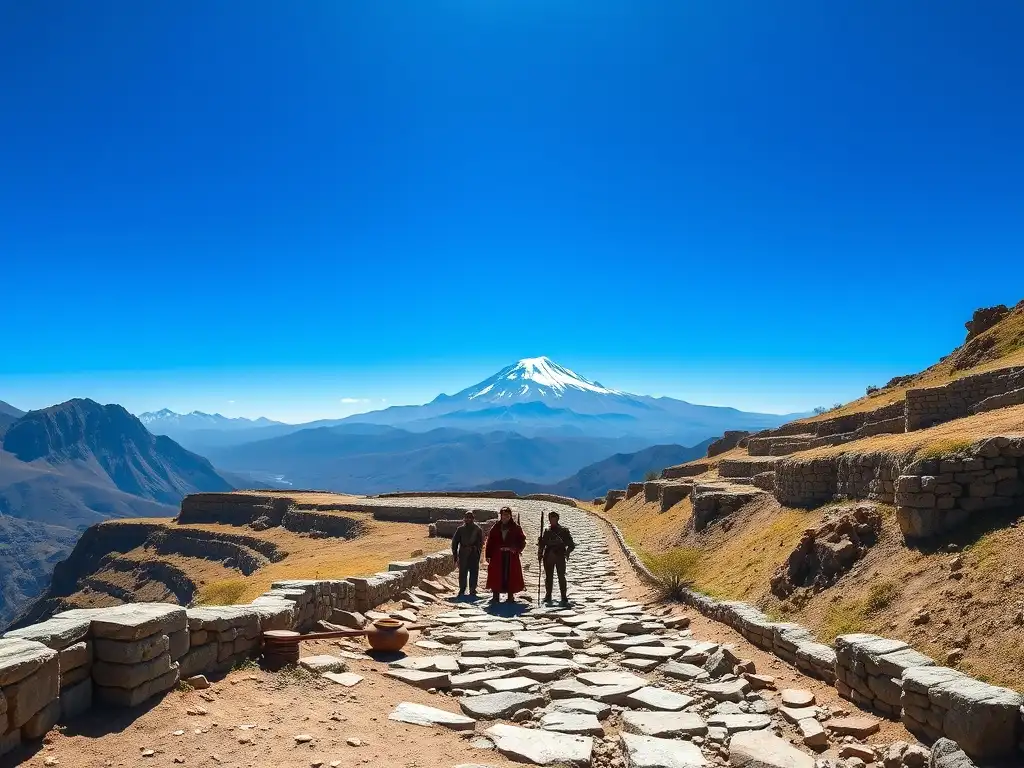
Step into a world lost to time, yet echoing with the grandeur of the Andes. For centuries, the Inca road system, a marvel of engineering, connected a vast empire. But what happened when the Spanish arrived? Discover how this incredible network, once a symbol of Inca power, became a tool for Spanish conquest – a story of ingenuity, resilience, and ultimately, the fall of a civilization. Unravel the mysteries behind the Inca road system and its unexpected role in shaping history. Explore more to uncover the truth.
- The Inca Road System: A Path to Spanish Domination
- The Spanish Conquest and the Strategic Use of Inca Roads
- The Impact of the Spanish Conquest on the Inca Road System
- The Legacy of the Inca Road System
-
Frequently Asked Questions
- What was the extent of the Inca road system before the Spanish conquest?
- How did the Inca road system aid the Spanish conquest?
- What specific features of the Inca road system were exploited by the Spanish?
- Did the Inca road system change after the Spanish conquest?
- What is the legacy of the Inca road system today?
- Final Reflection: Echoes of the Inca Road: Legacy and Future
- Unveil the Secrets of the Inca Road System!
The Inca Road System: A Path to Spanish Domination
The Inca Empire, a civilization that flourished in the Andes Mountains of South America, achieved remarkable feats of engineering and logistical prowess. Central to their success was the Qhapaq Ñan, a vast and sophisticated road network that stretched over 40,000 kilometers, connecting the far-flung corners of their empire.
This intricate system wasn't merely a means of transportation; it was the arterial network that pulsed with the lifeblood of the Inca state, facilitating communication, trade, and military control. However, this very system, meticulously crafted over centuries, ironically became a crucial tool in the hands of the Spanish conquistadors, paving the way for their rapid conquest and subsequent domination of the Inca Empire.
This article will explore the Inca road system, its remarkable engineering, and how it ultimately facilitated the Spanish conquest, highlighting the tragic irony of a feat of ingenuity serving as a catalyst for its own downfall. The keyword "Inca road system Spanish conquest" will be analyzed throughout, demonstrating the critical role of this infrastructure in the shift of power.
Understanding the Inca Road Network: Qhapaq Ñan
The Qhapaq Ñan, meaning "Royal Road" in Quechua, was far more than a collection of paths. It was a strategically planned and meticulously maintained system comprising main highways, secondary roads, and countless trails, connecting major cities, administrative centers, and remote villages across diverse and challenging terrains. The network facilitated the movement of armies, messengers (chasquis), goods, and administrative personnel with unprecedented efficiency.
This allowed for swift responses to rebellions, efficient tax collection, and the effective distribution of resources throughout the vast empire. The roads were not simply linear; they were designed with strategic considerations in mind, incorporating features such as strategically placed waystations (tambos) for rest and supplies, and meticulously engineered bridges and tunnels to overcome geographical obstacles. The sheer scale and sophistication of the Qhapaq Ñan stand as a testament to the Inca's organizational capabilities and mastery of engineering.
The Engineering Marvel of the Inca Roads
The Inca road system was a marvel of engineering, showcasing an impressive understanding of topography, materials science, and construction techniques. The roads were built to withstand extreme weather conditions, traversing towering mountains, traversing dense forests, and crossing treacherous rivers. They were constructed using a variety of materials, adapted to the specific challenges of each environment.
In some areas, the roads were paved with stones, meticulously fitted together without mortar, creating incredibly durable surfaces. This precise stonework, known for its impressive accuracy and fit, showcases the Inca's advanced understanding of engineering principles. In other sections, the roads were simply compacted earth, stabilized with techniques that remain impressive even today.
The integration of the road system into the landscape itself was remarkable, often following natural contours to minimize the need for extensive earthworks and maximizing the efficiency of the routes. The system's sustainability highlights the Inca's deep understanding of their environment and their commitment to long-term infrastructure development.
Construction Techniques of the Inca Highways: Stone Paving and Suspension Bridges
The Inca's construction techniques were remarkably advanced for their time. Their mastery of stonework is particularly evident in the meticulously fitted stone pavements of many sections of the Qhapaq Ñan. These stones, often perfectly shaped and fitted together without the use of mortar, demonstrate an advanced understanding of geometry and engineering.
The precision and durability of these pavements ensured the longevity of the roads, even in areas subject to heavy use and harsh weather conditions. Moreover, the Inca’s ingenuity extended to their construction of bridges, particularly the remarkable suspension bridges that spanned deep gorges and rivers. These bridges, often constructed using woven fibers and anchored to cliff faces, were both innovative and incredibly effective, allowing for the continuous flow of traffic across otherwise impassable terrain.
The construction of these structures required a detailed understanding of materials science, engineering principles, and an intimate knowledge of the local environment. These techniques, developed and refined over centuries, played a significant role in the efficiency and longevity of the Inca road system. The precision and scale of these projects remain a testament to the Inca's engineering prowess and organizational capabilities.
Qhapaq Ñan's Role in Inca Empire Communication and Control
The Qhapaq Ñan, the vast Inca road system, was far more than just a network of pathways; it served as the crucial artery of communication and control for the entire Inca Empire. Its strategic design facilitated the rapid transmission of information and the efficient movement of troops and resources, solidifying Inca dominance across a geographically diverse and challenging landscape. The system's effectiveness stemmed from its ingenious integration of various communication methods, including the chasquis, a relay runner system, and strategically placed tambos, or roadside inns.
The chasquis were a marvel of Inca logistical organization. These runners, stationed at intervals along the road network, formed a human chain that could swiftly relay messages across hundreds of miles. Using a system of standardized codes and signals, they could transmit urgent news, administrative orders, and even tribute payments with remarkable speed. Imagine the impact: news of a rebellion in a distant province could reach the emperor in Cuzco within days, allowing for rapid deployment of troops and suppression of dissent. This rapid communication capability was a critical element in maintaining the empire's stability and preventing fragmentation.
The tambos, spaced at regular intervals along the Qhapaq Ñan, weren't merely rest stops. They served as vital hubs for the transmission of information, providing shelter and supplies for the chasquis and other travelers. These strategically located facilities also provided opportunities for observation and surveillance, allowing the Inca government to monitor traffic and gather intelligence on potential threats. The placement of tambos, often in strategic locations offering visibility over valleys or passes, served both practical and administrative purposes.
Their existence highlights the sophisticated planning and foresight that went into the construction and maintenance of the Qhapaq Ñan. The combination of chasquis and tambos created a highly efficient system that ensured the smooth flow of information, vital for the administrative and military control of such a vast empire. The speed and efficiency of this system were unparalleled in the pre-Columbian Americas.
The effectiveness of the Qhapaq Ñan in communication and control was a significant factor in the Inca Empire's longevity and expansion. The ability to swiftly respond to challenges and maintain order across such a vast territory is a testament to the Inca's impressive organizational skills and their understanding of the importance of infrastructure in maintaining power. This sophisticated system laid the groundwork for the future, unfortunately, leading to its exploitation by the Spanish conquistadors.
The Spanish Conquest and the Strategic Use of Inca Roads
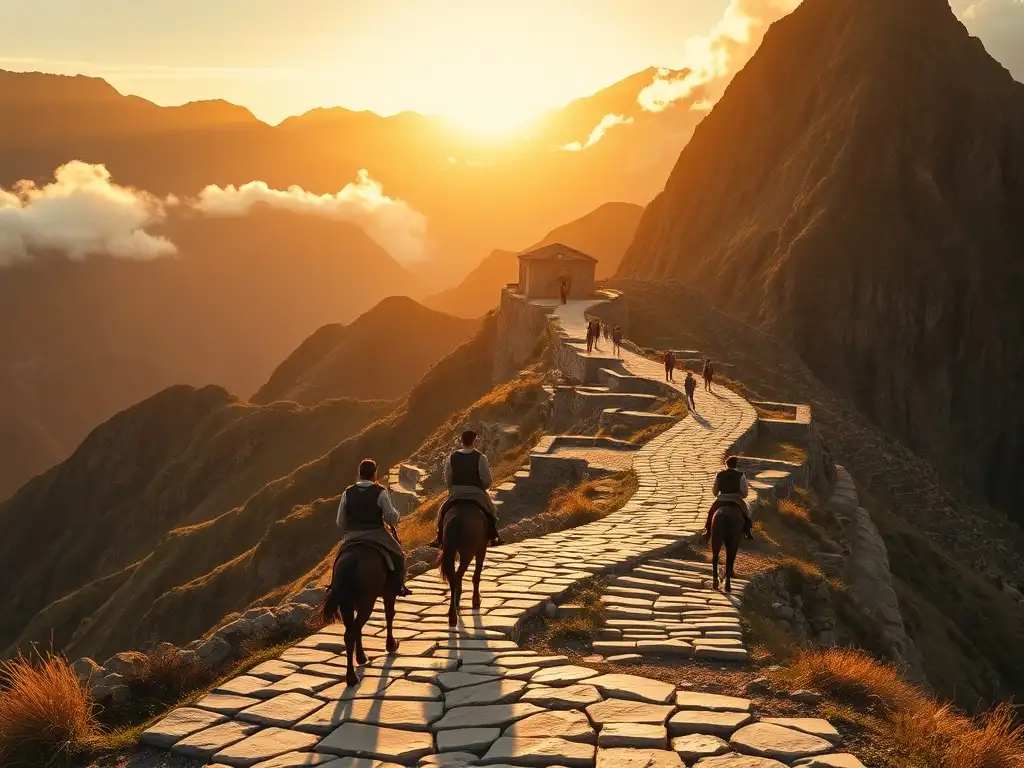
The Inca road system, a marvel of engineering spanning thousands of miles across the Andes Mountains, played a crucial, albeit tragic, role in the Spanish conquest of the Inca Empire. Far from being a mere obstacle, the Qhapaq Ñan (the Royal Road) became a vital tool in the hands of the conquistadors, accelerating their advance and ultimately contributing to the empire's downfall. This section will explore how the Spanish effectively leveraged the existing Inca infrastructure to achieve military dominance, highlighting their strategic exploitation of the road network for both military campaigns and logistical support.
Understanding this dynamic is key to comprehending the swiftness and relative ease with which the Spanish overcame the seemingly insurmountable challenges of the Andean terrain and subdued a vast, sophisticated empire. The Inca road system Spanish conquest narrative is inextricably linked to the Spanish understanding and utilization of this pre-existing network.
The Spanish Advantage: Utilizing the Inca Infrastructure
The Spanish conquistadors arrived in the Andes facing formidable geographical obstacles. The rugged, mountainous terrain, characterized by steep inclines, deep valleys, and unpredictable weather, would have severely hampered any military campaign attempting to traverse it without established routes. The Inca road system, however, provided a ready-made solution.
This sophisticated network, meticulously planned and constructed over centuries, included strategically placed tambos (roadside inns) offering shelter, food, and supplies for travelers. These tambos proved invaluable to the Spanish, providing vital rest stops and resupply points during their often arduous journeys. The roads themselves, expertly engineered to navigate the challenging landscape, allowed for relatively rapid movement of troops and supplies, a significant advantage over any force attempting to forge new paths through the unforgiving Andean environment.
The Spanish quickly recognized the immense strategic value of this pre-existing infrastructure, adapting it to their own needs with surprising ease. This immediate access to a well-maintained transportation network represented a substantial military and logistical advantage, significantly reducing the time and resources required for their campaigns. This head start, facilitated by the Inca road system, profoundly impacted the course of the conquest.
How the Spanish Exploited the Inca Road System for Military Campaigns
The Inca road system's impact on Spanish military campaigns was profound. The network allowed for rapid deployment of troops, enabling the Spanish to swiftly respond to rebellions, consolidate their control over conquered territories, and launch surprise attacks against unsuspecting Inca forces. For example, the ability to quickly move reinforcements proved critical in suppressing various Inca uprisings throughout the empire.
The well-defined routes facilitated coordinated movements of cavalry and infantry, maximizing their combat effectiveness. Furthermore, the strategically placed tambos provided secure bases for operations, allowing the Spanish to consolidate their forces and plan their next moves. The Spanish were able to exploit the network's design, using pre-existing bridges, tunnels, and pathways to rapidly advance through regions that would have otherwise been extremely difficult to traverse.
This advantage, coupled with their superior weaponry and tactics, significantly contributed to their military successes. The Inca road system, intended to unify and strengthen the Inca Empire, ironically became a tool for its fragmentation and eventual subjugation. The speed and efficiency of Spanish military operations were directly linked to their skillful utilization of the Inca road system.
Supply Lines and Logistics: Spanish Dependence on Inca Routes
The Spanish conquest was not solely dependent on military prowess; it also relied heavily on effective logistics. The Inca road system proved indispensable in maintaining crucial supply lines, ensuring the continuous flow of essential resources to Spanish troops and settlements. The tambos provided not only shelter but also storage facilities for food, weapons, and other crucial supplies.
The roads themselves facilitated the transport of these goods, allowing for the provisioning of Spanish armies far from their bases. Without the Inca road system, the logistics of maintaining a large military force spread across such a vast and challenging terrain would have been insurmountable. The efficient transport of supplies played a crucial role in sustaining the Spanish campaigns, enabling prolonged sieges and the eventual establishment of colonial settlements.
The Spanish relied heavily on the Qhapaq Ñan to transport everything from food and ammunition to building materials and reinforcements, highlighting the crucial role of the Inca road system in supporting the logistical demands of colonial expansion. The conquest's success was thus not just a matter of military might, but also a testament to the effective exploitation of the Inca infrastructure in supporting their logistical needs. The Spanish conquest's success was, in many ways, a logistical triumph, made possible by the efficient pre-existing Inca road system.
The Inca Road System as a Tool for Colonial Control: Tax Collection and Labor Management
The Inca road system, a marvel of engineering and logistics, proved to be a double-edged sword for the Inca Empire. While initially facilitating communication, trade, and military movements, its strategic importance became acutely apparent during the Spanish conquest. The conquistadors quickly recognized the network's potential and repurposed it to solidify their control over the vast Andean territories. This repurposing was particularly effective in two key areas: tax collection and labor management.
The intricate network of roads allowed the Spanish to efficiently collect mita taxes from conquered populations. The mita, a system of obligatory labor service inherited from the Inca, was intensified and exploited under Spanish rule. The existing road network significantly reduced the logistical challenges of mobilizing and supervising the labor force. Previously, the Inca administration used the roads to ensure the timely delivery of goods and services, a system the Spanish readily adapted for their own benefit. Instead of quipus (Inca knotted-string record-keeping), the Spanish implemented their own accounting systems, but the roads remained the crucial arteries for the flow of resources, both extracted as taxes and used to maintain the infrastructure itself. This meant that the Spanish could reach even the most remote villages and demand their tribute with unprecedented ease. Villages that might have successfully resisted Spanish incursions in isolation were now easily accessible and vulnerable to exploitation.
Furthermore, the roads facilitated the efficient management of the mita labor force. The Spanish colonial administration used the pre-existing road network to transport workers to various projects, including mining operations, agricultural endeavors, and the construction of colonial infrastructure. This centralized control over labor allowed them to exploit vast human resources for the benefit of the Spanish crown and the burgeoning colonial economy.
The ability to quickly move large groups of workers across vast distances minimized the time and resources needed for projects, accelerating the colonial development—and the impoverishment—of the Andean region. The very system that once facilitated the Inca Empire's expansive reach now enabled the Spanish to consolidate their power and extract wealth from the conquered territories.
The roads, in essence, became the veins and arteries of the colonial system, transporting not only goods and people but also the very essence of Spanish control. The efficiency of this control was directly linked to the pre-existing Inca infrastructure, showcasing the strategic genius – and the tragic consequences – of the Inca road system in the context of the Spanish conquest.
The Impact of the Spanish Conquest on the Inca Road System
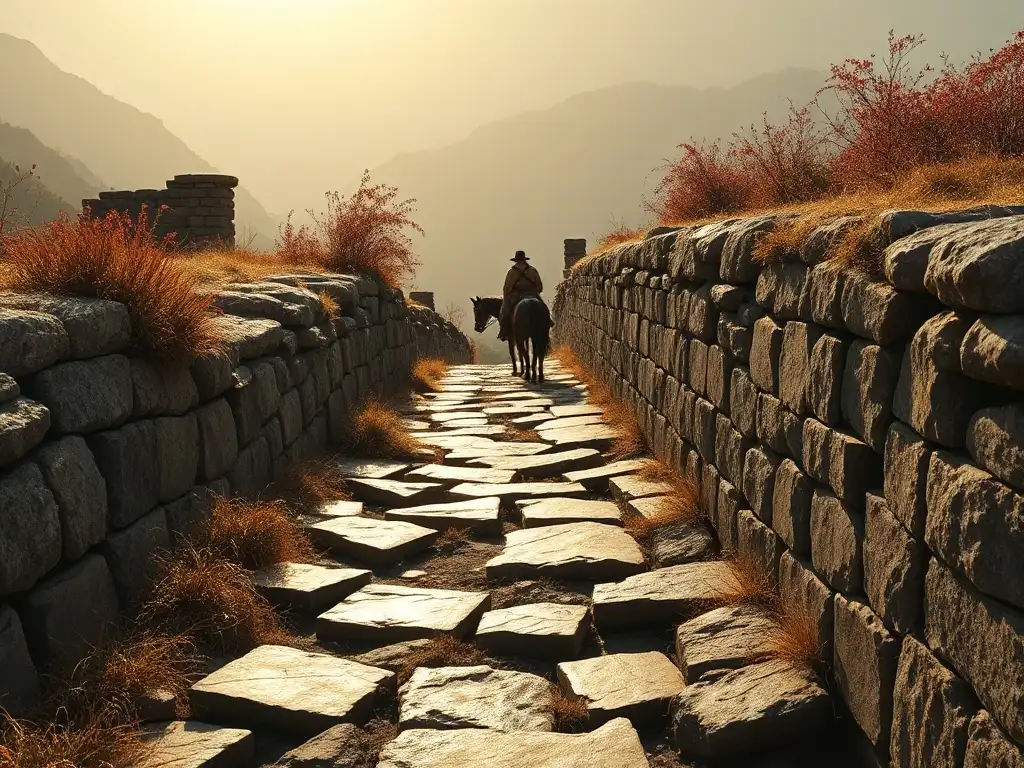
The Spanish conquest dramatically altered the Inca road system, transforming a sophisticated network designed for imperial control and communication into a tool facilitating Spanish domination. The initial impact was swift and brutal, with the destruction of infrastructure in some areas reflecting the chaotic nature of the conquest itself.
However, the long-term impact was more complex, involving both adaptation and degradation of the existing Qhapaq Ñan. The Spanish recognized the strategic value of the pre-existing road network and cleverly repurposed it for their own colonial ambitions, demonstrating a shrewd understanding of the existing infrastructure's potential.
This section will delve into the specific ways in which the Inca road system was modified, utilized, and ultimately affected by the Spanish conquest, highlighting the strategic brilliance and the subsequent neglect that characterized this pivotal period in Andean history. The keyword "Inca road system Spanish conquest" is central to understanding this complex interplay of destruction and adaptation.
Changes and Modifications to the Inca Road Network Under Spanish Rule
The Spanish didn't simply inherit the Inca road system; they actively reshaped it. Initial phases involved repairing damaged sections to facilitate troop movements and the swift transfer of supplies. This wasn't necessarily a benevolent act; it was crucial for consolidating power and suppressing resistance. The Spanish, however, quickly moved beyond mere repair.
They widened existing pathways in certain areas to accommodate larger numbers of troops and pack animals, notably mules and horses, which were absent from the Inca logistical system. New sections of roads were also constructed, not always following the Inca's carefully planned routes. These new roads often connected newly established Spanish settlements and mines, prioritizing the extraction of resources over the original Inca focus on communication and administration.
Examples include the modifications made to sections of the Qhapaq Ñan near Potosí, a crucial silver mining center, which saw significant expansion and improvement to expedite the transport of silver to ports. The strategic deployment of infrastructure facilitated the flow of wealth directly to the Spanish crown, highlighting the transformation of the Inca road system from a tool of imperial control to one of colonial exploitation. This pragmatic approach demonstrates a remarkable understanding of the existing infrastructure and its potential for economic exploitation.
The Transformation of Qhapaq Ñan for Colonial Purposes: Mining and Trade Routes
The Qhapaq Ñan, the vast Inca road network, became a vital artery for the Spanish colonial economy. The Inca's meticulous engineering, including strategically placed tambos (roadside inns) and chasquis (runners) relay system, were adapted and utilized to support the burgeoning silver mining industry. The transport of silver from mines like Potosí to coastal ports for shipment to Europe became a central function of the modified road network.
This led to increased traffic, necessitating further modifications. The Spanish also integrated the existing Inca system into their broader trade network, facilitating the movement of goods from the Andes to other parts of the viceroyalty. The existing infrastructure reduced the cost and time involved in establishing their own network, a testament to the Inca's engineering prowess.
Moreover, the Spanish adapted the tambos for their own purposes, transforming some into lodging for officials and merchants, while others were used for storing goods and supplies. This adaptation showcases a calculated strategy of exploiting existing infrastructure rather than building entirely new networks, thereby maximizing efficiency and minimizing costs. The silver trade, in particular, became intrinsically linked to the functionality of the modified Qhapaq Ñan, demonstrating a clear shift in purpose from imperial administration to colonial resource extraction.
The Degradation and Neglect of the Inca Roads Over Time
Despite its initial importance to the Spanish, the Inca road system gradually fell into disrepair over time. While certain sections remained crucial for trade and communication, others were neglected as Spanish interests shifted and new transportation methods, such as mule trains, became more prevalent. The lack of systematic maintenance, coupled with natural erosion and the effects of time, led to a gradual decline in the quality of many sections of the Qhapaq Ñan.
The Spanish focus on extraction and short-term gains meant long-term investment in infrastructure was often overlooked. This neglect, coupled with the general disruption caused by the conquest and subsequent rebellions, contributed significantly to the deterioration of this once-magnificent network. The gradual decay represents a significant loss, not just of infrastructure, but also of the cultural heritage embodied in the Inca road system.
The story of the Qhapaq Ñan after the conquest is one of both adaptation and tragic neglect, a testament to the complex legacy of Spanish rule in the Andes. The long-term consequences of this neglect are still evident today, highlighting the need for preservation and further research into this crucial aspect of Andean history.
The Legacy of the Inca Road System
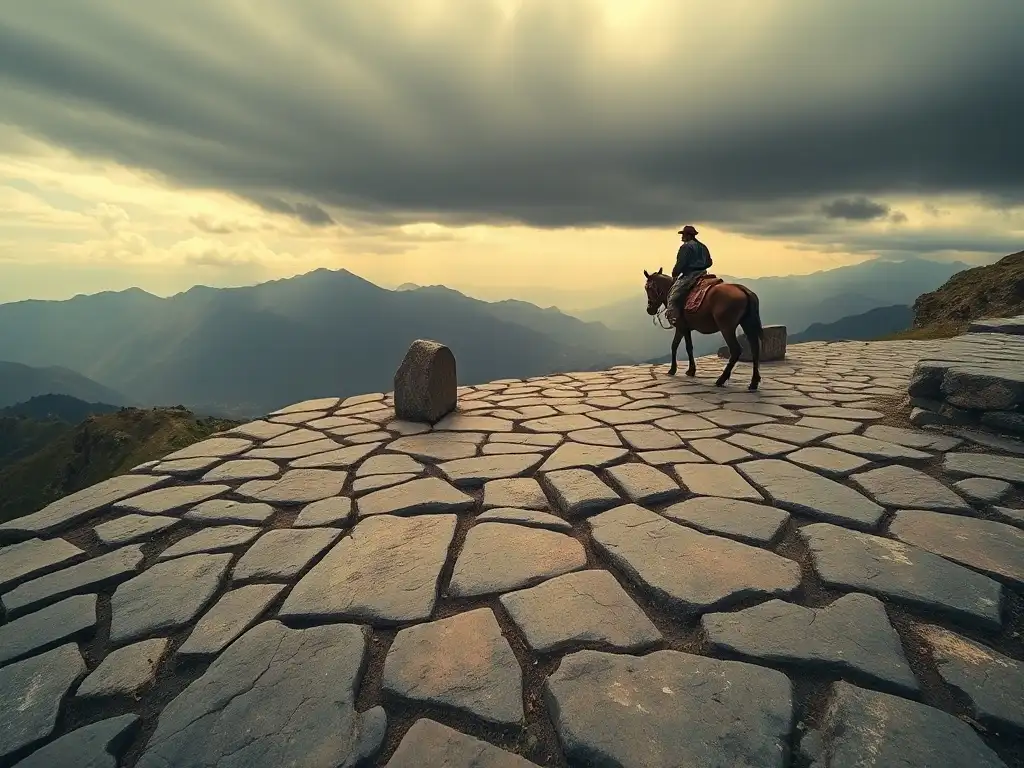
The Inca road system, a marvel of engineering and logistical prowess, didn't simply vanish with the Spanish conquest. Its enduring legacy is multifaceted, impacting everything from modern infrastructure planning to our understanding of pre-Columbian Andean society. The Qhapaq Ñan, or "Royal Road," continues to resonate centuries later, influencing how we interpret the Inca empire's power and the brutal efficiency of the Spanish conquest.
The strategic importance of this network of roads played a crucial role in both the Inca's rise and their subsequent fall, highlighting the interconnectedness of infrastructure and political control in the Andean world. The impact of the Inca road system on the Spanish conquest is a complex story, one that demonstrates how effectively the conquerors utilized pre-existing infrastructure to solidify their dominion over the newly subjugated territories. The very network designed for Inca control became a catalyst for their empire's demise.
Preserving the Ancient Inca Highways
Preservation efforts for the remaining sections of the Inca road system are ongoing, facing numerous challenges. Many segments are threatened by erosion, agricultural expansion, and the encroachment of modern infrastructure. The sheer scale of the network—stretching thousands of miles across diverse and often harsh terrain—makes comprehensive preservation a monumental task.
However, various organizations and governments are working to protect and restore sections of the Qhapaq Ñan. These efforts involve archaeological surveys, stabilization techniques, and community engagement initiatives to raise awareness and secure local support for conservation. The success of these efforts will depend on continued funding, international collaboration, and a holistic approach that balances preservation with sustainable development in the regions where the roads are located.
The challenge is not just about preserving stones and pathways; it's about preserving a vital piece of Andean heritage and a testament to the ingenuity of the Inca civilization. This preservation is vital for understanding the Inca road system's role in the Spanish conquest, as it allows us to study the very paths utilized by both Inca and Spanish forces. Without these preservation efforts, crucial information about the Inca road system's impact on the Spanish conquest would be lost forever.
The Significance of the Inca Roads in Understanding Andean History
The Inca road system offers invaluable insights into the social, political, and economic organization of the Inca Empire. The roads weren't merely pathways; they were arteries of communication, trade, and military control. The construction itself, employing sophisticated techniques and materials adapted to varied landscapes, reveals a high level of engineering skill.
The strategic placement of tambos (roadside inns) along the routes speaks to the empire’s capacity for logistical planning and resource management. The sheer scale of the network—spanning thousands of kilometers across diverse terrains—demonstrates the Inca's organizational capacity and the power they wielded over the vast Andean region. Analyzing the road system allows us to trace patterns of movement, exchange, and power dynamics within the empire, providing a deeper understanding of Inca society and its complex interactions with the conquered populations.
The Inca road system's impact on the Spanish conquest can't be fully grasped without understanding its prior significance within the Inca Empire itself. It was this very infrastructure that allowed the Spanish to consolidate their power so effectively.
Qhapaq Ñan: A UNESCO World Heritage Site
The Qhapaq Ñan, Andean Road System, was inscribed as a UNESCO World Heritage Site in 2014, recognizing its outstanding universal value. This designation underscores the global importance of the Inca road system as a testament to the ingenuity and organization of the Inca civilization. The inscription highlights not only the engineering achievements but also the cultural and historical significance of the roads.
The Qhapaq Ñan represents a unique example of a pre-Columbian road network, reflecting the sophisticated integration of infrastructure, social organization, and environmental adaptation. The UNESCO recognition provides a framework for international cooperation in the preservation and management of this invaluable heritage.
This recognition further emphasizes the role the Qhapaq Ñan played in the Spanish conquest, as the site itself serves as a tangible reminder of both Inca ingenuity and the impact of the Spanish conquest on the Andean world. The ongoing preservation efforts are now supported by international collaboration, bolstering the efforts to protect this vital part of Andean history and its crucial role in the Inca road system Spanish conquest narrative.
This section provides a detailed analysis of the lasting impact of the Inca road system, focusing on preservation efforts, historical significance, and UNESCO recognition. The information highlights the intricate connection between the Inca road system and the Spanish conquest, emphasizing the road system's importance in both the Inca's rise and their subsequent fall.
Modern Uses and Tourism of Inca Routes
The Inca road system, despite its age and the ravages of time and conquest, continues to play a significant role in modern life, particularly in the realm of tourism. Sections of the Qhapaq Ñan (the Inca road network) have been meticulously restored and are now popular trekking routes, attracting adventurers and history enthusiasts from around the globe. The Inca Trail to Machu Picchu, arguably the most famous example, showcases the remarkable engineering prowess of the Inca civilization while offering breathtaking Andean vistas.
This trail, however, is subject to strict regulations and permits, highlighting the delicate balance between preserving this historical treasure and accommodating the influx of tourists. The popularity of the Inca Trail has spurred the development of related tourism infrastructure, including lodges, guides, and porter services, contributing significantly to the local economies of communities along the routes.
Beyond the Inca Trail, numerous other less-traveled sections of the Qhapaq Ñan offer unique trekking experiences. These lesser-known routes provide a more intimate encounter with the Andean landscape and a deeper connection to the Inca heritage, away from the crowds of Machu Picchu. Many of these trails pass through remote villages, allowing visitors to interact with local communities and gain insights into their way of life, contributing to community-based tourism initiatives.
These initiatives often focus on sustainable practices, ensuring the preservation of both the environment and the cultural heritage of the region. The revenue generated from tourism along these routes helps to fund local development projects, creating a positive feedback loop that benefits both the environment and the local population.
The ongoing preservation and restoration efforts of the Inca road system are crucial not only for historical preservation but also for the continued economic viability of tourism in the region. These efforts often involve collaborations between government agencies, local communities, and international organizations, ensuring a multi-faceted approach to the management and preservation of this invaluable heritage.
Furthermore, research on the Inca road system continues to reveal new insights into Inca engineering, logistics, and social organization, further enhancing its value as a site of historical and scientific significance. The future of the Inca road system as a tourist attraction hinges on sustainable practices and responsible tourism management, ensuring that its legacy continues to inspire and educate for generations to come.
The delicate balance between preserving the historical integrity of these routes and fostering economic growth remains a key challenge for the region. Careful planning and community involvement are essential to ensure the long-term viability of these routes as both historical sites and vital economic assets.
Frequently Asked Questions
What was the extent of the Inca road system before the Spanish conquest?
The Inca road system, known as the Qhapaq Ñan, was an extensive network stretching over 40,000 kilometers across the Andes Mountains. It connected the vast Inca Empire, facilitating communication and trade between distant regions.
How did the Inca road system aid the Spanish conquest?
The pre-existing infrastructure of the Inca road system provided the Spanish conquistadors with ready-made routes for their armies to quickly move through the Andes. This significantly aided their military campaigns and expedited their conquest of the Inca Empire.
What specific features of the Inca road system were exploited by the Spanish?
The Spanish utilized the existing bridges, resting places, and storage facilities along the Inca roads. These features eased their logistical challenges and allowed for faster troop deployment.
Did the Inca road system change after the Spanish conquest?
Yes, the Spanish modified and expanded parts of the Inca road system to better suit their needs and facilitate the extraction of resources from the conquered territories. They also integrated existing roads into their colonial infrastructure.
What is the legacy of the Inca road system today?
Sections of the Qhapaq Ñan remain today, serving as a testament to Inca engineering prowess. Its UNESCO World Heritage status highlights its historical and cultural significance, and efforts are underway to preserve and restore it.
Final Reflection: Echoes of the Inca Road: Legacy and Future
The Inca road system, a marvel of engineering and a testament to pre-Columbian ingenuity, didn't simply disappear after the Spanish conquest; it was repurposed, twisted, and ultimately used as a tool for the very domination it was designed to prevent. This enduring legacy highlights the complex interplay between technological advancement and political power, a dynamic that continues to shape our world today.
The Inca roads, once arteries of a vast and sophisticated empire, became the veins through which Spanish power flowed, facilitating the exploitation of resources and the subjugation of a people. Their enduring presence in the landscape serves as a potent reminder of the lasting impact of colonialism. A conquered people loses not only its land but also its history, its identity, its very soul.
This quote, while not directly about the Inca road system, speaks to the deeper implications of the Spanish conquest and the ways in which the Inca infrastructure was instrumental in the erasure of Inca culture.
Consider the enduring power of infrastructure, not just as physical structures, but as symbols of control and influence. The Inca road system, in its altered form, continues to shape the landscape and the lives of people in South America.
You, the reader, are invited to reflect on this legacy: How do we, in our own time, grapple with the repurposing of existing systems for purposes that may not align with their original intent? What responsibilities do we have to understand and acknowledge the historical impacts of such actions, and how can we build a future where infrastructure serves to empower, rather than oppress?
Unveil the Secrets of the Inca Road System!
Thank you for exploring the fascinating world of the Inca Road System and its crucial role in the Spanish conquest. You've discovered how this intricate network facilitated trade and communication, and served as a vital tool for the Spanish. Now, let's build on what you've learned!
Here are some ways to further explore this captivating topic:
- Expand your knowledge: Delve into books and documentaries about Inca civilization and the Spanish conquest to enrich your understanding.
- Share your discoveries: Discuss your newfound knowledge with friends, family, or online communities. Spark conversations about how infrastructure influences power dynamics and societal development.
- Join our community: Connect with fellow history enthusiasts on our forum to exchange ideas, theories, and experiences related to ancient civilizations.
What aspect of the Inca Road System most captivates you, and how do you believe its legacy continues to shape modern infrastructure?