
The Emperor's Captivity: Unmasking the Political Chess Game That Doomed Atahualpa

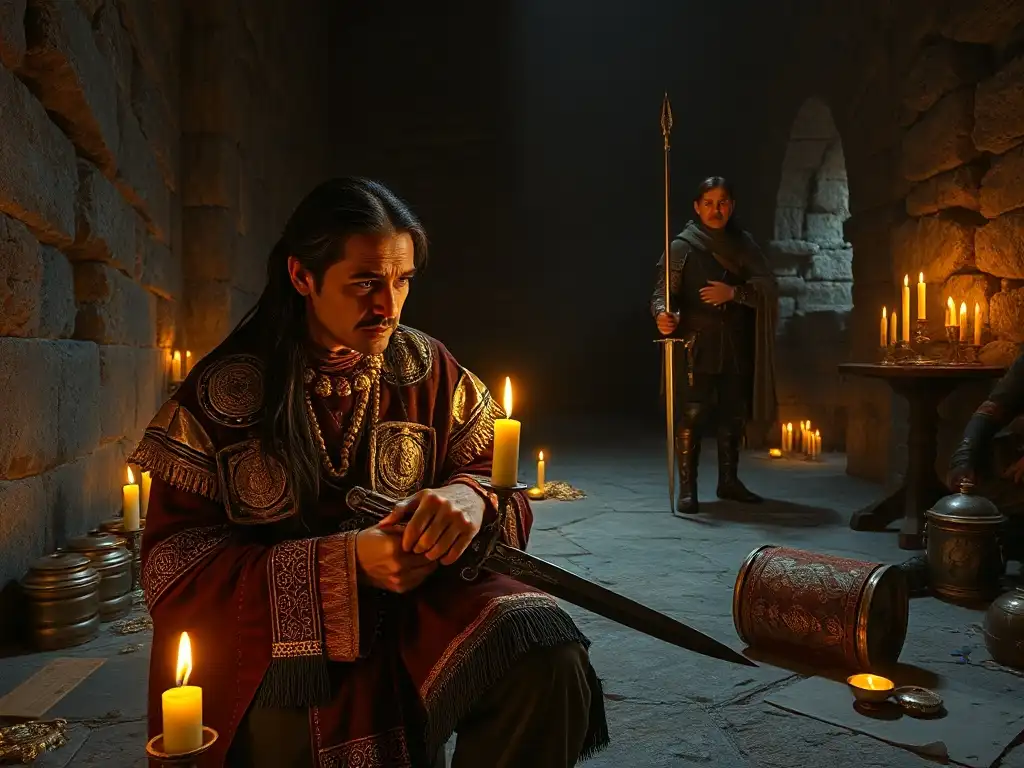
Step into a world shrouded in mystery and intrigue, where the echoes of ancient empires still resonate. Andean Civilizations unveils the captivating stories of powerful Andean societies, their breathtaking artistry, and their innovative technologies. But some tales are more enigmatic than others... Prepare to be captivated by the dramatic events surrounding Atahualpa Inca's captivity, a story of political maneuvering, betrayal, and the devastating consequences that reshaped the fate of an entire empire. Dare to uncover the truth behind the emperor's downfall – the political chess game that ultimately sealed his destiny.
The conquest of the Inca Empire by the Spanish is a dramatic tale of clashing cultures, military prowess, and, crucially, intricate political maneuvering. While the brutality of the conquistadors is undeniable, Atahualpa Inca's capture and subsequent execution weren't simply the result of superior weaponry; they were the culmination of a complex political chess game, played out on the Andean landscape long before Pizarro even set foot on South American soil.
This article delves into the pre-existing tensions within the Inca Empire, the strategic choices made by both the Inca and the Spanish, and the ultimately fatal consequences of a power struggle that sealed Atahualpa's fate and dramatically altered the course of Andean history. Understanding the political intrigue surrounding Atahualpa's captivity is key to comprehending the swift collapse of a seemingly invincible empire.
We will explore the internal conflicts within the Inca Empire, Pizarro's cunning strategies, and the fateful decisions that led to the emperor's downfall, analyzing the keyword "Atahualpa Inca captivity political intrigue" within the broader context of the Spanish Conquest.
The Inca Empire on the Eve of Conquest: A Divided Realm
The Inca Empire, at the time of the Spanish arrival, was far from the unified, monolithic power often portrayed in historical narratives. Atahualpa's ascension to the throne itself was the result of a brutal civil war following the death of Huayna Capac. This conflict, fought between Atahualpa and his half-brother Huáscar, left the empire deeply fractured.
Resources were depleted, loyalties were divided, and the infrastructure that had once bound the empire together was severely weakened. This internal strife provided fertile ground for Pizarro's audacious strategy. The empire's vulnerability wasn't simply a matter of military weakness; it was a consequence of profound political instability.
The seeds of Atahualpa's downfall were sown not by Pizarro alone, but by the deep divisions that already existed within the Inca heartland. The ensuing power vacuum, exacerbated by the ongoing conflict, allowed Pizarro and his relatively small force to exploit the situation with devastating efficiency. The sheer scale of the empire's internal conflict was a significant factor in its ultimate demise.
The Arrival of Pizarro: Setting the Stage for Atahualpa's Downfall
Pizarro's arrival wasn't a random event; it was a calculated move into a pre-existing power struggle. He expertly exploited the existing divisions within the Inca Empire, using diplomacy and deception to sow further discord. His small force, initially perceived as a minor threat, gained strength through alliances with disgruntled Inca factions.
The Battle of Cajamarca, often cited as the pivotal moment in the conquest, was not simply a military victory but a strategic masterstroke. By luring Atahualpa into a false sense of security, Pizarro capitalized on the emperor's arrogance and the ongoing political instability. The subsequent captivity of Atahualpa wasn't merely a matter of force; it was a cleverly orchestrated political maneuver that leveraged the existing fractures within the Inca Empire.
The seemingly insurmountable power of the Inca was, in reality, a façade masking deep-seated divisions, a vulnerability that Pizarro ruthlessly exploited. The events leading up to and following Atahualpa’s capture highlight the crucial role of political intrigue in the Spanish conquest of the Inca Empire. The subsequent ransoms and executions further illustrate the complex interplay of power, betrayal, and ultimately, the tragic end of an era.
- The Inca Empire on the Eve of Conquest: A Divided Realm
- The Arrival of Pizarro: Setting the Stage for Atahualpa's Downfall
- What role did political intrigue play in Atahualpa's capture?
- How did Atahualpa's captivity impact the Inca Empire?
- What was the significance of the ransom offered by Atahualpa?
- What were the key players involved in the political maneuvering surrounding Atahualpa's capture?
- How did Atahualpa's captivity contribute to the Spanish conquest of the Inca Empire?
Atahualpa's Capture: The Cajamarca Trap
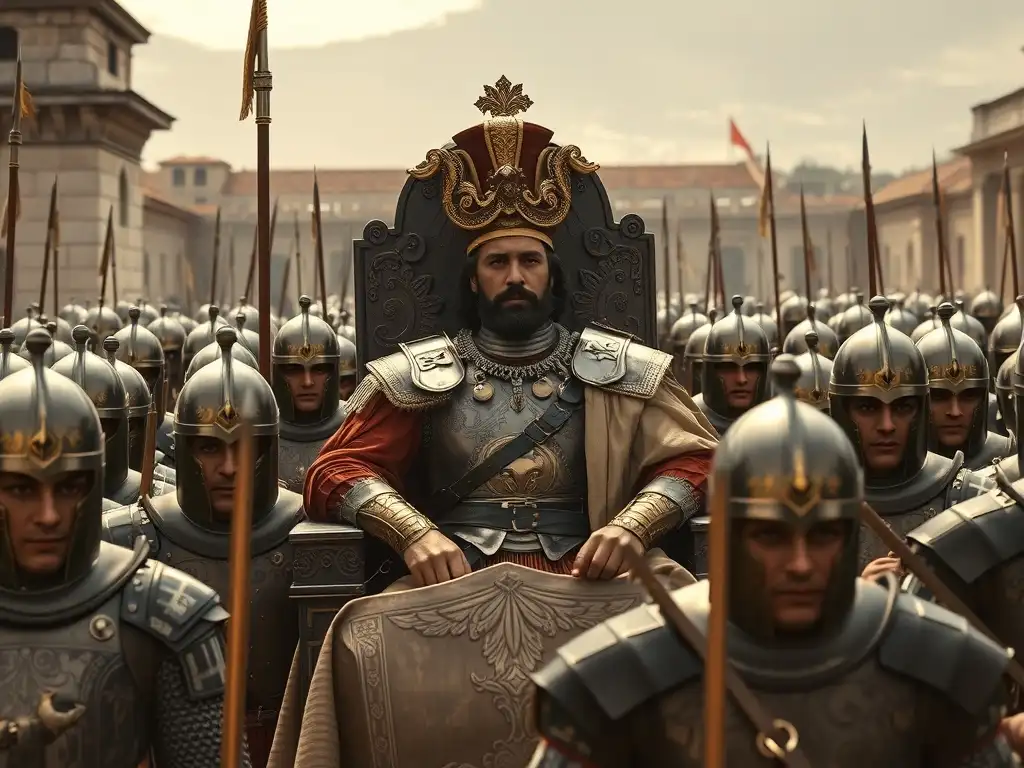
This section delves into the meticulously planned capture of Atahualpa, the last Sapa Inca of the independent Inca Empire, focusing on the strategic maneuvering and political machinations that led to his downfall. The event at Cajamarca wasn't a simple clash of armies; it was a calculated political chess game orchestrated by Francisco Pizarro, leveraging deception and exploiting internal Inca power dynamics. The consequences of Atahualpa's captivity reverberated throughout the Andes, fundamentally altering the political landscape and paving the way for the Spanish conquest.
Understanding the intricacies of this capture is crucial to grasping the complexities of the Inca Empire's demise and the subsequent colonial era. The keyword "Atahualpa Inca captivity political intrigue" is central to understanding this pivotal moment in history.
The Initial Meeting: Misunderstandings and Tensions
The initial meeting between Atahualpa and Pizarro at Cajamarca in 1532 was far from a chance encounter. Pizarro, a seasoned military strategist, carefully selected the location—a narrow plaza surrounded by high walls—to his advantage. He had meticulously planned the setting to maximize his limited forces' impact against the numerically superior Inca army. The apparent cordiality of the initial interactions, with gifts exchanged and seemingly polite conversations, masked a deep-seated tension.
The cultural misunderstandings between the two vastly different cultures exacerbated the already precarious situation. Atahualpa, accustomed to the Inca system of power and display, likely underestimated the Spanish intentions, viewing the relatively small Spanish force with a degree of disdain, and perhaps even a touch of arrogance. This miscalculation proved fatal.
The Spanish, in contrast, were keenly aware of the power dynamics at play, meticulously calculating their next move and exploiting every cultural gap to their advantage. The seemingly peaceful exchange was a carefully constructed façade designed to lull Atahualpa into a false sense of security. This crucial element of deception is often overlooked when analyzing the "Atahualpa Inca captivity political intrigue" surrounding this event.
The Ambush: Seizing the Inca Emperor
The seemingly peaceful exchange quickly devolved into chaos. At a pre-determined signal, the Spanish unleashed a devastating ambush, utilizing superior weaponry—cannons, muskets, and steel armor—to overwhelm the Inca forces. The element of surprise was paramount to the success of the operation.
The sheer brutality and unexpected nature of the attack, combined with the psychological impact of the Spanish weaponry, shattered the Inca army's cohesion. Atahualpa, surrounded by his unarmed retinue, was quickly captured. The speed and efficiency of the capture were astounding, highlighting the Spanish's superior military tactics and Atahualpa's underestimation of their capabilities.
This strategic military action, however, was deeply intertwined with the political aims of Pizarro and his men, who aimed not only to subdue the Inca army but to seize control of the vast Inca empire and its resources. This successful ambush is a critical component of understanding the "Atahualpa Inca captivity political intrigue". The swift capture of the Emperor effectively crippled the Inca's ability to resist the Spanish advance.
The Political Ramifications of Atahualpa's Imprisonment
Atahualpa's imprisonment was not merely a military victory; it was a significant political coup. The capture of the Sapa Inca destabilized the Inca Empire, triggering a power vacuum and internal conflicts amongst rival Inca factions vying for control. Pizarro cleverly exploited these internal divisions, manipulating various Inca leaders to further his own objectives.
The subsequent civil war amongst the Inca further weakened their resistance to the Spanish. The ransom offered by Atahualpa—a room filled with gold and silver—while seemingly a testament to Inca wealth, also served as a tool for the Spanish to amass resources and consolidate their power. The execution of Atahualpa, despite the ransom, demonstrated the Spanish disregard for Inca political structures and their determination to establish complete control.
The political ramifications extended far beyond the immediate consequences of the capture, shaping the trajectory of the Spanish conquest and the subsequent colonial period in the Andes. Analyzing the "Atahualpa Inca captivity political intrigue" reveals the strategic brilliance of Pizarro and the devastating consequences for the Inca Empire. The fall of Atahualpa marked not just the end of an era but the beginning of a new, profoundly different chapter in Andean history.
The Political Intrigue Behind Atahualpa's Captivity
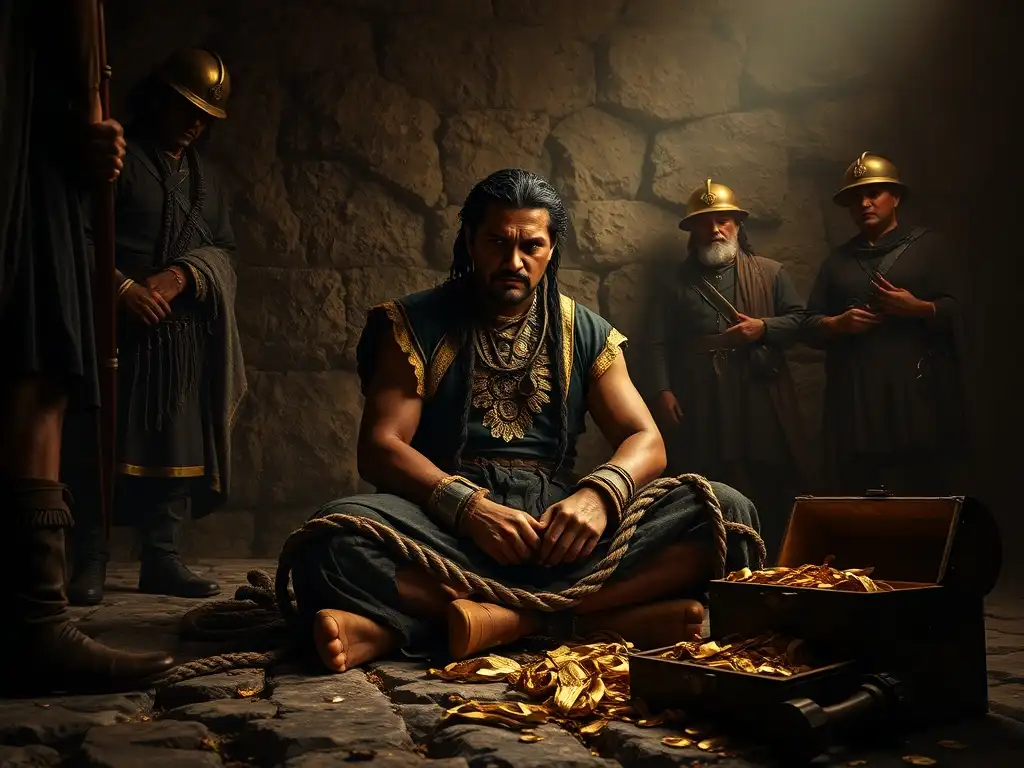
The capture of Atahualpa, the last Sapa Inca of the unified Inca Empire, wasn't a simple military victory; it was the culmination of a complex political chess game, skillfully manipulated by both internal Inca factions and the Spanish conquistadors. Atahualpa's captivity, a pivotal moment in the fall of the Inca Empire, wasn't solely due to superior Spanish weaponry but rather a strategic exploitation of existing power struggles and a profound misunderstanding of the Inca political system by the Spanish. Understanding the intricate web of political intrigue surrounding Atahualpa's capture is crucial to comprehending the swift collapse of this once-mighty empire.
This intricate dance of power, encompassing both internal strife and external manipulation, ultimately paved the way for the Spanish conquest. The keyword "Atahualpa Inca captivity political intrigue" perfectly encapsulates this crucial aspect of Inca history.
Factions within the Inca Empire: A Power Vacuum
The Inca Empire, at the time of Atahualpa's ascension, was far from a monolithic entity. Huayna Capac's death sparked a brutal civil war between his sons, Huáscar and Atahualpa. This conflict created a significant power vacuum, weakening the empire's defenses and leaving it vulnerable to external threats. Huáscar, initially declared the successor, controlled the traditional heartland of Cusco, while Atahualpa, commanding the northern provinces, amassed a powerful army.
Their conflict wasn't simply a fraternal dispute; it was a battle for control over vast resources, loyalties, and the very legitimacy of Inca rule. This internal struggle fractured the empire, diverting resources and manpower away from potential Spanish resistance. The resulting chaos provided the perfect opportunity for Pizarro to exploit the existing divisions and seize control.
The weakened state of the Inca army, depleted by years of civil war, significantly contributed to Atahualpa's capture. Furthermore, the lack of a unified front amongst the Inca nobility further hampered any effective resistance against the Spanish. The resulting power struggles within the Inca court further weakened the empire's ability to respond effectively to the Spanish threat.
Pizarro's Strategic Use of Atahualpa's Captivity
Pizarro's strategy wasn't simply about brute force; it was a calculated manipulation of the existing political landscape. By capturing Atahualpa, Pizarro effectively paralyzed the Inca government. The Sapa Inca, as the supreme ruler, held absolute authority.
His absence created a leadership crisis, preventing any coordinated defense against the Spanish. Pizarro cleverly used Atahualpa's captivity to sow discord amongst the Inca nobility, playing factions against each other and securing alliances based on self-interest. The vast ransom offered by Atahualpa—a room filled with gold and silver—was not just a means of enriching the conquistadors; it was a strategic move to further destabilize the Inca Empire.
The subsequent execution of Atahualpa, despite the ransom payment, solidified Spanish control and eliminated a powerful symbol of Inca resistance. This action paved the way for the complete subjugation of the empire and exemplifies the ruthlessness of the Spanish conquest. The strategic use of Atahualpa's captivity served as a masterclass in political manipulation, ultimately deciding the fate of the Inca Empire.
The Manipulation of Inca Politics by the Spanish Conquistadors
The Spanish conquest of the Inca Empire was not just a military campaign; it was a sophisticated operation involving the manipulation of Inca politics. The conquistadors skillfully exploited the existing divisions within the Inca Empire, using their superior understanding of political maneuvering to their advantage. They actively supported different factions, playing them against each other to weaken the overall resistance.
The Spanish actively promoted rival claims to power, fueling internal conflicts and further fracturing the already weakened Inca state. The systematic undermining of Inca authority through the manipulation of alliances and the strategic use of propaganda played a significant role in the empire's downfall. The Spanish conquistadors understood the fragility of the Inca power structure following the civil war and deftly exploited it to their advantage.
This manipulation of Inca politics, combined with superior military technology, proved decisive in the conquest. The Spanish conquest serves as a stark example of how political intrigue and manipulation can be just as effective as military force in achieving imperial ambitions. This strategic manipulation of the Inca political landscape cemented the Spanish victory and secured their control over the vast resources of the Inca Empire.
Atahualpa's Strategic Moves During His Imprisonment
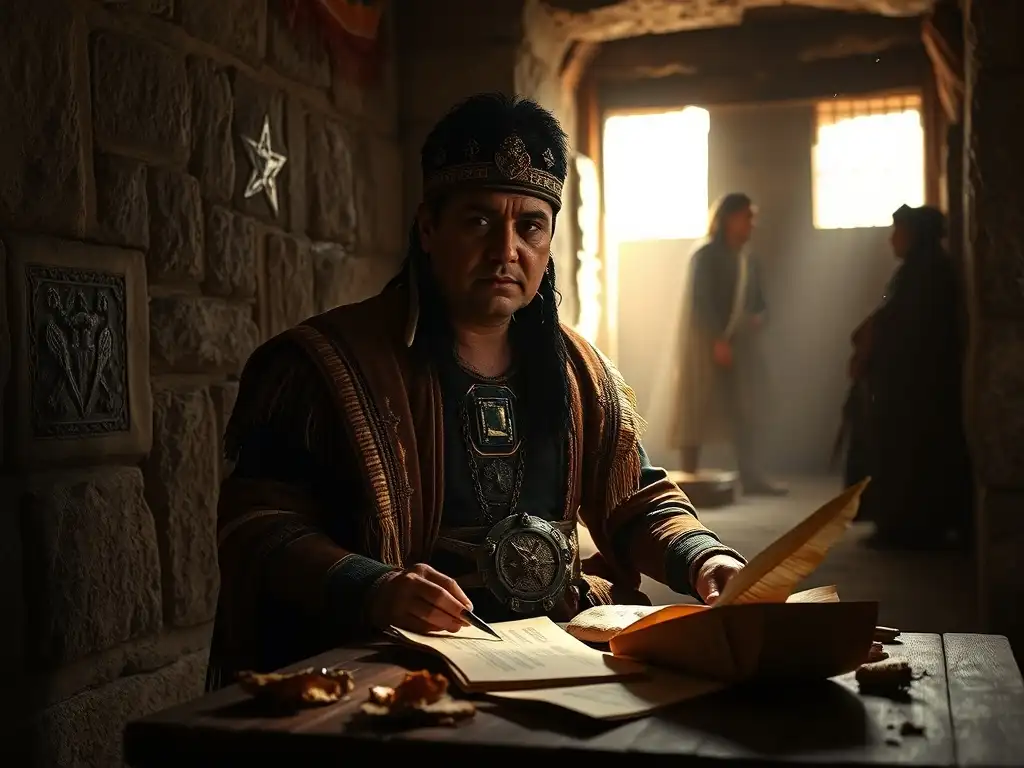
Even in captivity, Atahualpa, the last Sapa Inca of the independent Inca Empire, was far from a passive victim. His imprisonment within Cajamarca's confines wasn't merely a physical constraint; it became a stage for a complex political chess game, a desperate attempt to navigate the treacherous waters of Spanish conquest and potentially reclaim his power. Understanding Atahualpa's actions during his captivity requires acknowledging his shrewd political maneuvering, even in the face of overwhelming odds.
The "Atahualpa Inca captivity political intrigue" surrounding his imprisonment is far more nuanced than a simple tale of conquest. His strategies, though ultimately unsuccessful, reveal a leader fighting to the very end.
Attempting to Buy Freedom: The Infamous Ransom
Atahualpa's most famous act during his captivity was his attempt to secure his freedom through a massive ransom. This wasn't merely a naive act of desperation; it was a calculated political move. The offer of a room filled with gold and twice as much in silver was not simply a monetary transaction; it was a demonstration of the Inca Empire's immense wealth and power.
He aimed to showcase the vast resources at his disposal, subtly reminding Pizarro and his men of the potential consequences of harming him. The sheer scale of the proposed ransom was intended to overwhelm the conquistadors, demonstrating the Inca's capacity to outspend them and potentially buy their loyalty or at least secure a negotiated release.
The precise amount of gold and silver promised remains debated by historians, but the scale was undeniably staggering, reflecting the Inca's advanced economic system and their mastery of metalworking. This strategic move, while ultimately failing, highlights Atahualpa's understanding of the Spanish motives and his attempt to manipulate them.
The ransom's failure, however, wasn't simply due to Spanish greed. The fulfillment of the ransom revealed a significant power shift. The Inca’s ability to amass such a vast treasure was itself a testament to their power, but the very act of gathering the ransom from across the empire weakened the Inca's centralized authority and inadvertently aided the Spanish advance. The logistical nightmare of collecting, transporting, and delivering such a colossal amount of precious metals exposed the vulnerabilities of the Inca Empire in the face of the organized Spanish military machine.
Maintaining Control: Atahualpa's Communication with His People
Despite his imprisonment, Atahualpa didn’t lose his connection to his empire. He actively maintained communication with his loyalists through a complex network of messengers and intermediaries. These communications were crucial in attempting to maintain order and quell potential rebellions among his people.
The messages weren't simply about maintaining loyalty; they were subtle acts of political maneuvering, aimed at keeping the various factions within the empire aligned and preventing the disintegration of his power base. While details of these communications remain scarce, the fact that they continued even under such duress demonstrates Atahualpa's political acumen and his determination to preserve his influence.
Historians speculate that these messages included instructions for organizing resistance, the dissemination of propaganda, and attempts to maintain his perceived legitimacy as Sapa Inca. The effectiveness of these efforts remains a subject of ongoing scholarly debate, but their existence reveals Atahualpa’s persistent efforts to control events from within his prison.
The Growing Mistrust Between Atahualpa and Pizarro
The relationship between Atahualpa and Pizarro was marked by a constant, escalating game of mistrust. While Atahualpa initially attempted diplomacy and negotiation, the Spanish actions consistently undermined his attempts at building a working relationship. Pizarro's constant shifting of promises and the brutal treatment of Inca officials gradually eroded Atahualpa's faith in any possibility of a peaceful resolution.
This growing distrust fueled a cycle of suspicion and hostility, where any attempt at compromise was met with increased Spanish aggression. For example, [specific examples of broken promises and escalating violence pending]. This escalating tension ultimately led to the tragic execution of Atahualpa, highlighting the failure of any potential negotiated settlement and solidifying the Spanish conquest of the Inca Empire.
The breakdown in trust between these two powerful figures underscores the inherent instability of negotiations during a period of colonial expansion, shaped by the inherent power imbalances and conflicting cultural understandings. The "Atahualpa Inca captivity political intrigue" ultimately demonstrates the disastrous consequences of this escalating mistrust.
The Trial and Execution of Atahualpa: A Premeditated Act
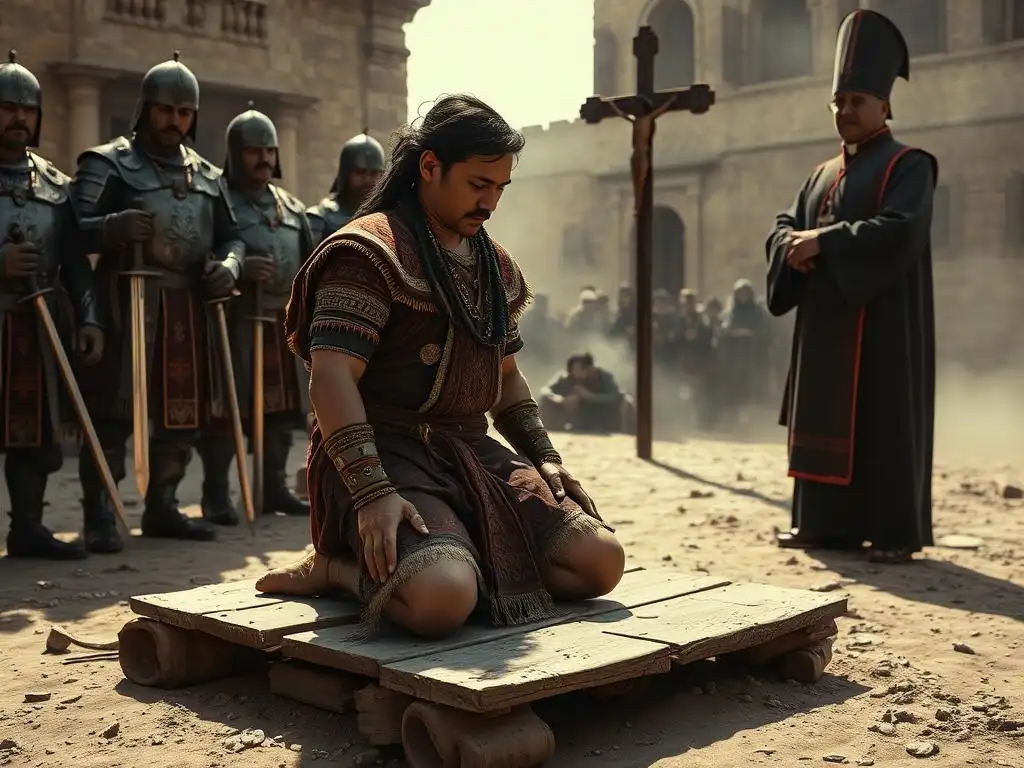
The capture of Atahualpa in Cajamarca marked not the end, but a pivotal turning point in the Spanish conquest. While the initial ambush showcased overwhelming military superiority, the subsequent events surrounding Atahualpa's trial and execution reveal a calculated political strategy far exceeding a simple military victory. This section delves into the meticulously orchestrated events that led to the Inca emperor's demise, highlighting the sophisticated political intrigue woven into the seemingly straightforward legal proceedings. The phrase "Atahualpa Inca captivity political intrigue" perfectly encapsulates the complex web of manipulation and power plays that ultimately sealed his fate.
The False Accusations: Fabricating Crimes Against the Inca
The charges leveled against Atahualpa were a carefully constructed edifice of falsehoods, designed to justify his execution in the eyes of both the Spanish Crown and the conquered population. The accusations ranged from idolatry and human sacrifice – common practices within Inca religion – to the more politically expedient charges of rebellion and fratricide.
These accusations, however, lacked any real legal basis under Inca law, and were instead carefully tailored to fit the Spanish colonial narrative of bringing "civilization" to the "uncivilized." The Spanish strategically exploited existing tensions within the Inca empire, using Atahualpa's own family disputes as leverage to create a justification for their actions.
The evidence presented was largely circumstantial and often fabricated. For instance, the accusation of fratricide, while based on the conflict between Atahualpa and his brother Huáscar, was presented with a heavily biased narrative that conveniently omitted the role of Spanish intervention in exacerbating these internal conflicts. This selective presentation of "evidence" allowed the Spanish to portray Atahualpa as a tyrannical ruler, thus legitimizing their conquest in the eyes of any potential allies or observers. The entire process was a masterclass in propaganda, using manipulated narratives to justify the political expediency of eliminating a powerful obstacle to Spanish dominance.
The Inevitable Verdict: Atahualpa's Death Sentence
Despite the mountains of gold offered as ransom, Atahualpa's fate was sealed long before the trial began. The Spanish, led by Pizarro, had already decided upon his execution. The "trial," therefore, served as a mere formality, a carefully staged performance designed to provide a veneer of legitimacy to their actions. The proceedings, far from being impartial, were heavily influenced by the Spanish desire for absolute control. The fabricated charges against Atahualpa were never seriously contested, as the Inca emperor lacked the legal resources and understanding of the Spanish legal system to mount an effective defense.
The verdict, predictably, found Atahualpa guilty on all counts. The sentence, death by burning, was a calculated move designed to send a clear message of power and intimidation to the remaining Inca population. While the sentence was later commuted to garroting – strangulation – at the insistence of some within the Spanish ranks, the underlying purpose remained unchanged: the elimination of a powerful leader and the consolidation of Spanish control.
This carefully managed execution demonstrates the deliberate and strategic nature of the Spanish conquest beyond the initial military victory. The entire process of Atahualpa's trial and execution was a meticulously planned political maneuver, reflecting the intricate political intrigue surrounding the conquest.
The Impact of Atahualpa's Execution on the Inca Resistance
Atahualpa's execution profoundly impacted the Inca resistance to the Spanish conquest. His death removed a powerful unifying figure, fracturing the already weakened Inca empire. The ensuing power vacuum created chaos and instability, hindering the organization and coordination of any effective resistance. The elimination of Atahualpa not only removed a skilled military leader but also severed a crucial link to the Inca's cultural and spiritual heritage. His execution served as a powerful symbol of the Spanish dominance and a devastating blow to Inca morale.
The impact extended beyond the immediate consequences of the execution. The lack of a central authority led to infighting amongst various Inca factions, further weakening their ability to resist Spanish encroachment. The ensuing years saw a fragmented and disorganized resistance, significantly hindering their chances of successfully challenging the Spanish.
The Spanish skillfully exploited these divisions, using a strategy of divide and conquer to consolidate their power throughout the Andean region. The execution of Atahualpa, therefore, wasn't merely a single event; it was a pivotal moment that fundamentally altered the trajectory of the Inca resistance and paved the way for the complete subjugation of the Inca Empire. 💥 The repercussions of this political chess move are still felt today.
Analyzing the Political Chess Game: Lessons from Atahualpa's Fate
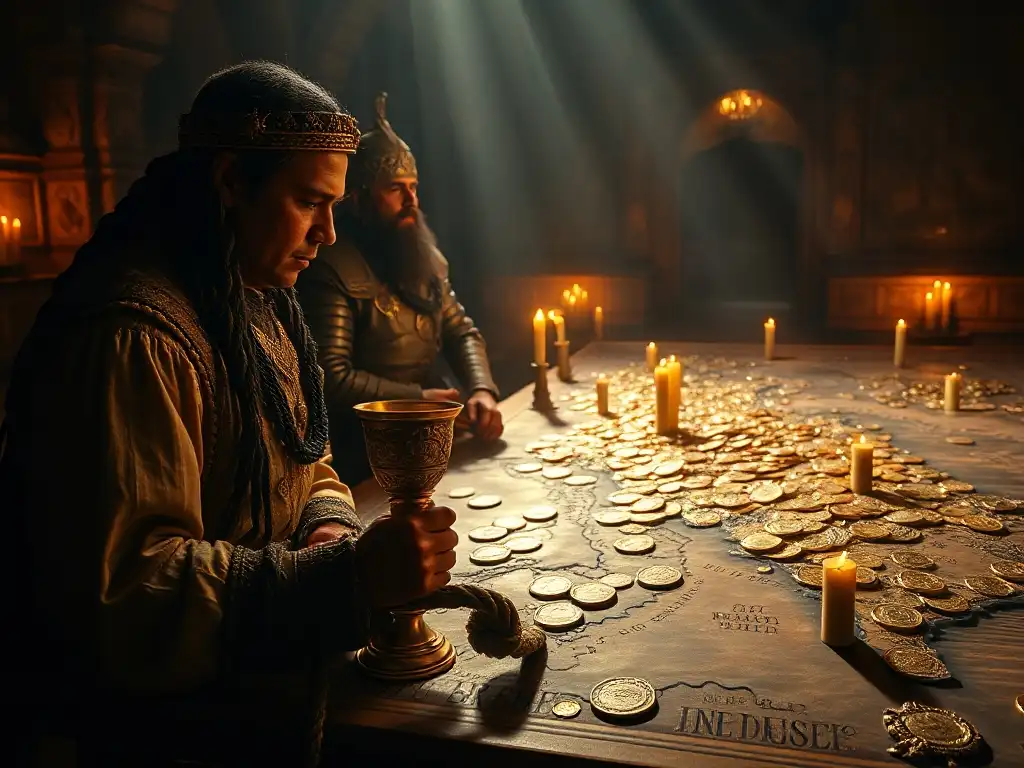
Atahualpa's capture in 1532 wasn't simply a matter of superior Spanish weaponry; it was the culmination of a complex political chess game, a confluence of internal Inca strife and shrewd Spanish manipulation. Understanding the intricacies of this power struggle is crucial to grasping the full narrative of the Inca Empire's downfall. The "Atahualpa Inca captivity political intrigue" wasn't a singular event, but a process fueled by years of simmering tensions and strategic maneuvering.
This section delves into the key elements that contributed to Atahualpa's vulnerability and ultimate demise. The fall of the Inca Empire serves as a stark reminder of how internal divisions can weaken even the most powerful of states, leaving them susceptible to external threats.
The Role of Internal Inca Conflicts in Atahualpa's Downfall
Atahualpa's ascension to the Inca throne was far from peaceful. Following the death of Huayna Capac, a power vacuum emerged, triggering a brutal civil war between Atahualpa and his half-brother Huáscar. This conflict significantly weakened the Inca Empire, fracturing its military strength and diverting resources away from defense. Huáscar, initially considered the legitimate heir, controlled the traditional power base of Cusco.
However, Atahualpa, leveraging his military prowess and control over the northern provinces, gradually gained the upper hand. The protracted conflict left the empire deeply divided, with loyalties split and resources depleted. This internal fracturing, far more than any Spanish military advantage, paved the way for Pizarro's relatively small force to achieve such a decisive victory.
The war crippled the Inca's ability to mount an effective defense against the conquistadors, leaving Atahualpa's forces disorganized and demoralized. The sheer exhaustion of the empire, coupled with the lingering resentment and distrust between opposing factions, proved to be a far greater weapon than any sword or cannon. The strategic advantage shifted decisively towards the Spanish, who exploited these existing tensions to their advantage.
The Ruthless Tactics of the Spanish Conquest
Pizarro's conquest wasn't just brute force; it was a masterclass in psychological warfare and calculated manipulation. Understanding the "Atahualpa Inca captivity political intrigue" requires acknowledging the Spanish conquistadors' shrewd exploitation of the existing Inca civil war. They strategically allied with certain factions, offering promises of support and power in exchange for assistance.
This divide-and-conquer strategy effectively neutralized the Inca's numerical superiority. Moreover, the Spanish utilized deception and psychological tactics. The infamous Cajamarca ambush, where Pizarro captured Atahualpa during a seemingly peaceful meeting, highlights this ruthlessness.
The element of surprise, coupled with the psychological impact of advanced weaponry (including horses, which were unknown to the Incas), shattered the Inca army's morale and effectively ended any immediate resistance. The Spanish understood the power of propaganda and fear, exploiting the Inca's initial awe and disbelief to their advantage. This calculated cruelty, combined with the pre-existing internal conflicts within the Inca Empire, ensured the success of the Spanish conquest.
The Legacy of Atahualpa's Captivity in Andean History
Atahualpa's captivity and subsequent execution remain a pivotal moment in Andean history. The "Atahualpa Inca captivity political intrigue" left a lasting impact on the region's political landscape, shaping its future trajectory. The event marked the beginning of the end of Inca rule, triggering a period of colonization and cultural upheaval.
The loss of Atahualpa, and the subsequent dismantling of the Inca Empire, resulted in a dramatic shift in power dynamics, profoundly altering the social, economic, and political structures of Andean society. The immense wealth extracted by the Spanish, much of which was obtained through Atahualpa's ransom, fueled further Spanish expansion and colonization throughout the Americas. His story continues to resonate today, serving as a powerful symbol of resistance and a reminder of the devastating consequences of internal conflict and foreign exploitation.
The narrative of Atahualpa's captivity remains central to Andean identity, a potent reminder of a lost empire and a critical turning point in the region's history. The legacy of Atahualpa’s captivity continues to shape narratives of resistance and resilience within Andean communities.
The Long-Term Consequences for the Inca People
The capture and execution of Atahualpa had profound and long-lasting consequences for the Inca people, extending far beyond the immediate loss of their emperor. The carefully constructed Inca political system, built on a complex web of alliances and a highly centralized authority, crumbled under the weight of Spanish conquest. The ensuing chaos led to widespread social upheaval, economic disruption, and a dramatic decline in the Inca population. The introduction of European diseases, like smallpox and measles, decimated the indigenous population, further weakening their ability to resist Spanish rule.
This demographic catastrophe, coupled with the destruction of traditional social structures and agricultural practices, resulted in a significant loss of cultural heritage and knowledge. The Inca's sophisticated system of record-keeping, largely based on quipus (knotted strings), was largely lost, making the reconstruction of their history a challenging endeavor for modern scholars. The Spanish imposed their own system of governance, leading to the exploitation of the Inca people and the forced adoption of new religious beliefs and practices. This cultural imposition, coupled with the destruction of sacred sites and artifacts, irrevocably altered the Inca identity and way of life.
The effects of Atahualpa's captivity reverberated through generations, shaping the trajectory of Andean history for centuries to come. The legacy of this event continues to be felt in the social, economic, and political realities of modern-day Peru and other Andean nations. The disruption caused by the Spanish conquest, facilitated by Atahualpa's capture, fundamentally altered the course of Andean civilization.
The Enduring Significance of Atahualpa's Story
Atahualpa's story transcends the confines of a historical event; it serves as a potent symbol of the complexities of power, betrayal, and cultural clash. His dramatic capture, the immense ransom paid, and his ultimate execution remain compelling narratives that continue to fascinate and inspire. The tale of Atahualpa's captivity highlights the vulnerability of even the most powerful rulers in the face of unforeseen circumstances and superior military technology.
It underscores the importance of understanding the political landscape and the potential for internal divisions to weaken a seemingly invincible empire. Moreover, Atahualpa's story is a powerful reminder of the devastating consequences of colonialism and the lasting impact it has on indigenous cultures and populations. His legacy serves as a cautionary tale about the fragility of power and the importance of preserving cultural heritage in the face of external pressures.
The ongoing scholarly interest in Atahualpa's life and death demonstrates the enduring significance of his story, which continues to be reinterpreted and analyzed through various lenses, enriching our understanding of the Inca Empire and the dynamics of the Spanish Conquest. His story, filled with drama, intrigue, and ultimately tragedy, remains a crucial part of the Andean narrative, a testament to the resilience and enduring spirit of the Inca people, despite the devastating impact of their emperor's captivity and the subsequent collapse of their empire. The political intrigue surrounding Atahualpa's capture continues to be studied and debated, offering valuable insights into the complexities of power dynamics and the devastating consequences of unchecked ambition.
Frequently Asked Questions
What role did political intrigue play in Atahualpa's capture?
The capture of Atahualpa wasn't a simple military victory; it was a complex event fueled by internal conflicts within the Inca Empire. Rival factions exploited existing tensions to manipulate events and secure power. This internal strife significantly weakened the Inca resistance against Pizarro.
How did Atahualpa's captivity impact the Inca Empire?
Atahualpa's captivity marked the beginning of the end for the Inca Empire. His imprisonment created a power vacuum, triggering widespread chaos and fracturing the already weakened political structure. This ultimately facilitated the Spanish conquest.
What was the significance of the ransom offered by Atahualpa?
The massive ransom offered by Atahualpa, a room filled with gold and silver, highlights the Inca's wealth and sophisticated economy. However, despite fulfilling his promise, it ultimately failed to secure his freedom and proved irrelevant to Spanish ambitions of conquest.
What were the key players involved in the political maneuvering surrounding Atahualpa's capture?
Besides Atahualpa and Pizarro, key players included Huáscar, Atahualpa's brother, whose conflict with Atahualpa weakened the Inca Empire, and other Inca nobles who sought to capitalize on the situation for their own gain. Spanish conquistadors, beyond Pizarro, also played crucial roles in the intrigue.
How did Atahualpa's captivity contribute to the Spanish conquest of the Inca Empire?
Atahualpa's capture was a turning point in the Spanish conquest. His imprisonment eliminated a strong central authority, creating political instability and facilitating the rapid advance of the Spanish forces throughout the Inca Empire. The loss of leadership crippled the Inca's ability to resist.
Final Reflection: The Enduring Legacy of Atahualpa's Betrayal
The political machinations that led to Atahualpa's capture and execution remain chillingly relevant today. The ruthless pursuit of power, the exploitation of internal divisions, and the devastating consequences of unchecked ambition continue to shape global conflicts and internal struggles. Atahualpa's story serves as a stark reminder that the seemingly invincible can be brought low by cunning and betrayal.
The story of Atahualpa's captivity transcends its historical context; it speaks to the enduring human capacity for both extraordinary cruelty and remarkable resilience. His story, a tapestry woven with threads of ambition, betrayal, and ultimately, tragedy, continues to resonate in our understanding of power dynamics and the fragility of empires. History repeats itself, first as tragedy, then as farce.
This quote, often attributed to Marx, perfectly encapsulates the cyclical nature of power struggles, a cycle tragically illustrated by Atahualpa's fate. His story is a cautionary tale, a reminder that the pursuit of power, unchecked by morality, can lead to devastating consequences.
Consider the parallels you see in today's world. Reflect on the ways in which political maneuvering and the exploitation of vulnerabilities continue to shape events. You, the reader, hold the power to learn from Atahualpa's tragic story. By understanding the intricacies of this historical event, we can become more discerning observers of the political landscape, better equipped to identify and challenge the manipulative tactics that threaten peace and justice. Let Atahualpa's story be a catalyst for critical thinking and a commitment to a more just and equitable world.
Unleash Your Curiosity: Dive Deeper into History!
Thank you for exploring the intriguing story of Atahualpa and the complex political landscape that shaped his life. Your interest in this pivotal moment in history underscores the importance of understanding the past to better inform our present.
Ready to delve further? Here are some ways to enrich your knowledge and engage more deeply with the themes we've explored:
- Explore our extensive archives: Visit our website and discover a wealth of articles that delve into the fascinating history of Andean civilizations.
- Share your discoveries: Discuss what you've learned with friends and family— sparking conversations about history is a wonderful way to keep these stories alive!
- Join our community: Follow us on social media to stay updated on the latest discussions, events, and insights related to Andean cultures.
What other facets of Atahualpa's life and reign do you find particularly compelling or deserving of further study?