
The Inca Games and Sports: How They Were Lost or Transformed

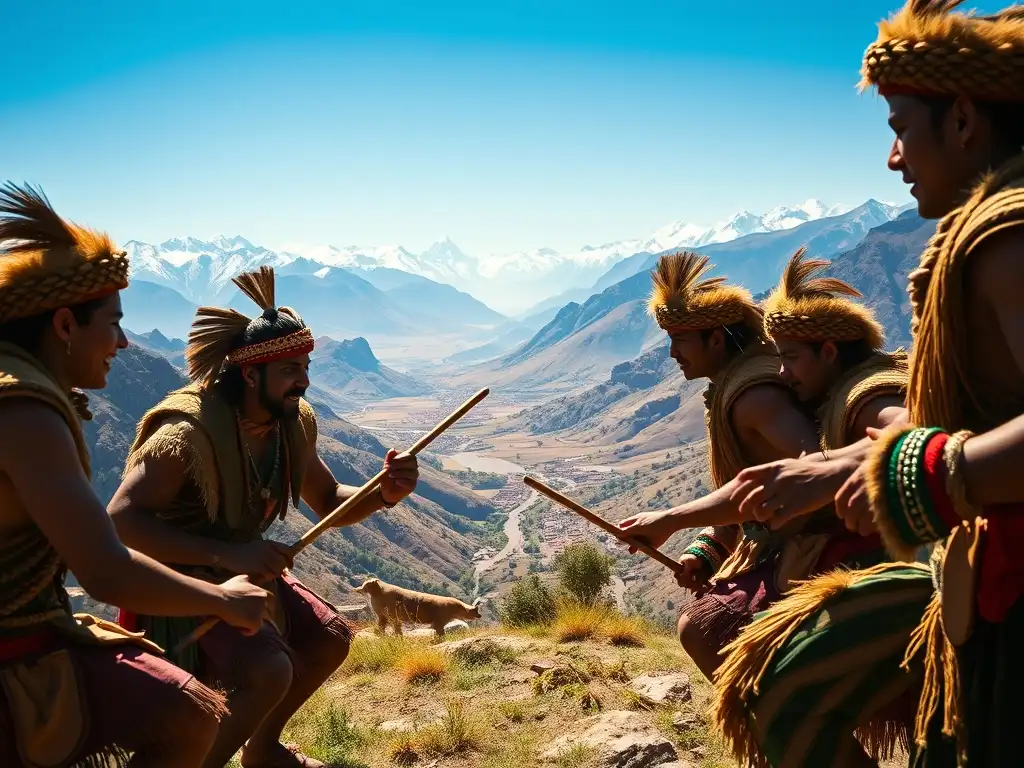
Step into a world lost to time, yet echoing with the vibrant spirit of the Andes. For centuries, the Inca, Moche, Nazca, and Tiahuanaco flourished, leaving behind a legacy of breathtaking artistry and ingenuity. But what happened to their traditions? Dive into the fascinating world of Inca games and sports history, and uncover how the Spanish Conquest irrevocably altered—or perhaps merely transformed—the athletic heart of a mighty empire. Prepare to be captivated by a story of resilience, loss, and the enduring mystery of Andean heritage.
- Inca Games and Sports: A Glimpse into Andean Athleticism
- Pre-Columbian Inca Athletic Practices
- The Spanish Conquest and its Impact on Inca Games
- The Transformation of Inca Athletic Traditions
- The Historical Trajectory of Inca Sports
- The Cultural Legacy of Inca Sports
- Revitalizing Inca Games and Sports: Contemporary Approaches
- Frequently Asked Questions
- Final Reflection: Echoes of the Andes: The Enduring Legacy of Inca Games
- Revive the Spirit of Inca Sports!
Inca Games and Sports: A Glimpse into Andean Athleticism
The Spanish conquest of the Inca Empire in the 16th century marked a devastating turning point, not only politically and socially, but also culturally. The vibrant tapestry of Inca life, including their intricate systems of governance, sophisticated agricultural techniques, and remarkably advanced understanding of astronomy, was irrevocably altered. A crucial, yet often overlooked, aspect of this cultural upheaval lies in the fate of Inca games and sports.
This article delves into the fascinating world of Andean athleticism, exploring the diverse range of games and sports practiced by the Inca, how they were impacted by the conquest, and how some aspects might have been subtly transformed or survived in modern Andean cultures. We will examine the historical evidence, considering both written accounts from Spanish chroniclers and archaeological findings, to paint a comprehensive picture of this lost – or perhaps, transformed – aspect of Inca heritage.
Understanding the fate of Inca games and sports provides a unique lens through which to understand the broader impact of the conquest and the resilience of Andean culture. This exploration is crucial for understanding the full scope of the "Inca games and sports history" and its enduring legacy.
The Diverse Landscape of Inca Games and Sports
Inca society placed a significant emphasis on physical prowess and athletic competition. Games and sports weren't merely recreational activities; they played a vital role in Inca religious ceremonies, military training, and social cohesion. Evidence suggests a wide variety of games, ranging from individual contests demanding strength and skill to team-based activities requiring coordination and strategy. Some involved the use of specialized equipment, while others relied solely on physical dexterity.
These games were not just entertainment; they were integral to the fabric of Inca life, reflecting their values and beliefs. Archaeological discoveries, such as depictions on pottery and textiles, offer tantalizing glimpses into these activities. Unfortunately, many details remain shrouded in mystery, as the Spanish conquistadors often either disregarded or destroyed indigenous cultural practices. However, by piecing together fragmented evidence, we can begin to reconstruct a picture of the rich athletic traditions of the Inca.
Chaska, the Ball Game: A Symbol of Inca Culture
One of the most well-documented Inca games is chaska, a ball game played with a small, hard ball and often associated with religious rituals. Unlike European ball games, chaska appears to have involved a significant degree of ritualistic significance, often linked to agricultural cycles and fertility. Descriptions from Spanish chroniclers paint a picture of intense competition, with players exhibiting exceptional skill and agility.
While the exact rules remain debated, it's clear that chaska held a prominent place in Inca society, functioning as both a form of entertainment and a religious practice. The game's demise following the conquest is a stark reminder of the destructive impact of colonization on indigenous cultures. Some researchers suggest that elements of chaska may have influenced later Andean ball games, indicating a degree of cultural persistence despite the profound changes brought about by the Spanish.
The Impact of the Spanish Conquest on Inca Games and Sports
The Spanish conquest had a catastrophic impact on Inca games and sports. The destruction of Inca temples and religious sites, often the locations where games were played, effectively erased much of the cultural context surrounding these activities. Moreover, the suppression of indigenous religions and cultural practices led to the deliberate suppression or abandonment of many traditional games.
The introduction of European sports and games further contributed to the decline of Inca athletic traditions. This cultural erasure was a deliberate policy aimed at dismantling Inca identity and imposing Spanish dominance. The loss of Inca games and sports represents a significant loss of cultural heritage, highlighting the devastating consequences of colonization.
Traces of Inca Athleticism: Survival and Transformation?
Despite the devastating impact of the conquest, some scholars argue that certain aspects of Inca games and sports may have survived, albeit transformed, in modern Andean cultures. Certain games and physical activities practiced in contemporary Andean communities may bear some resemblance to ancient Inca traditions. This subtle continuation, if it exists, speaks to the resilience of Andean culture and its ability to adapt and preserve aspects of its heritage even in the face of immense upheaval.
Further research is necessary to fully explore the potential links between ancient Inca games and modern Andean athletic practices. This is an area requiring further investigation to fully understand the extent to which Inca athletic traditions have persisted. The search for these connections is a vital part of reclaiming and celebrating the rich heritage of the Inca Empire.
Pre-Columbian Inca Athletic Practices
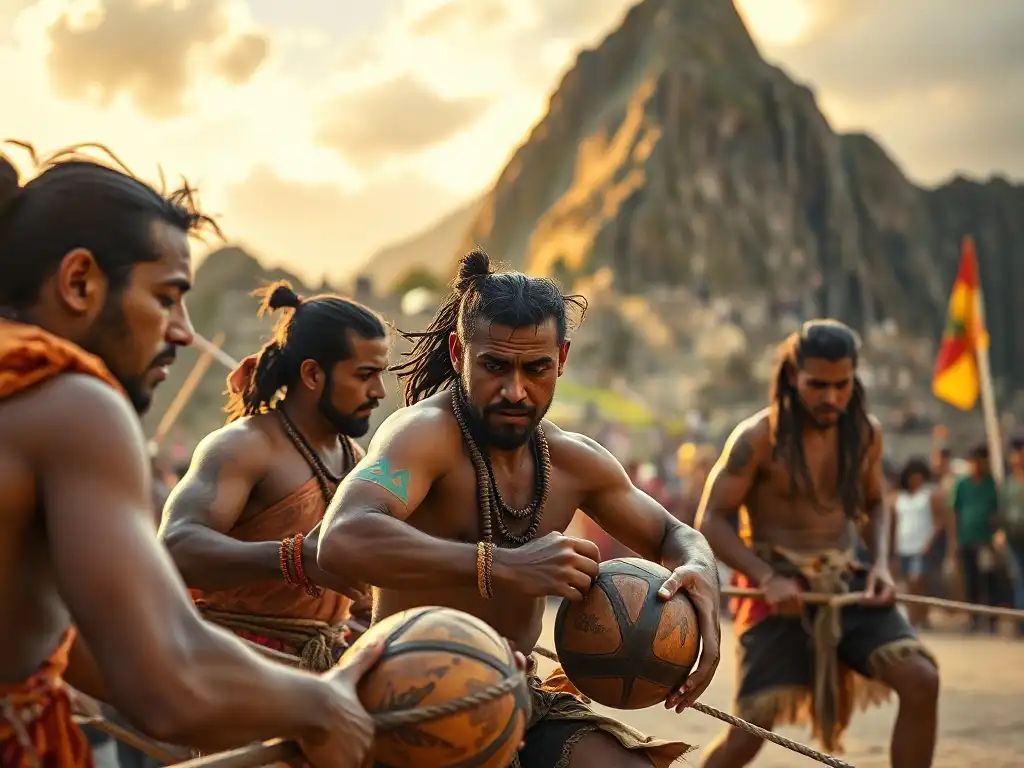
The vibrant tapestry of Inca culture extended beyond its impressive architecture and sophisticated agricultural techniques. A significant, yet often overlooked, aspect of Inca life was its rich tradition of games and sports. These weren't merely recreational activities; they were deeply interwoven with the fabric of Inca society, reflecting its spiritual beliefs, social structure, and physical prowess.
Understanding these pre-Columbian athletic practices provides crucial insight into the complexities of Inca civilization and helps us grasp the profound impact of the Spanish conquest on their cultural heritage. The keyword "Inca games and sports history" accurately reflects this understudied area of Andean studies. Research into this area is ongoing, and further archaeological discoveries may shed more light on the specifics of these practices.
The Spiritual Dimension of Inca Competitions
Inca games and sports were not simply physical contests; they held profound spiritual significance. Many competitions were linked to religious festivals and ceremonies, honoring deities and ensuring a bountiful harvest or successful military campaigns. The capac hucha, a ceremonial ball game played with a small, hard ball, is a prime example.
While the precise rules remain debated among scholars, evidence suggests that this game held ritualistic importance, possibly symbolizing the cosmic struggle between opposing forces. The outcome of the capac hucha game may have been interpreted as an omen, influencing decisions related to agriculture or warfare. Furthermore, athletes were often seen as having a special connection to the spiritual realm, possessing abilities that transcended the ordinary.
Their success was attributed to divine favor, and their participation in games served as a form of religious devotion. This spiritual dimension is crucial to understanding the significance of Inca athletics within the broader context of their worldview. The intense focus on ritual and the integration of sport into religious practice highlight the deeply spiritual nature of Inca society.
Diverse Physical Activities in the Inca Empire
The Inca Empire boasted a remarkable diversity of physical activities. Beyond the ritualistic capac hucha, evidence suggests a range of other games and sports were practiced. These included running races, wrestling matches, and various ball games played with different equipment and rules.
Archaeological finds, such as depictions on pottery and textiles, offer glimpses into these activities, although detailed descriptions are often lacking. For example, depictions on pottery frequently show individuals engaged in what appears to be a form of wrestling, highlighting the importance of strength and agility in Inca society. Similarly, running races may have been incorporated into religious festivals, mirroring the importance of speed and endurance in both hunting and warfare.
The variety of athletic pursuits suggests a dynamic and multifaceted approach to physical activity, reflecting the diverse needs and interests of the Inca population. Further research, including careful analysis of existing artifacts and potential future archaeological discoveries, is needed to fully document the spectrum of Inca games and sports.
The Inca social hierarchy was reflected in the organization and participation in games and sports. Elite members of society, such as the curacas (local leaders) and the Inca royalty, often enjoyed privileged access to certain games and sporting events, while commoners might participate in different, more localized competitions. The availability of specialized equipment, the scale of the events, and the level of prestige associated with participation varied significantly across social classes.
This social stratification within the realm of athletics mirrors the broader hierarchical structure of the Inca Empire. For instance, the capac hucha might have been primarily a game for the elite, while other, less formalized games were more accessible to the general population.
This suggests that sports and games served not only as a form of recreation but also as a means of reinforcing and perpetuating the social order. The distribution of resources and opportunities within the sporting realm provides further evidence of the deeply ingrained social hierarchy of Inca society, a system that was significantly disrupted by the Spanish conquest.
The Spanish Conquest and its Impact on Inca Games
The Spanish conquest of the Inca Empire in the 16th century drastically altered the cultural landscape of the Andes, profoundly impacting various aspects of Inca life, including their games and sports. While the precise details of many Inca games remain shrouded in the mists of time, archaeological evidence and historical accounts suggest a vibrant sporting culture that was systematically dismantled or transformed following the arrival of the Spanish. Understanding this impact requires examining the deliberate suppression of indigenous traditions and the subsequent introduction of European games.
The loss wasn't merely a disappearance of recreational activities; it represented a profound disruption of a deeply ingrained social and religious system. The study of "Inca games and sports history" reveals a complex interplay between cultural destruction and adaptation.
Cultural Disruption and the Suppression of Inca Traditions
The Spanish conquistadors, driven by religious zeal and a thirst for wealth, actively sought to suppress Inca traditions deemed "pagan" or incompatible with Catholicism. This included the suppression of many Inca festivals and ceremonies, many of which incorporated athletic competitions. The Fiesta del Sol, for example, a grand celebration involving various athletic events, was likely among the first targets of the Spanish. These events were not simply games; they held deep religious significance, reinforcing the Inca worldview and social hierarchy.
The elimination of these rituals, therefore, wasn't just about banning games; it was about dismantling the very fabric of Inca society. Chroniclers such as Garcilaso de la Vega provide valuable, albeit sometimes biased, accounts of these events, hinting at the scale of the cultural destruction. The conquistadors' methods ranged from outright bans and violence to more subtle forms of coercion, such as the replacement of indigenous religious leaders with Catholic priests.
The loss of this cultural context makes reconstructing a complete picture of Inca games and sports incredibly challenging. The impact was devastating, leading to a significant decline in the practice and preservation of traditional Inca games. This systematic dismantling contributed significantly to the near-total loss of knowledge surrounding many Inca athletic pursuits.
The Decline of Inca Sports and Their Ritual Significance
The decline of Inca sports wasn't solely due to active suppression; it was also a consequence of the broader societal upheaval caused by the conquest. The Inca Empire's sophisticated infrastructure, which facilitated the organization and participation in large-scale sporting events, crumbled under Spanish rule. The chasquis, the Inca's relay runners who also played a vital role in organizing games and disseminating information, lost their importance and their network disintegrated.
The disruption of agricultural practices and the imposition of forced labor also reduced the time and resources available for recreational activities. Furthermore, the decimation of the Inca population through disease and warfare further hampered the continuity of traditional games and sports. The challenging aspect of reconstructing this history is the scarcity of primary sources focusing specifically on the details of Inca games.
Many surviving accounts are fragmented, leaving significant gaps in our understanding. For example, precise rules and variations of games like pallmall (a form of ball game) remain largely unknown, hindering a complete analysis of their ritual significance. The social and religious contexts in which these games were played are equally difficult to fully recover.
The Introduction of European Games and Their Gradual Acceptance
Despite the suppression of indigenous games, European games gradually gained acceptance within the Andean region. Games like bullfighting, introduced by the Spanish, became popular, although often adapted and integrated with existing Andean cultural elements. This process of cultural syncretism, where indigenous and European traditions blended, resulted in new forms of entertainment. However, the dominance of European games and sports didn't erase all traces of Inca traditions.
Some indigenous games might have survived in modified forms, practiced in secluded communities or adapted to fit within the new colonial context. The process wasn't a simple replacement; it was a complex interaction resulting in a hybrid sporting culture. The persistence of certain indigenous elements in these new games suggests a degree of resilience and adaptation within the Andean communities.
Further research is needed to fully understand the extent to which Inca games influenced the evolution of these hybrid sports and the degree to which indigenous sporting traditions survived the conquest in altered forms. Identifying and analyzing these subtle continuities is crucial for a nuanced understanding of "Inca games and sports history." The story isn't one of complete loss, but rather a complex process of transformation and adaptation in the face of colonial domination.
The Transformation of Inca Athletic Traditions
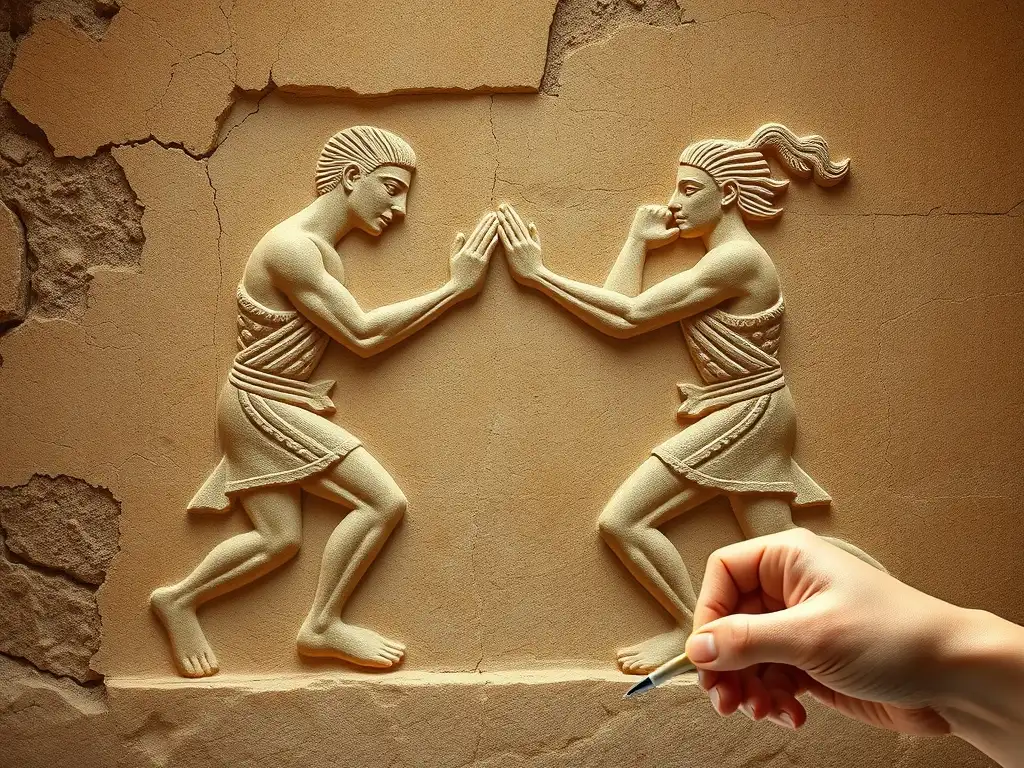
The Spanish conquest dramatically altered the landscape of Inca games and sports history, leading to a complex process of adaptation, fusion, and, in many cases, loss. While many games disappeared entirely, others were modified or integrated into new cultural contexts, showcasing the resilience and adaptability of Andean traditions. Understanding this transformation requires examining how indigenous groups adapted existing games, how Inca and European practices fused, and how select activities persist in modern Andean communities. This intricate interplay of continuity and change reveals the enduring legacy of Inca athleticism.
Adaptation and Modification of Inca Games by Indigenous Groups
Following the conquest, indigenous groups did not simply abandon their established athletic practices. Instead, many adapted and modified Inca games to fit their new realities. This adaptation often involved a subtle shift in rules, materials, or context. For instance, games that originally served ceremonial or ritualistic purposes might have been secularized, losing their religious significance but retaining their core gameplay.
The specific changes varied greatly depending on the region and the particular game. Some games may have seen a reduction in scale or complexity, reflecting the diminished resources and social structures of the post-conquest era. Detailed records of these adaptations are scarce, making this aspect of Inca games and sports history a particularly challenging area of research.
Further investigation is needed to fully document the varied ways in which indigenous communities reinterpreted and preserved their athletic heritage. For example, [specific examples of adapted games and their modifications pending]. Anthropological studies and archaeological findings could provide crucial insights into the evolution of these practices.
The Fusion of Inca and European Sporting Practices
The arrival of the Spanish introduced new sporting practices to the Andes, resulting in a gradual fusion between Inca and European traditions. This fusion wasn't a simple replacement; rather, it involved a complex process of interaction and exchange. Some European sports, such as variations of equestrian games, may have been adopted or adapted by the Andean population, while others remained largely exclusive to the Spanish colonizers.
Conversely, certain Inca games may have influenced the development of new hybrid sports, reflecting a dynamic interplay between both cultures. The extent of this fusion varied across different regions and social groups. In some areas, the integration of European and Inca sporting practices may have been more pronounced than in others, depending on factors such as the intensity of Spanish colonization and the degree of cultural resistance.
While evidence of this fusion exists, further investigation is required to fully understand the intricate details of this cultural exchange. For instance, [specific examples of hybrid sports and their origins pending]. The analysis of colonial-era documents, along with oral histories and ethnographic studies, could provide further understanding of this fascinating interplay.
The Continued Practice of Select Inca Activities in Modern Andean Communities
Despite the significant disruptions caused by the Spanish conquest, certain Inca athletic traditions have managed to persist, albeit in modified forms, in modern Andean communities. This continuity, however, is not uniform across all games. Some games, deeply rooted in local identities and community life, have shown remarkable resilience, continuing to be played in contemporary Andean society.
These games often serve as important markers of cultural identity, reinforcing social bonds and transmitting traditional knowledge across generations. However, the continued practice of these games often involves a blend of traditional and modern elements, reflecting the evolving cultural landscape of the Andes. The documentation of these practices is crucial for preserving a vital part of Andean heritage.
For example, [specific examples of Inca games still practiced and their current forms pending]. Ethnographic research, participant observation, and oral history collection are invaluable tools for understanding the dynamics of this continuity and the ways in which these traditions are being adapted to contemporary contexts. The preservation of these games is paramount for safeguarding a significant piece of Inca games and sports history and the rich cultural heritage of the Andes.
The Historical Trajectory of Inca Sports
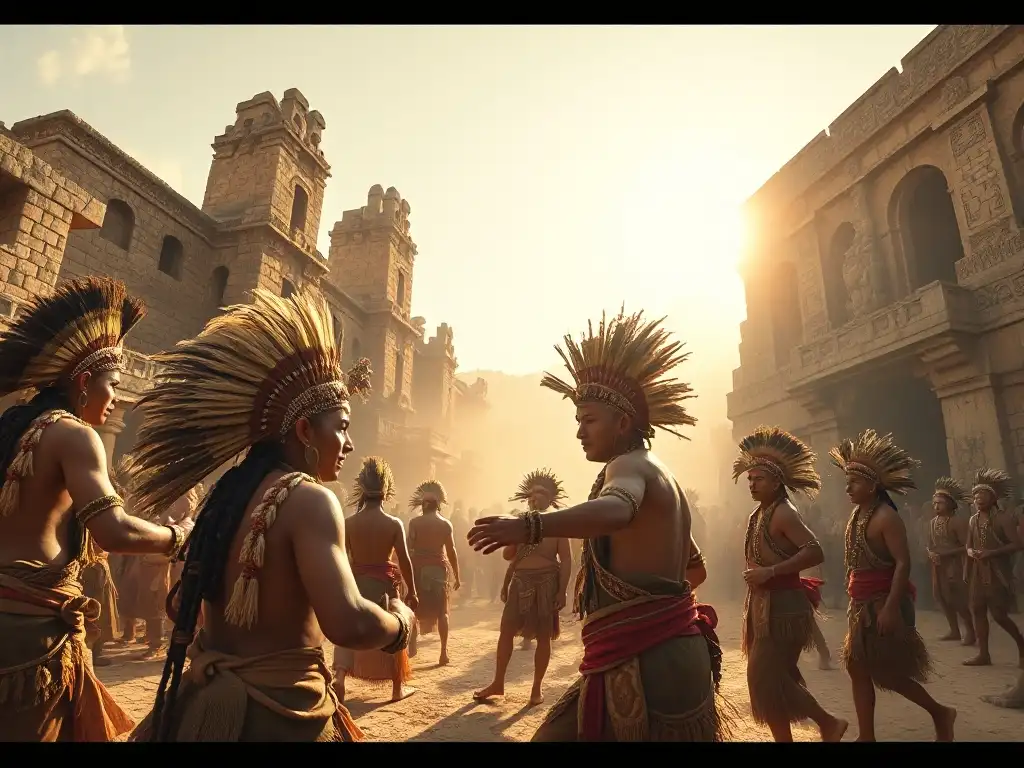
The vibrant tapestry of Inca culture, renowned for its intricate societal structures, sophisticated engineering feats, and advanced agricultural techniques, also encompassed a rich tradition of games and sports. These activities weren't merely recreational; they were deeply intertwined with religious rituals, social hierarchies, and the overall worldview of the Inca Empire. Understanding the trajectory of Inca games and sports history requires examining their gradual disappearance following the Spanish conquest and their subsequent transformation or adaptation into modern forms.
The impact of the Spanish conquest on Inca games and sports is a critical aspect of understanding the broader cultural devastation wrought by colonization. Many games, passed down through generations, were lost, while others were subtly altered, reflecting the changing socio-political landscape. The loss wasn't simply about the games themselves; it represented the erosion of a fundamental aspect of Inca identity and cultural heritage.
This section delves into the specifics of this loss and transformation, focusing on both the disappearance of traditional games and the evolution of athletic practices into their modern counterparts. Understanding this evolution provides valuable insight into the enduring legacy of Inca culture.
The Gradual Disappearance of Traditional Inca Games
The arrival of the Spanish conquistadors marked a turning point in Inca history, triggering a dramatic decline in the practice of traditional games and sports. The systematic suppression of indigenous cultures, coupled with the introduction of new religious beliefs and social structures, contributed significantly to this decline. Many games, integral to Inca religious ceremonies and festivals, were deemed "pagan" and actively discouraged or prohibited by the Spanish authorities.
The destruction of Inca temples and sacred sites, where many games were played, further exacerbated the situation. The Inca games and sports history is thus a story of both continuity and discontinuity, with some practices adapting and others disappearing completely. Furthermore, the disruption of Inca social structures, including the dismantling of the ayllu system (the communal organization of Inca society), led to the disintegration of the social networks that sustained the transmission of traditional games from one generation to the next.
Oral traditions, crucial for preserving the rules and significance of these games, were gradually eroded. The lack of written records from the Inca themselves further complicates efforts to fully reconstruct the details of many lost games. We are left with fragmented accounts from Spanish chroniclers, often biased and incomplete, leaving significant gaps in our understanding.
Chuncana: An Example of a Lost Inca Game
One particularly compelling example of a lost Inca game is chuncana. While descriptions are scarce, accounts suggest it involved a ball game played with a small, hard ball, potentially involving elements of skill and strategy similar to other Mesoamerican ball games. The exact rules and equipment remain largely unknown, leaving scholars to piece together fragments of information from various sources. Some suggest the game might have been played on a court, while others hypothesize it could have been played in a more informal setting.
The limited information makes it difficult to fully appreciate the cultural significance of chuncana within Inca society. Did it hold religious significance? Was it associated with specific social groups or ceremonies? These questions remain largely unanswered, highlighting the significant loss of cultural knowledge resulting from the Spanish conquest.
Further research, potentially involving archaeological discoveries or the re-examination of existing historical records, might shed more light on this fascinating yet obscure Inca game. The scarcity of information surrounding chuncana underscores the urgency of preserving and studying remaining evidence related to Inca culture. The loss of chuncana, and other similar games, represents not just the loss of a pastime, but the erasure of a vital piece of Inca cultural heritage.
The Evolution of Inca Athletic Practices into Modern Forms
Despite the significant losses, some aspects of Inca athleticism survived, albeit transformed. Certain physical activities, such as running, wrestling, and endurance tests, found new expression in post-conquest Andean societies. These practices, while adapted to new contexts, retain echoes of their Inca origins.
For example, various forms of Andean folk wrestling, often incorporating elements of ritual and symbolic meaning, can be seen as descendants of Inca wrestling traditions. The endurance and agility required in Inca agricultural practices and military training also influenced the development of modern Andean sports. The integration of these physical skills into new contexts demonstrates the resilience of Inca athletic traditions, even in the face of profound cultural upheaval.
While the specific games and rituals might have been lost, the underlying emphasis on physical prowess and competition persisted, finding new forms of expression in the evolving Andean societies. This evolution underscores the complex interplay between cultural continuity and change following the Spanish conquest, demonstrating how aspects of Inca heritage adapted and survived in the face of adversity. Studying these modern adaptations allows for a more nuanced understanding of the enduring legacy of Inca games and sports history and the rich tapestry of Andean culture.
The Cultural Legacy of Inca Sports
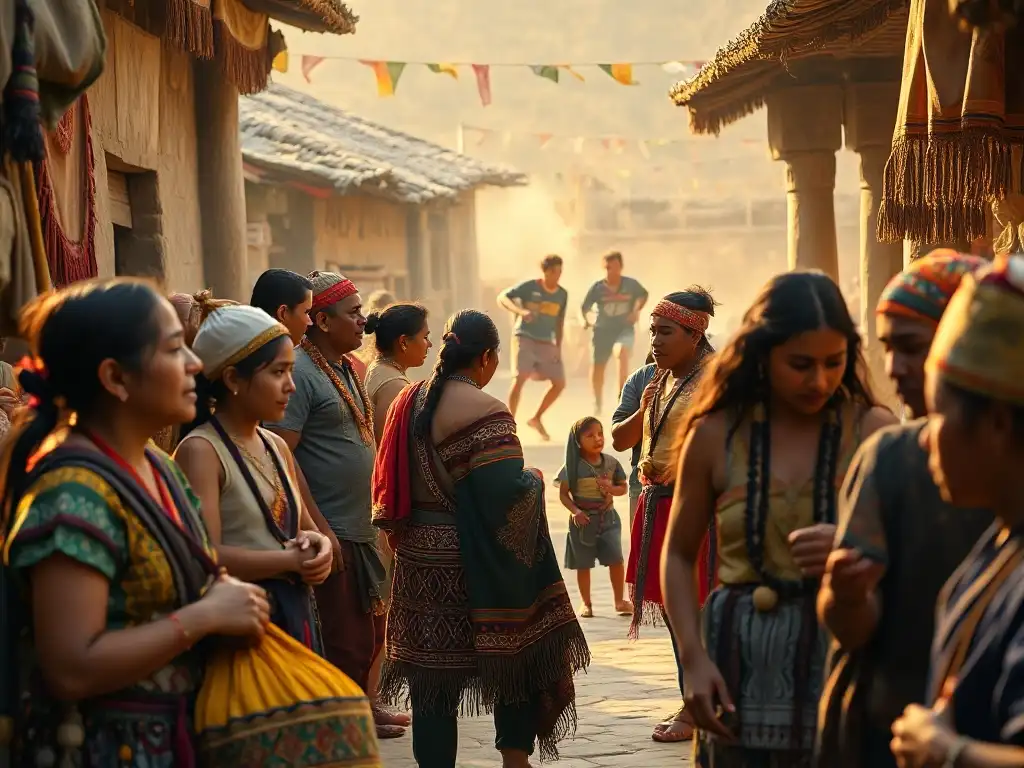
The Spanish conquest dramatically altered the landscape of Andean life, and the impact on Inca games and sports was profound. While the empire fell, the cultural legacy of Inca athleticism persisted, albeit transformed. Understanding this legacy requires examining not only what was lost, but also how aspects of Inca sports endured, adapting and evolving within the new socio-political context.
The resilient spirit of competition, the emphasis on physical prowess, and the social bonding inherent in Inca games continued to resonate within Andean communities, albeit often subtly and in modified forms. This enduring legacy highlights the deep-rooted connection between physical activity, cultural identity, and social cohesion in Andean societies, a connection that predates the Inca and continues to this day. The study of Inca games and sports history thus offers a unique lens through which to understand the complexities of cultural continuity and change in the face of conquest.
We can trace the echoes of Inca athletic traditions in various contemporary Andean practices, revealing a rich tapestry of historical influence and adaptation. The survival of these traditions underscores the importance of recognizing and preserving this invaluable aspect of Andean cultural heritage.
The Importance of Protecting Inca Athletic Heritage
Protecting the legacy of Inca games and sports is crucial for several reasons. Firstly, it safeguards a significant part of Andean cultural identity. These games weren't merely recreational activities; they were deeply intertwined with religious beliefs, social structures, and political power. Their preservation helps us understand the complexities of Inca society and the values they held dear. Secondly, many contemporary Andean communities still practice modified versions of traditional Inca games.
By documenting and supporting these practices, we help ensure their continuation and prevent the complete loss of this valuable heritage. This includes documenting oral histories, conducting anthropological studies, and supporting community-led initiatives to revive and promote traditional games. Thirdly, the study of Inca games and sports history contributes to a more complete and nuanced understanding of the impact of the Spanish conquest. Analyzing the transformation and adaptation of these games provides insights into the resilience of Andean culture and its capacity for survival and change.
Finally, preserving this heritage offers opportunities for educational programs and tourism initiatives that benefit Andean communities economically and culturally. The protection of Inca athletic heritage is not merely an academic pursuit; it’s a vital step in preserving a living cultural tradition and fostering a deeper appreciation for the richness and complexity of Andean history. The systematic documentation of surviving games and related artifacts is a pressing need. For example, further research is needed on the [specific information pending] regarding the exact rules and significance of certain games played in different Inca regions.
The Connection Between Inca Games and Contemporary Andean Identity
The connection between Inca games and contemporary Andean identity is surprisingly strong, demonstrating the enduring legacy of Inca culture. Although many traditional Inca games were suppressed or altered after the conquest, their spirit and underlying principles continue to influence contemporary Andean sports and recreational activities. For instance, the emphasis on physical skill and endurance, evident in games like chucu, a type of stick-and-ball game, is reflected in modern Andean sports like pallar, a form of Andean wrestling.
Similarly, the communal aspect of Inca games, where participation fostered social cohesion, is mirrored in contemporary Andean festivals and community events that often incorporate modified versions of traditional games. These modern adaptations not only provide entertainment but also serve as vital vehicles for transmitting cultural values and strengthening community bonds across generations. The persistence of these practices underscores the deep-rooted connection between physical activity, cultural identity, and social cohesion in Andean societies.
Further research is needed to fully map the diverse ways in which Inca athletic traditions have been adapted and reinterpreted in different Andean communities. This requires a multidisciplinary approach that combines historical analysis with ethnographic fieldwork to capture the nuances of this complex relationship. The study of Inca games and sports history, therefore, offers a unique and powerful way to understand the dynamics of cultural continuity and change within Andean societies.
The Significance of Ch'askis, the Inca Runners
The ch'askis, the Inca imperial relay runners, represent a unique and highly significant aspect of Inca games and sports history. These runners weren't simply athletes; they were crucial components of the empire's sophisticated communication system. Their incredible feats of endurance, traversing vast distances across challenging terrain, allowed for rapid transmission of information, facilitating efficient governance and military coordination. The ch'askis were highly trained, organized into a hierarchical system, and supported by a network of strategically placed relay stations ( tambos).
This system demonstrates the Inca's mastery of logistics and their ability to leverage physical prowess for political and administrative purposes. The ch'askis symbolize the Inca's organizational capabilities and their commitment to efficient communication. Their story highlights the interconnectedness between athleticism, political power, and social structure within the Inca empire. While the Spanish conquest brought an end to the formal ch'aski system, the legacy of their endurance and dedication continues to inspire awe and serves as a powerful reminder of the ingenuity and organizational prowess of the Inca civilization.
The study of the ch'askis offers valuable insights into Inca social organization, communication strategies, and the role of physical fitness within a complex imperial system. Further research could explore the specific training methods used to prepare these runners and the social status they enjoyed within Inca society. The ch'aski system serves as a testament to the remarkable achievements of the Inca and their ability to utilize human potential for the benefit of the empire.
Revitalizing Inca Games and Sports: Contemporary Approaches
The dramatic impact of the Spanish conquest on the Inca Empire extended beyond political and social structures; it significantly altered, and in many cases, erased, the vibrant tapestry of Inca games and sports. However, efforts to understand and revive these lost athletic traditions are gaining momentum, driven by a growing awareness of their cultural significance and the potential for fostering community and preserving heritage.
This section explores contemporary approaches to the revitalization of Inca games and sports, focusing on community-led initiatives, educational programs, and cultural festivals. The careful reconstruction of these activities is vital for a complete understanding of Inca games and sports history.
Community-Led Initiatives to Revive Inca Physical Activities
Many Andean communities are actively involved in rediscovering and reviving traditional Inca physical activities. These initiatives often involve elders sharing their knowledge and memories of games played in their youth, passed down through generations, albeit often fragmented and incomplete. This oral history, combined with archaeological findings and anthropological research, forms the basis for reconstruction efforts. For instance, in communities near Cusco, pallay (a form of wrestling) and chucu (a ball game) are being revived through workshops and community events.
These gatherings provide a space for intergenerational learning, strengthening community bonds and fostering a sense of cultural pride. The success of these initiatives relies heavily on the active participation of local people, ensuring authenticity and cultural sensitivity in the reconstruction process. Data on the precise number of active community-led initiatives is currently limited, highlighting the need for more comprehensive research on this aspect of Inca games and sports history.
Educational Programs Aimed at Promoting Inca Sports
Educational programs play a crucial role in promoting awareness and understanding of Inca games and sports amongst younger generations. Schools and universities in Peru and other Andean countries are increasingly incorporating Inca athletic traditions into their curricula. These programs often involve practical sessions where students learn the rules and techniques of various games, promoting physical activity and cultural education simultaneously.
The incorporation of Inca games and sports into educational programs not only helps preserve cultural heritage but also fosters a deeper appreciation for the physical prowess and ingenuity of the Inca civilization. Curriculum development, however, requires careful consideration to ensure accuracy and avoid misrepresentations. Further research is needed to quantify the impact of these programs on students’ understanding of Inca games and sports history and their overall cultural awareness.
Andean Cultural Festivals and the Celebration of Inca Athleticism
Andean cultural festivals provide a dynamic platform for the public display and celebration of revitalized Inca athleticism. These events often feature competitions and demonstrations of traditional games, attracting both local communities and tourists. The incorporation of these games into festivals not only offers a unique cultural experience but also helps generate economic opportunities for local communities.
For example, the annual Inti Raymi festival in Cusco often includes demonstrations of Inca games, attracting thousands of visitors and highlighting the enduring legacy of Inca athleticism. The vibrant atmosphere and widespread participation contribute to a renewed interest in Inca games and sports history, promoting tourism and cultural preservation.
A more detailed analysis of the economic impact of these festivals on Andean communities would provide valuable insights into the sustainability of these initiatives. Furthermore, documenting the specific Inca games and sports showcased in these festivals would enrich our understanding of their evolving interpretations and adaptations over time.
Frequently Asked Questions
What were some popular Inca games and sports?
The Inca played a variety of games and sports, including chankas (a type of ball game), chucu (a stick and ball game), and various forms of racing and wrestling. These activities were often tied to religious ceremonies and festivals.
How did the Inca games differ from European games?
Inca games often emphasized teamwork, skill, and spiritual significance, unlike the more individualistic focus of some European sports. Many Inca games involved ritualistic elements and were connected to their cosmology.
How were Inca games and sports lost or transformed?
Following the Spanish conquest, many Inca games were suppressed or transformed by the imposition of European culture and religion. Colonial authorities often actively discouraged indigenous practices.
What evidence exists to show us about Inca games and sports?
Evidence comes from archaeological findings, such as ball courts, artwork depicting games, and chronicles written by Spanish conquistadors and indigenous peoples. These provide fragmented but valuable insights.
Are there any modern-day descendants or revivals of Inca games?
While many games were lost, some modern interpretations and revivals are emerging, often incorporating elements of traditional games and beliefs. These efforts help to preserve and share Inca cultural heritage.
Final Reflection: Echoes of the Andes: The Enduring Legacy of Inca Games
The vibrant tapestry of Inca games and sports, though largely lost to history, continues to resonate in the cultural landscape of modern-day South America and beyond. Their disappearance wasn't a complete erasure; rather, a complex transformation, a subtle weaving of indigenous traditions into the fabric of colonial and post-colonial societies. Understanding this process offers a crucial lens through which to examine the impact of cultural exchange and the resilience of indigenous heritage.
The enduring power of these games lies not just in their physicality, but in their deep connection to Inca cosmology, spirituality, and social structure. They were more than just competitions; they were rituals, expressions of community, and vital components of a sophisticated civilization. As the historian Felipe Guaman Poma de Ayala poignantly observed, The games were not merely for pleasure, but also served to strengthen the community and honor the gods.
Their legacy continues to inspire contemporary discussions about the importance of preserving indigenous knowledge and celebrating diverse cultural expressions. The echoes of their chants and the spirit of their competitions still linger in the mountains, a testament to their enduring significance.
Consider, for a moment, the ways in which your own cultural heritage has been shaped by both continuity and change. How have traditions been adapted, transformed, or even lost over time? Let the story of the Inca games inspire you to explore your own cultural roots, to appreciate the richness of diverse traditions, and to actively participate in preserving the cultural heritage of your community and the world.
The past is not merely a collection of facts; it is a living force that shapes our present and informs our future. Let us honor the legacy of the Inca games by ensuring that their story, and the stories of countless other lost or transformed traditions, are not forgotten.
Revive the Spirit of Inca Sports!
Thank you for exploring the fascinating history of Inca games and sports! You've learned how these rich traditions evolved over time. Now, let's explore how we can keep this remarkable legacy alive.
Here are some ways to honor and engage with the spirit of Inca athletics:
- **Organize or participate in a local event** inspired by traditional Inca sports. For example, you could organize a community running race or a team-based game that reflects ancient Andean practices.
- **Share your enthusiasm! ** Discuss Inca games on social media or invite friends to learn about Andean history. Let your passion inspire others.
- **Attend related cultural events and gatherings** in your area. Immerse yourself in the beauty of Andean traditions and see how they've influenced modern sports.
What aspect of Inca sports most inspires you, and how will you integrate that into your life? Let's discuss!