
The Battle of Ollantaytambo: A Glimpse of Inca Military Might Against the Odds

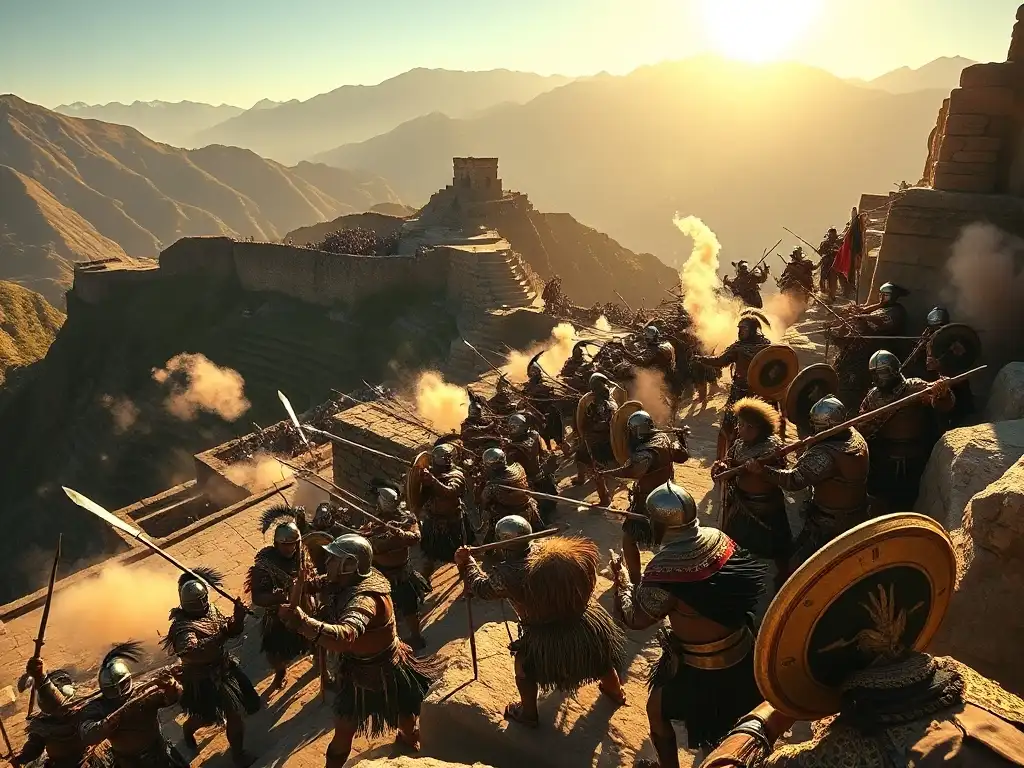
Step into a world lost to time, where echoes of ancient empires still resonate. Prepare to be captivated by the breathtaking story of the Andean civilizations – their intricate artistry, awe-inspiring ingenuity, and relentless spirit. But our journey begins with a clash of titans: the Inca battle of Ollantaytambo. Did the Incas truly defy the seemingly insurmountable odds during this pivotal conflict? Discover the truth behind the legends and uncover the secrets of their remarkable military prowess within the pages that follow.
- The Inca Battle of Ollantaytambo: A Testament to Inca Military Strategy
- Setting the Stage: The Context of the Battle of Ollantaytambo
- The Forces Involved in the Ollantaytambo Conflict
- The Clash at Ollantaytambo: A Detailed Account
- The Significance and Aftermath of the Battle of Ollantaytambo
- Lessons from the Inca Battle of Ollantaytambo
- Frequently Asked Questions
- Final Reflection: Echoes of Ollantaytambo: Resilience, Resistance, and the Legacy of the Inca
- Unveil the Legacy of Ollantaytambo!
The Inca Battle of Ollantaytambo: A Testament to Inca Military Strategy
The Spanish conquest of the Inca Empire, a monumental event in South American history, wasn't a swift, decisive victory. Instead, it was a protracted struggle marked by fierce resistance, ingenious tactics, and moments of breathtaking bravery on the part of the Inca. The Battle of Ollantaytambo stands as a potent symbol of this resistance, a testament to the Inca's military prowess and their ability to adapt their strategies against a technologically superior foe.
This article delves into the details of this crucial battle, exploring the Inca's defensive fortifications, military organization, and the ultimate outcome that significantly impacted the trajectory of the Spanish conquest. We will examine the strategic importance of Ollantaytambo, the logistical challenges faced by both sides, and the lasting legacy of this pivotal conflict in the context of the broader Inca resistance against the Spanish.
Understanding the Battle of Ollantaytambo offers a crucial insight into the complexities of the Inca Empire's fall, revealing a story far more nuanced than a simple narrative of conquest. Prepare to witness the impressive military might of the Inca, even in the face of overwhelming odds.
Introduction to the Inca Resistance at Ollantaytambo
Ollantaytambo, a strategically significant location nestled in the Sacred Valley of the Incas, became the site of a crucial battle in the later stages of the Spanish conquest. Following the capture of Emperor Atahualpa in Cajamarca in 1532, the Inca Empire faced internal divisions and the relentless advance of the Spanish conquistadors. Manco Inca Yupanqui, a puppet ruler initially installed by the Spanish, ultimately launched a rebellion, seeking to reclaim his ancestral lands and restore Inca sovereignty.
Ollantaytambo, with its formidable natural defenses and intricate network of terraces and fortifications, became a key stronghold in this rebellion. The Inca utilized the terrain to their advantage, creating a maze-like defensive system that slowed the Spanish advance significantly. This wasn't merely a defensive stand; it was a carefully planned and executed military operation showcasing the sophisticated understanding of warfare possessed by the Inca.
The battle itself became a symbol of Inca resilience and a testament to their ability to wage war even against heavily armed opponents. The sheer scale of the defensive works at Ollantaytambo, combined with the determined resistance of the Inca warriors, made it a protracted and costly conflict for the Spanish.
The Fortifications of Ollantaytambo: Natural and Human Engineering
The success of the Inca defense at Ollantaytambo hinged on the masterful integration of natural and human-engineered fortifications. The site's location, nestled in a narrow valley surrounded by steep cliffs, provided a natural chokepoint. The Inca further enhanced these natural defenses by constructing a complex network of terraces, walls, and strategically placed buildings.
These structures, built from precisely cut stone, were not just aesthetically impressive; they were designed to channel and disrupt the Spanish advance. Narrow passages, strategically placed chokepoints, and defensive walls created a labyrinthine environment that negated the Spanish advantage in firearms and cavalry. The sheer scale of the construction, even today, is awe-inspiring, a testament to the Inca's organizational prowess and their ability to mobilize massive amounts of labor.
The precision and complexity of the stonework demonstrate a high level of engineering skill and a deep understanding of defensive architecture. The integration of natural and human-made elements created a nearly impregnable fortress, delaying the Spanish advance for a considerable period.
Inca Military Tactics and Organization at Ollantaytambo
The Inca military wasn't just about brute force; it was characterized by sophisticated tactics and a highly organized structure. At Ollantaytambo, this organization was on full display. The Inca army likely employed a layered defense, using the terrain to their advantage and deploying troops strategically to maximize their impact.
While lacking firearms and cavalry, the Inca compensated with superior knowledge of the terrain, utilizing slingers, archers, and highly trained warriors proficient in close-quarters combat. Their knowledge of the landscape allowed them to ambush the Spanish and inflict considerable casualties. The Inca likely utilized a combination of defensive and offensive tactics, employing guerilla warfare techniques alongside direct confrontation whenever advantageous.
The organizational structure of the Inca army, based on a hierarchical system, ensured efficient communication and coordination during the battle. This combined with their mastery of the terrain turned what could have been a simple siege into a prolonged and difficult conflict.
The Outcome and Legacy of the Battle of Ollantaytambo
The Battle of Ollantaytambo ultimately resulted in a Spanish victory, but it was far from a decisive triumph. The prolonged resistance inflicted significant casualties on the Spanish forces, delaying their advance and highlighting the limitations of their superior weaponry against determined resistance. The Inca, despite the loss of their strategic stronghold, demonstrated their capacity to wage effective warfare even against a technologically superior enemy.
The battle's outcome significantly impacted the later stages of the conquest, as the Spanish faced prolonged resistance throughout the Andes. The legacy of Ollantaytambo extends beyond the battle itself; it stands as a testament to Inca resilience, military ingenuity, and the complexities of the Spanish conquest.
The site itself remains a powerful symbol of Inca resistance and a significant historical and archaeological landmark. The story of Ollantaytambo reveals a far more complex narrative than a simple conquest; it is a story of courage, resistance, and the remarkable achievements of the Inca civilization.
Setting the Stage: The Context of the Battle of Ollantaytambo
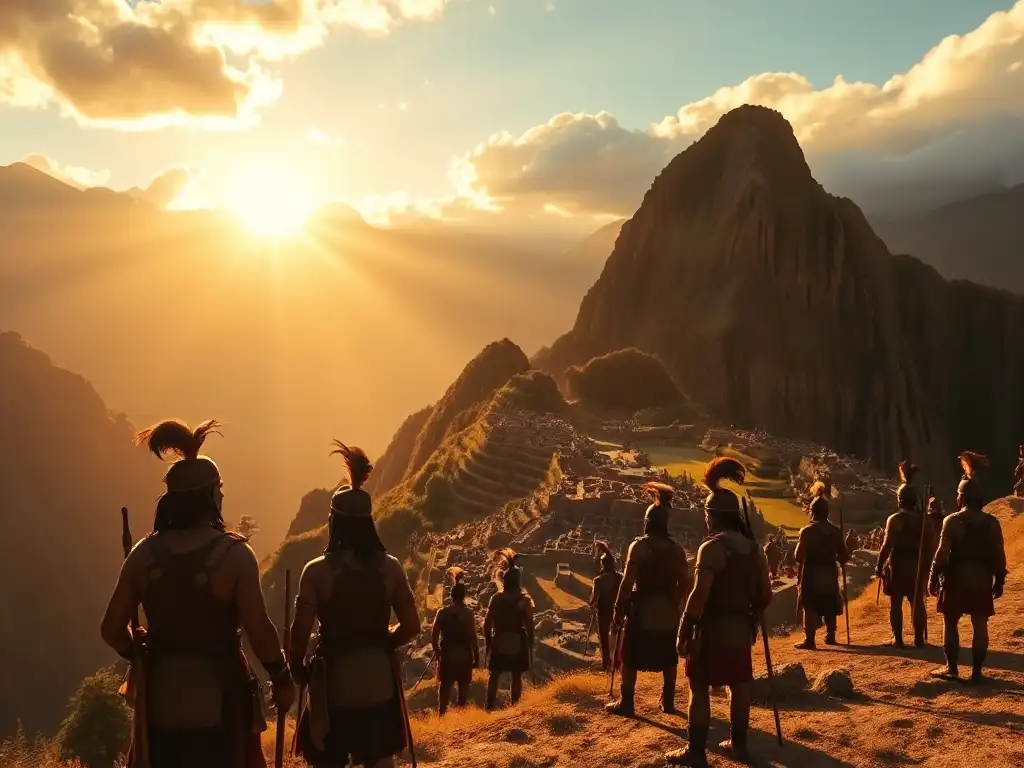
The Inca battle of Ollantaytambo stands as a pivotal moment in the Spanish conquest of the Inca Empire, showcasing both the formidable military capabilities of the Inca and the relentless determination of their resistance. Understanding the battle requires examining the broader context of the Inca Empire's collapse and the strategic importance of Ollantaytambo itself. The conflict wasn't a singular event but rather a crucial chapter in a larger struggle for survival against a technologically superior adversary.
The Inca's sophisticated military organization, honed over centuries, was put to the ultimate test against the Spanish conquistadors and their indigenous allies. This section delves into the circumstances that led to this dramatic confrontation, emphasizing the strategic significance of the location and the nature of the Inca military machine. The battle’s outcome profoundly impacted the trajectory of the Inca Empire's decline and the subsequent colonial era.
The Inca Empire Under Siege: The Spanish Invasion
The arrival of Francisco Pizarro and his conquistadors in 1532 marked a turning point in Andean history. The Inca Empire, at its zenith under Huayna Capac, was weakened by internal strife following the emperor's death and a devastating smallpox epidemic that decimated the population and leadership. This internal vulnerability was ruthlessly exploited by the Spanish, who, despite their vastly smaller numbers, leveraged superior weaponry (guns, cannons, steel) and the strategic alliances they forged with disgruntled Inca factions.
The capture and subsequent execution of Atahualpa, the Inca emperor, dramatically destabilized the empire, leaving a power vacuum that fueled further internal conflicts and facilitated the Spanish advance. The initial conquest was swift and brutal, leveraging the element of surprise and the psychological impact of unfamiliar weaponry.
The Spanish conquest wasn't merely a military campaign; it was a complex process involving political manipulation, disease, and the exploitation of existing social tensions within the Inca Empire. The Inca, despite their impressive military organization, were unprepared for this type of warfare.
Manco Inca's Rebellion: The Spark of Resistance
Following the initial Spanish conquest and the installation of a puppet emperor, Manco Inca Yupanqui, a legitimate heir to the Inca throne, launched a significant rebellion in 1536. This rebellion wasn't a disorganized uprising but a carefully planned resistance movement aimed at reclaiming Inca sovereignty. Manco Inca, recognizing the devastating impact of direct confrontation with Spanish weaponry, employed guerrilla tactics, utilizing his intimate knowledge of the Andean terrain to his advantage.
He orchestrated ambushes, harassed supply lines, and exploited the logistical challenges faced by the Spanish in navigating the rugged mountainous landscape. This strategic approach allowed the Inca to inflict significant casualties on the Spanish despite their numerical and technological inferiority.
The rebellion, centered around Ollantaytambo, highlighted the resilience and resourcefulness of the Inca people in the face of overwhelming odds. The strategic importance of Ollantaytambo in this rebellion cannot be overstated; it served as a crucial base of operations and a symbol of Inca resistance.
Ollantaytambo: A Strategic Inca Fortress
Ollantaytambo was more than just a fortress; it was a meticulously planned urban and agricultural center, strategically positioned in a narrow valley in the Sacred Valley of the Incas. Its location provided natural defensive advantages, with steep cliffs and a river acting as barriers. The Inca engineers further enhanced these natural defenses by constructing intricate systems of terraces, walls, and strategically placed structures.
The fortress incorporated sophisticated irrigation systems, reflecting the Inca's mastery of water management and their ability to create a self-sufficient community even under siege. The complex network of pathways, tunnels, and hidden passages allowed for efficient troop movement and defense. The sheer scale and complexity of the Ollantaytambo fortifications demonstrate the advanced engineering and military planning capabilities of the Inca civilization.
The battle fought here was not merely a clash of armies; it was a contest between two vastly different military strategies and ideologies, showcasing the Inca's remarkable resilience and adaptability even in the face of imminent defeat. The Inca battle of Ollantaytambo remains a testament to their ingenuity and resistance.
The Forces Involved in the Ollantaytambo Conflict
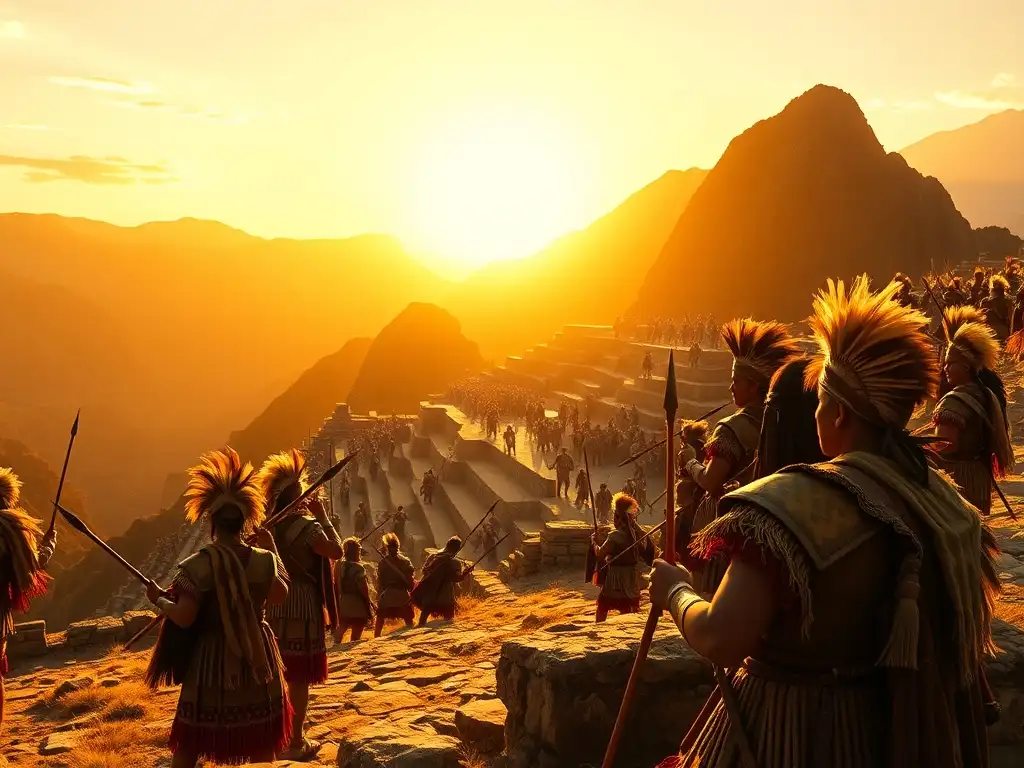
The battle of Ollantaytambo stands as a pivotal moment in the Spanish conquest of the Inca Empire, showcasing a dramatic clash between two vastly different military forces. Understanding the strengths and weaknesses of each side is crucial to appreciating the strategic brilliance and ultimately, the tragic outcome for the Inca. The Inca battle of Ollantaytambo highlighted not only the superior weaponry of the Spanish but also the tenacious resistance and impressive military organization of the Inca.
The Inca Army: Strengths and Tactics
The Inca military was a highly organized and disciplined force, a testament to the sophisticated societal structure of the empire. Their strength wasn't solely based on numbers, but also on their strategic thinking, effective use of terrain, and unwavering loyalty to their leaders.
Inca Military Organization and Discipline
Inca military organization mirrored their societal hierarchy. The ayllu, or extended family unit, formed the basis of their military structure. This fostered strong bonds of loyalty and ensured cohesive fighting units.
Discipline was paramount; Inca soldiers were rigorously trained from a young age, instilling in them obedience, endurance, and strategic awareness. This rigorous training, combined with their strong social cohesion, gave the Inca army a significant advantage in terms of morale and sustained combat effectiveness. Evidence suggests that Inca armies were capable of maintaining discipline and fighting effectively even under heavy pressure, a testament to their exceptional training and leadership.
Inca Weaponry and Defensive Strategies
While lacking the firearms and steel weaponry of the Spanish, the Inca possessed effective weaponry suited to their environment and fighting style. Their primary weapons included macanas (clubs), bolas (throwing weapons), and huaracas (slings). They were also skilled at using defensive structures like pucarás (fortified settlements) to their advantage, as evidenced by the strategic positioning of Ollantaytambo itself.
The Inca's mastery of the terrain, and their ability to utilize natural features for defense, proved to be a significant tactical asset. They skillfully employed ambushes and guerilla tactics to offset their disadvantage in weaponry. The sheer number of Inca warriors, estimated to be in the thousands at Ollantaytambo, also presented a formidable challenge to the Spanish.
The Spanish Conquistadors: Strengths and Weaknesses
The Spanish conquistadors, despite their smaller numbers, possessed a decisive advantage in military technology. However, their strengths were counterbalanced by significant weaknesses. The Inca battle of Ollantaytambo vividly illustrated the impact of this technological disparity.
Spanish Military Technology and Advantages
The Spanish possessed superior weaponry, including firearms (arquebuses and cannons), steel swords, and armor. These provided a significant advantage in close-quarters combat and ranged attacks. The psychological impact of firearms on the Inca, unfamiliar with such technology, cannot be overstated. The cannons, while relatively few in number, were devastatingly effective in breaching Inca defenses. This technological superiority was a critical factor in the Spanish success. Furthermore, the Spanish horses provided increased mobility and a significant psychological advantage.
The Size and Composition of the Spanish Forces
The exact number of Spanish soldiers at Ollantaytambo is debated, but estimates place them in the hundreds, significantly fewer than the Inca forces. Their army consisted of a mix of Spanish soldiers, indigenous allies, and mercenaries. The Spanish forces, despite their smaller numbers, were well-equipped and highly disciplined, reflecting the rigorous training and organization of the Spanish military.
The inclusion of indigenous allies provided crucial knowledge of the local terrain and potentially also contributed to internal divisions within the Inca forces. However, relying heavily on indigenous allies also introduced potential risks such as betrayals or lack of commitment. The composition of the Spanish forces, therefore, was both a strength and a potential weakness.
The Clash at Ollantaytambo: A Detailed Account
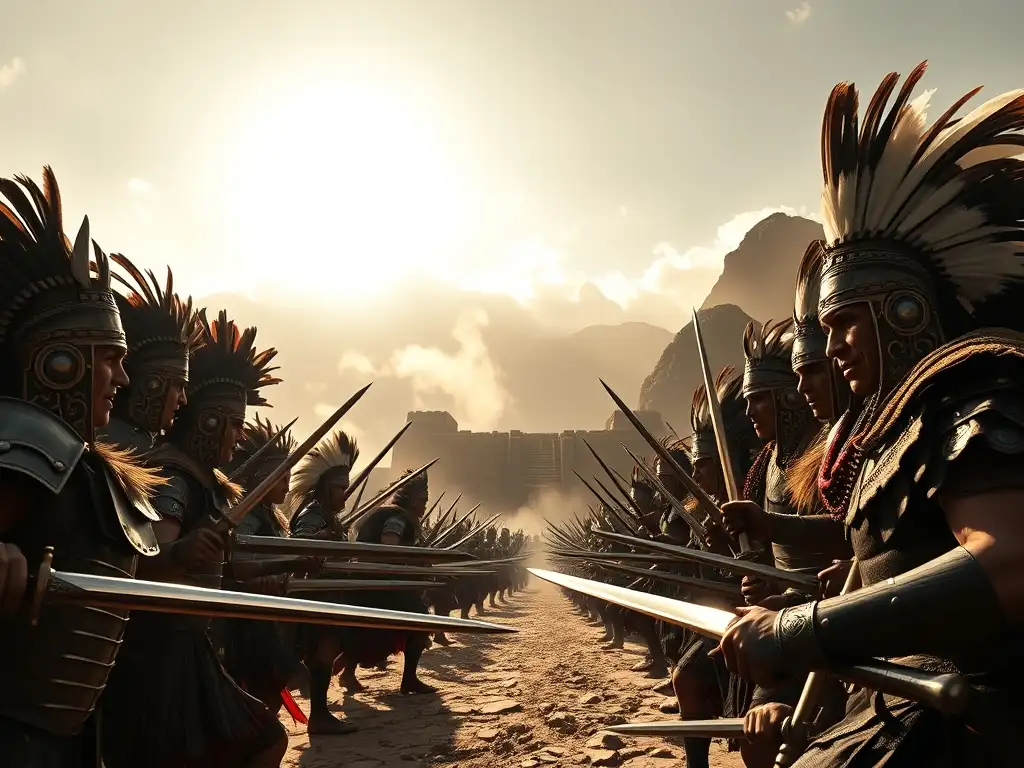
This section delves into the specifics of the pivotal Inca battle of Ollantaytambo, offering a detailed analysis of the conflict's key phases and highlighting the strategic brilliance of the Inca defense against a technologically superior Spanish force. The battle, a testament to Inca military prowess and resilience, showcases their ability to leverage geographical advantages to offset the Spanish conquistadors' firepower. Understanding this clash provides crucial insight into the Inca Empire's final struggles against Spanish encroachment.
Initial Spanish Assault on the Inca Fortress
The initial Spanish assault on Ollantaytambo, a formidable Inca fortress nestled in a strategic mountain valley, began with a significant numerical disparity. While precise figures remain debated among historians 1 , it's generally accepted that the Spanish force, bolstered by indigenous allies, outnumbered the Inca defenders. However, the Inca possessed a crucial advantage: the fortress itself. Ollantaytambo's ingenious architecture, characterized by its intricate network of terraces, strategically placed buildings, and narrow pathways, proved to be a formidable natural defense. The initial Spanish attack, likely a frontal assault, was met with fierce resistance. Inca warriors, armed with macanas (clubs), chumbis (sling stones), and spears, rained down projectiles from the elevated positions, inflicting significant casualties on the advancing Spanish soldiers. The Spanish conquistadors, accustomed to open battlefields, found themselves struggling to navigate the complex terrain and were constantly harassed by the Inca's guerilla-style tactics. This initial phase clearly demonstrated the effectiveness of the Inca's defensive strategy, which aimed to negate the Spanish advantage in weaponry.
The Inca Defense: Utilizing the Terrain to their Advantage
The Inca defense of Ollantaytambo brilliantly exploited the natural topography. The fortress's terraced agricultural fields, normally used for farming, were transformed into defensive positions. Each terrace offered a distinct level of defense, allowing the Inca to inflict heavy losses on the attacking Spanish troops as they slowly ascended the steep slopes.
The narrow pathways and winding passages funneled the Spanish forces, limiting their maneuverability and making them vulnerable to concentrated Inca attacks. Furthermore, the Inca likely utilized the existing water channels and irrigation systems to further hinder the Spanish advance, potentially flooding sections of the battlefield or using the water to create obstacles. This sophisticated use of the environment, coupled with the defenders’ unwavering courage, significantly hampered the Spanish progress.
Archaeological evidence suggests the presence of strategically placed defensive structures and obstacles within the fortress complex, further enhancing its defensive capabilities. The Inca's ability to adapt their agricultural landscape for warfare is a testament to their ingenuity and military adaptability. The battle of Ollantaytambo serves as a prime example of how skillful use of terrain can offset a numerical and technological disadvantage.
Key Moments and Turning Points of the Battle
While a detailed, blow-by-blow account of the battle remains elusive due to limited primary sources, certain key moments can be inferred from historical accounts and archaeological findings. One crucial turning point may have been the Spanish eventual flanking maneuver, exploiting a weakness in the Inca defensive lines. However, even then, the Inca resistance remained tenacious.
The battle likely involved a series of smaller engagements across the different terraces and pathways, with the Inca constantly shifting their positions and utilizing guerilla tactics to inflict maximum damage. The ultimate outcome, a tactical withdrawal by the Inca forces, was not necessarily a defeat. It allowed for the preservation of the Inca army and their strategic retreat to Vilcabamba, prolonging the resistance against the Spanish conquest.
The battle of Ollantaytambo, therefore, represents not just a military engagement, but a crucial strategic maneuver in the larger context of the Inca resistance against the Spanish. The tenacity of the Inca defense, despite the eventual outcome, highlights their military capabilities and their determination to defend their land and culture. Further research, particularly detailed archaeological investigations within the Ollantaytambo complex, could reveal more precise details about the battle’s key moments and turning points.
1 Further research is needed to refine the exact numbers involved in the battle of Ollantaytambo. Precise estimates are difficult to obtain due to limitations in historical documentation.
The Inca Victory: A Temporary Reprieve
The Inca victory at Ollantaytambo was a significant achievement, a testament to their military prowess and strategic brilliance. It wasn't a simple triumph, however; it was hard-fought and came at a cost. The battle, characterized by intense hand-to-hand combat and the skillful use of terrain, resulted in a decisive defeat for the Spanish conquistadors and their indigenous allies. The Spanish, accustomed to overwhelming indigenous forces with superior weaponry, found themselves facing a determined and well-organized Inca army utilizing the natural fortifications of Ollantaytambo to their advantage. This unexpected resistance significantly delayed Pizarro's advance into the heart of the Inca empire.
The victory bought the Inca valuable time, allowing them to regroup, reinforce defenses elsewhere, and potentially plan counter-offensives. However, the celebration was short-lived. The strategic importance of Ollantaytambo, as a crucial gateway to the Inca heartland, meant that the Spanish would inevitably return with a renewed and more formidable force. The temporary reprieve granted by the battle at Ollantaytambo ultimately proved insufficient to stem the tide of the Spanish conquest. The Inca forces, despite their initial success, were ultimately outmatched by the Spanish in terms of weaponry and long-term strategic capabilities.
The battle served as a powerful symbol of Inca resistance, but it was a temporary victory in a much larger and ultimately losing conflict. The bravery and skill displayed by the Inca warriors at Ollantaytambo, however, remain a compelling testament to their military capabilities and their unwavering defense of their homeland against the encroaching Spanish forces. The sheer determination of the Inca soldiers, utilizing their knowledge of the terrain and employing innovative tactics, deserves recognition as a crucial factor in their initial success. Their ability to inflict significant casualties on the Spanish conquistadors, despite the disparity in weaponry, underscores the ingenuity and effectiveness of Inca military strategy. The battle of Ollantaytambo stands as a potent symbol of Inca resilience in the face of overwhelming odds during the Spanish conquest.
The Significance and Aftermath of the Battle of Ollantaytambo
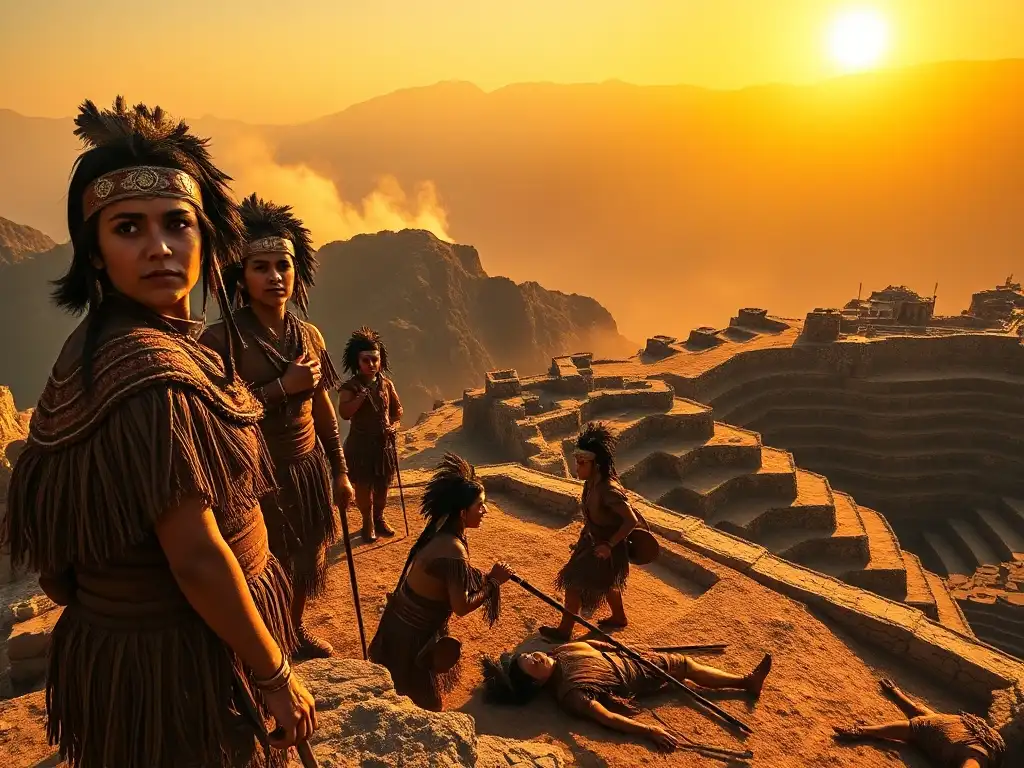
The Inca battle of Ollantaytambo stands as a pivotal moment in the Spanish conquest of the Inca Empire, showcasing both the impressive military capabilities of the Inca and the resilience of their resistance against overwhelming odds. While ultimately a tactical victory for Manco Inca Yupanqui, the leader of the Inca rebellion, the battle's strategic implications were complex and far-reaching, shaping the subsequent course of the conflict and the long-term fate of the Inca civilization.
Understanding the battle's aftermath requires examining its immediate impact and its lasting consequences for the Inca people. This analysis will explore the strategic value of the Inca victory, its influence on Manco Inca's rebellion, and its enduring effect on Inca society.
The Strategic Importance of the Inca Victory
The Inca victory at Ollantaytambo was not merely a clash of arms; it was a crucial strategic achievement. Ollantaytambo's natural defenses, consisting of a complex system of terraces, walls, and strategically placed fortifications, were expertly utilized by the Inca army. This allowed a significantly smaller force to effectively hold off a much larger Spanish army, equipped with superior weaponry. The battle's strategic importance stemmed from several factors:
- Protection of vital resources: Ollantaytambo served as a crucial agricultural center and a strategic point controlling access to vital resources in the region. Its defense prevented the Spanish from securing these resources and further expanding their control over the Andes.
- Boosting morale: The stunning defeat inflicted on the Spanish army significantly boosted the morale of the Inca rebels, inspiring continued resistance and demonstrating the possibility of successfully opposing the conquistadors. This victory fueled further rebellions and prolonged the conflict.
- Delaying Spanish advance: The prolonged siege and ultimately unsuccessful assault on Ollantaytambo significantly delayed the Spanish advance into the heartland of the Inca Empire. This delay allowed the Inca to regroup, reorganize their forces, and formulate new strategies for resistance. Estimates suggest the delay was several crucial months.
- Preservation of cultural heritage: The successful defense of Ollantaytambo helped preserve a significant site of Inca cultural and historical significance. The loss of Ollantaytambo would have been a major blow to Inca cultural identity.
The Impact on Manco Inca's Rebellion
The battle of Ollantaytambo profoundly impacted Manco Inca's rebellion. The victory at Ollantaytambo, while a significant morale booster, did not ultimately prevent the Spanish from eventually conquering the Inca Empire. However, it significantly prolonged the conflict and forced the Spanish to adopt different tactical approaches. The impact can be seen in:
- Shifting military strategy: The Spanish were forced to reassess their approach to conquering the Inca heartland. They learned that direct assaults on fortified Inca positions were costly and often unsuccessful, leading them to adopt more cautious and strategic methods.
- Prolonged resistance: The victory infused Manco Inca's forces with renewed determination. The rebellion continued for several more years, fueled by the success at Ollantaytambo and the belief that the Spanish could be defeated. This extended resistance inflicted significant casualties and logistical challenges on the Spanish.
- Geographic shift in the conflict: After Ollantaytambo, the focus of the rebellion shifted, with Manco Inca establishing a new capital at Vitcos. This strategic relocation further complicated the Spanish conquest, forcing them to adapt to a prolonged guerilla war.
The Long-Term Consequences of the Battle for the Inca
The long-term consequences of the Inca battle of Ollantaytambo extend beyond the immediate aftermath of the conflict. The battle's legacy is woven into the fabric of Inca history and continues to resonate today:
- Symbolic significance: Ollantaytambo remains a potent symbol of Inca resistance and defiance against colonial oppression. The site serves as a powerful reminder of the Inca's strength and determination in the face of overwhelming odds. It is a site of pilgrimage and national pride in Peru.
- Impact on Inca identity: The battle helped preserve elements of Inca identity and culture, which continued to thrive despite the Spanish conquest. The resilience displayed at Ollantaytambo contributed to the ongoing preservation of Inca traditions and heritage.
- Archaeological importance: The battle's site itself is now a major archaeological attraction, providing invaluable insights into Inca military engineering, urban planning, and societal structure. Ongoing research continues to reveal new details about the battle and its significance. The impressive stonework remains a testament to Inca ingenuity.
The battle of Ollantaytambo, therefore, represents more than just a military engagement; it symbolizes the enduring spirit of the Inca people and their fight for survival against a formidable foe. Its legacy continues to shape our understanding of the Inca Empire and its ultimate fall.
The Legacy of Ollantaytambo: A Symbol of Inca Resistance
The Battle of Ollantaytambo, though ultimately a Spanish victory, cemented its place in history as a powerful symbol of Inca resistance against overwhelming odds. The sheer tenacity displayed by the outnumbered Inca forces, their innovative defensive strategies, and the brutal fighting that characterized the clash profoundly impacted the subsequent trajectory of the conquest. The battle's legacy extends far beyond the immediate military consequences, shaping the narrative of Inca resilience and inspiring future generations.
It became a focal point for recounting the bravery and ingenuity of the Inca warriors, highlighting their unwavering commitment to defending their homeland and their emperor. This narrative, passed down through oral traditions and later documented by chroniclers, served to preserve the memory of a valiant struggle against insurmountable odds.
The strategic importance of Ollantaytambo itself further amplified the battle's significance. Its location, nestled high in the Andes with formidable natural defenses, transformed the site into a powerful symbol of Inca ingenuity and military planning. The intricate network of terraces, strategically placed fortifications, and cleverly designed defensive positions showcased the Inca's mastery of engineering and their ability to adapt their environment to their military needs.
The fact that such a well-defended stronghold could withstand the Spanish advance for an extended period underscored the effectiveness of Inca military tactics and the challenges faced by the conquistadors. Even in defeat, Ollantaytambo stood as a testament to Inca capabilities, a stark contrast to the often-oversimplified narratives that portrayed the Inca as easily subjugated.
The enduring legacy of Ollantaytambo also resonates in its continued presence as a significant archaeological site and tourist destination. The remarkably well-preserved ruins serve as a tangible reminder of the battle and the advanced civilization that constructed them. Tourists from around the world visit the site, learning about the battle and the rich history of the Inca Empire.
This ongoing engagement with the past ensures that the story of the battle, and the broader narrative of Inca resistance, continues to be told and retold, shaping contemporary understandings of the Inca civilization and their struggle against Spanish conquest. The site itself acts as a living monument, preserving the memory of the Inca's unwavering spirit and their valiant fight for survival in the face of overwhelming adversity. It stands as a powerful reminder that even in defeat, resistance can leave an indelible mark on history.
Lessons from the Inca Battle of Ollantaytambo
This section delves into the strategic and tactical brilliance displayed by the Inca during the pivotal Battle of Ollantaytambo, offering valuable insights into their military capabilities and the challenges they faced during the Spanish conquest. Analyzing this specific Inca battle of Ollantaytambo reveals much about their military prowess and the factors contributing to their ultimate defeat. We will examine the Inca's military strategies, their understanding of terrain, and the remarkable resilience they demonstrated against overwhelming odds.
Inca Military Prowess and Adaptability
The Inca army, while lacking firearms and steel weaponry, possessed considerable military strength. Their success stemmed not from superior weaponry, but from exceptional organization, innovative tactics, and remarkable adaptability. The Inca military was a highly structured force, with specialized units fulfilling different roles. For example, elite warriors known as yanaconas were highly trained and formed the core of the Inca army.
They were renowned for their skill in close-quarters combat and their unwavering loyalty. Evidence suggests that the Inca also employed sophisticated logistical systems, ensuring their armies were well-supplied even during prolonged campaigns. At Ollantaytambo, this logistical skill was crucial in sustaining their defense against a far larger Spanish force.
The Inca's adaptability is evident in their use of terrain. They weren't simply reacting to the landscape; they actively shaped it to their advantage, constructing fortifications and utilizing natural obstacles to maximize their defensive capabilities. The strategic placement of defensive positions at Ollantaytambo showcases a deep understanding of military engineering and an ability to exploit the environment for tactical gain. This adaptability allowed them to effectively counter the Spanish conquistadors' superior weaponry and cavalry, at least for a time. Their use of ambushes and guerilla tactics further highlights their flexible approach to warfare.
The Importance of Terrain in Inca Warfare
The Battle of Ollantaytambo wasn't fought on a flat plain; it was a brutal contest shaped by the challenging Andean terrain. The Inca skillfully leveraged the natural features of the Ollantaytambo valley to their advantage. The narrow, winding paths leading to the fortress acted as natural chokepoints, funneling the Spanish advance and limiting their numerical superiority. The steep, terraced hills provided excellent defensive positions, allowing the Inca to rain down projectiles upon the advancing Spanish forces. This masterful utilization of the terrain significantly hampered the Spanish cavalry, rendering their mobility a disadvantage.
The Inca's understanding of their environment extended beyond simply using natural obstacles. They actively modified the landscape to strengthen their defenses. They constructed intricate networks of walls, terraces, and strategically placed fortifications, effectively turning the Ollantaytambo valley into an impenetrable stronghold. This intricate system of defenses, combined with the difficult terrain, significantly prolonged the battle and inflicted heavy casualties on the Spanish. The construction of these fortifications itself demonstrates a sophisticated understanding of engineering principles and the importance of defensive architecture in Inca warfare.
The Resilience of the Inca People Against Conquest
Despite facing a technologically superior enemy, the Inca people at Ollantaytambo demonstrated extraordinary resilience. The battle lasted for several days, showcasing their unwavering determination and commitment to defending their territory. Even when faced with overwhelming odds and significant losses, the Inca soldiers fought fiercely, refusing to surrender. This resilience is a testament to their strong sense of community and loyalty to their emperor.
The prolonged resistance at Ollantaytambo, despite the eventual Inca defeat, significantly delayed the Spanish advance and inflicted considerable losses on Pizarro's forces. This prolonged struggle highlights the significant challenges the Spanish faced in conquering the Inca Empire, demonstrating that the Inca's military capabilities were not to be underestimated. The battle serves as a powerful reminder of the Inca’s strength and determination, even in the face of insurmountable odds.
The legacy of Ollantaytambo underscores the resilience of the Inca people and their enduring fight against the Spanish conquest. The sheer tenacity displayed at Ollantaytambo is a testament to the cultural and spiritual strength that undergirded Inca resistance. This protracted defense significantly impacted the Spanish campaign and ultimately contributed to a longer and more arduous conquest than initially anticipated.
Frequently Asked Questions
What was the Battle of Ollantaytambo?
The Battle of Ollantaytambo was a crucial confrontation in 1536 between the Inca Empire and the Spanish conquistadors led by Francisco Pizarro. It represented a significant Inca resistance against the Spanish invasion. The battle took place near the Ollantaytambo fortress.
Where did the Battle of Ollantaytambo take place?
The battle unfolded near the imposing Ollantaytambo fortress, located in the Sacred Valley of the Incas in present-day Peru. This strategic location played a key role in the battle's outcome.
Who were the main combatants in the Battle of Ollantaytambo?
The primary combatants were the Inca army, under the leadership of Manco Inca Yupanqui, and the Spanish conquistadors, aided by their indigenous allies. The Inca forces were significantly outnumbered.
What was the outcome of the Battle of Ollantaytambo?
While initially a tactical victory for the Inca, the battle ultimately resulted in a strategic Spanish win. Though the Incas inflicted heavy casualties, the Spanish eventually overcame their resistance due to superior weaponry and tactics.
Why is the Battle of Ollantaytambo significant?
The Battle of Ollantaytambo is significant because it showcased the Inca's military prowess and resilience in the face of overwhelming odds. It also highlights the importance of Ollantaytambo fortress as a symbol of Inca resistance against the Spanish conquest.
Final Reflection: Echoes of Ollantaytambo: Resilience, Resistance, and the Legacy of the Inca
The strategic brilliance and unwavering resilience demonstrated at the Battle of Ollantaytambo remain profoundly relevant today. The Inca's innovative use of terrain, their mastery of guerilla warfare, and their fierce determination in the face of overwhelming odds offer a timeless lesson in the power of strategic thinking and unwavering resistance against seemingly insurmountable challenges. This is not just a historical event; it's a testament to the human spirit's capacity for ingenuity and courage.
The echoes of Ollantaytambo resonate far beyond the Andes mountains, shaping our understanding of Inca civilization and its enduring legacy. The battle's impact on the subsequent Spanish conquest is undeniable, highlighting the significant cost of subjugation and the lasting impact of cultural clashes. The story of Ollantaytambo is a powerful reminder of the importance of preserving cultural heritage and understanding the complexities of historical narratives. History is not just what happened, but what is remembered, and how it is remembered.
- This quote underscores the vital role of remembering and interpreting events like the Battle of Ollantaytambo accurately and respectfully.
Consider the lessons of Ollantaytambo. How can we, in our own lives, emulate the Inca's strategic thinking, their unwavering commitment to their beliefs, and their ability to adapt and overcome adversity? Let the story of Ollantaytambo inspire you to face your own challenges with courage, resilience, and a deep understanding of the power of strategic planning. Let the echoes of this ancient battle serve as a reminder that even against overwhelming odds, the human spirit, fueled by determination and ingenuity, can achieve remarkable things.
Unveil the Legacy of Ollantaytambo!
Thank you for exploring the remarkable story of Ollantaytambo and the incredible strength of the Inca military. You've gained valuable insights into a pivotal moment in Andean history. Now, you can delve deeper and share your newfound knowledge!
Here's how you can keep the spirit of the Incas alive:
- Join a local history group or online community to discuss the Inca civilization and its military achievements. Share your insights and learn from others.
- Visit Ollantaytambo or another significant Inca site to experience history firsthand. Document your journey and share your photos and stories on social media to inspire others.
- Create a blog post, video, or podcast exploring the significance of Inca military tactics and their lasting impact on the region. Consider focusing on a specific aspect that particularly interested you.
What new perspectives on the resilience and strategic brilliance of the Inca people will you share with the world?