
The Fall of Tawantinsuyu: Understanding the Inca Empire's Final Chapter

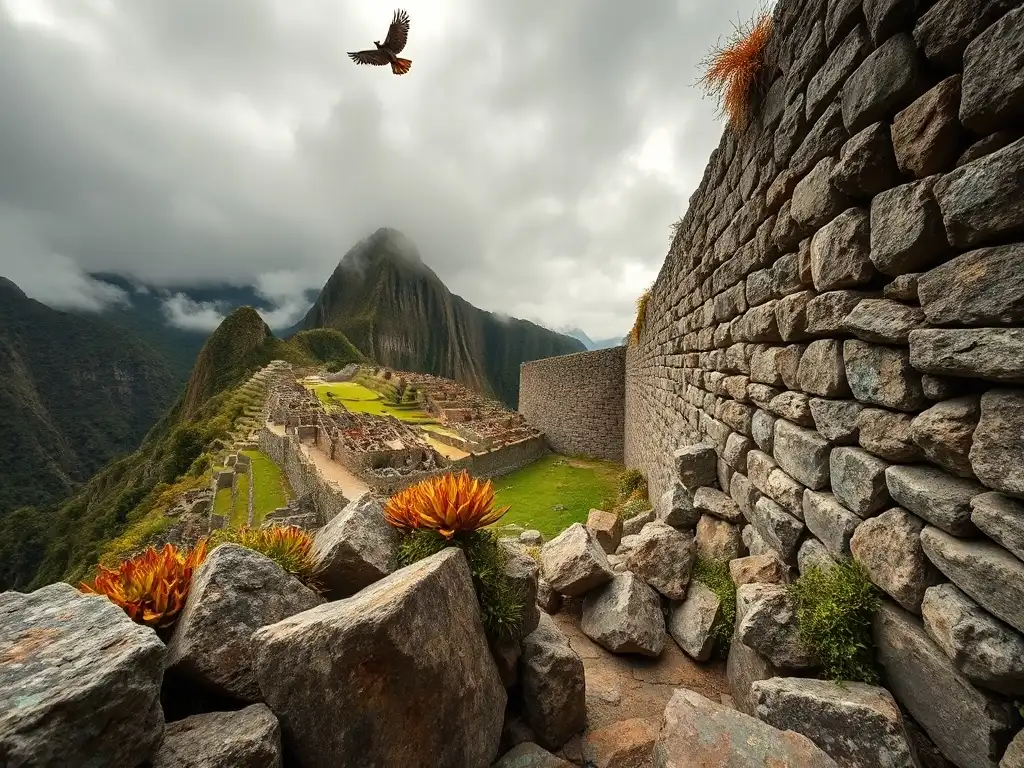
Step into a world lost to time, a realm of soaring mountain peaks and breathtaking ingenuity: the Andes. For centuries, these majestic landscapes witnessed the rise and fall of extraordinary civilizations, from the intricate artistry of the Nazca to the unparalleled engineering of the Incas. But what truly brought down the mighty Inca Empire? Uncover the mysteries surrounding the collapse of Tawantinsuyu, exploring the complex interplay of factors that led to its dramatic end. Dive into the captivating story of the Inca Empire collapse causes and discover the truth behind this pivotal moment in history.
The Inca Empire, also known as Tawantinsuyu, once stretched across a vast expanse of the Andes Mountains, encompassing a diverse population and a remarkably sophisticated civilization. Its intricate social structures, advanced engineering feats, and impressive agricultural practices cemented its place as one of the most significant pre-Columbian empires in South America. However, this seemingly invincible empire met its demise relatively swiftly following the arrival of the Spanish conquistadors.
This article delves into the multifaceted causes of the Inca Empire's collapse, exploring both internal weaknesses and external pressures that ultimately led to its downfall. Understanding these factors provides crucial insight into the complexities of imperial power and the vulnerability of even the most robust societies.
We will examine the pre-existing internal tensions, the devastating impact of disease, and the strategic advantages exploited by the Spanish, all contributing to the dramatic unraveling of the Inca Empire, a pivotal moment in Andean history. This exploration will help us understand why the Inca Empire collapse causes remain a subject of ongoing scholarly discussion, highlighting the intricate interplay of various factors.
Introduction to the Inca Empire's Decline
The decline of the Inca Empire wasn't a sudden event but rather a process unfolding over several decades. While the Spanish conquest undeniably served as the final blow, the empire was already facing significant internal challenges that weakened its resilience. These internal vulnerabilities, coupled with the unforeseen impact of Old World diseases, created a perfect storm that facilitated the relatively easy conquest by a comparatively small Spanish force.
The vastness of the empire itself presented logistical and administrative challenges, making effective governance difficult, particularly in the outlying regions. This inherent weakness, coupled with growing social unrest and internal conflicts, significantly contributed to the empire's vulnerability. The following sections will explore these pre-existing conditions in greater detail, providing a more nuanced understanding of the events that led to the fall of Tawantinsuyu.
The Pre-Conquest Landscape: Factors Contributing to Instability
The Inca Empire, despite its impressive size and sophisticated organization, was not immune to internal strife and external pressures. Several factors contributed to a pre-existing state of instability that significantly weakened the empire before the arrival of the Spanish. These factors, often intertwined and mutually reinforcing, created a fertile ground for the rapid collapse of the Inca civilization. The seemingly invincible empire was, in fact, already showing cracks in its foundation long before Pizarro's arrival.
Internal Strife and Political Fragmentation within the Inca Empire
Even before the Spanish arrived, the Inca Empire was grappling with significant internal conflicts. Succession disputes were common, often leading to power struggles and civil wars that weakened the empire's central authority. The vast size of the empire made effective communication and control challenging, allowing for regional dissidence and rebellion to flourish.
This decentralized power structure, while effective in managing a diverse population, ultimately proved to be a significant weakness in the face of external threats. The inherent complexities of governing such a diverse and geographically dispersed population contributed to internal tensions that weakened the empire's unity and ability to respond effectively to crises.
The Inca Civil War: Huáscar vs. Atahualpa
The Inca Civil War (ca. 1527-1533) between Huáscar and Atahualpa, two half-brothers vying for the throne after the death of Huayna Capac, dramatically weakened the Inca Empire. This brutal conflict drained the empire's resources, decimated its military strength, and fractured its political unity.
The war left the empire deeply divided, with loyalties split and resources depleted, leaving it utterly vulnerable to the relatively small Spanish expedition that arrived shortly after the conclusion of the civil war. The consequences of this internal struggle were far-reaching and profoundly impacted the empire's ability to resist the Spanish conquest. The civil war effectively crippled the Inca's ability to mount a unified and effective defense.
The Impact of Disease on the Inca Population
The arrival of the Spanish also brought with it devastating Old World diseases, such as smallpox, measles, and influenza, to which the Inca population had no immunity. These diseases ravaged the population, decimating the workforce and weakening the empire's ability to resist the Spanish. The impact of these diseases was catastrophic, far exceeding the losses inflicted by the Spanish military.
The sheer scale of death and illness created a societal collapse that facilitated the conquest, leaving the empire vulnerable and unable to effectively resist the Spanish advance. The widespread mortality due to disease significantly weakened the Inca army and administrative structures, paving the way for the Spanish conquest.
The Arrival of the Spanish and the Beginning of the End
The Inca Empire's collapse wasn't a singular event but a process fueled by internal weaknesses and exacerbated by the arrival of the Spanish conquistadors. The Spanish, driven by the lure of gold and the ambition to expand their empire, landed on the shores of South America with a relatively small force, yet they managed to topple one of the most powerful civilizations of the time. This wasn't solely due to superior weaponry; the Spanish cleverly exploited existing tensions and vulnerabilities within the Inca Empire itself.
The decades leading up to the conquest saw a period of internal strife and succession crises, weakening the empire's central authority and making it more susceptible to external threats. The Inca Empire's sophisticated infrastructure and vast resources, while impressive, ultimately proved insufficient to withstand the combined assault of disease, internal conflict, and the Spanish conquistadors' ruthless ambition.
The arrival of the Spanish, therefore, marked not just the beginning of the end, but the acceleration of a decline that had already begun. The seeds of the Inca Empire's downfall were sown long before the first Spanish foot touched Peruvian soil.
Francisco Pizarro's Expedition and Initial Encounters
Francisco Pizarro's expedition, though initially small, was remarkably well-organized and strategically astute. Pizarro understood the importance of exploiting internal divisions within the Inca Empire, a consequence of the recent civil war between Huáscar and Atahualpa. His initial encounters with Inca forces were carefully calibrated to assess their strength and weaknesses. Instead of direct confrontation, Pizarro employed diplomacy and deception, skillfully navigating the complex political landscape.
He exploited the existing tensions between rival factions, offering alliances and promises that were often broken once the goal was achieved. Pizarro's shrewdness and adaptability, combined with the unexpected impact of Old World diseases, played a crucial role in setting the stage for the conquest. His early successes were not solely a result of military might but also his understanding of Inca culture and politics, a crucial component often overlooked in narratives focusing solely on weaponry.
The Capture of Atahualpa and its Consequences
The capture of Atahualpa at Cajamarca in 1532 represents a pivotal moment in the Inca Empire's collapse. This event wasn't merely a military victory; it was a strategic masterstroke that effectively decapitated the Inca leadership. Atahualpa, the reigning Sapa Inca, was taken prisoner through a carefully planned ambush, demonstrating the Spanish's superior tactical understanding and the Inca's initial underestimation of their adversary.
The consequences of Atahualpa's capture were far-reaching. It created a power vacuum at the heart of the empire, leading to widespread chaos and confusion among the Inca nobility. The ensuing struggle for succession further weakened the empire's ability to resist the Spanish advance.
The ransom offered by Atahualpa, a mountain of gold and silver, while illustrating Inca wealth, also served to fuel Spanish greed and solidify their determination to conquer the empire. The execution of Atahualpa, despite the ransom, cemented Spanish dominance and signaled the beginning of the systematic dismantling of the Inca political and social structure.
Spanish Military Superiority and its Role in the Inca Defeat
While the Spanish conquistadors' numerical inferiority is well-documented, their military superiority played a significant role in their conquest of the Inca Empire. This superiority wasn't solely based on superior weaponry – firearms, cannons, and steel armor – but also on tactical innovation and the effective use of horses. The psychological impact of these unfamiliar weapons and tactics on the Inca army cannot be underestimated. The Inca, accustomed to close-quarters combat and lacking experience with ranged weaponry, were often overwhelmed and disorganized by the Spanish's strategy.
Furthermore, the Spanish's alliance with indigenous groups who resented Inca rule provided them with crucial support, including manpower and knowledge of the local terrain. The combination of superior weaponry, tactical skill, and strategic alliances proved decisive in overcoming the Inca army's numerical advantage. The Spanish conquest highlights the importance of not only military technology but also strategic partnerships and effective tactical deployment in warfare.
Key Battles and Turning Points in the Inca Empire's Fall
The fall of the Inca Empire wasn't a single event but a series of battles and strategic maneuvers that gradually eroded Inca power. While the capture of Atahualpa was undoubtedly a pivotal moment, several subsequent battles and sieges confirmed Spanish dominance and shaped the empire's final chapter. The Spanish conquistadors' ability to exploit internal divisions within the Inca Empire, coupled with the devastating impact of introduced diseases, significantly contributed to their success.
The subsequent resistance movements, though valiant, were ultimately unable to overcome the combined forces of Spanish military might and the lingering effects of internal strife. The story of the Inca Empire's fall is a complex narrative of military clashes, political maneuvering, and the devastating consequences of disease, all interwoven to bring about the demise of a once-great civilization.
The Battle of Cajamarca: A Decisive Loss for the Incas
The Battle of Cajamarca, fought in 1532, is often cited as the turning point in the Spanish conquest of the Inca Empire. It wasn't a large-scale battle in terms of troop numbers, but its strategic significance was immense. The Spanish, led by Francisco Pizarro, employed a devastatingly effective ambush, using superior weaponry and tactics to overwhelm Atahualpa's much larger army. The Inca were caught completely off guard, lacking the experience to counter the Spanish firearms and cavalry.
This decisive victory resulted in the capture of Atahualpa, the Sapa Inca, effectively decapitating the Inca leadership and plunging the empire into chaos. The psychological impact of this defeat was profound, undermining Inca morale and fostering a sense of vulnerability that would plague the empire for years to come. The Battle of Cajamarca serves as a stark reminder of the importance of strategic planning and the devastating consequences of underestimating one's opponent.
The Inca Resistance and its Limitations
Despite the overwhelming Spanish victory at Cajamarca and the subsequent capture and execution of Atahualpa, the Inca resistance persisted for decades. Various Inca leaders and factions rose up against the Spanish, staging guerilla warfare and organized rebellions in an attempt to reclaim their lost empire. However, these resistance movements faced significant limitations. The internal divisions that had weakened the empire before the arrival of the Spanish continued to hinder unified resistance.
The devastating impact of Old World diseases decimated the Inca population, further weakening their ability to mount effective opposition. Furthermore, the Spanish's superior weaponry and strategic alliances with other indigenous groups gave them a significant advantage. While the Inca resistance demonstrated remarkable courage and resilience, their efforts were ultimately unable to overcome the combined challenges of disease, internal strife, and Spanish military superiority. The resilience of the Inca people, however, is a testament to their strength and determination.
The Siege of Cusco and the Struggle for Control
The Siege of Cusco, the Inca capital, marked a crucial stage in the struggle for control of the empire. The city, a symbol of Inca power and prestige, became the focus of intense fighting between the Spanish and the remaining Inca forces. The siege was protracted and brutal, highlighting the determination of both sides. The Inca defenders, despite being outnumbered and outgunned, fought fiercely to protect their sacred city.
The Spanish, however, eventually prevailed, aided by their superior weaponry and the internal divisions within the Inca ranks. The fall of Cusco symbolized the complete collapse of the Inca Empire's centralized authority. The siege underscored the long and arduous struggle for control of the empire, demonstrating both the tenacity of Inca resistance and the ultimate triumph of Spanish military might. The struggle for Cusco highlights the brutality and complexity of the conquest.
The Aftermath of the Conquest: The Dissolution of Tawantinsuyu
The Spanish conquest of the Inca Empire, finalized with the capture and execution of Atahualpa in 1533, marked the beginning of a tumultuous era for the Andean region. The vast and intricately organized Tawantinsuyu, encompassing millions of subjects across a geographically diverse landscape, rapidly fractured under the weight of Spanish rule and internal strife. The carefully constructed administrative system, reliant on a complex network of curacas (local leaders) and mit'a (labor tribute), crumbled as the Spanish imposed their own hierarchical structure.
The Inca's sophisticated road network, once vital for communication and trade, became pathways for Spanish expansion and control. The initial years following the conquest witnessed widespread chaos, with various Inca factions vying for power, further destabilizing the already weakened empire.
Resistance movements, fueled by resentment and a desire to reclaim their ancestral lands, frequently flared up but were ultimately crushed by the superior weaponry and strategic prowess of the Spanish conquistadors. The fall of the Inca Empire wasn't a singular event but a process of disintegration and subjugation that unfolded over several decades.
The Establishment of Spanish Colonial Rule
The Spanish swiftly moved to consolidate their control over the conquered territories. They established a viceregal system, mirroring the administrative structure of the Spanish crown, with a viceroy appointed to govern the vast expanse of the former Inca Empire. This system, though initially chaotic, gradually established a centralized authority that extracted resources and imposed its culture and religion upon the indigenous population.
The Spanish systematically dismantled the Inca's political institutions, replacing them with their own bureaucratic apparatus. The curacas system was modified to serve the Spanish, with loyal local leaders rewarded while rebellious ones were punished.
The mit'a system, while initially retained for its efficiency in mining and other labor-intensive projects, was gradually transformed into a system of forced labor, often under brutal conditions. The establishment of Spanish colonial rule marked a fundamental shift in the power dynamic of the Andes, setting the stage for centuries of exploitation and cultural transformation.
The Impact on Inca Culture and Society
The Spanish conquest had a profound and devastating impact on Inca culture and society. The destruction of Inca religious sites, the suppression of traditional practices, and the imposition of Catholicism led to a significant cultural loss. The sophisticated Inca knowledge systems, including astronomy, agriculture, and engineering, were largely neglected or destroyed. The Inca language, Quechua, was relegated to a subordinate status, while Spanish became the language of administration and power.
The introduction of new diseases, such as smallpox and measles, decimated the indigenous population, leading to a dramatic demographic decline. The social fabric of Inca society was torn apart, with traditional hierarchies disrupted and social structures reorganized to serve the interests of the Spanish colonizers. The long-term consequences of this cultural upheaval continue to be felt in the Andean region today.
The Long-Term Consequences of the Inca Empire Collapse
The collapse of the Inca Empire had far-reaching and lasting consequences for the Andean region. The introduction of European diseases, coupled with the disruption of traditional agricultural practices, led to widespread famine and population decline. The exploitation of resources, including silver and gold, fueled the Spanish colonial economy but came at the cost of environmental degradation and the impoverishment of the indigenous population.
The legacy of colonialism continues to shape the socio-political landscape of the Andes, with issues of inequality, poverty, and cultural marginalization persisting to this day. The collapse of the Inca Empire also fundamentally altered the geopolitical dynamics of South America, paving the way for centuries of Spanish dominance and shaping the political boundaries of modern-day nations. Understanding the long-term consequences of this historical event is essential for comprehending the complexities of the Andean region today.
Inca Empire Collapse Causes: A Detailed Analysis
The disintegration of the Inca Empire was a complex process driven by a confluence of internal vulnerabilities and external pressures. It wasn't a sudden collapse but rather a gradual weakening that culminated in the successful Spanish conquest. Attributing the downfall to a single cause is an oversimplification; a more nuanced understanding requires analyzing the interplay of various factors. The following sections will explore some of the key contributing elements to the Inca Empire's demise.
The Combination of Internal Weaknesses and External Threats
The Inca Empire, despite its impressive size and organization, suffered from internal weaknesses that made it vulnerable to external threats. Succession disputes, such as the conflict between Huáscar and Atahualpa, significantly weakened the empire, leading to civil war and internal divisions just before the arrival of the Spanish. This internal strife diverted resources and manpower, leaving the empire less capable of effectively resisting external aggression.
The Inca's centralized administrative structure, while effective in maintaining control, also proved rigid and inflexible in the face of rapid change. This inflexibility hampered the empire's ability to adapt to new challenges, including the Spanish invasion. The combination of these internal weaknesses created a fertile ground for the Spanish conquest to succeed.
The Role of Technology and Warfare in the Inca's Downfall
The Spanish conquistadors possessed superior military technology, including firearms, steel weapons, and horses, which proved decisive in their battles against the Inca. The Inca army, while large and well-organized, lacked the technological advantage to effectively counter the Spanish weaponry. The psychological impact of the Spanish military technology, such as the sound and destructive power of cannons and firearms, also played a crucial role in demoralizing Inca forces.
The Inca's reliance on traditional warfare tactics, while effective against other Andean groups, proved inadequate against the Spanish's more advanced military strategies and technology. This technological disparity was a significant factor in the Inca Empire's defeat.
The Socio-Political Factors that Led to the Inca's Demise
Beyond military technology, socio-political factors contributed significantly to the Inca Empire's downfall. The Inca's system of governance, while effective in controlling a vast territory, also generated resentment among conquered populations. The mit'a system, while providing labor for large-scale projects, was often perceived as exploitative, leading to discontent among many subject groups.
This discontent made many populations more willing to cooperate with the Spanish, providing crucial support in their conquest. The Inca's relatively weak control over peripheral regions also allowed the Spanish to exploit existing tensions and alliances, facilitating their advance through the empire. These socio-political factors, combined with the technological and military disadvantages, ultimately led to the collapse of the Inca Empire.
The Legacy of the Inca Empire and its Fall
The Inca Empire's collapse, while marking a tragic end to a sophisticated civilization, left an indelible mark on the world. Its legacy extends far beyond the ruins of Machu Picchu and Cusco. The sophisticated infrastructure, intricate societal structures, and advanced agricultural techniques developed by the Inca continue to fascinate and inspire researchers and the general public alike.
The fall of Tawantinsuyu wasn't simply a conquest; it was a complex process involving internal weaknesses, external pressures, and a confluence of unfortunate circumstances. Understanding these factors is crucial to appreciating the magnitude of the Inca achievement and the lasting impact of their civilization. The sudden end of the Inca Empire dramatically altered the political and social landscape of South America, creating ripples that continue to be felt today.
The integration of Inca practices and beliefs into the cultures that followed demonstrates the resilience and enduring influence of this remarkable civilization. The sheer scale of the Inca Empire, its impressive feats of engineering, and its complex social organization continue to captivate and inspire awe. Even in its demise, the Inca Empire offers invaluable lessons about the rise and fall of empires, the importance of adaptability, and the enduring power of cultural heritage.
The Enduring Impact of Inca Culture and Heritage
The Inca Empire's influence persists in many ways. Inca agricultural techniques, such as terracing and irrigation, are still practiced in the Andes, demonstrating their enduring practicality and effectiveness. Quechua, the language of the Inca, is still spoken by millions across South America, a testament to the empire's cultural reach and the resilience of its linguistic heritage.
Furthermore, many aspects of Inca art, architecture, and religious practices have been integrated into the cultures of the Andean region, influencing artistic expression and cultural identity. The vibrant textiles, intricate pottery, and stunning goldwork of the Inca continue to be celebrated and studied. Moreover, the archaeological sites left behind – from the majestic Machu Picchu to the sprawling urban centers – serve as powerful reminders of the Inca's ingenuity and societal complexity.
These sites attract tourists from around the globe and are vital sources of historical and cultural knowledge. Preservation efforts are crucial to safeguarding the Inca legacy for future generations, ensuring that the achievements of this remarkable civilization are not forgotten.
Lessons Learned from the Inca Empire's Collapse
The fall of the Inca Empire offers crucial lessons for understanding the dynamics of power, the importance of adaptability, and the fragility of even the most seemingly invincible empires. The empire's vulnerability to disease, its internal divisions, and its inability to adapt quickly to the Spanish conquest provide valuable insights into the factors that can contribute to the downfall of powerful civilizations. The Inca's centralized system, while effective for a time, ultimately proved to be a weakness when faced with external threats and internal rebellions.
The story underscores the need for robust leadership, effective communication, and adaptability in the face of change. Analyzing the Inca's experience allows us to better understand the complexities of empire building and the challenges of maintaining control over vast territories.
By studying the factors that contributed to their downfall, we can gain a deeper understanding of the vulnerabilities inherent in any centralized system and the importance of diversification and resilience. Furthermore, the Inca's experience highlights the devastating impact of disease and the importance of preparedness in the face of unforeseen challenges.
The Continued Study of the Inca Civilization
The study of the Inca Empire continues to evolve, benefiting from advancements in archaeology, anthropology, and other related fields. New discoveries regularly challenge and refine our understanding of Inca society, technology, and daily life. Ongoing research into Inca agriculture, urban planning, and religious beliefs continues to reveal new facets of this complex civilization.
Scholars are increasingly employing cutting-edge technologies, such as 3D modeling and remote sensing, to analyze Inca sites and gain a more comprehensive picture of their past. This interdisciplinary approach ensures a more nuanced and complete understanding of the Inca civilization, moving beyond simplistic narratives of conquest and providing a richer, more complex view of their history and culture.
The collaborative efforts of researchers from various disciplines and countries are essential for advancing our knowledge and ensuring the responsible preservation of Inca heritage. The ongoing research is critical not only for understanding the Inca but also for gaining insights into broader historical processes and the dynamics of power.
Conclusion: Reflections on the Fall of Tawantinsuyu
The fall of the Inca Empire, a pivotal moment in Andean history, serves as a poignant reminder of the transient nature of power and the enduring strength of cultural heritage. While the Spanish conquest undoubtedly played a crucial role in the empire's demise, internal factors and unforeseen circumstances also contributed significantly to its downfall. Studying the Inca collapse offers invaluable lessons about the vulnerabilities of centralized power structures, the importance of adaptability, and the enduring impact of cultural legacies.
The continued study of the Inca civilization, through ongoing archaeological investigations and interdisciplinary research, allows for a more nuanced and complete understanding of this remarkable society. Their sophisticated achievements in engineering, agriculture, and social organization remain a source of wonder and inspiration, reminding us of the richness and complexity of human history.
The legacy of Tawantinsuyu extends far beyond its physical remains, permeating the cultural landscape of the Andes and inspiring ongoing scholarly inquiry. The story of the Inca Empire, both in its rise and fall, continues to resonate, offering vital lessons for understanding the complexities of empire building and the enduring power of cultural heritage.
- Introduction to the Inca Empire's Decline
- The Pre-Conquest Landscape: Factors Contributing to Instability
- The Arrival of the Spanish and the Beginning of the End
- Key Battles and Turning Points in the Inca Empire's Fall
- The Aftermath of the Conquest: The Dissolution of Tawantinsuyu
- Inca Empire Collapse Causes: A Detailed Analysis
- The Legacy of the Inca Empire and its Fall
- Conclusion: Reflections on the Fall of Tawantinsuyu
- What were the primary causes of the Inca Empire's collapse?
- How did disease contribute to the Inca Empire's downfall?
- What role did internal conflict play in the Inca Empire's collapse?
- How did the Spanish conquest contribute to the Inca Empire's collapse?
- What were the long-term consequences of the Inca Empire's collapse?
Frequently Asked Questions
What were the primary causes of the Inca Empire's collapse?
The Inca Empire's fall was a complex event with no single cause. Internal strife, disease, and Spanish conquest all played significant roles, weakening the empire and ultimately leading to its demise. The combination of these factors proved insurmountable.
How did disease contribute to the Inca Empire's downfall?
The introduction of Old World diseases, such as smallpox and measles, by the Spanish devastated the Inca population. This drastically reduced the available workforce and weakened the empire's ability to resist both internal rebellion and external invasion. The impact was catastrophic.
What role did internal conflict play in the Inca Empire's collapse?
Succession crises and civil wars significantly weakened the Inca Empire before the Spanish arrived. These internal conflicts diverted resources and manpower, leaving the empire vulnerable to external threats. The resulting instability proved fatal.
How did the Spanish conquest contribute to the Inca Empire's collapse?
The Spanish military advantage, coupled with the spread of disease and existing internal weaknesses, allowed for a relatively swift conquest of the Inca Empire. Superior weaponry and tactics facilitated the conquest.
What were the long-term consequences of the Inca Empire's collapse?
The collapse of the Inca Empire resulted in a significant loss of life, a transformation of Andean society, and the introduction of European culture and institutions. The impact is still felt today in the region's demographics and cultural landscape.
Final Reflection: Echoes of Tawantinsuyu: A Legacy of Resilience and Ruin
The fall of the Inca Empire remains a stark reminder of the fragility of even the most powerful civilizations, a lesson profoundly relevant in our interconnected world. The complex interplay of internal weaknesses and external pressures that led to Tawantinsuyu's demise offers a cautionary tale, echoing in contemporary discussions of societal stability, resource management, and the impact of disease and conquest. Understanding this history is not merely an academic exercise; it's a crucial tool for navigating the challenges of our own time.
The Inca Empire's legacy extends far beyond the ruins of Machu Picchu; its influence continues to shape the cultural and social landscape of South America. The enduring presence of Quechua, the intricate tapestry of Andean traditions, and the ongoing struggle for indigenous rights all bear witness to the empire's enduring impact. As historian John Hemming eloquently stated, The Inca Empire, though destroyed, lives on in the spirit of its people.
This resilience, born from adversity, is a testament to the human capacity to adapt and persevere, even in the face of catastrophic loss.
Consider the intricate web of factors that contributed to the Inca's downfall: disease, internal strife, and the overwhelming force of Spanish conquest. Reflect on how these elements, in their own way, mirror contemporary challenges. What can we learn from the Inca's experience to build more resilient and equitable societies? How can we foster unity and address internal vulnerabilities before they become points of catastrophic failure? The answers to these questions lie not only in the past, but also in our collective ability to learn from history and shape a more just and sustainable future.
**Embrace the Legacy of the Inca Empire! **
Thank you for exploring the fascinating world of Tawantinsuyu with us! Your journey through the final chapter of the Inca Empire has revealed valuable insights into a rich history that continues to shape cultures today. Now, let's put this knowledge to good use!
Here are a few ways you can honor and engage with the Inca legacy:
- **Deepen Your Understanding:** Expand your knowledge of the Andean civilizations and their profound impact on modern society by reading more about their history and culture.
- **Share Your Discoveries:** Spread the word! Discuss the Inca Empire with friends, family, and in online forums to spark engaging conversations about this rich history.
- **Experience Inca Culture First-Hand:** Visit a local museum or cultural center featuring Incan exhibits to connect more deeply with their incredible heritage.
What perspectives have you gained from learning about the Inca Empire that might influence your worldview? We'd love to hear your thoughts!