
Inca Resistance: The Unsung Heroes Who Fought Back Against the Spanish Invaders

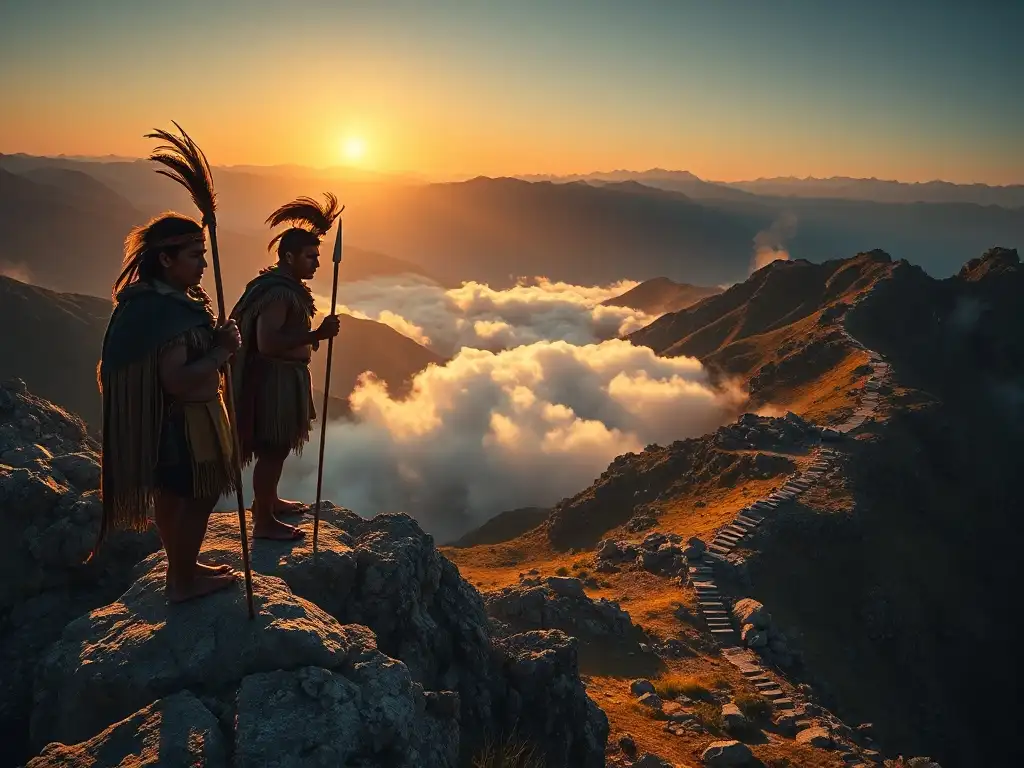
Step into a world lost to time, yet echoing with defiance. For centuries, the majestic Andean civilizations flourished, leaving behind a legacy of breathtaking artistry and intricate engineering. But their story isn't just one of magnificent achievements; it's also a tale of unwavering courage. Discover the unyielding spirit of the Inca in the face of Spanish conquest – their fierce resistance is a narrative far more complex than you might imagine. Uncover the secrets of Inca resistance to Spanish conquest and prepare to be amazed by the heroes who fought to preserve their civilization.
The Spanish conquest of the Inca Empire, often depicted as a swift and decisive victory, obscures a crucial aspect of this historical event: the fierce and prolonged resistance offered by the Inca people. This article delves into the multifaceted Inca resistance to Spanish conquest, highlighting the unsung heroes who fought bravely against overwhelming odds.
We will explore the initial skirmishes, the major rebellions, and the lasting impact of this struggle, revealing a narrative far more complex than the simplified accounts often presented. Understanding the Inca resistance is crucial to achieving a complete picture of the fall of the Inca Empire and the enduring legacy of Andean resilience.
The fight for freedom wasn't just a series of battles; it was a testament to the Inca's unwavering spirit and determination to protect their land, culture, and way of life in the face of brutal Spanish aggression. This exploration will focus on key figures and events, shedding light on the strategic brilliance and unwavering courage displayed by those who refused to surrender.
The Initial Stages of Inca Resistance to Spanish Conquest
The arrival of Francisco Pizarro and his conquistadors in 1532 did not immediately result in the collapse of the Inca Empire. Initial encounters were marked by a combination of Inca misunderstanding of Spanish intentions, internal power struggles within the Inca elite following the death of Huayna Capac and the subsequent civil war between Huáscar and Atahualpa, and a calculated strategy of appeasement by the Inca leadership. However, the deceptive nature of the Spanish, their superior weaponry, and the devastating effects of disease soon revealed the true nature of the invasion.
Early resistance efforts were often localized and sporadic, lacking the coordinated strategy that would emerge later. These early uprisings, though ultimately unsuccessful in their immediate aims, demonstrated the Inca's inherent unwillingness to submit passively to foreign rule. They served as crucial learning experiences, laying the groundwork for the more organized and sustained rebellions to come.
The initial resistance highlighted the Inca's resourcefulness in utilizing their knowledge of the terrain and guerrilla warfare tactics against a technologically superior enemy. This period also saw the emergence of key leaders who would later play pivotal roles in the larger rebellions.
The Manco Inca Rebellion: A Major Uprising
The Manco Inca Rebellion, beginning in 1536, represents a watershed moment in the Inca resistance to Spanish conquest. Manco Inca Yupanqui, a nephew of Atahualpa, initially collaborated with the Spanish, but witnessing their brutality and broken promises, he launched a powerful rebellion against the invaders. This uprising marked a significant shift from localized resistance to a more organized and widespread effort to reclaim Inca territory and sovereignty.
Manco Inca's leadership proved instrumental in uniting various Inca factions and mobilizing a substantial fighting force. The rebellion was characterized by both conventional warfare and guerrilla tactics, utilizing the Andean terrain to their advantage. The rebellion’s scale and duration challenged the Spanish dominance, demonstrating the enduring strength of Inca resistance.
Manco Inca's Strategic Retreat to Vilcabamba
Faced with the superior firepower of the Spanish, Manco Inca employed a brilliant strategic retreat to Vilcabamba, a remote and inaccessible region in the Andes mountains. This move transformed the nature of the conflict, shifting it from open warfare to a protracted guerrilla campaign. Vilcabamba became a symbol of Inca resistance, a bastion from which Manco Inca and his followers continued to harass the Spanish and inspire further rebellion amongst the Inca population.
The difficult terrain offered significant protection, hindering Spanish advances and allowing for the organization of further resistance efforts. This strategic retreat showcased Manco Inca's military acumen and his understanding of the importance of maintaining a safe haven for his forces.
The Siege of Cusco and the Fight for Control
One of the most significant events during Manco Inca's rebellion was the siege of Cusco, the former Inca capital. This prolonged siege demonstrated the Inca's determination to reclaim their heartland and challenged the Spanish control of the region. Though ultimately unsuccessful in recapturing Cusco, the siege showcased the strength and organization of Manco Inca's forces, highlighting their capacity to sustain a prolonged conflict against a vastly superior enemy.
The siege also revealed the vulnerabilities of the Spanish presence, highlighting the difficulties they faced in controlling a vast and diverse territory. The intensity of the fighting during the siege underscores the desperate fight for freedom waged by the Inca people.
The Lasting Impact of Manco Inca's Resistance
Manco Inca's rebellion, despite its eventual failure to fully expel the Spanish, left an indelible mark on the history of the Inca resistance. It demonstrated the depth of Inca resistance to Spanish rule and inspired further uprisings throughout the Andes for decades to come. The establishment of the Neo-Inca State in Vilcabamba, which lasted for several decades after Manco Inca's death, served as a potent symbol of defiance.
The legacy of Manco Inca's struggle continues to resonate, providing a powerful reminder of the Inca's unwavering spirit in the face of overwhelming adversity. His rebellion proved that the Spanish conquest was not a simple, one-sided victory, but a hard-fought battle against a people determined to protect their heritage and independence. The resistance, even in defeat, sowed the seeds of future Andean identity and resistance movements.
Continuing Inca Resistance After Manco Inca
The death of Manco Inca in 1544 did not signal the end of Inca resistance to Spanish rule. Far from it; the struggle continued with unwavering determination, albeit in a more fragmented and decentralized manner. The Spanish, despite their initial successes, found themselves embroiled in a protracted and brutal conflict that would drain their resources and test their resolve for decades.
The mountainous terrain, the Inca's intimate knowledge of the land, and the continued support from various indigenous groups all fueled the resistance movement. This period saw the emergence of new leaders and strategies, highlighting the resilience and adaptability of the Inca people in the face of overwhelming odds. The fight for freedom was far from over, and the echoes of Inca defiance would resonate for years to come.
The Spanish conquest, while initially seeming decisive, became a protracted war of attrition, a testament to the enduring spirit of the Inca people and their refusal to surrender their heritage. The ensuing decades would witness a complex interplay of alliances, betrayals, and fierce battles, shaping the ultimate narrative of Inca resistance.
The Neo-Inca State of Vilcabamba: A Bastion of Resistance
Vilcabamba, a remote and strategically defensible region nestled deep within the Andes mountains, became the symbolic heart of the continuing Inca resistance. This location, difficult to access and control for the Spanish, allowed the Inca to establish a relatively independent state, a "Neo-Inca" kingdom that challenged Spanish authority for several decades.
Vilcabamba's strategic importance lay not only in its inaccessibility but also in its proximity to vital resources and supportive indigenous populations. The Inca leadership in Vilcabamba skillfully leveraged the terrain, using their knowledge of the mountain passes and hidden trails to their advantage.
This created a sanctuary for Inca traditions, culture, and military organization, ensuring the survival of a significant aspect of Inca identity even under the shadow of Spanish dominance. The existence of Vilcabamba served as a potent symbol of defiance, a constant reminder of the unconquered spirit of the Inca people and a significant obstacle to complete Spanish control.
Sayri Tupac and Titu Cusi Yupanqui: Key Leaders of the Post-Manco Inca Resistance
Following Manco Inca's assassination, Sayri Tupac emerged as a significant leader of the Neo-Inca state. His reign saw a period of relative peace and negotiation with the Spanish, a strategy aimed at consolidating power and securing a degree of autonomy. However, this approach wasn't universally accepted within the resistance movement. His successor, Titu Cusi Yupanqui, adopted a more assertive stance, leading a renewed campaign of guerrilla warfare against the Spanish.
Titu Cusi Yupanqui's leadership was marked by a skillful blend of military tactics and political maneuvering, aiming to both weaken the Spanish presence and maintain the integrity of Inca culture and traditions. Both leaders, though employing differing strategies, played crucial roles in prolonging Inca resistance and showcasing the resilience of the Inca leadership in the face of the Spanish conquest. Their legacies highlight the diversity of approaches within the resistance movement, reflecting the complex political landscape of the time.
The Struggle to Maintain Inca Traditions and Culture
The Inca resistance was not merely a military struggle; it was a fight to preserve their unique culture and identity. The Spanish systematically attempted to suppress Inca traditions, religion, and social structures. In response, the Inca fiercely protected their cultural heritage, adapting and evolving their traditions to survive under Spanish rule. This involved clandestine practices, the preservation of sacred sites, and the oral transmission of knowledge and stories.
The continued use of the Quechua language, the performance of traditional ceremonies (albeit often secretly), and the maintenance of social hierarchies all played a role in preserving Inca identity. The struggle for cultural survival was intricately intertwined with the military resistance, reflecting the deep-seated connection between Inca identity and their fight for freedom. The preservation of their culture became a powerful symbol of their resistance to Spanish assimilation.
The Tactics and Strategies of Inca Resistance
The Inca resistance to Spanish conquest wasn't a single, unified campaign. Instead, it involved diverse tactics and strategies adapted to the specific circumstances and the capabilities of the resistance groups. The mountainous terrain of the Andes played a crucial role, shaping the nature of the conflict and providing significant advantages to the Inca fighters. The Spanish, accustomed to open-field battles, found themselves struggling against the Inca's knowledge of the land and their effective use of guerrilla warfare. Understanding these diverse approaches is essential to fully appreciating the complexity and tenacity of the Inca resistance.
Guerrilla Warfare in the Andes Mountains
The rugged Andes mountains provided a natural defense for the Inca. The Spanish, with their heavy cavalry and infantry, were ill-suited to fight in this challenging terrain. The Inca, intimately familiar with the mountain passes, hidden trails, and treacherous cliffs, used these features to their advantage. They employed hit-and-run tactics, ambushing Spanish patrols and supply lines, and then disappearing back into the mountains. This guerrilla warfare strategy effectively neutralized the Spanish numerical superiority and prolonged the conflict significantly. The Inca’s mastery of their environment was a crucial element in their ability to resist the Spanish for an extended period.
Utilizing the Terrain to Their Advantage
The Inca's understanding of the Andean landscape was a decisive factor in their resistance. They utilized the high altitudes, dense forests, and narrow mountain passes to their advantage, creating natural choke points and ambushing Spanish forces. Their knowledge of water sources, hidden trails, and strategic locations allowed them to evade capture and launch surprise attacks. This intimate knowledge of their environment, passed down through generations, proved invaluable in their struggle against a technologically superior enemy. The ability to seamlessly blend into the natural surroundings turned the terrain itself into a powerful weapon.
Inca Military Organization and Adaptations
While facing a technologically superior enemy, the Inca military adapted and demonstrated remarkable resilience. Their military organization, while disrupted by the conquest, was not entirely destroyed. Smaller, more mobile units were formed, better suited to guerrilla warfare. They adapted their weaponry and tactics to counter Spanish firearms, utilizing their traditional slings, spears, and clubs with deadly effectiveness in close-quarters combat, leveraging the mountainous terrain to negate the Spanish advantage in firepower. This adaptability, combined with their unwavering determination, prolonged the conflict and demonstrated the enduring strength of the Inca military tradition.
The Role of Indigenous Allies in the Inca Resistance
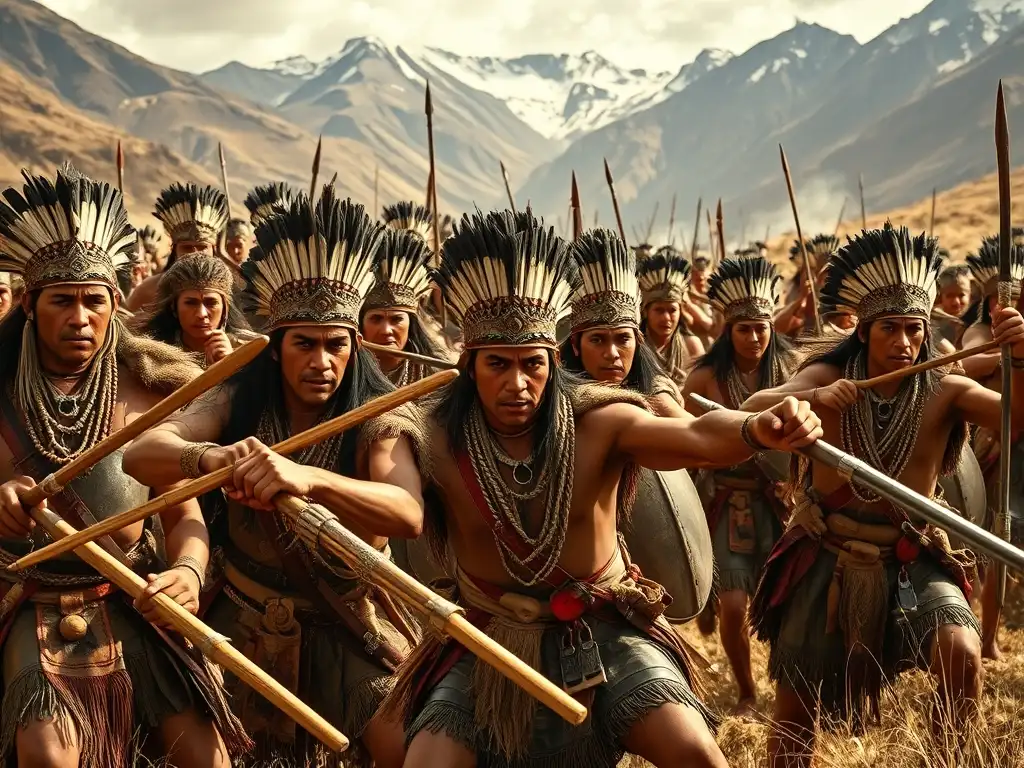
The Inca Empire, while vast and powerful, wasn't universally loved. Many subjugated groups, resentful of Inca rule and its demands, saw the Spanish arrival as an opportunity for liberation or, at least, a chance to shift the balance of power. This complex reality significantly shaped the Inca resistance. While some indigenous populations fought alongside the Inca, others actively collaborated with the Spanish, providing crucial information, manpower, and even military support.
This internal division weakened the Inca's ability to mount a unified and effective defense against the conquistadors. The extent of this collaboration varied dramatically depending on the specific group and their historical relationship with the Inca. Some groups, like the Cañaris, harbored long-standing grievances against the Inca and eagerly joined the Spanish forces. Others, perhaps initially hesitant, were strategically co-opted through promises of autonomy or land.
The impact of these shifting allegiances on the course of the conquest cannot be overstated. It highlights the importance of understanding the complex political landscape of the Andes at the time of the Spanish invasion, a landscape far more nuanced than a simple dichotomy of Inca versus Spaniard. The story of Inca resistance is, therefore, also a story of indigenous agency and the multifaceted ways in which Andean peoples navigated the tumultuous period of the conquest.
The Chankas and Cañaris: Indigenous Groups that Aided the Incas
Not all indigenous groups sided with the Spanish. Some, like the Chankas, who had a long history of conflict with the Inca, initially remained neutral or even offered tacit support to the Inca. However, the Chankas' contribution to the resistance was likely limited due to their own internal divisions and the overwhelming military might of the Spanish.
The Cañaris, on the other hand, presented a more complex case. While known for their resistance to Inca domination, their support for the Spanish was not uniform or unwavering. Some Cañari communities actively collaborated with the Spanish, while others continued to resist both Inca and Spanish rule.
This internal division among the Cañaris reflects the broader pattern of fractured loyalties among Andean populations during the conquest. The strategic importance of these groups in the overall resistance must be carefully considered, accounting for their internal conflicts and shifting alliances. Further research is needed to fully understand their impact on the various battles and skirmishes that characterized the Inca resistance to the Spanish conquest.
The Complex Dynamics of Inter-Indigenous Relations
The Andean region was far from a monolithic entity before the Spanish conquest. A multitude of ethnic groups, each with its own distinct culture, political organization, and history, inhabited the area. The Inca Empire had conquered many of these groups, imposing its rule and demanding tribute.
This resulted in a complex web of alliances, rivalries, and resentments. When the Spanish arrived, these pre-existing relationships played a crucial role in shaping the nature and intensity of the resistance. Some groups saw the Spanish as liberators from Inca rule, while others remained loyal to the Inca, even if grudgingly.
Still others attempted to play the two sides against each other, seeking to maximize their own advantage in the chaotic aftermath of the conquest. Understanding these intricate inter-indigenous dynamics is essential to grasping the full complexity of Inca resistance and the subsequent colonial period. This dynamic interplay highlights the crucial need for nuanced historical analyses that move beyond simplistic narratives of a unified Inca resistance against a single Spanish enemy.
Motivations for Supporting or Opposing the Inca Resistance
The motivations for supporting or opposing the Inca resistance were multifaceted and varied considerably among different indigenous groups. Some groups, like the Cañari, actively supported the Spanish due to long-standing grievances against Inca rule and the hope for greater autonomy or improved living conditions under Spanish administration. Others, perhaps initially loyal to the Inca, switched allegiance after witnessing the superior military technology of the Spanish or facing harsh reprisals for their resistance.
Conversely, some groups remained loyal to the Inca Emperor, driven by a sense of cultural identity, religious belief, or fear of the unknown consequences of Spanish rule. The reasons were complex and often intertwined, reflecting the diverse political and social landscape of the Andean region during the conquest. Economic factors also played a significant role.
Some groups might have anticipated economic benefits from collaborating with the Spanish, while others feared the economic repercussions of rebellion. This intricate mix of political, social, religious, and economic factors shaped the decisions of indigenous groups, creating a complex and often shifting pattern of alliances and conflicts during the Inca resistance.
The Brutality of the Spanish Response to Inca Resistance
The Spanish response to Inca resistance was characterized by extreme brutality, violence, and a systematic dismantling of Inca society. The conquistadors employed a range of tactics to subdue the indigenous population, ranging from outright massacres to the systematic destruction of infrastructure and cultural artifacts. This brutal campaign aimed not only to defeat military resistance but also to break the spirit of the Inca people and pave the way for colonial domination. The sheer scale and intensity of the violence inflicted by the Spanish underscore the devastating consequences of the conquest for the Inca Empire and its people.
Punitive Expeditions and Massacres
The Spanish conquest was not a single event but rather a series of brutal campaigns aimed at crushing Inca resistance. Following significant uprisings or rebellions, the Spanish frequently launched punitive expeditions, characterized by widespread massacres and the destruction of villages. These actions served as a stark warning to other indigenous communities considering rebellion.
The systematic nature of these massacres, often targeting entire populations, demonstrates the Spanish intent to instill fear and break the will of the indigenous population. The scale of these atrocities is difficult to fully comprehend, with many accounts detailing horrifying scenes of violence and destruction. Further research is needed to fully document the extent of these punitive expeditions and their long-term impact on the demography and social structure of Andean communities.
The Impact of Disease and Forced Labor
The Spanish conquest wasn't solely a military campaign; it was also a biological and economic assault on the Inca Empire. The introduction of Old World diseases, such as smallpox, measles, and influenza, devastated the indigenous population, dramatically weakening their ability to resist the Spanish. Simultaneously, the Spanish imposed brutal systems of forced labor, such as the mita, which further depleted the Inca population and resources.
These combined factors—disease and forced labor—played a significant role in the ultimate collapse of the Inca Empire and the subjugation of its people. The long-term consequences of these devastating policies continue to shape the history and social fabric of the Andean region to this day.
The Erosion of Inca Society and Culture
The Spanish conquest led to a profound erosion of Inca society and culture. The destruction of temples, the suppression of religious practices, and the imposition of Spanish language and customs resulted in a significant loss of cultural heritage. The Inca's intricate social and political structures were dismantled, replaced by a colonial system that prioritized Spanish interests.
This cultural disruption had devastating consequences, leading to the loss of invaluable knowledge, traditions, and artistic expressions. The long-term effects of this cultural erosion continue to be felt in the Andean region, highlighting the enduring legacy of the Spanish conquest. The struggle to preserve and revive Inca traditions and cultural practices is a testament to the resilience of the Andean people and their ongoing efforts to reclaim their cultural heritage.
The Legacy of Inca Resistance and its Continuing Significance
The legacy of Inca resistance to Spanish conquest continues to resonate deeply within Andean societies. The struggle against colonial oppression, though ultimately unsuccessful in preventing the fall of the Inca Empire, serves as a powerful symbol of resilience, defiance, and the enduring spirit of a people determined to protect their heritage and autonomy. This legacy is not merely historical; it informs contemporary Andean identities and movements, shaping political discourse and cultural expressions.
The echoes of this resistance can be heard in ongoing struggles for indigenous rights, land reclamation, and cultural preservation across the Andes. The stories of those who fought bravely, often anonymously, inspire future generations to advocate for justice and self-determination.
The tenacity and resourcefulness displayed by the Inca in the face of overwhelming odds offer a potent reminder of the human capacity to resist even the most formidable adversaries. Understanding this legacy is crucial to appreciating the complexities of Andean history and the ongoing fight for social justice in the region.
The Symbolism of Inca Resistance in Andean Identity
Inca resistance holds profound symbolic weight in shaping modern Andean identity. The image of the defiant warrior, fighting for their land, their culture, and their gods, stands as a powerful counterpoint to narratives of passive subjugation. This symbolism is woven into the fabric of Andean societies, manifesting in art, literature, music, and political movements. The resistance is not just a historical event; it's a living memory, a source of pride and inspiration.
It embodies the enduring spirit of Andean peoples, their capacity for collective action, and their commitment to preserving their unique cultural heritage. The continued emphasis on this resistance underscores a desire to reclaim narratives often controlled by external forces, fostering a sense of self-determination and collective strength. This symbolism transcends mere historical recounting; it forms a vital component of contemporary Andean self-definition.
Modern Interpretations and Commemorations of the Resistance
Modern interpretations and commemorations of Inca resistance are diverse and multifaceted, reflecting the changing political and social landscape of the Andes. Many communities actively commemorate key battles and figures from the resistance, using these events as opportunities to celebrate their ancestry and reaffirm their cultural identity. These commemorations often involve traditional ceremonies, artistic performances, and public speeches. In addition, museums and historical sites dedicated to the Inca Empire often highlight the resistance, offering nuanced perspectives on the struggle.
Academic research continues to unearth new information about the resistance, challenging traditional narratives and enriching our understanding of this pivotal period. Furthermore, the resistance serves as a powerful symbol in contemporary indigenous rights movements, inspiring activists and providing a historical framework for their struggles. The ongoing engagement with the legacy of Inca resistance reflects its continuing relevance and enduring power.
Lessons Learned From the Inca Struggle Against Colonialism
The Inca struggle against colonialism offers invaluable lessons applicable to contemporary contexts. It highlights the devastating consequences of imperial expansion, the importance of cultural preservation, and the resilience of indigenous communities in the face of oppression. The Inca experience underscores the need for collective action, strategic planning, and unwavering determination in the fight against injustice. It shows how even seemingly insurmountable odds can be challenged through creative resistance and a deep commitment to one's cultural identity.
Furthermore, the Inca resistance demonstrates the importance of understanding the complexities of power dynamics and the need for diverse strategies to combat oppression. By studying the Inca's strategies, both successful and unsuccessful, we can gain valuable insights into the challenges and triumphs of resisting colonial domination. These lessons remain relevant in the ongoing struggle for social justice and self-determination globally.
Exploring the Sources of Information on Inca Resistance
The study of Inca resistance relies on a diverse range of sources, each presenting its own challenges and limitations. Reconstructing a comprehensive picture requires a critical approach, integrating evidence from various perspectives to create a nuanced understanding of this complex historical period. The lack of a unified Inca perspective, coupled with the biases inherent in the available sources, necessitates careful analysis and interpretation.
Spanish Chronicles: A Biased Perspective
Spanish chronicles, written by conquistadors and colonial officials, constitute a significant, yet problematic, source of information on Inca resistance. While offering valuable insights into the events of the conquest, these accounts are inherently biased, often portraying the Inca as barbaric or uncivilized to justify Spanish actions. The chronicles frequently downplay the scale and effectiveness of Inca resistance, emphasizing Spanish military superiority and minimizing the significant losses suffered by the conquistadors.
Moreover, the perspectives of the Inca themselves are largely absent, replaced by narratives shaped by the victors. Critically analyzing these chronicles, acknowledging their inherent biases, and supplementing them with other sources is crucial for a balanced understanding of Inca resistance.
Archaeological Evidence and Findings
Archaeological evidence offers a crucial counterpoint to the often biased narratives found in Spanish chronicles. Excavations of battle sites, fortifications, and settlements reveal insights into Inca military strategies, logistics, and the extent of their resistance. The discovery of weaponry, defensive structures, and even human remains can shed light on the nature of the conflict and the sacrifices made by Inca warriors.
However, the interpretation of archaeological data requires careful consideration, as the absence of written records necessitates reliance on contextual analysis and careful comparisons with other available sources. Nevertheless, archaeological finds provide invaluable material evidence that complements and challenges the written accounts of the conquest.
Indigenous Oral Traditions and Narratives
Indigenous oral traditions and narratives represent a vital, albeit often overlooked, source of information on Inca resistance. These narratives, passed down through generations, provide alternative perspectives often absent from colonial records. They preserve memories of battles, strategies, and the experiences of Inca individuals and communities during the conquest.
While these traditions may have evolved over time, they offer valuable insights into the cultural memory and lived experiences of the people who directly experienced the resistance. However, accessing and interpreting these oral traditions requires sensitivity, respect, and a collaborative approach, working closely with indigenous communities to ensure accurate and ethical representation. These narratives provide a crucial indigenous voice that helps to balance the predominantly colonial perspectives found in other sources.
- The Initial Stages of Inca Resistance to Spanish Conquest
- The Manco Inca Rebellion: A Major Uprising
- Continuing Inca Resistance After Manco Inca
- The Tactics and Strategies of Inca Resistance
- The Role of Indigenous Allies in the Inca Resistance
- The Brutality of the Spanish Response to Inca Resistance
- The Legacy of Inca Resistance and its Continuing Significance
- Exploring the Sources of Information on Inca Resistance
- What was the primary reason for Inca resistance to the Spanish conquest?
- How did the Inca people organize their resistance against the Spanish?
- Who were some key figures in the Inca resistance?
- What were some of the tactics used by the Inca in their resistance?
- How long did the Inca resistance last after the fall of the Inca Empire?
Frequently Asked Questions
What was the primary reason for Inca resistance to the Spanish conquest?
The Incas resisted the Spanish due to a combination of factors, including the loss of their land and freedom, the destruction of their culture and religion, and the brutal treatment inflicted upon them by the conquistadors.
How did the Inca people organize their resistance against the Spanish?
Inca resistance wasn't unified but involved guerrilla warfare, ambushes, and sieges, often led by local leaders and utilizing their knowledge of the terrain. Loyalists continued to fight even after the capture of Atahualpa.
Who were some key figures in the Inca resistance?
While many fought bravely, Tupac Amaru I and Tupac Katari are notable examples of Inca leaders who led significant uprisings against Spanish rule. Their resistance lasted for decades.
What were some of the tactics used by the Inca in their resistance?
Inca resistance employed a range of tactics, including ambushes in mountainous terrain, the use of familiar weapons and strategies, and the exploitation of the Spanish's unfamiliarity with the Andes.
How long did the Inca resistance last after the fall of the Inca Empire?
Inca resistance continued for several decades after the capture of Atahualpa in 1533. Various revolts and uprisings, fueled by indigenous resentment and exploitation, persisted throughout the 16th century and beyond.
Final Reflection: Echoes of Resistance: The Enduring Legacy of Inca Struggle
The brutal conquest of the Inca Empire remains a stark reminder of the devastating impact of colonialism, yet the story of Inca resistance, often overlooked, offers a powerful counter-narrative of resilience and defiance. The fight for survival and the preservation of culture waged by the Inca people continues to resonate today, serving as a potent symbol of the human spirit's capacity to endure even in the face of overwhelming odds.
The echoes of this resistance reverberate through the cultural landscape of Latin America, shaping identities and informing ongoing struggles for social justice and self-determination. The Inca's unwavering commitment to their beliefs and their homeland serves as a powerful example for marginalized communities worldwide. The struggle for liberation is a long and arduous one, but it is a struggle worth fighting for, for it is the struggle for our very humanity.
This sentiment, though not directly from an Inca source, perfectly encapsulates the spirit of their resistance and its enduring relevance.
Consider the legacy of Inca resistance. Think about the courage it took to stand against an empire armed with superior weaponry and a ruthless ideology. Let this story inspire you to champion your own beliefs, to fight for what you believe in, and to never underestimate the power of collective action in the face of adversity. You, too, possess the strength to resist oppression and build a more just and equitable world.
Honor Their Legacy: Take Action for Inca History!
Thank you for exploring the remarkable stories of Inca resistance against Spanish invaders. You've discovered the bravery and resilience of these unsung heroes, and now it's time to help ensure their legacy endures.
Here are a few meaningful ways you can make a difference:
- Support a local historical society dedicated to preserving Inca history and advocating for the recognition and respect of Indigenous cultures. Your contribution can help fund vital research, preservation efforts, and educational programs.
- Share this article on social media to raise awareness of the Inca resistance and inspire others to learn more about this rich and fascinating culture.
- Visit a museum or cultural site dedicated to Inca history. Engage with their exhibits and programs to deepen your understanding and appreciation of this important period.
By taking these actions, you contribute to a greater understanding and appreciation of this shared history.
What aspect of Inca resistance most resonates with you, and how will you share that inspiration with others?