
The Inca Perspective: Uncovering the Stories of the People Who Lived Through the Conquest

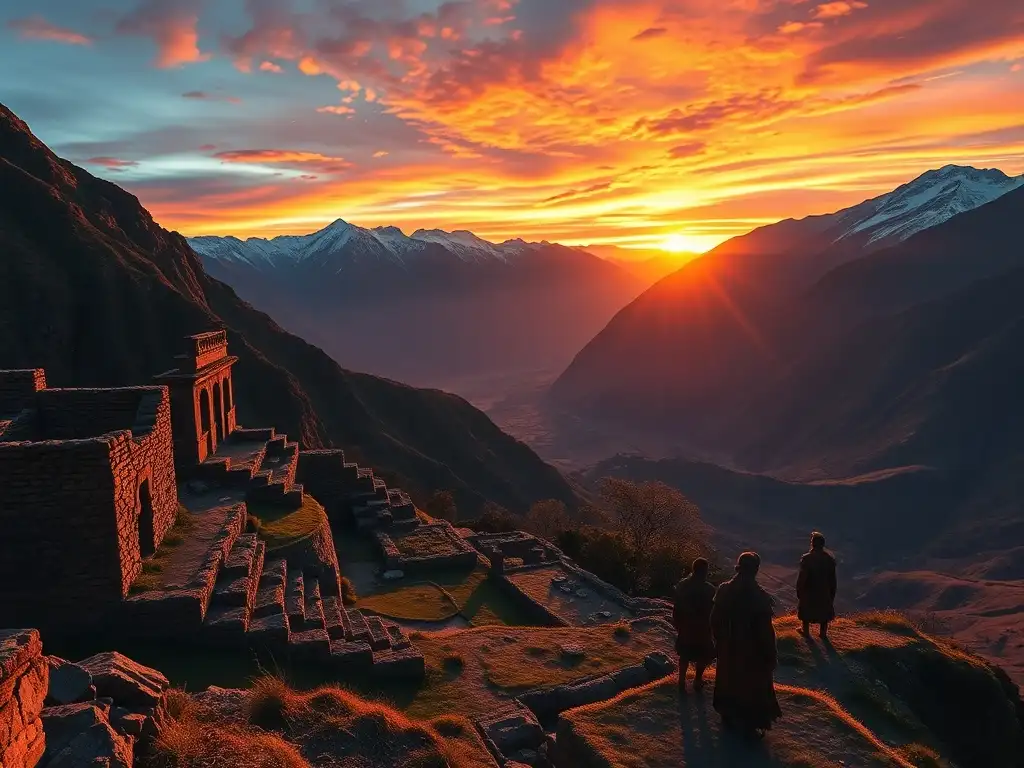
Step into a world lost to time, yet echoing with the voices of a mighty empire. For centuries, the Inca conquest has been told from a single perspective. But what about the Incas themselves? Dare to uncover a different narrative – one woven from the threads of their own experiences, their triumphs, and their tragedies. Explore the Inca conquest perspective and witness history rewritten. Prepare to be captivated.
The Spanish conquest of the Inca Empire, often recounted from a European perspective, obscures the lived experiences of the Inca people themselves. This article aims to redress that imbalance by exploring the Inca conquest from the Inca perspective, drawing on surviving accounts, archaeological evidence, and anthropological interpretations to reconstruct the events as they unfolded for the individuals who lived through this transformative period.
We will move beyond the triumphant narratives of conquistadors to understand the complexities of Inca society, their resilience in the face of overwhelming force, and the lasting impact of the conquest on their culture and identity. This exploration will delve into the pre-conquest Inca world, their societal structures, and the devastating consequences of the Spanish invasion, offering a more nuanced and empathetic understanding of this pivotal moment in Andean history.
Understanding the Inca perspective is crucial to appreciating the full scope of the conquest and its enduring legacy. The keyword "Inca conquest perspective" is central to this exploration, providing a framework for understanding the human cost of colonialism and the resilience of a civilization facing unprecedented challenges.
Understanding the Inca World Before the Spanish Arrival
Before the arrival of Pizarro and his men, the Inca Empire was a vast and sophisticated civilization, stretching along the Andes Mountains from present-day Colombia to Chile. The Inca, or Tawantinsuyu as they called their empire, boasted impressive achievements in engineering, agriculture, and social organization. Their mastery of terracing allowed them to cultivate crops on steep slopes, creating a highly productive agricultural system. The construction of intricate road networks facilitated communication and trade throughout the empire, connecting distant regions and fostering a sense of unity.
The Inca also developed a complex system of record-keeping using quipus, knotted strings that encoded numerical and potentially textual information. This sophisticated system allowed for the efficient administration of the vast empire and the tracking of resources. Furthermore, Inca society was highly stratified, with the Sapa Inca at the apex, followed by a hierarchy of nobles, priests, and commoners. This hierarchical structure, while rigid, played a crucial role in maintaining order and stability within the empire.
The Inca worldview was deeply intertwined with their religion and cosmology, with the sun god Inti holding a central position in their belief system. Understanding this pre-conquest context is vital to grasping the impact of the Spanish conquest on Inca society and culture. The disruption of this highly organized system had profound and lasting consequences.
Inca Society and Culture at the Time of the Conquest
The Inca Empire at the time of the Spanish conquest was not without its internal tensions. The recent death of Huayna Capac and the subsequent power struggle between his sons, Huáscar and Atahualpa, had weakened the empire, leaving it vulnerable to external threats. This internal conflict, exploited masterfully by the Spanish, played a significant role in the conquest's success. Despite this internal strife, Inca society maintained a remarkable level of organization and resilience.
The mita system, a form of mandatory labor service, continued to function, supplying the empire with the manpower needed for construction projects and agricultural production. Inca religious practices, while disrupted by the arrival of the Spanish, persisted in various forms, demonstrating the enduring strength of Inca spiritual beliefs. The conquest, however, resulted in the destruction of temples, the suppression of religious rituals, and the imposition of Christian beliefs. The introduction of new diseases, such as smallpox, measles and influenza, decimated the Inca population, contributing significantly to the downfall of the empire.
This devastating impact is often overlooked in traditional narratives which focus solely on military strategies. Analyzing the Inca society and culture through the lens of their lived experiences during the conquest reveals a complex picture of resilience, adaptation, and ultimately, profound loss. The impact of the conquest extended far beyond the battlefield, reshaping the social fabric, religious beliefs, and economic systems of the Inca civilization.
The Inca View of the Spanish Arrival
The arrival of the Spanish conquistadors represented a profound disruption to the Inca worldview. For centuries, the Inca had lived under a highly structured and centralized empire, governed by the Sapa Inca, considered a divine ruler. Their cosmology, deeply rooted in Andean spirituality, centered around the worship of nature deities and the veneration of ancestors. The sudden appearance of these strange men, with their unfamiliar technology and beliefs, shattered the established order and challenged the very foundations of their understanding of the world.
Initial accounts, gleaned from surviving Inca oral traditions and interpretations of Spanish chronicles, suggest a mixture of curiosity, apprehension, and perhaps even a degree of awe. The conquistadors' advanced weaponry, particularly firearms, was undoubtedly a source of both fear and bewilderment. The Inca, while possessing a sophisticated military system, had never encountered such devastating technology.
This initial perception of the Spanish, a blend of fascination and fear, would significantly shape the subsequent events of the conquest. The Inca likely saw the Spanish as powerful, yet ultimately, as invaders who violated the natural order and threatened their way of life. This initial assessment would inform the Inca's response to the Spanish, a response that ranged from cautious observation to outright resistance.
First Encounters: Inca Reactions to the Conquistadors
The first encounters between the Inca and the Spanish were characterized by a complex interplay of misunderstanding, miscommunication, and escalating tensions. The Inca, accustomed to a hierarchical system of diplomacy and tribute, initially attempted to engage with the Spanish through established protocols. Gifts were offered, and attempts were made to understand the newcomers' intentions. However, the cultural chasm between the two civilizations proved insurmountable.
The Spanish, driven by their own ambitions for gold and glory, often misinterpreted Inca gestures and rituals. The Inca concept of mita, a system of labor tribute, was often confused with forced servitude by the Spanish. This fundamental difference in understanding fueled mutual distrust and suspicion. The Spanish's ruthless pursuit of gold and their disregard for Inca customs and beliefs further exacerbated the situation.
The seizure of the Sapa Inca Atahualpa, a pivotal moment in the conquest, vividly illustrates the breakdown in communication and the inherent power imbalance. The Inca's initial attempts at diplomacy quickly gave way to resistance as they grappled with the reality of a relentless and technologically superior enemy. The initial reactions, therefore, ranged from cautious diplomacy to increasing alarm and eventually fierce resistance.
The Inca Resistance: Battles and Strategies
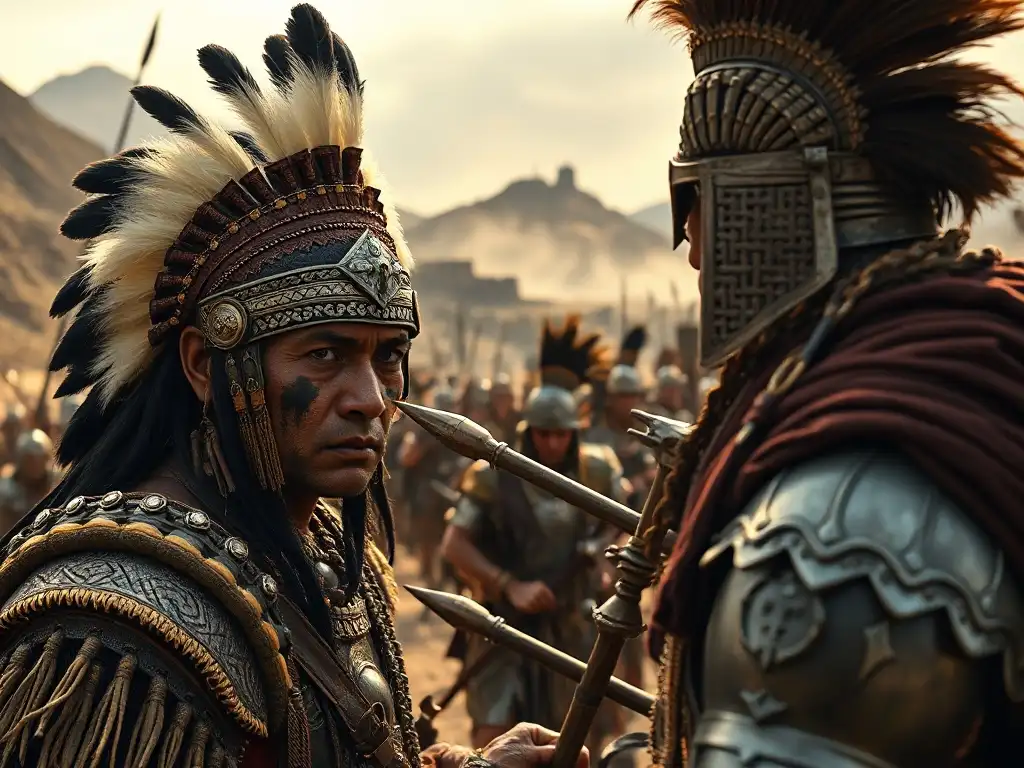
The Inca resistance to the Spanish conquest was a protracted and ultimately unsuccessful struggle, but it showcased remarkable resilience and military prowess. Facing a technologically superior force, the Inca employed a range of strategies to defend their empire. These strategies, born out of necessity and informed by their understanding of their own strengths and weaknesses, included guerrilla warfare, ambushes, and the strategic use of terrain.
The Inca leveraged their extensive road network, allowing for rapid troop movements and the effective supply of their armies. Their knowledge of the Andes' treacherous geography also proved advantageous, as they used the mountains and valleys to their advantage, hindering the Spanish advance and inflicting heavy casualties. However, the Spanish's superior weaponry, especially firearms and horses, proved to be a significant obstacle.
The Inca's resistance, while ultimately unsuccessful in preventing the conquest, demonstrated the strength and organization of their military and their unwavering determination to defend their homeland. The struggle highlights the ingenuity and courage of the Inca people in the face of overwhelming odds.
Key Battles of the Inca Resistance
Several key battles during the Inca resistance stand out as significant turning points. The Battle of Cajamarca, though a devastating defeat for the Inca, marked the capture of Atahualpa and the beginning of the systematic dismantling of the Inca Empire. Subsequent battles, though often less well-documented in detail, involved fierce resistance from Inca forces in various regions of the empire. [Specific battle names and locations pending].
These engagements, while often resulting in Inca defeats, highlighted the ongoing determination of the Inca to resist Spanish domination. The prolonged resistance, even in the face of overwhelming odds, demonstrates the strength of the Inca military organization and the unwavering commitment of their warriors. Further research is needed to fully document the details and significance of all the battles fought throughout the resistance.
Inca Military Tactics and Leadership
Inca military tactics were sophisticated and well-suited to the Andean terrain. They relied heavily on their extensive road network to facilitate rapid troop mobilization and supply lines. Their armies were highly organized, often employing a combination of infantry and specialized units. [Specific details on unit types pending]. The Inca leadership played a crucial role in organizing and coordinating the resistance.
While the capture of Atahualpa severely weakened the central command, local leaders and regional governors continued to organize resistance efforts in various parts of the empire. Their knowledge of the terrain, combined with guerilla tactics, allowed them to inflict significant losses on the Spanish, despite the disparity in weaponry. The Inca's military prowess, though ultimately unsuccessful against the Spanish, showcases their advanced organizational skills and strategic thinking. A deeper understanding of their tactical innovations and leadership structures is essential for a complete picture of the Inca resistance.
The Role of Inca Leaders During the Conquest
The Inca conquest wasn't a monolithic event; the responses of Inca leaders significantly shaped its trajectory and consequences. The leadership vacuum created by the Spanish tactics, particularly their use of deception and manipulation, profoundly impacted the Inca's ability to mount a unified defense. Instead of a coordinated resistance, the conquest unfolded as a series of regional conflicts, often pitting Inca against Inca.
The initial phases of the conquest saw a struggle for power among competing Inca factions, exploiting existing internal divisions within the empire. This internal strife, exacerbated by the Spanish manipulation of these divisions, ultimately weakened the Inca's ability to resist the invaders. The actions (or inactions) of individual leaders played a crucial role in determining the fate of specific regions and communities.
For example, some leaders actively collaborated with the Spanish, while others fiercely resisted, leading to diverse outcomes across the vast Inca empire. The ensuing power struggles among surviving Inca elites further fragmented the resistance and prolonged the conquest. The legacy of these diverse leadership responses continues to shape our understanding of this pivotal period in Andean history.
The Impact of Atahualpa's Capture
Atahualpa's capture in Cajamarca in 1532 represents a turning point in the Inca conquest. His imprisonment wasn't merely a military defeat; it was a symbolic blow that shattered the Inca's political and religious order. Atahualpa, as the Sapa Inca, embodied the legitimacy and authority of the Inca state.
His capture effectively decapitated the empire's leadership, creating a power vacuum that the Spanish ruthlessly exploited. The subsequent civil war between Atahualpa and his half-brother Huáscar, which had already weakened the empire, was further exacerbated by the Spanish intervention. The ransom offered by Atahualpa, a mountain of gold and silver, only temporarily appeased the Spanish; it ultimately fueled their ambition and desire for further conquest.
The execution of Atahualpa, despite the ransom, solidified Spanish dominance and signaled the beginning of a systematic dismantling of the Inca political structure. The event profoundly impacted Inca society, leading to widespread chaos, loss of life, and the erosion of traditional authority structures.
The Figure of Manco Inca and his Rebellion
Manco Inca Yupanqui, initially installed as a puppet ruler by the Spanish, ultimately became a symbol of Inca resistance. His rebellion, starting in 1536, marked a significant shift in the dynamics of the conquest. While the initial phases of the conquest were characterized by Spanish military superiority, Manco Inca's rebellion demonstrated the enduring strength of Inca resistance and the capacity of the Inca people to organize and fight back against the colonizers.
His siege of Cusco, the Inca capital, showcased the resilience of the Inca military and their ability to utilize guerrilla warfare tactics against a technologically superior enemy. Although ultimately unsuccessful in reclaiming the Inca empire, Manco Inca's rebellion established a significant foothold for continued resistance in the Vilcabamba region, prolonging the struggle against Spanish rule for decades.
His legacy remains a testament to the Inca's determination to preserve their culture and independence in the face of overwhelming odds. The rebellion highlights the complexities of the conquest, demonstrating that Inca resistance was not simply passive acceptance but involved strategic planning, tactical innovation, and unwavering determination.
The Inca Experience of the Conquest
The Inca experience of the conquest was profoundly traumatic, resulting in widespread death, displacement, and the destruction of their social fabric. The introduction of European diseases, like smallpox and measles, decimated the Inca population, weakening their ability to resist the Spanish. This biological warfare, coupled with the brutal military campaigns, resulted in an unprecedented loss of life. Beyond the immediate casualties of war and disease, the conquest led to the destruction of Inca infrastructure, including irrigation systems, temples, and palaces – crucial elements of their social and economic organization.
The imposition of Spanish rule led to the disruption of traditional agricultural practices, religious ceremonies, and social structures. The forced labor system (mita) imposed by the Spanish further exploited the Inca population, leading to widespread suffering and death. The systematic dismantling of the Inca state and its replacement with a colonial administration profoundly impacted every aspect of Inca life.
The Impact on Inca Daily Life and Traditions
The conquest drastically altered Inca daily life. The familiar social structures, based on kinship and ayllu communities, were disrupted by the imposition of Spanish colonial rule. Traditional agricultural practices, finely tuned to the Andean environment, were replaced with new systems that often proved less efficient. The Inca’s sophisticated system of record-keeping, using quipus, was largely abandoned in favor of the Spanish system of written records.
Religious practices, central to Inca life, were suppressed, with the imposition of Catholicism and the destruction of Inca temples and religious objects. The loss of traditional leadership structures and the imposition of a new colonial hierarchy resulted in a significant social and cultural upheaval. The integration of Spanish language and customs into daily life led to a gradual erosion of Inca traditions, although many aspects of Inca culture persisted, albeit in modified forms.
Loss of Inca Territories and Resources
The Spanish conquest resulted in the loss of vast Inca territories and resources. The Inca Empire, once stretching across a significant portion of the Andes, was fragmented and brought under Spanish control. Access to vital resources, including gold, silver, and agricultural lands, was seized by the Spanish crown and used to fuel the Spanish colonial economy. The control of crucial agricultural regions and irrigation systems led to food shortages and famine in many Inca communities.
The exploitation of Inca labor in mines and other colonial enterprises further strained the resources of the empire. The loss of territory and resources had long-lasting consequences, shaping the economic and political landscape of the Andes for centuries to come. This dispossession profoundly impacted the Inca people, contributing to their ongoing subjugation under colonial rule. The redistribution of land and resources significantly altered the power dynamics within Andean society.
Inca Voices: Chronicles and Oral Histories
The Inca conquest perspective is best understood by listening to the voices of those who experienced it firsthand. While the Spanish conquistadors left detailed accounts, often biased and self-serving, the Inca perspective is gleaned from a more fragmented, yet equally compelling, collection of sources. These sources are primarily chronicles written by Inca individuals who witnessed the upheaval and oral traditions passed down through generations.
These sources offer a crucial counterpoint to the dominant narrative, revealing the complexities of the conquest from the perspective of the conquered. The impact of the conquest was devastating, fundamentally altering the Inca social fabric, political structures, and spiritual beliefs. Understanding the Inca experience requires careful consideration of both the written and oral accounts that have survived.
The inherent challenges in accessing and interpreting these sources underscore the importance of a multifaceted approach to understanding the Inca perspective on this pivotal historical event. The scarcity of primary sources necessitates a careful analysis of available fragments, always acknowledging the limitations of the available evidence.
Felipe Guaman Poma de Ayala's "El Primer Nueva Corónica y Buen Gobierno"
Felipe Guaman Poma de Ayala’s "El Primer Nueva Corónica y Buen Gobierno" stands as a monumental work, a unique blend of chronicle, letter, and illustrated manuscript. Written in the early 17th century, it provides an invaluable, albeit complex and sometimes contradictory, Inca perspective on the Spanish conquest. Guaman Poma, an indigenous Andean noble, meticulously documented the events leading to the fall of the Inca Empire, detailing the Spanish cruelty and the devastating effects of colonization.
His work is not merely a historical account; it's a powerful critique of the Spanish actions and a plea for justice. The illustrations within the text are particularly insightful, offering visual representations of Inca life, social structures, and the devastating impact of the conquest. Guaman Poma's perspective is crucial because it provides a detailed, first-hand account from someone deeply embedded within Inca society, offering a counter-narrative to the often celebratory accounts produced by the Spanish.
His work highlights the cultural clash and the destruction of Inca traditions and institutions, painting a vivid picture of the human cost of the conquest. The sheer volume of detail and the author's emotional investment make this chronicle a cornerstone of Inca studies.
Oral Traditions Preserving Inca History
Despite the Spanish efforts to suppress Inca culture and history, oral traditions played a vital role in preserving the Inca perspective on the conquest. These traditions, passed down through generations, maintained a living memory of the past, even as written records became scarce. Narratives of resistance, accounts of the struggles faced by the Inca people, and the memories of their ancestral way of life were kept alive through storytelling and ritualistic practices.
These oral traditions often contained elements that were not recorded in the Spanish chronicles, offering a different and valuable perspective on the events. However, piecing together these fragmented narratives presents significant challenges. The passage of time, the influence of colonial culture, and the difficulties in verifying the accuracy of oral histories require careful consideration and cross-referencing with other available sources.
Nevertheless, the insights gained from studying these oral traditions are crucial for a comprehensive understanding of the Inca experience during and after the conquest. Many of these traditions are still present in modern Andean communities, offering a continued connection to the past and a unique perspective on the legacy of the conquest.
Analyzing the Inca Perspective on the Conquest
Analyzing the Inca perspective on the conquest requires a critical approach, acknowledging the limitations and biases inherent in the available sources. It involves a careful examination of both written chronicles, like Guaman Poma's, and oral traditions, recognizing the potential for distortion or embellishment over time. The Inca perspective wasn't monolithic; different individuals and groups experienced the conquest in varying ways, influenced by their social standing, geographic location, and interactions with the Spanish.
The Inca Empire itself was a complex entity with internal divisions and power struggles that were exacerbated by the Spanish arrival. Scholars analyze these diverse perspectives to create a more nuanced understanding of the Inca response to the conquest, moving beyond simple narratives of victory and defeat.
This nuanced approach is critical for a comprehensive understanding of the events and their long-term consequences. The analysis should also consider the psychological and emotional impact of the conquest on the Inca people, examining how they processed the trauma and loss of their empire.
The Inca Interpretation of Spanish Motives
The Inca interpretation of Spanish motives is crucial to understanding the Inca perspective on the conquest. While the Spanish often portrayed their actions as a divinely ordained mission to spread Christianity and civilization, the Inca saw their arrival as a violent invasion, a disruption of their established order, and a threat to their way of life. The Inca likely understood the Spanish desire for gold and other riches, but the cultural misunderstandings and the brutal tactics of the conquistadors played a significant role in shaping the Inca response. The Inca likely perceived the Spanish as ruthless and deceitful, interpreting their actions as a betrayal of trust and an affront to their sacred beliefs. Analyzing Inca interpretations of Spanish motives requires careful consideration of the cultural differences and the power imbalances that shaped the encounter. This interpretation is often absent from the Spanish accounts, making the Inca perspective a vital counterpoint.
The Lasting Legacy of the Inca Conquest Perspective
The Inca perspective on the conquest continues to shape our understanding of this pivotal historical event. By acknowledging the voices and experiences of the conquered, we move beyond a Eurocentric narrative and gain a richer, more nuanced understanding of the complexities of colonialism. The lasting legacy of the Inca conquest perspective is not merely historical; it has profound implications for contemporary discussions of colonialism, cultural preservation, and the enduring impact of historical trauma.
The resilience of Inca culture and the persistence of Inca traditions demonstrate the enduring power of indigenous perspectives and the importance of continuing to amplify these voices. The study of the Inca conquest from the Inca perspective is an ongoing process, requiring continuous research and critical engagement with the available sources. The effort to understand this perspective is crucial for a more complete and just understanding of history.
The Inca Perspective: Beyond the Official Spanish Narrative
The official Spanish accounts of the Inca conquest often present a narrative skewed towards the victors, glorifying Spanish prowess and minimizing Inca resistance. This perspective, however, fails to capture the complex realities experienced by the Inca people. To truly understand the Inca conquest, we must move beyond the triumphant pronouncements of conquistadors and delve into the voices – or, more accurately, the echoes of the voices – of those who lived through the upheaval. Many primary sources are lost or destroyed, deliberately suppressed by the Spanish crown to maintain control and consolidate power.
However, surviving accounts, though fragmented, offer glimpses into the devastation and resilience of the Inca population. These glimpses, often found in indigenous oral traditions passed down through generations, provide crucial counterpoints to the official Spanish narrative. We see the strategic brilliance of Inca military tactics, the deep cultural and spiritual significance of their resistance, and the devastating impact of disease and forced labor on Inca society.
Analyzing these fragmented stories alongside archaeological evidence allows us to reconstruct a more nuanced and accurate portrayal of the conquest from the Inca perspective. We gain insight into the experiences of commoners, noble families, and even the Inca emperor himself, Atahualpa, whose capture and execution marked a pivotal moment in the collapse of the empire. These stories reveal not just a military defeat but a systematic dismantling of a complex civilization.
Preserving the Inca Narrative in Modern Times
The challenge of recovering and preserving the Inca perspective on the conquest is ongoing. Generations of colonization and cultural suppression have created significant gaps in the historical record. However, modern scholarship and efforts to revitalize indigenous languages and traditions are working to reclaim these lost voices.
Archaeological digs continue to unearth artifacts and settlements that offer new insights into Inca life, both before and after the conquest. The careful study of these artifacts, combined with the ongoing effort to translate and interpret indigenous oral histories, provides researchers with vital pieces of the puzzle. Moreover, contemporary indigenous communities are actively involved in preserving their ancestral heritage.
Their participation is crucial because their oral traditions, rituals, and beliefs hold invaluable knowledge about their history, including their ancestors’ experiences during the Spanish conquest. This collaborative approach ensures that the Inca perspective is not simply interpreted by outsiders but is actively shaped and shared by those who are its rightful inheritors.
The Importance of Inca Historical Memory
The preservation of Inca historical memory is not merely an academic exercise; it is a crucial act of cultural survival. For modern descendants of the Inca, understanding their history is essential to maintaining cultural identity and reclaiming a sense of pride and agency. The conquest narrative, as traditionally told, often portrays the Inca as passive victims, lacking agency in their own downfall. However, a deeper understanding reveals a complex web of resistance, adaptation, and resilience.
Reclaiming this narrative empowers indigenous communities, offering a counter-narrative to the colonial legacy that has long sought to erase their history and culture. Understanding the Inca perspective allows for a more complete and accurate understanding of the events of the conquest, moving beyond simplistic narratives of victory and defeat. This understanding fosters empathy and respect for the cultural heritage of Andean peoples and highlights the enduring strength of Inca civilization.
The Role of Museums and Cultural Institutions
Museums and cultural institutions play a vital role in preserving and sharing the Inca perspective on the conquest. By curating artifacts, organizing exhibitions, and supporting research, these institutions can contribute significantly to a more comprehensive understanding of Inca history. However, it is crucial that these institutions adopt a decolonizing approach, ensuring that the Inca perspective is not merely presented as a footnote to the dominant Spanish narrative.
This means actively collaborating with indigenous communities, incorporating their voices and perspectives into exhibits and educational programs, and promoting a more balanced and nuanced portrayal of the conquest. The challenge lies in moving beyond simply displaying artifacts and towards creating engaging and inclusive spaces where visitors can learn about the Inca experience in a respectful and meaningful way.
The effective presentation of Inca artifacts and oral histories within a museum setting can foster intercultural dialogue and contribute to a more just and accurate representation of history. Furthermore, these institutions should actively work to repatriate artifacts that were looted during the colonial period, acknowledging the injustices of the past and supporting the return of cultural heritage to its rightful owners.
Conclusion: The Enduring Importance of the Inca Conquest Perspective
The Inca conquest, viewed solely through the lens of Spanish chronicles, presents a skewed and incomplete narrative. Understanding the Inca perspective, gleaned from archaeological evidence, oral traditions preserved in later Quechua narratives, and even subtle hints within colonial documents themselves, is crucial for a more complete and nuanced understanding of this pivotal historical event.
Ignoring the Inca experience reduces the conquest to a simple tale of military superiority, neglecting the complex social, political, and cultural factors that contributed to the fall of the empire. It overlooks the resilience, resistance, and adaptation of the Inca people in the face of overwhelming odds.
By actively seeking out and incorporating these diverse sources, historians can paint a richer picture of the Inca experience during the conquest. This includes acknowledging the devastating impact of disease, the internal divisions within the Inca empire, and the diverse responses of different Inca communities to Spanish rule. Some actively resisted, others adapted, and many were forced into submission. Understanding these varied responses is vital to avoid generalizations and to appreciate the complexity of the human experience during this tumultuous period.
The enduring importance of the Inca perspective lies in its ability to challenge traditional narratives and offer a more empathetic and comprehensive understanding of the past. It allows us to move beyond the simplistic dichotomy of "conquerors" and "conquered" and to appreciate the agency, resilience, and cultural richness of the Inca people. This more complete understanding not only enriches our knowledge of the past but also has implications for contemporary discussions of colonialism, cultural preservation, and the ongoing struggle for Indigenous rights and recognition. The quest to understand the Inca conquest from their perspective is, therefore, not merely an academic exercise; it is a vital step towards a more just and equitable future.
The continued exploration and interpretation of Inca voices, however fragmented, remains a crucial task for future generations of historians and scholars. Ignoring their perspective is not only a historical inaccuracy but a moral failing. 👑
- Understanding the Inca World Before the Spanish Arrival
- Inca Society and Culture at the Time of the Conquest
- The Inca View of the Spanish Arrival
- First Encounters: Inca Reactions to the Conquistadors
- The Inca Resistance: Battles and Strategies
- The Role of Inca Leaders During the Conquest
- The Inca Experience of the Conquest
- Inca Voices: Chronicles and Oral Histories
- Analyzing the Inca Perspective on the Conquest
- The Inca Perspective: Beyond the Official Spanish Narrative
- Preserving the Inca Narrative in Modern Times
- Conclusion: The Enduring Importance of the Inca Conquest Perspective
- What is the main focus of this article?
- How does this article differ from other accounts of the Inca conquest?
- What primary sources are used in this article to understand the Inca perspective?
- What aspects of Inca life are explored in relation to the conquest?
- Where can I find more information on the Inca conquest from an Inca perspective?
Frequently Asked Questions
What is the main focus of this article?
This article offers a unique perspective on the Inca conquest, focusing on the experiences and stories of the Inca people themselves, rather than solely on the Spanish conquistadors. It aims to uncover their perspectives on this pivotal historical event.
How does this article differ from other accounts of the Inca conquest?
Unlike many historical accounts that center on the Spanish perspective, this article prioritizes Inca voices and narratives, offering a more nuanced and empathetic understanding of the conquest's impact.
What primary sources are used in this article to understand the Inca perspective?
The article draws on a variety of sources including surviving Inca oral traditions, post-conquest chronicles written by Indigenous authors, and archaeological evidence interpreted through a culturally sensitive lens.
What aspects of Inca life are explored in relation to the conquest?
The article explores how the conquest impacted various facets of Inca life, including social structures, religious beliefs, economic systems, and daily routines, providing a holistic view of the upheaval.
Where can I find more information on the Inca conquest from an Inca perspective?
Further research can be conducted by exploring academic journals specializing in Andean history, ethnohistorical studies, and books focusing on Indigenous perspectives on colonialism in the Andes. Consider searching for works by Indigenous scholars and authors.
Final Reflection: Echoes of the Andes: A Legacy of Resilience
The Inca perspective, long silenced by the dominant narrative of conquest, continues to resonate today, a powerful reminder of the devastating impact of colonialism and the enduring strength of indigenous cultures. Understanding their experiences is not merely an academic exercise; it is crucial for dismantling harmful stereotypes and fostering a more just and equitable world. The stories of resilience and resistance unearthed in this exploration are vital to understanding our present, shaped as it is by the legacies of the past.
The Inca experience, marked by both immense tragedy and unwavering spirit, profoundly shaped the cultural and social landscape of South America, leaving an indelible mark on its people and its identity. The echoes of their sophisticated civilization, their intricate social structures, and their profound connection to the land continue to inspire and challenge us. The past is never dead. It's not even past.
- William Faulkner. This quote rings especially true when considering the ongoing struggle for indigenous rights and the persistent need to acknowledge and rectify historical injustices.
Consider, reader, the weight of these stories. How can we, armed with this newfound understanding of the Inca experience, actively work towards a future where such injustices are not repeated? Let the resilience of the Inca people inspire you to challenge dominant narratives, to amplify marginalized voices, and to advocate for a world where every culture's story is heard, valued, and respected. Let their legacy be a call to action, a testament to the enduring power of human spirit, and a guide towards a more just and equitable future for all.
Uncover the Rich Heritage of the Inca!
Thank you for exploring the fascinating world of the Inca civilization with us! You've discovered the profound stories and remarkable resilience of a culture that significantly shaped history. Now, let's delve even deeper into this captivating legacy.
Here are some ways to further engage with Inca culture:
- **Visit Local Museums:** Immerse yourself in Inca history by visiting a museum showcasing Inca artifacts or Andean cultural exhibits. Experiencing these objects firsthand offers unparalleled insight.
- **Join a Discussion Group:** Connect with fellow enthusiasts of Andean civilizations. Sharing perspectives and learning from others fosters a deeper understanding and appreciation.
- **Share Your Discoveries:** Share your favorite insights from your exploration of Inca culture on social media or in a blog post. Use the hashtag #AndeanCivilizations to connect with our community and spark further discussion!
Which aspect of Inca culture captivates you most, and how will you continue to explore it?