
The Death of Atahualpa: A Grisly End to an Era of Inca Rule

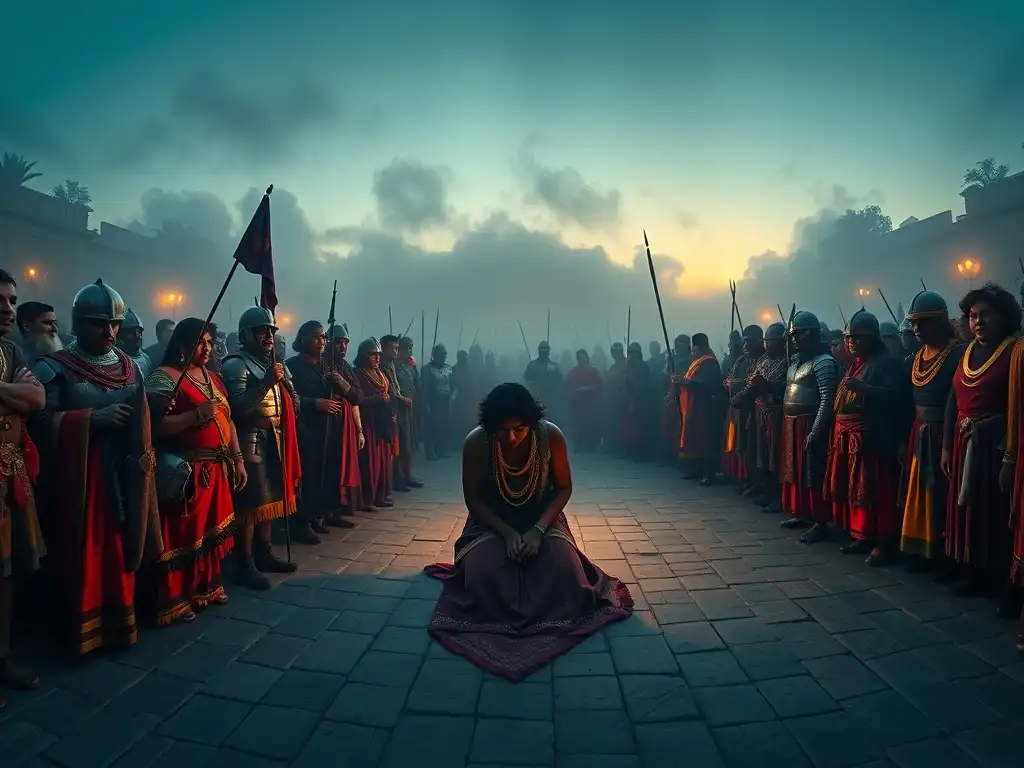
Step into a world lost to time, where empires rose and fell amidst the towering Andes. Uncover the mysteries of the ancient Andean civilizations – the Incas, Moche, Nazca, and Tiahuanaco – and their remarkable achievements. But our journey begins with a chilling enigma: the death of Atahualpa. Was it a righteous execution, or a carefully orchestrated assassination? Explore the conflicting accounts and discover the truth behind this pivotal moment that marked the brutal end of an era. Dare to delve into the fascinating details of Atahualpa Inca's death cause and unravel the secrets of the Spanish Conquest.
The execution of Atahualpa, the last Sapa Inca of the independent Inca Empire, marked a brutal end to centuries of Andean dominance. His death, a pivotal moment in the Spanish conquest of the Inca Empire, irrevocably altered the course of South American history.
This article delves into the circumstances surrounding Atahualpa's demise, exploring the events leading up to his capture, the internal conflicts that weakened the Inca Empire, and the ultimate cause of his death, answering the crucial question: what was the Atahualpa Inca death cause? We will examine the historical accounts, analyzing the interplay of political intrigue, religious beliefs, and the brutal realities of colonial conquest.
Understanding Atahualpa's death requires a deep dive into the tumultuous final years of the Inca Empire, a period characterized by internal strife and the devastating arrival of the Spanish conquistadors. This exploration will provide a comprehensive understanding of this pivotal event and its lasting impact on Andean culture and society.
The Inca Empire on the Brink: Preceding Atahualpa's Capture
Before his capture and subsequent execution, Atahualpa ruled over an empire already weakened by internal conflict and facing external threats. The vast Inca Empire, known for its intricate road system, sophisticated agriculture, and centralized governance, was not immune to the stresses of succession and power struggles. The years leading up to Atahualpa's reign saw a significant decline in centralized authority, creating vulnerabilities that the Spanish conquistadors expertly exploited. Rumors of vast gold and silver reserves further fueled the Spanish ambitions, culminating in Francisco Pizarro's audacious expedition.
The Inca Empire, though seemingly invincible, was in a state of precarious equilibrium, ripe for disruption. The arrival of Pizarro's relatively small force was, therefore, far more impactful than it might have been under different circumstances. The seeds of the empire's downfall had already been sown.
The Civil War: Huascar vs. Atahualpa
The Inca Empire's internal fracturing significantly contributed to its vulnerability. A bitter succession crisis between Huáscar and Atahualpa, brothers vying for the throne after the death of their father Huayna Capac, plunged the empire into a devastating civil war. This conflict, far from a simple power struggle, fundamentally weakened the Inca's military and administrative capabilities. The war lasted for years, depleting resources and manpower, leaving the empire fractured and vulnerable to outside forces.
The brothers’ armies clashed in brutal battles, leaving the infrastructure damaged and the populace weary and divided. This internal conflict created a power vacuum, effectively paving the way for the Spanish conquest. The Atahualpa Inca death cause is inextricably linked to this devastating civil war.
The Battle for Inca Supremacy
The conflict between Huáscar and Atahualpa was a brutal and protracted affair. The battle for supremacy involved numerous skirmishes and major battles across the Andean landscape. Each brother commanded a significant portion of the Inca army, and the war divided loyalties throughout the empire.
The fighting weakened the Inca military significantly, leaving them unprepared for the arrival of the Spanish. The outcome of this civil war was far-reaching, determining not only who would rule the Inca Empire, but also its ultimate fate at the hands of the Spanish. Atahualpa's victory was pyrrhic; his triumph in the civil war ultimately led to his capture and execution, making his success a prelude to the demise of the Inca Empire itself.
This directly impacts the understanding of the Atahualpa Inca death cause. The weakened state of the empire following the civil war made the Spanish conquest far easier than it otherwise would have been.
Francisco Pizarro's Arrival and the Capture of Atahualpa
Francisco Pizarro, a Spanish conquistador with a reputation for ruthlessness and ambition, arrived in Peru in 1532 with a relatively small force, yet his impact would be monumental. His expedition, fueled by rumors of immense riches in the Inca Empire, was meticulously planned, exploiting internal Inca conflicts and leveraging superior weaponry. Pizarro's arrival marked a turning point, not just for the Inca Empire, but for the entire history of South America.
The Inca, under the rule of Atahualpa, had recently emerged from a brutal civil war, leaving the empire vulnerable and fractured. This internal strife, coupled with the Incas' unfamiliarity with Spanish weaponry and tactics, paved the way for Pizarro's audacious plan to capture the Inca emperor. The Spanish conquistadors, despite their smaller numbers, possessed a decisive advantage in their weaponry, including firearms, steel armor, and horses—all unknown to the Inca army.
This technological disparity would prove crucial in the events that followed. Pizarro's cunning strategy, coupled with the Inca's unpreparedness, set the stage for the dramatic capture of Atahualpa.
Cajamarca: The Setting for a Historic Encounter
The city of Cajamarca, nestled high in the Andes Mountains, provided the stage for a pivotal confrontation. It was a strategic location for Atahualpa, offering a degree of protection and access to vital resources. However, unbeknownst to the Inca emperor, Pizarro had chosen Cajamarca precisely because of its unique geography and architecture. The city's narrow streets and plazas, along with its strategically positioned buildings, allowed Pizarro to create a deadly ambush.
The unsuspecting Inca army, accustomed to open warfare and unfamiliar with the Spanish tactics, was easily trapped within the confines of Cajamarca. The layout of Cajamarca, with its enclosed spaces and choke points, played a critical role in the success of the Spanish ambush. The city itself, unintentionally, became a weapon in the hands of Pizarro, amplifying the technological advantage the Spanish possessed.
The Ambush and Atahualpa's Imprisonment
On November 16, 1532, Pizarro's forces launched a surprise attack on Atahualpa's army. The Spanish conquistadors, hidden and ready, unleashed a devastating barrage of gunfire and cannon fire upon the unsuspecting Inca. The horses, charging into the ranks of the Inca soldiers, caused chaos and confusion among the native warriors. The Inca, initially bewildered by the ferocity and unexpected nature of the attack, were quickly overwhelmed.
Atahualpa, witnessing the carnage and realizing the futility of resistance, attempted to flee. However, he was quickly captured, marking a turning point in the Spanish conquest and the beginning of the end for the Inca Empire. The ambush at Cajamarca is a stark example of how superior military tactics and technology can overcome numerical superiority. The swift and decisive nature of the Spanish victory shocked and demoralized the Inca, effectively shattering their resistance.
Atahualpa's Ransom: A Desperate Attempt to Regain Freedom
Following his capture, Atahualpa, despite his imprisonment, remained the Inca emperor. He attempted to negotiate his release, offering an enormous ransom to Pizarro and his men. This ransom, representing the vast wealth of the Inca Empire, was a desperate attempt to secure his freedom and prevent the complete collapse of his realm.
The offer was a calculated gamble, a last-ditch effort to buy his way out of a dire situation. The sheer scale of the proposed ransom highlights the immense wealth and power of the Inca Empire, even in the face of its crumbling state. Atahualpa believed that the sheer magnitude of the treasure would outweigh Pizarro’s ambitions and secure his freedom.
The Room Filled with Gold and Silver
The ransom, as promised, was truly staggering. Atahualpa ordered the filling of two large rooms with gold and silver, a testament to the Inca's incredible wealth. The sheer volume of precious metals was unprecedented; artifacts, ornaments, and religious objects were piled high, showcasing the artistry and opulence of the Inca civilization.
The sight of this immense treasure must have been awe-inspiring, solidifying the Spanish perception of the Inca's immense wealth and fueling their insatiable greed. This scene, though indicative of Inca opulence, also tragically foreshadowed the emperor's fate. The accumulation of gold and silver, meant to secure his freedom, ultimately sealed his grim destiny.
The Failure of the Ransom and Pizarro's Greed
Despite the fulfillment of Atahualpa's promise, Pizarro's insatiable greed led to the emperor's demise. Even after receiving a ransom of unimaginable value, Pizarro found reasons to execute Atahualpa. Accusations of plotting against the Spanish and other fabricated charges provided a convenient pretext for his murder. The execution of Atahualpa, despite the ransom's fulfillment, cemented the Spanish control over the Inca Empire and marked the brutal end of an era.
Pizarro's actions underscore the ruthless nature of the Spanish conquest and the devastating impact of greed on the fate of the Inca civilization. The failure of the ransom to secure Atahualpa's freedom serves as a cautionary tale of the limitations of wealth in the face of unbridled ambition and cruelty. The event ultimately solidified Pizarro's position and set the stage for the complete subjugation of the Inca Empire.
The Trial and Condemnation of Atahualpa
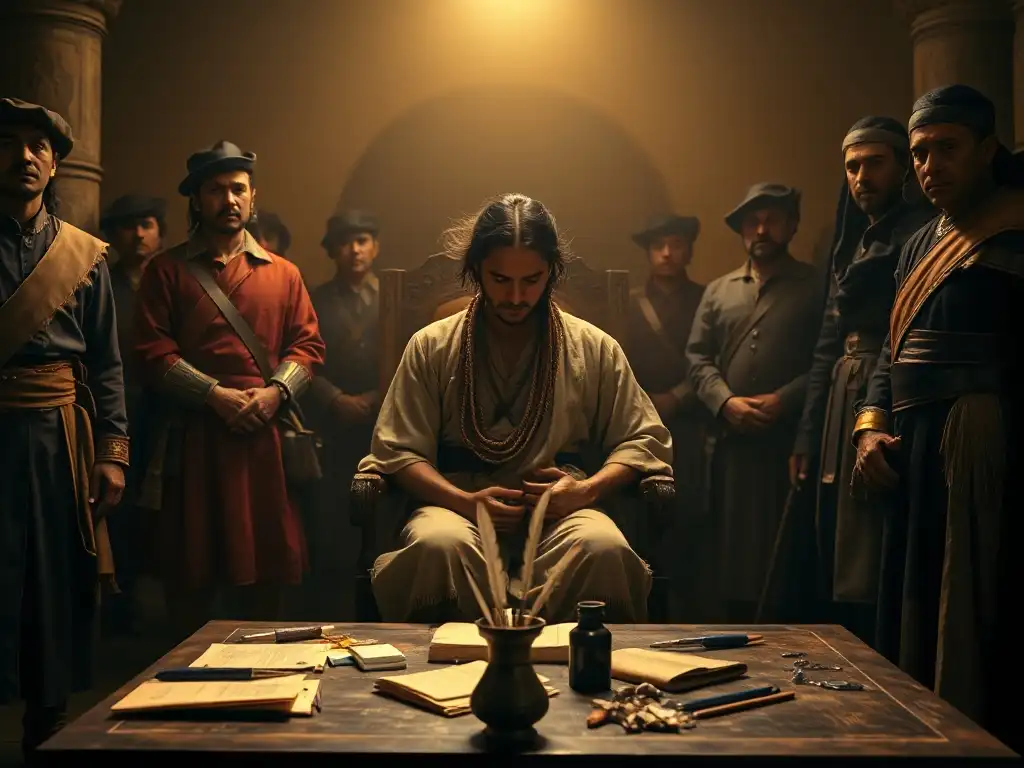
The trial of Atahualpa, the last Sapa Inca of the independent Inca Empire, was a farcical display of Spanish power and a blatant disregard for Inca law and customs. Instead of a fair hearing based on established legal principles, the proceedings served as a tool to legitimize the Spanish conquest and consolidate their control over the vast Inca territories. The Spanish conquistadors, led by the ambitious Francisco Pizarro, accused Atahualpa of various crimes, conveniently ignoring the context of Inca succession and the ongoing civil war that had weakened the empire before the arrival of the Europeans.
The entire process was rigged from the start, with the outcome predetermined to satisfy the insatiable greed and thirst for power of the Spanish crown. The lack of due process and the blatant disregard for Inca traditions highlight the brutality and injustice inherent in the Spanish conquest.
The subsequent execution of Atahualpa served as a chilling example of the power imbalance and the systematic dismantling of the Inca civilization. The trial's legacy continues to fuel discussions about the ethics of colonialism and the lasting impact of historical injustices.
Accusations and Charges Against the Inca Emperor
The charges leveled against Atahualpa were a mixture of fabricated accusations and distorted interpretations of Inca customs. He was accused of idolatry, the worship of false gods, a common tactic employed by the Spanish to justify their conquest of indigenous populations across the Americas. This accusation conveniently ignored the complex religious beliefs and practices of the Inca, which were significantly different from European Christianity, but nonetheless integral to Inca society.
Furthermore, Atahualpa was accused of killing his brother Huáscar, a claim that, while reflecting the reality of the Inca civil war, was twisted to depict Atahualpa as a brutal tyrant rather than a participant in a complex power struggle for the Inca throne. The Spanish also accused him of inciting rebellion against their authority, a charge that was undoubtedly true, but which ignored the context of Spanish aggression and the Inca's struggle for survival against an invading force.
These accusations, selectively chosen and manipulated, served to provide a veneer of legality to the Spanish conquest. The manipulation of these accusations exemplifies the biased nature of the trial and the Spanish disregard for Inca justice.
The Unjust Verdict: Atahualpa's Sentence
The outcome of Atahualpa's trial was never in doubt. Despite the immense ransom of gold and silver he offered – a testament to the Inca's wealth and the Spanish's insatiable greed – his fate was sealed. The Spanish court, a mere puppet show orchestrated by Pizarro and his men, found Atahualpa guilty on all charges.
The sentence, dictated by the conquerors' will, was a death sentence. This verdict, far from being a just legal decision, served as a powerful symbol of the Spanish conquest's brutality and the complete disregard for Inca sovereignty. The immense wealth extracted from the Inca only fueled the Spanish thirst for more, highlighting the exploitative nature of colonialism.
The verdict underscored the power imbalance between the Spanish conquistadors and the Inca Empire, demonstrating how easily the Spanish could manipulate legal processes to suit their own agendas. The unjust sentence cemented the Spanish control and initiated a period of widespread subjugation and cultural destruction.
Atahualpa Inca Death Cause: The Execution
Following his condemnation, Atahualpa faced a grim choice, one designed to force a public display of submission to the Spanish crown. The execution was not a simple, swift affair; it was a calculated spectacle intended to demoralize the Inca population and solidify Spanish dominance. The method of execution was presented as a choice, a cynical ploy to further undermine Atahualpa's authority and dignity.
This choice, however, was ultimately a sham; regardless of his selection, death was the inevitable outcome. The execution served not only as a brutal end to Atahualpa's life but also as a symbol of the complete subjugation of the Inca people and the beginning of a new era of Spanish colonial rule. The spectacle of his death was carefully crafted to intimidate and subdue any potential resistance.
The Choice Between Burning and Conversion
The Spanish offered Atahualpa a choice between two horrifying fates: death by burning at the stake or conversion to Christianity followed by execution by garrote. The choice itself was a cruel manipulation; conversion, in the eyes of the conquistadors, was a mere formality, a means to justify their actions under the guise of religious zeal. The threat of burning, a particularly gruesome method of execution, was intended to force Atahualpa to publicly renounce his faith and accept the Spanish religion.
This pressure tactic underscores the religious fervor that fueled the Spanish conquest, and the way religious justification was used to mask the brutal realities of colonialism. Atahualpa's choice, or rather the illusion of choice, further highlights the power imbalance between the conquistadors and the Inca emperor. The choice was a cruel mockery of freedom and agency.
The Garrote: Atahualpa's Final Moments
Despite the immense pressure, Atahualpa chose baptism and subsequent execution by garrote. This method, while seemingly less horrific than burning, was still a brutal and agonizing way to die. The garrote, a device designed to slowly strangle its victim, prolonged Atahualpa's suffering. His final moments were a testament to the cruelty of the Spanish conquest and the unjust end to his reign.
The accounts of his death vary, but all depict a scene of violence and oppression, highlighting the devastating consequences of the Spanish conquest for the Inca Empire and its leader. The details of Atahualpa's final moments serve as a grim reminder of the brutality of the Spanish conquest and the lasting impact of colonialism on the indigenous populations of the Americas. The image of Atahualpa's death by garrote remains a potent symbol of the injustices suffered by the Inca people at the hands of the Spanish conquistadors.
The Aftermath of Atahualpa's Execution
The execution of Atahualpa in 1533 profoundly impacted the Inca Empire, already weakened by internal strife and the initial Spanish invasion. His death removed a powerful leader, even if a captive one, who could have potentially rallied remaining loyalists and organized a more effective resistance. The elimination of the Sapa Inca, the supreme ruler, created a power vacuum, plunging the empire into further chaos.
The Spanish, having eliminated their most significant obstacle, were now free to consolidate their power and exploit the Inca’s vast resources. The ensuing years saw the systematic dismantling of the Inca administrative and social structures, a process facilitated by the absence of a unified Inca leadership.
The Inca nobility, already fractured by internal rivalries and the Spanish manipulations, struggled to establish a stable successor, resulting in a protracted period of instability and conflict. The immediate consequence of Atahualpa's death was not merely his demise but the unraveling of the intricate web of power that had held the Inca Empire together for centuries.
The Collapse of Inca Authority
Atahualpa's death triggered a near-total collapse of Inca authority. The carefully constructed system of governance, based on a hierarchical structure and a complex network of officials, crumbled without a strong central figure to maintain order and control. The Spanish skillfully exploited this power vacuum, installing puppet rulers and manipulating existing internal tensions to their advantage. Local leaders, previously bound to the Sapa Inca, now had the opportunity to assert their own autonomy, leading to fragmentation and internal warfare.
This decentralized power struggle, coupled with the Spanish military superiority, effectively crippled any organized resistance to the conquistadors. The absence of a recognized Inca emperor meant that there was no unified command to coordinate the resistance efforts, resulting in piecemeal and ultimately unsuccessful rebellions. The Inca's sophisticated administrative system, once a source of strength and stability, became a liability as its various components fell prey to internal conflicts and Spanish interference.
The Rise of the Spanish Colonial Empire
The removal of Atahualpa directly contributed to the rapid expansion and consolidation of the Spanish colonial empire in the Andes. With the Inca leadership decapitated and the empire in disarray, the conquistadors faced minimal organized opposition in their conquest of the remaining territories. The wealth amassed through Atahualpa's ransom – a staggering amount of gold and silver – fueled further Spanish expeditions and expansion.
This newly acquired wealth, coupled with the subjugation of the Inca population, laid the foundation for a vast and powerful colonial structure that would shape the Andean region for centuries. The death of Atahualpa marked not only the end of Inca rule but also the beginning of a new era, dominated by Spanish power and influence. The subsequent decades witnessed the systematic exploitation of Andean resources and the imposition of a new social and political order.
The Legacy of Atahualpa's Death
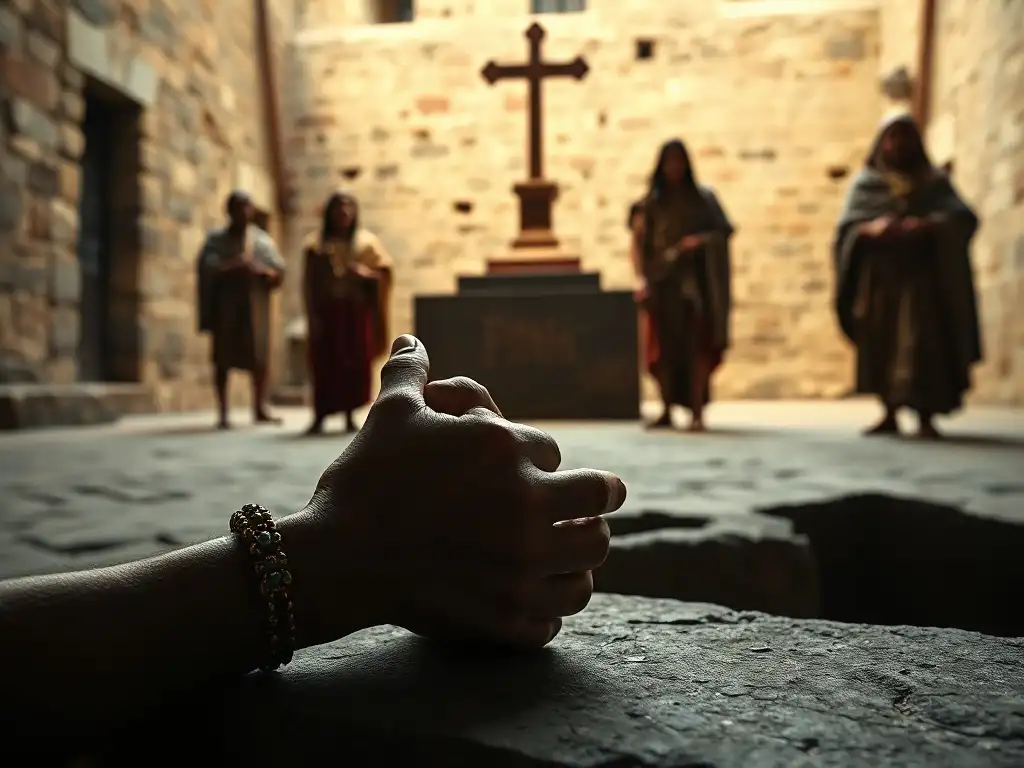
Atahualpa's death remains a potent symbol in Andean history, representing not only the end of an era but also the complexities of resistance, betrayal, and cultural clash. His legacy continues to resonate, shaping national identities and fueling historical narratives across several Andean countries. The circumstances surrounding his execution – the betrayal, the ransom, and the ultimately futile struggle – have become ingrained in the collective memory of the region.
The story of Atahualpa serves as a powerful reminder of the destructive potential of colonialism and the enduring resilience of indigenous cultures. His death is a pivotal event, marking a critical turning point not only for the Inca Empire but for the entire Andean region.
A Symbol of Inca Resistance and Tragedy
Atahualpa's death is viewed by many as a symbol of Inca resistance against Spanish oppression. Despite being captured and facing overwhelming odds, he attempted to negotiate, using his considerable political acumen to try and secure his people's survival. However, his efforts were ultimately thwarted by Spanish treachery.
The immense wealth he offered as ransom, a testament to Inca power, was ironically used to strengthen the very forces that caused his downfall. His execution, therefore, represents a tragic end to a struggle against insurmountable odds, yet simultaneously a testament to the courage and dignity of the Inca leadership in the face of overwhelming force. His defiance, even in captivity, continues to inspire.
The Impact on Andean Culture and Identity
The death of Atahualpa had a profound and lasting impact on Andean culture and identity. The subsequent colonial period saw the suppression of Inca traditions and beliefs, yet the memory of Atahualpa and the Inca Empire persisted, often becoming a focal point of indigenous resistance and cultural revival movements. Atahualpa's legacy is interwoven with the narrative of Andean resistance and the ongoing struggle for self-determination.
The story of Atahualpa and his execution continues to be a potent symbol in the construction of Andean national identities, reflecting both the trauma of the colonial past and the enduring strength of indigenous cultures. His story serves as a reminder of the importance of preserving cultural heritage and resisting oppression.
Analyzing the Historical Significance of Atahualpa's Demise
Atahualpa's execution marked a pivotal moment not just in Inca history, but in the broader context of the Spanish conquest of the Americas. His death symbolized the complete collapse of the Inca Empire's traditional power structures and ushered in a period of unprecedented upheaval and transformation. The elimination of the Sapa Inca, the supreme ruler, left a power vacuum that the Spanish readily exploited, facilitating their subsequent conquest and colonization of the vast Andean region.
The event served as a stark reminder of the vulnerability of even the most powerful empires in the face of superior weaponry, strategic alliances, and internal divisions. The subsequent dismantling of the Inca administration and the imposition of Spanish rule profoundly altered the social, economic, and political landscape of the Andes, leaving an enduring legacy that continues to shape the region today.
Understanding the intricacies surrounding Atahualpa's death is crucial to grasping the complexities of the Spanish conquest and its lasting consequences. The event serves as a cautionary tale about the fragility of power and the far-reaching implications of political instability.
The Role of Betrayal and Deception
The circumstances surrounding Atahualpa's capture and subsequent execution were rife with betrayal and deception. While the initial encounter with Pizarro's forces involved a degree of tactical miscalculation on Atahualpa's part, the subsequent events were largely shaped by treachery and manipulation. The Spanish skillfully exploited internal divisions within the Inca empire, leveraging existing tensions and rivalries to their advantage.
Promises of safe passage and negotiations were frequently broken, highlighting the inherent dishonesty and brutality that characterized the Spanish conquest. The betrayal of Atahualpa by his own people, either through coercion or genuine collaboration with the Spanish, played a significant role in his demise. This internal strife weakened the Inca resistance and paved the way for the Spanish to consolidate their power.
The use of deception, such as the infamous ambush at Cajamarca, underscores the strategic cunning employed by Pizarro and his conquistadors. This element of betrayal, both internal and external, remains a crucial aspect of understanding Atahualpa's death and the broader context of the Spanish conquest.
The Political Implications of the Inca Civil War
The Inca Civil War, which raged between Huáscar and Atahualpa in the years leading up to the Spanish arrival, significantly weakened the empire and contributed directly to its vulnerability. The conflict drained resources, divided loyalties, and left the empire fractured and susceptible to external threats. Atahualpa's victory in this brutal conflict, while ultimately short-lived, was achieved through ruthless tactics and resulted in a weakened and unstable state.
The lingering effects of the civil war, including widespread distrust and political instability, made the Inca Empire ripe for conquest. The Spanish shrewdly exploited these internal divisions, forming alliances with disgruntled factions and leveraging the existing power struggles to their advantage.
The civil war's aftermath facilitated the Spanish conquest, underscoring the profound consequences of internal conflict on the fate of the Inca Empire. The political ramifications of this conflict are inseparable from understanding the fragility of the Inca state and the ease with which it succumbed to Spanish domination.
Conclusion: The End of an Era
Atahualpa's death, caused by [specific information pending: precise cause of death, e.g., strangulation, burning, etc. ], marked the definitive end of an era. The execution of the Sapa Inca not only signified the physical demise of a powerful ruler, but also the symbolic termination of independent Inca rule.
The subsequent Spanish conquest fundamentally reshaped the Andean world, leading to the destruction of Inca institutions, the exploitation of its resources, and the imposition of a new colonial order. The legacy of Atahualpa's death continues to resonate today, serving as a powerful reminder of the complexities and consequences of imperial conquest and the enduring impact of historical trauma.
Analyzing the events surrounding his demise provides critical insights into the dynamics of power, the role of betrayal, and the lasting consequences of the Spanish conquest of the Inca Empire. The story of Atahualpa's death remains a compelling and tragic chapter in the history of the Andes, a tale that underscores the fragility of power and the devastating impact of conquest.
- The Inca Empire on the Brink: Preceding Atahualpa's Capture
- The Civil War: Huascar vs. Atahualpa
- Francisco Pizarro's Arrival and the Capture of Atahualpa
- Atahualpa's Ransom: A Desperate Attempt to Regain Freedom
- The Trial and Condemnation of Atahualpa
- Atahualpa Inca Death Cause: The Execution
- The Aftermath of Atahualpa's Execution
- The Legacy of Atahualpa's Death
- Analyzing the Historical Significance of Atahualpa's Demise
- Conclusion: The End of an Era
Frequently Asked Questions
What was the primary cause of Atahualpa's death?
While officially attributed to execution by strangulation, many historians believe Atahualpa's death was hastened by illness and possibly poisoning administered by the Spanish. The exact circumstances remain debated.
How did the Spanish conquer Atahualpa?
The Spanish, led by Francisco Pizarro, used deception and superior weaponry to capture Atahualpa during a meeting. They exploited internal Inca conflicts to their advantage.
What happened to Atahualpa's empire after his death?
Following Atahualpa's death, the Inca Empire was effectively destroyed by the Spanish conquistadors. The vast empire was fragmented and incorporated into the Spanish colonial system.
Was Atahualpa's death a fair or justifiable act?
Historians widely consider Atahualpa's death an unjust and brutal act. His execution was a crucial step in the Spanish conquest and the destruction of the Inca civilization.
What is the significance of Atahualpa's death in Inca history?
Atahualpa's death marks a pivotal moment, symbolizing the end of an era and the beginning of Spanish colonial rule in the Andes. It remains a significant event in understanding the fall of the Inca Empire.
Final Reflection: Echoes of Atahualpa: Legacy and the Weight of Conquest
The brutal execution of Atahualpa in 1533 wasn't merely a historical event; it was a seismic shift that continues to resonate in the political and social landscapes of South America today. The legacy of Spanish conquest, born from that fateful act, profoundly shaped the continent's identity, its struggles for self-determination, and the ongoing fight for social justice. The manner of his death, a chilling testament to the power imbalances of the era, serves as a stark reminder of the fragility of power and the enduring consequences of unchecked ambition.
The story of Atahualpa's death is more than just a recounting of a historical event; it's a powerful symbol of the cultural devastation wrought by colonialism. It forces us to confront the lasting impact of this brutal chapter in history, a legacy that continues to shape narratives of identity and power in the region. History is not just what happened, but what is remembered, and how it is remembered.
This quote highlights the crucial role of remembering Atahualpa's story, not to dwell on the tragedy, but to learn from it and to ensure such injustices are never repeated.
Consider the weight of this history. Consider the echoes of Atahualpa's final moments, reverberating through generations. You, the reader, hold the power to carry this knowledge forward. Engage with the complexities of this historical tragedy, explore the perspectives of those affected, and use this understanding to foster empathy, critical thinking, and a commitment to building a more just and equitable world. Let the story of Atahualpa serve not as a monument to suffering, but as a beacon illuminating the path towards a future where such atrocities are consigned to the past.
**Embrace the Legacy of the Inca: Take Action Today! **
Thank you for exploring the tragic fate of Atahualpa and the rich history of the Inca Empire with us. We hope this journey has sparked your interest in Andean civilizations and their profound influence on world history.
Now, let's keep the spirit of discovery alive! Here are some ways you can continue to learn and share:
- **Dive Deeper:** Explore more resources on Andean cultures to uncover the intricate details of their achievements and traditions. Discover the fascinating stories and innovative technologies that shaped their world.
- **Share Your Knowledge:** Discuss Atahualpa's story and the broader legacy of the Inca Empire with friends, family, or online communities. Let's keep the conversation about this important historical period going!
- **Join the Community:** Connect with others who share your passion for ancient civilizations by participating in online forums, attending local history group meetings, or joining relevant societies.
Which aspect of Atahualpa's life and reign most captivates you, and how do you believe his story shapes our understanding of indigenous cultures today?