
The Inca Art and Architecture: What Was Lost and What Remains

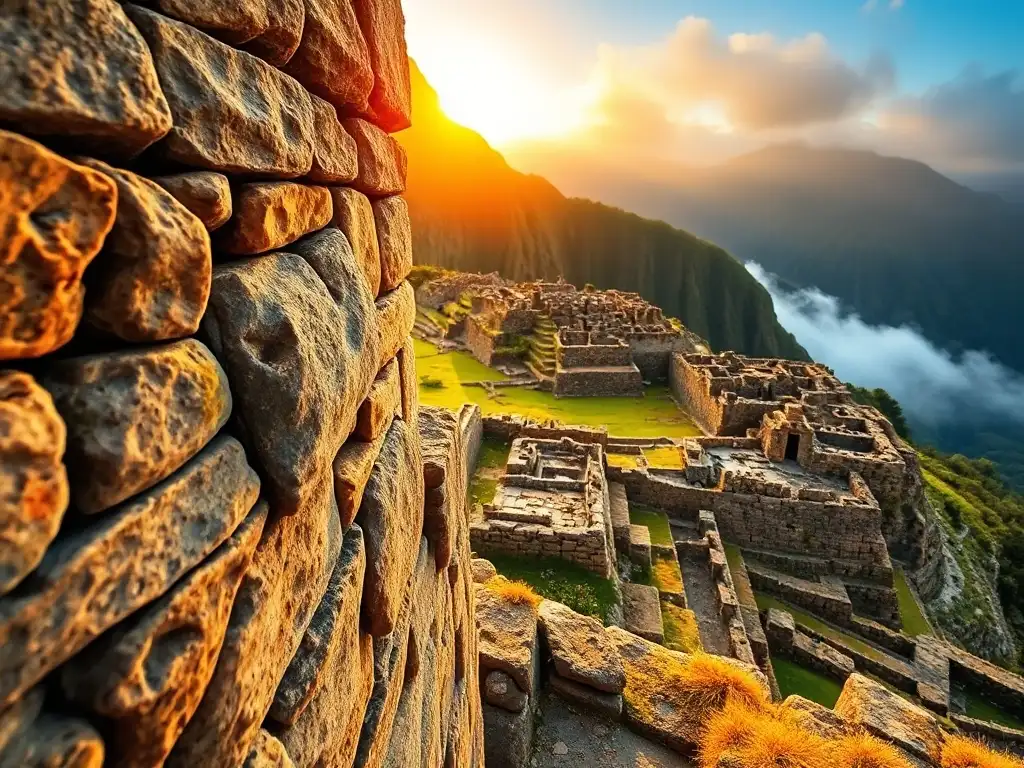
Step into a world lost to time, yet echoing in the stones of the Andes. Imagine the ingenuity of the Inca, their mastery of stonework leaving behind breathtaking structures that still defy explanation. This isn't just history; it's a journey through empires. Discover the legacy of Andean civilizations, from the intricate artistry of the Nazca lines to the monumental achievements of the Incas. Intrigued by the Inca architecture examples today? Prepare to be amazed as we delve into the impact of the Spanish Conquest and explore what remains of this extraordinary civilization’s architectural prowess.
- Inca Art and Architecture: A Legacy of Stone and Skill
- The Grandeur of Inca Architecture: A Look at Enduring Structures
- Inca Art Forms: Beyond the Stone
- Inca Architectural Examples Today: Still Standing
- The Loss of Inca Art and Architecture: Cultural Devastation
- Preserving the Inca Legacy: Conservation Efforts and Research
- Conclusion: The Enduring Impact of Inca Art and Architecture
-
Frequently Asked Questions
- What are some examples of Inca architecture still standing today?
- How did the Inca build such impressive structures without modern tools?
- What architectural styles characterized Inca buildings?
- What factors contributed to the loss of Inca architecture?
- Where can I see the best-preserved examples of Inca architecture?
- Final Reflection: Echoes of the Andes: A Legacy in Stone and Spirit
- Uncover the Wonders of the Inca Legacy!
Inca Art and Architecture: A Legacy of Stone and Skill
The Spanish conquest dramatically altered the course of Andean civilization, leaving an indelible mark on the Inca Empire's legacy. While much was tragically lost during this tumultuous period, a remarkable amount of Inca art and architecture survives to this day, offering a captivating glimpse into the ingenuity and artistry of this sophisticated civilization. This article delves into the remarkable achievements of Inca artisans and builders, exploring both the grandeur that remains and the irretrievable losses suffered during the conquest.
We will examine specific examples of Inca architecture still standing today, providing insights into their construction techniques, social significance, and the enduring impact they have on our understanding of Inca culture. Understanding the surviving structures allows us to piece together a more complete picture of this fascinating empire and appreciate the scale of the cultural destruction that followed the arrival of the Spanish.
This exploration will focus on answering the question: What Inca architecture examples exist today, and what can they tell us about the lost artistry and ingenuity of the empire? The preservation and study of these remaining structures are crucial for understanding not only the Inca Empire's achievements but also the broader impact of colonialism on Andean societies.
Introduction to Inca Artistic and Architectural Achievements
Inca art and architecture were deeply intertwined, reflecting a sophisticated understanding of engineering, aesthetics, and social organization. The Inca, renowned for their mastery of stonework, created monumental structures that served both practical and symbolic purposes. Their cities, temples, and fortifications were not merely functional; they were carefully planned and executed expressions of imperial power and religious belief. The Inca utilized a unique architectural style characterized by precisely cut stones fitted together without mortar, a technique demonstrating remarkable precision and engineering skill.
This "dry-stone masonry" is a hallmark of Inca construction, evident in sites like Machu Picchu and Ollantaytambo. Beyond the impressive scale of their projects, Inca artistry is also expressed in intricate textiles, ceramics, and metalwork, often incorporating symbolic designs and motifs that reflect their cosmology and worldview. Unfortunately, much of this artistry was destroyed or looted during the Spanish conquest, resulting in an irreplaceable loss of cultural heritage. However, the surviving examples offer invaluable insights into the ingenuity and sophistication of Inca civilization.
The following sections will explore specific examples of Inca architecture that have survived to the present day, highlighting their unique characteristics and historical significance. We'll consider not just the physical structures, but also the social context in which they were built and the ways in which they continue to resonate with modern Andean cultures. The careful study of these remaining structures is paramount for preserving and understanding this rich cultural legacy.
The Grandeur of Inca Architecture: A Look at Enduring Structures
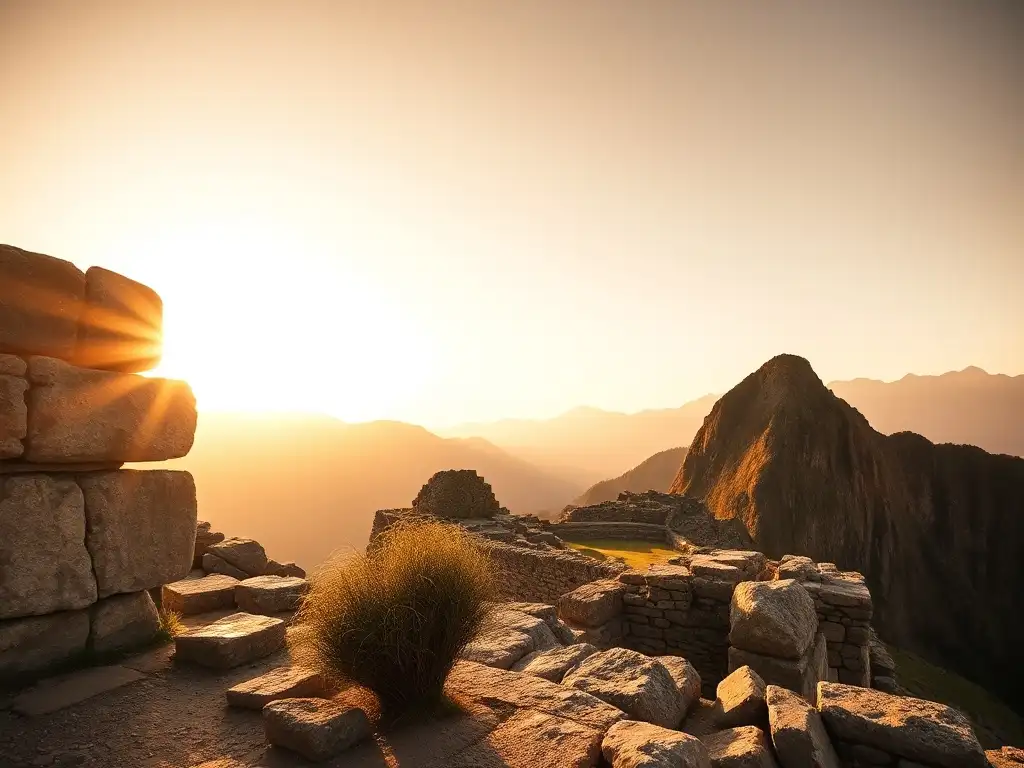
The Inca Empire, at its zenith, boasted an architectural prowess unmatched in the pre-Columbian Americas. Their mastery of stonework, urban planning, and monumental construction left behind a legacy visible even today, despite the ravages of time and conquest. Understanding Inca architecture requires appreciating not only the impressive scale of their projects but also the intricate techniques and profound symbolism embedded within them.
This section explores some key aspects of Inca architectural achievements, focusing on what remains and what was irretrievably lost. The sheer volume of surviving structures, despite the impact of the Spanish conquest and natural disasters, provides invaluable insights into the sophistication of Inca civilization and their impressive engineering feats. Analyzing these remaining Inca architecture examples today allows us to piece together a more complete picture of their cultural and technological advancements.
Inca Stone Masonry: Precision and Engineering
Inca stone masonry is renowned for its astonishing precision. Workers achieved incredibly tight fits between stones, often without the use of mortar. This technique, known as ashlar masonry, involved meticulously shaping and fitting stones of various sizes to create seamless walls and structures. The precision is so remarkable that even a knife blade cannot be inserted between many of the stones. This wasn't merely an aesthetic choice; the precise fitting enhanced the structural integrity of buildings, making them incredibly resistant to earthquakes, a common occurrence in the Andes.
Consider the walls of Sacsayhuamán near Cusco. These cyclopean walls, constructed from massive, precisely fitted stones, stand as a testament to Inca engineering skill. Some stones weigh many tons, yet they are interlocked with such accuracy that they appear almost impossible to have been placed by human hands.
The techniques employed, including precise measurements, advanced quarrying methods, and skillful transportation of enormous stones across challenging terrain, are still being studied and debated by archaeologists today. The mastery of Inca stone masonry represents a sophisticated understanding of engineering principles, far surpassing many contemporary European techniques. Many Inca architecture examples today demonstrate this remarkable skill.
Exploring Inca Cities: Insights from Ruins
The Inca urban landscape was characterized by carefully planned cities and towns, integrated seamlessly with their environment. Cusco, the imperial capital, serves as a prime example. Its intricate network of streets, plazas, and canals, built on a complex grid system, reflects a sophisticated understanding of urban planning. However, the Spanish conquest significantly altered Cusco, replacing many Inca structures with colonial architecture. Despite this, remnants of Inca urban planning are still visible in the city's layout and surviving structures.
Other Inca cities, such as Ollantaytambo and Machu Picchu, offer even more complete glimpses into Inca urban design. Ollantaytambo, a strategically located fortress and agricultural center, showcases impressive terracing techniques and intricate water management systems. Machu Picchu, famously rediscovered relatively recently, is a remarkably preserved example of an Inca city, revealing insights into its residential areas, religious sites, and agricultural practices.
These ruins provide invaluable data on Inca architecture examples today and highlight the complex interplay between urban planning, agricultural needs, and religious beliefs within the Inca Empire. The careful integration of architecture with the natural landscape is a defining characteristic of Inca city planning.
The Impact of the Spanish Conquest on Inca Structures
The Spanish conquest had a devastating impact on Inca architecture. The systematic destruction of Inca structures, coupled with the introduction of European building techniques and materials, resulted in significant loss. Many Inca buildings were dismantled and reused as building materials for colonial structures, while others were intentionally destroyed as symbols of Inca power. The use of Inca stone in colonial buildings is a stark reminder of the destruction and appropriation that occurred during the conquest. This process of destruction and replacement profoundly altered the urban landscape of many Inca cities.
The impact extended beyond physical destruction. The disruption of Inca societal structures and the suppression of Inca traditions led to a decline in the knowledge and skills associated with Inca architecture. Traditional building techniques were lost or altered, and the symbolic meaning embedded in Inca architecture was largely forgotten.
While some Inca architecture survived, the loss of knowledge associated with its construction and meaning represents a significant cultural loss. The study of remaining Inca architecture examples today thus becomes a crucial task to reconstruct a complete picture of this lost knowledge and the profound cultural significance of Inca architectural achievements. The effects of the Spanish conquest are still palpable in the surviving Inca architecture, serving as a poignant reminder of the empire's fall and the enduring legacy of its architectural achievements.
Inca Art Forms: Beyond the Stone
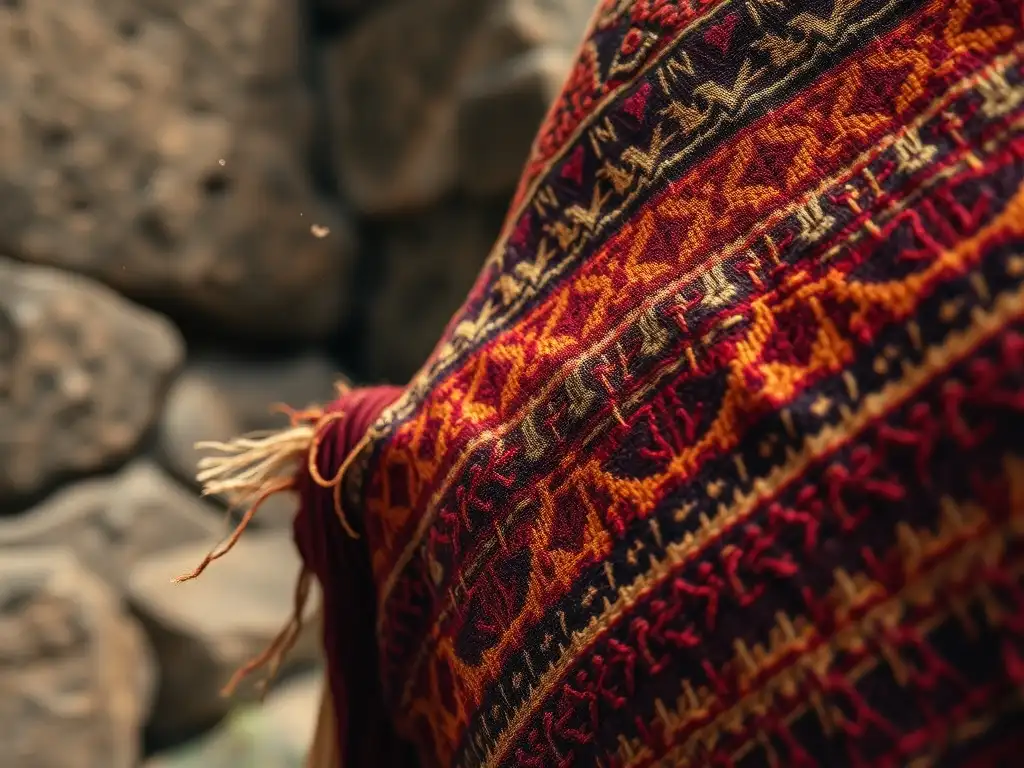
The Inca Empire, while renowned for its impressive feats of stone architecture, also possessed a vibrant artistic tradition extending far beyond monumental structures. Their artistry, deeply intertwined with their cosmology and social hierarchy, expressed itself through a variety of media, reflecting daily life, religious beliefs, and the power dynamics within the empire. Understanding these diverse art forms provides a more complete picture of Inca civilization and its sophisticated cultural practices.
Examining surviving examples allows us to appreciate the ingenuity and artistry of the Inca people, even considering the significant losses incurred during and after the Spanish conquest. Keywords like Inca artistry, Inca craftsmanship, and Inca artistic techniques help contextualize the richness of their cultural production. The impact of the Spanish conquest on the preservation of these art forms is a crucial aspect of the narrative, highlighting what was lost and what miraculously remains for us to study today.
Inca Textiles: Weaving Stories and Status
Inca textiles represent a pinnacle of Andean craftsmanship. Woven with incredible precision and utilizing a wide range of vibrant natural dyes derived from plants and minerals, these textiles were not merely functional; they were imbued with symbolic meaning and served as indicators of social status. The intricate designs, often incorporating geometric patterns, zoomorphic motifs, and representations of deities, conveyed complex narratives and beliefs. Different weaving techniques, from the simple tapestry to the highly sophisticated plumas (featherwork), were employed, each reflecting a level of skill and signifying different social groups.
For instance, the cumbi cloth, a fine, lightweight fabric, was reserved for the elite, while coarser textiles were used by the common people. The surviving examples, often found in archaeological sites or preserved in museums, provide invaluable insights into Inca social organization, religious practices, and artistic expertise. The loss of many textiles due to the ravages of time and the Spanish conquest makes the surviving pieces even more precious.
Understanding the techniques and symbolism behind these textiles illuminates a significant aspect of Inca culture often overlooked in discussions focused solely on stone architecture. The sheer variety and complexity of Inca textile production provide compelling evidence of their advanced technological and artistic capabilities. Analyzing these textiles offers a window into the worldview and social structures of this fascinating civilization.
Ceramics and Metalwork: Everyday Life and Ritual
Inca ceramics and metalwork, while less visually striking than their monumental architecture in some ways, equally demonstrate the Inca mastery of materials and techniques. Ceramics, ranging from simple utilitarian vessels to elaborate ritual objects, were essential to daily life. The shapes, styles, and decorations varied regionally, reflecting local traditions and preferences. However, a consistent high standard of craftsmanship is evident across the empire.
Metalwork, primarily employing gold, silver, and copper, was often reserved for elite purposes, used in religious ceremonies and to adorn important figures. The Inca's skill in hammering, casting, and alloying metals resulted in intricate jewelry, ceremonial objects, and even tools. The Spanish conquest resulted in the looting and destruction of countless ceramic and metal artifacts, with much of the precious metal being melted down and shipped to Europe. This loss represents a severe blow to our understanding of Inca daily life and religious practices.
What remains, however, continues to offer significant insight into their technological skills and artistic sensibilities. The study of surviving examples reveals a complex interplay between practical function and symbolic representation in Inca ceramic and metalwork. The careful examination of surviving pieces provides valuable evidence for understanding Inca social structures and religious beliefs.
Inca Sculpture: Representations of Power and Divinity
Inca sculpture, although less prevalent than other art forms, played a crucial role in representing power and divinity. While large-scale monumental sculptures are rare, smaller-scale figures carved in stone, wood, or bone provided powerful visual representations of rulers, deities, and mythical beings. These sculptures, often intricately detailed, were used in religious contexts, adorning temples and serving as focal points for rituals. The style of Inca sculpture varied across regions, reflecting both local stylistic preferences and the overall imperial aesthetic.
The destruction of many religious sites during the Spanish conquest led to the loss of numerous sculptures, making the surviving examples even more significant. The scarcity of surviving Inca sculpture increases the importance of careful preservation and study of existing pieces. These artifacts offer invaluable insights into Inca religious beliefs, social hierarchy, and artistic capabilities.
The limited number of surviving examples underscores the need for further research and careful preservation of existing pieces to fully understand this aspect of Inca art. The remaining pieces act as important clues to reconstructing a more complete picture of Inca religious iconography and artistic expression. The study of Inca sculpture provides a unique perspective on the intersection of religion, power, and artistic expression within the Inca Empire.
Inca Architectural Examples Today: Still Standing
The Spanish conquest dramatically altered the landscape of the Inca Empire, yet remarkably, many examples of Inca architecture have survived the ravages of time and conquest. These structures, often integrated into the natural environment with breathtaking precision, stand as powerful testaments to Inca ingenuity and architectural prowess. Understanding these surviving structures allows us to better appreciate the complexity and sophistication of Inca civilization.
The remarkable preservation, in some cases, allows for ongoing study and provides invaluable insights into Inca building techniques, social structures, and beliefs. Analyzing these examples helps us understand not only what was built, but why and how, enriching our understanding of Inca "Inca architecture examples today".
Machu Picchu: A Testament to Inca Ingenuity
Machu Picchu, perhaps the most iconic example of Inca architecture, is a breathtaking mountaintop citadel. Its location, high in the Andes Mountains, suggests a deliberate choice, possibly for strategic defense or religious significance. The city's design seamlessly integrates with the surrounding landscape, utilizing terraces carved into the mountainside to create agricultural plots.
The precision of the stonework is astounding; stones are fitted together so tightly that a knife blade cannot be inserted between them. This mastery of stonework, combined with the city's sophisticated water management systems, showcases the advanced engineering capabilities of the Inca. The surviving structures, including temples, residential buildings, and agricultural terraces, reveal a complex social organization and a deep understanding of astronomy and engineering.
The careful placement of buildings in relation to the sun and the mountains further highlights the Inca's profound connection to their environment. Machu Picchu's survival, relatively untouched by the Spanish conquistadors, offers an unparalleled glimpse into the daily life and advanced capabilities of Inca society, making it a premier example of "Inca architecture examples today". The ongoing archaeological research continues to unveil new details about this remarkable site, further cementing its importance in understanding Inca culture.
Sacsayhuaman: The Fortress with Gigantic Stones
Sacsayhuaman, located near Cusco, is a massive fortress renowned for its cyclopean masonry. The sheer scale of the stones used in its construction is astonishing; some blocks weigh over 100 tons! The precise fitting of these colossal stones, without the use of mortar, remains a source of fascination and debate among researchers.
Different theories exist regarding how the Inca moved and placed these massive blocks, highlighting the advanced knowledge of engineering and logistics possessed by the Inca civilization. The strategic location of Sacsayhuaman, overlooking Cusco, is indicative of its importance as a defensive structure. Its design, incorporating zigzagging walls and strategically placed towers, demonstrates a sophisticated understanding of military architecture.
Unlike Machu Picchu, Sacsayhuaman shows more evidence of damage resulting from the Spanish conquest, with some sections having been dismantled and reused for other constructions. Despite this damage, the surviving structures still offer a compelling view of Inca military architecture and engineering capabilities, providing invaluable insights into "Inca architecture examples today". The size and precision of the stones continue to inspire wonder and highlight the immense effort and skill invested in its construction.
Ollantaytambo: A Living Inca Town
Ollantaytambo stands out among other Inca architectural sites because it's a living town, continuously inhabited since Inca times. This unique characteristic allows for a more nuanced understanding of Inca urban planning and daily life. The town's architecture seamlessly blends Inca structures with later additions, creating a fascinating historical tapestry.
The impressive agricultural terraces, built into the steep slopes surrounding the town, are a testament to the Inca's agricultural expertise. The massive stone structures, including temples, residential buildings, and storage facilities, demonstrate a sophisticated understanding of urban planning and resource management. The survival of Ollantaytambo as a functioning town provides a rare opportunity to study Inca architecture within its original context, offering a unique perspective on "Inca architecture examples today".
The ongoing presence of the community helps preserve the site and offers a living connection to Inca heritage, ensuring the preservation of both physical structures and cultural memory. Observing how the modern town interacts with the ancient Inca architecture provides valuable insight into the ongoing evolution of the site and its significance within contemporary Peruvian society.
Coricancha: The Temple of the Sun and its Transformation
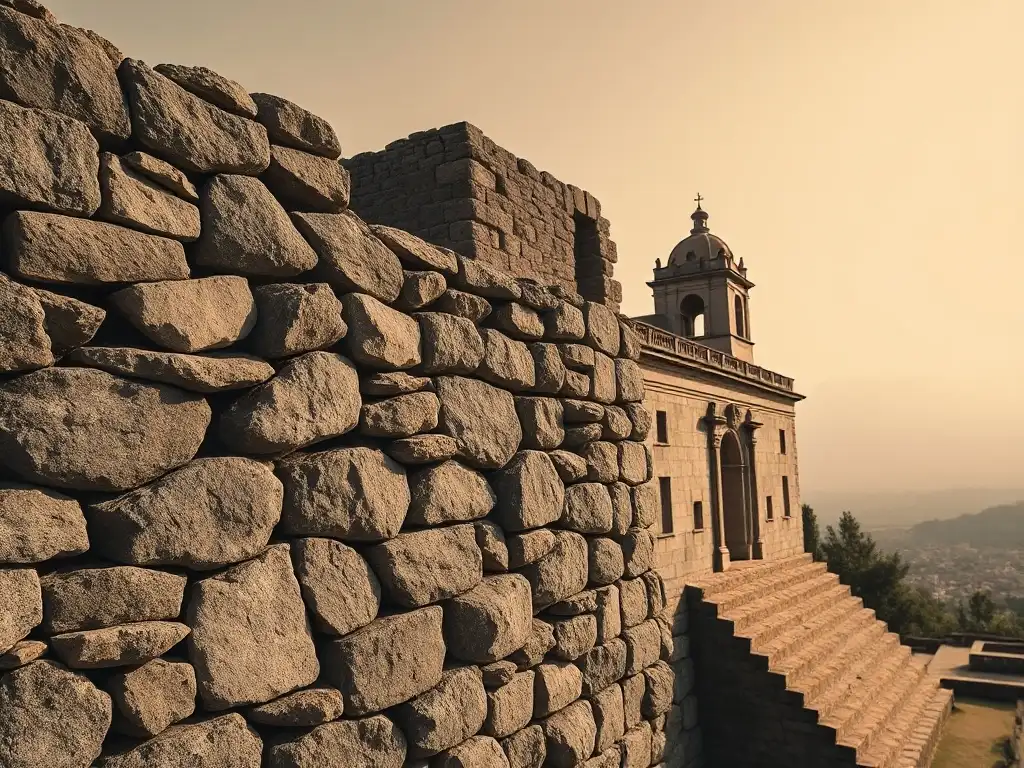
The Coricancha, or Temple of the Sun, in Cusco, Peru, stands as a poignant example of Inca architectural prowess and the devastating impact of the Spanish Conquest. Before the arrival of the Spanish, this temple was the most sacred site in the Inca empire, a dazzling structure plated in gold and adorned with precious stones. Chroniclers describe its breathtaking beauty, a testament to Inca artistry and their mastery of stonework.
The massive walls, perfectly fitted without mortar, were meticulously crafted, showcasing the Inca's advanced understanding of engineering and aesthetics. The temple's interior housed countless gold artifacts, representing the Inca's immense wealth and religious devotion. Its intricate design, incorporating astronomical observations and symbolic representations, reflected a profound connection between the Inca worldview and their built environment.
The Spanish conquest brought about a brutal transformation of the Coricancha. Upon conquering Cusco, the Spanish systematically dismantled the temple, stripping it of its gold and destroying much of its original structure. They built a church, Santo Domingo, directly upon the ruins, incorporating some of the original Inca walls into the new construction.
This act of destruction erased much of the temple's original grandeur, yet paradoxically, it also preserved some elements of the Inca architecture. Today, visitors can see the remaining Inca walls integrated into the Santo Domingo church, a striking juxtaposition of two vastly different architectural styles. These remnants, though significantly altered, serve as a powerful reminder of the Inca empire's sophisticated architecture and the enduring legacy of their civilization.
The surviving walls, testament to the Inca's precise stonework, allow us to partially imagine the scale and magnificence of the original structure. Studying the remaining sections provides valuable insights into Inca construction techniques and their understanding of seismic engineering, crucial for building in the Andean region. The Coricancha's transformation underscores the complex interplay between destruction and preservation in the historical record, offering a compelling case study of Inca architecture and the impact of colonial rule.
Inca Roads and Infrastructure: Engineering Marvels
The Inca road system, a network of over 40,000 kilometers stretching across the Andes Mountains, remains one of the most impressive feats of Inca engineering. These roads, meticulously constructed across diverse and challenging terrain, served as vital arteries for communication, trade, and military movement throughout the empire. The Inca's mastery of engineering is evident in the road's design, which incorporated sophisticated techniques to overcome steep inclines, treacherous mountain passes, and diverse landscapes. They utilized suspension bridges, carefully carved stone steps, and strategically placed tunnels to navigate challenging terrain, demonstrating a deep understanding of topography and engineering principles.
The construction itself was a remarkable achievement. The Inca employed highly skilled laborers, organized into specialized work groups, who meticulously placed stones to create durable and stable pathways. They used different types of stone based on availability and the specific requirements of the terrain, showcasing adaptation and resourcefulness. The roads weren't simply pathways; they were integrated into a complex system of infrastructure, including waystations (tambos) that provided shelter and supplies for travelers.
These waystations served as crucial hubs for communication, facilitating the rapid transmission of messages and goods across the vast empire. The strategic placement of these waystations, along with the overall design of the road network, reflects an advanced understanding of logistics and the importance of effective communication and supply chains. Even today, sections of these roads remain remarkably intact, a testament to the Inca’s skill and foresight.
While many sections have deteriorated over time, the surviving segments provide tangible evidence of the Inca empire’s sophisticated infrastructure and its crucial role in maintaining control and order across a vast and geographically diverse territory. These surviving roads serve as powerful reminders of Inca ingenuity and their capacity for large-scale, complex projects. Their study offers invaluable insights into Inca societal organization, resource management, and their impressive engineering capabilities, continuing to inspire awe and admiration.
The Loss of Inca Art and Architecture: Cultural Devastation
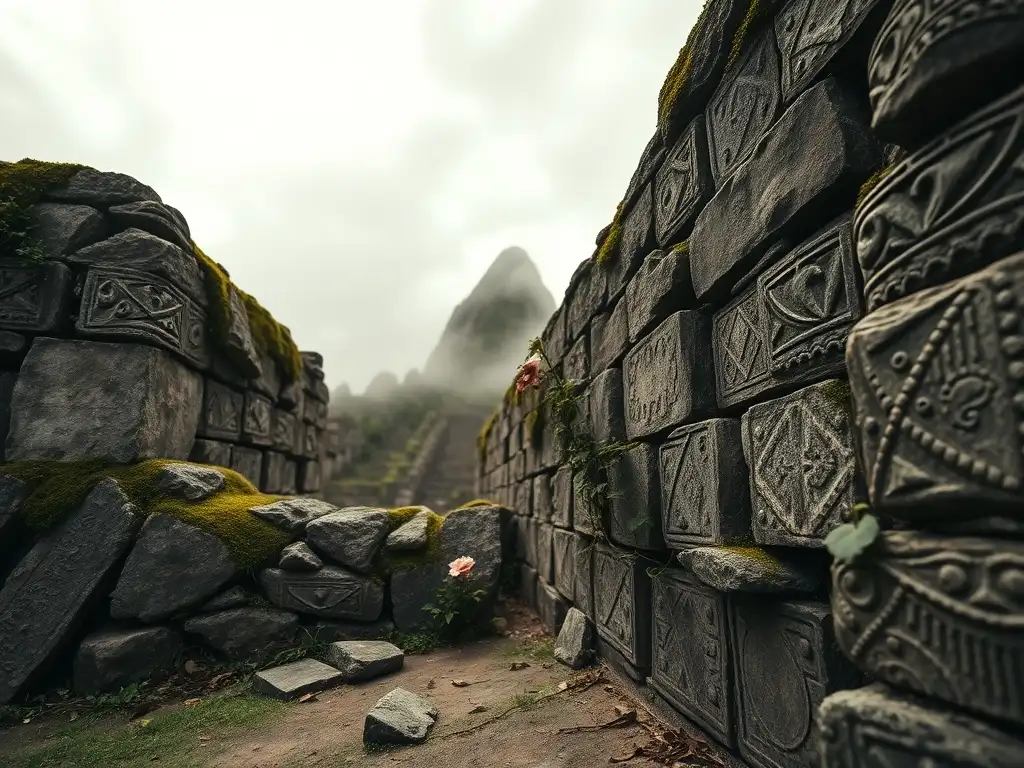
The Spanish conquest of the Inca Empire resulted in an unprecedented destruction of Inca art and architecture, a devastating blow to a civilization renowned for its sophisticated artistry and monumental building projects. The scale of the loss is difficult to fully comprehend, as much was deliberately destroyed, while other aspects were gradually lost to time and neglect.
Understanding the extent of this cultural devastation is crucial to appreciating the remnants we have today and the ongoing efforts to preserve Inca heritage. The impact on Inca architecture examples today is profound, shaping the landscape and our understanding of this remarkable civilization.
Destruction and Looting During the Conquest
The arrival of the Spanish conquistadors marked the beginning of a systematic dismantling of Inca culture. The initial phase was characterized by widespread destruction and looting. Temples, palaces, and other significant structures were targeted, their precious contents plundered and their stones often reused in the construction of colonial buildings.
The gold and silver that adorned Inca architecture were a primary target, melted down and shipped back to Spain, leaving behind empty spaces where once magnificent artistry flourished. Chroniclers of the time describe scenes of utter chaos, with religious sites desecrated and intricate works of art smashed or melted. Consider the case of Machu Picchu, while relatively spared from immediate destruction, the looting of artifacts continued for centuries after the conquest.
This initial wave of destruction irrevocably altered the landscape and removed countless irreplaceable pieces of Inca artistic and architectural heritage. The sheer scale of the pillaging is staggering, leaving us with only fragmented glimpses of the empire's former glory. The impact of this destruction on Inca architecture examples today is palpable; many sites are incomplete, their original form obscured by the ravages of time and conquest.
The Assimilation of Inca Art and Architectural Styles
The destruction wasn't solely limited to outright demolition. A more insidious form of loss involved the assimilation of Inca art and architectural styles into the colonial context. Spanish architects and builders often incorporated Inca building techniques and materials into their own projects, effectively erasing the original cultural significance.
This process of appropriation resulted in a hybrid architectural style, blending European influences with Inca elements. While some Inca techniques survived in adapted forms, their original context and meaning were frequently lost. The use of Inca stonework in colonial buildings, for instance, often lacked the meticulous craftsmanship and symbolic richness of the original structures.
This subtle yet significant form of cultural appropriation significantly reduced the number of pure examples of Inca architecture available today. The resulting architectural landscape reflects a complex interplay of cultural forces, making it challenging to discern the extent of Inca influence in many surviving structures. This subtle erasure of Inca artistry continues to challenge researchers in their efforts to accurately document and understand the evolution of Inca architecture.
The Destruction of the Temple of Pachacamac
The Temple of Pachacamac, a significant religious site located south of present-day Lima, provides a stark example of the devastation inflicted upon Inca architecture. While the site had a long history predating the Inca, it was significantly expanded and embellished during the Inca period. However, upon the Spanish conquest, the temple was systematically destroyed.
The conquistadors saw the site as a center of pagan worship and sought to eradicate it entirely. The intricate stonework, the carefully crafted murals, and the rich religious artifacts were all targeted for destruction. While some ruins remain today, they offer only a pale reflection of the temple's former grandeur.
Archaeological excavations continue to unearth fragments of the temple's past, but the majority of the original structure is irretrievably lost. The fate of the Temple of Pachacamac serves as a powerful illustration of the systematic destruction of Inca religious sites, significantly impacting the available Inca architecture examples today. The loss highlights the importance of preserving remaining sites and conducting thorough archaeological research to reconstruct a more complete picture of Inca religious practices and architectural achievements.
Preserving the Inca Legacy: Conservation Efforts and Research
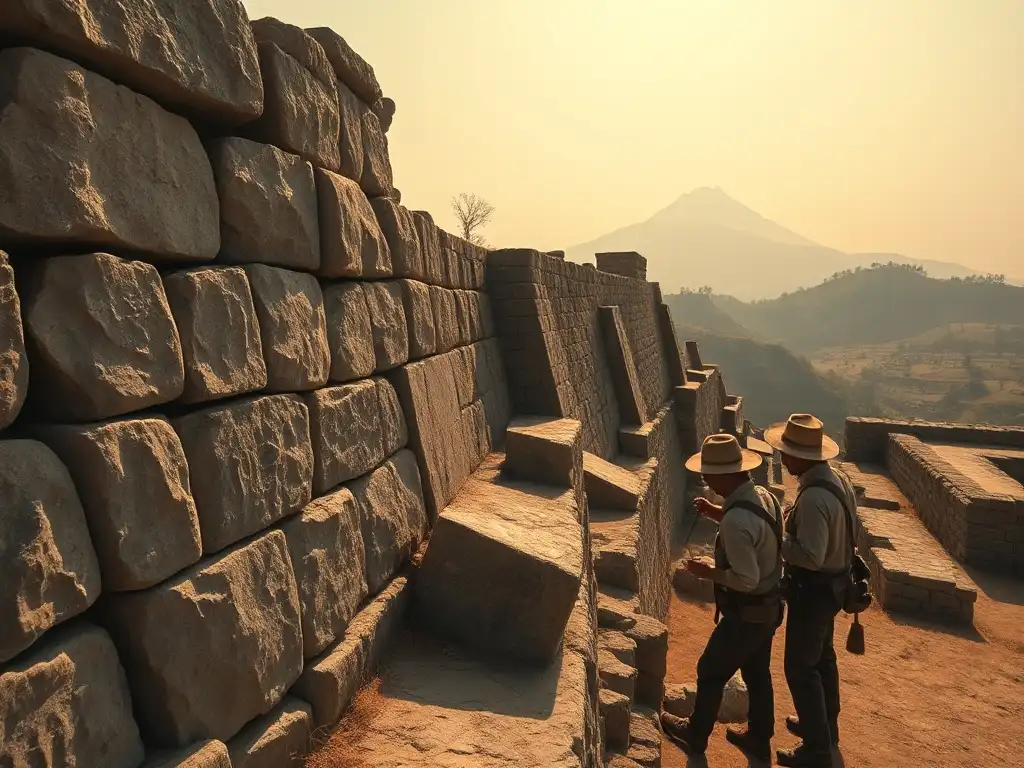
The enduring fascination with Inca civilization fuels ongoing efforts to preserve its remarkable legacy. Understanding and protecting Inca architecture examples today requires a multifaceted approach, encompassing meticulous restoration, innovative research techniques, and proactive measures against environmental degradation. The sheer scale of the Inca Empire, stretching across diverse and challenging terrains, presents unique conservation challenges.
However, dedicated teams of archaeologists, historians, and conservationists are working tirelessly to safeguard this irreplaceable heritage for future generations. Their work not only reveals the ingenuity of Inca builders but also offers crucial insights into their societal structures, beliefs, and technological prowess. The preservation of Inca sites is not merely about safeguarding stones and structures; it's about protecting a vital thread in the tapestry of human history.
Modern Efforts to Restore and Protect Inca Sites
Modern efforts to restore and protect Inca sites utilize advanced techniques and technologies. High-resolution 3D scanning, for instance, allows for the meticulous documentation of structures, even those in precarious states of disrepair. This digital archiving provides invaluable data for future restoration projects and allows researchers to study intricate details without causing further damage. Moreover, the use of biocompatible materials in restoration work minimizes the risk of further deterioration.
Careful analysis of the original building materials helps in selecting appropriate substitutes, ensuring that restoration blends seamlessly with the existing structures. For example, the meticulous reconstruction of sections of Machu Picchu walls uses techniques that mirror Inca methods, employing locally sourced stone and traditional masonry techniques. This approach ensures both structural integrity and aesthetic authenticity.
Furthermore, sustainable tourism practices are increasingly being implemented to minimize the impact of visitor traffic on fragile sites. This includes controlled access, improved infrastructure, and educational initiatives to raise awareness about the importance of responsible site visitation. The goal is not just to preserve the physical structures but also to protect the surrounding ecosystem and ensure the long-term viability of these incredible sites.
The Role of Archaeology in Understanding Inca Culture
Archaeology plays a crucial role in unraveling the mysteries of Inca culture and informing conservation strategies. Excavations at various Inca sites, such as Ollantaytambo and Sacsayhuamán, have unearthed not only architectural marvels but also invaluable artifacts, providing crucial context for understanding Inca daily life, religious practices, and social hierarchies. The careful analysis of these finds, combined with detailed architectural studies, allows researchers to reconstruct a more complete picture of Inca society.
For example, the discovery of sophisticated irrigation systems near Inca settlements highlights their advanced understanding of hydraulic engineering and their ability to adapt to diverse environments. Similarly, the analysis of agricultural terraces reveals meticulous planning and resource management, showcasing the Inca's sophisticated understanding of sustainable agriculture. By combining archaeological findings with historical accounts and ethnohistorical studies, researchers are able to build a richer, more nuanced understanding of Inca culture and its relationship to the landscape.
This knowledge is then crucial in developing targeted conservation strategies. The ongoing research helps us better understand the Inca's construction methods, materials, and engineering principles, providing valuable insights for effective and responsible preservation.
Challenges in Preserving Inca Sites from Environmental Factors
Preserving Inca architecture examples today faces significant challenges from various environmental factors. The Andes Mountains are prone to earthquakes, landslides, and extreme weather conditions, all of which pose a considerable threat to the structural integrity of Inca sites. For instance, Machu Picchu, perched high in the Andes, is vulnerable to seismic activity and heavy rainfall, which can lead to erosion and damage to its intricate stonework.
Furthermore, the effects of climate change, such as increased rainfall intensity and more frequent extreme weather events, are exacerbating these challenges. The freeze-thaw cycles in high-altitude regions contribute to the deterioration of stone, accelerating the process of erosion and weakening the structural integrity of ancient walls. Additionally, the growth of vegetation on and around Inca structures can cause damage by pushing against the stones and causing cracks.
This requires careful and ongoing management, often involving the removal of invasive species and the implementation of preventative measures to minimize the impact of environmental factors. Developing robust strategies to mitigate these threats requires continuous monitoring, proactive maintenance, and the development of innovative conservation techniques tailored to the specific environmental challenges of each site. The ongoing research into the effects of environmental factors on Inca sites is crucial for developing effective long-term preservation plans.
Conclusion: The Enduring Impact of Inca Art and Architecture
The Spanish conquest drastically altered the landscape of the Inca Empire, leading to the destruction of countless architectural marvels and artistic treasures. However, despite the devastation, a significant portion of Inca ingenuity and aesthetic sensibility survives to this day. Understanding the extent of the losses, while simultaneously appreciating the remaining structures and artifacts, is crucial for a complete understanding of Inca civilization and its lasting impact.
The resilience of Inca architectural principles and artistic motifs is a testament to the sophisticated techniques and enduring cultural values of this remarkable civilization. The study of Inca architecture examples today allows us to connect with a rich past and to appreciate the ingenuity of a people who adapted their environment and built structures that continue to inspire awe.
The Importance of Inca Heritage for Present and Future Generations
The preservation and study of Inca heritage are not merely historical exercises; they are vital for fostering cultural understanding and national identity in modern-day Peru and other Andean nations. Inca architecture examples today serve as powerful reminders of a shared history, promoting a sense of collective heritage and pride. Moreover, the intricate stonework, sophisticated irrigation systems, and innovative urban planning techniques employed by the Inca continue to inspire architects and engineers.
For example, the principles of earthquake-resistant construction evident in Inca structures are being re-examined and applied in modern building design, demonstrating the practical relevance of this ancient knowledge. Furthermore, the vibrant colors and intricate designs found in Inca textiles and pottery continue to influence contemporary artists, showcasing the enduring aesthetic appeal of Inca art. Investing in the preservation and research of Inca sites is therefore an investment in the future, fostering innovation and cultural appreciation for generations to come.
The ongoing efforts to protect and restore these sites are not only crucial for historical accuracy but also contribute to sustainable tourism, benefiting local communities and preserving this invaluable heritage. The continued study of Inca architecture examples today ensures the legacy of this impressive civilization endures.
The Timeless Appeal of Inca Art and Architecture
The enduring appeal of Inca art and architecture lies in its unique blend of functionality, aesthetic beauty, and profound cultural significance. The precise stonework, often without mortar, displays a mastery of engineering and an artistic sensibility that transcends time. The monumental structures, such as Sacsayhuamán and Machu Picchu, evoke a sense of awe and wonder, testifying to the Inca's ability to harness both human and natural resources.
This sophisticated understanding of their environment is reflected in the integration of their structures with the surrounding landscape, creating a harmonious blend of human ingenuity and natural beauty. The intricate designs found in Inca pottery and textiles, often depicting religious symbols and everyday life, provide valuable insights into their beliefs, social structures, and artistic expression. Even today, the vibrant colors and complex patterns continue to capture the imagination, demonstrating the timeless appeal of Inca artistic traditions.
The careful study of Inca architecture examples today reveals not just impressive feats of engineering but also a rich tapestry of cultural expression and spiritual significance, ensuring the continued fascination and inspiration derived from this remarkable civilization. The legacy of the Inca continues to resonate, inspiring both admiration and a deep respect for their achievements.
Frequently Asked Questions
What are some examples of Inca architecture still standing today?
Many Inca structures remain, including parts of Machu Picchu, Sacsayhuamán, and Ollantaytambo. These sites showcase their impressive stonework and engineering skills. You can also find Inca ruins integrated into later colonial cities.
How did the Inca build such impressive structures without modern tools?
The Inca utilized sophisticated techniques like precise stone cutting and dry-stone masonry, fitting stones together without mortar. Their understanding of engineering and physics allowed them to create structures that withstood earthquakes and the test of time. Terraces and irrigation systems were also crucial aspects of their architectural achievements.
What architectural styles characterized Inca buildings?
Inca architecture is known for its massive stone walls, carefully fitted stones, and integration with the landscape. They favored rectangular structures and used granite, andesite, and diorite. Symmetry and functionality were key design elements.
What factors contributed to the loss of Inca architecture?
Earthquakes, Spanish conquest, and natural erosion significantly damaged many Inca structures. Looting and uncontrolled tourism also pose ongoing threats to the preservation of remaining sites. Time itself has also taken its toll on these ancient wonders.
Where can I see the best-preserved examples of Inca architecture?
Machu Picchu in Peru is perhaps the most famous and well-preserved example. Other significant sites include Sacsayhuamán near Cusco and Ollantaytambo, also in Peru. These locations offer a glimpse into the remarkable architectural achievements of the Inca civilization.
Final Reflection: Echoes of the Andes: A Legacy in Stone and Spirit
The ingenuity of Inca architecture continues to resonate today, a testament to a civilization that mastered its environment and left an indelible mark on the world. While much was lost to conquest and time, the surviving structures stand as powerful symbols of resilience, innovation, and a profound connection to the natural world. Their enduring presence challenges us to consider the fragility of cultural heritage and the importance of preservation for future generations.
The impact of Inca architectural achievements extends far beyond the physical structures themselves; it permeates our understanding of engineering, societal organization, and the human spirit's capacity for creation. Their mastery of stonework, their integration of buildings into the landscape, and their sophisticated understanding of seismic activity continue to inspire architects and engineers. The ruins are not dead things, they cry out to us.
– This sentiment, though not directly about Inca architecture, speaks to the power of these remnants to connect us to the past and inspire us to learn from it.
Consider the intricate stonework, the breathtaking mountaintop citadels, and the ingenious irrigation systems. These are not merely historical artifacts; they are living testaments to human potential. You, the reader, are now part of this ongoing conversation. Take a moment to reflect on the enduring legacy of the Inca, and consider how you can contribute to the preservation and appreciation of cultural heritage in your own life. Let the echoes of the Andes inspire you to build a future where such remarkable achievements are not only remembered but celebrated and protected.
Uncover the Wonders of the Inca Legacy!
Thank you for exploring the fascinating world of Inca art and architecture with us! We hope you've gained a deeper appreciation for the ingenuity and artistry of this remarkable civilization. Now, let's put your newfound knowledge to good use!
Here's how you can continue your exploration:
- Visit a museum or gallery featuring Inca artifacts. Seeing these incredible works of art up close is an unforgettable experience.
- Share your discoveries with friends and family. Spark a conversation about the Inca civilization and its enduring impact on history.
- Connect with other enthusiasts by joining online forums or social media groups dedicated to Andean cultures. This is a great way to exchange ideas and learn from others.
What aspect of Inca art or architecture captivates you most, and how will you share your passion with others?