
The Inca Medical Practices: The Impact of Disease and Western Medicine

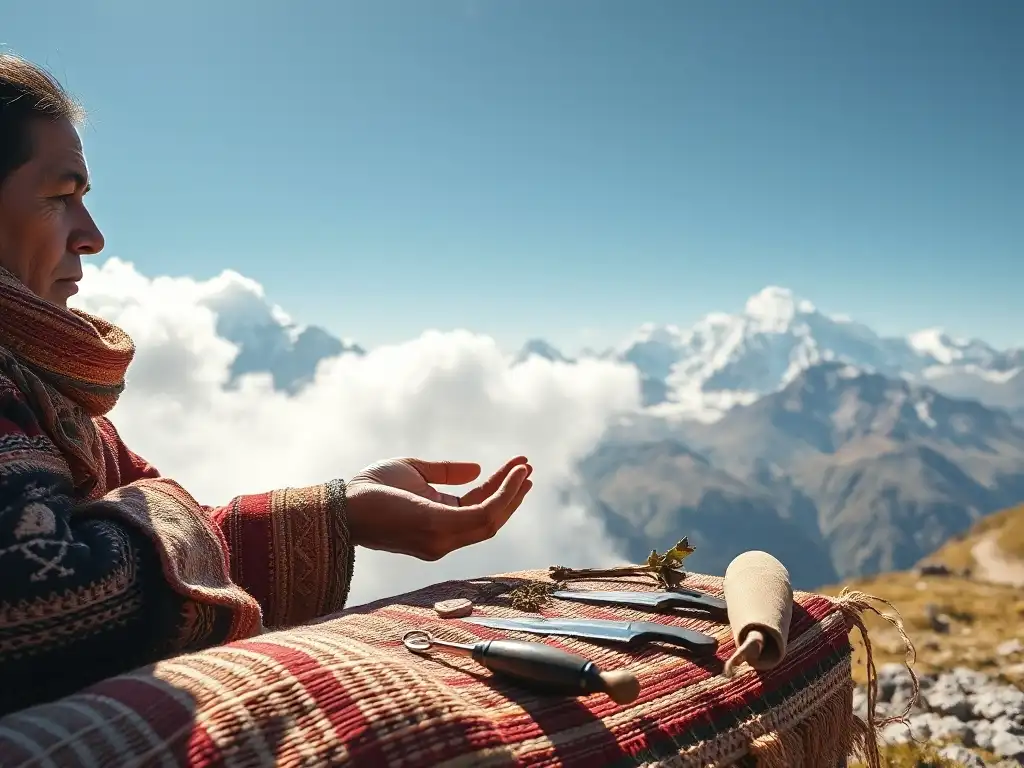
Step into a world lost to time, yet echoing with the whispers of a remarkable past. Journey through the breathtaking landscapes and captivating cultures of the Andes, where ancient empires like the Incas, Moche, and Nazca left behind a legacy of ingenuity and resilience. But what secrets lie hidden within their sophisticated societies? Discover the profound Inca medical practices impact and how it shaped the fate of these incredible civilizations in the face of disease and the arrival of the Spanish. Uncover the astonishing truth – a story of survival, innovation, and ultimately, lasting influence.
- Inca Medical Practices: The Impact of Disease and Western Medicine
- Understanding Inca Health and Healing Traditions
- The Devastating Impact of European Diseases on the Inca
- The Clash of Medical Systems: Inca vs. Western Medicine
- The Influence of Western Medicine on Inca Medical Practices
- Long-Term Effects on Inca Medical Knowledge and Practices
- The Lasting Impact of Inca Medical Practices and the Conquest
- Frequently Asked Questions
- Final Reflection: Echoes of the Andes: Inca Medicine and Our Modern World
- Unveil the Wisdom of Inca Healing Today!
Inca Medical Practices: The Impact of Disease and Western Medicine
The Spanish conquest of the Inca Empire dramatically altered the course of Andean history, and a crucial element of this transformation lies in the impact of introduced diseases and the subsequent clash of medical systems. While the Inca possessed a sophisticated understanding of medicine and healing, their practices were ultimately no match for the devastating effects of Old World diseases like smallpox, measles, and influenza, which decimated the indigenous population.
This article delves into the intricacies of Inca medical practices, exploring their effectiveness, their limitations in the face of novel pathogens, and the lasting consequences of the introduction of Western medicine. We will examine how the Inca's understanding of the body, their use of herbal remedies and surgical techniques, and their societal structures relating to health contributed to their vulnerability during the conquest.
Understanding the Inca medical system provides critical context for comprehending the scale of the demographic collapse and the profound social and political upheaval that followed the arrival of the Europeans. The keyword "Inca medical practices impact" will be explored through the lens of disease, conquest, and the long-term consequences for Andean societies.
Inca Knowledge of Medicine and Healing
Inca medicine was a complex system integrating herbal remedies, surgery, and spiritual practices. They possessed a detailed understanding of the human anatomy, evidenced by their surgical techniques, particularly trepanation—the surgical procedure of drilling holes into the skull. While the exact reasons for trepanation remain debated, it suggests a level of surgical skill and understanding of the skull's structure that was surprisingly advanced for its time.
Moreover, their extensive knowledge of medicinal plants allowed them to create a wide array of treatments for various ailments. Chronicles from the time detail the use of coca leaves as an anesthetic and for medicinal purposes.
Furthermore, Inca healers, known as curanderos, played a vital role in society, often combining their medical knowledge with religious rituals and practices aimed at restoring balance and harmony within the body and the community. Their treatments weren't solely focused on physical ailments; they addressed spiritual and emotional well-being as well, reflecting a holistic approach to health.
The Devastating Impact of Old World Diseases
The arrival of Europeans brought with it a catastrophic wave of infectious diseases previously unknown in the Americas. Smallpox, measles, and influenza, to name a few, ravaged the Inca population, decimating entire communities and weakening the empire's ability to resist the Spanish conquest. The Inca lacked immunity to these diseases, leading to widespread mortality.
Estimates suggest that the indigenous population experienced a drastic decline of up to 90% in the decades following the Spanish arrival, a demographic catastrophe that fundamentally reshaped the social and political landscape of the Andes. This devastation was a key factor in the Spanish conquest's success, weakening the Inca's military capacity and societal structure. The impact of these diseases was far greater than any military defeat.
The Introduction of Western Medicine and its Long-Term Consequences
The Spanish conquest brought not only disease but also a new medical system – Western medicine. While initially offering some advancements in certain areas, the introduction of Western medicine often came at the cost of traditional Inca practices. The imposition of a new system, often without understanding or respecting indigenous knowledge, led to the suppression of traditional healing methods and the loss of valuable medicinal knowledge.
The long-term consequences of this cultural disruption are still felt today, as traditional Andean medical practices are often marginalized in favor of Western approaches. The integration and preservation of traditional knowledge alongside Western advances is now a crucial aspect of health care in the Andean region, highlighting the importance of acknowledging and respecting the past.
The Inca Medical System’s Strengths and Weaknesses in the Face of Conquest
The Inca medical system, while sophisticated for its time, was ultimately vulnerable to the novel pathogens introduced by the Europeans. Its strengths lay in its holistic approach, its detailed knowledge of medicinal plants, and its skilled practitioners. However, its weaknesses were exposed by the completely novel nature of the Old World diseases.
The lack of prior exposure and the resulting absence of immunity proved to be a fatal flaw in the face of such devastating epidemics. This highlights the critical role that disease played in the fall of the Inca Empire, a factor often overlooked in favor of purely military narratives. The Inca medical system’s limitations, in the context of the conquest, underscore the complex interplay between environmental, biological, and socio-political factors that shaped the fate of the empire.
Understanding Inca Health and Healing Traditions

This section delves into the intricacies of Inca healthcare, exploring its unique characteristics and the profound impact it had on the lives of the Inca people. Understanding Inca medical practices is crucial to comprehending the empire's societal structure and its vulnerability to the diseases introduced by the Spanish conquistadors. The Inca approach to health and healing was deeply intertwined with their spiritual beliefs, resulting in a system that combined practical medical knowledge with religious rituals and practices.
The impact of this system, both positive and negative, shaped the course of the Inca civilization and its ultimate decline. We will explore the system's strengths and limitations, analyzing the effectiveness of Inca treatments in the context of the diseases prevalent at the time.
Pre-Columbian Inca Healthcare System
The Inca healthcare system, prior to European contact, was surprisingly sophisticated for its time. It wasn't centralized in the same way as modern systems, but it relied on a network of healers and practitioners spread throughout the empire. Their knowledge was passed down through generations, combining empirical observation with a deep understanding of the natural world.
While they lacked the advanced tools and understanding of disease mechanisms available to later societies, their treatments were often remarkably effective in addressing common ailments. They emphasized preventative care, promoting hygiene and a balanced diet rich in Andean staples. Evidence suggests a strong focus on sanitation, with sophisticated irrigation systems and community-based waste management practices minimizing the spread of waterborne diseases.
This preventative approach, alongside their herbal remedies, significantly contributed to the overall health of the Inca population. The impact of this system is particularly evident when compared to the devastation caused by the introduction of Old World diseases.
The Inca's understanding of anatomy and physiology was, naturally, limited by the technology available. However, archaeological evidence, including trepanation skulls, suggests a surprisingly advanced understanding of surgical techniques. Trepanation, the surgical removal of portions of the skull, was practiced across various Andean cultures, including the Inca, and while the exact motivations are still debated, it demonstrates a level of surgical skill that shouldn't be underestimated.
The success rate of these procedures, while likely low by modern standards, indicates a degree of sophistication in their surgical practices. Further research is needed to fully understand the extent of Inca surgical capabilities and their impact on the overall health of the population.
The Role of Yachaq and Hampi Camayoc in Medicine
The Inca healthcare system relied heavily on specialized practitioners. The yachaq (sometimes spelled yachay) were spiritual healers who combined medicinal knowledge with religious practices. They were revered figures, often consulted for a wide range of ailments, both physical and spiritual. Their roles extended beyond simple healing; they were also involved in diagnosing illnesses, often through divination and interpreting dreams. Alongside the yachaq, the hampicamayoc played a crucial role in the Inca health system.
These individuals were primarily concerned with the physical well-being of the population, focusing on practical treatments and preventative measures. They often worked in conjunction with the yachaq, combining spiritual and physical approaches to healing. The division of labor between these two roles highlights the interconnectedness of spiritual and physical health within Inca society. The impact of this collaborative approach was substantial, leading to a robust and relatively effective healthcare system for its time.
The training and selection of these practitioners remain somewhat mysterious. Oral traditions and limited written records suggest apprenticeships and hereditary roles, but precise details are lacking. Further investigation into Inca social structures and archaeological findings may reveal more information about the training methods and social standing of these vital figures. The impact of their expertise on the survival and health of the Inca population was undeniable.
Inca Herbal Remedies: Coca, Chicha, and Willow Bark
Inca medicine relied extensively on herbal remedies. Among the most important were coca leaves, chicha (fermented maize beer), and willow bark. Coca leaves, chewed for their stimulating and mildly anesthetic properties, were widely used to alleviate fatigue, hunger, and altitude sickness – common challenges for the Inca people.
The impact of coca on Inca society was profound, extending beyond its medicinal uses to play a significant role in religious ceremonies and social interactions. Chicha, while primarily a staple beverage, also held medicinal properties, particularly in its ability to aid digestion and provide energy. Its fermentation process, however, also meant that it could cause intoxication, something that likely influenced its use in religious contexts.
Willow bark, a natural source of salicylic acid (the active ingredient in aspirin), was used to treat pain and inflammation. The Inca’s use of willow bark demonstrates a remarkable understanding of natural remedies, predating the isolation and synthesis of aspirin by centuries. The impact of these readily available herbal remedies on the health and well-being of the Inca population was significant, providing effective treatments for a range of common ailments.
The effective use of these natural resources highlights the practical knowledge and ingenuity of Inca healers. Further research is needed to fully catalog the extent of the Inca pharmacopoeia and its impact on their overall health and longevity. The study of Inca medical practices continues to be a fascinating area of research, offering valuable insights into the ingenuity and adaptability of this remarkable civilization.
The Devastating Impact of European Diseases on the Inca
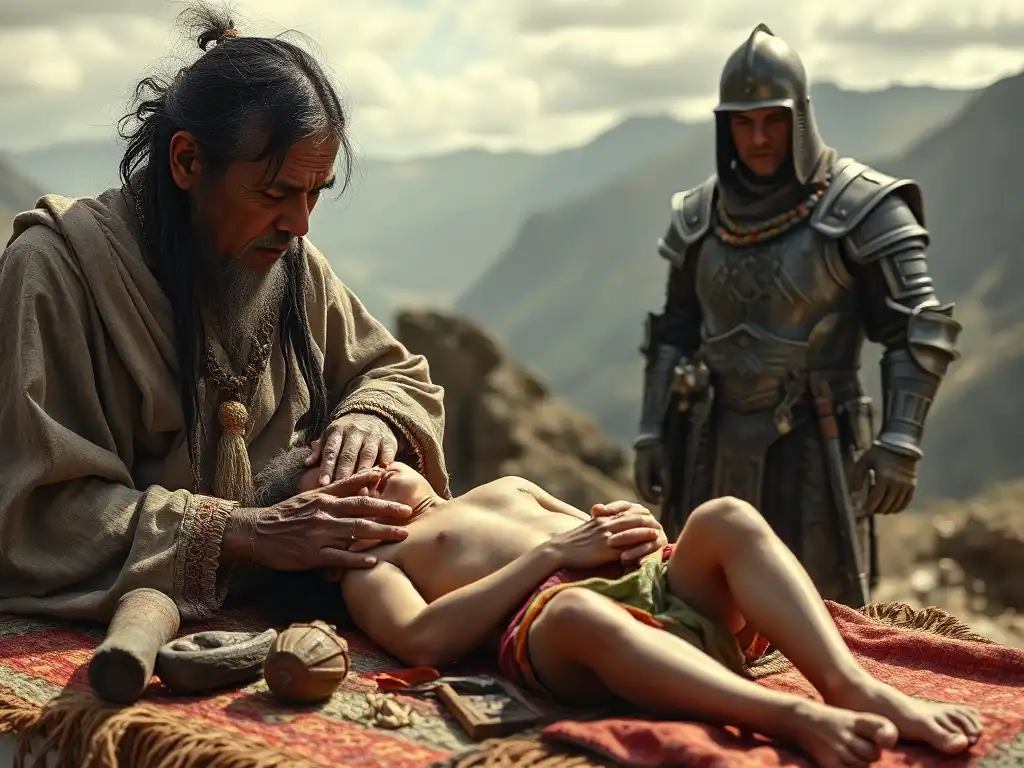
The arrival of the Spanish conquistadors in the 16th century marked not only a political and military upheaval for the Inca Empire, but also a catastrophic biological one. The Inca, isolated for centuries in the Andes, lacked immunity to the diseases prevalent in Europe. This lack of immunological defense proved to be a far more potent weapon than any conquistador's sword, significantly weakening the empire and paving the way for its eventual collapse.
The impact of introduced diseases on the Inca population and societal structure was profound and irreversible, forever altering the course of Andean history. Analyzing the Inca medical practices impact reveals a civilization struggling to cope with an unprecedented biological onslaught.
Introduction of Smallpox, Measles, and Influenza
The most devastating diseases introduced to the Inca were smallpox, measles, and influenza. These highly contagious ailments spread rapidly throughout the densely populated Inca regions, decimating entire communities. Smallpox, in particular, was particularly virulent, characterized by its distinctive rash and high mortality rate.
Measles, with its characteristic cough and fever, also wreaked havoc. Influenza, while often less lethal than smallpox or measles, still contributed significantly to the overall mortality rate, weakening the population and making them more susceptible to other diseases. The Inca, with their sophisticated agricultural practices and social organization, were ill-equipped to deal with the rapid spread and high mortality associated with these diseases.
Existing Inca medical practices, focused primarily on herbal remedies and shamanistic practices, proved largely ineffective against these novel pathogens. The sheer speed of transmission overwhelmed any attempts at containment or treatment. The lack of understanding regarding the infectious nature of these diseases further exacerbated the situation.
The Inca Population Decline: A Demographic Catastrophe
The introduction of European diseases resulted in a catastrophic decline in the Inca population. While precise figures remain debated among historians, it is widely accepted that the population plummeted by an estimated 80-90% within a century of the Spanish arrival. This demographic catastrophe fundamentally weakened the empire's ability to resist Spanish conquest. The loss of skilled labor, military personnel, and leadership significantly hampered Inca resistance and facilitated Spanish control.
The sheer scale of death disrupted the intricate social fabric of Inca society, leaving behind a devastated population struggling to maintain basic societal functions. This drastic reduction in population also had long-term consequences, affecting the cultural and economic development of the Andean region for centuries to come. The impact of this population loss is a key factor when considering the Inca medical practices impact on the ultimate fate of the empire.
The Impact of Epidemics on Inca Society and Governance
The epidemics not only decimated the Inca population but also profoundly disrupted Inca society and governance. The loss of life and the widespread suffering caused by the diseases undermined the authority of the Inca leadership. The intricate system of social organization and resource management, crucial for the empire's functioning, was severely disrupted.
The widespread death and social upheaval created a vacuum of power, which the Spanish conquistadors were able to exploit to their advantage. The inability of Inca medical practices to effectively combat these diseases further eroded the credibility of the Inca rulers and contributed to the overall collapse of the empire. The disruption of established social structures, coupled with the decimation of the population, created a climate of instability and vulnerability, ultimately facilitating the success of the Spanish conquest.
The study of Inca medical practices impact therefore needs to incorporate the profound social and political consequences of the epidemics. The fall of the Inca Empire wasn't solely a military defeat; it was a demographic and societal collapse precipitated by the devastating impact of Old World diseases.
The Clash of Medical Systems: Inca vs. Western Medicine
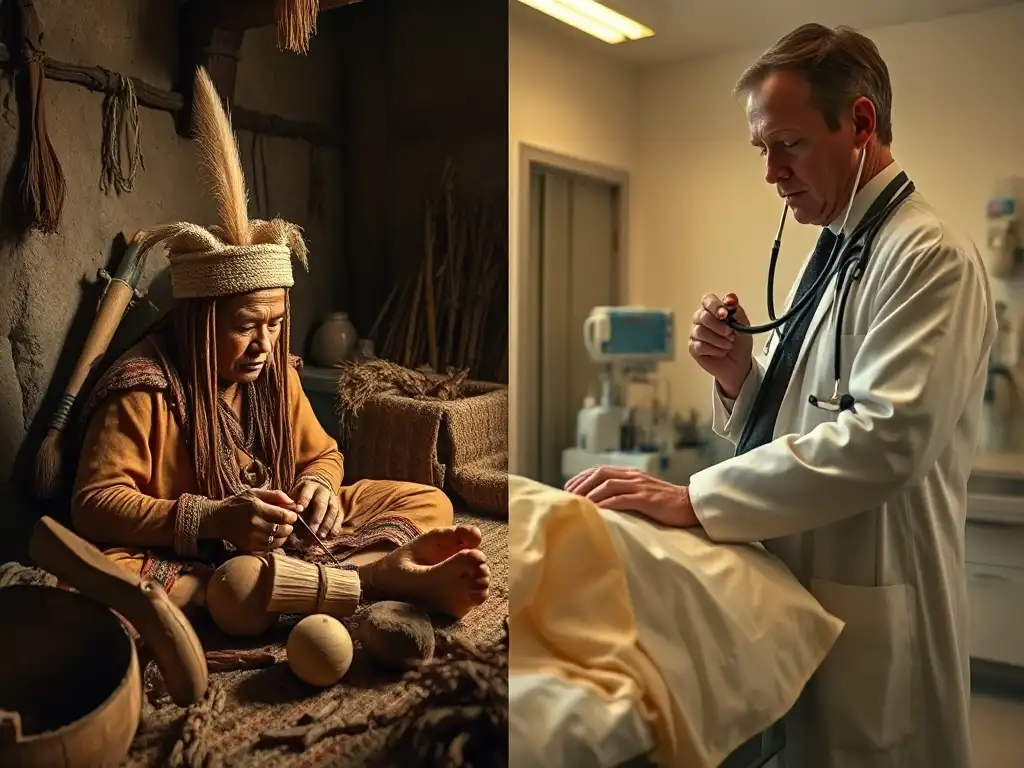
The arrival of the Spanish conquistadors in the Inca Empire marked a dramatic collision not only of cultures and political systems but also of medical practices. The Inca's sophisticated, albeit vastly different, medical system faced a direct challenge from the burgeoning Western medical approaches of the 16th century. This clash profoundly impacted the Inca population, leading to both the spread of new diseases and the disruption of traditional healing practices.
The consequences of this encounter are still felt today in the Andean region. Understanding the differences between these two systems is crucial to grasping the full impact of the Spanish conquest on Inca health and well-being. The keyword "Inca medical practices impact" is central to understanding this historical shift.
Differences in Spiritual vs. Scientific Diagnostic Approaches
Inca medical diagnosis relied heavily on spiritual and holistic interpretations of illness. Shamans, or paqos, played a central role, diagnosing ailments through divination, interpreting dreams, and observing natural phenomena. They believed illness stemmed from an imbalance in the individual's relationship with the spiritual world, their community, or the natural environment.
This contrasted sharply with the emerging Western medical approach, which, although still rudimentary by modern standards, emphasized observation of physical symptoms and the beginnings of anatomical understanding. While not entirely devoid of supernatural explanations, European physicians increasingly relied on tangible signs and rudimentary tests to diagnose diseases. For example, the Inca might attribute a fever to an offended deity, while a Spanish physician might attribute it to a bodily imbalance of humors (a theory later proved incorrect).
This fundamental difference in diagnostic approaches directly influenced treatment strategies and outcomes. The impact of this difference on Inca health was significant, as traditional interpretations were often dismissed in favor of unfamiliar, and sometimes ineffective, Western methods.
Contrasting Methods of Treatment: Rituals vs. Surgery
Inca treatment methods were as diverse as their diagnostic approaches. They employed herbal remedies, physical manipulation, and complex rituals aimed at restoring balance and appeasing supernatural forces. Surgical interventions, while existing, were less common and less advanced than those emerging in Europe.
The Inca used trepanation, a surgical procedure involving drilling holes in the skull, but its extent and application remain debated among scholars. In contrast, European medicine, while still in its infancy, was beginning to develop more sophisticated surgical techniques, although often hampered by a lack of antiseptic knowledge leading to high infection rates. The introduction of Western surgical practices, despite their limitations, posed a significant challenge to traditional Inca methods.
The impact of this introduction was a complex one: while some surgical techniques might have offered benefits in specific cases, the overall disruption of traditional healing practices likely negatively affected the health of many Inca people. The spread of European diseases further exacerbated this impact.
The Inca Perspective on Illness as Imbalance vs. Germ Theory
A core difference between Inca and Western medicine lay in their understanding of the cause of disease. The Inca viewed illness as a disruption of harmony – an imbalance within the individual or between the individual and their environment. This perspective encompassed physical, spiritual, and social factors. The concept of a "germ" causing illness was unknown.
Western medicine, on the other hand, was gradually beginning to move towards the concept of disease being caused by microscopic organisms, although the germ theory was not fully developed until centuries later. This difference in understanding directly influenced how each system approached treatment. The Inca focused on restoring balance, while the Europeans, albeit unknowingly, often sought to combat the invisible agents causing disease. The impact of this contrasting understanding was profound.
The introduction of new diseases, such as smallpox and measles, for which the Inca had no immunity or understanding, devastated their population. The lack of a germ theory prevented the development of effective preventative measures, further exacerbating the impact of these novel diseases on Inca society. The clash of these fundamentally different worldviews regarding illness stands as a crucial aspect of the "Inca medical practices impact" during the Spanish conquest.
The Influence of Western Medicine on Inca Medical Practices
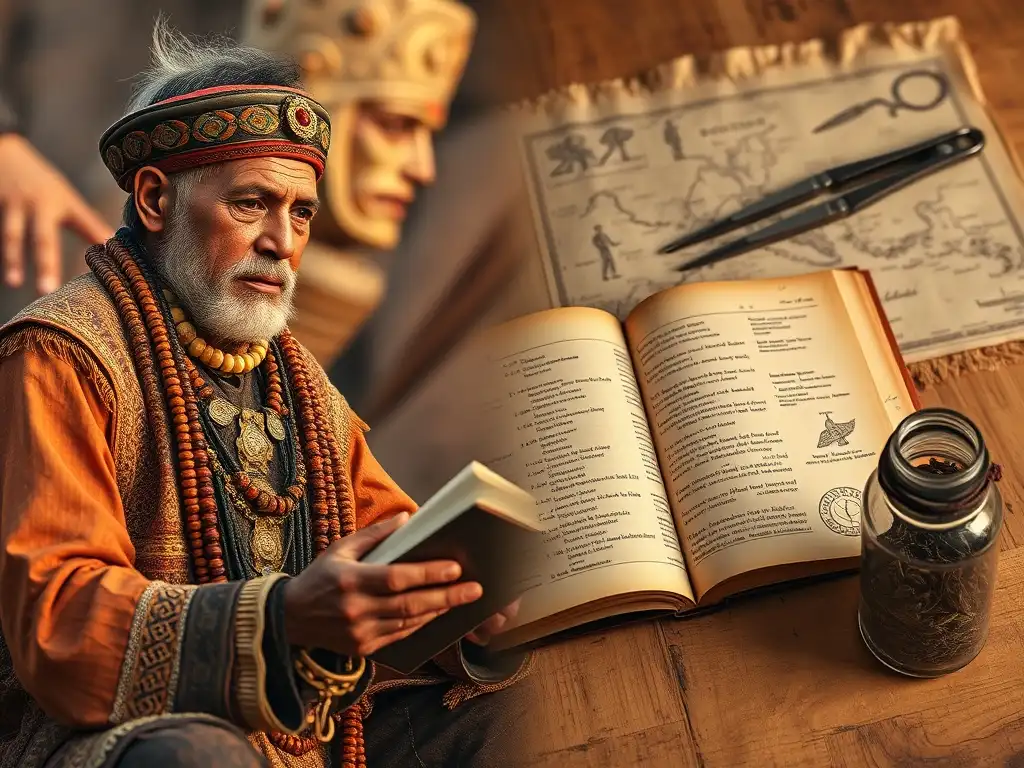
The arrival of the Spanish conquistadors in the 16th century drastically altered the landscape of Inca medical practices, initiating a complex interplay between indigenous healing traditions and the burgeoning medical knowledge of Europe. The impact of Western medicine on Inca healthcare wasn't a simple replacement; instead, it was a gradual process of assimilation, adaptation, and, sadly, suppression. This section explores the multifaceted influence of Western medicine on Inca medical practices, examining both its positive and negative consequences for the Inca population.
Understanding this impact is crucial to fully grasping the complexities surrounding the fall of the Inca Empire and its lasting legacy. The consequences of this clash of medical systems are still felt today in the Andean region.
The Gradual Acceptance of Western Medical Practices in Colonial Era
The introduction of Western medical practices wasn't immediate or universally accepted. Initial resistance stemmed from deeply ingrained cultural beliefs and the effectiveness of traditional Inca healing methods. However, the devastating impact of newly introduced diseases like smallpox, measles, and influenza, against which the Inca lacked immunity, gradually eroded this resistance. The high mortality rates caused by these epidemics created a vacuum, making the population more receptive to European medical interventions, even if these were often rudimentary by today's standards. The Spanish, for their part, were initially more interested in exploiting resources than in providing healthcare; however, the need to maintain a workforce and control the indigenous population eventually led to a pragmatic acceptance of some aspects of Inca medical knowledge alongside the introduction of European techniques. This resulted in a syncretic approach, where elements of both systems coexisted, often in a hierarchical structure with Western medicine gaining prominence over time.
The Adaptation of Quinine and Other Imported Treatments
One significant example of the adaptation of Western treatments is the adoption of quinine to combat malaria. Malaria, already present in some parts of the Andes, became more prevalent during the colonial period. Quinine, derived from the cinchona tree, proved effective in treating the disease, and its use spread throughout the region. While the Inca had their own remedies for fevers, the efficacy of quinine, coupled with the Spanish colonial authority, led to its integration into the Andean medical landscape.
This is just one example; other imported treatments, such as certain herbal remedies and surgical techniques (though often crude), were gradually assimilated, often adapted to local conditions and existing practices. This adaptation process, however, wasn't always seamless. Misunderstandings about dosages, applications, and even the basic understanding of disease etiology led to both successes and failures in the application of imported treatments.
The Suppression of Traditional Inca Healing Methods by Spanish Colonizers
Despite the adaptation of some Western practices, the Spanish colonial regime actively worked to suppress traditional Inca healing methods. This suppression was motivated by several factors, including religious zealotry (viewing Inca practices as pagan), the desire to assert colonial dominance, and the economic interests of newly established medical professionals. Many Inca healers, curanderos, were persecuted, their knowledge and practices deemed heretical or superstitious.
The destruction of Inca texts and temples further contributed to the erosion of traditional medical knowledge. This systematic suppression had a profound and lasting impact, significantly weakening the Inca's ability to respond effectively to disease and contributing to the overall decline of their healthcare system. The loss of this valuable knowledge represents an irreplaceable loss to both Andean culture and medical history.
The long-term consequences of this suppression continue to affect healthcare systems in the region today. The impact of this suppression is a critical element in understanding the broader "Inca medical practices impact" of colonization.
Long-Term Effects on Inca Medical Knowledge and Practices
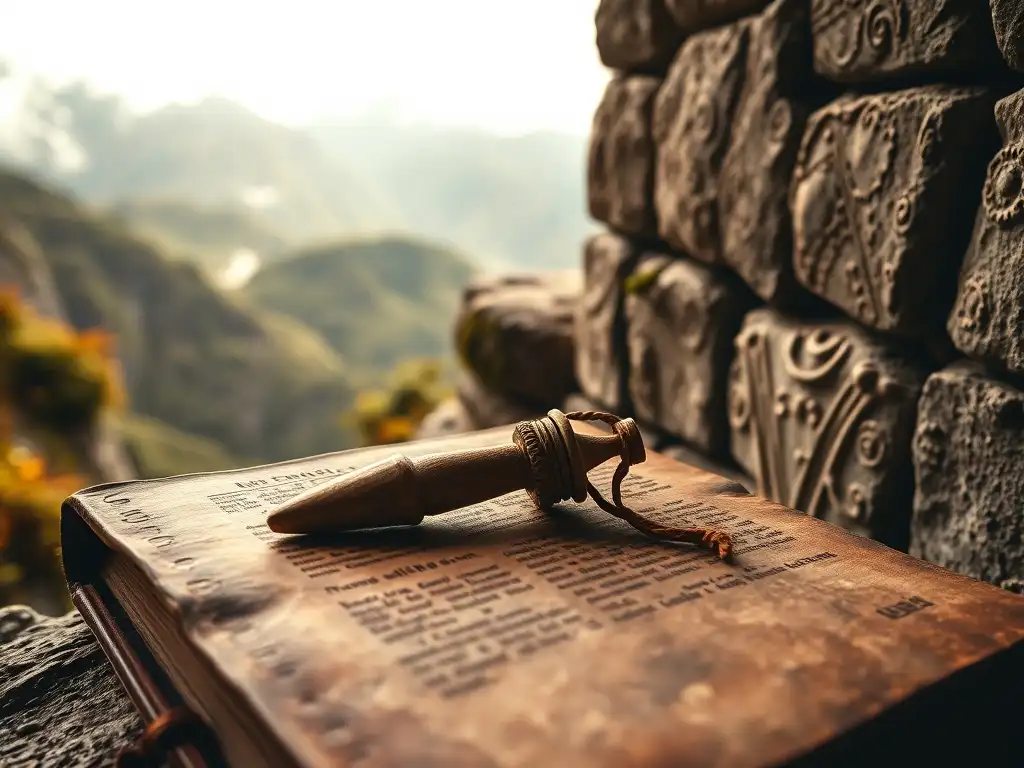
The Spanish conquest profoundly impacted Inca medical practices, leading to long-term consequences that are still felt today. The introduction of new diseases, the suppression of indigenous knowledge systems, and the eventual integration of Western medicine created a complex interplay of healing traditions, resulting in both the loss and the adaptation of Inca medical practices. Understanding these long-term effects is crucial to appreciating the enduring legacy of Inca healing and its influence on contemporary Andean healthcare. The impact of these changes on the Inca medical practices is multifaceted and requires a nuanced examination.
The Erosion of Traditional Inca Medical Knowledge and Oral Traditions
The arrival of the Spanish brought with it a devastating wave of Old World diseases like smallpox, measles, and influenza, to which the Inca population had no immunity. This catastrophic demographic shift decimated the Inca population and disrupted the transmission of traditional medical knowledge. The Inca relied heavily on oral traditions to pass down their extensive pharmacopoeia, surgical techniques, and diagnostic methods.
With the death of countless curanderos (traditional healers) and the disruption of social structures, much of this invaluable knowledge was lost forever. The systematic destruction of Inca temples and huacas (sacred sites) further exacerbated this loss, as these places often served as repositories of medicinal plants and healing rituals. This cultural destruction had a devastating impact on the continuity of Inca medical practices, creating a significant void in Andean healthcare traditions.
The impact of this loss is still felt today, with many aspects of Inca medicine remaining undocumented or poorly understood. Quantifying the precise amount of knowledge lost is impossible, but the impact on the continuity of Inca medical practices was undeniably severe.
The Enduring Legacy of Inca Herbalism in Andean Communities
Despite the significant challenges, some aspects of Inca medical practices persisted. Inca herbalism, in particular, proved remarkably resilient. Many medicinal plants traditionally used by the Inca continue to be employed in Andean communities today.
This continuity reflects the deep integration of these plants into the cultural fabric of the region. For example, the coca leaf, long valued for its medicinal and ritualistic properties, remains a vital part of Andean life, used to alleviate altitude sickness, boost energy, and address various ailments. Similarly, several other plants, such as muña (a mint-like plant with respiratory benefits) and matico (used for its antiseptic properties), maintain their importance in traditional Andean medicine.
However, it's crucial to note that the use of these plants has often been adapted and integrated with elements of Western medicine, creating a hybrid system of healing. The precise extent to which modern Andean herbalism directly reflects Inca practices is a subject of ongoing research, but the continuity of plant-based remedies demonstrates the enduring legacy of Inca medical knowledge. The continued use of these plants provides a tangible link to Inca medical practices, highlighting the resilience of indigenous knowledge systems.
The Integration of Indigenous and Western Medicine in Modern Peru
Modern Peru represents a fascinating intersection of indigenous and Western medical practices. While Western biomedicine has become the dominant healthcare system, traditional Andean medicine continues to play a significant role, particularly in rural areas. Many Peruvians utilize a combination of both systems, seeking out traditional healers for certain ailments while relying on Western medicine for others. This integration reflects a pragmatic approach to healthcare, leveraging the strengths of both traditions.
However, this integration is not without its challenges. There are ongoing efforts to formalize and standardize traditional Andean medicine, ensuring its safety and efficacy while respecting its cultural significance. The integration of indigenous and Western medicine also raises complex questions about cultural preservation, intellectual property rights, and equitable access to healthcare.
The ongoing dialogue and research in this area are vital to building a healthcare system that honors both the legacy of Inca medical practices and the needs of contemporary Peruvians. The future of Andean healthcare rests on finding a balance between these two powerful medical traditions. This complex interplay requires careful consideration and ongoing collaboration to ensure the equitable access and preservation of both traditional and modern medicine.
The Lasting Impact of Inca Medical Practices and the Conquest
The Spanish conquest profoundly impacted Inca medical practices, leading to both the disruption of traditional healing systems and the introduction of European medical approaches. Understanding this impact requires examining not only the immediate effects of colonization but also the long-term consequences on Andean healthcare and the enduring legacy of Inca knowledge. The forceful imposition of Western medicine significantly diminished the role of traditional Inca healers ( curanderos ), their knowledge, and their practices.
This suppression wasn't merely a matter of replacing one system with another; it involved a complex process of cultural assimilation, power dynamics, and the deliberate erasure of indigenous medical traditions. The impact of Inca medical practices is therefore a story of both loss and resilience. The influence of Inca medical practices on contemporary Andean healthcare is still being explored today, revealing a fascinating interplay between traditional knowledge and modern medicine.
Contemporary Relevance of Inca Medical Techniques in Traditional Medicine
Despite the setbacks caused by the conquest, many Inca medical techniques and practices persist in contemporary Andean medicine. The knowledge of medicinal plants, passed down through generations, remains a cornerstone of healthcare in many rural communities. For instance, the use of coca leaves for altitude sickness and as a mild stimulant continues to be prevalent.
Similarly, the understanding of herbal remedies for various ailments, often mirroring Inca pharmacopoeia, is still actively practiced. The effectiveness of some of these traditional remedies is now being scientifically investigated, validating the ancient Inca understanding of medicinal properties. Researchers are documenting the traditional uses of plants like uña de gato (cat's claw) and muña, exploring their potential for treating various modern illnesses.
This resurgence of interest in Inca medical techniques highlights the enduring value of traditional knowledge and its potential contribution to modern healthcare. The ongoing study of Inca medicinal practices provides valuable insights into potential new drugs and treatments, highlighting the importance of preserving this invaluable cultural heritage. This ongoing research reinforces the importance of acknowledging and respecting the indigenous knowledge systems that have survived centuries of cultural disruption.
The Ongoing Debate about the Ethnocide of Inca Healthcare Knowledge
The Spanish conquest resulted in a significant loss of Inca medical knowledge. The destruction of Inca records, the suppression of curanderos, and the imposition of Western medicine all contributed to a cultural disruption that continues to be debated. The term "ethnocide," referring to the systematic destruction of a people's culture, is often used to describe the impact of colonization on Inca healthcare.
The argument centers around the systematic dismantling of a sophisticated medical system, including the loss of knowledge about medicinal plants, surgical techniques (evidence suggests the Incas performed some cranial surgeries), and diagnostic methods. The extent of this knowledge loss is difficult to fully quantify, but the impact is undeniable. Many scholars argue that the loss of traditional Inca medical practices represents an irreplaceable loss of intellectual and cultural heritage.
This loss isn't merely historical; it has ongoing consequences for healthcare access and cultural identity in Andean communities. The debate continues regarding the full extent of the damage and the appropriate ways to acknowledge and address this historical injustice.
Future research directions on the ethnobotany of Inca medicinal plants
Future research on Inca medical practices should prioritize the ethnobotanical study of Inca medicinal plants. This involves a multidisciplinary approach, combining botanical research with anthropological and historical studies to better understand the use and efficacy of these plants in traditional Inca medicine. This research needs to go beyond simple cataloging of plants and their uses.
It must focus on understanding the complex interactions between the plants, their preparation methods, and their therapeutic effects. This includes investigating the chemical compounds responsible for the plants’ medicinal properties and exploring potential new applications for these compounds. Furthermore, future research should actively involve Andean communities in the research process, respecting their traditional knowledge and ensuring the ethical and sustainable use of these invaluable plant resources.
This collaborative approach is crucial to ensure that future research contributes to both scientific advancement and the preservation of Andean cultural heritage. The ongoing exploration of Inca medicinal plants holds immense potential for discovering new treatments and medicines, while simultaneously contributing to the revitalization and preservation of indigenous knowledge systems. The study of Inca medical practices is not just an academic endeavor; it's a crucial step towards recognizing the enduring value of indigenous knowledge and its potential to shape the future of healthcare.
Frequently Asked Questions
What was the Inca approach to healthcare?
The Inca healthcare system was surprisingly advanced for its time, emphasizing prevention through things like sanitation and balanced diets. They also utilized herbal remedies and skilled healers called curanderos.
How did Inca medical practices impact their society?
Inca medical practices significantly impacted their society by maintaining a relatively healthy population, supporting strong military campaigns, and contributing to their overall social stability. A healthy populace meant a strong empire.
What role did religion play in Inca medicine?
Religion played a crucial role, with healers often seen as intermediaries between the gods and the sick. Rituals and ceremonies were integrated into the healing process, aiming to appease deities and restore balance.
How did the arrival of Western medicine affect Inca practices?
The introduction of Western medicine during the Spanish Conquest had a devastating impact, largely replacing traditional Inca practices. Many native medicinal plants and techniques were suppressed or lost.
What is the lasting legacy of Inca medical practices?
Despite the impact of colonization, some traditional Inca medicinal plants and practices continue to be used today in Andean communities. Their knowledge offers valuable insights into ethnobotany and alternative medicine.
Final Reflection: Echoes of the Andes: Inca Medicine and Our Modern World
The ingenious medical practices of the Inca, once a cornerstone of a vast empire, continue to resonate in our understanding of disease prevention and holistic healthcare today. Their sophisticated knowledge of herbal remedies, surgical techniques, and preventative measures offers a powerful counterpoint to the often-reductionist approaches of modern medicine, reminding us of the enduring power of nature and community in healing.
The Inca's deep connection to their environment, reflected in their use of local plants and minerals, serves as a potent reminder of the importance of sustainable and culturally sensitive healthcare practices. Their understanding of the interconnectedness of physical and spiritual well-being foreshadows contemporary approaches that emphasize holistic wellness. The body is a sacred vessel, and its healing requires a harmonious balance of mind, body, and spirit.
This ancient wisdom, though expressed differently, echoes in the growing popularity of integrative medicine today.
Consider the Inca's emphasis on preventative care – their sophisticated sanitation systems and understanding of nutrition – and how these principles can inform our own choices. You too can cultivate a healthier lifestyle by embracing a more holistic approach, incorporating elements of mindful living, and seeking a balance between modern medicine and the wisdom of traditional practices. Let the legacy of Inca medicine inspire you to explore the rich tapestry of healing traditions and to actively participate in your own well-being.
Unveil the Wisdom of Inca Healing Today!
Thank you for exploring the fascinating world of Inca medical practices and their enduring impact on health. Your interest in these ancient techniques enriches your understanding and connects you to a powerful legacy of wellness that remains relevant today. Now, let's delve deeper.
- **Explore** traditional Inca herbal remedies and integrate them into your wellness routine.
- **Share your knowledge** with friends and family, or on social media, to inspire conversations about combining ancient wisdom with modern healthcare.
- **Join a local group** focused on natural wellness, or start your own, to connect with others passionate about holistic healing.
As you reflect on the timeless wisdom of the Incas, consider how you can incorporate elements of ancient medicine into your modern life to improve your health and well-being. What aspects resonate most with you, and how can you practically apply them?