
Inca Urban Planning: The Design of Cusco and Other Cities

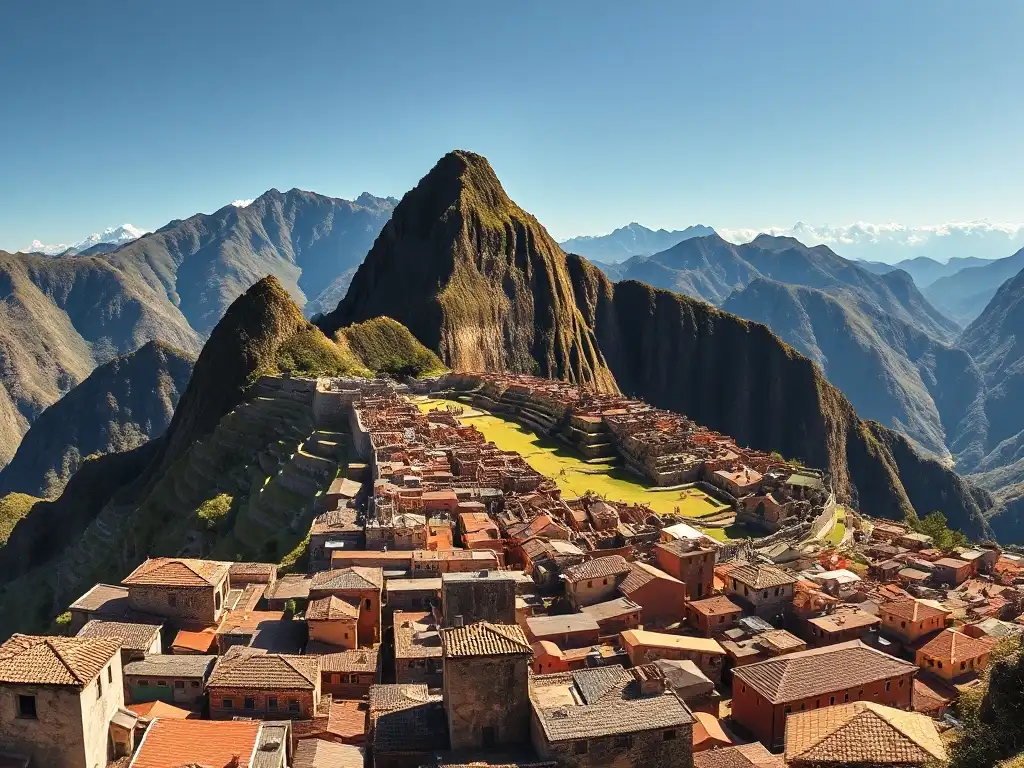
Step into a world lost to time, yet echoing with the ingenuity of a vanished empire. Imagine a city meticulously planned, a testament to astronomical knowledge and societal prowess. Uncover the secrets behind Inca city planning in Cusco, a marvel of engineering that redefined urban design. Prepare to be astonished by the intricate details and profound implications of this ancient civilization's architectural achievements – a journey into the heart of the Inca Empire awaits.
The Inca Empire, renowned for its sophisticated agricultural techniques and impressive road network, also displayed remarkable urban planning skills. This article delves into the intricate design of Inca cities, focusing particularly on Cusco, the imperial capital, and exploring the principles that guided their urban development.
We will examine how the Incas adapted their city planning to the challenging Andean terrain, incorporating elements of both practicality and symbolism to create vibrant and functional urban centers. Understanding Inca city planning provides valuable insights into their societal organization, religious beliefs, and engineering prowess, highlighting the ingenuity and complexity of this remarkable civilization.
The strategic location and layout of cities like Cusco reveal a deep understanding of environmental factors and a sophisticated approach to urban design that continues to fascinate and inspire architects and urban planners today. This exploration will uncover the key features of Inca urban planning, revealing the meticulous attention to detail and the remarkable integration of nature and architecture that defined their urban landscapes.
Cusco: The Heart of the Inca Empire
Cusco, nestled in a fertile valley of the Andes, served as the political, religious, and administrative center of the vast Inca Empire. Its design reflects a profound understanding of Andean geography and a deliberate attempt to integrate the city with its natural surroundings. The city's layout, characterized by its irregular, almost labyrinthine streets, is a departure from the grid patterns common in other ancient civilizations.
This organic structure, however, was not haphazard; rather, it was carefully planned to maximize the use of available space and to adapt to the challenging topography of the valley. The city’s streets, while seemingly chaotic at first glance, were strategically placed to optimize access to resources and to facilitate the movement of people and goods. Furthermore, the placement of significant structures, such as temples and palaces, followed a precise cosmological alignment, reflecting the Inca belief system and their deep connection with the natural world.
The use of stone, meticulously cut and fitted without mortar, further emphasizes the Inca's mastery of engineering and their commitment to creating durable and aesthetically pleasing structures. The city's impressive water management system, including intricate canals and fountains, showcases their ability to harness natural resources for the benefit of the urban population.
The basic residential unit in Inca cities was the cancha, a multi-family compound typically organized around a central courtyard. These canchas were not merely housing units; they were also the foundation of Inca social organization. The size and layout of a cancha often reflected the social status of its inhabitants, with larger and more elaborate canchas belonging to the elite.
The canchas were strategically grouped together to form neighborhoods, creating a hierarchical urban structure. This system allowed for a degree of self-sufficiency within each unit, while also maintaining a strong sense of community. The arrangement of buildings within the cancha also followed specific patterns, reflecting a deep understanding of family structures and social dynamics.
The courtyard, often featuring a small garden or water feature, served as a central gathering space for the family and its extended network. The construction of the canchas, similar to the larger city structures, utilized locally sourced materials and demonstrated the Inca’s remarkable skill in stonework.
Inca Road Networks and Urban Connectivity
The Inca road system was not just a means of transportation; it was an integral part of their urban planning strategy. These roads, stretching thousands of kilometers across the Andes, connected various cities and settlements, facilitating trade, communication, and the movement of people and resources. The roads were strategically designed to traverse challenging terrain, incorporating ingenious engineering solutions such as bridges, tunnels, and stairways. The cities themselves were strategically positioned along these road networks, often at key junctions or strategic locations.
This interconnectedness played a crucial role in maintaining the stability and cohesion of the empire. The roads were also important for the dissemination of information and the transportation of essential goods, contributing to the economic and political strength of the empire. The construction and maintenance of the road network demonstrate the Inca's organizational capacity and their commitment to infrastructure development.
Other Notable Inca Cities: Machu Picchu and Ollantaytambo
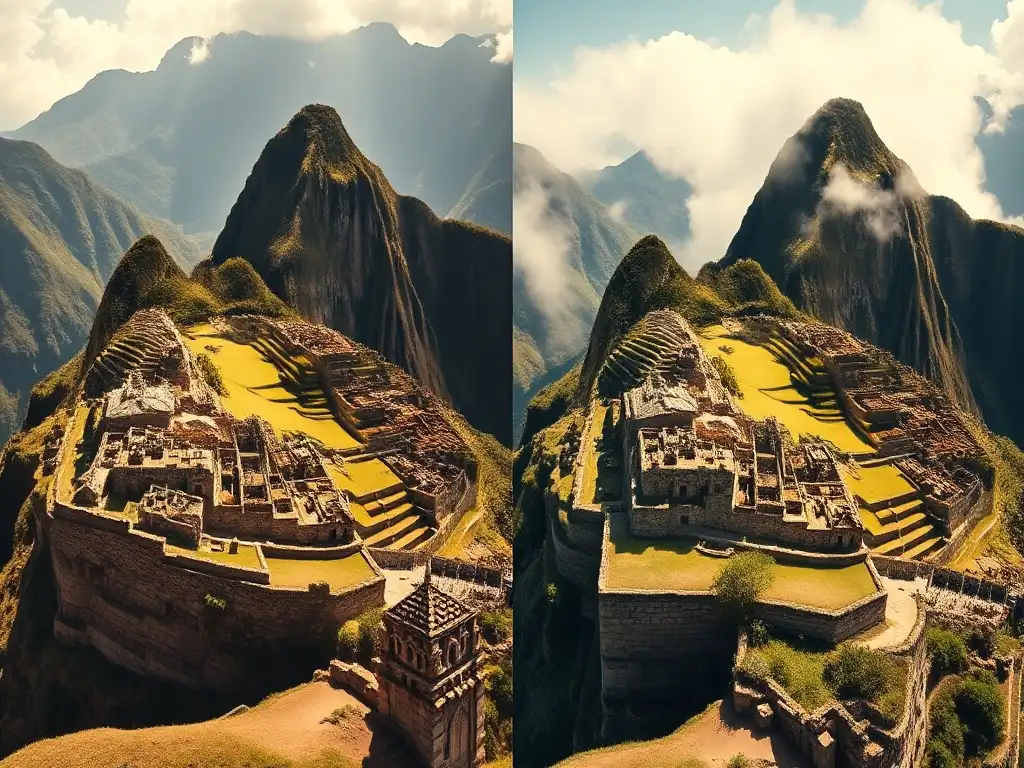
While Cusco stands as the most prominent example of Inca urban planning, other cities like Machu Picchu and Ollantaytambo also showcase the Inca's expertise. Machu Picchu, renowned for its breathtaking location and intricate architecture, demonstrates the Inca's ability to integrate urban design with the natural landscape. Its terraces, carefully constructed to maximize agricultural output, illustrate the close relationship between urban planning and agricultural practices.
Ollantaytambo, a significant military and agricultural center, exhibits a complex system of urban organization reflecting its strategic importance. Both Machu Picchu and Ollantaytambo show the adaptability of Inca urban planning to different geographical contexts and the empire's ability to create functional and aesthetically pleasing cities in diverse environments.
The meticulous construction and strategic placement of buildings in these cities are testaments to the Inca's advanced understanding of engineering and urban design. Further research into these sites continues to uncover new insights into Inca urban planning and its evolution over time.
The Legacy of Inca Urban Planning
The principles of Inca urban planning, characterized by their adaptation to the environment, integration of social structures, and emphasis on functionality and aesthetics, continue to inspire contemporary urban design. The Inca's ability to create sustainable and resilient cities within challenging landscapes offers valuable lessons for modern urban planners. The emphasis on community, resource management, and the harmonious integration of built and natural environments remains relevant in addressing contemporary urban challenges.
The enduring legacy of Inca urban planning serves as a reminder of the importance of understanding the relationship between urban design, social organization, and environmental sustainability. The study of Inca cities offers valuable insights into the creation of livable and sustainable urban environments for the future. The meticulous attention to detail and the ingenuity displayed in Inca city planning remain a source of inspiration for architects and urban planners worldwide.
- Cusco: The Heart of the Inca Empire
- The Cancha System: Residential Units and Social Organization
- Inca Road Networks and Urban Connectivity
- Other Notable Inca Cities: Machu Picchu and Ollantaytambo
- The Legacy of Inca Urban Planning
- What makes Cusco such a significant example of Inca city planning?
- How did the Inca incorporate the landscape into their city planning in Cusco?
- What were some of the key features of Inca urban planning in cities besides Cusco?
- What materials were primarily used in Inca urban planning and construction in Cusco?
- How did the Inca's city planning in Cusco differ from that of other Andean civilizations?
The Foundations of Inca Urbanism: Principles and Techniques
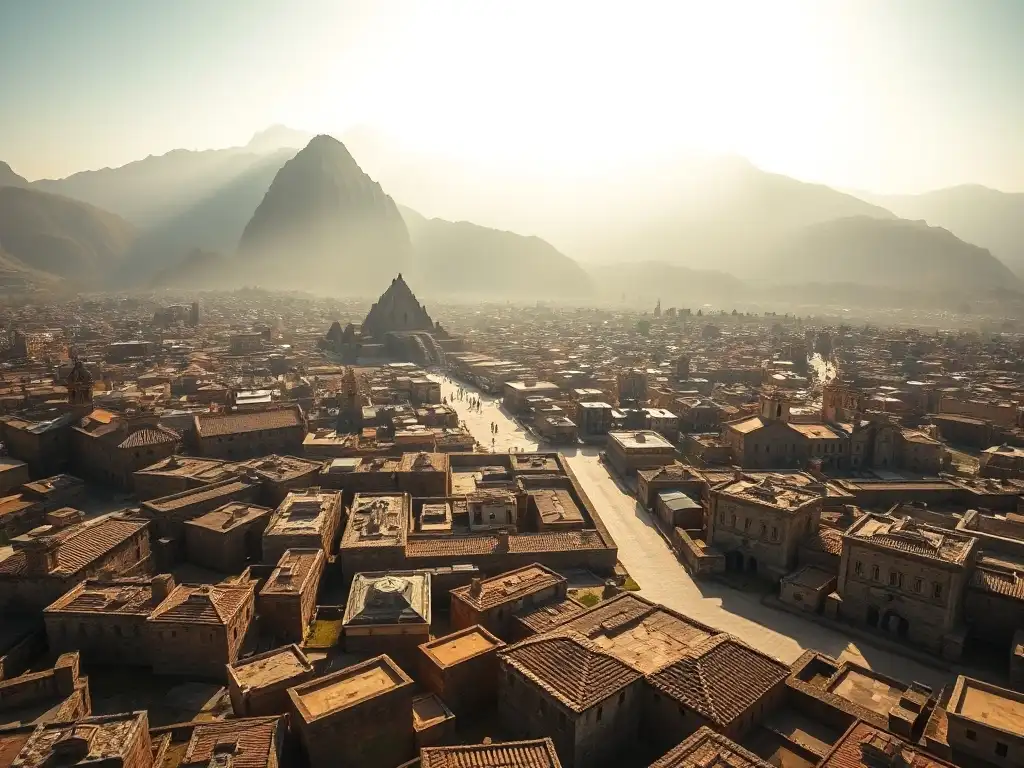
The Inca Empire, renowned for its sophisticated engineering feats, also possessed a remarkable understanding of urban planning. Their cities weren't haphazard collections of buildings; rather, they were meticulously designed reflecting a deep connection to their environment and a sophisticated understanding of social organization. Inca city planning, particularly evident in Cusco, the imperial capital, prioritized functionality, aesthetics, and symbolic representation.
This section delves into the core principles guiding Inca urban development, laying the groundwork for understanding the unique characteristics of their cities. The meticulous planning wasn't simply about practicality; it was also a powerful statement of imperial control and Andean cosmology.
Understanding Inca City Planning Principles
Inca city planning wasn't governed by rigid blueprints like those used in modern urban design. Instead, it operated on a set of flexible, adaptable principles that responded to the specific topography and needs of each location. Key principles included:
- Integration with the Landscape: Inca cities were seamlessly integrated into the surrounding terrain. Buildings were often built into hillsides or adapted to existing rock formations, minimizing environmental impact and maximizing the use of available resources. This organic approach is strikingly evident in Cusco, where buildings seem to grow organically out of the landscape.
- Centralized Planning: Despite their adaptability, Inca cities exhibited a remarkable degree of centralized planning. A primary plaza, often serving as a religious and administrative center, formed the heart of each city. From this central point, a network of roads and canals radiated outwards, connecting different neighborhoods and facilitating efficient movement of people and goods.
- Social Stratification: The layout of Inca cities clearly reflected the hierarchical social structure of the empire. The elite resided in the most desirable locations, often closest to the central plaza, while commoners lived in more peripheral areas. The size and quality of housing also varied significantly according to social status.
- Symbolic Representation: Beyond practical considerations, Inca city planning incorporated significant symbolic elements. The orientation of buildings, the use of specific materials, and the arrangement of streets all held deep cultural and religious significance. These symbolic elements reinforced the Inca worldview and strengthened the ideological foundations of the empire. For example, the positioning of temples and palaces often aligned with celestial events or significant geographical features.
The Role of Topography in Inca City Design
The Inca's mastery of Inca city planning is particularly apparent in their skillful adaptation to challenging topography. Cusco, nestled in a deep valley, serves as a prime example. The city's layout wasn't dictated by a grid system; instead, it organically followed the contours of the valley, incorporating hills, rivers, and natural features into its design. This approach resulted in a visually stunning and highly functional urban environment.
The integration with the topography wasn't merely aesthetic; it was also crucial for defense. The city's irregular layout, with its winding streets and strategically placed fortifications, made it difficult for invaders to penetrate. Furthermore, the use of natural barriers like cliffs and rivers provided additional protection. This symbiotic relationship between city design and natural landscape showcases the Inca's sophisticated understanding of both engineering and military strategy. The city's intricate network of canals and irrigation systems, expertly integrated into the hillside, further illustrates their impressive ability to manage water resources effectively within a complex urban environment.
Inca Engineering Techniques for Urban Development
The construction of Inca cities required remarkable engineering prowess. Inca builders utilized sophisticated techniques to overcome the challenges posed by the varied terrain and the need for durable structures. Key techniques included:
- Dry-stone Masonry: The Incas were masters of dry-stone masonry, a technique involving precisely fitting stones together without the use of mortar. This method, requiring exceptional skill and precision, resulted in incredibly strong and earthquake-resistant structures that have stood the test of time. The intricate interlocking of stones in Inca constructions is a testament to their advanced understanding of engineering principles.
- Terracing and Land Modification: To create level building platforms on steep slopes, the Incas employed extensive terracing techniques. This involved constructing massive retaining walls to create level areas for agriculture and construction. This monumental undertaking not only provided space for urban development but also prevented soil erosion and improved agricultural productivity.
- Canal and Irrigation Systems: The Incas developed sophisticated canal and irrigation systems to manage water resources in their cities. These systems, often carved into rock faces, efficiently channeled water to urban areas and agricultural fields, ensuring a reliable supply of water even in challenging terrains. The efficiency and durability of these systems speak volumes about their engineering capabilities. The intricate network of canals in Cusco, for example, continues to impress modern engineers with its sophistication and functionality.
The combination of these sophisticated engineering techniques and the flexible principles of urban planning resulted in the creation of remarkable cities that were not only functional and aesthetically pleasing but also deeply symbolic of Inca power and cosmology. The legacy of Inca city planning continues to inspire architects and urban planners today.
Cusco: The Imperial Capital and a Masterpiece of Inca Planning
Cusco, the former capital of the Inca Empire, stands as a testament to the sophisticated urban planning principles employed by the Inca civilization. Its design, far from haphazard, reflects a deep understanding of both practical necessities and profound cosmological beliefs. The city's layout, construction, and integration with its natural surroundings showcase Inca ingenuity and their remarkable ability to adapt their architecture to challenging terrain.
Understanding Cusco’s urban planning provides crucial insight into Inca city planning techniques and their worldview, a critical element in understanding "Inca city planning Cusco". The strategic location, chosen for its fertile valley and proximity to vital resources, was as carefully considered as the intricate arrangement of its streets and buildings.
The city's design wasn't merely functional; it was a physical manifestation of Inca cosmology, reflecting their deeply held beliefs about the universe and their place within it. This intricate blend of practicality and spirituality is what makes Cusco such a fascinating example of Inca urban planning.
The Layout of Cusco: A City Shaped by Cosmovision
The layout of Cusco wasn't arbitrary; it was meticulously planned to mirror the Inca worldview. The city's design is often described as resembling a puma, a sacred animal in Inca mythology. The head of the puma is represented by the Huacaypata (main square), while the body extends along the valley, with the tail curving towards the Sacsayhuamán fortress.
This symbolic representation highlights the profound integration of religious beliefs and urban planning. Furthermore, the city's streets, arranged in a grid-like pattern in many areas, were not uniformly straight. Instead, they followed the contours of the land, creating a complex network of pathways that adapted organically to the challenging Andean terrain.
This adaptive approach demonstrates a remarkable understanding of engineering and a deep respect for the natural environment, key aspects often overlooked in discussions of "Inca city planning Cusco". The use of kanchas, or residential compounds, further exemplifies this organic approach, with their layout often influenced by the specific topography of their location.
The city's orientation also played a significant role in its design. Specific buildings and streets were aligned with celestial events, such as solstices and equinoxes, signifying the importance of astronomical observations in Inca culture. This careful alignment underscores the profound connection between the Incas' understanding of the cosmos and their approach to urban planning.
The integration of the natural landscape into the city's design is another remarkable feature. The use of natural features, such as hills and rivers, in the city's overall layout demonstrates the Incas' ability to seamlessly blend their urban environment with the surrounding landscape. This approach to city planning is rarely seen in other ancient civilizations and contributes significantly to the unique character of Cusco.
The Sacred Center of Cusco: Huacaypata and Coricancha
The heart of Cusco's urban planning lies in its sacred center, dominated by the Huacaypata (main square) and the Coricancha (Temple of the Sun). Huacaypata served as the central point of civic and religious life, a space for ceremonies, markets, and public gatherings. Its location, strategically placed within the puma-shaped layout, reinforces its importance as the symbolic heart of the city.
The Coricancha, located adjacent to the Huacaypata, was the most important temple in the Inca Empire. Its construction, with its meticulously crafted stonework and intricate gold ornamentation, showcases the sophistication of Inca artistry and engineering. The temple's location, immediately adjoining the main square, highlights the close relationship between religious and secular life in Inca society.
The proximity between the Huacaypata and Coricancha emphasizes the central role of religion in Inca society and its profound influence on urban planning. The meticulous planning and execution of these structures are a testament to the advanced organizational abilities of the Inca Empire and are crucial elements when searching for information on "Inca city planning Cusco".
The careful placement and design of these structures served not only practical purposes but also symbolic ones, reflecting the Inca's deep-seated spiritual beliefs. The alignment of these structures with celestial bodies further underscores the importance of astronomy in Inca culture and its role in shaping the city's design.
The grandeur and complexity of these structures highlight the significant resources and manpower dedicated to the construction, reflecting the high value placed on religious and ceremonial spaces within the Inca urban landscape. The impressive scale and intricate details of the Coricancha, in particular, reveal a level of architectural and engineering skill that was unmatched in the Andes at the time.
Key Architectural Features of Cusco: Plaza, Palaces, and Temples
Beyond the central plaza and temple, Cusco's urban fabric is characterized by a series of smaller plazas, palaces, and temples, each carefully integrated into the city's overall design. These structures, built using the characteristic Inca technique of precisely fitted stones, demonstrate a remarkable mastery of stonework. The palaces, such as the Qorikancha (Temple of the Sun) and the Q'eswachaka Bridge, housed the Inca royalty and administrative officials.
Their design often incorporated elements of both religious and secular functions, reflecting the close intertwining of these aspects of Inca life. The temples, dedicated to various deities, were carefully integrated into the urban layout, often situated in prominent locations to maximize their visibility and impact.
The use of qollqas (storage facilities) strategically placed throughout the city ensured efficient food and resource distribution. This logistical aspect of Inca urban planning is often overlooked, yet crucial to the city's functionality and self-sufficiency. The intricate network of pathways and stairways that connected different parts of the city facilitated both pedestrian and animal traffic, demonstrating a thoughtful approach to urban infrastructure.
The combination of these architectural features—plazas, palaces, temples, and storage facilities—created a dynamic and functional urban environment that reflected the sophistication of Inca society and their capacity for large-scale construction projects. This sophisticated integration of functionality and aesthetics is a hallmark of Inca city planning and a significant factor when researching "Inca city planning Cusco". The precise construction and careful planning evident in these structures continue to inspire awe and admiration, offering valuable insights into the advanced civilization that once thrived in the Andes.
The Significance of Cusco's Urban Design in the Inca Empire
Cusco's urban design wasn't merely a practical arrangement of buildings; it held profound symbolic and political weight within the Inca Empire. The city's layout, meticulously planned and executed, served as a powerful statement of Inca imperial authority and cosmological beliefs. Its strategic location in a fertile valley, nestled amongst towering mountains, was itself a testament to Inca mastery over their environment and their understanding of the landscape's spiritual significance.
The carefully orchestrated placement of buildings, plazas, and pathways reflected a sophisticated understanding of urban planning principles far ahead of its time. This wasn't simply a matter of functionality; it was a deliberate design intended to project power, control, and a deep connection to the Inca worldview. The city's very structure reinforced the emperor's divine right to rule and the empire's cosmological order.
The careful alignment of streets with celestial bodies, for example, wasn't coincidental; it demonstrated the Inca's profound astronomical knowledge and their belief in the interconnectedness of the earthly and celestial realms. This intentional integration of astronomy and urban planning further cemented Cusco's role as the sacred heart of the Inca Empire. The city's design, therefore, was not just about physical space; it was a powerful instrument of cultural and political control, a tangible manifestation of Inca ideology and power.
The meticulous planning evident in Cusco's design extended beyond its symbolic importance. The city's infrastructure, including its sophisticated water management systems and intricate network of roads, showcased the Inca's remarkable engineering prowess. These practical elements were essential for supporting a large population and maintaining the empire's stability.
The efficient distribution of water, for instance, ensured the city's continued prosperity and prevented shortages, a critical factor in a region subject to varying climatic conditions. This level of infrastructural sophistication underscores the Inca's understanding of urban planning as not just a symbolic endeavor, but also a crucial element of effective governance and social stability. The integration of these practical and symbolic aspects demonstrated the Inca's holistic approach to city planning, which prioritized both the spiritual and material well-being of the empire.
The sophisticated water management systems, for instance, were not merely practical; they were also symbolic of the Inca's ability to control and harness the natural world, further reinforcing their divine mandate. The harmonious blend of the practical and symbolic in Cusco's urban design is a testament to the Inca's sophisticated understanding of urban planning and its multifaceted role in maintaining imperial power.
Furthermore, the impact of Cusco's urban design extended far beyond the city's boundaries. The principles of Inca urban planning, as exemplified in Cusco, were replicated, albeit on a smaller scale, in other Inca cities and settlements throughout the empire. This standardization reflected the Inca's centralized administrative structure and their desire to project imperial power and cultural uniformity across their vast territories.
The consistent application of these design principles across diverse geographical settings demonstrates the Inca's sophisticated organizational capacity and their ability to adapt their planning strategies to different environments. This imperial standardization, facilitated by the sophisticated road network, ensured the efficient administration and control of the vast empire. The consistency in urban design served as a visual reminder of the empire's unity and the emperor's absolute authority.
Thus, Cusco's urban design served as a model and a blueprint for urban development across the Inca Empire, solidifying its status as the imperial capital and a symbol of Inca power and cultural identity. The legacy of Cusco's urban planning continues to inspire awe and admiration, showcasing the remarkable achievements of Inca civilization and their profound understanding of urban design as a tool for both practical governance and symbolic representation of imperial power.
Inca City Planning Beyond Cusco: Regional Variations
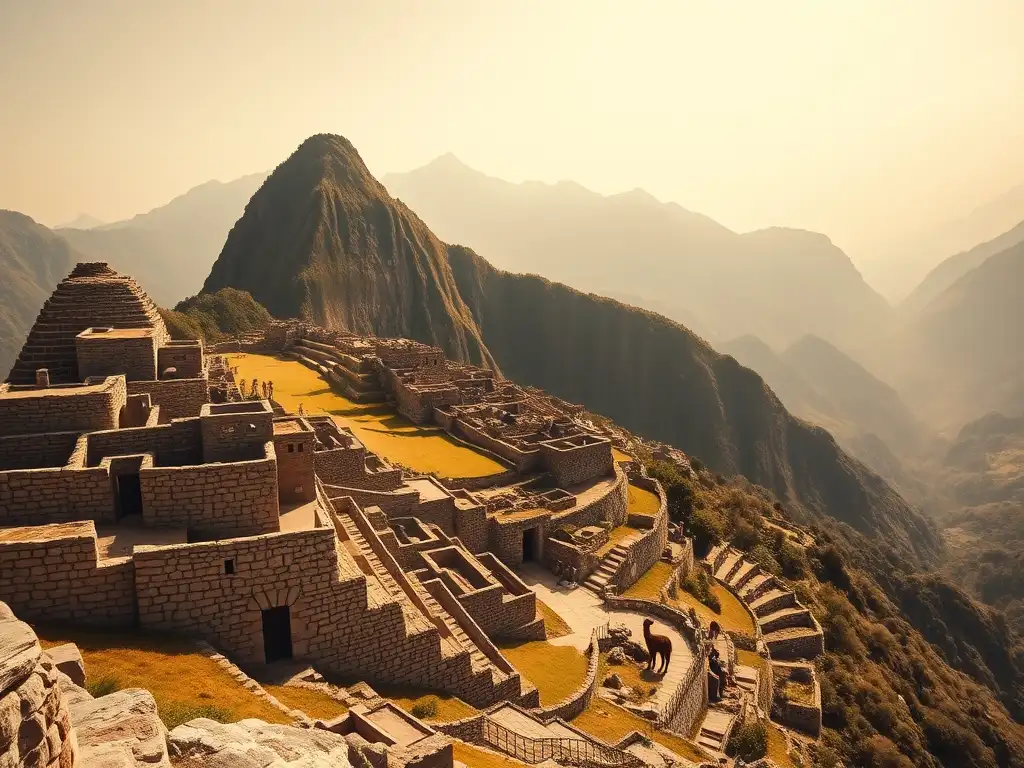
The Inca Empire's urban planning prowess extended far beyond the capital city of Cusco. While Cusco served as the administrative and ceremonial heart, other urban centers throughout the empire reflected a remarkable adaptability in design, reflecting both the unique geography and the specific needs of each region. Inca city planning wasn't a monolithic system; instead, it was a flexible approach tailored to diverse environments and purposes.
This adaptability is evident when comparing Cusco's layout with cities like Ollantaytambo, Machu Picchu, and Pisac. Each city showcases a nuanced approach to urban design, highlighting the Inca's sophisticated understanding of engineering, agriculture, and spiritual beliefs.
The integration of these elements into the urban fabric demonstrates a remarkable level of planning and foresight, solidifying their reputation as master city planners. This section will explore the unique characteristics of three such cities, examining how their designs reflect regional variations within the broader framework of Inca urban planning.
Ollantaytambo: A Fortified City with Agricultural Terraces
Ollantaytambo, situated in the Sacred Valley, stands as a testament to Inca military engineering and agricultural ingenuity. Unlike Cusco's relatively flat layout, Ollantaytambo is built into a steep hillside, necessitating a complex system of interconnected terraces. These terraces weren't merely agricultural features; they were integral to the city's defense and urban organization. The agricultural terraces provided food security, while their strategic placement along the slopes created natural defensive positions. The city's layout features narrow, winding streets, further enhancing its defensive capabilities.
The intricate network of canals and irrigation systems that crisscrossed the terraces showcased a sophisticated understanding of water management. This system ensured a reliable water supply for both agricultural production and domestic use, a crucial aspect of Inca urban planning, particularly in a mountainous region. The impressive stonework of Ollantaytambo, renowned for its precision and scale, is another key feature.
The massive stones used in the construction of the temple and fortress walls are a testament to Inca mastery of stonework and their ability to adapt their building techniques to the challenging terrain. The integration of defensive structures within the agricultural terraces demonstrates the seamless blending of military and agricultural needs in Ollantaytambo's urban planning.
Machu Picchu: A Royal Estate and its Urban Layout
Machu Picchu, often referred to as the "Lost City of the Incas," presents a unique case study in Inca urban planning. Unlike Ollantaytambo or Cusco, Machu Picchu wasn't primarily a large urban center; it was more likely a royal estate or a sacred retreat. Its urban layout reflects this distinct purpose. The city is characterized by a relatively small population, with structures meticulously arranged across the mountain ridges. While the agricultural terraces are present, they are less extensive than in Ollantaytambo, suggesting a focus on supporting a smaller, elite population rather than large-scale food production for a wider community.
The urban planning of Machu Picchu prioritized the integration of the city with its natural surroundings. Buildings were strategically placed to maximize views of the surrounding landscape, and the terraces were carefully integrated into the mountain slopes. This harmonious relationship between the built environment and the natural landscape is a key feature of Machu Picchu's urban design.
The sophisticated water management system, including intricate fountains and baths, further underscores the sophisticated planning that went into the creation of this remarkable site. The layout, with its distinct residential, agricultural, and religious zones, reveals a clear hierarchical structure, reflecting the city's likely role as a royal retreat or a sacred center. The impressive precision of the stonework, though smaller in scale than Ollantaytambo, maintains the characteristic Inca quality of craftsmanship.
Pisac: A City with Religious and Agricultural Significance
Pisac, another city located in the Sacred Valley, presents a fascinating example of Inca urban planning that blends religious significance with agricultural functionality. The city is situated on a series of terraces that cascade down a steep hillside, much like Ollantaytambo. However, Pisac's layout reveals a stronger emphasis on religious structures and ceremonial spaces. The city boasts a significant number of temples and ritual sites, integrated seamlessly into the urban fabric. These structures are strategically positioned to take advantage of the natural features of the landscape, such as rock formations and viewpoints.
The agricultural terraces in Pisac, though vital for food production, appear more closely integrated with the religious aspects of the city. Some terraces may have been used for ritual agricultural practices, while others served primarily as agricultural land. This integration of religious and agricultural elements is a defining characteristic of Pisac's urban design.
The intricate network of canals and irrigation channels, similar to those found in other Inca cities, ensured a reliable water supply for both agricultural and ritual purposes. The stonework, while perhaps less monumental than in other cities, demonstrates the consistent high quality of Inca craftsmanship throughout the empire. The careful integration of religious and agricultural elements in Pisac highlights the interconnectedness of these aspects in Inca society and their influence on urban planning.
Comparing Inca Urban Design in Different Locations
Inca urban planning, while exhibiting remarkable consistency across its vast empire, also reveals fascinating regional variations. The standardized elements—such as the use of cancha (residential units) and the integration of agricultural terraces—were adapted to diverse geographical contexts. Cusco, situated in a valley, presents a different urban layout than cities built on coastal plains or high-altitude plateaus.
For example, the orientation of buildings and the layout of streets, while often aligned with cardinal directions (a common Inca practice reflecting their cosmological beliefs), would be modified to best utilize available space and resources in each location. The materials used in construction also varied considerably: Cusco, with its readily available stone, boasts impressive stonework, while coastal cities may have utilized more adobe or other locally available materials. This adaptability underscores the Inca's sophisticated understanding of engineering and their ability to tailor their urban designs to specific environmental conditions.
The differences aren't merely aesthetic; they reflect functional adaptations. Coastal cities, for instance, often incorporated features designed to mitigate the effects of coastal weather patterns, such as strong winds or potential flooding. High-altitude settlements, on the other hand, would prioritize features that provided protection from extreme cold and harsh weather.
This practical approach to urban design, combined with the consistent application of core principles, resulted in a diverse yet unified urban landscape across the Inca empire. Understanding these regional variations offers crucial insights into the Inca's ingenious approach to city planning and their remarkable ability to adapt to diverse environments while maintaining a coherent imperial identity. Further research into specific examples of regional variations, such as comparing the urban layout of Ollantaytambo with that of Machu Picchu, could reveal even more nuanced aspects of Inca urban planning practices.
The strategic placement of cities, often along important trade routes or near essential resources, also highlights the sophisticated logistical planning that underpinned Inca urban development. These factors, considered together, showcase the complex interplay between standardized design elements and adaptive regional responses in Inca urban planning. Careful study of surviving archaeological remains, coupled with analysis of ethnohistorical accounts, continues to shed light on this fascinating aspect of Inca civilization.
Elements of Inca Urban Planning: Common Features
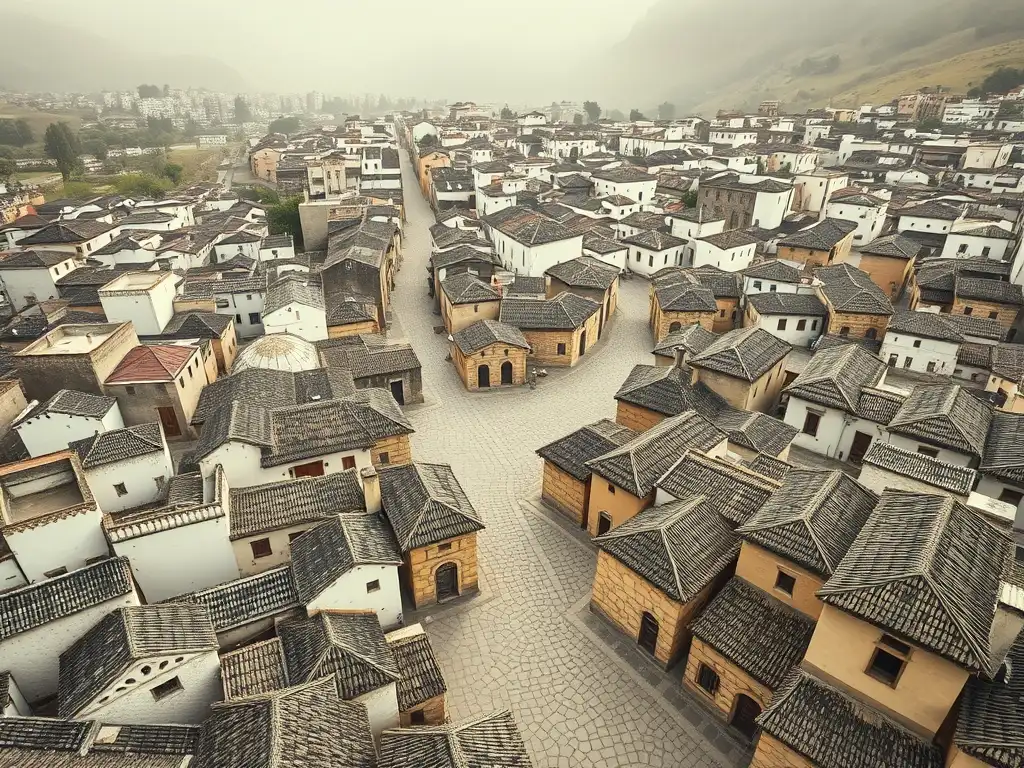
Inca city planning, particularly evident in Cusco, reveals a sophisticated understanding of urban design principles. Their approach wasn't merely about creating functional spaces; it was about integrating architecture with the natural environment, reflecting their deep spiritual beliefs and societal structures. The careful placement of buildings, the meticulous use of stone, and the ingenious water management systems all contributed to the unique character of Inca cities.
Understanding Inca city planning requires appreciating the interconnectedness of these elements and their role in creating vibrant, resilient urban centers. This section will delve into some key features common across many Inca cities, using Cusco as a prime example. The keyword "Inca city planning Cusco" is central to our understanding of this remarkable civilization's urban achievements.
The Use of Stone in Inca Construction
The mastery of stonework is a hallmark of Inca architecture. Inca builders didn't simply use stone; they sculpted it. Precisely cut blocks, fitted together without mortar, created structures of astonishing durability and aesthetic beauty.
This technique, known as ashlar masonry, is clearly visible in the walls of Cusco, where massive stones interlock with remarkable precision. The quality of the stonework varied depending on the location and function of the building, with the most elaborate craftsmanship reserved for significant religious or administrative structures. For example, the walls of Sacsayhuamán, a fortress overlooking Cusco, showcase colossal stones, some weighing many tons, flawlessly fitted together.
The Inca's ability to transport and manipulate these enormous stones remains a subject of ongoing study and fascination, highlighting their advanced engineering capabilities. This skilled use of stone was not limited to Cusco; cities like Machu Picchu and Ollantaytambo also demonstrate this impressive expertise, showcasing the widespread application of this sophisticated technique throughout the Inca Empire. The precision and scale of Inca stonework represent a significant advancement in construction technology, contributing significantly to the longevity and impressive appearance of their cities.
The Importance of Water Management in Inca Cities
Water was a precious resource in the Andean highlands, and Inca city planning prioritized its efficient management. Intricate systems of canals, aqueducts, and fountains channeled water from mountain springs and rivers into urban areas. These systems not only provided drinking water but also served agricultural and ceremonial purposes.
In Cusco, for instance, the Q'enqo site features a complex network of water channels and reservoirs, demonstrating the sophistication of Inca hydraulic engineering. The design of these systems often incorporated ingenious techniques to regulate water flow and prevent erosion. Furthermore, the integration of water features into the urban landscape itself was a significant aspect of Inca urban design.
Fountains and strategically placed water channels were not only functional but also had symbolic significance, reflecting the importance of water in Inca cosmology and daily life. The efficiency and artistry of Inca water management systems underscore their profound understanding of hydrology and their ability to create sustainable urban environments, even in challenging geographical conditions. Their advanced understanding of water management is a testament to their practical ingenuity and their deep connection to the natural world.
Inca Roads and Communication Networks Connecting Cities
The Inca road system, a marvel of engineering, played a crucial role in connecting their cities. These roads, stretching thousands of kilometers across diverse terrains, facilitated trade, communication, and the movement of troops. The network wasn't simply a collection of paths; it was a strategically planned system, with well-maintained roads and strategically placed relay stations (tambos) providing rest and supplies for travelers.
Cusco, as the capital, served as a central hub in this extensive network. The construction of these roads involved sophisticated techniques, including terracing, bridging, and the use of durable materials adapted to local conditions. This network allowed for the efficient flow of information and goods throughout the empire, contributing to its political and economic stability.
The Inca road system is a testament to their organizational skills and their ability to overcome significant engineering challenges in order to create a unified and effectively governed empire. The strategic placement of cities along these roads further highlights the planned nature of Inca urban development, emphasizing the importance of communication and connectivity in their imperial structure. The road system's efficiency and scale remain a remarkable achievement in ancient engineering.
Inca city planning wasn't merely a matter of aesthetics; it was a sophisticated system deeply intertwined with the empire's social and administrative structure. The layout of cities like Cusco, the Inca capital, directly reflects the hierarchical nature of Inca society. The placement of key buildings, such as the qorikancha (Temple of the Sun) and the royal palaces, at the heart of the urban core, emphasizes the supreme authority of the Sapa Inca and the elite.
This central location ensured easy access for the emperor and facilitated control over religious ceremonies and state affairs. The radiating streets emanating from this central point further reinforced this hierarchical structure, with the importance of a district often correlating with its proximity to the center.
The meticulous organization extended beyond the placement of major buildings. The division of the city into distinct barrios or neighborhoods, each with its own specific function—residential, agricultural, craft production, or religious—demonstrates a highly organized social structure. This segregation wasn't arbitrary; it aimed to optimize efficiency and maintain social order.
For example, areas dedicated to craft production were strategically located near the necessary resources and transportation routes, minimizing logistical challenges. Similarly, residential areas were often organized according to social standing, with the elite residing closer to the center and commoners further out. This spatial arrangement mirrored the social hierarchy and facilitated the smooth functioning of the empire's administrative apparatus.
Furthermore, the integration of agricultural terraces and irrigation systems within the urban fabric highlights the Inca's focus on self-sufficiency and resource management. These elements weren't simply added as an afterthought; they were integral parts of the city's design, reflecting the importance of agriculture in Inca society and the state's role in ensuring food security. The careful planning of agricultural areas within the city limits minimized transportation costs and ensured a reliable food supply for the urban population.
This integration of urban and agricultural spaces underscores the holistic approach to city planning adopted by the Inca, where social, administrative, and economic considerations were seamlessly interwoven. The city wasn't just a place of residence; it was a living organism, carefully designed to support the complex social and administrative machinery of the Inca Empire.
The meticulous organization of Cusco and other Inca cities serves as a testament to the sophistication of their urban planning and its close relationship with their social and political structures. This sophisticated approach to urban planning, deeply rooted in Inca social and administrative organization, is a key aspect of understanding Inca city planning and its lasting legacy.
The Legacy of Inca Urban Planning
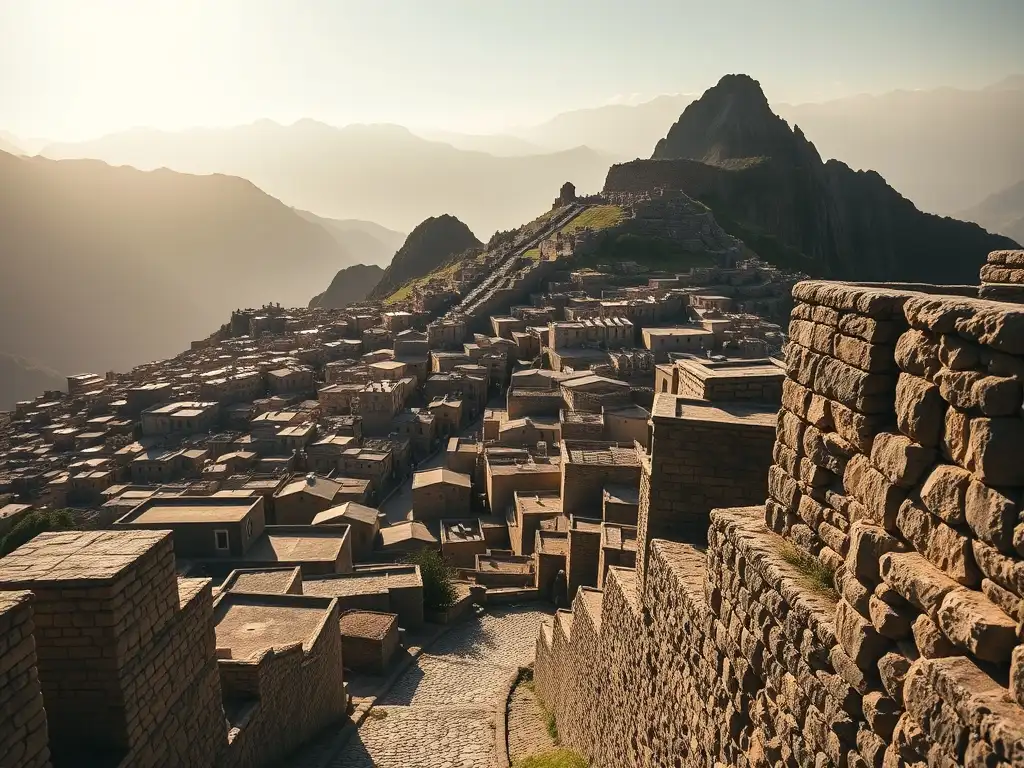
The Inca Empire, renowned for its sophisticated infrastructure and intricate social organization, left behind a remarkable legacy in urban planning. Their cities, meticulously designed and strategically located, stand as testaments to their advanced understanding of urban design principles.
While much of their knowledge was passed down orally and through practical application, the surviving structures and archaeological evidence reveal a deep understanding of environmental factors, social needs, and practical considerations that continue to inspire awe and study today. The meticulous planning evident in cities like Cusco, Ollantaytambo, and Machu Picchu showcases a sophisticated approach to urban development that prioritized both functionality and aesthetics.
This section delves into the enduring influence of Inca urban planning, exploring its impact on modern Andean cities and the ongoing efforts to preserve this invaluable heritage. The keyword "Inca city planning Cusco" is central to this discussion, as Cusco serves as a prime example of Inca urban design principles.
Influence of Inca Architecture on Modern Andean Cities
The impact of Inca architecture and urban planning on modern Andean cities is undeniable. Many contemporary Andean cities retain elements of Inca urban design, particularly in their street layouts and the integration of natural landscapes into urban spaces. Cusco, for instance, still retains its characteristic Inca grid pattern, with streets that follow the contours of the terrain, a testament to the Inca's mastery of adapting their designs to the surrounding environment.
Even today, new construction often incorporates traditional Inca building techniques and materials, blending modern needs with the aesthetic and structural qualities of Inca architecture. The preservation of these elements not only contributes to the cultural identity of Andean cities but also reflects a deep appreciation for the sustainability and resilience of Inca urban design principles. Furthermore, the use of local materials and traditional building techniques in modern constructions minimizes environmental impact, echoing the Inca's focus on harmony with nature.
This integration of traditional and contemporary design creates a unique urban landscape, reflecting both the rich history and the vibrant present of Andean cities. The ongoing research into Inca building techniques also informs sustainable building practices, furthering the legacy of Inca city planning Cusco and beyond.
Preserving the Heritage of Inca Urban Design
The preservation of Inca urban design presents a significant challenge, requiring careful balancing of historical preservation with the needs of modern urban development. The delicate task involves meticulously documenting existing structures, implementing responsible conservation techniques, and engaging local communities in the preservation efforts. Archaeological research continues to uncover new insights into Inca city planning, providing valuable information for informed decision-making in restoration and preservation projects.
For example, detailed mapping of Cusco's intricate network of canals and water management systems has informed modern efforts to improve the city's water infrastructure. Additionally, the development of sustainable tourism practices is crucial for preserving Inca heritage sites, ensuring that the influx of visitors does not compromise the integrity of these precious historical landmarks. The challenge lies in creating a balance between protecting these irreplaceable historical assets and allowing for the growth and development of the cities that house them.
The goal is not only to preserve the physical structures but also to safeguard the cultural legacy and the knowledge embedded within Inca urban planning. Preservation efforts in Cusco, in particular, are crucial due to its significant role as a showcase of Inca city planning.
Lessons from Inca City Planning for Contemporary Urbanism
Inca city planning offers valuable lessons for contemporary urbanism, particularly regarding sustainability, resilience, and social equity. The Inca's masterful integration of urban spaces with their natural surroundings provides a model for environmentally conscious urban design. Their sophisticated water management systems, efficient use of resources, and integration of agriculture into urban landscapes highlight the importance of sustainable urban planning practices.
Furthermore, the Inca's focus on community building and social equity provides inspiration for creating inclusive and equitable urban environments. Their urban design prioritized accessibility and created spaces for social interaction and community engagement, contributing to a cohesive and thriving society. Analyzing Inca city planning, particularly in Cusco, reveals principles that can be applied to contemporary urban challenges, such as managing population growth, improving infrastructure, and promoting social cohesion.
By studying the Inca’s approach to urban design, we can gain insights into creating more sustainable, resilient, and equitable cities for the future. The principles of Inca city planning Cusco exemplify this, offering a wealth of knowledge applicable to modern urban planning globally.
Conclusion: The Enduring Impact of Inca Urban Planning
The meticulous urban planning employed by the Inca Empire stands as a testament to their sophisticated understanding of engineering, social organization, and environmental adaptation. Cusco, the capital, serves as the quintessential example, showcasing a complex network of strategically placed streets, meticulously designed plazas, and intricately integrated infrastructure.
This wasn't merely a matter of aesthetics; the Inca's city planning was deeply intertwined with their worldview, reflecting a profound connection to the Andean landscape and a highly centralized political system. Their approach to urban design, characterized by its functionality, resilience, and adaptability to the challenging terrain, offers valuable lessons for contemporary urban planning, particularly in addressing issues of sustainability and community development.
The legacy of Inca city planning continues to resonate today, influencing not only our understanding of ancient civilizations but also informing modern approaches to urban design and environmental stewardship. The intricate networks of qhapaq ñan, the Inca road system, further exemplifies this sophisticated approach to integration and connectivity, highlighting the empire's remarkable ability to manage and control vast territories.
The Ingenuity of Inca City Planners
The Inca's mastery of urban planning wasn't accidental; it was the result of generations of accumulated knowledge and practical experience. Their understanding of hydrology was particularly impressive, as evidenced by the sophisticated irrigation systems that supported their agricultural production and supplied water to their urban centers. The integration of water channels and fountains into the urban fabric of Cusco not only served a practical purpose but also held symbolic significance, reflecting the Inca's reverence for water as a sacred element. Furthermore, the Inca's ability to adapt their building techniques to the challenging Andean topography is remarkable.
They skillfully employed techniques like terracing and retaining walls to create level building platforms on steep slopes, demonstrating a deep understanding of structural engineering and geotechnical principles. This ingenuity allowed them to maximize usable land and create visually stunning urban landscapes. The use of locally sourced materials, such as stone and adobe, further highlights their sustainable approach to construction. Analysis of Inca construction techniques reveals a level of precision and craftsmanship that continues to inspire awe and admiration today.
For example, the precise fitting of stones in many Inca structures, with minimal use of mortar, showcases an advanced understanding of stonework. The integration of these elements – water management, adaptable construction, and sustainable material use – demonstrates the comprehensive and holistic nature of Inca city planning. Their urban designs weren't just functional; they were aesthetically pleasing and deeply symbolic, reflecting the Inca worldview and their strong connection to the Andean environment.
Future Research and Exploration of Inca Urbanism
Despite significant advancements in our understanding of Inca urban planning, much remains to be discovered. Further research is needed to fully understand the social and political implications of Inca urban design, particularly concerning the relationship between urban planning and social stratification. Detailed studies of surviving urban centers beyond Cusco, such as Ollantaytambo and Machu Picchu, are crucial to expand our understanding of regional variations in Inca urbanism and the adaptability of their planning principles to diverse environments.
Advanced technologies, such as LiDAR scanning and GIS mapping, offer new opportunities to uncover hidden aspects of Inca cities, revealing the extent of their urban infrastructure and providing a clearer picture of their urban layouts. Moreover, interdisciplinary research involving archaeologists, anthropologists, and urban planners can provide valuable insights into the practical application of Inca principles in contemporary urban design. For instance, the Inca's focus on sustainability and community integration could inform the development of more resilient and equitable urban environments.
By combining traditional archaeological methods with cutting-edge technologies and interdisciplinary collaboration, we can unlock further secrets of Inca urbanism and glean valuable lessons for shaping sustainable and thriving cities in the 21st century. This continued exploration will not only deepen our understanding of the Inca Empire but also contribute to innovative approaches to urban planning and design for the future. The potential for discoveries related to Inca city planning and its lasting impact is immense, promising exciting new insights into this fascinating aspect of Andean civilization.
Frequently Asked Questions
What makes Cusco such a significant example of Inca city planning?
Cusco's design is remarkable for its complex network of streets, perfectly integrated with the surrounding landscape, and its impressive urban layout. Its planning reflects advanced Inca understanding of urban organization and environmental adaptation.
How did the Inca incorporate the landscape into their city planning in Cusco?
The Inca masterfully adapted Cusco's irregular terrain, using terraces and retaining walls to create level building platforms. This integration with the natural environment is a hallmark of their architectural prowess.
What were some of the key features of Inca urban planning in cities besides Cusco?
Other Inca cities, like Machu Picchu, also displayed sophisticated planning, featuring carefully placed buildings, irrigation systems, and strategic defensive positions. These elements were adapted to each city's specific environment.
What materials were primarily used in Inca urban planning and construction in Cusco?
The Incans primarily used stone for their construction, meticulously cutting and fitting the blocks to create strong and durable structures. Their mastery of stonework is evident in Cusco's surviving architecture.
How did the Inca's city planning in Cusco differ from that of other Andean civilizations?
While other Andean civilizations like the Moche and Nazca also displayed impressive urban planning, the Inca's approach stood out for its scale, complexity, and integration of infrastructure across vast distances, showcasing their advanced empire-wide planning.
Final Reflection: Echoes of Empire: Cusco's Enduring Legacy
The ingenious urban planning of the Inca Empire, particularly evident in Cusco, remains a testament to their sophisticated understanding of engineering, social organization, and environmental harmony. This isn't just ancient history; understanding their methods offers valuable insights into sustainable city design and resource management, challenges we grapple with intensely today. The principles of integration with the landscape, efficient infrastructure, and community-centric design are more relevant than ever in our rapidly urbanizing world.
The impact of Inca urban planning extends far beyond the physical structures of Cusco and other cities; it resonates in the cultural identity and social fabric of modern Peru. Their innovative approach to city design, prioritizing accessibility and community, continues to shape how people interact with their environment and each other. The city is not merely a collection of buildings, but a living organism, reflecting the spirit and aspirations of its people.
This sentiment, though not directly from an Inca source, perfectly captures the essence of their urban vision, a vision that continues to inspire awe and admiration.
Consider the ingenuity of their water management systems, the strategic placement of buildings to maximize sunlight and minimize seismic risk, and the intricate network of roads connecting their vast empire. These are not merely historical curiosities; they are lessons in sustainable development, resilience, and community building. You, the reader, are now equipped with a deeper understanding of this remarkable civilization's achievements. Let this knowledge inspire you to consider how we can build more sustainable, equitable, and resilient cities for the future, drawing inspiration from the enduring legacy of Inca urban planning.
Unveil the Secrets of Inca Urban Planning!
Thank you for exploring the fascinating world of Inca urban planning! We hope you've discovered the ingenuity behind the design of Cusco and other Inca cities. Now, let's put your newfound knowledge to work!
Here are some ways to further explore and engage with this incredible subject:
- **Visit** the architectural marvels of Inca cities in person or virtually—perhaps plan a trip to Cusco or take an online tour.
- **Share** your insights with friends, family, or on social media. Discuss how these ancient designs continue to impact modern urban planning.
- **Join** a community or forum dedicated to ancient civilizations, and contribute your knowledge or ask questions about Inca architecture.
What aspect of Inca urban planning do you find most captivating, and how do you see its influence on today's cities?