
The Role of Myths in Shaping Andean Culture and Beliefs

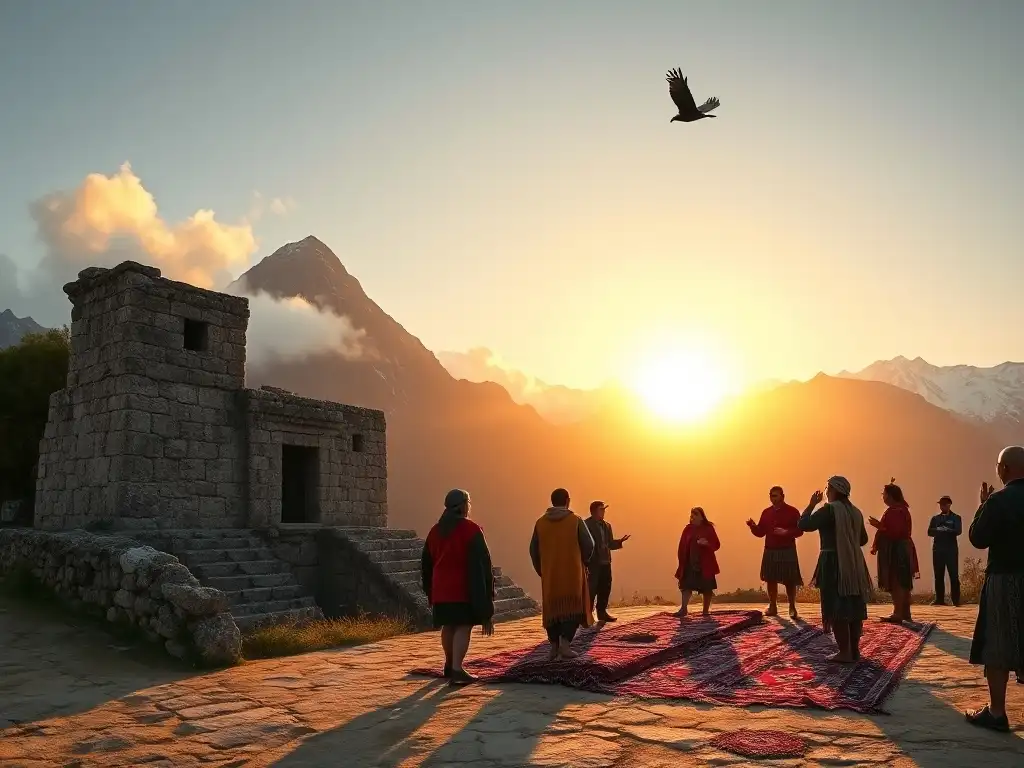
Unravel the mysteries of the Andes! Journey through time and discover how ancient Andean myths profoundly shaped the vibrant cultures of the Incas, Moche, Nazca, and Tiahuanaco. Were these captivating stories mere tales, or did they hold the keys to understanding their advanced civilizations and enduring legacy? Dive into the fascinating world of Andean myths' cultural impact and uncover the secrets woven into the fabric of their society. Prepare to be amazed.
- The Profound Influence of Andean Myths on Culture and Beliefs
- Andean Myths: Shaping Cultural Identity
- The Impact of Andean Myths on Religious Practices
- Andean Myths and Their Cultural Impact on Art and Traditions
- Exploring Specific Andean Myths and their Cultural Resonance
- Andean Myths: A Living Heritage
-
Frequently Asked Questions
- What is the significance of myths in Andean cultures?
- How did Andean myths influence the daily lives of people?
- What are some examples of influential Andean myths?
- How did Andean myths impact the art and architecture of these cultures?
- What is the lasting impact of Andean myths on contemporary Andean cultures?
- Final Reflection: The Enduring Power of Andean Myths
- Unveil the Power of Myths in Andean Heritage!
The Profound Influence of Andean Myths on Culture and Beliefs
Andean cultures, encompassing a vast tapestry of civilizations including the Incas, Moche, Nazca, and Tiahuanaco, weren't solely defined by their impressive architectural feats or sophisticated agricultural techniques. Their worldview, social structures, and daily lives were profoundly shaped by a rich and complex system of myths and legends. These narratives, passed down through generations via oral tradition and intricate artwork, provided a framework for understanding the cosmos, their place within it, and the very nature of existence.
This article delves into the significant role Andean myths played in shaping cultural identity, beliefs, and practices, exploring how these stories continue to resonate even today. Understanding the impact of Andean myths is key to appreciating the depth and complexity of these fascinating ancient societies and their lasting legacy.
We will explore how these narratives influenced everything from agricultural practices to political structures, demonstrating the pervasive influence of mythology on Andean life. The keyword "Andean myths cultural impact" will be explored through specific examples and detailed analysis.
Understanding the Significance of Andean Mythology
Andean mythology wasn't a mere collection of entertaining stories; it served as a crucial tool for transmitting knowledge, values, and social norms. These myths explained the origins of the world, the creation of humans, and the relationship between the earthly and spiritual realms. They provided a framework for understanding natural phenomena like earthquakes, droughts, and floods, attributing them to the actions of powerful deities and supernatural beings.
For example, the Inca creation myth, involving Viracocha, the creator god, explains the origin of humanity and the establishment of the Inca civilization itself. This foundational narrative provided legitimacy to the Inca rulers and their authority, reinforcing their social and political power.
The stories weren't simply passively received; they were actively engaged with, interpreted, and reinterpreted within different communities and contexts, leading to a rich diversity of interpretations and adaptations across various Andean cultures. The impact of these variations on Andean cultural practices is a testament to the dynamism and adaptability of Andean mythology.
| Mythological Figure | Associated Culture | Key Attributes | Cultural Impact |
|---|---|---|---|
| Viracocha | Inca | Creator god, associated with water and creation | Legitimized Inca rule, influenced religious practices |
| Pachamama | Various Andean cultures | Earth Mother goddess, associated with fertility and abundance | Shaped agricultural practices, influenced rituals and offerings |
| Inti | Inca | Sun god, associated with power and authority | Influenced royal lineage, shaped religious ceremonies and calendar systems |
The detailed study of Andean myths reveals a complex interplay between cosmology, social structures, and daily life. The intricate narratives, often interwoven with symbolic representations in textiles, ceramics, and architecture, offer invaluable insights into the worldview and beliefs of these ancient societies.
The enduring legacy of these myths is palpable in the Andean region today, demonstrating the lasting power of oral tradition and the significance of mythology in shaping cultural identity across generations. Further research into specific Andean myths and their regional variations will illuminate the diverse ways in which these narratives contributed to the richness and complexity of Andean culture.
Andean Myths: Shaping Cultural Identity
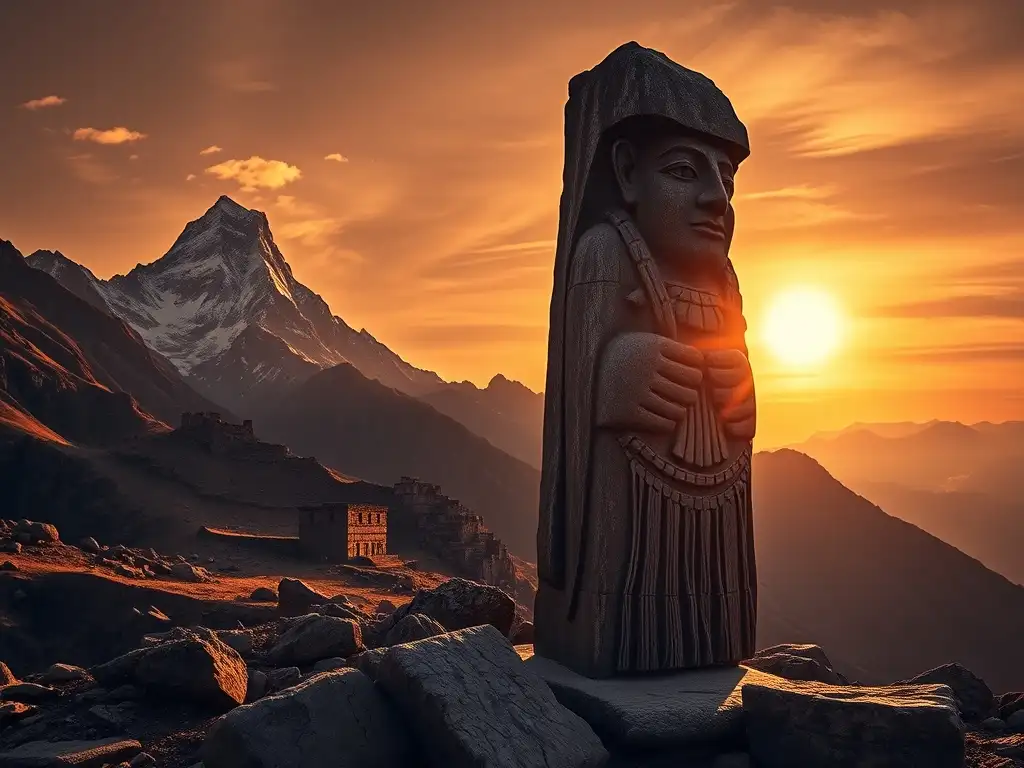
This section delves into the profound influence of Andean myths on the cultural identity and societal structures of ancient Andean civilizations. We will explore how creation myths shaped their worldview, and how narratives of origin defined their social hierarchies and daily practices. The enduring legacy of these myths is undeniable, impacting everything from artistic expression to agricultural practices. Understanding these narratives is crucial to grasping the complexity and richness of Andean culture. The keyword, "Andean myths cultural impact," is central to this analysis.
The Creation Myths and Their Cultural Significance
Andean creation myths are not singular narratives but a tapestry of interwoven stories, varying across different cultures and regions. These myths often feature powerful deities, ancestral figures, and dramatic events that shaped the landscape and the human experience. For instance, the Inca creation myth involves Viracocha, the creator god, who emerged from Lake Titicaca, shaping the world and bringing forth humanity.
This myth not only explains the origin of the world but also establishes Viracocha's supreme authority, legitimizing the Inca empire's rule. The significance of Lake Titicaca, depicted as the birthplace of creation, is further reinforced in Inca cosmology, highlighting its sacred importance.
The Moche, known for their elaborate ceramics depicting mythological scenes, also possessed rich creation narratives. While specific details vary, their myths frequently involve powerful forces shaping the land and bringing forth life, reflecting their deep connection to the fertile coastal valleys and the power of nature.
These myths were not merely stories; they provided explanations for natural phenomena, reinforcing a deep respect for the environment and the cyclical nature of life and death. The cultural impact of these creation narratives is evident in the Moche's sophisticated agricultural techniques and their reverence for the natural world, which are reflected in their art and religious practices.
Consider the following table summarizing key aspects of different Andean creation myths:
| Culture | Creator Deity | Creation Method | Cultural Impact |
|---|---|---|---|
| Inca | Viracocha | Emerged from Lake Titicaca | Legitimized Inca rule, emphasized sacred sites |
| Moche | Varied Deities | Shaping of the landscape | Reverence for nature, sophisticated agriculture |
| Nazca | [Specific information pending] | [Specific information pending] | [Specific information pending] |
| Tiahuanaco | [Specific information pending] | [Specific information pending] | [Specific information pending] |
The variations in these myths underscore the diverse perspectives and beliefs across different Andean societies, while the common thread of creation narratives highlights a shared understanding of the world's origins and the power of the divine.
Myths of Origin and the Andean Worldview
Andean myths of origin extended beyond the creation of the world to encompass the origins of specific places, clans, and even individual lineages. These narratives provided a sense of belonging and identity, connecting individuals to a larger cosmological framework. For example, many Andean communities traced their ancestry back to specific mountains or caves, considered sacred sites imbued with spiritual power. These places of origin often served as focal points for religious ceremonies and community gatherings, reinforcing social cohesion and a sense of shared history.
The concept of ayllu, a kinship-based community structure prevalent in many Andean societies, was often rooted in myths of origin. These myths provided a narrative framework for understanding social relationships and responsibilities within the ayllu. They explained the lineage of different clans and their roles within the community, reinforcing social hierarchy and promoting cooperation. The stories served as a powerful tool for social control and the transmission of cultural values across generations. The impact of these origin myths on social organization was profound and far-reaching. They weren't just stories; they were the foundation of Andean social structures.
Andean myths played a crucial role in defining and legitimizing social structures and hierarchies. Myths often portrayed rulers as descendants of gods or possessing divine authority, reinforcing their legitimacy and power. The Inca emperors, for example, were considered descendants of the sun god Inti, a belief that strengthened their claim to rule and ensured the obedience of their subjects. This divine lineage was not just a political strategy; it was deeply ingrained in the Andean worldview.
Furthermore, many myths established a clear hierarchy among different social groups, explaining their roles and responsibilities within society. These narratives often involved powerful deities assigning specific tasks or roles to different groups, creating a social order that was perceived as divinely ordained. This divine sanction reinforced social stability and minimized conflict. The interplay between mythology and social structure demonstrates the pervasive influence of myths on all aspects of Andean life.
Even seemingly mundane aspects of daily life were often imbued with mythological significance, reflecting the deep integration of myths into the fabric of Andean society. The lasting influence of these myths is evident in the enduring cultural practices and traditions of the Andean region. Their impact extends far beyond the ancient past, shaping the identity and worldview of Andean communities to this day.
The Impact of Andean Myths on Religious Practices
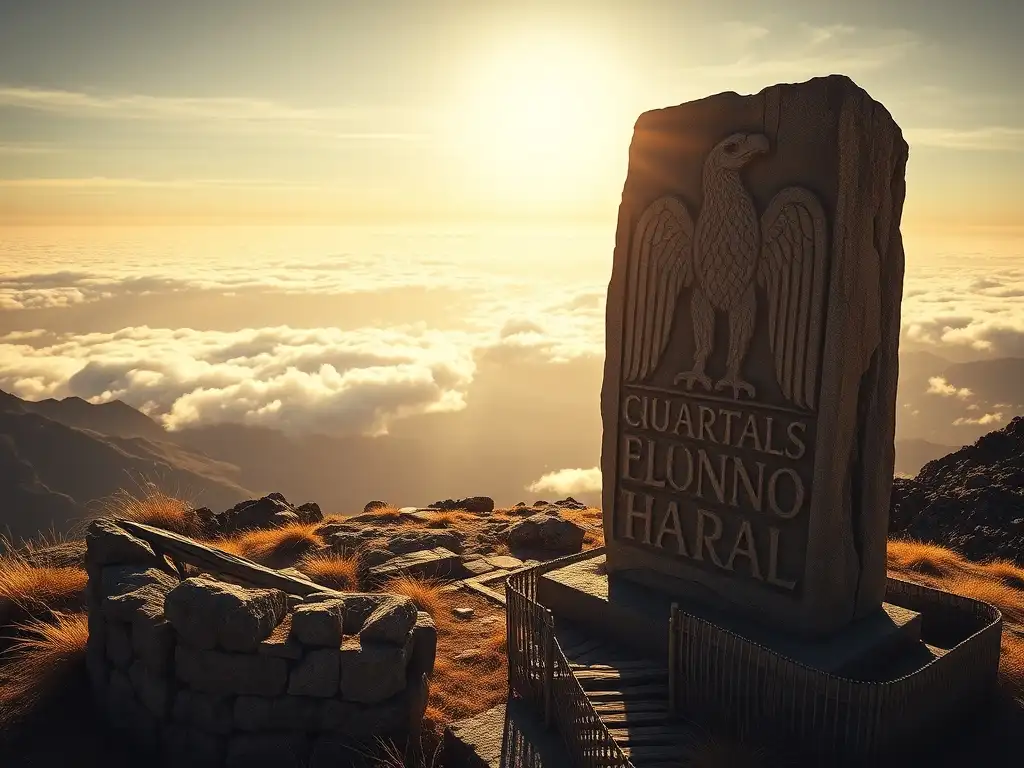
The pervasive influence of Andean myths on the daily lives and religious practices of ancient Andean societies is undeniable. These narratives, passed down through generations via oral traditions, shaped not only their understanding of the world but also their social structures, political systems, and agricultural practices. The stories weren't mere entertainment; they were living, breathing components of their faith, providing explanations for natural phenomena, establishing moral codes, and legitimizing power structures.
The impact of these myths on their religious practices is profound and multifaceted. Understanding this impact requires examining the intricate relationship between myth, ritual, and belief within the Andean worldview. The very fabric of Andean religion was woven from the threads of these powerful stories, providing a framework for understanding their relationship with the divine and the cosmos.
Analyzing these myths reveals a complex cosmology, rich in symbolism and deeply intertwined with the practical aspects of Andean life. The study of Andean myths provides invaluable insights into the cultural impact these narratives had on shaping Andean society.
Deities and Supernatural Beings in Andean Mythology
Andean mythology is a vibrant tapestry of deities, spirits, and supernatural beings, each with their unique roles and significance. The Apus, mountain spirits, held immense power and were revered as protectors and providers. Their appeasement through rituals and offerings was crucial for ensuring successful harvests and community well-being. The Inca sun god, Inti, was of paramount importance, symbolizing power, fertility, and royal legitimacy.
Inti’s influence extended to agricultural cycles, with festivals and rituals meticulously timed to coincide with the sun’s movements. Beyond Inti and the Apus, a vast pantheon of deities governed various aspects of life, from weather and agriculture to health and warfare. For example, the goddess Mama Killa (Moon) was associated with fertility and female power, while Viracocha, a creator god, played a central role in origin myths and cosmological narratives. The diversity of these deities reflects the complex social and environmental contexts in which Andean cultures developed.
The integration of these beings into daily life, through narratives and rituals, highlights the deep-seated belief in their power and influence. The detailed descriptions of these deities in surviving texts and archaeological findings reveal a sophisticated understanding of the supernatural world and its interaction with the human realm. The consistent presence of these deities in various Andean cultures, despite regional variations, underscores their fundamental role in shaping Andean religious beliefs and practices.
Rituals and Ceremonies Inspired by Andean Myths
Andean myths served as blueprints for numerous rituals and ceremonies. These weren't simply reenactments; they were active engagements with the supernatural world, aiming to maintain cosmic balance and secure blessings from the deities. For instance, the Capacocha sacrifices, often involving children, were linked to myths about the sun god Inti and aimed to ensure the prosperity and continuity of the Inca Empire. These sacrifices, while controversial, highlight the profound belief in the power of human sacrifice to maintain cosmic order.
Agricultural rituals, such as the Raymi festival celebrating the winter solstice, were deeply rooted in myths about the sun's journey and its impact on agricultural cycles. The intricate details of these rituals, from the specific offerings to the precise timing, reflect the importance of accurately enacting the mythical narratives to achieve the desired results. The elaborate costumes, music, and dances further emphasized the sacred nature of these events and their connection to the mythical world.
Furthermore, the construction of monumental structures like Machu Picchu itself is believed to be influenced by cosmological beliefs and myths, reflecting a deep integration of religious beliefs into the very fabric of Andean society. Studying these rituals provides tangible evidence of the practical application of Andean myths in daily life, confirming their significance beyond mere storytelling. The precise correlation between specific myths and their associated rituals remains a subject of ongoing research, but the existing evidence strongly suggests a direct causal relationship.
The Role of Myths in Andean Religious Beliefs
Andean myths formed the bedrock of Andean religious beliefs, providing a framework for understanding the cosmos, human existence, and the relationship between the human and supernatural worlds. These narratives explained the origins of the world, the creation of humanity, and the establishment of social hierarchies. They instilled moral codes and provided guidance on proper behavior. For example, myths about the consequences of defying the gods served as cautionary tales, emphasizing the importance of respecting the natural world and adhering to social norms.
The concept of Ayni, reciprocal exchange, was deeply embedded in Andean cosmology, and many myths emphasized the importance of balance and reciprocity in all aspects of life, from human interactions to the relationship between humans and nature. These myths served as a means of transmitting cultural values and ensuring social cohesion. The cyclical nature of many Andean myths reflects the Andean understanding of time as a continuous cycle of birth, death, and renewal, echoing the agricultural cycles upon which their lives depended.
The complex interplay of these narratives and their influence on Andean religious beliefs highlights the integral role mythology played in shaping their worldview and guiding their actions. Analyzing these myths provides a window into the cognitive processes and cultural values of Andean societies, offering a deeper understanding of their unique spiritual framework, and its profound impact on their civilization's development. The enduring power of these myths even today demonstrates their lasting cultural significance.
Andean Myths and Their Cultural Impact on Art and Traditions
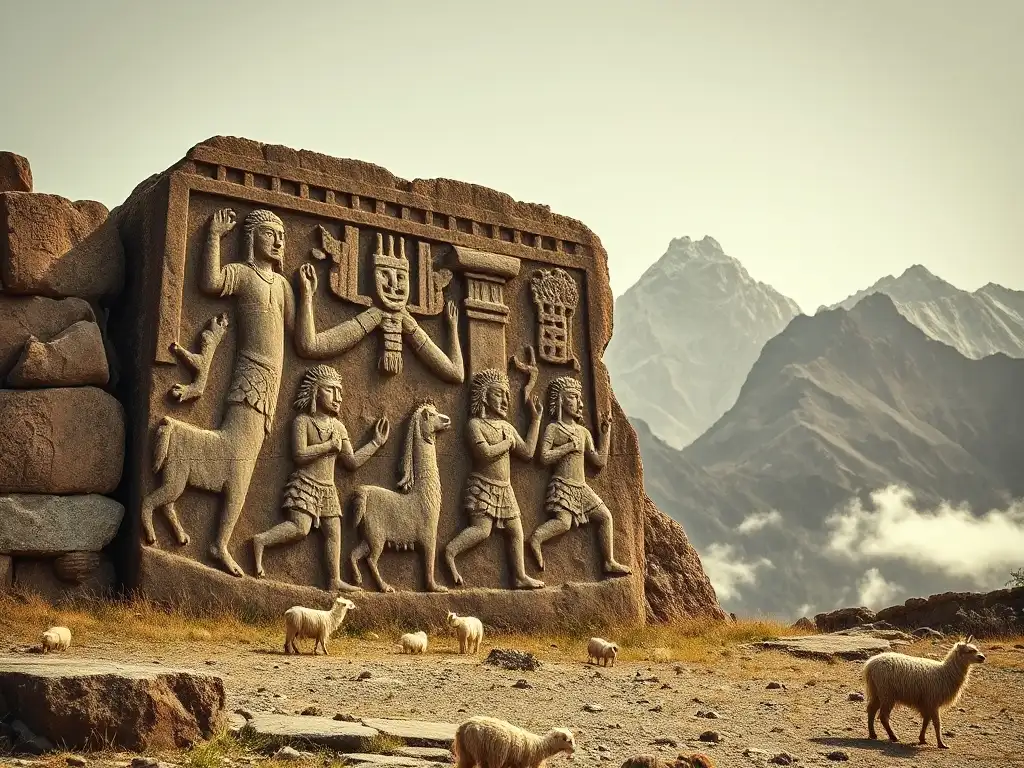
The profound influence of Andean myths on the cultural landscape is undeniable. These narratives, passed down through generations, shaped not only the beliefs and worldview of Andean societies but also their artistic expressions and social structures. Understanding the cultural impact of Andean myths requires examining their multifaceted presence in various aspects of life, from the intricate designs adorning pottery and textiles to the monumental architecture that still stands as a testament to their enduring power.
The keyword "Andean myths cultural impact" encapsulates this pervasive influence, highlighting the intricate relationship between mythology and the tangible manifestations of Andean culture. This section will explore this relationship in detail, focusing specifically on the artistic and traditional expressions shaped by these powerful stories.
Mythological Motifs in Andean Art and Architecture
Andean art is replete with mythological motifs, reflecting a deep integration of the supernatural into the daily lives of ancient Andean peoples. Consider, for example, the intricate depictions of deities like the creator god Viracocha, frequently found on ceramics and textiles from various cultures across the Andes. These representations aren't merely decorative; they serve as visual narratives, transmitting stories and beliefs across time.
The feline deity, often associated with power and fertility, is another recurring motif, appearing in various forms across different Andean artistic traditions. Its representation changes subtly depending on the specific culture and time period, reflecting regional variations in mythology and beliefs.
Furthermore, Andean architecture itself often incorporated mythological elements. The layout of cities, the orientation of structures, and even the decorative patterns on buildings all suggest a deliberate attempt to reflect the cosmological order described in their myths. For instance, the precise alignment of some structures with celestial bodies likely reflects a deep understanding of astronomy and its integration with their religious beliefs.
This careful planning and execution speak to the central role myths played in shaping the physical environment of Andean societies. The meticulous detail and symbolism embedded within these constructions underscore the importance of these narratives in establishing a shared cultural identity. Analysis of these architectural marvels reveals a complex interplay between religious beliefs, practical considerations, and artistic expression.
| Andean Culture | Predominant Mythological Motifs | Artistic Mediums |
|---|---|---|
| Moche | Feline deities, warriors, ritual scenes | Ceramics, metalwork |
| Nazca | Geometric patterns, stylized animals, deities | Ceramics, textiles |
| Inca | Viracocha, Inti (Sun God), Pachamama (Earth Mother) | Textiles, stonework, metalwork |
The Transmission of Myths Through Oral Tradition
The preservation and transmission of Andean myths relied heavily on oral tradition. Storytellers, often highly respected members of the community, played a crucial role in keeping these narratives alive. Their skill in memorization and dramatic delivery ensured the continuity of these crucial cultural elements across generations.
The lack of a widespread written language before the arrival of the Spanish further emphasizes the importance of oral transmission in maintaining the integrity of Andean mythological traditions. These oral performances weren't merely recitations; they were dynamic events, often accompanied by music, dance, and ritualistic practices. This immersive experience enhanced the impact of the stories, embedding them deeply within the cultural consciousness.
The effectiveness of oral transmission is evident in the remarkable consistency of certain mythological themes across geographically diverse Andean communities. While variations certainly exist, reflecting regional differences and adaptations, the core elements of many myths remained remarkably stable over centuries, showcasing the power of oral storytelling in preserving cultural memory. This oral tradition fostered a strong sense of shared identity and cultural continuity, reinforcing social cohesion and transmitting vital knowledge about the world and their place within it.
Further research into the specific techniques and strategies employed by Andean storytellers is needed to fully understand the mechanics of this effective transmission system. [Specific information pending regarding documented techniques and strategies].
Andean Myths as a Source of Cultural Expression
Andean myths served as a rich source of inspiration for various forms of cultural expression. From the vibrant colors and intricate patterns of textiles to the dramatic narratives depicted in pottery, these stories found their way into nearly every aspect of Andean life. Music and dance also played a significant role in conveying and celebrating these myths, with many rituals and ceremonies centered around specific mythological figures or events. These artistic manifestations not only served as aesthetic expressions but also functioned as powerful tools for social control, religious instruction, and the reinforcement of community values.
The continued relevance of Andean myths in contemporary Andean cultures highlights their enduring power and influence. Many traditions and customs still reflect the enduring presence of these narratives, demonstrating their adaptability and resilience across time. Modern artists continue to draw inspiration from these ancient stories, creating new works that engage with and reinterpret these timeless themes.
This ongoing engagement underscores the vital role that Andean myths have played and continue to play in shaping Andean identity and culture. The study of these myths offers valuable insights into the complex beliefs, social structures, and artistic sensibilities of these fascinating civilizations. The rich tapestry of Andean culture is inextricably woven with the threads of its mythological heritage.
Exploring Specific Andean Myths and their Cultural Resonance
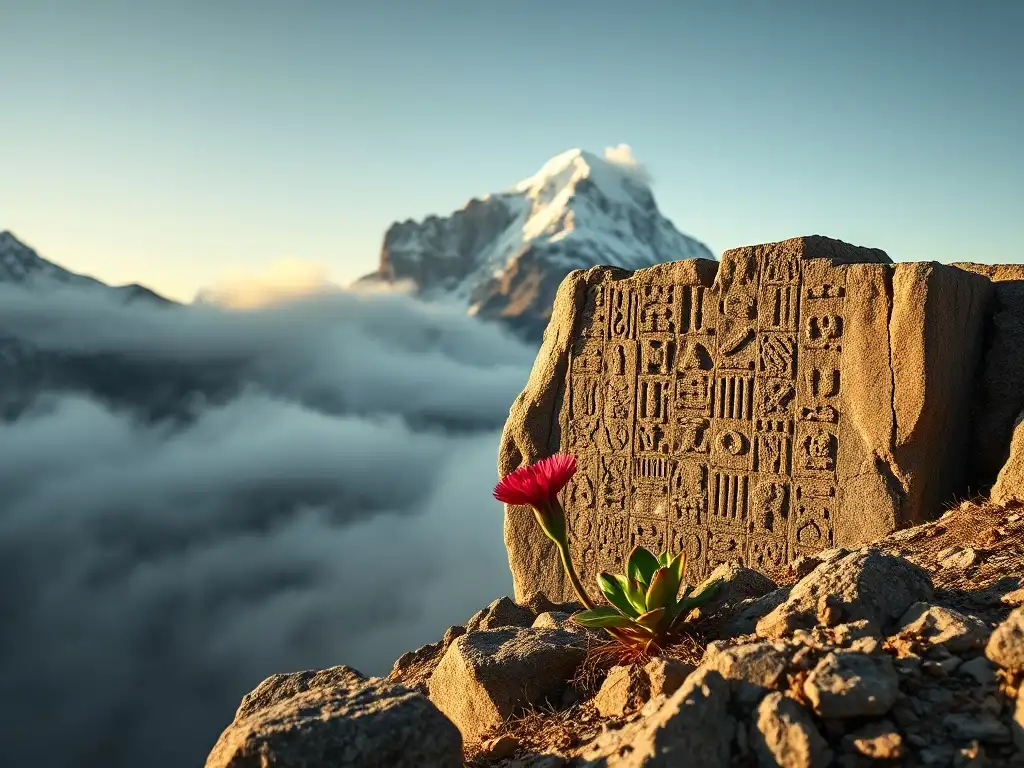
This section delves into the profound influence of specific Andean myths on the cultural landscape of the region, demonstrating how these narratives shaped societal structures, artistic expressions, and religious practices. We will examine the enduring legacy of these stories and their continued relevance in understanding Andean cosmovision. The impact of these myths on Andean culture is undeniable, weaving themselves into the fabric of daily life and providing a framework for understanding the world.
The Myth of Inti and its Legacy
The myth of Inti, the sun god, holds a central position in Inca cosmology and significantly influenced Inca society. Inti wasn't merely a deity; he was considered the ancestor of the Inca royal lineage, legitimizing their rule and connecting them directly to the cosmic order. This divine ancestry imbued the emperor with immense power and authority, making him a sacred figure worthy of reverence and absolute obedience.
The Inca's sophisticated astronomical observations, reflected in their impressive calendar system and temple architecture aligned with solstices and equinoxes, directly stemmed from their devotion to Inti. The annual Inti Raymi festival, a grand celebration dedicated to the sun god, highlights the profound impact of this myth on Inca social life. It involved elaborate rituals, sacrifices, and feasts, uniting the empire under a shared religious experience.
The enduring legacy of Inti is evident in the numerous surviving representations of the sun god in Inca art and iconography, reinforcing its powerful presence in their culture. Even today, aspects of Inti’s worship persist in some Andean communities, demonstrating the enduring strength of this myth in shaping cultural identity. The intricate gold and silver work depicting Inti, often found in royal tombs, further underlines the importance placed upon the deity and the mythology surrounding him.
The Tale of Manco Capac and Mama Ocllo
The myth of Manco Capac and Mama Ocllo, the founders of the Inca civilization, provides a powerful origin story that shaped Inca identity and social structure. This foundational myth recounts their emergence from Lake Titicaca, tasked by the sun god Inti to civilize the diverse Andean peoples. Their journey, marked by the establishment of Cusco as the capital, symbolizes the Inca's expansion and consolidation of power.
This narrative not only explained the Inca's rise to dominance but also served as a powerful tool for unifying disparate groups under a shared history and lineage. The myth emphasizes the Inca's divine right to rule, portraying Manco Capac and Mama Ocllo as divinely appointed leaders who brought order and civilization to a previously chaotic world. The story's impact is visible in the Inca's meticulous organization of society, their sophisticated agricultural techniques, and their impressive infrastructure projects, all reflecting the values of order and progress instilled by the founding myth.
The enduring power of this myth lies in its ability to forge a collective identity, creating a sense of shared history and purpose that transcended regional differences. The persistent presence of this narrative in Andean oral traditions and its influence on modern-day interpretations of Inca history underscores its continued cultural relevance. The story's emphasis on social order and hierarchical structures also contributed to the establishment of a highly organized and centralized Inca state.
Analyzing the Cultural Meanings Behind the Myth of Pachamama
The worship of Pachamama, the Earth Mother, represents a fundamental aspect of Andean spirituality and profoundly impacts Andean culture. Pachamama is not merely a deity; she is an active force in the daily lives of Andean people, representing the fertility of the land, the bounty of harvests, and the interconnectedness of all living things. The myth surrounding Pachamama emphasizes the importance of reciprocity and respect for nature. Offerings of coca leaves, chicha (a fermented corn beverage), and other goods are regularly made to appease Pachamama and ensure the continued prosperity of the community.
This practice reflects a deep-seated belief in the interconnectedness of humans and nature, highlighting the importance of maintaining a harmonious relationship with the environment. The widespread presence of Pachamama in Andean art, literature, and religious practices demonstrates the enduring significance of this myth. Farmers’ rituals before planting and harvesting demonstrate a direct link between agricultural practices and the worship of Pachamama.
The ongoing reverence for Pachamama highlights the enduring power of this myth in shaping Andean worldview and its continued influence on contemporary Andean societies. Furthermore, the concept of ayni, reciprocal exchange, is directly linked to the respect shown to Pachamama, illustrating the deep-seated cultural values embedded within this mythology. The continued relevance of Pachamama in modern-day Andean life underscores the enduring power of this earth deity and its impact on cultural practices.
Andean Myths: A Living Heritage
This section explores the enduring presence of Andean myths within contemporary Andean societies. While the Inca Empire might be the most widely recognized, the rich tapestry of Andean mythology encompasses a diverse range of cultures, each with its own unique pantheon and narratives. Understanding the continued influence of these myths provides crucial insight into the cultural resilience and identity of Andean peoples.
The Enduring Influence of Andean Myths in Modern Times
Andean myths aren't relics of a distant past; they remain vibrant and integral to the daily lives of many Andean communities. These narratives continue to shape social structures, artistic expressions, and even political discourse. For example, the concept of ayni, reciprocal exchange and mutual obligation, deeply rooted in Andean cosmology and reflected in numerous myths, continues to underpin community relationships and economic practices.
The myth of Pachamama, the Earth Mother, manifests in contemporary agricultural rituals and celebrations, highlighting the profound connection between the spiritual and material worlds. Even modern festivals and celebrations often incorporate elements directly drawn from ancient myths and legends, ensuring their transmission across generations. This continuity demonstrates the living nature of Andean mythology and its powerful influence on shaping cultural identity and practices.
The stories, passed down orally for centuries, are now being documented and studied, providing valuable insights into the complexities of Andean belief systems. The ongoing research into these narratives is also crucial for understanding the historical and cultural context of the region. The resilience of these myths underscores their inherent value and importance to the Andean people.
Preserving and Understanding Andean Mythological Narratives
The preservation of Andean mythological narratives presents unique challenges. Oral traditions, while incredibly rich, are vulnerable to loss and distortion over time. Efforts to document these stories, often through anthropological research and collaboration with indigenous communities, are crucial for their survival.
This involves not only transcribing the narratives but also understanding their cultural context, symbolism, and significance within the broader Andean worldview. Furthermore, careful attention must be paid to ethical considerations, ensuring that the process respects the intellectual property rights and spiritual sensitivities of the communities involved. The use of modern technology, such as digital archives and audio recordings, offers valuable tools for preservation, allowing for wider access to these invaluable cultural resources.
However, it's crucial to remember that these narratives are not simply static texts; they are living, breathing stories that continue to evolve and adapt within their respective communities. Preserving them requires ongoing dialogue and collaboration with the communities that hold these narratives dear. The careful and respectful study of Andean myths is essential for a deeper understanding of Andean civilizations and their lasting cultural impact.
Andean Myths Cultural Impact: Conclusion
The enduring power of Andean myths is undeniable. Their influence extends far beyond the realm of mere storytelling; they are the very foundation upon which Andean cultures have been built and sustained for millennia. From shaping social structures and economic practices to inspiring artistic expressions and religious ceremonies, Andean myths continue to hold immense cultural significance.
Understanding their enduring impact requires a multifaceted approach, combining rigorous anthropological research with a deep respect for the cultural heritage of Andean communities. By preserving and interpreting these narratives responsibly, we can gain invaluable insights into the complexities of Andean civilizations and appreciate the rich legacy they have left behind.
The ongoing study and preservation of Andean myths are crucial not only for academic understanding but also for the continued flourishing of Andean cultures and their unique perspectives on the world. The sustained interest in Andean myths cultural impact reflects the global recognition of their profound significance.
Frequently Asked Questions
What is the significance of myths in Andean cultures?
Andean myths played a crucial role in shaping worldviews, social structures, and daily life. They explained the origins of the world, the cosmos, and human society, providing a framework for understanding their place within the universe. These stories were integral to their belief systems.
How did Andean myths influence the daily lives of people?
Myths guided daily practices, influencing everything from agriculture and rituals to political organization and social interactions. For example, agricultural cycles were often tied to specific myths and deities. Many rituals were directly inspired by mythological narratives.
What are some examples of influential Andean myths?
Prominent examples include myths surrounding Pachamama (Mother Earth), the creator god Viracocha, and stories of heroic figures who shaped the landscape or established social order. These myths varied among different Andean cultures, reflecting their unique histories and environments.
How did Andean myths impact the art and architecture of these cultures?
Andean myths heavily influenced artistic expression and architectural design. Religious iconography and mythological scenes were frequently depicted in textiles, ceramics, and monumental structures. These visual representations reinforced the importance of these stories.
What is the lasting impact of Andean myths on contemporary Andean cultures?
Many Andean myths continue to hold cultural relevance today. Elements of these ancient stories persist in contemporary traditions, festivals, and beliefs, demonstrating their enduring legacy and continuing influence on Andean societies.
Final Reflection: The Enduring Power of Andean Myths
The echoes of ancient Andean myths resonate powerfully in the modern world, shaping not only cultural identities but also informing contemporary social and political landscapes. These narratives, far from being relics of a bygone era, continue to provide a framework for understanding the complexities of Andean life, offering valuable insights into community, spirituality, and the relationship between humanity and nature. Their enduring influence is a testament to the profound impact storytelling can have on shaping collective consciousness.
The enduring power of these myths lies in their ability to transmit values, beliefs, and traditions across generations. They offer a rich tapestry of narratives that explain the origins of the world, the human condition, and the interconnectedness of all living things. These stories are not simply historical accounts; they are living, breathing entities that continue to evolve and adapt to the changing times. Myths are not lies; they are a way of making sense of the world, of giving it meaning and coherence.
This quote encapsulates the essence of Andean myths and their continued relevance in a rapidly changing global context. Their ability to provide meaning and coherence remains crucial in a world often characterized by uncertainty and fragmentation.
Consider the stories you carry within you, the narratives that shape your understanding of the world. How do these personal myths influence your actions, your beliefs, and your interactions with others? I invite you to explore the power of narrative in your own life, to recognize the myths that shape your worldview, and to consider how you can use the power of storytelling to build bridges of understanding and empathy. Let the enduring legacy of Andean myths inspire you to discover the myths that shape your own unique journey, and to share your own stories with the world.
Unveil the Power of Myths in Andean Heritage!
Thank you for exploring the fascinating role of myths in shaping Andean culture and beliefs. By delving into these stories, you've gained valuable insights into the rich tapestry of traditions that have influenced generations. Now, let's deepen your engagement with this vibrant heritage!
Here are some ways you can continue your journey of discovery:
- **Explore Andean Mythology:** Dedicate time each week to reading and reflecting on Andean myths found in books or reputable online resources. These stories offer profound insights into the culture and its values.
- **Share Your Discoveries:** Discuss the Andean myths you've learned about with friends, family, or community members. Consider hosting a gathering to share these captivating stories and their significance.
- **Participate in Cultural Events:** Seek out local events, workshops, or online forums that celebrate Andean culture. Connecting with others who share an appreciation for these traditions will enrich your understanding.
Which Andean myth or story resonates most with you, and how do you think it informs our understanding of contemporary society?