
The Precision of Inca Masonry: A Closer Look at Their Craftsmanship

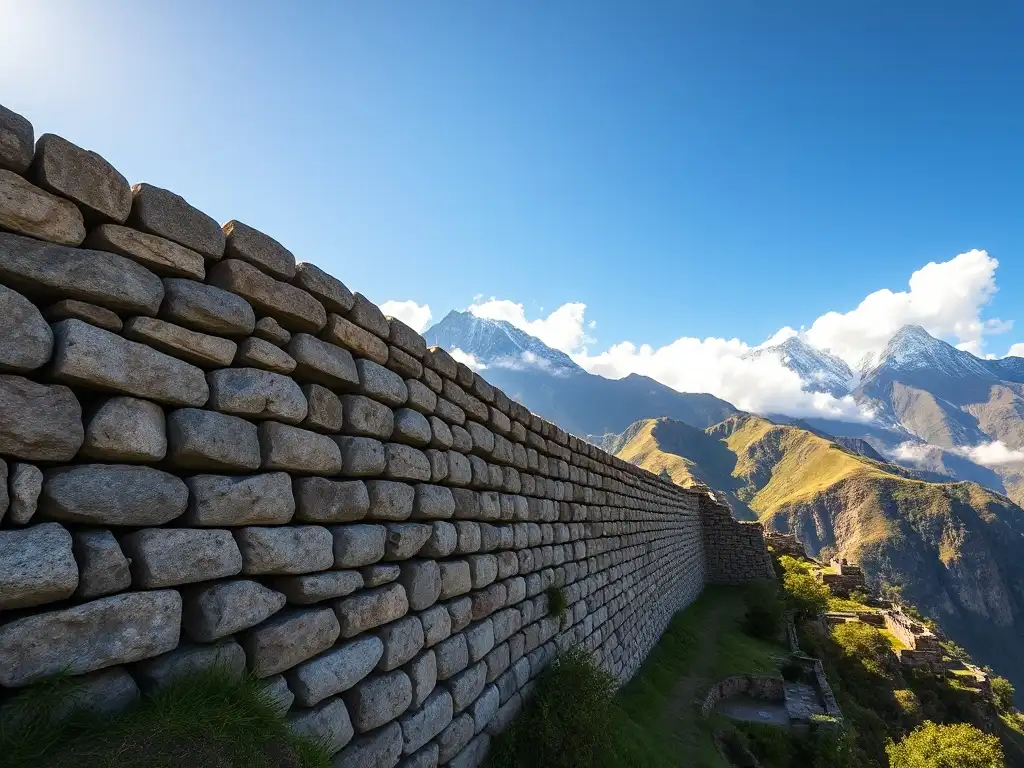
Step into a world lost to time, yet echoing with the whispers of a magnificent past. Imagine cities carved into mountains, masterpieces of engineering defying gravity, and a legacy of artistry that still captivates today. On this journey through the Andean Civilizations, we delve into the mysteries of the Inca, Moche, Nazca, and Tiahuanaco. But first, prepare to be amazed by the unparalleled precision of Inca masonry techniques – a testament to their ingenuity and a skill lost to history. Uncover the secrets behind their legendary craftsmanship and discover the stories etched in stone… read on.
The Inca Empire, a civilization that flourished in the Andes Mountains from the 15th to the 16th century, left behind an astonishing legacy of architectural marvels. Their mastery of stonework, particularly their incredibly precise masonry techniques, continues to fascinate and inspire awe even today. This article delves into the intricacies of Inca masonry, exploring the methods employed, the significance of their stone structures, and the enduring legacy of their engineering prowess.
We will examine the "Inca masonry techniques" that allowed them to create structures that have withstood the test of time and continue to puzzle modern engineers. Understanding these techniques provides crucial insight into the sophisticated engineering and societal organization of this remarkable civilization. We will explore how their architectural achievements reflect their deep understanding of engineering principles, resource management, and cultural values.
Introduction to Inca Architectural Prowess
The Inca's architectural achievements are not merely aesthetically pleasing; they represent a sophisticated understanding of engineering principles, resource management, and cultural values. Their cities, temples, and agricultural terraces were strategically placed and meticulously constructed to withstand earthquakes, harsh weather conditions, and the challenging Andean terrain. This wasn't achieved through brute force, but through a refined understanding of stone selection, shaping, and fitting.
The Inca utilized a variety of stone types, selecting those best suited for the specific purpose and location of the structure. For example, harder stones were often preferred for load-bearing walls, while softer stones were used for intricate carvings and decorative elements. The precision with which these stones were cut and fitted is truly remarkable, often leaving no space between the blocks.
This level of precision wasn't just aesthetic; it significantly enhanced the structural integrity of their buildings. Many structures remain standing today, a testament to the ingenuity and skill of Inca builders. This precision is a key component of understanding "Inca masonry techniques".
The Significance of Inca Stone Structures
Inca stone structures served a multitude of purposes, extending beyond mere shelter and defense. Temples, like the Coricancha in Cusco, served as religious centers, showcasing the Inca's mastery of stonework in grand and symbolic ways. The intricate carvings and precise placement of stones served not only a structural purpose but also a deeply symbolic one, reflecting their cosmology and beliefs.
Similarly, agricultural terraces, carved into the steep slopes of the Andes, demonstrate an ingenious understanding of both engineering and agriculture. These terraces not only increased arable land but also helped to control erosion and water flow, showcasing their innovative approach to resource management.
The precise fitting of stones in these terraces was crucial to their stability and effectiveness, highlighting the importance of "Inca masonry techniques" in their agricultural practices. Furthermore, the strategic placement of cities and fortifications, often integrated seamlessly into the landscape, demonstrates a deep understanding of topography and defense strategies.
The Legacy of Inca Engineering in Stone
The legacy of Inca engineering in stone continues to inspire architects and engineers today. The precision of their masonry, their innovative use of materials, and their understanding of structural mechanics are all aspects that continue to be studied and admired. Modern engineers are still trying to fully understand the techniques employed by the Inca, particularly their ability to create structures that are both incredibly strong and remarkably resistant to earthquakes.
The absence of mortar in many Inca structures adds another layer of complexity, highlighting the importance of precise stone cutting and fitting. The enduring presence of many Inca structures, often standing for centuries with minimal deterioration, serves as a testament to the skill and ingenuity of the Inca builders and their mastery of "Inca masonry techniques".
Their legacy extends beyond impressive architecture; it's a legacy of precision, innovation, and a deep understanding of the natural world. The study of Inca masonry continues to offer valuable insights into ancient building techniques and inspires ongoing research into sustainable and earthquake-resistant construction methods.
- Introduction to Inca Architectural Prowess
- The Significance of Inca Stone Structures
- The Legacy of Inca Engineering in Stone
Core Elements of Inca Masonry Techniques
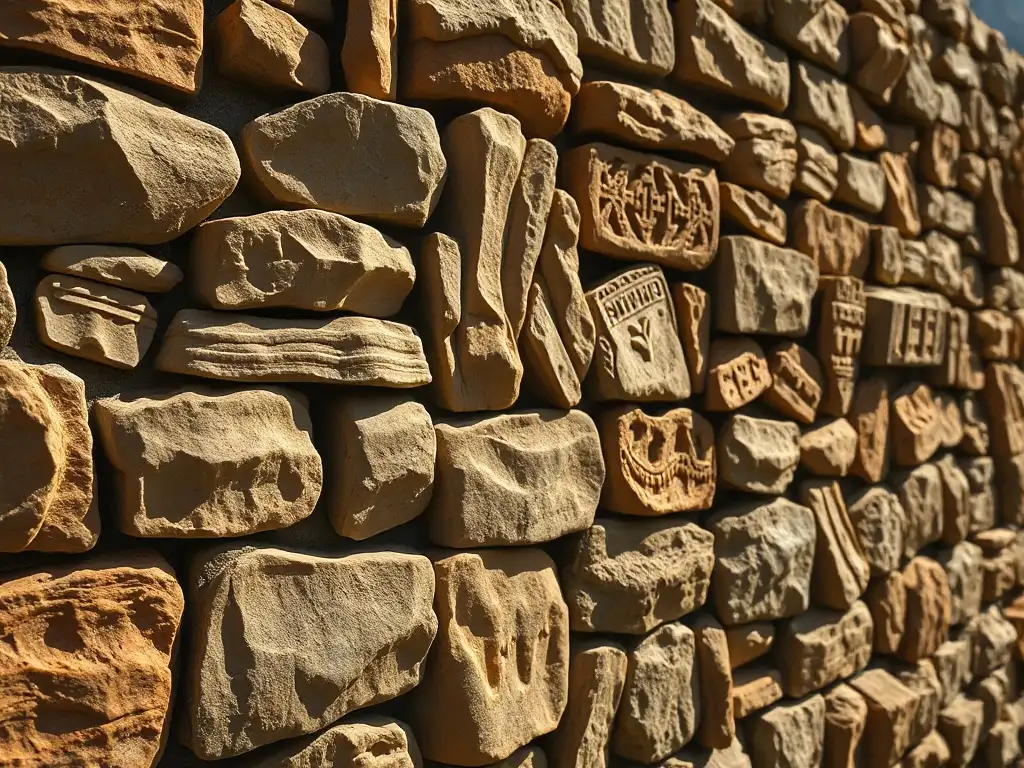
This section delves into the core principles and practices that defined Inca masonry, a testament to their advanced engineering and architectural skills. Their mastery of stonework wasn't merely about building structures; it was a reflection of their worldview, incorporating meticulous planning, sophisticated tools, and a deep understanding of the properties of stone. Understanding these techniques provides a crucial insight into the Inca civilization's remarkable achievements and their enduring legacy. The precision of Inca masonry techniques is a subject that continues to fascinate archaeologists and engineers alike, prompting ongoing research and analysis.
Understanding Inca Stonework: Key Principles
Inca stonework wasn't simply about stacking stones; it was a complex process guided by specific principles. The Incas prioritized precision, fit, and durability. Their structures, from the monumental walls of Sacsayhuamán to the intricate terraces of Machu Picchu, demonstrate an unparalleled level of accuracy. Stones were often cut so precisely that they fit together without the need for mortar, a testament to their advanced understanding of geometry and engineering. This "dry-stone" construction, sometimes referred to as ashlar masonry, showcases their exceptional craftsmanship.
The Incas also understood the importance of structural integrity. They carefully considered the weight distribution and the natural forces acting upon their structures. This is evident in the way they utilized different types of stone and built in layers, creating a stable and resilient foundation.
Furthermore, the careful selection of stones and the precise way they were fitted together minimized the risk of earthquakes and other natural disasters, a critical consideration given the Andes' seismic activity. This knowledge of structural mechanics greatly enhanced the longevity of their constructions. The Inca's appreciation for aesthetics is also evident; the impressive symmetry and harmonious proportions of their buildings reflect a high degree of artistic sensibility.
The Importance of Stone Selection in Inca Construction
The selection of stone was far from arbitrary. The Incas carefully chose stones based on their properties, including hardness, durability, and color. They preferred granite, andesite, and limestone, materials readily available in the Andean region. The choice of stone often depended on its intended use and the specific location. For example, harder stones were used for load-bearing walls, while softer stones might have been used for less critical parts of the structure.
This careful selection process ensured both the structural integrity and the aesthetic appeal of their buildings. Evidence suggests that the Incas also considered the color and texture of the stones, using different types to create visually striking patterns and effects. Detailed analysis of quarries and construction sites provides valuable information on their stone sourcing strategies and selection criteria. This careful consideration of material properties contributed significantly to the longevity and resilience of Inca structures.
Inca Stone Cutting Methods: Achieving Precision
The precision of Inca masonry is a result of their advanced stone-cutting techniques. While the exact tools used remain a subject of ongoing research, archaeologists believe that they employed a combination of stone hammers, chisels, and abrasives. They likely used copper or bronze tools, possibly hardened with other materials, to shape and refine the stones. The process involved a significant amount of skill and patience, as each stone had to be meticulously shaped to fit perfectly with its neighbors.
The process likely started with rough shaping of the stones at the quarry, followed by more precise refinement at the construction site. The Incas’ ability to create such incredibly tight fits between stones suggests a highly developed understanding of geometry and mathematics. Some researchers believe they might have used simple measuring devices, like strings and plumb bobs, to ensure accuracy.
The lack of mortar in many Inca constructions highlights the exceptional precision of their cutting and fitting techniques. Further research is needed to fully understand the intricate details of their stone-cutting methods, but the available evidence clearly points to a sophisticated and highly skilled workforce. The legacy of their precision continues to inspire awe and admiration.
Use of Bronze Chisels and Hammerstones
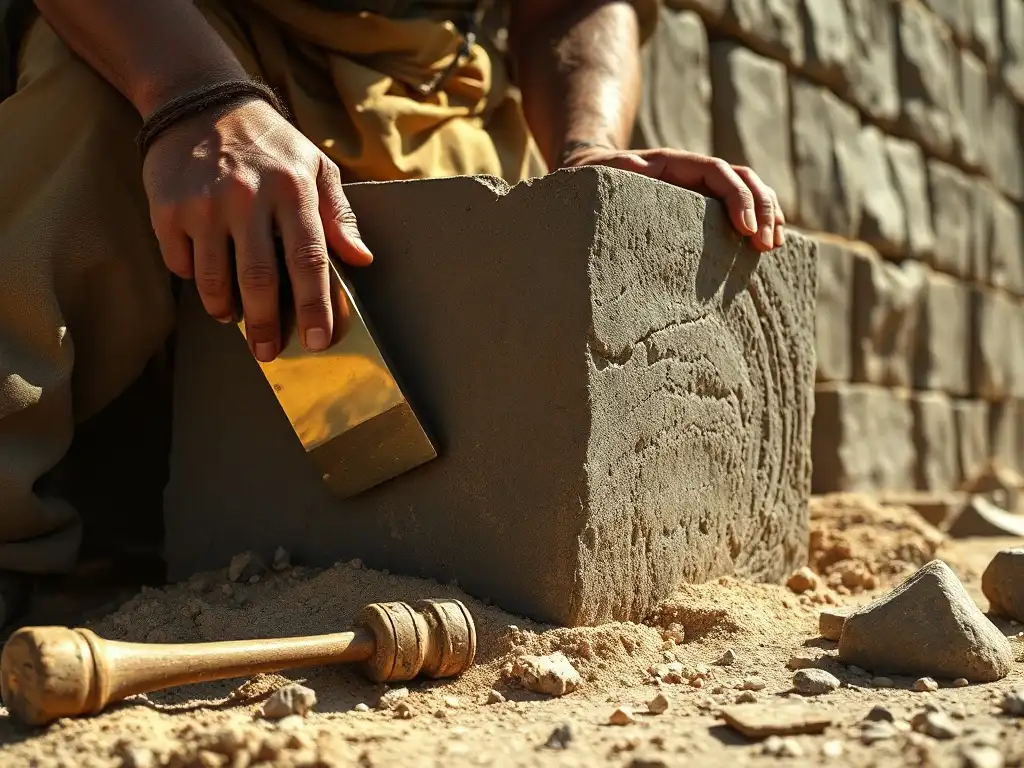
The precision of Inca masonry is often attributed to their sophisticated tools and techniques. Central to their stonework was the skillful application of bronze chisels and hammerstones. These weren't crude implements; rather, they were meticulously crafted tools designed for specific tasks in shaping the incredibly hard andesite and other stones frequently employed in Inca construction. Archaeological evidence reveals a range of chisel sizes and shapes, suggesting specialization within the workforce.
Smaller, more delicate chisels were likely used for fine detailing and intricate carvings, while larger chisels tackled the initial shaping and rough-hewing of massive blocks. The hammerstones, often made from harder, more resistant materials, were used in conjunction with the chisels to strike precise blows, removing small amounts of stone with each impact. This controlled percussion, combined with the bronze's durability and sharpness, allowed for an astonishing level of accuracy. The mastery of this technique is evident in the incredibly tight fits between stones, often with minimal mortar used, showcasing the Inca's profound understanding of material properties and tool application.
The bronze itself, a relatively advanced metalworking achievement for the time, underscores the technological sophistication fueling their architectural prowess. Further research into the metallurgical composition of these tools could reveal even more about the Inca's understanding of metallurgy and its impact on their building techniques. The development and refinement of these tools represent a significant contribution to the overall success of their impressive masonry projects.
Inca Stone Shaping Techniques
Beyond the tools themselves, the Inca's success rested on their mastery of various stone shaping techniques. While the use of bronze chisels and hammerstones was crucial, the process was far more nuanced. Evidence suggests a multi-stage approach, starting with the initial selection of suitable stones from quarries. The stones were then transported, often over significant distances, using ingenious methods involving rollers, ramps, and human labor. Once at the construction site, the initial shaping involved rough-hewing the stones to approximate their final dimensions. This process likely involved a combination of pounding with hammerstones and chipping with chisels. The next stage focused on achieving the incredibly precise final fit. This involved a combination of techniques, including careful chipping, grinding, and polishing. Grinding, likely using abrasive materials like sand or other natural substances, allowed for the smoothing of surfaces and the creation of perfectly flat planes. Polishing, often achieved using finer abrasives, gave the finished stones their characteristic smooth, even texture. The remarkable precision achieved in fitting the stones together – often with gaps smaller than a human hair – speaks to an advanced understanding of geometry and a high level of skill in executing these techniques. The Inca's ability to create such perfectly shaped and fitted stones without the use of modern machinery remains a testament to their ingenuity and mastery of Inca masonry techniques. Further investigation into the specific types of abrasives used and the methods of transportation would provide a more complete picture of this remarkable achievement. The combination of precise tool use and sophisticated shaping techniques resulted in the unparalleled quality of Inca stonework, a legacy that continues to inspire awe and admiration today.
Types of Inca Masonry Styles
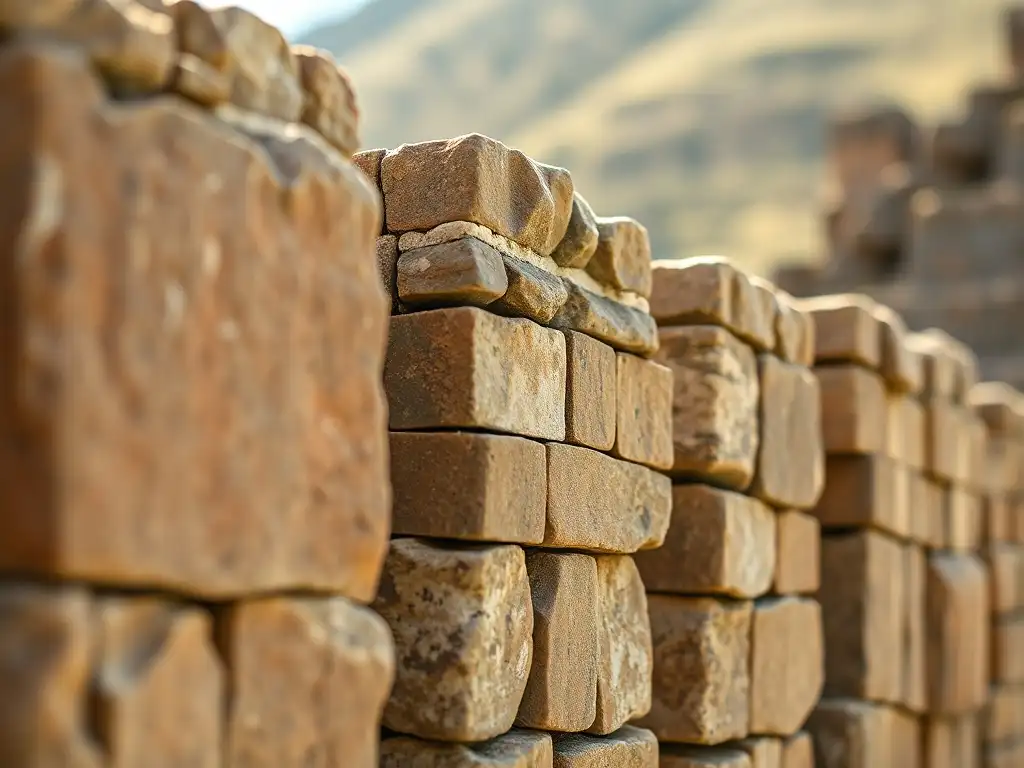
The Inca Empire, renowned for its architectural prowess, employed diverse masonry techniques reflecting both aesthetic preferences and practical considerations. Understanding these variations provides crucial insight into Inca engineering ingenuity and their sophisticated understanding of materials and construction. The skill and precision evident in Inca masonry techniques are a testament to their advanced civilization. This section will delve into some of the most prominent styles, highlighting their unique characteristics and the challenges overcome by Inca artisans. Mastering these techniques allowed them to create structures that have withstood the test of time, inspiring awe and wonder even today.
Ashlar Masonry: The Pinnacle of Inca Craftsmanship
Ashlar masonry represents the epitome of Inca stonework. Characterized by precisely cut, rectangular blocks of stone, often fitted together without mortar, ashlar walls demonstrate an unparalleled level of accuracy and planning. The blocks, typically made from granite, andesite, or limestone, were meticulously shaped to interlock perfectly, creating incredibly strong and durable structures.
The precision is astonishing; many joints are so tight that a knife blade cannot be inserted between the stones. This level of precision wasn't simply aesthetic; it significantly enhanced the structural integrity of the buildings, minimizing the risk of collapse, even in seismic zones. The famously straight lines of Inca walls, particularly impressive in locations like Sacsayhuamán, are a direct result of this masterful ashlar technique.
The Inca's ability to quarry, transport, and shape these massive stones with such accuracy remains a subject of ongoing study and fascination, highlighting the advanced tools and organizational capacity of the Inca civilization. The sheer scale of some ashlar structures is also remarkable, underscoring the immense labor and engineering expertise involved in their construction.
Polygonal Masonry: Unique Inca Wall Construction
Unlike the rectangular precision of ashlar masonry, polygonal masonry showcases the Inca's adaptability in using irregularly shaped stones. This technique involved fitting together stones of various sizes and shapes, creating complex patterns that often defied geometric regularity. While seemingly less structured than ashlar, polygonal masonry was equally impressive in its strength and stability.
The skill lay in the careful selection and placement of each stone, ensuring a tight fit and distributing weight effectively. This technique was particularly useful in areas with challenging terrain or where readily available stones were irregularly shaped. The famous walls of Ollantaytambo are prime examples of this technique, where massive, irregularly shaped stones are fitted together with incredible precision, creating a truly awe-inspiring sight.
The use of polygonal masonry demonstrates the Inca's flexibility and problem-solving abilities in adapting their construction techniques to the specific conditions of a site. This adaptability underscores their deep understanding of both stone properties and structural mechanics.
Sedimentary Stone Masonry at Ollantaytambo
The Ollantaytambo site provides a compelling example of Inca masonry utilizing sedimentary stones. While granite and andesite were favored for their durability, the Incas also skillfully employed sedimentary stones, such as sandstone and limestone, particularly in areas where these materials were more readily accessible. The use of sedimentary stone at Ollantaytambo demonstrates a pragmatic approach to construction, adapting to the available resources while still maintaining high standards of craftsmanship.
These stones, though often softer than igneous rocks, were carefully shaped and fitted together, demonstrating the Inca's mastery of diverse materials. The intricate carvings and precise joins found even in structures using these softer stones highlight the Inca's commitment to quality and artistry regardless of the material used.
Further research into the specific techniques used in working with sedimentary stone at Ollantaytambo and other sites could reveal further nuances in Inca masonry techniques and their understanding of material properties. The careful consideration of material choice and its impact on construction techniques underscores the sophisticated nature of Inca engineering.
Comparing Different Inca Masonry Styles
The Inca, renowned for their architectural prowess, didn't employ a single, monolithic style of masonry. Instead, they adapted their techniques to the available resources, the intended function of the structure, and the specific geological context. Comparing these different styles reveals a sophisticated understanding of engineering principles and a remarkable adaptability.
For example, the precise, polygonal masonry found in sites like Sacsayhuamán contrasts sharply with the simpler, more rustic techniques used in less prominent structures or those built in more challenging terrains. This wasn't simply a matter of aesthetic preference; the choice of masonry style directly impacted the structural integrity and longevity of the building.
The meticulous fitting of stones in the former required significantly more time and labor but resulted in structures of unparalleled stability, capable of withstanding earthquakes and weathering for centuries. The latter, however, proved perfectly adequate for less demanding applications, demonstrating a pragmatic approach to construction that prioritized functionality and efficiency where appropriate.
One crucial aspect of comparing Inca masonry styles lies in analyzing the size and shape of the stones used. While perfectly fitted polygons are iconic, many Inca structures utilized smaller, more irregularly shaped stones. The level of precision in the cutting and fitting of these stones varied considerably, reflecting the intended purpose and location of the building.
Structures requiring greater stability, like significant walls or temples, often featured larger, meticulously cut stones, demonstrating a higher level of craftsmanship and investment of labor. Conversely, less critical structures might employ smaller stones with less precise fitting, showcasing a flexible approach that balanced quality with resource management. This pragmatic approach underscores the Inca's ability to adapt their techniques to suit the specific demands of the project, a hallmark of their advanced engineering capabilities.
The variation in stone size and shape also reflects the availability of local resources; builders often adapted their techniques to the readily available materials in the immediate vicinity. This adaptability is another key element that differentiates various Inca masonry styles.
Furthermore, the use of mortar also provides a significant point of comparison. While the iconic image of Inca masonry often depicts perfectly fitted stones without mortar, this wasn't always the case. In some structures, particularly those built in less demanding locations or with less precisely cut stones, a mortar was used to bind the stones together.
This mortar, often a mixture of clay, sand, and other local materials, served to enhance the stability of the structure, especially in areas prone to seismic activity. Analyzing the type and quantity of mortar used can reveal valuable insights into the intended function of the structure and the specific challenges faced by the builders. The absence of mortar in many iconic structures, however, speaks to the remarkable precision of the stonework itself, which rendered the use of binding agents largely unnecessary.
This remarkable level of precision not only reflects the skill of the artisans but also the advanced understanding of engineering principles that allowed them to construct extremely stable structures without the reliance on mortar. The absence or presence, and the type of mortar employed, therefore, provides a valuable lens through which to compare and contrast different Inca masonry styles.
The Role of Labor in Inca Construction
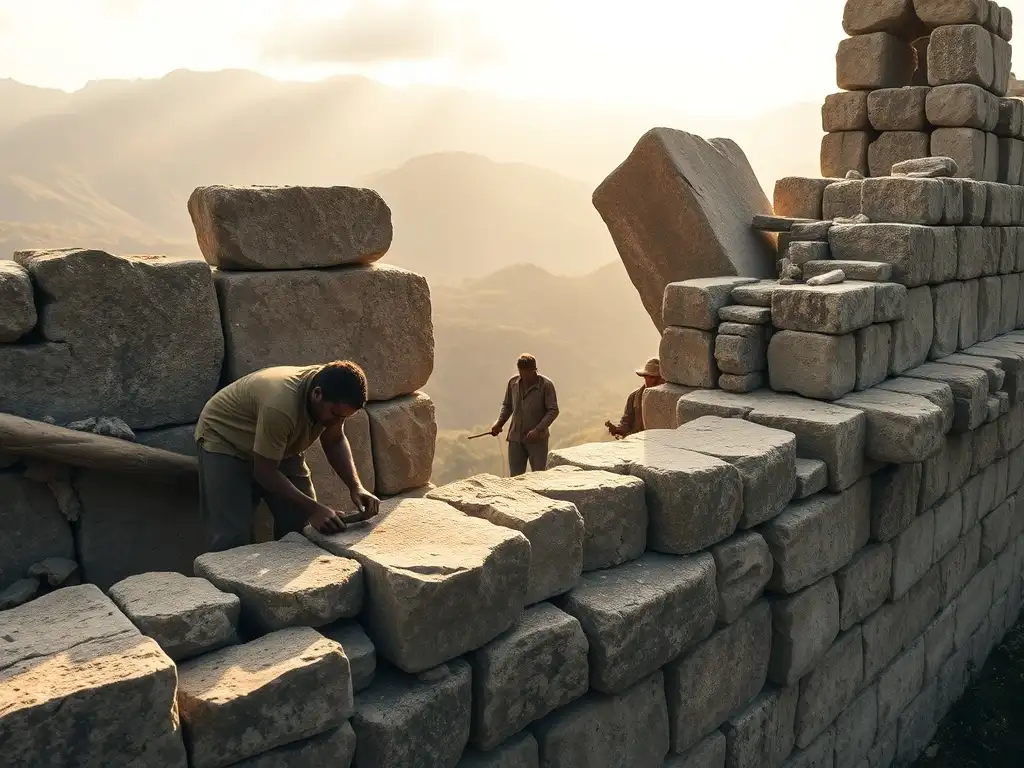
The breathtaking precision of Inca masonry is often discussed, but the sheer scale of the undertaking and the organization required to achieve it are equally remarkable. Understanding Inca masonry techniques necessitates acknowledging the crucial role played by the vast and highly organized workforce that built these structures. Without a well-managed and skilled labor force, the impressive achievements of Inca architecture would have been impossible.
The ingenuity of their engineering is inseparable from the human capital that fueled its creation. This section delves into the intricacies of Inca labor practices, examining their workforce organization, the impact of the mit'a system, and the overall influence of labor on the architectural marvels we admire today.
The Inca Workforce: Organization and Skills
The Inca Empire boasted a highly structured society, and this organizational prowess extended to its construction projects. The workforce wasn't a random collection of individuals; it was a carefully managed system. Specialized artisans, stonemasons, and engineers played crucial roles, working alongside a larger pool of laborers. Evidence suggests a hierarchical structure, with skilled master craftsmen overseeing teams of workers.
These master craftsmen possessed advanced knowledge of stone cutting, shaping, and fitting techniques, passed down through generations. Their expertise was essential for achieving the incredibly tight fits characteristic of Inca masonry. The ability to create such precision, without the aid of mortar, required not just brute strength, but also a high level of technical skill and artistry.
The Inca workforce wasn't limited to men. Women also participated in construction projects, though their roles might have been different from those of men. While precise details are scarce, it's likely that women contributed to tasks such as transporting materials, preparing food for the workers, and carrying out other supporting functions vital to the success of the construction endeavors. Further research is needed to fully understand the extent of women's involvement in Inca masonry techniques.
Inca Labor Practices: Mit'a Labor System
The mit'a system was a cornerstone of Inca societal organization and played a critical role in the construction of their monumental architecture. This system wasn't solely focused on construction; it encompassed various aspects of Inca life, including agriculture, mining, and textile production. However, its influence on Inca architecture is undeniable. The mit'a required citizens to dedicate a portion of their time to public service, and this service often involved working on infrastructure projects, including the building of temples, palaces, roads, and fortifications. This system provided a steady stream of labor for the empire's ambitious building programs.
The mit'a system wasn't simply forced labor; it was integrated into the fabric of Inca society. While demanding, it also provided a form of social security and reciprocal obligation between the ruler and the ruled. Those participating in mit'a received food, shelter, and other necessities during their service period. However, the system was also subject to potential abuses, and the burden of labor could be unevenly distributed, highlighting the complexities of this vital aspect of Inca society and its impact on the impressive scale of Inca masonry techniques.
The Impact of Labor on Inca Architectural Achievements
The precision and scale of Inca masonry are directly attributable to the efficient organization and management of their workforce. The mit'a system, combined with the skills and expertise of specialized artisans, allowed the Inca to undertake and complete projects of immense scale and complexity. Without this highly organized and skilled labor force, the intricate stonework, perfectly fitted blocks, and monumental structures that characterize Inca architecture would have been inconceivable.
The level of precision achieved—stones fitting together with such accuracy that a knife blade couldn’t be inserted between them—speaks volumes about the dedication, skill, and advanced understanding of engineering principles possessed by both the master craftsmen and the broader workforce. The legacy of Inca masonry techniques is not just about the stones themselves; it's a testament to the human ingenuity and organizational capacity of the Inca Empire.
The intricate detail and monumental scale of their architecture stand as a powerful symbol of their mastery of both engineering and social organization. Further study into the specific roles and organization of the workforce promises to unveil even more about the remarkable achievements of Inca construction.
The Enduring Legacy of Inca Masonry
The legacy of Inca masonry continues to inspire awe and wonder centuries after the fall of the Inca Empire. Their mastery of stonework, evident in the meticulously crafted structures that still stand today, represents a pinnacle of pre-Columbian engineering. The precision and artistry of Inca masonry techniques are not merely aesthetic achievements; they reflect a deep understanding of structural mechanics, resource management, and a sophisticated social organization capable of mobilizing vast labor forces for monumental projects.
The enduring impact of their work is undeniable, influencing architectural styles and inspiring modern engineering practices. Understanding the intricacies of Inca masonry provides a deeper appreciation for the ingenuity and cultural sophistication of this remarkable civilization. This section will delve into the specific techniques employed, the challenges faced in preserving these sites, and the lasting influence of Inca architectural prowess.
Inca Masonry: A Testament to Engineering Skills
Inca masons displayed an unparalleled skill in shaping and fitting stones with astonishing precision. Their mastery extended beyond simple cutting; they demonstrated a deep understanding of geometry and structural integrity. Many walls exhibit a remarkable feature known as ashlar masonry, where precisely cut stones are fitted together without mortar, creating incredibly strong and durable structures. The stones themselves, often massive in size, were expertly shaped to interlock perfectly, creating a virtually seamless surface.
This technique minimized the need for mortar, enhancing the overall strength and seismic resilience of the structures. Consider the walls of Sacsayhuamán, near Cusco, where enormous stones, some weighing over 100 tons, are fitted together with such accuracy that a knife blade cannot be inserted between them. This is a testament not only to their technical skills but also to their advanced understanding of engineering principles.
The precision involved speaks to a level of planning and execution rarely seen in other ancient civilizations. The integration of the stones, their perfect fit, and the overall stability of these massive structures are truly remarkable feats of engineering. The Inca's understanding of stress distribution and load bearing is clearly demonstrated in their construction methods.
Inca Construction Techniques: Influences and Innovations
Inca construction techniques were not developed in isolation. They built upon existing Andean traditions, adapting and refining techniques over centuries. Influences from earlier civilizations, such as the Tiahuanaco and Wari cultures, are evident in certain aspects of Inca architecture. However, the Incas significantly advanced these methods, introducing innovations that resulted in their characteristic style of precise and monumental stonework.
For example, their use of piedra tosca, a rough-hewn stone, for foundations, provided a strong and stable base for their more precisely cut ashlar walls. This layering of techniques demonstrated a sophisticated understanding of structural mechanics. Further innovations included the use of different types of stone depending on their intended purpose and the development of sophisticated methods for transporting and placing these massive stones.
The organization of labor, the logistical challenges of moving materials across mountainous terrain, and the precise execution of the construction all highlight the sophisticated organizational capabilities of the Inca Empire. The combination of traditional knowledge and innovative approaches resulted in the unique and impressive Inca architectural style. The mastery of these techniques allowed the Incas to build structures that have withstood the test of time, a testament to their ingenuity and skill.
Preserving Inca Architectural Heritage: Challenges and Solutions
Preserving Inca architectural heritage presents significant challenges. The passage of time, natural disasters like earthquakes, and human intervention have all contributed to the deterioration of many Inca sites. The lack of mortar in many structures makes them vulnerable to seismic activity. Environmental factors, such as weathering and erosion, also pose a constant threat.
Moreover, uncontrolled tourism and looting can damage these fragile sites irreparably. However, significant efforts are being made to preserve these invaluable monuments. These include careful restoration work, the implementation of protective measures against weathering and seismic activity, and the development of sustainable tourism practices. Archaeological research plays a crucial role in understanding the original construction techniques, aiding in the development of appropriate conservation methods.
The development of advanced techniques in structural engineering, coupled with a deeper understanding of the Inca's construction methods, are essential for long-term preservation. The challenge lies in balancing the need for preservation with the desire to make these sites accessible to the public, ensuring that future generations can appreciate the remarkable achievements of the Inca civilization. The ongoing efforts to preserve Inca masonry are essential not only for protecting a cultural heritage but also for understanding the ingenuity of past civilizations and applying those lessons to modern challenges.
Inca Masonry: Lessons for Modern Construction
The precision and durability of Inca masonry continue to fascinate and inspire engineers and architects today. Their techniques, developed without the benefit of modern tools and machinery, offer valuable lessons for contemporary construction practices. One key takeaway is the emphasis on meticulous planning and execution. Inca builders painstakingly shaped stones to fit together perfectly, minimizing the need for mortar.
This approach, while labor-intensive, resulted in structures that have withstood earthquakes and the test of time far better than many modern buildings constructed with conventional methods. The use of interlocking stones, often without mortar, created a structure that acted as a single, unified unit, distributing stress efficiently and enhancing seismic resistance. This contrasts sharply with many modern constructions where individual components may fail independently, leading to catastrophic collapses.
Furthermore, the Incas' understanding of local geology and materials played a critical role in their success. They carefully selected stones based on their properties, ensuring the best fit for the specific structural requirements. This selective approach minimized material waste and maximized structural integrity.
Modern construction often relies on standardized materials, sometimes neglecting the unique properties of locally available resources. By studying and adapting Inca principles of material selection, we can improve the sustainability and resilience of modern buildings. For example, the utilization of locally sourced materials reduces transportation costs and environmental impact, while simultaneously improving the structural performance of buildings tailored to their specific environment.
The Inca's mastery of dry-stone construction, a technique that utilizes precisely fitted stones without mortar, offers a particularly valuable lesson in sustainable building practices. This method reduces reliance on cement production, a process that is energy-intensive and contributes significantly to carbon emissions. Modern architects are increasingly exploring dry-stone techniques, particularly in regions where traditional materials are scarce or environmentally damaging. This renewed interest highlights the enduring relevance of Inca building methods in addressing contemporary environmental concerns.
By understanding and re-evaluating this ancient approach, we can develop more environmentally friendly and sustainable construction techniques for the 21st century. The ingenuity and sustainability of Inca masonry provide a powerful case study for modern engineers and architects seeking to build more resilient, eco-friendly structures. Their methods offer a pathway towards creating buildings that are not only aesthetically pleasing but also environmentally responsible and capable of withstanding the challenges of a changing climate.
Frequently Asked Questions
What makes Inca masonry so unique?
Inca masonry is renowned for its exceptional precision and fit. Stones were cut and fitted together so tightly that even a knife blade couldn't fit between them, showcasing their advanced engineering skills. This is particularly evident in sites like Machu Picchu.
What tools did the Incas use for their masonry?
While the exact tools remain debated, evidence suggests they used stone hammers, chisels, and possibly copper tools to shape and place the stones. The precision achieved is astounding considering the tools available.
How did the Incas transport such massive stones?
The Incas employed ingenious systems of ramps, rollers, and possibly sledges to move massive stones across challenging terrain. Their understanding of leverage and manpower was crucial to their construction projects.
What is the significance of the polygonal masonry style?
Polygonal masonry, using stones of irregular shapes, demonstrates the Incas' mastery of geometry and engineering. This style allowed them to create incredibly strong and stable structures, adapting to the contours of the landscape.
Besides Machu Picchu, where can I see examples of Inca masonry?
Excellent examples of Inca masonry can be found at sites like Sacsayhuamán, Ollantaytambo, and Pisac, all showcasing the diverse techniques and impressive scale of their construction.
Final Reflection: The Enduring Legacy of Inca Stonework
The precision of Inca masonry isn't just a historical curiosity; it's a testament to human ingenuity that continues to inspire awe and challenge modern engineering. Their mastery of stonework, achieved without the benefit of modern tools, remains a profound example of collaborative skill and deep understanding of materials. This sophisticated technique, passed down through generations, speaks volumes about the Inca civilization's advanced societal structure and their profound connection to the Andean landscape.
The impact of Inca masonry extends far beyond the breathtaking ruins that still stand today. It represents a powerful symbol of cultural resilience and a sophisticated understanding of architecture and engineering. Their ability to create such perfectly fitted stones, often without visible mortar, continues to fascinate and inspire architects and engineers alike. The Inca's mastery of stonework is not merely a technical achievement, but a reflection of their worldview, their deep respect for the land, and their ability to organize and collaborate on a massive scale.
This quote encapsulates the enduring significance of their work, highlighting its cultural and societal implications.
Consider the intricate details of Inca masonry, the sheer scale of their projects, and the enduring strength of their structures. You too can find inspiration in their dedication to precision and collaboration. Take a moment to reflect on the challenges you face and how the Inca's unwavering commitment to excellence might inform your own approach to problem-solving and teamwork. Let their legacy inspire you to strive for excellence in your own endeavors, no matter how seemingly small.
Unveil the Wonders of Inca Masonry!
Thank you for exploring the incredible craftsmanship of Inca masonry! You've discovered how these skilled artisans achieved such remarkable precision. Now, let's put that knowledge to use.
Here are some ways to deepen your appreciation and understanding of this fascinating subject:
- Visit a museum or archaeological site featuring Inca structures to witness these techniques firsthand. Observe the intricate details and the masterful fit of the stones.
- Join an online community dedicated to Andean cultures to connect with other enthusiasts and share your discoveries. Engage in discussions and learn from experts and fellow learners.
- Create a project inspired by Inca designs, perhaps sketching their iconic stonework, building a scale model, or researching related ancient construction methods. The possibilities are endless!
What aspect of Inca masonry captivates you most, and how will you further explore it? Let's continue this journey of discovery together!