
Amaru: The Mythical Serpent and Its Role in Andean Cosmology

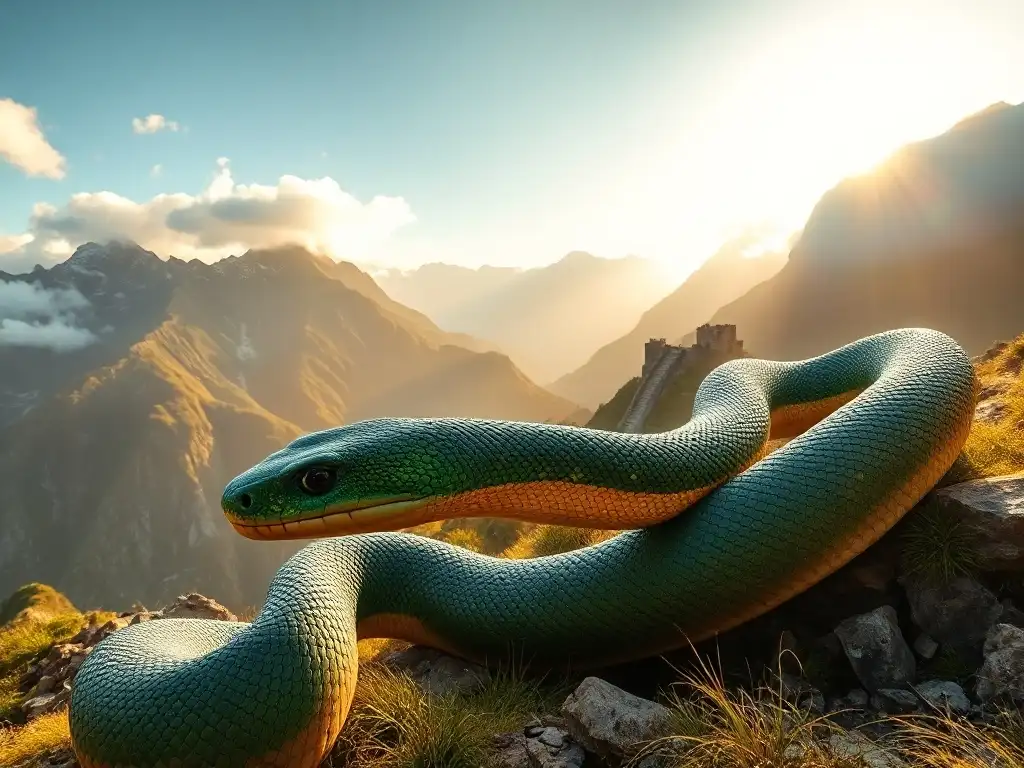
Unravel the mysteries of the Andes! Journey with us into a world of towering mountains, breathtaking artistry, and captivating mythology. Prepare to be captivated by the enigmatic power of the Amaru, the mythical serpent that weaved its way through the very fabric of Andean cosmology. Discover how this powerful creature shaped beliefs, rituals, and the lives of ancient civilizations, from the Incas to the Nazca. Dare to delve deeper into the Andean serpent mythology and uncover its secrets...
The Andean region, home to a vibrant tapestry of ancient civilizations, boasts a rich and complex mythology deeply intertwined with its natural environment. Central to this cosmology is the Amaru, a powerful and multifaceted mythical serpent representing a potent force in the Andean worldview.
This article delves into the significance of the Amaru, exploring its various manifestations, its role in Andean cosmology, and its enduring legacy in the region's cultural heritage. We will examine how the Amaru embodies not only primal forces of nature but also acts as a conduit between the earthly and spiritual realms, reflecting the intricate relationship between humans and the cosmos in Andean beliefs.
Understanding the Amaru is crucial to grasping the nuanced spiritual landscape of Andean civilizations, offering a compelling insight into their religious practices, artistic expressions, and societal structures. This exploration will illuminate the enduring power of Andean serpent mythology and its continuing influence on contemporary Andean cultures.
Manifestations of the Amaru: From Water Serpent to Sky Serpent
The Amaru wasn't a singular entity but rather a diverse range of serpentine beings, each with its unique attributes and symbolism. Representations varied across different Andean cultures and time periods. Some depict the Amaru as a primarily aquatic creature, a powerful water serpent associated with rivers, lakes, and the life-giving properties of water. This aspect underscores the vital role of water in the Andean ecosystem and the respect accorded to this precious resource.
Other depictions portray the Amaru as a celestial being, a sky serpent inhabiting the heavens, associated with storms, lightning, and the forces of the sky. This duality—water and sky—highlights the interconnectedness of the Andean worldview, where the earthly and celestial realms were not separate but rather interwoven aspects of a single cosmological system. The ambiguity of the Amaru's form allowed for a flexibility of interpretation, making it a powerful symbol adaptable to diverse contexts and beliefs.
Detailed descriptions of specific Amaru representations from various cultures, including the Incas, Moche, and Nazca, are needed here. [Specific information pending: Detailed descriptions of Amaru iconography from different Andean cultures, including artistic representations and archaeological findings]. This section should include examples of artistic depictions, such as pottery, textiles, and metalwork, to illustrate the variations in the Amaru's portrayal. The inclusion of specific examples will greatly enrich this section.
The Amaru's Role in Andean Cosmology: A Bridge Between Worlds
The Amaru played a crucial role in Andean cosmology, often acting as a mediator between the earthly and spiritual realms. It was believed to possess the power to influence natural phenomena, such as rainfall, earthquakes, and volcanic eruptions. This power stemmed from its connection to both the underworld and the heavens, making it a potent symbol of the interconnectedness of these realms.
The Amaru was not simply a destructive force; it was also associated with fertility, abundance, and prosperity. Its presence was seen as a sign of good fortune and a blessing from the gods. The worship of the Amaru involved rituals aimed at appeasing the serpent and ensuring its favor, reflecting the Andean peoples' deep respect for the natural world and their recognition of the powerful forces that shaped their lives.
Further research is needed to fully explore the nuances of the Amaru's role in different Andean cosmologies. [Specific information pending: Detailed analysis of ritualistic practices and beliefs associated with the Amaru across various Andean cultures]. This section requires a deeper exploration of the relationship between the Amaru and other Andean deities and the complex interplay of forces within the Andean pantheon. The inclusion of specific examples of rituals and beliefs will strengthen this section.
The Enduring Legacy of the Amaru: From Ancient Myths to Modern Interpretations
The Amaru’s influence extends far beyond the ancient Andean civilizations. Its image and symbolism continue to resonate in contemporary Andean cultures, appearing in various forms of art, literature, and folklore. The serpent remains a powerful symbol, often associated with healing, protection, and the enduring connection to the land and its ancestral spirits.
Understanding the Amaru provides a deeper appreciation for the richness and complexity of Andean culture and its persistent connection to its ancient past. The enduring presence of the Amaru in modern Andean culture serves as a testament to the enduring power of mythology and its ability to shape cultural identity across generations.
This section needs to be expanded with specific examples of how the Amaru is represented in modern Andean culture. [Specific information pending: Examples of contemporary art, literature, and folklore featuring the Amaru]. The inclusion of specific instances will enhance the section’s impact and provide a more comprehensive understanding of the Amaru's lasting influence. The addition of a table summarizing the Amaru's different representations across various Andean cultures and time periods would also be beneficial.
- Manifestations of the Amaru: From Water Serpent to Sky Serpent
- The Amaru's Role in Andean Cosmology: A Bridge Between Worlds
- The Enduring Legacy of the Amaru: From Ancient Myths to Modern Interpretations
The Significance of the Serpent in Andean Culture
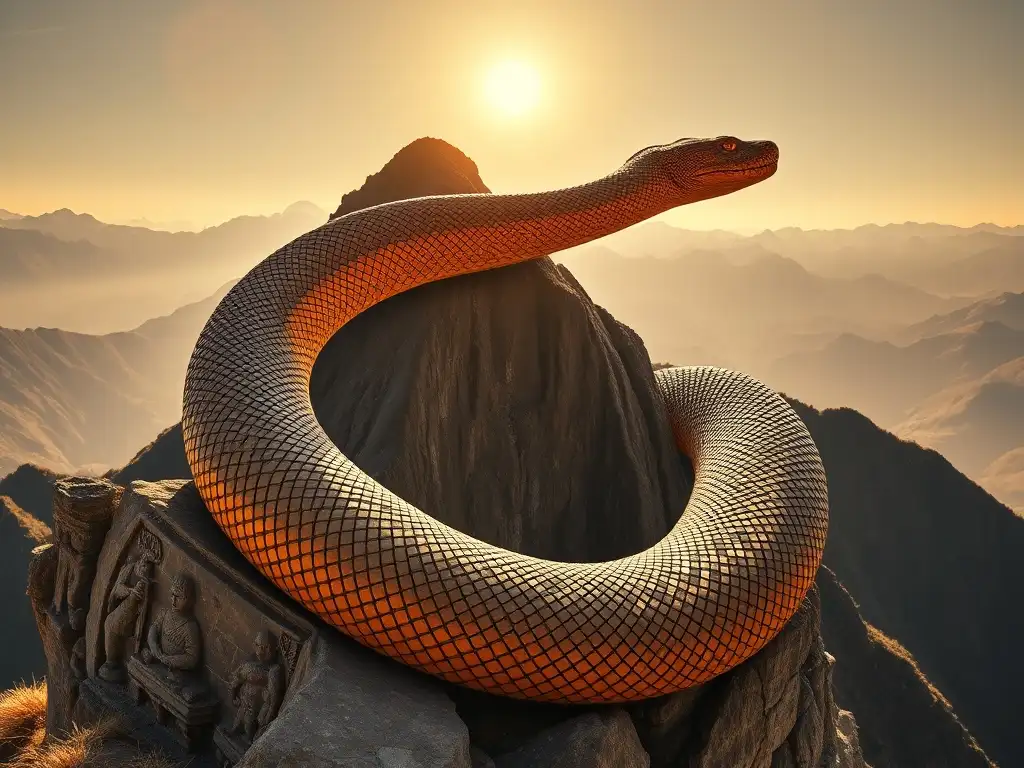
The serpent, often embodied in the mythical Amaru, holds a position of profound significance within the complex tapestry of Andean cosmology. Far from being solely a symbol of evil or chaos as in some other cultures, the Andean serpent represents a multifaceted and dynamic force, embodying both life-giving and destructive powers, reflecting the duality inherent in the Andean worldview. Its symbolic weight varies across different Andean cultures and time periods, but its persistent presence underscores its central role in their understanding of the cosmos and their place within it.
Understanding the Amaru requires appreciating its multifaceted nature, moving beyond simplistic interpretations and delving into the nuanced symbolism woven into Andean art, mythology, and religious practices. This intricate symbolism reflects the Andean people's deep connection to the natural world and their sophisticated understanding of ecological processes.
Analyzing Andean serpent mythology reveals a sophisticated cosmology shaped by the environment and the challenges of survival in the harsh Andean landscape. The enduring legacy of the Amaru continues to resonate in contemporary Andean cultures, demonstrating the enduring power of this potent symbol.
The Ubiquitous Presence of Serpents in Andean Art
Serpents are strikingly prevalent throughout Andean art, appearing in diverse forms across various cultures and time periods. From the intricate ceramics of the Moche to the monumental stone carvings of the Tiwanaku, serpentine imagery permeates artistic expression. The Moche, renowned for their elaborate pottery, frequently depicted serpents in scenes of ritual sacrifice, warfare, and even everyday life, often portraying them with vibrant colours and intricate details.
These depictions often showcase the serpent's association with fertility, water, and the earth's life-giving forces. The Nazca lines, though primarily known for their geoglyphs of animals, also feature subtle serpentine motifs integrated into the larger designs. These subtle inclusions hint at the serpent's pervasive influence even in seemingly unrelated artistic expressions.
In Tiwanaku art, the serpent is often intertwined with other symbolic figures, creating complex narratives reflecting the culture's sophisticated religious beliefs. The serpent's presence in these diverse artistic contexts highlights its enduring importance across different Andean societies and its deep integration into their cultural identity. The sheer volume and variety of these depictions demonstrate the vital role the serpent played in shaping Andean artistic traditions and conveying complex religious ideas.
Detailed analysis of the stylistic variations in serpent depictions across different Andean cultures reveals fascinating insights into their respective cosmologies and beliefs. For instance, the Moche often portrayed serpents with feathered wings, suggesting a connection to the sky and celestial realms, while Tiwanaku art frequently depicted them in a more terrestrial context, emphasizing their association with the earth and its resources.
This variation underscores the adaptability of the serpent symbol and its capacity to represent different aspects of the Andean worldview depending on the cultural context. Further research into specific stylistic elements could reveal even more subtle nuances in the meaning and significance attributed to the serpent in different Andean artistic traditions.
Serpent Symbolism in Ancient Andean Beliefs
The serpent's symbolism in ancient Andean beliefs is complex and multifaceted, varying across different cultures and time periods. However, some common themes emerge. The association of the serpent with water is a recurring motif, reflecting its vital role in agriculture and sustenance in the arid Andean environment.
Water, a precious resource in the high altitude regions, was often linked to fertility and prosperity, and the serpent, as a controller of water sources, became a symbol of these life-giving forces. In some Andean cultures, the serpent was also linked to the underworld, acting as a conduit between the earthly realm and the spiritual world.
This connection to the underworld highlights the serpent's association with both life and death, fertility and decay, reflecting the cyclical nature of Andean cosmology. The Amaru, as the most prominent manifestation of the Andean serpent deity, often embodied this duality, being simultaneously a powerful force of creation and destruction.
The Andean serpent wasn't simply a passive symbol; it actively participated in the mythology and religious practices of these cultures. Many myths and legends feature the serpent as a powerful deity, involved in both creation myths and narratives of conflict and transformation. Some narratives portray the serpent as a benevolent protector, while others depict it as a fearsome adversary.
The duality of the serpent's role in these narratives underscores its importance as a symbol of the inherent balance between opposing forces in the Andean worldview. Archaeological evidence further supports the serpent's importance in Andean religion, with numerous artifacts and sites suggesting the existence of serpent cults and rituals dedicated to this powerful deity.
The complexity of Andean serpent mythology is a testament to the rich and nuanced religious beliefs of these ancient civilizations. Further research into specific myths and rituals associated with the serpent could reveal even more about its significance in the Andean religious landscape.
Amaru: The Andean Mythical Serpent Explained
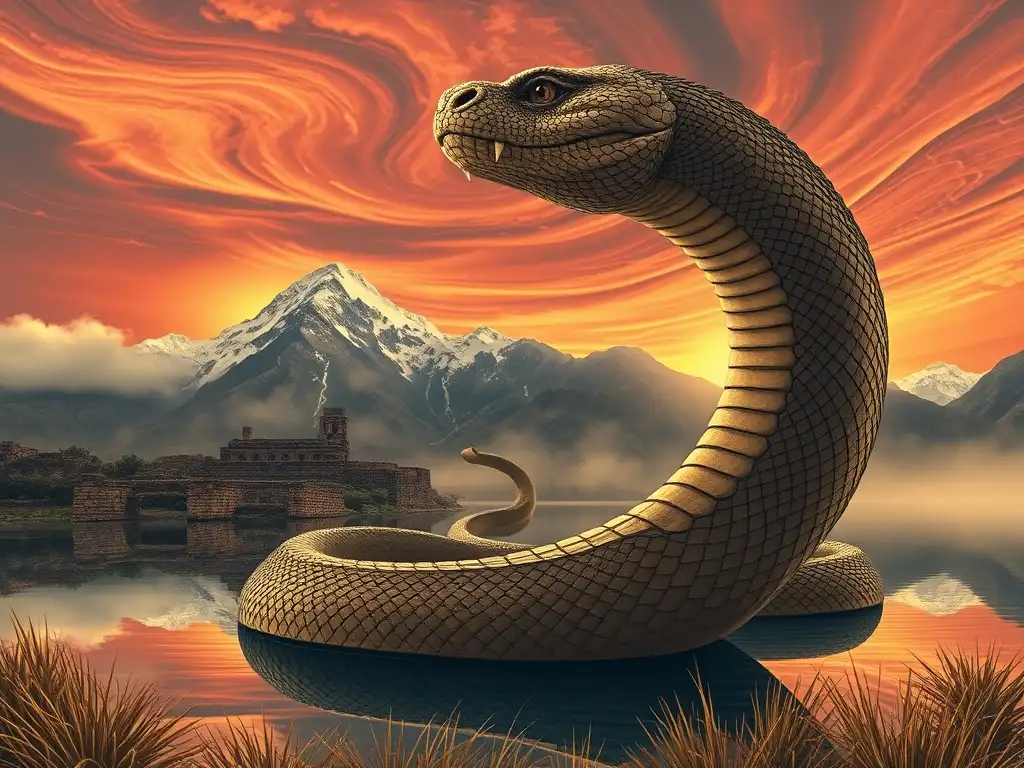
This section delves into the multifaceted symbolism of the Amaru, a crucial figure in Andean serpent mythology. Understanding the Amaru requires moving beyond a simple interpretation of it as just a snake; its significance permeates Andean cosmology, impacting their understanding of the world, their relationship with nature, and their spiritual beliefs. We will explore its diverse representations and the crucial roles it played across various Andean cultures. The widespread presence of Amaru imagery in Andean art and artifacts underscores its profound importance in their religious and social life.
Defining Amaru: More Than Just a Serpent
The Amaru is far more than a simple serpent; it's a powerful, multifaceted symbol representing a complex interplay of forces within the Andean worldview. While depicted as a serpent, often with feathered or other embellishments, the Amaru transcends the limitations of a purely biological interpretation. Think of it less as a type of snake and more as a concept, a potent symbol imbued with spiritual meaning.
Different Andean cultures, including the Incas, Moche, and Nazca, each had their unique interpretations, yet common threads of power, fertility, and cosmic significance weave through these diverse representations. The Amaru's attributes often included supernatural abilities, control over natural forces, and a connection to the underworld and the celestial realm. Its image frequently appears in textiles, pottery, and metalwork, reflecting its deep-seated importance in Andean society.
Analyzing these depictions reveals a nuanced understanding of the Amaru's diverse roles and the significance attributed to it by different Andean communities. For example, some depictions show the Amaru with multiple heads, signifying its power and dominion over multiple domains. Other representations depict it intertwined with other symbolic elements, enriching its complex meaning within Andean mythology.
Amaru's Connection to Water and Fertility
A key aspect of Andean serpent mythology centers on the Amaru's strong association with water and fertility. Water, a life-giving force in the arid Andean landscape, was considered sacred, and the Amaru, as a master of this vital resource, held a position of immense power. The Amaru was often seen as the source of springs, rivers, and rain, directly influencing agricultural success and the prosperity of Andean communities.
Depictions often show the Amaru emerging from water sources or controlling the flow of water, further emphasizing this crucial connection. This association extended to fertility, both human and agricultural. The Amaru's power over water translated into a capacity to promote growth and abundance, making it a vital deity for Andean farmers and communities reliant on agriculture.
The cyclical nature of water – its ebb and flow, its life-giving properties – mirrored the cycles of life, death, and rebirth, further solidifying the Amaru's position as a symbol of continuous renewal and regeneration. Evidence of this connection can be found in numerous archaeological findings, showcasing the Amaru intertwined with agricultural symbols or depicted near water sources in ancient Andean art.
Amaru as a Symbol of Duality and Transformation
The Amaru also embodies duality and transformation within Andean cosmology. It is not simply a force of good or evil but a complex entity capable of both creation and destruction. This duality is reflected in its association with both life-giving water and potentially destructive floods.
The Amaru's ability to transform and adapt is also a significant aspect of its symbolism. Its depiction in various forms, sometimes intertwined with other mythical beings or incorporating elements of other animals, reflects its capacity for metamorphosis and change. This adaptability mirrors the dynamic nature of the Andean environment and the constant need for adaptation and resilience.
The Amaru’s presence in both the underworld and the upper world further emphasizes this duality, showcasing its ability to traverse and connect different realms. This fluidity and ability to shift between states underscores the Amaru's role as a powerful and enigmatic force within the Andean worldview, a symbol of both creation and destruction, life and death, and the continuous cycle of transformation that shapes the Andean landscape and its people. The Amaru, therefore, stands as a potent symbol representing the complex and ever-changing nature of the Andean world.
Amaru in Different Andean Civilizations
The Andean serpent, known as the Amaru, holds a prominent place in the rich tapestry of Andean mythology. Its significance transcends simple animal representation; instead, the Amaru embodies powerful cosmological forces, representing fertility, water, and the subterranean world. Understanding the Amaru's role requires examining its diverse interpretations across various Andean cultures.
This section explores the Amaru's multifaceted presence in Inca, Moche, and Tiahuanaco cosmologies, highlighting the variations and common threads woven throughout Andean serpent mythology. The variations in depiction and symbolism across these cultures demonstrate the adaptability and enduring power of this iconic figure in shaping Andean spiritual beliefs and artistic expressions. The pervasive nature of the Andean serpent mythology showcases its deep-rooted significance within the region's cultural identity.
Amaru in Inca Mythology and Cosmovision
In Inca cosmology, the Amaru is deeply intertwined with the concept of Pachamama, the Earth Mother. It's often depicted as a powerful, benevolent serpent, associated with underground springs, rivers, and the life-giving waters that sustain Andean agriculture. The Amaru’s connection to water symbolized abundance and prosperity, making it a crucial element in Inca religious rituals and agricultural practices.
Interestingly, some scholars suggest a link between the Amaru and the Inca royal lineage, with the Sapa Inca sometimes depicted wearing Amaru headdresses or clothing adorned with Amaru motifs, emphasizing their divine authority and connection to the earth's generative power. This association reinforces the Amaru's status as a symbol of power and fertility within the Inca worldview. Furthermore, the Amaru often appears in Inca textiles and ceramics, further emphasizing its importance in their daily lives and religious practices.
The intricate weaving patterns and detailed pottery designs vividly depict the Amaru in various poses, often intertwined with other symbolic elements, providing valuable insights into Inca beliefs and artistic skill. The prevalence of the Amaru motif in Inca art underscores its central role in their spiritual and political landscape, solidifying its place within Andean serpent mythology.
Amaru Representations in Moche Art and Iconography
The Moche civilization, renowned for its sophisticated metalwork and elaborate ceramics, provides compelling evidence of the Amaru's significance in their worldview. Unlike the Inca's often benevolent portrayal, Moche depictions of the Amaru are more complex, sometimes showcasing it as a fierce, powerful creature. Moche iconography frequently depicts the Amaru engaged in battles with other supernatural beings or in scenes of sacrifice and ritual.
This suggests a more ambivalent view of the Amaru, representing not only fertility and life but also chaos and destruction. The Moche's mastery of metalworking is particularly evident in their Amaru representations, where intricate details and dynamic poses bring the mythical serpent to life. For example, the gold and silver Amaru artifacts unearthed from Moche tombs often showcase a level of artistry that reflects the civilization's advanced technological capabilities and their deep reverence for this powerful symbol.
The striking contrast between the benevolent Inca Amaru and the Moche's more complex representation highlights the regional variations within Andean serpent mythology. Further research into Moche iconography could reveal even more nuanced interpretations of the Amaru's role in their society.
The Amaru Motif in Tiahuanaco Culture
The Tiahuanaco culture, known for its monumental architecture and sophisticated artistic style, also integrated the Amaru into its religious and artistic expressions. However, the Tiahuanaco Amaru often appears in a more stylized form, frequently integrated into complex geometric patterns and symbolic designs found on their pottery and stone carvings. Unlike the Moche's dynamic and often violent depictions or the Inca's focus on fertility, the Tiahuanaco Amaru seems to be more closely associated with the cosmos and cyclical processes of creation and destruction.
The Amaru's presence in Tiahuanaco art often suggests a connection to the cyclical nature of time, the sun, and the Andean landscape itself. The meticulously crafted stonework of Tiahuanaco sites often features intricate Amaru motifs, subtly woven into the overall design. This integration of the Amaru into the very fabric of their architecture underscores its profound importance in their cosmology.
Further study of Tiahuanaco art and architecture is needed to fully understand the nuanced role the Amaru played in their belief system, adding further complexity to our understanding of Andean serpent mythology. The subtle yet pervasive use of the Amaru motif across various Andean cultures underscores its enduring significance and its versatile role in shaping religious beliefs and artistic expressions throughout the region.
The Role of Amaru in Andean Cosmology
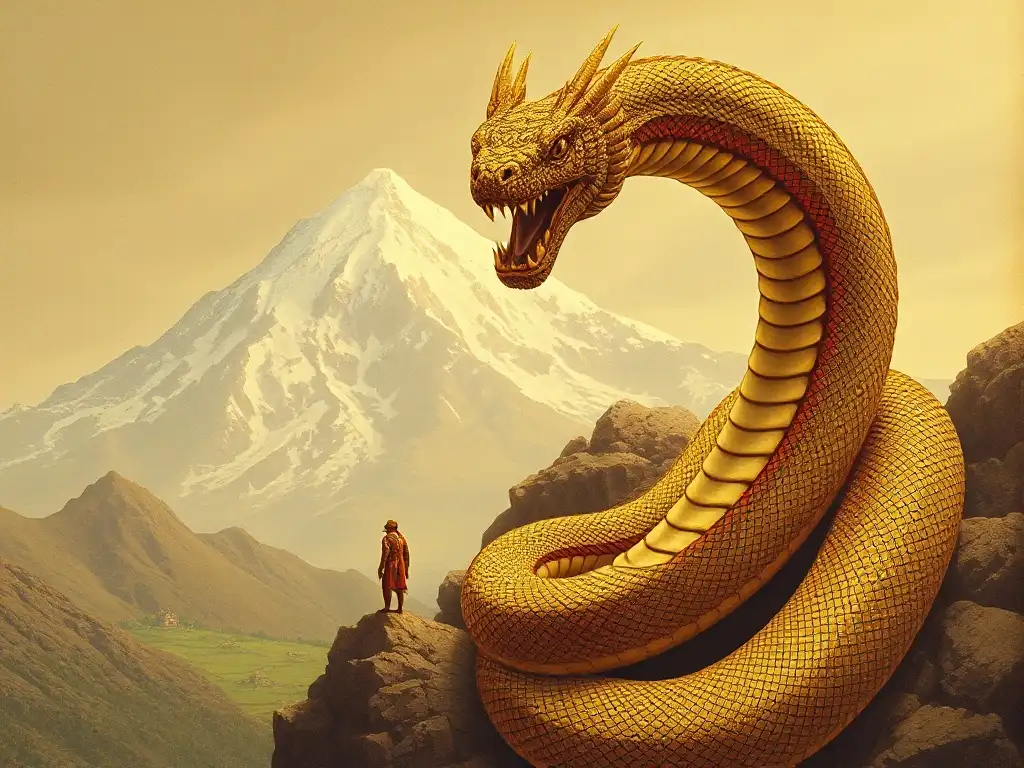
The Andean serpent, known as Amaru, holds a significant and multifaceted role within the complex cosmology of the Andean civilizations. Far from being a simple, singular entity, the Amaru represents a powerful symbol interwoven with concepts of fertility, water, power, and the interconnectedness of the cosmos. Its representations varied across different Andean cultures, reflecting regional nuances in belief systems and artistic expression.
Understanding the Amaru's significance requires examining its diverse symbolic interpretations and its place within the broader Andean worldview, specifically its connection to the Pachamama and the three-world cosmology. This section will explore the Amaru's profound influence on Andean religion and spirituality, further enriching our understanding of Andean serpent mythology.
Amaru's Place in the Three Worlds of Andean Thought
Andean cosmology is structured around a three-world model: the Hanan Pacha (upper world), the Kay Pacha (middle world, where humans reside), and the Ukhu Pacha (underworld). The Amaru, in its various manifestations, traverses these three realms, acting as a powerful conduit between them. For example, some depictions show the Amaru emerging from the Ukhu Pacha, its body snaking through the Kay Pacha, and its head reaching towards the Hanan Pacha. This visual representation emphasizes the serpent's role in connecting the different levels of reality, facilitating communication and exchange between them.
The Amaru's presence in the Ukhu Pacha often connects it to the sources of water, representing the subterranean rivers and springs that nourish the earth. In the Kay Pacha, it embodies the life-giving forces of nature, associated with fertility and abundance. Its presence in the Hanan Pacha, meanwhile, may represent its connection to celestial bodies like the Milky Way or lightning, signifying its powerful and sometimes destructive nature. This tripartite representation highlights the Amaru's dynamic and complex symbolism within the framework of Andean cosmology, making it a central figure in Andean serpent mythology.
Amaru as a Link Between the Sky, Earth, and Underworld
The Amaru's ability to connect the three worlds is crucial to understanding its significance in Andean thought. It's not simply a creature inhabiting one realm; it's a powerful intermediary, a symbolic bridge connecting the celestial, terrestrial, and subterranean spheres. This connection manifests in various ways:
- Water Cycle: The Amaru is often associated with water, a vital element in Andean life. Its connection to subterranean waters in the Ukhu Pacha links it to the rainfall in the Kay Pacha, ultimately connecting to the celestial sources of water in the Hanan Pacha. This cyclical representation underscores the Amaru's role in maintaining the balance of nature.
- Fertility and Abundance: The Amaru's movement between the worlds is seen as a catalyst for fertility. Its presence in the Ukhu Pacha symbolizes the potential for growth, while its movement through the Kay Pacha represents the manifestation of that potential in the form of abundant harvests and thriving ecosystems. This connection reinforces the Amaru's importance in ensuring the prosperity of Andean communities.
- Cosmic Power: The Amaru's reach into the Hanan Pacha connects it to the powerful forces of the cosmos. It's seen as a conduit for divine energy, mediating between the human world and the celestial realm. This aspect highlights the Amaru's role as a powerful symbol of cosmic energy and its influence on human affairs.
Amaru and its Association with the Pachamama
The Amaru is inextricably linked to the Pachamama, the Andean earth goddess, representing the fertile earth and the life-giving forces of nature. The Amaru, as a symbol of water and fertility, embodies the life-sustaining power of the Pachamama. Its serpentine form, often depicted winding through the landscape, mirrors the winding rivers and fertile valleys that are essential to Andean life.
The relationship between the Amaru and the Pachamama is symbiotic. The Amaru represents the Pachamama's generative power, while the Pachamama provides the environment in which the Amaru thrives. This close association reinforces the Amaru's role as a powerful symbol of nature's life-giving forces and its importance within the Andean worldview.
The intertwining of these two powerful symbols further solidifies the Amaru's status as a key figure in Andean serpent mythology and its significance in Andean religious practices. Understanding this connection deepens our appreciation for the nuanced and complex nature of Andean cosmology. Further research into specific regional variations in Amaru iconography would provide a more comprehensive understanding of this fascinating deity's role in Andean culture.
Amaru's Legacy in Modern Andean Culture
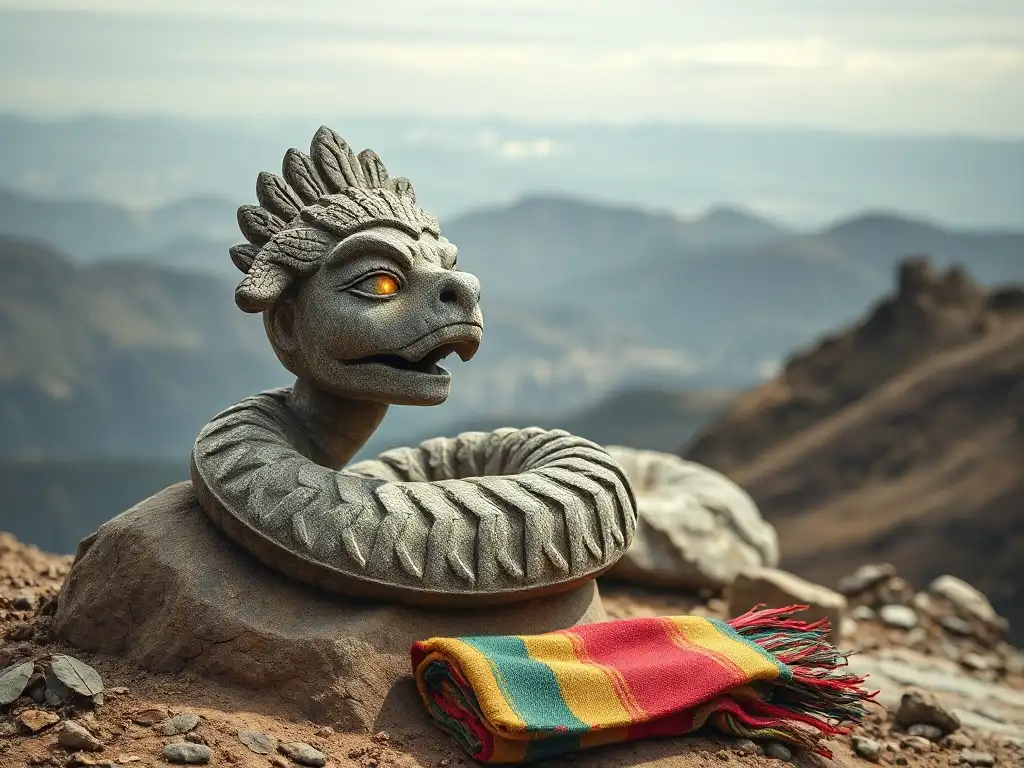
The mythical serpent Amaru, far from being relegated to the dusty pages of history books, continues to exert a powerful influence on modern Andean culture. Its enduring presence is a testament to the deep-rooted connection between Andean peoples and their ancestral beliefs. While the overt worship of Amaru may have diminished with the arrival of Christianity, its symbolism persists, subtly woven into the fabric of daily life, art, and spiritual practices. Understanding this enduring legacy requires examining how contemporary Andean communities reinterpret and reimagine this powerful deity.
Contemporary Interpretations of Amaru Mythology
Modern interpretations of Amaru mythology often blend ancient beliefs with contemporary concerns. The serpent's association with water, fertility, and the earth remains central, but its symbolic weight has adapted to reflect the challenges and realities of the 21st century. For example, in some communities, Amaru is viewed as a protector of natural resources, a symbol of environmental stewardship in the face of climate change and resource depletion.
This reimagining reflects a growing awareness of the interconnectedness between human actions and the environment, aligning the ancient symbolism with contemporary ecological concerns. The Andean serpent mythology, therefore, isn't static; it's a living tradition that evolves in response to the changing needs and perspectives of its adherents.
Furthermore, the concept of Amaru's dual nature—both destructive and life-giving—finds resonance in contemporary narratives. The serpent's capacity for both creation and destruction mirrors the complexities of modern life, with its inherent contradictions and unpredictable outcomes. This duality is not seen as inherently negative but rather as a reflection of the natural world's dynamic equilibrium. The destructive aspects of Amaru are often interpreted as necessary forces of renewal and transformation, highlighting the cyclical nature of life and death. This nuanced understanding avoids simplistic moral judgments and embraces the inherent complexity of the Andean worldview.
The Endurance of the Serpent Symbolism in Andean Traditions
The enduring presence of Amaru is evident in various aspects of contemporary Andean culture. Serpent motifs continue to appear in textiles, ceramics, and other forms of traditional art. These representations often subtly incorporate elements of both ancient and modern aesthetics, demonstrating a continuous dialogue between the past and the present. The use of serpent imagery in contemporary Andean art serves as a visual reminder of the enduring power of ancestral beliefs and the continued relevance of Amaru within the cultural landscape.
The symbolism also extends beyond the visual arts. In some Andean communities, rituals and ceremonies still incorporate elements that evoke the spirit of Amaru. These practices may not be explicitly dedicated to the worship of Amaru as a deity, but they nonetheless reflect the enduring influence of the serpent's symbolism. For example, certain agricultural practices or healing ceremonies may include symbolic gestures or invocations that subtly reference the serpent's life-giving and restorative powers.
This subtle integration of Amaru's symbolism into daily life underscores its lasting impact on Andean spirituality and cultural identity. The enduring presence of the Andean serpent, therefore, is not merely a nostalgic attachment to the past, but a vibrant element of the contemporary Andean cultural experience. It's a testament to the adaptability and resilience of Andean traditions and the enduring power of their mythology.
The persistence of Amaru in modern Andean culture highlights the dynamic nature of Andean serpent mythology. The symbolism adapts and evolves, reflecting the changing world while retaining its core significance. This continuous reinterpretation ensures the enduring legacy of Amaru within the rich tapestry of Andean traditions. 🐍
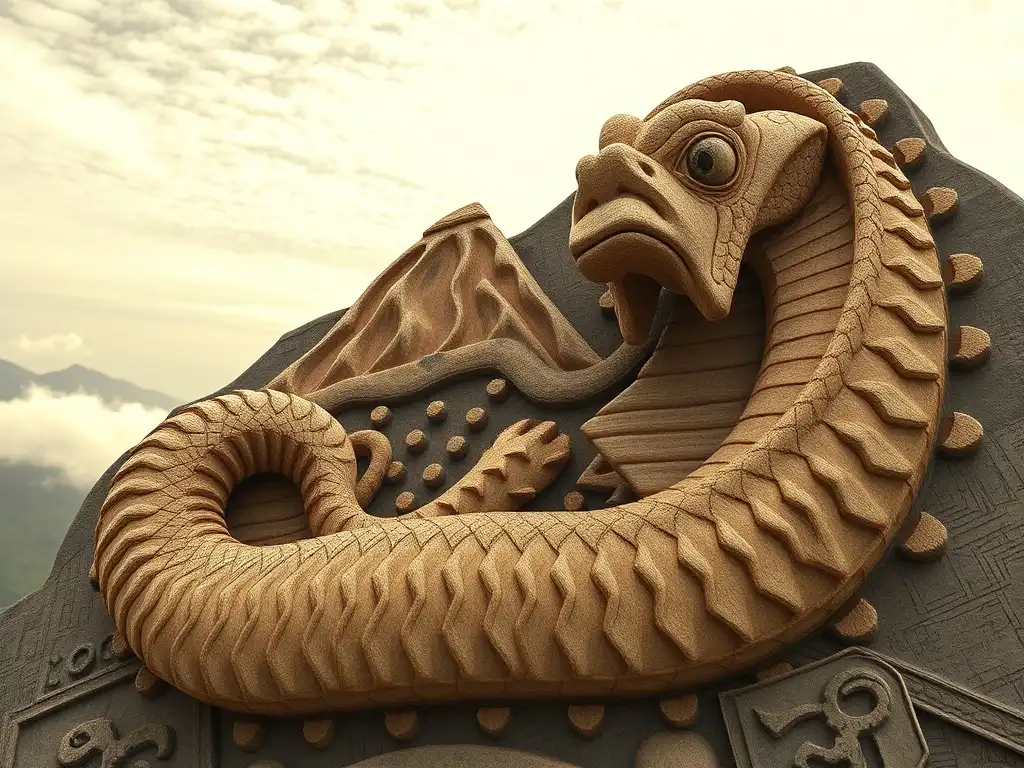
The Andean region boasts a rich tapestry of serpent mythology, with the Amaru being perhaps the most widely known. However, understanding the Amaru requires exploring other significant serpent deities and their interwoven narratives within the diverse Andean cosmovision. These myths, while regionally specific, often share common threads, highlighting the enduring importance of serpentine symbolism across different Andean cultures. The pervasive presence of these serpent deities underscores their vital role in shaping Andean religious beliefs and practices. This section will focus on one particularly relevant example: the Katari.
Katari: The Aymara Serpent of the Underworld
The Aymara people, inhabiting the Altiplano region of the Andes, possess their own powerful serpent deity: Katari. Unlike the Amaru, which often embodies both benevolent and malevolent aspects, Katari is predominantly associated with the underworld, a realm of both danger and potential rebirth. Katari is frequently depicted as a colossal serpent, residing in subterranean lakes and caves, controlling the flow of water sources vital to Aymara agriculture and survival. This control over water resources directly connects Katari to the life cycle and fertility of the land, highlighting its crucial role in the Aymara worldview.
Depictions of Katari in Aymara art and oral traditions often portray it with intricate scales, reflecting the shimmering surfaces of water. Furthermore, its connection to the underworld isn't solely about darkness and death; it also represents a transformative space, a cyclical process of decay and renewal. The Aymara believe that Katari, by controlling the water cycle, governs the agricultural cycle, thus influencing the continuous renewal of life. This understanding emphasizes a nuanced perspective on the underworld, not simply as a place of eternal darkness, but as a source of regeneration.
The fearsome aspect of Katari is balanced by its life-giving power, mirroring the complex duality present in many Andean deities. Further research into specific Aymara communities and their variations in Katari mythology is needed to fully understand the diverse interpretations of this powerful being. [Specific Aymara community variations in Katari mythology pending].
Comparative Analysis of Amaru and Katari Myths
Comparing the Amaru and Katari myths reveals interesting parallels and divergences in Andean serpent symbolism. Both deities represent powerful forces associated with nature, particularly water. However, their specific roles and attributes differ significantly. The Amaru, while sometimes associated with chaos and destruction, often holds a more ambivalent position, acting as both a destructive force and a source of fertility and prosperity. Its connection to the sky and the earth highlights its mediating role between these two realms.
| Feature | Amaru | Katari |
|---|---|---|
| Primary Realm | Sky and Earth (often associated with mountains) | Underworld (subterranean lakes and caves) |
| Primary Role | Fertility, protection, destruction (ambivalent) | Control of water, underworld ruler |
| Symbolism | Power, duality, transformation | Regeneration, life cycle, subterranean power |
| Cultural Context | Widely distributed across various Andean cultures | Primarily associated with Aymara culture |
The Katari, in contrast, is more firmly rooted in the underworld, wielding power over subterranean waters and representing the cyclical nature of death and rebirth within the earth. The Amaru's broader influence across multiple Andean cultures suggests a more widespread and perhaps earlier origin, while Katari's more localized association with the Aymara suggests a later development or perhaps a regional variation on a broader theme. Further investigation into the interconnectedness of these myths, and others like them, is essential for a complete understanding of Andean serpent mythology and its significance in the region's rich cultural heritage.
The study of these myths provides valuable insights into the complex relationship between Andean societies and their environment, emphasizing the deep reverence and understanding of natural forces that shaped their worldview. The use of comparative mythology, therefore, enhances our understanding of the nuances and variations within Andean cosmovision.
Conclusion: The Enduring Power of Amaru in Andean Mythology
The multifaceted nature of Amaru, the Andean mythical serpent, reveals a deep understanding of the interconnectedness of the natural world and the spiritual realm within Andean cosmology. Its symbolic power, transcending simple representation, acted as a powerful conduit for expressing complex religious beliefs, social structures, and cosmological concepts. From its association with water sources vital for agriculture – a lifeblood for Andean societies – to its role in mediating between the earthly and supernatural planes, Amaru's influence permeates various aspects of Andean life.
The enduring presence of Amaru in art, mythology, and even contemporary Andean culture speaks to its lasting significance as a potent symbol of power, fertility, and cosmic order. Its enduring legacy underscores the richness and complexity of Andean spiritual traditions.
The continued study of Amaru offers invaluable insights into the sophisticated belief systems of these ancient civilizations and their profound connection with their environment. Understanding Amaru is not merely understanding a myth; it is understanding a cornerstone of Andean identity.
The Relevance of Understanding Andean Serpent Mythology
Understanding Andean serpent mythology, particularly the symbolism of Amaru, provides a crucial lens through which to interpret the complex religious and cultural practices of Andean civilizations. The pervasive presence of serpent imagery in Andean art, textiles, and architecture highlights its central role in their worldview. Studying Amaru's various manifestations – from benevolent deity to destructive force – allows researchers to gain insights into the nuanced perspectives of Andean people on nature, power, and the cosmos.
Moreover, analyzing the evolution of Amaru's symbolism across different Andean cultures reveals the dynamic nature of religious beliefs and the ways in which they adapted to changing circumstances. This understanding is not just academic; it contributes to a deeper appreciation of the cultural heritage of Andean communities and fosters respect for their enduring traditions. The study of Andean serpent mythology allows us to appreciate the sophistication and complexity of these ancient cultures, challenging simplistic narratives and opening up new avenues of understanding.
Ignoring this rich tapestry of beliefs would be a significant loss to our understanding of human history and cultural diversity. Furthermore, this study helps to counter colonial narratives that often marginalized or misrepresented indigenous belief systems.
Amaru's Place in the Broader Context of Andean Belief Systems
Amaru's position within the broader framework of Andean belief systems is multifaceted and complex. It wasn't merely a singular deity but rather a potent symbol interwoven with other deities and cosmological concepts. Its association with water, fertility, and the underworld connects it to other Andean deities like Pachamama (Mother Earth) and Inti (the Sun God).
Amaru's dual nature – capable of both creation and destruction – reflects the cyclical nature of Andean cosmology, where life, death, and rebirth are intertwined. The serpent's ability to shed its skin symbolized renewal and transformation, mirroring the Andean understanding of the continuous cycle of growth and decay in the natural world. This interconnectedness with other elements of Andean belief systems emphasizes the holistic and integrated nature of their worldview.
Analyzing Amaru within this broader context allows for a more comprehensive understanding of Andean religious thought, highlighting its depth and complexity. The symbol's adaptability across different Andean cultures further underscores the dynamic and evolving nature of their spiritual beliefs, revealing a rich tapestry of interconnected ideas and practices. The study of Amaru's place within this larger context is essential for a nuanced and accurate understanding of Andean cosmology.
Frequently Asked Questions
What is the Amaru?
The Amaru is a mythical serpent central to the cosmology of various Andean civilizations. It represents fertility, water, and the underworld, holding significant religious and symbolic importance. Its imagery is prevalent in Andean art and architecture.
How did the Amaru's role vary across different Andean cultures?
While the Amaru's symbolic power remained consistent, its specific representation and associated myths varied across cultures like the Inca, Moche, and Nazca. Some depicted it as benevolent, others as a powerful force of nature.
What is the significance of the Amaru in Andean cosmology?
The Amaru played a crucial role in Andean cosmology, often connecting the underworld, the earthly realm, and the heavens. It represented the cyclical nature of life, death, and rebirth, and the flow of water and fertility.
Are there any specific examples of Amaru imagery in Andean art?
Yes, countless examples exist! Ceramics, textiles, and stone carvings frequently depict the Amaru, often intertwined with other symbolic elements. The Moche culture is particularly known for its detailed and dynamic depictions of the serpent.
How does the Amaru relate to the concept of Pachamama?
The Amaru and Pachamama (Mother Earth) are interconnected. The Amaru's association with water and fertility reinforces Pachamama's life-giving properties. Both are vital to understanding the Andean worldview.
Final Reflection: The Enduring Power of Amaru
The enduring legacy of Amaru, the mythical Andean serpent, resonates deeply within contemporary discussions of indigenous spirituality and environmentalism. Its symbolic power, far from being relegated to the past, continues to offer potent metaphors for understanding our relationship with the natural world and the interconnectedness of all living things. The very survival of Andean cultures and their unique worldview depends on the continued understanding and respect for these ancient beliefs.
The image of Amaru, a powerful symbol of both creation and destruction, has profoundly shaped Andean art, religion, and social structures for millennia. Its influence is not merely historical; it's a living force shaping contemporary artistic expressions, environmental activism, and even political discourse. The serpent is not just a symbol; it is a living embodiment of the earth's energy, its power, and its mysteries.
This quote, while not directly from an Andean source, captures the essence of Amaru's enduring significance and its ability to transcend time and cultural boundaries.
Consider the symbolism of Amaru: its connection to water, fertility, and the cyclical nature of life and death. These are themes that remain profoundly relevant in our modern world, particularly as we grapple with climate change and the urgent need for environmental stewardship. You, the reader, are now invited to reflect on the parallels between the ancient wisdom embodied in the myth of Amaru and the challenges we face today.
How can we, like the Andean peoples, find a balance between harnessing the power of nature and respecting its inherent sacredness? Let the enduring legacy of Amaru inspire you to seek a deeper connection with the world around you and to become a steward of its future.
Unveil the Wonders of Andean Mythology!
Thank you for exploring the fascinating world of Andean cosmology and the profound significance of mythical figures like the serpent Amaru. This rich narrative illuminates the symbolism of these creatures and connects you to a vibrant cultural heritage. Now, let's translate that inspiration into action!
Here are some ways to further explore Andean legends:
- Attend a local cultural event or workshop celebrating Andean traditions. Experience the stories and rituals firsthand.
- Share this article with friends and family or post it on social media to spread awareness of Andean mythology and spark conversations.
- Deepen your understanding by reading books and articles on related topics, such as Incan history or the role of animals in indigenous cultures. Each new piece of knowledge strengthens our connection to the past.
What aspect of Andean mythology resonates most with you, and how do you see its influence on our modern world? Share your thoughts in the comments below!