
Andean Ingenuity: Harnessing the Power of the Sun for Agriculture

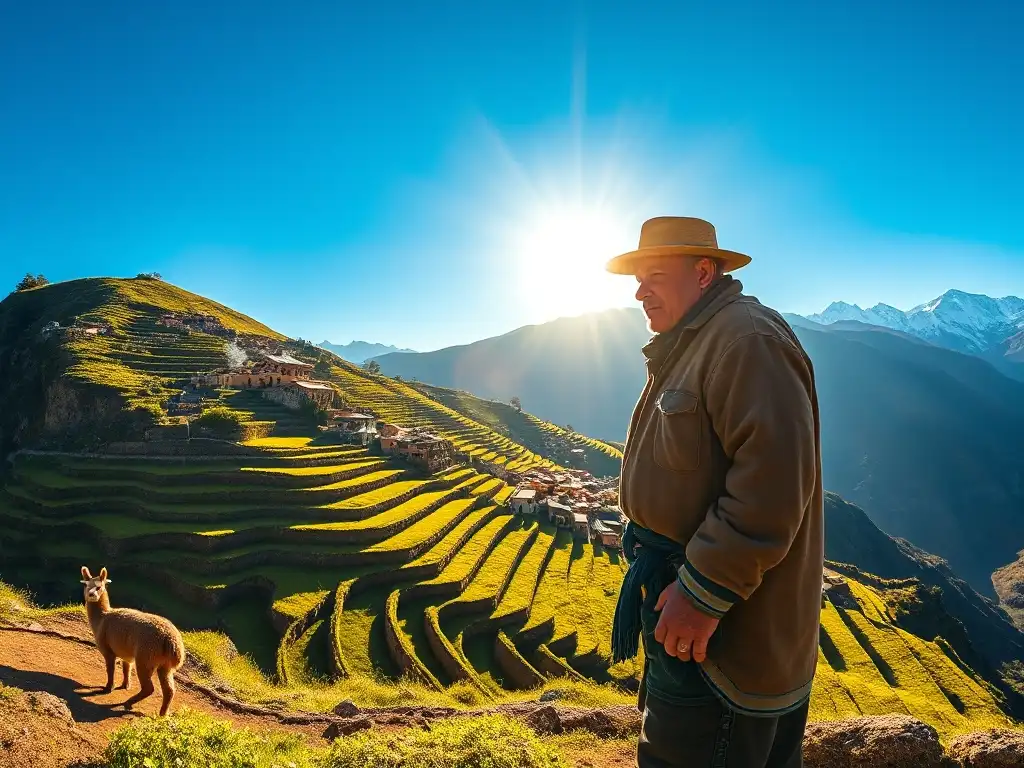
Unravel the mysteries of the Andes! For centuries, these towering peaks witnessed the rise and fall of incredible civilizations. But how did they thrive in such challenging terrain? Prepare to be amazed as we delve into the ingenious Andean sun agriculture techniques—a testament to the ingenuity and resilience of the ancient Andean peoples. Discover the secrets behind their mastery of the sun, and unlock the story of their remarkable agricultural achievements. Continue your journey to uncover more about the innovative practices that shaped their world.
The Andes Mountains, a spine of towering peaks stretching along the western coast of South America, presented ancient civilizations with a unique set of challenges and opportunities. Steep slopes, varying altitudes, and intense solar radiation created an environment demanding ingenious solutions for successful agriculture.
This article explores the remarkable ingenuity of Andean cultures in harnessing the power of the sun to cultivate their lands, focusing on techniques that allowed them to thrive in this demanding landscape. We'll delve into the sophisticated methods employed by civilizations like the Incas, Moche, Nazca, and Tiahuanaco, highlighting the crucial role solar energy played in their agricultural practices and the lasting impact these techniques have had on Andean agriculture.
Understanding these "Andean sun agriculture techniques" provides crucial insight into the resilience and adaptability of these remarkable civilizations. This exploration will uncover not just practical farming methods but also the deep connection between these societies and their environment, a relationship deeply intertwined with the life-giving sun.
Introduction to Andean Solar Agriculture
Andean agriculture wasn't simply a matter of planting seeds and hoping for the best; it was a complex interplay of observation, knowledge, and adaptation to the unique environmental conditions. The intense solar radiation of the Andes, while potentially damaging to crops, was also a vital resource. Andean farmers developed sophisticated techniques to maximize the benefits of sunlight while mitigating its negative effects. These methods included:
- Careful crop selection: Choosing crops adapted to high-altitude, intense sunlight, and varying soil conditions was paramount. This involved a deep understanding of plant physiology and environmental tolerances.
- Terracing: The iconic terraced fields of the Andes dramatically increased cultivable land and reduced soil erosion. The orientation of terraces was often carefully chosen to optimize sun exposure and minimize shading.
- Irrigation systems: Ingenious canal systems and water management techniques ensured that crops received adequate water, even in arid regions. These systems often incorporated solar-powered evaporation techniques to maintain humidity.
- Microclimates: Andean farmers utilized microclimates to their advantage, creating sheltered areas to protect crops from extreme weather conditions and optimize sunlight exposure. This often involved manipulating the landscape and planting specific vegetation.
The Importance of the Sun in Andean Agriculture
The sun was not merely a source of energy for Andean agriculture; it was a central element in their cosmology and worldview. Its life-giving power was deeply revered, and agricultural practices were often interwoven with religious and ceremonial rituals. The sun's influence is evident in:
- Agricultural calendars: Many Andean cultures developed sophisticated agricultural calendars based on solar cycles, predicting optimal planting and harvesting times with remarkable accuracy. These calendars were crucial for coordinating labor and ensuring successful harvests.
- Religious ceremonies: Numerous ceremonies were dedicated to ensuring a bountiful harvest, often involving offerings to sun deities and prayers for favorable weather conditions. These rituals reflected the deep spiritual significance of the sun in Andean societies.
- Crop diversification: The varied altitudes and microclimates of the Andes allowed for a diverse range of crops. Andean farmers skillfully utilized different sun exposure levels to cultivate a variety of crops, ensuring food security. This diversification minimized the risk of crop failure and provided a balanced diet.
The mastery of Andean sun agriculture techniques demonstrates a profound understanding of ecological principles and an intimate connection with the environment. These techniques allowed Andean civilizations to not only survive but thrive in one of the world's most challenging agricultural landscapes. The legacy of these innovative practices continues to shape Andean agriculture today, serving as a testament to the ingenuity and resilience of these remarkable cultures.
- How did Andean civilizations utilize the sun for agriculture?
- What role did observation of the sun play in Andean farming?
- What are some examples of Andean sun agriculture techniques?
- How did Andean sun agriculture techniques differ from other ancient agricultural practices?
- What was the impact of Andean sun agriculture techniques on their societies?
Ancient Andean Agricultural Techniques and Solar Energy
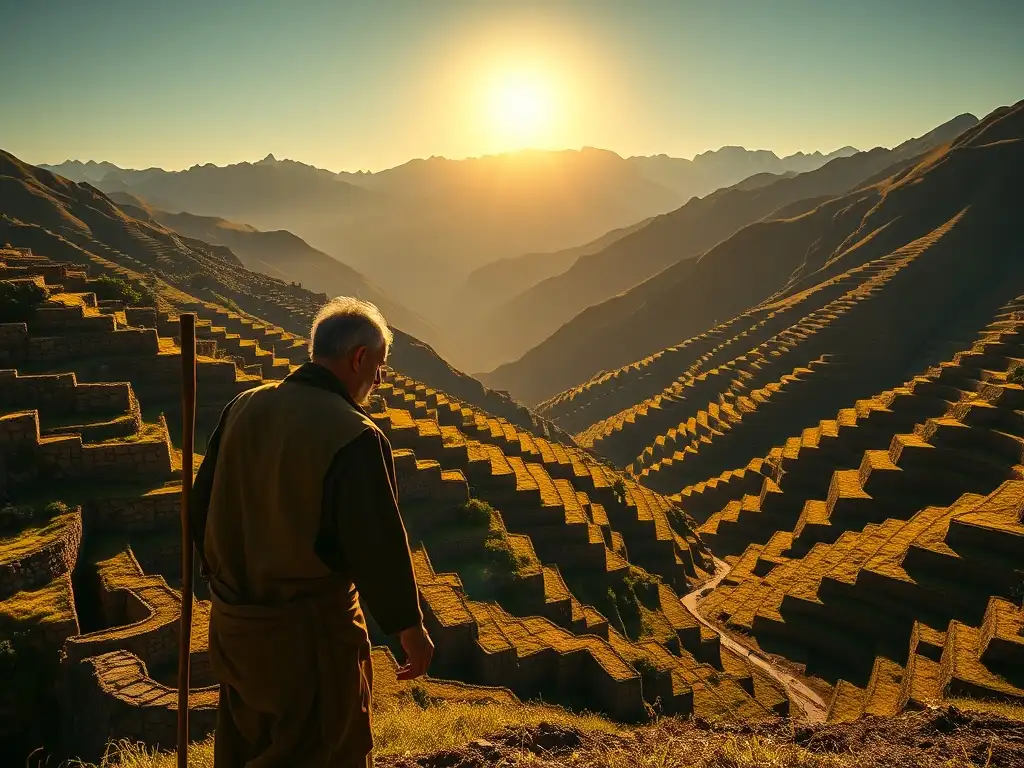
This section delves into the sophisticated agricultural techniques employed by Andean civilizations, focusing on their ingenious methods of harnessing solar energy to optimize crop production in challenging high-altitude environments. These techniques, developed over centuries, represent a remarkable interplay between human ingenuity and environmental adaptation, showcasing a deep understanding of both solar cycles and the Andean landscape. Understanding these methods provides crucial insight into the resilience and adaptability of Andean cultures, demonstrating their mastery of "Andean sun agriculture techniques" and their sustainable approach to farming.
Raised Fields (Waru Waru) and Solar Heat Retention
The Waru Waru agricultural system, prevalent among pre-Inca cultures in the Lake Titicaca basin, exemplifies the Andean mastery of solar energy manipulation. These raised fields, constructed from fertile soil and surrounded by water-filled channels, acted as highly efficient solar collectors. The dark, moist soil absorbed and retained solar heat more effectively than surrounding areas, extending the growing season and allowing for multiple harvests.
The water channels played a vital role in moderating temperature fluctuations. During the day, they prevented overheating, while at night, they released stored heat, protecting crops from damaging frost. This sophisticated system of thermal regulation, coupled with the fertile raised beds, resulted in significantly increased yields compared to traditional farming methods. Studies have shown that Waru Waru systems could increase crop yields by up to 30%, demonstrating their effectiveness in maximizing solar energy for agricultural productivity.
The design also minimized water evaporation, a critical factor in the arid Andean climate. Furthermore, the water channels served as breeding grounds for fish and other aquatic life, providing an additional food source for the communities. This integrated approach to agriculture exemplifies the holistic and sustainable nature of Andean farming practices, highlighting their deep understanding of the interplay between water, soil, and solar energy.
Terraces and their Role in Maximizing Sunlight Exposure
Andean terraces, perhaps the most visually striking example of Andean agricultural ingenuity, represent a masterful application of solar energy management on steep slopes. These meticulously crafted agricultural platforms, built into the sides of mountains, increased the available arable land dramatically. More importantly, their orientation and design were carefully calculated to maximize sunlight exposure throughout the day and across different seasons.
The terraces' angled surfaces were strategically positioned to capture optimal sunlight, reducing shading effects and improving the efficiency of photosynthesis. Furthermore, the retaining walls created microclimates, protecting crops from strong winds and frost. Different crops were often planted on terraces at varying altitudes, exploiting the subtle variations in temperature and sunlight exposure.
This careful manipulation of the environment allowed for the cultivation of a diverse range of crops, ensuring food security even in challenging conditions. The construction of terraces was a labor-intensive process, reflecting the high value placed on agricultural productivity and the deep understanding of the environment’s nuances. The longevity and effectiveness of these terrace systems, many of which are still in use today, bear testament to the ingenuity and sustainability of Andean agricultural practices.
Irrigation Systems: Integrating Water and Solar Energy
Andean irrigation systems are another impressive example of the sophisticated interplay between water management and solar energy utilization. These systems weren't just about moving water; they were carefully designed to optimize water distribution and temperature regulation in relation to solar exposure. Canals, aqueducts, and reservoirs were often constructed to take advantage of natural water sources and to distribute water efficiently across fields, based on seasonal variations in sunlight and water availability.
The design of canals frequently incorporated features that minimized water loss through evaporation, such as shaded sections or underground channels. In some cases, irrigation systems were also integrated with raised fields or terraces to enhance the effectiveness of solar heat retention and temperature regulation. The intricate network of canals and reservoirs not only ensured a consistent supply of water for crops but also played a role in regulating the temperature of the soil, reducing the risk of frost damage and improving crop yields.
These systems show an intricate knowledge of hydrology and solar cycles, demonstrating a deep understanding of how to manage water resources to maximize crop production in the challenging Andean environment. The effectiveness of these systems is evident in the sustained agricultural productivity of Andean communities over centuries, highlighting the ingenuity and resilience of their water management strategies.
The Use of Stone Structures for Solar Heat Absorption
Andean civilizations, renowned for their sophisticated agricultural practices, developed ingenious techniques to maximize crop yields in challenging high-altitude environments. One remarkable example of their ingenuity lies in the strategic use of stone structures to harness solar energy and improve agricultural productivity. These structures weren't merely haphazard arrangements of stones; they were carefully designed to absorb and retain solar heat, creating microclimates conducive to plant growth, even during colder periods.
The precise orientation and arrangement of the stones, often taking into account the angle of the sun throughout the year, played a crucial role in this process. This wasn't a matter of chance; meticulous observation and understanding of solar patterns were key to their effectiveness.
The construction involved selecting specific types of dark-colored stones, known for their ability to absorb and radiate heat efficiently. These stones, often locally sourced, would be meticulously placed to create walls, terraces, and even small enclosures. The walls, for instance, could be several stones thick, creating a thermal mass that absorbed heat during the day and released it slowly at night, mitigating temperature fluctuations.
This thermal inertia was critical for protecting delicate seedlings and extending the growing season. The design often incorporated features such as strategically placed openings and overhangs to manage airflow and further optimize temperature regulation. This level of architectural sophistication reflects a deep understanding of both building techniques and the principles of solar energy.
Evidence suggests that these techniques were not uniformly applied across all Andean cultures. Variations in design and material selection likely reflected regional differences in climate, available resources, and specific agricultural needs. While further research is needed to fully understand the nuances of these techniques across different Andean societies, the fundamental principle of harnessing solar energy through stone structures remains consistent.
The effectiveness of these methods is highlighted by the success of Andean agriculture in producing a variety of crops in often harsh conditions, a testament to their remarkable adaptation and ingenuity. The legacy of these ancient Andean agricultural techniques continues to inspire modern sustainable agricultural practices, demonstrating the enduring relevance of their knowledge.
The study of these structures offers valuable insights into the intersection of architecture, engineering, and agriculture in the Andean world, revealing a sophisticated understanding of environmental factors and their impact on food production. These techniques represent a sophisticated form of passive solar technology, showcasing the advanced understanding of the Andean people in harnessing natural resources for their benefit.
Specific Examples of Andean Sun Agriculture
This section delves into specific examples of how Andean civilizations ingeniously harnessed the power of the sun to optimize their agricultural practices. These techniques, developed over centuries, demonstrate a deep understanding of their environment and a remarkable ability to adapt to challenging conditions. Understanding these methods provides crucial insight into the ingenuity and resilience of Andean sun agriculture techniques.
Sunken Gardens (Hoyas) and Water Management
The pre-Inca cultures of the Andean highlands, facing harsh climates and limited water resources, developed sophisticated irrigation systems. One notable example is the use of hoyas, or sunken gardens. These weren't simply depressions in the ground; they were carefully constructed agricultural features designed to maximize solar radiation and water retention.
The strategic placement of hoyas often leveraged natural slopes to channel water efficiently. The sunken design minimized evaporation, creating a microclimate conducive to cultivation even in arid regions. Furthermore, the darker soil within the hoyas absorbed and retained more heat from the sun, extending the growing season and allowing for multiple harvests.
The construction of hoyas involved significant labor. Communities worked collaboratively to dig these substantial pits, often lining them with stones to prevent erosion and enhance water retention. The precise dimensions and orientation of each hoya were likely determined through generations of observation and experimentation, demonstrating a profound understanding of local hydrology and solar patterns.
This meticulous attention to detail demonstrates the sophisticated level of planning and engineering involved in Andean sun agriculture techniques. Archaeological evidence suggests that the effectiveness of hoyas extended beyond simply increasing water availability; they also improved soil fertility by trapping organic matter and reducing soil erosion. The hoyas represent a compelling example of how Andean civilizations actively shaped their environment to support their agricultural needs.
The Community of Sallac Using Waru Waru for Potato Cultivation
The waru waru system, a raised-field agricultural technique, provides another striking example of Andean adaptation to high-altitude environments. The community of Sallac, located in the high Andes, provides a modern-day case study of how this ancient technique continues to provide benefits. Waru waru involves creating raised beds separated by irrigation canals. This system offers several advantages.
The raised beds allow for improved drainage, preventing waterlogging and protecting crops from frost. The canals, filled with water during the day, absorb solar radiation and release heat at night, moderating temperature fluctuations and reducing the risk of frost damage, vital for potato cultivation. This temperature regulation is crucial in the often-frigid Andean highlands.
The Sallac community's continued use of waru waru demonstrates the enduring relevance of this ancient technology. Their experience shows that these Andean sun agriculture techniques are not merely historical relics but continue to offer practical and sustainable solutions for food production in challenging environments. Moreover, the system's effectiveness extends beyond crop production: the canals act as reservoirs, providing irrigation during dry periods and enhancing biodiversity by providing habitats for aquatic life.
The integration of waru waru into the community's agricultural practices highlights the long-term sustainability and adaptability of these methods. It serves as a powerful testament to the ingenuity of Andean civilizations and their deep understanding of their environment.
Quinoa Cultivation and its Dependence on Solar Energy
Quinoa, a staple crop of the Andes, thrives in harsh conditions due to its remarkable adaptability. Its cultivation is intrinsically linked to solar energy. Quinoa's tolerance to drought and high altitude is directly related to its efficient use of sunlight. The plant's photosynthetic pathways are highly effective at converting solar energy into biomass, even under conditions of limited water availability. This efficient use of sunlight allows quinoa to flourish in areas where other crops would struggle. The high altitude Andean regions receive intense solar radiation, and quinoa has evolved to make optimal use of this energy.
Furthermore, specific quinoa varieties are adapted to different altitudes and solar exposure levels. Farmers in the Andes have a deep understanding of these variations and select varieties appropriate for their specific microclimates. This careful selection, coupled with traditional agricultural practices, demonstrates a sophisticated understanding of plant physiology and the interaction between quinoa and its environment.
The success of quinoa cultivation highlights the close relationship between Andean agriculture and the harnessing of solar energy. The crop’s resilience and productivity exemplify the effectiveness of Andean sun agriculture techniques and their vital role in food security throughout the region. The continued cultivation of quinoa in the Andes underscores the enduring legacy of these traditional farming practices.
The Impact of Andean Solar Agriculture
The ingenuity of Andean civilizations in harnessing solar energy for agriculture significantly shaped their societal structures and allowed for impressive population densities in challenging environments. Understanding their techniques offers valuable insights into sustainable agriculture and resource management, particularly relevant in today's world facing climate change and food security concerns. The impact of their solar-focused agricultural practices extended beyond mere crop production; it fundamentally influenced their social organization, religious beliefs, and overall cultural development.
The effectiveness of these methods is evidenced by the relatively large and stable populations sustained in the Andes for centuries. These achievements weren't accidental; they were the result of careful observation, meticulous experimentation, and a deep understanding of their unique environment. The legacy of these techniques continues to resonate in modern Andean agricultural practices, demonstrating their enduring relevance and adaptability.
Increased Crop Yields and Food Security
Andean sun agriculture techniques directly contributed to increased crop yields and enhanced food security. By strategically utilizing the available sunlight, they maximized crop production in a region characterized by high altitudes, variable rainfall, and steep terrains. This wasn't achieved through a single technique, but rather a sophisticated combination of methods.
For instance, the construction of waru waru agricultural terraces, raised fields with irrigation channels, allowed for better water management and soil warming through solar radiation. These techniques, combined with the careful selection of sun-loving crops adapted to the altitude and climate, resulted in higher yields compared to less sophisticated methods. This surplus in food production, in turn, supported larger and more stable populations, enabling the development of complex social structures and flourishing civilizations.
The efficiency of waru waru systems is supported by modern research showing significantly higher yields and water retention compared to conventional farming. The impact on food security was profound, reducing the risk of famine and providing a stable base for societal growth. The improved food security also fostered specialization of labor, allowing individuals to dedicate their time to other activities beyond mere subsistence farming.
Sustainable Farming Practices in the Andes
The Andean civilizations weren't simply focused on maximizing immediate yields; they implemented sustainable farming practices that ensured long-term agricultural productivity. Their methods were designed to minimize environmental impact and maintain soil fertility. The use of Andenes (terraces) not only increased arable land but also prevented soil erosion, a critical concern in mountainous regions. Careful crop rotation and the integration of diverse crops into their agricultural systems further enhanced soil health and reduced the risk of pest infestations.
Their understanding of the Andean ecosystem was deeply integrated into their farming techniques, promoting biodiversity and resilience. Furthermore, the use of natural fertilizers, such as guano (bird droppings), demonstrates their knowledge of sustainable soil management. This holistic approach to agriculture contrasts sharply with some modern intensive farming practices which can lead to soil degradation and environmental damage.
The long-term sustainability of their methods is evidenced by the enduring fertility of some Andean soils, even after centuries of cultivation. These sustainable practices are increasingly relevant today as we grapple with the challenges of climate change and resource depletion. The wisdom of these ancient techniques offers valuable lessons for modern agriculture.
Adaptation to Harsh Andean Climate Conditions
Andean sun agriculture techniques were crucial for adapting to the harsh climate conditions prevalent in the Andes. The high altitude, intense solar radiation, and unpredictable rainfall presented significant challenges to agriculture. However, the Andean civilizations developed ingenious solutions to overcome these obstacles. The construction of Andenes, for example, not only increased arable land but also provided protection from strong winds and frost.
The orientation of these terraces, often facing east to maximize sun exposure, is a testament to their meticulous understanding of solar energy’s impact on crop growth. The use of microclimates, created through careful landscaping and the strategic placement of crops, further mitigated the effects of harsh weather conditions. The development of drought-resistant crops through selective breeding was another key adaptation strategy. These techniques demonstrate a deep understanding of the local climate and its influence on plant growth, allowing them to optimize agricultural production in challenging circumstances.
The ability to adapt to such harsh conditions is a remarkable achievement, highlighting the resilience and ingenuity of Andean farmers. Their success provides a compelling example of how human innovation can overcome environmental limitations. Modern agriculture can learn much from the adaptability and resourcefulness demonstrated by these ancient civilizations.
Modern Applications of Ancient Andean Solar Techniques
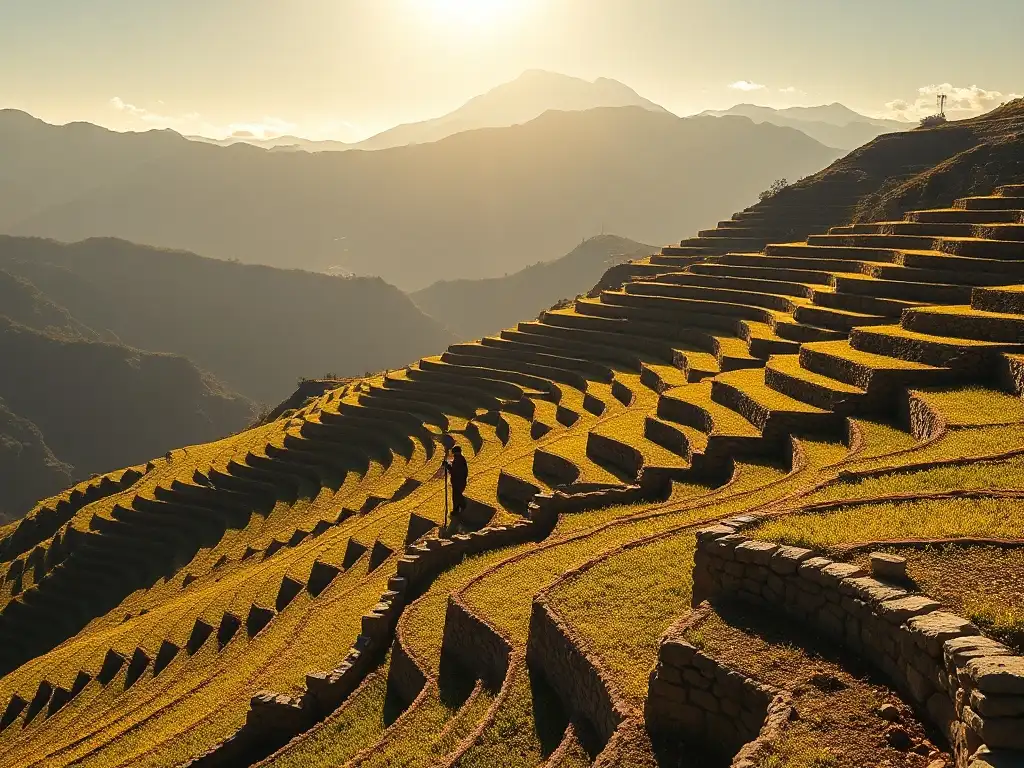
The ingenious sun-based agricultural techniques employed by Andean civilizations continue to inspire modern approaches to sustainable farming. While many traditional methods have been lost or modified over time, a renewed interest in pre-Columbian agricultural practices offers valuable insights for contemporary agriculture, particularly in challenging environments. Understanding the subtleties of these techniques – from the precise orientation of fields to the careful selection of crops – provides a blueprint for environmentally conscious farming practices. This section explores the revival of these ancient methods and their potential impact on modern agriculture.
Reviving Traditional Agricultural Methods
One compelling example of reviving traditional Andean solar agriculture techniques is the resurgence of interest in waru waru agriculture. This sophisticated system, practiced by various Andean cultures, involves creating raised beds separated by irrigation canals. These canals not only provide water for the crops but also act as heat sinks, moderating temperature fluctuations and protecting crops from frost.
Studies have shown that waru waru systems significantly improve water retention and soil fertility, leading to increased yields even in arid regions. The system's effectiveness lies in its ability to harness solar energy for optimal crop growth while minimizing water waste. Furthermore, the raised beds improve drainage, reducing the risk of waterlogging and disease.
The revival of waru waru is not simply a nostalgic gesture; it's a practical solution offering climate-resilient agriculture in regions facing water scarcity and increasing temperatures. Farmers in the Andes and beyond are actively experimenting with and adapting waru waru techniques to contemporary agricultural needs, demonstrating the enduring relevance of this ancient Andean innovation. The implementation often involves modern techniques like drip irrigation integrated into the traditional raised bed structure, creating a hybrid system that combines ancient wisdom with modern technology.
Potential for Solar Agriculture in Arid and Semi-Arid Regions
The principles behind Andean sun agriculture techniques hold immense potential for addressing the challenges of food security in arid and semi-arid regions globally. These techniques, honed over millennia in challenging environments, offer sustainable solutions for maximizing crop production with minimal water consumption. The ability to optimize solar radiation for crop growth is particularly crucial in regions with limited water resources.
By carefully studying and adapting these techniques, modern agriculture can significantly improve crop yields and reduce reliance on unsustainable irrigation practices. For instance, the precise orientation of fields to maximize sun exposure, a cornerstone of Andean agriculture, can be replicated using modern surveying techniques and GIS mapping. This allows for the efficient allocation of land based on solar conditions, leading to optimized crop production.
Moreover, the use of drought-resistant crops, traditionally cultivated by Andean communities, offers valuable genetic resources for developing new, climate-resilient varieties suitable for arid regions. The application of these ancient Andean knowledge systems to contemporary challenges represents a powerful step towards sustainable agriculture in water-stressed areas. More research is needed, however, to fully understand the scalability and adaptability of these techniques in diverse agro-ecological contexts.
The Future of Sustainable Agriculture and Andean Wisdom
The integration of ancient Andean sun agriculture techniques into modern farming practices presents a promising pathway towards a more sustainable and resilient agricultural future. The enduring value of these techniques lies not just in their historical significance but in their practical applicability to the pressing challenges of climate change and food security. By combining traditional knowledge with modern technology, we can create innovative farming systems that are both productive and environmentally responsible.
This approach requires a collaborative effort between researchers, farmers, and policymakers to document, preserve, and adapt these techniques for diverse contexts. Furthermore, promoting the sharing of knowledge and best practices among communities can help to disseminate these valuable techniques globally. The future of sustainable agriculture hinges on our ability to learn from the past and integrate ancient wisdom with modern innovation.
The Andean experience serves as a powerful reminder that sustainable agricultural practices are not simply a modern invention, but a legacy of ingenuity refined over centuries, offering valuable lessons for a future facing significant environmental pressures. The continued study and application of Andean sun agriculture techniques are essential for building a more resilient and sustainable food system for generations to come.
Conclusion: Lessons from Andean Sun Agriculture
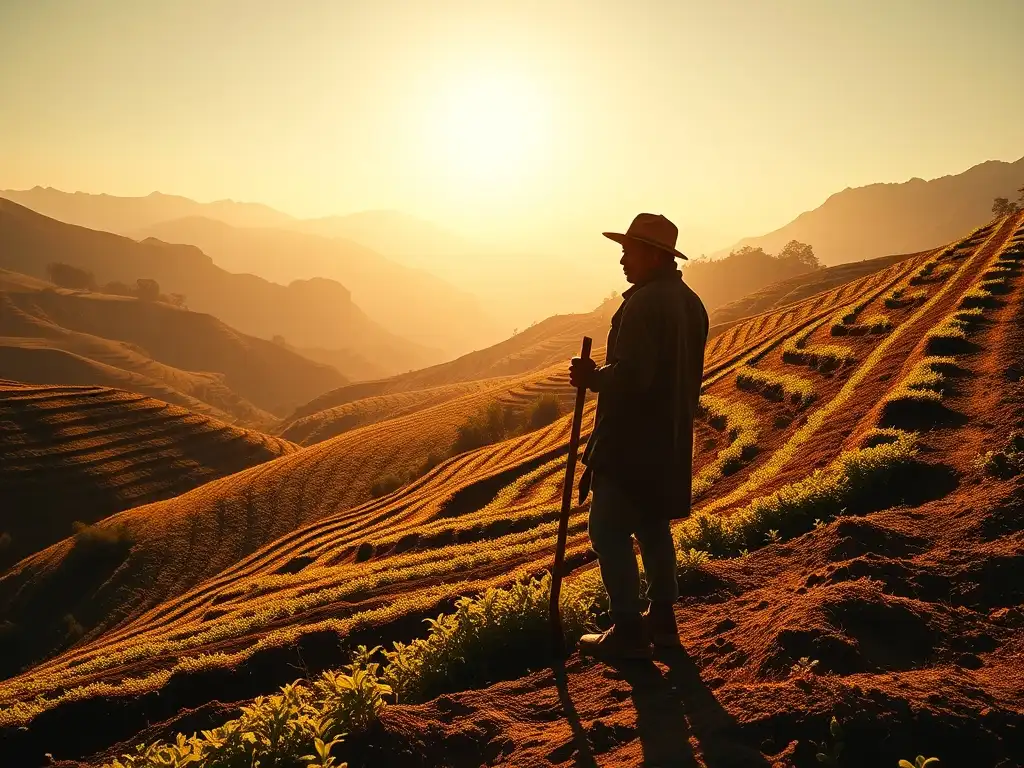
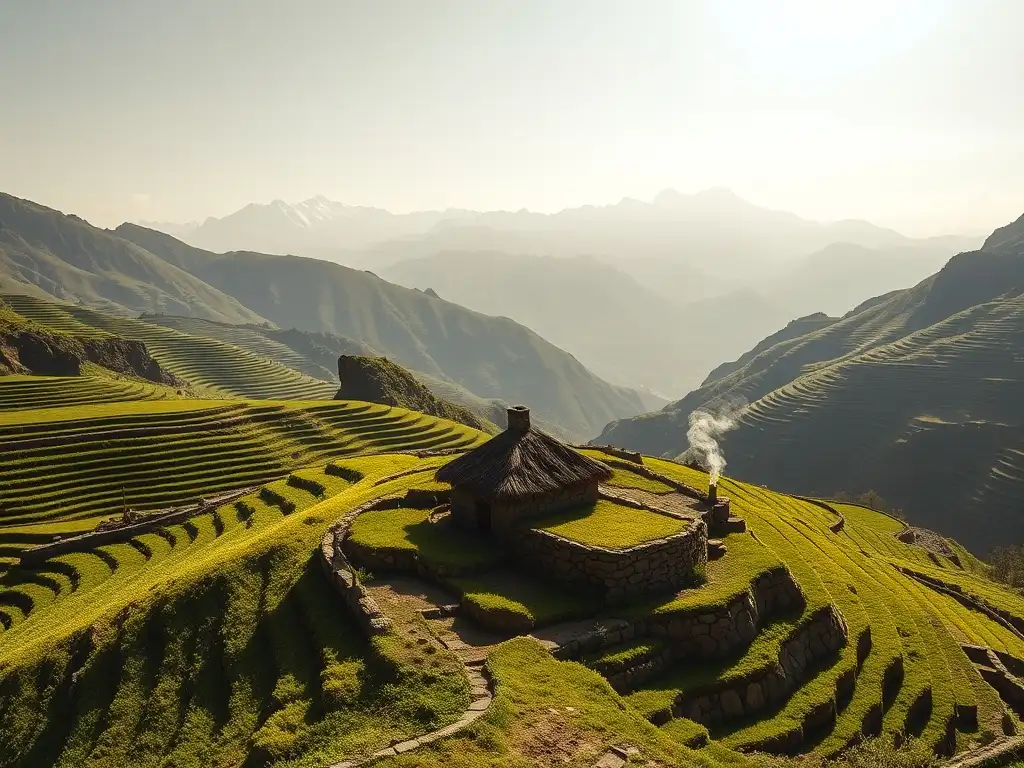
Andean sun agriculture techniques were not simply about exposure; they were about meticulous land management. The most striking example of this is the extensive use of terracing. These weren't haphazard slopes carved into hillsides; they were precisely engineered agricultural platforms, often stretching for kilometers. The terraces themselves weren't flat; they followed the contours of the land, maximizing surface area and minimizing erosion.
This careful design allowed for optimal sunlight exposure, even in mountainous regions with steep inclines. The construction involved significant labor, requiring the coordinated efforts of entire communities. Evidence suggests that sophisticated surveying techniques, perhaps using rudimentary instruments, were employed to ensure the accuracy of the terraces' alignment.
The effectiveness of this system is undeniable; it allowed for the cultivation of crops at high altitudes where traditional farming would have been impossible. The precise angle and orientation of the terraces were likely adjusted to optimize solar radiation throughout the growing season, showcasing a deep understanding of both geography and agricultural principles. Furthermore, the terraces often incorporated drainage systems to prevent waterlogging and maintain soil fertility.
The Construction and Maintenance of Terraces
The construction of Andean terraces was a monumental undertaking. It involved the meticulous cutting and shaping of stone, the careful layering of soil, and the creation of retaining walls to prevent soil erosion. The stones used were often carefully fitted together without mortar, showcasing advanced stonework techniques.
The scale of these projects varied widely, from relatively small terraces supporting individual family plots to vast, interconnected systems that covered entire mountain slopes. Maintaining these terraces over generations required ongoing effort. Regular repairs were needed to address damage caused by erosion, earthquakes, or other natural disasters.
The commitment to maintaining these systems speaks volumes about the value placed on sustainable agriculture by Andean communities. Archaeological evidence suggests that specialized labor forces, possibly organized through a system of reciprocal labor exchange ( ayni ), were responsible for the construction and upkeep of these vital agricultural features. The longevity of many terrace systems, with some still in use today, is a testament to their resilience and the ingenuity of their designers.
The Role of Irrigation in Andean Terracing
The effectiveness of Andean terracing was significantly enhanced by sophisticated irrigation systems. Water was often channeled from higher elevations to the terraces using canals and aqueducts, some of which were remarkably complex. These systems allowed farmers to control the amount and timing of irrigation, ensuring that crops received the necessary moisture throughout the growing season, even in arid or semi-arid environments. The precise management of water resources was crucial, particularly given the challenges posed by fluctuating rainfall patterns in the Andes.
These irrigation systems were not merely simple ditches; they often incorporated sophisticated features such as reservoirs, siphons, and tunnels to manage water flow efficiently. The integration of irrigation systems with terracing created a synergistic effect, maximizing agricultural productivity in challenging environments. The design and maintenance of these systems required extensive knowledge of hydrology and engineering, further highlighting the advanced technological capabilities of Andean civilizations.
Andean Sun Agriculture Techniques: Beyond Terracing
While terracing is perhaps the most visually striking example of Andean sun agriculture techniques, other methods were equally important. Crop selection played a crucial role. Andean farmers cultivated a diverse range of crops adapted to high-altitude conditions, including potatoes, quinoa, maize, and beans. These crops were not only resilient but also provided a balanced diet, minimizing the risk of nutritional deficiencies.
The timing of planting and harvesting was carefully calibrated to optimize sunlight exposure and minimize the impact of frost. Farmers also employed various soil management practices, such as composting and crop rotation, to maintain soil fertility and prevent erosion. Moreover, understanding the microclimates within the agricultural landscape allowed for the strategic placement of different crops based on their unique needs. This sophisticated approach to agricultural management highlights a deep and nuanced understanding of ecological principles.
The Importance of Crop Diversity and Rotation
The Andean agricultural system was characterized by remarkable biodiversity. This diversity wasn't accidental; it was a deliberate strategy to mitigate risks associated with crop failure. By cultivating a wide range of crops, Andean farmers reduced their vulnerability to pests, diseases, and climatic variations. Crop rotation was another crucial practice, allowing farmers to replenish soil nutrients and break pest cycles.
This approach was particularly important in high-altitude environments where soil fertility could be limited. The diversity of crops also contributed to a varied and nutritious diet, contributing to the health and well-being of Andean communities. The sophisticated knowledge of agricultural ecology demonstrated by these practices underscores the ingenuity of Andean farmers. The meticulous selection of crops and their strategic placement within the landscape demonstrate a deep understanding of the interplay between climate, soil, and plant growth.
Utilizing Microclimates for Optimized Growth
Andean farmers were astute observers of their environment, understanding the subtle variations in microclimates within their agricultural landscapes. They recognized that slopes facing different directions received different amounts of sunlight and experienced varying temperatures and humidity levels. This knowledge allowed them to strategically place different crops in locations that best suited their specific needs. For example, frost-sensitive crops might be planted in warmer, sheltered locations, while more cold-tolerant crops could be planted in higher, more exposed areas.
This nuanced approach to crop placement maximized yields and reduced the risk of crop failure. The ability to identify and utilize these microclimates demonstrates a sophisticated understanding of ecological principles and a deep connection to the land. This practice showcases not only agricultural prowess but also a profound respect for the natural environment.
Conclusion: Lessons from Andean Sun Agriculture
The Enduring Legacy of Andean Agricultural Ingenuity
The Andean civilizations' mastery of sun agriculture techniques offers invaluable lessons for modern agriculture. Their sustainable practices, emphasizing biodiversity, soil conservation, and water management, are particularly relevant in the face of climate change and growing global food security concerns. The ingenuity of Andean farmers in harnessing the power of the sun to cultivate crops in challenging environments serves as an inspiration for developing sustainable and resilient agricultural systems.
The enduring legacy of Andean agricultural ingenuity lies not only in the impressive scale of their achievements but also in the underlying principles of sustainability and ecological balance that guided their practices. The sophisticated integration of terracing, irrigation, crop diversity, and microclimate management provides a powerful model for addressing the challenges of food production in a changing world.
Understanding and adapting these techniques can contribute significantly to achieving global food security and promoting sustainable land management. The Andean legacy reminds us that agricultural success is not solely about maximizing yields but also about building resilient and environmentally responsible systems.
Frequently Asked Questions
How did Andean civilizations utilize the sun for agriculture?
Andean civilizations employed sophisticated techniques like sun-based calendars and terracing to optimize planting and harvesting times. They also strategically placed fields to maximize sun exposure and minimize shade.
What role did observation of the sun play in Andean farming?
Careful observation of the sun's movements allowed farmers to predict seasonal changes and plan accordingly. This precise knowledge was crucial for successful crop cultivation. Astronomical knowledge was directly linked to agricultural practices.
What are some examples of Andean sun agriculture techniques?
Examples include the construction of extensive terrace systems on mountain slopes to create level planting areas with optimal sunlight and water management. The use of waru waru raised beds also improved drainage and soil fertility.
How did Andean sun agriculture techniques differ from other ancient agricultural practices?
While other civilizations used calendars, Andean techniques showed a particularly strong integration of astronomical knowledge with agricultural practices and landscape modification. Their adaptation to diverse altitudes and climates was unique.
What was the impact of Andean sun agriculture techniques on their societies?
These techniques ensured reliable food production, supporting large populations and complex social structures. This agricultural success facilitated the development of advanced civilizations in the Andes.
Final Reflection: The Enduring Legacy of Andean Sun Agriculture
The ingenious agricultural techniques developed in the Andes remain a powerful testament to human adaptability and a crucial model for sustainable practices in the face of climate change. These ancient methods, honed over millennia to harness the power of the sun in diverse, challenging environments, offer vital lessons for a world grappling with food security and environmental degradation. Their continued relevance is undeniable.
The impact of Andean sun agriculture extends far beyond the historical context; its principles continue to shape farming practices and inspire innovative solutions today. The ingenuity of terrace farming, the careful selection of sun-resistant crops, and the intricate water management systems all speak to a deep understanding of ecological balance. The mountains are our teachers,
a Quechua elder once told me, and this wisdom resonates deeply in the enduring legacy of these techniques. Their resilience in the face of environmental pressures offers a powerful counterpoint to modern, often unsustainable, agricultural practices.
Consider the implications of these ancient methods for your own life. Can you incorporate principles of sustainable resource management into your daily choices? Can you support initiatives that promote environmentally conscious agriculture? The wisdom of the Andes beckons us to rethink our relationship with the land and the sun, urging us to embrace sustainable practices that ensure a bountiful future for generations to come. Let the enduring legacy of Andean ingenuity inspire you to cultivate a more harmonious relationship with our planet.
Ignite Change: Embrace Solar Solutions for Sustainable Agriculture!
Thank you for exploring the fascinating intersection of Andean ingenuity and solar power. Discovering how ancient communities harnessed the sun's energy offers valuable insights applicable to modern agriculture. Now, let's put that knowledge into action!
Here's how you can get started:
- Implement Solar-Powered Techniques: Begin by researching and adopting a solar-powered method suitable for your garden or farm. Consider seeking support through local workshops or agricultural technology initiatives.
- Connect with Your Community: Share your experiences and knowledge with fellow farmers and gardeners. Building a network focused on sustainable practices fosters collaboration and accelerates learning.
- Expand Your Knowledge: Investigate other cultures that have successfully utilized solar energy. Identify and adapt techniques relevant to your specific circumstances.
What solar-powered solution will you implement first to transform your agricultural practices? Share your ideas below!