
Insurance and Inheritance: Protecting Your Andean Textile Investment

Unravel the mysteries of a lost world. For centuries, the Andes have guarded secrets woven into their very fabric—a legacy of breathtaking artistry and unparalleled innovation. But what happens when these treasures, like the intricate Andean textiles, are threatened? Dive into the fascinating world of Andean textile inheritance insurance and discover how to safeguard this invaluable heritage for generations to come. Explore the complexities of protecting your Andean artifact investment and ensure the survival of these captivating cultural treasures.
- Protecting Your Legacy: Andean Textile Inheritance Insurance
-
Securing Your Investment: Insurance Solutions for Andean Artifacts
- Navigating the World of Fine Art and Antique Insurance
- Understanding Specialized Insurance Policies for Rare Textiles
- How to Properly Appraise Your Andean Textile Collection for Insurance Purposes
- The Importance of Accurate Documentation for Insurance Claims
- Working with Expert Appraisers: Art Loss Register
-
Estate Planning for Your Andean Textile Heirlooms
- Preparing Your Will: Specifying the Future of Your Andean Textiles
- Creating a Legacy: Ensuring Your Textiles Remain Protected for Generations
- Tax Implications of Inheriting Andean Artifacts and How to Mitigate Them
- Using a Trust to Manage and Protect Your Andean Textile Collection
- Expert Consultation: Withersworldwide
-
Maximizing Value and Minimizing Risk: Proven Methods
- Proper Storage Techniques for Preserving Andean Textiles
- Using Archival Storage Materials Like Gaylord Archival
- Regular Inspections and Documentation: Preventing Damage and Loss
- Professional Cleaning and Restoration Services: Textile Conservation Center
- Documenting the Provenance of Your Andean Textiles for Future Generations
- The Peace of Mind that Insurance and Planning Provides
- Frequently Asked Questions
- Final Reflection: Weaving a Legacy of Protection
- **Secure Your Andean Textile Legacy Today! **
Protecting Your Legacy: Andean Textile Inheritance Insurance
Owning a collection of Andean textiles is a testament to a deep appreciation for history, artistry, and the rich cultural heritage of the Andes. These intricate weavings, often imbued with centuries of tradition and symbolic meaning, represent a significant investment—both financially and emotionally. This article delves into the crucial aspects of protecting this valuable legacy through appropriate insurance and inheritance planning, addressing the unique challenges associated with preserving these delicate and historically significant artifacts.
We will explore the specific risks inherent to Andean textile collections and highlight the importance of proactive measures to safeguard your investment for generations to come. Proper insurance and inheritance planning are not just about financial security; they are about ensuring the continued appreciation and study of these irreplaceable pieces of Andean history. Understanding the intricacies of insuring and inheriting these treasures is paramount to preserving your cultural heritage and ensuring its legacy.
Why Insuring Your Andean Textile Collection is Crucial
The inherent value of Andean textiles extends beyond their monetary worth. Many pieces are considered priceless due to their age, rarity, and artistic significance. A single textile might represent a significant investment, potentially worth thousands or even millions of dollars, depending on its age, condition, and provenance. However, the financial aspect is only one component of the equation. The cultural and historical value of these artifacts is immeasurable, making their protection even more critical. Insuring your collection provides financial compensation in case of loss or damage, but it also offers peace of mind, knowing that you've taken proactive steps to protect an irreplaceable part of your heritage. Without adequate insurance, a single unforeseen event—such as fire, theft, or accidental damage—could result in the irreversible loss of priceless cultural artifacts. Therefore, securing comprehensive insurance is not just a wise financial decision; it's a responsibility to protect a significant piece of history.
The Unique Challenges of Protecting Andean Textiles
Protecting Andean textiles presents unique challenges compared to other collectible items. Their delicate nature, often made from natural fibers like alpaca or vicuña wool, makes them susceptible to damage from various environmental factors. Factors such as:
- Light exposure: Prolonged exposure to sunlight can cause fading and deterioration of the dyes and fibers.
- Humidity and temperature fluctuations: Extreme changes in temperature and humidity can lead to warping, mildew, and insect infestations.
- Pest infestations: Moths, silverfish, and other insects can cause significant damage to natural fibers.
- Improper handling and storage: Incorrect handling and storage techniques can lead to tears, abrasions, and other forms of damage.
These challenges necessitate specialized insurance policies that account for the specific vulnerabilities of Andean textiles. A standard homeowner's or collector's insurance policy might not adequately cover the unique risks associated with these fragile artifacts. Therefore, it's crucial to seek out specialized insurance providers with expertise in insuring valuable cultural artifacts. Furthermore, proper storage and preservation techniques are essential to mitigate these risks and maximize the lifespan of your collection.
Understanding the Risks to Your Valuable Textile Collection
Several risks threaten the integrity and value of your Andean textile collection. These risks can be broadly categorized into:
| Risk Category | Specific Risks | Mitigation Strategies |
|---|---|---|
| Accidental Damage | Tears, stains, water damage | Proper handling, secure storage, environmental controls |
| Theft | Burglary, robbery | Security systems, secure storage, inventory records |
| Natural Disasters | Fire, flood, earthquake | Comprehensive insurance, off-site storage of duplicates or particularly valuable items |
| Environmental Damage | Light exposure, humidity, pest infestation | Climate-controlled storage, regular pest control, UV-protective measures |
| Accidental Misuse | Improper cleaning, incorrect restoration attempts | Professional cleaning and restoration services, detailed care instructions |
Understanding these risks is the first step towards effective protection. By implementing appropriate mitigation strategies and securing comprehensive insurance, you can significantly reduce the likelihood of loss or damage and safeguard your valuable Andean textile collection for future generations. Careful planning and proactive measures are essential for preserving this invaluable part of Andean cultural heritage.
Common Threats to Andean Textiles: From Environmental Damage to Theft
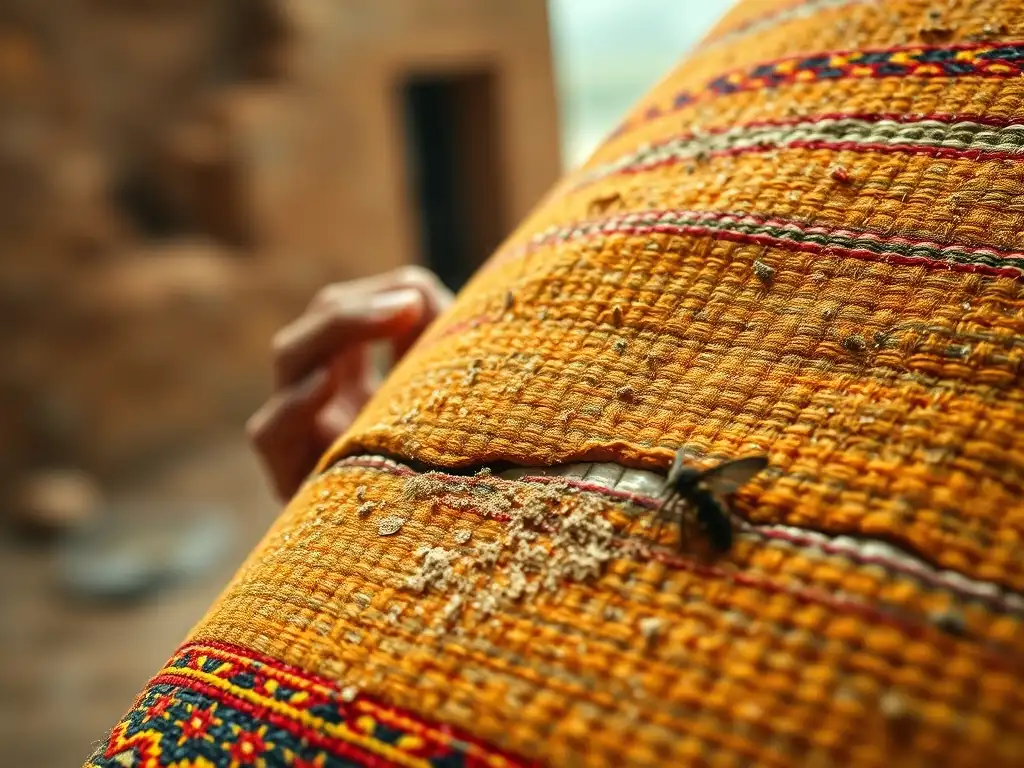
Andean textiles, with their vibrant colors and intricate designs, represent a significant cultural and financial investment. Protecting these delicate artifacts requires a multifaceted approach, as they face numerous threats. Understanding these risks is the first step toward effective preservation and securing your legacy through appropriate insurance.
One major concern is environmental damage. Fluctuations in temperature and humidity can cause significant deterioration. Excessive dryness can lead to brittleness and cracking of the fibers, while excessive moisture encourages mold and mildew growth, irrevocably damaging the textile's structure and appearance. Sunlight, even indirect exposure, can fade the brilliant dyes used in ancient Andean weaving, diminishing their value and aesthetic appeal.
This is particularly true for natural dyes, which are more susceptible to light degradation than synthetic alternatives. Furthermore, pests such as insects can infest textiles, causing irreparable damage by feeding on the fibers. Moths, for example, are a common threat, leaving behind tell-tale holes and weakening the fabric.
Beyond environmental factors, theft presents a significant risk. The high value of antique Andean textiles makes them prime targets for thieves. Proper security measures, such as alarm systems, secure storage facilities, and potentially even insurance policies with theft coverage, are crucial to mitigate this risk. Documentation, including high-quality photographs and detailed descriptions, is also essential for insurance claims and recovery efforts in case of theft.
Consider registering your textiles with relevant authorities or organizations specializing in the protection of cultural artifacts. This added layer of protection can significantly assist in recovery efforts should theft occur. The unique nature of these textiles, often incorporating rare dyes and intricate techniques, further emphasizes the need for robust security measures.
The Impact of Improper Storage on Antique Andean Weavings
The way you store your Andean textiles significantly impacts their longevity and preservation. Improper storage can accelerate deterioration, leading to irreversible damage and reducing the value of your collection. Understanding the ideal storage conditions is crucial for safeguarding your investment.
Inappropriate storage often leads to problems with light exposure. Direct sunlight, as mentioned previously, causes fading and weakens the fibers. Even indirect light can gradually degrade the colors and materials over time. Therefore, textiles should be stored in dark, cool environments. This might involve using archival-quality storage boxes or cabinets that block light penetration.
Another critical aspect is humidity and temperature control. Consistent temperature and humidity levels are essential to prevent mold, mildew, and insect infestations. Extreme fluctuations in either can cause significant stress on the fibers, leading to cracking, brittleness, and structural damage. Ideally, textiles should be stored in an environment with a relatively stable temperature and humidity level, ideally within the recommended ranges for textile preservation (specific figures for optimal temperature and humidity are pending).
Finally, handling and support are essential considerations. Improper handling can cause physical damage, such as tears or abrasions, while inadequate support can lead to distortion and weakening of the fabric. Avoid folding or creasing textiles, as creases can become permanent over time. Instead, consider rolling them around acid-free tissue paper or using appropriate supports to maintain their shape. Regular inspection for any signs of damage or pest infestation is also essential, allowing for prompt intervention should any issues arise. The investment in proper storage solutions is a crucial component of preserving your Andean textile heritage for future generations.
Securing Your Investment: Insurance Solutions for Andean Artifacts
Protecting your Andean textile collection requires a proactive approach, extending beyond careful storage and preservation. A comprehensive insurance policy is crucial to safeguard your investment against unforeseen events. The unique nature of these artifacts—their age, fragility, and often irreplaceable value—demands specialized coverage that goes beyond standard homeowner's or renter's insurance.
This section will guide you through the process of securing appropriate insurance for your Andean textile inheritance, ensuring the longevity of your treasured collection. Understanding the nuances of insurance for these delicate and historically significant pieces is paramount to their preservation for future generations. Finding the right policy is a crucial step in responsible Andean textile ownership.
Finding the right insurance for your Andean textiles requires navigating the often complex world of fine art and antique insurance. Standard policies rarely cover the specific risks associated with these delicate and valuable items. For example, typical homeowner's insurance might offer limited coverage for damage or loss, often with low payout limits and stringent conditions.
Furthermore, the inherent risk of damage from environmental factors like humidity and temperature fluctuations, common issues with older textiles, may not be adequately addressed. Therefore, seeking specialized insurance specifically designed for fine art and antiques is essential. These specialized policies often offer broader coverage, higher payout limits, and more flexible terms tailored to the unique needs of valuable cultural artifacts like Andean textiles.
Consider the specific risks to your collection—theft, fire, water damage, and even accidental damage—when comparing policies. Prioritize insurers with proven experience in handling claims for similar items, ensuring a smooth process in case of unforeseen events. The search for the right Andean textile inheritance insurance should focus on the provider's expertise in handling cultural artifacts.
Understanding Specialized Insurance Policies for Rare Textiles
Specialized insurance policies for rare textiles often include features not found in standard policies. These features are designed to address the particular vulnerabilities of these delicate items. For instance, many policies cover damage caused by pests, a significant risk for older textiles stored improperly. Similarly, coverage for damage from environmental factors—such as fluctuating humidity or temperature—is often included, recognizing the sensitivity of these materials to environmental changes.
Furthermore, some policies offer appraisal coverage, covering the cost of professional appraisals needed to accurately assess the value of your collection for insurance purposes. These appraisals are not only essential for determining the appropriate coverage amount but also for substantiating claims in the event of loss or damage. It is crucial to carefully review the policy wording to understand the specific exclusions and limitations.
For example, some policies might exclude coverage for damage caused by neglect or improper storage. Therefore, maintaining meticulous records of storage conditions and regular professional inspections can further strengthen your claim in case of a covered incident. The meticulous documentation of your Andean textile collection is essential for securing robust Andean textile inheritance insurance.
How to Properly Appraise Your Andean Textile Collection for Insurance Purposes
Accurately appraising your Andean textile collection is a critical step in obtaining adequate insurance coverage. The appraisal process involves a qualified and experienced appraiser who specializes in textiles, preferably those with expertise in Andean artifacts. The appraiser will examine each piece, considering factors such as age, material, condition, provenance (origin and history), and artistic merit. Detailed photographic documentation is usually required, along with any relevant historical records or documentation.
The appraisal report will provide a detailed description of each textile, along with its estimated market value. This report serves as the basis for determining the appropriate insurance coverage amount. It's crucial to use a reputable and qualified appraiser to ensure the accuracy and reliability of the valuation. An inaccurate appraisal can lead to underinsurance, leaving you vulnerable to significant financial loss in the event of a claim.
Remember, the cost of a professional appraisal is a small price to pay for the peace of mind knowing your valuable Andean textile inheritance is adequately protected. Regular appraisals are recommended, especially as the market value of these artifacts can fluctuate over time. Keeping your insurance coverage aligned with the current market value is crucial for comprehensive protection. This proactive approach to Andean textile inheritance insurance ensures your collection remains secure.
The Importance of Accurate Documentation for Insurance Claims
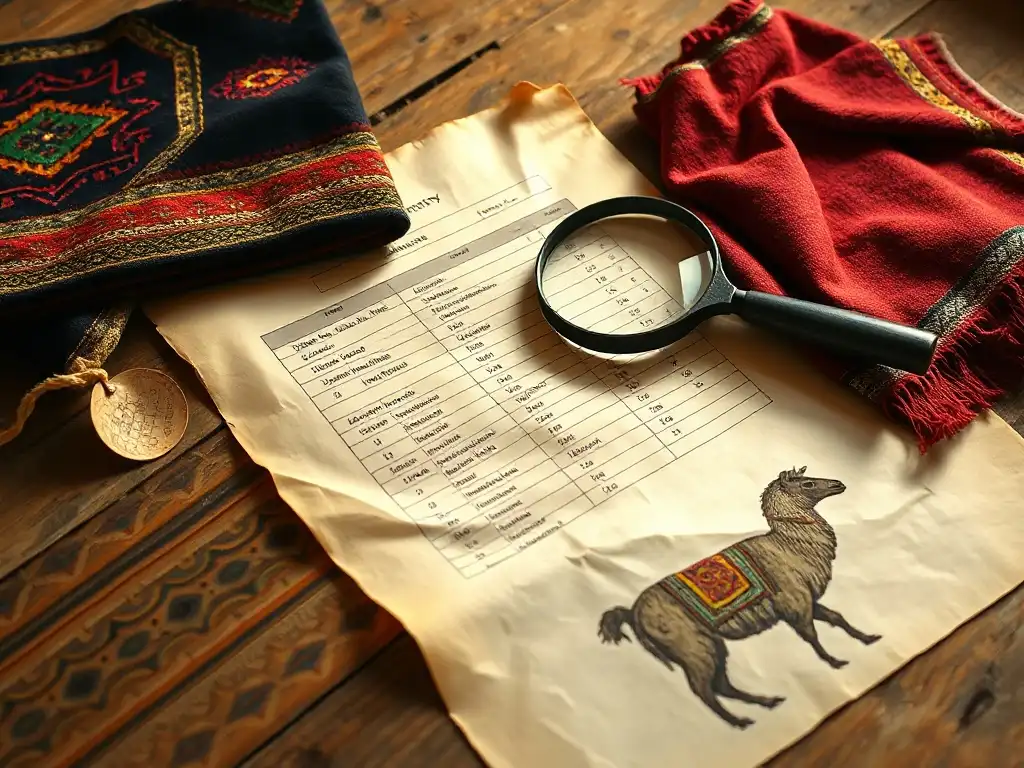
Accurate documentation is paramount when insuring and subsequently making a claim on your Andean textile collection. Think of it as building a strong foundation for your financial protection. Without meticulous records, proving the value and authenticity of your textiles in the event of loss or damage becomes significantly more challenging, potentially jeopardizing your claim. This meticulousness extends beyond simply owning a textile; it's about understanding its provenance.
What constitutes thorough documentation? It begins with high-resolution photographs showcasing every detail of the textile, including any imperfections or unique features. These images should be taken from multiple angles and under consistent lighting conditions. Ideally, you should utilize professional photography services specializing in art and artifact documentation. Furthermore, detailed descriptions are crucial. Record the textile's dimensions, materials (e.g., type of wool, cotton, or other fibers), construction techniques, and any identifiable motifs or symbols.
Beyond visual documentation, consider compiling a comprehensive history of the textile, if known. This might include purchase receipts, provenance records tracing its ownership, certificates of authenticity from reputable experts, or any relevant historical information connecting it to specific Andean cultures or time periods. Maintaining a detailed inventory, including individual descriptions and valuations for each textile, is also essential. This inventory should be regularly updated and stored securely, ideally both digitally and in a physical, fireproof location.
Remember, proactive documentation is your best defense against potential losses. The effort you invest now will be invaluable should you ever need to file a claim. This diligent approach not only protects your financial investment but also safeguards the historical and cultural significance of your Andean textile collection.
Working with Expert Appraisers: Art Loss Register
When it comes to insuring valuable Andean textiles, engaging the services of a qualified appraiser is not just advisable—it's crucial. The Art Loss Register (ALR), a global database of stolen and recovered art, plays a significant role in this process. While not directly an appraisal service itself, ALR's expertise lies in verifying the authenticity and provenance of artworks, including textiles. Their involvement strengthens your insurance claim by providing an independent, internationally recognized assessment of your collection's value.
Appraisers working with or in conjunction with the ALR bring a deep understanding of Andean textile history, weaving techniques, and market values. They meticulously examine each piece, considering factors such as age, rarity, condition, cultural significance, and artistic merit. Their detailed appraisal report serves as a cornerstone of your insurance policy, providing a precise valuation that accurately reflects the financial worth of your textiles.
This valuation is not merely a price tag; it's a detailed justification supported by expert analysis and often includes high-quality photographic documentation. Furthermore, working with an appraiser associated with the ALR adds an extra layer of security, as their records contribute to the global effort to combat art theft and fraud. This reduces the risk of insurance claims being disputed due to questions about authenticity or value.
The cost of professional appraisal might seem significant upfront, but it's a small price to pay for the comprehensive protection it affords your invaluable Andean textile collection. The peace of mind knowing your collection is accurately valued and protected is priceless.
Estate Planning for Your Andean Textile Heirlooms
Protecting your valuable Andean textile collection requires careful consideration beyond simple storage and preservation. A crucial aspect often overlooked is estate planning, ensuring the smooth and legally sound transfer of your cherished heirlooms to future generations. This involves proactive measures to safeguard your investment, minimize potential disputes, and secure the legacy of these remarkable artifacts.
Failing to plan can lead to complications, including family disagreements, costly legal battles, and even the dispersal or damage of your carefully curated collection. Proper estate planning, however, ensures a seamless transition, preserving both the cultural significance and monetary value of your Andean textiles. This section will guide you through the essential steps to protect your Andean textile inheritance.
Preparing Your Will: Specifying the Future of Your Andean Textiles
Your will is the cornerstone of estate planning. It's the legal document that dictates the distribution of your assets after your passing. When it comes to Andean textiles, simply listing them as "my Andean textile collection" is insufficient. You need to be precise and detailed. Consider the following:
- Detailed Inventory: Create a comprehensive inventory, including photographic documentation and detailed descriptions of each textile. Note the provenance, material composition (e.g., alpaca wool, cotton), age estimations, and any unique features. This level of detail is crucial for accurate valuation and prevents disputes among heirs. Think of it as creating a mini-museum catalog for your personal collection.
- Specific Bequests: Instead of general bequests, specify exactly which textile goes to which heir. For example, "I bequeath the Paracas textile depicting a shamanic scene (inventory number AT-123) to my daughter, Maria." This clarity eliminates ambiguity and potential conflicts.
- Conditions and Restrictions: You can include conditions in your will. For example, you might stipulate that a particular textile can only be sold with the consent of multiple heirs or that it must remain in the family. This level of control ensures your wishes are respected.
- Guardianship: For particularly valuable or fragile pieces, you might designate a specific individual or institution (perhaps a museum specializing in Andean textiles) as a guardian, responsible for the preservation and maintenance of the textile. This ensures the long-term care of your most prized possessions.
Remember, a well-drafted will, tailored to your specific collection and family dynamics, is paramount in ensuring the future of your Andean textile inheritance. Consult with an estate lawyer experienced in handling high-value, culturally significant assets to ensure your will accurately reflects your intentions.
Creating a Legacy: Ensuring Your Textiles Remain Protected for Generations
Beyond the legal aspects of inheritance, consider the long-term preservation of your Andean textile legacy. This involves more than just ensuring the textiles are passed on; it's about ensuring their continued appreciation and protection for future generations. Consider these strategies:
- Establishing a Trust: A trust can provide additional layers of protection and management. A trust can hold the textiles, manage their preservation, and distribute them according to your wishes over time, potentially mitigating tax burdens for your heirs. This is particularly useful for large or exceptionally valuable collections.
- Endowment for Preservation: Consider establishing an endowment specifically for the preservation and study of your Andean textiles. This could involve donating a portion of your collection or providing funding for research and conservation efforts at a relevant institution. This ensures your collection has long-term care and contributes to the broader field of Andean textile studies.
- Educational Initiatives: Link your legacy to educational programs. Your will could stipulate that your collection (or a portion of it) be used for educational purposes, possibly through exhibitions, workshops, or academic research. This ensures your collection's cultural and historical value is shared with a wider audience.
Creating a lasting legacy involves more than just transferring ownership; it’s about ensuring the continued value, preservation, and appreciation of your Andean textile collection for generations to come.
Tax Implications of Inheriting Andean Artifacts and How to Mitigate Them
The inheritance of Andean textiles, especially valuable pieces, has significant tax implications. Understanding these implications and employing strategies to mitigate them is crucial for both the bequeather and the heir. These taxes can vary considerably depending on location and the value of the collection:
- Estate Tax: In some jurisdictions, the estate of the deceased is subject to estate tax. This tax is levied on the value of the entire estate, including the Andean textile collection. Careful planning, such as establishing trusts or making charitable donations before death, can help reduce the estate tax burden.
- Inheritance Tax: In other jurisdictions, the heir receiving the inheritance is subject to inheritance tax. This tax is based on the value of the inherited property, again including the textiles. The tax rate varies depending on the relationship between the heir and the deceased and the value of the inheritance.
- Capital Gains Tax: If the heir decides to sell any of the inherited textiles, they may be subject to capital gains tax on the profit. This tax is based on the difference between the market value at the time of inheritance and the selling price. Careful valuation at the time of inheritance is essential.
- Valuation Challenges: Accurately valuing Andean textiles can be challenging due to their rarity and the subjective nature of art appraisal. Engaging a qualified and reputable appraiser specializing in Andean textiles is crucial for minimizing tax liabilities and ensuring fair valuation.
To minimize tax implications, consider consulting with both an estate lawyer and a tax advisor specializing in art and cultural heritage. They can help you develop a comprehensive strategy that complies with all relevant laws and minimizes your tax burden, ensuring a smooth transition of your Andean textile inheritance. 🤝
Using a Trust to Manage and Protect Your Andean Textile Collection
Establishing a trust can be a powerful tool in preserving your Andean textile collection for future generations. A trust is a legal entity that holds assets—in this case, your precious textiles—on behalf of beneficiaries. This offers several key advantages in the context of Andean textile inheritance insurance. Firstly, it provides a mechanism for professional management.
A trustee, appointed by you, can oversee the care, conservation, and even the potential sale or loan of your textiles according to your specific instructions. This is particularly crucial for delicate and valuable pieces requiring specialized handling and storage conditions. Imagine a scenario where your heirs lack the expertise or resources to properly maintain the collection; a trust mitigates this risk.
Furthermore, a trust can offer significant asset protection. It shields your collection from potential creditors or legal challenges, ensuring its preservation even in unforeseen circumstances. This is a critical aspect of Andean textile inheritance insurance, as it protects your legacy beyond simply financial coverage.
The specifics of the trust, such as the type of trust (revocable, irrevocable, etc.) and the terms of its management, should be carefully crafted by an estate planning attorney familiar with handling high-value, culturally significant assets. This personalized approach is essential to ensure the trust aligns with your wishes and effectively protects your Andean textile inheritance.
Consider, for example, a situation where a family member disputes the inheritance; a well-structured trust can prevent such disputes from jeopardizing the integrity of your collection. Finally, a trust can facilitate a smoother transfer of ownership, minimizing potential tax liabilities and simplifying the inheritance process for your heirs. This ensures that the collection remains intact and accessible to those you intend to benefit.
Expert Consultation: Withersworldwide
While this article focuses on the broader aspects of Andean textile inheritance insurance and estate planning, seeking expert advice is paramount. Firms specializing in high-net-worth individuals and art collections, such as Withersworldwide 1 , offer invaluable expertise in this area. Their services extend beyond simple legal counsel; they provide comprehensive solutions tailored to the unique challenges of preserving culturally significant assets like Andean textiles. These specialists understand the complexities involved in insuring such items, considering factors such as provenance, condition, and potential market value fluctuations. They can guide you through the process of obtaining appropriate insurance coverage, ensuring that your collection is adequately protected against loss, damage, or theft.
Moreover, Withersworldwide and similar firms can assist in structuring your estate plan to optimize tax efficiency and minimize potential legal complications. Their expertise in international tax laws is particularly relevant if your collection has international provenance or if your heirs reside in different jurisdictions. Their understanding of the nuances of Andean textile valuation and the cultural significance of these artifacts allows them to craft effective estate planning strategies that prioritize the long-term preservation of your collection.
Engaging with such experts ensures that your Andean textile inheritance is not only financially protected but also legally secure, allowing your legacy to endure for generations to come. The cost of this expert consultation is, of course, a factor to consider, but the potential benefits in preserving your valuable collection far outweigh the expense. Careful planning with specialists like Withersworldwide offers peace of mind, knowing your Andean textile legacy is safeguarded.
1 Note: This is an example of a firm with expertise in this area; it is not an endorsement.
Maximizing Value and Minimizing Risk: Proven Methods
This section focuses on practical strategies for preserving the value and integrity of your Andean textile collection. Understanding the unique vulnerabilities of these delicate artifacts is paramount to effective long-term preservation, and proactive measures are key to mitigating potential losses. We'll explore methods to not only safeguard your investment but also enhance its value for future generations.
Proper care significantly influences the potential return on investment, be it through appreciation in market value or increased sentimental worth. The goal is to build a robust preservation plan that protects against damage, theft, and deterioration, ensuring your Andean textile inheritance remains a cherished legacy.
Proper Storage Techniques for Preserving Andean Textiles
The longevity of your Andean textiles hinges significantly on proper storage. Environmental factors like temperature, humidity, and light exposure are major culprits in deterioration. Think of your textiles as delicate works of art that require specific conditions to thrive. Avoid storing them in attics or basements prone to extreme temperature fluctuations or dampness. These conditions can lead to mold growth, insect infestation, and fiber degradation.
Optimal storage involves a cool, dry, and dark environment. Ideally, the temperature should remain consistently between 65-70°F (18-21°C), with a relative humidity of 40-50%. Fluctuations should be minimized as much as possible. Direct sunlight is incredibly damaging, causing fading and weakening of the fibers. Therefore, textiles should be kept away from windows and other light sources. Consider using light-blocking archival boxes or fabric coverings.
Furthermore, the way you store the textiles themselves matters. Avoid folding them sharply, as this can create creases and stress points. Instead, loosely roll them around acid-free tissue paper, or use acid-free archival folders. For larger pieces, consider professional-grade storage solutions designed for textiles. Proper storage is not merely about preventing damage; it's about actively preserving the cultural heritage embodied in your Andean textiles.
Using Archival Storage Materials Like Gaylord Archival
Investing in high-quality archival materials is crucial for long-term preservation. Materials like those offered by Gaylord Archival are specifically designed to protect sensitive items from environmental damage and chemical degradation. These materials are acid-free, lignin-free, and buffered to maintain a stable pH level, preventing the textiles from being damaged by acidic compounds that can cause yellowing and fiber weakening.
Using Gaylord Archival boxes, folders, and tissue paper ensures that your Andean textiles are shielded from light, dust, and pollutants. The boxes provide a physical barrier against pests, while the acid-free materials prevent chemical reactions that can compromise the integrity of the fibers. Consider the size and type of your textiles when choosing storage materials.
Larger pieces might require custom-sized boxes or specialized storage solutions. Always prioritize materials specifically designed for archival storage to avoid unexpected damage caused by improper materials. Choosing archival-quality materials is an investment in the long-term preservation of your valuable Andean textiles, a legacy that deserves the best possible protection.
Regular Inspections and Documentation: Preventing Damage and Loss
Regular inspection and meticulous documentation are crucial components of a comprehensive preservation plan. This proactive approach allows for early detection of any signs of damage or deterioration, enabling timely intervention and preventing further problems. Regular inspections, at least annually, should involve a careful visual examination of each textile, noting any changes in color, texture, or condition. This includes checking for signs of insect infestation, mold growth, or physical damage.
Maintaining detailed documentation is equally important. This should include high-quality photographs of each textile, along with a written record of its condition, any previous repairs or treatments, and storage location. Consider using a dedicated database or spreadsheet to organize this information.
This documentation serves as a valuable record of the textile's history and condition, which is incredibly important for insurance purposes and for tracking any changes over time. This meticulous approach is essential for understanding the condition of your Andean textile inheritance and for making informed decisions about its future care and preservation. The detailed records serve as a vital resource, ensuring the longevity and value of this unique cultural heritage.
Professional Cleaning and Restoration Services: Textile Conservation Center
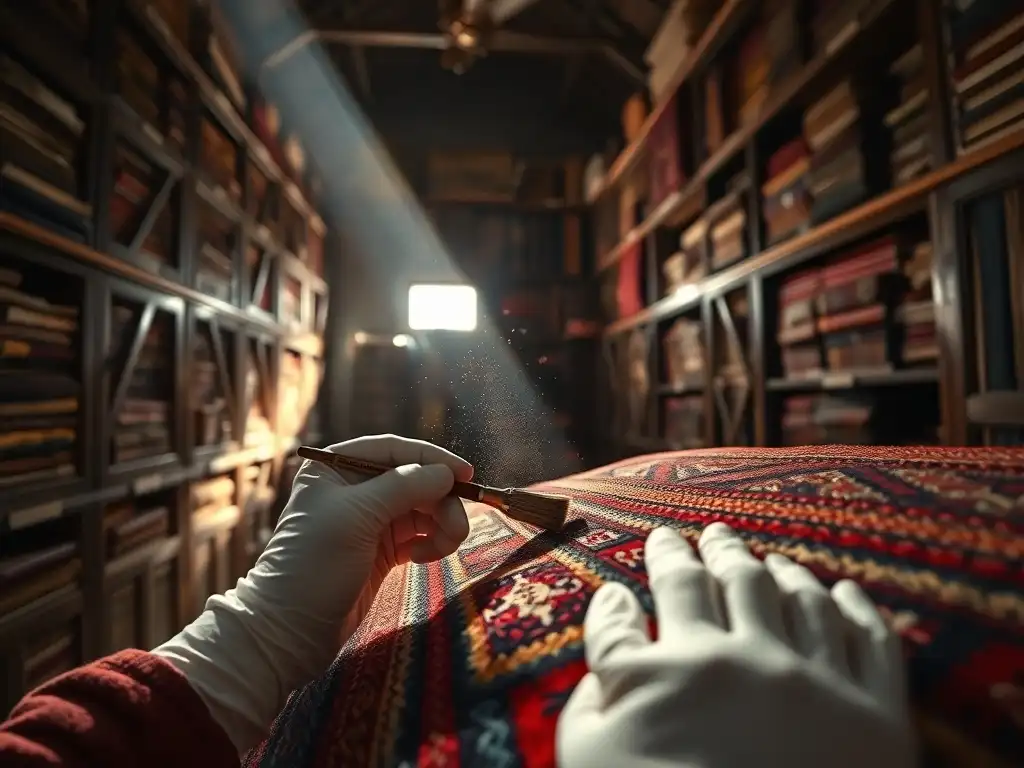
Finding a reputable textile conservation center specializing in Andean textiles is crucial for preserving their value and longevity. These centers employ experts trained in the delicate handling and cleaning of ancient and fragile materials. They possess the knowledge and specialized equipment necessary to address various issues, from minor soiling to significant damage caused by pests, moisture, or improper storage. The process often involves careful assessment of the textile's condition, followed by a tailored cleaning plan.
This might include dry cleaning methods, using specialized solvents and techniques to remove dirt and grime without harming the delicate fibers. In cases of significant damage, restoration techniques are employed, carefully repairing tears, mending holes, and stabilizing weakened areas. Reputable centers will provide detailed documentation of the cleaning and restoration process, including before-and-after photographs and a comprehensive report outlining the treatments used and their effectiveness. This documentation is invaluable for insurance purposes and for tracking the textile's history.
Choosing a center with a proven track record and positive client testimonials is paramount, ensuring the preservation of your precious Andean textile investment. Consider factors like their experience with similar textiles, their adherence to ethical conservation practices, and their transparency in outlining their procedures and costs. The cost of professional cleaning and restoration services can vary considerably depending on the textile's size, condition, and the extent of the work required. However, the investment in preserving your textile far outweighs the risk of irreversible damage caused by improper handling or cleaning.
Documenting the Provenance of Your Andean Textiles for Future Generations
Meticulously documenting the provenance—the history of ownership and handling—of your Andean textiles is a critical aspect of protecting their value and ensuring their legacy. This detailed record provides irrefutable proof of authenticity and ownership, especially vital for insurance claims and inheritance purposes. A comprehensive provenance record should include as much information as possible about the textile's origin, acquisition, and subsequent history. This might involve photographs of the textile in its original condition (if applicable), details about where and when it was acquired, names and contact information of previous owners, any certificates of authenticity or appraisals, and any relevant historical documentation.
It's also important to record any restoration or conservation work performed on the textile, including the name of the conservator and a description of the procedures used. Digital documentation is highly recommended, including high-resolution photographs, detailed descriptions, and secure storage of all relevant documents. Consider creating a digital archive using a cloud-based storage system with robust security features. Regularly updating the provenance record with any new information is essential, ensuring its accuracy and completeness over time.
This thorough documentation not only protects your investment but also contributes to the broader understanding and appreciation of Andean textile heritage, allowing future generations to appreciate the rich history and cultural significance embedded within these artifacts. Proper documentation significantly enhances the value of the textile, making it a more valuable asset for both personal enjoyment and potential future sale or inheritance. The effort invested in creating and maintaining a comprehensive provenance record is an invaluable contribution to the preservation of Andean textile heritage.
The Peace of Mind that Insurance and Planning Provides
Owning Andean textiles represents more than a financial investment; it's a connection to a rich cultural heritage. These intricate weavings, often imbued with centuries of history and tradition, deserve the utmost care and protection. Understanding the risks associated with owning such valuable artifacts – from accidental damage to theft – is crucial.
This is where comprehensive insurance and meticulous inheritance planning become paramount. Securing your Andean textile collection with the right insurance policy offers peace of mind, knowing that your treasured pieces are financially protected against unforeseen circumstances. This proactive approach not only safeguards your investment but also ensures the preservation of these invaluable cultural assets for future generations.
Failing to plan for the future of your collection could lead to its dispersal or even loss, diminishing its historical and cultural significance. Therefore, combining insurance with a well-defined inheritance strategy is essential for the long-term protection of your Andean textile legacy.
Protecting Your Investment and Preserving Your Cultural Heritage
The value of Andean textiles can fluctuate significantly depending on factors like age, condition, rarity, and provenance. A high-quality, well-documented textile from a significant archaeological context can command an exceptionally high price, while a more common piece might have a lower value. However, the cultural value often surpasses the monetary worth. Insurance protects both. Consider these key aspects of protecting your investment:
- Appraisal: A professional appraisal is fundamental. It establishes the market value of your textiles, providing the basis for your insurance coverage. This appraisal should be conducted by a specialist with expertise in Andean textiles, ideally someone familiar with authentication and provenance research.
- Coverage Types: Different insurance policies offer varying levels of protection. Some policies cover only damage or theft, while others may include coverage for accidental damage, restoration costs, and even transit insurance for transporting your textiles.
- Documentation: Maintain meticulous records of each textile, including high-resolution photographs, provenance information (if known), and any relevant documentation supporting its authenticity and history. This detailed documentation is crucial for insurance claims and for establishing the value of the piece.
- Storage: Proper storage conditions are critical for preserving the longevity of your textiles. Environmental factors like temperature, humidity, and light exposure can significantly impact their condition. Insurance may cover damage resulting from improper storage, but preventative measures are always preferable.
Consider the potential costs associated with restoration. Damage to an Andean textile can be expensive to repair, requiring the expertise of skilled conservators. Insurance can significantly offset these costs, preventing a financial burden that could compromise the preservation of your cultural heritage. The cost of insurance is a small price to pay for the security and peace of mind it offers.
Safeguarding Your Family's Legacy Through Proper Planning
Passing on a collection of Andean textiles to future generations requires careful planning. A well-defined inheritance strategy ensures that your legacy is protected and that your family understands the significance and value of your collection. This involves more than just listing your textiles in a will. Consider these points:
- Family Education: Educate your family about the historical and cultural significance of your Andean textile collection. Encourage appreciation and understanding of their value beyond monetary worth. This ensures the collection will be cherished and properly cared for.
- Clear Instructions: Your will should include detailed instructions on the care, preservation, and eventual disposition of your collection. This might include specifying a designated heir, outlining conditions for the sale or donation of pieces, or even naming a trusted institution to manage the collection.
- Legal Counsel: Consulting with an estate lawyer specializing in art and collectibles is essential. They can guide you through the legal complexities of bequeathing valuable artifacts and ensure that your wishes are clearly articulated and legally sound.
- Digital Inventory: Creating a digital inventory with high-resolution images, detailed descriptions, provenance information, and any relevant documentation is crucial. This digital record provides a lasting record and assists future generations in understanding and managing the collection. This digital archive can also help with insurance claims.
AXA Art and Their Specialized Textile Policies
While specific details are beyond the scope of this article, AXA Art is an example of an insurance company that specializes in insuring art and collectibles. They often offer specialized policies tailored to the unique needs of textile collectors. Such policies may include:
- Worldwide Coverage: Protection for your textiles wherever they are located, whether in your home, on display, or being transported.
- Restoration Coverage: Coverage for the costs associated with restoring damaged textiles, ensuring their preservation.
- Expert Appraisal Services: Access to experienced appraisers who understand the nuances of Andean textiles and can accurately assess their value.
- Claims Process: A streamlined and efficient claims process that minimizes disruption and stress in case of loss or damage.
Remember to research and compare various insurance providers to find the policy that best suits your specific needs and budget. The cost of insurance for Andean textiles will vary depending on several factors, including the value of the collection, the level of coverage desired, and the insurer's risk assessment. Prioritizing the protection of your Andean textile investment is an investment in preserving a unique piece of cultural heritage.
Frequently Asked Questions
What types of Andean textiles are typically insured?
Many types of Andean textiles are insurable, including weavings, clothing, and tapestries, from various cultures like Inca, Nazca, and Moche. The value and age of the textile will influence the specifics of the insurance policy.
How much does insurance for Andean textiles cost?
The cost of insurance varies depending on the textile's value, age, and condition. Factors like storage location and security measures also play a role in determining the premium. It's best to get a quote from a specialist insurer.
What does Andean textile inheritance insurance cover?
Inheritance insurance policies typically cover loss, damage, and theft of your Andean textiles. Some policies may also include coverage for restoration costs in case of accidental damage. Ensure you read the policy carefully for specifics.
Are there specific insurers that specialize in Andean textiles?
While not all insurers specialize solely in Andean textiles, many high-value art and collectible insurers will offer appropriate coverage. It's crucial to find an insurer familiar with the unique characteristics and value of these items.
How do I find an appropriate insurer for my Andean textile collection?
Start by researching specialist insurers who deal with high-value artifacts or art. You can also consult with art appraisers or museums for recommendations. Ensure that the insurer understands the cultural significance and material value of your collection.
Final Reflection: Weaving a Legacy of Protection
The careful preservation of Andean textiles, a vibrant tapestry of history and artistry, is not merely a matter of aesthetics; it's a crucial act of cultural preservation. The fragility of these exquisite pieces, coupled with the increasing value they hold in both the cultural and financial spheres, necessitates a proactive approach to their safeguarding. Ignoring the risks of damage, loss, or theft is to risk the irreplaceable loss of a legacy.
The impact of thoughtfully managing the inheritance of Andean textiles extends far beyond the individual owner. It's about ensuring the continuity of a rich cultural heritage for future generations. These textiles are not simply objects; they are living embodiments of traditions, stories, and techniques passed down through centuries. The threads of our past are woven into the fabric of our future.
This sentiment underscores the deep responsibility we bear in protecting these invaluable pieces, ensuring their stories continue to resonate. The emotional connection to these heirlooms, often passed down through families, is profound and deserves the utmost protection.
Consider the implications of your own legacy. Are you actively safeguarding your Andean textile investment? Do you have a plan in place to protect these precious artifacts from the unforeseen?
Take the time to understand the options available to you, from proper storage and conservation techniques to comprehensive insurance policies designed specifically for high-value cultural artifacts. By proactively addressing these concerns, you are not only protecting a tangible asset but also ensuring the enduring legacy of a rich and vibrant cultural heritage. Let's weave a future where these treasures continue to inspire and enrich our lives for generations to come.
**Secure Your Andean Textile Legacy Today! **
Thank you for exploring the world of Andean textiles and recognizing the importance of insurance in protecting your valuable collection. Now, let's take action to safeguard these precious pieces for generations to come.
Here are some concrete steps you can take immediately:
- **Review your insurance coverage:** Seek out insurance policies specifically designed for fine art and collectibles to ensure your textiles are adequately protected.
- **Connect with other collectors:** Join online forums and communities to share experiences and learn from others about protecting your cultural heritage investments.
- **Document your collection thoroughly:** Create a detailed catalog of your textiles, including high-quality photographs and descriptions, to facilitate accurate valuation and streamline any potential insurance claims.
How will you further protect your collection and honor the rich history of Andean textiles? Share your plans and insights in the comments below!