
Dust, Light, and Time: The Enemies of Your Andean Textile Heritage

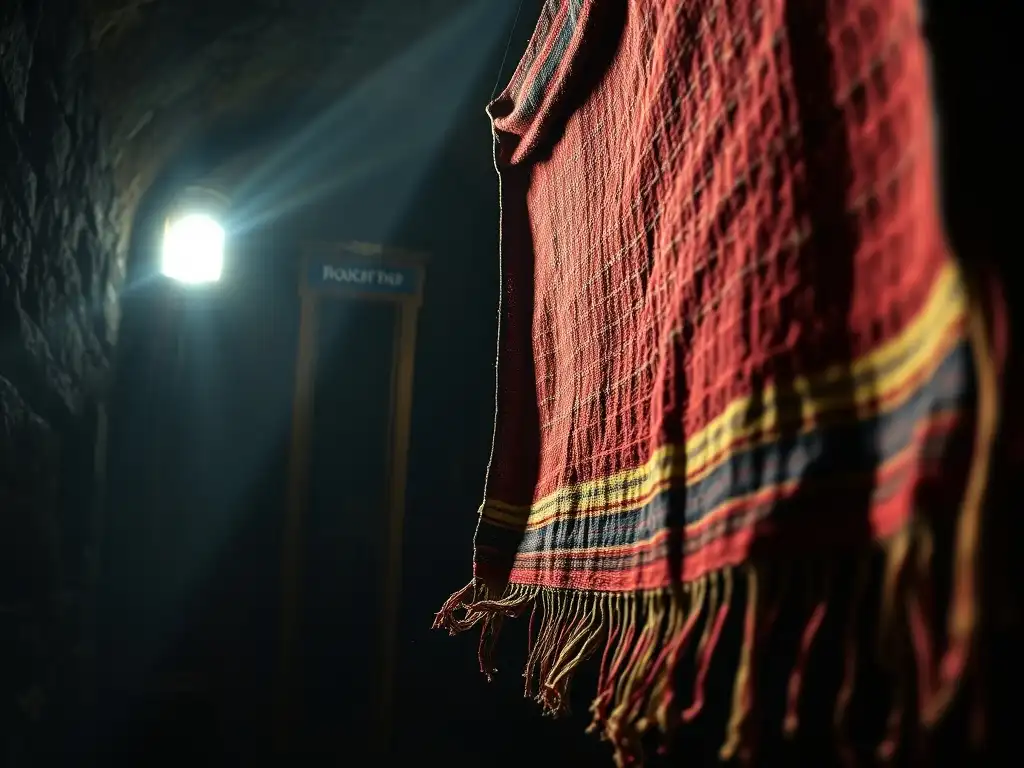
Step into a world lost to time, yet vibrantly preserved in threads and hues. Imagine the intricate artistry of Andean textiles, whispering tales of empires risen and fallen. But what secrets do these fragile masterpieces hold, and what battles are waged against the relentless forces of dust, light, and time? Discover the challenges of Andean textile preservation and unlock the mysteries woven within these ancient artifacts in our new article, "Dust, Light, and Time: The Enemies of Your Andean Textile Heritage," found in The World of Andean Artifacts.
The vibrant tapestry of Andean textile heritage, a testament to centuries of intricate craftsmanship and cultural expression, faces a constant battle against the relentless forces of time and the elements. From the delicate weavings of the Nazca lines to the richly colored textiles of the Inca Empire, these invaluable artifacts are susceptible to deterioration, often silently and irreversibly.
This article delves into the primary threats facing Andean textile preservation, focusing on the insidious damage caused by dust, light, and time itself. Understanding these threats is the first step towards implementing effective preservation strategies and ensuring that these precious pieces of history remain vibrant and accessible for generations to come.
We will explore the specific mechanisms of damage and propose practical solutions for safeguarding your Andean textile collection, contributing to the vital task of Andean textile preservation. The preservation of these textiles is not merely about preserving objects; it's about preserving stories, cultures, and a legacy that continues to inspire and amaze.
Understanding the Threats to Andean Textiles: Why Preservation Matters
Andean textiles are more than just beautiful fabrics; they are repositories of cultural knowledge, embodying intricate techniques passed down through generations. Their intricate designs often tell stories, record historical events, and reflect the complex social structures of the Andean civilizations. The materials used – often natural fibers like alpaca wool, llama wool, and cotton – are inherently susceptible to degradation.
Exposure to environmental factors accelerates this deterioration, leading to fading, weakening of fibers, and ultimately, irreversible loss of information and aesthetic value. Effective Andean textile preservation is therefore crucial not only for aesthetic reasons but also for safeguarding invaluable historical and cultural heritage.
The loss of these textiles represents a loss of knowledge, a loss of identity, and a weakening of the cultural narrative of the Andes. This makes the active preservation of these artifacts a vital responsibility for museums, collectors, and anyone who appreciates the rich history and artistry of the Andean world.
The Silent Destroyer: How Dust Damages Delicate Andean Textiles
Dust, often overlooked as a minor inconvenience, is a significant enemy of Andean textile preservation. It’s a silent destroyer, gradually accumulating on the delicate fibers and causing a range of detrimental effects. The seemingly innocuous particles act as abrasives, slowly wearing away the fibers and causing fraying and weakening. This is particularly damaging to textiles with intricate detailing or delicate structures, which can be irreparably damaged by even minor abrasion.
Furthermore, dust can act as a carrier for pollutants and harmful substances, further compromising the integrity of the textile. The accumulation of dust can also obscure the vibrant colors and intricate designs, diminishing the aesthetic appeal and historical significance of the artifact. Proper dust control is therefore paramount in any Andean textile preservation strategy.
The Microscopic Threat: Abrasive Dust Particles
The damage inflicted by dust is not merely superficial. Under a microscope, dust particles reveal their abrasive nature. These tiny particles, often composed of silica, sand, and other hard materials, act like microscopic sandpaper, constantly rubbing against the textile fibers. This constant friction causes micro-tears and weakens the overall structure of the fabric.
The severity of the damage depends on several factors, including the type and size of the dust particles, the frequency of exposure, and the type of fiber used in the textile. For example, delicate alpaca wool is far more vulnerable to dust damage than a more robust cotton textile. Understanding the microscopic threat posed by dust underscores the need for meticulous cleaning and preventative measures.
Solutions for Dust Control: Protecting Your Andean Textile Collection
Protecting your Andean textile collection from dust requires a multi-pronged approach. This includes creating a clean and dust-free storage environment, using appropriate display cases with HEPA filters, and implementing regular, gentle cleaning procedures. The use of archival-quality materials for storage and handling is essential to prevent further damage. Regular monitoring and inspection of the textiles are crucial to detect any signs of deterioration early on.
Specialized cleaning techniques, such as vacuuming with specialized attachments or the use of soft brushes, should be employed only by trained professionals to minimize the risk of further damage. Finally, maintaining a stable and controlled environmental climate within storage areas helps minimize dust accumulation and slows down overall deterioration. Investing in these preventative measures is a crucial step in ensuring the long-term preservation of your valuable Andean textile heritage.
The Fading Effect: Light's Impact on Andean Textile Colors and Fibers
The vibrant hues of Andean textiles, achieved through meticulous dyeing techniques using natural pigments, are tragically vulnerable to the relentless assault of light. Prolonged exposure to sunlight and artificial illumination accelerates the fading process, subtly but relentlessly altering the original shades. This fading isn't merely an aesthetic concern; it represents a loss of historical and cultural information.
The specific dyes used, often derived from plants, insects, or minerals, held deep symbolic meaning within Andean societies. Their degradation obscures this rich tapestry of meaning, diminishing our understanding of the artistry and cultural significance of these artifacts. The intensity of the color change depends on several factors, including the type of dye, the fiber used (e.g., alpaca wool, cotton), and the intensity and duration of light exposure.
For example, bright reds derived from cochineal insects are particularly susceptible to fading, often shifting towards a duller orange or brown over time. Similarly, the delicate yellows and greens, often obtained from plant-based dyes, are prone to significant discoloration. Understanding these vulnerabilities is crucial for effective Andean textile preservation.
UV Radiation and Color Degradation: The Science Behind Light Damage
The primary culprit behind light-induced damage is ultraviolet (UV) radiation. UV rays possess high energy, capable of breaking down the chemical bonds within the dye molecules and the textile fibers themselves. This photodegradation process leads to a loss of color intensity, discoloration, and weakening of the fabric's structure.
The shorter wavelengths of UV radiation (UVC and UVB) are particularly damaging, although UVA radiation, which penetrates deeper, also contributes to long-term degradation. Different dyes exhibit varying sensitivities to UV radiation. For instance, azo dyes, commonly used in modern textiles but rarely in traditional Andean techniques, are generally more resistant to UV damage than natural dyes.
However, the natural dyes used in Andean textiles, often complex mixtures with varying chemical compositions, present a unique challenge for preservation scientists. Detailed scientific analysis, including spectrophotometry and chromatography, is crucial for understanding the specific vulnerabilities of different Andean textile dyes and developing targeted preservation strategies. This scientific understanding guides the development of protective measures, such as UV-filtering materials and controlled lighting environments.
Strategies for Light Exposure Management: Andean Textile Protection Techniques
Protecting Andean textiles from the detrimental effects of light requires a multifaceted approach. Minimizing direct sunlight exposure is paramount. Textiles should be stored in dark, cool, and dry environments. When displayed, the use of UV-filtering glazing on display cases is essential to significantly reduce UV radiation reaching the artifacts.
The intensity and duration of artificial lighting should also be carefully controlled. Museums and private collectors often use low-intensity, cool-white fluorescent lights or LED lights with low UV output. Furthermore, regular monitoring of light levels is crucial. Lux meters can be used to measure the intensity of light exposure, ensuring that it remains within safe limits for the preservation of the textiles.
Rotation of displayed textiles is another effective strategy. By alternating pieces on display, the overall exposure time for any single textile is reduced, thus slowing down the degradation process. Proper storage and handling practices, including the use of acid-free archival materials and careful handling techniques, also play a significant role in minimizing light-induced damage. These combined strategies are vital for long-term preservation of these irreplaceable cultural treasures.
Time's Inevitable Toll: The Long-Term Effects on Andean Fabric Integrity
Even in the absence of light exposure, the passage of time inevitably takes its toll on Andean textiles. The natural fibers used, such as alpaca wool, llama wool, and cotton, are susceptible to degradation over the years. This deterioration manifests in various ways, impacting both the aesthetic and structural integrity of the textiles. The gradual weakening of fibers leads to increased fragility and a higher risk of damage during handling.
The colors can also subtly change over time, even without significant light exposure, due to slow oxidation and other chemical processes. This aging process is a complex interplay of physical and chemical factors, influenced by the environment in which the textiles are stored. Variations in temperature and humidity can accelerate the degradation process, leading to increased brittleness, fiber breakage, and overall deterioration. Understanding these long-term effects is crucial for developing effective preventative measures.
The Degradation of Natural Fibers: Understanding the Aging Process
The aging process of natural fibers is a complex interplay of chemical and physical changes. Hydrolysis, a chemical reaction involving water, breaks down the polymer chains within the fibers, leading to a loss of strength and flexibility. Oxidation, the reaction of fibers with oxygen in the air, also contributes to degradation, causing discoloration and weakening. These processes are influenced by environmental factors such as temperature, humidity, and exposure to pollutants. For example, high humidity can accelerate hydrolysis, leading to increased fiber breakage.
Similarly, exposure to pollutants can catalyze oxidation, leading to faster discoloration and weakening of the fibers. Alpaca and llama wool, being animal fibers, are particularly susceptible to damage from insects and pests. Careful monitoring and preventative measures are essential to mitigate these threats. Understanding the specific vulnerabilities of each fiber type is key to developing tailored preservation strategies.
Long-Term Andean Textile Care: Preventative Measures and Conservation
Long-term preservation of Andean textiles requires a proactive and multi-pronged approach. This includes meticulous storage in stable environmental conditions—consistent temperature and humidity levels are crucial to minimize deterioration. Regular inspections are essential to detect early signs of damage, such as insect infestation or fiber weakening. Prompt treatment of any damage is necessary to prevent further deterioration.
The use of acid-free archival materials for storage and handling is also crucial. These materials minimize the risk of chemical reactions that can damage the textiles. Furthermore, professional conservation treatments may be necessary for severely damaged textiles.
These treatments, carried out by experienced conservators, may involve careful cleaning, repair, and stabilization techniques. The implementation of a comprehensive preservation plan, incorporating preventative measures, regular monitoring, and timely interventions, is essential for ensuring the long-term survival of these invaluable cultural artifacts. This commitment to preservation safeguards the cultural heritage represented by these remarkable textiles for future generations.
Implementing a Robust Andean Textile Preservation Strategy: A Step-by-Step Guide
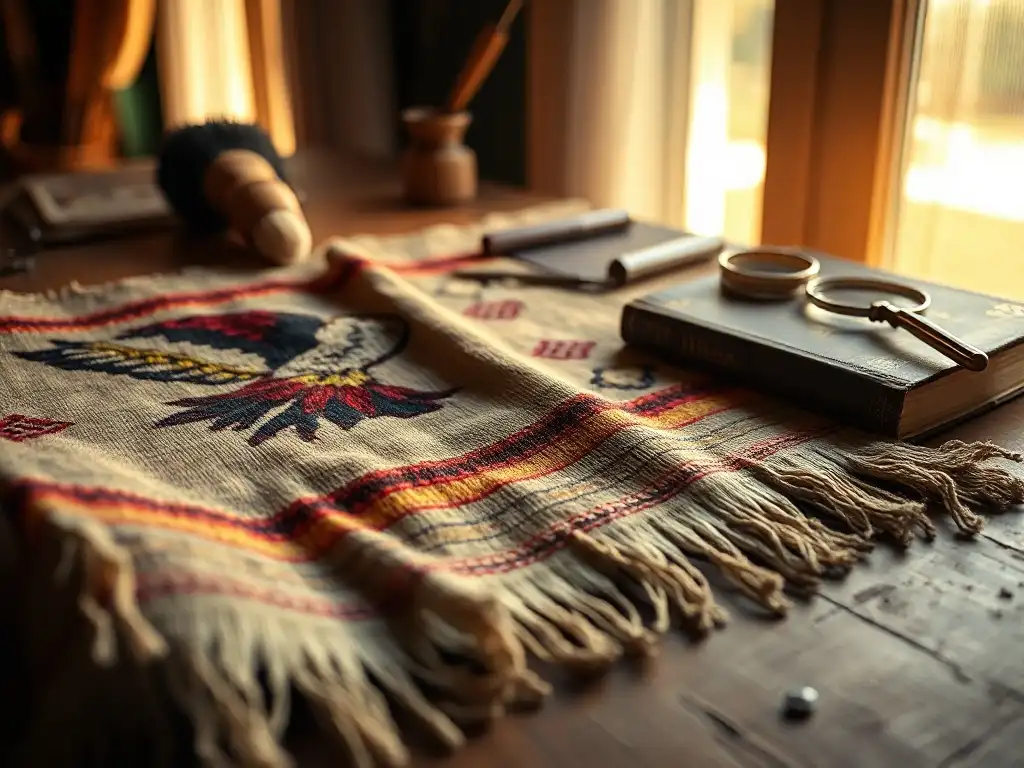
Preserving your Andean textile heritage requires a proactive and multifaceted approach. A well-defined preservation strategy isn't just about reacting to damage; it's about preventing it in the first place. This involves a combination of careful handling, appropriate storage, and regular monitoring. Ignoring even seemingly minor issues can lead to irreversible damage over time.
Think of it as a continuous cycle of care, ensuring the longevity of these precious artifacts for generations to come. The investment in time and resources now will safeguard these irreplaceable pieces of history. The following steps outline a practical strategy for Andean textile preservation. Each step is crucial, and neglecting any one can compromise the overall effectiveness of your preservation efforts.
Regular Inspection and Monitoring: Early Detection of Potential Issues
Regular inspection is paramount in Andean textile preservation. Aim for at least a quarterly visual check of each textile, noting any changes in color, texture, or structural integrity. Document these observations meticulously, using photographs and detailed notes. Look for signs of fading, discoloration, pest infestation (e.g., moth holes), or weakening fibers. Even seemingly minor issues, such as loose threads or discoloration in a small area, warrant attention.
Early detection allows for timely intervention, preventing minor problems from escalating into major restoration challenges. Remember, a proactive approach is far more effective and cost-efficient than reactive damage control. Consider using a standardized checklist to ensure consistency and thoroughness in your inspections. This methodical approach ensures that no potential problem is overlooked.
Creating a Safe Storage Environment: Controlling Temperature and Humidity
The storage environment plays a crucial role in Andean textile preservation. Fluctuations in temperature and humidity are major culprits in textile degradation. Ideal storage conditions typically involve a stable temperature between 65-70°F (18-21°C) and a relative humidity of 40-50%. Excessive humidity can encourage mold growth and pest infestations, while extreme dryness can cause fibers to become brittle and break. Direct sunlight should be avoided at all costs, as UV radiation causes significant fading and weakens the fibers.
Proper storage materials are equally important. Acid-free boxes, archival-quality tissue paper, and cotton padding provide a protective barrier against environmental damage and physical stress. Regular monitoring of temperature and humidity levels using reliable instruments is essential to ensure consistent environmental conditions. This ensures the textiles are housed in a stable and protective environment, minimizing the risk of degradation.
The Importance of Professional Andean Textile Conservation: When to Seek Expert Help
While preventative measures are crucial, even the most careful preservation strategies cannot account for every eventuality. Sometimes, professional intervention is necessary. Recognizing when to seek expert help is a critical aspect of Andean textile preservation. Attempting to repair complex damage yourself can often cause more harm than good. Professional conservators possess specialized knowledge, skills, and tools to address intricate problems safely and effectively. Their expertise ensures the long-term preservation of your textiles while maintaining their historical integrity. This is particularly important for textiles of significant cultural or historical value.
Recognizing Signs of Severe Damage: Identifying When It's Time for Intervention
Several signs indicate the need for professional intervention. Extensive damage from pests, significant tears or holes, severe fading, or water damage are all clear indicators that professional help is required. The presence of mold or mildew also necessitates immediate action by a qualified conservator. Remember, attempting to repair substantial damage yourself can lead to irreversible harm, diminishing the value and integrity of the artifact.
Delaying professional intervention can worsen the damage, leading to more costly and complex restoration efforts later. Therefore, prompt action is crucial when faced with severe damage. Early identification and professional intervention are key to mitigating losses.
Finding Qualified Conservators: Ensuring Proper Care for Your Andean Treasures
Finding a qualified Andean textile conservator requires careful research. Look for conservators with proven experience in handling textiles, particularly those from the Andean region. They should possess a deep understanding of the materials, techniques, and cultural significance of these artifacts. Check their credentials, affiliations with professional organizations, and testimonials from previous clients.
A reputable conservator will provide a detailed assessment of the damage, a proposed treatment plan, and a transparent cost estimate. They should also be willing to answer your questions and explain their methods clearly. Remember, entrusting your valuable Andean textiles to a qualified professional is an investment in their long-term preservation and ensures their continued appreciation for future generations. Thorough research and careful selection are essential to safeguarding your cultural heritage.
Investing in Andean Textile Preservation: Protecting Your Cultural Heritage for Future Generations
Proper Andean textile preservation isn't merely a matter of maintaining the physical integrity of these delicate artifacts; it's an investment in the future. These textiles represent a tangible link to a rich and complex past, embodying the ingenuity and artistry of Andean civilizations. By actively preserving these treasures, we safeguard not only individual pieces but also the collective cultural heritage of entire communities. The cost of neglecting preservation far outweighs the initial investment in proper care.
Deterioration due to neglect can lead to irreversible damage, resulting in the loss of invaluable historical and artistic information. Think of the intricate weaving techniques, the symbolic color palettes, the stories woven into the very fabric—all at risk without proactive preservation efforts. Furthermore, well-preserved textiles hold significantly higher monetary value, becoming valuable assets for collectors and museums alike.
Investing in preservation is, therefore, a financially sound decision, in addition to being ethically responsible. This commitment ensures that future generations can appreciate and learn from these extraordinary works of art. The financial implications extend beyond simple monetary value; the educational and tourism potential of well-preserved textiles is considerable, contributing to economic growth in communities with strong ties to Andean heritage.
Long-term value of proper Andean textile care.
The long-term value of proper Andean textile care cannot be overstated. Imagine the satisfaction of knowing that a textile, perhaps passed down through generations, remains vibrant and intact, a testament to the enduring power of careful preservation. This isn't just about preventing damage; it's about actively enhancing the lifespan of these fragile artifacts. By employing appropriate storage techniques, such as using acid-free materials and maintaining stable environmental conditions, we significantly extend the textile's lifespan, ensuring its beauty and historical significance remain undiminished for centuries to come.
The investment in preventative care minimizes the need for costly and potentially damaging restoration efforts in the future. A stitch in time, as the saying goes, saves nine. Moreover, a properly preserved textile holds a higher value, both sentimental and monetary.
The ability to pass down a treasured heirloom in pristine condition is priceless. This long-term perspective underscores the wisdom of prioritizing proper care from the outset. The cumulative benefits, both tangible and intangible, far surpass the initial investment.
The joy of enjoying your textiles for years to come.
The joy of owning and appreciating Andean textiles is significantly enhanced by proper preservation. Imagine the pleasure of unfolding a beautifully preserved textile, its vibrant colors and intricate designs as captivating as the day it was created. This isn't simply about passive preservation; it's about actively engaging with these artifacts, knowing they will remain a source of beauty and wonder for years, even generations, to come.
Proper storage and handling techniques ensure that the textiles remain accessible, allowing you to enjoy them repeatedly without risking damage. This ongoing engagement deepens your appreciation for the artistry and cultural significance of these unique pieces. The knowledge that you are actively contributing to the longevity of these historical treasures adds another layer of satisfaction.
This proactive approach allows for a more fulfilling and lasting relationship with your Andean textile collection, transforming them from mere possessions into cherished heirlooms. The longevity of the textile's beauty and condition directly correlates with the enjoyment derived from owning it, creating a positive feedback loop of preservation and appreciation. The ability to share these treasures with future generations, knowing they are in excellent condition, adds immeasurably to the joy of ownership.
- Understanding the Threats to Andean Textiles: Why Preservation Matters
- The Silent Destroyer: How Dust Damages Delicate Andean Textiles
- The Fading Effect: Light's Impact on Andean Textile Colors and Fibers
- Time's Inevitable Toll: The Long-Term Effects on Andean Fabric Integrity
- Implementing a Robust Andean Textile Preservation Strategy: A Step-by-Step Guide
- The Importance of Professional Andean Textile Conservation: When to Seek Expert Help
- Investing in Andean Textile Preservation: Protecting Your Cultural Heritage for Future Generations
Frequently Asked Questions
What are the biggest threats to Andean textile preservation?
The biggest threats are environmental factors like dust, light, and fluctuating humidity and temperature. Improper storage and handling also cause significant damage over time. Pests and insects can also wreak havoc.
How does light damage Andean textiles?
Light, especially UV radiation, causes fading and weakening of the fibers. This leads to color loss and structural damage, ultimately degrading the textile's integrity. Minimizing light exposure is crucial.
What is the best way to store Andean textiles?
Proper storage is essential. Textiles should be kept in a cool, dark, and dry environment with stable temperature and humidity levels. Using acid-free materials and appropriate containers is also vital.
Are there specific techniques for cleaning Andean textiles?
Cleaning Andean textiles requires specialized knowledge and expertise. Professional conservators use specific techniques based on the textile's material and condition. Improper cleaning can cause irreversible damage.
Why is Andean textile preservation important?
Preserving Andean textiles is crucial for understanding the rich history and culture of these civilizations. These textiles are irreplaceable artifacts that provide valuable insights into their artistic skills, social structures, and daily life.
Final Reflection: Weaving a Future for Andean Textile Heritage
The fragility of Andean textiles, threatened by dust, light, and the relentless march of time, is a stark reminder of our responsibility to preserve cultural heritage. These seemingly simple elements are, in reality, insidious forces capable of erasing centuries of artistry and storytelling woven into each thread. Ignoring this threat means losing not just beautiful objects, but irreplaceable links to the past, to vibrant cultures, and to the ingenuity of human hands.
The ongoing struggle to preserve these textiles is a testament to the enduring power of cultural memory. The dedication of conservators, researchers, and communities working tirelessly to protect this heritage is deeply inspiring. The past is never dead. It's not even past.
– William Faulkner. This quote rings true when considering the living legacy embedded within these textiles; their stories continue to resonate, demanding our attention and action. Their preservation is not merely a matter of archiving artifacts; it's about safeguarding a living narrative that speaks to resilience, innovation, and the enduring spirit of Andean cultures.
Consider the threads of your own life – the stories, memories, and traditions that shape your identity. Just as these Andean textiles require careful preservation, so too do the intangible elements of our own heritage. I urge you to reflect on the ways in which you can contribute to the preservation of cultural heritage, whether through supporting preservation efforts, learning more about Andean textiles, or simply appreciating the beauty and significance of handcrafted artistry. Let us ensure that the vibrant colors and intricate designs of these textiles continue to illuminate our world for generations to come.
**Preserve Your Andean Heritage Today! **
Thank you for exploring the vibrant world of Andean textiles with us! Understanding the challenges posed by dust, light, and the passage of time is a crucial first step in safeguarding this remarkable cultural heritage. Now, let's take action to preserve these treasures for future generations.
Here are some ways you can make a real difference:
- **Start a community preservation project** by organizing workshops on proper textile care and storage.
- **Share your knowledge** of Andean textile heritage with friends and family. You could host an informational event or start an online discussion.
- **Document your own textile collection** by creating a catalog with high-quality images and the stories behind each piece. This contributes valuable knowledge about Andean textiles.
Which Andean textile do you value most, and how will you ensure its story lives on? Let's share and celebrate our heritage together!