
When to Call the Experts: Recognizing Signs of Damage in Andean Textiles

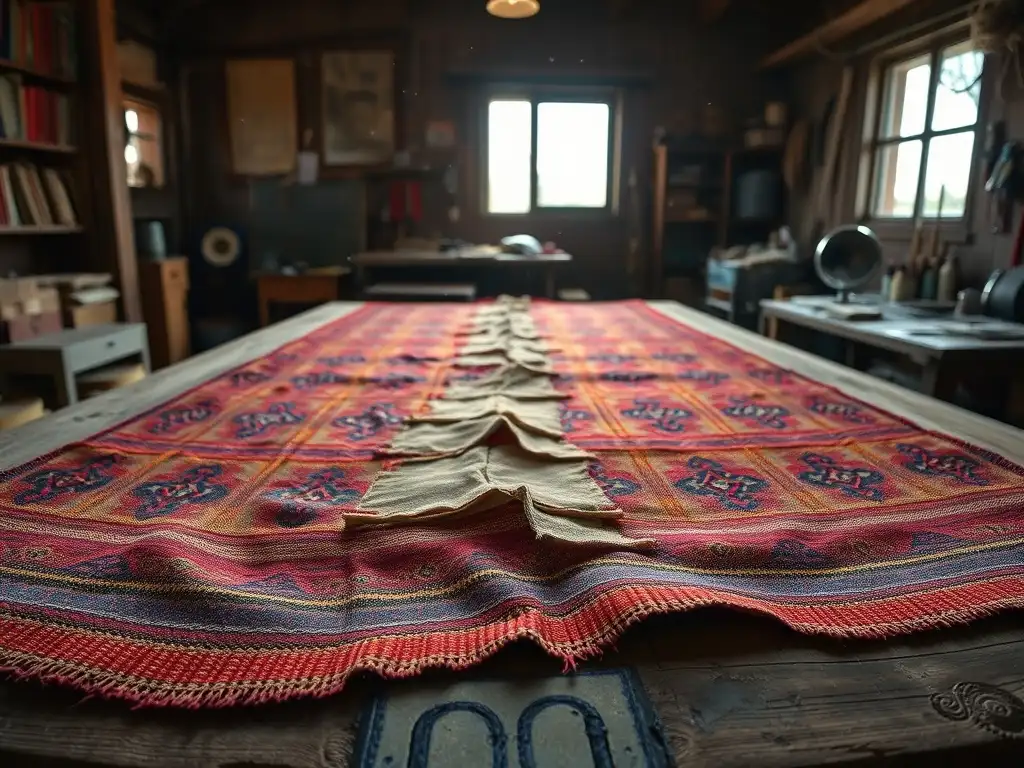
Dive into the captivating world of Andean Civilizations, where intricate artistry and advanced technology thrived for millennia. From the soaring heights of Machu Picchu to the mysterious Nazca Lines, a legacy of breathtaking cultural achievement endures. But what happens when these precious artifacts, like the exquisite textiles, begin to unravel? Discover when it's crucial to call in the Andean textile damage repair experts—before it's too late. Learn more about recognizing the subtle signs of damage and preserving this invaluable heritage.
Andean textiles represent a breathtaking tapestry of history, artistry, and cultural significance. These meticulously crafted pieces, often imbued with intricate designs and symbolic meaning, are fragile treasures that require careful preservation. Understanding the subtle signs of damage is crucial for ensuring their longevity and safeguarding this invaluable heritage for future generations.
This article serves as a guide to help you identify when professional intervention from Andean textile damage repair experts is necessary, preventing further deterioration and ensuring the proper conservation of your precious artifacts. We'll explore various types of damage, offering practical advice and highlighting the importance of timely expert intervention for the best possible preservation of these irreplaceable cultural artifacts.
The preservation of these textiles is not merely about maintaining their aesthetic appeal; it's about protecting a vital link to the rich past of Andean civilizations. Ignoring early warning signs can lead to irreversible loss, making prompt identification and professional care paramount.
Introduction to Preserving Andean Textile Heritage
The preservation of Andean textiles is a complex undertaking, demanding a nuanced understanding of the materials, techniques, and cultural contexts involved. These textiles, often created from natural fibers like alpaca, llama, and vicuña wool, are susceptible to a range of environmental factors and handling-related damage. Factors such as fluctuating humidity and temperature, exposure to light, and improper storage can all contribute to deterioration.
Furthermore, the delicate nature of the dyes and weaving techniques employed necessitates specialized care. Understanding the potential threats facing these artifacts is the first step in effective preservation. This involves recognizing the subtle signs of damage – from minor fraying to significant tears – and knowing when to seek the expertise of professionals specializing in Andean textile damage repair.
Ignoring early signs of damage can lead to irreversible loss and diminish the historical and cultural value of these exceptional pieces. The goal is proactive preservation, minimizing risks and ensuring the longevity of these significant cultural objects. This includes not only proper storage and handling but also understanding when professional intervention is absolutely necessary.
Identifying Common Types of Damage in Andean Textiles
Andean textiles, due to their age and the materials used, are prone to several types of damage. These can range from subtle discolorations to significant structural weaknesses. Recognizing these signs early is key to effective preservation. Let's explore some common types:
- Fiber Degradation: This is often manifested as weakening or brittleness of the fibers, particularly noticeable in areas subjected to repeated stress or exposure to harsh conditions. This can lead to fraying, shedding of fibers, and ultimately, holes. The type of fiber (alpaca, llama, cotton, etc.) influences the type and rate of degradation.
- Color Fading: Exposure to light, especially direct sunlight, can cause significant color fading and loss of vibrancy. This is particularly concerning for textiles with delicate natural dyes. The intensity and speed of fading depend on the dye's composition and exposure time.
- Insect Damage: Moths and other insects can cause significant damage by feeding on the fibers, creating holes and weakening the textile structure. This is a common problem if textiles are not stored properly in a climate-controlled environment.
- Physical Damage: Tears, rips, and holes are common physical damages, often resulting from improper handling or storage. These can range from small abrasions to large tears that compromise the structural integrity of the textile.
- Mildew and Mold: Improper storage conditions, particularly high humidity, can lead to the growth of mildew and mold, which can cause discoloration, weakening of fibers, and unpleasant odors.
When Professional Intervention is Necessary
While some minor damage, such as minor fraying, might be addressed with careful home care, many types of damage require the expertise of professional Andean textile damage repair experts. Here are some indicators that necessitate calling in the specialists:
- Significant Tears or Holes: Large tears or holes compromise the structural integrity of the textile and require skilled repair to prevent further damage.
- Extensive Fiber Degradation: When a significant portion of the textile exhibits brittleness or weakening, professional intervention is necessary to stabilize the fibers and prevent further loss.
- Insect Infestation: A significant insect infestation necessitates professional cleaning and treatment to eliminate the infestation and prevent further damage.
- Extensive Mold or Mildew: Extensive mold or mildew growth requires specialized cleaning and treatment to eliminate the contamination and prevent further damage.
- Complex Repairs: Repairs involving intricate weaving techniques or delicate dyes should always be handled by experienced professionals.
Choosing the Right Expert for Andean Textile Repair
Selecting the right expert is crucial for ensuring the proper preservation of your Andean textiles. Look for professionals with demonstrable experience in working with ancient textiles, a deep understanding of Andean weaving techniques, and a commitment to ethical conservation practices. Request references and examine their past work to ensure they possess the necessary skills and experience to handle your specific needs. The preservation of these invaluable artifacts requires the utmost care and attention to detail. Choosing a qualified expert is an investment in the future of Andean textile heritage.
- Introduction to Preserving Andean Textile Heritage
- Identifying Common Types of Damage in Andean Textiles
- When Professional Intervention is Necessary
- Choosing the Right Expert for Andean Textile Repair
- Recognizing Insect Infestation in Ancient Textiles: Signs of Moth and Beetle Damage
- Identifying Fiber Degradation: Weakening and Loss of Strength in Andean Fabrics
- Recognizing Color Fading and Bleeding: Effects of Light and Moisture on Textile Dyes
- Recognizing Physical Damage: Tears, Rips, and Abrasion in Andean Weavings
- What are some common signs of damage in Andean textiles that require expert attention?
- Why should I use an expert for Andean textile repair instead of attempting it myself?
- What types of Andean textiles do Andean textile damage repair experts typically work with?
- How much does it cost to have Andean textiles repaired by an expert?
- Where can I find reputable Andean textile damage repair experts?
Identifying Common Types of Andean Textile Damage
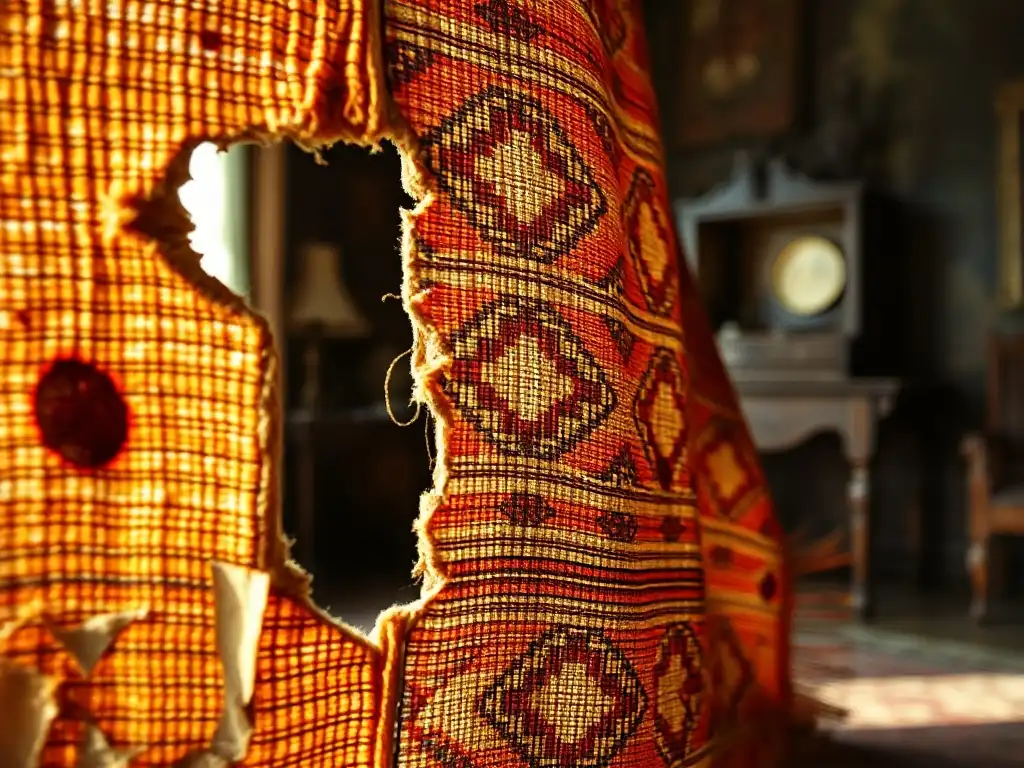
This section focuses on the early detection of damage in Andean textiles, a crucial step in preserving these invaluable artifacts. Early identification allows for timely intervention by Andean textile damage repair experts, minimizing further deterioration and ensuring the longevity of these cultural treasures. Proactive care is essential, as the materials used and the age of these textiles make them particularly vulnerable to various forms of damage. Understanding the common types of damage is the first step towards effective preservation.
Recognizing Insect Infestation in Ancient Textiles: Signs of Moth and Beetle Damage
Insect infestation is a significant threat to Andean textiles. Moths and beetles, particularly carpet beetles, are attracted to the natural fibers—wool, alpaca, llama, and cotton—commonly used in these textiles. Recognizing the signs of infestation early is critical to prevent extensive damage. Look for:
- Small holes: These are often the first visible sign, appearing as tiny, irregular punctures in the fabric. Moths create more erratic holes, while beetles tend to create more precise, regularly-spaced holes.
- Fecal pellets: Tiny, dark specks are often found near holes or on the surface of the fabric. These are the droppings of the insects.
- Larvae or pupae: The larvae of moths and beetles can be visible, particularly in areas with loose fibers or folds in the textile. They can range in color from white to brown.
- Weakened fibers: Even before holes appear, the fabric might feel weaker or less resilient in infested areas. This is due to the insects feeding on the fibers.
Accurate identification is paramount. A trained professional can differentiate between various insect species, determining the appropriate treatment strategy. Ignoring early signs of infestation can lead to significant and irreversible damage, potentially rendering the textile beyond repair. The presence of insect frass (excrement) is a strong indicator of active infestation and warrants immediate attention from Andean textile damage repair experts.
Identifying Fiber Degradation: Weakening and Loss of Strength in Andean Fabrics
Fiber degradation is a natural process accelerated by various factors such as light exposure, humidity, and improper storage. Recognizing the signs of weakening and loss of strength is vital for preventative measures. Observe the following:
- Brittleness: The textile might feel brittle and prone to tearing or fraying, especially along the edges or at points of stress.
- Loss of elasticity: When gently stretched, the fibers might not return to their original shape, indicating a loss of elasticity.
- Discoloration: Fiber degradation can cause a change in color, often appearing as yellowing or browning. This is particularly noticeable in light-colored textiles.
- Fiber separation: Individual fibers might separate or become loose, making the fabric feel thin or weak.
The rate of fiber degradation varies depending on the type of fiber and the environmental conditions. Alpaca and llama wool, for instance, are more susceptible to degradation than cotton. Proper storage conditions, minimizing light exposure, and maintaining stable humidity levels are crucial in slowing down this natural process. Early detection allows Andean textile damage repair experts to implement preservation strategies before the damage becomes irreparable.
Recognizing Color Fading and Bleeding: Effects of Light and Moisture on Textile Dyes
The vibrant colors of Andean textiles are a testament to the sophisticated dyeing techniques used by ancient cultures. However, these dyes are susceptible to fading and bleeding due to exposure to light and moisture. Look for:
- Faded colors: A noticeable loss of vibrancy, particularly in areas exposed to direct sunlight. This is often uneven, with some areas fading more than others.
- Color bleeding: The dyes might bleed into adjacent areas, resulting in blurry or stained patterns. This is more common in textiles exposed to moisture or improper cleaning.
- Color change: The colors might shift slightly, becoming duller or slightly altered in hue.
- Water staining: Water marks or stains can indicate past moisture damage, which often exacerbates color fading and bleeding.
The type of dye used significantly impacts its susceptibility to fading and bleeding. Natural dyes are generally more vulnerable than synthetic dyes. Proper handling, minimizing light exposure, and avoiding contact with water are crucial in preserving the original colors. Early detection of color issues allows Andean textile damage repair experts to suggest appropriate conservation methods, potentially mitigating further damage and preserving the textile's aesthetic integrity. Careful monitoring and prompt action are key to maintaining the vibrant hues of these ancient masterpieces.
Recognizing Physical Damage: Tears, Rips, and Abrasion in Andean Weavings
The delicate nature of Andean textiles makes them susceptible to a variety of physical damages. Understanding these types of damage is crucial for timely intervention and proper conservation. Tears, rips, and abrasion are among the most common issues encountered, often resulting from mishandling, age, or exposure to harsh environmental conditions. Let's delve into the specifics of identifying these problems.
Tears in Andean textiles can range from small, single-thread breaks to large, gaping holes. These often occur along already weakened areas of the fabric, such as areas previously subject to abrasion or insect damage. The appearance of the tear itself can offer clues about its cause.
A clean, straight tear might suggest a sharp object, while a more jagged tear might indicate a forceful pull or snag. Careful examination is needed to assess the extent of the damage and to determine whether underlying threads have also been compromised. This is vital information for any Andean textile damage repair experts you might consult.
Rips are similar to tears but often involve a more significant separation of fabric, frequently extending across multiple threads or even sections of the weaving. Rips are frequently the result of more forceful impacts or stresses on the textile. Unlike tears, rips often show more significant fraying at the edges.
This fraying can indicate the age and fragility of the textile, further complicating repair and highlighting the need for skilled intervention by Andean textile damage repair experts. The direction and pattern of the rip can sometimes provide clues as to how the damage occurred, potentially informing preventative measures for other textiles in your collection.
Abrasion, or the wearing away of fibers, often manifests as thinning or weakening of the fabric. It's a gradual process that can go unnoticed until significant damage has already occurred. Abrasion is commonly found along folds, edges, or areas that have experienced repeated friction. The appearance of abrasion can vary; it might be a subtle thinning of the fabric or more pronounced, with visible loss of fibers and a change in the textile's texture.
The location of the abrasion can also be insightful, suggesting the textile's history of use or storage. Recognizing the early signs of abrasion is critical, as it often precedes more serious damage like tears or rips, allowing for preventative measures and potentially avoiding the need for extensive repair by Andean textile damage repair experts. Regular inspection and careful handling are key to mitigating abrasion.
Understanding the Severity of Andean Textile Damage
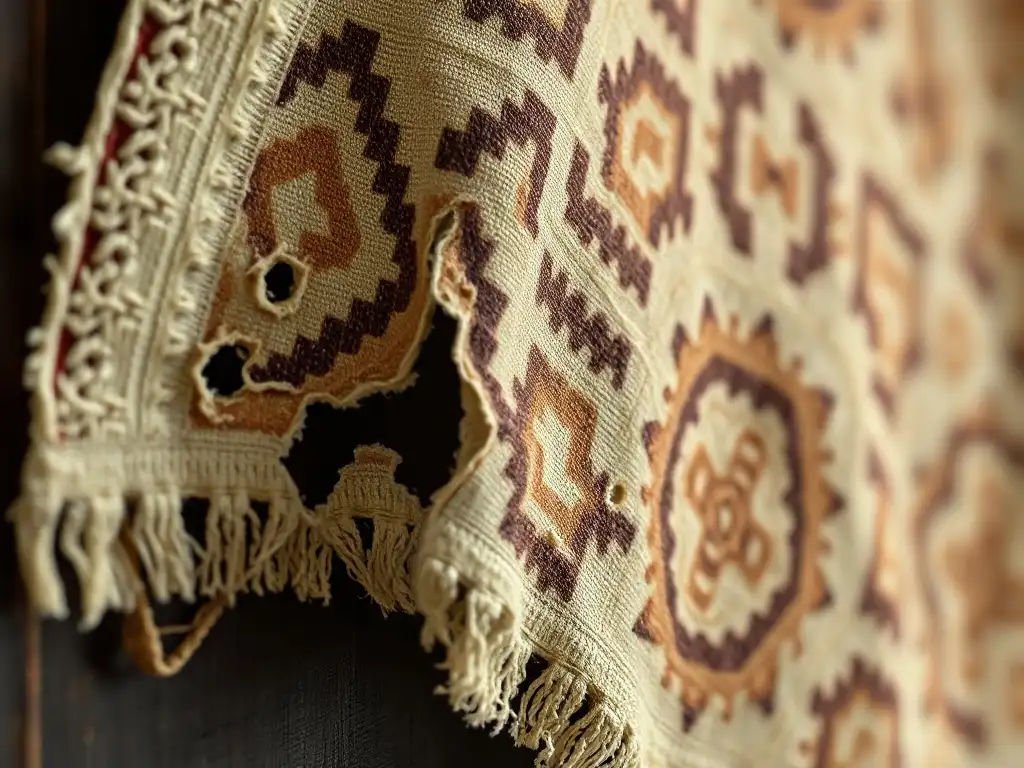
This section helps you discern the level of damage affecting your Andean textiles, guiding you towards the appropriate course of action. Knowing when to seek professional help is crucial for preserving these invaluable artifacts. Accurate assessment prevents further deterioration and ensures the longevity of your collection. Remember, early detection is key in mitigating the long-term impact of damage on your precious Andean textiles. The severity of damage can range from easily manageable minor issues to extensive problems requiring the expertise of Andean textile damage repair experts.
Minor Damage: When DIY Care Might Be Sufficient for Andean Textiles
Minor damage often manifests as loose threads, small holes, or slight discoloration. These issues are usually manageable with basic textile care techniques. For instance, a loose thread can be carefully secured using a needle and thread that closely matches the original material. Small holes, if not too extensive, might be subtly mended using a similar technique. Discoloration due to dust can often be addressed through gentle cleaning with a soft brush and appropriate cleaning agents. However, always test any cleaning agent on an inconspicuous area first to avoid further damage.
Remember, even minor damage can worsen over time if neglected. Regular inspection of your textiles is crucial for early detection and prompt intervention, preventing the need for more extensive and costly repairs later. Careful handling and appropriate storage conditions are also vital in preventing further damage. Always handle your Andean textiles with clean hands and wear cotton gloves to avoid transferring oils and dirt.
Consider these examples of minor damage:
- A single loose thread hanging from a woven piece.
- A tiny hole, less than 1cm in diameter.
- Slight fading or discoloration in a small, localized area.
- Minor fraying at the edges of a textile.
Moderate Damage: Assessing the Need for Professional Intervention with Andean Textile Restoration
Moderate damage presents a more complex scenario. This might involve larger holes, significant fraying, substantial discoloration, or noticeable weakening of the textile's structure. While some aspects might seem tempting to address yourself, attempting repairs without the necessary expertise could potentially cause irreversible harm. At this stage, seeking the guidance of Andean textile restoration specialists becomes increasingly important. Their specialized knowledge and experience ensure that repairs are carried out using appropriate techniques and materials, preserving the textile's integrity and historical value.
Examples of moderate damage include:
- Holes larger than 1cm in diameter.
- Extensive fraying along seams or edges.
- Significant discoloration affecting a considerable portion of the textile.
- Visible weakening of the fabric's structure, leading to sagging or distortion.
- Insect damage affecting a substantial area.
Consider the potential risks of DIY repairs at this level: Improper techniques could lead to further damage, weakening the fabric, or altering its original appearance. The cost of professional restoration might seem significant, but it's a worthwhile investment compared to the potential loss of a valuable artifact due to unskilled intervention.
Severe Damage: When Immediate Action from Andean Textile Damage Repair Experts is Crucial
Severe damage necessitates immediate professional intervention. This level of deterioration often involves significant tears, extensive holes, substantial water damage, or severe insect infestation. Delaying professional help at this stage can lead to irreparable loss. Andean textile damage repair experts possess the expertise and specialized tools to assess the extent of the damage, stabilize the textile, and implement appropriate conservation strategies. They understand the delicate nature of ancient materials and employ techniques that minimize further harm while maximizing the chances of successful restoration.
Severe damage may include:
- Large tears or rips affecting significant portions of the textile.
- Extensive insect damage compromising the structural integrity.
- Significant water damage resulting in mold or mildew growth.
- Complete disintegration of parts of the textile.
Delaying professional intervention in cases of severe damage can lead to irreversible loss. The expertise of Andean textile damage repair experts is crucial for stabilizing the artifact and preserving its historical significance. The cost of professional restoration, while potentially substantial, is far outweighed by the irreplaceable value of the artifact. Don't hesitate to seek help promptly when faced with severe damage; it is often the only way to save a precious piece of Andean heritage.
When to Seek Professional Help from Andean Textile Damage Repair Experts
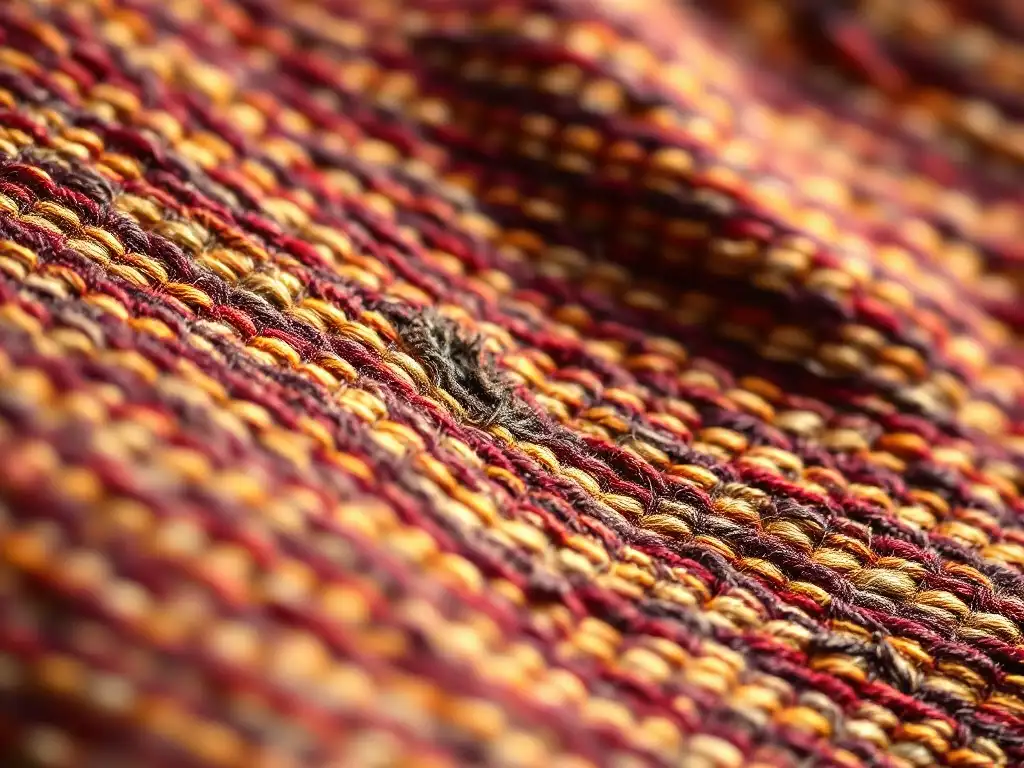
This section focuses on identifying when the expertise of Andean textile damage repair experts is crucial for preserving your valuable artifacts. Knowing the signs of significant damage allows for timely intervention, preventing further deterioration and ensuring the longevity of these irreplaceable pieces of history. Ignoring early warning signs can lead to irreversible damage, significantly reducing the historical and cultural value of your Andean textiles. Therefore, understanding the nuances of textile degradation is paramount for responsible ownership.
Specific Cases Requiring Andean Textile Conservationists
Several situations necessitate the immediate intervention of skilled Andean textile conservationists. These professionals possess the specialized knowledge and techniques to handle delicate fabrics and intricate designs, often requiring microscopic precision and a deep understanding of the materials and construction methods employed by ancient Andean cultures. Here are some specific scenarios where professional help is not just recommended, but essential:
- Significant Tears and Holes: Beyond minor repairs that a skilled amateur might attempt, large tears, significant holes, or extensive fraying necessitate professional intervention. These repairs often involve complex stitching techniques using historically accurate threads and methods to maintain the textile's integrity and aesthetic value. For example, a large tear in a finely woven Inca textile might require specialized patching techniques using materials that closely match the original fabric's composition and color.
- Insect Infestation: Evidence of insect activity, such as holes, webbing, or the presence of insect frass (droppings), is a serious concern. Professional treatment is vital to eradicate the infestation and prevent further damage. This often involves carefully controlled fumigation or other specialized methods to avoid harming the textile's delicate fibers. Ignoring an infestation can lead to rapid and extensive damage, rendering the textile beyond repair.
- Water Damage: Water damage, whether from spills, floods, or high humidity, can cause significant and irreversible damage to Andean textiles. The effects can range from discoloration and weakening of fibers to the growth of mold and mildew. Professional cleaning and stabilization techniques are essential to mitigate the damage and prevent further deterioration. The unique dyes and fibers used in Andean textiles are particularly susceptible to water damage, requiring specialized knowledge to handle safely and effectively.
- Fading and Color Loss: While some fading is expected with age, significant color loss or uneven fading can indicate a problem requiring professional attention. This could stem from improper storage, exposure to light, or chemical degradation of the dyes. Experts can analyze the cause of the fading and recommend appropriate conservation methods to slow or prevent further color loss. For instance, they might recommend specific environmental controls or specialized cleaning techniques to preserve the vibrant colors of a Moche textile.
- Deterioration of Fibers: Brittleness, weakening, or significant fiber degradation demands immediate attention. This often manifests as a loss of structural integrity, making the textile fragile and prone to further damage. Professional assessment can identify the cause of the deterioration and implement appropriate stabilization techniques. This might include techniques to reinforce weakened areas or carefully consolidate fragile fibers to prevent further loss.
The Benefits of Professional Andean Textile Restoration Services
Engaging professional Andean textile restoration services offers numerous advantages beyond simply repairing damage. These experts not only possess the technical skills but also a deep understanding of the cultural significance of these artifacts. Their expertise ensures the preservation of both the aesthetic and historical value of your textiles for generations to come.
The benefits include:
- Specialized Knowledge and Techniques: Professional conservators possess extensive knowledge of the materials, construction methods, and degradation processes specific to Andean textiles. They employ specialized techniques and tools to ensure that repairs are both effective and historically appropriate. This ensures that the textile's authenticity and integrity are maintained.
- Preservation of Historical Value: Improper handling or repairs can significantly diminish the historical and cultural value of an Andean textile. Professionals understand the importance of using appropriate materials and methods to prevent further damage and preserve the textile’s authenticity for future generations. They prioritize minimal intervention, only undertaking necessary repairs to preserve the original fabric as much as possible.
- Accurate Diagnosis and Treatment: Professionals can accurately diagnose the causes of damage and recommend appropriate treatment plans. This includes identifying the type of damage, determining the best materials and techniques for repair, and implementing preventative measures to protect the textile from future damage. They can also provide valuable insights into the textile’s history and cultural significance based on their expert knowledge of Andean textile traditions.
- Long-Term Preservation: Professional restoration services provide a strategic approach to long-term preservation. This involves not only repairing existing damage but also implementing preventative measures to protect the textile from future deterioration, ensuring its survival for years to come. This might include recommendations for appropriate storage conditions, environmental controls, and handling practices.
By understanding when to call upon the expertise of Andean textile damage repair experts, you are actively contributing to the preservation of invaluable cultural heritage. The investment in professional restoration ensures that these beautiful and historically significant textiles continue to tell their stories for many years to come.
Finding Qualified Andean Textile Damage Repair Experts
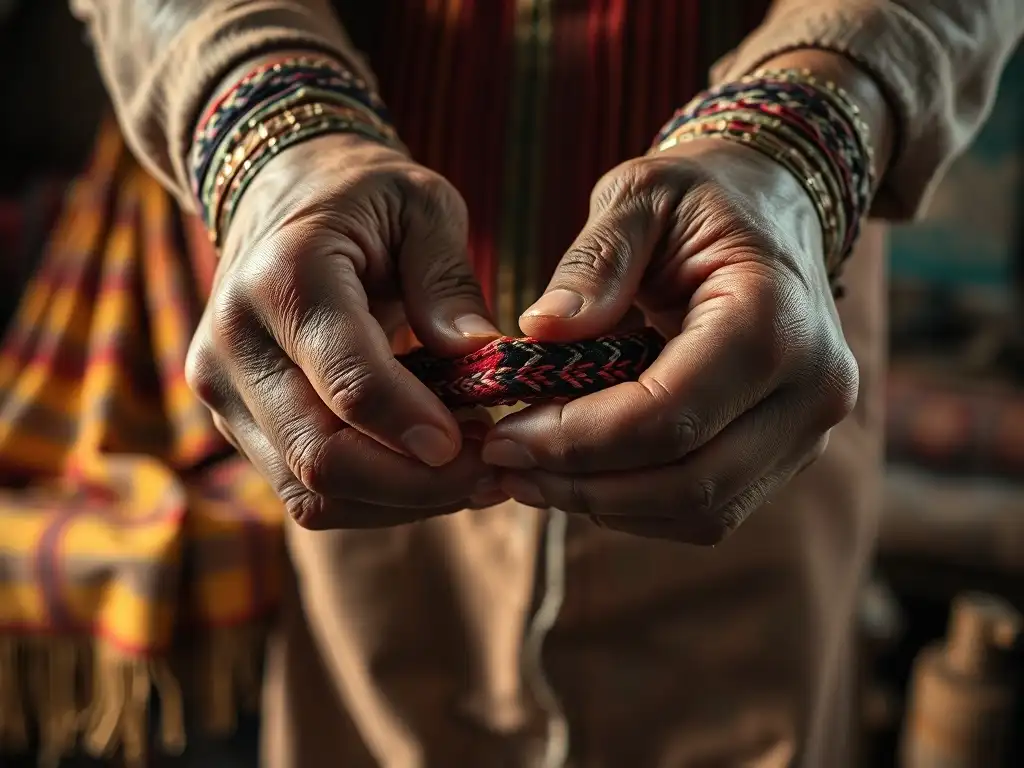
Protecting your precious Andean textiles requires careful attention and, when damage occurs, the intervention of skilled professionals. Knowing when and how to find the right expert is crucial for preserving these irreplaceable artifacts. This section guides you through the process of identifying qualified Andean textile damage repair experts, ensuring the longevity of your collection. The search for "Andean textile damage repair experts" should be approached methodically, prioritizing experience, ethical practices, and proven expertise in Andean textile conservation.
Researching Reputable Andean Textile Conservation Specialists
Begin your search by identifying reputable organizations and individuals specializing in Andean textile conservation. Look for specialists with demonstrable experience working with textiles from various Andean cultures, including Inca, Moche, Nazca, and Tiahuanaco pieces. This specialized knowledge is essential for understanding the unique materials, construction techniques, and vulnerabilities of these ancient artifacts. Consider checking for affiliations with recognized professional organizations dedicated to textile conservation.
These affiliations often signal a commitment to best practices and adherence to ethical standards in the field. Online directories, museum websites, and university departments specializing in archaeology and anthropology can be valuable resources in this initial phase. Don't hesitate to contact several potential specialists to discuss your specific needs and obtain quotes.
Understanding the Importance of Experience and Expertise in Andean Textile Repair
The repair of damaged Andean textiles is not a simple undertaking. It demands a deep understanding of the textile's historical context, its construction, and the materials used. Inexperienced attempts at repair can cause irreversible harm, diminishing the artifact's value and historical significance. Therefore, prioritizing experience is paramount. Look for specialists who can demonstrate a proven track record of successful Andean textile restoration projects.
Request references and examine examples of their previous work. Inquire about their experience working with different types of Andean textiles – from delicate woven fabrics to intricate tapestries – to gauge the breadth of their expertise. A strong understanding of the specific challenges posed by different textile types and damage scenarios is key to successful restoration. For example, repairing a fragile Nazca textile requires different techniques than restoring a more robust Inca garment.
Choosing an expert with extensive experience in Andean textile conservation ensures that the repair process respects the artifact's integrity and historical context. They will understand the importance of using appropriate materials and techniques that minimize further damage and maximize the longevity of the repaired textile. Remember, the goal is not just to fix the damage but to preserve the artifact for future generations.
Evaluating the Methods and Materials Used by Andean Textile Restoration Professionals
Once you've identified potential candidates, carefully evaluate their methods and the materials they use. Reputable Andean textile restoration professionals will utilize conservation-grade materials that are archival quality, ensuring they won't cause further deterioration. Inquire about their approach to mending tears, stabilizing weakened fibers, and cleaning soiled textiles. They should be able to explain their techniques clearly and justify their choices based on established conservation principles.
Avoid specialists who employ methods that seem overly aggressive or who use materials that are not compatible with the delicate nature of ancient textiles. For example, the use of harsh chemicals or inappropriate adhesives can cause irreparable damage. Ask for detailed information about their cleaning procedures, including the types of solvents and cleaning agents used. A clear and detailed explanation of their process reflects professionalism and a commitment to ethical restoration practices.
A responsible expert will also document the entire repair process, providing you with detailed records of the work performed. This documentation will be invaluable for future research and conservation efforts. The careful selection of an Andean textile damage repair expert is a crucial step in safeguarding your valuable collection for years to come. Remember, the investment in expert care is an investment in preserving a vital piece of Andean cultural heritage.
Preventative Measures to Minimize the Need for Andean Textile Damage Repair
Proactive care significantly reduces the need for costly and potentially irreversible Andean textile damage repair. Investing time in preventative measures is far more economical and ensures the longevity of these invaluable cultural artifacts. Understanding the vulnerabilities of Andean textiles – their delicate materials, intricate weaves, and susceptibility to environmental factors – is crucial for effective preservation. This section outlines key preventative strategies to minimize damage and the subsequent need for expert intervention. By implementing these practices, you can safeguard your collection and significantly reduce the likelihood of requiring Andean textile damage repair experts.
Proper Storage Techniques for Andean Textiles: Humidity and Light Control
The Andean region's diverse climates significantly impact textile preservation. Maintaining stable humidity and minimizing light exposure are paramount. Excessive humidity encourages mold and mildew growth, while prolonged exposure to sunlight, especially UV radiation, causes fading and fiber degradation. Ideal storage conditions for Andean textiles involve a cool, dry environment with a relative humidity between 40% and 50%. Fluctuations in humidity should be avoided.
Consider the use of acid-free archival boxes or acid-free tissue paper for wrapping individual textiles. These materials prevent the transfer of harmful acids that can damage the fibers over time. Furthermore, storing textiles in dark, climate-controlled environments, such as museum-quality storage facilities, is highly recommended. For those lacking access to such facilities, employing blackout curtains or UV-filtering covers on display cases can mitigate light damage. Regular monitoring of humidity and temperature using reliable hygrometers and thermometers is essential. Remember, consistent monitoring and control are key to preventing the need for Andean textile damage repair.
Safe Handling Practices for Preserving Andean Weavings
Careful handling is crucial for preventing damage. Always wash your hands before handling Andean textiles to avoid transferring oils, dirt, or other contaminants. Avoid wearing jewelry that could snag or scratch the delicate fibers. When handling the textiles, support their full weight to avoid stress on the fabric. Never fold or crease heavily woven textiles. Instead, consider rolling them around acid-free tubes for storage. For particularly fragile pieces, employing cotton gloves can provide an additional layer of protection.
Remember, even seemingly minor damage can escalate into significant problems over time, potentially requiring the services of Andean textile damage repair experts. The goal is to minimize handling to the absolute necessary minimum and always be exceptionally gentle. Training staff or volunteers in appropriate handling techniques is a worthwhile investment for larger collections. Documenting handling procedures can also be invaluable.
Regular Inspection and Early Detection of Damage in Andean Textiles
Regular inspection is paramount in preventative care. Schedule regular visual checks of your Andean textile collection, noting any signs of damage, however minor. Early detection allows for timely intervention, preventing small problems from escalating into major restoration projects. This proactive approach minimizes the need for extensive and costly Andean textile damage repair.
A systematic inspection process should include checking for:
- Fading: Note any discoloration or loss of vibrancy in colors.
- Fiber breakage: Look for broken or weakened fibers, particularly along seams or edges.
- Holes and tears: Document the location and size of any holes or tears.
- Insect infestation: Regularly check for signs of insect activity, such as webbing, frass (insect droppings), or holes caused by feeding insects.
- Mold and mildew: Look for signs of mold or mildew growth, which appears as discoloration or a fuzzy growth on the fabric.
- Soiling: Note any staining or discoloration from dirt, oils, or other contaminants.
Maintaining detailed records of your inspection findings, including photographs, is crucial. This documentation assists in tracking the condition of your collection over time and provides valuable information for future conservation efforts. Early detection and prompt action can often prevent the need for extensive Andean textile damage repair, ensuring the preservation of these precious cultural artifacts for generations to come. Remember, careful observation and proactive measures are your best allies in protecting your invaluable Andean textiles.
Frequently Asked Questions
What are some common signs of damage in Andean textiles that require expert attention?
Common signs include significant tears or holes, severe fading or discoloration, insect infestation, loose or broken weaving, and substantial water damage. These often require specialized skills to repair properly.
Why should I use an expert for Andean textile repair instead of attempting it myself?
Attempting repairs yourself could irreversibly damage the textile. Experts possess specialized knowledge of Andean weaving techniques and materials, ensuring proper restoration and preservation.
What types of Andean textiles do Andean textile damage repair experts typically work with?
Experts work with a wide variety of textiles, including those from the Inca, Moche, Nazca, and Tiahuanaco cultures. They handle various materials like cotton, wool, and camelid fibers, understanding the unique characteristics of each.
How much does it cost to have Andean textiles repaired by an expert?
The cost varies greatly depending on the extent of the damage, the type of textile, and the complexity of the repair. It's best to contact several experts for personalized quotes based on an assessment of your piece.
Where can I find reputable Andean textile damage repair experts?
Begin by researching online, looking for specialists with experience in Andean textiles. Check for testimonials and reviews, and consider contacting museums or historical societies for recommendations of trusted professionals.
Final Reflection: Weaving a Legacy of Preservation
The delicate artistry of Andean textiles, a testament to centuries of cultural heritage, faces an ongoing battle against time and the elements. Their vulnerability underscores the critical need for skilled preservation, a need that only intensifies as these invaluable pieces continue to emerge from forgotten corners and private collections. The knowledge shared in this article is not merely academic; it's a vital tool for safeguarding a legacy.
The impact of textile degradation extends far beyond the aesthetic. Each thread lost represents a fragment of history, a piece of a narrative woven into the very fabric of Andean societies. These textiles are not simply objects; they are living repositories of stories, techniques, and beliefs. The past is never dead. It's not even past.
– William Faulkner. This quote resonates deeply when considering the ongoing responsibility we have to preserve these irreplaceable artifacts, ensuring their stories continue to be told for generations to come. The more we understand the subtle signs of damage, the better equipped we are to protect this rich heritage.
Consider the textiles you encounter – whether in museums, private collections, or even your own home. Take a moment to appreciate the intricate craftsmanship and the stories they hold. Are you equipped to identify potential damage? Do you know when to seek the expertise of a professional conservator? This article serves as a starting point, a call to action to become active participants in the preservation of these invaluable cultural treasures. Let us work together to ensure that the vibrant threads of Andean history continue to shine brightly for years to come.
**Take Action: Preserve Your Andean Heritage Today! **
Thank you for exploring the fascinating world of Andean textiles with us. You've learned about identifying signs of damage and the crucial role of preservation in safeguarding this rich cultural heritage. Now, let's put that knowledge to work!
- **Schedule a consultation** with a textile conservator to evaluate your collection or individual pieces requiring attention.
- **Participate in a local workshop** on Andean textile care to actively support these traditions and learn from skilled artisans.
- **Share this article** with friends and family who value art and culture, helping to raise awareness about the importance of preservation.
What steps will you take to ensure the beauty of Andean textiles is cherished for generations to come?