
The Silent Language of Fibers: Understanding the Delicate Nature of Andean Textiles

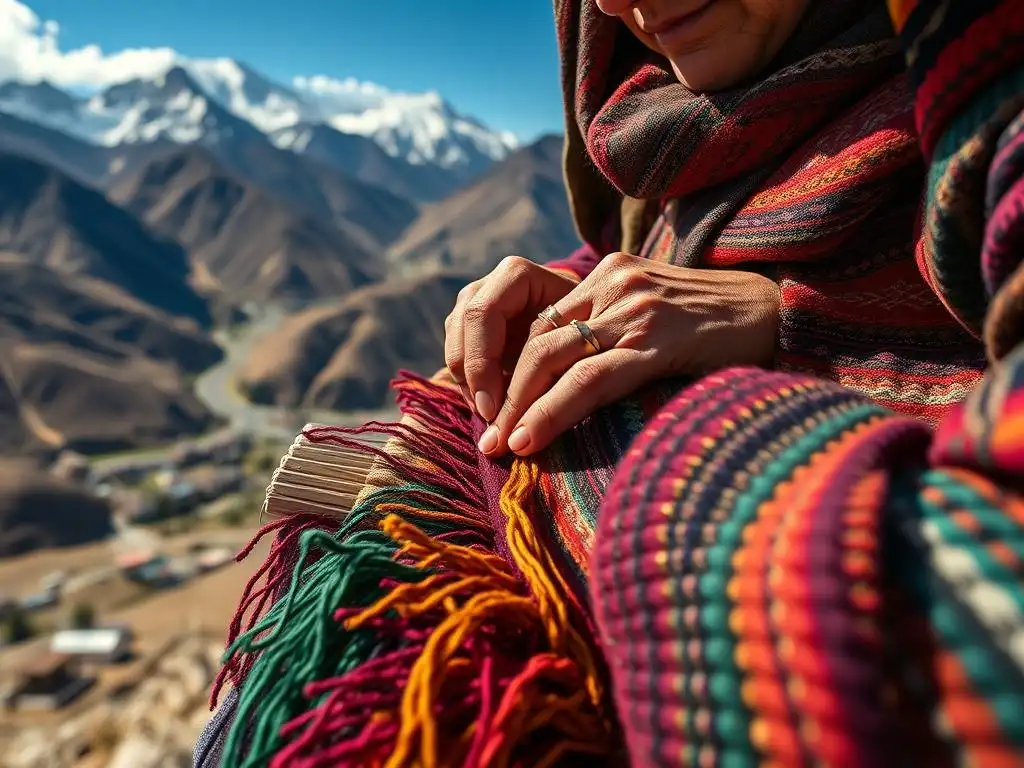
Unravel the mysteries woven into the very fabric of history. Journey with us into the captivating world of Andean civilizations, where vibrant cultures thrived and left behind a legacy as intricate and enduring as their breathtaking textiles. Discover the silent language of fibers – the Andean textiles history and meaning – and unlock the secrets embedded within these exquisite artifacts. Prepare to be amazed by the artistry and ingenuity of a lost world, waiting to be rediscovered.
Andean textiles represent far more than just clothing or decorative items; they are intricate tapestries woven with threads of history, social status, and spiritual beliefs. This article delves into the fascinating world of Andean textiles, exploring their delicate nature and the profound history and meaning embedded within their vibrant colors and complex designs.
We will uncover the secrets held within these ancient artifacts, revealing how their preservation and understanding offer a unique window into the lives and cultures of the Andean civilizations. From the intricate knotwork of the Paracas to the sophisticated weaving techniques of the Inca, we will navigate the rich tapestry of Andean textile history, offering insights into their creation, symbolism, and enduring legacy.
This exploration is crucial for collectors and enthusiasts alike, emphasizing the importance of careful preservation and responsible appreciation of these irreplaceable cultural treasures. Understanding the delicate nature of these artifacts is paramount to ensuring their longevity and continued contribution to our understanding of Andean history.
Introduction to Andean Textiles: More Than Just Fabric
Andean textiles are renowned for their exceptional artistry and technical sophistication. Unlike mass-produced fabrics, these textiles are painstakingly handcrafted, often using natural dyes derived from plants, insects, and minerals. The vibrant hues, ranging from deep reds and oranges to rich blues and greens, are a testament to the ingenuity and resourcefulness of Andean artisans.
But the beauty of these textiles extends beyond their visual appeal. The intricate designs, often incorporating geometric patterns, zoomorphic motifs, and symbolic representations, tell compelling stories of Andean cosmology, social structures, and daily life. Consider the intricate tapestry of a Paracas mantle, for example, where every thread contributes to a larger narrative reflecting the spiritual beliefs and worldview of the culture.
Understanding the significance of these visual elements unlocks a deeper appreciation for the cultural context in which these textiles were created. The very act of creating these textiles was imbued with ritual and meaning, adding another layer of significance to their enduring legacy.
Unraveling the History and Meaning of Andean Textiles
The history and meaning encoded within Andean textiles are complex and multifaceted, requiring a multidisciplinary approach to fully comprehend. Careful examination of the fibers, dyes, weaving techniques, and iconography provides invaluable clues to their origins and purpose.
The Rich History of Andean Textile Art
The history of Andean textile art spans millennia, evolving alongside the various Andean cultures. From the early pre-ceramic periods to the Inca Empire and beyond, each civilization left its unique mark on textile production. The techniques employed, the types of fibers used (e.g., cotton, alpaca, llama), and the stylistic motifs all reflect the specific cultural contexts and technological advancements of their time.
For instance, the Nazca culture is known for its incredibly fine textiles and intricate designs, while the Inca Empire developed advanced techniques for creating large, complex tapestries. The evolution of these techniques reflects not just technological progress, but also shifts in social structures, religious beliefs, and economic systems.
Detailed analysis of the textiles themselves provides crucial data for reconstructing the history of these vibrant cultures. The sheer diversity of techniques and styles across different Andean cultures is a testament to the enduring creativity and adaptability of the Andean people.
Deciphering the Meaning Woven into Andean Fabrics
The symbolic language woven into Andean fabrics is rich and complex. Geometric patterns, often seemingly abstract, frequently represent celestial bodies, agricultural cycles, or social hierarchies. Zoomorphic and anthropomorphic motifs, depicting animals and human figures, are often imbued with religious or spiritual significance.
Colors themselves held symbolic meaning, with specific hues associated with particular deities, events, or social statuses. For example, certain colors might represent the sacred mountains or the fertile lands crucial to Andean agriculture. The precise interpretation of these symbols often requires considering the cultural context in which the textile was created and used, drawing upon ethnographic studies, archaeological findings, and historical accounts where available.
Careful study of these intricate designs allows us to unlock the hidden narratives embedded within these seemingly simple fabrics, revealing a profound understanding of Andean worldview and beliefs. The intricate interplay of color, pattern, and fiber reveals a sophisticated system of communication, making Andean textiles remarkable historical documents.
Understanding the Delicate Nature of Andean Textile Fibers
Andean textiles, renowned for their vibrant colors and intricate designs, are testaments to the ingenuity and artistry of ancient Andean cultures. However, understanding the delicate nature of the fibers used in their creation is crucial for their preservation. These textiles, often crafted from natural fibers like alpaca, llama, vicuña, and cotton, are inherently vulnerable to a range of environmental factors and handling practices.
The very qualities that make these textiles so beautiful—their softness, their intricate weaves, and their use of natural dyes—also contribute to their fragility. The fibers themselves, often spun and woven by hand using traditional techniques passed down through generations, are susceptible to damage that can be irreversible. Preserving these invaluable pieces of cultural heritage requires a deep understanding of their composition and the factors that threaten their longevity.
Careful handling and appropriate storage conditions are paramount to ensuring that these exquisite textiles continue to tell their stories for generations to come. The history embedded within each thread demands our respect and careful attention. Ignoring the delicate nature of these fibers risks irreparable harm to these irreplaceable artifacts.
The Vulnerability of Natural Fibers in Andean Textiles
Natural fibers, the backbone of Andean textile traditions, possess unique vulnerabilities. Alpaca and llama wool, prized for their softness and warmth, are susceptible to moth infestations. These insects can cause significant damage, leaving holes and weakening the fabric. Vicuña, the rarest and finest of the Andean fibers, is equally susceptible, its delicate structure easily damaged by improper handling or storage.
Cotton, while seemingly more robust, is prone to fading and weakening from prolonged exposure to sunlight and humidity. The natural dyes used in Andean textiles, often derived from plants and minerals, are also vulnerable to fading and discoloration. These dyes, while beautiful and historically significant, are not as colorfast as modern synthetic dyes. Exposure to light, moisture, and even fluctuating temperatures can cause them to lose their vibrancy and intensity, diminishing the textile's visual appeal and historical value.
Furthermore, the very techniques used in creating these textiles – often intricate and complex weaving methods – can contribute to their fragility. Loosely spun yarns or delicate weaves are more prone to snagging and tearing. Understanding these vulnerabilities is the first step towards effective preservation.
Identifying Common Damage in Antique Andean Textiles
Identifying damage in antique Andean textiles requires a keen eye and a careful approach. Common signs of deterioration include moth holes, which appear as small, irregular holes throughout the fabric. Fading, often uneven, indicates prolonged exposure to light or improper storage. Weakening of the fibers can manifest as thin areas or places where the fabric is easily torn.
Tears and rips, often caused by mishandling or accidental damage, are another common problem. Discoloration, beyond simple fading, can indicate staining from spills or exposure to pollutants. Finally, the presence of pests, such as insects or rodents, can be a sign of inadequate storage conditions. Careful examination under good lighting, ideally with magnification, is essential for accurate assessment.
Documenting the damage with detailed notes and photographs is also crucial for tracking the textile's condition over time and informing conservation efforts. Recognizing these common types of damage is paramount for implementing appropriate preservation strategies and ensuring the long-term survival of these invaluable artifacts. The ability to identify these issues allows for proactive interventions, preventing further deterioration and safeguarding the rich cultural heritage encoded within these ancient Andean textiles.
- Introduction to Andean Textiles: More Than Just Fabric
- Unraveling the History and Meaning of Andean Textiles
- Understanding the Delicate Nature of Andean Textile Fibers
How to Preserve Your Andean Textiles: A Practical Guide
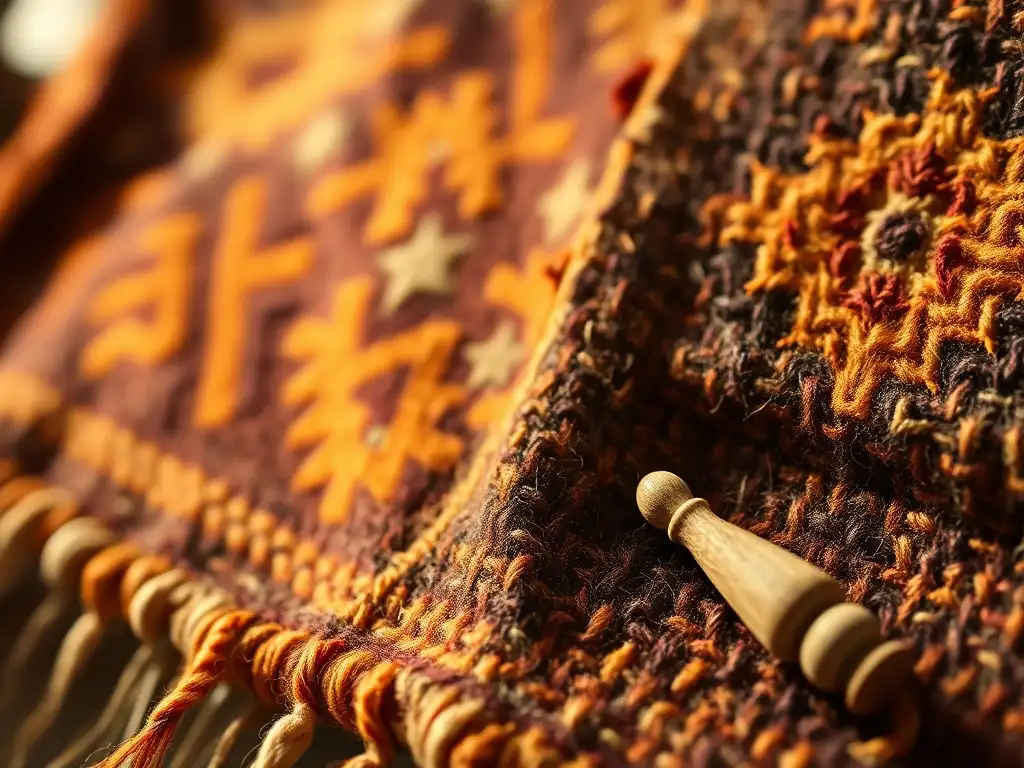
This section delves into the practical aspects of caring for your Andean textile collection, focusing on techniques that ensure the longevity of these delicate and historically significant artifacts. Understanding the fragility of Andean textiles – often made from materials like alpaca, llama, vicuña, and cotton, sometimes incorporating precious metals and dyes – is paramount to their preservation. Proper handling, storage, and environmental control are crucial for maintaining their vibrant colors, intricate designs, and historical integrity.
This guide offers actionable steps towards ensuring your Andean textiles remain a treasured part of your collection for generations to come. The history and meaning woven into these textiles demand this level of careful attention.
Safe Handling Techniques for Andean Textile Artifacts
Handling Andean textiles requires utmost care. Avoid direct contact with bare hands, as oils and acids from skin can damage the fibers over time. Always wear clean, cotton gloves when handling these artifacts. Furthermore, support the textile's weight evenly across its entire surface to prevent stress on any single point. Never fold or crease the textile sharply, as this can cause permanent damage, particularly to delicate areas.
When examining your textiles, prioritize gentle movements. Avoid stretching or pulling the fabric. If a textile requires cleaning, never attempt this yourself. Entrust the task to a professional conservator specializing in Andean textiles. They possess the expertise and specialized tools to clean and repair these delicate pieces without causing further damage. Remember, even seemingly minor damage can significantly detract from the historical value and aesthetic appeal of your Andean textiles. Their history and meaning are intrinsically linked to their physical integrity.
Here's a quick checklist for safe handling:
- [x] Always wear clean cotton gloves.
- [x] Support the textile's weight evenly.
- [x] Avoid sharp folds or creases.
- [x] Handle gently, avoiding stretching or pulling.
- [x] Never attempt cleaning yourself; consult a professional.
Optimal Storage Solutions for Andean Textiles
Proper storage is crucial for the long-term preservation of Andean textiles. Avoid direct sunlight, as UV rays can fade colors and weaken fibers. Fluorescent lighting should also be minimized, as it can have similar detrimental effects. The ideal storage environment is cool, dark, and dry. Individual textiles should be stored flat, ideally in acid-free archival boxes or folders. This prevents creasing and minimizes the risk of abrasion.
For larger textiles, consider using acid-free tissue paper to separate layers and prevent friction. Avoid using plastic bags or containers, as these can trap moisture and accelerate deterioration. Proper storage is a significant aspect of preserving the historical and cultural significance embedded within each textile; these artifacts represent a rich Andean textiles history and meaning.
Here's a table summarizing ideal storage conditions:
| Factor | Ideal Condition | Rationale |
|---|---|---|
| Light | Minimal light exposure; avoid direct sunlight | UV rays fade colors and weaken fibers. |
| Temperature | Cool (ideally between 65-70°F / 18-21°C) | Temperature fluctuations can cause damage. |
| Humidity | Low (ideally between 40-50% relative humidity) | High humidity encourages mold and mildew growth. |
| Storage Material | Acid-free archival boxes, folders, and tissue paper | Prevents damage from acidic materials and provides cushioning and support. |
Maintaining a Controlled Environment for Andean Textile Preservation
Maintaining a stable environment is key to preventing damage to your Andean textiles. Consistent temperature and humidity levels are essential. Consider using a climate-controlled storage area, such as a climate-controlled room or a dedicated archival storage unit. Regular monitoring of temperature and humidity levels is crucial. A hygrometer and thermometer should be used to track these conditions. If fluctuations occur, adjust the environment accordingly to maintain the ideal range. This careful attention to environmental control reflects the deep respect for the history and meaning inherent in Andean textiles.
Remember, consistent monitoring and proactive measures are far more effective and cost-efficient than reactive repairs. A proactive approach ensures the preservation of the intricate details, vibrant colors, and historical significance of these precious artifacts. Investing in proper storage and environmental controls safeguards the legacy of Andean textile traditions for future generations to appreciate. The history and meaning woven into these textiles are priceless, and their preservation is our responsibility.
The Importance of Professional Textile Conservation
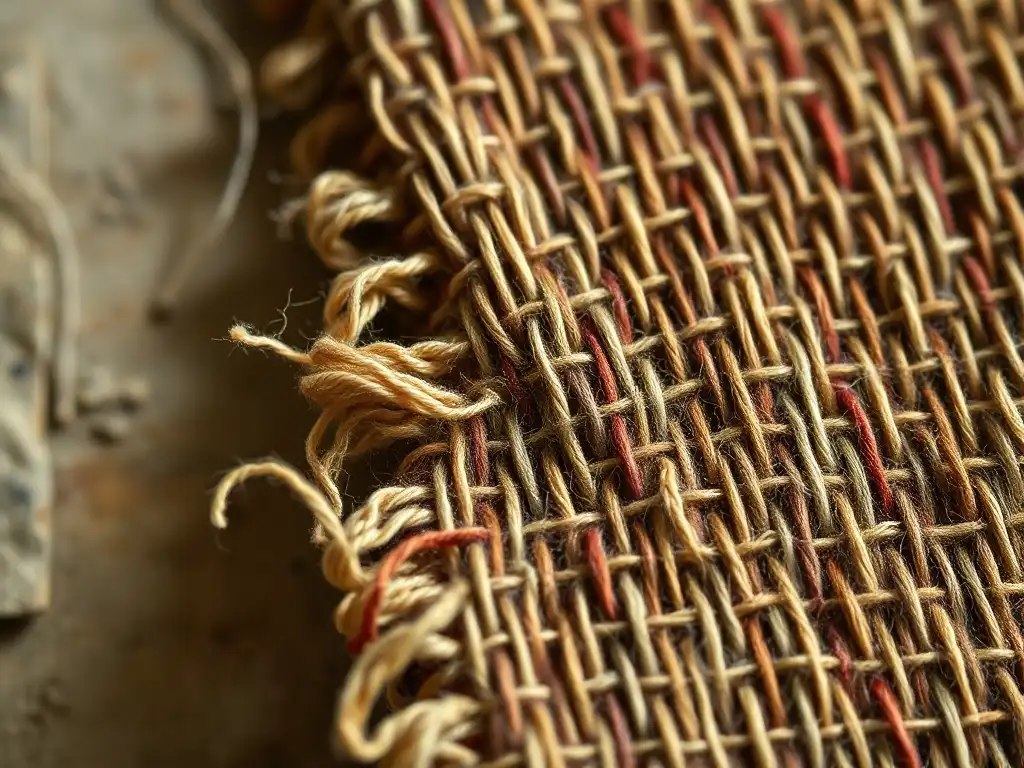
The preservation of Andean textiles, imbued with centuries of history and cultural significance, demands meticulous care. These aren't mere fabrics; they are intricate tapestries weaving together narratives of Andean life, beliefs, and artistry. Their delicate nature, a consequence of the materials and techniques employed, makes professional conservation crucial for ensuring their longevity and continued accessibility for future generations.
Ignoring the need for professional intervention can lead to irreversible damage, effectively silencing the rich stories embedded within the fibers. Understanding the subtle signs of deterioration and knowing when to seek expert help is paramount in safeguarding this invaluable cultural heritage. The cost of professional conservation, while potentially significant, pales in comparison to the irreplaceable loss of a damaged or destroyed textile.
Investing in their preservation is investing in the preservation of Andean history itself. The delicate balance between careful handling and professional intervention is key to maintaining the integrity of these breathtaking examples of Andean textiles history and meaning.
When to Seek Professional Help for Andean Textiles
Several indicators signal the need for professional intervention. Don't wait until a textile is severely damaged; early intervention is key. Signs to watch for include:
- Fading: Noticeable color loss or discoloration, particularly in vibrant hues characteristic of Andean textiles, suggests light exposure damage.
- Weakening Fibers: Brittle or easily broken threads, especially along seams or edges, indicate fiber degradation due to age, environmental factors, or improper handling.
- Pest Infestation: Evidence of insect activity, such as holes, webbing, or frass (insect droppings), necessitates immediate professional intervention to prevent further damage. This is a serious threat to the preservation of Andean textiles history and meaning.
- Soiling and Staining: Persistent stains or accumulated dirt can weaken fibers and obscure intricate details. While some cleaning might be attempted at home (with extreme caution! ), significant soiling usually requires expert cleaning techniques.
- Tears and Holes: Any tears, rips, or holes, no matter how small, compromise the structural integrity of the textile and should be addressed by a professional.
- Unusual Odors: Musty or unpleasant odors can indicate the presence of mold or mildew, requiring specialized cleaning and environmental control.
Ignoring these signs can lead to irreparable harm. The nuanced understanding of fiber types, dyes, and weaving techniques necessary for effective conservation is beyond the capabilities of most individuals. Attempting DIY repairs can often cause more damage than good.
Finding a Reputable Textile Conservator
Locating a qualified textile conservator specializing in Andean textiles is vital. Their expertise ensures the application of appropriate and effective conservation methods tailored to the specific needs of each textile. Look for conservators with:
- Specialized Training: Seek professionals with formal training and experience in textile conservation, preferably with a focus on pre-Columbian or Andean artifacts.
- Proven Track Record: Check references and examine their past work to assess their experience and success rate in preserving similar textiles.
- Membership in Professional Organizations: Affiliation with reputable organizations like the American Institute for Conservation (AIC) or similar international bodies indicates a commitment to professional standards and ethical practices.
- Clear Communication and Transparency: A reputable conservator will provide a detailed assessment of the textile's condition, outline proposed treatments, and clearly explain the associated costs and timelines. They will also be transparent about any limitations or potential risks involved in the conservation process.
Choosing the right conservator is crucial in preserving the legacy of Andean textiles history and meaning for generations to come. The investment in their expertise protects these irreplaceable artifacts, ensuring that their intricate designs and cultural significance continue to inspire and educate. 🕵️♀️ Remember, a well-preserved textile is a testament to the enduring value of Andean artistry and craftsmanship.
Conclusion: Appreciating and Protecting the Legacy of Andean Textiles
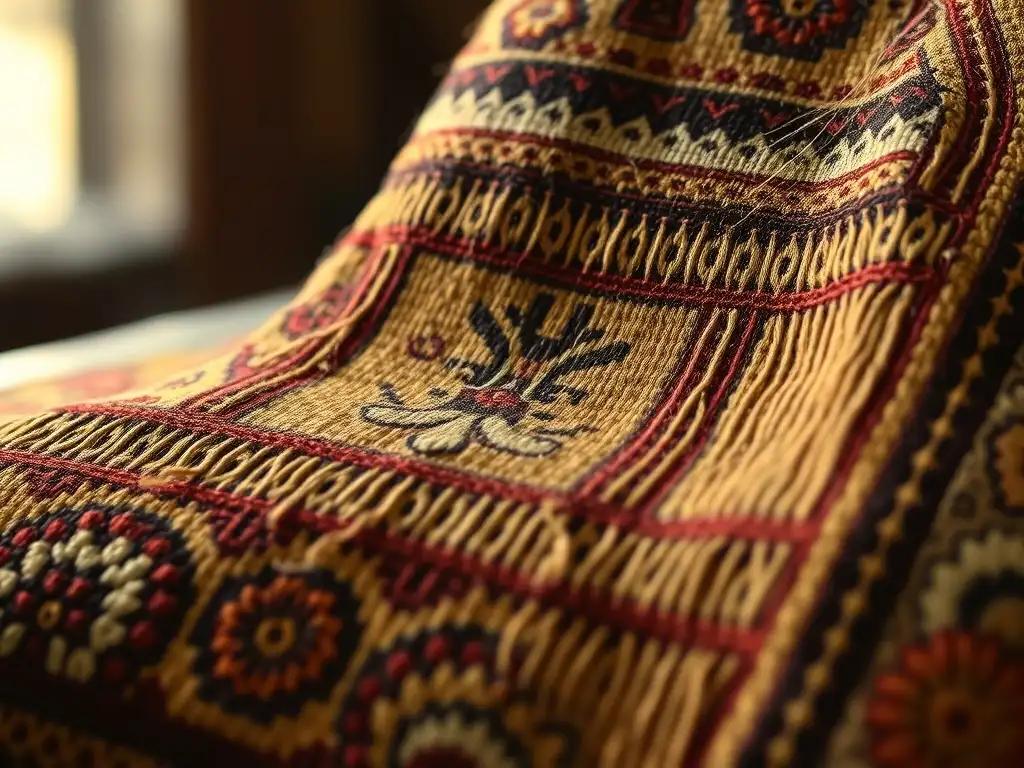
The intricate artistry and symbolic depth woven into Andean textiles represent a profound connection to the past, a testament to the ingenuity and cultural richness of ancient Andean civilizations. Understanding the delicate nature of these artifacts—their susceptibility to light, humidity, and handling—is paramount to ensuring their longevity and continued appreciation. The preservation of Andean textiles isn't just about safeguarding objects; it's about safeguarding cultural heritage, a legacy that speaks volumes about human creativity and resilience.
From the vibrant colors of the Wari to the complex iconography of the Inca, each thread tells a story, a story we must actively work to preserve for future generations. The survival of these textiles depends on our collective commitment to responsible stewardship.
Your Role in Preserving Andean Cultural Heritage
Each of us has a role to play in protecting the legacy of Andean textiles. Even seemingly small actions can have a significant cumulative impact. This involves more than just proper storage and handling; it encompasses a broader appreciation for the cultural context and significance of these artifacts.
- Educate Yourself: Deepening your understanding of Andean textiles history and meaning is the first step. Learn about the different techniques, the symbolic representations, and the historical context of the textiles you encounter. This knowledge fosters respect and informs responsible handling practices.
- Support Ethical Acquisition: Ensure that any Andean textiles you acquire are obtained through ethical channels. Avoid purchasing pieces from sources that may be involved in the illegal looting or trafficking of cultural artifacts. Look for reputable dealers and museums with transparent sourcing practices.
- Proper Storage and Handling: If you own Andean textiles, store them properly. Avoid direct sunlight and extreme temperature fluctuations. Handle them with clean, dry hands, and avoid excessive manipulation. Consider using archival-quality materials for storage and display.
- Support Conservation Efforts: Support organizations and institutions dedicated to the conservation and preservation of Andean textiles. This might involve donations, volunteering your time, or simply raising awareness about the importance of these artifacts.
- Advocate for Responsible Tourism: When visiting sites with Andean textile displays, be mindful of the environment and follow all guidelines. Respect the artifacts and avoid touching or damaging them.
The preservation of Andean textiles is a shared responsibility. By understanding their fragility, embracing responsible practices, and supporting conservation efforts, we can collectively ensure that the rich tapestry of Andean culture continues to inspire and inform for centuries to come. The silent language of these fibers deserves to be heard, understood, and protected. Let's ensure that the stories woven into these exquisite artifacts continue to resonate for generations to come. 🌎 The vibrant hues and intricate designs of Andean textiles are a precious inheritance—let's safeguard this legacy together.
Frequently Asked Questions
What makes Andean textiles so unique?
Andean textiles are unique due to their exceptional craftsmanship, using complex weaving techniques passed down through generations. The use of vibrant natural dyes and intricate designs further distinguishes them.
What is the significance of the colors used in Andean textiles?
Colors in Andean textiles held symbolic meanings, often representing spiritual beliefs, social status, or geographic locations. Specific colors were associated with deities or events.
How did Andean people create such intricate designs?
Andean weavers employed sophisticated techniques like backstrap loom weaving and multiple warp and weft systems. This allowed for the creation of incredibly detailed and complex patterns.
What role did textiles play in Andean society?
Textiles were integral to Andean life, serving practical purposes like clothing and shelter. They also held significant ceremonial and symbolic value, used in rituals and as expressions of identity.
Where can I learn more about the history and meaning of Andean textiles?
You can explore museums showcasing Andean artifacts, research academic papers and books on Andean textile history, and visit websites dedicated to preserving and interpreting Andean culture.
Final Reflection: Weaving a Legacy: The Enduring Power of Andean Textiles
The intricate artistry of Andean textiles isn't merely a historical artifact; it's a living testament to resilience, innovation, and the enduring power of cultural memory. These vibrant threads, imbued with centuries of stories and symbolism, continue to resonate deeply within contemporary society, reminding us of the profound connection between humanity and the natural world.
The impact of Andean textile traditions extends far beyond the realm of aesthetics. They represent a sophisticated understanding of social structures, spiritual beliefs, and the intricate relationship between Andean communities and their environment. The textiles themselves are not merely decorative objects; they are living documents, narrating the history, beliefs, and aspirations of the people who created them.
This quote highlights the profound depth of meaning woven into each fiber, a legacy that continues to inspire artists, designers, and scholars alike. The enduring power of these textiles lies in their ability to transcend time, bridging the gap between past and present, and offering a powerful lens through which to understand the complexities of Andean culture.
Consider the stories whispered by the threads, the techniques passed down through generations, the vibrant colors that speak of a rich and diverse landscape. You, the reader, are now part of this ongoing conversation. Take a moment to reflect on the enduring power of cultural heritage and the importance of preserving these invaluable traditions.
Seek out opportunities to learn more, to appreciate the artistry, and to support the communities that continue to keep this ancient craft alive. Let the silent language of the fibers speak to you, and let their enduring legacy inspire you to weave your own story into the rich tapestry of human experience.
Embrace the Artistry of Andean Textiles!
Thank you for exploring the captivating world of Andean textiles with us! We hope you've discovered the intricate stories woven into each fiber and the rich cultural heritage they represent. Now, let's put your newfound knowledge into action!
- Explore a Local Craft Fair: Immerse yourself in the beauty of Andean textiles by visiting local markets or craft fairs showcasing these stunning creations. You'll be amazed by the variety and artistry on display.
- Share Your Passion: Spread the word! Share your newfound appreciation for Andean textiles with friends, family, and on social media. Inspire others to discover this incredible art form.
- Learn from the Masters: Seek out workshops or online classes where you can learn weaving techniques directly from skilled artisans. This firsthand experience will deepen your understanding and appreciation of their craft.
What aspect of Andean textiles most captivates you, and how will you incorporate their artistry into your life?