
The Art of Rolling: Safe Storage Techniques for Delicate Andean Fabrics

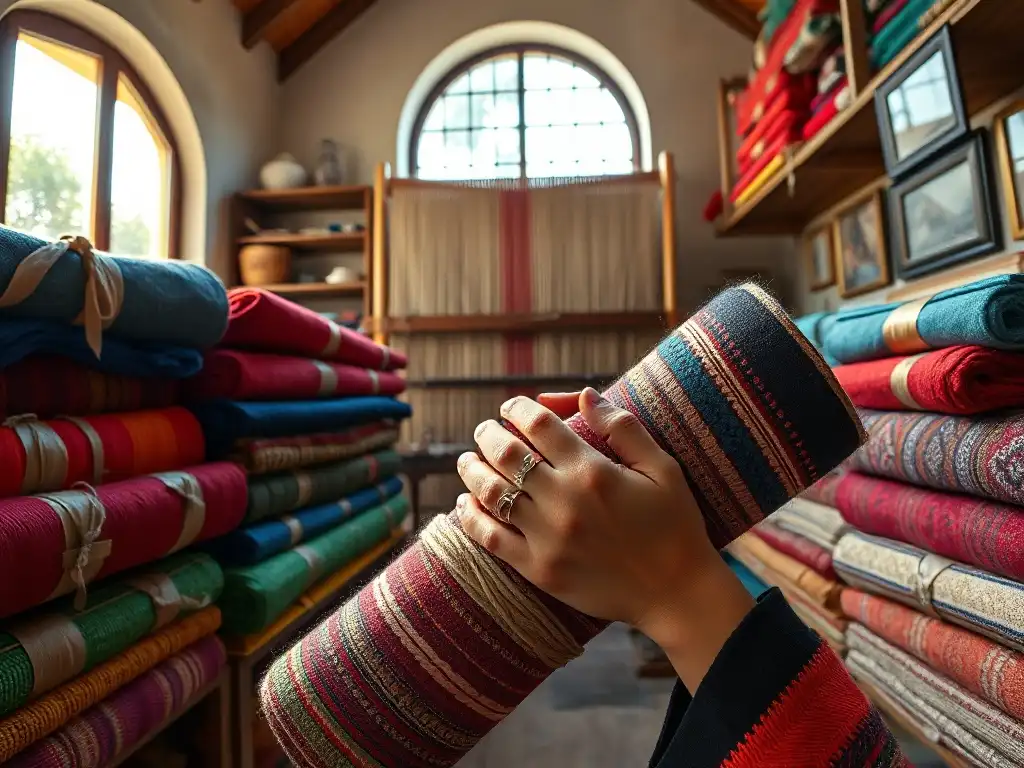
Unravel the mysteries of the Andes! Dive into a world of vibrant cultures, breathtaking artistry, and astonishing ingenuity. For centuries, the Andean civilizations wove narratives into their textiles—but how did they preserve these precious threads across generations? Discover the secrets behind Andean textiles storage methods and unlock the fascinating techniques used to safeguard these delicate masterpieces in "The Art of Rolling: Safe Storage Techniques for Delicate Andean Fabrics," a journey into the heart of the World of Andean Artifacts.
The vibrant textiles of the Andean civilizations—from the intricate weavings of the Inca to the stunning designs of the Nazca—represent a pinnacle of human artistry and cultural heritage. These delicate fabrics, often crafted from materials like alpaca and llama wool, are susceptible to damage from improper handling and storage. Understanding the best preservation methods is crucial for ensuring that these invaluable pieces of history remain accessible and appreciated for generations to come.
This article explores proven techniques, specifically focusing on the art of rolling as a safe and effective Andean textiles storage method, to help you safeguard your collection and contribute to the preservation of this extraordinary cultural legacy. We'll delve into the unique properties of Andean fabrics, discuss the potential dangers of improper storage, and provide detailed, practical steps to ensure the long-term protection of your treasured textiles.
Introduction: Preserving Andean Textile Heritage
The Andean region boasts a rich tapestry of textile traditions, stretching back millennia. From the pre-Inca cultures of the Moche and Nazca, known for their distinctive styles and intricate iconography, to the sophisticated techniques employed by the Inca Empire, these fabrics are more than just clothing; they are historical documents, artistic masterpieces, and powerful symbols of cultural identity. Many of these textiles have survived centuries, testament to the skill of their creators and, in many cases, the careful preservation efforts of subsequent generations.
However, the passage of time and exposure to environmental factors can take their toll. Light, humidity, pests, and improper handling can all contribute to the deterioration of these fragile artifacts.
Understanding the specific challenges posed by these factors and implementing appropriate storage solutions is paramount to preserving these irreplaceable treasures. The correct Andean textiles storage methods can mean the difference between a textile's survival and its irreversible decay.
Understanding the Sensitivity of Andean Fabrics
Andean textiles are often made from natural fibers like alpaca and llama wool, cotton, and even camelid hair. These materials are inherently sensitive to several factors:
- Light: Prolonged exposure to light, especially ultraviolet (UV) light, can cause fading and weakening of the fibers.
- Humidity: Excessive humidity can encourage the growth of mold and mildew, leading to irreversible damage. Conversely, excessively dry conditions can cause the fibers to become brittle and break.
- Pests: Insects, such as moths and carpet beetles, are attracted to natural fibers and can cause significant damage by feeding on the material.
- Improper Handling: Rough handling, folding, and creasing can weaken the fibers and lead to permanent damage, especially along the folds. The delicate nature of many Andean textiles requires careful consideration during handling and storage.
Understanding these sensitivities is the first step towards implementing effective preservation strategies. The choice of storage method is crucial, and rolling, when done correctly, offers a superior alternative to folding, minimizing stress on the fibers and reducing the risk of damage. The correct Andean textiles storage methods are essential for long-term preservation.
Andean Textiles Storage Methods: Rolling vs. Folding
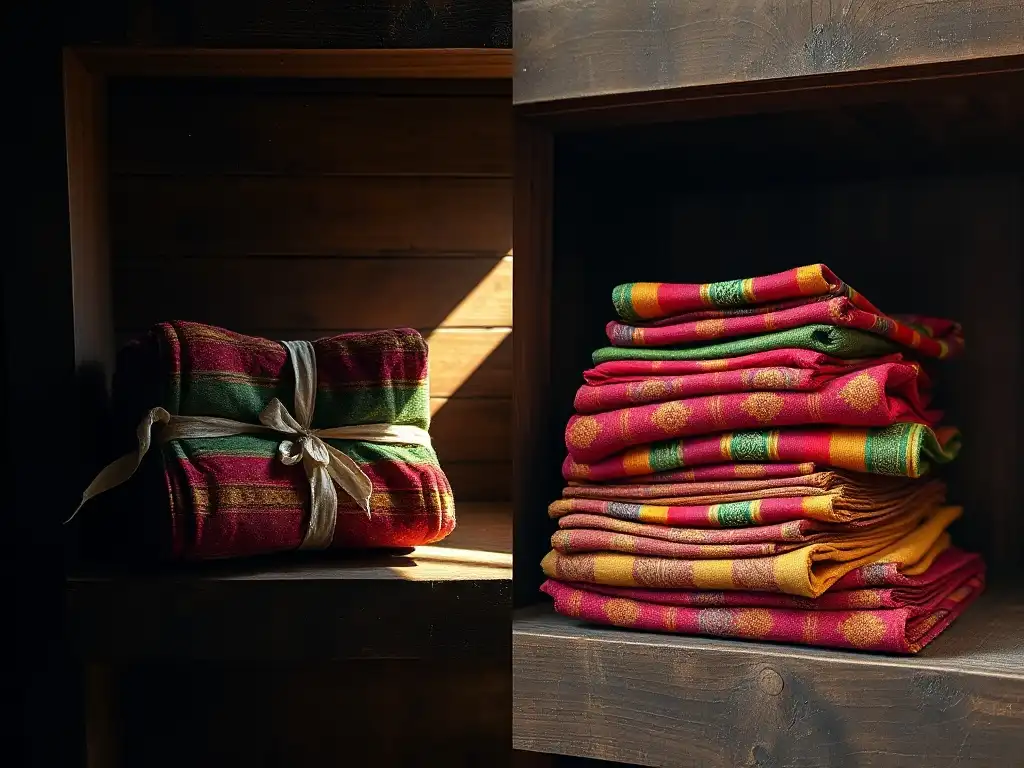
This section delves into the specifics of storing delicate Andean textiles, comparing the popular methods of rolling and folding, and highlighting why rolling is generally preferred for preserving these invaluable artifacts. We will explore the advantages of rolling for maintaining the structural integrity and minimizing damage to the intricate weaves and delicate dyes characteristic of Andean textiles. Understanding proper storage is crucial for the long-term preservation of these irreplaceable pieces of cultural heritage.
Why Rolling is Preferred Over Folding for Delicate Textiles
Folding, while seemingly simpler, puts considerable stress on the textile fibers, particularly at the fold lines. Repeated folding, especially in the same locations, can lead to permanent creases, weakening of the fabric, and even breakage of threads, especially in fragile pieces. This is exacerbated in Andean textiles, many of which are woven with delicate materials like alpaca or vicuña wool, which are naturally more susceptible to damage. Imagine the intricate designs of a Paracas textile – the repeated folding would inevitably cause damage over time.
The preferred method, therefore, is rolling. Rolling minimizes stress on the fabric by distributing the weight evenly across the entire textile. This gentle approach helps prevent the formation of sharp creases and maintains the textile's overall shape and structure. It's a far more sustainable method for preserving the integrity of these historic artifacts.
Think of it like this: imagine rolling a soft blanket versus repeatedly folding it in half. The rolled blanket retains its softness and shape much better. The same principle applies to Andean textiles. Rolling keeps the fibers relaxed and prevents the undue stress that leads to damage.
Materials for Safe Rolling and Storage of Andean Textiles
The choice of materials used for rolling and storage significantly impacts the preservation of Andean textiles. Acid-free tissue paper is paramount. This prevents the transfer of acids that can damage the dyes and fibers over time. Never use newspaper or other acidic materials. The tissue paper acts as a buffer, protecting the textile from abrasion and preventing any potential damage from contact with other surfaces.
Beyond tissue paper, consider using archival-quality muslin or cotton fabric for an outer layer. This provides additional protection from dust, light, and pests. The muslin acts as a breathable barrier, preventing the build-up of moisture that could lead to mold or mildew. Choosing breathable materials is crucial to avoid creating a humid environment conducive to damage.
Finally, the storage container is equally important. Acid-free boxes or archival-quality storage containers are ideal. These containers protect the textiles from light, dust, and pests. Avoid using plastic containers, as these can trap moisture and promote the growth of mold. Remember, the goal is to create a stable, dry, and dark environment that minimizes the risk of damage.
Practical Steps for Rolling and Storing Andean Textiles
Before you begin, carefully inspect the textile for any existing damage or weak points. Note these areas and take extra precautions when handling them. Gentle handling is key throughout the entire process.
- Lay the textile flat on a clean, padded surface. Use a soft, acid-free cloth or blanket underneath.
- Begin rolling from one end, gently and evenly. Avoid pulling or stretching the fabric.
- As you roll, carefully tuck in loose threads or frayed edges.
- Wrap the rolled textile in acid-free tissue paper.
- If necessary, wrap the tissue-wrapped textile in archival-quality muslin or cotton fabric.
- Place the rolled textile in an acid-free box or archival-quality storage container. Store in a cool, dark, and dry place.
Remember to label the container clearly with the textile's identification information. This ensures easy retrieval and avoids unnecessary handling. Regularly inspect the textiles for any signs of damage or deterioration, acting promptly to address any issues. Proper storage, following these steps, will help ensure the preservation of these exquisite pieces for generations to come. The meticulous care in handling and storing Andean textiles reflects a deep respect for their cultural significance and historical value.
Step-by-Step Guide to Rolling Andean Textiles for Storage
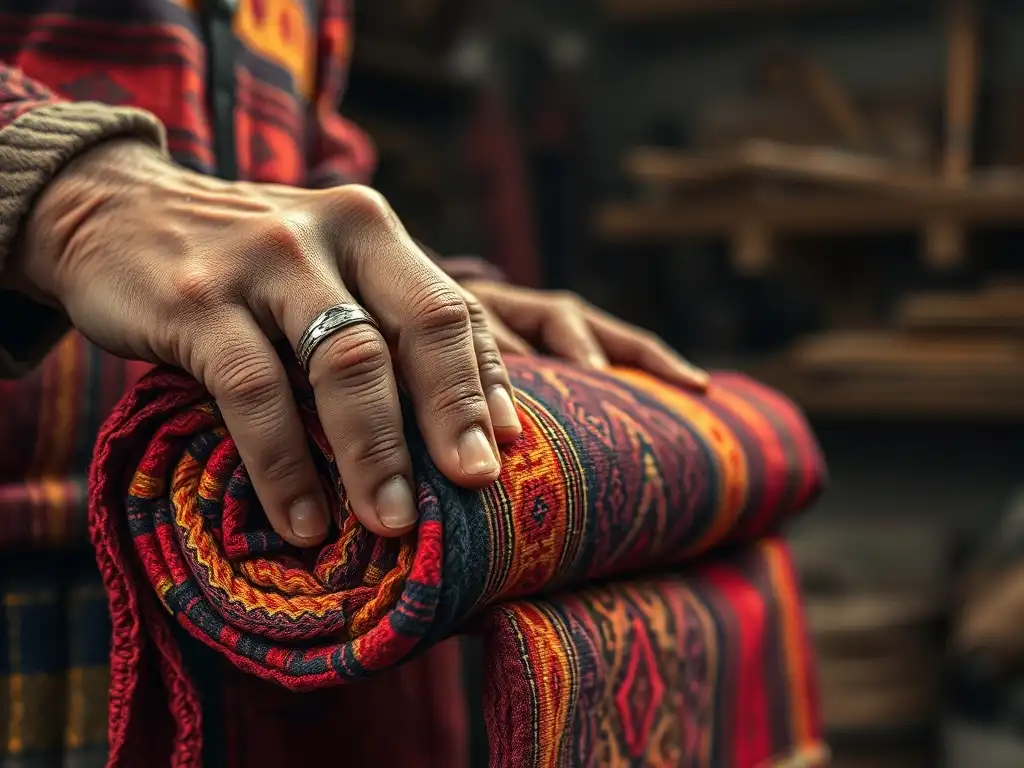
This section details the proper techniques for rolling and storing your delicate Andean textiles, ensuring their longevity and preservation. Proper storage is crucial for preventing damage from light, moisture, pests, and physical stress. These methods prioritize the preservation of these invaluable pieces of Andean heritage, protecting their vibrant colors and intricate designs for generations to come. Understanding and employing these techniques is key to responsible Andean textile conservation. We'll focus specifically on rolling techniques, a preferred method for many delicate Andean fabrics.
Preparing Your Workspace: Clean and Controlled Environment
Before you begin handling your Andean textiles, it's crucial to prepare a clean and controlled environment. This minimizes the risk of transferring dirt, dust, or pests to the fabrics. Think of this as creating a mini-museum for your precious artifacts!
- Cleanliness is paramount: Begin by thoroughly cleaning your workspace. Dust and vacuum the area, paying attention to surfaces where you'll be working. A damp cloth can be used to wipe down surfaces, ensuring no loose particles are present. Consider wearing clean cotton gloves to avoid transferring oils from your skin onto the textiles.
- Controlled environment: Temperature and humidity are key factors in textile preservation. Ideally, your workspace should be cool, dry, and well-ventilated. Avoid direct sunlight, which can cause fading. A consistent temperature between 65-70°F (18-21°C) and relative humidity of 40-50% is optimal. Using a hygrometer can help monitor these conditions.
- Proper materials: Gather your materials beforehand. You'll need acid-free tissue paper or archival-quality muslin, a soft, clean ruler or straight edge, and a sturdy, acid-free storage tube or box. Avoid using materials that contain lignin, as this can damage the fibers over time. The proper tools minimize the risk of causing accidental damage to your textiles during the rolling process. This careful preparation prevents potential deterioration.
- Example: Imagine preparing a workspace for a particularly delicate Nazca textile. You would meticulously clean the area, ensuring no dust particles could potentially settle on the artifact. The temperature and humidity would be carefully monitored to prevent any degradation from excessive moisture or heat.
The Rolling Technique: A Gentle Approach
Rolling your Andean textiles is a gentle process that requires patience and care. This method minimizes stress on the fibers, helping to prevent damage and maintain the integrity of the textile. Improper rolling can lead to creasing, breakage, and overall deterioration.
- Layering and support: Gently lay your textile flat on a clean, soft surface. Start by carefully placing a sheet of acid-free tissue paper or muslin underneath the entire piece. This provides a protective layer and prevents direct contact with the work surface. Additional layers can be added, especially for thicker or more fragile textiles.
- Smooth and even: Slowly and carefully roll the textile, beginning at one edge. Use a ruler or straight edge to guide the rolling, ensuring a tight, even roll. Avoid pulling or stretching the fabric, as this can damage the fibers. Maintain consistent pressure throughout the rolling process.
- Securing the roll: Once the textile is fully rolled, secure it with a length of acid-free ribbon or archival-quality string. Avoid using rubber bands or other materials that could leave marks or damage the fabric. The tie should be loose enough to prevent compression but firm enough to hold the roll in place.
- Storage in archival tubes: Finally, place the rolled textile in a sturdy, acid-free storage tube or box. This provides further protection from light, dust, and pests. Clearly label the tube or box with the textile's identification information, such as its origin, date, and any other relevant details. Proper labeling allows for easy identification and tracking of the textile within your collection. This meticulous approach ensures that your Andean textiles are stored and preserved in a manner that respects their cultural significance and delicate nature. Remember, the goal is to minimize any stress on the fabric. Consider the weight of the textile and the fragility of its fibers when deciding on the rolling technique. For extremely fragile items, professional conservation may be necessary.
- Example: A finely woven Inca textile would require extra care during this process. Multiple layers of acid-free tissue paper would be used, and the rolling would be done exceedingly slowly and gently to prevent any damage to its delicate threads. The final storage would be in a climate-controlled environment.
This detailed approach to rolling and storing your Andean textiles will help ensure their preservation for years to come, allowing future generations to appreciate these remarkable pieces of history. Remember to always handle your textiles with care and respect for their cultural significance.
Recommended Storage Solutions for Rolled Andean Fabrics
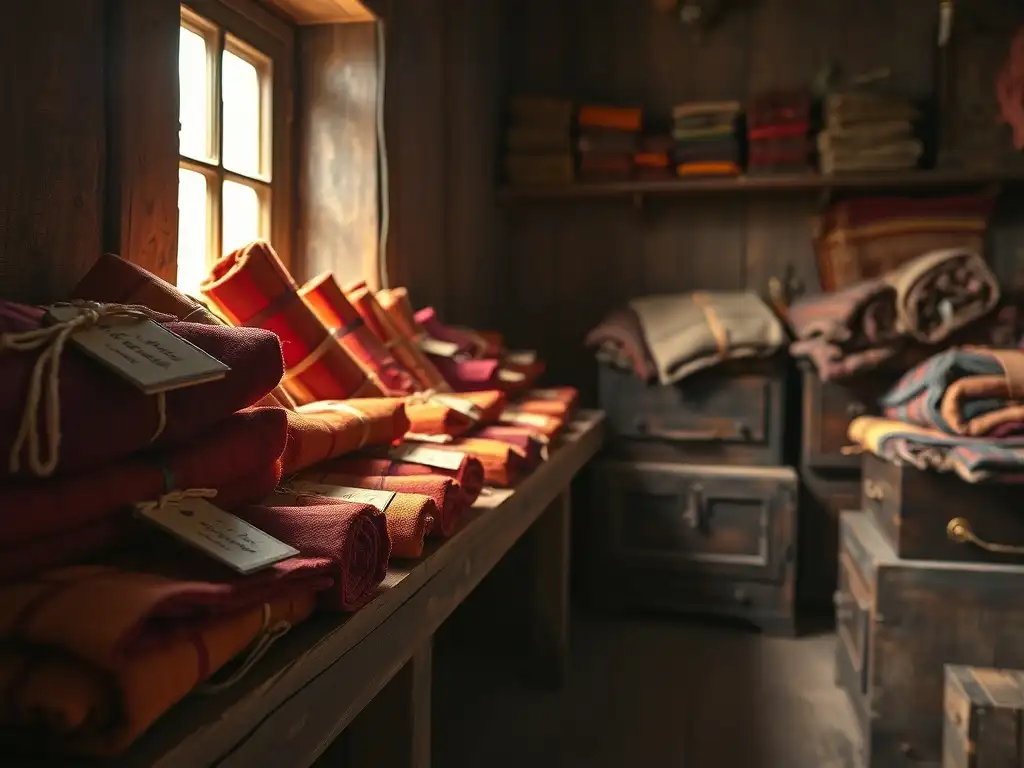
This section details the best practices for storing rolled Andean textiles, focusing on preserving their delicate nature and preventing damage. Proper storage significantly extends the lifespan of these invaluable artifacts, ensuring their beauty and historical significance are maintained for generations to come. We'll explore suitable containers and environmental controls essential for the long-term preservation of your Andean textile collection. Understanding these Andean textiles storage methods is crucial for responsible custodianship.
The Importance of Archival Storage Boxes
Archival-quality storage boxes are paramount for protecting rolled Andean fabrics. Avoid using ordinary cardboard boxes, which can contain acidic compounds that degrade the textiles over time. Instead, opt for boxes made from acid-free, lignin-free materials, such as:
- Acid-free cardboard: Specifically designed for archival purposes, these boxes minimize the risk of chemical damage.
- Conservation-grade corrugated board: Offers superior protection against physical damage while remaining acid-free.
- Archival-quality polyester boxes: These offer excellent protection and are often preferred for particularly delicate or valuable textiles.
The ideal box should be slightly larger than the rolled textile to allow for some breathing room, preventing compression and creasing. The size should also accommodate any accompanying documentation or labels. Furthermore, the box should be robust enough to withstand handling and potential environmental fluctuations. Consider boxes with a hinged lid, as opposed to a simple cover, to provide better protection from dust and light.
Proper labeling is also critical; use acid-free archival-quality labels to clearly identify the contents of each box, including the textile's origin, date, and any relevant information. This meticulous approach ensures easy retrieval and detailed cataloging for your Andean textile collection, improving your overall Andean textiles storage methods. Remember, careful selection of storage boxes is a fundamental aspect of long-term preservation.
Controlling the Environment Within Storage
Maintaining a stable environment within the storage area is equally crucial for preserving the integrity of your Andean textiles. Fluctuations in temperature and humidity can lead to significant damage, including color fading, fiber weakening, and pest infestations. Therefore, careful environmental control is a key component of effective Andean textiles storage methods.
Here's a breakdown of ideal environmental conditions:
| Factor | Ideal Range | Implications of Deviation |
|---|---|---|
| Temperature (°C) | 18-20°C (64-68°F) | Higher temperatures accelerate deterioration; lower temperatures can lead to condensation and mold growth. |
| Relative Humidity (%) | 40-50% | High humidity promotes mold and mildew; low humidity can cause fibers to become brittle and prone to breakage. |
| Light Exposure | Minimal, indirect, UV-filtered light | Direct sunlight and UV radiation cause significant color fading and fiber degradation. Keep textiles away from windows. |
To achieve these conditions, consider:
- Climate-controlled storage: Ideally, store your textiles in a room with a climate control system specifically designed to maintain stable temperature and humidity levels.
- Desiccants: Using silica gel packets or other desiccants within the storage boxes can help absorb excess moisture and prevent mold growth. Regularly check and replace these as needed.
- Pest control: Regularly inspect your textiles for signs of pest infestation. Professional pest control measures may be necessary. Proper storage minimizes the risk but doesn't eliminate it.
By implementing these environmental controls, you can significantly reduce the risk of damage and ensure the longevity of your precious Andean textile collection. Remember, consistent monitoring and proactive measures are essential for successful Andean textiles storage methods. The preservation of these artifacts relies on a holistic approach encompassing both the storage containers and the surrounding environment.
Case Study: Preserving a Moche Textile Using Rolling Techniques
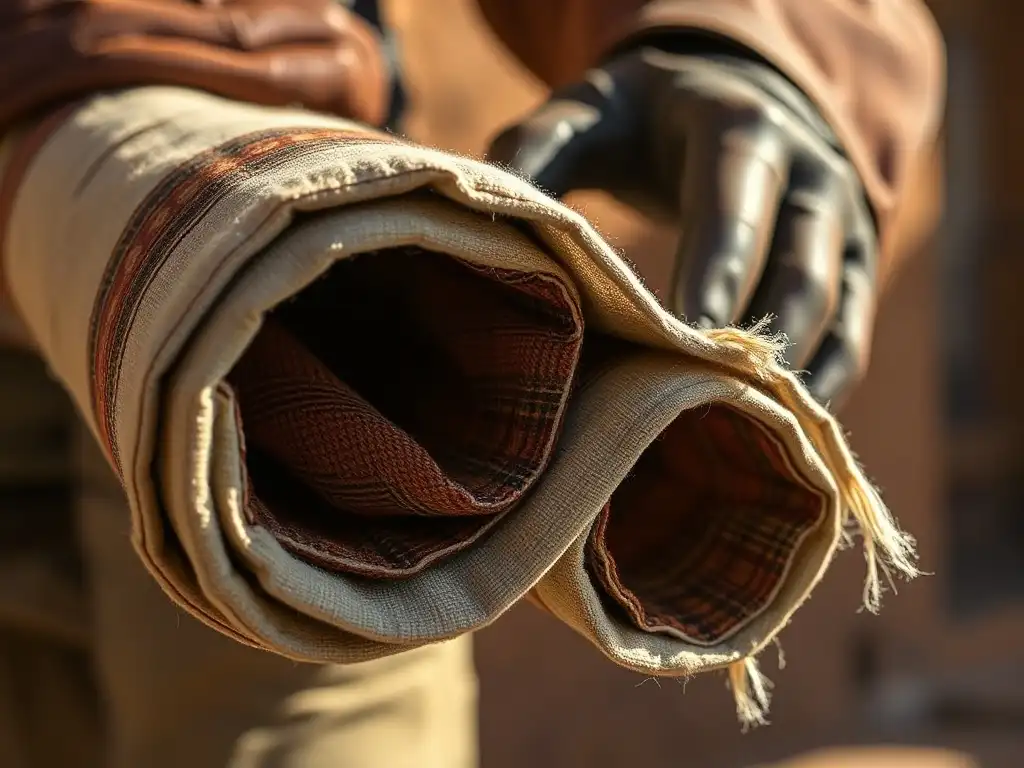
This section details the successful preservation of a delicate Moche textile using careful rolling techniques, a method particularly well-suited for Andean textiles storage methods. We'll examine the challenges, the step-by-step process, and the positive long-term outcomes. This case study highlights the importance of understanding appropriate Andean textiles storage methods for the longevity of these invaluable artifacts. The fragility of these ancient textiles necessitates meticulous handling and storage solutions that minimize further damage.
The Challenge: A Fragile Moche Textile in Need of Preservation
The textile in question was a fragment of a Moche ceremonial cloth, approximately 50cm x 30cm. It displayed significant signs of age-related deterioration: fragile fibers, areas of significant weakening, and several small tears. The vibrant colors, characteristic of Moche artistry, were still partially visible, depicting stylized birds and geometric patterns. However, the textile's condition made traditional flat storage methods unsuitable. The weight of the fabric itself, even when supported, risked causing further tearing and fiber breakage.
Existing creases and folds, likely from previous improper storage, were already causing stress points. The primary challenge was to find an Andean textiles storage method that would minimize stress on the weakened fibers while preventing further damage. The goal was to ensure long-term preservation without compromising the textile's aesthetic integrity. This required a delicate approach, prioritizing the preservation of the textile's structural integrity and visual appeal.
The Rolling Process: Step-by-step Implementation
The chosen method was careful rolling, a technique often preferred for Andean textiles storage methods due to its effectiveness in minimizing stress on fragile materials. Here's a breakdown of the process:
- Cleaning and Assessment: A thorough visual inspection identified the most fragile areas. Gentle, dry cleaning using soft brushes removed loose surface debris.
- Support Material Selection: Acid-free, archival-quality tissue paper was selected as the support material. This is crucial for Andean textiles storage methods to avoid any chemical reactions that could damage the fibers.
- Padding and Layering: The textile was carefully laid flat on a padded surface. The tissue paper was then layered underneath and over the textile, providing a cushion to prevent direct contact with the rolling surface.
- Rolling Technique: Starting from one of the least fragile edges, the textile was gently rolled around the padded core. The rolling was slow and deliberate, ensuring that the fabric remained taut but not stretched.
- Securing the Roll: The rolled textile was secured with acid-free cotton ties, spaced evenly to prevent undue pressure on any single point. The ties were loosely bound to allow for slight expansion and contraction.
- Storage Container: The rolled textile was placed in a sturdy, acid-free archival box, providing protection from light, dust, and pests. The box was stored in a climate-controlled environment to maintain stable temperature and humidity levels. This is a key aspect of effective Andean textiles storage methods.
The Outcome: Successful Long-Term Storage and Preservation
Following the implementation of these Andean textiles storage methods, the Moche textile showed significant improvement. The rolling technique successfully minimized stress on the weakened fibers, preventing further damage. Regular monitoring revealed no signs of deterioration or additional tearing. The vibrant colors remained largely preserved.
The rolled storage method proved significantly more effective than previous flat storage attempts. This case study demonstrates the effectiveness of careful rolling as a viable and adaptable Andean textiles storage method for the long-term preservation of fragile textiles, offering a valuable lesson for future preservation efforts. The success highlights the importance of adapting storage techniques to the specific needs of the artifact, prioritizing its structural integrity and aesthetic value. This method offers a promising approach for preserving other vulnerable Andean textiles and contributes significantly to our understanding of effective Andean textiles storage methods.
Learnings: Best Practices for Delicate Textile Storage
The meticulous preservation of the Moche textile highlighted several crucial best practices for storing delicate Andean textiles. The process underscored the importance of gentle handling at every stage, from initial assessment to final storage. Even the slightest pressure or friction can cause irreparable damage to fragile fibers, especially considering the age and often delicate nature of these artifacts.
We learned that proper documentation, including detailed photographic records before, during, and after the rolling process, is essential for tracking the textile's condition and any changes over time. This allows for future researchers and conservators to understand the textile's history and the effectiveness of the preservation techniques employed. Careful consideration of the storage environment is also paramount.
Fluctuations in temperature and humidity can significantly impact the textile's integrity, leading to degradation and potential damage. Maintaining a stable, cool, and dry environment is crucial for long-term preservation. This includes minimizing exposure to sunlight and other forms of light which can cause fading and fiber weakening.
Furthermore, the choice of storage materials proved significant. Acid-free tissue paper, specifically designed for archival purposes, emerged as the optimal material for wrapping the textile. This prevents the transfer of acids and other harmful chemicals that could damage the fibers. The use of acid-free boxes, similarly designed for archival storage, provided an additional layer of protection against environmental factors and physical damage.
Careful consideration was given to the tightness of the rolling – too tight could cause stress on the fibers, while too loose could allow for movement and potential damage within the storage container. The rolling technique itself should be performed methodically, with a focus on gentle, even pressure to prevent creasing or damage to the already fragile fabric. The entire process emphasizes the importance of patience and precision when handling these irreplaceable artifacts.
The success of the Moche textile preservation underscored the value of a multi-faceted approach to Andean textiles storage, combining careful handling, appropriate materials, and a controlled environment to ensure the longevity of these precious cultural treasures. This experience serves as a valuable lesson in the application of best practices for the preservation of delicate Andean textiles, offering a clear roadmap for future conservation efforts. The careful attention to detail throughout the process highlights the importance of prioritizing the long-term preservation of these invaluable artifacts for future generations to appreciate and study.
Maintaining Your Andean Textiles in Storage
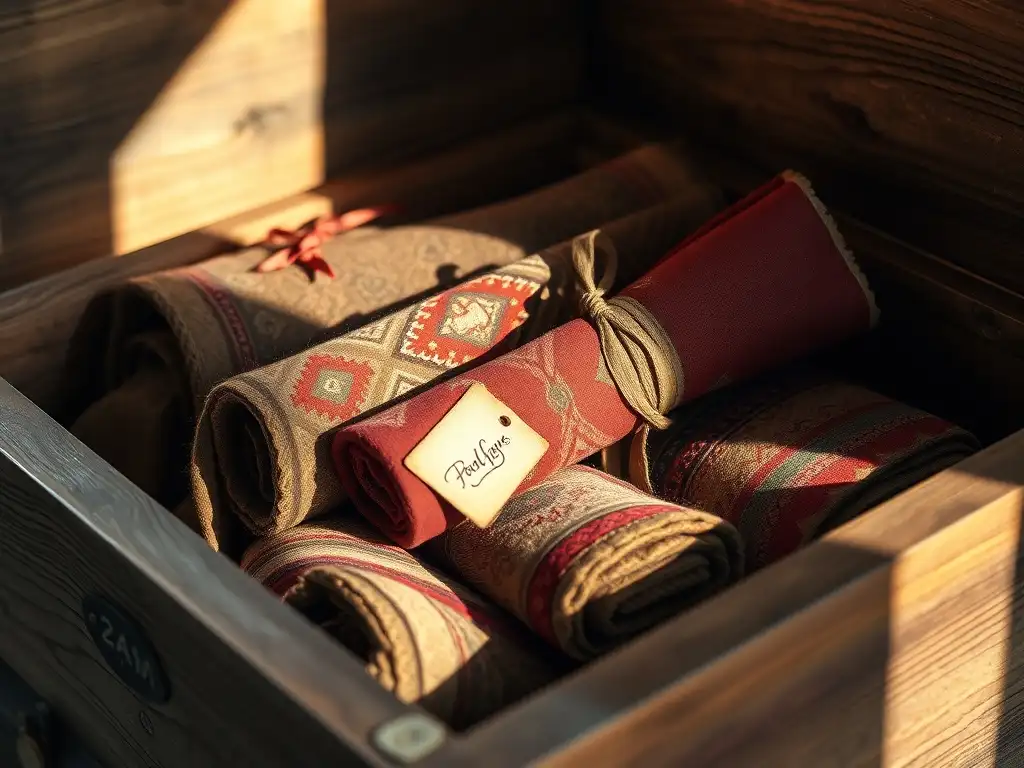
This section details crucial practices for the long-term preservation of your Andean textile collection. Proper storage significantly impacts the longevity and aesthetic quality of these delicate artifacts. Understanding and implementing these techniques will help ensure your textiles remain vibrant and intact for generations to come. We'll explore preventative measures, routine maintenance, and when professional intervention becomes necessary. Remember, proactive care is key to safeguarding your invaluable Andean textiles. The proper storage and handling of Andean textiles are paramount for their preservation, and this section aims to provide the necessary guidance for effectively implementing Andean textiles storage methods.
Regular Inspection: Catching Issues Early
Regular inspection is the cornerstone of preventative textile conservation. Aim for at least a biannual check-up of your stored textiles. This involves carefully examining each piece for signs of deterioration. Look for:
- Fading: Note any significant color loss or changes in hue. This can indicate exposure to light or fluctuating humidity.
- Insect Damage: Check for holes, webbing, or insect frass (insect droppings). These are telltale signs of infestation.
- Mold or Mildew: Look for discoloration, musty odors, or fuzzy patches. These indicate a moisture problem.
- Fiber Breakage: Examine the fabric for weak or broken threads, especially in areas subject to stress.
- Tears or Holes: Note any new damage and document its location and size.
A detailed logbook documenting each inspection, including photographs of any damage, is highly recommended. This detailed record aids in tracking changes and informing future conservation efforts. Early detection of problems allows for timely intervention, preventing minor issues from escalating into major damage. Remember, even seemingly minor issues can compromise the structural integrity of your textiles over time. Proactive monitoring using effective Andean textiles storage methods will prevent significant damage.
Gentle Unrolling and Re-rolling: Periodic Maintenance
While minimizing handling is crucial, periodic unrolling and re-rolling are necessary to monitor the condition of your textiles and to ensure even pressure distribution. This process must be undertaken with extreme care. Avoid abrupt movements.
- Preparation: Ensure a clean, dust-free surface, preferably a padded table. Wear clean cotton gloves to avoid transferring oils and dirt.
- Unrolling: Gently unroll the textile, supporting its weight at all times. Avoid stretching or pulling the fabric.
- Inspection: Carefully examine the entire textile, paying close attention to areas identified during previous inspections. Note any changes in condition.
- Re-rolling: Re-roll the textile using the same method employed during initial storage, maintaining consistent, even pressure. Avoid tight rolling, which can cause stress on the fibers.
This process should be conducted infrequently, perhaps only every 2-3 years for most textiles, depending on the material and its overall condition. The frequency of this process should be documented in the inspection log alongside any observations. Remember, the goal is careful monitoring and gentle maintenance, not frequent handling. This careful approach is vital when using Andean textiles storage methods.
Professional Conservation Services: When to Seek Expert Help
Despite diligent preventative measures, some issues may require professional intervention. Seek expert help from a qualified textile conservator if you encounter:
- Extensive Insect Infestation: A severe infestation requires professional fumigation or other specialized treatments.
- Significant Mold or Mildew Growth: Extensive mold or mildew necessitates professional cleaning and remediation to prevent further damage.
- Major Tears or Holes: Significant damage may require skilled repair by a conservator.
- Deterioration of Fragile Materials: If you notice a significant weakening of the textile, professional assessment and intervention are advisable.
A conservator possesses the specialized knowledge and tools to address complex conservation needs safely and effectively. They can provide accurate assessments, implement appropriate treatments, and offer advice on long-term preservation strategies. While preventative measures are crucial, professional expertise provides an essential safety net for your precious Andean textile collection. This careful approach is a critical component of Andean textiles storage methods.
Conclusion: The Lasting Beauty of Preserved Andean Textiles
The vibrant colors, intricate designs, and exquisite craftsmanship of Andean textiles are a testament to the ingenuity and artistry of ancient civilizations. These textiles, imbued with cultural significance and historical value, represent a precious legacy that deserves meticulous care. Understanding and implementing proper storage techniques is not merely a matter of preservation; it's a commitment to safeguarding a tangible link to the past, ensuring that future generations can appreciate the beauty and artistry of these remarkable artifacts. By employing the methods outlined above, we can significantly extend the lifespan of these delicate fabrics, protecting them from the ravages of time and environmental factors.
The investment in proper storage is, in essence, an investment in the enduring legacy of Andean culture. The payoff? The continued ability to marvel at their splendor for years, even centuries, to come.
Investing in Proper Storage: A Commitment to Heritage
Investing in appropriate Andean textiles storage methods is more than a financial expenditure; it's an act of cultural preservation. Think of it as a long-term investment in heritage. The cost of replacing a damaged or deteriorated textile far outweighs the initial cost of acquiring acid-free boxes, archival-quality materials, and climate-controlled storage solutions.
Moreover, the emotional value of these artifacts—often passed down through families or acquired with significant effort—cannot be quantified. The risk of irreversible damage due to improper storage is simply too high to ignore. Consider the painstaking work involved in creating these textiles—the careful selection of fibers, the intricate weaving techniques, the symbolic representations woven into the very fabric.
Protecting these masterpieces is a moral imperative, a responsibility we share in ensuring their continued survival. By prioritizing proper storage, we actively participate in preserving a rich cultural heritage for generations to come. This commitment transcends mere practicality; it's a testament to our respect for Andean artistry and history.
Enjoying Your Textile Collection for Generations to Come
Proper Andean textiles storage methods aren't just about preventing damage; they're about ensuring the ongoing enjoyment of these beautiful and historically significant pieces. Imagine being able to share these exquisite textiles with your children, grandchildren, and beyond, allowing them to experience the same wonder and appreciation you feel. By safeguarding these artifacts, you're not only preserving a legacy but also creating a lasting connection between past and present.
Each time a piece is carefully removed from its protective storage, it's an opportunity to appreciate the artistry and history it embodies. Regular, gentle handling (with clean hands, of course! ), accompanied by careful observation for any signs of deterioration, allows for timely intervention and further reinforces the importance of preventative measures.
The enduring beauty of these textiles, preserved through conscientious care, will continue to inspire and captivate for countless years. This isn't just about storage; it's about creating a lasting legacy of appreciation and understanding.
Final Recommendations: Essential Products for Andean Textile Care
To ensure the long-term preservation of your Andean textile collection, consider investing in the following essential products:
- Acid-free boxes and archival-quality folders: These provide a protective barrier against light, dust, and pollutants.
- Mylar sleeves or acid-free tissue paper: These offer additional protection for individual textiles, preventing abrasion and damage.
- Climate-controlled storage: Maintaining a stable temperature and humidity level is crucial in preventing deterioration. Consider a climate-controlled closet or dedicated storage unit.
- Pest control: Regularly inspect your collection for signs of insect infestation and take appropriate preventative measures.
- UV-filtering window coverings: If displaying textiles, ensure they are protected from harmful UV rays. This is especially important for textiles with vibrant dyes.
Remember, regular inspection is key. Check your textiles periodically for any signs of damage, discoloration, or pest infestation. Early detection and prompt action can prevent significant problems. Taking these steps is not just about preserving the physical integrity of the textiles; it's about preserving the rich cultural heritage they represent, ensuring that their beauty and significance will be appreciated for generations to come. The careful preservation of Andean textiles is a testament to our respect for the past and our commitment to the future. 🫶
Frequently Asked Questions
What are the biggest threats to Andean textiles?
Andean textiles are extremely fragile. Light exposure, humidity, and insects are major threats, causing fading, mildew, and damage to the fibers. Proper storage is crucial for preservation.
Why is rolling better than folding for Andean textiles?
Folding creates sharp creases that weaken the fibers over time, particularly in delicate fabrics. Rolling minimizes stress on the textile and helps maintain its structural integrity.
What materials are best for storing Andean textiles?
Use acid-free tissue paper or museum-quality archival paper to separate layers when rolling. Store the rolled textiles in cotton or linen bags, avoiding plastics which can trap moisture.
How tightly should I roll my Andean textiles?
Roll the textiles firmly but gently to avoid putting undue stress on the fibers. Too loose and they might unravel, too tight and they could be damaged.
Where is the best place to store my Andean textiles?
Store rolled textiles in a cool, dark, and dry place with stable temperature and humidity. Avoid attics, basements, or areas prone to temperature fluctuations.
Final Reflection: Weaving a Legacy: The Enduring Importance of Andean Textile Preservation
The delicate artistry of Andean textiles, a testament to centuries of cultural heritage, faces a constant battle against time and the elements. Their survival depends not only on the skill of the weavers but also on our commitment to preserving these invaluable pieces for future generations. The methods we employ today directly impact the legacy we leave behind.
The ongoing challenge of preserving Andean textiles is a profound reminder of our responsibility to protect cultural heritage. These fabrics are not merely objects; they are living repositories of stories, traditions, and beliefs. They represent a vibrant tapestry of human experience, connecting us to the past and informing our present. The past is never dead. It's not even past.
– William Faulkner. This quote resonates deeply, as the fate of these textiles directly impacts our understanding and appreciation of the rich Andean cultural heritage. Their preservation ensures that these stories continue to be told, inspiring awe and wonder in those who encounter them.
Consider the impact of your own actions. Are you storing your precious textiles – be they family heirlooms or museum-quality pieces – with the care and attention they deserve? Take the time to learn and implement the safe storage techniques outlined in this article. By doing so, you become a vital part of a larger effort to protect these irreplaceable treasures, ensuring that the beauty and artistry of Andean textiles continue to inspire and enrich lives for centuries to come. Let us all be custodians of this incredible legacy.
Unveil the Beauty of Your Andean Fabrics!
Thank you for exploring the fascinating world of Andean textiles! Learning about safe storage techniques empowers you to preserve the beauty and historical significance of these delicate masterpieces. Now, let's put that knowledge into practice.
Here's how you can begin caring for your treasured textiles:
- Safe Storage: Carefully roll your textiles in acid-free tissue paper and store them in a cool, dry place to maintain their quality.
- Sharing Your Knowledge: Educate friends and family about the proper care of Andean textiles so they too can appreciate and protect these cultural treasures.
- Connecting with Others: Join online or in-person communities of textile enthusiasts to exchange preservation methods and share experiences, helping to keep this rich tradition alive.
What preservation techniques will you explore first to best care for your Andean fabrics?