
The Conservation Conundrum: Ethical Considerations in Textile Care

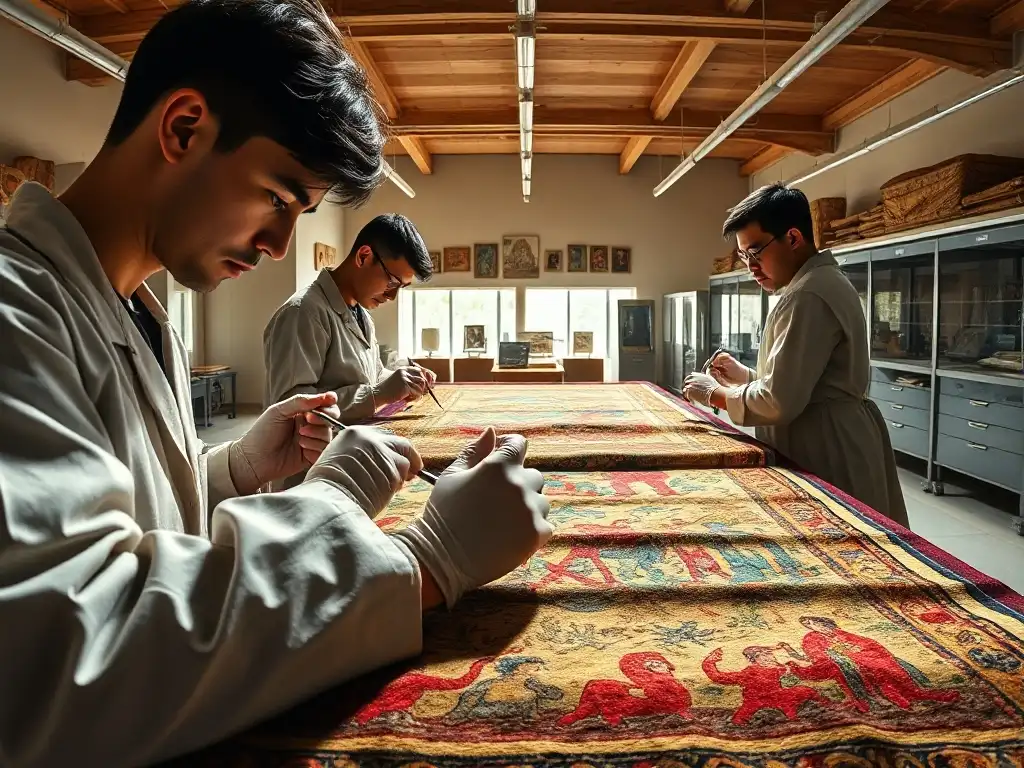
Unravel the mysteries of the Andes! Dive into a world where vibrant cultures thrived, leaving behind a legacy of breathtaking artistry and intricate technology. But what happens when the very threads of history begin to fray? Our exploration of Ancient Andean textiles conservation ethics reveals a fascinating and complex challenge—a conservation conundrum that demands careful consideration. Discover the ethical dilemmas faced in preserving these invaluable artifacts and journey with us into the heart of "The World of Andean Artifacts."
The vibrant tapestry of Andean civilization is woven not only into the breathtaking landscapes of the Andes Mountains but also into the intricate textiles that have survived for centuries. These exquisite artifacts, imbued with the stories, beliefs, and artistic expressions of ancient cultures like the Inca, Moche, Nazca, and Tiahuanaco, represent an irreplaceable legacy. However, the preservation of these delicate treasures presents a complex challenge, one demanding a deep understanding of both scientific conservation techniques and profound ethical considerations.
This article delves into the critical ethical dilemmas surrounding the conservation of Ancient Andean textiles, exploring the delicate balance between preservation for future generations and the respect for the cultural heritage these textiles embody. We will examine the inherent fragility of these materials, the challenges faced by conservators, and the crucial ethical decisions that must be made to ensure their long-term survival while upholding their cultural significance.
The preservation of Ancient Andean textiles is not merely a scientific endeavor; it is a moral imperative, a testament to our commitment to safeguarding a vital part of humanity's shared past. Understanding and addressing the ethical dimensions of conservation is paramount to ensuring that these invaluable artifacts continue to speak to us across the ages.
Understanding the Challenges of Ancient Andean Textile Preservation
Ancient Andean textiles face a multitude of threats to their survival. The very materials used—often natural fibers like alpaca, llama, vicuña, and cotton—are susceptible to degradation over time. Factors such as light exposure, humidity fluctuations, insect infestations, and even improper handling can cause irreparable damage.
Furthermore, many textiles were created using intricate techniques and dyes derived from natural sources, making them particularly vulnerable to deterioration. The challenges are amplified by the age of these artifacts; many are centuries, even millennia, old, compounding the effects of environmental factors and previous handling. Conservators grapple with the delicate balance between intervention and non-intervention, constantly weighing the risks and benefits of different preservation methods.
The goal is not simply to prolong the life of the textile, but to do so in a way that respects its integrity and historical context. This requires meticulous scientific analysis, careful documentation, and a deep understanding of the materials and techniques used in their creation. The complexity of this process underscores the need for a strong ethical framework guiding all aspects of textile conservation.
The Delicate Nature of Andean Fabrics: Why Conservation is Crucial
The fragility of Ancient Andean textiles cannot be overstated. Many are incredibly thin and delicate, exhibiting signs of significant wear and tear from age and previous handling. The natural dyes used often fade or become unstable over time, requiring careful monitoring and intervention to prevent further damage.
The intricate weaving techniques, often incorporating complex patterns and designs, are easily disrupted by improper handling or inappropriate storage conditions. For example, the use of harsh cleaning methods or inappropriate storage environments can lead to irreparable damage, including fiber breakage, color loss, and structural weakening. The loss of these textiles would represent an irretrievable loss of cultural heritage, erasing a significant part of Andean history and artistic expression.
Conservation efforts are therefore crucial not only to preserve the physical artifacts but also to maintain the cultural and historical narratives they embody. The ethical imperative to protect these precious objects is clear: failure to do so would constitute a significant loss for humanity's shared cultural heritage.
Ethical Dilemmas in Ancient Andean Textiles Conservation
Ethical considerations in Ancient Andean textiles conservation are multifaceted and complex. One major dilemma involves the extent of intervention. While some intervention may be necessary to stabilize a deteriorating textile, excessive intervention can alter the artifact, removing its authenticity and potentially destroying its historical value. Striking a balance between preservation and intervention requires careful consideration of the ethical implications of each decision.
Another challenge involves the ownership and access to these artifacts. Many are held in museums or private collections, raising questions about equitable access and the repatriation of artifacts to their countries of origin. Moreover, ethical considerations extend to the training and expertise of conservators, ensuring that those entrusted with these delicate artifacts possess the necessary skills and knowledge to handle them appropriately.
The process of conservation itself must be transparent and documented, enabling future generations to understand the interventions undertaken and their impact on the artifacts. The ethical dimension of Ancient Andean textiles conservation is therefore an ongoing dialogue, requiring constant reflection and adaptation to best serve the interests of both the artifacts and the communities they represent. This requires a collaborative approach, involving specialists from various fields, community representatives, and ethical decision-making bodies.
Common Mistakes in Home Textile Care and How to Avoid Them
Many well-intentioned owners of ancient Andean textiles unknowingly commit acts that severely damage their precious artifacts. One of the most common mistakes is improper storage. Storing textiles in attics or basements, where fluctuating temperatures and humidity levels are common, can cause significant deterioration. The fluctuating conditions encourage the growth of mold and mildew, which can irrevocably damage the fibers. Instead, store textiles in a climate-controlled environment, ideally with a stable temperature and humidity level.
Acid-free tissue paper or archival-quality boxes should be used to prevent direct contact with other materials. Furthermore, always handle the textiles with clean, cotton gloves to prevent transferring oils and dirt from your skin. Even seemingly insignificant amounts of sweat or oils can accelerate the deterioration process over time. Another frequent error is attempting to clean the textiles at home using harsh chemicals or improper cleaning methods. This can severely damage the delicate fibers and dyes, leading to irreversible discoloration and weakening of the fabric.
Professional cleaning is usually the only safe option for ancient Andean textiles. Finally, exposure to direct sunlight or bright artificial light can cause fading and damage to the dyes. Always store textiles away from direct light sources, keeping them in low-light conditions to preserve their vibrant colors. Careful attention to these details ensures the longevity of these fragile cultural treasures. The preservation of these artifacts is not merely about maintaining their physical integrity; it's about respecting the cultural heritage they represent.
Ethical Textile Conservation Practices: A Step-by-Step Guide
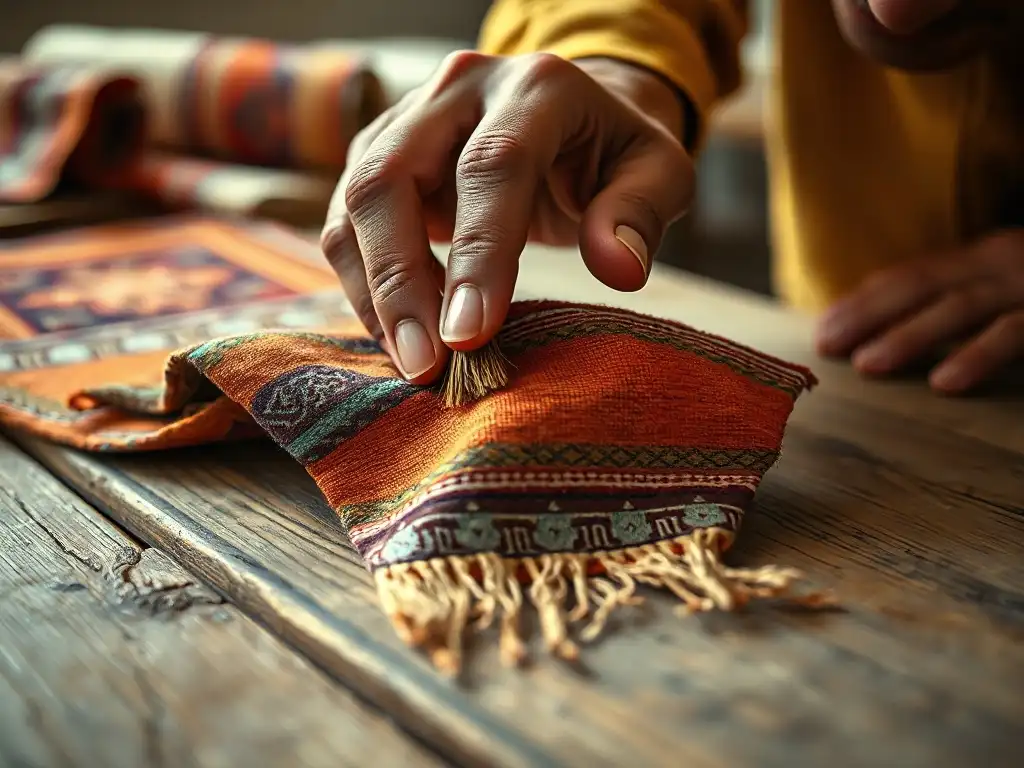
The ethical conservation of ancient Andean textiles necessitates a multifaceted approach that prioritizes the preservation of the artifact's cultural significance alongside its physical integrity. This approach begins with thorough documentation. Before undertaking any conservation work, meticulously document the textile's condition, including any existing damage, using high-resolution photography and detailed written descriptions. This comprehensive record provides a baseline for evaluating the effectiveness of any conservation measures and aids future researchers. Next, prioritize minimal intervention. Only undertake interventions absolutely necessary to stabilize the textile and prevent further deterioration.
Avoid invasive procedures unless absolutely crucial and always document every step. The use of appropriate materials is also paramount. Only employ conservation-grade materials that are chemically stable and will not interact negatively with the textile fibers or dyes. These materials should be pH-neutral and archival quality to prevent further damage. Careful handling is equally critical. Always handle the textiles with clean, cotton gloves to prevent the transfer of oils and dirt.
Avoid unnecessary handling, and when handling is necessary, support the textile's weight to prevent stress on weakened areas. Finally, regular monitoring is essential for long-term preservation. Regularly inspect the textile for any signs of deterioration and document any changes. This ongoing monitoring allows for prompt intervention if any problems arise, preventing irreversible damage. By following these ethical guidelines, we can ensure that these irreplaceable artifacts are preserved for future generations, maintaining both their physical and cultural integrity. This commitment to responsible stewardship is crucial for the continuation of Andean cultural heritage.
Professional Services for Complex Andean Textile Conservation
For complex conservation needs, engaging experienced professionals is vital. These professionals possess the specialized knowledge, skills, and equipment necessary to handle delicate textiles safely and effectively. They understand the unique challenges posed by ancient Andean textiles, such as the use of specific dyes and fibers that require specialized treatments. Choosing a professional involves careful consideration of their qualifications, experience, and reputation. Look for conservators with demonstrable experience in working with ancient textiles, ideally those with expertise in Andean artifacts.
Their credentials should be verifiable, and references should be readily available. The professional should provide a detailed assessment of the textile's condition and propose a conservation plan tailored to its specific needs. This plan should outline the proposed treatments, the materials to be used, and the anticipated costs. Transparency is paramount; the conservator should clearly communicate the rationale behind their choices and address any questions or concerns. Furthermore, the professional should use environmentally friendly and sustainable methods, minimizing the environmental impact of their work.
The process should be meticulously documented, with detailed records kept of all procedures and materials used. This documentation is not only essential for tracking the textile's condition but also for future research and conservation efforts. By entrusting the care of these fragile artifacts to qualified professionals, we ensure that their preservation is aligned with the highest ethical standards, safeguarding their cultural and historical significance for generations to come. The cost of professional services, while potentially significant, is an investment in the long-term preservation of invaluable cultural heritage.
Monetizing Through Recommended Conservation Products
The delicate nature of ancient Andean textiles necessitates specialized conservation products. While recommending appropriate materials is crucial for preserving these invaluable artifacts, ethical considerations surrounding potential financial gain must be carefully addressed. Transparency is paramount. Any recommendation should clearly state if the recommender has a financial stake in the product's sale, avoiding any implication of undue influence.
For example, a conservation expert might recommend a specific type of archival-quality acid-free tissue paper, but should disclose if they receive a commission on sales through an affiliated supplier. This avoids even the appearance of prioritizing profit over the artifact's well-being. Furthermore, providing a range of options at various price points ensures accessibility for individuals and institutions with different budgets. The focus should remain on the effectiveness and suitability of the product for the specific textile's needs, rather than solely on maximizing revenue.
Failure to maintain this ethical balance could damage the credibility of the conservator and undermine public trust in the conservation process itself. Ultimately, responsible recommendations prioritize the long-term preservation of these irreplaceable cultural treasures above all else. This includes detailed information on the source and manufacturing process of the recommended product, allowing informed choices based on both efficacy and ethical sourcing.
The conservation of ancient Andean textiles is not solely the responsibility of museums or professional conservators. It requires a collaborative effort involving researchers, collectors, governments, and the wider community. Education plays a vital role. Raising public awareness about the fragility of these artifacts and the importance of proper handling and storage is crucial for preventing further damage.
This can be achieved through workshops, educational programs, and public outreach initiatives that highlight the cultural significance of these textiles and empower individuals to become responsible stewards of their heritage. International cooperation is also essential. Sharing best practices, research findings, and conservation techniques across borders ensures that the knowledge and resources needed to protect these invaluable artifacts are widely accessible. Developing standardized guidelines for the ethical acquisition, handling, and preservation of ancient Andean textiles is a critical step in ensuring their long-term survival.
This collaborative approach ensures that future generations can appreciate and learn from the rich cultural heritage embodied in these remarkable textiles. Moreover, promoting sustainable practices in the textile industry can help reduce the environmental impact of producing new materials and lessen the demand for potentially damaging treatments of ancient artifacts. The preservation of ancient Andean textiles demands a shared commitment to ethical practices and a collaborative approach to ensure their legacy for years to come.
- Understanding the Challenges of Ancient Andean Textile Preservation
- The Delicate Nature of Andean Fabrics: Why Conservation is Crucial
- Ethical Dilemmas in Ancient Andean Textiles Conservation
- Common Mistakes in Home Textile Care and How to Avoid Them
- Ethical Textile Conservation Practices: A Step-by-Step Guide
- Professional Services for Complex Andean Textile Conservation
- Monetizing Through Recommended Conservation Products
- The Future of Ancient Andean Textiles: A Shared Responsibility
- What ethical considerations are involved in conserving ancient Andean textiles?
- Why is the origin of the textile important in the conservation process?
- How do ethical considerations influence the choice of conservation materials and methods?
- What role does community engagement play in the ethical conservation of Andean textiles?
- How can we ensure the long-term ethical sustainability of Andean textile conservation?
Frequently Asked Questions
What ethical considerations are involved in conserving ancient Andean textiles?
Conservation of ancient Andean textiles requires careful balancing of preservation needs with the ethical responsibility to respect the cultural heritage they represent. This includes considering the originality of the artifact and avoiding irreversible damage during treatment.
Why is the origin of the textile important in the conservation process?
Knowing the provenance of a textile informs conservation choices. Understanding its cultural significance and historical context guides ethical decisions regarding interventions and display. This ensures respect for the textile's story and meaning.
How do ethical considerations influence the choice of conservation materials and methods?
Ethical conservation prioritizes the use of reversible and non-damaging materials and techniques. The goal is to minimize intervention while preserving the textile's integrity for future generations, and to document every step of the process.
What role does community engagement play in the ethical conservation of Andean textiles?
Community involvement is crucial. Engaging descendant communities in decision-making ensures respect for their cultural values and beliefs regarding the textiles and their ancestors. Their knowledge is invaluable to the process.
How can we ensure the long-term ethical sustainability of Andean textile conservation?
Sustainable practices involve training future conservators, developing accessible ethical guidelines, and fostering collaborations between institutions, communities, and researchers. This ensures the ongoing protection of this precious heritage.
Final Reflection: Weaving a Sustainable Future: Ethical Choices in Textile Conservation
The ethical dilemmas surrounding the conservation of ancient Andean textiles remain profoundly relevant today, demanding a critical examination of our relationship with cultural heritage and the environment. Our choices, from the materials we use to the methods we employ, directly impact the longevity of these irreplaceable artifacts and the integrity of the stories they tell. Ignoring these ethical considerations risks not only the physical destruction of these treasures but also the erasure of invaluable cultural knowledge.
The enduring legacy of Andean textile traditions continues to shape our understanding of sustainable practices and responsible resource management. These textiles, often crafted from natural fibers and imbued with intricate symbolism, offer a powerful counterpoint to our modern, often wasteful, consumption habits. The past is never dead. It's not even past.
- William Faulkner. This quote resonates deeply, reminding us that the ethical choices we make in conserving these ancient textiles directly impact how future generations will engage with and learn from the past. Our responsibility extends beyond mere preservation; it encompasses the ethical transmission of cultural heritage.
Consider the implications of your own choices. What steps can you take to support ethical and sustainable practices in the textile industry? From choosing ethically sourced clothing to advocating for responsible conservation methods, your individual actions contribute to a larger movement. Let the intricate beauty and enduring legacy of Andean textiles inspire you to weave a more sustainable and ethically conscious future, one thread at a time.
Embrace Ethical Textile Care Today!
Thank you for exploring the fascinating world of textile conservation! By considering the environmental impact and cultural significance of your fabrics, you're not only protecting the planet but also preserving the heritage woven into your textiles. Let's embark on a journey towards responsible textile care.
- Begin by evaluating your textile collection: Determine which items require special attention or preservation, and create a maintenance plan tailored to their needs.
- Share your knowledge: Discuss the importance of textile conservation with friends and family, or inspire others through a blog post or social media share.
- Connect with a local conservation group or workshop: Collaboration with like-minded individuals fosters deeper understanding and promotes sustainable textile care practices.
What innovative techniques or tools have you found helpful in practicing sustainable textile care? We'd love to hear your thoughts and experiences!