
Moths and More: Identifying and Combating Pests in Your Andean Textile Collection

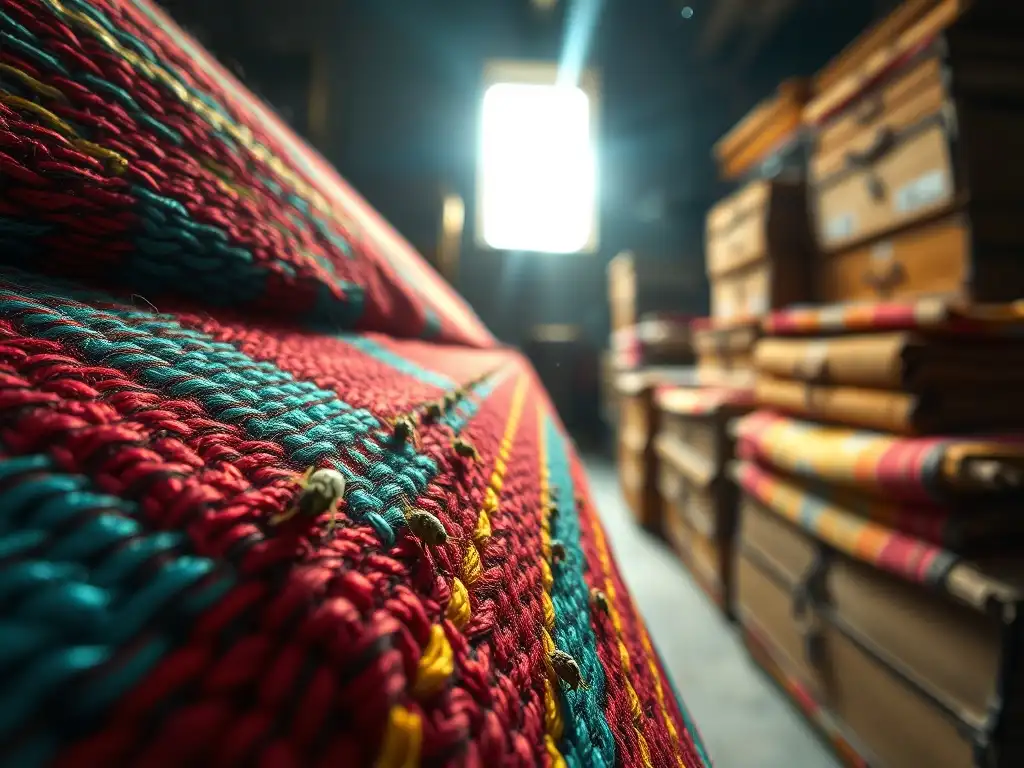
Unravel the mysteries of the Andes—a land where vibrant cultures thrived and breathtaking artistry flourished. For centuries, the intricate Andean textiles have captivated the world, but their preservation faces a silent threat. Discover the secrets behind Andean textiles pest control and learn how to protect these invaluable treasures from the ravages of time and moths. Dive in and uncover the fascinating techniques used to safeguard this extraordinary legacy.
Protecting your precious Andean textiles requires more than just careful storage; it demands a proactive approach to pest control. The rich history woven into these artifacts makes them particularly vulnerable to damage from insects and other pests. This guide will equip you with the knowledge to identify common threats to your Andean textile collection and implement effective preventative and reactive measures, ensuring your legacy of Andean artistry is preserved for generations to come.
Understanding the specific challenges posed by the unique materials and delicate nature of Andean textiles is crucial for successful pest management. We’ll explore common pests, their habits, and proven methods to protect your invaluable collection, emphasizing environmentally friendly and culturally sensitive approaches.
This is crucial not only for the preservation of individual pieces but also for the safeguarding of cultural heritage. The vibrancy and intricate detail of these textiles represent a significant part of Andean civilization's legacy, and their protection is a responsibility we must all share.
Protecting Your Legacy: The Importance of Andean Textile Pest Control
The preservation of Andean textiles is paramount. These artifacts, often crafted from delicate materials like alpaca or llama wool, cotton, and even camelid hair, are susceptible to a range of damaging pests. Neglecting pest control can lead to irreparable damage, including holes, discoloration, and weakening of the fibers, ultimately resulting in the loss of invaluable cultural heritage.
Consider the significant historical and artistic value of these pieces: intricate weaving techniques, symbolic designs reflecting Andean cosmology, and the stories they tell of ancient civilizations. These are not merely fabrics; they are tangible links to the past. A proactive approach to pest control is, therefore, not just a matter of preservation but a commitment to safeguarding a vital part of our shared human history.
The investment in preventative measures far outweighs the cost of potential restoration or, worse, irreplaceable loss. Think of the countless hours of meticulous craftsmanship involved in creating these textiles – their preservation is a testament to the respect we hold for the artisans and the cultures they represent.
Identifying Common Pests: Moths, Beetles, and More
Several insects pose significant threats to Andean textiles. The most common culprits are clothes moths ( Tineola bisselliella and Trichophaga tapetzella), whose larvae feed on natural fibers. These small, often unnoticed insects can cause significant damage before detection. Carpet beetles ( Anthrenus species) are another frequent offender, their larvae also consuming natural fibers. These beetles are slightly larger and more easily spotted than moth larvae.
In addition to these, silverfish, booklice, and even rodents can cause damage, depending on the storage environment. Accurate identification is the first step in effective pest control. Understanding the life cycle and feeding habits of these pests will inform the most effective control strategies. For example, moth larvae prefer dark, undisturbed areas, while carpet beetles may be attracted to areas with dust and debris. Knowing these preferences allows for targeted preventative measures.
Preventative Measures: Creating a Pest-Free Environment
Preventative measures are crucial in protecting your Andean textile collection. This begins with proper storage. Cleanliness is paramount: regularly vacuuming and dusting storage areas removes food sources for pests. Using airtight containers or sealed bags significantly reduces the risk of infestation. Maintaining a cool, dry environment is also essential, as high humidity and warmth promote pest breeding.
Consider using cedar chests or sachets containing natural insect repellents like lavender or cedarwood chips. These provide a more environmentally friendly approach than chemical pesticides. Regular inspection of your textiles is also critical. Early detection allows for swift intervention, minimizing potential damage. Remember, a proactive approach is far more effective and less costly than reactive measures taken after a significant infestation has occurred.
Reactive Measures: Addressing an Infestation
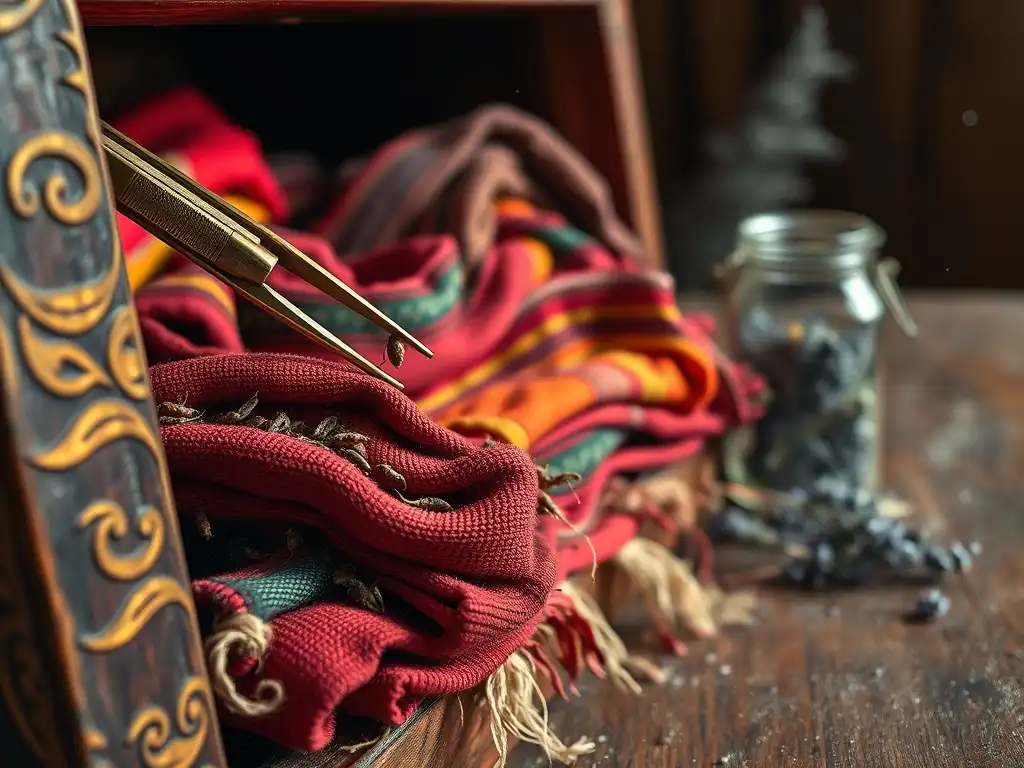
If you discover an infestation, swift action is crucial. Begin by isolating the affected textile to prevent the spread of pests. Thorough cleaning of the storage area is essential. For minor infestations, you might consider freezing the affected textiles for several days to kill the pests. For more severe infestations, professional pest control services may be necessary.
However, always choose a service that utilizes environmentally friendly and artifact-safe methods. Remember, the use of harsh chemicals can irreparably damage your delicate textiles. When dealing with an infestation, prioritize the safety and preservation of the artifacts above all else. Document the infestation, the steps taken to address it, and the results, as this information is invaluable for future preventative measures. This detailed record-keeping will be instrumental in protecting your collection's long-term preservation.
Long-Term Preservation Strategies: Maintaining a Healthy Collection
Preserving your Andean textile collection is a continuous process. Regular inspection, proper storage, and preventative measures are ongoing commitments. Consider creating a detailed inventory of your collection, including information on the materials, age, and any known previous treatments. This information is crucial for future preservation efforts.
Regularly review and update your pest control strategies based on your observations and any changes in the storage environment. The goal is to create a sustainable system that protects your collection for years to come. Remember, the preservation of these textiles is not just about the artifacts themselves; it is about safeguarding the cultural heritage and artistic traditions of the Andean civilizations for future generations to appreciate and learn from. This ongoing dedication is a testament to the value you place on these irreplaceable pieces of history.
- Protecting Your Legacy: The Importance of Andean Textile Pest Control
- Identifying Common Pests: Moths, Beetles, and More
- Preventative Measures: Creating a Pest-Free Environment
- Reactive Measures: Addressing an Infestation
- Long-Term Preservation Strategies: Maintaining a Healthy Collection
- The Myth of "Natural Resistance": Andean Wool and Insect Infestation
- Reality: Even the Strongest Fibers Need Protection from Textile Pests
- Myth: Sunlight is a Natural Pest Repellent for Andean Textiles
- Reality: Prolonged Sun Exposure Can Damage Textiles and Attract Certain Pests
- Myth: All Textile Pests are the Same: One Solution Fits All
- Reality: Knowing Your Enemy - Identifying Different Types of Textile Infesting Pests
- What are the most common pests that threaten Andean textiles?
- How can I prevent insect infestations in my Andean textile collection?
- What are some natural methods for pest control in Andean textiles?
- Are there chemical treatments for Andean textile pest control?
- Where can I find professional help for preserving my Andean textiles?
Myths Surrounding Andean Textile Preservation and Pest Management
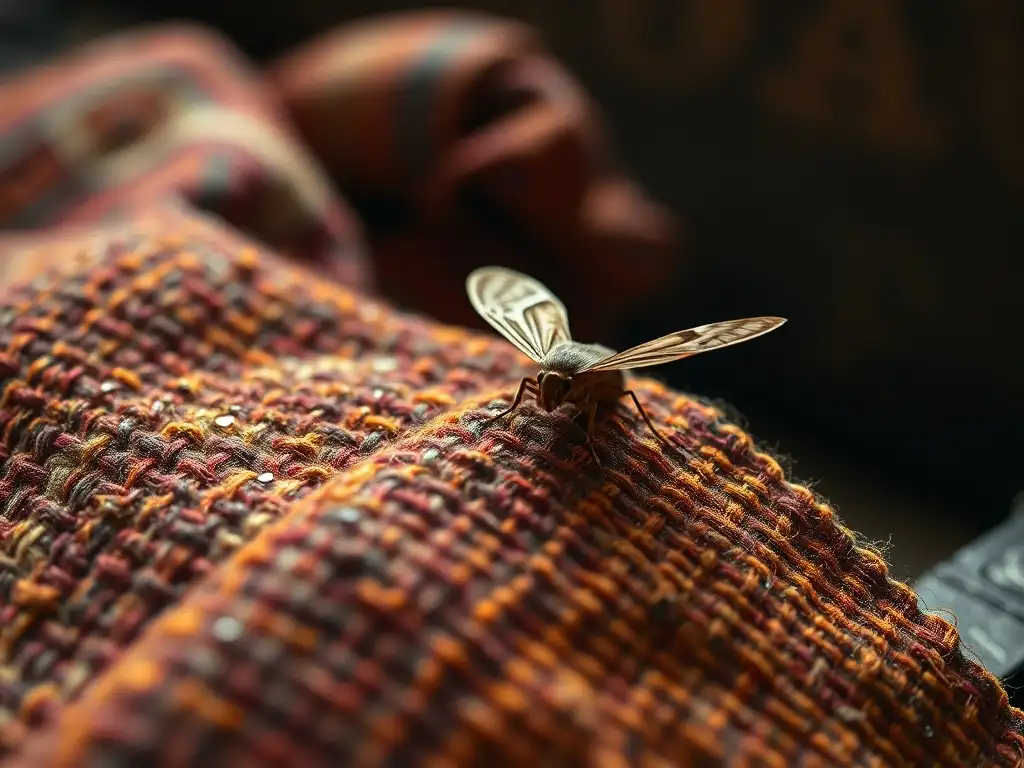
This section dispels common misconceptions surrounding the preservation of precious Andean textiles and effective pest management strategies. Understanding these myths is crucial for the long-term protection of your collection. Improper handling based on misinformation can lead to irreversible damage. Let's examine some pervasive myths and the realities they obscure.
The Myth of "Natural Resistance": Andean Wool and Insect Infestation
A common belief is that Andean textiles, particularly those made from alpaca or llama wool, possess a natural resistance to insect infestation. This myth stems from the perception of these fibers as inherently robust and resilient. While Andean wool is indeed strong and durable, possessing qualities like lanolin that offer some degree of natural protection, it is not immune to insect damage.
Many insects, including carpet beetles and moths, are perfectly capable of feeding on even the highest quality wool. The lanolin content, while a deterrent to some extent, doesn't provide complete protection, especially against persistent infestations. Furthermore, the dyes used in traditional Andean textiles, while often natural, may not offer sufficient protection against all pests.
The belief in natural resistance can lead to neglect of crucial preventative measures, ultimately resulting in significant damage to valuable textiles. Think of it this way: a strong fortress might be naturally resistant to some attacks, but neglecting proper maintenance and security will eventually lead to its downfall. Similarly, while Andean wool possesses inherent strengths, proactive pest management is vital for its long-term preservation.
Reality: Even the Strongest Fibers Need Protection from Textile Pests
The reality is that all textiles, regardless of their fiber content or origin, are susceptible to pest damage. Andean textiles, while possessing desirable qualities, are no exception. The presence of natural fibers, particularly wool and cotton, makes them particularly attractive to textile pests. These pests, including clothes moths ( Tineola bisselliella and Trichophaga tapetzella), carpet beetles ( Anthrenus verbasci and Attagenus piceus), and silverfish ( Lepisma saccharina), thrive in dark, undisturbed environments, often found in storage areas. These insects can cause significant damage, from small holes to complete destruction of delicate fabrics, leading to irreparable loss of cultural heritage.
To effectively combat this, a comprehensive Andean textiles pest control strategy is crucial. This involves not only regular inspections but also the implementation of preventative measures such as proper storage conditions, environmental control, and the judicious use of pest control methods. Ignoring these realities can lead to the irreversible deterioration of these precious artifacts.
Myth: Sunlight is a Natural Pest Repellent for Andean Textiles
Another prevalent misconception is that exposing Andean textiles to direct sunlight will naturally repel or kill textile pests. While sunlight can indeed have some limited effect on certain insect larvae or eggs, relying solely on sunlight as a pest control method is highly ineffective and even damaging. Prolonged exposure to direct sunlight can cause significant fading and weakening of the textile fibers, especially those using natural dyes. This leads to discoloration, brittleness, and ultimately, irreparable harm to the artifact. The delicate colors and intricate designs characteristic of Andean textiles are particularly vulnerable to the harsh effects of UV radiation.
Instead of relying on sunlight, consider using controlled, indirect light for brief periods of examination or display. Remember that the goal is to preserve the textile's integrity, not to risk damage in an attempt to control pests. Effective pest management requires a more comprehensive and carefully considered approach, using proven methods that prioritize the preservation of these invaluable cultural treasures. The long-term preservation of your Andean textile collection demands a balanced approach that protects against pests without compromising the integrity of the artifacts themselves.
Reality: Prolonged Sun Exposure Can Damage Textiles and Attract Certain Pests
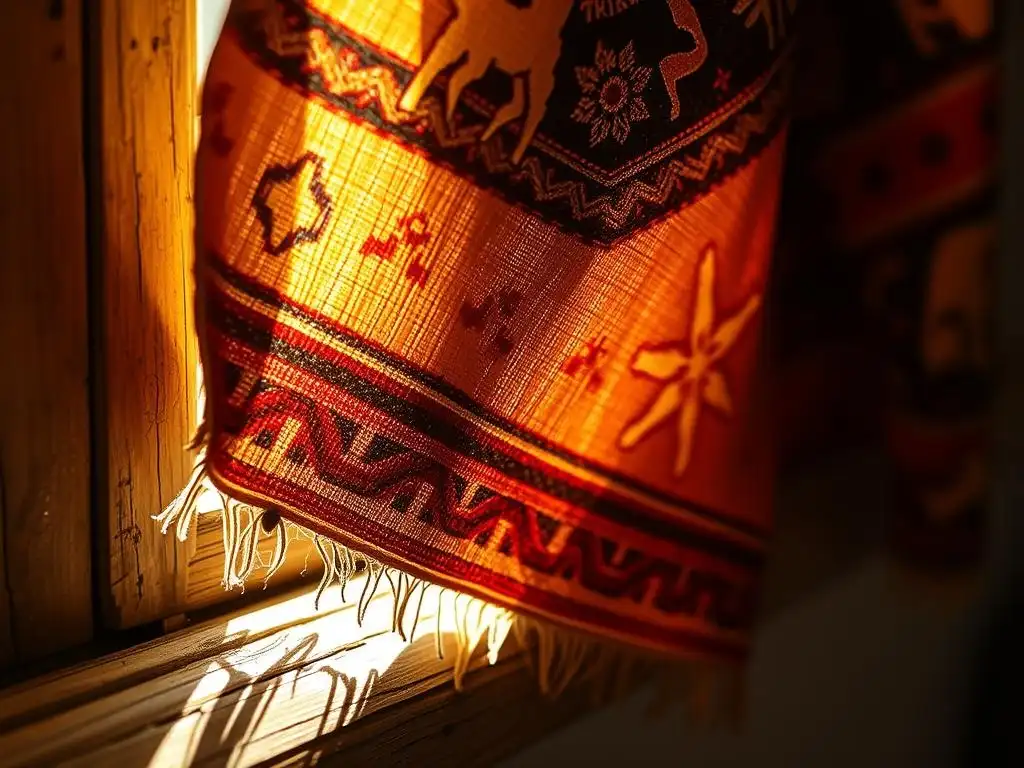
Sunlight, while seemingly beneficial for drying and airing out textiles, can actually be detrimental to their long-term preservation. Prolonged exposure to ultraviolet (UV) radiation from the sun weakens the fibers of Andean textiles, causing them to become brittle and prone to damage. This is particularly true for natural fibers like alpaca and llama wool, common in Andean weaving. The vibrant dyes used in many ancient textiles are also susceptible to fading and discoloration under intense sunlight.
Furthermore, the heat generated by prolonged sun exposure can create a favorable environment for certain pests. Many insects are attracted to warm, dry places, and sun-baked textiles can become an ideal breeding ground for moths and other destructive insects. Therefore, while airing out your textiles is important, it's crucial to limit their direct sun exposure to short periods and avoid intense midday sun.
Instead, opt for indirect sunlight or a well-ventilated, shaded area. This balanced approach ensures the textiles are adequately aired without risking damage from UV radiation or attracting unwanted pests. Remember, the goal is preservation, not just cleaning.
Myth: All Textile Pests are the Same: One Solution Fits All
A common misconception surrounding Andean textile pest control is that a single solution can effectively eliminate all types of damaging insects. This is simply untrue. Different pests exhibit varying behaviors, life cycles, and vulnerabilities. For instance, webbing clothes moths ( Tineola bisselliella) primarily feed on natural fibers like wool and silk, preferring dark, undisturbed areas. Carpet beetles ( Anthrenus species), on the other hand, are attracted to both natural and synthetic fibers and are often found in sunny locations.
Therefore, a pest control strategy effective against webbing clothes moths might be ineffective against carpet beetles, and vice versa. A holistic approach to Andean textile pest management requires identifying the specific pest infesting your collection before implementing any control measures. Attempting a "one-size-fits-all" approach will likely result in incomplete or ineffective pest control, jeopardizing the preservation of your valuable textiles. Proper identification is key to successful and targeted pest management.
Reality: Knowing Your Enemy - Identifying Different Types of Textile Infesting Pests
Effective Andean textile pest control begins with accurate pest identification. Several insect species pose a significant threat to these delicate artifacts. Webbing clothes moths, as mentioned, are notorious for their destructive feeding habits, leaving behind characteristic webbing and damage to woolen textiles. Their larvae are the primary culprits, consuming fibers and creating holes.
Carpet beetles, with their diverse species, are another common threat. Their larvae are also the main feeders, leaving behind characteristic "notched" holes in textiles. Silverfish ( Lepisma saccharina) are less common but still a threat to Andean textiles. These small, wingless insects feed on starches and cellulose, potentially damaging both the fibers and any starch-based sizing used in the textiles.
Additionally, booklice ( Liposcelis species) can infest stored textiles, although their damage is typically less significant than that of moths or carpet beetles. Understanding the specific characteristics of each pest—their appearance, feeding habits, and preferred environments—is crucial for implementing appropriate and targeted control measures. Careful observation and, if necessary, consultation with a textile conservation specialist are essential steps to ensure the long-term preservation of your Andean textile collection.
The Realities of Andean Textile Pests: Identifying and Understanding
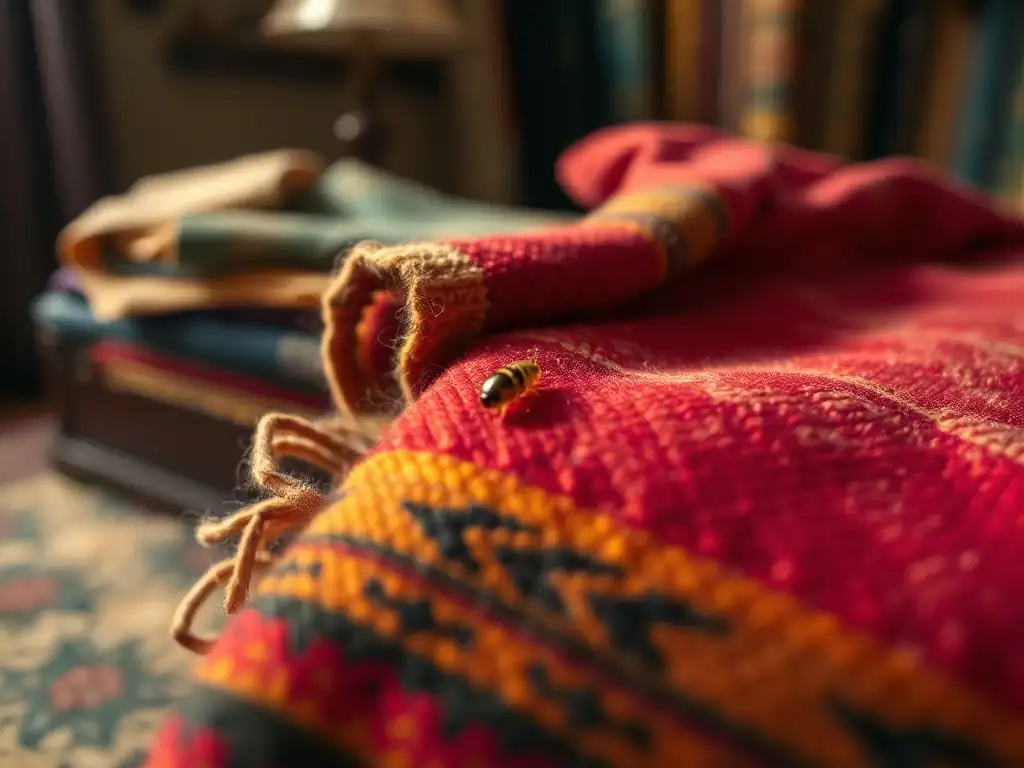
The preservation of your precious Andean textiles requires vigilance against a range of insidious pests. These aren't just minor annoyances; infestations can cause irreversible damage to these irreplaceable artifacts, leading to significant loss of cultural heritage and monetary value. Understanding the enemy is the first step in effective Andean textiles pest control. This section details the most common culprits, the signs of infestation, and the crucial role of preventative measures. Ignoring these threats can lead to costly and heartbreaking consequences. Proactive care is essential to ensuring the longevity of your collection.
Common Culprits: Case-Bearing Clothes Moths and Carpet Beetles
Two primary insects pose the greatest threat to Andean textiles: case-bearing clothes moths ( Tineola bisselliella) and carpet beetles (family Dermestidae). Both are attracted to the natural fibers commonly found in Andean textiles, such as alpaca, llama, vicuña, and cotton.
- Case-bearing clothes moths: These tiny moths are notorious for their larvae, which create protective cases from fibers they consume. These cases are often visible on the textiles themselves, appearing as small, silken tubes. The larvae feed on the fibers, creating holes and weakening the fabric. They prefer dark, undisturbed areas.
- Carpet beetles: These beetles have various species, all with larvae that feed voraciously on natural fibers. Carpet beetle larvae are small, dark-colored, and hairy. Unlike moth larvae, they don't create protective cases, but their feeding activity leaves behind noticeable damage, including irregular holes and bald patches on the textiles. They are often found in areas with dust and debris.
The damage caused by these pests is not only aesthetically displeasing but also structurally damaging. The loss of fibers weakens the textile, making it more susceptible to further damage and ultimately leading to its disintegration. Early detection and swift action are vital in mitigating this risk. Accurate identification of the pest is the first step towards effective treatment.
Identifying the Signs: What to Look for in Your Andean Textiles
Regular inspection of your Andean textile collection is paramount for early detection of pest infestations. Knowing what to look for can save your precious artifacts from irreparable harm. Here’s a checklist of warning signs:
| Sign | Description | Pest Implicated |
|---|---|---|
| Holes and Damage | Irregular holes, bald patches, or frayed edges on the textile. | Clothes moths, carpet beetles |
| Small, Silken Tubes | Tiny, silken tubes attached to the fabric. | Clothes moths |
| Larvae | Small, dark-colored, hairy larvae crawling on or near the textiles. | Carpet beetles |
| Fecal Pellets | Tiny, dark specks of excrement near or on the textiles. | Clothes moths, carpet beetles |
| Moth Activity | Adult moths flying around the storage area. | Clothes moths |
| Unusual Odor | A musty or unpleasant odor emanating from the textiles or storage area. | Sign of significant infestation and decay |
Careful examination under good lighting, using magnification if necessary, will help identify these signs. Remember, early detection drastically improves the chances of successful treatment and minimizes potential damage.
Understanding the Lifecycle of Textile Pests: Why Prevention is Key
Understanding the life cycle of these pests is crucial for effective Andean textiles pest control. Both clothes moths and carpet beetles undergo a complete metamorphosis: egg, larva, pupa, and adult. The larval stage is where the significant damage occurs, as these are the feeding stages.
- Eggs: These are tiny and difficult to see, often laid in crevices or folds of the fabric.
- Larvae: This is the feeding stage, lasting several weeks or months depending on the species and environmental conditions.
- Pupae: The larvae enter a pupal stage, where they transform into adult moths or beetles.
- Adults: Adults are primarily concerned with reproduction, laying more eggs to continue the cycle.
The longevity of these pests' life cycles highlights the importance of preventative measures. Regular cleaning, proper storage, and monitoring are far more effective and less costly than dealing with a full-blown infestation. Prevention through diligent care is the best form of Andean textiles pest control. A proactive approach safeguards your invaluable collection for generations to come. 🐛
Effective Strategies for Andean Textile Pest Control: Moving Beyond the Myths
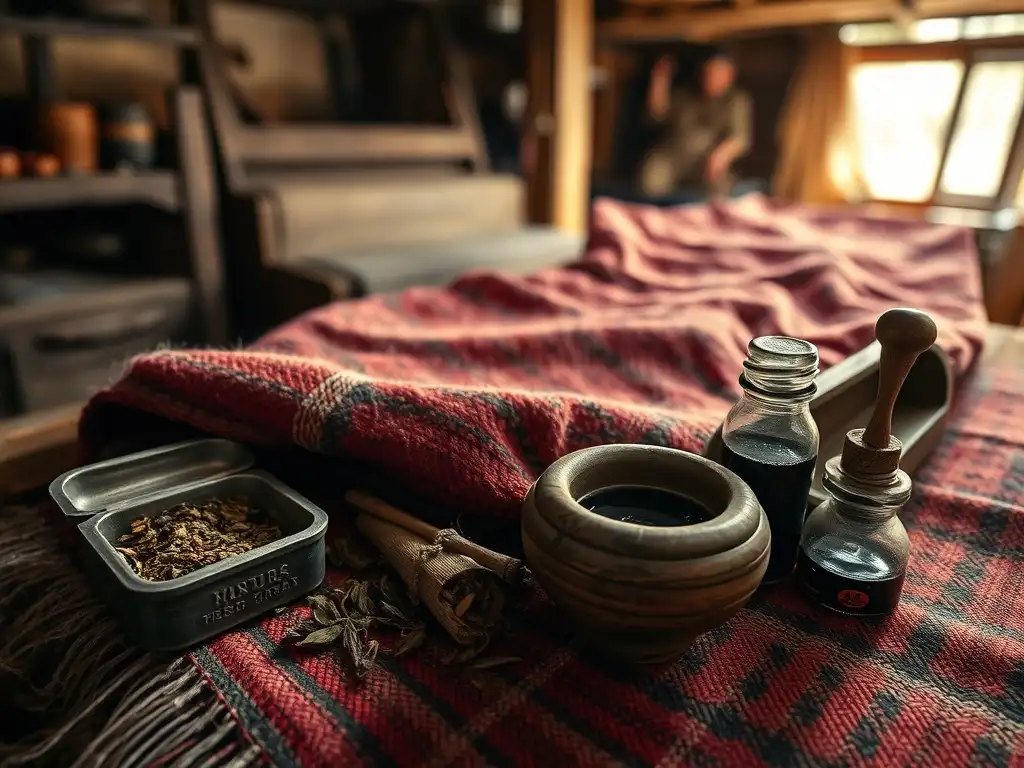
Protecting your precious Andean textiles requires a multifaceted approach that goes beyond simple mothball solutions. Many traditional methods, while well-intentioned, can actually damage delicate fabrics or prove ineffective against a range of pests. This section details modern, effective strategies for Andean textile pest control, emphasizing preservation and the long-term health of your collection. Understanding the lifecycle of common pests, like moths and beetles, is key to successful prevention and eradication.
We'll explore integrated pest management (IPM) and recommend specific, safe products and tools to safeguard your invaluable Andean artifacts. The goal is not just to eliminate existing infestations, but to create a preventative environment that protects your textiles for generations to come. Remember, proactive measures are far more effective and less damaging than reactive treatments.
Integrated Pest Management (IPM) for Andean Textiles: A Holistic Approach
Integrated Pest Management (IPM) for Andean textiles focuses on a holistic approach, prioritizing prevention and minimizing the use of harmful chemicals. This strategy involves several key steps:
- Regular Inspection: Thoroughly examine your textiles at least every three months, paying close attention to seams, folds, and areas where dust accumulates. Early detection is crucial in preventing widespread infestation. Look for signs of damage, such as holes, webbing, or insect frass (insect droppings).
- Environmental Control: Maintain a stable environment with consistent temperature and humidity levels. High humidity and fluctuating temperatures encourage pest growth. Aim for a cool, dry environment.
- Proper Storage: Store textiles in acid-free boxes or archival-quality containers, using acid-free tissue paper to separate layers. This prevents physical damage and provides a barrier against pests.
- Vacuuming: Regularly vacuum storage areas and around textiles using a vacuum cleaner with a HEPA filter to remove dust, insect eggs, and larvae. This is a highly effective preventative measure.
- Targeted Treatment: Only apply pesticides as a last resort, after employing preventative measures. If necessary, choose products specifically designed for textile conservation and follow instructions carefully. Always test any product on an inconspicuous area first.
The IPM approach prioritizes the long-term health of your textiles while minimizing the risk of damage from harsh chemicals. It's a sustainable and effective method for managing pests and preserving your Andean textile collection. Remember to document your IPM strategy, including inspection dates, treatments applied, and any observed changes. This detailed record will be invaluable in future pest management efforts.
Recommended Products and Tools for Protecting Andean Textiles
Selecting the right products and tools is crucial for effective Andean textile pest control. The following recommendations prioritize safety, efficacy, and the preservation of your valuable artifacts.
Vacuum Cleaners with HEPA Filters
Investing in a vacuum cleaner with a High-Efficiency Particulate Air (HEPA) filter is essential. HEPA filters trap microscopic particles, including dust mites, pollen, and insect eggs, preventing them from recirculating in the air and re-infesting your textiles. Regular vacuuming, particularly of storage areas, is a crucial preventative measure in an IPM strategy. Look for vacuums with adjustable suction power to avoid damaging delicate fabrics.
Moth Traps
Moth traps, particularly pheromone traps, are effective for monitoring moth populations and capturing adult moths before they can lay eggs. These traps use synthetic pheromones to lure male moths, preventing reproduction and reducing the likelihood of infestation. However, they are not a complete solution and should be used in conjunction with other IPM strategies. Regularly check and replace traps according to manufacturer instructions.
Acid-Free Storage Boxes and Tissue Paper
Using acid-free storage boxes and tissue paper is paramount in protecting your Andean textiles from both pests and environmental damage. Acidic materials can cause discoloration and deterioration over time. Acid-free materials ensure the long-term preservation of your collection. Properly folded and stored textiles, separated with acid-free tissue paper, are less susceptible to pest infestations.
Insecticides and Repellents
Insecticides should be used only as a last resort and with extreme caution. Choose products specifically formulated for textile conservation and follow the manufacturer's instructions precisely. Always test any product on an inconspicuous area first to check for colorfastness and potential damage. Some natural repellents, like cedar chips (used sparingly and appropriately), may offer some protection, but their effectiveness is limited, and they should not be considered a primary method of pest control. Remember that improper use of insecticides can cause irreversible damage to your textiles. Prioritize prevention through the other IPM methods discussed.
Long-Term Care and Preservation of Your Andean Textile Collection
Protecting your Andean textile collection requires a proactive, long-term approach. Understanding the vulnerabilities of these delicate artifacts to pests and environmental factors is crucial for their longevity. This section focuses on strategies that minimize risks and maximize the lifespan of your precious textiles, ensuring that future generations can appreciate their beauty and cultural significance. Effective Andean textiles pest control relies on a multi-pronged strategy, encompassing preventative measures, regular inspections, and knowing when to seek professional assistance.
Proper Storage Techniques: Preventing Future Infestations
Proper storage is the cornerstone of Andean textiles pest control. The ideal environment minimizes the risk of pest infestations and degradation from environmental factors like light and humidity. Here's a breakdown of best practices:
- Environment Control: Maintain a stable temperature between 65-70°F (18-21°C) and a relative humidity of 40-50%. Fluctuations in temperature and humidity are detrimental to textile fibers. Consider using a hygrometer and thermometer to monitor these conditions consistently. This is particularly vital for preventing mold and mildew growth, which can damage fibers irreversibly.
- Storage Containers: Use acid-free archival boxes or containers made of breathable materials like cotton or linen. Avoid using plastic containers, as these can trap moisture and promote the growth of mold. Each textile should be individually wrapped in acid-free tissue paper to prevent abrasion and further protect it from pests.
- Pest Deterrents: While not a replacement for regular monitoring, placing cedar chips or sachets of lavender inside storage containers can act as natural deterrents to some insects. However, remember these are supplementary measures, not a primary solution for Andean textiles pest control. Thorough cleaning and monitoring remain essential.
- Rotation: Periodically rotate your textiles. This prevents prolonged exposure to any potential localized issues within the storage area and ensures even distribution of environmental conditions. This simple practice can prevent unforeseen damage.
Regular Monitoring and Maintenance: Ensuring Ongoing Protection
Even with meticulous storage, regular monitoring is vital for effective Andean textiles pest control. Early detection of infestations allows for prompt action, minimizing potential damage.
- Visual Inspections: Conduct thorough visual inspections at least every three months. Look for signs of insect activity, such as webbing, droppings (frass), holes in the fabric, or the presence of live insects. Pay close attention to seams and folds, where pests often hide.
- Vacuuming: Gently vacuum the storage area and the containers themselves, using a HEPA filter vacuum to remove dust and potential insect eggs or larvae. This helps to maintain a clean environment, reducing the likelihood of infestation. Always use a soft brush attachment to avoid damaging the delicate fibers.
- Documentation: Maintain detailed records of your inspections, noting any signs of pest activity or environmental changes. This documentation is invaluable for tracking the health of your collection and identifying potential patterns or problems. This is crucial for long-term preservation and understanding the effectiveness of your Andean textiles pest control strategy.
- Pest Traps: Consider using pheromone traps for specific pests known to target textiles, such as carpet beetles or moths. These traps monitor pest activity without the use of harmful chemicals. Regularly check and replace traps according to the manufacturer's instructions.
When to Seek Professional Conservation Help: Preserving the Value of Your Textiles
Despite your best efforts, some situations may require professional intervention. Recognizing when to seek professional help is crucial for preserving the value and integrity of your Andean textiles.
- Signs of Significant Infestation: If you detect a large-scale infestation, significant damage, or unknown pests, contacting a professional conservator is essential. They possess the expertise and specialized equipment to effectively treat infestations and minimize further damage.
- Complex Damage: If you notice damage beyond simple holes or minor discoloration, professional assessment is necessary. A conservator can determine the extent of the damage and recommend appropriate treatment options. This might involve specialized cleaning, repair, or stabilization techniques.
- Uncertainty about Treatment: If you are unsure about the best course of action for a particular issue, consulting a conservator provides peace of mind and ensures the appropriate measures are taken. They can offer tailored advice based on the specific characteristics of your textiles and the nature of the problem.
- Preventive Conservation: Even without visible problems, it's wise to periodically consult with a conservator for preventive conservation advice. They can offer recommendations for improving your storage practices and ensuring the long-term protection of your valuable Andean textiles. This proactive approach is a valuable investment in the preservation of your collection.
Investing in the Future: Protecting Your Andean Textile Legacy
Protecting your Andean textile collection isn't just about preserving beautiful artifacts; it's about safeguarding a tangible link to a rich cultural heritage. These textiles represent centuries of intricate craftsmanship, embodying the stories, beliefs, and artistic traditions of Andean civilizations. Their preservation ensures that future generations can appreciate and learn from this invaluable legacy.
A proactive approach to long-term care is crucial, involving more than just immediate pest control. It requires a holistic strategy encompassing environmental control, regular inspection, and the establishment of a comprehensive preservation plan. This plan should include detailed records of each textile, including its provenance, materials, and any previous treatments.
Such meticulous documentation aids in future conservation efforts and contributes to a deeper understanding of the textile's history and significance. Think of it as creating a living archive, constantly evolving as new knowledge emerges and conservation techniques advance. This investment in detailed record-keeping is invaluable; it's an investment in the future of Andean textile scholarship and appreciation.
The financial aspect of long-term preservation shouldn't be underestimated. While initial costs for pest control and environmental regulation might seem significant, they pale in comparison to the potential loss of irreplaceable artifacts. The cost of professional conservation services, for instance, can be substantially higher than preventative measures. Moreover, the intangible value of preserving these cultural treasures far surpasses any monetary investment.
Think of the educational opportunities, the research potential, and the sheer aesthetic pleasure derived from these artifacts, all of which are compromised by neglecting their preservation. Therefore, viewing long-term care as an investment, rather than an expense, is crucial for maintaining the integrity and value of your Andean textile collection. Consider it an act of stewardship, ensuring the enduring legacy of these stunning works of art for generations to come. The cost of inaction is far greater than the cost of proactive and informed preservation.
Frequently Asked Questions
What are the most common pests that threaten Andean textiles?
Andean textiles are vulnerable to a range of pests, including moths, silverfish, carpet beetles, and cockroaches. These insects feed on natural fibers, causing irreparable damage.
How can I prevent insect infestations in my Andean textile collection?
Proper storage is crucial. Keep textiles in clean, dry, and well-ventilated areas. Use acid-free archival boxes and monitor the collection regularly for signs of infestation.
What are some natural methods for pest control in Andean textiles?
Natural solutions include using cedar chips or lavender sachets to deter insects. Regular cleaning and vacuuming can also help remove pests and their eggs. Note: Always test any method on a small, inconspicuous area first.
Are there chemical treatments for Andean textile pest control?
While chemical treatments exist, they should be used with extreme caution and ideally by a professional conservator. Chemicals can damage the delicate fibers of your textiles.
Where can I find professional help for preserving my Andean textiles?
Contact museum conservators or specialized textile restoration services for expert advice and treatment. They possess the knowledge and tools to safely handle and preserve your valuable Andean textiles.
Final Reflection: Weaving a Legacy of Preservation
The delicate beauty of Andean textiles, heirlooms carrying centuries of cultural heritage, faces a constant threat: insidious pests. Their silent destruction undermines not only the aesthetic value of these artifacts but also the rich history and cultural identity they represent. Understanding and actively combating these threats is not merely a matter of preservation; it's a commitment to safeguarding a vital part of our shared human story.
The ongoing struggle against textile pests underscores the fragility of our cultural heritage and the urgent need for proactive preservation. The fight is not just against moths and beetles, but against the erosion of knowledge and tradition. The past is never dead. It's not even past.
– William Faulkner. This quote resonates deeply, highlighting the enduring power of these textiles and the responsibility we bear to protect them for future generations. My own experience researching and writing this article has deepened my appreciation for the meticulous work involved in both creating and preserving these invaluable pieces, fostering a sense of responsibility towards their continued existence.
Now, consider your own connection to heritage and craftsmanship. Perhaps you own a cherished family heirloom, a piece of clothing, or a textile with a story to tell. What steps can you take to protect these treasures from the ravages of time and pests? This article serves as a starting point, but the true legacy of preservation lies in your hands. By learning to identify threats and implementing effective preventative measures, you become a custodian of history, ensuring that the vibrant threads of Andean culture continue to inspire and enrich our world for years to come.
Protect Your Andean Textile Treasures
Thank you for exploring the fascinating world of Andean textiles! You've learned how to identify and combat the pests that threaten these precious artifacts. Now, let's put that knowledge to work to safeguard your collection and ensure its longevity.
Here are some practical steps you can take immediately:
- Carefully inspect your textile collection for any signs of pest damage or activity. Make detailed notes of your findings.
- Develop a comprehensive pest management plan that incorporates natural deterrents and preventative measures specifically designed for your textiles. This might include regular cleaning, proper storage, and monitoring for infestations.
- Connect with fellow textile enthusiasts in our online forum. Share your experiences, ask questions, and learn from others dedicated to preserving Andean textiles. This collaborative approach can be invaluable.
What steps will you take today to protect your valuable textiles? Let's continue the conversation!