
The Inca Expansion into the Southern Andes: Challenges and Strategies

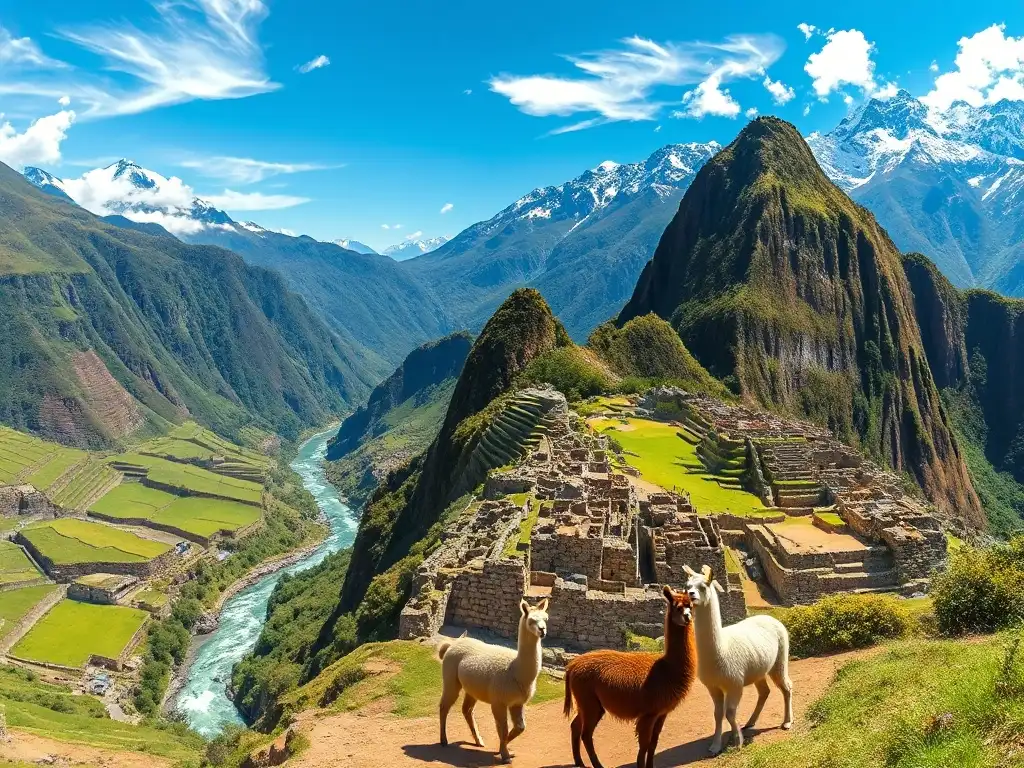
Step into a world lost to time, yet echoing with the whispers of empires past. Uncover the secrets of the Andes, a land sculpted by breathtaking landscapes and the ingenuity of ancient civilizations. We delve into the fascinating story of Inca expansion into the Southern Andes, exploring the ingenious strategies they employed to conquer and control this challenging terrain. But were these strategies enough? Discover the triumphs and tribulations of this powerful empire as we unravel the mysteries of their rise and fall. Prepare to be amazed.
-
Inca Expansion into the Southern Andes: Strategies and Challenges
- Understanding the Inca Empire's Southern Expansion
- The Geographical Context of the Southern Andes
- Motivations Behind the Inca Empire's Expansion Southward
- Inca Military Strategies in the Southern Andes
- Logistics and Infrastructure Supporting Southern Campaigns
- Challenges Faced by the Inca during Southern Expansion
- Inca Methods of Integration and Control in Conquered Regions
- Case Studies of Inca Expansion in Specific Southern Regions
- The Impact of Inca Expansion on Southern Andean Societies
- Conclusion: The Success and Limitations of Inca Southern Expansion
-
Frequently Asked Questions
- What were the primary motivations behind Inca expansion into the Southern Andes?
- What challenges did the Inca face during their expansion in the Southern Andes?
- What strategies did the Inca employ to overcome these challenges and secure their expansion?
- How did the Inca integrate conquered populations in the Southern Andes into their empire?
- What ultimately led to the limitations or failure of Inca expansion in the Southern Andes?
- Final Reflection: Echoes of Empire in the Andes
- Discover the Legacy of the Inca: Take Action Today!
Inca Expansion into the Southern Andes: Strategies and Challenges
The Inca Empire, a marvel of ancient engineering and political organization, achieved remarkable territorial expansion across the challenging Andes Mountains. This article delves into the specific challenges and ingenious strategies employed by the Inca during their southward expansion, focusing on their conquest and integration of the diverse societies inhabiting the Southern Andes. We will explore the geographical obstacles, the pre-existing social structures they encountered, and the innovative administrative and military tactics that allowed the Inca to consolidate their power in this rugged and geographically diverse region.
Understanding the Inca expansion in the Southern Andes provides crucial insight into their imperial ambitions, their remarkable adaptability, and the lasting impact of their rule on the region. The keyword "Inca expansion Southern Andes strategies" will be explored in detail, providing a comprehensive overview of this fascinating period in Andean history.
Understanding the Inca Empire's Southern Expansion
The Inca expansion into the Southern Andes wasn't a simple, linear process. It was a gradual, multifaceted undertaking spanning several decades, characterized by both periods of rapid conquest and periods of consolidation and integration. The Inca, under the leadership of successive Sapa Incas, strategically extended their influence southward, encountering diverse and often resistant populations.
This expansion wasn't solely driven by military might; it involved a complex interplay of military campaigns, diplomatic negotiations, and economic incentives. The Inca skillfully adapted their strategies to the unique circumstances of each region, demonstrating a remarkable understanding of both military tactics and political maneuvering. This adaptive approach, combined with their advanced infrastructure projects, allowed them to effectively govern a vast and geographically diverse empire.
The Geographical Context of the Southern Andes
The Southern Andes presented a formidable challenge to the Inca expansion. The sheer scale of the mountain ranges, the unpredictable climate, and the difficult terrain significantly impacted their military campaigns and logistical operations. The high altitude, steep slopes, and deep canyons created natural barriers that slowed the advance of Inca armies and hindered communication across the vast territory.
The diverse ecosystems, ranging from arid deserts to lush valleys, also required adaptability in terms of resource management and agricultural practices. The Inca demonstrated exceptional ingenuity in overcoming these challenges, building impressive infrastructure such as roads, bridges, and storage facilities to facilitate their military operations and the administration of their newly acquired territories.
Key Terrain Features Affecting Inca Conquest
The Southern Andes are characterized by several key geographical features that significantly influenced the Inca expansion:
- High Altitude: The extreme altitudes presented significant challenges to Inca armies, impacting their physical capabilities and requiring specific adaptations in their military tactics and logistics.
- Steep Slopes and Canyons: These features hampered movement and communication, making rapid advances difficult and requiring the construction of extensive road networks.
- Varied Climates: The diverse climates, ranging from arid deserts to temperate valleys and high-altitude plains, required the Inca to adapt their agricultural practices and resource management strategies.
- River Systems: While rivers provided vital resources, they also presented obstacles to military movement and required the construction of bridges and other infrastructure.
The Inca's success in conquering this challenging landscape is a testament to their engineering prowess and organizational skills. Their ability to adapt their strategies to the specific geographical constraints of each region was critical to their success.
Pre-Inca Societies in the Southern Andean Region
Before the Inca arrival, the Southern Andes were home to a diverse array of pre-Inca societies, each with its own unique cultural and political organization. These societies, while often smaller and less centralized than the Inca, possessed strong local identities and sophisticated agricultural systems adapted to the harsh environment. Some groups, such as the Colla and the Diaguita, were relatively powerful and presented a considerable military challenge to the Inca.
Understanding the social structures, political organization, and military capabilities of these pre-Inca societies is crucial for comprehending the complexities of the Inca expansion. The Inca's strategies often involved a combination of military conquest, diplomatic alliances, and the integration of local elites into the imperial administration.
The incorporation of these pre-existing social structures into the Inca system was a key element in the empire's long-term stability. The Inca's success in managing this diversity, while maintaining imperial control, was a remarkable feat of political engineering.
Motivations Behind the Inca Empire's Expansion Southward
The Inca Empire's southward expansion wasn't a haphazard undertaking; it was driven by a complex interplay of political and economic factors. The desire for increased power and prestige played a significant role. Conquering new territories enhanced the Inca's reputation as a formidable force, solidifying their dominance over neighboring groups and potentially discouraging future challenges. This expansion wasn't merely about military might; it was a strategic move to consolidate power and solidify their position as the leading force in the Andes. The Inca understood that controlling territory translated directly into increased political influence and stability.
Political and Economic Drivers of Inca Territorial Growth
Political motivations intertwined seamlessly with economic ones. The Inca state's economy relied heavily on resource control. Expanding southward provided access to new agricultural lands, valuable minerals, and diverse resources not readily available in their core territories.
The acquisition of these resources was crucial for sustaining the empire's burgeoning population and maintaining the complex system of tribute and redistribution that underpinned their social structure. This economic drive was not simply about greed; it was about ensuring the long-term survival and prosperity of the Inca state. The control of trade routes also played a vital role, allowing the Inca to manage the flow of goods and resources throughout their expanding empire.
Resource Acquisition in the Southern Andes
The Southern Andes offered a bounty of resources coveted by the Inca. The region boasted fertile valleys suitable for agriculture, providing access to new crops and increasing food security for the empire. Furthermore, the Southern Andes were rich in minerals, particularly silver and copper, which were essential for crafting tools, weapons, and prestigious artifacts.
The control of these resources allowed the Inca to maintain their advanced metallurgical techniques and strengthen their military capabilities. Access to new pastures also supported the Inca’s vast herds of llamas and alpacas, crucial for transportation and textile production. The diverse ecological zones of the Southern Andes provided a variety of resources unavailable in the central regions, allowing for greater economic self-sufficiency and resilience.
Inca Military Strategies in the Southern Andes
The Inca military machine was remarkably effective in conquering and controlling vast territories. Their success stemmed not only from their numerical strength but also from their sophisticated military strategies and organizational prowess. The Inca army was highly disciplined, well-equipped, and expertly organized, reflecting a deep understanding of military tactics and logistics. Their ability to adapt to diverse terrains and effectively utilize available resources played a crucial role in their expansion. The Inca military wasn't just a fighting force; it was an integral part of the state's administrative system.
Adapting Military Tactics to the Andean Terrain
The challenging Andean terrain – steep mountains, narrow valleys, and unpredictable weather – posed significant obstacles to military campaigns. The Inca, however, demonstrated remarkable adaptability. They developed specialized tactics suited to the specific challenges presented by the environment. This included utilizing smaller, more mobile units for navigating difficult terrain, employing guerilla warfare tactics when necessary, and constructing strategically located fortifications to control key passes and routes. Their mastery of mountain warfare gave them a distinct advantage over many of their opponents. Understanding the local geography was paramount to their success.
The Role of Fortifications in Inca Expansion
Fortifications played a crucial role in the Inca expansion strategy. The construction of strategically placed forts, watchtowers, and road networks not only facilitated military movements but also served as powerful symbols of Inca dominance. These structures controlled vital passes, protected settlements, and ensured the efficient movement of troops and supplies.
The construction itself was a significant undertaking, often involving the mobilization of large workforces, showcasing the Inca’s impressive organizational capabilities. The strategic placement of these fortifications effectively reduced the risk of rebellions and ensured the long-term stability of newly conquered territories. The imposing nature of these structures also served as a deterrent to potential enemies.
Logistics and Infrastructure Supporting Southern Campaigns
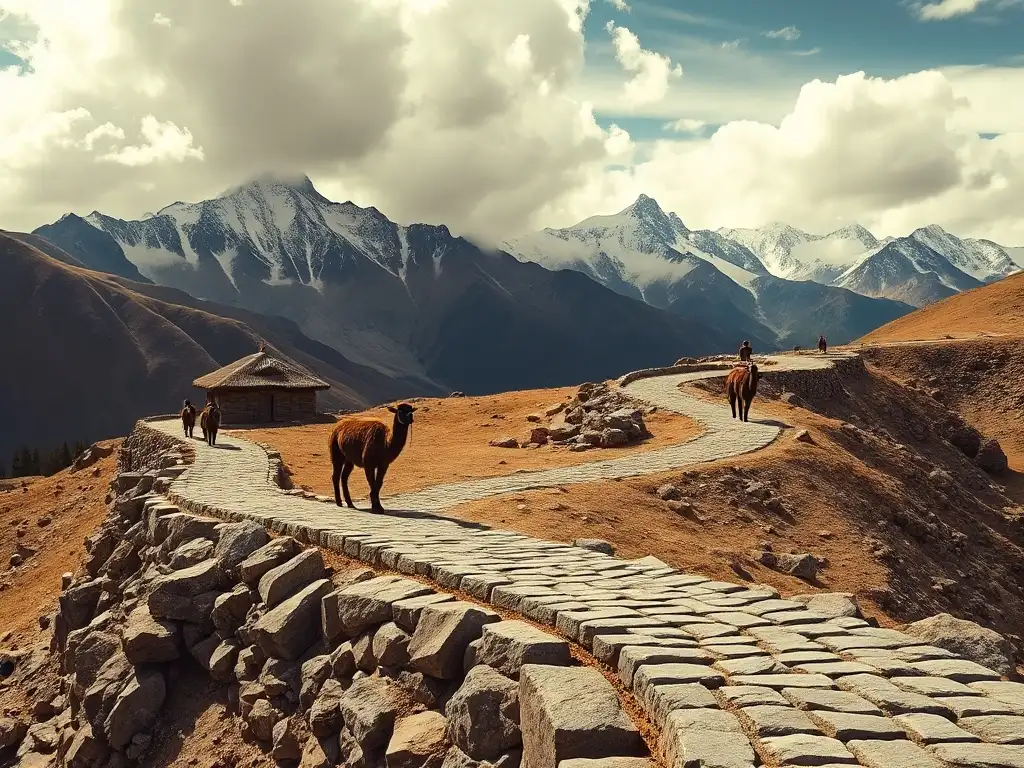
The Inca expansion into the Southern Andes was a monumental undertaking, demanding sophisticated logistical planning and robust infrastructure. Success hinged not only on military might but also on the ability to efficiently supply and support armies operating far from the imperial center of Cusco. The Inca state, renowned for its organizational prowess, implemented a series of strategies to overcome the inherent challenges of operating in such a geographically diverse and often hostile environment.
These strategies, meticulously planned and executed, allowed them to maintain control over vast territories and consolidate their power across the Southern Andes. The effectiveness of these logistical systems is a testament to the Inca's advanced understanding of resource management and infrastructure development.
Their ability to adapt to diverse terrains and climates played a crucial role in their military successes. This logistical mastery facilitated not only military campaigns but also the integration of conquered territories into the Inca empire.
The Inca Road System (Qhapaq Ñan) and its Importance
The Qhapaq Ñan, or Great Inca Road, was the backbone of the Inca empire's logistical network. This extensive system of roads, stretching thousands of kilometers across diverse landscapes, facilitated the rapid movement of troops, messengers, and goods. The construction of the Qhapaq Ñan was a remarkable feat of engineering, employing sophisticated techniques to navigate challenging terrain, including mountainous regions, dense forests, and arid deserts.
The roads were strategically placed to connect important administrative centers, agricultural zones, and mining areas. The construction involved the use of locally sourced materials, and the roads were often paved and provided with bridges and resting places (tambos) for travelers. The Qhapaq Ñan's importance in supporting southern campaigns cannot be overstated.
It ensured that Inca armies could be swiftly deployed to quell rebellions or launch further conquests, while maintaining a constant flow of supplies and reinforcements. The efficient movement of troops and supplies along the Qhapaq Ñan was a decisive factor in the Inca's ability to maintain control over their vast empire. The system’s impact extended beyond military operations; it fostered trade, communication, and cultural exchange across the empire.
Supply Lines and Resource Management in the Southern Andes
Maintaining effective supply lines was crucial for the Inca's southern campaigns. The Inca developed a sophisticated system of resource management, utilizing a combination of storage facilities (qollqas) and organized transport networks to ensure the continuous supply of food, clothing, and weapons to their armies. These qollqas, strategically located along the Qhapaq Ñan, served as vital storage points for agricultural produce, textiles, and other essential goods.
The system relied heavily on the mit'a labor system, which mobilized the population to work on infrastructure projects, including the construction and maintenance of roads and storage facilities, as well as the transportation of goods. The Inca’s understanding of local agricultural practices allowed them to adapt their strategies to different environments.
They implemented terracing and irrigation systems in many areas to maximize crop yields and ensure a steady supply of food for their armies and the growing population within the conquered regions. The efficiency of this system allowed the Inca to sustain prolonged military campaigns without logistical breakdowns, a significant advantage in their expansion efforts.
Challenges Faced by the Inca during Southern Expansion
Despite their impressive organizational abilities and infrastructure, the Inca faced significant challenges during their expansion into the Southern Andes. These challenges tested the limits of their logistical capabilities and military prowess, highlighting the complexities of empire-building in a diverse and often hostile environment. Overcoming these obstacles required adaptation, strategic innovation, and significant resource investment. The challenges ranged from fierce resistance from indigenous populations to the harsh environmental conditions of the southern territories.
Resistance from Local Andean Populations
The Inca expansion was not met with universal acceptance. Many local Andean populations, including the Mapuche and other groups in the southern regions, fiercely resisted Inca domination. These groups, often possessing their own sophisticated social structures and military traditions, mounted effective resistance against the Inca armies. The terrain of the Southern Andes provided a natural advantage to these groups, allowing them to employ guerrilla warfare tactics that proved challenging for the Inca's larger, more centralized armies.
This resistance resulted in protracted conflicts and significant losses for the Inca, slowing the pace of expansion and requiring the deployment of substantial military resources. The Inca's response involved a combination of military force and diplomatic strategies, attempting to integrate some groups through alliances and concessions while suppressing others through military campaigns. This period highlighted the limits of Inca power and the significant costs associated with maintaining control over resistant populations.
Environmental Obstacles in the Southern Territories
The Southern Andes presented a formidable environmental challenge to the Inca expansion. The region's harsh climate, characterized by extremes of temperature and unpredictable weather patterns, posed significant difficulties for the Inca's logistical operations. The mountainous terrain, with its high altitudes and steep slopes, added to the challenges of transporting supplies and moving troops. The scarcity of resources in certain areas further strained their supply lines.
The Inca's ability to adapt to these diverse environments, however, was a testament to their resilience. They developed strategies to overcome these challenges, including the construction of specialized infrastructure and the adoption of local agricultural practices. Nonetheless, these environmental obstacles significantly slowed the pace of Inca expansion and contributed to the challenges faced in administering and controlling these newly acquired territories. The harsh conditions of the Southern Andes represent a crucial factor in understanding the limits of Inca imperial power.
Inca Methods of Integration and Control in Conquered Regions
The Inca Empire's remarkable expansion into the Southern Andes wasn't solely reliant on military might. A sophisticated system of integration and control was crucial to maintaining the vast territory and diverse populations under their rule. This involved a multi-pronged approach combining administrative restructuring, cultural assimilation, and strategic resettlement of populations.
The effectiveness of these methods varied across different regions and influenced the long-term stability of the empire in the south. Successfully integrating new territories meant not just conquering them, but also ensuring their loyalty and productivity within the imperial system. The Inca leadership understood that a purely oppressive regime would likely lead to rebellion and instability, so they developed a nuanced approach that, while often forceful, also sought to incorporate aspects of local cultures and traditions.
Imposition of Inca Administration and Governance
A key element of Inca control was the establishment of a standardized administrative system across the empire. This involved the creation of new provinces ( suyus) and the placement of loyal Inca officials ( tukuy rikuk) to oversee local governance. These officials were responsible for collecting taxes (in the form of mita labor and tribute), maintaining infrastructure (roads, irrigation systems), and ensuring the loyalty of the subject populations.
The ayllu, the traditional Andean communal system, was often incorporated into the Inca administrative structure, though its authority was ultimately subordinate to that of the Inca officials. This system, while effective in many areas, faced challenges in regions with pre-existing strong centralized power structures or where resistance to Inca rule was particularly strong.
The imposition of this new system often disrupted existing social hierarchies and power dynamics, leading to both cooperation and conflict. The level of success in imposing this system directly correlated with the level of resistance encountered during the initial conquest and the subsequent integration process.
Cultural Assimilation and the Role of Mitmajkuna
The Inca didn't simply impose their culture; they also actively sought to assimilate conquered populations. This involved the promotion of the Quechua language, the adoption of Inca religious practices, and the encouragement of intermarriage between Inca officials and local elites. The resettlement of populations, known as the mitmaqkuna system, played a significant role in this process.
People from conquered regions were relocated to other parts of the empire, while Inca subjects were sent to newly conquered areas to foster loyalty and cultural exchange. This system served both administrative and social engineering purposes: it diluted potential rebellion by dispersing groups, introduced Inca culture to new regions, and provided a workforce for infrastructure projects.
The effectiveness of the mitmaqkuna system was, however, dependent on the scale of resistance, the existing social fabric of the conquered region, and the Inca’s ability to manage the resettlement process effectively. Overly harsh implementations could lead to increased resentment and resistance.
Case Studies of Inca Expansion in Specific Southern Regions
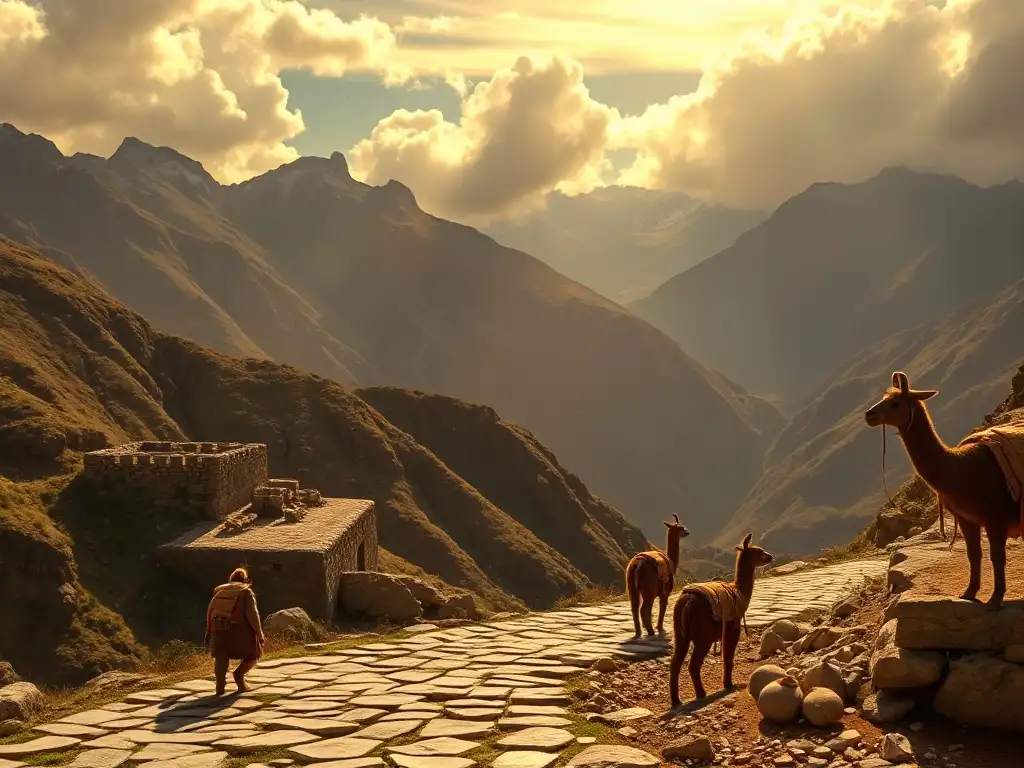
The Inca expansion into the Southern Andes wasn't a uniform process. Different regions presented unique challenges, requiring adapted strategies and resulting in varying degrees of success in integration. Analyzing specific cases reveals the complexities and nuances of Inca imperial expansion. The Southern Andes presented a diverse array of environments and pre-existing political structures, requiring flexible strategies from the Inca.
The Inca Conquest of Chile
The Inca conquest of Chile, a region characterized by its diverse geography and independent tribal societies, presented significant challenges. The rugged terrain hindered Inca military movements, and the resistance from indigenous groups like the Mapuche proved tenacious. While the Inca achieved some degree of control over northern Chile, their expansion southward was met with consistent resistance, limiting their lasting influence in the central and southern regions.
The Inca strategy here involved a combination of military campaigns and diplomatic efforts, but the difficult environment and the strong resistance ultimately hindered their ability to fully integrate the region into the imperial system. The Inca’s use of mitmaqkuna was less effective here due to the difficult terrain and the persistent resistance of the Mapuche.
The Inca Conquest of Northwest Argentina
In contrast to Chile, the Inca conquest of Northwest Argentina was relatively more successful, at least initially. The region, while also geographically diverse, possessed several relatively large and centralized polities that, once subdued, could be integrated more easily into the Inca administrative structure. The Inca leveraged existing power structures and alliances to consolidate control. The integration process, however, wasn't without its challenges.
Local resistance, particularly from groups in the mountainous regions, continued even after the initial conquest. The Inca success in this region reflects their ability to adapt their strategies to the specific political and geographic context, highlighting the flexibility of their imperial expansion methods. The establishment of strong administrative centers and the effective use of the mita system contributed significantly to the initial success of Inca rule in Northwest Argentina, though long-term stability remained a challenge.
The Impact of Inca Expansion on Southern Andean Societies
The Inca expansion into the Southern Andes profoundly impacted the existing societies. While the Inca aimed for integration, the process was often fraught with conflict and resulted in significant transformations of social and political structures, economic systems, and cultural practices. The imposition of the Inca administrative system, with its network of kurakas (local leaders) and tambos (roadside inns), fundamentally altered pre-existing power dynamics. Resistance was common, particularly from groups who valued their autonomy and fiercely guarded their traditions.
However, the Inca's ability to strategically incorporate some local elites into their system helped to mitigate some of the resistance and facilitated a degree of cultural exchange. The Inca's emphasis on centralized control and standardized practices also led to changes in agriculture, with the introduction of new crops and irrigation techniques. This, however, wasn't always welcomed and sometimes led to conflicts over land and resources.
Religious practices were also affected, with the Inca state religion being promoted alongside, or sometimes supplanting, local beliefs and rituals. The extent of this impact varied across different regions and groups, with some experiencing more drastic changes than others. The integration process was complex, uneven, and left a lasting mark on the Southern Andes.
Changes in Local Social and Political Structures
The Inca expansion significantly altered the social and political landscape of the Southern Andes. Prior to Inca rule, the region was characterized by a diversity of smaller, independent polities, each with its own unique social hierarchy and governance systems. The Inca's arrival introduced a new layer of centralized authority, with the emperor at the apex and a hierarchical bureaucracy extending down to local levels.
Local leaders, kurakas, were often incorporated into the Inca administrative system, but their power was significantly curtailed. Their role shifted from autonomous rulers to representatives of the Inca state, responsible for collecting tribute, mobilizing labor, and maintaining order within their designated territories. This resulted in a redistribution of power, often leading to social unrest and challenges to the Inca's authority.
The Inca also implemented a system of mit'a, a form of rotational labor service, which demanded significant contributions from local populations for infrastructure projects like road construction and agricultural initiatives. This system, while providing benefits in terms of infrastructure development, also placed a heavy burden on the local population and potentially disrupted existing social structures and economic activities. The consequences of these changes varied across different groups, with some adapting more readily than others.
The Lasting Legacy of Inca Influence
The Inca's impact on the Southern Andes is undeniable and continues to resonate even today. The Inca road system, for example, remains a testament to their engineering prowess and its enduring influence on the region's infrastructure. The introduction of new agricultural techniques and crops also had a lasting effect on agricultural practices, contributing to the region's agricultural diversity.
While the Inca Empire ultimately collapsed, many aspects of Inca culture and administration persisted long after the Spanish conquest. Elements of the Quechua language, Inca administrative structures, and even certain religious beliefs and practices are still found in the Southern Andes today. The Inca's legacy is not merely a historical artifact; it is a living part of the cultural tapestry of the region, shaping its identity and influencing its present-day society.
The ongoing archaeological discoveries continue to reveal the depth and breadth of Inca influence, further enriching our understanding of their lasting impact. The study of Inca influence in the Southern Andes offers a powerful lens through which to examine the complexities of cultural contact, adaptation, and the enduring power of imperial legacies.
Conclusion: The Success and Limitations of Inca Southern Expansion
The Inca expansion into the Southern Andes represents a complex interplay of success and limitations. While the Inca achieved significant territorial expansion, integrating diverse populations and establishing a sophisticated administrative system, the process was not without its challenges. Resistance from local populations, logistical difficulties in governing vast distances, and the inherent limitations of imperial control all contributed to the uneven nature of Inca rule in the South.
The Inca's success stemmed from their ability to strategically incorporate local elites, adapt to diverse environments, and utilize their impressive infrastructure to maintain control. However, their reliance on centralized control and standardized practices sometimes clashed with local customs and traditions, leading to resistance and, in some cases, rebellion.
The ultimate collapse of the Inca Empire highlights the inherent fragility of even the most powerful empires and underscores the importance of understanding the complexities of imperial expansion and its long-term consequences. The Inca experience in the Southern Andes offers valuable lessons for understanding the dynamics of empire building and the challenges of integrating diverse populations under a single rule.
Lessons from Inca Expansion in the Southern Andes
The Inca expansion into the Southern Andes provides several valuable lessons for understanding the complexities of imperial expansion. Firstly, it highlights the importance of adapting to local contexts. The Inca's success was partially due to their ability to integrate local elites and adapt their administrative and economic systems to the diverse environments and societies they encountered. A rigid, one-size-fits-all approach often proved counterproductive, leading to resistance and instability.
Secondly, the Inca experience underscores the limitations of centralized control over vast territories. Maintaining effective governance over such a large and geographically diverse empire presented significant logistical challenges. Communication difficulties, logistical hurdles, and the potential for local uprisings all contributed to the uneven nature of Inca rule.
Finally, the Inca case demonstrates the importance of considering the long-term consequences of imperial expansion. While the Inca achieved significant short-term gains, the long-term impact of their rule was complex and varied, leaving a lasting legacy that continues to shape the Southern Andes today. Analyzing the Inca experience offers invaluable insights for understanding the dynamics of imperial expansion, the challenges of managing diverse populations, and the enduring consequences of imperial power.
Frequently Asked Questions
What were the primary motivations behind Inca expansion into the Southern Andes?
The Inca Empire's expansion was driven by several factors, including the acquisition of resources, territorial control, and the spread of Inca ideology and power. They sought to control vital resources like precious metals and agricultural lands.
What challenges did the Inca face during their expansion in the Southern Andes?
The Inca encountered significant challenges, such as diverse and often hostile populations, difficult terrain, and resistance from established regional powers. Adapting to varied climates and environments also posed a significant hurdle.
What strategies did the Inca employ to overcome these challenges and secure their expansion?
The Inca implemented military strategies, including well-organized armies and advanced weaponry. They also employed diplomatic and economic strategies, such as forming alliances and integrating conquered populations into their administrative system through mita labor.
How did the Inca integrate conquered populations in the Southern Andes into their empire?
The Inca used a system of administrative control and economic integration. This included the mita system, which involved forced labor but also provided benefits such as access to resources and infrastructure. They also promoted cultural assimilation, though often selectively.
What ultimately led to the limitations or failure of Inca expansion in the Southern Andes?
While the Inca achieved considerable expansion, their progress was limited by factors such as geographic barriers, resistance from indigenous groups, and internal challenges within the empire itself. The arrival of the Spanish ultimately ended their expansion and the empire.
Final Reflection: Echoes of Empire in the Andes
The Inca expansion into the Southern Andes remains a potent example of imperial ambition and adaptation, a story echoing in the very landscapes and cultures of the region today. The challenges faced by the Inca, from diverse terrains and resistant populations to logistical hurdles and internal conflicts, offer valuable lessons in the complexities of empire building, lessons that resonate powerfully in our globally interconnected world. Understanding their strategies, from diplomacy and integration to military might and infrastructure development, provides crucial insight into the dynamics of power and the enduring impact of human endeavor on the environment.
The Inca's legacy is not merely one of conquest, but of cultural exchange and adaptation. Their sophisticated road system, agricultural innovations, and administrative structures continue to shape the region, a testament to the enduring power of their influence. The Inca were not simply conquerors; they were builders, administrators, and innovators who left an indelible mark on the Andes.
This quote highlights the multifaceted nature of their impact, extending far beyond military dominance to encompass a complex interplay of power, culture, and environment. Their story serves as a reminder that even the most powerful empires are shaped by the very forces they seek to control.
Consider the strategies employed by the Inca, their successes and failures. How can we apply these lessons to our own understanding of power dynamics, conflict resolution, and sustainable development? You, the reader, are now equipped with a deeper understanding of this fascinating period of history. Reflect on the complexities of empire building, the importance of adaptation, and the lasting legacy of the Inca. Let their story inspire you to consider the enduring impact of human actions on the world around us.
Discover the Legacy of the Inca: Take Action Today!
Thank you for exploring the fascinating world of Inca expansion in the Southern Andes. You've gained valuable insights into the challenges and ingenious strategies that shaped this remarkable civilization. Now, let's continue your journey of discovery!
Here are some ways to deepen your understanding and share the Inca legacy:
- Delve further into the rich history of the Andes by exploring books and resources on Andean civilizations, focusing specifically on the Inca.
- Share your knowledge by discussing the Inca with friends, family, or online communities. Your insights could inspire fascinating conversations.
- Visit a local museum or explore a virtual exhibit showcasing Inca artifacts and culture for a truly immersive historical experience.
What aspect of Inca expansion intrigues you most, and how do you think it continues to influence modern Andean culture? Let's keep the conversation going!