
The Devil is in the Details: Spotting Forgeries in Moche Pottery

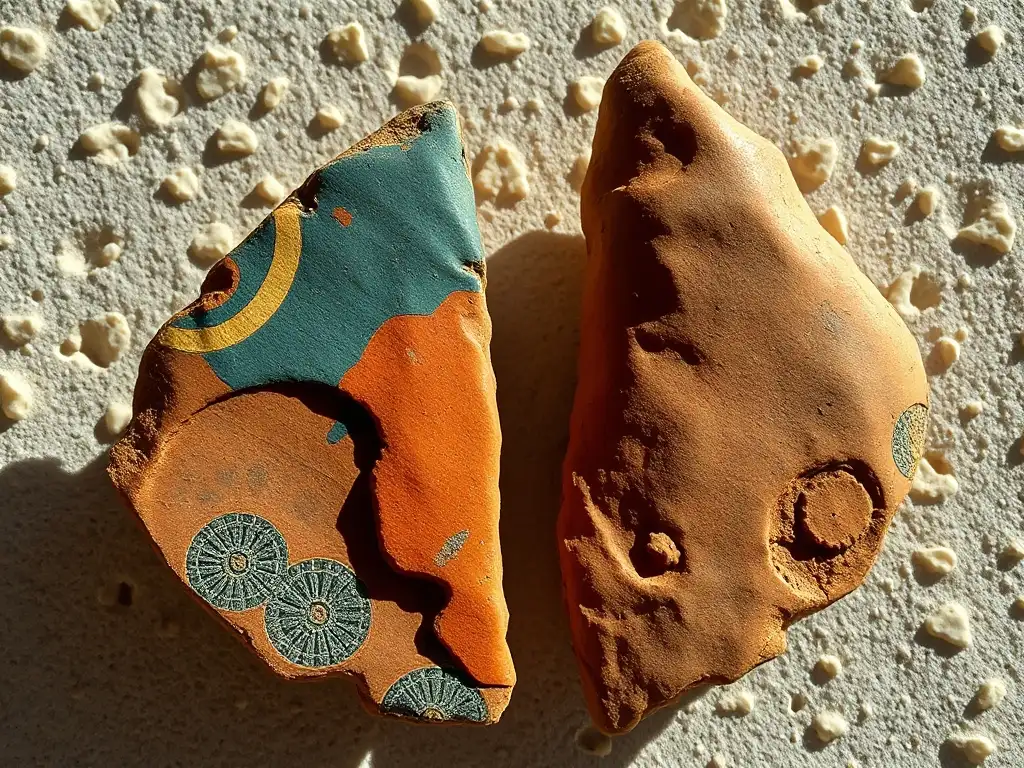
Dive into the captivating world of Andean civilizations, where lost empires whisper secrets from the mountains. From the intricate artistry of the Incas to the enigmatic Nazca lines, a rich tapestry of history awaits. But beware… not all that glitters is gold. This website unravels the mysteries of ancient Andean artifacts, starting with a crucial investigation into Moche pottery forgery detection. Are you ready to uncover the truth behind these stunning pieces? Let's delve into the details.
The vibrant and intricate artistry of Moche pottery represents a crucial window into the sophisticated culture of this ancient Andean civilization (circa 100-800 CE). These ceramic masterpieces, depicting scenes of daily life, religious rituals, and mythical beings, are highly prized by collectors and museums worldwide.
However, the significant value of authentic Moche pottery has unfortunately fueled a thriving market for forgeries, making it increasingly crucial to understand how to distinguish genuine pieces from skillfully crafted imitations. This article delves into the complexities of Moche pottery forgery detection, providing key insights for collectors, enthusiasts, and anyone interested in preserving the integrity of this invaluable cultural heritage.
We will explore the reasons behind the forgery problem, the financial motivations driving the creation of fakes, and, most importantly, the tell-tale signs that can help you identify genuine Moche pottery. Learning to recognize these subtle yet significant differences is key to protecting both your investment and the preservation of history.
Understanding the Importance of Moche Pottery Authenticity
The authenticity of Moche pottery is paramount for several reasons. First and foremost, genuine artifacts provide invaluable insights into the Moche worldview, social structures, and artistic techniques. Each piece tells a story, offering glimpses into their complex religious beliefs, agricultural practices, and societal hierarchies.
Forgeries, on the other hand, distort this historical narrative, replacing accurate representations with inaccurate or fantastical depictions. Furthermore, the value of authentic Moche pottery is intrinsically linked to its historical context and provenance. Knowing the origin and age of a piece allows researchers to place it within the broader chronology of Moche culture, contributing to a more complete understanding of their development and evolution.
The loss of authentic pieces to the market of forgeries threatens the integrity of research and the accuracy of historical interpretations. Preserving the authenticity of Moche pottery is not simply about protecting a monetary investment; it is about safeguarding a crucial part of our shared human history. The careful study of genuine artifacts allows us to appreciate the ingenuity and artistry of the Moche people and to learn from their rich legacy.
Why Moche Pottery Forgeries are a Problem
The proliferation of Moche pottery forgeries presents a multifaceted problem with far-reaching consequences. Beyond the obvious financial implications for unsuspecting collectors, the presence of fakes significantly undermines the scholarly study of Moche culture. Researchers rely on the authenticity of artifacts to make accurate interpretations and draw meaningful conclusions about the civilization.
The introduction of forgeries contaminates the data pool, potentially leading to flawed conclusions and a distorted understanding of Moche society and artistic practices. Moreover, the existence of a thriving forgery market diminishes the value of genuine pieces, making it harder to preserve and protect them. This creates a negative feedback loop where the increased demand for authentic pieces drives up prices, making them more attractive targets for forgers, further flooding the market with fakes.
This not only impacts the financial aspects but also erodes the trust and confidence in the art market, making it more challenging for legitimate collectors and institutions to acquire authentic Moche pottery. The problem is compounded by the sophistication of modern forgeries, which often employ advanced techniques to mimic the age and appearance of genuine pieces.
The Financial Incentives Behind Fake Moche Artifacts
The high value of authentic Moche pottery creates a powerful incentive for forgery. Genuine pieces can command incredibly high prices at auction, making the potential profit from creating and selling fakes extremely lucrative. The complexity of creating convincing forgeries, requiring significant skill and knowledge of Moche artistic techniques, is often offset by the potentially enormous financial rewards.
The clandestine nature of the forgery market, operating outside of legal and regulatory frameworks, further contributes to its profitability. The difficulty in tracing the provenance of artifacts and the lack of readily available, standardized authentication methods make it challenging to prosecute forgers and recover the financial losses incurred by collectors. Moreover, the international nature of the art market allows forgers to operate across borders, making it even harder to track and stop their activities.
The combination of high demand, significant profit margins, and the relative ease of operating within a poorly regulated market creates a potent environment for the production and sale of fake Moche pottery, posing a significant threat to the preservation of this important cultural heritage. The financial incentives involved are a critical factor in understanding the scale and persistence of this problem.
- Understanding the Importance of Moche Pottery Authenticity
- Why Moche Pottery Forgeries are a Problem
- The Financial Incentives Behind Fake Moche Artifacts
A Step-by-Step Guide to Moche Pottery Forgery Detection
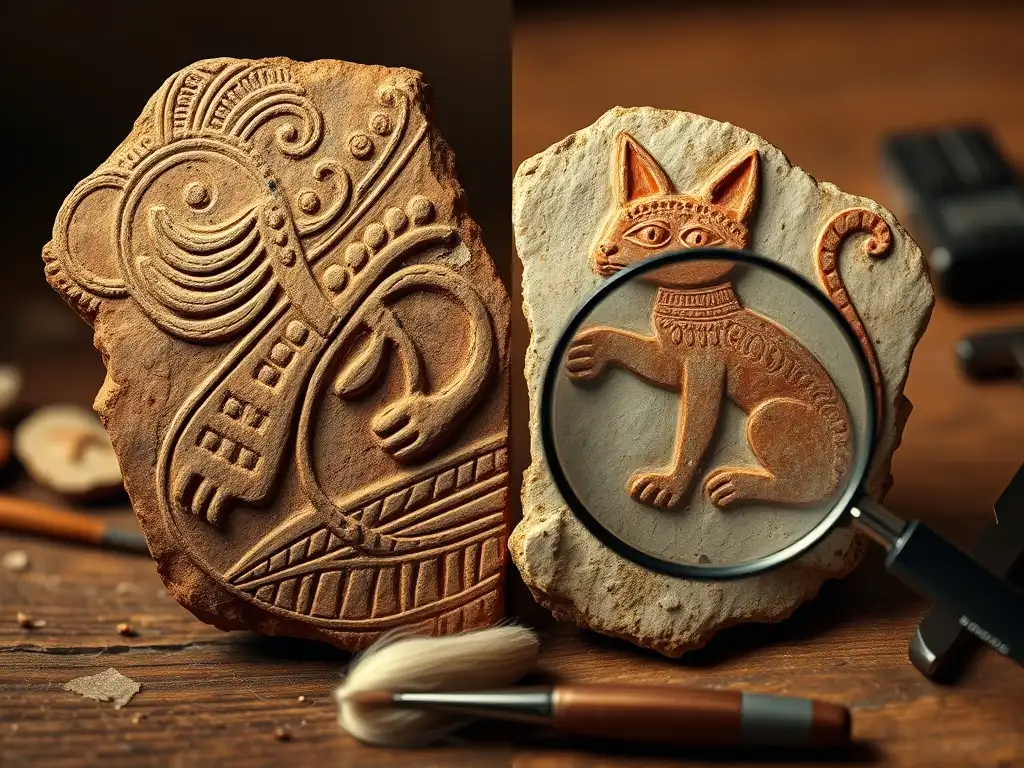
This section provides a detailed, step-by-step guide to help you distinguish genuine Moche pottery from skillful forgeries. Moche pottery forgery detection requires a keen eye and understanding of the nuances of authentic pieces. This guide focuses on practical techniques applicable to both novice and experienced collectors. Remember, the devil is in the details!
Step 1: Examining the Clay Composition - The Foundation of Authenticity
The clay itself forms the bedrock of Moche pottery authenticity. Forgers often struggle to perfectly replicate the unique characteristics of the original clay used centuries ago. This step involves a careful examination of both the texture and color of the pottery.
Analyzing the Clay Texture: A Microscopic View
Analyzing the clay's texture provides crucial clues. Genuine Moche pottery often exhibits a unique texture, often described as slightly gritty or coarse, resulting from the specific clay sources and preparation techniques employed by the artisans. Forgeries frequently display a smoother, more uniform texture, lacking the subtle variations found in authentic pieces. A magnifying glass can be helpful in this process, revealing minute details like inclusions of other minerals within the clay body—a characteristic often absent in modern imitations. Ideally, a microscopic examination would reveal the precise mineral composition, providing definitive proof of authenticity.
However, this requires specialized equipment and expertise. Even without a microscope, careful observation can reveal significant differences. The presence of small, naturally occurring variations in texture is a strong indicator of authenticity. Conversely, a completely uniform texture should raise a red flag.
The Color Palette: Recognizing Genuine Moche Pigments
The color of the clay itself offers valuable insights. Moche potters utilized local clays, resulting in a range of natural earth tones, from pale creams and buffs to deep reds and browns. The color is rarely uniform; subtle variations and gradations are common. Forgeries often rely on overly vibrant or unnatural colors, lacking the subtle nuances of aged, naturally occurring pigments. The pigments used in authentic Moche pottery were derived from natural sources such as minerals and plant materials.
These pigments often exhibit a certain depth and luminosity that modern paints struggle to replicate. Pay close attention to the overall color harmony and how the colors blend and interact. A jarring, unnatural color scheme should immediately raise suspicion. The presence of unusual bright or unnatural colors is a strong indicator of a forgery. For example, a suspiciously bright, uniform red should prompt further investigation.
Step 2: Analyzing the Moche Pottery Decoration and Iconography
The decoration and iconography are critical elements in Moche pottery forgery detection. The style, motifs, and the quality of the execution significantly differ between genuine artifacts and forgeries.
Recognizing Authentic Moche Iconography and Motifs
Moche pottery is renowned for its intricate and expressive iconography, depicting a wide array of deities, mythical creatures, scenes of daily life, and stylized representations of nature. Understanding the common motifs and stylistic conventions is paramount. Forgers often struggle to accurately reproduce the subtle nuances of Moche artistic expression. They might misrepresent details or incorporate elements that are anachronistic or stylistically inconsistent with the known Moche artistic canon.
Study images of authentic Moche pottery extensively to familiarize yourself with the range of common motifs and the stylistic conventions used to depict them. Note the characteristic poses, expressions, and details of the figures and scenes. Inconsistencies in these areas are often tell-tale signs of a forgery. For example, the incorrect depiction of a specific headdress or the use of an anachronistic motif can be a clear indication of a fake.
Assessing the Quality of the Painting and Line Work
The quality of the painting and line work is another crucial aspect. Authentic Moche pottery displays a remarkable level of skill and precision. The lines are often fluid, confident, and precisely executed. The colors are applied smoothly, with subtle gradations and blends. Forgeries, on the other hand, often exhibit hesitant, uneven lines, and poorly blended colors.
The application of paint might appear clumsy or uneven, lacking the refined elegance of genuine Moche artistry. Examine the paint application closely. Are the lines crisp and precise? Or do they appear hesitant, shaky, or uneven? Are the colors smoothly blended, or are there obvious brushstrokes or inconsistencies?
The presence of such imperfections is a strong indicator of a forgery. Pay attention to details such as the rendering of eyes, mouths, and other features. Authentic Moche pottery often displays a remarkable level of detail and precision in these areas. Forgeries often lack this level of detail, exhibiting a simplified or less refined approach.
Step 3: Analyzing Moche Pottery Manufacturing Techniques
Moche pottery forgery detection often hinges on a meticulous examination of the manufacturing process. Authentic Moche pieces reveal a sophisticated understanding of ceramic techniques, often subtly different from modern replication attempts. Understanding these nuances is key to distinguishing genuine artifacts from forgeries. Forgers, while sometimes skilled, rarely replicate the intricacies of ancient techniques perfectly. This section will highlight crucial aspects of Moche pottery production to look for when assessing authenticity.
Checking for Evidence of Wheel-Throwing - A Red Flag
The absence of wheel-throwing marks is a significant indicator of authenticity in Moche pottery. Moche potters, unlike many later cultures, did not utilize the potter's wheel. Instead, they employed highly skilled hand-building techniques, often using coils of clay meticulously smoothed and shaped. The presence of clear, uniform wheel marks on a piece claiming to be Moche is a major red flag, strongly suggesting a modern forgery.
Authentic Moche pieces will display hand-built characteristics, including slight variations in thickness and texture, and potential irregularities that reflect the organic nature of the hand-building process. Look carefully for the subtle inconsistencies that betray a skilled hand, rather than the uniformity of machine production. These inconsistencies, while seemingly flaws, are actually hallmarks of authenticity.
Examining Surface Treatment and Burnishing Techniques
The surface treatment and burnishing techniques employed by Moche potters are extraordinarily refined. The level of polish achieved on many Moche pieces is remarkable, often requiring hours of meticulous work. Forgeries often fall short in replicating this level of surface finish. Examine the piece carefully for inconsistencies in the burnishing.
Are there areas where the polish is uneven or absent? Does the burnishing appear too uniform, lacking the subtle variations that would naturally occur during the hand-burnishing process? The type of burnishing also provides clues: Moche potters employed a variety of techniques, resulting in different textures and sheens. Careful observation of these details can help in distinguishing between authentic and forged pieces.
Furthermore, the application of slip (a liquid clay suspension) and paint often reveals inconsistencies in forgeries. Authentic Moche pieces exhibit a seamless integration of slip and paint, reflecting a deep understanding of the material and its properties. Modern forgers often struggle to achieve this level of integration, resulting in visible cracks or inconsistencies.
Step 4: Understanding the Moche Pottery Context and Provenance
Context and provenance are paramount in determining the authenticity of any ancient artifact, especially Moche pottery. Understanding where a piece comes from and how it entered the market is crucial for verifying its legitimacy. Without proper documentation, even a seemingly authentic piece can be suspect.
The Importance of Provenance in Moche Artifacts
Provenance refers to the documented history of an object, tracing its ownership and location from its discovery to the present. A strong provenance is essential for establishing the authenticity of a Moche pottery piece. This documentation ideally includes details about the excavation site, the date of discovery, and the chain of custody—a detailed record of who owned or possessed the artifact at each stage of its history. The absence of a detailed provenance raises serious concerns about a piece's authenticity.
Many forgeries enter the market without any provenance documentation, relying on their superficial resemblance to genuine Moche pottery to deceive buyers. Therefore, always prioritize pieces with comprehensive and verifiable provenance records. This documentation should be scrutinized carefully for inconsistencies or inaccuracies.
Comparing with Documented Moche Pottery Examples
Comparing the piece in question with well-documented examples of Moche pottery is a critical step in the authentication process. Access to reputable museum collections and scholarly publications provides a valuable reference point for assessing style, techniques, and iconography. Note the variations in styles across different Moche periods and regions. Forgeries often exhibit a generic or idealized representation of Moche styles, lacking the subtle nuances and regional variations that characterize authentic pieces.
By carefully studying documented examples, you can better identify stylistic inconsistencies and deviations from known Moche motifs, providing further evidence for or against authenticity. This comparative analysis requires a keen eye for detail and a solid understanding of Moche artistic conventions. Access to high-quality images and detailed descriptions of authentic Moche pottery is indispensable for this crucial step in the authentication process.
Essential Tools for Moche Pottery Authentication
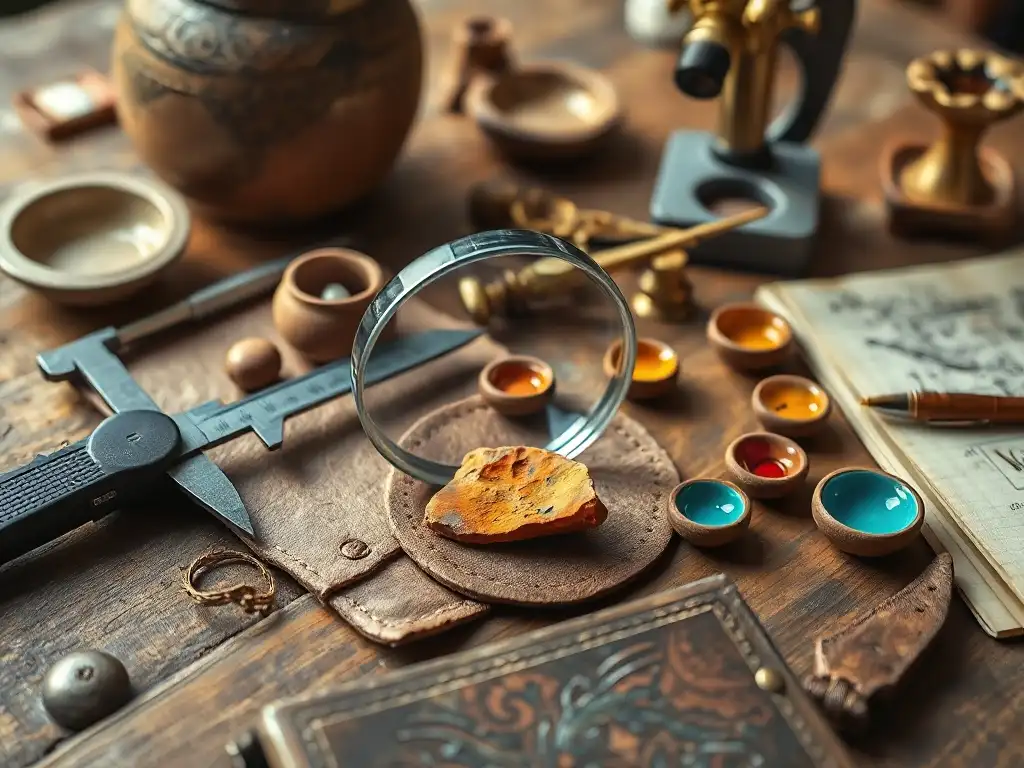
Authenticating Moche pottery requires a keen eye and a methodical approach. While definitive authentication often requires expert analysis, several tools can significantly aid in the process of Moche pottery forgery detection. These tools assist in identifying characteristics unique to genuine Moche pieces, helping distinguish them from modern imitations. The careful application of these tools, coupled with a strong understanding of Moche artistic conventions and stylistic variations, is crucial for effective assessment. Remember, even with these tools, experience and expertise remain invaluable in the quest for Moche pottery authentication.
Recommended Tools for Moche Artifact Analysis
This section details the specific tools and techniques recommended for analyzing Moche pottery. The successful detection of Moche pottery forgeries relies on a multi-faceted approach, combining visual inspection with scientific analysis where possible.
First and foremost is visual examination under good lighting. A strong, diffused light source is crucial for observing surface details, paint application, and the overall condition of the piece. Look for inconsistencies in the paint application – genuine Moche pottery often shows a meticulous hand, with smooth transitions and consistent brushstrokes.
Forgeries frequently exhibit uneven paint application, drips, or a lack of the characteristic fine detail. Magnification using a good quality handheld magnifying glass (at least 10x magnification) can reveal minute details like brushstrokes, imperfections in the clay, and the presence of any added pigments or materials not typical of the Moche period.
Next, consider the clay itself. Authentic Moche pottery utilizes specific clay types sourced from particular regions. Analyzing the clay's texture, color, and composition can provide valuable clues. While detailed petrographic analysis (requiring specialized equipment) provides the most accurate results, even a careful tactile examination can reveal differences between the dense, well-fired clay of genuine Moche pottery and the potentially coarser or less well-fired clay used in forgeries. Note any unusual inclusions within the clay body – these can be indicative of the source material and manufacturing techniques.
Finally, the overall style and iconography must be carefully scrutinized. A deep understanding of Moche artistic conventions is paramount. Pay close attention to the depiction of figures, animals, and motifs. Are they consistent with known Moche stylistic trends? Are the proportions accurate? Are the details rendered with the characteristic precision and mastery of genuine Moche artisans? Inconsistencies in style or the inclusion of anachronistic elements should raise immediate suspicion. A thorough understanding of Moche iconography and its evolution across different periods is essential for accurate assessment.
| Tool | Purpose | Level of Expertise Required |
|---|---|---|
| Good Lighting | Reveals surface details, paint application, and overall condition | Basic |
| Handheld Magnifying Glass | Magnifies minute details like brushstrokes and imperfections in the clay | Basic |
| Clay Analysis (Tactile) | Assesses clay texture, color, and composition | Intermediate |
| Petrographic Analysis | Detailed analysis of clay composition (requires specialized equipment) | Advanced |
| Style & Iconography Study | Evaluates artistic conventions and consistency with Moche styles | Advanced |
Remember, the detection of Moche pottery forgeries is a complex process requiring a combination of careful observation, detailed analysis, and a thorough understanding of Moche artistic traditions. The tools and techniques outlined above serve as a valuable starting point, but ultimately, expert consultation is often necessary for definitive authentication. The more tools you utilize, the more confident you can be in your assessment of a piece's authenticity. 🕵️♀️
Final Thoughts on Moche Pottery Forgery Detection
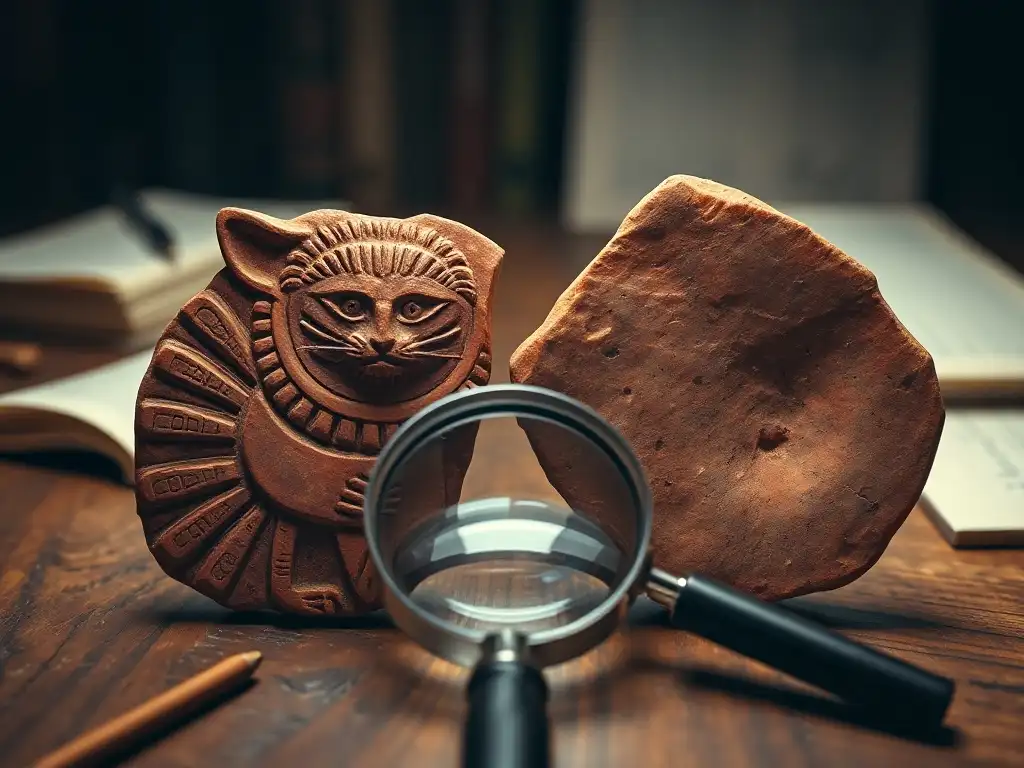
Moche pottery forgery detection is a complex and ever-evolving field, requiring a multifaceted approach. While advancements in scientific analysis offer powerful tools, the human element – the keen eye of an experienced expert – remains crucial. The subtle nuances of style, pigment composition, and even the feel of the clay itself can often reveal inconsistencies that escape technological scrutiny. This highlights the critical interplay between scientific method and artistic expertise in authenticating these invaluable artifacts.
The future of Moche pottery authentication likely lies in the integration of cutting-edge technologies with the deep knowledge and intuition of seasoned archaeologists and art historians. Continuous research and collaboration are essential to stay ahead of increasingly sophisticated forgery techniques. The fight against forgery is, in essence, a race against innovation, demanding constant vigilance and adaptation.
The Ongoing Challenge of Moche Pottery Authentication
The authentication of Moche pottery presents a persistent challenge due to several factors. Firstly, the sheer volume of surviving pieces, combined with the increasing demand in the art market, creates a fertile ground for forgeries. Secondly, the stylistic diversity within Moche pottery itself can be misleading.
Variations in techniques and artistic expression across different periods and regions can make distinguishing genuine artifacts from skillful imitations incredibly difficult, even for experts. This is compounded by the fact that many forgeries are made using traditional techniques and materials, making detection even more complex. For example, the use of authentic-looking pigments and clays can fool even sophisticated analysis methods if the forger possesses sufficient skill and knowledge.
Finally, the lack of a comprehensive, universally accepted database of Moche pottery styles and compositions further hampers the authentication process. The development of such a database, incorporating detailed photographic records and scientific analyses, would be a significant step forward in combating forgery.
The Importance of Ethical Acquisition of Moche Artifacts
Ethical acquisition is paramount not only in preserving the integrity of the archaeological record but also in combating the market for forged Moche pottery. The demand for authentic pieces fuels the forgery industry; responsible acquisition practices can help mitigate this demand. This involves supporting museums and institutions committed to ethical sourcing and research, and actively discouraging the purchase of artifacts from unreliable sources.
Collectors should prioritize provenance research, demanding verifiable documentation tracing the artifact's history back to its original discovery. Transparency and accountability are key. Furthermore, educational initiatives aimed at raising awareness about the importance of ethical collecting and the dangers of purchasing potentially forged artifacts are crucial.
By promoting responsible collecting practices and supporting reputable institutions, we can collectively contribute to the preservation of Moche cultural heritage and the fight against forgery. The ethical acquisition of Moche artifacts is not merely a matter of legality; it is a moral imperative to protect these irreplaceable pieces of history. A responsible approach ensures that future generations can appreciate and learn from these remarkable works of art, rather than be misled by fraudulent imitations.
Frequently Asked Questions
How can I tell if a piece of Moche pottery is a forgery?
Several factors contribute to authenticity. Look for inconsistencies in style, paint application, and the type of clay used. Expert appraisal is often necessary for definitive identification.
What are the common techniques used by forgers of Moche pottery?
Forgers often employ modern pigments and techniques, lacking the subtle nuances of ancient methods. They may also use incorrect clay types or replicate easily recognizable designs without capturing the intricate details.
Why is detecting Moche pottery forgeries so important?
Preserving the historical record and protecting the cultural heritage of the Moche civilization is crucial. Forgeries undermine the scholarly study and appreciation of authentic artifacts.
What are some of the tell-tale signs of a fake Moche pot?
Examine the pottery's surface for inconsistencies in texture and paint. Look for signs of modern tools or materials used in its creation. A lack of patina or age-related wear can also be a strong indicator.
Where can I get my Moche pottery authenticated?
Contact reputable museums or experts in Andean archaeology for authentication services. Many institutions offer expert analysis and certification to determine the authenticity of artifacts.
Final Reflection: The Enduring Legacy of Moche Deception
The fight against art forgery is not a relic of the past; it's a crucial battle waged daily in museums, auction houses, and private collections worldwide. The sophisticated techniques used to create convincing Moche pottery forgeries highlight the ever-evolving nature of this criminal enterprise and the constant need for vigilance and advanced authentication methods. The implications extend far beyond monetary value; the integrity of cultural heritage itself is at stake.
The subtle nuances discussed in this article—from the clay composition to the stylistic inconsistencies—underscore the profound connection between artistry and authenticity. The very act of forgery represents a profound disrespect for the cultural legacy of the Moche people and their artistic achievements. As the art historian Bernard Berenson once wisely stated, A forgery is not merely a bad painting; it is a lie.
This lie, perpetuated through deceptive reproductions, diminishes the significance of genuine artifacts and obscures our understanding of the past.
Consider the implications of this discussion. You now possess a sharper eye, a more critical lens through which to view ancient artifacts. Don't just passively observe; actively engage. Challenge your assumptions, question the provenance of objects, and seek out verifiable information. By becoming more informed consumers and advocates for cultural preservation, you can help protect the irreplaceable treasures of our shared human history and ensure the legacy of the Moche, and countless other cultures, remains untarnished by deception.
Unmask the Craftsmanship: Take Action Against Forgery!
Thank you for exploring the fascinating world of Moche pottery and learning how to identify forgeries. You've gained valuable skills that allow you to appreciate authentic artifacts and protect cultural heritage. Now, let's put your knowledge into practice!
- Enhance your skills by participating in a local or online workshop focused on authenticating pottery.
- Share your expertise with friends, family, or online communities to raise awareness about the importance of recognizing genuine art.
- Visit museums and galleries that exhibit Moche pottery to study the techniques, styles, and details firsthand. Careful observation and note-taking are key.
What distinctive features do you observe when examining Moche pottery in person? Let's discuss your observations!