
Microscopic Moche: Examining Authenticity at the Smallest Scale

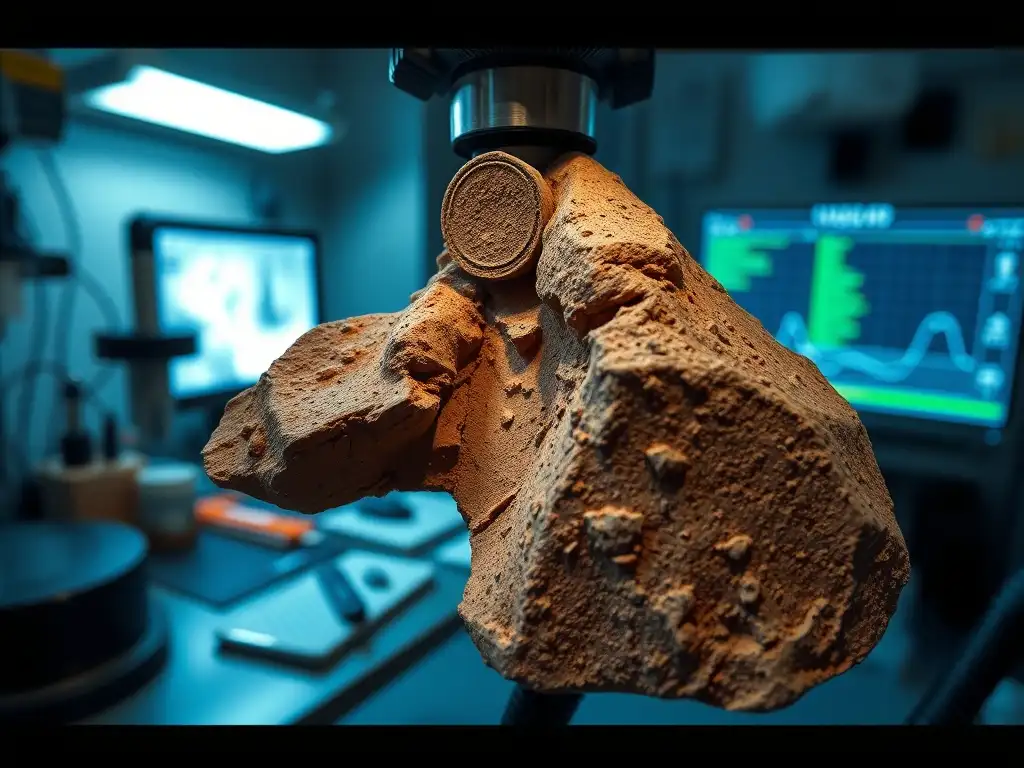
Step into a world lost to time, yet vividly preserved in breathtaking detail. Andean Civilizations unveils the secrets of ancient empires, from the intricate artistry of the Nazca lines to the awe-inspiring engineering of the Incas. But how do we truly know what's real and what's not? Our journey begins with a microscopic investigation – a deep dive into Moche pottery authenticity analysis. Discover the surprising techniques used to uncover the truth behind these captivating artifacts and embark on an exploration that will redefine your understanding of the Andean world.
The vibrant artistry and intricate detail of Moche pottery have captivated collectors and scholars for generations. These ceramic masterpieces, produced by the ancient Moche civilization of Peru (roughly 100-800 AD), represent a pinnacle of pre-Columbian artistic achievement. However, the enduring appeal of Moche pottery has also unfortunately led to a flourishing market for forgeries.
Distinguishing genuine artifacts from skillfully crafted imitations requires a multifaceted approach that goes far beyond visual inspection. This article delves into the world of Moche pottery authenticity analysis, focusing on the crucial role of microscopic examination in verifying the provenance and age of these remarkable pieces. We will explore the techniques used, the telltale signs revealed at the microscopic level, and the overall importance of this scientific method in preserving the integrity of Moche cultural heritage.
The increasing sophistication of forgery techniques necessitates a thorough understanding of scientific authentication methods, making microscopic analysis an indispensable tool for researchers, collectors, and anyone passionate about protecting the authenticity of Moche pottery. This detailed exploration will equip you with the knowledge to better understand the complexities involved in verifying the authenticity of these ancient treasures.
Introduction to Moche Pottery Authentication: Beyond the Naked Eye
Authenticating Moche pottery demands a multi-pronged approach that combines art historical analysis with scientific investigation. While visual inspection plays a role, identifying subtle inconsistencies in style, painting techniques, and the overall aesthetic requires considerable expertise. Experienced art historians can identify stylistic discrepancies and compare the piece against established stylistic chronologies. However, visual assessment alone is insufficient to definitively prove authenticity. Many forgeries skillfully mimic surface details, making it crucial to utilize techniques that reveal underlying characteristics. These techniques include:
- Petrographic analysis: Examining the clay composition under a microscope to identify specific mineral inclusions and firing temperatures. This can reveal inconsistencies with known Moche clay sources and firing practices.
- Thermoluminescence dating: A method used to determine the age of pottery by measuring the accumulated radiation absorbed by the clay over time. This provides a scientific benchmark for the age of the artifact.
- X-ray fluorescence (XRF) spectroscopy: Analyzing the elemental composition of pigments and slip to identify inconsistencies with known Moche materials. This can help detect the use of modern pigments or materials.
- Microscopic examination of surface textures and paint application: As we will explore in further detail, microscopic analysis provides invaluable insights into the manufacturing process, revealing subtle clues that distinguish authentic Moche pottery from modern imitations.
The combination of these methods provides a robust framework for authentication, with microscopic analysis playing a pivotal role in uncovering hidden details invisible to the naked eye. The following section will expand on the specific contributions of microscopic analysis to the process.
Why Microscopic Analysis is Crucial for Moche Pottery Authenticity
Microscopic analysis offers an unparalleled level of detail in the authentication of Moche pottery. At this scale, we can observe features impossible to detect with the naked eye, providing crucial insights into the pottery's production and age. For example:
- Clay structure: Microscopic examination reveals the unique microstructure of the clay used in Moche pottery. Authentic pieces exhibit specific characteristics in terms of grain size, mineral inclusions, and porosity that are consistent with known Moche clay sources. Forgeries often show inconsistencies in clay structure, revealing the use of different or modern clays.
- Paint application: The application of paint on authentic Moche pottery is often characterized by a specific layering and texture visible under magnification. Forgeries frequently display a smoother, less nuanced application of paint, lacking the subtle variations in thickness and texture found in genuine pieces.
- Surface wear and weathering: Microscopic analysis can reveal patterns of wear and weathering consistent with the age and exposure of authentic Moche pottery. Forgeries often lack the subtle imperfections and natural weathering characteristic of ancient artifacts. This includes the presence of microscopic scratches, erosion patterns, and other signs of age.
- Presence of microscopic inclusions: Authentic Moche pottery often contains microscopic inclusions of organic matter or minerals within the clay body. The presence or absence, and the type of these inclusions, can be a key indicator of authenticity. Forged pieces may lack these natural inclusions or contain inconsistent types.
The meticulous examination of these microscopic details provides irrefutable evidence supporting or refuting the authenticity of a piece. The combination of these microscopic observations with other scientific and art historical analyses creates a powerful and comprehensive approach to ensuring the preservation and understanding of these invaluable artifacts. The ongoing development of microscopic techniques continues to enhance our ability to detect even the most subtle signs of forgery, protecting the integrity of Moche pottery for future generations.
- Introduction to Moche Pottery Authentication: Beyond the Naked Eye
- Why Microscopic Analysis is Crucial for Moche Pottery Authenticity
- How can I tell if a piece of Moche pottery is authentic?
- What are the key features of authentic Moche pottery?
- What role does microscopic analysis play in determining the authenticity of Moche pottery?
- Where can I find experts who can authenticate Moche pottery?
- Are there any readily available resources for learning more about authenticating Moche pottery?
The Tools of the Trade: Microscopic Examination for Moche Ceramics
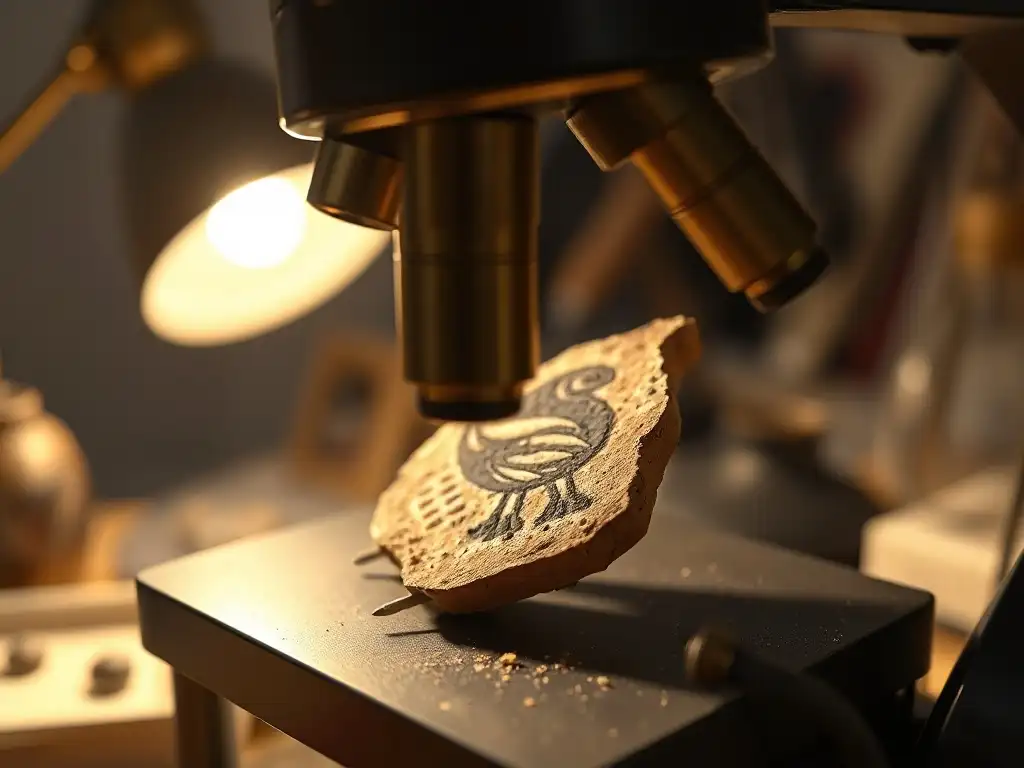
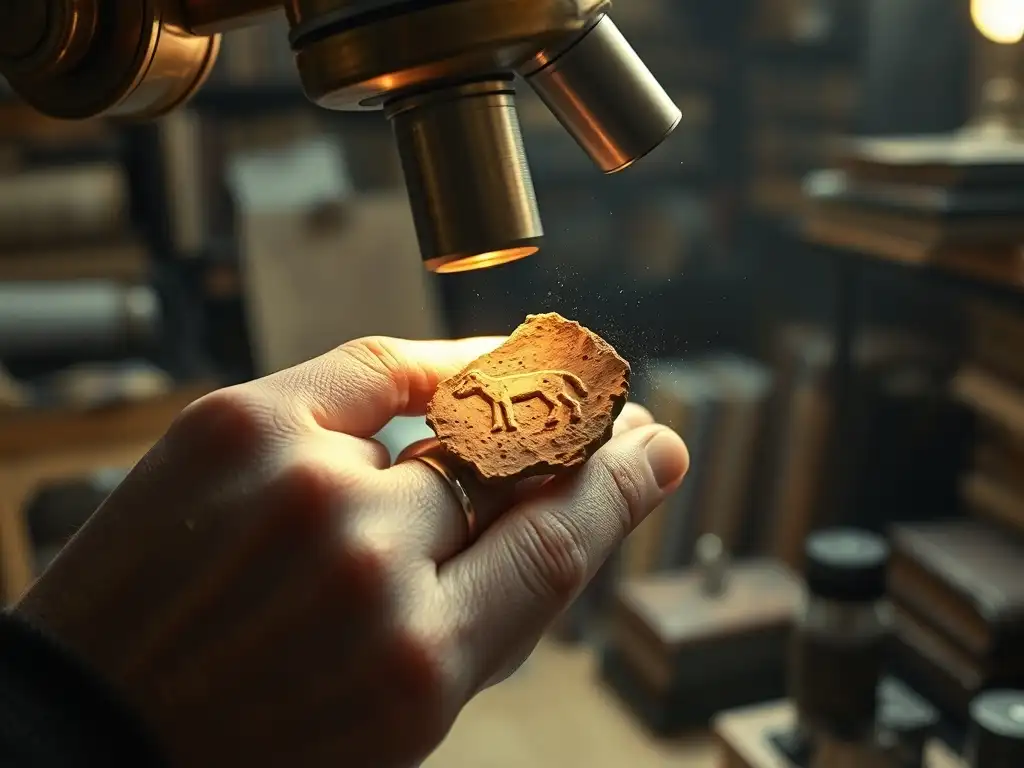
Microscopic analysis has become an indispensable tool in the authentication of Moche pottery, offering unparalleled insights into the creation techniques and materials used by these skilled artisans. By examining the ceramic's microstructure, experts can distinguish genuine Moche pieces from modern forgeries with a high degree of accuracy. This detailed examination goes beyond simple visual inspection, revealing subtle clues that are invisible to the naked eye and crucial for accurate Moche pottery authenticity analysis.
The process involves a careful selection of equipment, meticulous sample preparation, and a keen eye for detail. The results provide a powerful scientific basis for verifying the age and origin of these remarkable artifacts.
Essential Equipment for Moche Pottery Analysis
The cornerstone of microscopic Moche pottery authenticity analysis lies in the quality of the equipment used. While advanced techniques exist, a solid foundation starts with reliable microscopes. Digital microscopes offer several advantages for this task, including the ability to capture high-resolution images and videos for documentation and comparison.
These images are invaluable for creating detailed records, aiding in future research, and providing compelling evidence in cases of authenticity disputes. The magnification power, lighting capabilities, and image processing software are crucial factors to consider when selecting a digital microscope for the analysis of Moche artifacts. Choosing a model with a robust zoom range (at least 100x to 500x magnification) and adjustable lighting is essential for capturing the intricate details of the ceramic's surface and structure.
Furthermore, the ability to seamlessly integrate with image analysis software is a significant plus. This allows for the quantitative analysis of features like pigment distribution and clay particle size, offering objective data that strengthens the authentication process.
Digital Microscope Recommendations for Examining Moche Artifacts
While specific product recommendations are beyond the scope of this article (due to the ever-changing market), crucial features to look for when selecting a digital microscope for Moche pottery authenticity analysis include:
- High-Resolution Imaging: Capture clear, detailed images suitable for detailed analysis and documentation. Aim for at least 1080p resolution.
- Adjustable Magnification: A wide range of magnification is crucial. Look for models with a zoom range from at least 10x to 500x.
- Versatile Lighting: Adjustable LED lighting is essential to illuminate the sample effectively and prevent shadows.
- User-Friendly Software: The accompanying software should be intuitive and offer image measurement, annotation, and analysis capabilities.
- Ergonomic Design: Long periods of microscopic examination require comfort. Consider the microscope's weight, size, and ease of use.
Stereo Microscope Options for Detailed Moche Ceramic Inspection
For a more three-dimensional view and the examination of larger surface features, a stereo microscope is a valuable addition. Stereo microscopes provide a distinct advantage when assessing the overall texture and surface details of the Moche pottery. This is particularly important when evaluating the application techniques of pigments and slip, identifying tool marks, and detecting any signs of alteration or repair.
The ability to observe the pottery in three dimensions allows for a more comprehensive understanding of the craftsmanship and aids in the identification of subtle inconsistencies that might indicate a forgery. The depth perception offered by stereo microscopes is crucial for accurately assessing the three-dimensional structure of the ceramic's surface, which is often a key indicator of authenticity.
Preparing Moche Pottery Samples for Microscopic Viewing
Proper sample preparation is critical for obtaining accurate and reliable results in Moche pottery authenticity analysis. Neglecting this step can lead to misinterpretations and inaccurate conclusions. The preparation process must balance the need for detailed examination with the preservation of the artifact's integrity. This delicate balance necessitates a careful and methodical approach, prioritizing the long-term preservation of the valuable artifact.
Cleaning Techniques for Moche Pottery: Preserving Authenticity
Cleaning Moche pottery for microscopic analysis requires extreme caution. Aggressive cleaning methods can damage the surface and compromise the integrity of the artifact, potentially obscuring crucial details and leading to misinterpretations. Therefore, a gentle approach is necessary. The goal is to remove loose surface debris without altering or damaging the original surface texture or pigments.
This usually involves using soft brushes (e.g., sable brushes), compressed air, and perhaps isopropyl alcohol (in very controlled applications). Any cleaning process should be meticulously documented, with photographs taken before, during, and after the cleaning procedure. This detailed record is crucial for maintaining transparency and accountability in the analysis process. Remember, the preservation of the artifact's integrity is paramount.
Preparing Slides and Mounts for Microscopic Moche Analysis
Once cleaned, small samples might need to be prepared for microscopic analysis using standard techniques. This might involve creating thin sections of the ceramic for petrographic analysis, or preparing polished mounts for detailed examination of the clay matrix and pigments. These procedures require specialized tools and a high degree of skill to prevent further damage to the precious samples. The preparation method depends heavily on the specific research question and the type of microscopic analysis being undertaken.
Detailed notes and photographic records should accompany each sample to ensure traceability and reproducibility of the results. The goal is to create a stable and well-illuminated sample that allows for clear and accurate microscopic observation of the Moche pottery's microstructure. This meticulous preparation is a vital step in ensuring the reliability and validity of the Moche pottery authenticity analysis.
Analyzing Moche Pottery Under the Microscope: Identifying Authenticity Markers
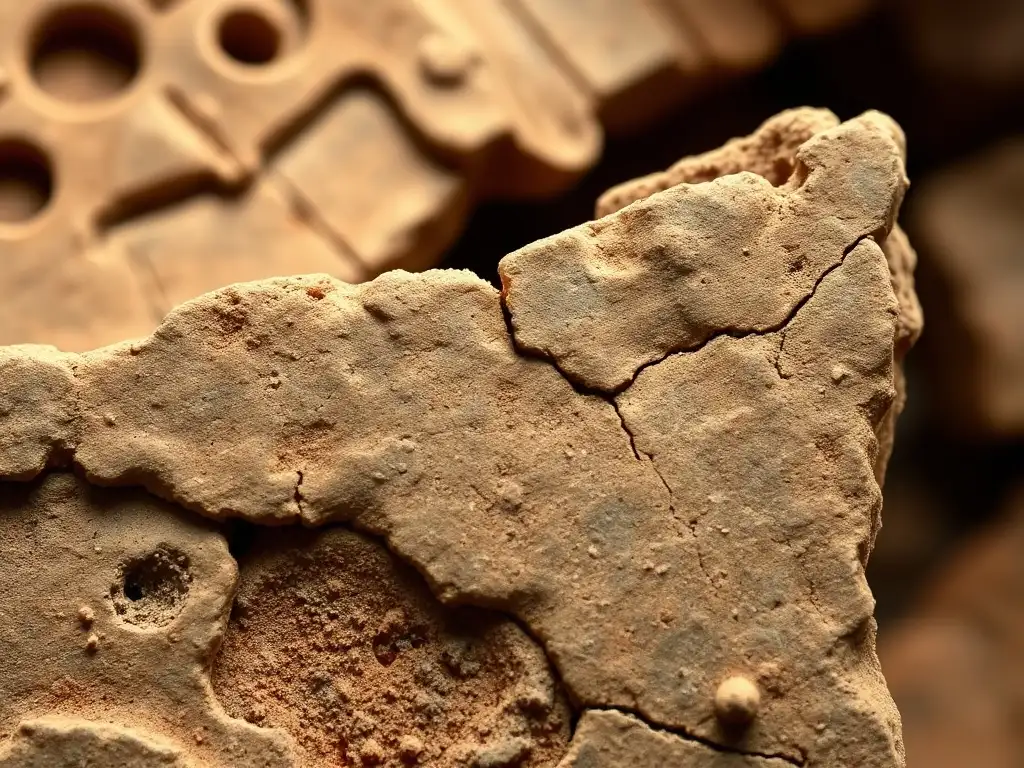
The allure of Moche pottery, with its vibrant colors and intricate designs, makes it a highly sought-after artifact. However, the market is unfortunately flooded with forgeries. This necessitates sophisticated techniques for Moche pottery authenticity analysis, and microscopic examination plays a crucial role. By analyzing the clay composition, surface decoration, and manufacturing techniques at a microscopic level, experts can distinguish genuine Moche pieces from modern imitations. This section delves into the specifics of this crucial analysis, providing insights into the techniques employed and the telltale signs of authenticity.
Examining Clay Composition: A Key to Moche Pottery Authenticity Analysis
The clay used in Moche pottery is unique and holds significant clues for authenticity analysis. Microscopic examination reveals the specific mineral composition and the presence of inclusions, providing a fingerprint of sorts for each piece.
Identifying Mineral Inclusions in Moche Clay: Microscopic Clues
Microscopic analysis of Moche clay reveals a complex tapestry of mineral inclusions. These aren't uniformly distributed; rather, their concentration and types vary across different Moche pottery production regions and time periods. For example, pottery from the coastal regions often exhibits a higher concentration of quartz grains compared to those from inland areas. Variations in the size, shape, and type of these inclusions – including feldspar, mica, and volcanic fragments – are crucial identifiers in determining authenticity.
A forged piece might use a readily available clay with a homogenous composition, lacking the characteristic heterogeneity of authentic Moche clay. Furthermore, the presence of unusual minerals or contaminants, not typical of the Moche region, can raise immediate red flags. Careful documentation of these inclusions, including size distribution analysis and mineral identification using techniques like X-ray diffraction (XRD) – although outside the scope of purely microscopic analysis – strengthens the authenticity assessment.
Analyzing Firing Techniques Through Microscopic Observation
The firing process leaves microscopic traces on the pottery's surface and structure. Microscopic analysis can reveal the temperature and duration of firing, offering further insights into authenticity. Genuine Moche pottery often shows evidence of specific firing techniques, such as reduction firing, which creates a distinctive color and texture visible under magnification.
Conversely, modern forgeries often lack these subtle, yet crucial, microscopic characteristics. For example, the presence of localized variations in firing temperature, leading to slight color changes and variations in porosity, is a common feature of authentic Moche pieces, a result of the ancient firing methods. These variations are rarely replicated in modern forgeries, which often exhibit a more uniform firing pattern.
Analyzing Surface Decoration and Pigments: Microscopic Insights into Moche Art
The vibrant colors and intricate designs of Moche pottery are another area where microscopic analysis proves invaluable for Moche pottery authenticity analysis.
Identifying Genuine Moche Pigments: A Microscopic Examination
The pigments used by the Moche were derived from natural sources, and their microscopic analysis reveals their composition and application techniques. Microscopic examination can reveal the presence of specific minerals used as pigments, such as iron oxides for reds and yellows, and manganese oxides for blacks and browns. The size and distribution of pigment particles, as well as the presence of binders, can be used to distinguish genuine Moche pigments from modern counterparts.
For example, the layering of pigments, indicative of a meticulous application process, is a characteristic feature often absent in modern imitations. Moreover, the presence of specific organic binders, which are difficult to replicate, can provide strong evidence of authenticity. The deterioration of these organic materials over time also offers insights into the age of the artifact.
Analyzing Surface Texture and Tool Marks on Moche Ceramics
The surface texture of Moche pottery reflects the tools and techniques used in its creation. Microscopic examination can reveal subtle tool marks, polishing techniques, and other surface features indicative of authentic Moche craftsmanship. For example, the presence of specific types of smoothing tools leaves characteristic striations or textures on the surface, which can be identified under magnification.
The consistency and regularity of these marks also play a role in authenticity assessment. In contrast, modern forgeries often lack the subtle variations and irregularities found in authentic Moche pottery, sometimes exhibiting overly smooth or artificially textured surfaces. Detailed documentation of these microscopic features, including their orientation, depth, and distribution, is vital for a conclusive analysis.
This microscopic analysis provides a powerful tool for Moche pottery authenticity analysis, contributing significantly to the preservation and appreciation of this remarkable cultural heritage. The combination of these microscopic observations, alongside other analytical techniques, allows for a comprehensive evaluation of authenticity, safeguarding against the proliferation of forgeries.
Case Studies: Real-World Examples of Moche Pottery Authentication
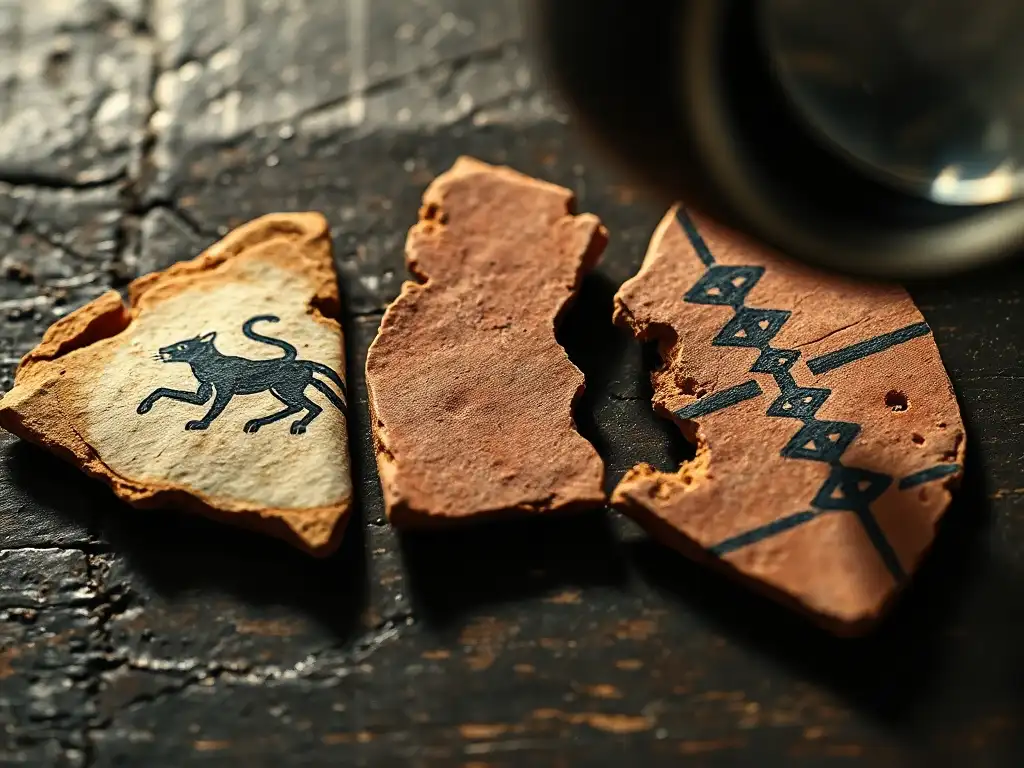
This section presents real-world examples demonstrating the practical application of microscopic analysis in Moche pottery authenticity analysis. We'll explore specific case studies, highlighting how microscopic techniques helped experts determine the genuineness of Moche artifacts. The detailed examination of surface textures, pigments, and clay composition at a microscopic level provides invaluable insights into the creation process and helps distinguish authentic pieces from modern forgeries. This level of detail is crucial for accurate Moche pottery authenticity analysis.
Case Study 1: Microscopic Analysis of a Suspect Moche Vessel
A purported Moche vessel, exhibiting characteristic iconography of a warrior deity, was submitted for authenticity assessment. Initial visual inspection suggested a possible Moche origin, but inconsistencies raised concerns. Microscopic analysis using a scanning electron microscope (SEM) revealed crucial details.
The clay composition analysis showed a mixture of clays inconsistent with those found in known Moche pottery production sites. Furthermore, the pigments used were analyzed using energy-dispersive X-ray spectroscopy (EDS), revealing a chemical composition atypical of pigments used during the Moche period. The SEM analysis also revealed manufacturing techniques inconsistent with established Moche methods; specifically, the presence of modern manufacturing marks such as tool striations and a uniform, almost machine-like finish, unlike the hand-crafted texture expected in authentic Moche pieces.
The microscopic analysis conclusively determined that the vessel was a modern forgery, despite its convincing visual appearance. This case underscores the importance of microscopic techniques in Moche pottery authenticity analysis, highlighting their ability to detect subtle but significant differences between genuine and fabricated artifacts. The detailed analysis provided irrefutable evidence, allowing for a definitive conclusion in the Moche pottery authenticity analysis.
Case Study 2: Confirming the Authenticity of a Moche Artifact Using Microscopic Techniques
A fragmented Moche stirrup-spout vessel, discovered during a reputable archaeological excavation, was subjected to microscopic analysis to confirm its authenticity. The fragment, exhibiting partial depictions of stylized birds and geometric patterns, required careful examination due to its degraded condition. Microscopic analysis using both optical and SEM microscopy revealed the presence of characteristic clay minerals and pigments consistent with known Moche production techniques.
The surface texture, analyzed at high magnification, displayed the characteristic hand-crafted imperfections and tool marks consistent with Moche pottery production. Additionally, EDS analysis of the pigments revealed a composition consistent with naturally occurring minerals used by Moche artisans.
The microscopic examination not only confirmed the authenticity of the fragment but also provided valuable insights into the Moche pottery production process. The analysis revealed subtle variations in the application of pigments and the manipulation of clay, providing further evidence supporting its age and origin. This successful Moche pottery authenticity analysis demonstrates the power of microscopic techniques in verifying the genuineness of even fragmented or damaged artifacts.
The meticulous analysis, combining different microscopic techniques, provided strong evidence supporting the artifact's authenticity and its place within the historical context of Moche culture. This reinforces the vital role of microscopic analysis in the field of Moche pottery authenticity analysis.
Professional Services for Moche Pottery Authenticity Analysis
The market for Moche pottery, reflecting the civilization's renowned artistic skill and cultural significance, is unfortunately susceptible to forgery. Determining the authenticity of a Moche piece requires specialized knowledge and a multi-faceted approach. While this article provides valuable insights into analyzing Moche pottery authenticity, seeking professional assistance is crucial for high-value or questionable artifacts. Several avenues exist for those needing expert verification:
Consulting with Experts in Moche Artifact Analysis
Several reputable institutions and independent experts specialize in the analysis of pre-Columbian artifacts, including Moche pottery. These professionals employ a variety of techniques to authenticate pieces, going beyond simple visual inspection. Their services often include:
- Visual Examination: A thorough assessment of the pottery's form, style, and decorative elements, comparing it to established stylistic chronologies and known Moche artistic conventions. This includes scrutinizing details like the depiction of figures, the use of color and pigment, and the overall aesthetic quality. Experienced eyes can spot inconsistencies indicative of modern fabrication.
- Material Analysis: Scientific techniques, such as X-ray fluorescence (XRF) spectroscopy, are used to analyze the clay's composition and the pigments used. This helps determine the provenance of the clay and whether the pigments are consistent with those used during the Moche period. Discrepancies in elemental composition can be strong indicators of forgery.
- Technological Analysis: Examination of the pottery's manufacturing techniques—the type of firing, the presence of tool marks, and the overall construction—is crucial. Modern forgeries often lack the subtle imperfections and inconsistencies inherent in ancient hand-crafted pottery. Understanding the Moche's specific techniques, such as their use of slip and burnishing, is vital in this analysis.
- Provenance Research: Tracing the history of ownership of a piece can significantly aid in authentication. Experts can investigate the chain of custody, looking for documentation, previous appraisals, and any records of its acquisition. A clear and documented provenance greatly strengthens the case for authenticity.
The cost of these professional services varies depending on the complexity of the analysis required and the reputation of the expert. However, the investment is often justified for valuable pieces, providing peace of mind and supporting the ethical acquisition and preservation of Moche cultural heritage. Remember, a professional analysis provides a documented and scientifically-backed assessment, far exceeding the capabilities of casual observation. It's an investment in the preservation of history and the protection against fraudulent acquisitions.
Further Reading and Resources on Moche Pottery Authentication
Beyond professional services, expanding your knowledge of Moche pottery authentication is essential for informed collecting and responsible ownership. Several avenues exist for continued learning:
Further Reading and Resources on Moche Pottery Authentication
Engaging with scholarly literature is crucial for understanding the nuances of Moche pottery analysis. Academic journals, museum publications, and specialized books offer detailed information on Moche art, technology, and stylistic developments. These resources often include high-resolution images and detailed descriptions of authentic Moche pieces, providing valuable visual references.
Look for publications focusing on Moche pottery typology, stylistic analysis, and scientific authentication methods. Additionally, reputable museum websites often contain valuable resources, including online databases of Moche artifacts and scholarly articles. Remember to cross-reference information from multiple sources to ensure accuracy and avoid biased or outdated perspectives.
The continuous evolution of analytical techniques means that staying updated on the latest research is vital for accurate assessment of Moche pottery authenticity. This ongoing learning process is fundamental to responsible engagement with this significant cultural heritage. The quest for knowledge in this field is a journey of discovery, constantly revealing new insights and refining our understanding of the Moche civilization's artistic legacy.
Frequently Asked Questions
How can I tell if a piece of Moche pottery is authentic?
Authenticating Moche pottery requires expert analysis. Consider provenance, style, and material composition, ideally with scientific techniques like microscopic analysis. Look for signs of age and wear.
What are the key features of authentic Moche pottery?
Authentic Moche pottery is characterized by its unique artistic style, including detailed depictions of figures and scenes, vibrant colors, and finely crafted surfaces. Specific motifs and techniques vary by period and region.
What role does microscopic analysis play in determining the authenticity of Moche pottery?
Microscopic analysis allows for the examination of clay composition, pigment structure, and surface treatments at a level invisible to the naked eye. This helps identify forgeries by revealing inconsistencies in materials or techniques.
Where can I find experts who can authenticate Moche pottery?
Reputable museums, archaeological institutions, and private art conservators specializing in Andean artifacts can provide authenticity assessments. Always seek multiple opinions from qualified experts.
Are there any readily available resources for learning more about authenticating Moche pottery?
While definitive guides are scarce, scholarly articles and books on Andean archaeology and art history can offer valuable insights. Museum websites and academic databases are good starting points for research.
Final Reflection: The Enduring Legacy of Moche Pottery
The meticulous analysis of Moche pottery, down to the microscopic level, reveals not only the artistry of a lost civilization but also the urgent need for responsible preservation and ethical acquisition in today's art market. The techniques and materials used by the Moche continue to fascinate and challenge modern scientists, highlighting the sophistication of their culture and the fragility of their remaining artifacts. This understanding is crucial in combating the illicit trade and ensuring the survival of these invaluable pieces for future generations.
The impact of the Moche's artistic legacy extends far beyond the museum walls; their vibrant imagery and innovative techniques continue to inspire artists and researchers alike. Their work speaks to a deep connection with the natural world and a profound understanding of human experience. The past is never dead. It's not even past.
- William Faulkner. This quote resonates deeply with the enduring relevance of Moche pottery, reminding us that understanding their techniques and history allows us to better appreciate and protect their artistic and cultural heritage. The ongoing research into Moche pottery authenticity is not just an academic pursuit; it's a vital step in safeguarding a significant part of our shared human history.
Consider the implications of this research for your own life. Are you aware of the provenance of the art and artifacts you encounter? How can you contribute to the ethical acquisition and preservation of cultural heritage? By engaging with these questions, you become a participant in the ongoing effort to protect and celebrate the enduring legacy of the Moche and other ancient cultures. Let us strive to ensure that the microscopic details, so painstakingly revealed in this analysis, continue to illuminate and inspire for centuries to come.
Unveil the Mysteries Beneath the Surface!
Thank you for exploring the fascinating world of Moche authenticity with us! We hope you gained valuable insights into the intricate details that define these remarkable artifacts. Now, it’s time to delve deeper into this captivating subject!
Here are some ways you can continue your exploration:
- Visit your local museum or gallery to examine Moche artifacts firsthand; engage with experts and ask questions about verifying their authenticity.
- Connect with fellow enthusiasts online—join forums or social media groups dedicated to Andean civilizations—to share your discoveries and insights.
- Consider volunteering at or participating in community events focused on preserving cultural heritage; your contribution can make a significant difference.
What aspect of Moche culture most intrigues you, and how will you share your newfound knowledge with others?