
The Texture of Time: Feeling the Age in Genuine Moche Ceramics

Dive into the captivating world of Andean civilizations—a realm of breathtaking artistry and ingenious engineering. From the towering heights of Inca ingenuity to the enigmatic Nazca lines, untold stories await discovery. But imagine holding a piece of history in your hands, a genuine Moche ceramic… how would you know its true age? Our exploration into Moche pottery dating techniques unlocks the secrets behind these ancient artifacts, revealing the fascinating processes used to determine their age and unveil their rich narratives. Prepare to be amazed as we unravel the texture of time itself.
- Understanding the Allure of Ancient Moche Pottery
- Examining the Physical Characteristics of Moche Ceramics
- Moche Pottery Dating Techniques: A Closer Look
- Tools and Resources for Authenticating Moche Ceramics
- Case Studies: Identifying Genuine Moche Artifacts
- Recognizing Potential Red Flags: Identifying Fake Moche Pottery
- Conclusion: Appreciating the Legacy of Moche Ceramics
- Frequently Asked Questions
- Final Reflection: The Enduring Legacy of Moche Time
- Unveil the Fascinating World of Moche Ceramics!
Understanding the Allure of Ancient Moche Pottery
The captivating world of pre-Columbian Andean artifacts holds a special allure, and within this realm, Moche pottery stands out as a testament to the artistic mastery and sophisticated culture of this ancient civilization. From their vibrant polychromy to their intricate depictions of daily life, rituals, and mythology, Moche ceramics offer a unique window into a society that flourished on the northern coast of Peru between approximately 100 and 800 CE.
This article delves into the fascinating process of authenticating these remarkable pieces, focusing on the crucial techniques used to date Moche pottery and distinguish genuine artifacts from modern imitations or forgeries. Understanding these dating methods is paramount not only for collectors and enthusiasts but also for archaeologists and historians striving to preserve and interpret the rich legacy of the Moche.
The ability to accurately date Moche pottery allows us to better understand the evolution of their artistic styles, technological advancements, and societal changes over time, enriching our comprehension of this remarkable civilization. This exploration of "Moche pottery dating techniques" will equip you with the knowledge to appreciate and identify these ancient treasures with greater confidence.
The Cultural Significance of Moche Ceramics
Moche pottery wasn't merely decorative; it was deeply intertwined with their religious beliefs, social structures, and daily life. The intricate scenes depicted on the ceramics provide invaluable insights into their worldview. For example, depictions of warriors, priests, and elaborate ceremonies reveal aspects of their social hierarchy and religious practices.
Representations of agricultural scenes, fishing activities, and daily routines offer a glimpse into their economic activities and everyday life. The stylistic choices, from the use of specific colors to the depiction of particular motifs, often held symbolic meaning, reflecting the complex cultural codes of the Moche society. Furthermore, the sheer artistry and technical skill involved in creating these pieces, involving intricate modeling, precise painting, and masterful firing techniques, highlight the advanced technological capabilities of the Moche civilization.
The use of diverse pigments, often derived from natural minerals, resulted in a vibrant palette that has stood the test of time, adding to the enduring appeal of these artifacts. The exceptional craftsmanship and cultural significance make authentic Moche ceramics highly sought after, emphasizing the need for reliable dating methods to ensure their authenticity.
Why Identifying Authentic Moche Pottery Matters
The market for pre-Columbian artifacts, including Moche pottery, is unfortunately susceptible to forgery and misrepresentation. Identifying authentic Moche pottery is crucial for several reasons. First, it protects the integrity of historical records and archaeological research. Dating techniques help researchers accurately place artifacts within their historical context, allowing for a more precise understanding of the Moche civilization's development.
Second, it safeguards the cultural heritage of Peru and protects against the illegal trafficking of artifacts. The sale of forged Moche pottery undermines efforts to preserve and protect these irreplaceable pieces of history. Third, it protects collectors and buyers from financial losses.
Investing in a forged artifact is not only a loss of money but also a loss of the opportunity to own a genuine piece of history. Therefore, understanding the methods used to date Moche pottery is not merely an academic pursuit; it's a crucial step in ensuring the ethical acquisition, preservation, and appreciation of this invaluable cultural heritage. The ability to distinguish between authentic and fraudulent pieces empowers collectors, museums, and researchers alike to make informed decisions and contribute to the responsible stewardship of Moche pottery.
Examining the Physical Characteristics of Moche Ceramics
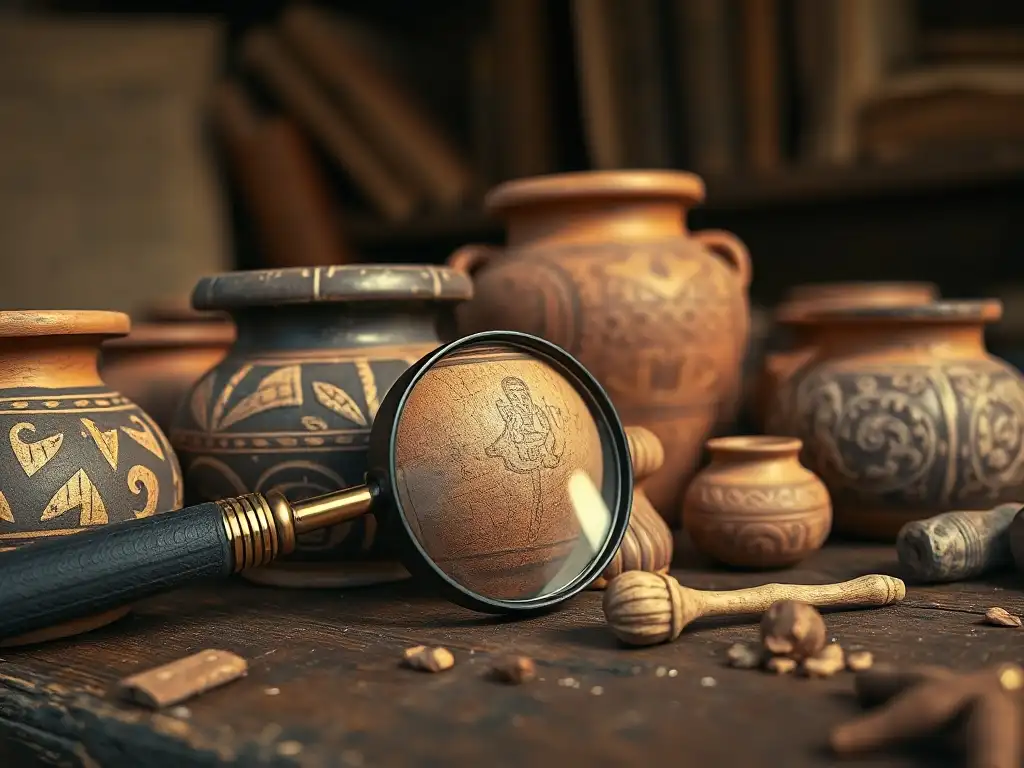
This section delves into the tangible aspects of Moche pottery, providing crucial insights for authenticating these remarkable artifacts. Understanding the physical properties—from the clay's composition to the intricate surface decorations—is paramount in distinguishing genuine Moche ceramics from imitations. By carefully examining these characteristics, one can develop a keen eye for recognizing the hallmarks of authentic Moche pottery dating techniques.
Moche Clay Composition: A Key to Authenticity
The clay used by Moche artisans wasn't uniform across their vast territory. Variations in soil composition across the northern Peruvian coast resulted in differences in color and texture. Authentic Moche pottery often exhibits a slightly gritty texture, stemming from the inclusion of fine-grained sand and other mineral inclusions within the clay matrix.
This is not a consistent characteristic, however, as the Moche skillfully adapted to local resources. Laboratory analysis, including X-ray diffraction and thin-section petrography, can definitively identify the mineralogical composition of the clay, offering strong evidence for authenticity. These techniques are commonly used in Moche pottery dating techniques, alongside other methods.
For example, clay from the Chicama Valley tends to be a light buff color, whereas clay from the Virú Valley might present a more reddish hue. These subtle variations, coupled with scientific analysis, are vital tools in the authentication process. Further research is needed to fully map the regional variations in Moche clay composition and their correlation with specific pottery styles.
Recognizing Typical Moche Pottery Shapes and Forms
Moche potters displayed incredible skill and creativity, producing a wide array of vessels. Understanding the typical shapes and forms is crucial for authentication. Common forms include stirrup-spout vessels (iconic to the Moche culture), bowls with intricate designs, jars, and effigy vessels depicting humans, animals, and mythical beings. Deviation from these established forms should raise questions about authenticity.
While variations exist, extreme departures from known Moche styles suggest a later creation or a deliberate imitation. Careful study of reputable museum collections and scholarly publications is essential for developing a strong understanding of typical Moche pottery shapes. Detailed catalogs and databases documenting known Moche pottery are invaluable resources for comparative analysis. Consider, for instance, the subtle differences between the shapes of Moche stirrup-spouts across different periods, a factor that informs Moche pottery dating techniques.
Analyzing the Surface: Slip, Burnish, and Decoration
The surface treatment of Moche pottery is a critical aspect of its aesthetic and a significant indicator of authenticity. The combination of slip application, burnishing, and decorative techniques is highly characteristic of the Moche style.
Identifying Authentic Moche Slip: Cream, Red, and Black Pigments
Moche potters used a variety of slips—fine clay suspensions—to create a smooth surface and enhance the vibrancy of their painted designs. Common colors include cream, red, and black, often applied in multiple layers. The specific pigments used and the application techniques can provide valuable clues regarding authenticity. Chemical analysis of the pigments can confirm the presence of specific mineral components characteristic of Moche-era paints.
For example, the red slip often contains iron oxides, while black slip may utilize manganese oxides. The layering and blending techniques also reveal much about the skill and artistry of the Moche potters. The smoothness and evenness of the slip application are also important factors to consider.
Understanding the Importance of Burnishing in Moche Pottery
Burnishing, the process of polishing the surface of the pottery, is a hallmark of Moche craftsmanship. This technique, achieved through rubbing the surface with a smooth stone, creates a distinctive sheen and enhances the durability of the vessel. The degree of burnishing, its evenness, and the resulting luster are key indicators of authenticity. Crude or uneven burnishing suggests a later imitation, while a highly polished and even surface is more consistent with genuine Moche pottery. This process significantly impacts the visual appeal and longevity of the ceramic, reflecting the Moche's advanced technological understanding.
Decoding Moche Iconography: The Decapitator God and Sacrificial Themes
Moche iconography is rich and complex, often depicting scenes of warfare, ritual sacrifice, and religious ceremonies. The depictions of the "Decapitator God," a recurring motif associated with ritual sacrifice, are particularly significant. Authentic Moche pottery often showcases highly stylized depictions of this deity, along with other symbolic elements, such as jaguars, birds, and various supernatural beings. A detailed understanding of Moche iconography is crucial for distinguishing genuine pieces from modern forgeries.
The precision and detail in the execution of these designs are hallmarks of authentic Moche artistry. Poorly executed or anachronistic depictions are strong indicators of inauthenticity. The study of Moche iconography is an ongoing area of research, and new discoveries continually enrich our understanding of their symbolism and its role in Moche pottery dating techniques.
Moche Pottery Dating Techniques: A Closer Look
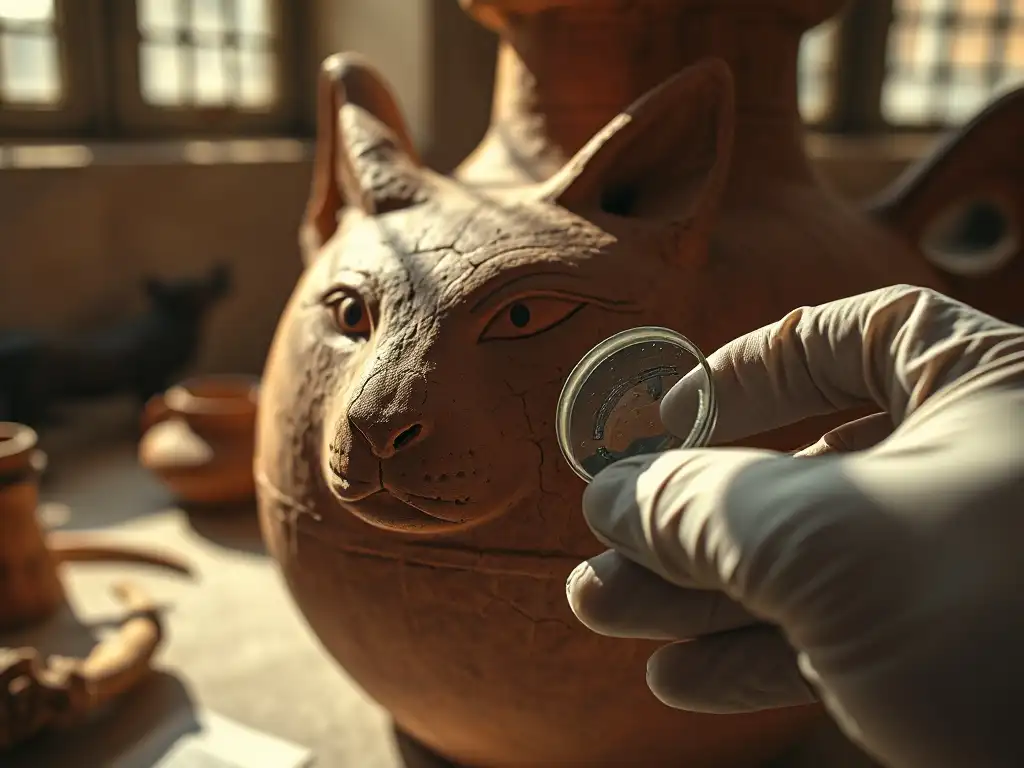
Dating Moche pottery accurately is crucial for understanding the evolution of this remarkable Andean civilization. Several techniques, each with its strengths and limitations, are employed by archaeologists and researchers to determine the age of these artifacts. The precision of dating significantly impacts our understanding of Moche chronology, societal structures, and artistic development. This section explores some of the most effective methods used in Moche pottery dating techniques, helping to distinguish genuine pieces from later imitations.
Radiocarbon Dating for Moche Ceramics: Understanding the Process
Radiocarbon dating, also known as carbon-14 dating, is a valuable technique for dating organic materials found within or associated with Moche pottery. While it cannot directly date the ceramic itself (as clay is inorganic), it can date organic residues like plant fibers, textiles, or even traces of food remnants that may be present inside the vessel or adhering to its surface.
The process involves measuring the remaining amount of carbon-14 in the sample, a radioactive isotope that decays at a known rate. The age is then calculated based on the proportion of carbon-14 remaining relative to the stable carbon-12 isotope.
The accuracy of radiocarbon dating for Moche pottery is dependent on several factors, including the quality and quantity of the organic sample, its preservation, and potential contamination. For example, a small, poorly preserved piece of plant fiber might yield less reliable results than a larger, well-preserved sample. Furthermore, contamination from modern organic materials can significantly skew the results. Therefore, careful sample selection and rigorous laboratory protocols are essential for reliable age estimations. Despite these limitations, radiocarbon dating provides valuable contextual information, helping to bracket the age range of a particular Moche pot within a broader chronological framework.
Thermoluminescence (TL) Dating: How it Reveals the Age of Moche Pottery
Thermoluminescence (TL) dating is a technique that directly dates the clay itself. It works by measuring the accumulated radiation dose within the ceramic's crystalline structure. Over time, clay materials absorb radiation from the surrounding environment. This radiation excites electrons within the crystal lattice, trapping them in defects within the crystal structure. When the ceramic is heated during the firing process, these trapped electrons are released, emitting light—the thermoluminescence. The intensity of this light is directly proportional to the time elapsed since the pottery was last fired.
TL dating provides a more direct date for the ceramic's creation compared to radiocarbon dating. However, this method also has limitations. The accuracy of TL dating is affected by factors such as the type of clay used, the firing temperature, and post-depositional environmental conditions. Exposure to sunlight or extreme temperature fluctuations after the pottery was fired can reset the TL clock, leading to inaccurate results. Despite these challenges, TL dating, when used in conjunction with other methods, provides crucial insights into the creation timeframe of Moche pottery, contributing significantly to our understanding of Moche pottery dating techniques.
Stylistic Analysis: Comparing Moche Pottery Across Eras
Stylistic analysis is a non-scientific, but crucial method employed in Moche pottery dating techniques. It involves examining the artistic features of the pottery, such as the shapes, decorative motifs, colors, and painting styles. By comparing these features to well-dated examples, archaeologists can place undated pottery within a chronological sequence. This approach relies heavily on the expertise and experience of specialists familiar with the evolution of Moche artistic styles.
Understanding the Evolution of Moche Pottery Styles: Early Stirrup Spout Vessels vs. Later Molded Figures
The evolution of Moche pottery styles is well documented. Early Moche pottery (ca. 100-200 CE) is characterized by the prevalence of stirrup-spout vessels, often decorated with simple geometric patterns and depictions of marine life. These vessels were likely used for ritualistic purposes, and their elaborate designs reflect the sophistication of early Moche artistry.
Later Moche periods (ca. 200-700 CE) saw a shift towards more complex forms, including molded figures and anthropomorphic vessels, showcasing increasingly intricate and detailed depictions of human figures, deities, and mythological scenes. This evolution in style provides a valuable framework for stylistic dating. For instance, the presence of highly detailed, molded figures strongly suggests a later date compared to simpler stirrup-spout vessels.
The transition between these styles, while gradual, offers significant clues for chronological placement within the Moche timeline. Careful observation of these details is essential for accurate stylistic dating and helps to differentiate genuine Moche pieces from later imitations. This detailed analysis, combined with scientific dating techniques, enables a more comprehensive understanding of Moche pottery creation and its place within the broader context of Andean civilization.
Utilizing Provenance Data to Verify Moche Pottery Origins
Provenance, in the context of Moche pottery dating and authentication, refers to the documented history of an artifact's ownership and location. Establishing a clear provenance is crucial for verifying the authenticity and dating of a piece. A strong provenance chain, tracing the artifact back to its discovery context, significantly strengthens the argument for its genuineness and helps pinpoint its creation period within the Moche timeline (roughly 100-800 CE). This is because Moche pottery styles evolved over time, and knowing the precise location of discovery can help correlate the piece with known stylistic trends from specific Moche phases.
For instance, a pot unearthed during a professionally-led archaeological excavation at a known Moche site, with meticulous records of its location within the site's stratigraphy (the layering of earth deposits), carries far more weight than a piece with an unclear or undocumented history. The stratigraphic context is particularly important; if a pot is found in a layer dated to a specific Moche period through other archaeological methods (like radiocarbon dating of organic materials found in the same layer), it provides strong chronological evidence.
Conversely, a piece appearing on the market with no clear record of its origin raises immediate red flags, making it challenging to reliably date or authenticate. The lack of provenance significantly increases the likelihood that it is a modern forgery or a piece whose true age and origin are unknown.
Detailed provenance records often include information about the excavator, the site's coordinates, the date of discovery, and any accompanying artifacts or features found in the immediate vicinity. Photographs documenting the excavation context are also invaluable. Reputable museums and auction houses prioritize provenance research, often commissioning independent experts to verify the history of artifacts before they are acquired or sold.
This rigorous process helps ensure that only authentic and properly documented pieces enter the market, contributing to the preservation of our understanding of Moche culture and the accuracy of Moche pottery dating techniques. The absence of such documentation, however, should serve as a major warning sign when considering the authenticity of a Moche ceramic piece. Collectors and researchers should always insist on transparent and well-documented provenance information.
Tools and Resources for Authenticating Moche Ceramics
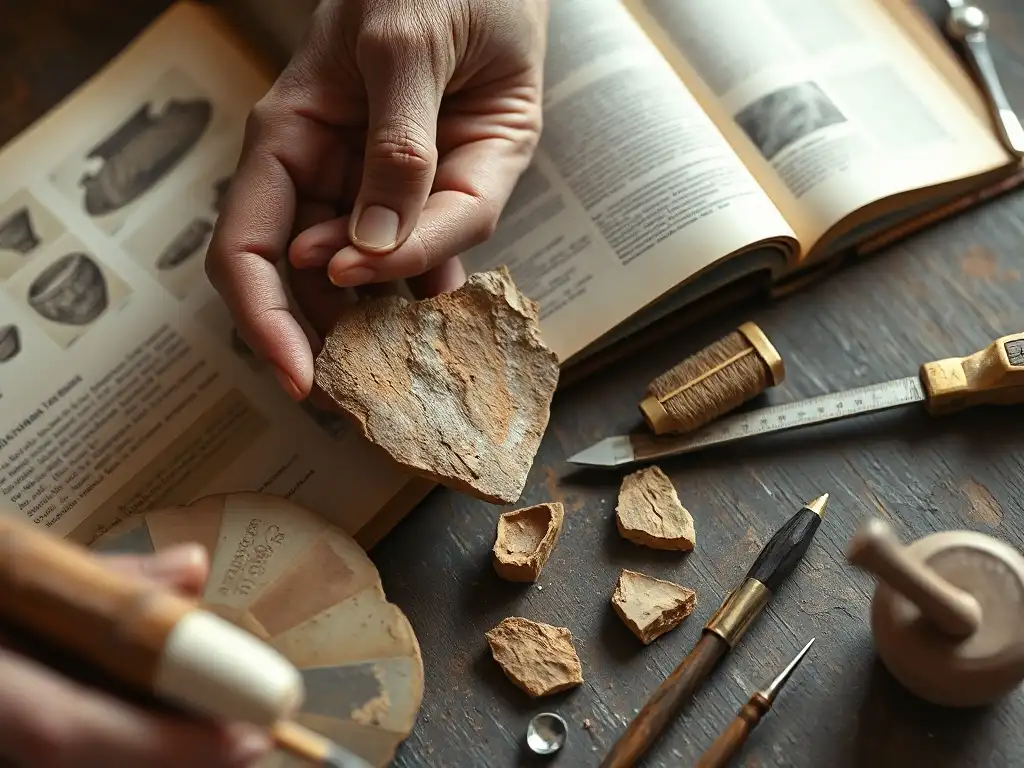
This section delves into the practical tools and resources available to aid in the authentication of Moche pottery. Accurate dating and identification require a multi-faceted approach, combining textual research with expert consultation and a keen eye for detail. Mastering these methods significantly improves the chances of distinguishing genuine Moche pieces from modern reproductions or forgeries. This is crucial when dealing with the high value and historical significance associated with authentic Moche pottery dating techniques.
Recommended Books on Moche Pottery
Understanding Moche pottery requires in-depth knowledge of its stylistic evolution, technological processes, and the cultural context in which it was created. Several excellent resources provide this crucial information. While I can't provide direct links here, I can suggest titles that are widely considered essential reading for serious collectors and researchers:
- "The Art of Moche: Visual Culture from the Ancient Andes": This book (and others with similar titles) offers detailed analyses of Moche artistic styles, iconography, and technological innovations. Look for publications from reputable academic presses or museums. Pay attention to the publication date—newer editions often incorporate the latest research and discoveries. Thorough visual guides showing a wide range of Moche pottery styles are invaluable.
- Specialized Monographs on Moche Pottery Techniques: Seek out books focusing specifically on the manufacturing processes, such as slip application, pigment use, and firing techniques. These technical details are often crucial for identifying authentic Moche pieces. These books frequently contain detailed photographic analyses, enabling comparisons with potential acquisitions.
- Regional Studies of Moche Sites: Books focusing on specific Moche sites (e.g., Huaca del Sol y de la Luna) provide valuable context. Understanding the variations in style and technology across different regions and time periods is essential for accurate dating and provenance assessment.
Online Databases and Repositories for Moche Art
The digital age has revolutionized access to information on Moche pottery. Numerous online databases and digital repositories offer high-resolution images and detailed descriptions of authenticated Moche artifacts. These resources are invaluable for comparative analysis and for familiarizing oneself with the range of styles and variations found in genuine Moche pottery. Remember to always critically evaluate the source of the information.
- The Metropolitan Museum of Art Collection: The Met's online collection provides access to images and information on a significant number of Moche artifacts. Their detailed descriptions and high-quality images are essential for comparative analysis. Explore similar databases maintained by other major museums worldwide specializing in pre-Columbian art. Look for databases that provide detailed provenance information whenever possible. This information is crucial in establishing authenticity.
Consulting with Experts in Andean Archaeology
While books and online resources are invaluable, consulting with experts remains a critical component of authenticating Moche pottery. Their experience and in-depth knowledge of Moche culture and technology provide an unparalleled level of expertise.
- University Research Departments: Many universities with strong archaeology departments have faculty specializing in Andean civilizations. Contacting these departments may lead you to researchers who can provide expert opinions. Be prepared to provide detailed information about the piece in question, including high-quality photographs from multiple angles.
- Reputable Archaeological Consultants: Independent archaeological consultants with expertise in Andean artifacts can offer authentication services. However, always verify their credentials and experience carefully. Be wary of individuals lacking proper qualifications or those offering overly simplistic authentication methods. A thorough examination, potentially including scientific analysis like thermoluminescence dating, is often necessary for definitive authentication. This process may be costly but is often worth the investment for high-value pieces. Remember, securing expertise is an investment in preserving and understanding cultural heritage, and is a valuable tool for responsible acquisition of Moche pottery.
Case Studies: Identifying Genuine Moche Artifacts
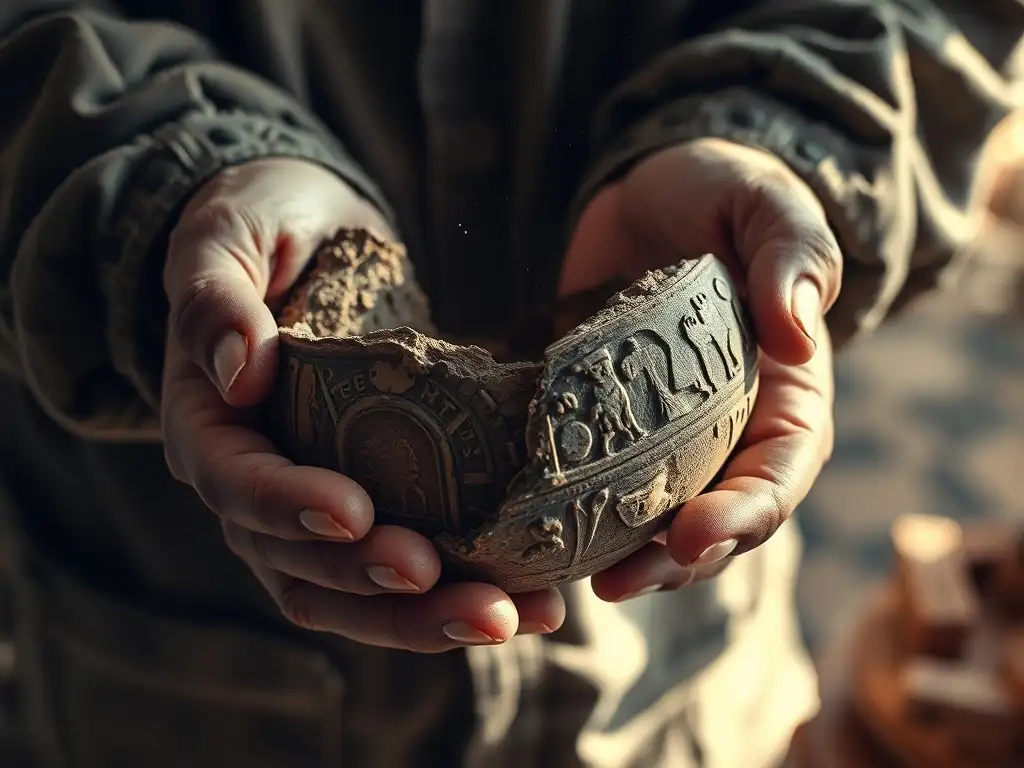
This section delves into specific examples of Moche pottery analysis, showcasing the application of various Moche pottery dating techniques and highlighting the importance of contextual information in authentication. We'll examine how different methods are used to determine authenticity and age, emphasizing the intricate details that distinguish genuine Moche artifacts from modern forgeries.
Case Study 1: A Stirrup Spout Vessel with Detailed Iconography Analyzed Through TL Dating
Thermoluminescence (TL) dating is a powerful tool in Moche pottery dating techniques. This method measures the accumulated radiation absorbed by the clay over time. By heating the ceramic sample, the stored energy is released as light, the intensity of which is directly proportional to the age of the artifact. Consider a hypothetical stirrup spout vessel, a classic Moche form, adorned with intricate iconography depicting a mythical feline deity.
The vessel's intricate detailing — the precise rendering of the feline's features, the stylistic conventions of its posture, and the use of specific pigments – strongly suggests a genuine Moche origin. However, visual inspection alone isn't sufficient for definitive authentication. To confirm its age and authenticity, a small sample was subjected to TL dating. The results indicated an age consistent with the Classic Moche period (circa 100-800 CE), corroborating the stylistic analysis and confirming the artifact's authenticity.
The margin of error in this specific TL dating was ± 50 years, a typical range for this technique when applied to ceramics. This precision allows for a relatively narrow dating window, further bolstering the authenticity claim. The process reinforces the importance of combining stylistic analysis with scientific methods for a comprehensive assessment of Moche artifacts.
Case Study 2: A Moche Portrait Vessel Examined for Consistent Clay Composition and Slip Characteristics
Another crucial aspect of Moche pottery dating techniques involves analyzing the clay composition and slip characteristics. Moche artisans sourced their clay from specific geological locations, resulting in unique mineral compositions. Variations in clay type, texture, and the application of slip (a liquid clay coating) can help distinguish genuine Moche pieces from imitations.
Let's examine a Moche portrait vessel. Authentic Moche portrait vessels are renowned for their realistic depictions of individuals, often elites or dignitaries. This particular vessel exhibits a strikingly lifelike portrayal, but its authenticity needs verification. Petrographic analysis – examining the thin sections of the clay under a microscope – revealed a specific mineral composition consistent with known Moche clay sources in the Chicama Valley.
Furthermore, analysis of the slip revealed a consistent application and composition, typical of Moche techniques. The absence of modern additives or inconsistencies in the clay and slip strongly suggests that the vessel is authentic. The meticulous examination of these minute details is vital in distinguishing genuine Moche pottery from modern reproductions, where inconsistencies in clay composition and slip application are often evident. This case highlights the value of scientific analysis in complementing stylistic assessment for effective Moche pottery dating.
The Importance of Context: Understanding where Moche Pottery is Found
The provenance—where an artifact is found—is a critical factor in Moche pottery dating techniques and authentication. Genuine Moche pottery is typically discovered within specific geographical regions and archaeological contexts. Artifacts unearthed in scientifically excavated Moche sites, such as Huaca del Sol y de la Luna or El Brujo, carry significantly more weight in terms of authenticity. The careful recording of the artifact's location, associated finds (other artifacts, human remains, etc. ), and stratigraphic layer (its position within the archaeological deposit) provides crucial contextual information.
Conversely, Moche pottery found in areas far removed from known Moche settlements or in unscientific contexts raises significant doubts about its authenticity. The discovery of a purported Moche piece in a modern market, for instance, should trigger heightened scrutiny. This contextual information isn't just about geographic location; it's also about the circumstances of its discovery.
A lack of proper documentation or provenance severely undermines the claim of authenticity. Therefore, understanding the context surrounding the discovery of a Moche artifact is as crucial as any scientific analysis in determining its genuineness. The combination of scientific analysis and contextual information provides the most robust approach to Moche pottery dating and authentication, ensuring the preservation and understanding of this rich cultural heritage.
Recognizing Potential Red Flags: Identifying Fake Moche Pottery
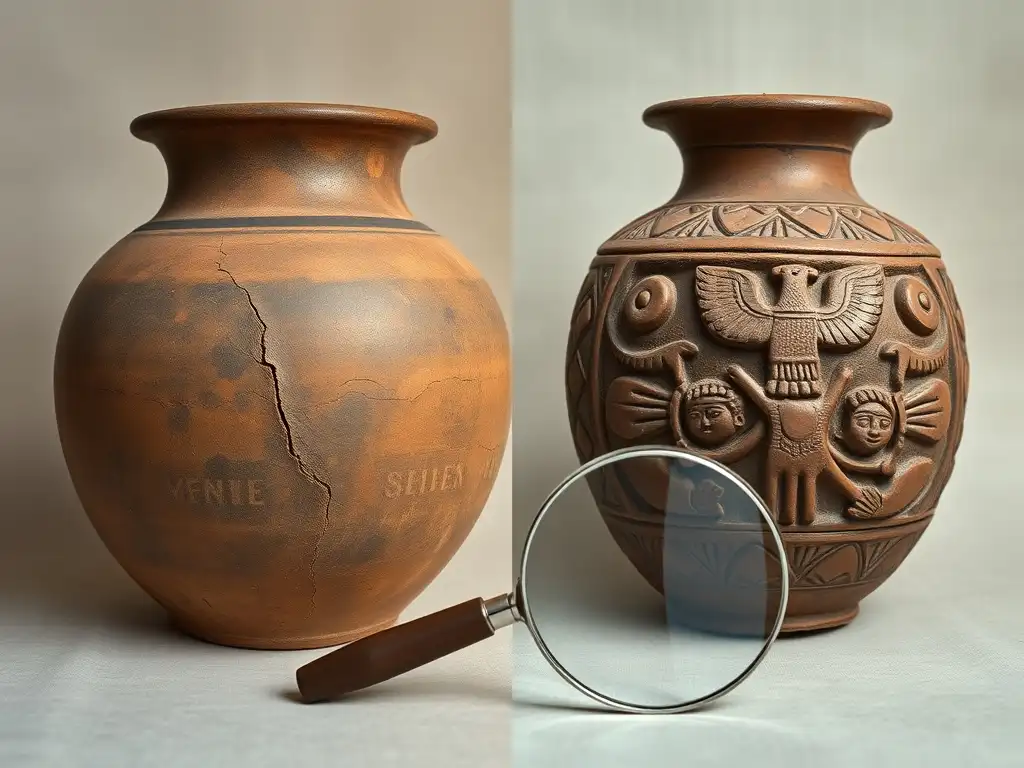
The allure of authentic Moche pottery attracts collectors and enthusiasts worldwide. Unfortunately, this demand fuels a market for forgeries, making the ability to distinguish genuine artifacts from imitations crucial. Mastering Moche pottery dating techniques is a critical aspect of this process, but it's only one piece of the puzzle. Careful observation of several key factors can significantly improve your chances of acquiring a genuine piece. This section focuses on recognizing potential red flags that indicate a piece might be a reproduction rather than a genuine artifact.
Warning Signs: Unusual Materials and Techniques
One of the most effective Moche pottery dating techniques relies on analyzing the clay itself. Genuine Moche pottery typically utilizes local clays, exhibiting specific mineral compositions and textures unique to the coastal regions of northern Peru. Counterfeiters often use readily available clays that lack these characteristic properties. Look for inconsistencies in the clay's color, texture, and overall homogeneity. Genuine Moche pieces often show subtle variations in color and texture, reflecting the natural characteristics of the clay used. A perfectly uniform color or texture across the entire piece should raise suspicion.
Furthermore, examine the firing techniques. Moche potters employed specific methods, leaving behind characteristic marks and imperfections. These include subtle variations in firing temperature, resulting in uneven coloration or slight warping. Perfectly uniform firing, absent of any minor imperfections, is indicative of modern kiln techniques and not traditional Moche practices. The presence of excessively glossy or unnatural finishes also suggests modern intervention, as traditional Moche finishes were more matte and earthy. Analyzing the surface for signs of over-polishing or unnatural sheen is another crucial step in your assessment.
Common Forgeries and How to Spot Them: Modern Paint Application and Inconsistent Forms
Many forgeries attempt to mimic the vibrant colors and intricate designs characteristic of Moche pottery. However, modern paint applications often lack the subtlety and depth of ancient pigments. Examine the paint closely. Genuine Moche pigments were often applied in multiple layers, creating a sense of depth and luminosity.
Modern reproductions often exhibit a flat, opaque quality, lacking this subtle layering. Look for sharp, defined lines that are too precise; Moche artists typically used a freer, more organic style. The use of synthetic pigments, easily detected with advanced analysis, is a significant indicator of forgery. Moche pottery dating techniques involving pigment analysis can be highly effective in this context.
Beyond paint, the overall form of the piece is essential. Moche potters were masters of their craft, demonstrating precision and skill in shaping their vessels. Inconsistent forms, poorly executed details, or a lack of the characteristic elegance are common flaws in forgeries.
Observe the vessel's shape, paying close attention to the consistency of its curves, the precision of its features, and the overall balance of its design. A lack of refinement in these aspects suggests a modern replication lacking the artistry of the original craftsmen. The asymmetry and imperfections present in many genuine pieces are often absent in forgeries, which aim for a flawless appearance.
The Importance of Reputable Sources and Dealers
While employing Moche pottery dating techniques and carefully examining the artifact itself are crucial, the source of acquisition is equally important. Purchasing from reputable dealers and auction houses with established expertise in ancient artifacts significantly reduces the risk of acquiring a forgery. These institutions often have rigorous authentication processes and provide provenance documentation tracing the artifact's history. In contrast, buying from unknown vendors or online marketplaces carries a significantly higher risk.
Due diligence in verifying the seller's reputation and requesting detailed provenance information is paramount. Remember, a seemingly convincing piece obtained from an untrustworthy source is far less likely to be authentic than a piece with a clear and verifiable history, even if it presents minor imperfections. The combination of careful examination and a trustworthy source dramatically improves your chances of acquiring genuine and historically significant Moche pottery.
Conclusion: Appreciating the Legacy of Moche Ceramics
The meticulous application of Moche pottery dating techniques allows us to not only establish the chronology of these remarkable artifacts but also to gain a deeper understanding of the socio-political dynamics, artistic innovations, and daily lives of the Moche people. By carefully analyzing the stylistic features, technological advancements, and the chemical composition of the clay itself, researchers piece together a vibrant tapestry of Moche history. The enduring appeal of Moche pottery transcends its aesthetic beauty; it serves as a tangible link to a sophisticated and complex civilization that thrived centuries ago.
Each piece unearthed, meticulously dated, and carefully preserved, offers a unique glimpse into a fascinating past. Understanding the methods used to date these pieces is crucial for maintaining the integrity and accuracy of our historical narratives. The precision of these techniques ensures that future generations can continue to appreciate and learn from the legacy of the Moche.
The Enduring Value of Moche Pottery
Moche pottery holds immense value, extending beyond its archaeological significance. The vibrant colors, intricate designs, and unique depictions of daily life and mythology continue to capture the imagination of art enthusiasts and historians alike. The enduring appeal of these pieces is evident in their continued presence in museums and private collections worldwide.
The economic value of authentic Moche pottery is also substantial, making it a target for forgers and counterfeiters. Therefore, the accurate dating of Moche pottery is not only crucial for historical research but also vital for combating the illegal trade in these invaluable artifacts. Proper dating allows for informed assessment of authenticity and protects the cultural heritage of Peru.
The sophisticated techniques used in creating the pottery, combined with the rich symbolism and artistic skill displayed, contribute to their high monetary and cultural worth. This, in turn, underscores the importance of continued research into Moche pottery dating techniques. The economic impact of this research extends beyond the academic sphere, impacting the art market, tourism, and cultural preservation efforts.
Continuing the Study of Moche Civilization through its Artifacts
The study of Moche pottery dating techniques is far from over. Ongoing research continues to refine existing methods and explore new avenues for analyzing these artifacts. Advancements in scientific technology, such as advanced imaging techniques and isotopic analysis, are constantly being integrated into the dating process, enhancing accuracy and precision.
This ongoing research not only improves our understanding of Moche chronology but also provides insights into the broader context of Andean civilization. By comparing dating results with other archaeological evidence, such as architectural remains and textual sources (where available), researchers build a more complete picture of the Moche world. Furthermore, the study of Moche pottery continues to provide valuable information about the materials and technologies used by the Moche, contributing to our understanding of their technological advancements and resource management strategies.
The meticulous study of these artifacts will continue to shed light on the fascinating and complex history of the Moche civilization for years to come. The ongoing refinement of Moche pottery dating techniques ensures a more accurate and nuanced understanding of this significant Andean culture.
Frequently Asked Questions
How can I tell if a piece of Moche pottery is authentic?
Authenticating Moche pottery requires expert examination. Look for consistent surface texture, typical stylistic elements, and the absence of modern manufacturing marks. Scientific analysis might be necessary for definitive verification.
What dating techniques are used for Moche pottery?
Several techniques determine the age of Moche pottery, including thermoluminescence dating, radiocarbon dating (of organic materials found with the pottery), and stylistic analysis comparing it to known dated pieces. Contextual analysis from the excavation site is also crucial.
What is the typical timeframe for Moche pottery?
Moche pottery's creation spans approximately from 100 CE to 800 CE. However, stylistic variations within this period allow for more precise dating of individual pieces. Specific dating depends on the techniques used and the piece's characteristics.
Where can I find reliable information on Moche pottery dating techniques?
Scholarly articles and books on Andean archaeology are excellent resources. Reputable museum websites and academic databases provide in-depth information on dating methodologies. Consult experts in the field for accurate analysis.
Why is accurate dating of Moche pottery important?
Accurate dating helps understand the evolution of Moche culture and artistic styles. It provides insights into trade networks, social structures, and ritual practices. It also helps combat the illegal trade of artifacts.
Final Reflection: The Enduring Legacy of Moche Time
The meticulous study of Moche ceramics isn't just about assigning dates; it's about unlocking a vibrant past and understanding the enduring power of artistic expression. The techniques we've explored, from stylistic analysis to scientific dating, offer a window into a civilization that, despite its distance in time, continues to resonate with us today. The precision and artistry of these ancient objects challenge our modern sensibilities and remind us of the enduring human need for creative expression.
The impact of Moche pottery extends far beyond the realm of archaeology; it speaks to our shared human experience of creating and leaving a legacy. The intricate details, the vibrant colors, the sheer skill involved in their creation—these elements transcend time and culture. The past is never dead. It's not even past.
– William Faulkner. This quote perfectly encapsulates the enduring relevance of Moche pottery; it continues to speak to us, to teach us, and to inspire us, even centuries after its creation. The ongoing research and refinement of dating techniques ensure that this voice continues to be heard, growing clearer with each new discovery.
Consider, for a moment, the weight of history held within each shard, each perfectly formed vessel. What stories do they whisper? What lives did they witness? You, the reader, now hold a piece of that knowledge. I encourage you to delve deeper, to explore the resources available, and to continue the conversation surrounding Moche pottery and its dating. Let the texture of time, as revealed through these remarkable artifacts, inspire your own journey of discovery and appreciation for the rich tapestry of human history.
Unveil the Fascinating World of Moche Ceramics!
Thank you for exploring the rich history and artistry of Moche ceramics. You've discovered how these ancient artifacts tell compelling stories of culture, resilience, and creativity. Let's build on that!
Here are some ways to further connect with this captivating art form:
- Visit local museums and galleries showcasing Moche or similar pre-Columbian Andean artifacts to experience the remarkable craftsmanship firsthand.
- Share your newfound knowledge of Moche ceramics with friends and family, or spark online discussions about this important cultural heritage.
- Join a local archaeology club or participate in pottery workshops to learn ancient techniques and perhaps even try your hand at creating your own ceramics!
What new appreciation for Moche culture will you take with you today?