
Decoding Moche Pottery: Unveiling the Secrets of Authenticity

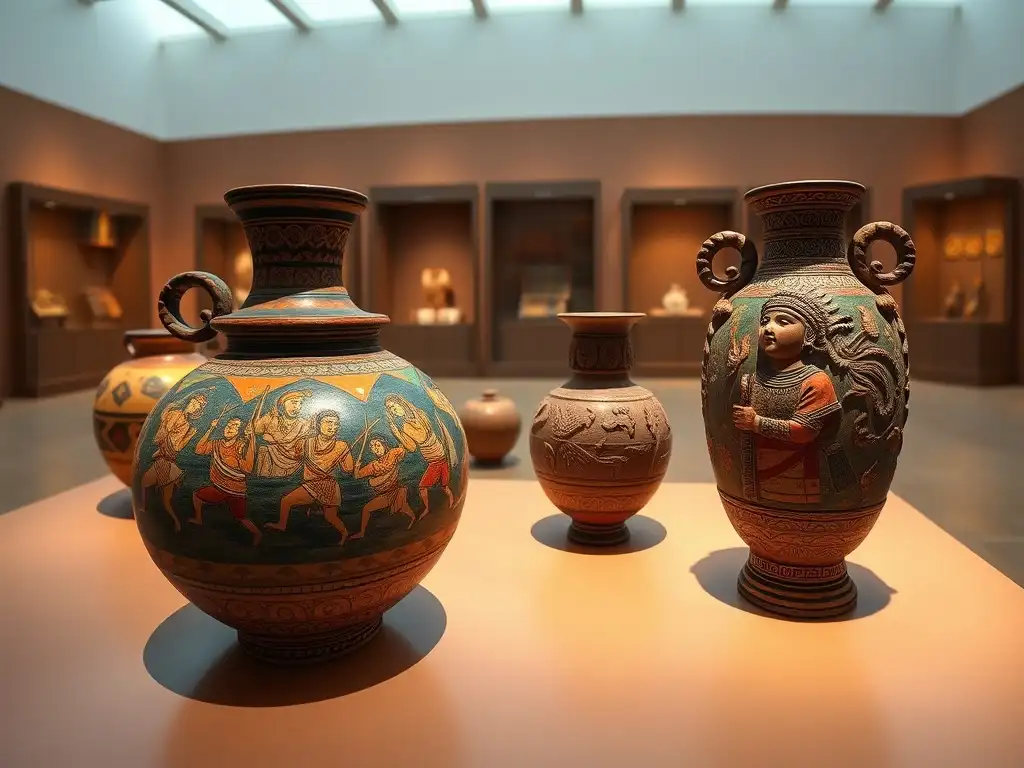
Step into a world lost to time, yet echoing with vibrant life. Imagine the intricate artistry of the ancient Andes, where civilizations like the Incas, Moche, Nazca, and Tiahuanaco flourished. But how do we truly distinguish the genuine from the imitation? This website delves into the fascinating tapestry of Andean cultures, beginning with a crucial exploration of Moche pottery authenticity analysis. Uncover the secrets hidden within these ancient vessels – prepare to be amazed.
- Decoding Moche Pottery: A Guide to Authenticity Analysis
-
Step-by-Step Guide to Moche Pottery Authenticity Analysis
- Step 1: Visual Inspection - Examining the Form and Decoration
- Key Moche Pottery Forms: Stirrup Spout Vessels, Portrait Jars, and Figurines
- Identifying Common Decorative Motifs: Geometric Patterns, Mythological Figures, and Ritual Scenes
- Analyzing the Paint and Slip: Color Consistency and Application Techniques
- Step 2: Material Analysis - Identifying the Clay Composition
- The Importance of Analyzing the Clay Body
- Using Tools for Material Analysis: X-ray Fluorescence (XRF) and Petrographic Microscopy
- Understanding the Properties of Moche Clay: Mineral Content and Firing Techniques
- Step 3: Stylistic Analysis - Recognizing Authentic Moche Art
- Understanding Moche Artistic Conventions and Chronology
- Comparing the Piece to Known Authentic Examples from Reputable Collections and Publications
- Recognizing Stylistic Variations Within Different Moche Phases
- Step 4: Provenance and Documentation - Researching the History of the Piece
- The Importance of Provenance in Determining Authenticity
- Examining Documentation: Export Permits and Provenance Records
- Researching the History of the Piece through Reputable Auction Houses and Archaeological Databases
- Utilizing Reputable Services like the Art Loss Register for Verification
- Tools and Resources for Moche Pottery Authenticity Analysis
- Conclusion: Protecting the Legacy of Moche Culture
- Frequently Asked Questions
- Final Reflection: The Enduring Legacy of Moche Pottery
- Unveil the Mysteries of Moche Pottery Today!
Decoding Moche Pottery: A Guide to Authenticity Analysis
Moche pottery, renowned for its vibrant colors, intricate designs, and unparalleled artistry, stands as a testament to the sophisticated culture of the ancient Moche civilization (circa 100-800 CE) of northern Peru. The enduring appeal of these ceramics, however, has unfortunately fueled a significant market for forgeries.
This comprehensive guide delves into the crucial aspects of Moche pottery authenticity analysis, equipping collectors, enthusiasts, and researchers with the knowledge to distinguish genuine artifacts from expertly crafted imitations. Understanding the nuances of Moche pottery authenticity is not merely about financial investment; it's about preserving the integrity of a remarkable cultural heritage and ensuring that future generations can appreciate the true artistry of this ancient civilization.
This analysis will equip you with the tools to navigate the complexities of the market and make informed decisions about Moche pottery acquisitions. We will explore key characteristics, common forgery techniques, and the vital role of expert examination in determining authenticity.
Introduction: Why Moche Pottery Authenticity Matters
The booming market for ancient artifacts, including Moche pottery, has unfortunately led to a surge in forgeries. Determining the authenticity of a piece is paramount for several reasons. Firstly, the acquisition of a fake piece represents a significant financial loss.
Secondly, and perhaps more importantly, the proliferation of forgeries undermines the efforts to preserve and study genuine Moche artifacts, potentially hindering our understanding of this fascinating culture. The value of a genuine Moche piece extends beyond its monetary worth; it represents a direct connection to a rich history, providing invaluable insights into the Moche people's beliefs, rituals, and daily life. Distinguishing authentic Moche pottery from reproductions is therefore not just a matter of connoisseurship, but a crucial step in safeguarding cultural heritage.
The consequences of acquiring a fake piece can range from disappointment and financial loss to contributing to the unethical trade in illicit antiquities. This section will lay the groundwork for a deeper understanding of why verifying authenticity is crucial in the world of Moche pottery. We'll explore the ethical considerations and the broader impact of the forgery trade.
Understanding the Significance of Genuine Moche Artifacts
Genuine Moche pottery offers a unique window into the past, providing irreplaceable insights into the social structures, religious beliefs, and artistic capabilities of the Moche civilization. The intricate details depicted on these vessels often portray scenes of daily life, warfare, religious ceremonies, and mythical creatures, offering a rich tapestry of information unavailable through other sources. These artifacts are not mere decorative objects; they are primary sources providing tangible evidence of a sophisticated and complex society.
For example, the depiction of specific flora and fauna on Moche pottery can help researchers understand the environment and agricultural practices of the time. Similarly, the portrayal of rituals and ceremonies illuminates the religious beliefs and social hierarchies of the Moche people. The stylistic variations across different Moche pottery types and regions also reveal valuable information about trade networks and cultural exchange.
The study of genuine Moche pottery is therefore essential for a comprehensive understanding of this significant pre-Columbian civilization. The preservation and study of these artifacts are crucial for accurate historical reconstruction and a nuanced appreciation of Moche culture.
The Allure and Value of Ancient Moche Ceramics
The enduring appeal of Moche pottery stems from a combination of factors: its striking aesthetic qualities, its historical significance, and its inherent rarity. The vibrant colors, often achieved through the use of sophisticated pigments and firing techniques, are remarkably well-preserved, creating visually stunning pieces even after centuries. The intricate detail and mastery of form exhibited in Moche pottery are unparalleled in pre-Columbian art.
Beyond their visual appeal, these artifacts possess considerable historical and cultural value, providing invaluable insights into the Moche civilization. The rarity of genuine Moche pottery further contributes to its high value. The scarcity of well-preserved pieces, coupled with the increasing demand from collectors and museums, drives up prices, making it crucial to ensure the authenticity of any potential acquisition.
This section will delve into the specific aspects that make Moche pottery so desirable, examining the factors that contribute to its value and the importance of responsible collecting practices. We'll discuss the role of provenance and the ethical considerations related to acquiring and owning ancient artifacts.
The Rise of Moche Pottery Replicas and Forgeries
The increasing popularity of Moche pottery as collector's items has unfortunately fueled a parallel rise in the creation and distribution of replicas and forgeries. These counterfeit pieces range from crude imitations easily spotted by the untrained eye to incredibly sophisticated reproductions that can even fool seasoned experts. The motivations behind this forgery are primarily economic – the high market value of authentic Moche pottery creates a lucrative incentive for unscrupulous individuals and groups.
This market demand has led to a complex network of production, often involving workshops specializing in replicating specific styles and techniques. The scale of this operation varies; some involve small-scale artisans creating a few pieces, while others are large-scale operations producing hundreds, if not thousands, of forgeries annually.
This makes identifying genuine pieces a crucial skill for collectors, museums, and anyone involved in the Andean artifact market. The sophistication of modern forgery techniques underscores the need for advanced authentication methods, moving beyond simple visual inspection.
The proliferation of these forgeries has a significant impact on the cultural heritage of Peru and the global art market. Not only does it undermine the value of authentic Moche pottery, but it also contributes to the erosion of trust within the collecting community. Collectors risk substantial financial losses if they unknowingly purchase a forgery, and museums face the challenge of maintaining the integrity of their collections.
Moreover, the trade in forgeries fuels illicit activities, potentially linked to other forms of cultural appropriation and theft. Understanding the methods used to create these forgeries is crucial to developing effective strategies for authentication and combating this illicit trade. The sheer volume of forgeries produced highlights the need for continuous research and development in Moche pottery authentication techniques.
Furthermore, the rise of online marketplaces has exacerbated the problem. The ease of selling and buying artifacts online, without the benefit of direct physical inspection, makes it easier for forgeries to enter the market undetected. This has led to a growing need for online resources and educational materials to help collectors identify authentic Moche pottery and navigate the risks associated with online purchases.
The lack of regulation in some online marketplaces also contributes to the problem, making it challenging to track and prosecute those involved in the production and distribution of forgeries. Therefore, collaboration between law enforcement agencies, collectors, and experts in the field is essential to combat the spread of Moche pottery forgeries and protect Peru's cultural heritage. The ongoing battle against forgery necessitates a multi-pronged approach encompassing education, technology, and international cooperation.
Step-by-Step Guide to Moche Pottery Authenticity Analysis
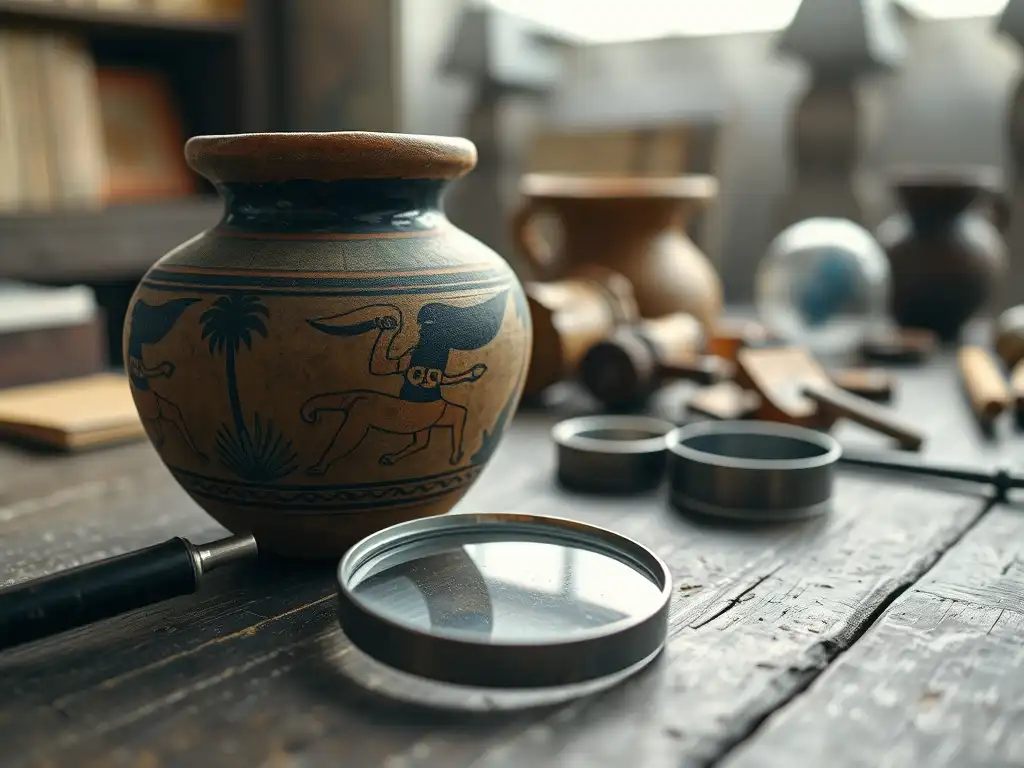
This section provides a detailed, step-by-step guide for analyzing the authenticity of Moche pottery. Understanding the nuances of Moche artistry is crucial for discerning genuine pieces from modern reproductions or forgeries. This process requires careful observation, a keen eye for detail, and a foundational understanding of Moche artistic conventions. This guide will equip you with the tools to confidently assess the authenticity of Moche pottery, enhancing your appreciation and understanding of this remarkable ancient civilization. Effective Moche pottery authenticity analysis requires a multi-faceted approach.
Step 1: Visual Inspection - Examining the Form and Decoration
The initial step in Moche pottery authenticity analysis involves a thorough visual inspection. This focuses on the overall form of the piece and the intricacies of its decoration. Authentic Moche pottery exhibits a unique combination of stylistic elements, reflecting the advanced ceramic techniques and artistic sensibilities of the culture. Pay close attention to the vessel's shape, its surface texture, and the quality of its decoration. Are the lines crisp and precise, or blurry and uneven?
Does the piece feel heavy and substantial, or lightweight and flimsy? These subtle details can reveal much about its origin and age. Consider the overall "feel" of the piece – does it possess a certain presence and vitality that speaks to its age and craftsmanship? A genuine Moche piece often exudes a sense of history and artistry that is difficult to replicate. Remember, even minor inconsistencies can be significant indicators.
Key Moche Pottery Forms: Stirrup Spout Vessels, Portrait Jars, and Figurines
Moche potters were masters of their craft, producing a diverse range of ceramic forms. Recognizing these key forms is essential for Moche pottery authenticity analysis. Some of the most iconic include:
- Stirrup-spout vessels: These distinctive vessels are characterized by their unique spout, shaped like a stirrup, which is often intricately decorated. Authentic stirrup spouts generally exhibit a high degree of precision in their construction and decoration. Look for subtle variations in the spout's shape and the overall balance of the vessel. Are the lines flowing and natural, or stiff and unnatural?
- Portrait jars: These jars depict realistic or stylized human faces, often with remarkable detail and expressiveness. The quality of the portraiture is a key indicator of authenticity. Examine the features carefully – are they finely rendered, or crudely executed? Are the expressions convincing and lifelike, or flat and lifeless? Note the use of color and shading to create depth and dimension.
- Figurines: Moche potters also created a variety of figurines, depicting humans, animals, and mythological beings. These figurines often exhibit a high level of anatomical accuracy and stylistic refinement. Look for details like accurate proportions, expressive postures, and carefully rendered features. The level of detail and the overall quality of the execution are crucial indicators of authenticity. Consider the figurine's posture and any added accessories; these are often telling signs of authenticity.
Identifying Common Decorative Motifs: Geometric Patterns, Mythological Figures, and Ritual Scenes
The decorative motifs on Moche pottery are another crucial aspect of Moche pottery authenticity analysis. Moche artists employed a wide range of motifs, including geometric patterns, mythological figures, and depictions of ritual scenes. These motifs are often intricately rendered and highly symbolic, reflecting the rich religious and cultural beliefs of the Moche people.
- Geometric Patterns: Moche pottery frequently features geometric patterns, such as triangles, zigzags, and spirals. These patterns are often meticulously executed and may incorporate multiple colors and shades. Examine the precision and consistency of the patterns. Are the lines straight and even, or wobbly and inconsistent?
- Mythological Figures: Many Moche vessels depict mythological figures, often associated with deities, ancestors, or shamanistic practices. These figures often exhibit distinctive features and symbolic attributes. Examine the details of the figures carefully – are they accurately rendered, or are they simplified and generic?
- Ritual Scenes: Some Moche vessels depict scenes from rituals or ceremonies, providing valuable insights into the social and religious life of the Moche people. These scenes are often complex and richly detailed, requiring careful observation and interpretation. Look for the level of narrative detail and the overall coherence of the scene. Authentic scenes will have a level of complexity that is difficult to reproduce.
Careful examination of these aspects – form, decoration, and motifs – combined with an understanding of Moche artistic conventions, provides a solid foundation for determining the authenticity of Moche pottery. Remember that a holistic approach, considering all the elements in concert, is essential for reaching a well-informed conclusion. The more details you observe and analyze, the more confident your assessment will be.
Analyzing the Paint and Slip: Color Consistency and Application Techniques
Moche pottery is renowned for its vibrant and diverse palette, a key element in assessing authenticity. Analyzing the paint and slip—the liquid clay coating applied before painting—is crucial for determining genuineness. Authentic Moche pieces often exhibit a remarkable consistency in color within a single piece, even across complex scenes. Variations exist, of course, reflecting the natural variations in pigments, but these should appear subtle and harmonious, not jarring or haphazard. Crude, uneven application of paint is a major red flag. Look for smooth, even coverage that doesn't obscure the underlying clay texture excessively.
Authentic Moche artisans employed sophisticated techniques, often using multiple layers of slip and paint to achieve depth and luminosity. These layers, if present, should be clearly visible under close examination, revealing meticulous craftsmanship. Conversely, poorly executed fakes may show blotchy coloring, visible brushstrokes, or a lack of depth in the painted designs. The pigments themselves offer clues. Authentic Moche pottery typically utilized natural pigments derived from minerals and plants, resulting in a certain level of subtlety and variation in hue. Bright, overly saturated, or unnatural colors should raise concerns.
The application techniques also matter. Observe the lines and details; are they fluid, precise, and consistent with known Moche styles? Or are they hesitant, erratic, or showing signs of a less skilled hand? The presence of bleeding or smudging of colors could indicate a modern copy using inferior materials or techniques. Careful scrutiny of the paint and slip provides invaluable insights into the pottery's authenticity, allowing for a more informed assessment of its origin and age.
Step 2: Material Analysis - Identifying the Clay Composition
The clay used in Moche pottery is another critical aspect of authenticity analysis. Moche artisans sourced their clay locally, resulting in variations in composition depending on the specific region and time period. Therefore, determining the clay's composition through scientific methods, such as X-ray fluorescence (XRF) analysis, can provide strong evidence of authenticity. XRF can identify the elemental composition of the clay body, allowing for comparison with known samples of authentic Moche pottery from specific regions. While not accessible to everyone, the results of such analysis can be a significant factor in verifying authenticity when available.
Even a visual examination can provide clues. Authentic Moche clay often has a specific texture and color, influenced by the minerals present. Look for a characteristic texture, which can range from fine and smooth to slightly coarse depending on the specific clay type and firing process. The color of the clay body itself, before the slip and paint are applied, can also provide insights.
While the exact color varies, it's often a muted earth tone, ranging from light beige to reddish-brown, and rarely vibrant or unnatural. The presence of inclusions, such as small pieces of rock or other materials within the clay, can also be indicative of authenticity. These inclusions are often natural and randomly distributed, unlike the more uniform appearance of clay used in modern reproductions. Careful observation of the clay body can offer crucial information in conjunction with other analytical methods.
The Importance of Analyzing the Clay Body
The clay body is not merely a support for the painted designs; it's an integral part of the artifact's history and a key element in evaluating Moche pottery authenticity. Analyzing the clay provides crucial information beyond the visual appeal of the painted surface. The mineralogical composition of the clay reveals the geographical origin of the material, a critical factor in determining if the piece originates from the Moche region and time period.
This analysis helps differentiate genuine Moche pottery from modern forgeries, which often utilize commercially available clays readily available worldwide, resulting in different chemical compositions. Furthermore, studying the firing techniques reflected in the clay body provides insights into the craftsmanship and technology of the artisans. Authentic Moche pottery typically exhibits evidence of specific firing processes, detectable through microscopic examination or advanced techniques like thermo-luminescence dating.
These processes often leave characteristic marks or alterations in the clay's structure, distinguishing them from modern imitations. Understanding the clay body's properties is essential for differentiating authentic Moche pottery from modern reproductions, which might use different clays, firing techniques, and overall manufacturing processes. The analysis of the clay body, therefore, complements visual analysis and provides a more comprehensive understanding of the artifact's provenance and authenticity, contributing significantly to the overall "Moche pottery authenticity analysis".
Using Tools for Material Analysis: X-ray Fluorescence (XRF) and Petrographic Microscopy
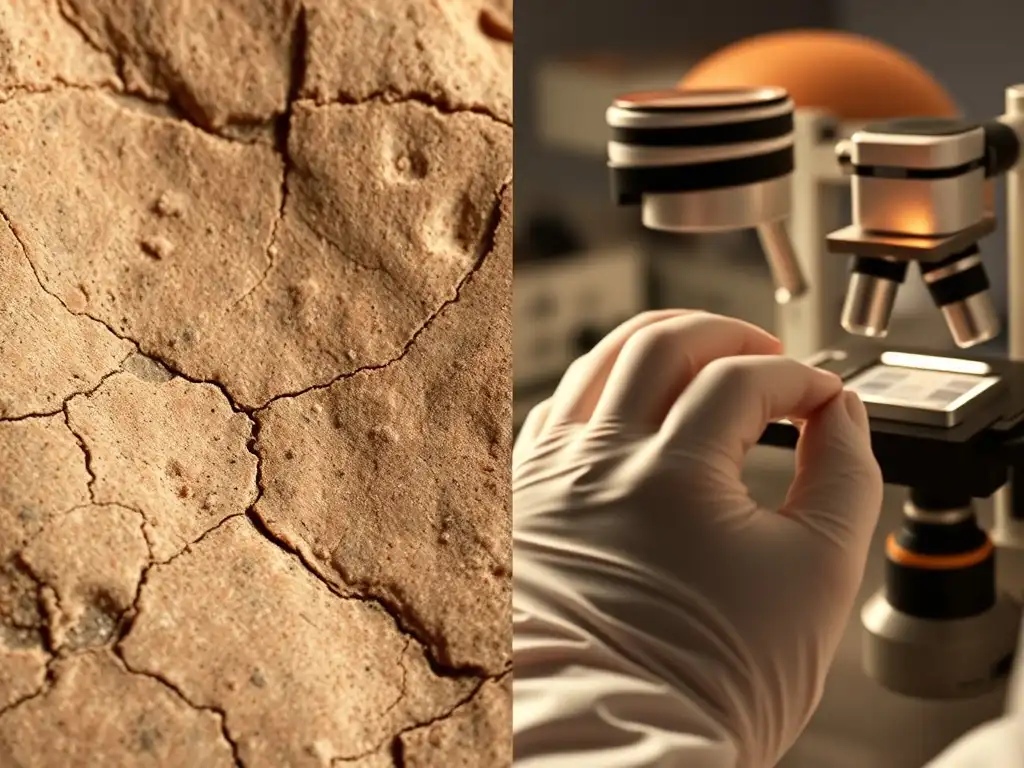
X-ray fluorescence (XRF) spectroscopy is a non-destructive technique invaluable in Moche pottery authenticity analysis. This method allows researchers to determine the elemental composition of the clay used in the pottery. By analyzing the precise ratios of elements like silicon, aluminum, iron, and titanium, experts can compare the sample to known Moche clay sources. Variations in these ratios can indicate a piece is not authentic, originating from a different region or time period.
For example, a significant deviation in the silicon-to-aluminum ratio compared to established Moche pottery profiles might suggest a modern forgery. The precision offered by XRF allows for a highly detailed comparison, providing strong evidence supporting or refuting authenticity. Furthermore, the non-destructive nature of XRF is crucial for preserving the integrity of valuable archaeological artifacts.
Petrographic microscopy offers another crucial layer to Moche pottery authenticity analysis. This technique involves examining thin sections of the pottery under a microscope to identify the minerals present in the clay body. The size, shape, and arrangement of these minerals can reveal crucial information about the clay's origin and the firing techniques employed. For instance, the presence of specific minerals unique to certain Andean regions can strongly support the claim of Moche origin.
Conversely, the absence of these minerals or the presence of minerals atypical of the Moche region could point towards a forgery. Petrographic microscopy also helps identify the presence of inclusions, such as quartz grains or volcanic fragments, which can be characteristic of specific Moche clay sources. Combining XRF and petrographic microscopy provides a robust and comprehensive material analysis, strengthening the conclusions regarding authenticity.
Understanding the Properties of Moche Clay: Mineral Content and Firing Techniques
Moche potters skillfully utilized local clays, resulting in distinct characteristics that are crucial for authenticity assessment. The mineral composition of Moche clay varies regionally, impacting the color, texture, and durability of the final product. Understanding these variations is paramount for discerning genuine artifacts. For example, clays from the northern coastal regions often exhibit a higher concentration of iron oxides, resulting in reddish-brown hues, while clays from other areas might produce paler or more varied colors. These subtle differences, detectable through techniques like XRF and petrographic microscopy, serve as important indicators of authenticity.
Furthermore, Moche firing techniques were sophisticated and varied. The temperature and duration of firing significantly influence the pottery's physical properties, such as hardness, porosity, and color. Analyzing the microstructure of the pottery through techniques like petrographic microscopy can reveal the firing conditions.
For instance, a lack of vitrification or the presence of unfired clay particles might indicate a less sophisticated firing process, inconsistent with Moche practices. Conversely, the presence of specific crystalline structures formed during high-temperature firing can provide strong evidence of authenticity. Careful examination of the clay's color, texture, and microstructure, combined with an understanding of Moche firing techniques, provides a strong foundation for evaluating a piece’s authenticity.
Step 3: Stylistic Analysis - Recognizing Authentic Moche Art
Stylistic analysis is a crucial step in Moche pottery authenticity analysis. This involves examining the artistic elements of the pottery, such as the motifs, iconography, and artistic techniques employed. Moche artists displayed remarkable skill and consistency in their artistic style, creating distinct patterns and iconographies. A deep understanding of these stylistic conventions is essential for identifying forgeries. For instance, the depiction of specific deities, mythical creatures, or scenes from daily life are characteristic of Moche art. Deviations from these established styles, such as unusual iconography or inconsistent artistic techniques, can raise serious doubts about a piece's authenticity.
Furthermore, the painting techniques used by Moche artists were highly refined. The application of pigments, the use of slips, and the overall quality of the painted surface are key indicators of authenticity. Forgeries often lack the finesse and precision of genuine Moche pottery. Analyzing the brushstrokes, the layering of pigments, and the overall aesthetic quality can reveal discrepancies that point to a modern fabrication.
A detailed examination of the artistic style, combined with a thorough understanding of Moche artistic conventions, is a critical component in determining the authenticity of a Moche pottery piece. Careful observation and a critical eye for detail are crucial in this step of the analysis, providing invaluable insights into the artwork's origin and age. This detailed approach, combining scientific analysis with artistic expertise, forms a comprehensive strategy for Moche pottery authenticity analysis.
Understanding Moche Artistic Conventions and Chronology
Moche pottery authenticity analysis hinges on a deep understanding of the artistic conventions and chronological development of Moche pottery. The Moche culture, flourishing along the northern coast of Peru from roughly 100 CE to 800 CE, wasn't monolithic. Their artistic styles evolved significantly across different phases, each characterized by unique iconography, vessel shapes, and painting techniques. Understanding this evolution is crucial for discerning genuine artifacts from modern forgeries.
For example, early Moche pottery (Early Intermediate Period) often features simpler designs and less refined techniques compared to the more elaborate and detailed work of the Classic Moche period. The depiction of specific deities, mythical creatures, and everyday scenes also changed over time. A thorough knowledge of these stylistic shifts, supported by archaeological evidence and scholarly publications, is essential for a reliable authenticity assessment.
Recognizing the evolution of color palettes is also vital; early pieces might utilize a more limited range of earth tones, while later pieces display a broader and more vibrant spectrum. Furthermore, understanding the typical sizes and shapes of vessels from different Moche phases helps in identifying anomalies that could indicate a forgery. Failure to account for these chronological changes can lead to misinterpretations and inaccurate assessments of authenticity.
Comparing the Piece to Known Authentic Examples from Reputable Collections and Publications
A key step in Moche pottery authenticity analysis involves comparing the piece under scrutiny to documented authentic examples. This comparative analysis should leverage reputable sources such as museum collections (e.g., the Larco Museum in Lima), scholarly publications, and established auction catalogs. Direct visual comparison is paramount – examining details such as the painting style, the quality of the clay, the presence of any manufacturing marks, and the overall craftsmanship.
High-quality photographs and detailed descriptions from these reputable sources provide a crucial benchmark against which to judge the authenticity of a suspected Moche piece. Discrepancies in painting style, the use of pigments, or the presence of unusual stylistic elements can be strong indicators of forgery. For instance, the use of modern pigments or painting techniques inconsistent with Moche practices is a significant red flag.
Furthermore, accessing detailed records of provenanced pieces—those with clear and documented origins—offers invaluable insights into the typical characteristics of authentic Moche pottery. This comparative approach, however, requires a discerning eye and a deep familiarity with the nuances of Moche artistic expression.
Recognizing Stylistic Variations Within Different Moche Phases
The Moche civilization wasn't artistically homogenous; distinct stylistic variations exist across different phases within the culture's timeline. Recognizing these variations is crucial for accurate Moche pottery authenticity analysis. For example, the Early Moche period (around 100-200 CE) is characterized by simpler designs, often focusing on geometric patterns and stylized representations of animals and plants. In contrast, the Classic Moche period (around 200-600 CE) showcases a dramatic increase in artistic complexity, with elaborate depictions of deities, warriors, and scenes from daily life.
The Late Moche period (around 600-800 CE) exhibits a gradual decline in artistic quality, often featuring less detailed designs and a simplification of previously intricate motifs. These stylistic shifts aren't abrupt; there's a degree of overlap and evolution between phases. However, understanding these broad stylistic trends allows for a more nuanced evaluation of a given piece.
For example, a piece exhibiting characteristics of both Early and Late Moche styles simultaneously would raise serious questions about its authenticity. Careful observation of details—such as the depiction of specific motifs, the quality of the painting, and the overall composition—is vital in identifying stylistic inconsistencies that might suggest a forgery. The presence of anachronistic elements—details that are stylistically inconsistent with the purported Moche phase—is a significant indicator of a modern fabrication.
Step 4: Provenance and Documentation - Researching the History of the Piece

Establishing the provenance, or history of ownership, of a Moche pottery piece is crucial for verifying its authenticity. This involves meticulous research to trace the artifact's journey from its discovery to its current possessor. A well-documented history significantly strengthens the claim of authenticity. The lack of a clear provenance, however, doesn't automatically invalidate a piece, but it does raise significant questions that require further investigation.
For example, a piece unearthed during a reputable archaeological excavation and subsequently documented in scholarly publications carries far more weight than a piece with an undocumented or unclear history. The process involves examining accompanying documentation, contacting museums or auction houses that may have handled the piece, and searching for records of previous owners. This research is time-consuming but essential for a comprehensive authenticity analysis of Moche pottery.
Experienced collectors often build relationships with reputable dealers and archaeologists to access information about the provenance of pieces. This network is invaluable in verifying claims and ensuring the legitimacy of acquisitions. The more detailed and verifiable the provenance, the stronger the case for authenticity.
The Importance of Provenance in Determining Authenticity
Provenance acts as a critical cornerstone in Moche pottery authenticity analysis. Understanding where a piece has been and who owned it helps establish its legitimacy. A piece with a clear and traceable history, ideally documented with photographs and records from reputable sources, greatly reduces the chances of it being a forgery.
For example, a pot documented as having been excavated in a known Moche site during a scientifically-vetted archaeological dig is more likely to be genuine than one with an unknown origin. The absence of provenance doesn't automatically deem a piece fake; however, it significantly increases the scrutiny required. It forces the need for more in-depth stylistic and material analysis to compensate for the missing historical context.
In essence, provenance provides valuable contextual information that aids in confirming the artifact's age and origin, aligning it with known Moche artistic traditions and archaeological findings. This historical context is often indispensable in separating authentic pieces from skillful reproductions. This is especially important considering the increasing sophistication of modern forgeries.
Examining Documentation: Export Permits and Provenance Records
Thorough examination of accompanying documentation is paramount in Moche pottery authenticity analysis. This includes scrutinizing export permits, provenance records, and any other relevant paperwork. Authentic Moche pieces originating from countries with strict artifact export regulations should possess valid permits detailing their legal exit from the country of origin.
The absence of such documentation immediately raises red flags, suggesting potential illicit trafficking and casting doubt on the piece's legitimacy. Furthermore, provenance records, which detail the chain of ownership, should be meticulously examined for inconsistencies or gaps. These records should include dates, names of previous owners, and ideally, photographic documentation of the piece throughout its documented history.
Discrepancies or missing information within the documentation might indicate attempts to obscure the artifact's true history, a common tactic employed by those dealing in illicit antiquities. Cross-referencing information from different sources is crucial for verifying the accuracy and completeness of the documentation. A well-documented provenance, complete with verified export permits and a clear chain of custody, significantly strengthens the case for authenticity, contributing significantly to the overall assessment of the Moche pottery's genuineness.
Researching the History of the Piece through Reputable Auction Houses and Archaeological Databases
Understanding the provenance of a Moche pottery piece is crucial for authenticity verification. This involves meticulously tracing its history, ideally back to its initial discovery or excavation. Reputable auction houses often maintain detailed records of the objects they've handled, including provenance information. These records can sometimes extend back decades, providing a valuable chain of custody.
Examining auction catalogs and sale records – both physical and online archives – is an essential first step. Look for descriptions, photographs, and any associated documentation that might shed light on the object's history. Cross-referencing this information with other sources is vital to ensure accuracy and avoid potential misinformation.
Furthermore, dedicated archaeological databases, often maintained by universities, museums, and research institutions, can be invaluable resources. These databases may contain records of archaeological excavations, including detailed descriptions of artifacts discovered and their associated contexts. Searching these databases using descriptive terms related to the Moche pottery piece, such as its style, motifs, and any unique characteristics, can potentially reveal information about its origin and history.
However, it's important to be aware that not all archaeological finds are documented in these databases, and the level of detail varies considerably depending on the source and the age of the excavation. Thorough research across multiple databases is therefore recommended.
Matching the pottery's characteristics to published archaeological reports can provide compelling evidence supporting its authenticity, particularly if the piece shows signs of consistent wear and tear consistent with its age and reported context. Remember to critically evaluate the information found and consider potential biases or inaccuracies.
Utilizing Reputable Services like the Art Loss Register for Verification
For high-value Moche pottery pieces, engaging with specialized services like the Art Loss Register can prove invaluable. This international database registers stolen and lost works of art, providing a mechanism for verifying the legitimacy of a piece. By submitting detailed information about the pottery, including high-resolution images and any available documentation, you can check if it's listed as stolen or missing.
A positive identification on the Art Loss Register would immediately raise serious concerns about the piece's authenticity and legality, necessitating further investigation. This service is particularly useful for pieces that have a known history of theft or illicit trade, a common issue unfortunately affecting many ancient artifacts. The Art Loss Register, and similar services, also often work in collaboration with law enforcement agencies, offering an additional layer of security and verification.
However, it's important to remember that the absence of an entry in the Art Loss Register doesn't automatically guarantee authenticity. The database only contains reported stolen or missing items; a genuine Moche piece might not be registered simply because it was never reported missing. Therefore, utilizing the Art Loss Register should be considered one step in a broader authenticity analysis, alongside other methods such as stylistic analysis, material testing, and provenance research.
The cost of using such services should also be considered, as they often charge fees based on the value of the artifact. The potential benefits of verification, however, often outweigh the costs, particularly for valuable and potentially controversial pieces. Remember to choose reputable and verified services to ensure the accuracy and reliability of the information obtained.
Tools and Resources for Moche Pottery Authenticity Analysis
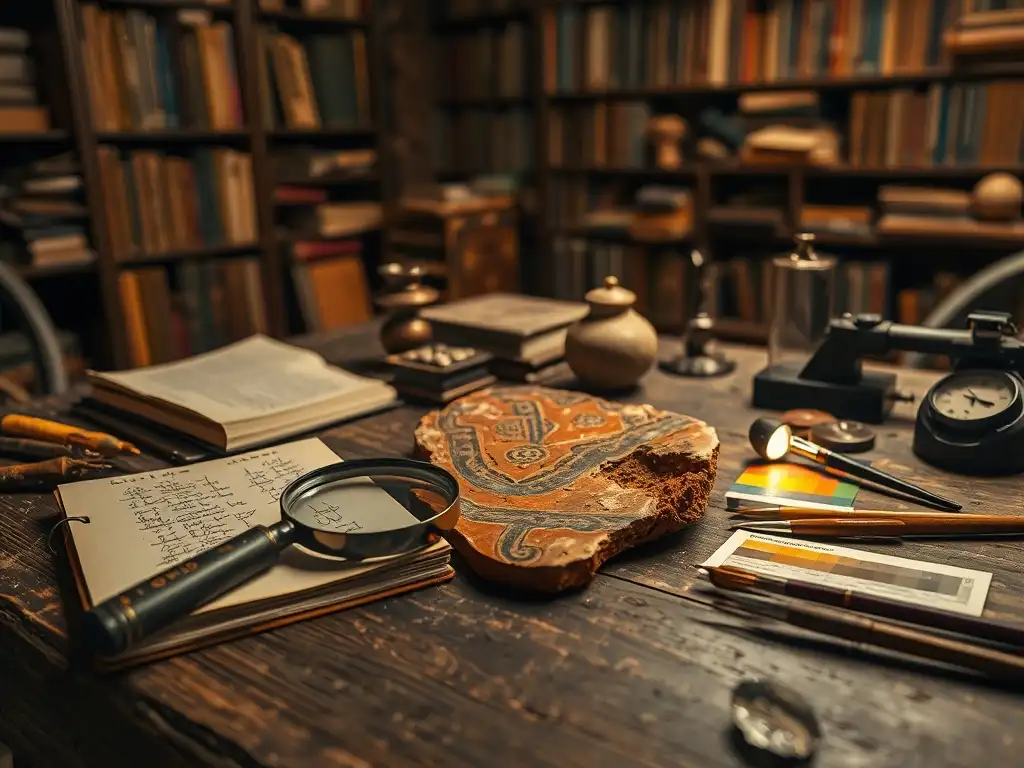
This section delves into the practical tools and resources available to aid in the authentication of Moche pottery. Accurate assessment requires a multi-faceted approach, combining scholarly research with expert consultation. Understanding the nuances of Moche artistic styles, manufacturing techniques, and the historical context is crucial for distinguishing genuine artifacts from modern forgeries. This analysis is vital for collectors, museums, and anyone interested in acquiring or studying Moche pottery. The following resources provide a solid foundation for your Moche pottery authenticity analysis.
Recommended Books and Publications on Moche Art and Archaeology
A thorough understanding of Moche art and archaeological context is paramount in authenticating pottery. Several key publications offer invaluable insights into stylistic variations, manufacturing processes, and the historical development of Moche ceramics. These resources provide the groundwork for a rigorous Moche pottery authenticity analysis.
Careful study of these books allows for a comparative analysis of stylistic elements, including iconography, vessel shapes, and surface treatments. For example, understanding the evolution of Moche painting techniques, from early geometric patterns to the intricate figurative scenes of the Classic period, is crucial in identifying anachronisms in potentially forged pieces. The detailed illustrations and scholarly discussions contained within these resources are indispensable for developing a discerning eye.
Furthermore, many books offer detailed information on the archaeological contexts in which Moche pottery has been found. This contextual information is vital for assessing the authenticity of a piece, as genuine artifacts usually exhibit characteristics consistent with their known provenance and associated archaeological strata. This includes considering the types of soil and pigments found on the artifact, which can be analyzed using scientific methods.
Here’s a sample of what you might find within these publications:
- Detailed descriptions of Moche stylistic phases: Tracking the evolution of artistic styles across different periods allows for the identification of stylistic inconsistencies in potentially forged pieces.
- Analysis of Moche painting techniques: Understanding the pigments, application methods, and brushstrokes used by Moche artisans is essential in identifying modern imitations.
- Comprehensive iconographic catalogs: These catalogs provide a detailed record of recurring motifs and symbols, which can be used to identify anomalies in questionable artifacts.
- Discussion of Moche pottery manufacturing techniques: This includes information on the types of clay used, the methods of shaping and firing vessels, and the application of surface treatments.
This detailed knowledge forms the basis of a robust Moche pottery authenticity analysis.
Online Resources for Moche Pottery Research: The British Museum's Moche Collection
The digital resources available online provide a wealth of information for Moche pottery authenticity analysis. Museums such as the British Museum offer high-resolution images and detailed descriptions of their Moche collections. These online catalogs provide a valuable comparative resource, allowing for detailed analysis of stylistic features and manufacturing techniques.
The British Museum, for example, presents a substantial Moche collection online, complete with detailed descriptions and high-quality images. By meticulously comparing a suspect piece to the museum's catalog, one can identify stylistic discrepancies or inconsistencies in manufacturing techniques that might indicate a forgery. This digital comparison is a crucial aspect of Moche pottery authenticity analysis.
Accessing these online resources allows for a more comprehensive analysis than relying solely on physical examination. The ability to zoom in on details, compare numerous examples of Moche pottery, and study the subtle variations in style across different pieces is invaluable in forming an informed opinion on authenticity. This methodology significantly enhances the accuracy of the Moche pottery authenticity analysis process. Furthermore, many online resources provide scholarly articles and research papers related to Moche pottery, further enriching the analytical process.
Services Offering Authentication and Expert Opinions: Specialized Archaeological Consultants
While independent research is crucial, engaging specialized services can provide invaluable expertise in Moche pottery authenticity analysis. Archaeological consultants and specialists in ancient Andean art possess the knowledge and experience to conduct thorough analyses, utilizing scientific methods and comparative studies to determine authenticity.
These specialists often employ various techniques, including:
- Scientific analysis: This may involve techniques like thermoluminescence dating (TL), which can determine the age of the ceramic material. Other methods include petrographic analysis of the clay and pigment composition.
- Stylistic analysis: Experts can compare the questioned artifact with authentic Moche pieces, considering stylistic elements, manufacturing techniques, and iconography.
- Provenance research: Tracing the history of the piece can help determine its legitimacy. A verifiable provenance significantly strengthens the case for authenticity.
Engaging these services provides a higher level of certainty in the Moche pottery authenticity analysis. However, it's crucial to choose reputable consultants with proven expertise in Andean archaeology and a demonstrable track record of accurate assessments. The cost of these services varies depending on the complexity of the analysis required. The investment, however, can be justified when dealing with high-value or historically significant pieces. The expert's report provides a crucial element in the overall Moche pottery authenticity analysis, adding a layer of scientific and scholarly validation.
Conclusion: Protecting the Legacy of Moche Culture
This exploration of Moche pottery authenticity analysis highlights the critical need for responsible engagement with this irreplaceable cultural heritage. The vibrant artistry and intricate details of Moche ceramics offer a captivating window into a sophisticated and complex civilization. However, the allure of these artifacts also fuels a market vulnerable to forgery and illicit trafficking, threatening the preservation of this invaluable legacy. Understanding the nuances of Moche pottery, from stylistic analysis to technological examination, is paramount in combating this threat.
The Importance of Responsible Collecting and Preservation
Responsible collecting goes beyond mere acquisition; it involves a deep commitment to the preservation and ethical stewardship of cultural artifacts. Collectors should prioritize purchasing Moche pottery from reputable sources with verifiable provenance. This means demanding detailed documentation tracing the artifact's history, ideally from its initial discovery to its current ownership.
Supporting museums and archaeological institutions that actively engage in Moche research and conservation efforts is another crucial aspect of responsible collecting. This financial support directly contributes to the preservation of sites, the funding of archaeological expeditions, and the development of advanced analytical techniques for Moche pottery authenticity analysis. Furthermore, responsible collectors should ensure proper storage conditions for their artifacts, safeguarding them from environmental damage and deterioration.
This might involve investing in climate-controlled display cases and regularly consulting with conservation experts. Ultimately, responsible collecting is not just about personal enrichment; it's about contributing to the long-term preservation of Moche culture for future generations. It's about recognizing that these artifacts are not mere commodities but tangible links to a remarkable past.
The Ongoing Research and Future of Moche Pottery Studies
The field of Moche pottery studies is constantly evolving, with new analytical techniques and research methodologies continuously refining our understanding of these artifacts. Advances in scientific analysis, such as X-ray fluorescence (XRF) and petrographic analysis, provide increasingly precise ways to determine the composition of pigments and clays used in Moche pottery, offering crucial data for authenticity analysis. Furthermore, ongoing archaeological excavations continue to unearth new examples of Moche pottery, expanding our knowledge of stylistic variations and chronological sequences.
This ongoing research is vital for refining existing authentication methods and developing new tools to combat forgery. The future of Moche pottery studies lies in collaborative efforts between archaeologists, art historians, scientists, and law enforcement agencies, working together to protect this cultural heritage from exploitation and loss.
By combining traditional methods of stylistic analysis with cutting-edge scientific techniques, we can build a more robust and comprehensive framework for Moche pottery authenticity analysis, ensuring the preservation of this extraordinary cultural legacy for years to come. This interdisciplinary approach promises a future where our understanding of Moche culture continues to grow, enriching our appreciation of this remarkable civilization.
Investing in Authenticity: Ensuring the Value of Your Moche Artifacts
Acquiring authentic Moche pottery is not merely a matter of aesthetic appreciation; it's also a sound investment. However, the value of any artifact hinges heavily on its authenticity. Investing in Moche pottery requires a discerning eye and a commitment to due diligence.
Thorough research, expert consultation, and a willingness to invest in scientific authentication are essential steps in ensuring the genuine nature of your purchase. The cost of authentication may seem significant upfront, but it pales in comparison to the financial losses incurred from acquiring a forgery. Moreover, the long-term value of a verified authentic piece far surpasses that of a counterfeit, offering both financial security and the satisfaction of owning a genuine piece of history.
Authentic Moche pottery represents a tangible connection to a vibrant past, a legacy that transcends mere monetary value. Therefore, investing in authenticity is not just a financial decision; it's a commitment to preserving cultural heritage and ensuring the long-term value and significance of your collection. The investment in rigorous authenticity analysis is, ultimately, an investment in the enduring legacy of Moche culture.
Final Thoughts on Conducting a Comprehensive Moche Pottery Authenticity Analysis
Performing a thorough authenticity analysis of Moche pottery requires a multi-faceted approach, combining visual inspection with scientific techniques. The process isn't merely about identifying a genuine piece; it's about understanding the artistry, the cultural context, and the historical significance of these remarkable artifacts. Each piece tells a story, a fragment of a vibrant civilization that thrived centuries ago.
By carefully examining the details—from the stylistic elements to the clay composition—we gain a deeper appreciation for the skill and ingenuity of the Moche artisans. This appreciation is crucial for preserving their legacy and ensuring that future generations can also marvel at their creations. Remember, the goal is not just to determine authenticity, but to contribute to a broader understanding and protection of this invaluable cultural heritage.
A comprehensive analysis, therefore, is not just a technical exercise; it's an act of cultural preservation. The meticulous study of Moche pottery not only verifies authenticity but also unveils the secrets of their sophisticated techniques and artistic vision, enriching our understanding of this captivating civilization.
The process of Moche pottery authenticity analysis is far from straightforward. It demands patience, attention to detail, and a deep understanding of Moche artistic conventions. While many resources exist to aid in this endeavor, ultimately, experience and expertise play a pivotal role. The development of a keen eye for distinguishing subtle variations in style, paint application, and clay composition comes only with dedicated study and practice.
It is a journey of learning that goes hand in hand with the preservation of these ancient treasures. Moreover, the field of Moche pottery study is constantly evolving as new discoveries are made and analytical techniques are refined. Staying abreast of these developments is vital for maintaining the highest standards of authenticity assessment. Continuous learning and collaboration within the academic community are crucial steps in ensuring the accuracy and reliability of Moche pottery authenticity analyses.
Ultimately, the protection of Moche pottery hinges on a collective commitment to responsible acquisition, careful preservation, and rigorous scholarly investigation. By promoting ethical collecting practices and supporting research that enhances our understanding of these artifacts, we can safeguard this irreplaceable part of the Andean cultural legacy for generations to come. The study of Moche pottery is not merely an academic pursuit; it’s a crucial element in the ongoing efforts to preserve and celebrate the rich artistic and cultural heritage of the ancient Andes.
The commitment to authenticity analysis isn't just about verifying the origin of a piece; it's about ensuring its protection and contributing to the broader understanding and appreciation of Moche culture. This holistic approach is essential for securing the legacy of this remarkable civilization and allowing future generations to connect with its enduring beauty and artistry. The more we understand, the better we can protect.
Frequently Asked Questions
How can I tell if a piece of Moche pottery is authentic?
Authenticating Moche pottery requires expert examination. Look for characteristic stylistic elements, including specific iconography, clay type, and firing techniques. Consult reputable experts or museums for verification.
What are the key features of authentic Moche pottery?
Authentic Moche pottery displays unique artistic styles representing their rich culture and mythology. Look for high-quality craftsmanship, intricate details, and the use of vibrant pigments. The use of specific types of clay is also crucial.
Where can I find reliable information on Moche pottery authenticity?
Reputable museums, academic journals, and books on Andean archaeology offer reliable resources. Consult experts in pre-Columbian art for accurate identification and authentication. Be wary of online sources lacking scholarly verification.
What are some common characteristics of fake Moche pottery?
Counterfeit pieces often lack the subtlety and precision of authentic Moche pottery. Look for inconsistent painting, poorly defined details, and incorrect stylistic elements. The clay type may also be incongruent with known Moche practices.
Why is authenticating Moche pottery important?
Authenticating Moche pottery protects cultural heritage and prevents the illegal trade of artifacts. Accurate identification allows for better understanding and preservation of this important aspect of Andean civilization. It also helps prevent the spread of misinformation.
Final Reflection: The Enduring Legacy of Moche Pottery
The meticulous analysis of Moche pottery isn't just an academic pursuit; it's a vital tool for preserving cultural heritage and combating the illicit antiquities trade. The intricate details, stylistic variations, and technological advancements revealed through careful examination are crucial for authenticating these remarkable artifacts and protecting them from exploitation. This knowledge empowers us to safeguard a significant piece of Peru's past for future generations.
The enduring power of Moche pottery lies not only in its aesthetic beauty but also in its capacity to tell a story—a story of a sophisticated civilization, their beliefs, and their daily lives. These pieces are more than just objects; they are windows into a vibrant past. The past is never dead. It's not even past.
– William Faulkner. This quote resonates deeply with the Moche pottery; its influence continues to shape our understanding of pre-Columbian art and culture, inspiring artists, archaeologists, and historians alike. The ongoing research and authentication efforts ensure that the narratives embedded within these fragile vessels continue to be heard and understood.
Consider the implications of this research. You, the reader, now possess a deeper understanding of the methods used to authenticate Moche pottery. This knowledge empowers you to be a more discerning observer, a more informed collector, and a more active participant in the preservation of cultural heritage. Let us all strive to protect these invaluable artifacts, ensuring that the secrets whispered by these ancient vessels continue to resonate for centuries to come. Engage with museums, support ethical collecting practices, and spread awareness—your actions can make a tangible difference in preserving the legacy of the Moche.
Unveil the Mysteries of Moche Pottery Today!
Thank you for exploring the fascinating world of Moche pottery! You've discovered key insights into its authenticity and rich history. Now, let's delve deeper into this remarkable culture.
Here are some ways to continue your exploration:
- Visit a local museum with a collection of Andean artifacts to examine the artistry and techniques firsthand. Note the details of the pottery's construction and decoration.
- Share your knowledge with friends, family, or online communities interested in Andean civilizations. Inspire others with your newfound appreciation for Moche artistry.
- Consider taking a pottery class or workshop to experience the creative process and techniques used by Moche artisans. This hands-on approach will deepen your understanding and appreciation.
What aspect of Moche pottery captivated you most, and how will you further your exploration of this ancient art form?