
Beyond the Surface: A Deep Dive into Identifying Authentic Moche Ceramics

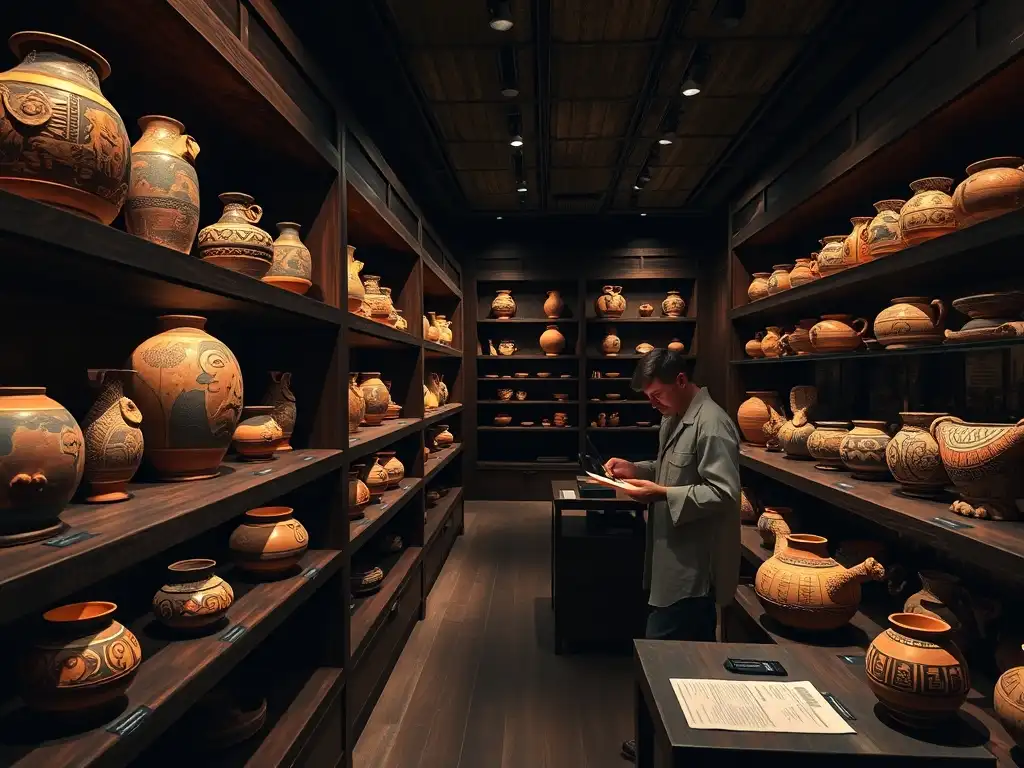
Step into a world lost to time, yet echoing with vibrant life. Andean Civilizations unveils the secrets of empires that thrived in the Andes Mountains, from the intricate artistry of the Nazca lines to the awe-inspiring engineering feats of the Incas. But the mysteries don't end there… Are you ready to unravel the enigma of authentic Moche pottery identification? Journey with us into The World of Andean Artifacts and discover the clues that separate genuine treasures from masterful imitations. The path to understanding these ancient wonders begins now.
- The Art of the Incas: Identifying Authentic Inca Ceramics
- Decoding Inca Ceramic Styles: A Visual Guide to Authenticity
- Inca Pottery Techniques: Clues to Authentic Craftsmanship
- Challenges in Authentic Inca Pottery Identification
- Expert Techniques for Verifying Authentic Inca Ceramics
- Recommended Resources for Identifying Inca Pottery
- Conclusion: Preserving the Legacy of Authentic Inca Ceramics
-
Frequently Asked Questions
- How can I tell if a piece of Moche pottery is authentic?
- What are some key characteristics of authentic Moche pottery?
- Where can I find reliable resources for identifying Moche pottery?
- Are there common fakes or imitations of Moche pottery I should be aware of?
- What is the significance of identifying authentic Moche pottery?
- Final Reflection: The Enduring Legacy of Moche artistry
- **Unveil the Richness of Moche Ceramics**
The Art of the Incas: Identifying Authentic Inca Ceramics
The allure of Moche pottery, with its vibrant colors, intricate designs, and captivating depictions of daily life and mythology, attracts collectors and enthusiasts worldwide. However, the thriving market for pre-Columbian artifacts has also fueled a surge in forgeries, making the ability to identify authentic Moche ceramics crucial. This article serves as a comprehensive guide to help you navigate the complexities of Moche pottery authentication, equipping you with the knowledge to discern genuine pieces from skillful imitations.
We will explore key characteristics, common forgeries, and essential techniques to ensure your acquisition is a true testament to the artistry and ingenuity of the ancient Moche civilization. Understanding the nuances of Moche pottery identification not only protects collectors from financial loss but also safeguards the historical integrity of this invaluable cultural heritage.
This guide will focus on practical methods and observable characteristics, empowering you to confidently assess the authenticity of Moche ceramics you encounter. It is important to remember that definitive authentication often requires expert consultation; however, this guide provides a strong foundation for initial assessment.
Understanding the Significance of Moche Pottery
Moche pottery isn't merely decorative; it's a window into a sophisticated society that flourished along the northern coast of Peru from approximately 100 CE to 800 CE. Their ceramic artistry wasn't limited to aesthetic appeal; it served crucial social, religious, and funerary purposes. Moche artisans employed advanced techniques, including slipware, using multiple layers of paint and firing processes to achieve stunning polychrome effects.
The intricate detail in their depictions of humans, animals, and mythical creatures reflects a deep understanding of their world and beliefs. Recognizing the significance of Moche pottery allows us to appreciate the cultural context and craftsmanship involved in their creation, making the identification of authentic pieces even more vital for preserving this historical legacy.
The themes depicted, from elaborate religious ceremonies to scenes of everyday life, provide invaluable insights into Moche society, offering a nuanced perspective on their worldview, social structures, and artistic capabilities. The level of detail, particularly in the depiction of human and animal forms, is a hallmark of authentic Moche pottery.
Why Is Authenticating Moche Ceramics Important?
Authenticating Moche ceramics is crucial for several reasons. Firstly, it protects collectors from purchasing forgeries, which can represent a significant financial loss. The market for these artifacts is lucrative, making it a prime target for counterfeiters.
Secondly, authenticating Moche pottery helps preserve the integrity of archaeological records and historical understanding. The circulation of forgeries can confuse and distort our understanding of Moche culture and artistic practices. Thirdly, the purchase of authentic pieces supports ethical collecting practices, ensuring that the profits don't inadvertently fund illegal looting and damage to archaeological sites.
Finally, owning an authentic Moche ceramic allows for the genuine appreciation of a unique piece of history, connecting the present day with the rich legacy of the Moche civilization. The ethical implications extend beyond personal gain, advocating for the responsible preservation of cultural heritage for future generations. The distinction between authentic and fake pieces is not only a matter of monetary value but also a responsibility towards cultural preservation.
Decoding Inca Ceramic Styles: A Visual Guide to Authenticity
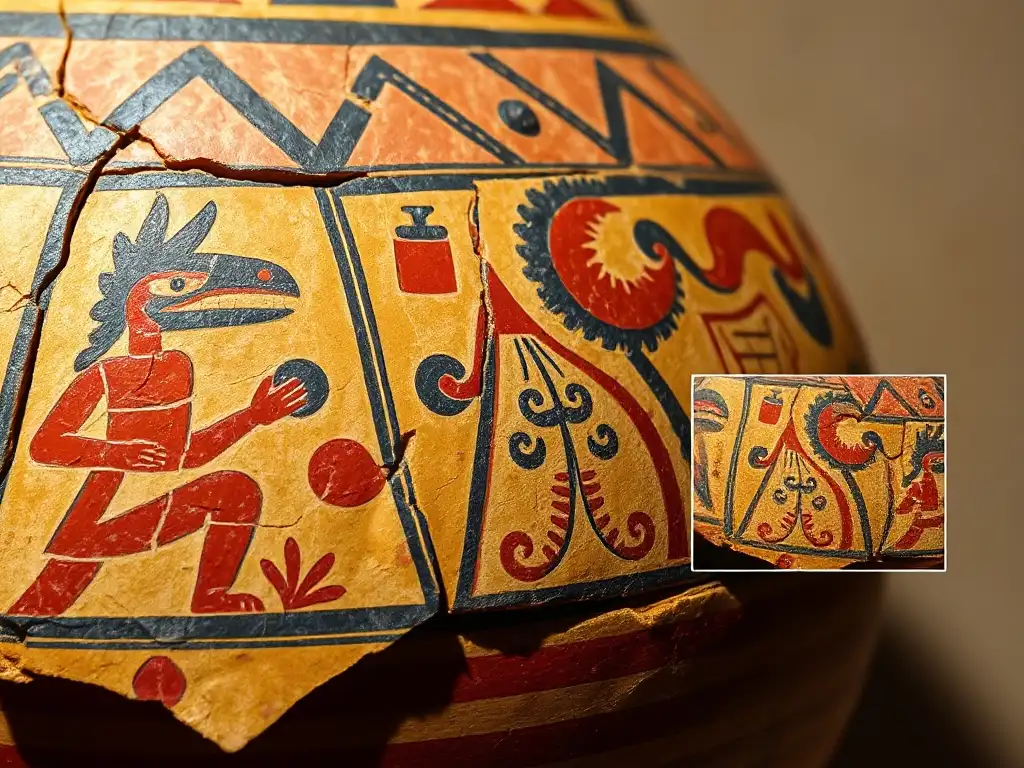
This section focuses on visually identifying authentic Moche pottery, a crucial aspect of authentic Moche pottery identification. Understanding the distinct stylistic elements employed by Moche artisans is paramount in distinguishing genuine pieces from modern imitations or forgeries. We'll explore key characteristics that set Moche ceramics apart, providing you with the tools to confidently assess authenticity.
The Distinctive Forms of Moche Ceramics: Recognizing Key Shapes
Moche pottery is celebrated for its diverse and sophisticated forms. Unlike the often-geometric styles of other Andean cultures, Moche ceramics showcase a remarkable range of realistic and stylized shapes. Mastering the recognition of these forms is a cornerstone of authentic Moche pottery identification.
Several key shapes consistently appear in genuine Moche pieces:
- Stirrup-spout vessels: Arguably the most iconic Moche form, these vessels are characterized by a distinctive spout shaped like a stirrup. Variations in size, spout design, and overall vessel shape are numerous, reflecting the Moche's artistic prowess and the wide range of their ceramic production. Pay close attention to the detailing of the stirrup and the vessel's body; crude execution often indicates a forgery.
- Double-spout vessels: These vessels, featuring two spouts connected by a bridge, are another hallmark of Moche artistry. The bridges often incorporate intricate details and are frequently adorned with elaborate imagery. Authentic examples showcase a high level of precision in their construction, with seamlessly integrated spouts and bridges.
- Human-shaped vessels: Moche artisans created lifelike depictions of humans, often portrayed in dynamic poses or engaged in various activities. These vessels are highly sought after, making them prime targets for forgeries. Look for subtle details like realistic facial features, textured clothing, and accurate anatomical proportions. Poorly rendered features or disproportionate bodies are major red flags.
- Animal-shaped vessels: Representations of animals, both realistic and stylized, are abundant in Moche pottery. The level of detail and anatomical accuracy varies depending on the skill of the artisan and the intended purpose of the vessel. Authentic examples often display a remarkable understanding of animal anatomy and behavior.
The precise execution of these forms, the consistency of the clay, and the overall sense of balance and proportion are critical elements in determining authenticity. A lack of attention to detail, inconsistencies in the clay body, or a feeling of clumsiness in the shaping should raise immediate concerns.
Moche Iconography and Motifs: Identifying Authentic Imagery
Beyond the vessel forms themselves, the iconography and motifs employed by Moche artisans provide crucial indicators of authenticity. Careful examination of these decorative elements is vital for authentic Moche pottery identification.
Moche iconography is famously complex and rich in symbolism. Common themes include:
- Deities and mythical beings: Depictions of supernatural beings, often anthropomorphic or zoomorphic, are prevalent. Authentic examples display a mastery of perspective and composition, with carefully rendered details that convey a sense of power and majesty.
- Ritual scenes: Moche pottery frequently depicts scenes of ritual activity, including sacrifices, ceremonies, and processions. These scenes are often meticulously detailed, providing valuable insights into Moche religious practices. Look for the balance and narrative coherence within these scenes.
- Portraits: Realistic portraits of individuals, often elites or rulers, are a striking feature of Moche art. These portraits are characterized by their expressive features and careful attention to detail. The realism and nuanced portrayal of emotions are significant indicators of authenticity.
- Geometric patterns: While less prevalent than figurative imagery, geometric patterns are frequently used to complement or frame other motifs. Authentic Moche patterns are often intricate and precisely executed.
The use of color is another critical element. Moche artisans employed a vibrant palette of colors, typically achieved through the use of natural pigments. The colors are often applied in layers to achieve depth and richness. Faded or unnatural colors, or the use of modern synthetic pigments, are clear signs of a forgery.
Pay attention to the application of color; in authentic pieces, the pigments are typically finely ground and smoothly applied. Crude brushstrokes or uneven color distribution are often indicators of a fake. The combination of form, iconography, and color provides a powerful toolkit for the discerning collector seeking to identify authentic Moche pottery.
Inca Pottery Techniques: Clues to Authentic Craftsmanship
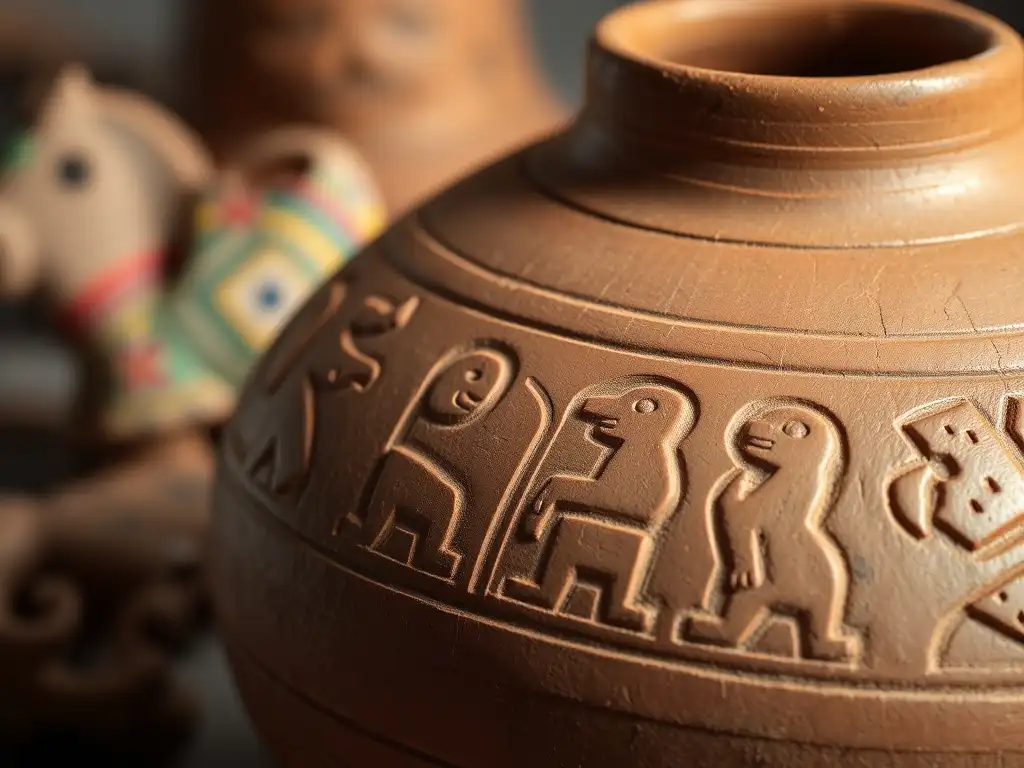
This section focuses on Inca pottery techniques, providing insights that can aid in the authentication of Moche pottery. While the Incas and Moche were distinct cultures with different styles, understanding Inca ceramic production offers a comparative framework. Analyzing techniques shared across Andean cultures, or those that differ significantly, can help pinpoint authenticity.
It's crucial to remember that direct comparison isn't always possible due to stylistic and technological evolution across time and regions. However, understanding the general principles of Andean ceramic production enhances our ability to identify anomalies in suspected Moche pieces. This analysis helps us spot inconsistencies that might indicate a forgery.
The Inca Pottery Manufacturing Process: From Clay Preparation to Firing
Inca pottery production, like that of other Andean cultures, began with the careful selection and preparation of clay. High-quality clay, often sourced from specific locations known for their superior properties, was crucial. The clay was meticulously cleaned, removing impurities and stones. This process, often involving washing and sieving, ensured a consistent texture and improved the final product's strength and durability.
The Inca potters then added temper—materials like sand, crushed rock, or shell fragments—to improve the clay's workability and reduce cracking during drying and firing. The exact temper used varied depending on regional availability and the desired properties of the final ceramic. The proportion of temper was also critical, influencing the texture and porosity of the finished piece. This meticulous preparation laid the foundation for the subsequent shaping, decoration, and firing stages.
The firing process itself involved kilns, often pit kilns, and precise temperature control, which influenced the final color and hardness of the pottery. Variations in firing techniques across different regions and time periods can also provide clues for authentication. For example, the presence of reduction firing (a process where oxygen is limited during firing, producing a darker hue) might be consistent with certain Inca styles but uncommon in earlier Moche pottery. Analyzing the firing residues and the overall color consistency of a piece, therefore, is crucial for authentication.
Examining Surface Decoration: Slips, Pigments, and Finishing Techniques
Inca pottery often displays elaborate surface decorations, achieved through the use of slips, pigments, and various finishing techniques. Slips, a diluted clay suspension, served as a base coat, improving the surface's smoothness and acting as a binder for pigments. The color of the slip itself—ranging from creamy beige to reddish-brown—provided a backdrop for the subsequent decoration. Pigments, derived from natural sources such as minerals and plant materials, were applied to the dried slip. The Inca potters employed a range of techniques, including painting, incising, and stamping, to create intricate designs.
The application of pigments, the precision of the designs, and the overall artistry are key elements for evaluating authenticity. Forgeries often lack the subtlety and nuance of authentic Inca pottery. Furthermore, the finishing techniques, including polishing and burnishing, contributed significantly to the final appearance and feel of the pottery. Polished surfaces exhibit a distinctive sheen, while burnished surfaces have a smoother, more lustrous appearance.
Careful examination of these surface treatments can reveal inconsistencies that may suggest a forgery. For example, the use of modern pigments or uneven application of slip might indicate a lack of authenticity. The presence of certain types of pigments, their chemical composition, and the methods used to apply them can be analyzed using scientific techniques, which are increasingly employed in the authentication of ancient artifacts, providing a more objective assessment. The detailed analysis of surface decoration, therefore, is paramount in the process of authentic Moche pottery identification.
Challenges in Authentic Inca Pottery Identification
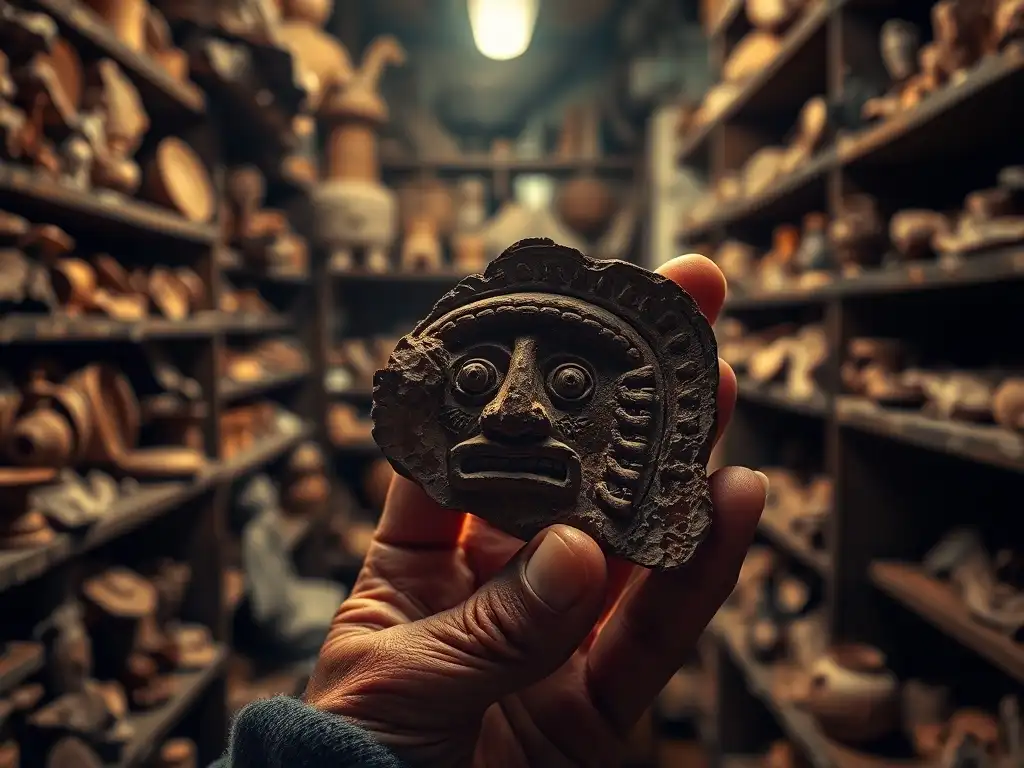
Identifying authentic Moche pottery requires careful examination and a deep understanding of the stylistic characteristics, manufacturing techniques, and materials used by the Moche artisans. The popularity of Moche ceramics among collectors unfortunately fuels a thriving market for forgeries and reproductions, making authentication a complex and challenging endeavor. This section will outline some of the key obstacles faced when attempting to verify the authenticity of a piece.
The market for "authentic Moche pottery identification" services highlights the difficulty inherent in this process. Many seemingly minor details can reveal a forgery, underscoring the need for expertise and careful scrutiny. Even experienced collectors can be deceived by sophisticated reproductions.
The Problem of Moche Pottery Forgeries and Reproductions
The demand for authentic Moche pottery has unfortunately led to a significant increase in the production of forgeries and high-quality reproductions. These fakes range from crude imitations easily spotted by experts to incredibly sophisticated copies that can fool even seasoned collectors. Forgers often employ modern techniques to mimic the appearance of age and wear, making the task of authentication even more challenging.
They might use techniques like applying pigments that simulate the natural fading of ancient dyes, or artificially distressing the surface to mimic the effects of centuries of burial. Some forgeries even utilize ancient materials, adding another layer of complexity to the process of identification. This intentional deception makes "authentic Moche pottery identification" a specialized skill.
The problem is exacerbated by the lack of readily available, comprehensive databases of known authentic Moche pieces. While museums and private collectors hold vast collections, access to detailed photographic records and scientific analyses is often limited. This makes comparison analysis, a crucial aspect of authentication, significantly more difficult. Additionally, the stylistic variations within Moche pottery itself can further complicate identification, as certain features may be misinterpreted as signs of forgery.
Distinguishing Between Genuine Wear and Damage vs. Simulated Aging
One of the most significant challenges in authenticating Moche pottery lies in differentiating between genuine wear and damage accumulated over centuries and artificially created aging effects. Authentic Moche pieces will exhibit signs of natural erosion, weathering, and sometimes even accidental damage. This wear will often be uneven and consistent with the natural processes of decomposition and environmental exposure. The patina, or surface coloration, will usually be subtle and consistent with the surrounding soil conditions. For example, a piece unearthed in a dry desert environment might show a different patina than one found in a humid coastal region.
In contrast, artificially aged pieces often display uniform or exaggerated signs of wear. Forgers may attempt to create a "worn" appearance by using abrasive materials to scratch or etch the surface, resulting in unnatural markings. The application of chemicals to simulate age can also produce an unnatural gloss or discoloration. The key is to look for subtle inconsistencies: is the wear pattern consistent with the type of clay and the piece's overall form?
Are there any signs of unnatural markings or abrupt transitions in the patina? These are some of the crucial questions that an expert considers when performing "authentic Moche pottery identification". A detailed analysis, often involving microscopic examination, is usually necessary to make a definitive determination.
| Feature | Genuine Moche Pottery | Forged/Reproductions |
|---|---|---|
| Surface Patina | Subtle variations, consistent with environment | Often uniform, unnatural, or excessively glossy |
| Wear and Damage | Uneven, natural, consistent with age and use | Uniform, possibly artificial scratches or abrasions |
| Clay Texture | Fine, consistent texture (depending on the type) | May be inconsistent, possibly showing modern additives |
| Pigment Application | Subtle, well-integrated pigments | May be uneven, blotchy, or showing signs of recent application |
| Repair Attempts | May show signs of ancient repair, often crude | May show signs of modern, precise repair |
The careful examination of these details, combined with a deep understanding of Moche artistic conventions and material science, is essential for successful "authentic Moche pottery identification." The process is often iterative, requiring multiple levels of analysis to arrive at a confident conclusion.
Expert Techniques for Verifying Authentic Inca Ceramics
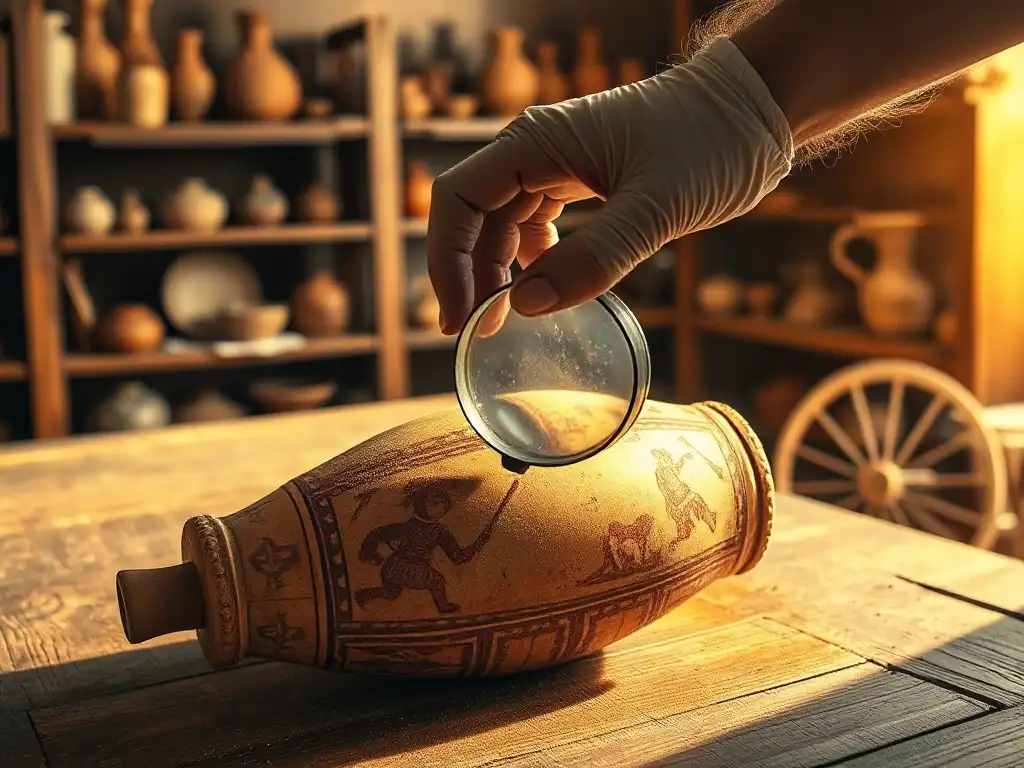
This section delves into the nuanced world of authenticating Moche pottery, providing experts and enthusiasts alike with advanced techniques beyond simple visual inspection. Successfully identifying genuine Moche pottery requires a multi-faceted approach, combining stylistic analysis with scientific investigation and a deep understanding of archaeological context. The high demand for these artifacts unfortunately fuels a thriving market for forgeries, making rigorous authentication crucial.
Utilizing Scientific Analysis for Moche Pottery Authenticity
Scientific analysis offers powerful tools for verifying the authenticity of Moche pottery. These methods go beyond visual appraisal, providing objective data to support or refute claims of authenticity. Several key techniques are employed:
- Thermoluminescence (TL) Dating: TL dating measures the accumulated radiation absorbed by the clay since its last firing. This allows for an estimation of the age of the ceramic, providing strong evidence for its potential antiquity. A TL date inconsistent with the known Moche period (approximately 100 CE – 800 CE) would strongly suggest a forgery. However, it’s crucial to note that TL dating requires a sample from the ceramic itself, and this can be damaging to valuable pieces.
- Petrographic Analysis: This technique examines the microscopic composition of the clay used in the pottery. By identifying the specific minerals and their proportions, experts can compare the sample to known Moche clay sources. Discrepancies can indicate the use of modern clays or materials inconsistent with the Moche period, pointing towards a forgery.
- Elemental Analysis (X-Ray Fluorescence - XRF): XRF is a non-destructive method that analyzes the elemental composition of the ceramic's surface. It can identify the presence of pigments and other materials used in the decoration, comparing them to known Moche techniques and palettes. Unusual elements or combinations not consistent with the known Moche stylistic practices can raise suspicions.
For example, a recent study utilizing XRF analysis revealed that a purported Moche stirrup-spout vessel contained pigments with traces of titanium dioxide, a pigment not commonly used in pre-Columbian Andean art and strongly indicative of a modern forgery. This highlights the power of scientific methods in uncovering subtle yet crucial clues.
The Role of Provenance and Context in Moche Artifact Authentication
Provenance, the documented history of an artifact's ownership and location, is paramount in establishing authenticity. A strong provenance chain—a detailed record tracing the artifact from its discovery to its current owner—significantly increases confidence in its authenticity. This often involves archaeological excavation reports, museum acquisition records, and private collection histories. Gaps or inconsistencies in the provenance raise red flags.
Context is equally critical. Authentic Moche pottery is usually found within specific archaeological contexts, such as tombs, settlements, or ceremonial sites. Artifacts discovered outside of these established contexts should be viewed with skepticism. For instance, a Moche ceramic discovered in a modern-day marketplace or from an undocumented private collection has a significantly higher probability of being a forgery than one unearthed during a properly documented archaeological excavation.
The absence of contextual information greatly diminishes the artifact's credibility and authenticity. This underscores the importance of supporting responsible archaeological practices and the ethical acquisition of ancient artifacts. The careful documentation and preservation of archaeological context are essential for safeguarding cultural heritage and combating the illicit trade in artifacts.
The combination of stylistic analysis, scientific testing, and a thorough examination of provenance and context provides a robust framework for authenticating Moche pottery. While no single method guarantees absolute certainty, a multi-pronged approach significantly improves the accuracy of identification, protecting both collectors and researchers from fraudulent artifacts. The increasing sophistication of forgeries necessitates a continuous refinement and application of these techniques.
Recommended Resources for Identifying Inca Pottery
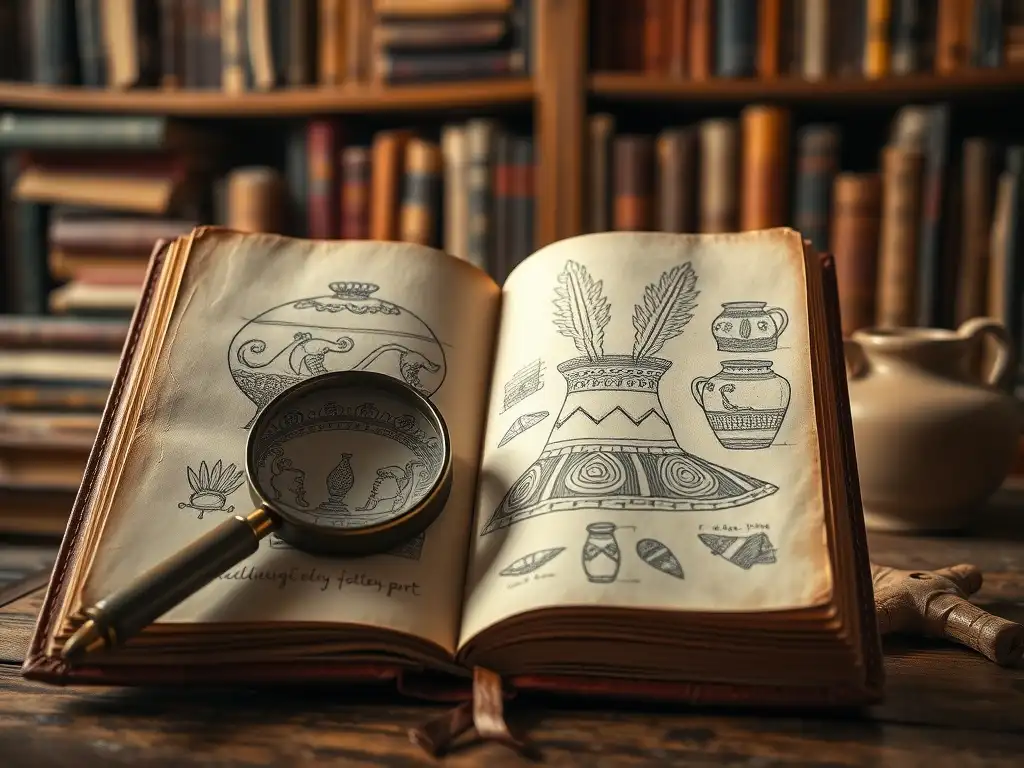
This section provides crucial resources to aid in the discerning process of authentic Moche pottery identification. It's vital to approach this task with meticulous care, as the market for pre-Columbian artifacts is unfortunately rife with forgeries. Utilizing reputable sources and developing a keen eye for detail are paramount in ensuring authenticity.
Books and Publications on Moche Art and Archaeology
Developing expertise in authentic Moche pottery identification requires dedicated study. Several excellent books offer in-depth analyses of Moche artistic styles, techniques, and iconography. These resources are invaluable for understanding the nuances that distinguish genuine pieces from imitations. Careful examination of these publications will equip you with the knowledge to identify stylistic characteristics, typical materials, and common manufacturing processes.
- "The Moche" by [Author's Name Pending]: This comprehensive work [detailed description of book content pending] provides a detailed overview of Moche culture and its artistic expressions, offering essential contextual information for authenticating pottery. It delves into the socio-political structures that influenced Moche artistic production, explaining the symbolism embedded within the artwork.
- "Moche Pottery: A Visual Guide" by [Author's Name Pending]: This visually rich guide offers a detailed catalog of Moche pottery styles, including variations in vessel shapes, decorative motifs, and painting techniques. It's an excellent resource for comparing newly discovered pieces to known examples, aiding in the identification process. The book includes high-quality photographs and detailed descriptions of numerous Moche artifacts.
- Journal Articles: Numerous academic journals, such as Latin American Antiquity and Andean Past, publish scholarly articles on Moche archaeology and art. These articles often include detailed analyses of specific pottery finds, offering valuable insights into stylistic trends and technological advancements. Searching these journals using keywords such as "Moche pottery," "ceramic analysis," and "stylistic attribution" will yield relevant research papers.
Museums and Institutions with Significant Moche Pottery Collections
Visiting museums with extensive Moche pottery collections offers an unparalleled opportunity for hands-on learning and comparative analysis. By studying authentic pieces firsthand, you can develop a sharper eye for identifying subtle details that distinguish genuine artifacts from reproductions. The experience of observing the nuances of color, texture, and craftsmanship in person is irreplaceable.
Direct observation allows for a deeper understanding of the materials, techniques, and stylistic variations characteristic of Moche pottery. Pay close attention to the surface treatment, the quality of the paint application, and the overall aesthetic coherence of the piece. Note the presence of any wear or damage consistent with age and use. Comparing these details with the information gathered from your research will significantly enhance your ability to assess the authenticity of Moche pottery.
- [Museum Name and Location Pending]: This museum houses a remarkable collection of Moche pottery, showcasing a wide range of styles and techniques. Their collection [Description of specific aspects of the collection relevant to authentication].
- [Museum Name and Location Pending]: Known for its exceptional collection of pre-Columbian artifacts, this institution possesses a significant number of well-documented Moche pieces. Their collection [Description of specific aspects of the collection relevant to authentication].
- [Museum Name and Location Pending]: This museum's collection offers a valuable opportunity to study Moche pottery within its broader cultural context. Their collection [Description of specific aspects of the collection relevant to authentication]. The museum may also offer educational programs or guided tours that focus specifically on Moche pottery.
This detailed exploration of resources provides a strong foundation for anyone seeking to master the art of authentic Moche pottery identification. Remember, patience, meticulous observation, and continuous learning are key to becoming a discerning collector and enthusiast. The journey of understanding Moche pottery is a rewarding one, leading to a deeper appreciation for the artistry and cultural significance of this remarkable civilization. 🥂
Conclusion: Preserving the Legacy of Authentic Inca Ceramics
This exploration into identifying authentic Moche pottery underscores the critical importance of responsible collecting and preservation. The vibrant artistry and intricate detail of Moche ceramics represent a irreplaceable window into a fascinating civilization. Protecting these artifacts ensures that future generations can appreciate their historical and cultural significance.
The challenge of authentication, as we've seen, demands careful examination and a nuanced understanding of stylistic elements, materials, and manufacturing techniques. Failing to properly identify authentic pieces contributes to the proliferation of forgeries, ultimately diminishing the value and integrity of genuine Moche pottery. This not only impacts collectors but also undermines efforts to protect cultural heritage sites from looting and illegal trafficking.
The Importance of Responsible Acquisition and Preservation
Responsible acquisition of Moche pottery begins with careful research and due diligence. Collectors should prioritize purchasing from reputable dealers with proven track records of ethical sourcing. This means understanding the provenance of a piece – its documented history of ownership – and being wary of vague or unsubstantiated claims of authenticity. Furthermore, proper storage and preservation are crucial for maintaining the integrity of these fragile artifacts.
This involves controlling environmental factors such as temperature and humidity to prevent damage from deterioration or cracking. Regular inspections for signs of damage or pest infestation are also essential. Investing in appropriate display cases and archival-quality storage materials will significantly extend the lifespan of your Moche pottery collection.
Remember, owning a piece of Moche history comes with the responsibility of ensuring its long-term survival. The commitment to preservation is not merely a matter of protecting a valuable object; it's a commitment to preserving a vital piece of Andean cultural heritage. Ignoring this responsibility contributes to the slow erosion of invaluable historical artifacts.
Promoting Ethical Practices in the Moche Art Market
The fight against the illegal trafficking of Moche pottery requires a multi-faceted approach. Supporting ethical dealers and collectors is a crucial step. This means actively seeking out those who prioritize responsible sourcing and transparent provenance documentation. Additionally, raising public awareness about the importance of authenticating Moche pottery and the dangers of purchasing illicitly obtained artifacts is vital.
Educational initiatives, museum exhibitions, and online resources can play a key role in empowering individuals to make informed decisions. Furthermore, stronger legal frameworks and international cooperation are necessary to combat the illegal excavation and trafficking of these artifacts. Increased penalties for those involved in the illicit trade will serve as a powerful deterrent. By working together – collectors, researchers, law enforcement, and governments – we can create a more ethical and sustainable market for Moche pottery, ensuring the preservation of this incredible cultural legacy for generations to come.
This collective effort will safeguard the cultural heritage of the Moche people and ensure that future generations can benefit from their rich artistic traditions. The beauty and historical significance of Moche pottery deserve nothing less. 🕵️♀️
Frequently Asked Questions
How can I tell if a piece of Moche pottery is authentic?
Authenticating Moche pottery requires expert examination. Look for consistent clay composition, characteristic stylistic elements, and the absence of modern manufacturing marks. Consider consulting a reputable expert.
What are some key characteristics of authentic Moche pottery?
Authentic Moche pottery often displays vibrant colors, intricate figurative depictions, and unique surface treatments. Look for specific motifs and artistic styles associated with the Moche culture.
Where can I find reliable resources for identifying Moche pottery?
Reputable museums and academic institutions specializing in Andean archaeology offer valuable resources. Scholarly publications and expert consultations are also crucial for verification.
Are there common fakes or imitations of Moche pottery I should be aware of?
Yes, counterfeit Moche pottery is prevalent. Be wary of pieces with inconsistent paint application, modern-looking styles, or lack of provenance. Always seek multiple opinions from experts.
What is the significance of identifying authentic Moche pottery?
Authenticating Moche pottery helps preserve cultural heritage and supports ethical collecting practices. It also allows researchers to study and understand the artistic and technological achievements of the Moche civilization.
Final Reflection: The Enduring Legacy of Moche artistry
The ability to discern authentic Moche pottery remains crucial today, not merely for collectors, but for safeguarding Peru's cultural heritage and ensuring the ethical trade of antiquities. The illicit market continues to thrive on forged artifacts, threatening the preservation of this invaluable artistic legacy. Understanding the nuances of Moche ceramic production is therefore more vital than ever.
The journey through Moche pottery, from its vibrant colors to its intricate iconography, has been a profound one. It's a testament to the ingenuity and spiritual depth of a civilization lost to time, yet whose artistic voice continues to resonate. The past is never dead. It's not even past.
- William Faulkner. This quote perfectly encapsulates the enduring power of Moche ceramics; they are not simply objects from a distant past, but windows into a rich and complex culture that continues to inform and inspire us. Their survival, both physically and conceptually, depends on our vigilance in protecting their authenticity.
Consider the implications of this knowledge. Are you now better equipped to appreciate the artistry and history embedded within each piece? I urge you to engage with Moche ceramics not just as objects of beauty or investment, but as tangible links to a vibrant past. By understanding the methods of authentication, we can collectively contribute to the preservation of this extraordinary cultural heritage, ensuring that future generations can also marvel at the enduring legacy of the Moche.
**Unveil the Richness of Moche Ceramics**
Thank you for exploring the intricate world of Moche ceramics with us! You've gained valuable insights into their authenticity and cultural significance. Now, let's expand your understanding of Andean civilizations.
Here are some ways to further explore this fascinating topic:
- **Join our community:** Sign up for our newsletter to receive exclusive updates on Andean history and archaeology.
- **Share your thoughts:** Let us know in the comments which aspect of Moche ceramics you find most captivating.
- **Explore more:** Visit our website's resources section for in-depth articles, videos, and virtual tours about Andean art and culture.
What specific Moche artifacts or stories have resonated most with you during your exploration?