
Navigating the Moche Market: Ensuring Authenticity in Your Collection

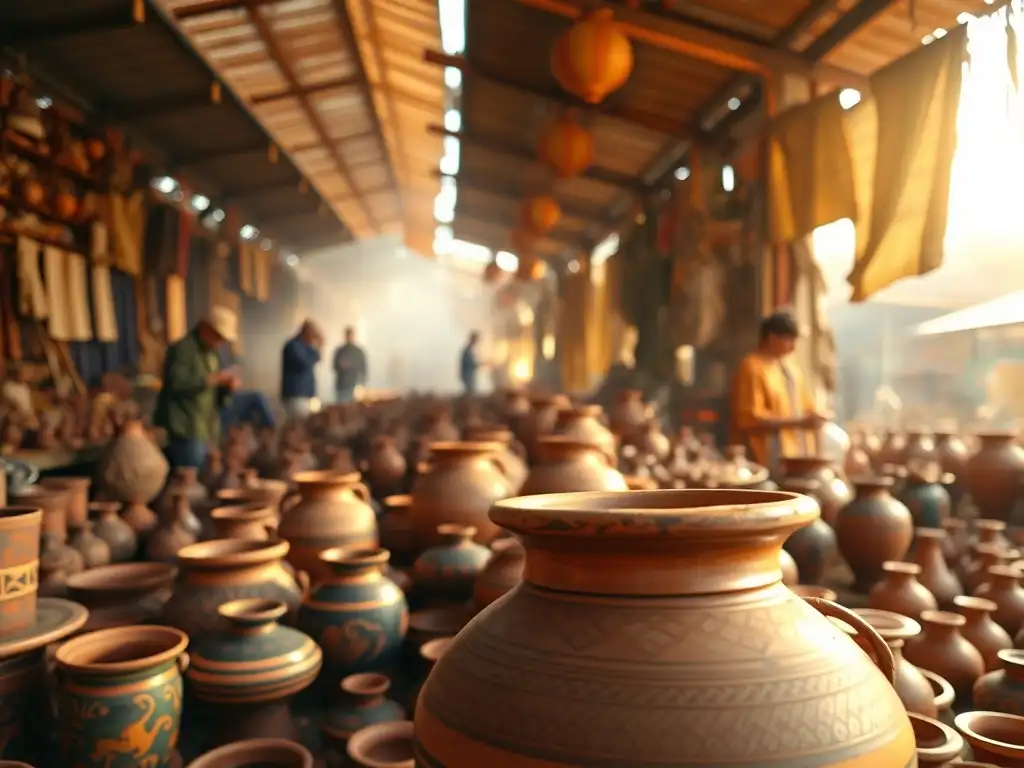
Step into a world lost to time, yet echoing with vibrant life. Imagine uncovering the secrets held within ancient Andean artistry, a world of intricate textiles, awe-inspiring architecture, and unparalleled craftsmanship. But how do you distinguish genuine treasures from skillful imitations? Our exploration of Moche pottery authenticity will guide you through the labyrinthine market, unveiling the clues that separate authentic masterpieces from clever forgeries. Dare to delve deeper into the captivating world of Andean artifacts and unlock the mysteries of the past.
The vibrant and intricate artistry of Moche pottery has captivated collectors and enthusiasts for decades. These ancient ceramics, unearthed from the arid coastal plains of northern Peru, offer a fascinating glimpse into the complex social structures, religious beliefs, and daily life of this pre-Columbian civilization.
However, the growing popularity of Moche artifacts has unfortunately led to a surge in forgeries and misrepresented pieces flooding the market. This article serves as a comprehensive guide to navigating the complexities of Moche pottery acquisition, equipping you with the knowledge and tools necessary to ensure the authenticity of your collection and contribute to the responsible preservation of this invaluable cultural heritage.
We will explore the challenges of authentication, delve into key indicators of genuine Moche ceramics, and provide practical advice to help you make informed decisions when acquiring these remarkable pieces of history. Understanding the intricacies of Moche pottery authenticity is not merely about acquiring valuable artifacts; it's about protecting a vital part of our shared human history and supporting ethical collecting practices.
The Challenge of Moche Pottery Authentication: Why It Matters
Authenticating Moche pottery presents a significant challenge due to several factors. The sheer age of these artifacts, coupled with the diverse range of styles and techniques employed by Moche artisans, makes definitive identification a complex process. Furthermore, the clandestine nature of much of the artifact trade often obscures provenance, making it difficult to trace a piece's origin and establish its legitimacy.
The consequences of acquiring a fake Moche piece extend beyond financial loss. The proliferation of forgeries undermines the scholarly study of the Moche culture, distorts our understanding of their artistic achievements, and ultimately diminishes the value of genuine artifacts. Moreover, the purchase of counterfeit items often fuels illegal looting and the destruction of archaeological sites, contributing to the irreversible loss of invaluable historical and cultural information.
Therefore, understanding the importance of authentication is crucial for both the collector and the preservation of our shared cultural heritage. The emotional investment in a piece believed to be authentic is significant; verifying authenticity protects this investment and upholds ethical collecting principles.
Identifying Genuine Moche Ceramics: Key Indicators of Authenticity
Several key indicators can help distinguish genuine Moche pottery from imitations. Careful examination, often requiring expert consultation, is essential. These indicators include:
- Clay Composition and Texture: Genuine Moche pottery typically utilizes local clays, resulting in a specific texture and color that can vary regionally. Forgeries often use different clays, resulting in an unnatural appearance or inconsistencies in texture. Analyzing the clay's composition through scientific methods can be invaluable in verification.
- Slip and Paint: Moche artisans expertly applied slips (a clay-based coating) and paints derived from natural minerals. The application techniques, color palettes, and the subtle variations in the paint's texture are crucial indicators of authenticity. Forgeries often lack the refinement and subtlety of the original techniques.
- Firing Techniques: Moche pottery was typically fired in open-air kilns, resulting in characteristic firing effects, such as variations in color and texture across the surface. Imitations often display inconsistencies in firing, potentially revealing the use of modern kilns.
- Iconography and Style: Moche pottery is renowned for its distinctive iconography, depicting scenes from daily life, mythology, and religious rituals. A deep understanding of Moche art styles and motifs is essential for recognizing deviations from established patterns and identifying stylistic inconsistencies in potential forgeries. Detailed stylistic analysis often requires the expertise of a specialist in pre-Columbian art.
- Provenance and Documentation: Whenever possible, acquire Moche pottery with documented provenance. This entails a clear record of the piece's history, ideally tracing it back to its original excavation or acquisition. A well-documented provenance significantly increases the likelihood of authenticity and reduces the risk of purchasing illicitly obtained artifacts. The absence of provenance does not automatically indicate inauthenticity, but it does increase the risk.
The process of authenticating Moche pottery is multifaceted and often requires the expertise of experienced archaeologists, art historians, and conservators. While this guide provides some key indicators, it is crucial to consult with professionals to ensure the authenticity of any potential acquisition. Investing in professional authentication services is a crucial step in responsible collecting and guarantees the preservation of your collection's integrity and value.
Understanding Moche Pottery Manufacturing Techniques: A Foundation for Authentication
The authenticity of Moche pottery hinges on a deep understanding of the techniques employed by the ancient artisans. Moche potters were masters of their craft, utilizing sophisticated methods that left distinct hallmarks on their creations. These hallmarks, often subtle, serve as crucial indicators when assessing the genuineness of a piece. Careful examination of these manufacturing processes is paramount in distinguishing authentic Moche pottery from modern reproductions.
Understanding the nuances of their techniques empowers collectors to make informed decisions and avoid costly mistakes. The more familiar one is with the methods, the easier it becomes to spot inconsistencies in forged pieces. This knowledge is the cornerstone of confident collecting in this fascinating field.
The Significance of Moche Clay Composition: Clues in the Material
The clay used by Moche potters was carefully selected and prepared. They often sourced local clays, resulting in variations in color and texture depending on the region. Authentic Moche pottery often exhibits subtle variations in clay color and consistency, reflecting the natural composition of the earth from which it originated. These variations are often overlooked, but they can be significant indicators of authenticity.
For instance, some clays might contain higher concentrations of minerals, resulting in a slightly different hue or a unique texture. Conversely, modern forgeries often use standardized clays, leading to a uniformity that is absent in genuine artifacts. Analyzing the clay composition, therefore, provides a valuable layer of authentication. A scientific analysis, while costly, can definitively determine the mineral composition and source of the clay, offering irrefutable evidence of authenticity.
Recognizing Moche Slip and Pigment Characteristics: A Visual Guide
The slip and pigments used by Moche artisans are another crucial aspect of authentication. The slips, a liquid clay coating applied before firing, often exhibited a range of colors, from creamy beige to reddish-brown. The pigments, used to create the vibrant and intricate designs, were primarily derived from natural sources like minerals and plants. These pigments were carefully ground and mixed to achieve specific colors and tones. Authentic Moche pigments often show a subtle depth and luminosity that is difficult to replicate.
Moreover, the application techniques were refined, resulting in even coatings and precise lines. Modern forgeries, in contrast, often utilize synthetic pigments that lack the same depth and subtlety. The pigments may also appear too bright or uniform, lacking the natural variations found in genuine pieces. A careful examination under magnification can reveal the presence of synthetic materials, betraying the forgery.
Decoding Moche Pottery Forms and Decoration Styles: Pattern Recognition
Moche pottery is renowned for its diverse forms and decorative styles. Each form, from the iconic stirrup-spout vessels to the delicately crafted effigy jars, reflects specific cultural beliefs and artistic conventions. The decorative motifs, often depicting mythological figures, scenes of daily life, or complex geometric patterns, are equally distinctive. Understanding these forms and styles is crucial for authentication.
Familiarizing oneself with the stylistic evolution of Moche pottery over time is essential. Recognizing the characteristic features of different periods and regional variations is key to distinguishing authentic pieces from imitations. Forgeries often exhibit inconsistencies in these stylistic elements, revealing a lack of understanding of the authentic artistic conventions. Careful study of reputable collections and scholarly resources is necessary to develop the eye for detail required to accurately assess the authenticity of a piece.
Common Signs of Moche Pottery Forgeries: Red Flags to Watch Out For
While appreciating the artistry of Moche pottery, it's crucial to be aware of the telltale signs of forgeries. Many imitations flood the market, posing a challenge to even seasoned collectors. Recognizing these red flags is crucial to safeguarding your investment and protecting the integrity of your collection. The subtle details often betray the forger's lack of understanding of the ancient techniques and artistic conventions. A keen eye and a healthy dose of skepticism are essential when examining potential acquisitions.
Analyzing Modern Imitations: Identifying Surface Treatment Differences
Modern forgeries often exhibit inconsistencies in surface treatment compared to authentic Moche pottery. Genuine pieces often have a subtle texture and variations in surface finish that reflect the ancient hand-building and firing techniques. Forged items, in contrast, can appear overly smooth or have a uniform texture that lacks the natural imperfections and variations characteristic of authentic Moche pottery.
The application of slip and pigment can also betray a forgery. Modern reproductions may exhibit uneven slip application, or pigments that appear too bright or overly saturated, lacking the subtle nuances found in genuine pieces. Close examination under magnification can reveal the inconsistencies in the application of these materials.
Examining Fake Moche Iconography: Recognizing Inaccurate Depictions
The iconography depicted on Moche pottery is rich in symbolism and cultural significance. Forgers often misrepresent or inaccurately portray these motifs, revealing their lack of understanding of Moche culture and artistic conventions. Authentic Moche iconography is characterized by precise detail and a deep understanding of the subject matter.
Fake pieces may show inconsistencies in the depiction of figures, animals, or symbolic elements. The proportions may be off, the details may be simplified, or the overall composition may lack the coherence and artistic skill seen in genuine Moche works. Careful comparison with known authentic examples is crucial to identifying such inaccuracies.
Spotting Signs of Artificial Aging: Detecting Unnatural Wear and Tear
Some forgers attempt to artificially age their creations to give them the appearance of antiquity. However, these attempts often result in unnatural wear and tear that is easily detectable upon close examination. Authentic Moche pottery exhibits signs of natural wear and weathering consistent with its age and exposure to the elements.
Artificial aging techniques typically result in superficial scratches, discoloration, or a uniform patina that lacks the subtle variations found in naturally aged pottery. The application of chemicals to induce artificial aging can also leave telltale signs that are visible under magnification. A careful examination of the piece's surface, therefore, is essential to identify signs of artificial aging.
Tools and Services for Verifying Moche Pottery Authenticity
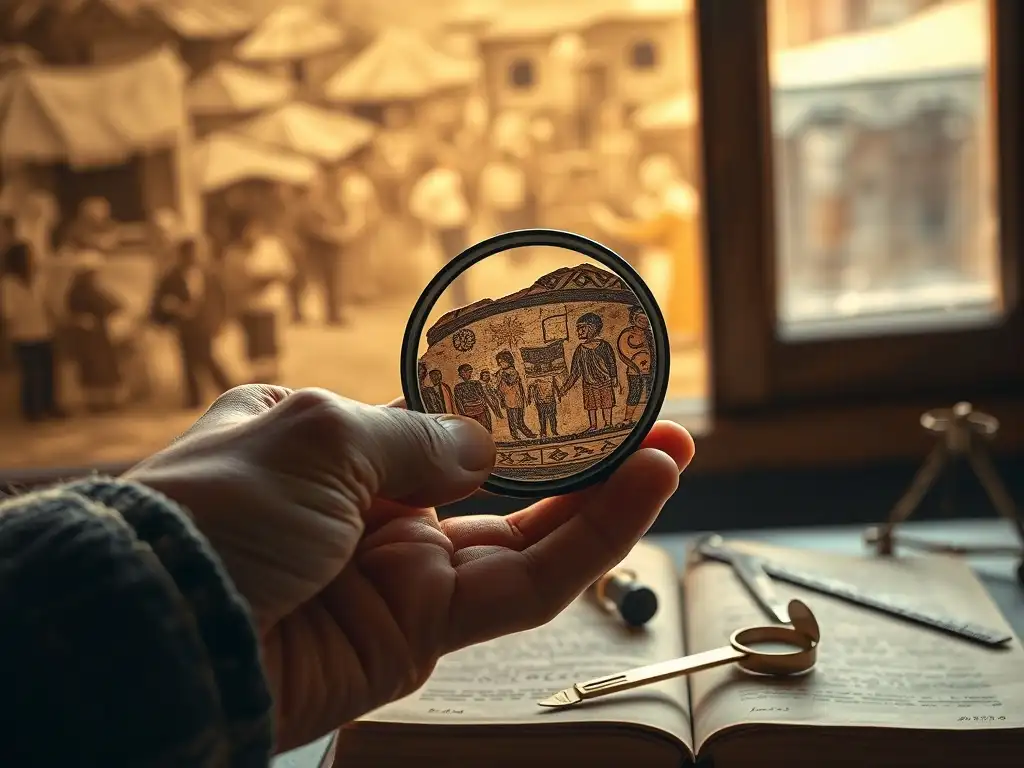
The quest for authentic Moche pottery requires a multifaceted approach, leveraging a combination of expert knowledge and scientific analysis. Successfully navigating the complexities of the Moche pottery market demands diligence and a critical eye. Don't be swayed by alluring prices or seemingly convincing narratives; instead, arm yourself with the right tools and resources to ensure the authenticity of your acquisitions. This empowers you to make informed decisions and build a collection you can trust. Remember, investing in verification is an investment in the long-term value and integrity of your collection.
The Value of Expert Appraisal Services: Connecting with Reputable Archaeologists
Engaging a reputable archaeologist specializing in Moche artifacts is paramount. These experts possess the in-depth knowledge of stylistic variations, manufacturing techniques, and material composition crucial for accurate authentication. They can identify subtle nuances often missed by the untrained eye, such as variations in clay type, pigment composition, and firing techniques.
Finding a qualified archaeologist may involve contacting university departments of archaeology, museums with Andean collections, or professional archaeological organizations. A thorough appraisal will provide a detailed report, often including photographic documentation and a reasoned assessment of authenticity, significantly increasing the confidence in your purchase. The cost of such services varies, but the investment is justified given the potential value of the artifacts and the avoidance of costly mistakes.
Utilizing Scientific Analysis: Exploring Options for Material Testing
Scientific analysis provides an objective, verifiable method for assessing Moche pottery authenticity. Techniques such as thermoluminescence (TL) dating can determine the age of the pottery, helping to confirm its antiquity. Other analytical methods, such as X-ray fluorescence (XRF) spectroscopy, can analyze the elemental composition of the pigments and clay, revealing potential inconsistencies with known Moche production methods.
These methods are particularly useful in detecting modern forgeries, which often exhibit discrepancies in material composition compared to authentic pieces. While these scientific tests can be expensive, they provide irrefutable evidence supporting or refuting the authenticity claims, making them a crucial tool for serious collectors. Access to these services often requires contacting specialized laboratories or museums with scientific analysis capabilities.
Recommended Reference Books and Guides for Moche Pottery Authentication
Building a robust understanding of Moche pottery requires access to high-quality reference materials. Several scholarly books and academic publications delve deep into the stylistic characteristics, manufacturing techniques, and iconography of Moche pottery. These resources provide invaluable visual comparisons and detailed descriptions to assist in the authentication process. Furthermore, reputable museum catalogs and exhibition guides often contain high-resolution images and detailed analyses of authentic Moche pieces. It's crucial to consult multiple sources to cross-reference information and build a comprehensive understanding. [Specific titles and authors pending]
Practical Steps for Buying Authentic Moche Pottery: A Buyer's Guide
Purchasing Moche pottery requires careful planning and due diligence. Avoid impulsive purchases; instead, approach the acquisition process systematically, employing a range of verification methods to mitigate the risk of acquiring forgeries. A thorough understanding of the market and the inherent risks involved is crucial for building a genuine collection.
Purchasing from Trusted Dealers: Building a Network of Reputable Sources
Establishing relationships with reputable dealers specializing in pre-Columbian artifacts is a crucial step. Trusted dealers typically have a long-standing history in the field, a deep understanding of Moche pottery, and a commitment to ethical sourcing. They often provide detailed provenance documentation and are willing to cooperate with independent verification efforts. Networking within the collector community and attending reputable art fairs and exhibitions can help you identify and connect with such dealers. Building these relationships takes time and effort, but the benefits in terms of access to authentic pieces and expert advice are invaluable.
Documenting Your Acquisition: Creating a Paper Trail for Provenance
Meticulous documentation is essential for establishing and maintaining the provenance of your Moche pottery. This involves maintaining detailed records of your purchase, including the dealer's name and contact information, the date of acquisition, the purchase price, and any accompanying documentation. High-quality photographs of the artifact from multiple angles should also be included. This comprehensive documentation creates a clear paper trail, demonstrating the legitimate history of the artifact and increasing its value and authenticity. This documentation is crucial should any questions regarding authenticity arise in the future.
Exercising Due Diligence: Questioning Provenance and Authenticity
Always question the provenance and authenticity claims made by sellers. Don't hesitate to ask for detailed information about the artifact's history, including where and when it was discovered, and any previous owners. Be wary of overly vague or inconsistent accounts. If the seller is unable to provide sufficient documentation or evidence to support the claims of authenticity, it's advisable to proceed with caution or to avoid the purchase altogether. Remember, a genuine piece will typically come with a detailed and verifiable history. The absence of such documentation should raise serious concerns.
Protecting Your Investment: Maintaining the Value of Authentic Moche Pottery
Owning authentic Moche pottery is not just about possessing a beautiful artifact; it's about investing in a piece of history. To ensure your investment retains its value—both monetary and historical—proper care and maintenance are crucial. Neglect can lead to deterioration, reducing the piece's worth and potentially irreparably damaging a significant cultural artifact. Understanding how to preserve your Moche pottery is paramount to its longevity and continued appreciation. This involves a multi-faceted approach, encompassing careful handling, appropriate storage, and a keen awareness of environmental factors.
Proper Handling and Storage Techniques: Preserving Your Collection
Handling Moche pottery requires utmost care. Always wash your hands thoroughly before handling any piece to avoid transferring oils and dirt that could damage the delicate surface. Avoid touching the painted surfaces directly; instead, support the piece from underneath. For larger or more fragile pieces, consider using soft cotton gloves. Storage is equally important. Ideal storage conditions involve a cool, dry, and dark environment, minimizing exposure to fluctuating temperatures and humidity.
Individual pieces should be stored in acid-free tissue paper or soft cloth, cushioned within acid-free boxes to prevent scratching or breakage. Avoid stacking pieces directly on top of each other. Regular inspection for any signs of damage or deterioration is recommended. Consider using climate-controlled storage for the most valuable pieces, further mitigating the risks of damage from environmental factors. The investment in proper storage will safeguard your collection for generations to come.
Understanding Insurance Options: Protecting Against Loss or Damage
Protecting your investment in Moche pottery extends beyond proper handling and storage; it also involves securing adequate insurance coverage. While the value of Moche pottery can fluctuate depending on factors such as rarity and condition, obtaining specialized insurance for valuable artifacts is a wise precaution. This type of insurance often provides coverage for loss, theft, and damage, offering financial protection against unforeseen circumstances. When seeking insurance, it's crucial to provide accurate descriptions and valuations of your pottery, supported by expert appraisals if possible.
Clearly specifying the material, age, and unique features of each piece is essential for accurate assessment and claims processing. Such insurance policies can offer peace of mind, knowing your valuable collection is protected against risks inherent in owning such unique and historically significant items. The cost of insurance should be weighed against the potential financial loss in the event of damage or theft.
The Importance of Continued Research: Staying Informed About Moche Pottery
The field of Moche pottery research is constantly evolving. New discoveries, dating techniques, and stylistic analyses continually refine our understanding of these remarkable artifacts. Staying informed about the latest research is crucial for several reasons. Firstly, it helps you better understand the historical context and cultural significance of your collection.
Secondly, it can help you identify potential fakes or forgeries more effectively. Thirdly, it can enhance your appreciation of the artistic techniques and craftsmanship involved in creating these pieces. By regularly reading academic journals, attending relevant conferences, and engaging with experts in the field, you can deepen your knowledge and ensure that your understanding of Moche pottery authenticity remains current and accurate. This ongoing learning process adds another layer of value to your investment, enriching your appreciation and ensuring you remain at the forefront of Moche pottery scholarship.
Conclusion: Investing in Authentic Moche Heritage
Investing in authentic Moche pottery is an investment in a tangible piece of history, a testament to the artistic skill and cultural richness of the ancient Moche civilization. However, the responsibility of ownership extends beyond mere possession. Protecting your investment requires a multifaceted approach encompassing careful handling, appropriate storage, adequate insurance, and a commitment to continued learning.
By diligently following these guidelines, you not only safeguard your collection's monetary value but also contribute to the preservation and appreciation of this invaluable cultural heritage for future generations. The rewards of owning authentic Moche pottery are numerous, offering a unique connection to the past and a lasting legacy for years to come. Remember, responsible ownership is key to ensuring the enduring legacy of these remarkable artifacts.
- The Challenge of Moche Pottery Authentication: Why It Matters
- Identifying Genuine Moche Ceramics: Key Indicators of Authenticity
- Understanding Moche Pottery Manufacturing Techniques: A Foundation for Authentication
- Common Signs of Moche Pottery Forgeries: Red Flags to Watch Out For
- Tools and Services for Verifying Moche Pottery Authenticity
- Practical Steps for Buying Authentic Moche Pottery: A Buyer's Guide
- Protecting Your Investment: Maintaining the Value of Authentic Moche Pottery
- Conclusion: Investing in Authentic Moche Heritage
Frequently Asked Questions
How can I tell if a piece of Moche pottery is authentic?
Authenticity requires expert examination. Look for consistent stylistic elements, characteristic materials, and the absence of modern manufacturing marks. Professional appraisal is recommended.
What are some common signs of fake Moche pottery?
Fake pieces often show inconsistent paint application, unnatural colors, or modern manufacturing techniques. They may also lack the subtlety and detail found in genuine artifacts.
Where can I get my Moche pottery authenticated?
Reputable museums and private appraisers specializing in pre-Columbian art can authenticate Moche pottery. Seek recommendations from trusted sources within the field.
What are the key characteristics of authentic Moche pottery?
Authentic pieces exhibit unique artistic styles specific to different Moche periods. Look for high-quality craftsmanship, detailed imagery, and use of specific pigments and techniques.
Why is it important to ensure the authenticity of Moche pottery?
Purchasing authentic artifacts supports ethical collecting practices and preserves cultural heritage. Counterfeit items devalue genuine pieces and contribute to the illicit antiquities trade.
Final Reflection: The Enduring Legacy of Moche Pottery
The quest for authentic Moche pottery remains a vital pursuit, not merely for collectors, but for all who value the preservation of cultural heritage and the understanding of ancient civilizations. The intricate artistry and historical significance of these pieces demand careful consideration, ensuring that future generations can appreciate their beauty and learn from their stories without contributing to the unethical trade that threatens their survival.
The impact of the Moche pottery trade extends far beyond the realm of collecting; it speaks to broader issues of cultural appropriation, ethical sourcing, and the responsibility we bear in protecting irreplaceable artifacts. The past is never dead. It's not even past.
- William Faulkner. This quote resonates deeply, reminding us that the choices we make today regarding the acquisition and preservation of Moche pottery directly impact the legacy we leave for tomorrow. The ongoing debate surrounding authenticity highlights the need for increased transparency and ethical practices within the art market.
Consider your own relationship with art and history. Are you actively seeking out authentic pieces, supporting ethical dealers and museums, and educating yourself on the provenance of artifacts? You have the power to make a difference. By demanding transparency and supporting responsible practices, you can help ensure that the vibrant legacy of the Moche civilization continues to inspire and educate for centuries to come. Let us all strive to be responsible stewards of this incredible cultural heritage.
**Embrace Authenticity: Elevate Your Collection Today! **
Thank you for exploring the captivating world of the Moche Market with us! Understanding authenticity is crucial for preserving the rich heritage of Andean civilizations. Now, let's put that knowledge into practice!
Here are a few steps you can take:
- **Research Local Artisans:** Connect directly with artisans online or through local galleries to learn about their techniques and the stories behind their work. This firsthand knowledge is invaluable.
- **Share Your Insights:** Discuss your experiences with fellow collectors or on social media. Your perspective can inspire others to appreciate authentic Andean art.
- **Join a Community:** Engage with online forums and social media groups dedicated to Andean art. These communities offer invaluable resources and connections with other enthusiasts.
What authentic Andean treasure will you seek next?