
Moche Pottery Motifs: Deciphering Authentic Iconography and Symbols

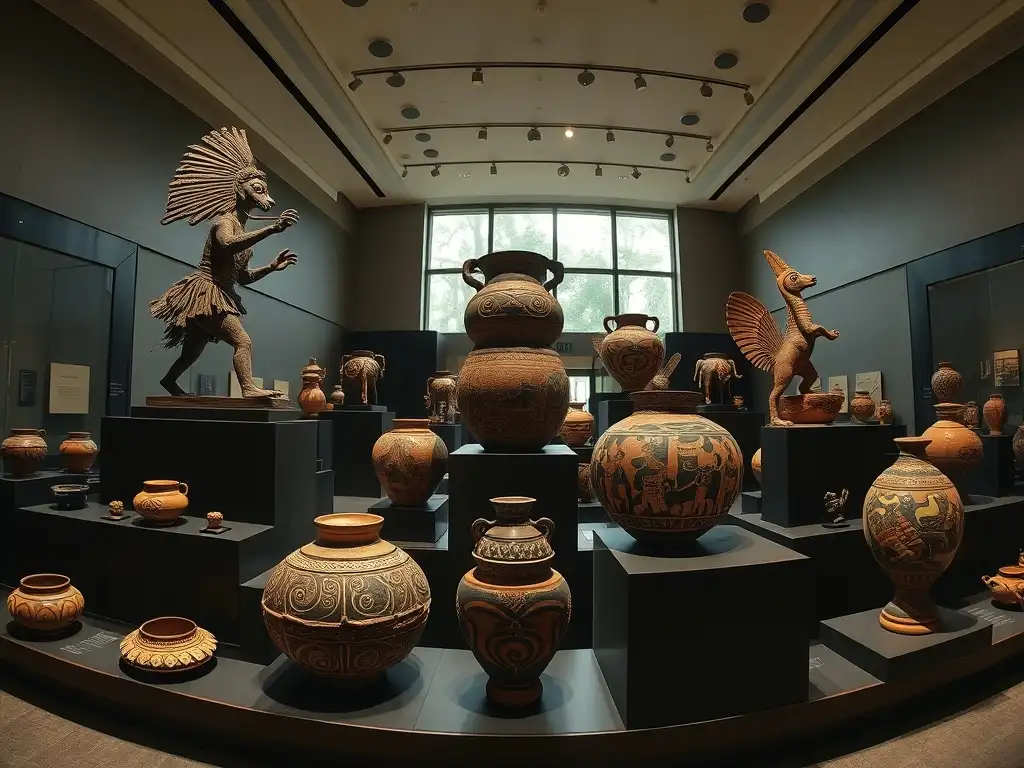
Dive into the enigmatic world of the Andes! Prepare to be captivated by the breathtaking artistry and complex societies that thrived in this ancient region. From the towering heights of the Incas to the intricate artistry of the Moche, our exploration of Andean civilizations unveils their fascinating stories. But what secrets do the vibrant Moche pottery motifs hold? Uncover the meaning behind these captivating symbols and unlock a deeper understanding of this remarkable culture – read on to decipher their enigmatic iconography.
The Moche civilization, flourishing along the northern coast of Peru from approximately 100 CE to 800 CE, left behind a remarkable legacy: exquisitely crafted pottery depicting a vibrant and complex worldview. Understanding the meaning behind Moche pottery motifs is crucial for appreciating the depth and sophistication of this ancient culture. This article delves into the iconography and symbolism found on authentic Moche ceramics, offering insights into their religious beliefs, social structures, and daily life.
We'll explore how identifying these motifs can help you distinguish genuine Moche pottery from later imitations, a critical aspect for collectors and enthusiasts alike. By examining specific examples and analyzing recurring themes, we aim to provide a comprehensive understanding of the rich tapestry of meanings woven into these captivating artifacts.
This exploration will equip you with the knowledge to decipher the secrets embedded within the seemingly simple designs, unlocking a deeper understanding of the Moche people and their enduring cultural legacy. The keyword "Moche pottery motifs meaning" will be addressed throughout, offering a detailed and informative guide to this fascinating subject.
Unveiling the Secrets of Moche Pottery Design
Moche potters were master artisans, employing a variety of techniques to create their stunning vessels. From the meticulous detail in their figurative representations to the intricate designs adorning both utilitarian and ceremonial pieces, their skill is undeniable. But the artistry extends beyond mere technical proficiency; the designs themselves are rich with symbolic meaning, reflecting the Moche's cosmology, social hierarchy, and daily experiences. The motifs weren't randomly chosen; they were carefully selected and arranged to convey specific messages and narratives.
Understanding these messages requires a careful examination of the recurring themes, stylistic conventions, and the context in which the pottery was found. For example, the frequent depiction of deities, mythical creatures, and scenes of ritual sacrifice provides valuable insights into their religious beliefs and practices. We will explore these themes in detail, examining specific examples of Moche pottery to illustrate the diversity and complexity of their iconography.
Analyzing the motifs requires attention to detail. Consider the use of color, the positioning of figures, and the overall composition of the design. Even seemingly minor details can hold significant meaning.
For instance, the use of specific colors might symbolize different aspects of the Moche worldview, while the hierarchical arrangement of figures within a scene could reflect social structures. Moreover, the types of vessels themselves—from simple bowls to elaborate stirrup-spout jars—often indicate their intended use and the social context in which they were used. The combination of all these factors allows for a more nuanced understanding of the meaning encoded within each piece.
The following table provides a preliminary overview of common Moche pottery motifs and their potential meanings. Note that interpretations are often debated among scholars, and further research is ongoing.
| Motif | Potential Meaning | Example | Notes |
|---|---|---|---|
| Deities (e.g., Ai Apaec) | Supernatural beings, religious figures | Often depicted in powerful, imposing poses | Their attributes and accompanying symbols offer further interpretative clues |
| Mythical Creatures | Representations of the supernatural world, shamans | Often intertwined with deities and rituals | Variations in depiction suggest different roles or powers. |
| Ritual Scenes | Depictions of ceremonies, sacrifices, and offerings | Provide insights into religious practices | Detailed analysis of the figures and actions is crucial. |
| Warriors | Representation of military power and social status | Often depicted with weaponry and regalia | Their attire and posture provide clues to their rank and function. |
| Everyday Life Scenes | Depictions of daily activities, agriculture, fishing etc. | Offer glimpses into Moche society and economy | These scenes are valuable for understanding their daily lives. |
This is just a starting point. The rich iconography of Moche pottery continues to fascinate and challenge scholars. Further exploration into individual motifs and their contextual significance will undoubtedly reveal even more about this remarkable civilization and its artistic achievements. The next sections will delve deeper into specific examples and categories of motifs, providing a more thorough understanding of their meaning and significance.
Understanding the Significance of Moche Pottery Motifs Meaning
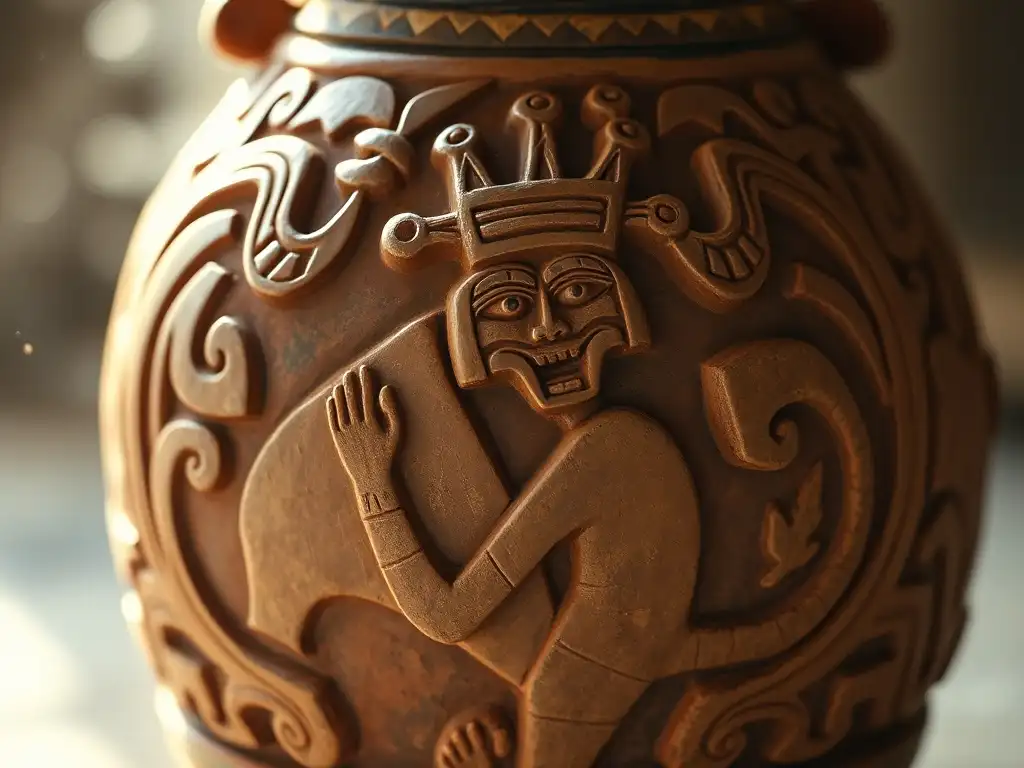
The allure of Moche pottery lies not only in its exquisite craftsmanship but also in the rich tapestry of symbolic motifs that adorn its surface. Understanding the meaning behind these intricate designs offers a unique glimpse into the complex social structures, religious beliefs, and daily life of this remarkable pre-Columbian civilization. The vibrant colors, detailed figures, and carefully chosen compositions are not merely decorative; they represent a sophisticated system of communication, conveying narratives, beliefs, and social hierarchies.
This section delves into the significance of these motifs, exploring how they serve as invaluable keys to unlocking the secrets of Moche culture. Analyzing Moche pottery motifs meaning requires a multidisciplinary approach, drawing upon archaeological findings, anthropological interpretations, and art historical analysis. The careful study of these motifs allows us to reconstruct aspects of Moche society that would otherwise remain hidden.
We'll explore how different motifs, from depictions of deities and mythical creatures to representations of everyday life, contribute to a more complete understanding of this fascinating civilization. The keyword "Moche pottery motifs meaning" is central to this exploration, guiding our investigation into the deeper significance of these artistic expressions.
The Importance of Iconography in Moche Society
Moche society, characterized by its sophisticated social hierarchy and complex religious beliefs, heavily relied on visual communication. Iconography wasn't merely decorative; it served as a powerful tool for reinforcing social structures, conveying religious messages, and narrating important historical events. The meticulously crafted pottery pieces served as a primary medium for this visual communication. Consider, for example, the frequent depiction of powerful figures, likely rulers or priests, adorned with elaborate headdresses and regalia.
These portrayals not only identify high-status individuals but also communicate their authority and power within the society. Similarly, the recurring motifs of supernatural beings and mythical creatures illustrate the importance of religion and the spiritual world in shaping Moche worldview. The precise execution and consistent use of specific symbols in different contexts suggest a highly structured system of visual language, understood and interpreted by Moche society.
The consistency across different pottery pieces from various sites reinforces the idea of a shared cultural understanding and centralized control over the production and meaning of these artistic expressions. Further research into the specific contexts of discovery, including burial sites and ceremonial contexts, can shed more light on the specific meanings of certain motifs. This research highlights the importance of understanding the social context in which these artifacts were created and used to fully grasp the significance of the Moche pottery motifs meaning.
Moche Art as a Window into Their Worldview: Understanding Moche Pottery Symbols
The symbols used in Moche pottery offer a unique insight into their worldview, beliefs, and values. Analyzing these symbols reveals a complex interplay between the natural and supernatural worlds. For instance, recurring depictions of marine life, such as fish, birds, and sea mammals, not only reflect their proximity to the coast but also suggest a deep connection to the ocean's bounty and its spiritual significance. These symbols are often intertwined with depictions of deities or ritualistic scenes, further emphasizing their importance in the Moche worldview.
The frequent representation of warriors and battle scenes reveals the importance of warfare and military organization in Moche society. These representations are often detailed and dynamic, capturing the movement and intensity of combat. The careful depiction of weaponry, armor, and the expressions of the warriors themselves provides insight into their military strategies and beliefs about warfare. Furthermore, the depiction of agricultural scenes and fertility symbols highlights the crucial role agriculture played in their economy and their relationship with the natural world.
The intricate details and symbolic representations within these scenes offer a window into their agricultural practices, beliefs about fertility, and the importance of ensuring successful harvests. This detailed examination of the Moche pottery symbols helps to expand our understanding of their cosmology, social structures, and daily lives, offering a more nuanced view of the Moche civilization and the meaning behind its artistic expressions. Further research is needed to fully decipher the complex interplay of symbols and their meanings within Moche culture, enriching our understanding of the Moche pottery motifs meaning.
Key Moche Pottery Motifs and Their Interpretations
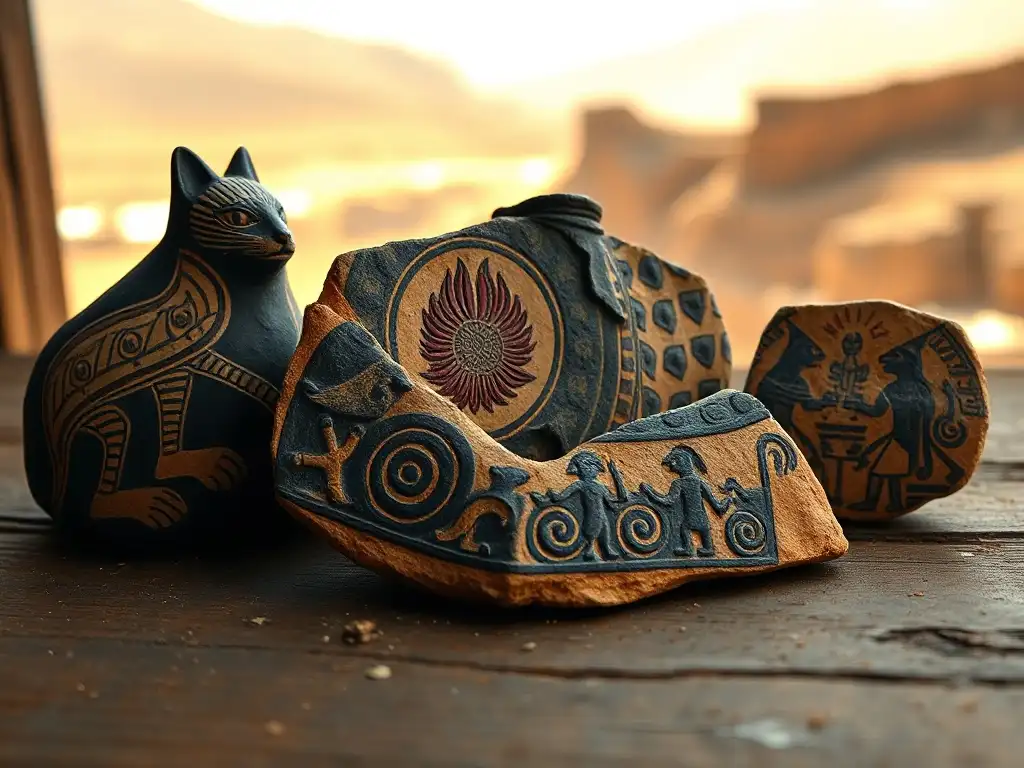
The Moche civilization (c. 100 – 800 CE) left behind a remarkable legacy, particularly evident in their intricate and expressive pottery. Understanding Moche pottery motifs meaning requires careful examination of the iconography, considering the cultural and religious context of the time. These motifs, often vibrantly painted and meticulously sculpted, provide invaluable insights into their worldview, social structures, and daily life.
This section explores some of the most prevalent and significant motifs found on authentic Moche ceramics, focusing on their symbolic interpretations and the clues they offer to understanding this fascinating ancient culture. The analysis below aims to help distinguish genuine pieces from modern imitations by highlighting the nuances and details characteristic of authentic Moche artistry.
The Ai Apaec Motif: Decoding the Decapitator God on Moche Vessels
The Ai Apaec motif, depicting a deity often associated with decapitation and sacrifice, is a prominent feature in Moche iconography. This figure, typically portrayed with fangs, claws, and a fearsome expression, is often shown wielding a knife or other weapon, engaged in ritualistic acts.
The Ai Apaec motif is not uniformly interpreted; some scholars suggest a connection to underworld deities or fertility rites, while others emphasize its role in warfare and human sacrifice. The depiction's intensity and detail, often including intricate headdresses and body adornments, are hallmarks of authentic Moche craftsmanship.
Variations in the representation – the angle of the weapon, the expression on the deity's face, the presence or absence of accompanying figures – add further layers of complexity to the interpretations. The stylistic consistency in genuine pieces, with its characteristic bold lines and vivid colors, stands in stark contrast to the often-less refined and less consistent details found in modern forgeries.
The Significance of the Moche Warrior Motif and its Representation in Pottery
Moche pottery frequently portrays warriors, often depicted in elaborate battle scenes or ceremonial contexts. These representations are not simply illustrations of warfare; they offer glimpses into the social hierarchy and military organization of the Moche society. Warriors are frequently shown wearing elaborate headdresses, armor, and weaponry, highlighting their status and power. The detail in the portrayal of weaponry, from spears and clubs to atlatls and slings, is remarkably precise, allowing for detailed studies of Moche military technology.
The positioning of warriors within a scene—alone, in groups, facing opponents—can indicate different aspects of Moche warfare, such as individual prowess, group tactics, and the significance of ritual combat. Analyzing the style and execution of these warrior motifs—the fluidity of movement, the anatomical accuracy (however stylized), the consistent use of specific color palettes—is crucial in authenticating Moche pottery. Forgeries often lack this level of detail and finesse.
Animal Motifs in Moche Pottery: Exploring the Meaning of the Fox, Owl, and Serpent
Animal motifs are ubiquitous in Moche pottery, with each animal carrying specific symbolic weight. The choice of animals and their depiction offer insights into Moche cosmology, beliefs, and the importance of the natural world. Among the most common are the fox, the owl, and the serpent, each with distinct iconographic characteristics and interpretations.
Deciphering the Moche Fox Motif: Symbolism and Context
The fox, often depicted with a cunning expression, is frequently associated with trickery, intelligence, and adaptability in Moche iconography. Its presence in pottery scenes can indicate various interpretations, from the representation of shamans or sorcerers to symbolic portrayals of the challenges and rewards of navigating the social landscape. The fox's depiction, often with its characteristic slender body and bushy tail, rendered with precision and attention to detail, is an important element in verifying the authenticity of a piece. Crude imitations often fail to capture the grace and vitality of the Moche's portrayal.
Understanding the Owl Iconography in Moche Ceramics
The owl, often depicted in nocturnal scenes, is frequently associated with wisdom, prophecy, and the underworld in Moche culture. The owl's large, expressive eyes and nocturnal habits likely led to its association with supernatural powers and unseen realms. The detailed rendering of the owl's feathers and its posture within the scene provides valuable clues to the intended meaning. The accuracy of anatomical details and the consistent artistic style are critical elements in differentiating genuine Moche pottery from imitations.
The Symbolic Role of the Serpent in Moche Pottery
Serpents, often depicted in intertwined or coiled positions, are frequently associated with water, fertility, and the life cycle in Moche iconography. Their presence signifies the importance of water resources and their role in agriculture and daily life. The serpent's symbolic association with healing and regeneration is also a prominent theme.
The way the serpent is depicted—its scales, its movement, its interaction with other elements in the scene—all contribute to the richness and complexity of the symbolic meaning. The consistent use of color and the precise execution of scales are key elements to help identify genuine Moche artifacts. Lack of these details often points to a forgery.
Moche Geometric Patterns: Beyond Decoration, A Language of Design
Moche artisans weren't simply decorating their pottery; they were creating a visual language. Geometric patterns, far from being mere aesthetic choices, likely held significant cultural and possibly even religious meaning within Moche society. The precision and repetition evident in these designs suggest a deep understanding of mathematical principles and a highly structured artistic process. Consider the intricate tessellations, the flawlessly executed spirals, and the complex interplay of lines and shapes – these weren't accidental flourishes but carefully considered elements contributing to a larger symbolic narrative.
The consistent recurrence of certain motifs across different vessels and time periods further supports the idea of a codified system of visual communication. Scholars continue to debate the precise meanings of these patterns, but their importance within the Moche worldview is undeniable. The complexity and sophistication of the geometric designs showcase the advanced artistic and intellectual capabilities of the Moche civilization.
Further research, incorporating interdisciplinary approaches, is needed to fully unlock the secrets hidden within these seemingly simple forms. The potential for uncovering new insights into Moche social structures, religious beliefs, and daily life through a deeper understanding of these geometric patterns is immense. The meticulous craftsmanship itself speaks volumes about the value placed on these artistic expressions within Moche culture.
Identifying Key Geometric Shapes and Their Possible Meanings on Moche Ceramics
The Moche repertoire of geometric shapes is surprisingly diverse, ranging from simple lines and dots to complex, interlocking designs. Some of the most frequently encountered shapes include:
- Triangles: Often appearing in repeated patterns, triangles may symbolize mountains, a prominent feature of the Moche landscape, or perhaps represent the forces of nature, such as the sun's rays or the peaks of the Andes. Their sharp angles might also convey a sense of strength or power.
- Spirals: These ubiquitous symbols are often interpreted as representations of the cyclical nature of life, death, and rebirth, possibly reflecting Moche cosmology and beliefs about the afterlife. The swirling movement might also signify water, a vital resource in the arid coastal region where the Moche thrived.
- Step patterns: These stepped or terraced designs may be symbolic representations of the agricultural terraces that were crucial to Moche subsistence. They could also be linked to architectural features of Moche cities or religious structures. The repetitive nature of these patterns suggests a connection to the ordered structure of Moche society.
- Rectangles and squares: These more structured shapes might represent the organized nature of Moche society, suggesting themes of stability, order, and societal hierarchy. Their prevalence on certain types of vessels could indicate their function or the social status of their owners.
- Bands and stripes: Simple yet effective, bands and stripes are common elements in Moche pottery. Their repeated use might signify a sense of rhythm, continuity, and perhaps a connection to textiles and weaving, significant aspects of Moche material culture.
The interpretations listed above are, of course, subject to ongoing scholarly debate. The precise meaning of each geometric shape likely depended on its context within the overall design, the type of vessel it adorned, and potentially even the specific time period in which it was created. Further research and comparative analysis of different Moche ceramic pieces are crucial to developing a more comprehensive understanding of the meaning and significance of these intricate geometric patterns.
The challenge lies in moving beyond simple descriptions of the shapes to uncovering the deeper cultural and symbolic meanings embedded within them. This requires a multidisciplinary approach, combining art historical analysis with anthropological and archaeological insights. Only through such collaborative efforts can we hope to fully appreciate the sophisticated visual language of Moche pottery.
How to Identify Authentic Moche Pottery Motifs
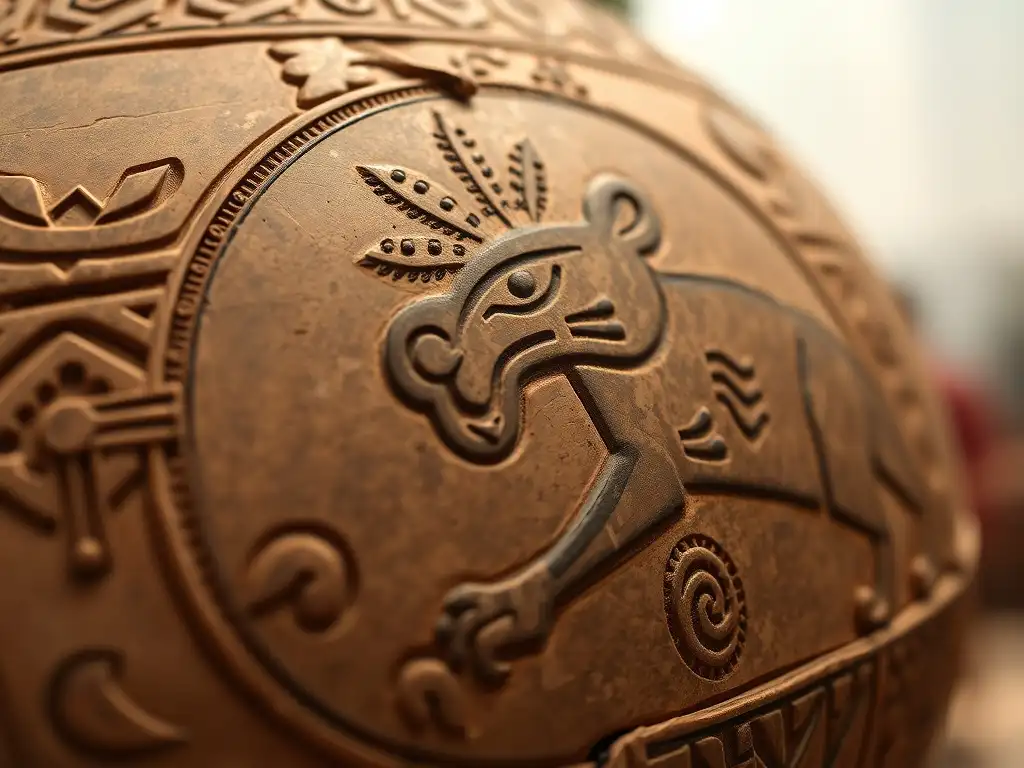
This section focuses on practical methods for distinguishing authentic Moche pottery motifs from imitations, helping you understand the nuances of Moche iconography and ensuring you acquire genuine pieces. The meaning behind Moche pottery motifs is deeply rooted in their complex society and religious beliefs; correctly identifying these motifs is key to understanding their cultural significance. Understanding the characteristics of authentic Moche pottery is crucial for appreciating the artistry and historical value of these artifacts. The demand for Moche pottery, with its captivating motifs, has unfortunately led to a rise in forgeries. Therefore, careful examination and verification are essential.
Recognizing Genuine Moche Art Styles: A Practical Guide
Authentic Moche pottery is characterized by a unique artistic style. The motifs, depicting scenes of daily life, religious rituals, and mythical beings, are rendered with remarkable precision and detail. Observe the use of color; genuine Moche pottery often employs vibrant, earthy pigments, which are applied smoothly and evenly. Look for the characteristic slip and the level of firing.
The slip, a clay coating applied before painting, should be consistent and free from blemishes. The firing process should have resulted in a stable and durable piece, free from excessive cracking or warping. Pay attention to the style of the figures depicted. Moche artists were masters of capturing movement and emotion.
Their figures are often dynamic, full of life, and possess a unique aesthetic that is difficult to replicate. Note the use of negative space, a hallmark of Moche artistry; it's a deliberate choice, not an oversight. Finally, consider the overall composition; authentic Moche pottery displays a balance and harmony in its design, showcasing the artist's mastery of form and function. Learning to recognize these subtle details will significantly improve your ability to distinguish authentic Moche pottery from modern reproductions.
Distinguishing Replicas from Original Moche Pottery: Key Characteristics
Several key characteristics help distinguish between genuine Moche pottery and replicas. One crucial factor is the presence of imperfections. While modern forgeries often strive for flawless perfection, authentic Moche pieces frequently exhibit minor imperfections, such as slight variations in color, minor firing flaws, or small inconsistencies in the application of slip or paint. These imperfections are telltale signs of handcrafted artistry. Another important aspect is the age and condition of the pottery.
Genuine Moche pottery will show signs of age, including wear and tear consistent with its age. The surface may have a patina, a subtle discoloration or sheen, developed over time. This is unlike the pristine condition often seen in modern replicas. Furthermore, the materials used are crucial.
Authentic Moche pottery is made from local clays, and analysis of the clay composition can help determine authenticity. Finally, the style of the decoration itself provides valuable clues. Replicas often fail to capture the subtle nuances of the Moche aesthetic, including the dynamic poses, expressive features, and sophisticated use of color and negative space. Careful examination of these characteristics will help you discern the authenticity of a Moche piece.
The Importance of Provenance and Expert Opinions in Identifying Authentic Pieces
Provenance, the documented history of ownership of an artifact, is paramount in establishing authenticity. A clear and unbroken chain of custody significantly strengthens the case for authenticity. A piece with a documented history, tracing back to reputable collectors or archaeological excavations, is far more likely to be genuine. This documentation can include auction records, museum records, or private collection records.
However, even with a documented provenance, seeking expert opinion is essential. Expert examination by qualified art historians and archaeologists specializing in Pre-Columbian art is crucial for a definitive assessment of authenticity. These experts have extensive knowledge of Moche pottery styles, techniques, and materials, enabling them to identify subtle indicators of authenticity or forgery that might be missed by the untrained eye. Their evaluation encompasses various aspects, including stylistic analysis, material analysis, and a comprehensive review of the provenance documentation.
Consulting with Art Historians Specializing in Pre-Columbian Art for Authentication
Consulting with art historians specializing in Pre-Columbian art is a crucial step in verifying the authenticity of Moche pottery. These experts possess in-depth knowledge of the stylistic characteristics, manufacturing techniques, and materials used in creating authentic Moche pieces. They can analyze the pottery's motifs, color palette, and overall aesthetic to determine whether it aligns with known Moche artistic conventions.
Their expertise extends to identifying potential signs of forgery, such as inconsistencies in the application of paint, unrealistic depictions, or the use of modern materials. They can also evaluate the provenance documentation to assess the validity of the ownership history. The cost of this consultation varies depending on the expert's reputation and the complexity of the assessment; however, the value of their expertise in ensuring authenticity far outweighs the expense.
Utilizing Radiocarbon Dating and Thermoluminescence for Verification
Scientific methods like radiocarbon dating and thermoluminescence can provide objective evidence supporting the authenticity of Moche pottery. Radiocarbon dating measures the amount of carbon-14 remaining in organic materials, such as the remnants of plant fibers or other organic material that may have been incorporated into the clay during the pottery's creation. This technique can determine the approximate age of the piece, providing a crucial timeframe for verification.
Thermoluminescence (TL) dating measures the energy stored in crystalline materials exposed to radiation over time. By analyzing the pottery's clay, TL dating can estimate the last time the piece was heated to a high temperature, such as during the firing process. These scientific methods offer additional layers of verification, complementing stylistic and historical analysis.
However, it's important to note that these tests can be expensive and may not always be feasible, particularly for smaller or less significant pieces. The results of these tests, combined with expert analysis, provide a comprehensive assessment of authenticity.
Resources for Further Exploration of Moche Pottery Design
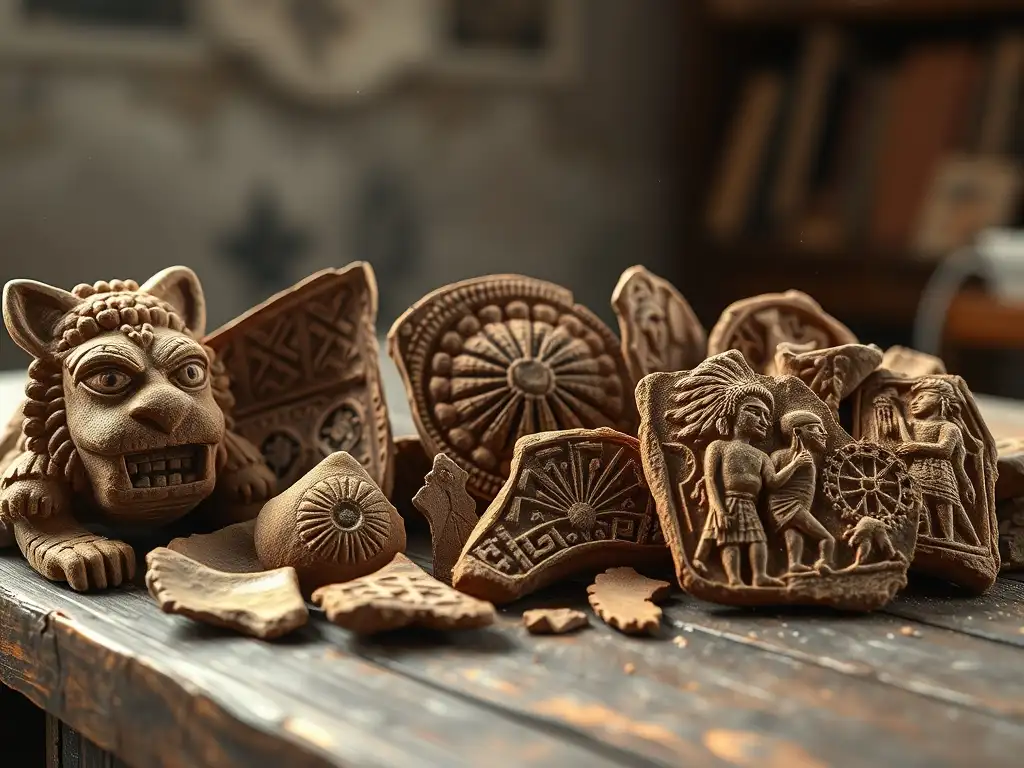
This section provides valuable resources for those seeking to deepen their understanding of Moche pottery motifs and their meanings. From scholarly publications to extensive online databases, these resources offer a wealth of information for both novice and experienced researchers interested in deciphering the intricate iconography of Moche ceramic art. Understanding the nuances of Moche pottery motifs meaning requires dedicated study, and these resources provide the tools to embark on that journey.
Recommended Books and Publications on Moche Iconography
Delving into the world of Moche pottery motifs meaning requires access to reliable and comprehensive sources. The following books and publications offer in-depth analyses of Moche visual culture, providing invaluable context for interpreting the symbolic language embedded within their pottery. These resources are crucial for anyone serious about understanding the complexities of Moche iconography and their cultural significance.
"The Art of the Moche" by Christopher B. Donnan - A Guide to Moche Visual Culture
Donnan's seminal work, "The Art of the Moche," serves as a cornerstone for understanding Moche artistry. This book meticulously details the various motifs found in Moche pottery, offering detailed descriptions and insightful interpretations. The text is richly illustrated, showcasing the vibrant colors and intricate detail characteristic of Moche ceramic production.
Donnan's expertise provides a crucial foundation for comprehending the broader cultural context within which these motifs were created and utilized, significantly advancing the understanding of Moche pottery motifs meaning. The book's comprehensive approach addresses various aspects, from the technical aspects of pottery making to the socio-political implications of the imagery.
"Andean Past" - Research Articles on Moche Ceramic Iconography
The journal "Andean Past" frequently publishes scholarly articles dedicated to Andean archaeology and art history. Many articles within its archives directly address Moche ceramic iconography, offering nuanced interpretations of specific motifs and their evolution over time. These articles often present new research findings, challenging previous assumptions and contributing to a more refined understanding of Moche pottery motifs meaning.
Researchers can access detailed analyses of individual pieces, comparative studies of different Moche styles, and discussions of the broader cultural context shaping these artistic expressions. The journal's peer-reviewed nature ensures the reliability and academic rigor of the information presented. Searching the journal's database using keywords like "Moche pottery," "ceramic iconography," and "Andean symbolism" will yield relevant results.
Online Resources for Researching Moche Pottery Motifs
The digital age has significantly expanded access to resources on Moche pottery. Online databases and digital archives provide researchers with unprecedented opportunities to explore Moche art and culture. The following resources offer extensive collections of Moche artifacts and scholarly publications, facilitating deeper exploration of Moche pottery motifs meaning.
The Larco Museum Online Moche Collection: An Extensive Database
The Larco Museum in Lima, Peru, houses one of the world's most significant collections of Moche artifacts. Their online database provides access to high-resolution images and detailed descriptions of numerous Moche pottery pieces. Navigating this resource allows researchers to examine a wide range of motifs, observe variations in style and technique, and identify recurring themes across different pieces. This comprehensive collection provides a valuable resource for comparative analysis, enabling researchers to identify patterns and develop more nuanced interpretations of Moche pottery motifs meaning. The database’s search functionality allows users to filter results based on specific motifs, facilitating targeted research.
The University of Texas at Austin - Academic Papers on Moche Art and Culture
The University of Texas at Austin's online repository contains a wealth of academic papers focusing on various aspects of Andean archaeology and art history. Searching their digital archives using keywords such as "Moche pottery motifs," "Moche iconography," and "Andean symbolism" will uncover numerous scholarly articles. These papers often present detailed analyses of specific motifs, exploring their symbolic significance within the broader context of Moche society and culture.
Access to these resources provides researchers with diverse perspectives and cutting-edge research on Moche pottery motifs meaning, contributing to a more comprehensive understanding of this fascinating subject. The diverse range of perspectives and methodologies employed in these papers offer a multifaceted approach to the study of Moche art.
Investing in Authentic Moche Pottery (If Available)
Investing in authentic Moche pottery can be a rewarding experience for collectors, offering a tangible connection to a fascinating ancient culture. However, navigating the market requires careful consideration and a deep understanding of the nuances of Moche pottery motifs meaning. The high demand for these artifacts, coupled with the prevalence of forgeries, necessitates a discerning eye and a commitment to ethical sourcing. This section explores key aspects of acquiring genuine Moche pieces, emphasizing responsible collecting practices.
Considerations for Collectors: Finding Reputable Dealers
Finding reputable dealers is paramount when considering purchasing Moche pottery. Many factors contribute to establishing a dealer's credibility. Look for dealers with a proven track record, extensive knowledge of pre-Columbian artifacts, and transparent sourcing practices. A dealer's reputation should be built on years of experience, evidenced by positive reviews from other collectors and affiliations with recognized archaeological societies or museums.
Requesting provenance documentation—a detailed history of ownership—is crucial. This documentation should trace the artifact's journey from its excavation or discovery to its current offer, providing evidence of legal acquisition and authenticity. Reputable dealers will readily provide this information. Furthermore, be wary of unbelievably low prices, which may signal a forgery or an artifact obtained through illicit means.
Legitimate Moche pottery, especially pieces featuring complex and well-preserved Moche pottery motifs meaning, commands significant value reflecting their historical and artistic significance. Thorough research, careful consideration, and a healthy dose of skepticism are essential tools for the discerning collector. Remember, the value of a genuine piece extends far beyond its monetary worth; it represents a connection to a rich cultural heritage.
Partnering with Auction Houses Specializing in Pre-Columbian Artifacts
Auction houses specializing in pre-Columbian artifacts offer another avenue for acquiring authentic Moche pottery. These institutions often have rigorous authentication processes, involving expert appraisal and verification of provenance. While auction prices can be higher than those from private dealers, the added layer of scrutiny and transparency offers a degree of security for the buyer.
Before participating in an auction, research the auction house's reputation, review their authentication procedures, and carefully examine the catalog descriptions, including any available images and provenance documentation. Attending pre-auction viewings allows for a firsthand examination of the pottery, enabling a more informed bidding decision. Understanding the specific Moche pottery motifs meaning depicted on the piece is key to assessing its authenticity and value.
Moreover, consider the condition of the pottery; minor imperfections are common in ancient artifacts, but significant damage or signs of restoration may impact the value. Partnering with an experienced art advisor specializing in pre-Columbian artifacts can provide valuable insight and guidance throughout the auction process.
The Ethical and Cultural Importance of Respecting Moche Heritage
Beyond the financial aspects of collecting Moche pottery, the ethical and cultural dimensions are crucial. Acquiring artifacts obtained through illicit means, such as looting, contributes to the destruction of archaeological sites and the loss of invaluable historical information. Supporting ethical collecting practices involves ensuring that the acquisition of Moche pottery aligns with the principles of cultural heritage preservation.
This means prioritizing pieces with clear and verifiable provenance, supporting dealers and auction houses committed to responsible sourcing, and respecting the cultural significance of these artifacts. The intricate Moche pottery motifs meaning are not merely decorative; they provide insights into the beliefs, rituals, and social structures of the Moche civilization. By acquiring pieces ethically, collectors become stewards of this cultural heritage, ensuring that these artifacts are preserved and appreciated for generations to come.
Furthermore, engaging with museums and research institutions can enhance understanding of the Moche culture and the importance of responsible collecting. Ultimately, responsible collecting fosters a deeper appreciation for the richness and complexity of the Moche civilization and contributes to the preservation of their legacy.
Understanding the Market Value of Genuine Moche Pottery
The market for authentic Moche pottery is complex and influenced by several factors. Rarity, condition, artistic merit, and provenance all play significant roles in determining a piece's value. A perfectly preserved, exceptionally rare piece depicting a seldom-seen mythological scene will command a significantly higher price than a more common motif in fair condition. The provenance, or documented history of ownership, also adds considerable value; a piece with a clear and unbroken chain of ownership from its discovery to the present day is more desirable and therefore, more valuable.
Furthermore, the size and material of the pottery also impact its worth. Larger, more intricately decorated pieces, particularly those made from fine materials, typically fetch higher prices. Collectors and museums actively seek out pieces with exceptional craftsmanship and unique artistic qualities. The current market trends show a steadily increasing demand for high-quality Moche pottery, making it a potentially lucrative investment for discerning collectors.
However, careful research and authentication are crucial to avoid costly mistakes. Investing in Moche pottery requires a keen eye, a strong understanding of the market, and the assistance of reputable experts where needed. The potential returns can be substantial, but so are the risks associated with purchasing counterfeit items.
A Recently Auctioned Moche Stirrup Vessel and its Estimated Value
A notable example of the market value of high-quality Moche pottery is a stirrup-spout vessel auctioned recently [Date of auction pending]. This particular piece, depicting a [Specific scene depicted, e.g., fierce warrior engaging in combat with a mythical creature], was estimated to be worth between [Lower estimate in USD] and [Upper estimate in USD] before the auction. The piece was in remarkably good condition, considering its age, exhibiting vibrant colors and intricate details.
Its exceptional state of preservation, combined with the rarity of the depicted scene and the vessel's size ([Dimensions pending]), contributed significantly to its high estimated value. The final sale price [Final sale price pending] demonstrated the intense interest and high value placed on exceptional examples of Moche artistry. This case highlights the importance of meticulous research and expert appraisal when assessing the value of Moche pottery.
The sale also underscores the significant financial returns possible for investors who identify and acquire genuinely rare and well-preserved pieces. The detailed record of this auction, including images and descriptions, provides a valuable benchmark for understanding current market values for comparable Moche artifacts. Analyzing such sales data is crucial for anyone considering investment in this field.
Frequently Asked Questions
What is the significance of Moche pottery motifs?
Moche pottery motifs are incredibly significant because they offer valuable insights into their belief systems, daily life, and social structures. The imagery provides a window into their worldview, revealing their understanding of the cosmos, mythology, and rituals.
What are some common Moche pottery motifs?
Common motifs include depictions of deities, mythical creatures, ritual scenes, portraits, and erotic imagery. These were often intricately painted or sculpted onto the pottery, reflecting the high skill level of Moche artisans.
How can I interpret the meaning of a specific Moche pottery motif?
Interpreting Moche motifs requires careful consideration of the context and combination of symbols. Scholarly research and expert analysis are crucial for accurate interpretation, as meanings can be complex and nuanced.
Why is Moche pottery so important for understanding their culture?
Moche pottery serves as a primary source for understanding their culture, surpassing written records which are scarce. The detailed imagery on the pottery conveys information about their society, religion, and everyday life that would otherwise be lost to history.
Where can I learn more about the meaning of Moche pottery motifs?
You can find more information through academic publications, museum exhibits, and online resources dedicated to Andean archaeology. Searching for terms like "Moche iconography" or "Moche symbolism" will yield valuable results.
Final Reflection: Unraveling the Whispers of the Moche
The vibrant artistry of Moche pottery continues to resonate today, offering a powerful glimpse into a civilization lost to time, yet whose cultural impact remains profoundly felt. Understanding these intricate motifs isn't merely an academic exercise; it's a key to unlocking a sophisticated worldview and a complex society that thrived centuries ago. The enduring mystery surrounding their symbolism continues to captivate and inspire, reminding us of the rich tapestry of human history.
The enduring legacy of Moche pottery lies not just in its aesthetic beauty, but in its capacity to transport us to another time and place, allowing us to connect with a culture vastly different from our own. Their depictions of daily life, religious beliefs, and social structures provide invaluable insights into a civilization that flourished along the arid Peruvian coast. The past is never dead. It's not even past.
- William Faulkner. This quote perfectly encapsulates the enduring relevance of Moche pottery, its ability to transcend time and speak to us across millennia. The ongoing research and interpretations of these motifs demonstrate the continuous evolution of our understanding of this fascinating culture.
Consider the intricate details, the bold colors, the powerful narratives woven into each piece. You too can become a part of this ongoing conversation. Take a moment to reflect on the stories these artifacts tell, the lives they represent, and the enduring power of human creativity. Engage with the imagery, research the symbolism, and let the Moche pottery inspire you to explore the rich tapestry of human history and the enduring power of artistic expression. Let their legacy continue to inspire your own journey of discovery.
Unlock the Secrets of Moche Pottery Today!
Thank you for exploring the fascinating world of Moche pottery with us! You've discovered the rich iconography and symbolism that reveals profound stories of this ancient Andean civilization. Now, let's put that knowledge to good use!
Here are some engaging ways to continue your exploration of Moche art:
- Visit a museum or gallery featuring a collection of Moche artifacts. Seeing these intricate designs firsthand will deepen your understanding and appreciation.
- Create your own pottery inspired by the Moche style. Let your creativity flow as you connect with this ancient art form.
- Share your newfound knowledge with friends, family, or join an online community dedicated to pre-Columbian art to discuss your favorite motifs and their interpretations.
Which Moche design resonates most with you, and how will you incorporate its story into your own creative work?