
Unmasking the Fakes: A Guide to Recognizing Genuine Moche Vessels

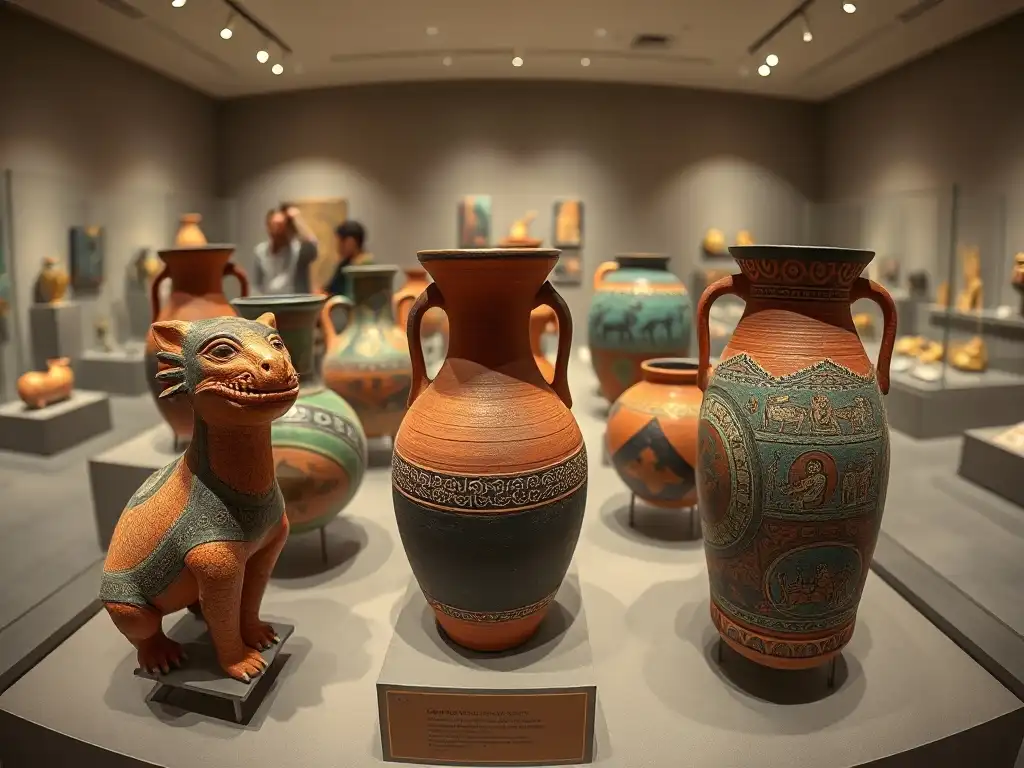
Step into a world lost to time, yet echoing with vibrant artistry and enigmatic power. Dive into the captivating realm of Andean civilizations, where secrets whisper from ancient stones and intricate designs. Are you ready to unravel the mysteries surrounding genuine Moche pottery identification? This journey into "The World of Andean Artifacts" begins now, guiding you through the intricate details that separate authentic treasures from masterful imitations. Uncover the truth behind the clay... dare to delve deeper?
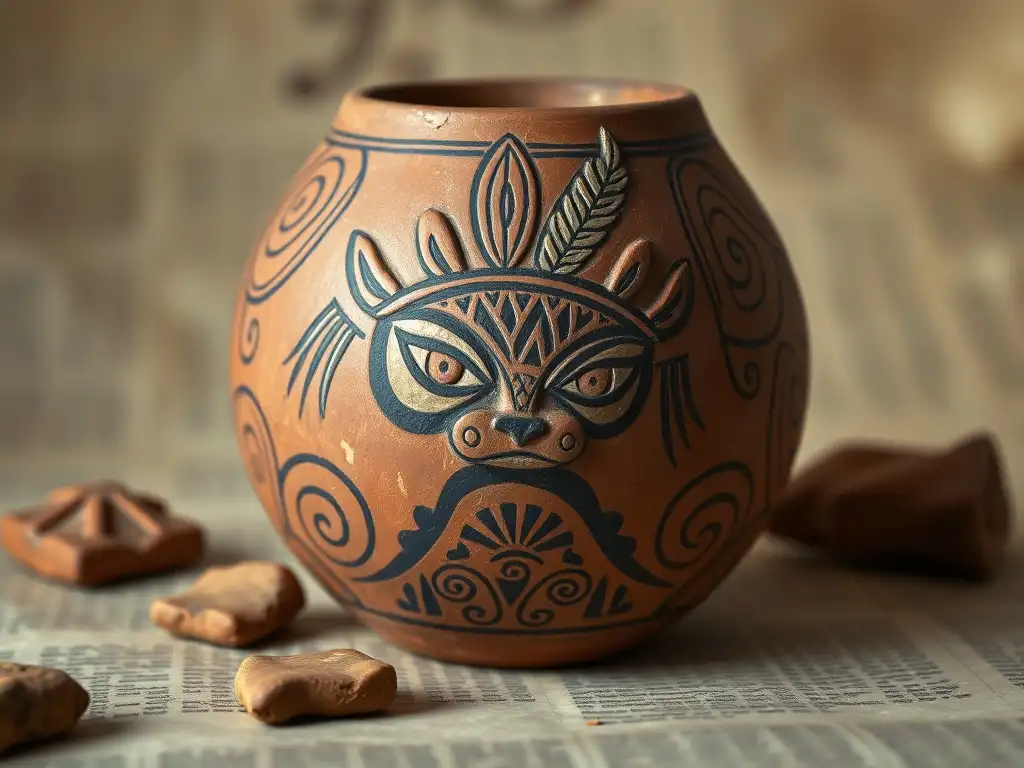
The allure of pre-Columbian artifacts, particularly the exquisitely crafted ceramics of the Moche civilization (100-800 CE), is undeniable. These vibrant, often intricately detailed vessels offer a captivating window into the rich religious beliefs, daily life, and artistic achievements of this remarkable Andean culture. However, the growing popularity of Moche pottery has unfortunately led to a surge in forgeries, making it crucial for collectors, enthusiasts, and researchers alike to develop a keen eye for authenticity.
This guide provides essential knowledge and practical tips to help you confidently identify genuine Moche pottery, ensuring you can appreciate these treasures with informed certainty. We will delve into the historical context of Moche ceramics, explore the key characteristics that distinguish genuine pieces from imitations, and discuss the significant value associated with owning authentic artifacts.
This guide aims to equip you with the tools to navigate the world of Moche pottery with confidence, safeguarding you from costly mistakes and allowing you to truly appreciate the artistry and historical significance of these remarkable pieces. Learning to identify genuine Moche pottery is not just about collecting; it's about preserving and respecting a vital part of Andean cultural heritage.
Introduction: The Allure and Challenge of Moche Ceramics
Moche pottery is renowned for its exceptional artistry and detailed depictions of scenes from daily life, mythology, and ritual practices. The vibrant colors, often achieved through the use of slip and pigment techniques, remain remarkably preserved despite the passage of centuries. These ceramics frequently feature intricate depictions of deities, warriors, erotic scenes, and scenes of daily life, providing invaluable insights into the Moche worldview.
However, the very qualities that make Moche pottery so desirable also make it a prime target for forgers. Sophisticated techniques are employed to create convincing replicas, making it challenging even for experienced experts to distinguish between genuine and fake pieces. This necessitates a careful and methodical approach to authentication, incorporating a multi-faceted examination of various characteristics.
The challenge lies not only in identifying obvious fakes but also in spotting subtle inconsistencies that betray a lack of authenticity. This section will lay the groundwork for a deeper understanding of Moche ceramic production techniques and stylistic conventions, providing the basis for accurate identification.
Understanding the Historical Context of Moche Pottery
The Moche culture flourished along the northern coast of Peru, known for its arid climate and fertile river valleys. Their sophisticated irrigation systems enabled them to cultivate diverse crops, supporting a complex social structure. Moche pottery served various functions, from everyday vessels for food and drink to elaborate funerary objects and ritual paraphernalia. Understanding the historical context is essential for authenticating Moche pottery.
The style, techniques, and materials used evolved over time, reflecting changes in societal structures and artistic conventions. Early Moche pottery is often characterized by simpler forms and less elaborate decoration compared to later periods. The stylistic elements, including specific iconography, vessel shapes, and painting techniques, underwent noticeable changes across different phases of Moche development. Detailed knowledge of these chronological shifts is crucial in determining the age and authenticity of a piece.
Furthermore, geographical variations within the Moche territory also influenced the styles and techniques employed in pottery production. Recognizing these regional differences can provide further clues in the authentication process. Analyzing the clay type, the presence of specific minerals, and the firing techniques used can help to pinpoint the geographical origin and age of a Moche vessel.
Why Genuine Moche Artifacts Hold Value: Authenticity and Investment
The value of genuine Moche pottery extends far beyond its aesthetic appeal. Authentic artifacts represent a tangible link to a lost civilization, offering invaluable insights into their culture, beliefs, and artistic skills. Their historical significance makes them highly sought after by museums, collectors, and researchers worldwide.
Investing in genuine Moche pottery can be a rewarding venture, but it's crucial to prioritize authenticity to avoid financial losses and ethical concerns associated with purchasing forgeries. The market for pre-Columbian artifacts is complex, with prices varying greatly depending on the rarity, condition, and artistic merit of the piece. Authenticity is the cornerstone of value; a genuine Moche vessel will retain its value over time, while a forgery will ultimately be worthless.
Furthermore, owning a genuine artifact carries a sense of responsibility; it's essential to ensure that the piece has been acquired legally and ethically, supporting responsible collecting practices and respecting the cultural heritage it represents. The investment in genuine Moche pottery is not just a financial investment; it is an investment in history, culture, and the preservation of Andean heritage. The emotional and intellectual satisfaction derived from owning a genuine piece far surpasses the purely monetary value.
- Introduction: The Allure and Challenge of Moche Ceramics
- Understanding the Historical Context of Moche Pottery
- Why Genuine Moche Artifacts Hold Value: Authenticity and Investment
Step-by-Step Guide to Genuine Moche Pottery Identification
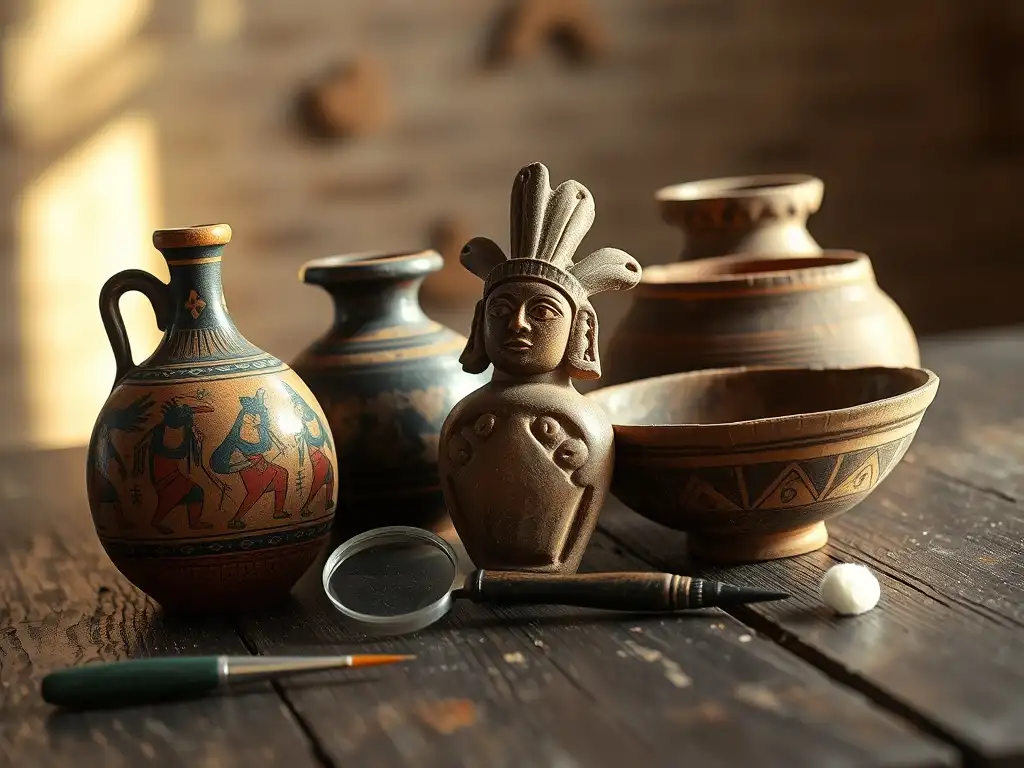
This section provides a detailed, step-by-step guide to help you confidently distinguish genuine Moche pottery from modern imitations. Accurate identification of genuine Moche pottery requires careful observation and a keen eye for detail. This process focuses on key characteristics that consistently appear in authentic pieces, offering a robust framework for assessing the authenticity of any Moche vessel you encounter. Remember, even experienced collectors sometimes require expert consultation for particularly ambiguous pieces.
Step 1: Examining the Clay and Firing Techniques of Authentic Moche Vessels
Authentic Moche pottery exhibits specific characteristics in its clay composition and firing techniques. Understanding these nuances is crucial for genuine Moche pottery identification. Moche artisans typically used local clays, resulting in variations in color and texture depending on the region of origin. However, consistent features exist across most authentic pieces.
The clay itself often possesses a relatively fine texture, though some variations exist due to the inclusion of tempering materials. These materials, added to the clay to improve its workability and strength during firing, can include crushed rock, shell fragments, or other natural additives. Examine the clay closely; a coarse, grainy texture, especially with inconsistent inclusions, might indicate a modern forgery.
The firing process is another key indicator. Moche pottery was typically fired in open-air kilns, resulting in a characteristic range of colors, often varying across a single piece. This uneven firing leaves subtle variations in shade and texture, unlike the consistent, uniform appearance often seen in mass-produced modern copies.
Look for evidence of uneven firing, such as subtle variations in color or areas of slight discoloration. A perfectly uniform color throughout the piece should raise suspicion. Furthermore, the presence of kiln wadding – remnants of organic materials used to support the vessels during firing – can be a strong indicator of authenticity, although its presence is not always guaranteed.
Here's a table summarizing key aspects of Moche clay and firing:
| Feature | Authentic Moche Pottery | Modern Forgery |
|---|---|---|
| Clay Texture | Generally fine, with possible tempering inclusions | Often coarse, with inconsistent or unnatural inclusions |
| Firing Technique | Open-air kilns, resulting in uneven firing and color | Controlled kilns, resulting in uniform firing and color |
| Color Variation | Significant variations in shade and tone across the piece | Typically uniform color throughout the piece |
| Kiln Wadding | May be present | Rarely present |
Step 2: Analyzing the Iconography and Decoration of Moche Ceramics
The iconography and decorative styles employed on Moche ceramics are extraordinarily detailed and specific, offering a rich source of information for genuine Moche pottery identification. Moche artists were masters of their craft, displaying remarkable skill in depicting a wide array of subjects, including deities, mythical creatures, scenes of daily life, and intricate geometric patterns.
The precision and detail in the painted designs are hallmarks of authentic Moche pottery. Observe the lines; are they precise and flowing, or are they hesitant and uneven? Examine the depiction of figures and scenes; are they realistically rendered, with attention to anatomical detail and perspective, or are they simplistic and cartoonish? Genuine Moche pottery often displays a mastery of perspective and three-dimensionality that is rarely replicated in forgeries.
Furthermore, the color palettes used in Moche pottery are distinctive. While variations exist, the pigments were typically derived from natural sources, resulting in a characteristic range of earth tones, reds, yellows, blacks, and whites. Unnatural, intensely vibrant colors, or colors that are not consistent with known Moche palettes, should raise concerns.
Finally, be wary of repetitive or overly simplistic designs. Authentic Moche pottery often displays complex and varied iconography, even within a single vessel. Overly repetitive or simplistic designs are often a sign of mass production and thus, likely a forgery.
Step 3: Evaluating the Shape and Form of Genuine Moche Vessels
The shapes and forms of Moche vessels are incredibly diverse, ranging from simple bowls and jars to complex, anthropomorphic figures and stirrup-spouted vessels. However, certain characteristics are common across authentic pieces. Pay close attention to the vessel's overall form and proportions. Are the lines smooth and flowing, or are they jarring and uneven? Are the proportions realistic and balanced, or do they appear distorted or unnatural?
Authentic Moche vessels often exhibit a remarkable sense of balance and elegance in their design. The forms are often carefully crafted, with smooth transitions between different parts of the vessel. Examine the base; is it stable and well-formed, or is it wobbly or poorly constructed? A poorly constructed base is a common flaw in forgeries.
Furthermore, consider the craftsmanship. Are there any visible seams or joins that are poorly executed? Authentic Moche vessels were typically made using the coil method, which, while potentially leaving visible seams, would have been carefully smoothed and blended. Rough or poorly finished seams are usually indicative of a modern copy. The overall feeling of the vessel should convey a sense of quality and care, reflecting the skill of the Moche artisans. A cheaply made, poorly finished vessel is unlikely to be authentic.
Step 4: Identifying Signs of Age and Authenticity in Moche Artifacts
This step requires a keen eye for detail and a good understanding of the aging process of ceramic materials. Genuine Moche pottery, having survived centuries, exhibits specific characteristics that distinguish it from modern forgeries. Let's explore some key indicators:
Surface Patina: Authentic Moche pottery often displays a characteristic patina—a thin layer of discoloration or surface alteration that develops over time due to exposure to the elements. This patina isn't uniform; it tends to be uneven, with variations in color and texture across the surface. It's crucial to differentiate this natural patina from artificially aged surfaces, which often look too uniform or lack the subtle variations found in genuine artifacts.
Look for a matte finish, rather than a glossy one, which is more common in modern reproductions. The patina might appear as a subtle film, or it could be more pronounced, depending on the burial conditions and the length of time the vessel spent underground. For example, a vessel unearthed from a particularly dry environment might exhibit a lighter, drier patina than one discovered in a more humid location.
Surface Texture and Wear: Genuine Moche pottery often shows signs of natural wear and tear. This isn't necessarily damage, but rather the subtle imperfections that accumulate over centuries. Look for minor scratches, abrasions, or even small chips that appear natural and consistent with the age of the artifact. Modern forgeries often lack this level of subtle imperfection; they may appear too perfect or pristine. Consider the context: a ceremonial vessel might show less wear than a utilitarian piece used daily. The texture itself should feel slightly rough to the touch, not smooth and uniform like a mass-produced object.
Clay Composition and Firing: The clay used by Moche artisans was sourced locally, resulting in variations in color and texture across different pieces. Examining the clay composition can help determine authenticity. Genuine Moche pottery typically exhibits variations in color and texture within the clay itself. This is a result of the uneven firing process used during their creation.
Modern forgeries often use standardized clays and controlled firing techniques, resulting in a more uniform and less varied appearance. Careful observation of the clay's texture, color, and any inclusions (small particles within the clay) can provide valuable clues. For instance, the presence of specific minerals in the clay might help pinpoint the geographic origin of the artifact, aligning it with known Moche settlements.
Repair and Restoration: While some genuine Moche pieces might show signs of past repairs (perhaps using a different type of clay or a different technique), these repairs will usually be consistent with the techniques and materials available to the people who originally owned and used the vessel. Modern repairs, on the other hand, will often be more noticeable and may use materials incompatible with the age and composition of the artifact.
The presence of modern glues, fillers, or other repair materials is a significant red flag. The repair should blend seamlessly and not be overly obvious, suggesting a professional restoration consistent with archaeological practices rather than a quick fix.
By carefully examining these aspects – patina, surface texture, clay composition, and any repairs – one can significantly improve their ability to distinguish genuine Moche pottery from modern imitations. Remember, practice and experience are key to developing a discerning eye for authentic Andean artifacts. Consulting with experts in Moche pottery identification is always recommended when dealing with potentially valuable or significant pieces.
Frequently Asked Questions
How can I tell if a piece of Moche pottery is genuine?
Several factors contribute to authenticity, including the style of the vessel, the type of clay used, and the presence of characteristic pigments and designs. Consider consulting with an expert for a definitive assessment.
What are some common characteristics of genuine Moche pottery?
Moche pottery is known for its realistic depictions of people, animals, and scenes from daily life, often using vibrant colors and intricate details. Look for hand-crafted imperfections which are signs of authenticity, not flaws.
Where can I find reliable information on Moche pottery identification?
Reputable museums, academic journals, and books on Andean archaeology are good sources. Avoid websites or sellers that lack verifiable credentials.
What are some common signs of fake Moche pottery?
Poorly executed details, inconsistent coloring, and the lack of characteristic stylistic features are common red flags. Mass-produced uniformity is also a strong indicator of a fake.
Why is it important to identify genuine Moche pottery?
Supporting the illegal antiquities trade harms cultural heritage. Buying authentic pieces from reputable sources helps preserve the legacy of Moche civilization and supports ethical practices.
Final Reflection: The Enduring Legacy of Moche Craftsmanship
The ability to discern authentic Moche pottery remains crucial today, not just for collectors, but for preserving a vital piece of Peruvian cultural heritage. The illicit trade in forged artifacts continues to threaten the integrity of archaeological sites and the historical record itself, demanding vigilance and informed appreciation.
The enduring power of Moche artistry continues to captivate and inspire, a testament to the skill and vision of a civilization lost to time. Their intricate designs and masterful techniques speak volumes about their society, beliefs, and artistic prowess. The past is never dead. It's not even past.
– William Faulkner. This quote rings true when considering the ongoing relevance of Moche pottery, as its continued study and appreciation keep the spirit of this ancient culture alive. The fight against forgery is, in essence, a fight to preserve this legacy for future generations.
Consider the implications of your own engagement with art and artifacts. Are you actively seeking to understand the provenance and authenticity of the pieces you encounter? Take the time to educate yourself, to question the origins of what you see, and to support ethical collecting practices. By doing so, you become a guardian of history, ensuring that the true artistry of the Moche, and cultures like it, continues to be celebrated and protected, rather than exploited for profit.
Unleash Your Inner Expert: Discover Authentic Moche Artworks!
Thank you for exploring our guide to identifying genuine Moche pottery! You've gained valuable knowledge to distinguish authentic pieces from forgeries. Now, let's enhance your expertise with practical steps.
- Join a community of enthusiasts: Connect with fellow Moche pottery enthusiasts and experts through online forums or social media groups dedicated to pre-Columbian art.
- Visit a museum: Examine Moche pottery collections firsthand. Don't hesitate to ask museum curators questions to deepen your understanding.
- Share your newfound knowledge: Discuss what you've learned with friends, family, or online. Inspire others with the fascinating world of Moche culture and artistry.
What's the most surprising thing you learned about Moche pottery that you'd like to share?