
The Moche Signature: Identifying the Hand of the Original Craftsman

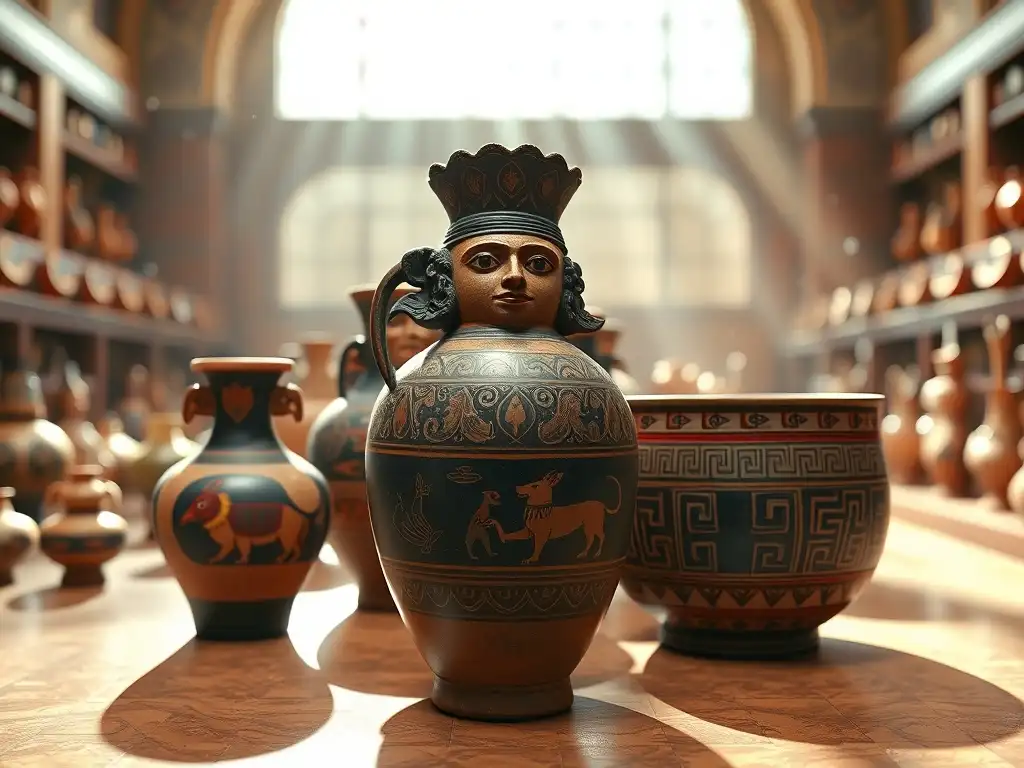
Dive into the mesmerizing world of Andean Civilizations! From the towering heights of Inca ingenuity to the intricate artistry of the Nazca lines, a vast tapestry of history awaits. But we begin with a mystery... Can you decipher the secrets whispered by ancient clay? Our exploration into Moche pottery identification unlocks a fascinating chapter in Andean artistry, revealing the unique techniques and cultural significance behind these remarkable pieces. Prepare to be captivated by the skill of the original craftsman – and discover what makes each pot a unique masterpiece.
The vibrant artistry and intricate detail of Moche pottery are globally renowned, captivating collectors and researchers alike. This enduring legacy, however, has also unfortunately led to a surge in forgeries, making the ability to confidently identify authentic Moche ceramics crucial.
This article delves into the fascinating world of Moche pottery identification, providing you with the knowledge and tools to distinguish genuine artifacts from imitations. We will explore the key characteristics that define Moche pottery, helping you to appreciate the skill and ingenuity of these ancient artisans and navigate the complexities of the art market with confidence.
Understanding these distinguishing features is not merely about collecting; it's about preserving and respecting the rich cultural heritage of the Moche civilization and contributing to the ongoing efforts to protect these invaluable pieces of history. This guide aims to empower you to become a discerning observer, capable of recognizing the "Moche signature" – the unique mark of the original craftsman.
Unveiling the Secrets of Moche Pottery Identification: An Introduction
Identifying genuine Moche pottery requires a keen eye for detail and a solid understanding of the stylistic conventions and technological processes employed by the Moche artisans. Moche pottery is characterized by its remarkable realism, often depicting scenes of daily life, mythological figures, and elaborate rituals. These depictions are not merely decorative; they offer invaluable insights into the social structures, beliefs, and worldview of the Moche people. Several key elements contribute to authentic Moche pottery identification:
- Clay Composition and Color: Moche potters utilized local clays, resulting in a range of colors, from the common reddish-brown to creamy beige and even black. The texture of the clay itself, often slightly gritty, is also a factor. Authentic pieces often exhibit subtle variations in color and texture, reflecting the natural variations in the clay sources.
- Slip and Paint: Moche pottery is frequently covered in a slip – a fine clay coating – which serves as a base for the vibrant paints. These paints, often made from natural minerals, exhibit a remarkable range of hues and were applied with precision and skill. The quality and application of the slip and paint are crucial indicators of authenticity.
- Firing Techniques: The firing process significantly impacts the final appearance of the pottery. Moche potters employed open-air firing techniques, resulting in variations in color and texture across the piece. Understanding these firing-related variations is essential for accurate identification.
- Iconography and Style: Moche pottery is renowned for its distinctive iconography. Recurring motifs, such as stylized figures, mythical creatures, and scenes of warfare or ritual, are common. However, variations in style and artistic expression existed across different regions and time periods. Careful consideration of these stylistic nuances is essential.
Understanding the Importance of Authentic Moche Ceramics
The preservation and authentication of Moche pottery are paramount for several reasons. Firstly, these artifacts represent irreplaceable pieces of history, offering invaluable insights into the culture, beliefs, and daily lives of the Moche people. Their study allows us to reconstruct a more complete picture of this fascinating civilization. Secondly, the authentication of Moche pottery protects the integrity of museums, collections, and the art market itself.
The presence of forgeries undermines the trust and value associated with these artifacts. Finally, supporting the authentication and preservation efforts contributes to the preservation of cultural heritage and the respect due to the Moche civilization. The economic value of authentic Moche pottery is also significant, making authentication crucial for collectors and investors.
Why is Moche pottery authentication crucial?
The authentication of Moche pottery is crucial for several intertwined reasons: it protects both the historical record and the financial interests of collectors and institutions. The market for ancient artifacts is unfortunately vulnerable to fraudulent practices. Forgeries not only dilute the value of genuine pieces but also actively mislead researchers and the public about the Moche culture.
Accurate identification prevents the spread of misinformation and allows for the continued study and appreciation of these unique artistic achievements. Moreover, the economic impact of forgery is substantial; the sale of fake Moche pottery undercuts the legitimate market and potentially deprives researchers and museums of access to authentic pieces.
Therefore, developing a keen eye for detail and an understanding of the characteristics described above is not only a fascinating pursuit but also a necessary one for safeguarding this invaluable part of Andean cultural heritage. The ability to confidently identify genuine Moche pottery contributes to the preservation of history and the ethical advancement of archaeological knowledge.
The Challenge of Identifying Genuine Moche Artifacts
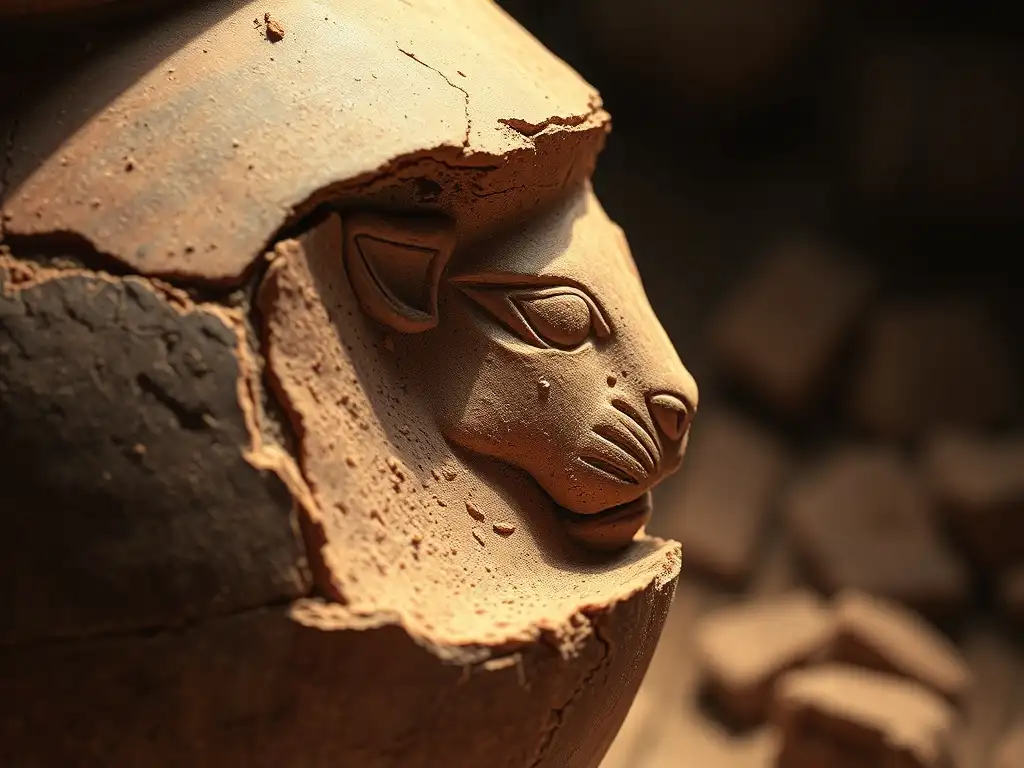
Identifying genuine Moche pottery presents a significant challenge even for seasoned experts. The artistry and skill of the Moche artisans were unparalleled, resulting in pieces that are remarkably consistent in style and quality. This consistency, ironically, makes discerning forgeries more difficult. Counterfeiters often capitalize on the readily available stylistic information, leading to highly convincing replicas.
Furthermore, the passage of centuries has weathered and altered many original artifacts, obscuring identifying features and making comparisons with modern reproductions more complex. The lack of comprehensive, universally accessible databases detailing every known Moche piece further complicates authentication. Each piece is unique, exhibiting subtle variations in design, paint application, and clay composition, making blanket statements about identification impossible. Experts often rely on a combination of stylistic analysis, material examination, and provenance research to determine authenticity—a process that requires extensive knowledge and experience.
The high value placed on genuine Moche pottery also fuels a lucrative black market, where fraudulent pieces are often intentionally aged or damaged to enhance their perceived authenticity. This adds another layer of complexity to the identification process, requiring a keen eye for both authentic wear and artificial damage. Therefore, relying solely on visual inspection is often insufficient for reliable Moche pottery identification.
Common Issues with Fake Moche Pottery and how to avoid them
Numerous issues plague the market for Moche pottery, making accurate identification crucial. One common problem is the use of inappropriate materials. Fake Moche pottery often employs modern clays and pigments that lack the characteristic properties of the original materials. A trained eye can often detect inconsistencies in texture, color, and the way the paint adheres to the surface. For example, genuine Moche red often exhibits a unique depth and vibrancy difficult to replicate. The application of paint is another key indicator.
Authentic Moche pottery displays a precision and fluidity rarely matched in forgeries. Brushstrokes may be visible, but they are typically fine and controlled, reflecting the skill of the artisans. Crude or uneven paint application is a significant red flag. Furthermore, the depiction of motifs and figures can also reveal inconsistencies. Fake Moche pottery often simplifies or distorts the complex iconography characteristic of the original pieces. The proportions of figures, the details of their attire, and the overall composition may lack the subtle nuances found in authentic works.
Finally, the presence of modern adhesives, repairs, or unnatural weathering patterns should raise immediate suspicion. To avoid purchasing fake Moche pottery, it is strongly recommended to buy only from reputable dealers with established expertise in Andean artifacts and a proven track record of authenticity. Independent authentication by a qualified expert is also advised, especially for high-value pieces. Careful examination of the piece itself, coupled with thorough research into its provenance and the seller's reputation, is essential to navigate the complexities of the Moche pottery market. Remember, if a deal seems too good to be true, it probably is.
- Unveiling the Secrets of Moche Pottery Identification: An Introduction
- Understanding the Importance of Authentic Moche Ceramics
- Why is Moche pottery authentication crucial?
- The Challenge of Identifying Genuine Moche Artifacts
- Common Issues with Fake Moche Pottery and how to avoid them
- Analyzing Moche Ceramic Forms: Shapes and Styles
- Examining the distinct shapes of Moche vessels: stirrup spouts, portrait heads, and bowls
- Recognizing Regional Variations in Moche Pottery Styles
- Decoding Moche Iconography: A Visual Guide
- Understanding the symbolism in Moche art: figures, animals, and deities
- Using iconography for dating and regional identification
- Utilizing Reference Books and Academic Publications
- Recommended books for Moche art enthusiasts: "The Art of the Moche" by Christopher B. Donnan, "Moche Art of Peru: Pre-Columbian Murals and Ceramics" by Joanne Pillsbury
- Exploring Online Resources and Databases for Moche Ceramics
- The Importance of Professional Authentication Services
- When to seek expert opinion for Moche pottery analysis at the Larco Museum or a reputable archaeological consultancy
- How Art Analysis & Research can assist with provenance research
- Examining the Pottery for Signs of Wear and Age
- Understanding the difference between authentic wear and artificial aging
- Analyzing the patina and surface texture of Moche ceramics
- Comparing the Piece with Known Authentic Examples
- Using the Metropolitan Museum of Art online collection for comparison purposes
- Documenting Your Findings: Creating a Detailed Record
- Taking high-quality photos and recording measurements for authentication
- Creating a detailed description of the piece's features
Key Characteristics for Moche Pottery Identification
Moche pottery identification requires a keen eye for detail and a thorough understanding of the stylistic nuances that distinguish genuine pieces from imitations. While forgeries exist, understanding the core characteristics allows for confident assessment. This section delves into the key elements crucial for authenticating Moche ceramics, providing you with the tools to discern true artistry from skillful reproductions.
Successful Moche pottery identification hinges on a multifaceted approach, encompassing form, decoration, and the overall aesthetic sensibility of the piece. This detailed analysis will provide a solid foundation for confident identification of these remarkable artifacts. Remember, the more characteristics you can confidently identify, the stronger your assessment will be.
Analyzing Moche Ceramic Forms: Shapes and Styles
Moche potters displayed remarkable creativity in their vessel forms. Their mastery extends beyond simple functionality; the shapes themselves often convey symbolic meaning or represent specific figures or scenes. The sheer diversity of forms adds another layer of complexity to Moche pottery identification. Identifying these forms is crucial for authentication. Some common forms include:
- Stirrup-spout vessels: These are perhaps the most iconic Moche ceramic forms, characterized by a distinctive spout resembling a stirrup. The size and shape of the stirrup, along with its placement relative to the body of the vessel, vary considerably, offering clues to the piece's origin and date. Variations in stirrup design, from simple curves to elaborate, sculpted forms, provide important points of comparison for identification.
- Portrait vessels: Moche potters were renowned for their realistic portraiture, often depicting individuals with striking detail and expressiveness. These portraits, meticulously crafted, provide valuable insights into Moche society and aesthetics. Analyzing facial features, hairstyles, and headdresses can help in dating and regional attribution. The level of detail in these portraits – the rendering of skin texture, the expression in the eyes – is a key indicator of authenticity.
- Double-spouted vessels: These vessels, often intricately decorated, feature two spouts, adding to their visual complexity. The size, shape, and relative positioning of the spouts are significant characteristics to consider when assessing authenticity. Variations in design and execution provide further clues for experienced collectors.
- Cylindrical vessels: These simpler forms, while lacking the dramatic flair of stirrup-spouts or portrait vessels, still exhibit distinct Moche characteristics in their decoration and surface treatment. Their understated elegance is a testament to the potters' skill and mastery of their craft. The presence of specific decorative motifs on these vessels can be key for identification.
- Bowls: While seemingly simple, Moche bowls often feature intricate designs and unique forms. The shape of the bowl, the thickness of the walls, and the style of the base can all provide clues to the piece's origin and date. The subtle variations in bowl design further enhance the complexity of Moche pottery identification.
Examining the distinct shapes of Moche vessels: stirrup spouts, portrait heads, and bowls
The unique shapes of Moche vessels are a hallmark of their artistry. Stirrup-spout vessels, for instance, are instantly recognizable. However, subtle variations in the stirrup's shape and size, the vessel's body, and the overall proportions can reveal crucial information about its age and origin. For example, early stirrup-spout vessels may exhibit simpler forms compared to later, more elaborate examples.
Similarly, portrait vessels demonstrate a remarkable range of styles, from highly realistic depictions to more stylized representations. The accuracy of anatomical details, the expression on the face, and the treatment of the hair and headdress are all important factors to consider when assessing authenticity. The bowls, though seemingly simpler, exhibit a surprising diversity in their shapes and sizes.
The curvature of the bowl, the thickness of the walls, and the presence of any additional features, such as handles or feet, can be helpful in identifying the piece's provenance and date. Analyzing these subtle differences requires careful observation and a solid understanding of Moche ceramic traditions. Careful comparison with documented examples from museum collections is highly recommended.
Recognizing Regional Variations in Moche Pottery Styles
Moche pottery production wasn't uniform across their vast territory. Regional variations in style, technique, and decorative motifs are significant factors in Moche pottery identification. These variations reflect the diverse artistic traditions and cultural practices of different Moche communities. For example, certain motifs might be prevalent in one region but absent in others.
Similarly, the techniques used to create and decorate the pottery may differ based on location and access to resources. The color palettes used, the types of pigments employed, and the level of detail in the decoration can all provide clues to the geographical origin of a piece. Furthermore, the specific styles of portraiture, the shapes of stirrup-spouts, and the overall aesthetic sensibility of the pottery can vary significantly between regions.
Understanding these regional differences is crucial for accurate identification and for appreciating the rich diversity of Moche artistic expression. Detailed study of regional stylistic variations is essential for advanced Moche pottery identification. Further research into archaeological findings and museum collections will significantly enhance this understanding.
Decoding Moche Iconography: A Visual Guide
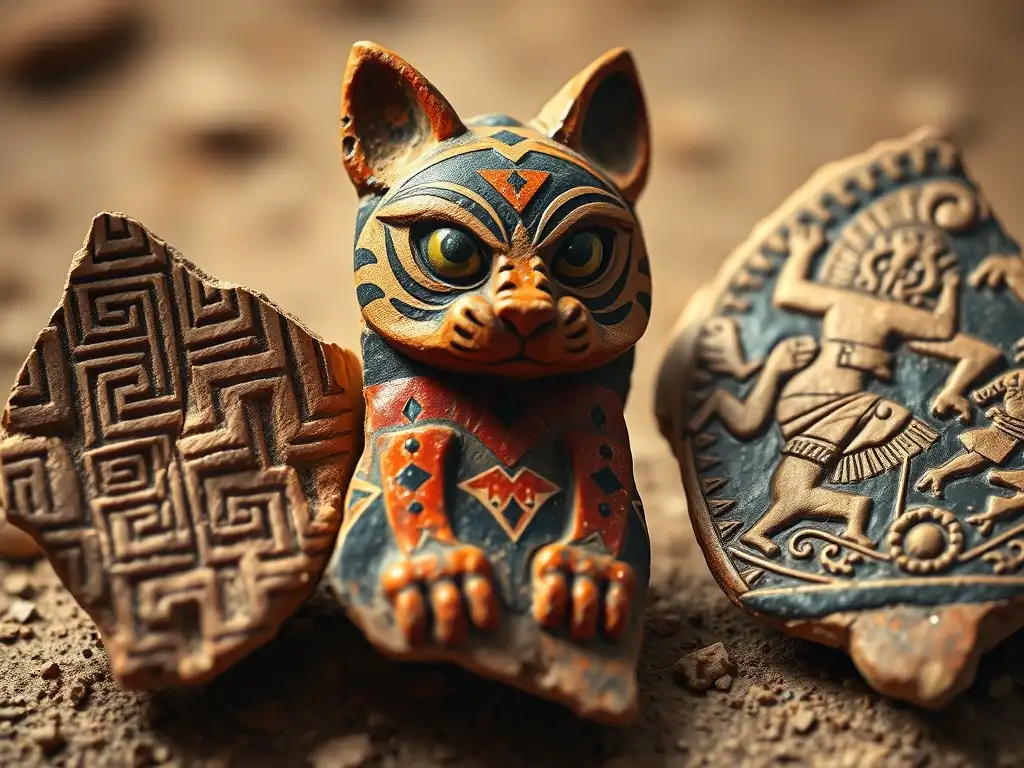
Moche iconography is incredibly rich and complex, offering a window into their worldview and societal structures. Mastering the visual language of Moche pottery is crucial for accurate identification. The artisans weren't simply decorating vessels; they were narrating stories, conveying beliefs, and recording events. Understanding these narratives requires careful observation of the details.
For example, the depiction of a specific deity, like Ai Apaec, the decapitated god often associated with sacrifice and fertility, immediately points towards a specific religious context and can help narrow down the dating and origin of the piece. Similarly, the presence of certain mythical creatures, like the monstrous feline-like figures or the stylized birds of prey, provides clues to the pot's cultural significance and its place within the broader Moche artistic tradition. The style of these representations – their posture, features, and the level of detail – also plays a significant role in authentication. Crude or inconsistent depictions often indicate later imitations, whereas refined details and a mastery of perspective suggest genuine Moche craftsmanship.
Learning to differentiate between the subtle variations in stylistic choices is a key skill in Moche pottery identification. Detailed studies of published catalogs and museum collections are invaluable resources for developing this discerning eye. Remember, practice makes perfect; the more you examine authentic Moche pottery, the more adept you will become at recognizing the nuances of their iconography.
Understanding the symbolism in Moche art: figures, animals, and deities
The symbolism within Moche art is deeply layered, often incorporating elements of mythology, ritual, and daily life. Human figures are frequently depicted in various contexts, ranging from scenes of warfare and sacrifice to depictions of everyday activities like fishing or agriculture. These figures are not merely representations of individuals; they often symbolize social status, power, or participation in specific rituals. The clothing, adornments, and postures of these figures provide valuable clues about their roles within Moche society.
Animals, too, hold significant symbolic meaning. Predatory animals like jaguars and eagles often represent power and strength, while other animals, like llamas and fish, may symbolize fertility or abundance. The specific depiction of these animals – their posture, size, and the level of detail – can significantly influence the interpretation of the scene. Deities, such as the aforementioned Ai Apaec, are central figures in Moche iconography.
Understanding the attributes and contexts in which these deities appear is critical for deciphering the meaning of the pottery. The presence of specific symbols associated with a deity, such as a certain headdress or staff, can help in identifying the deity and understanding the narrative being presented. Scholarly research on Moche mythology and religious practices provides crucial insights into the symbolic language used in their art. Careful study and comparison of similar motifs across different pieces is key to developing a deeper understanding of these complex symbols.
Using iconography for dating and regional identification
Moche iconography evolved over time, displaying distinct stylistic changes across different periods. These changes, often subtle, provide valuable clues for dating a piece of pottery. For instance, the style of human representation, the level of detail in animal depictions, and the prevalence of specific motifs can all indicate a specific chronological phase within the Moche culture. Furthermore, regional variations in iconographic styles exist.
Different Moche settlements or workshops may have developed distinct artistic conventions, leading to variations in the depiction of figures, animals, and deities. Identifying these regional variations requires a thorough understanding of the geographical distribution of Moche sites and the specific stylistic characteristics associated with each region. The study of well-documented archaeological finds, along with the careful analysis of museum collections, is essential for learning to recognize these regional distinctions.
By combining stylistic analysis with information about the provenance of a piece, one can confidently pinpoint its origin and approximate its date within the broader Moche chronology. This requires patience, meticulous observation, and a deep familiarity with the existing scholarly literature on Moche art and archaeology. The development of a keen eye for these subtle variations is essential for accurate and confident Moche pottery identification.
The Craftsmanship of the Moche: A Closer Look
The artistry of Moche pottery is renowned worldwide, but authenticating a piece requires a keen eye for detail and a deep understanding of their unique techniques. Moche pottery identification isn't simply about recognizing a familiar style; it's about discerning the subtle nuances of craftsmanship that separate genuine artifacts from imitations. This section will delve into the core techniques employed by Moche artisans, providing the knowledge necessary to confidently assess the authenticity of Moche pottery.
Understanding these techniques is paramount for anyone interested in Moche pottery identification and collecting. We'll explore the processes, materials, and artistic choices that defined their exceptional skill.
Identifying the Unique Moche Pottery Techniques
Moche potters were masters of their craft, employing sophisticated techniques to create incredibly detailed and lifelike vessels. Their mastery extended beyond mere functionality; their pottery served as a powerful medium for storytelling, religious expression, and social commentary. Several key techniques consistently appear in genuine Moche pottery, offering critical indicators for authentication purposes. These include:
- Coil Building: This fundamental technique involved rolling long coils of clay and carefully joining them together, creating the vessel's basic form. The skill lies in the evenness of the coils and the seamless integration, often nearly invisible to the naked eye in high-quality pieces. Imperfect coil joining, visible seams, or inconsistent thickness are often signs of later reproductions.
- Mold-Making: For mass-producing certain forms, especially those with repetitive decorative elements, Moche potters utilized molds. These molds, often made of clay, allowed for the efficient creation of multiple vessels with consistent shapes. However, even mold-made pieces often show subtle variations reflecting the artisan's hand in finishing and detailing. Examining these subtle variations is crucial for Moche pottery identification.
- Burnishing: After shaping, the vessels were carefully burnished, creating a smooth, polished surface. This process involved rubbing the clay with a smooth stone, resulting in a characteristic sheen that reflects light differently than modern imitations. The burnishing technique itself is a key element in Moche pottery identification.
Exploring the coil-building and mold-making techniques of Moche potters
The precision of Moche coil building is truly remarkable. Analyzing the coils themselves provides valuable insight. Genuine Moche pottery often displays thin, evenly spaced coils, meticulously joined to create a seamless surface. The coils' consistency, both in thickness and spacing, is a hallmark of authentic Moche craftsmanship. In contrast, less skilled reproductions often show thicker, uneven coils with visibly rough joins. Furthermore, the transition between the coils is often a crucial point of analysis. In genuine pieces, this transition is almost imperceptible, while in reproductions, it’s often quite noticeable.
The use of molds, while efficient, didn't diminish the artistry. Even with molds, Moche potters added individual touches—refined details, subtle variations in form, and carefully applied decoration. The molds themselves were not mass-produced; they were carefully crafted tools reflecting the potter's skill. Examining the consistency of mold-made elements, while looking for subtle variations in the finishing, is key to accurate Moche pottery identification. A completely uniform piece, lacking any individual touch, should raise suspicion.
The Role of Pigments and Slips in Moche Pottery Decoration
The vibrant colors and intricate designs of Moche pottery are a testament to their advanced understanding of pigments and slips. Slips, a type of liquid clay, served as a base for the pigments and helped to create a smooth, uniform surface. The careful application of slips and pigments is an important aspect of Moche pottery identification.
| Pigment Type | Color Range | Characteristics |
|---|---|---|
| Iron Oxides | Reds, browns, yellows, oranges | Durable, resistant to fading; variations in shade indicate different sources |
| Manganese Oxides | Blacks, browns, purples | Deep, rich colors; often used in combination with other pigments |
| Plant-based Dyes | Range of colors (depending on plant source) | Less durable than mineral pigments; prone to fading over time |
The application of pigments was precise and often involved multiple layers. The layering technique itself, and the transitions between colors, can be indicative of authenticity. Reproductions often lack this subtlety; the colors tend to be less nuanced and the application less refined. The level of detail in the painted designs is also critical.
Genuine Moche pottery exhibits an astonishing level of detail, with finely rendered figures and intricate patterns. The use of fine lines and intricate details is a strong indicator of authenticity in Moche pottery identification. Faded or poorly applied pigments are often a tell-tale sign of a later reproduction. Careful examination under good lighting is essential.
Understanding how Moche potters used hematite and ochre
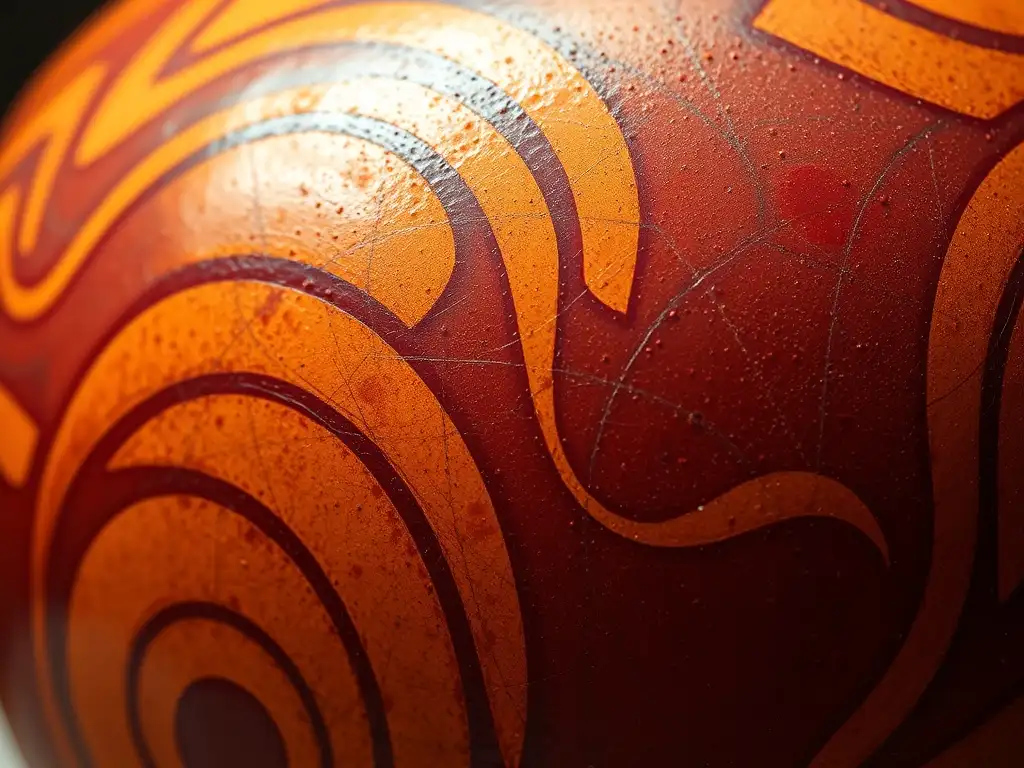
Moche artisans were masters of color, achieving vibrant hues and intricate designs through the skillful application of natural pigments. Hematite, an iron oxide mineral, provided a range of reds and browns, while ochre, also an iron oxide but with varying compositions, yielded yellows, oranges, and even deep reds depending on its source and preparation. Understanding how these pigments were used is crucial for Moche pottery identification. The Moche didn't simply paint their pottery; they integrated the pigments into the clay itself. This process, often involving a slip—a liquid clay mixture—allowed for a deeper, more durable color that was less prone to chipping or fading over time. Careful examination of a piece's surface can reveal subtle variations in color intensity and application, indicative of the techniques used. For example, the presence of multiple layers of pigment, applied and then burnished, points towards a more sophisticated and likely authentic Moche piece. Conversely, a single, unevenly applied layer might suggest a later imitation. Furthermore, the specific shades of red and brown used, combined with the type of ochre employed, can offer clues to the pot's origin and the period in which it was crafted. Detailed analysis using techniques like X-ray fluorescence (XRF) can further confirm the presence and composition of these pigments, aiding in authentication. The skillful blending of colors and the subtle gradations achieved by the Moche potters are hallmarks of their artistry and a key element in distinguishing genuine pieces from modern forgeries. The level of sophistication in pigment application is a critical factor in Moche pottery identification.
Spotting signs of authentic firing methods and surface finishes
The firing process itself left indelible marks on Moche pottery, offering further clues for authentication. Moche potters typically used open-air kilns, resulting in a characteristic uneven firing that often manifests as subtle variations in color and texture across the surface of the piece. These variations are not uniform; instead, they reveal a natural, organic quality rarely replicated in modern forgeries. A perfectly uniform color and finish is often a red flag. Authentic Moche pottery often exhibits subtle variations in the shade of the slip, caused by the uneven heat distribution within the kiln. Additionally, the surface finish itself is a critical aspect. Many Moche pots feature a polished surface, achieved through meticulous burnishing after the initial firing. This burnishing creates a smooth, almost glassy sheen, contributing to the pottery’s visual appeal and durability. Examining the surface under magnification can reveal fine striations left by the burnishing tools, providing further evidence of authenticity. Conversely, a rough, uneven surface, or a surface that appears overly smooth and artificial, may suggest a modern reproduction. The presence of firing clouds or kiln marks, specifically uneven coloration or slight warping, are further indicative of the traditional Moche firing techniques. These subtle imperfections are not flaws but rather hallmarks of the handcrafted nature of the pottery and are essential elements in Moche pottery identification. The careful consideration of both firing techniques and surface finishes is crucial for discerning authentic Moche pottery from imitations.
Tools and Resources for Moche Pottery Authentication
Identifying genuine Moche pottery requires a discerning eye and access to reliable resources. This section outlines key tools and resources to aid in the authentication process, helping you confidently distinguish authentic pieces from imitations. Accurate Moche pottery identification relies on a combination of visual examination, contextual understanding, and access to scholarly materials. The more resources you utilize, the more confident you can be in your assessment.
Utilizing Reference Books and Academic Publications
The cornerstone of Moche pottery identification lies in rigorous academic research and the study of established scholarly works. Careful examination of reputable publications provides a crucial foundation for understanding the stylistic nuances, technological processes, and iconography characteristic of Moche ceramics. These resources offer detailed descriptions, high-quality images, and comparative analyses that are invaluable for authentication.
The depth of detail found in these publications surpasses what's often available online, providing crucial context for understanding the subtle variations within Moche pottery styles. Furthermore, these books often include discussions of provenience and excavation contexts, which are essential for verifying the authenticity and origin of a piece. Don't underestimate the power of detailed descriptions of paint application techniques, the types of clays used, and the variations in vessel forms.
These details can be subtle but crucial in distinguishing genuine artifacts from modern forgeries. Remember, a thorough understanding of Moche artistic conventions is paramount for accurate identification.
Recommended books for Moche art enthusiasts: "The Art of the Moche" by Christopher B. Donnan, "Moche Art of Peru: Pre-Columbian Murals and Ceramics" by Joanne Pillsbury
Two excellent starting points for building your Moche pottery identification expertise are Christopher B. Donnan's "The Art of the Moche" and Joanne Pillsbury's "Moche Art of Peru: Pre-Columbian Murals and Ceramics." Donnan's work provides a comprehensive overview of Moche art, covering a wide range of ceramic styles and techniques. His detailed analyses of iconography and stylistic variations are indispensable for understanding the complexity of Moche artistic production.
Pillsbury's book, focusing specifically on murals and ceramics, offers a valuable comparative perspective, enriching your understanding of the broader artistic context. These books are not just visually appealing; they provide crucial insights into the technical aspects of Moche pottery making, from the preparation of the clay to the firing process. They are essential tools for anyone seriously interested in Moche pottery identification, providing a solid foundation for understanding the nuances of authentic pieces.
Consider supplementing these with other relevant publications focusing on specific Moche styles or sites for a more complete understanding. The more you learn about the specific characteristics of different Moche styles, the better equipped you will be to identify genuine artifacts.
Exploring Online Resources and Databases for Moche Ceramics
While academic publications form the bedrock of Moche pottery identification, online resources can supplement your research and offer access to a wider range of images and information. However, it's crucial to exercise caution and critically evaluate the credibility of online sources. Not all online information is accurate or reliable. Prioritize reputable museum websites and academic databases.
These often include high-resolution images and detailed descriptions of Moche pottery pieces from verified collections. Look for databases that provide provenance information, linking the artifacts to their original excavation sites. This contextual information is crucial for authentication, as it helps establish the artifact's history and legitimacy. Be wary of websites selling artifacts without clear provenance documentation; this is a significant red flag.
Remember, the online world offers a vast array of information, but careful vetting is essential to ensure the accuracy and reliability of the data you use for Moche pottery identification. Always cross-reference information found online with the established scholarship mentioned previously. This multi-faceted approach will significantly enhance the accuracy of your Moche pottery assessments.
The Importance of Professional Authentication Services
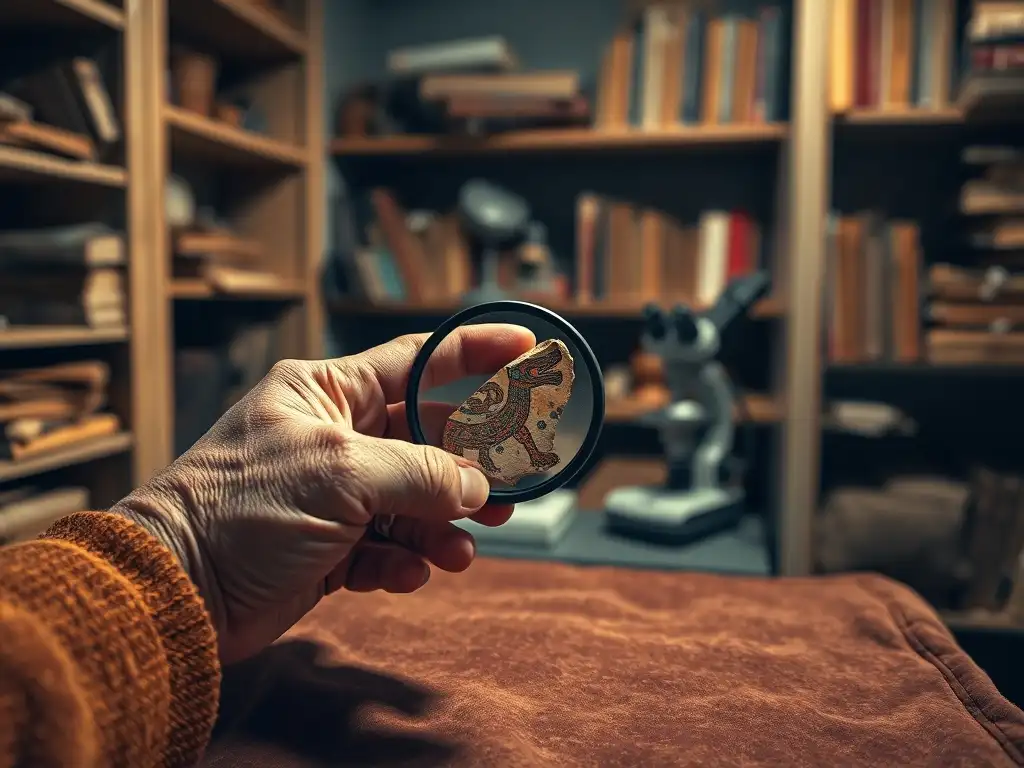
Professional authentication services are crucial when dealing with Moche pottery, particularly if you suspect you possess a significant or valuable piece. These services offer an unbiased and expert assessment, going beyond simple visual inspection. Reputable authenticators employ a range of scientific and historical methods to determine authenticity. This often includes analyzing the clay composition, the pigments used, the firing techniques, and comparing stylistic elements to known Moche pottery examples.
The detailed reports they provide aren't just about confirming authenticity; they also offer valuable insights into the piece's age, origin, and potential historical context. This information significantly increases the piece's value and ensures its proper preservation and documentation. The cost of professional authentication might seem high initially, but it's a worthwhile investment, especially considering the potential financial and historical implications of owning a genuine Moche artifact. Furthermore, a professional authentication report lends significant credibility and legitimacy to your piece, protecting you from potential legal issues or disputes relating to its ownership and origin.
It's a safeguard against acquiring counterfeit pieces and a substantial step towards responsible collecting. Investing in this expertise guarantees a sound foundation for your collection and prevents costly mistakes down the line. The peace of mind derived from knowing the authenticity of your piece is invaluable.
When to seek expert opinion for Moche pottery analysis at the Larco Museum or a reputable archaeological consultancy
Deciding when to seek expert analysis can be tricky, but several key factors should guide your decision. If you've acquired a piece with questionable provenance, or if there are inconsistencies in its style or material that raise doubts about its authenticity, seeking professional assessment is vital. This is especially true for pieces with unusual features or those lacking clear documentation of their origin. Consider seeking expert opinion if the piece's value is significant enough to warrant the cost of professional authentication—a substantial investment should be protected.
Furthermore, if you intend to sell or donate the artifact, a professional authentication report is almost always required by buyers or institutions. The Larco Museum in Lima, Peru, boasts a renowned collection of Moche artifacts and employs experts with unparalleled knowledge of Moche pottery. Similarly, reputable archaeological consultancies possess the scientific tools and expertise to analyze the piece thoroughly. They can analyze the pottery's chemical composition, employing techniques like X-ray fluorescence (XRF) to determine the clay's origin and the presence of specific pigments.
These analyses can help verify the age and origin, providing irrefutable evidence of authenticity or exposing potential forgeries. Don't hesitate to seek professional help; it's a crucial step in ensuring responsible ownership and protecting your investment. The investment in expert analysis is often far outweighed by the potential risks of owning a forgery.
How Art Analysis & Research can assist with provenance research
Art analysis and research play a crucial role in establishing the provenance—the history of ownership—of a Moche pottery piece. This involves a meticulous investigation, going beyond simple visual inspection. Experts analyze the style, iconography, and techniques used in the pottery's creation, comparing them to known Moche examples from reputable sources such as museum collections and scholarly publications. They look for stylistic hallmarks unique to specific Moche phases or workshops, helping to date the piece and understand its context within Moche culture.
This includes examining the pottery's form, decoration, and the use of specific motifs. For example, the presence of certain deities, scenes, or stylistic features can pinpoint the artifact to a particular time period or region within the Moche territory. Furthermore, research into historical records, auction catalogs, and private collections can help trace the piece's ownership history, building a chain of custody that strengthens its provenance. This research can uncover previous owners, sales records, and any documentation related to the piece, providing a comprehensive narrative of its journey through time.
This meticulous process helps authenticate the piece and establishes its value and historical significance. The more evidence gathered, the stronger the provenance becomes, establishing a clear and verifiable path from creation to the present owner, a critical factor for responsible ownership and potential future transactions. Careful provenance research is essential for establishing the legitimacy and value of any Moche pottery piece.
Practical Steps for Moche Pottery Identification: A Guide
This section provides practical steps to help you confidently identify genuine Moche pottery. Authenticating Moche artifacts requires a keen eye for detail and a thorough understanding of their characteristic features. Remember, always consult with experts for definitive authentication, especially for high-value pieces. This guide offers a starting point for your own assessments.
Examining the Pottery for Signs of Wear and Age
Authentic Moche pottery, having survived centuries, often displays signs of natural wear and age. These aren't flaws; they're hallmarks of authenticity. Look for subtle clues:
- Surface Scratches and Abrasions: Genuine Moche pottery frequently exhibits fine scratches and abrasions consistent with age and handling. These are usually random and unevenly distributed, unlike the uniform scratches that might result from deliberate artificial aging. Think of it like the difference between a well-loved, antique wooden chair and a new one artificially distressed to look old.
- Minor Chips and Cracks: Small, naturally occurring chips and cracks are common. These are usually along the edges or on thinner sections of the pottery, reflecting the fragility of the material over time. Pay attention to the nature of the chips – are they consistent with accidental damage or do they look too perfect, too uniform?
- Soil Accretions: Over time, soil and mineral deposits can adhere to the surface of buried pottery. The presence of such accretions, especially if they're consistent with the local soil composition where Moche artifacts are typically found, is a positive sign. However, be aware that these can be cleaned or removed, sometimes obscuring other identifying features.
- Evidence of Repair: While rare, you might find evidence of ancient repairs. These are usually crude, using materials readily available at the time, such as clay or bitumen. These repairs, if present, should show signs of age and weathering consistent with the rest of the piece. This contrasts with professional, modern restorations.
Understanding the difference between authentic wear and artificial aging
Distinguishing between genuine wear and artificially aged pottery is crucial for Moche pottery identification. Many forgeries attempt to mimic the appearance of age, but often fail to capture the subtle nuances of genuine wear.
| Feature | Authentic Wear | Artificial Aging |
|---|---|---|
| Scratches | Random, fine, unevenly distributed | Often uniform, deep, or concentrated in specific areas |
| Chips and Cracks | Small, irregular, consistent with fragility | May be too perfect, uniform, or located oddly |
| Patina | Natural, subtle, uneven | Often forced, unnatural, and overly uniform |
| Soil Accretions | Natural deposits, consistent with local soil | May be absent or look applied |
| Repairs | Crude, using ancient materials, weathered | Professional, modern materials, often too neat |
The key is to look for inconsistencies. If the wear pattern seems too perfect, too uniform, or simply doesn't quite "ring true," it may be a sign of artificial aging. A genuine piece will tell a story of its long history through subtle imperfections. A forgery often tries to tell a story that's too neat, too perfect.
Analyzing the patina and surface texture of Moche ceramics
The patina and surface texture are key elements in Moche pottery identification. Moche ceramics often exhibit a distinctive surface finish, influenced by the firing process and the materials used.
The patina, or surface coloration, is a result of prolonged exposure to the elements. It's usually a subtle, uneven discoloration, reflecting the piece's interaction with its environment over centuries. Authentic Moche pottery rarely displays a uniform patina. Instead, expect variations in color and tone across the surface. These variations are crucial for identifying genuine pieces.
The surface texture can vary depending on the specific Moche style and the intended purpose of the vessel. Some pieces may feel smooth to the touch, while others might have a slightly rough or granular texture. The texture should feel natural, not artificially created. An artificially aged piece might have a texture that feels oddly uniform or inconsistent with the overall age and wear of the piece.
Pay close attention to the details; these subtle variations can make all the difference in discerning authenticity. Remember, the goal is to assess the overall impression – does the piece feel authentic, or does something feel “off”? Trust your instincts, backed by careful observation of the details described above.
Comparing the Piece with Known Authentic Examples
Careful comparison with authentic Moche pottery is crucial for accurate identification. This involves examining several aspects simultaneously, rather than focusing on a single characteristic. Begin by assessing the overall form and style. Moche pottery displays a remarkable range of shapes, from simple bowls and jars to intricately sculpted figures and vessels depicting scenes of daily life or mythology. Note the vessel's proportions, the elegance of its curves, and the overall balance of its design. Authentic pieces often exhibit a natural fluidity and grace in their form, a quality difficult to replicate.
Next, scrutinize the surface decoration. Moche artisans were masters of various techniques, including slipware, negative painting, and the application of intricate polychromes. Pay close attention to the precision and detail of the painted designs. Authentic Moche pottery frequently demonstrates a remarkable level of skill and artistry, with finely rendered details and vibrant, yet often subtly blended, colors. Look for inconsistencies – poorly executed lines, clumsy application of paint, or colors that appear too harsh or unnatural are often indicative of a forgery. The use of specific pigments, like certain shades of red or yellow, can also be a key indicator, although this requires advanced knowledge of Moche pigment analysis. Finally, consider the texture of the pottery. Authentic Moche pieces often have a particular smoothness or a subtle roughness depending on the technique used, which is difficult to perfectly replicate. The feel of the clay itself can be a valuable clue.
Using the Metropolitan Museum of Art online collection for comparison purposes
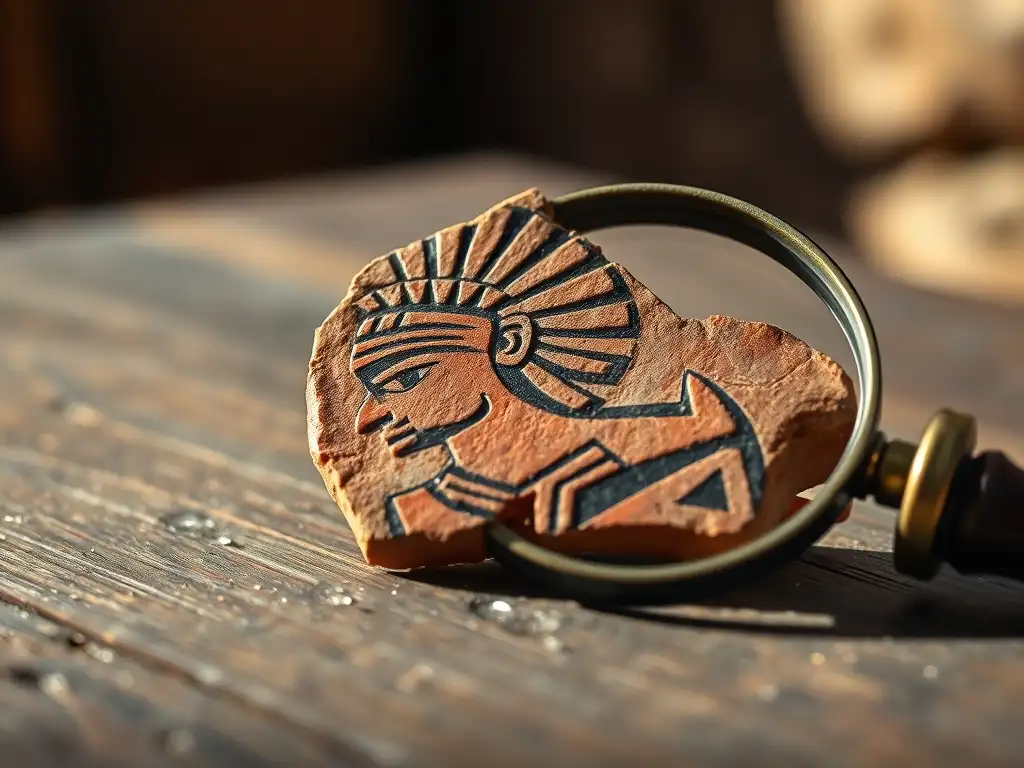
The Metropolitan Museum of Art boasts a significant collection of Moche pottery, providing an invaluable resource for comparison. Their online collection offers high-resolution images and detailed descriptions of numerous artifacts. By carefully studying these images, you can familiarize yourself with the stylistic variations, typical motifs, and technical characteristics of authentic Moche pottery.
Pay attention not only to the overall style but also to minute details such as the type of clay used, the firing techniques employed, and the specific pigments and painting styles applied. The online collection allows you to compare your piece with a wide range of examples, helping you identify similarities and differences. Remember to compare your piece with multiple examples to account for the stylistic diversity within the Moche culture.
Using the Met's search filters, you can narrow your search to specific types of Moche pottery, such as stirrup-spout vessels or portrait jars, to refine your comparison. This methodical approach significantly increases the accuracy of your assessment. Furthermore, the detailed descriptions provided by the Met can provide invaluable insights into the dating and provenance of similar pieces.
Documenting Your Findings: Creating a Detailed Record
Thorough documentation is essential for supporting your assessment of a piece's authenticity. This involves creating a detailed record that includes photographic evidence, measurements, and a written description of the artifact. Begin by taking multiple high-resolution photographs of the piece from various angles, ensuring good lighting to capture details such as paint application and surface texture. Include close-up shots of any unique features or potential imperfections.
Next, meticulously record the dimensions of the piece, including height, width, and diameter, using accurate measuring tools. Note any unusual features, such as unusual thickness of the clay walls or the presence of any repairs or restorations. Finally, write a detailed description of the piece, including its overall shape, color, decoration, and any other distinguishing characteristics. This description should be objective and avoid subjective interpretations.
Note the style of the painted figures or designs, the types of pigments used (if identifiable), and the condition of the piece. Consider adding a section for your comparative analysis, referencing the specific pieces from the Met Museum collection (or other reputable sources) that you used as a basis for comparison. This comprehensive record will not only aid in your identification process but also serve as valuable documentation if you choose to have the piece professionally appraised. Remember that a well-documented assessment significantly increases the credibility of your findings.
Taking high-quality photos and recording measurements for authentication
High-resolution photography is paramount in Moche pottery identification. Poor quality images hinder accurate assessment, making authentication difficult. To ensure successful identification, several photographic techniques should be employed. First, utilize a camera with a high megapixel count (at least 12MP is recommended) to capture fine details. Macro photography capabilities are highly beneficial, allowing for close-up shots of surface textures, paint application, and any minute imperfections.
Multiple angles are crucial. Photograph the piece from the front, back, sides, and top, ensuring even lighting to avoid harsh shadows that can obscure details. A soft, diffused light source is ideal; natural daylight, filtered through a sheer curtain, works well. Avoid using flash, as it can create glare and wash out colors. Consider using a tripod for stability, particularly when photographing intricate details.
A white or neutral-colored background is recommended to prevent distracting elements from interfering with the image analysis. Documenting the size and scale is equally important. Include a ruler or other measuring device in at least one photograph to provide a clear indication of the pottery's dimensions. This is crucial for verifying claims about the size and proportions of the piece, as these can often be indicators of authenticity.
Accurate measurements, meticulously recorded, are essential for comparison with known Moche pieces. Remember to capture images of any markings, repairs, or unusual features. These seemingly insignificant details can be key to authentication. Finally, always save your images in a high-resolution format, such as TIFF or RAW, to preserve image quality during analysis.
Creating a detailed description of the piece's features
A comprehensive written description complements the photographic record and is vital for Moche pottery identification. This description should be thorough, objective, and meticulously detailed. Begin by noting the overall shape and size of the vessel. Is it a stirrup-spout bottle, a bowl, a plate, or another form? Specify the dimensions—height, width, diameter—using metric units for consistency. Describe the color of the pottery. Are the colors vibrant and consistent with known Moche palettes, or are they faded or unusual? Note the type of clay used, if possible.
Moche potters employed various clay types, and identifying the clay can provide clues about the piece's origin and age. Pay close attention to the surface texture. Is it smooth, rough, or textured? Are there any incisions, scratches, or other markings? Describe the style of decoration. Moche pottery is renowned for its intricate and expressive designs. Document the motifs, figures, and patterns in detail.
Note the painting techniques used, such as the application of slip, the use of multiple colors, and the presence of any specific stylistic elements. Are the designs realistic or stylized? What narrative or symbolic meaning might they convey? Finally, document any signs of wear, damage, or repair. The presence of cracks, chips, or repairs can provide valuable insights into the piece's history and authenticity. A detailed description, combined with high-quality photographs and accurate measurements, provides a solid foundation for the authentication of Moche pottery. This comprehensive approach significantly increases the chance of successful identification, helping to distinguish genuine Moche artifacts from imitations.
Preserving and Appreciating Genuine Moche Pottery
The enduring allure of Moche pottery necessitates a responsible approach to its acquisition, preservation, and appreciation. Understanding the ethical considerations and practical steps involved in caring for these ancient artifacts is crucial for ensuring their longevity and safeguarding their historical significance for future generations. Authentic Moche pottery identification is only the first step; responsible stewardship is equally vital.
The delicate nature of these pieces, often thousands of years old, demands careful handling and storage to prevent damage and deterioration. This section delves into the critical aspects of preserving and appreciating genuine Moche pottery, emphasizing the importance of ethical collecting and proper handling techniques. This contributes to the broader goal of Moche pottery identification and its contextualization within the rich tapestry of Andean history and culture.
The Importance of Ethical Collecting and Preservation
Ethical collecting of Moche pottery is paramount. It's not just about acquiring a beautiful piece; it's about respecting the cultural heritage it represents. Purchasing artifacts from reputable sources, such as established museums or auction houses with proven provenance, is essential.
This ensures the artifact wasn't looted or illegally excavated, contributing to the destruction of archaeological sites and the loss of invaluable contextual information. Supporting ethical practices directly combats the illicit antiquities trade, protecting vulnerable cultural heritage sites across Peru and helping to preserve the integrity of Moche pottery identification efforts. Genuine Moche pottery identification is often linked to its origin story, and ethical collecting ensures this story remains intact.
Consider the impact of your purchase. Ask questions about the piece's provenance and the circumstances of its discovery. Is there documentation tracing its ownership back to a legitimate source? Avoid purchasing artifacts lacking verifiable provenance, as their acquisition may inadvertently fund illegal excavation and looting. Responsible collecting involves supporting institutions committed to ethical acquisition and preservation, contributing to a more sustainable future for the study and appreciation of Moche art. Remember, the beauty of a Moche pot is inextricably linked to its history and the cultural context from which it emerged.
Supporting museums and institutions dedicated to Moche art
Museums and research institutions play a crucial role in the preservation and study of Moche pottery. By supporting these organizations—through donations, memberships, or volunteering—you contribute directly to their efforts in acquiring, researching, preserving, and exhibiting Moche artifacts. This support is vital for accurate Moche pottery identification, providing the resources necessary for scientific analysis, conservation, and public education.
These institutions often house extensive collections, enabling researchers to study the artistry, techniques, and cultural significance of Moche pottery in detail. Furthermore, museums provide opportunities for the public to engage with these artifacts, fostering appreciation and understanding of Andean civilizations. Their work in Moche pottery identification is invaluable to the wider field of Andean archaeology.
Many museums offer educational programs and publications that deepen our understanding of Moche culture. By supporting these initiatives, you help to ensure that future generations can learn from and appreciate the rich legacy of Moche artistry. Consider donating to museums specifically focused on Andean archaeology or those with significant Moche collections. Even small contributions can make a substantial difference in their ability to preserve and study these fragile artifacts. Active participation in museum-led initiatives, such as volunteering for conservation projects or attending lectures, further strengthens the connection between the public and the preservation of Moche heritage.
How to properly handle and store Moche pottery
Proper handling and storage are critical for the long-term preservation of Moche pottery. These delicate artifacts are susceptible to damage from even minor impacts or fluctuations in temperature and humidity. Always handle Moche pottery with clean, dry hands, avoiding direct contact with the surface whenever possible. If handling is necessary, consider wearing cotton gloves to minimize the risk of transferring oils or dirt. Avoid sudden movements or jarring actions that could cause cracks or breakage. Support the weight of the piece evenly, using both hands if necessary.
Storage is just as important as handling. Moche pottery should be stored in a cool, dry, and stable environment, away from direct sunlight and extreme temperature fluctuations. Ideally, store pieces individually in acid-free tissue paper or foam padding within a sturdy box. This helps to prevent scratching and chipping, and minimizes the risk of breakage during handling or transportation.
Monitor environmental conditions regularly to ensure stable temperature and humidity levels, and protect the pottery from potential pests. Regular inspections are crucial to identify any signs of deterioration early on, allowing for timely intervention and preservation. Careful attention to these details is essential for the long-term survival and appreciation of these irreplaceable works of art. Remember, responsible stewardship of Moche pottery ensures that future generations can continue to marvel at the artistry and ingenuity of this remarkable Andean civilization.
Concluding Remarks: A Respectful Approach to Moche Heritage
The identification of genuine Moche pottery is not merely an academic exercise; it's a crucial step in preserving and appreciating a remarkable cultural legacy. Understanding the nuances of Moche artistry, from the stylistic choices to the materials used, allows us to connect with the skilled hands that shaped these artifacts centuries ago. This connection fosters a deeper respect for the Moche civilization and their enduring contribution to art and history. The more we learn about authenticating Moche pottery, the better equipped we are to protect these treasures from forgery and looting, ensuring their survival for future generations to marvel at and learn from.
Each piece represents a tangible link to a vibrant past, a testament to human ingenuity and creativity. Therefore, responsible acquisition and careful study are paramount. Only through conscientious efforts can we safeguard this invaluable heritage and continue to unlock the secrets held within these exquisite works. The enduring appeal of Moche pottery lies not only in its aesthetic beauty but also in its power to connect us to a fascinating and complex civilization, urging us to learn more and to contribute to the ongoing preservation of their remarkable artistic achievements.
This respect extends to museums and private collectors alike; the responsibility rests on all of us to act as guardians of this significant cultural heritage. The future of Moche pottery depends on our collective commitment to ethical acquisition and preservation practices. Let's ensure that the legacy of the Moche continues to inspire awe and wonder for centuries to come.
Frequently Asked Questions
What makes Moche pottery unique and identifiable?
Moche pottery is easily recognizable due to its exceptional craftsmanship, realistic depictions of scenes from daily life and mythology, and the use of vibrant colors and intricate details. The distinctive style is unlike any other Andean pottery.
How can I tell if a piece of pottery is genuinely Moche?
Authentic Moche pottery often shows signs of age and wear, including subtle imperfections and patina. Look for consistent stylistic elements and research known Moche motifs and techniques. Consult with experts if you're unsure.
What are some common motifs found in Moche pottery?
Common Moche motifs include portraits of rulers and elites, depictions of warfare and ritual sacrifice, scenes of daily life (like fishing and agriculture), and stylized representations of animals and plants. Erotic imagery is also a significant feature.
Where can I find reliable resources for Moche pottery identification?
Reputable museums (like the Larco Museum in Lima) and academic publications offer reliable information and high-quality images for comparison. Online databases and specialized books on Andean archaeology are also valuable resources.
What should I do if I think I've found a piece of Moche pottery?
If you believe you possess a piece of Moche pottery, consult with experts or archaeologists for proper authentication. Avoid cleaning or attempting any restoration yourself, as this can damage the artifact and reduce its value. Documenting its discovery is also crucial.
Final Reflection: The Enduring Legacy of Moche Craftsmanship
The meticulous artistry of the Moche people continues to resonate today, a testament to their unparalleled skill and profound understanding of their world. Their pottery, far from being mere vessels, serves as powerful windows into a vanished civilization, offering invaluable insights into their beliefs, rituals, and daily lives. The ability to identify the hand of the original craftsman, to trace the unique signature within each piece, allows us to connect with these ancient artisans on a deeply personal level.
The enduring influence of Moche pottery extends far beyond the realm of archaeology; it permeates our understanding of pre-Columbian art and its lasting impact on subsequent cultures. Their innovative techniques and bold aesthetic continue to inspire contemporary artists and designers. The past is never dead. It's not even past.
– William Faulkner. This quote perfectly encapsulates the enduring relevance of the Moche and their artistic legacy, a legacy that continues to shape our perception of art and history. Their work challenges us to consider the enduring power of human creativity and the importance of preserving cultural heritage.
Consider the implications of this knowledge. You now possess the tools to decipher the subtle nuances within a Moche piece, to appreciate the individual artistry behind each creation. Take the time to examine these artifacts with a renewed sense of wonder and respect.
Seek out opportunities to learn more about this fascinating culture, and share your newfound knowledge with others. Let the legacy of the Moche inspire you to appreciate the artistry and skill present in all forms of creation, past and present. By understanding their work, we not only celebrate their achievements but also enrich our own understanding of the human spirit and its capacity for beauty and innovation.
Unveil the Legacy of the Moche Craftsmen!
Thank you for joining us on this journey through the artistry and intricacies of the Moche civilization. You've discovered the profound connection between their exceptional craftsmanship and cultural identity. Now, let's delve even deeper into this fascinating subject!
Here are some ways to continue exploring:
- Explore Moche art further by visiting our extensive resource section on Andean Civilizations. There you'll find documentaries, image galleries, and interviews with leading experts.
- Share your newfound knowledge! Discuss the innovative techniques of the Moche artisans with friends or on social media, helping to spread appreciation for their remarkable skills.
- Consider taking a local pottery class to experience firsthand the techniques inspired by these ancient masters.
What aspect of Moche craftsmanship most captivates you, and how do you believe it reflects their society? We eagerly await your insights!