
Moche Pottery Provenance: Tracing the Origins of Authentic Artifacts

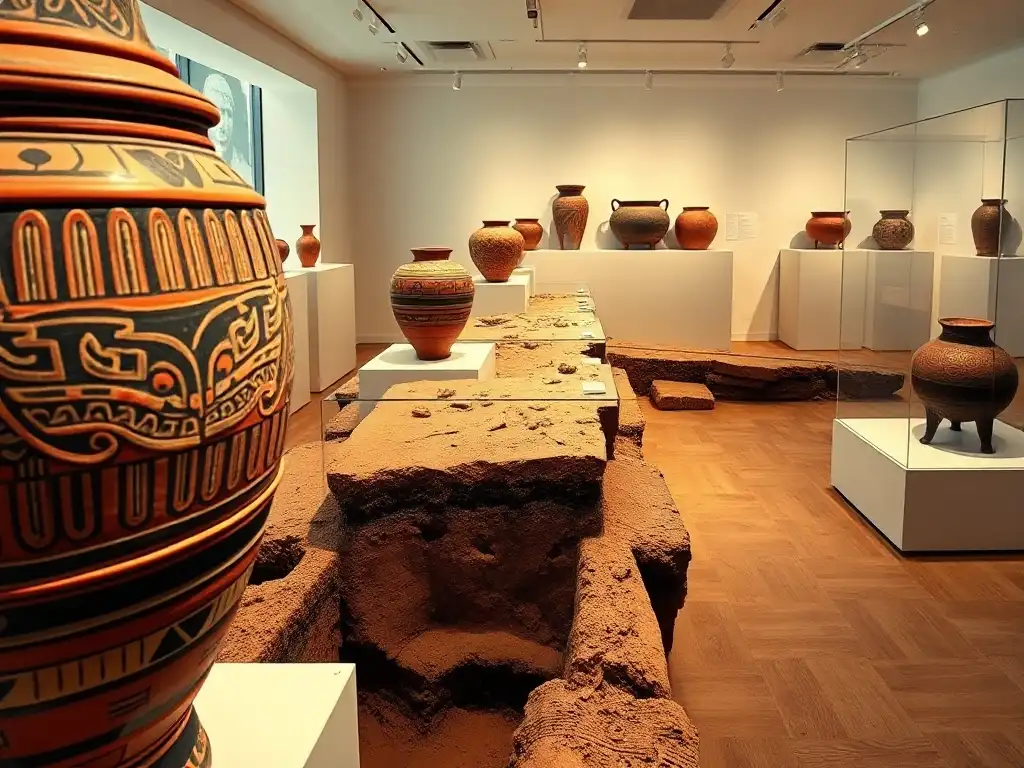
Step into a world lost to time, yet echoing with vibrant life. Imagine uncovering the secrets of the Andes, a land where empires rose and fell, leaving behind a legacy of breathtaking artistry and unparalleled ingenuity. Our exploration begins with Moche pottery origin authentication, a quest to unravel the mysteries behind these captivating artifacts. Dare to delve into the intricate details and discover the truth behind their creation—the journey awaits within "The World of Andean Artifacts."
The vibrant, intricate artistry of Moche pottery represents a pinnacle of ancient Andean craftsmanship. These ceramic masterpieces, dating back to the Moche culture (circa 100-800 CE) on the north coast of Peru, offer a captivating glimpse into their complex society, religious beliefs, and daily life. However, the enduring allure of Moche pottery has unfortunately led to a significant problem: widespread forgery and misattribution.
This article delves into the crucial process of Moche pottery provenance—tracing the origins of authentic artifacts—providing essential knowledge for collectors, researchers, and anyone interested in ensuring the legitimacy of these remarkable pieces. Understanding the methods used to authenticate Moche pottery is paramount to preserving the historical and cultural integrity of this important artistic legacy.
We will explore the key factors that contribute to successful authentication, helping you navigate the complexities of identifying genuine Moche pottery and distinguishing it from skillfully crafted imitations. The ability to confidently determine the origin and authenticity of Moche pottery is not merely a matter of connoisseurship; it is a vital step in protecting cultural heritage and ensuring the responsible stewardship of these irreplaceable artifacts.
Understanding the Significance of Moche Pottery Origin Authentication
Authenticating the origin of Moche pottery is crucial for several reasons. Firstly, it protects the historical record. Knowing the precise origin of a piece helps historians and archaeologists to understand the geographical distribution of Moche settlements, their trading networks, and the evolution of their artistic styles. Secondly, authenticating Moche pottery safeguards cultural heritage.
The illicit trade in forged artifacts undermines the value of genuine pieces and contributes to the loss of cultural patrimony. Finally, accurate authentication protects collectors and investors. Investing in a fake Moche pot can result in significant financial losses and disappointment. The process of authentication often involves meticulous examination of various aspects of the pottery, including stylistic features, clay composition, and the presence of any diagnostic markers.
This careful analysis allows experts to distinguish between genuine Moche pottery and modern forgeries, or pieces misrepresented as originating from the Moche civilization. Understanding these nuances is crucial for anyone wanting to own or study this significant artistic tradition. The more we understand the intricacies of Moche pottery production and distribution, the better equipped we are to protect and appreciate these invaluable artifacts.
Why is Determining Authentic Moche Pottery Origin Important?
Determining the authentic origin of Moche pottery is paramount for several interconnected reasons: it directly impacts the accuracy of historical interpretations, supports ethical collecting practices, and safeguards against financial fraud. Incorrect attribution can lead to skewed understandings of Moche culture, technology, and social structures. For example, a forged piece attributed to a specific Moche site could misrepresent the artistic styles and technological capabilities associated with that location.
Furthermore, the market for authentic Moche pottery is vulnerable to the influx of forgeries, which undermines the value of genuine pieces and encourages unethical practices. Collectors and museums must rely on rigorous authentication methods to protect their investments and ensure the integrity of their collections. The economic implications are significant; a misidentified piece can lead to substantial financial losses for buyers and collectors.
Therefore, a thorough understanding of authentication methods is not just a matter of academic interest but a crucial aspect of responsible collecting and historical preservation. The commitment to verifying the origin of Moche pottery is a cornerstone of safeguarding cultural heritage and promoting ethical stewardship of these remarkable artifacts.
Key Considerations Before Starting Your Moche Pottery Authentication Journey
Before embarking on the journey of Moche pottery authentication, careful preparation is essential. This involves gathering comprehensive information about the piece in question, including its physical characteristics (size, shape, color, surface decoration), any accompanying documentation, and the circumstances of its acquisition. It is crucial to document all details meticulously, including high-resolution photographs from multiple angles, detailed measurements, and any visible markings or imperfections.
The next step involves identifying reputable experts in Moche pottery. These specialists possess the necessary knowledge and experience to analyze various aspects of the artifact, such as the type of clay used, the techniques employed in its creation, and the stylistic features that distinguish authentic Moche pottery from imitations. Finally, you must be prepared for the possibility that the authentication process may be complex, time-consuming, and potentially expensive.
Thorough research and a realistic understanding of the challenges involved are crucial for a successful authentication process. Remember, patience and a commitment to responsible practices are key to ensuring the authenticity and cultural significance of your Moche pottery. 🕵️♀️ Careful documentation and expert consultation are vital steps in this process.
- Understanding the Significance of Moche Pottery Origin Authentication
- Why is Determining Authentic Moche Pottery Origin Important?
- Key Considerations Before Starting Your Moche Pottery Authentication Journey
How to Authenticate Moche Pottery: A Step-by-Step Guide
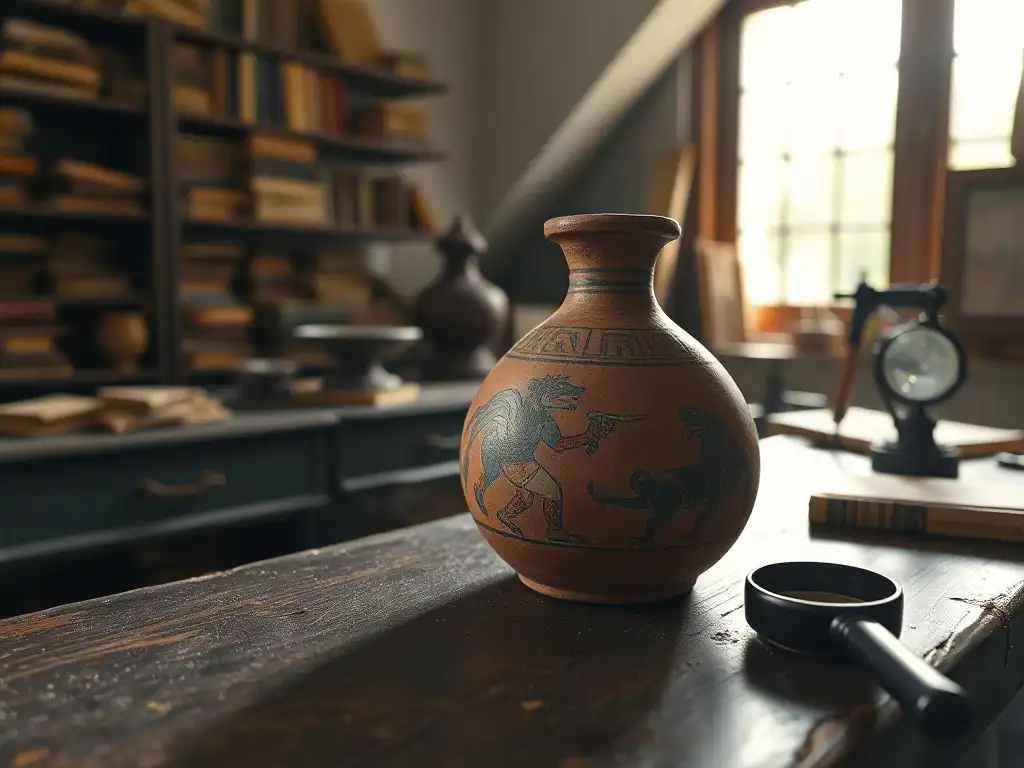
This section provides a detailed, practical guide to authenticating Moche pottery, focusing on methods accessible to both novice and experienced collectors. Successful Moche pottery origin authentication relies on a combination of visual inspection and material analysis. By carefully examining the artifact's characteristics and composition, you can significantly increase your confidence in determining its authenticity. Remember, always consult with experts for definitive authentication of high-value pieces.
Step 1: Visual Inspection - Identifying Moche Pottery Characteristics
Visual inspection forms the cornerstone of Moche pottery origin authentication. Careful observation of shape, iconography, color, and surface details can reveal crucial clues about the artifact's origin and age. Forgeries often fall short in replicating the nuances of genuine Moche pottery.
Examining Moche Pottery Shapes and Forms
Moche potters were masters of diverse forms. Their repertoire included stirrup-spout vessels (iconic to the culture), double-spout vessels, human-shaped vessels (often depicting individuals in various activities), and animal-shaped vessels (replicating local fauna with impressive accuracy). Pay close attention to the vessel's overall shape, the proportions of its parts, and the smoothness of its curves.
Clumsy or inconsistent proportions can indicate a forgery. Authentic Moche pieces exhibit a remarkable balance and elegance in their design, reflecting the potters' advanced skills. For example, the subtle curve of a stirrup spout on a genuine piece will be noticeably different from a crude imitation.
Analyzing Moche Pottery Iconography and Motifs
The iconography of Moche pottery is incredibly rich and varied. Common motifs include depictions of deities, mythical creatures, scenes of daily life (such as fishing, hunting, or warfare), and intricate geometric patterns. Authentic Moche pottery exhibits a high level of detail and precision in its iconography. The figures are often dynamic and expressive, showcasing a deep understanding of human and animal anatomy.
Conversely, forgeries often lack this level of detail and sophistication, displaying simplified or inaccurate representations. Analyzing the style and precision of the motifs is key to Moche pottery origin authentication. Pay attention to the consistency of the style across the entire piece. Inconsistent line quality or jarring stylistic elements might be a red flag.
Moche Pottery Color Palette: Recognizing Authentic Pigments
The vibrant color palette of Moche pottery is another important indicator of authenticity. They utilized natural pigments derived from minerals and plants, resulting in a wide range of colors, including reds, oranges, yellows, blacks, and whites. The pigments were often applied in multiple layers, creating a depth and richness that is difficult to replicate. Authentic Moche pigments are characterized by their subtle variations in tone and texture.
Examine the pigments closely for unnatural brightness or uniformity; these could indicate the use of modern, synthetic paints, a common characteristic of forgeries. The aging process also affects the appearance of the pigments, leading to subtle changes in hue and intensity over time. Understanding these natural variations is crucial for accurate Moche pottery origin authentication.
Step 2: Material Analysis - Understanding Moche Pottery Composition
While visual inspection provides a crucial first step, material analysis offers more concrete evidence for Moche pottery origin authentication. Understanding the clay composition, surface finishes, and the overall construction techniques is vital in distinguishing genuine pieces from modern imitations.
Inspecting the Clay: Texture and Composition
Moche pottery was primarily made from local clays, the composition of which varies geographically. While precise identification requires laboratory analysis, observing the clay's texture and color can provide valuable clues. Authentic Moche pottery typically exhibits a fine-grained texture, with subtle variations in color and tone. The clay body should feel relatively dense and hard. Conversely, forgeries may exhibit a coarser texture, inconsistencies in color, or a noticeably less dense clay body. A significant difference in the clay's characteristics compared to known examples from the region can raise suspicions.
Identifying Moche Pottery Surface Finishes and Slips
Moche potters employed a variety of surface finishes, including burnishing, polishing, and the application of slips (thin coatings of clay). These finishes contributed to the pottery's aesthetic appeal and durability. Authentic Moche pottery often displays a smooth, polished surface, or a carefully applied slip with a consistent texture.
Examine the surface for any signs of unevenness, cracking, or inconsistencies in the finish, which could indicate a forgery. The application of slips in authentic Moche pieces is usually precise and even, enhancing the vibrancy of the colors. Look for signs of sloppy application or uneven coverage which is a tell-tale sign of a poorly made replica.
Using a Jeweler's Loupe for Detailed Surface Examination
A jeweler's loupe (magnifying glass) is an invaluable tool for detailed surface examination. It allows for close inspection of the clay's texture, the application of pigments and slips, and any signs of wear or damage. Using a loupe, you can identify subtle inconsistencies in the surface finish that might be missed with the naked eye.
This detailed examination is especially useful in detecting the application of modern paints or the use of inappropriate materials in forgeries. The magnification provided by a jeweler's loupe is crucial for Moche pottery origin authentication, allowing for the detection of minute details that would otherwise go unnoticed.
Step 3: The Importance of Provenance and Context
Provenance, in the context of Moche pottery origin authentication, refers to the documented history of an artifact's ownership and location. Understanding provenance is crucial because it provides a verifiable chain of custody, tracing the pottery's journey from its discovery to its current possessor. A strong provenance record significantly enhances the authenticity of a piece.
For example, a Moche pot accompanied by detailed excavation records from a reputable archaeological dig site carries far greater weight than one with an unclear or undocumented history. The absence of a clear provenance, especially for pieces appearing on the market without clear documentation, should raise immediate red flags. This lack of information makes it extremely difficult, if not impossible, to verify the artifact's authenticity and origin.
A reputable seller will always be transparent about the provenance of their Moche pottery, providing detailed documentation to support their claims. This documentation should include information about the location of discovery, the date of discovery, and the individuals or institutions involved in the excavation and subsequent handling of the artifact.
Investigating the Source: Where Was the Moche Pottery Found?
The geographical location where a Moche pot was unearthed is paramount in determining its authenticity. Moche culture flourished in a specific region of the northern coast of Peru. Pottery discovered far outside this area should immediately trigger suspicion.
For instance, a Moche-style pot found in, say, the Amazon basin, would require exceptionally compelling evidence to prove its genuine origin. The location should be precisely documented, ideally with GPS coordinates, to ensure accuracy and reproducibility. This geographic information is crucial because it helps to contextualize the artifact within the broader cultural landscape of the Moche civilization.
The precise location can assist experts in understanding the variations in style, iconography, and techniques employed in different Moche settlements. Detailed mapping of the find spot, including the stratigraphy (the layers of earth), is essential for understanding the context of the discovery and establishing its authenticity. Discrepancies between claimed origin and known Moche settlement areas are significant indicators of potential forgery.
Understanding Archaeological Context: Site Reports and Excavation Data
Beyond the simple location, the archaeological context of the discovery is equally vital. This includes details about the surrounding artifacts, the stratigraphic layers in which the pottery was found, and any associated features like burials or structures. A well-documented archaeological excavation will produce a detailed site report, including photographs, maps, and drawings, illustrating the context of the find.
This report should meticulously document the position of the pot relative to other artifacts and the layers of sediment. For example, if a Moche pot is found in a layer chronologically inconsistent with the Moche period, it casts significant doubt on its authenticity. The presence of other authentic Moche artifacts in the same context strengthens the case for the authenticity of the pot in question.
Conversely, the absence of such corroborating evidence weakens the claim of authenticity. Access to these detailed site reports provides crucial information for verifying the claimed origin and context of a Moche pottery piece.
Consulting with Archaeological Databases like the Digital Archaeological Record (tDAR)
Reputable archaeological databases, such as the Digital Archaeological Record (tDAR), serve as invaluable resources for verifying the provenance and context of Moche pottery. These databases often contain detailed records of archaeological excavations, including site reports, photographs, and other relevant documentation. Researchers and collectors can use these databases to cross-reference information about a specific artifact, comparing its purported origin and characteristics with documented finds. Matching the features of a pot with those recorded in a database significantly increases confidence in its authenticity.
Furthermore, these databases can help identify previously unrecorded artifacts, potentially leading to the discovery of new information about Moche culture and pottery production. However, it’s crucial to remember that not all archaeological finds are documented in such databases, and the information available may be incomplete or fragmented. Therefore, reliance on these databases should be complemented by other authentication methods.
Step 4: Advanced Authentication Techniques for Moche Pottery
While provenance and context are crucial, advanced scientific techniques provide additional layers of authentication for Moche pottery. These methods offer objective data to support or refute claims of authenticity, going beyond visual inspection and historical documentation. Employing these techniques adds a level of scientific rigor, particularly when dealing with potentially contested or questionable artifacts. The cost and complexity of these methods may limit their application to high-value or controversial pieces. However, their results are essential in establishing irrefutable evidence of authenticity or forgery.
Carbon-14 Dating: Determining the Age of Moche Ceramics
Carbon-14 dating is a radiocarbon dating method used to determine the age of organic materials. While not directly applicable to the clay itself, this technique can be used on organic materials found with the pottery. For example, if organic residues, such as plant fibers or textiles, are present within the pottery or in its immediate context, carbon-14 dating can provide a chronological framework within which to place the artifact. This dating method helps to corroborate the claimed age of the pottery, aligning it with the known timeframe of the Moche culture.
However, the accuracy of carbon-14 dating depends on the quality and quantity of the organic material available for testing. Results should be interpreted cautiously and ideally correlated with other dating methods or contextual evidence. The results can help date the pottery indirectly, supporting or refuting its purported Moche origin.
Thermoluminescence Testing: Another Dating Method for Moche Artifacts
Thermoluminescence (TL) testing is another valuable technique for dating ceramic artifacts. This method measures the accumulated radiation dose within the clay minerals. The longer a ceramic object has been buried, the greater the accumulated radiation dose. By measuring this dose, scientists can estimate the time elapsed since the pottery was last fired.
This provides a direct date for the creation of the pottery, allowing for a more precise assessment of its age and potential Moche origin. TL testing is particularly useful for dating ceramics that lack associated organic materials suitable for carbon-14 dating. However, like carbon-14 dating, TL results should be interpreted within the broader context of the artifact's provenance and other historical and archaeological evidence. Accurate interpretation requires specialized expertise and careful consideration of potential sources of error.
Archaeological Conservation Labs for Advanced Material Analysis
Specialized archaeological conservation labs employ a range of advanced analytical techniques to examine the composition and structure of Moche pottery. These labs can perform analyses such as X-ray fluorescence (XRF) spectroscopy to determine the elemental composition of the clay, identifying the specific types of minerals and pigments used. This information can be compared with known Moche pottery compositions, providing further evidence for or against authenticity. Microscopic analysis can reveal details about the manufacturing techniques, such as the type of tools used and the firing process.
These analyses can reveal inconsistencies that might suggest a forgery. Furthermore, these labs can identify any signs of repair or restoration that might indicate tampering or attempts to disguise the true age or origin of the piece. Access to these labs and their expertise is often essential for the conclusive authentication of high-value or contested Moche pottery.
Avoiding Counterfeit Moche Pottery: Red Flags to Watch Out For
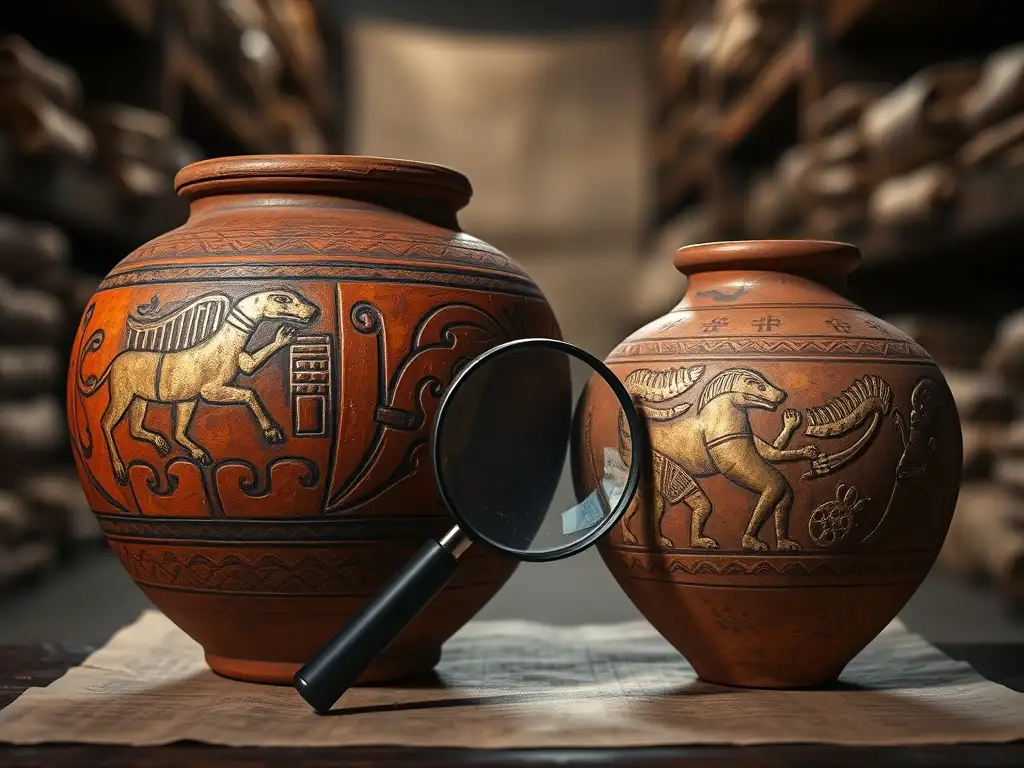
The allure of owning a genuine piece of Moche pottery is undeniable. However, the market is unfortunately flooded with forgeries, making authentication crucial for serious collectors and enthusiasts. Understanding the common characteristics of counterfeit Moche pottery is the first step in protecting yourself from acquiring a fake. This section details several key indicators that can help you distinguish authentic artifacts from expertly crafted imitations, aiding in your quest for genuine Moche pottery origin authentication.
Common Signs of Fake Moche Pottery
Careful observation is paramount when assessing the authenticity of Moche pottery. Several telltale signs can point towards a forgery, even to the untrained eye. These inconsistencies often reveal the lack of understanding or deliberate disregard for the meticulous craftsmanship of the original artisans.
Inconsistencies in Shape, Design, and Iconography
Authentic Moche pottery exhibits a remarkable consistency in form and style within specific periods. While variations exist, they are subtle and reflect stylistic evolution rather than haphazard design. Counterfeits often display inconsistencies in:
- Shape: Proportions may be off, with oddly shaped vessels deviating from established Moche forms like stirrup-spout jars or double-spouted vessels. Look for irregularities in the curves and overall symmetry.
- Design: The motifs and iconography should be consistent with known Moche styles. Clumsy execution, jarring juxtapositions of elements, or the inclusion of anachronistic designs are strong indicators of forgery. For instance, a depiction of a technology unknown to the Moche civilization would be a major red flag.
- Iconography: Moche iconography, while varied, is deeply symbolic. A lack of understanding of these symbols, resulting in misrepresentations or illogical combinations, often betrays a fake. Examine the details closely; are the depictions accurate and consistent with established Moche artistic conventions?
For example, a purported Moche stirrup-spout jar with a poorly formed spout, disproportionate body, and a modern-looking design would immediately raise suspicions. The subtle nuances of Moche artistry are difficult to replicate convincingly.
Unusual Coloration or Pigment Issues
The pigments used by Moche artisans were derived from natural sources, resulting in a range of earthy tones and subtle variations. Counterfeit Moche pottery often displays:
- Unnatural Brightness: The colors may appear too vibrant or saturated, lacking the muted tones characteristic of ancient pigments. The use of modern, commercially produced paints is easily detectable by a trained eye.
- Inconsistent Pigment Application: Authentic Moche pottery usually exhibits a smooth, even application of pigment. Uneven coloring, blotches, or areas where the paint appears thick or thin suggest a modern imitation.
- Bleeding or Fading: While some natural fading is expected over time, excessive bleeding or uneven fading of colors is a significant red flag. This is especially true if the fading pattern doesn't follow natural weathering patterns.
For instance, an overly bright red pigment, or a jarringly different shade of red on a single vessel, would be cause for concern. The subtlety and consistency of the original Moche pigments are difficult to mimic accurately.
Lack of Authentic Wear and Patina
Over centuries, authentic Moche pottery develops a unique patina—a surface alteration resulting from exposure to the elements. This patina is characterized by subtle changes in color and texture, a matte finish, and evidence of natural wear. Counterfeit pieces often lack these characteristics, exhibiting:
- Too-Perfect Condition: An unusually pristine condition, without any signs of age or wear, is highly suspicious. Authentic Moche pottery usually shows some degree of surface abrasion, minor scratches, or discoloration from age and burial.
- Artificial Wear: Attempts to artificially age a piece, such as adding scratches or discoloration, often look unnatural and unconvincing. The subtle nuances of natural wear are difficult to replicate.
- Absence of Soil Residue: Genuine Moche pottery often retains traces of soil or minerals from its burial environment. A complete absence of such residue can suggest a recently made imitation.
A seemingly perfect Moche jar, devoid of any signs of age or wear, is likely a fake. The natural processes of age and burial leave unmistakable marks on authentic artifacts.
Protect Yourself: Tips for Buying Authentic Moche Pottery
Acquiring authentic Moche pottery requires diligence and a cautious approach. While there's no foolproof method to guarantee authenticity, following these recommendations significantly reduces the risk of purchasing a counterfeit.
Purchase from Reputable Dealers and Auction Houses like Christie's or Sotheby's
Reputable dealers and auction houses have established reputations to uphold and usually employ experts to authenticate their inventory. They often provide detailed provenance documentation and certificates of authenticity. While no guarantee is absolute, reputable sources minimize your risk considerably. This is a key component of Moche pottery origin authentication.
Always Request Certificates of Authenticity and Provenance
A certificate of authenticity, ideally from a recognized expert, provides crucial documentation supporting the artifact's origin and age. Provenance, which traces the artifact's history of ownership, further strengthens its credibility. Insist on thorough documentation before making any purchase. Scrutinize the provenance details carefully, looking for inconsistencies or gaps in the documented history.
Consider Professional Appraisal Services Before Making a Purchase
Before committing to a purchase, especially for high-value pieces, seek the opinion of a qualified art appraiser specializing in pre-Columbian artifacts. A professional appraisal can provide an independent assessment of the artifact's authenticity, helping you make an informed decision. This adds a layer of security to your acquisition process, giving you confidence in your Moche pottery origin authentication.
Preserving the Legacy of Authentic Moche Pottery
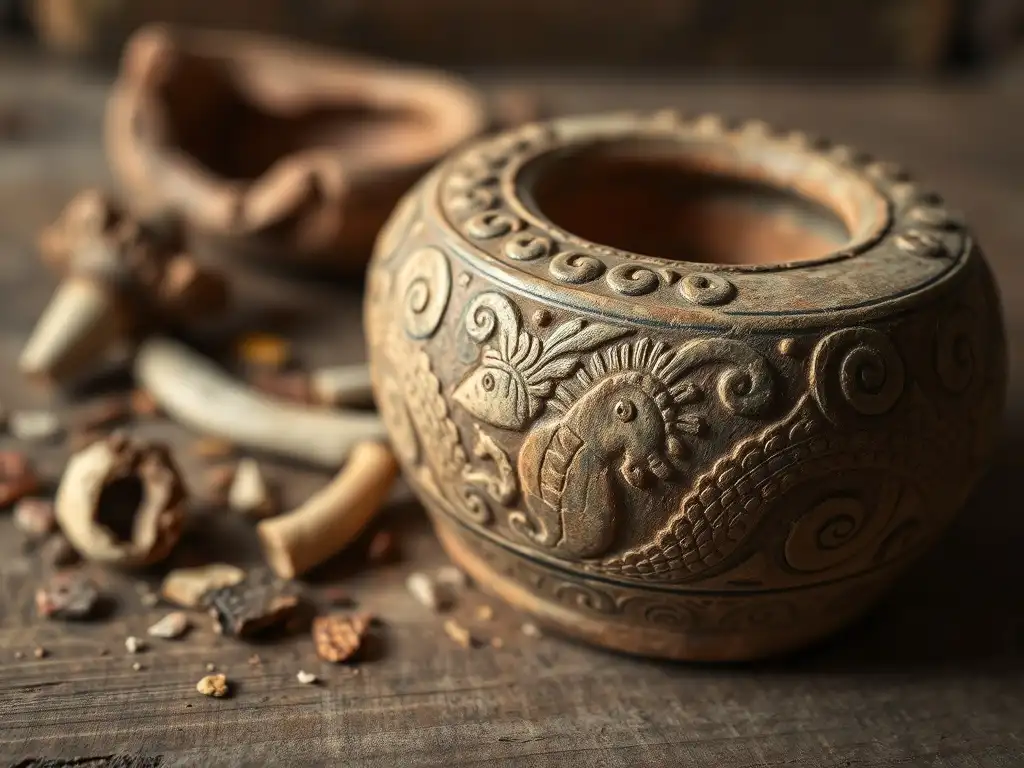
This section delves into the crucial aspects of safeguarding Moche pottery for future generations. The illicit trade in ancient artifacts poses a significant threat to the preservation of cultural heritage, impacting not only the historical record but also the economic and social fabric of the communities connected to these pieces. Understanding the provenance of Moche pottery is the first step in combating this illegal activity and ensuring responsible stewardship of these invaluable objects.
The authentication process, while complex, is vital to protecting the integrity of archaeological sites and the cultural legacy of the Moche civilization. This involves meticulous documentation, scientific analysis, and a collaborative effort among archaeologists, collectors, and governing bodies. Effective preservation strategies are essential to maintain the physical integrity of the artifacts, mitigating the effects of time and environmental factors.
The Importance of Ethical Collecting and Conservation
Ethical collecting is paramount in preserving Moche pottery. It goes beyond simply acquiring a beautiful piece; it involves understanding its history, context, and the potential impact of its removal from its original location. Responsible collectors prioritize provenance research, ensuring they can trace the artifact's journey from its discovery to its current ownership.
This often involves verifying documentation, consulting with experts, and sometimes undergoing scientific analyses like thermoluminescence dating to confirm authenticity and age. Furthermore, proper storage and conservation techniques are crucial. This includes maintaining stable environmental conditions to prevent deterioration, such as controlling temperature, humidity, and light exposure.
The use of archival-quality materials for storage and handling is also vital. Failure to adhere to these best practices can lead to irreparable damage to the artifacts, eroding their historical value and undermining efforts to preserve the Moche legacy. The ethical collector actively participates in the responsible management of these precious objects, recognizing their significance extends beyond personal enjoyment.
Promoting Responsible Practices in the Moche Pottery Trade
The trade in Moche pottery, while potentially lucrative, requires strict adherence to ethical and legal standards to prevent the exploitation of cultural heritage. This necessitates collaboration between governments, museums, and private collectors to establish and enforce regulations that govern the acquisition, sale, and export of these artifacts. Transparency is key.
The provenance of each piece should be meticulously documented and readily available to potential buyers and researchers. This transparency fosters trust and helps to deter the sale of illegally obtained artifacts. Moreover, educational initiatives targeted at both collectors and the general public are crucial to raise awareness about the importance of provenance and the ethical implications of acquiring Moche pottery.
Promoting responsible practices also involves supporting initiatives that encourage the repatriation of artifacts that have been illegally removed from their original contexts. This active engagement from all stakeholders is crucial to ensure the longevity of the Moche pottery legacy. The ultimate goal is to create a sustainable trade model that respects cultural heritage and ensures the long-term preservation of these irreplaceable artifacts.
Supporting Organizations Dedicated to Protecting Andean Heritage
Several organizations actively work to protect Andean heritage, including Moche pottery. These institutions play a critical role in research, conservation, and education, contributing significantly to the preservation of cultural patrimony. Their efforts often involve collaborative projects with local communities, fostering a sense of ownership and responsibility for the protection of their cultural heritage.
Support for these organizations can take many forms, including financial contributions, volunteer work, and advocacy. By actively supporting these organizations, individuals contribute to the long-term preservation of Moche pottery and other invaluable artifacts, ensuring that future generations can appreciate and learn from the rich cultural legacy of the Andean civilizations. Their dedication to scientific research, ethical collecting practices, and public education is essential for the long-term survival of Moche pottery and the broader Andean cultural heritage.
Donating to, volunteering with, or simply raising awareness of these organizations is a vital step in preserving these irreplaceable treasures for generations to come. The collective efforts of these organizations and the wider community are crucial in combating the illegal trade and ensuring the responsible management of Moche pottery for years to come.
Frequently Asked Questions
How can I tell if a piece of Moche pottery is authentic?
Authenticating Moche pottery requires expert examination. Look for consistent stylistic elements, characteristic pigments, and the absence of modern manufacturing techniques. Consult reputable experts or museums for verification.
What are the key characteristics of authentic Moche pottery?
Authentic Moche pottery displays unique artistic styles depicting mythological figures, everyday life, and ceremonial scenes. Look for specific forms, finely detailed designs, and high-quality craftsmanship. Clay type and firing techniques are also important factors.
Where can I find reliable information on Moche pottery provenance?
Reputable museums, academic journals, and specialized books offer reliable information. Archaeological databases and respected auction houses can also provide valuable insights. Always cross-reference information from multiple sources.
What role did Moche pottery play in their society?
Moche pottery served both ceremonial and everyday purposes. It was used in religious rituals, burial practices, and domestic contexts. Elaborate designs often conveyed social status and religious beliefs.
How can I protect myself from purchasing fake Moche pottery?
Buy from reputable sources such as established auction houses or museums. Thoroughly research the seller's credentials. Seek expert authentication before making a significant purchase. Be wary of unusually low prices.
Final Reflection: Unearthing the Legacy of Moche Pottery
The quest to authenticate Moche pottery is not merely an academic pursuit; it is a vital fight against the erosion of cultural heritage. The illicit trade in looted artifacts continues to threaten the integrity of archaeological sites and the historical record, demanding a rigorous and ever-evolving approach to provenance research. Understanding the origins of these breathtaking pieces is crucial to preserving their stories for future generations.
The enduring power of Moche pottery lies not just in its aesthetic beauty, but in its ability to connect us to a vibrant and sophisticated ancient civilization. These artifacts whisper tales of a society's beliefs, rituals, and daily life, offering invaluable insights into the human experience across millennia. The past is never dead. It's not even past.
– William Faulkner. This quote resonates deeply, as the ongoing struggle to authenticate Moche pottery underscores the persistent relevance of the past in shaping our present understanding of history and culture. The fight for authenticity is a fight for the preservation of these voices from the past.
Consider the implications of this journey into Moche pottery provenance. You now possess a deeper understanding of the complexities involved in authenticating ancient artifacts. Take this knowledge with you, and become a more discerning observer of the art market and a more informed advocate for the ethical preservation of cultural heritage. Challenge yourself to question the origins of ancient artifacts you encounter, and support institutions and initiatives dedicated to protecting archaeological sites and promoting responsible collecting practices. The future of Moche pottery, and countless other cultural treasures, depends on our collective vigilance and commitment.
Unveil the Rich History of Moche Pottery!
Thank you for exploring the fascinating world of Moche pottery! You've gained insights into the artistry and cultural significance of these authentic artifacts. Now, let's build on that knowledge and deepen your appreciation for these incredible historical treasures.
- **Explore** local museums and galleries that exhibit Moche pottery.
- **Connect** with other enthusiasts online through forums and social media groups dedicated to Andean civilizations. Share your discoveries and learn from others.
- **Consider** a trip to Peru to witness these artifacts within their original cultural context. Visiting archaeological sites firsthand offers an unparalleled experience.
What aspects of Moche pottery have captivated your interest, and how will you continue to explore these intriguing pieces?