
The Moche Pottery Puzzle: Assembling the Pieces of Authenticity

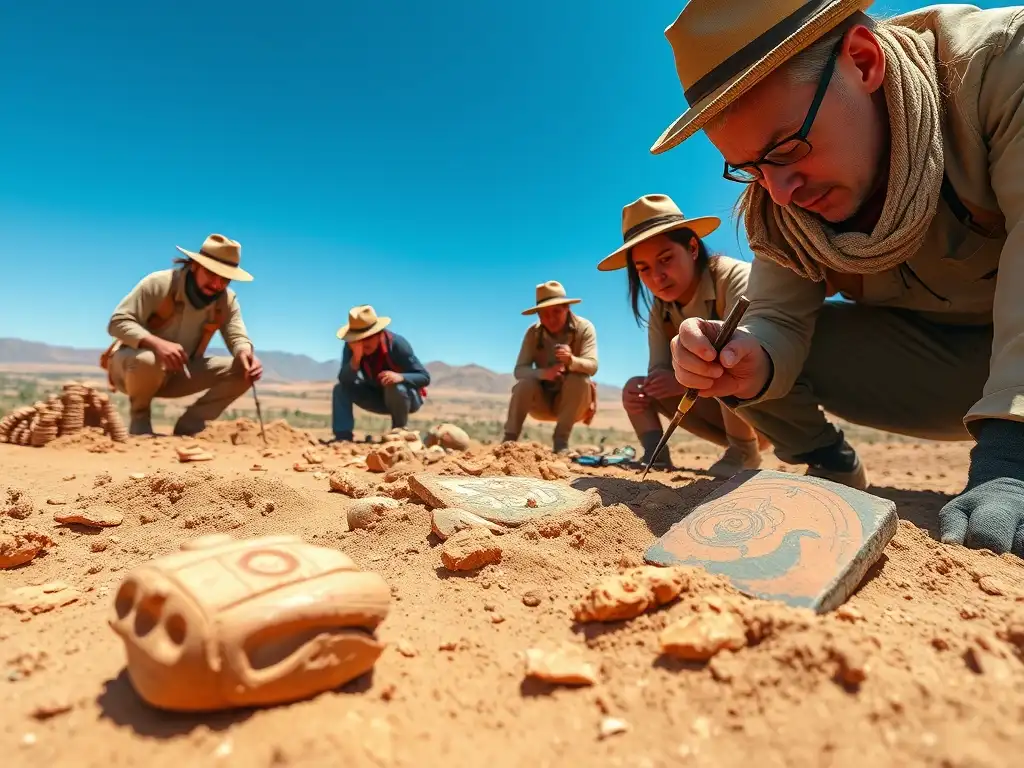
Uncover the secrets whispered by the sands of time! Dive into the captivating world of Andean Civilizations, where intricate artistry and advanced engineering meet the mysteries of a lost world. But can we truly know the truth behind the breathtaking Moche pottery? This journey into the Moche pottery authenticity puzzle will challenge your assumptions and reveal the fascinating quest to decipher the genuine from the imitation. Prepare to be amazed as we assemble the pieces of this ancient enigma...
The vibrant artistry of the ancient Moche civilization, flourishing along the northern coast of Peru from roughly 100 CE to 800 CE, continues to captivate archaeologists and art enthusiasts alike. Their remarkable pottery, depicting scenes of daily life, religious rituals, and mythical creatures with unparalleled detail, is highly sought after by collectors worldwide. However, this very popularity has unfortunately fueled a significant market for forgeries, making the identification of genuine Moche pottery a complex and crucial challenge.
This article delves into the intricacies of authenticating Moche ceramics, providing insights into the characteristics that distinguish genuine pieces from skillfully crafted imitations. Understanding these nuances is not merely a matter of academic interest; it's vital for preserving the cultural heritage of the Moche and protecting the integrity of the art market.
We will explore the key features to look for, the techniques used by forgers, and the methods employed by experts to determine authenticity, ultimately equipping you with the knowledge to navigate the fascinating, yet sometimes treacherous, world of Moche pottery. The quest for authentic Moche pottery is a journey into the heart of Andean artistry, demanding careful observation, critical thinking, and a deep appreciation for the cultural significance of these remarkable artifacts.
Unveiling the Challenge: Identifying Genuine Moche Ceramics
Authenticating Moche pottery requires a keen eye and a multi-faceted approach. It's not simply a matter of looking for "pretty" pottery; rather, it involves a meticulous examination of several key characteristics. The sheer variety of styles and techniques employed by Moche artisans further complicates the process. Forgers often mimic superficial aspects of Moche pottery, leading even experienced collectors astray. Some common challenges include:
- Stylistic Variations: Moche pottery displays a wide range of styles, reflecting regional differences and evolving artistic trends across the centuries. Understanding these variations is crucial to avoid mistaking regional differences for signs of forgery.
- Material Composition: The clay used by the Moche varied depending on location and availability. Analyzing the clay's composition – including its mineral content and firing temperature – can provide valuable clues about authenticity.
- Surface Treatments: The Moche employed a variety of surface treatments, including slip (a liquid clay coating), paint, and polishing. The quality and application of these treatments are key indicators of authenticity. Crude application or unusual pigments can be a red flag.
- Firing Techniques: The firing process significantly impacts the final appearance of the pottery. Analyzing the firing characteristics, such as evenness of color and the presence of firing clouds, can help in identifying genuine pieces.
- Iconography and Motifs: The intricate iconography and motifs depicted on Moche pottery are rich in symbolic meaning. While forgers often copy these motifs, subtle inaccuracies in detail or composition can reveal their work.
The Lure of Moche Art: Why Authenticity Matters
The demand for Moche pottery fuels a lucrative market, making the issue of authenticity not only a matter of academic interest but also a critical concern for ethical collecting and cultural preservation. The implications of owning a forged piece extend beyond simple financial loss; it represents a direct undermining of the cultural heritage of the Moche people. Several key reasons highlight the importance of ensuring authenticity:
- Historical Accuracy: Genuine Moche pottery provides invaluable insights into the daily lives, beliefs, and artistic practices of this fascinating ancient culture. Forgeries distort this historical record.
- Cultural Respect: The acquisition of authentic Moche pottery should be approached with respect for the cultural heritage it represents. Purchasing forgeries contributes to the exploitation of cultural artifacts and undermines efforts to protect them.
- Financial Value: The value of genuine Moche pottery is significantly higher than that of forgeries. Investing in a forgery leads to a loss of financial value and a potential loss of reputation. Furthermore, the sale of forgeries contributes to a market that undermines the value of authentic pieces.
- Museum Collections and Research: Museums rely on the authenticity of their collections for research and educational purposes. Forgeries compromise the integrity of these collections and hinder scholarly work. The presence of forgeries in museum collections can negatively impact the public's trust in these institutions.
The quest for authentic Moche pottery is a journey that demands careful consideration and a commitment to responsible collecting. By understanding the challenges involved and the importance of authenticity, we can contribute to the preservation of this extraordinary cultural legacy.
Common Problems in Moche Pottery Authenticity: A Buyer's Guide
The market for ancient artifacts, including Moche pottery, is unfortunately rife with challenges related to authenticity. Determining genuine Moche pottery requires a keen eye and a thorough understanding of the stylistic, technical, and contextual aspects of these remarkable pieces. Navigating this complex landscape demands awareness of the common pitfalls collectors and enthusiasts face. Let's explore some key issues that contribute to the difficulty of verifying Moche pottery authenticity.
The Problem of Modern Forgeries: Replicas and Imitations
Modern forgeries represent a significant hurdle in establishing Moche pottery authenticity. Skilled artisans create convincing replicas, often using traditional techniques and materials to mimic the appearance of genuine artifacts. These forgeries can be incredibly deceptive, even to experienced collectors. The motivation behind these forgeries ranges from profit to the desire to possess a piece of history.
Distinguishing these sophisticated fakes from genuine pieces requires an in-depth understanding of subtle variations in style, material, and technique. The lack of proper provenance further complicates the identification of these replicas. For example, a seemingly authentic Moche vessel might exhibit inconsistencies in the style of its iconography or the application of its pigments if it is a modern forgery.
The Challenge of Aging and Patina: Distinguishing Real Wear from Faked Effects
The natural aging process imparts a unique patina to genuine Moche pottery, characterized by subtle discoloration, surface wear, and the accumulation of mineral deposits. However, unscrupulous sellers sometimes attempt to artificially age pottery to enhance its perceived authenticity. This artificial aging can involve techniques like chemical treatments or prolonged exposure to harsh environments, creating an appearance of age that lacks the subtle nuances of natural weathering.
The key to distinguishing genuine wear from faked effects lies in understanding the natural processes of soil interaction, environmental exposure, and the way pigments react over centuries. A genuine patina will display a natural variation and depth that is difficult to replicate artificially.
Misidentification: Confusing Moche Styles with Other Andean Cultures
The diverse artistic traditions of the Andean region sometimes lead to misidentification of Moche pottery. Several cultures, including the Nazca and Chimú, produced ceramics with stylistic similarities to Moche works, making accurate attribution challenging. These similarities can stem from cultural exchange, shared artistic influences, or even later imitations of Moche styles.
Careful examination of stylistic details, such as vessel shapes, decorative motifs, and the depiction of figures and scenes, is crucial in differentiating Moche pottery from artifacts of other Andean cultures. For instance, the distinctive use of certain colors or the depiction of specific mythological figures can be key identifiers in separating Moche pottery from the work of other cultures.
Solutions: Key Factors in Determining Moche Pottery Authenticity
Successfully navigating the complexities of Moche pottery authenticity requires a multi-faceted approach, combining visual inspection with scientific analysis and a thorough understanding of the historical context. By systematically examining several key factors, collectors and enthusiasts can significantly improve their ability to distinguish genuine artifacts from forgeries or misidentified pieces.
Analyzing Moche Iconography: Deciphering the Narrative
Moche pottery is renowned for its intricate and expressive iconography, often depicting scenes of warfare, religious rituals, or daily life. Analyzing the style, composition, and narrative of these scenes is crucial in assessing authenticity. Genuine Moche iconography exhibits a unique stylistic consistency, reflecting the cultural beliefs and artistic conventions of the time. Forgeries often display inconsistencies or a lack of understanding of the nuances of Moche artistic expression. For example, the depiction of specific deities, the use of particular symbolic elements, and the overall composition of the scenes can help distinguish authentic from inauthentic pieces.
Examining Clay and Pigments: Scientific Analysis of Moche Ceramics
Scientific analysis offers a powerful tool in verifying the authenticity of Moche pottery. Techniques like X-ray fluorescence (XRF) and petrographic analysis can determine the composition of the clay and pigments used, revealing information about the origin of the materials and the methods of production. These analyses can identify inconsistencies in the materials used, helping to distinguish between genuine Moche pottery and modern forgeries. For instance, the type of clay used, the presence of specific minerals, or the chemical composition of the pigments can reveal valuable information about the age and origin of the pottery.
Evaluating Construction Techniques: Unveiling the Moche Potter's Methods
Moche potters employed sophisticated techniques, including hand-building, molding, and the use of slip and paint. Examining the construction techniques of a piece of pottery can reveal important clues about its authenticity. Genuine Moche pottery often displays unique characteristics, such as specific types of surface finishes, methods of joining different parts of the vessel, or the use of particular tools. Modern forgeries may lack the refinement and technical skill evident in genuine Moche ceramics. For instance, the presence of specific hand-building techniques or the use of certain types of tools may be key indicators of authenticity.
Assessing Provenance and Documentation: The Importance of Context
Provenance, or the documented history of ownership, is critical in establishing the authenticity of any ancient artifact. A clear and well-documented provenance chain significantly strengthens the claim of authenticity. This documentation should ideally include information about the location of discovery, previous owners, and any expert examinations conducted. The absence of provenance or a questionable provenance record should raise concerns about the authenticity of a piece. The chain of custody is crucial for verifying the authenticity of Moche pottery, and a lack of documentation can significantly undermine its credibility.
Essential Tools and Services for Moche Pottery Authentication
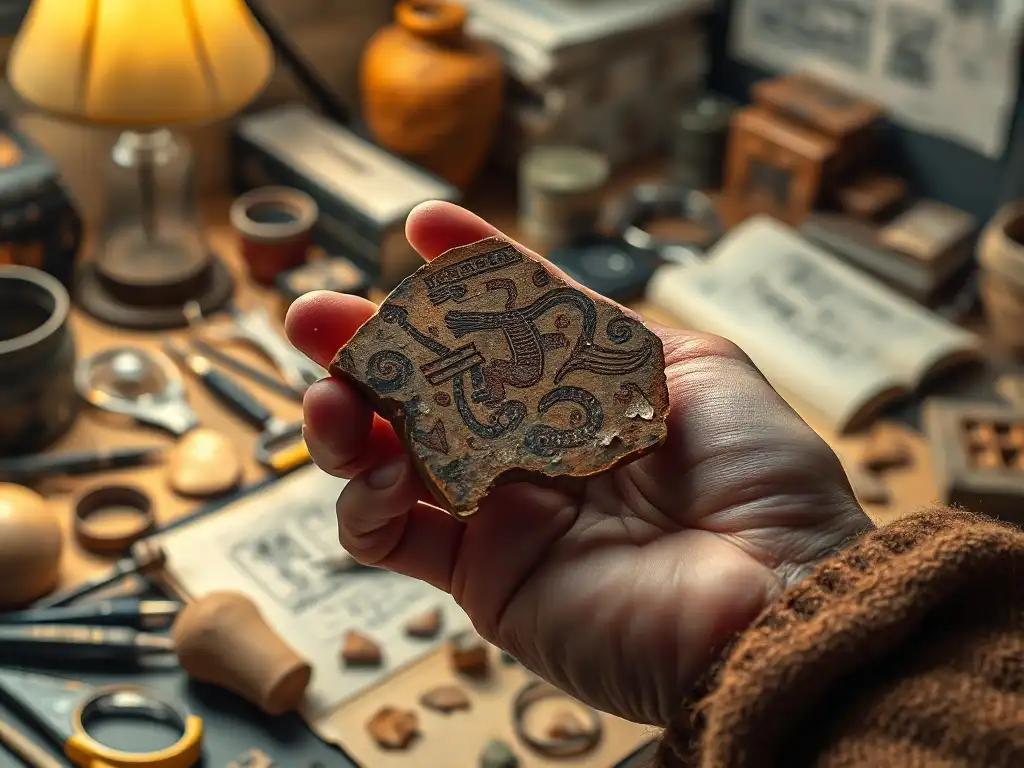
Identifying genuine Moche pottery requires a multifaceted approach, combining visual inspection with expert analysis. Several tools and services can significantly aid in this process. A good quality magnifying glass, for instance, allows for close examination of surface details, including the intricate painting techniques and the texture of the clay itself.
A strong light source, perhaps a specialized UV lamp, can reveal subtle variations in color and glaze that might otherwise be missed. Furthermore, access to high-resolution digital imagery can be crucial for comparative analysis with known authentic pieces. Many museums and research institutions now offer online databases of Moche pottery, allowing for detailed comparisons.
Finally, the use of scientific analysis techniques, such as X-ray fluorescence (XRF) spectroscopy, can provide valuable compositional data, helping to determine the authenticity of a piece by analyzing the clay's elemental makeup and identifying potential inconsistencies with known Moche production methods. This level of analysis is typically undertaken by specialized laboratories and requires significant expertise.
Recommended Books and Publications on Moche Art and Archaeology
A strong foundation in Moche art and archaeology is essential for anyone attempting to authenticate Moche pottery. Several key publications provide invaluable insights into Moche artistic styles, pottery production techniques, and iconography. These resources offer detailed descriptions and illustrations of various Moche pottery types, allowing for a more informed assessment of potential acquisitions. For example, studies focusing on the stylistic variations across different Moche phases and regions are crucial for understanding the chronological context and identifying potential anachronisms in suspect pieces.
Similarly, publications detailing the chemical composition of Moche clays from different excavation sites can assist in determining the provenance of a piece. Access to scholarly articles and museum catalogues is also paramount, as these publications often feature detailed analyses of specific pottery pieces, providing valuable benchmarks for comparison. It's important to prioritize reputable academic publishers and museum publications known for their rigorous research methodologies.
Trusted Databases and Online Resources for Moche Art
The digital age has greatly expanded access to information about Moche pottery. Several online databases and digital archives provide invaluable resources for authentication efforts. These databases often contain high-resolution images, detailed descriptions, and sometimes even provenance information for numerous Moche artifacts. Reputable museum websites, such as those of the Larco Museum in Lima, Peru, and the Metropolitan Museum of Art in New York, often feature extensive collections of Moche pottery with accompanying scholarly information.
These online resources enable comparative analysis, allowing researchers and collectors to compare their pieces with known authentic examples. However, it is crucial to critically evaluate the sources of online information, ensuring that the databases and websites are maintained by reputable institutions and scholars. Beware of unreliable or unverified online resources, as these can lead to inaccurate conclusions and potentially reinforce the circulation of forgeries.
Professional Authentication Services and Experts
When faced with particularly challenging cases of Moche pottery authentication, seeking the expertise of professional art authentication services or specialists is crucial. These services often employ a combination of visual examination, scientific analysis, and historical research to determine the authenticity of an artifact. Experienced art conservators and archaeologists specializing in Moche culture possess the necessary skills and knowledge to identify subtle signs of forgery or alteration.
Their expertise extends to recognizing the characteristics of genuine Moche pottery, including the nuances in painting styles, the specific types of clay used, and the manufacturing techniques employed. It's important to choose reputable services with a proven track record of successful authentication, and to be prepared for the associated costs, which can be substantial given the complexity of the analysis. Transparency regarding the methodology used and the basis of the conclusion is crucial in selecting a trustworthy service.
Investing Wisely: Ethical and Informed Acquisition of Moche Pottery
The acquisition of Moche pottery should always be approached with a strong ethical framework, prioritizing the preservation of cultural heritage. A responsible approach to collecting Moche pottery involves careful consideration of provenance, authenticity, and legal compliance. This necessitates thorough due diligence and a commitment to supporting ethical acquisition practices.
The Importance of Supporting Ethical Dealers and Auction Houses
Ethical dealers and auction houses play a crucial role in ensuring the responsible circulation of Moche pottery. They adhere to strict standards of provenance documentation, verifying the legitimate origin and ownership history of the artifacts they handle. Reputable dealers often provide detailed provenance reports, outlining the chain of custody from the initial discovery or excavation to the current sale.
This transparency allows collectors to make informed decisions, confident that their acquisition is not contributing to the illicit trade of cultural artifacts. Furthermore, reputable auction houses often employ their own authentication specialists and adhere to stringent ethical guidelines, ensuring the authenticity and legal compliance of the pieces they offer.
Avoiding Unscrupulous Sellers and Questionable Sources
The market for ancient artifacts, including Moche pottery, unfortunately attracts unscrupulous sellers and questionable sources. These individuals may offer pieces with forged provenance, misrepresenting their origin or age. They may also sell outright forgeries, created with the intent to deceive buyers. Identifying these individuals requires vigilance and caution. Be wary of sellers who are unwilling to provide detailed provenance information or who offer suspiciously low prices. Always seek multiple opinions from reputable experts before making a purchase. Thorough research and due diligence are critical to avoiding fraudulent transactions and supporting the illegal trade of cultural objects.
Protecting Cultural Heritage: The Responsibility of Collectors
Collectors of Moche pottery have a responsibility to protect cultural heritage. This means ensuring that their acquisitions are authentic and obtained through legal and ethical channels. It also involves supporting research and conservation efforts that help to preserve Moche archaeological sites and artifacts for future generations.
Responsible collecting involves actively participating in the fight against the illegal looting and trafficking of ancient artifacts. This includes reporting any suspicious activity to the appropriate authorities and supporting organizations dedicated to the protection of cultural heritage. Ultimately, the ethical acquisition and responsible stewardship of Moche pottery contribute to the preservation of a vital part of Peru's rich cultural legacy.
Determining the authenticity of Moche pottery requires a multifaceted approach, combining visual inspection with a deep understanding of Moche artistic conventions and technological processes. While a single characteristic might raise suspicion, it's the cumulative evidence—or lack thereof—that ultimately determines authenticity. No single test or observation guarantees a piece's genuineness; instead, a holistic assessment is crucial. Experienced art historians and archaeologists employ a rigorous methodology, scrutinizing every detail from the clay's composition and the firing techniques to the style of painting and the presence (or absence) of consistent iconography. Even then, there's always a degree of uncertainty, highlighting the challenges and complexities inherent in the field of artifact authentication.
The market for Moche pottery, unfortunately, attracts forgeries, emphasizing the need for careful scrutiny and, ideally, consultation with experts before making any significant purchase. Remember, a seemingly minor detail could be the key to uncovering a forgery, underscoring the importance of thorough investigation in assessing Moche pottery authenticity. The pursuit of authentic Moche pottery is a journey demanding patience, expertise, and a healthy dose of skepticism. The rewards, however, are the preservation of history and the appreciation of a truly remarkable artistic legacy.
By understanding the nuances of Moche pottery and the potential pitfalls of the market, collectors and enthusiasts can confidently navigate the complex world of Moche pottery authenticity, contributing to the responsible stewardship of this invaluable cultural heritage. The careful consideration of all aspects, from stylistic elements to scientific analysis, remains paramount in ensuring the preservation and appreciation of genuine Moche artifacts for generations to come. Ultimately, the quest for authentic Moche pottery is a testament to the enduring power and artistry of this ancient civilization. 🕵️♀️
- Unveiling the Challenge: Identifying Genuine Moche Ceramics
- The Lure of Moche Art: Why Authenticity Matters
- Common Problems in Moche Pottery Authenticity: A Buyer's Guide
- Solutions: Key Factors in Determining Moche Pottery Authenticity
- Essential Tools and Services for Moche Pottery Authentication
- Investing Wisely: Ethical and Informed Acquisition of Moche Pottery
- Conclusion: Navigating the Complex World of Moche Pottery Authenticity
Frequently Asked Questions
How can I tell if a piece of Moche pottery is authentic?
Authenticating Moche pottery requires expert examination. Look for consistent stylistic elements, high-quality craftsmanship, and the presence of characteristic pigments and materials. Consider consulting with a reputable expert or museum.
What are some common signs of fake Moche pottery?
Fake Moche pottery often displays inconsistent painting, poorly executed details, and modern materials. The overall style might seem off or lack the nuanced artistry characteristic of genuine pieces. Look for signs of recent manufacturing.
Where can I find reliable information on Moche pottery?
Reputable museums, academic journals, and specialized books offer reliable information. Reputable online resources from museums and universities can also provide valuable insights, but always cross-reference information.
What makes Moche pottery so unique and valuable?
Moche pottery is highly valued for its exceptional artistry, vibrant colors, and detailed depictions of daily life, religious beliefs, and mythology. These pieces offer unparalleled insights into the Moche culture.
What should I do if I suspect I own a fake piece of Moche pottery?
Seek the opinion of a reputable art appraiser or museum curator specializing in pre-Columbian artifacts. They can provide professional authentication and assess the piece's value and authenticity.
Final Reflection: Unearthing the Legacy of Moche Pottery
The enduring allure of Moche pottery transcends mere aesthetics; it's a testament to a civilization's ingenuity and a powerful reminder of the fragility of cultural heritage in the face of forgery. The intricate details, vibrant colors, and captivating narratives etched onto these ancient vessels continue to fascinate and inspire, demanding careful examination and a commitment to preserving their authenticity for future generations. The fight against forgery is not just about protecting monetary value, but about safeguarding a vital link to our shared past.
The impact of the Moche's artistic legacy resonates far beyond the dusty shelves of museums. Their pottery continues to shape our understanding of pre-Columbian societies, influencing artistic movements and inspiring contemporary artists. The past is never dead. It's not even past.
- William Faulkner. This quote perfectly encapsulates the enduring power of the Moche's artistic expression; their work continues to speak to us across millennia, challenging us to understand their world and appreciate the artistry they left behind. The ongoing struggle to authenticate Moche pottery highlights the importance of preserving not only the objects themselves, but also the knowledge and expertise needed to understand and protect them.
Consider the implications of this discussion. Are you moved to learn more about the methods used to authenticate ancient artifacts? Do you feel a responsibility to support museums and organizations dedicated to preserving cultural heritage? I urge you to engage with the issue of authenticity, not just in the context of Moche pottery, but in all aspects of our cultural landscape. By actively participating in the preservation and appreciation of our shared history, we ensure that the stories embedded within these ancient objects continue to resonate for generations to come.
Unlock the Secrets of Moche Pottery!
Thank you for exploring the fascinating world of Moche pottery! Your interest in this remarkable craft reveals the rich history of Andean civilizations and celebrates the artistry that connects us to our past. Now that you've learned about identifying authentic pottery, let's continue your journey of discovery.
Here are some ways to further your exploration:
- Visit a museum with a collection of Moche pottery to see these remarkable pieces firsthand.
- Join an online community dedicated to Andean cultures to share your knowledge and connect with other enthusiasts.
- Try creating your own pottery! Taking a class or workshop offers a hands-on experience that deepens your connection to this ancient art form.
What piece of Moche pottery resonates most with you, and why? Share your thoughts in the comments!