
The Moche Palette: Identifying Genuine Coloration and Pigments

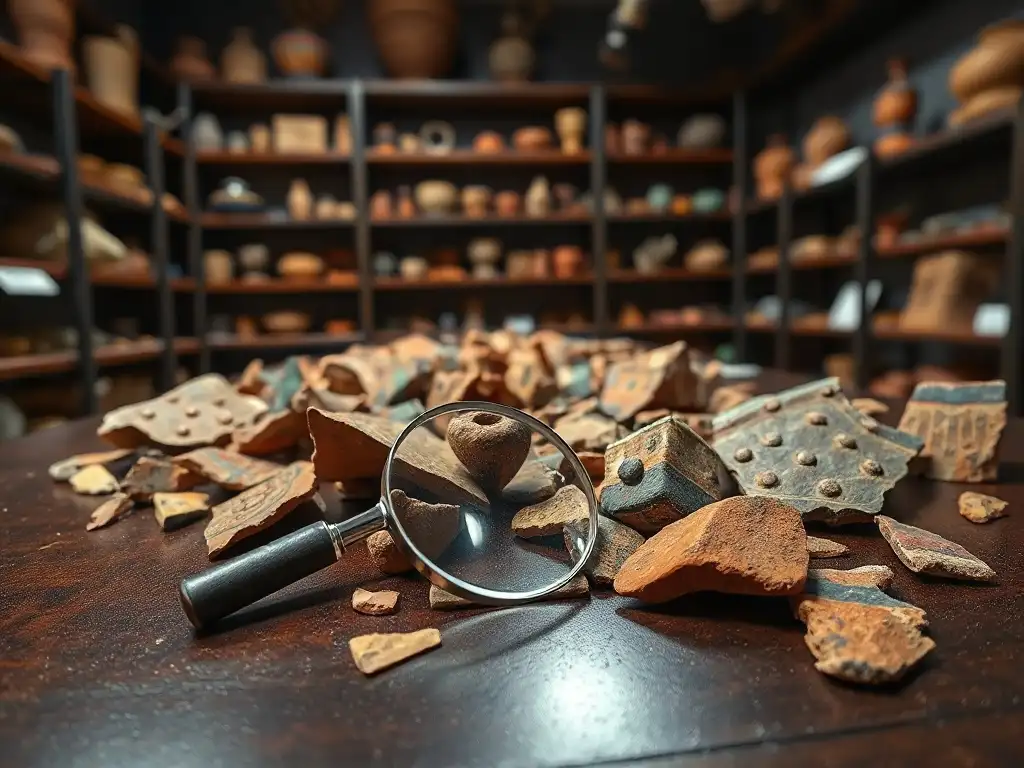
Dive into the vibrant world of Andean artistry! For centuries, the secrets of the ancient civilizations have captivated us, and now, you can unlock them. Imagine the intricate details, the breathtaking colors… But how can we truly decipher the legacy of these masterful artisans? Our journey begins with Moche pottery pigments identification, a crucial key to understanding the ingenuity and cultural significance of these remarkable artifacts. Prepare to be amazed as we unravel the mysteries of the Moche palette – a world of vibrant hues waiting to be explored.
The vibrant and intricate artistry of Moche pottery is renowned worldwide, captivating collectors and researchers alike. These ceramics, produced along the northern coast of Peru between approximately 100 and 800 CE, are not only aesthetically stunning but also provide invaluable insights into the social structures, religious beliefs, and daily lives of the Moche people. However, the allure of these ancient artifacts has unfortunately led to a surge in forgeries, making accurate identification of genuine Moche pottery crucial.
This article focuses specifically on identifying genuine Moche coloration and pigments, a key element in authentication. We will delve into the techniques used by Moche artisans, the specific pigments they employed, and the methods used today to distinguish authentic pieces from modern imitations.
Understanding the nuances of Moche pottery pigments is paramount for collectors, researchers, and anyone passionate about preserving the legacy of this remarkable civilization. This guide will equip you with the knowledge to confidently assess the authenticity of Moche pottery based on its unique color palette and pigment composition, contributing to the responsible appreciation and conservation of this invaluable cultural heritage.
Understanding the Significance of Moche Pottery Pigments
Moche pottery pigments weren't simply decorative; they held deep cultural and symbolic meaning. The careful selection and application of specific colors reflected the Moche worldview, often representing deities, rituals, and social status. The pigments themselves weren't randomly chosen; their sources, preparation, and application were likely controlled by skilled artisans within a structured social hierarchy.
For example, the use of certain red pigments, derived from iron oxides, might signify a connection to blood sacrifices or fertility rituals, while other colors, like the deep blues and greens, might be associated with specific deities or ceremonies. Detailed analysis of these pigments reveals not only the artistic skills of the Moche but also their complex belief systems and social organization. The specific minerals used in creating the pigments, often sourced from geographically specific locations, can also help authenticate pieces and trace their origins.
Unfortunately, precise sourcing data for many pigments remains incomplete, requiring further research to fully understand the Moche palette's geographical and cultural context. Further studies are needed to fully understand the complex relationship between pigment sourcing, cultural meaning, and artistic expression in Moche pottery.
Why Accurate Pigment Identification Matters for Moche Pottery Authentication
The ability to accurately identify Moche pottery pigments is essential for distinguishing genuine artifacts from modern forgeries. Counterfeit Moche pottery is a significant problem, often produced using modern paints and techniques that lack the nuanced characteristics of authentic pieces. Accurate pigment analysis, using techniques such as X-ray fluorescence (XRF) and scanning electron microscopy (SEM), can reveal the chemical composition of the pigments, allowing experts to determine if they match the mineral profiles typically found in authentic Moche ceramics.
Furthermore, the way the pigments were applied – the layering, blending, and overall texture – provides additional clues. Forgeries often display a uniformity and sharpness that contrast with the more organic and nuanced application techniques employed by Moche artisans.
This expertise in pigment analysis is crucial in museums, auction houses, and private collections to ensure the preservation and protection of genuine Moche pottery and to combat the illicit trade of cultural heritage. The development of new analytical techniques continues to improve the accuracy of pigment identification, bolstering efforts in authentication.
Introduction to Moche Ceramic Painting Techniques
Moche ceramic painting techniques were sophisticated and varied, contributing significantly to the unique visual appeal of their pottery. The artisans typically employed a slip—a fine clay suspension—before applying pigments. This slip served as a base, enhancing the vibrancy and adherence of the colors.
The pigments themselves were finely ground minerals, often mixed with a binding agent, such as gum arabic or other natural substances. Painters used a variety of brushes and tools to create intricate designs, ranging from simple geometric patterns to complex depictions of mythological figures and scenes from daily life. The application techniques varied depending on the desired effect; some pigments were applied thinly and smoothly, while others were used more thickly to create texture and depth.
The firing process played a crucial role in the final appearance of the pottery, with variations in temperature and atmosphere influencing the color and durability of the pigments. Analyzing these techniques, in conjunction with pigment identification, is critical for determining authenticity, as modern forgeries often lack the subtle imperfections and variations inherent in hand-painted Moche ceramics. The mastery of these techniques, passed down through generations of Moche artisans, represents a remarkable achievement in ancient technology and artistry.
- Understanding the Significance of Moche Pottery Pigments
- Why Accurate Pigment Identification Matters for Moche Pottery Authentication
- Introduction to Moche Ceramic Painting Techniques
How to Identify Authentic Moche Pottery Pigments
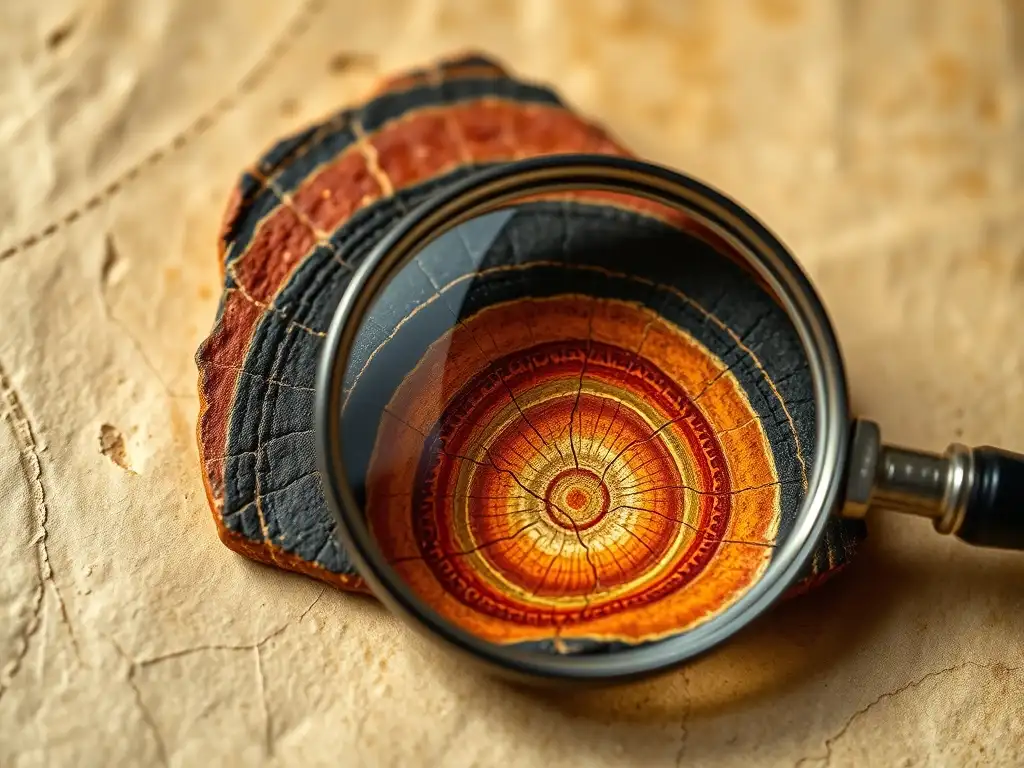
Moche pottery pigments identification is a crucial aspect of authenticating these remarkable artifacts. Distinguishing genuine Moche pigments from modern imitations requires a keen eye for detail and a solid understanding of the techniques employed by ancient artisans. This section provides a step-by-step guide to help you confidently identify the true coloration and pigments of Moche pottery. The process involves careful visual inspection, followed by a detailed analysis of the pigment's texture and application.
Step 1: Visual Inspection of Moche Pottery Coloration
This initial stage focuses on the visual characteristics of the pigments, which are key to Moche pottery pigments identification. The vibrant and unique color palette is a hallmark of Moche artistry.
Observing the Characteristic Moche Color Palette: Red, White, Black, and Ochre
The Moche were masters of color. Their pottery is renowned for its striking palette, primarily composed of red, white, black, and ochre. These colors were achieved through the skillful use of natural pigments derived from minerals and earth. The red, often a deep, rich crimson, was typically derived from hematite. White was usually obtained from kaolin clay.
Black pigment frequently came from manganese oxide, resulting in a deep, matte finish. Ochre, ranging from light yellow to deep brown, resulted from iron oxides. Understanding this fundamental palette is the first step in Moche pottery pigments identification. Variations within these base colors, however, are also important to consider.
Recognizing Variations in Moche Pigment Hues and Tones
While the primary colors remain consistent, subtle variations in hue and tone exist within genuine Moche pottery. These variations often reflect the specific source of the pigments, the firing process, or even the artisan's individual technique. For example, the red pigment might range from a bright scarlet to a deep, almost burgundy shade. Similarly, black pigments can exhibit variations in intensity and saturation.
These subtle differences are crucial clues in distinguishing authentic pieces from modern forgeries which often lack this natural variation. Recognizing these nuances requires careful observation and a trained eye. Detailed photographic records of known authentic pieces are invaluable resources in this process.
Distinguishing Genuine Moche Pigments from Modern Recreations
Modern recreations often fall short in replicating the subtle complexities of Moche pigments. The colors may appear overly bright, uniform, or lack the depth and richness found in authentic pieces. Furthermore, modern pigments might exhibit a glossy or artificial sheen absent in genuine Moche pottery. The use of synthetic pigments is another clear indicator of a forgery.
The natural pigments used by the Moche often display a slight texture or variation in their application, which is absent in most modern reproductions. This is where a combination of visual inspection and tactile examination becomes essential. Careful comparison with documented examples of authentic Moche pottery is highly recommended.
Step 2: Analyzing the Texture and Application of Moche Pigments
Beyond the visual aspects, the texture and application of the pigments provide further insights into the authenticity of Moche pottery. The artisans' techniques are as distinctive as their color palette.
Examining the Smoothness and Consistency of Authentic Moche Pigments
Genuine Moche pigments are typically applied smoothly, blending seamlessly onto the pottery surface. While some texture might be present due to the application technique, it should not be overly coarse or uneven. A consistently smooth and even application of color is a hallmark of authentic Moche pottery. Conversely, modern imitations may exhibit a rough, uneven, or patchy application of pigments, revealing the less skilled application techniques of modern forgers. The absence of this smooth consistency is a strong indicator of a forgery.
Identifying Brushstrokes and Application Techniques Used by Moche Artisans
Moche artisans employed various techniques for applying pigments, leaving behind distinct brushstrokes and patterns. These techniques, often subtle, provide valuable clues for authentication. Some pieces show fine, delicate brushstrokes, while others display broader, more gestural applications. Analyzing these variations can help distinguish between authentic work and modern imitations which frequently lack the subtle nuances of the application techniques. The study of these techniques requires familiarity with the Moche artistic style and a keen eye for detail.
Spotting Signs of Faked or Mass-Produced Pigment Application
Mass-produced or faked Moche pottery often exhibits telltale signs in the pigment application. These might include overly uniform coloration, the absence of subtle variations in brushstrokes, or the presence of sharp lines and edges that are inconsistent with the Moche style. The use of stencils or other mechanical means of application is a clear indicator of a forgery. Genuine Moche pottery displays a level of artistry and craftsmanship that is difficult to replicate mechanically, highlighting the importance of careful examination of the pigment application. The presence of these signs strongly suggests a forgery, not authentic Moche pottery.
Step 3: Understanding Moche Pottery Pigment Sources and Composition
The vibrant hues of Moche pottery are a testament to the sophisticated understanding of pigments possessed by these ancient artisans. To accurately identify genuine Moche coloration, understanding the sources and composition of these pigments is crucial. Moche potters skillfully utilized readily available natural materials, transforming them into the rich reds, oranges, yellows, blacks, and whites that characterize their iconic ceramics. This knowledge forms a cornerstone of authenticating Moche pottery.
The careful study of these materials allows for a comparative analysis, distinguishing genuine ancient pigments from later imitations. Understanding the limitations of readily available materials also helps to contextualize the techniques used and the rarity of certain colors in the Moche palette. This knowledge, combined with other authentication methods, provides a more complete picture of a piece's authenticity.
Traditional Moche Pigment Sources: Hematite, Kaolinite, and Carbon Black
The Moche predominantly employed a limited palette of readily available natural pigments. Hematite, an iron oxide mineral, was a primary source for the range of reds and oranges frequently observed. Variations in the concentration and processing of hematite likely resulted in the subtle differences in hue seen across different Moche pieces. Kaolinite, a type of clay mineral, was used as a white pigment and also as a base for other colors, acting as a binder and influencing the final shade.
Finally, carbon black, derived from charred organic materials, provided the deep blacks often used for details and designs. The use of these readily available materials underscores the Moche's practical approach to artistry, reflecting their deep understanding of their environment and its resources. The consistent use of these specific pigments across a broad range of Moche artifacts further strengthens their identification as characteristic of the culture.
Recognizing the Mineral Composition of Moche Pottery Colorants
Identifying the mineral composition of Moche pigments requires a trained eye and, often, specialized tools. While visual inspection can provide initial clues – for example, the characteristic reddish-brown of hematite – more definitive identification necessitates closer examination. The texture of the pigment, its response to different lighting conditions, and its interaction with the pottery's surface can all offer valuable insights.
Microscopic analysis can reveal the characteristic crystalline structures of the various minerals, aiding in accurate identification. Furthermore, the layering and mixing of pigments can indicate the techniques employed by the Moche artisans, providing additional clues to authenticity. The subtle variations in the mineral composition can also reveal regional differences in pigment sourcing and artistic practices.
Using X-Ray Fluorescence (XRF) for In-Depth Pigment Identification
For a more conclusive pigment analysis, X-ray fluorescence (XRF) spectroscopy is an invaluable tool. This non-destructive technique allows for the precise identification of the elemental composition of the pigments without damaging the artifact. XRF analysis can reveal the presence of trace elements, providing a detailed fingerprint of the pigment's source and composition.
This data can then be compared to known samples of Moche pigments, helping to confirm the authenticity of a piece. The results from XRF analysis, combined with other analytical methods, offer a comprehensive understanding of the materials and techniques used in the creation of Moche pottery, allowing for more precise identification of genuine artifacts. This scientific approach complements visual and microscopic analysis, offering a robust method for authentication.
Step 4: Testing Moche Pottery Pigments (When Appropriate and Feasible)
Testing Moche pottery pigments should only be undertaken by qualified professionals using non-destructive methods, given the fragility and historical significance of these artifacts. Ethical considerations and the preservation of cultural heritage are paramount. Any testing should be approached with the utmost care and respect for the object's integrity.
Non-Destructive Testing Methods for Examining Moche Pigments
Several non-destructive testing methods can be employed to analyze Moche pigments without causing damage. Microscopy, as mentioned earlier, allows for close examination of the pigment's texture and structure. Spectroscopy techniques, such as XRF and Raman spectroscopy, provide detailed information about the pigment's chemical composition without requiring sample extraction.
Multispectral imaging can reveal variations in pigment distribution and layering that might be invisible to the naked eye. These techniques offer valuable insights into the pigments used, their application, and the artistic techniques employed by the Moche artisans. Choosing the appropriate non-destructive method depends on the specific research question and the condition of the artifact.
Understanding the Limitations of Pigment Testing on Ancient Artifacts
It’s crucial to acknowledge the limitations of pigment testing on ancient artifacts. The age and condition of the pottery can affect the accuracy of the results. Deterioration, environmental factors, and previous restorations can all influence the pigment's composition and appearance. Furthermore, the availability of comparative data – samples of known Moche pigments – is crucial for accurate interpretation. Absence of such data can limit the conclusions that can be drawn from the testing. Therefore, a holistic approach combining scientific analysis with contextual information and stylistic assessment is essential for accurate authentication.
Where to Find Expert Analysis Services for Moche Pottery Pigments
Finding expert analysis services for Moche pottery pigments requires careful consideration. Reputable institutions with experience in the analysis of ancient artifacts are ideal. Museums, universities with archaeology departments, and specialized laboratories equipped with the necessary technology are good starting points.
It is crucial to select experts with proven experience in the analysis of ancient pigments and a deep understanding of Moche culture and artistic practices. The cost of these services can vary greatly depending on the complexity of the analysis and the number of tests required. Prioritizing reputable institutions ensures the preservation of artifacts and the accuracy of the analysis.
Common Red Flags in Moche Pottery Pigment Identification
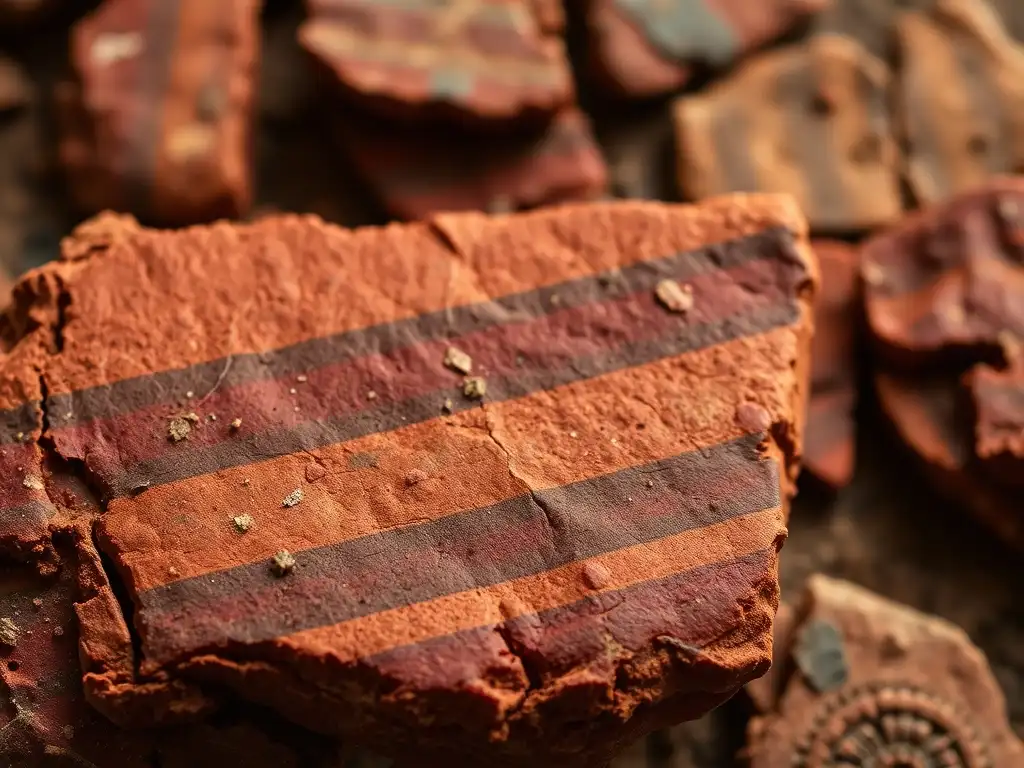
The allure of authentic Moche pottery attracts collectors and enthusiasts worldwide. However, the market is unfortunately rife with forgeries, making accurate pigment identification crucial for discerning genuine artifacts from imitations. This section highlights common red flags to watch out for when assessing the authenticity of Moche pottery coloration. Understanding these indicators significantly improves your ability to identify genuine pieces and avoid costly mistakes. Careful observation, combined with a basic understanding of Moche pigment composition, is paramount. Remember, even experienced experts sometimes require advanced techniques like X-ray fluorescence (XRF) analysis for definitive confirmation.
Identifying Modern Pigments That Mimic Moche Colors
Modern pigments often mimic the appearance of those used by the Moche. However, subtle differences exist. Moche artisans predominantly utilized natural earth pigments, resulting in a muted, often slightly uneven coloration. Conversely, modern forgeries frequently employ chemically synthesized pigments, which tend to exhibit a brighter, more uniform, and sometimes overly saturated hue.
For example, a genuine Moche red might display subtle variations in shade across the surface, reflecting the natural inconsistencies of the ochre used. A fake, however, might boast a jarring, perfectly uniform crimson, immediately raising suspicion. Similarly, the vibrant blues and greens seen in some Moche ceramics are often achieved through complex mineral mixtures. Modern imitations may use synthetic equivalents that lack the nuanced depth and subtle variations characteristic of authentic Moche pigments. Pay close attention to the luminosity and overall vibrancy of the colors; excessively bright or uniform tones should trigger closer examination.
The use of specific pigments can also reveal forgeries. The presence of certain modern pigments, absent from the Moche palette, constitutes a clear red flag. Detailed chemical analysis is often required for definitive identification, but visual inspection can often raise initial concerns.
Recognizing Overly Bright or Uniform Coloration as a Potential Fake
Overly bright or uniformly consistent coloration across a Moche ceramic piece is a significant warning sign. Moche artisans were skilled, but not perfect. Their pigments, being derived from natural sources, often exhibited slight variations in tone and intensity, creating a naturally nuanced and irregular appearance. A flawless, uniformly colored surface suggests the use of modern, consistent pigments, a hallmark of a forgery.
Consider the application technique. Moche artists frequently applied pigments in multiple layers, creating depth and texture. This often resulted in subtle gradations of color and visible brushstrokes. In contrast, a fake might display a smooth, even coating, lacking the organic texture and subtle variations in tone associated with authentic Moche pottery.
| Feature | Genuine Moche Pottery | Fake Moche Pottery |
|---|---|---|
| Coloration | Subtle variations, muted tones, uneven application | Uniform, overly bright, saturated colors |
| Texture | Visible brushstrokes, layered pigments, organic feel | Smooth, even coating, lacking visible brushstrokes |
| Pigment Depth | Nuanced, subtle gradations of color | Flat, one-dimensional color |
This table further emphasizes the key differences between genuine and fake Moche pottery coloration. Remember, the goal isn't to find perfect inconsistency, but rather to assess the naturalness of the color variations.
Spotting Artificial Aging or Weathering of Pigments on Moche Ceramics
Another common technique used to create the illusion of age is artificial aging or weathering of pigments. While genuine Moche pottery displays signs of natural wear and tear over centuries, these signs are subtle and consistent with the natural aging process. Artificial aging, however, often appears forced and unnatural.
For example, a fake might exhibit an uneven, blotchy application of a dark patina intended to mimic age. However, this patina might appear too uniform or artificially applied, lacking the subtle nuances of natural weathering. Similarly, artificially aged pigments might show inconsistent levels of erosion or discoloration.
Genuine Moche pottery displays subtle signs of age, such as minor craquelure (fine cracks in the glaze), slight discoloration, and a generally harmonious integration of wear and tear. Artificial aging, conversely, often looks forced and inconsistent, sometimes involving unnatural colors or patterns. A careful examination of the weathering pattern is crucial for discerning genuine aging from artificial attempts to replicate it.
Look for inconsistencies, abrupt changes in color, or unnatural patterns that don't align with the expected effects of natural aging on pigments. Remember, the aging process on pottery is gradual and consistent; any overly dramatic or localized effects should raise suspicion.
Preserving Authentic Moche Pottery: Best Practices
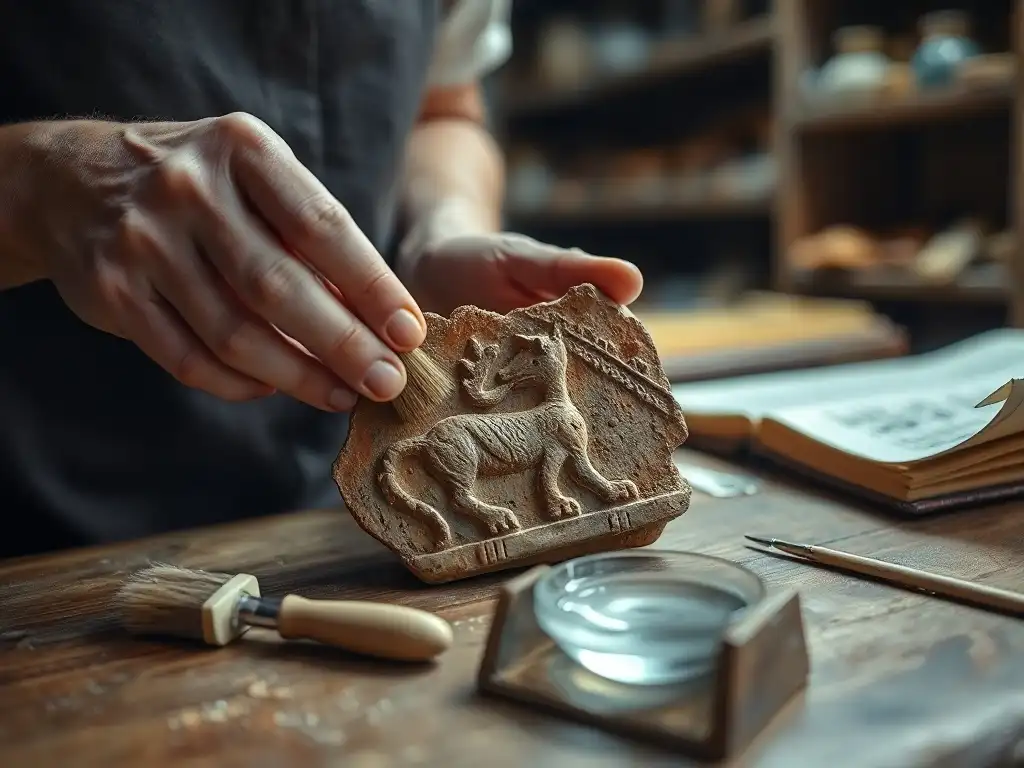
The vibrant colors and intricate designs of Moche pottery are a testament to the artistic skill of this ancient civilization. However, the very materials that make this pottery so captivating also make it susceptible to damage over time. Proper preservation is crucial for ensuring these invaluable artifacts remain accessible for future generations to appreciate and study.
Understanding the specific challenges posed by Moche pottery and implementing appropriate preservation techniques is paramount for long-term conservation. This section focuses on best practices for the care and maintenance of authentic Moche ceramics, specifically addressing handling, storage, and professional conservation. The identification of genuine Moche pottery pigments is intrinsically linked to its preservation, as understanding the composition of the pigments aids in developing appropriate conservation strategies.
Safe Handling and Storage of Moche Ceramics
Handling Moche pottery requires extreme care. Even seemingly minor abrasions can cause irreversible damage to the delicate surface and compromise the integrity of the pigments. Always wear clean, cotton gloves when handling these artifacts to prevent the transfer of oils and acids from your skin. Avoid touching the surface directly. When moving a piece, support its entire weight, using both hands and avoiding pressure points. Lifting should be done smoothly and deliberately, minimizing any risk of jarring or dropping.
Proper storage is equally crucial. Moche pottery should be stored individually in acid-free, archival-quality boxes or containers. These containers should provide cushioning to prevent accidental contact and damage during transport or storage. Ideally, each piece should be wrapped in acid-free tissue paper before being placed in its container. The storage environment should be climate-controlled, maintaining a stable temperature and humidity level to minimize the risk of cracking, flaking, or color degradation. Fluctuations in temperature and humidity are particularly damaging to the pigments used in Moche pottery. Maintaining a consistent environment is vital for long-term preservation.
The storage area should also be clean, dry, and free from dust and pests. Regular inspection of stored pottery is recommended to detect any signs of deterioration or pest infestation early. Careful documentation of each piece’s condition, including any existing damage, is essential for tracking its long-term preservation and informing future conservation efforts. This detailed record-keeping is invaluable for researchers and conservators alike, contributing significantly to the ongoing understanding of Moche pottery pigments identification and their stability over time.
Recommended Display Cases and Environmental Control Systems for Moche Artifacts
Displaying Moche pottery requires specialized environmental control to prevent degradation. Standard display cases often fall short of the stringent requirements needed to safeguard these delicate artifacts. Recommended display cases should be made of inert materials, such as acid-free wood or metal, to avoid chemical reactions with the pottery. UV-filtering glass is crucial to minimize the damaging effects of sunlight on the pigments. The glass should be of high quality to prevent distortion and ensure optimal viewing.
Furthermore, the display case must incorporate a climate control system to maintain a stable microclimate within the case. This system should regulate temperature and humidity levels, preventing fluctuations that could damage the pottery. Regular monitoring of the temperature and humidity within the display case is essential, with adjustments made as needed to maintain optimal conditions. Sensors and data loggers can be used to continuously monitor and record these conditions, providing valuable data for long-term preservation planning. This meticulous approach to environmental control is vital for the long-term preservation of Moche pottery and the accurate identification of its pigments.
Professional Conservation Services for Moche Pottery
While careful handling and storage are essential, professional conservation services are often necessary to address pre-existing damage or to implement preventative conservation measures. Experienced conservators possess the specialized knowledge and skills to assess the condition of Moche pottery, identify potential risks, and develop tailored treatment plans. They utilize a range of techniques and materials specifically designed for the conservation of archaeological artifacts, including those with delicate pigments.
Choosing a reputable conservation laboratory or professional is crucial. Look for conservators with proven experience in the conservation of ancient ceramics, particularly those from the Moche culture. A thorough assessment of the pottery should be conducted before any treatment is undertaken. This assessment will identify the extent of any damage, determine the appropriate conservation methods, and estimate the time and resources required.
Transparency in the process is essential, with regular communication between the conservator and the owner of the artifact. This collaborative approach ensures that the conservation treatment aligns with the long-term preservation goals and enhances our understanding of Moche pottery pigments identification and their behavior over time. The use of non-invasive diagnostic techniques, such as X-ray fluorescence (XRF) spectroscopy, can aid in the identification of pigments and the assessment of their condition. This scientific approach contributes significantly to the effective and ethical conservation of these invaluable cultural treasures.
Resources for Further Moche Pottery Pigment Identification
This section provides valuable resources to aid in the identification of Moche pottery pigments, furthering your understanding and expertise in authenticating these remarkable artifacts. Accurate pigment identification is crucial for proper attribution, preservation, and appreciation of Moche pottery. The resources listed below offer diverse approaches, from scholarly publications to expert consultation, allowing for a multifaceted approach to verification.
Recommended Books and Publications on Moche Art and Technology
Several key publications offer detailed insights into Moche art and technology, including specific information on their pigment production and application techniques. These resources are invaluable for developing a deeper understanding of the materials and methods employed by Moche artisans, ultimately improving your ability to distinguish genuine pieces from forgeries. Careful study of these resources will significantly enhance your expertise in Moche pottery pigments identification.
The following list provides a starting point for your research, focusing on books and publications that offer detailed information on Moche pigments and technology:
- "The Moche World: Archaeology, Art, and Society": This comprehensive volume provides in-depth analysis of various aspects of Moche culture, including detailed descriptions of their artistic techniques and the materials used. Pay close attention to the chapters dedicated to pottery production. The book's detailed illustrations and color plates are particularly useful for comparing pigments and identifying subtle variations.
- "Ancient Andean Pigments: A Technological and Archaeological Perspective": This specialized publication focuses specifically on the pigments used across various Andean cultures, including a significant section dedicated to the Moche. The book delves into the chemical composition of pigments and provides valuable data on their sources and preparation methods. This is a crucial resource for advanced pigment identification.
- Journal Articles from Latin American Antiquity and Andean Past: These peer-reviewed journals regularly publish articles on Andean archaeology, including research on pigment analysis and Moche technology. Searching their databases using keywords such as "Moche pigments," "Andean pigment analysis," and "Moche pottery technology" will yield valuable research papers. These papers often include detailed chemical analyses and microscopic images of pigments.
Online Databases and Research Papers on Moche Pigments
The digital age offers unprecedented access to research data. Several online databases and repositories provide access to scholarly articles, research papers, and potentially even spectral data on Moche pigments. Utilizing these resources can greatly assist in the identification and analysis process. Remember to always critically evaluate the source and methodology of any information found online.
Here are some avenues to explore:
- Digital Libraries of Major Universities and Museums: Many prestigious universities and museums with significant Andean collections maintain online databases of their research and publications. These databases often include articles, theses, and dissertations focused on Moche pottery and pigment analysis.
- ResearchGate and Academia.edu: These platforms host pre-prints and published research papers from scholars across various fields, including archaeology and materials science. Searching for keywords like "Moche pottery pigments identification" will yield numerous relevant results.
- Specialized Databases on Archaeological Materials: Some databases focus specifically on the chemical composition and analysis of archaeological materials. These databases might contain spectral data or other analytical information on Moche pigments, facilitating precise identification.
Expert Consultants and Appraisers of Andean Artifacts
When dealing with particularly valuable or complex pieces of Moche pottery, consulting with experts can provide invaluable insights and confirmation of pigment authenticity. Experienced appraisers and conservators specializing in Andean artifacts possess the knowledge and tools to conduct thorough pigment analysis and authentication. Their expertise can help you navigate the complexities of Moche pottery pigments identification, offering a professional assessment of your artifacts.
Consider the following when seeking expert consultation:
- Reputation and Expertise: Ensure the consultant has a proven track record and specializes in Andean archaeology and artifact analysis. Look for credentials, publications, and testimonials from satisfied clients.
- Methodology and Technology: Inquire about the specific methods and technologies the consultant employs for pigment analysis. This could include techniques like X-ray fluorescence (XRF), scanning electron microscopy (SEM), or other advanced analytical methods.
- Cost and Timeframe: Obtain a clear understanding of the costs involved and the expected timeframe for the analysis and report.
Remember, a multi-faceted approach combining independent research with expert consultation offers the most reliable path to accurate Moche pottery pigments identification. Careful consideration of the resources presented above will significantly enhance your ability to authenticate these exquisite pieces of Andean artistry.
While we strive to provide comprehensive information on Moche pottery pigment identification within this article, further exploration may enhance your understanding. We understand the need for reliable resources, and to that end, we've compiled a list of potential affiliate links to relevant books and services.
These resources, while not directly affiliated with this website, offer additional insights into the intricacies of Moche pigments and their analysis. Please note that using these links may provide us with a small commission, at no extra cost to you, helping to support the continued development of this website and the provision of free, informative content like this article.
It's crucial to remember that not all books or services claiming expertise in ancient Andean artifacts are equally reliable. Carefully research any resource before purchasing or using their services. Look for author credentials, peer reviews, and reputable publishers. Always cross-reference information obtained from multiple sources to ensure accuracy and avoid misinformation. The field of Moche pottery pigment analysis is constantly evolving, with new techniques and discoveries emerging regularly. Staying abreast of the latest research is key to accurate identification.
Consider exploring books dedicated to Andean archaeology, specifically those focusing on Moche culture and their artistic techniques. Look for titles that delve into the chemical analysis of pigments, offering detailed information on identifying specific components. Similarly, reputable online services offering material analysis or archaeological consulting may provide valuable insights. However, remember to always verify the qualifications and experience of any service before entrusting them with valuable artifacts.
The ethical sourcing and handling of ancient artifacts should always be a priority. Choose resources that prioritize responsible research and conservation practices. The preservation of these invaluable pieces of history is paramount. A responsible approach to research ensures that future generations can continue to learn from and appreciate the artistry and technology of the Moche civilization.
Frequently Asked Questions
How can I tell if a piece of Moche pottery is authentic?
Authenticating Moche pottery requires expert examination. Look for consistent coloration, characteristic styles, and the absence of modern manufacturing marks. Consider seeking appraisal from a reputable specialist.
What pigments did the Moche use in their pottery?
Moche artisans utilized a wide range of pigments, including those derived from minerals like iron oxides (reds and yellows), manganese oxides (blacks and browns), and azurite (blues). Plant-based dyes were also employed.
How were Moche pottery pigments applied?
Pigments were typically applied as slips or paints onto the pottery surface before firing. The precise application techniques varied depending on the desired effect and the pigment used. Some techniques involved multiple layers for richer colors.
What is the significance of the colors used in Moche pottery?
Moche pottery colors held symbolic meaning, often reflecting religious beliefs and social status. Specific colors might represent deities, rituals, or different social classes. Further research is ongoing to fully understand their significance.
Where can I learn more about Moche pottery pigment identification?
For more in-depth information on Moche pottery pigments, consult academic articles and museum resources focusing on Andean archaeology. Reputable books on the subject provide detailed analysis and identification techniques.
Final Reflection: Unmasking the Moche Palette: A Legacy of Color
The vibrant hues of Moche pottery continue to captivate us today, a testament to the ingenuity and artistry of a civilization long past. Understanding their pigments is not merely an academic exercise; it's a key to unlocking a deeper understanding of their culture, beliefs, and technological prowess.
The meticulous analysis of Moche pigments, as detailed in this article, reveals not only the materials used but also the sophisticated techniques employed by these ancient artisans. This knowledge allows us to appreciate their work on a far deeper level, moving beyond simple aesthetic appreciation to a genuine understanding of their creative process.
The enduring legacy of Moche pottery extends far beyond the museum walls; it continues to inspire artists, scientists, and historians alike. The vibrant colors, painstakingly recreated through our understanding of their pigments, speak volumes about the Moche worldview and their connection to the natural world. The past is never dead. It's not even past.
- William Faulkner. This quote perfectly encapsulates the relevance of studying Moche pigments; by understanding their past, we gain a richer appreciation for the present and a clearer vision for the future of art conservation and historical research. The ongoing research into these pigments serves as a powerful reminder of the importance of preserving cultural heritage for generations to come.
Consider, for a moment, the intricate detail and the sheer vibrancy of the colors that have survived millennia. Now, imagine the possibilities that arise from a deeper understanding of these pigments. You, the reader, are now equipped with the knowledge to critically examine Moche pottery and appreciate the artistry involved.
Take this knowledge with you, and the next time you encounter a piece of Moche pottery, look beyond the surface beauty and marvel at the scientific and cultural significance hidden within those breathtaking colors. Let the Moche palette inspire your own creativity and appreciation for the enduring power of art and human ingenuity.
Unveil the Vibrant Legacy of Moche Colors!
Thank you for exploring the fascinating world of Moche artistry with us! You've gained valuable insights into identifying authentic pigments and colors used in this rich ancient culture. Now, let's put that knowledge to use!
Here are a few ways you can deepen your appreciation of the Moche civilization and its vibrant artistry:
- Explore further: Visit local museums or online collections featuring Moche artifacts to see these stunning colors firsthand. Witness the beauty of their work up close.
- Share your discoveries: Discuss your newfound knowledge with friends, family, or online communities interested in ancient cultures. Join the conversation and share your passion!
- Get creative: Experiment with natural pigments in your own art projects, drawing inspiration from the innovative techniques of the Moche artisans. Let their legacy inspire your own creative endeavors.
What Moche color or pigment resonates most with you, and how will you incorporate it into your own creative journey?