
Moche Pottery Hallmarks: Key Indicators of True Ancient Craftsmanship

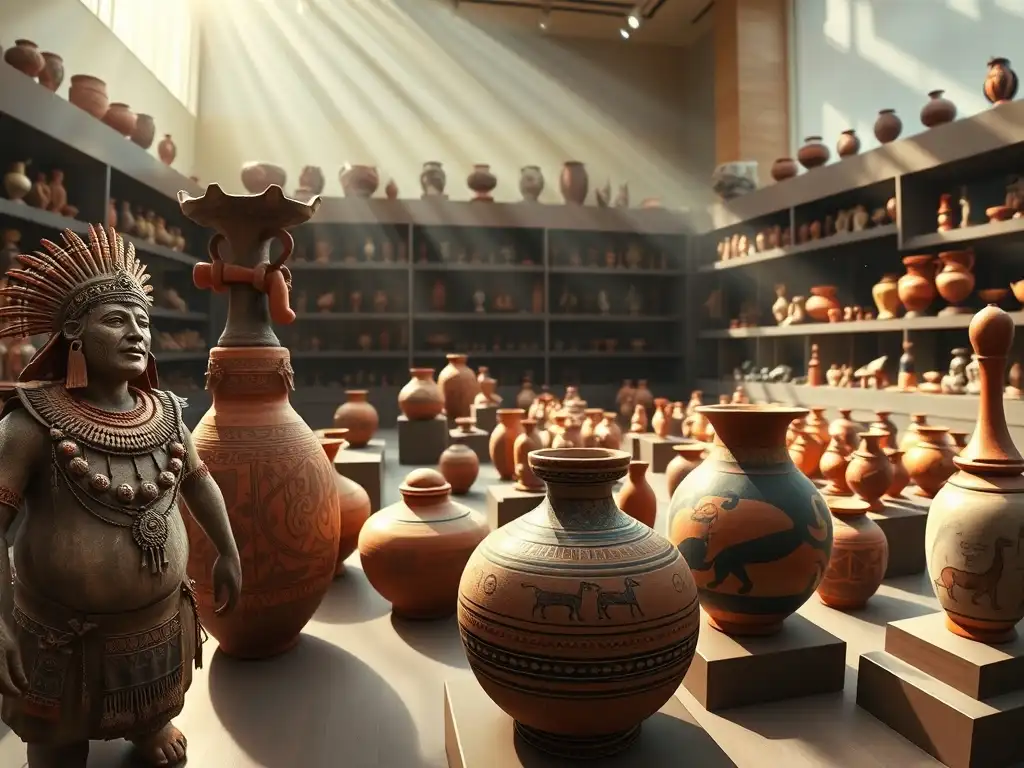
Step into a world lost to time, yet vividly preserved in clay. Journey through the breathtaking artistry of the ancient Andes, where civilizations like the Incas, Nazca, and Moche left behind legacies of unparalleled skill. But what truly sets the Moche apart? Discover the secrets held within their remarkable pottery – uncover the Moche pottery characteristics that distinguish genuine ancient craftsmanship from imitations. Prepare to be amazed by the intricate details and vibrant stories etched into these captivating artifacts. Delve into the world of Andean artifacts and unlock the mysteries of this fascinating culture.
The allure of Moche pottery, with its vibrant colors, intricate designs, and remarkable portrayal of daily life and mythology, has captivated collectors and archaeologists for centuries. This enduring fascination, however, has also fueled a market for forgeries, making the ability to distinguish authentic Moche ceramics from modern imitations crucial. This article serves as a guide to identifying genuine Moche pottery, focusing on key characteristics that reveal the true craftsmanship of these ancient Andean artifacts.
We will explore the stylistic hallmarks, technical aspects of creation, and the tell-tale signs that separate expertly crafted replicas from pieces that have truly weathered the sands of time. Understanding these hallmarks empowers collectors and enthusiasts to appreciate the artistry and history embedded within each piece. This exploration will equip you with the knowledge to confidently identify authentic Moche pottery, allowing you to truly appreciate the legacy of this remarkable civilization.
Introduction: Unveiling the Secrets of Moche Ceramics
Moche pottery, produced by the pre-Columbian Moche culture (c. 100-800 CE) along the northern coast of Peru, stands as a testament to their advanced artistic and technical skills. These aren't simply vessels; they are meticulously crafted narratives, depicting scenes of daily life, religious rituals, and mythological beings with astonishing detail and realism. The vibrant colors, often achieved through a complex process involving multiple firing stages, are still remarkably preserved today.
However, the popularity of Moche pottery has also led to an increase in sophisticated reproductions, making it crucial to understand the subtle nuances that distinguish genuine artifacts from expertly crafted imitations. This section lays the groundwork for identifying the key characteristics that reveal the authenticity of a Moche ceramic piece. We'll delve into the history of the Moche people and their ceramic production techniques, setting the stage for a deeper exploration of the distinguishing hallmarks.
Understanding the why behind the characteristics is as crucial as understanding the what. The Moche weren't simply creating beautiful objects; they were creating a rich visual record of their society, beliefs, and worldview.
Understanding Moche Pottery: A Foundation for Authentication
Before diving into specific hallmarks, it's essential to understand the fundamental techniques employed by Moche artisans. Their mastery wasn't solely about artistic expression; it encompassed a sophisticated understanding of materials and processes. The creation of Moche pottery involved a complex sequence of steps. First, the clay, often a mix of different types to achieve the desired consistency and color, was meticulously prepared.
Then, the vessels were shaped using various techniques, including coil building and mold making. The subsequent stages involved smoothing, drying, and finally, firing. The firing process itself was crucial in achieving the characteristic colors and durability of Moche pottery. Different firing temperatures and techniques yielded varying shades and finishes.
The application of pigments, often natural minerals ground into fine powders, followed the firing, adding to the vibrancy and complexity of the designs. This intricate process, often involving multiple firings and meticulous attention to detail, is a critical aspect to consider when attempting to authenticate a piece. Understanding this process allows one to appreciate the skill and time invested in each artifact, making the identification of shortcuts or inconsistencies in modern reproductions much easier. We will now examine specific characteristics that reflect this mastery.
- Introduction: Unveiling the Secrets of Moche Ceramics
- Understanding Moche Pottery: A Foundation for Authentication
Key Moche Pottery Characteristics: Identifying Authentic Pieces
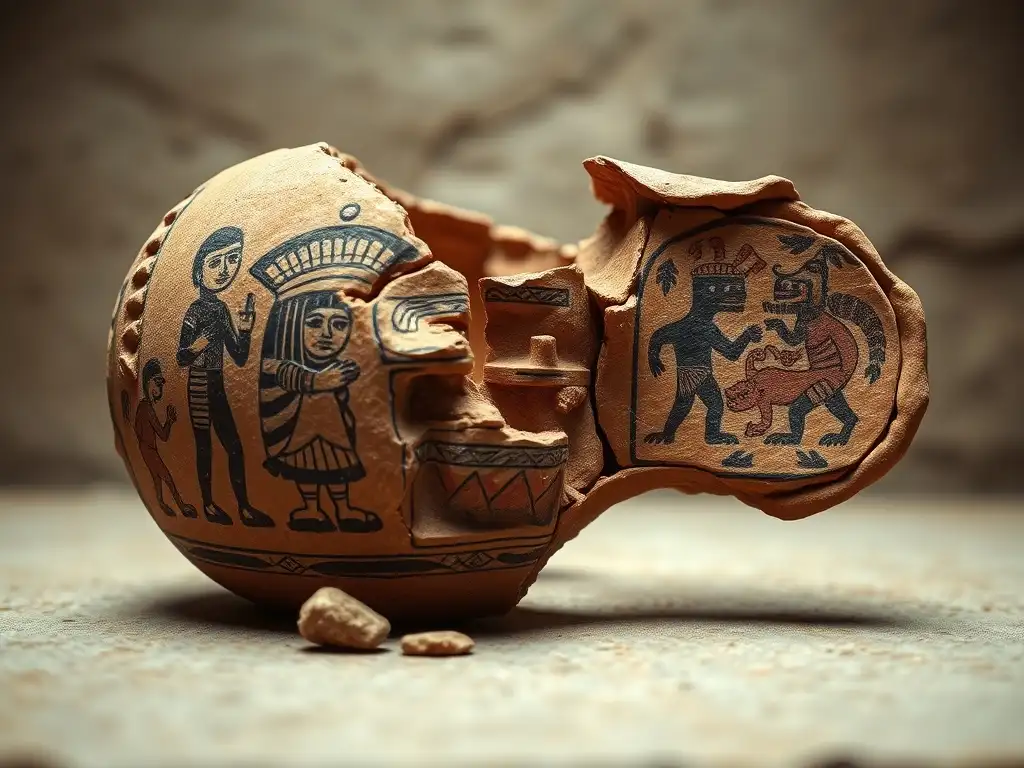
This section delves into the crucial characteristics that distinguish genuine Moche pottery from imitations. Understanding these hallmarks is essential for both collectors and enthusiasts seeking to appreciate the artistry and historical significance of these ancient artifacts. By carefully examining the clay composition, decorative techniques, and vessel shapes, one can develop a keen eye for identifying authentic Moche pottery, thus preserving and appreciating the legacy of this remarkable civilization. The term "Moche pottery characteristics" encompasses a wide array of features, allowing for a nuanced understanding of these prized objects.
The Clay: Examining Moche Ceramic Materials
The clay used by Moche artisans is a fundamental aspect of their pottery's authenticity. Moche potters skillfully selected and prepared their materials, resulting in a unique texture and color palette. The clay itself often exhibits a fine-grained texture, giving the finished pieces a smooth, almost velvety feel. This contrasts sharply with the coarser texture often found in modern imitations.
Furthermore, the color of the clay varies, ranging from a light beige or cream to a reddish-brown, depending on the source and the firing process. A careful examination of the clay's color and texture is therefore crucial. The presence of inclusions, such as small particles of sand or other minerals, can also provide valuable clues. Authentic Moche pottery often shows minimal inclusions, reflecting the potters' meticulous selection of high-quality materials.
Analyzing the clay's composition can be further enhanced through scientific methods, although this is usually beyond the scope of casual observation. Techniques like X-ray fluorescence (XRF) can provide precise details about the elemental composition of the clay, offering a definitive way to authenticate a piece. However, visual examination of the clay's texture and color remains a primary tool for initial assessment. Variations in color within a single vessel can also indicate authentic craftsmanship, as this is a natural outcome of the firing process.
Moche Pottery Decoration: Deciphering the Iconography
Moche pottery is renowned for its vibrant and intricate decoration. The iconography, often depicting scenes of daily life, mythology, and ritual practices, is highly distinctive. Understanding the stylistic conventions of Moche art is key to identifying authentic pieces. Authentic Moche pottery frequently showcases a mastery of techniques such as:
- Negative painting: This technique involves reserving areas of the clay's natural color by applying a resist, then painting the surrounding areas.
- Slip painting: Thin layers of colored slip are applied to the surface of the vessel, creating a smooth, even coating.
- Incised decoration: Detailed designs are carved into the surface of the pottery before firing.
- Mold-made pottery: While less common than hand-built pieces, mold-made pottery also exhibits distinct characteristics that help in authentication.
The subject matter itself provides further clues. Common themes include:
- Portraits of individuals, often showing elaborate headdresses and adornments.
- Scenes of warfare and sacrifice.
- Depictions of deities and mythical creatures.
- Representations of everyday life, including fishing, agriculture, and feasting.
The precision and detail of the artwork are also indicative of authenticity. Crudely executed designs or inconsistent application of paint often point towards modern forgeries. The use of vibrant colors, particularly reds, yellows, and blacks, is another key characteristic. However, the colors themselves should appear natural and not overly saturated or artificial-looking.
Shape and Form: Recognizing Moche Vessel Types
Beyond decoration, the shape and form of Moche vessels offer significant clues to authenticity. Moche potters created a wide array of vessel types, each with its own distinct characteristics. These include:
| Vessel Type | Description | Key Characteristics |
|---|---|---|
| Stirrup-spout vessels | Vessels with a distinctive stirrup-shaped spout. | Often highly decorated, featuring intricate scenes and vibrant colors. |
| Double-spout vessels | Vessels with two spouts connected by a bridge. | Usually associated with ritual contexts. |
| Effigy vessels | Vessels shaped in the form of animals, humans, or mythical creatures. | High level of detail and anatomical accuracy. |
| Bowls and plates | Simple, functional vessels used for daily life. | Can still exhibit fine craftsmanship and decoration, although often simpler. |
| Jars and storage pots | Larger vessels used for storage purposes. | Often undecorated or exhibit simpler decoration compared to other vessel types. |
The proportions and overall form of the vessels are critical. Authentic Moche pottery often exhibits a sense of balance and elegance, reflecting the potters' mastery of form. Poorly proportioned vessels or those with awkward shapes often signal modern copies. The presence of any manufacturing marks, especially those inconsistent with ancient techniques, should raise concerns about authenticity.
Furthermore, the condition of the vessel should be carefully considered. While wear and tear are expected in ancient artifacts, excessive damage or unnatural wear may indicate a forgery. Understanding the typical shapes and forms associated with Moche pottery provides a crucial foundation for identifying authentic pieces.
Hands-On Authentication: A Step-by-Step Guide
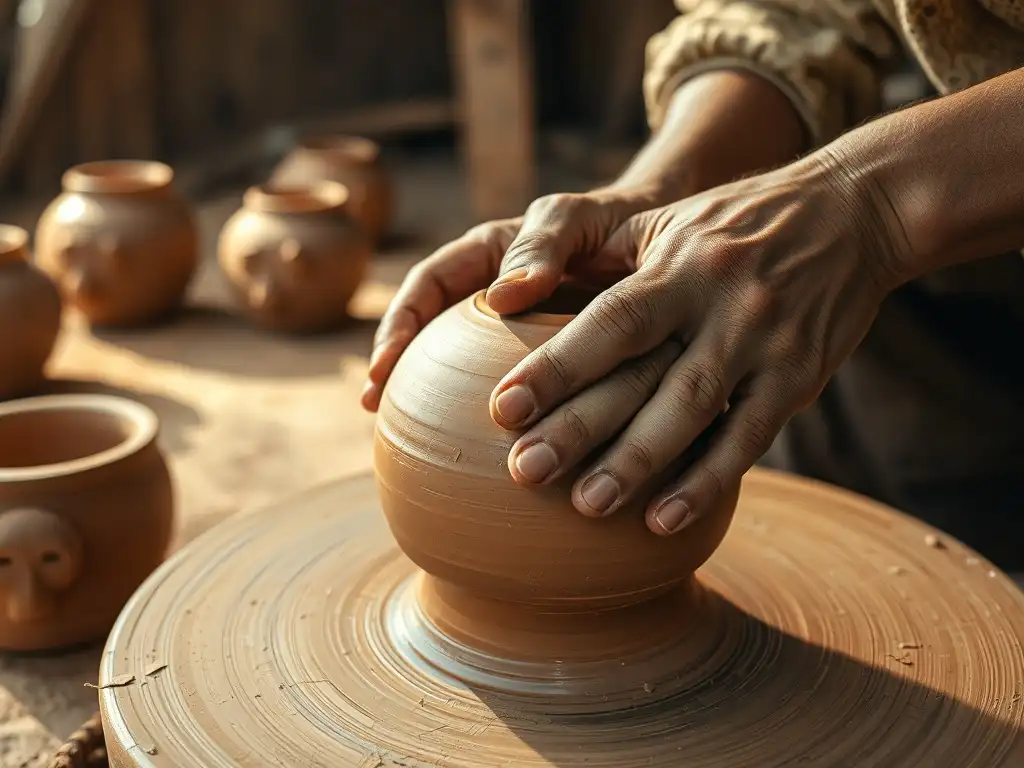
This section provides a practical guide for identifying genuine Moche pottery, focusing on key characteristics that distinguish authentic pieces from modern imitations or forgeries. Understanding these hallmarks is crucial for anyone interested in acquiring or studying Moche artifacts. The process involves a careful, multi-faceted examination, combining visual appraisal with a more detailed analysis of the pottery's material and construction. Remember, careful observation and comparison are paramount in determining authenticity.
Step 1: Visual Inspection of Moche Pottery
The initial assessment of Moche pottery relies heavily on visual inspection. Several key features distinguish authentic pieces. Look for the characteristic realistic and expressive depictions of humans, animals, and mythological beings. Moche artisans were masters of capturing movement and emotion in their artwork, a hallmark often absent in reproductions. Pay close attention to the details – the intricacy of the facial features, the textures of the clothing, and the postures of the figures. Genuine Moche pottery frequently displays a remarkable level of detail, reflecting the skill and precision of the ancient craftspeople.
Furthermore, examine the color palette. While variations exist depending on the clay source and firing techniques, Moche pottery typically showcases a range of earthy tones, including reds, browns, yellows, and blacks. Bright, unnatural, or overly vibrant colors should raise suspicion. The application of paint is another crucial factor; authentic pieces often exhibit a smooth, even application of pigment, while modern forgeries may display unevenness or a lack of finesse.
Finally, consider the overall style and composition. Moche pottery frequently features complex scenes and narratives, often employing multiple figures and intricate background elements. A simple, uninspired design might indicate a modern reproduction.
Step 2: Detailed Examination of Moche Clay and Construction
Beyond the visual aspects, a closer examination of the clay and construction techniques provides further insights into authenticity. Genuine Moche pottery is typically made from a fine-grained clay, often containing a mixture of different materials depending on the region. This clay is meticulously prepared and refined before being shaped, leading to a smooth, even surface texture on the finished piece. Feel the surface of the pottery; authentic pieces usually exhibit a certain smoothness and density, unlike the coarser texture sometimes found in reproductions.
Examine the construction techniques. Moche potters often employed a coil-building method, where long, thin coils of clay were carefully layered and smoothed to create the vessel's form. Look for subtle variations in color or texture within the clay layers – these are often indicative of the coil-building process. The firing process also leaves its mark. Authentic Moche pottery often displays subtle variations in color and texture due to uneven firing, resulting from the ancient techniques used.
Consistent, uniform firing might suggest a modern kiln. Lastly, consider the presence of slip and paint. Authentic Moche pottery often features a slip, a thin layer of clay applied before painting, which enhances the adhesion and vibrancy of the colors. Analyze the quality and application of the slip and paint for any inconsistencies.
Step 3: Comparing Moche Pottery to Established Examples
The final step in authentication involves comparing the piece in question to known, well-documented examples of Moche pottery. This comparison should consider various aspects, including style, iconography, and technical features. Consulting museum collections, reputable academic publications, and established databases of Moche artifacts is crucial in this process. Look for similarities and differences in the depictions of figures and scenes, color palettes, clay types, and construction techniques. Any significant discrepancies should raise questions about the authenticity of the piece.
Remember, comparing your piece to established examples is not about finding an identical match but rather about identifying consistent characteristics with known authentic Moche pottery. This comparative analysis allows for a more informed judgment, reducing the reliance on a single feature and enhancing the overall reliability of the authentication process. The more similarities you find with documented examples, the stronger the case for authenticity becomes. Conversely, significant deviations from established patterns should raise red flags. This rigorous approach, combining visual inspection, material analysis, and comparative study, is essential for confidently identifying genuine Moche pottery characteristics.
Where to Learn More About Authentic Moche Pottery
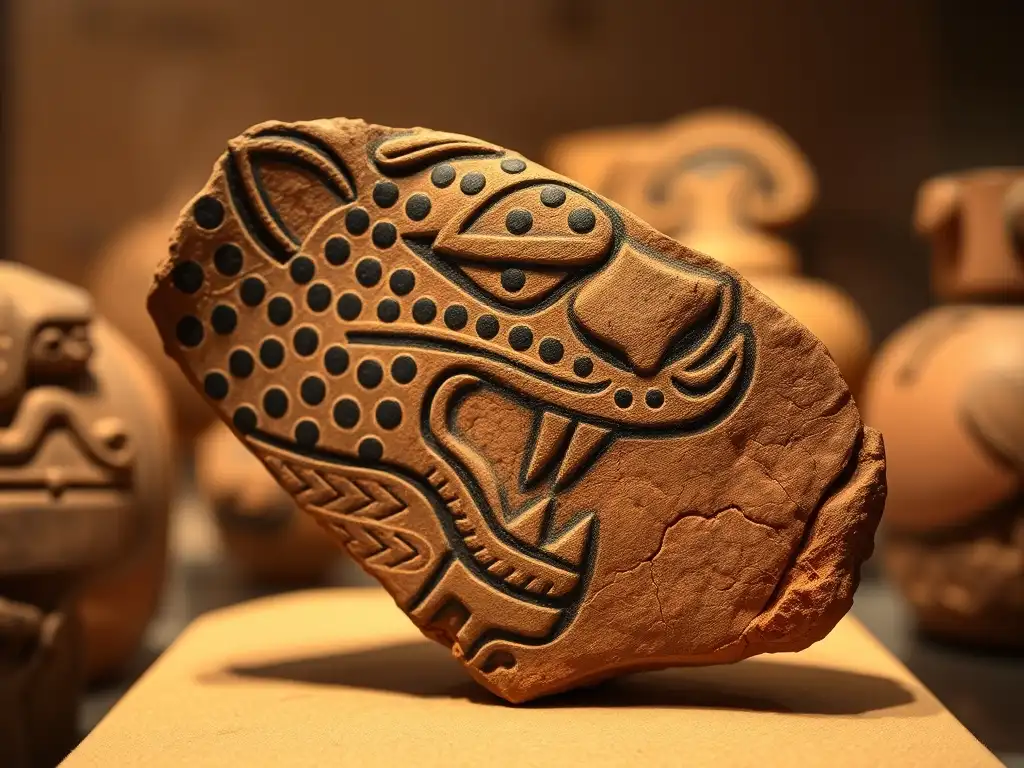
This section provides resources for further exploration into the fascinating world of Moche pottery and the characteristics that distinguish genuine artifacts from imitations. Understanding these hallmarks is crucial for collectors, researchers, and anyone interested in preserving the legacy of this remarkable ancient civilization. The deeper you delve into the subject, the more you'll appreciate the intricate artistry and technical prowess of the Moche potters. Learning to identify authentic Moche pottery requires dedication and a multi-faceted approach, encompassing academic research, museum visits, and expert consultation.
Recommended Books and Academic Resources on Moche Ceramics
Several scholarly works offer in-depth analyses of Moche pottery, providing crucial information for authentication. These resources delve into stylistic variations, technological processes, and the iconography that defines Moche ceramic art. They are invaluable tools for developing a discerning eye and understanding the nuances of genuine artifacts.
- Essential Reading: A comprehensive textbook on Moche culture, including a dedicated chapter on ceramic production techniques and stylistic evolution. This book provides detailed descriptions and high-quality images, offering a strong foundation for identification.
- Specialized Monographs: Focusing on specific aspects of Moche pottery, such as the portrayal of deities, funerary practices, or the evolution of specific vessel forms. These monographs provide granular detail, enabling a more precise understanding of particular characteristics.
- Journal Articles: Peer-reviewed articles published in archaeological and art history journals offer the most up-to-date research on Moche pottery. These articles often present new findings, analyses of specific artifacts, and discussions of current debates within the field. Look for articles using advanced imaging techniques or chemical analyses to identify materials and manufacturing processes.
- Catalogs of Museum Collections: Many museums publish detailed catalogs of their Moche pottery collections, providing high-resolution images and descriptions of individual pieces. These catalogs can be invaluable for comparative analysis, helping you identify stylistic features and variations across different periods and workshops.
Online Databases and Museum Collections of Moche Artifacts
The digital age has revolutionized access to information on Moche pottery. Numerous online databases and virtual museum collections provide high-resolution images and detailed descriptions of artifacts, allowing for extensive comparative analysis. These resources are invaluable for researchers and collectors alike, offering a convenient way to access a vast amount of data.
Accessing these resources requires careful evaluation of their credibility. Prioritize information from reputable institutions, such as major universities and established museums. Pay close attention to the provenance of the artifacts shown, as this information is crucial for authentication. Beware of websites selling artifacts without clear provenance information, as these may offer counterfeit pieces.
Remember to critically assess the information you find online. Always cross-reference data from multiple sources to ensure accuracy and avoid misinformation. The online environment offers a wealth of information, but it's crucial to approach it with a discerning eye and a healthy dose of skepticism. This careful approach is essential for responsible engagement with the study of Moche pottery characteristics.
Expert Consultation: Seeking Professional Authentication Services
While independent research is crucial, seeking expert opinion is often necessary for definitive authentication of Moche pottery. Professional archaeologists, art historians specializing in Andean artifacts, and conservators with experience in ancient ceramics can provide invaluable insights into the authenticity of a piece. These experts possess the knowledge and experience to identify subtle characteristics that may be difficult for amateurs to detect.
When choosing an expert, ensure they have a proven track record and relevant qualifications. Check their credentials and seek recommendations from reputable institutions or colleagues. A thorough authentication process might involve various techniques, such as stylistic analysis, material testing, and comparative study with known authentic pieces.
The cost of professional authentication can vary depending on the complexity of the assessment, but it's an investment that can protect you from acquiring forgeries. It's a crucial step in ensuring responsible collecting and preserving the cultural heritage of the Moche civilization. The expertise offered by these professionals is invaluable in navigating the complexities of authenticating ancient artifacts.
Conclusion: Preserving the Legacy of Moche Craftsmanship
The distinctive characteristics of Moche pottery—from their vibrant pigments and intricate iconography to their masterful modeling techniques and the use of unique materials—provide invaluable insights into the sophisticated culture and artistry of this ancient civilization. Understanding these hallmarks is not merely an academic exercise; it's crucial for preserving the legacy of Moche craftsmanship and protecting this irreplaceable cultural heritage.
The continued study and responsible acquisition of Moche pottery are vital steps in ensuring that future generations can appreciate and learn from the ingenuity of the Moche people. Failure to do so risks the loss of irreplaceable artifacts and the erosion of our understanding of this fascinating civilization.
The Importance of Responsible Acquisition of Moche Pottery
The market for ancient artifacts, including Moche pottery, is unfortunately susceptible to illicit activities. Many pieces are looted from archaeological sites, damaging invaluable contexts and destroying historical information. Therefore, acquiring Moche pottery responsibly is paramount. This means ensuring the piece's provenance is clear and documented, ideally traceable back to a reputable source such as a museum deaccessioning or a documented excavation.
Collectors should be wary of suspiciously cheap pieces or those lacking any provenance information, as these are often indicators of illicit origins. Furthermore, supporting museums and institutions dedicated to the preservation and study of Andean artifacts is a crucial way to ensure the long-term protection of Moche pottery. By choosing to support ethical acquisition practices, collectors contribute to the preservation of cultural heritage and discourage illegal looting. Remember, a piece of history should tell a story; let's ensure that story isn't one of theft and destruction.
Supporting Ethical Practices in Andean Art and Archaeology
Beyond responsible acquisition, supporting ethical practices in Andean art and archaeology is vital. This includes advocating for stronger legislation against looting and trafficking of artifacts, supporting organizations working to protect archaeological sites, and promoting educational initiatives that raise awareness about the importance of cultural heritage preservation. We must actively fight against the destruction of archaeological sites, often fueled by the demand for ancient artifacts on the black market.
This might involve supporting organizations that monitor illicit trade or participate in public awareness campaigns highlighting the ethical implications of acquiring undocumented artifacts. The survival of these incredible pieces depends on our collective commitment to responsible practices. Let's work together to ensure that the legacy of the Moche, and other Andean civilizations, is not lost to the insatiable greed of the illicit antiquities trade.
Continuing the Study and Appreciation of Moche Ceramics
The study of Moche pottery continues to reveal new insights into the lives, beliefs, and artistic capabilities of this remarkable civilization. Advanced techniques like X-ray fluorescence (XRF) spectroscopy are used to analyze the pigments and materials used, providing further details on the Moche's technological achievements. Ongoing research into the iconography depicted on the pottery offers a deeper understanding of their mythology, social structures, and daily lives. Furthermore, the collaborative efforts of archaeologists, conservators, and researchers are essential for preserving and interpreting these fragile artifacts.
This collaborative approach ensures that the knowledge gained from these studies benefits both the academic community and the public, fostering a deeper appreciation for the remarkable artistry and cultural significance of Moche ceramics. The future of Moche pottery research holds immense potential for uncovering further secrets of this captivating Andean civilization. 🤝
Frequently Asked Questions
What makes Moche pottery unique?
Moche pottery is renowned for its exceptional craftsmanship and realistic depictions of scenes from daily life, mythology, and rituals. The vibrant colors and detailed artistry are also key characteristics.
How can I identify authentic Moche pottery?
Authenticity is determined by several factors including style, clay type, and painting techniques. Look for consistent stylistic elements and signs of age and wear. Consult with experts for verification.
What are the common subjects depicted in Moche pottery?
Moche pottery often portrays portraits of individuals, scenes of warfare and sacrifice, erotic imagery, and depictions of daily life. These images offer invaluable insight into their culture and beliefs.
What materials did the Moche use to create their pottery?
The Moche primarily used clay sourced locally, often fired at high temperatures. They employed various pigments derived from natural sources to achieve their vibrant colors.
What is the significance of Moche pottery in understanding their civilization?
Moche pottery serves as a primary source for understanding their social structures, religious beliefs, and daily activities. It provides invaluable insights into the lives and culture of this ancient civilization.
Final Reflection: The Enduring Legacy of Moche Mastery
The vibrant artistry of Moche pottery continues to resonate today, a testament to the ingenuity and cultural depth of a civilization lost to time. These aren't simply ancient artifacts; they are windows into a complex society, offering invaluable insights into their beliefs, social structures, and artistic prowess. Their enduring appeal speaks to a timeless human fascination with beauty, storytelling, and the enduring power of craftsmanship.
The Moche's dedication to their craft, evident in the meticulous detail and innovative techniques employed in their pottery, has profoundly impacted our understanding of pre-Columbian art. Their influence can be seen in countless subsequent artistic movements, a testament to their lasting legacy. The past is never dead. It's not even past.
- William Faulkner. This quote perfectly encapsulates the enduring relevance of Moche pottery, its continued ability to speak to us across millennia, challenging our perspectives and enriching our understanding of the human experience.
Consider the intricate details, the bold colors, the powerful narratives etched into each piece. These are not just objects; they are stories waiting to be discovered. Take a moment to appreciate the skill and dedication that went into creating these masterpieces. Let the legacy of the Moche inspire you to seek out beauty in the world around you, to appreciate the artistry and craftsmanship in your own life, and to recognize the enduring power of human creativity to transcend time and connect us across cultures.
Unleash Your Inner Artisan: Discover Moche Masterpieces!
Thank you for exploring the fascinating world of Moche pottery! We hope you've discovered the intricate beauty and historical significance of these remarkable artifacts. Now, let's delve even deeper into this ancient art form.
- Take a pottery class and try creating your own masterpiece inspired by Moche techniques.
- Share your knowledge with friends – discuss the significance of Moche pottery over coffee or on social media.
- Visit a museum with a collection of ancient South American art, and be sure to check out their Moche displays!
What aspect of Moche pottery excites you most – perhaps a particular style or technique you'd like to explore or even recreate in your own work?