
The Andean Ritual of the Feast: Communal Celebrations and Sacred Meals

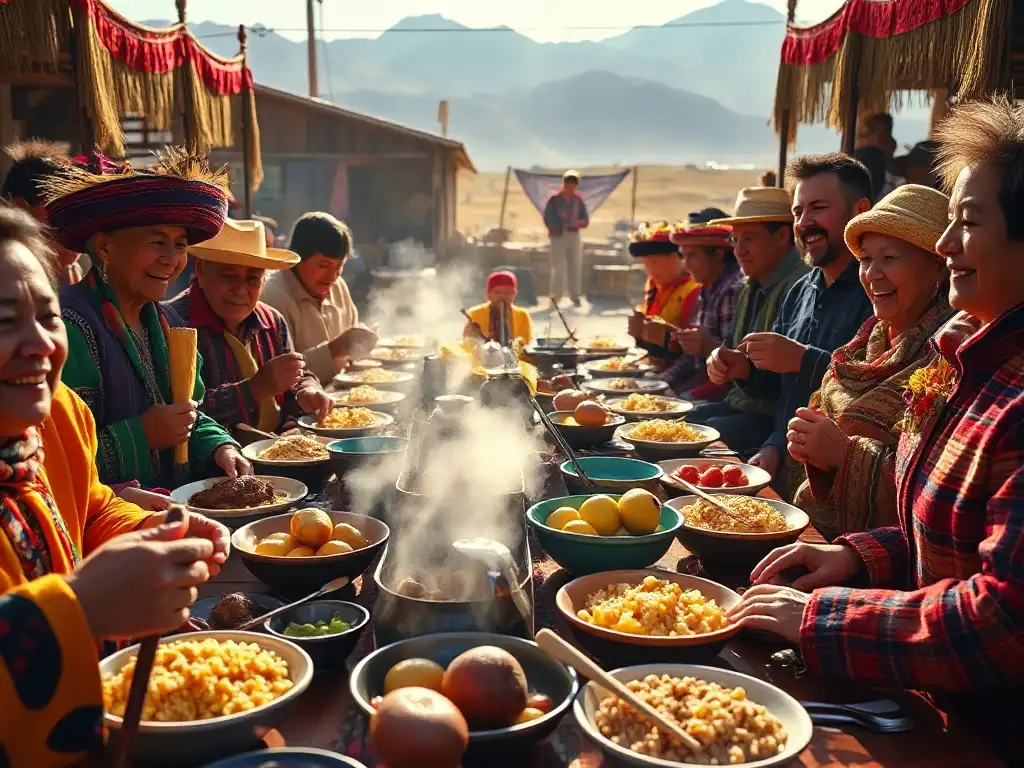
Step into a world lost to time, yet echoing with vibrant life. Imagine colossal mountain temples, intricate textiles, and the intoxicating aroma of sacred coca leaves… This is the realm of the Andean civilizations, where the everyday intertwined with the divine. Discover the secrets behind the captivating Andean feast rituals, powerful communal celebrations that shaped the beliefs and societies of the Incas, Moche, Nazca, and Tiahuanaco. Unravel the mysteries of their sacred meals and the enduring legacy they left behind—a legacy that continues to fascinate and inspire. Prepare to be amazed.
-
Andean Feast Rituals: Communal Celebrations and Sacred Meals
- Understanding the Significance of Andean Feasts
- The Role of Food in Andean Rituals
- Types of Andean Celebrations and Their Feasts
- Key Elements of Andean Feast Rituals
- The Social and Spiritual Dimensions of Andean Feasts
- Preservation and Contemporary Practice of Andean Feasts
- Conclusion: The Enduring Legacy of Andean Feast Rituals
- Frequently Asked Questions
- Final Reflection: Echoes of the Andes: A Legacy of Shared Sustenance
- Embrace the Spirit of Community: Celebrate the Andean Way!
Andean Feast Rituals: Communal Celebrations and Sacred Meals
The Andes Mountains, a spine of towering peaks and fertile valleys, cradled a tapestry of vibrant ancient civilizations. Beyond their impressive architectural feats and intricate artistry, these societies—including the Incas, Moche, Nazca, and Tiahuanaco—possessed a deeply spiritual worldview inextricably linked to their agricultural practices and communal life. This interconnectedness is powerfully exemplified in their elaborate feast rituals, events that transcended mere sustenance and served as crucial components of their religious and social fabric.
This article delves into the fascinating world of Andean feast rituals, exploring their significance, the role of food, and the intricate ceremonies surrounding these sacred communal meals. We will unpack the symbolism embedded within the feasts, revealing how they fostered social cohesion, honored deities, and ensured the prosperity of the community.
Understanding these rituals offers a profound glimpse into the heart of Andean cosmovision and its enduring legacy. The keyword "Andean feast rituals" is central to understanding the complex interplay of spirituality, society, and sustenance within these ancient cultures.
Understanding the Significance of Andean Feasts
Andean feasts were not simply occasions for gluttony; they were meticulously planned ceremonies imbued with profound spiritual meaning. These events served multiple crucial functions within Andean societies. Firstly, they were vital for maintaining social harmony and reinforcing community bonds. Large gatherings, often involving entire villages or even multiple communities, fostered a sense of shared identity and mutual support.
The collaborative preparation and consumption of food strengthened social ties and reaffirmed collective identity. Secondly, Andean feasts played a significant role in religious practices. They were often performed to honor deities, appease ancestral spirits, or ensure successful harvests. Specific foods, prepared in specific ways, held symbolic significance, representing fertility, abundance, and the connection between the human and spiritual realms.
Finally, feasts marked important life cycle events, such as births, marriages, and deaths, integrating the spiritual with the practical aspects of daily life. The scale and complexity of the feast often reflected the importance of the occasion, ranging from intimate family gatherings to massive public celebrations involving elaborate rituals and symbolic offerings. The meticulous preparation and execution of these rituals underscore their profound importance within Andean culture. Consider, for example, the intricate preparations involved in the brewing of chicha, a fermented corn beverage frequently used in rituals, which itself involved specific techniques and symbolic gestures.
The Role of Food in Andean Rituals
Food in Andean rituals was far more than mere sustenance; it was a powerful symbol, a conduit to the spiritual realm, and an offering to the gods. The selection of ingredients, the methods of preparation, and even the act of eating were all laden with symbolic meaning. Certain plants and animals held sacred significance, representing specific deities or embodying particular qualities. For instance, maize (corn), a staple crop, was often associated with fertility and abundance, while llamas, vital to Andean economies, were frequently sacrificed during important ceremonies.
The preparation of food itself was a ritualistic act, often involving specific techniques passed down through generations. The use of specialized tools, precise cooking methods, and the inclusion of particular herbs and spices all contributed to the sacred nature of the meal. The act of sharing food, particularly during communal feasts, was a powerful expression of unity and reciprocity, strengthening social bonds and reinforcing the collective identity of the community.
The careful distribution of food during the feast, often according to social hierarchy and religious significance, further underscores its importance in maintaining social order and reinforcing spiritual beliefs. The remnants of the feast, in some cases, were also treated with reverence, suggesting a belief that even the discarded portions retained a sacred connection to the divine. The careful consideration given to every aspect of food preparation and consumption highlights its central role in the spiritual and social life of Andean civilizations.
Types of Andean Celebrations and Their Feasts
Inti Raymi: The Festival of the Sun and its Sacred Banquets
Inti Raymi, the Inca festival of the sun, was the most important celebration in the Inca empire. Held annually during the winter solstice (around June 24th), it was a time of great rejoicing and elaborate rituals centered around the sun god, Inti. Sacred banquets played a vital role in these celebrations.
The feasts involved the preparation of cuy (guinea pig), pachamanca (foods cooked underground), and various other delicacies, often prepared using specific techniques passed down through generations. The most honored guests received the choicest cuts of meat and the most meticulously prepared dishes. These banquets weren't merely opportunities for consumption; they were deeply symbolic acts, reinforcing the Inca's relationship with the sun god and ensuring a bountiful harvest.
The distribution of food during the Inti Raymi feast also highlighted the hierarchical structure of Inca society, with the emperor and elite receiving the most significant portions. The sheer scale of these feasts, involving thousands of participants, is a testament to the importance of Inti Raymi in Inca culture and its enduring legacy in Andean celebrations.
Pachamama Celebrations: Honoring Mother Earth with Communal Meals
Pachamama, the Andean Mother Earth, is revered as the source of life and fertility. Celebrations in her honor often involve communal meals where offerings are made to the earth. These feasts, typically held during planting and harvesting seasons, are characterized by a deep sense of gratitude and reciprocity.
Families and communities gather to share food prepared with ingredients directly from the earth—potatoes, corn, quinoa, and other staples of Andean agriculture. The act of sharing food is a symbolic act of communion with Pachamama, reinforcing the connection between the people and the land. Specific offerings, like coca leaves or chicha, are often placed on the earth as a gesture of respect and to ensure a prosperous harvest.
These feasts are not just about sustenance; they are a profound expression of spiritual connection and interdependence with the natural world. The preparation and sharing of these meals strengthens community bonds and reaffirms the importance of sustainable agricultural practices. Variations in Pachamama rituals exist across different Andean communities, reflecting the diversity of their agricultural practices and beliefs.
Ayllu Gatherings: Feasts Strengthening Community Bonds
The ayllu, a traditional Andean community organization based on kinship and shared resources, frequently held feasts to strengthen social bonds and commemorate significant events. These gatherings weren't merely social occasions; they were integral to maintaining the social fabric of the ayllu. The shared meal served as a powerful symbol of unity and mutual support. Food, often prepared collectively, was distributed according to established customs and social hierarchies within the ayllu.
These feasts provided opportunities for resolving conflicts, reinforcing social norms, and celebrating communal achievements. The preparation and sharing of food fostered a sense of belonging and reinforced the importance of reciprocal relationships within the community. Music, dance, and storytelling were common features of these celebrations, contributing to a vibrant and cohesive social atmosphere. The continued importance of ayllu gatherings in contemporary Andean communities highlights the enduring significance of communal feasts in maintaining social cohesion and cultural identity.
Ancestor Veneration Feasts: Connecting with the Past through Ritual Meals
Ancestor veneration is a fundamental aspect of Andean spirituality. Feasts dedicated to ancestors are crucial rituals for maintaining a connection with the past and seeking their guidance and blessings. These feasts often involve preparing special dishes that were favored by the deceased ancestors or that hold symbolic significance in their memory. Offerings of food and drink are placed at ancestral sites or during family gatherings.
The consumption of the food is a symbolic act of sharing and communion with the ancestors. These rituals reinforce family ties and transmit cultural values across generations. The preparation and sharing of food in these contexts is a powerful way of maintaining a living connection with the ancestral lineage. The specific practices and dishes vary across different Andean communities, reflecting the diverse traditions and beliefs surrounding ancestor veneration.
Key Elements of Andean Feast Rituals
Preparation of Traditional Andean Dishes
Andean cuisine is rich and diverse, reflecting the unique agricultural resources of the region. Traditional Andean dishes often involve potatoes, corn, quinoa, and various types of beans, combined with meats such as cuy (guinea pig), llama, or alpaca. The preparation methods often involve techniques passed down through generations, such as pachamanca, a method of cooking food underground using hot stones.
The meticulous preparation of these dishes is not merely a culinary practice; it is a ritualistic act, imbued with spiritual significance. The selection of ingredients, the cooking methods, and the presentation of the food all contribute to the overall ritual experience. The diversity of Andean dishes reflects the variety of climates, ecosystems, and cultural practices across the Andean region.
The Use of Sacred Ingredients and Offerings
Many ingredients used in Andean feasts hold symbolic meaning and are considered sacred. Coca leaves, for example, are frequently used in offerings to Pachamama and ancestors. Chicha, a fermented beverage made from corn or other grains, also plays a significant role in many rituals. The use of these sacred ingredients is not merely about flavor; it represents a connection to the spiritual world and a demonstration of respect for the forces of nature.
The careful selection and preparation of these ingredients underscore the importance of maintaining a harmonious relationship with the natural world. The use of specific ingredients varies according to the specific ritual and the beliefs of the community. The precise methods of preparing and presenting these offerings are often closely guarded traditions passed down through generations.
Music, Dance, and Ritual Performance during Feasts
Andean feasts are often accompanied by vibrant music, dance, and ritual performances. Music, typically played on traditional instruments like panpipes or drums, sets the atmosphere and enhances the spiritual dimension of the celebration. Dance serves as a form of communication with the spiritual world and expresses collective joy and gratitude. Ritual performances, often involving storytelling, chants, or prayers, reinforce the meaning and purpose of the feast.
These artistic expressions enhance the communal experience and strengthen the bonds between participants. The specific types of music, dance, and ritual performances vary across different Andean communities, reflecting their unique cultural identities and traditions. These artistic expressions are integral to the overall experience of Andean feasts, contributing to their rich cultural significance.
The Role of Chicha and Other Fermented Beverages
Chicha, a fermented beverage made from corn or other grains, plays a significant role in many Andean feasts and rituals. Its preparation and consumption are often imbued with spiritual significance. Chicha is not merely a drink; it is a symbol of community, prosperity, and communion with the ancestors and the gods. The fermentation process itself is often seen as a symbolic transformation, mirroring the cyclical nature of life and the earth's bounty.
Other fermented beverages, like chicha morada (made from purple corn), also feature in different celebrations. The offering and sharing of chicha during feasts strengthens community bonds and reinforces the spiritual dimension of the celebration. The specific types of chicha and their preparation methods vary across different Andean communities, reflecting the diversity of their brewing traditions and beliefs.
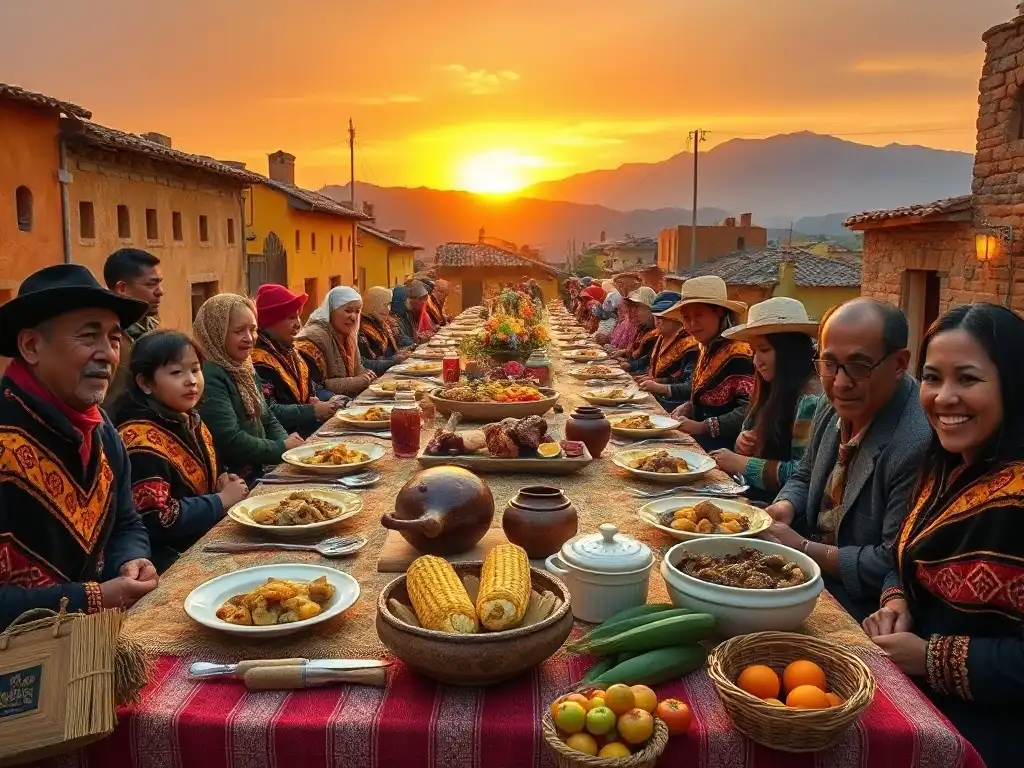
Andean feasts were not merely social gatherings; they were deeply interwoven with the spiritual fabric of Andean life. These elaborate celebrations served multiple crucial functions, binding communities together, reinforcing cultural identity, and fostering a connection with the Andean cosmovision. The preparation, execution, and aftermath of these feasts were all imbued with ritual significance, reflecting the profound importance placed upon them.
The sheer scale of some of these events, involving entire villages or even multiple communities, testifies to their societal weight. The consumption of specific foods, often prepared using traditional methods, wasn't simply about sustenance; it was a symbolic act, reinforcing social bonds and communicating with the spiritual world.
Strengthening Community Ties and Social Cohesion
The collaborative nature of preparing and sharing an Andean feast significantly strengthened community ties. The collective effort required – from cultivating the ingredients to preparing and serving the food – fostered a sense of shared purpose and belonging. This communal activity transcended social hierarchies, temporarily bridging the gaps between different social groups.
For example, in many communities, the most important members of society would participate alongside the common people in the preparation, emphasizing the social equality inherent in the celebration. This shared experience served as a powerful mechanism for social cohesion, reinforcing the bonds that held the community together, particularly in times of hardship or conflict. The feast itself offered a space for interaction, fostering communication and resolving disputes within a convivial atmosphere.
Reaffirming Cultural Identity and Heritage
Andean feasts played a vital role in reaffirming cultural identity and heritage. The specific foods, recipes, and rituals associated with these celebrations were passed down through generations, preserving cultural traditions and knowledge. The continuation of these practices served as a tangible link to the past, reinforcing a sense of shared history and belonging.
Certain dishes, for instance, might be associated with specific historical events or mythical figures, imbuing them with deeper symbolic meaning. Moreover, the songs, dances, and stories shared during these feasts served to transmit cultural values and beliefs to younger generations, ensuring the continuity of Andean traditions. This preservation of cultural heritage was crucial for maintaining social unity and resisting assimilation by outside forces.
Connecting with the Andean Cosmovision
Andean feasts were deeply connected to the Andean cosmovision, a complex worldview that encompasses a close relationship between humans, nature, and the supernatural. The rituals and offerings associated with these celebrations were designed to maintain harmony within this interconnected system. The selection of specific foods, often those with symbolic significance relating to fertility, abundance, or specific deities, served as a means of communicating with the spiritual world.
Offerings of food and drink to the apus (mountain spirits) or other deities were common, seeking their blessings and protection. The timing of feasts, often aligned with agricultural cycles or astronomical events, further highlighted their connection to the natural world and the cyclical nature of life. The entire feast could be seen as a ritualized act of communion between the human and spiritual realms.
Seeking Blessings and Prosperity through Ritual Celebrations
A central purpose of Andean feasts was to seek blessings and prosperity from the supernatural world. These celebrations were often held to mark important agricultural events, such as planting or harvesting, seeking divine favor for a bountiful yield. The rituals and offerings performed during these feasts were intended to appease the spirits and ensure good fortune.
Prayers and chants were commonly recited, invoking the assistance of deities or ancestral spirits. The consumption of specific foods was believed to imbue participants with strength, vitality, and protection. Successful harvests were often celebrated with lavish feasts, signifying gratitude and reinforcing the belief in the power of ritual to influence the natural world and ensure continued prosperity.
Preservation and Contemporary Practice of Andean Feasts
The continuation of Andean feasts in modern times presents both challenges and remarkable resilience. While many traditions persist, they have adapted to changing social and economic conditions. Efforts to revitalize these practices and transmit them to younger generations are crucial in ensuring their survival.
Challenges and Adaptation of Traditional Feasts
Modernization and globalization have presented significant challenges to the preservation of traditional Andean feasts. Changes in agricultural practices, migration to urban areas, and the influence of foreign cultures have led to a decline in the observance of some traditional practices. The availability of ingredients, particularly those sourced locally, may also be affected by environmental changes or commercial pressures.
Furthermore, the time commitment required for the preparation and execution of these elaborate feasts can be difficult to reconcile with modern lifestyles. However, many communities have adapted, creatively modifying traditional recipes or rituals to accommodate changing circumstances while preserving the core essence of the celebrations.
Revitalization Efforts and Cultural Transmission
Despite the challenges, significant efforts are underway to revitalize and preserve Andean feasts. Community-based initiatives, often supported by cultural organizations or academic institutions, play a crucial role in documenting, teaching, and promoting these traditions. Workshops and educational programs are being conducted to transmit traditional knowledge to younger generations, ensuring the continuity of these cultural practices. The use of modern media, such as videos and online resources, has also helped to disseminate information and raise awareness about the importance of Andean feasts. This active engagement in preserving cultural heritage is essential for maintaining a sense of identity and cultural pride.
The Importance of Andean Feasts in Modern Andean Communities
Andean feasts remain vitally important in many modern Andean communities. They continue to serve as crucial occasions for strengthening social bonds, reinforcing cultural identity, and maintaining a connection with the Andean cosmovision. These celebrations provide a sense of continuity with the past, offering a powerful link to ancestral traditions and heritage.
Moreover, they serve as a vital means of cultural transmission, ensuring that these rich traditions are passed on to future generations. The ongoing relevance of these feasts underscores their deep-seated significance in the lives of Andean peoples and their enduring power to sustain community and cultural identity. The vibrant continuation of these traditions highlights the resilience and adaptive nature of Andean culture in the face of change.
Conclusion: The Enduring Legacy of Andean Feast Rituals
The Andean feast rituals, far from being mere historical curiosities, represent a vibrant and enduring legacy. These ceremonies, deeply intertwined with the Andean worldview and cosmology, offered—and continue to offer in adapted forms—a powerful means of social cohesion, economic exchange, and spiritual renewal.
The meticulous preparation, the shared consumption of carefully prepared foods, and the accompanying rituals all served to reinforce community bonds and reaffirm the relationship between the human and supernatural realms. The symbolic significance of the ingredients, the precise choreography of the ceremonies, and the carefully constructed social hierarchies reflected in the distribution of food all contribute to a rich tapestry of meaning.
While the specific practices and forms of these feasts have undoubtedly evolved over time, adapting to changing social and political landscapes, the underlying principles of communal sharing, reciprocal exchange, and the honoring of deities and ancestors persist. Even today, elements of these ancient traditions can be observed in contemporary Andean communities, often interwoven with Christian and other influences.
This syncretism underscores the enduring power and adaptability of these ancient rituals. The continued relevance of these practices speaks to the deep-seated cultural values they embody, highlighting the importance of community, reciprocity, and respect for the natural world—themes that remain profoundly relevant in the modern era.
Studying these rituals, therefore, offers not just a glimpse into the past, but also a valuable lens through which to understand the enduring cultural fabric of the Andes and the continuing importance of communal celebration and shared sustenance. The legacy of the Andean feast continues to nourish both body and soul.
Frequently Asked Questions
What were Andean feasts primarily about?
Andean feasts weren't just meals; they were sacred ceremonies deeply connected to agricultural cycles, ancestor veneration, and strengthening community bonds. They were crucial to the social and spiritual life of the people.
How did Andean feast rituals differ between cultures?
While sharing common threads like sacrifice and offerings, specific rituals varied greatly among cultures like the Incas, Moche, and Nazca. Ceremonial foods and practices reflected unique beliefs and traditions.
What role did food play in Andean feast rituals?
Food was central to these rituals, representing fertility, abundance, and connection to the divine. Specific foods held symbolic meaning, often linked to agricultural cycles or deities. The preparation and sharing of food were integral acts of worship.
What types of offerings were made during Andean feasts?
Offerings included food and drink, such as chicha (fermented corn beer), coca leaves, and llama meat. Precious objects and even human sacrifices were sometimes involved, depending on the culture and the significance of the event.
These communal celebrations fostered social unity and strengthened group identity. Sharing food and participating in rituals reinforced social hierarchies and solidified relationships within the Andean communities. They were vital for maintaining social order.
The Andean ritual of the feast, far from being a relic of the past, remains a potent symbol of communal resilience and spiritual connection in a rapidly changing world. Its enduring power lies not just in its historical significance, but in its continued ability to foster a sense of belonging and shared identity, vital in the face of modern challenges. The vibrant traditions of shared meals and sacred celebrations continue to resonate, offering a powerful counterpoint to the isolating forces of contemporary life.
The profound impact of these communal feasts extends beyond the immediate participants, shaping the cultural landscape of the Andes and influencing artistic expression, social structures, and even economic practices. The emphasis on reciprocity, respect for the land, and the sacredness of food resonates deeply with contemporary concerns about sustainability and social justice. The feast is not merely a meal; it is a reaffirmation of our relationship with the earth, with our ancestors, and with each other.
This sentiment, echoing across generations, underscores the enduring relevance of these traditions in a world increasingly disconnected from its roots.
Consider the enduring power of shared meals, the simple act of breaking bread together. You, the reader, are invited to reflect on the ways in which communal sharing strengthens bonds and fosters a sense of belonging in your own life. What rituals, large or small, do you participate in that create a similar sense of connection and shared purpose? Let the echoes of the Andean feast inspire you to cultivate your own rituals of shared sustenance, strengthening your community and enriching your life.
Embrace the Spirit of Community: Celebrate the Andean Way!
Thank you for exploring the rich world of Andean rituals and the importance of communal feasts! Learning about these sacred meals reveals how deeply they connect tradition, culture, and community within Andean civilizations. Let's use this inspiration to take action!
- Participate in a Local Cultural Event: Attend a community gathering or festival celebrating Andean traditions to experience these vibrant rituals firsthand. Look for local events advertising Andean music, dance, or food.
- Explore Andean Cuisine: Prepare an authentic Andean dish with friends or family, using ingredients native to the region. Sharing your culinary experience on social media is a wonderful way to introduce others to this vibrant culture.
- Connect with Others: Join online forums or local groups focused on Andean history and traditions to connect with like-minded individuals and learn from their experiences.
Reflect on the joy of these communal celebrations and consider how you can incorporate aspects of Andean tradition into your own gatherings, strengthening bonds with family and friends.